
Overview of topics: Beef
5 Min-Check
Ammonia emissions
Fachinformation
01 Breeding for hornlessness
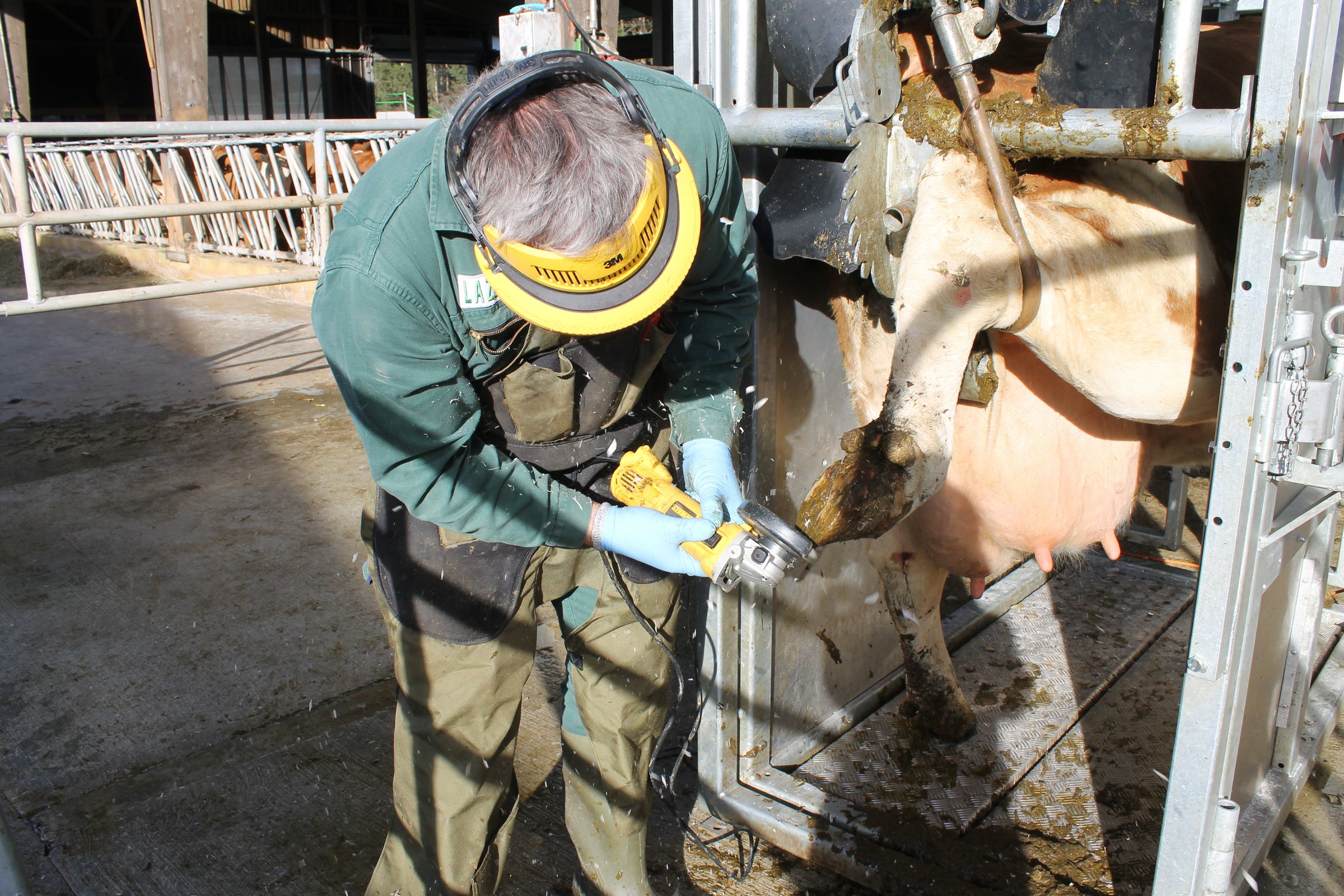
Hoof Care Checklists
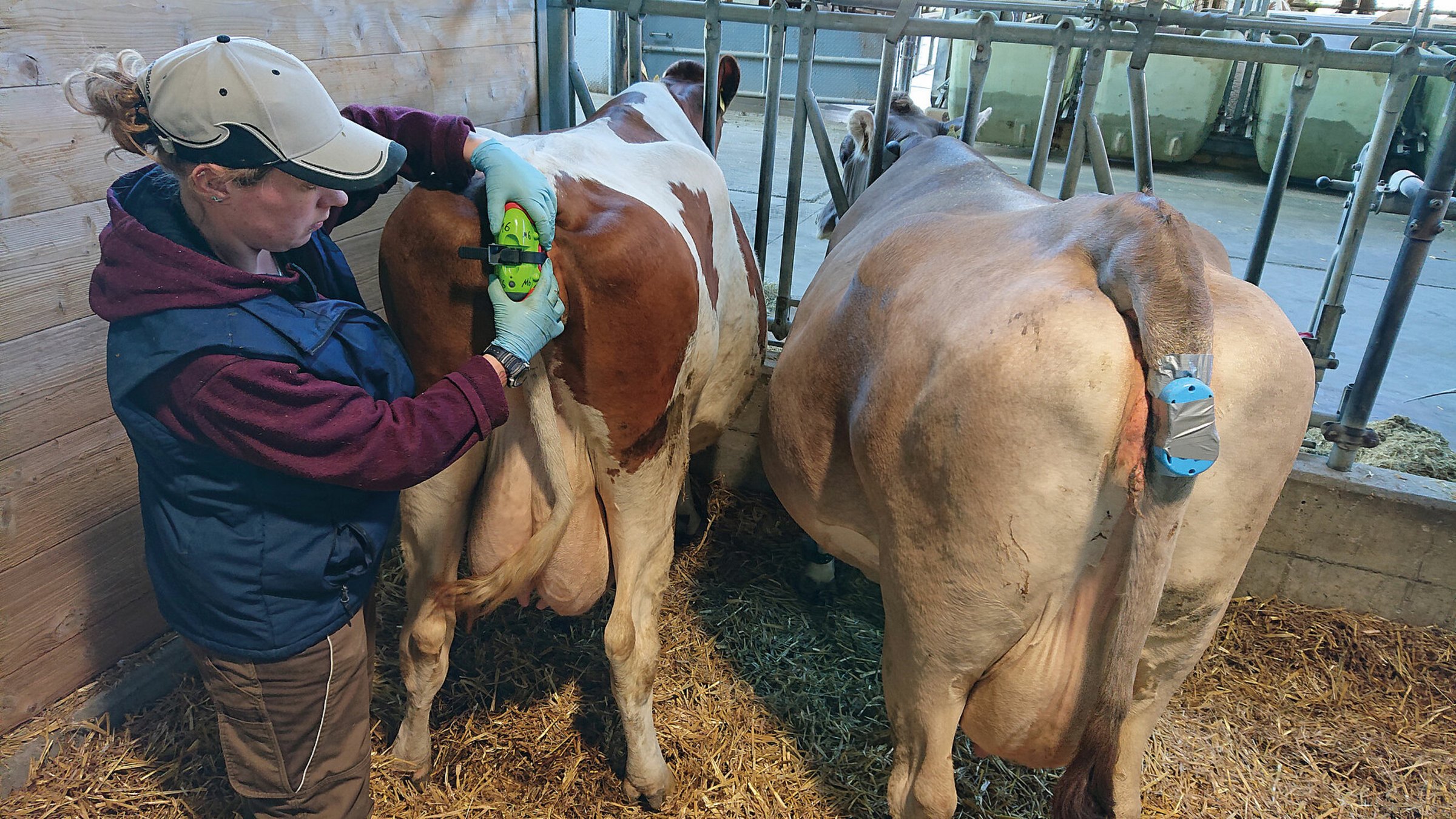
Experiences with foetal monitoring systems
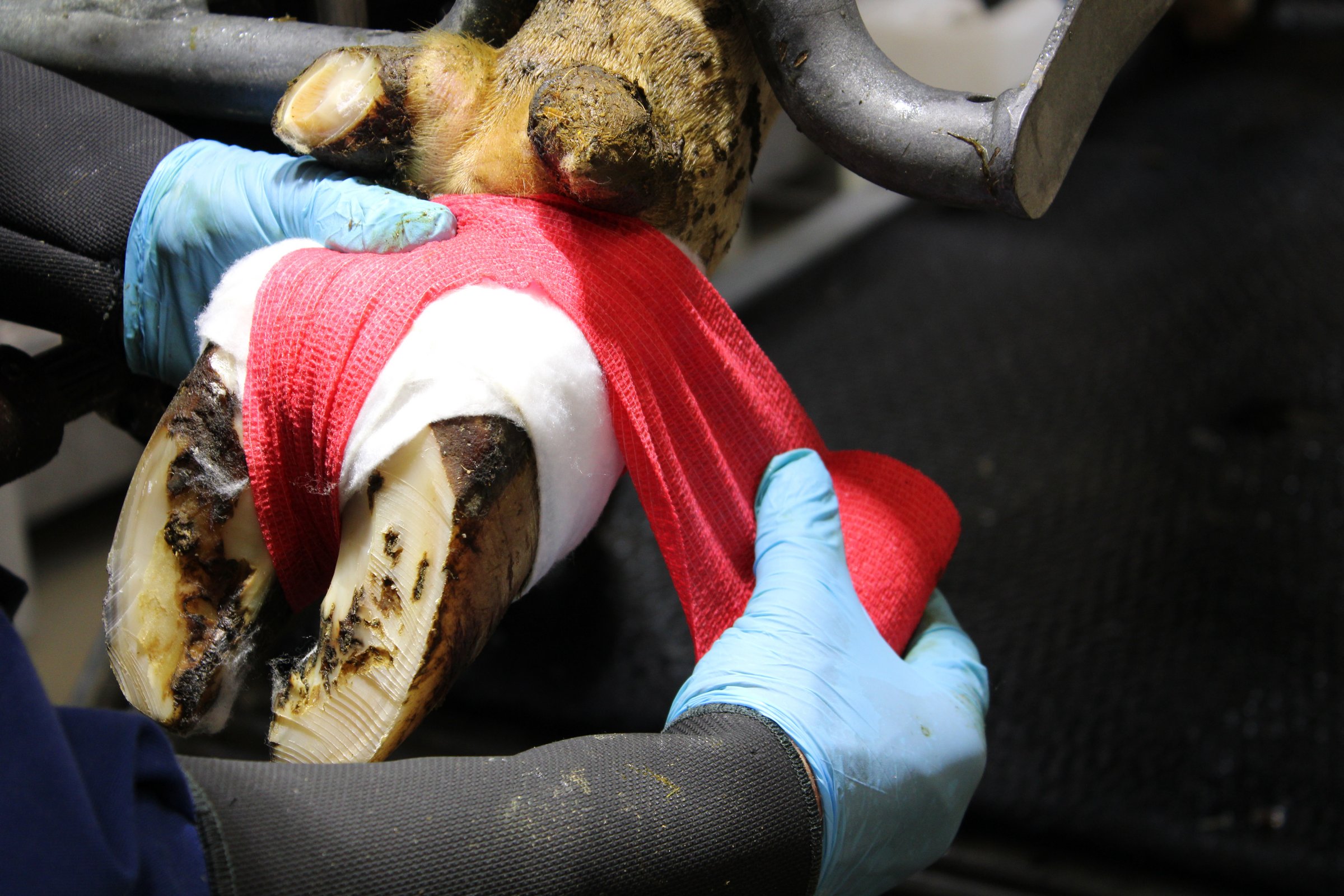
Professional treatment of lameness
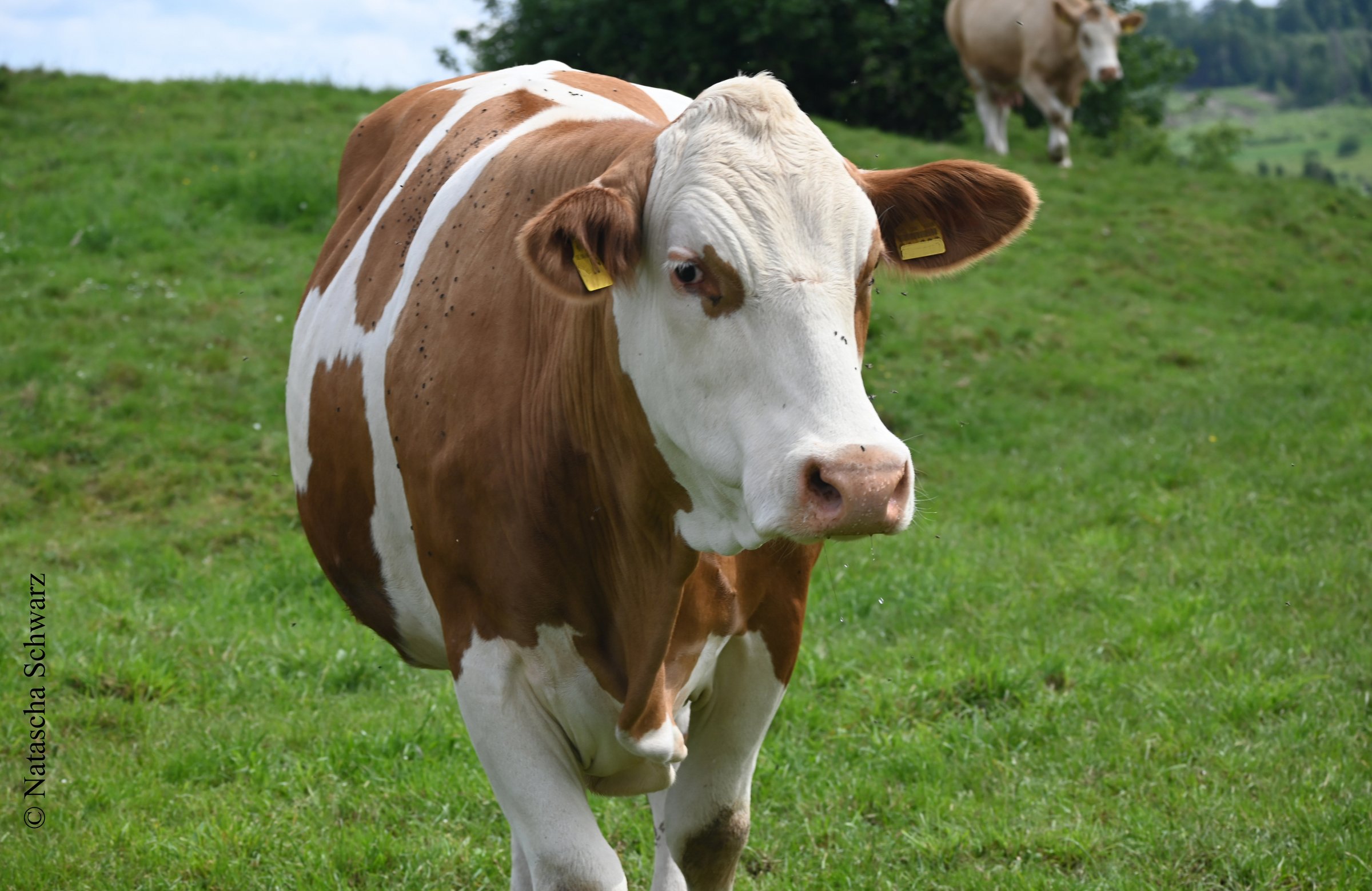
01 Fliegen und Gnitzen
Early detection of lameness
Fetal monitoring systems
Health breeding values in Holstein cattle breeding
Rubber-coated slatted floors for use in cattle fattening
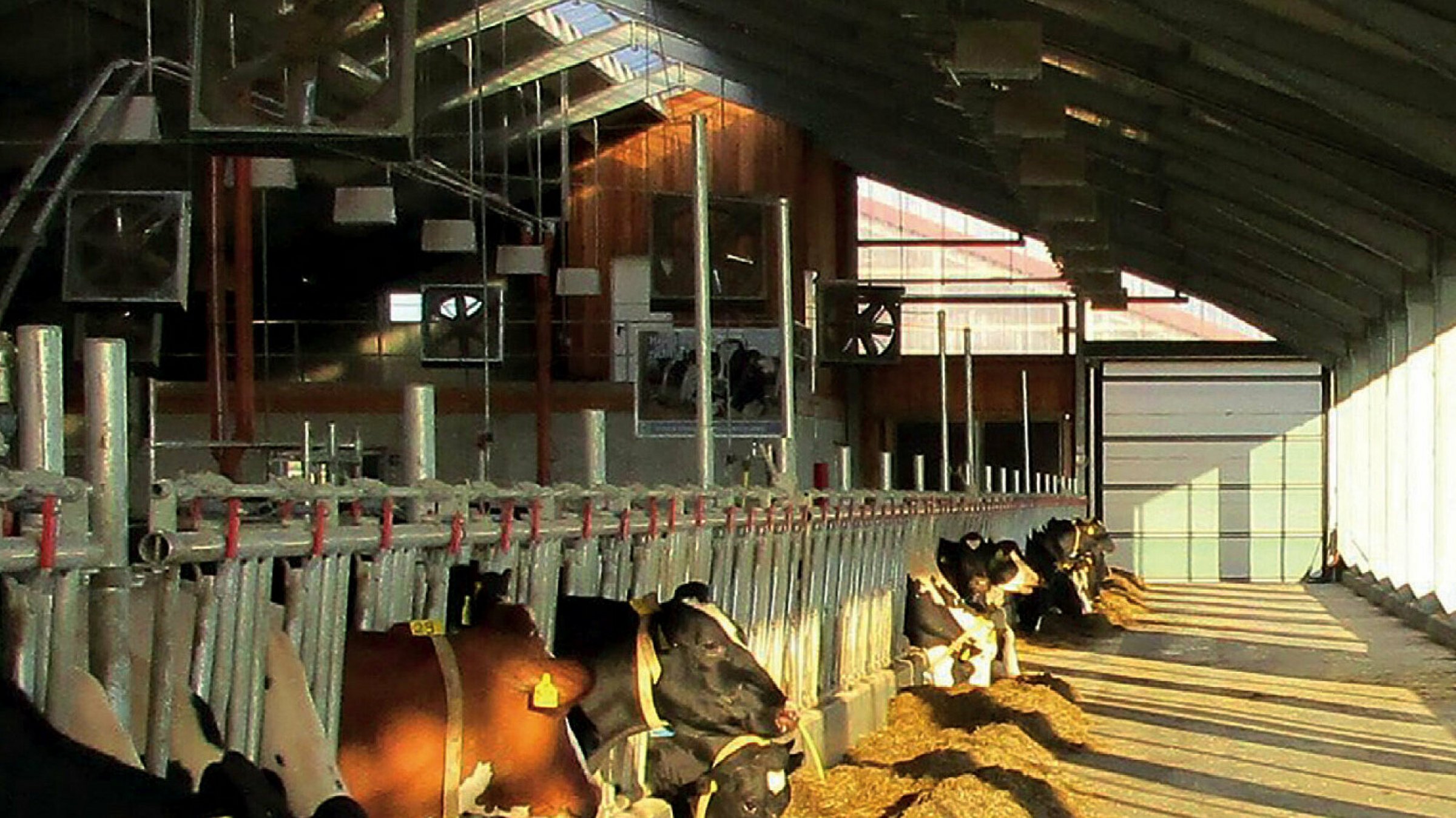
Heat stress in dairy cows
Hitzestress bei Milchkühen
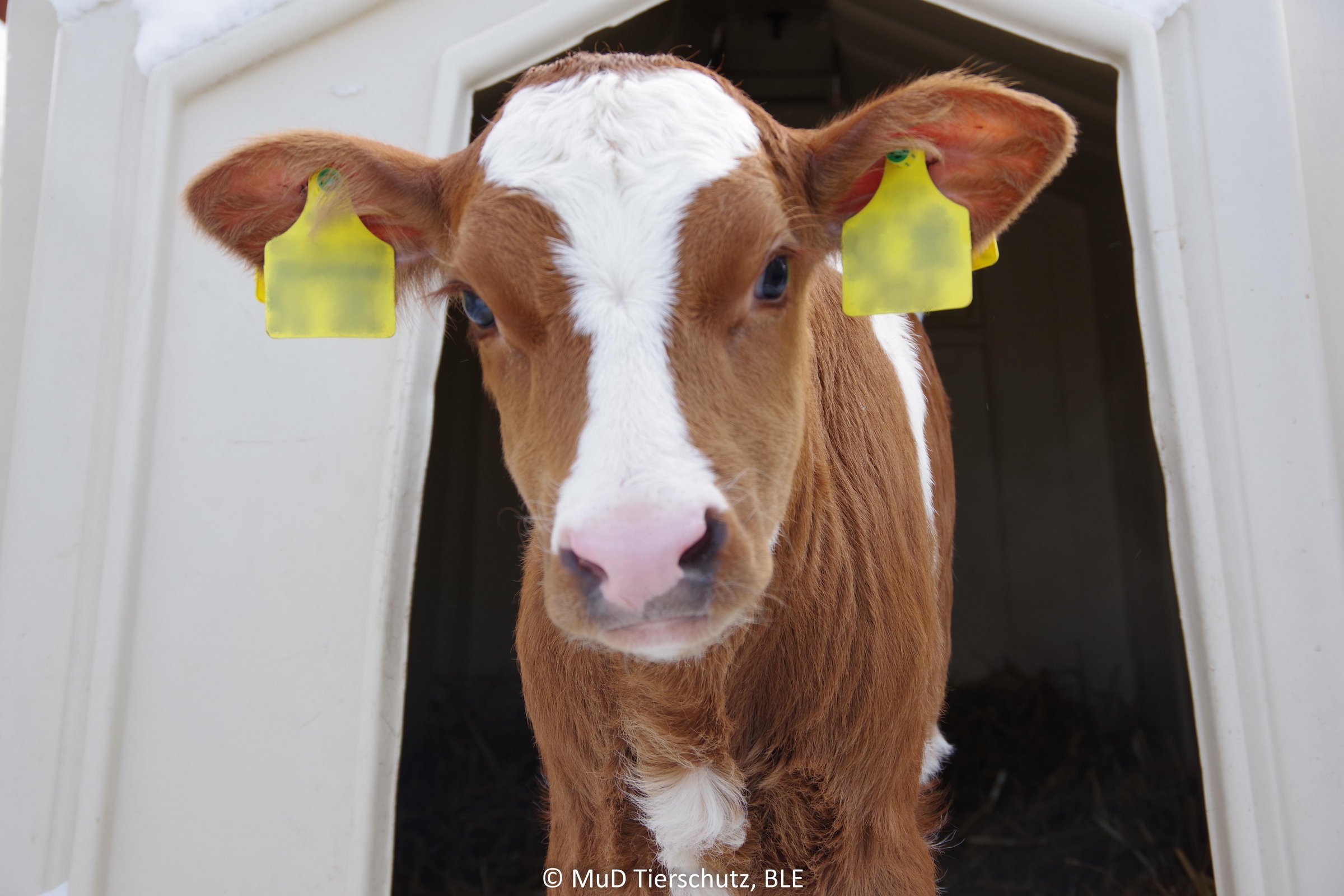
Hygiene in calf rearing
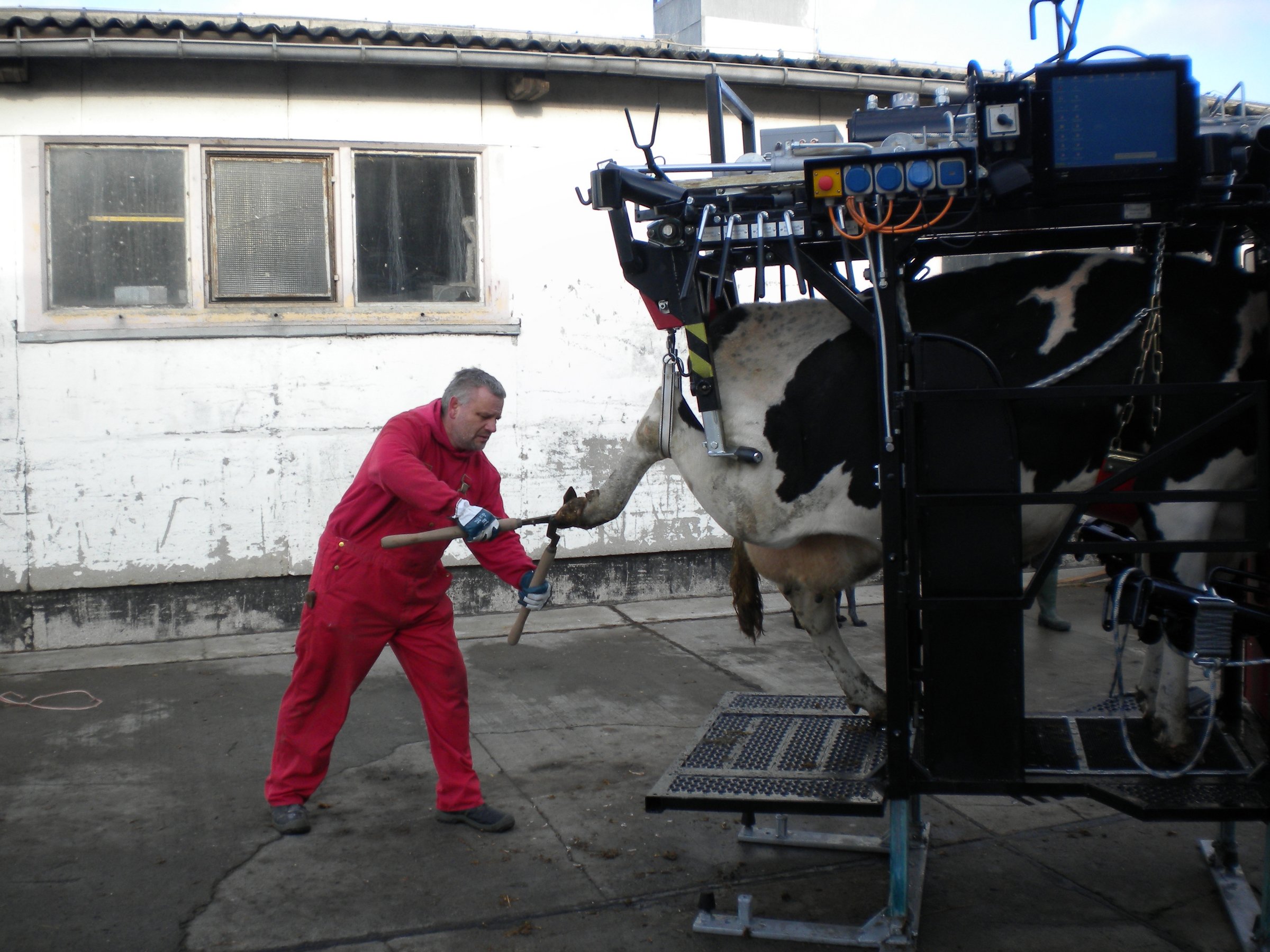
Hoof care: safety for animals and people
Hoof bandage
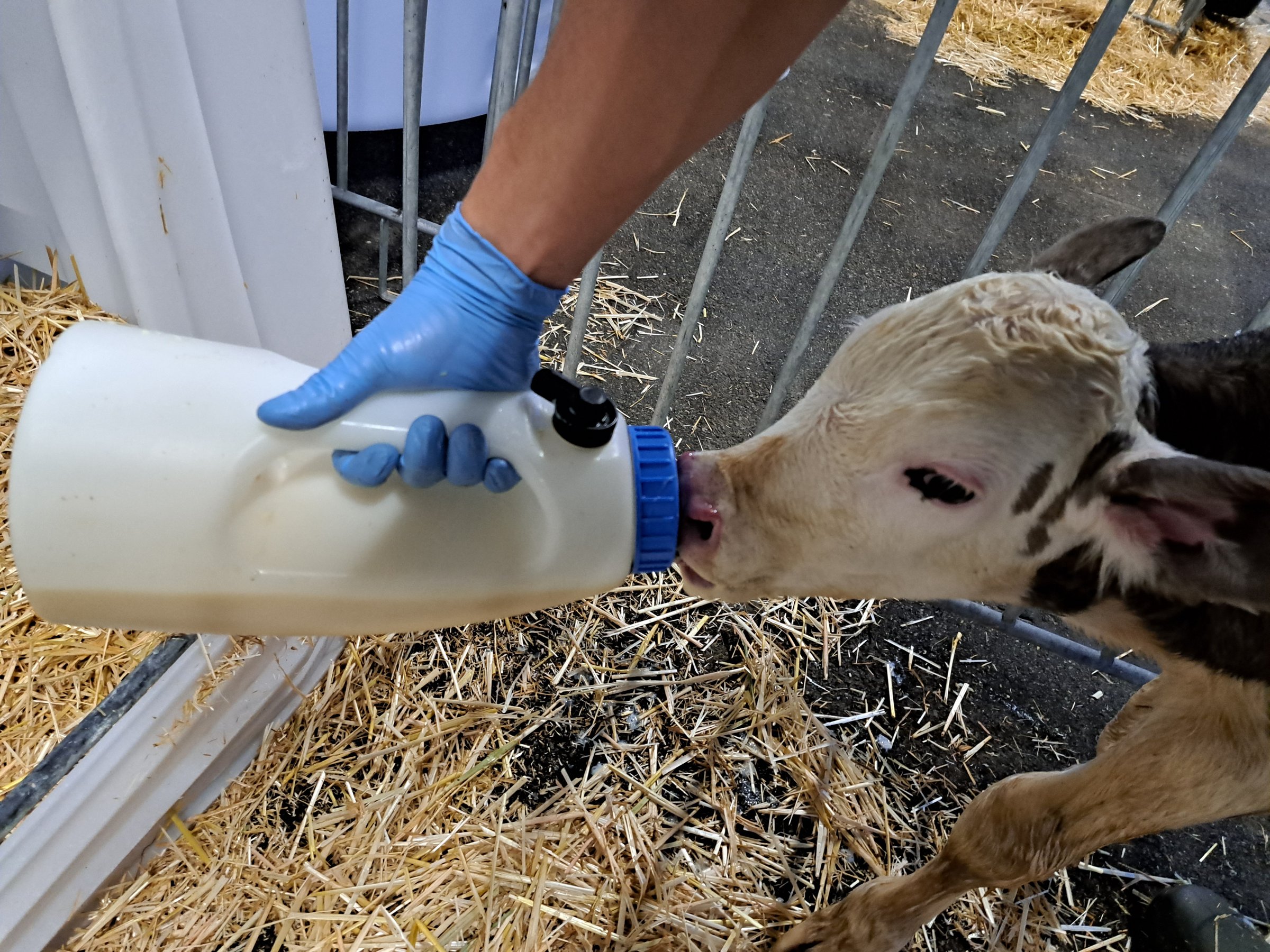
Colostrum supply
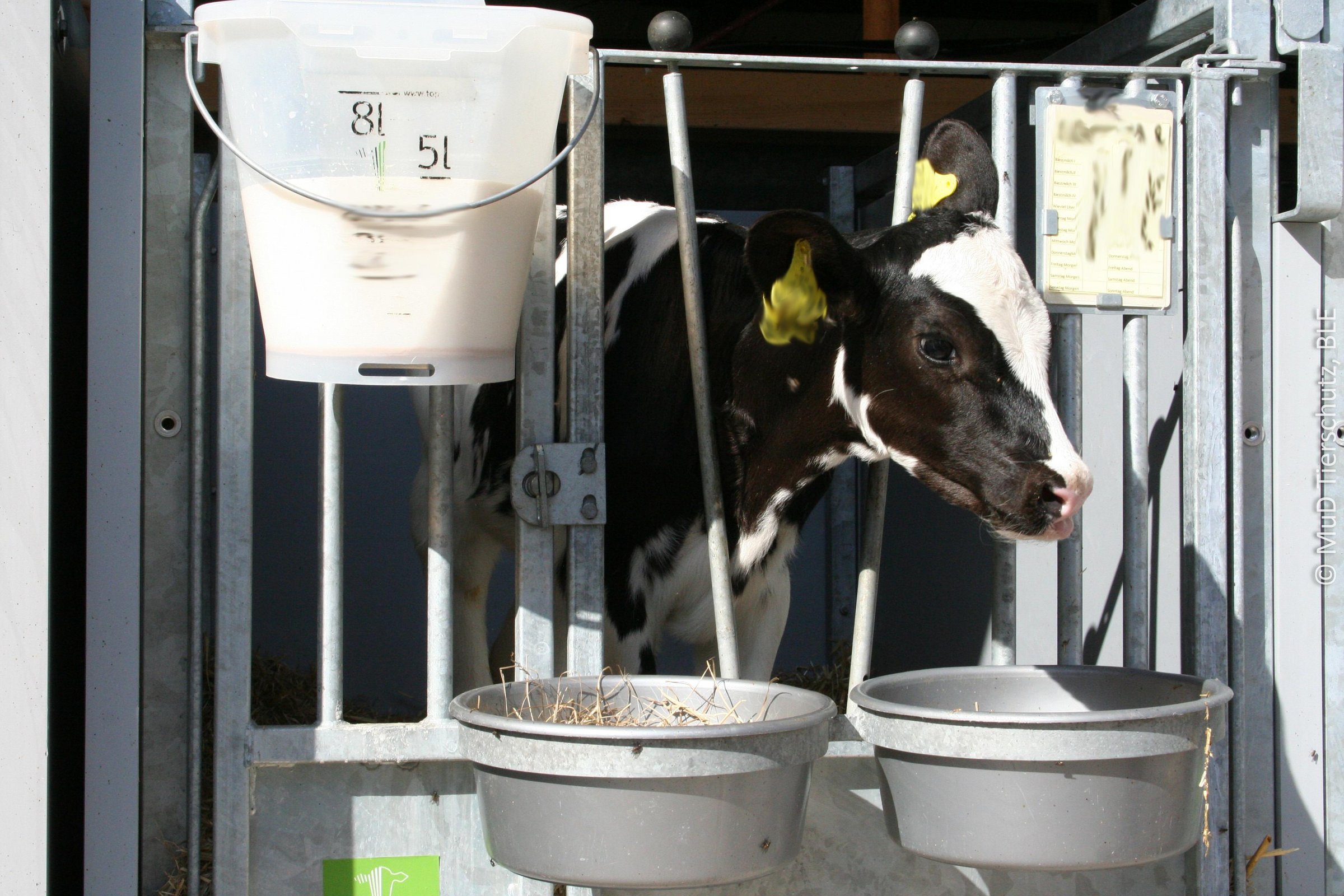
Feeding calves
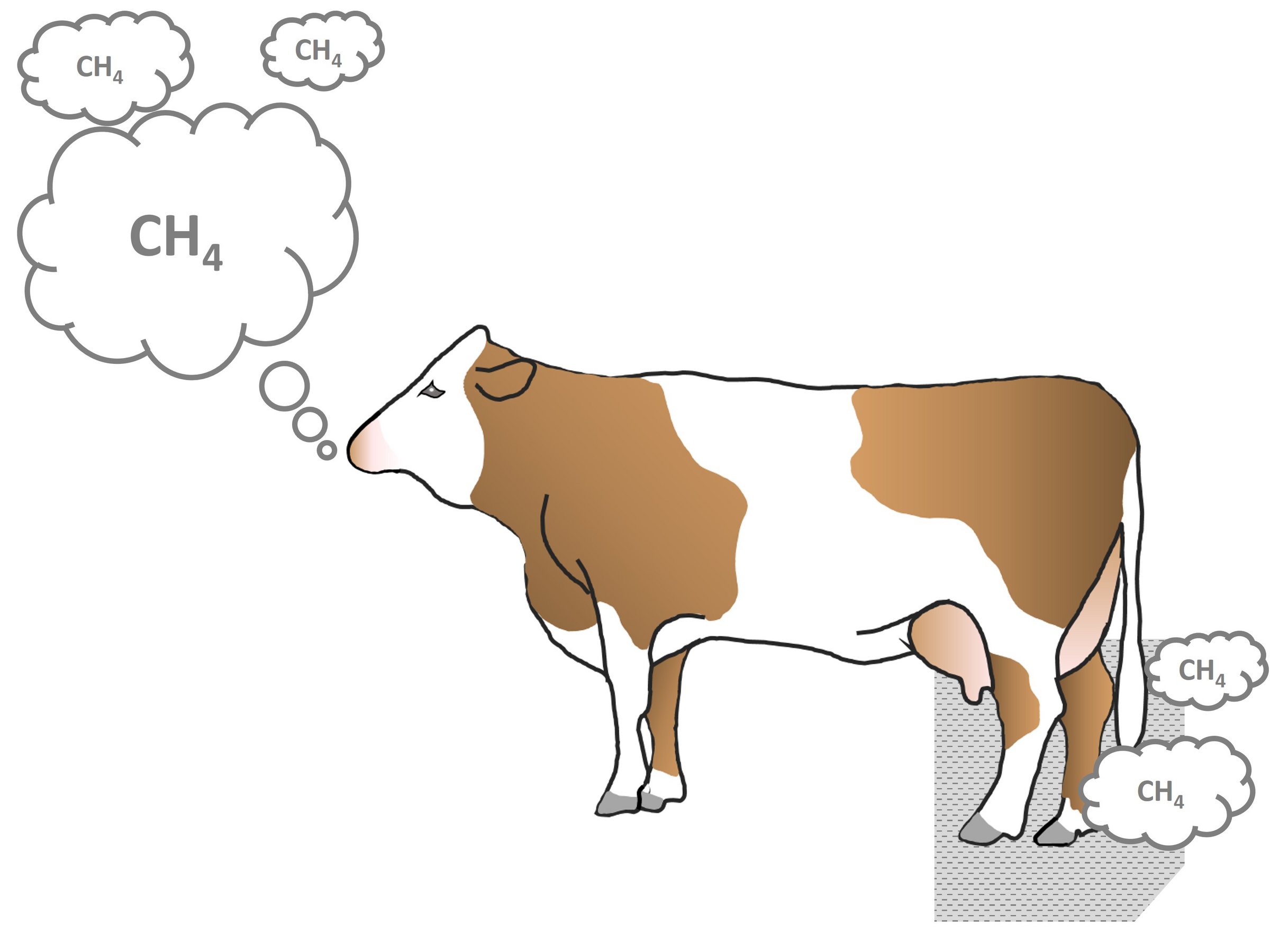
01 Methanemissionen
Fachinformation
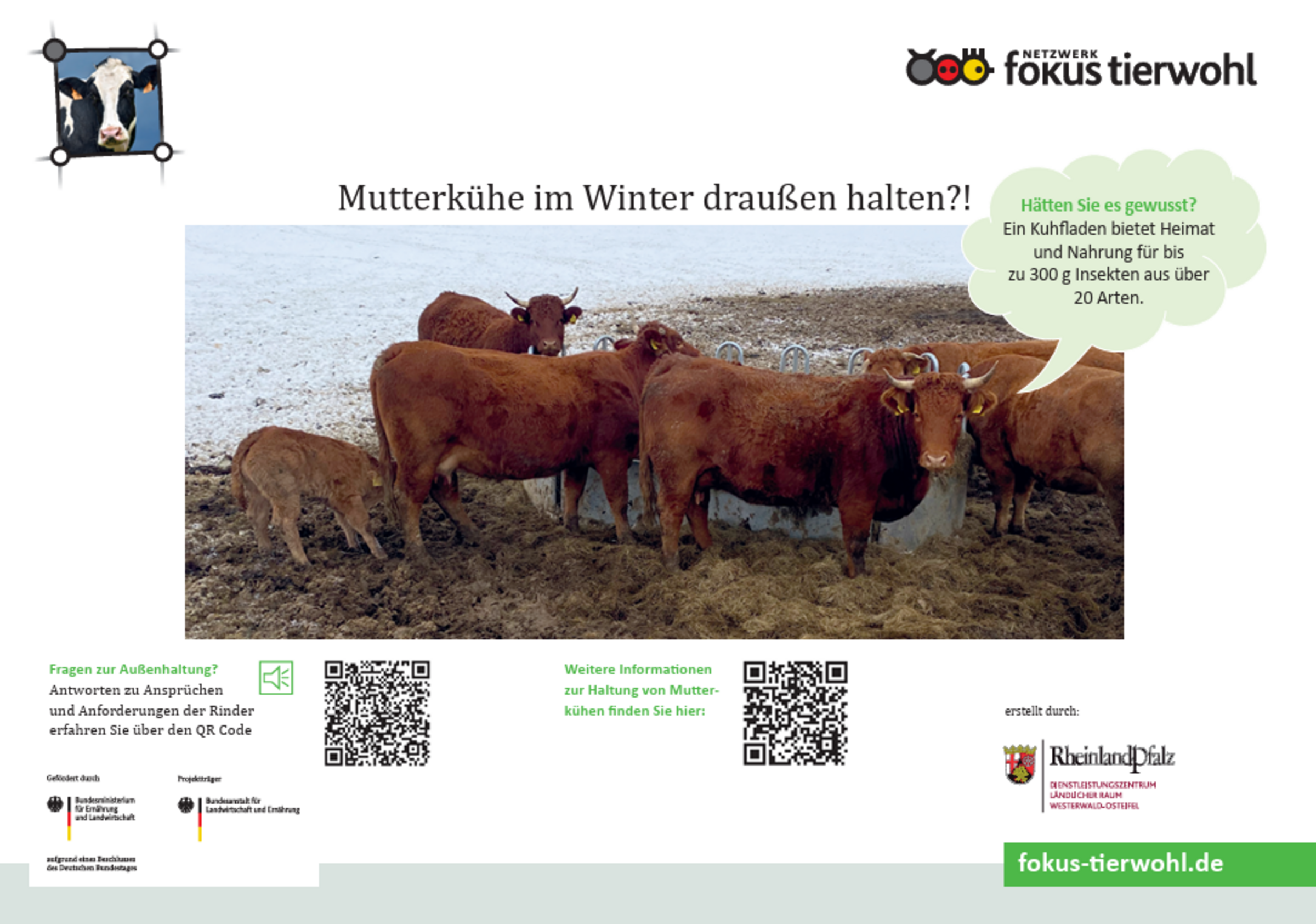
Suckler cow management in winter
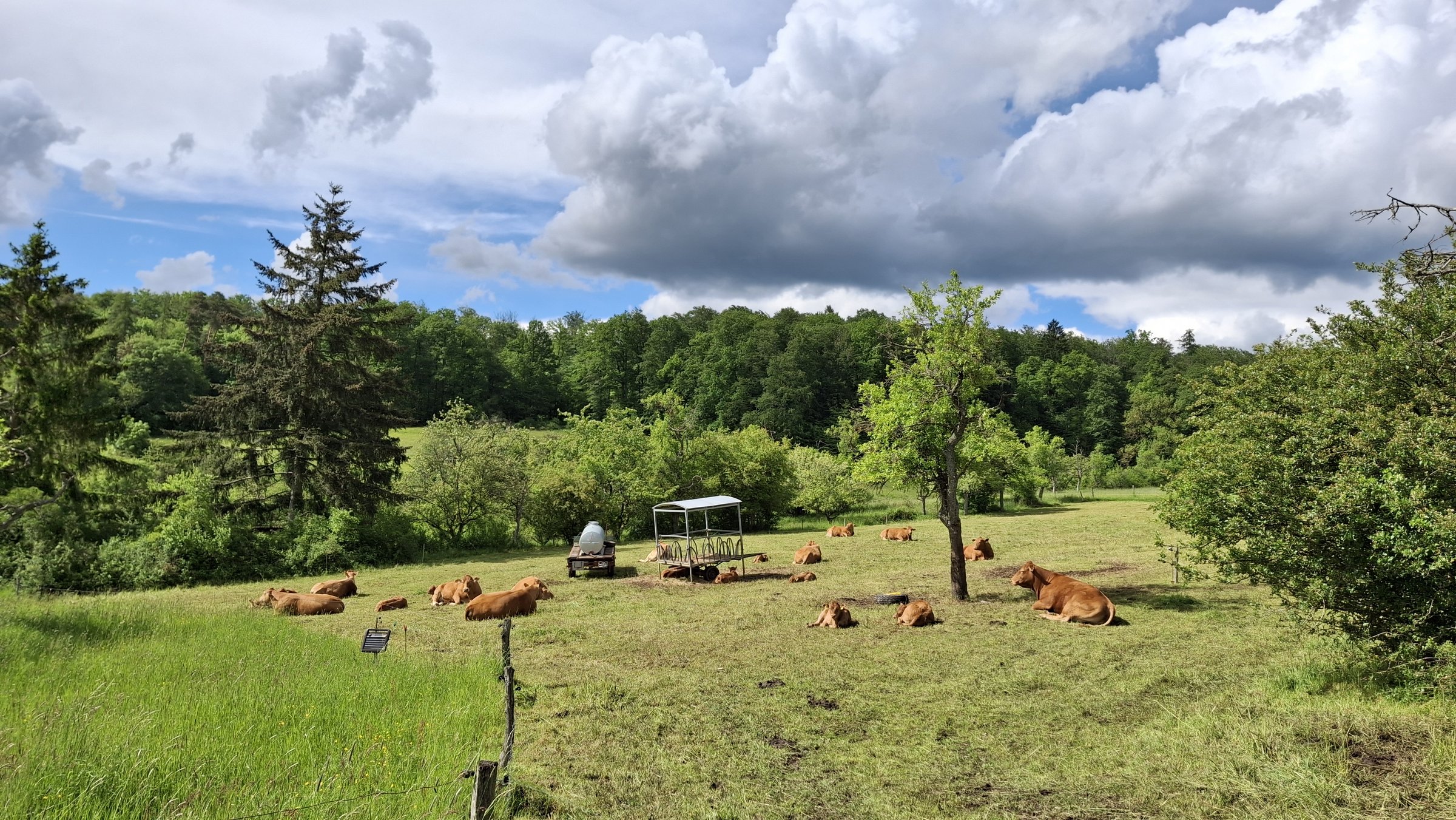
Suckler cow management in winter
Navel disinfection
Calves for beef production from dairy breeds

Integration & Organisation der Klauenpflege
Parasite management
Everything you need to know about calving
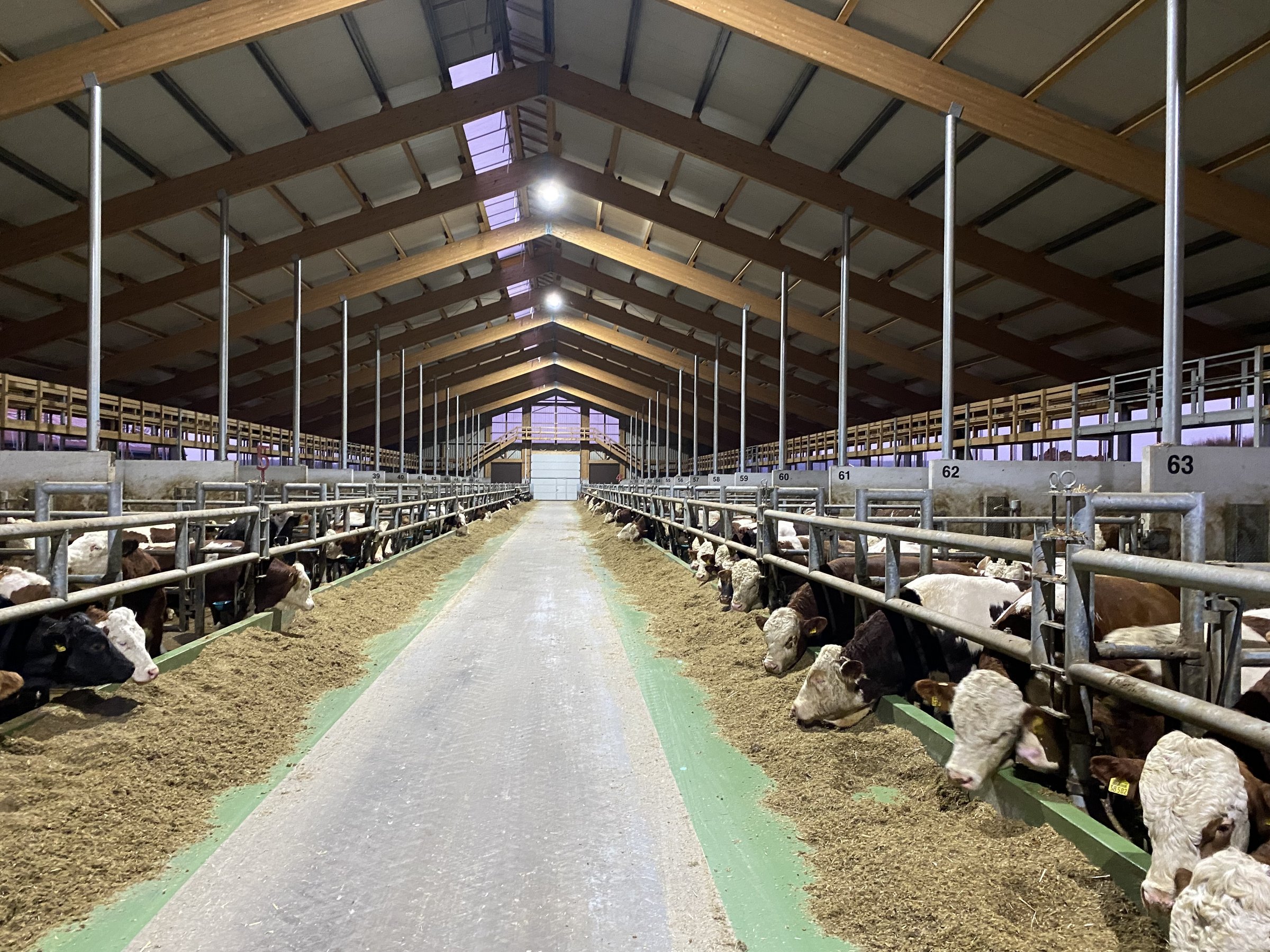
Scratching posts for fattening bulls
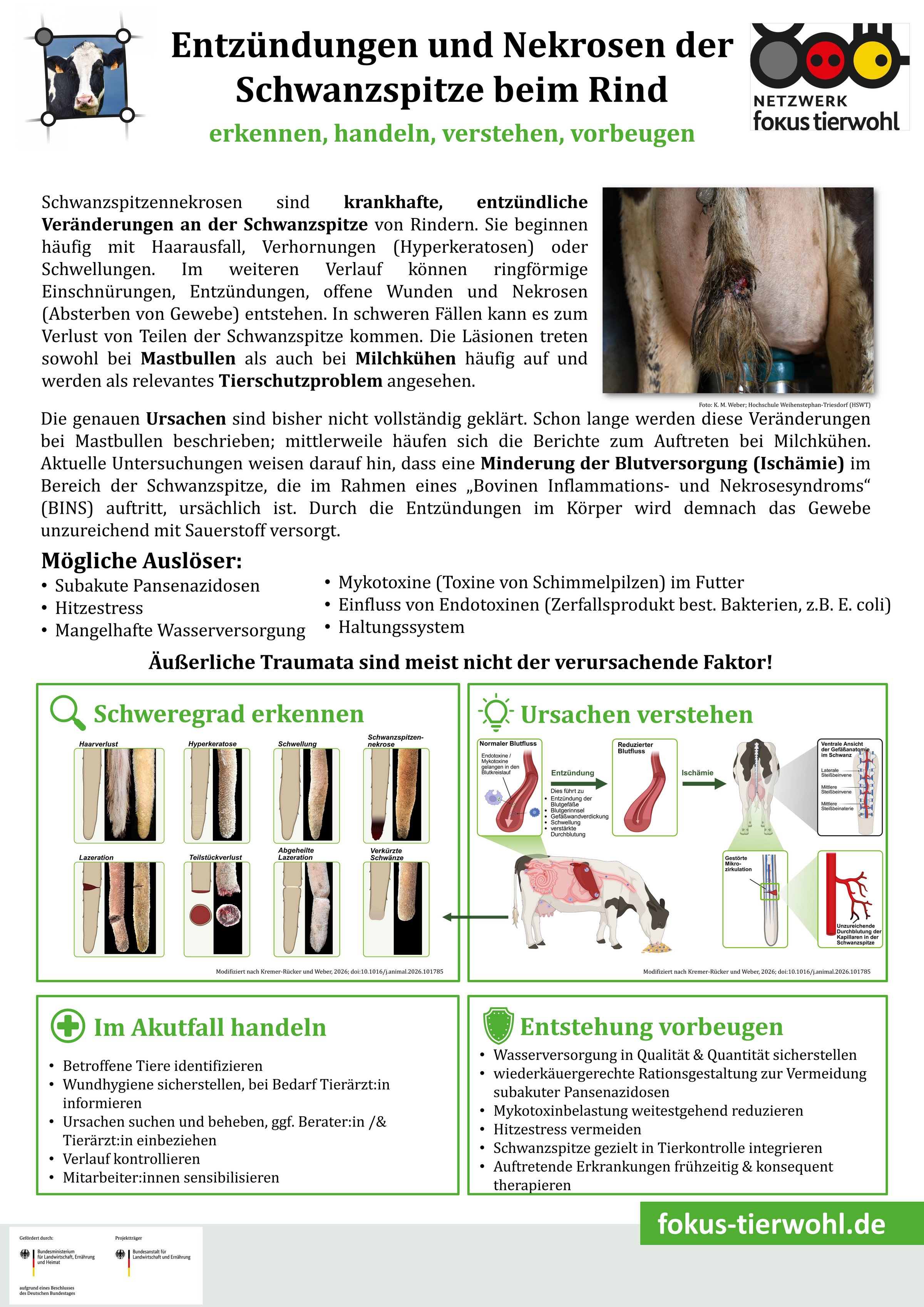
01 Schwanzspitzennekrosen beim Rind
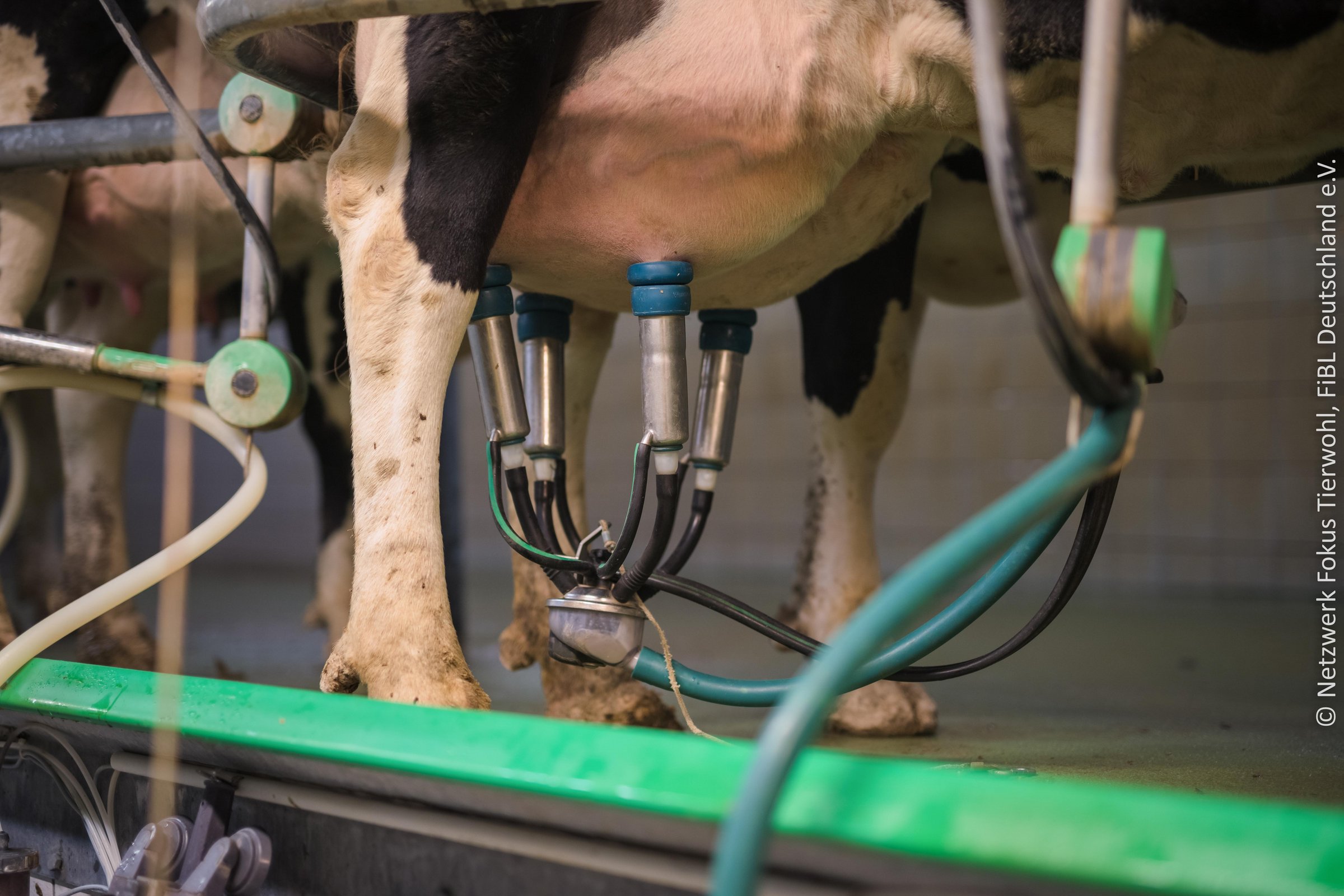
Selective drying off of dairy cattle
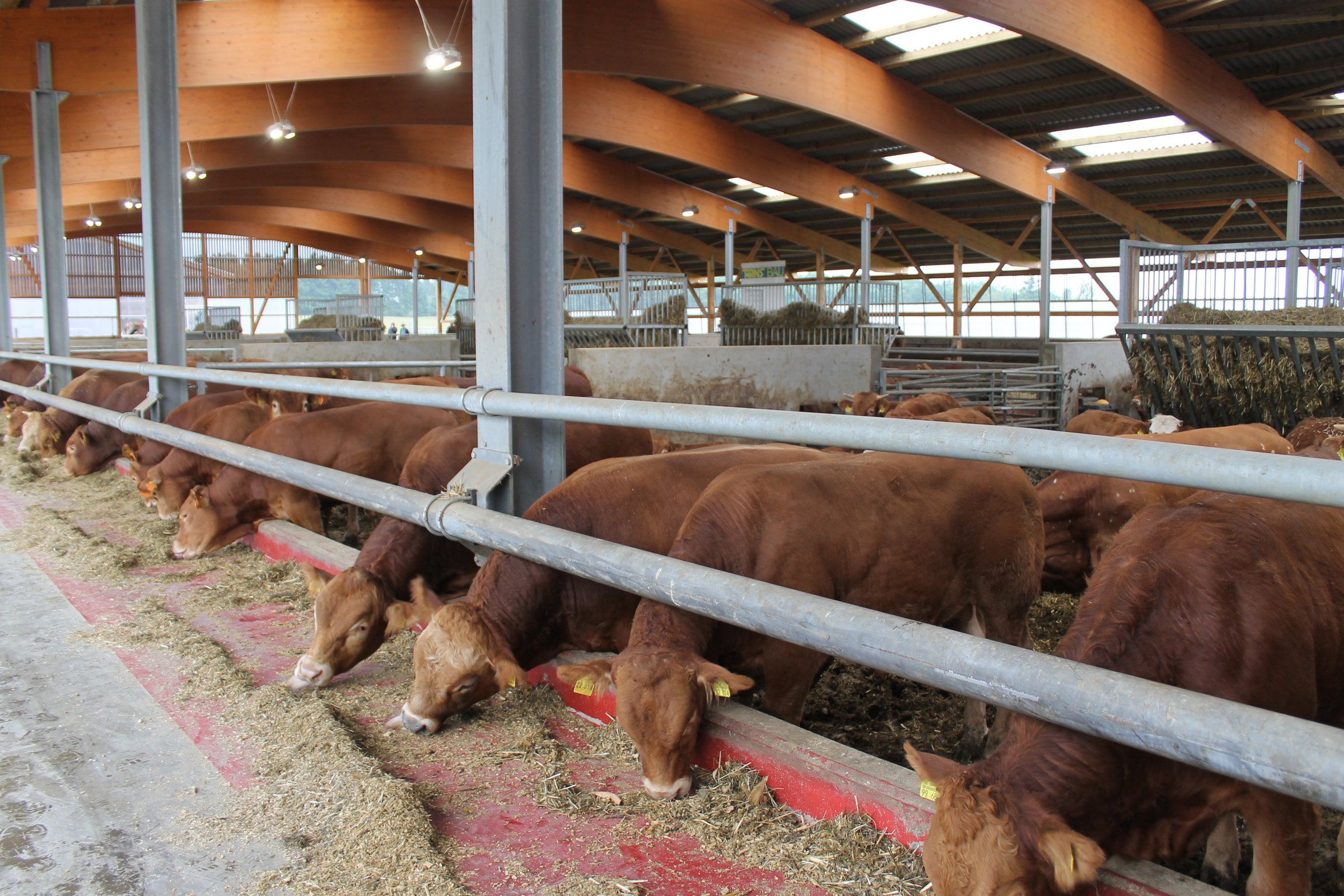
Structural feeding of breeding bulls
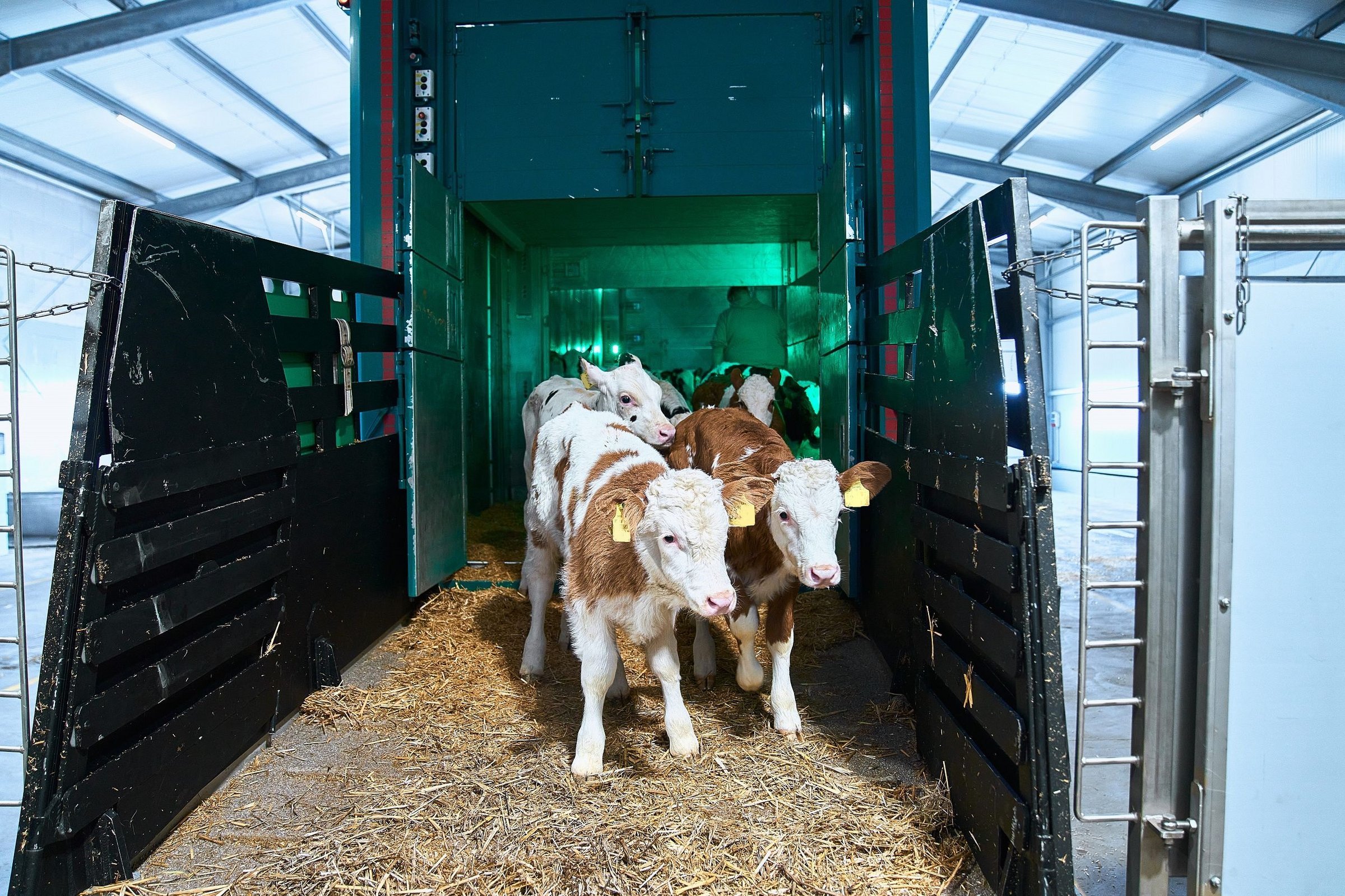
Animal transport
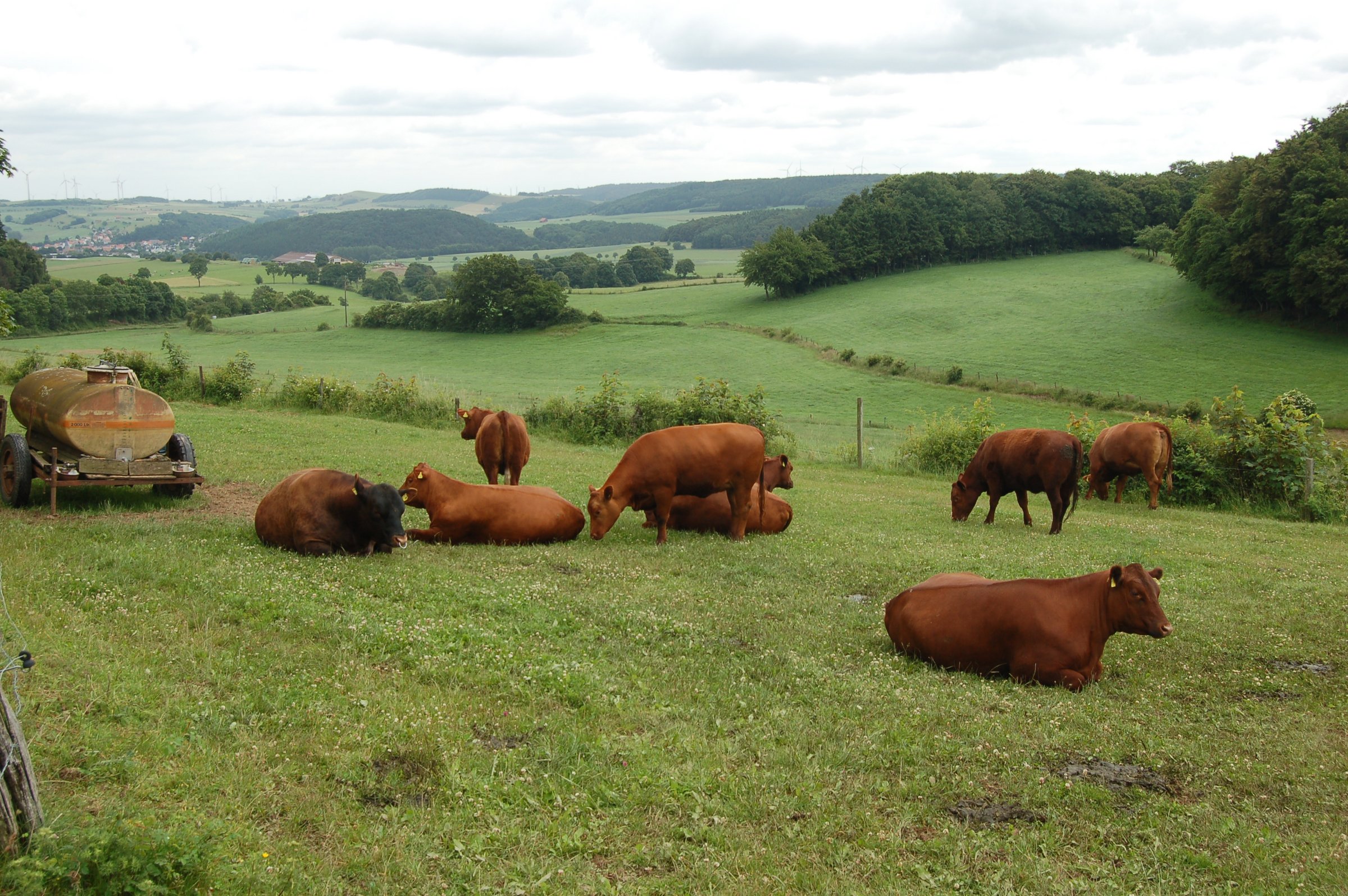
Animal welfare indicators for suckler cows
Water supply for fattening bulls
Managing heat stress in suckler cows
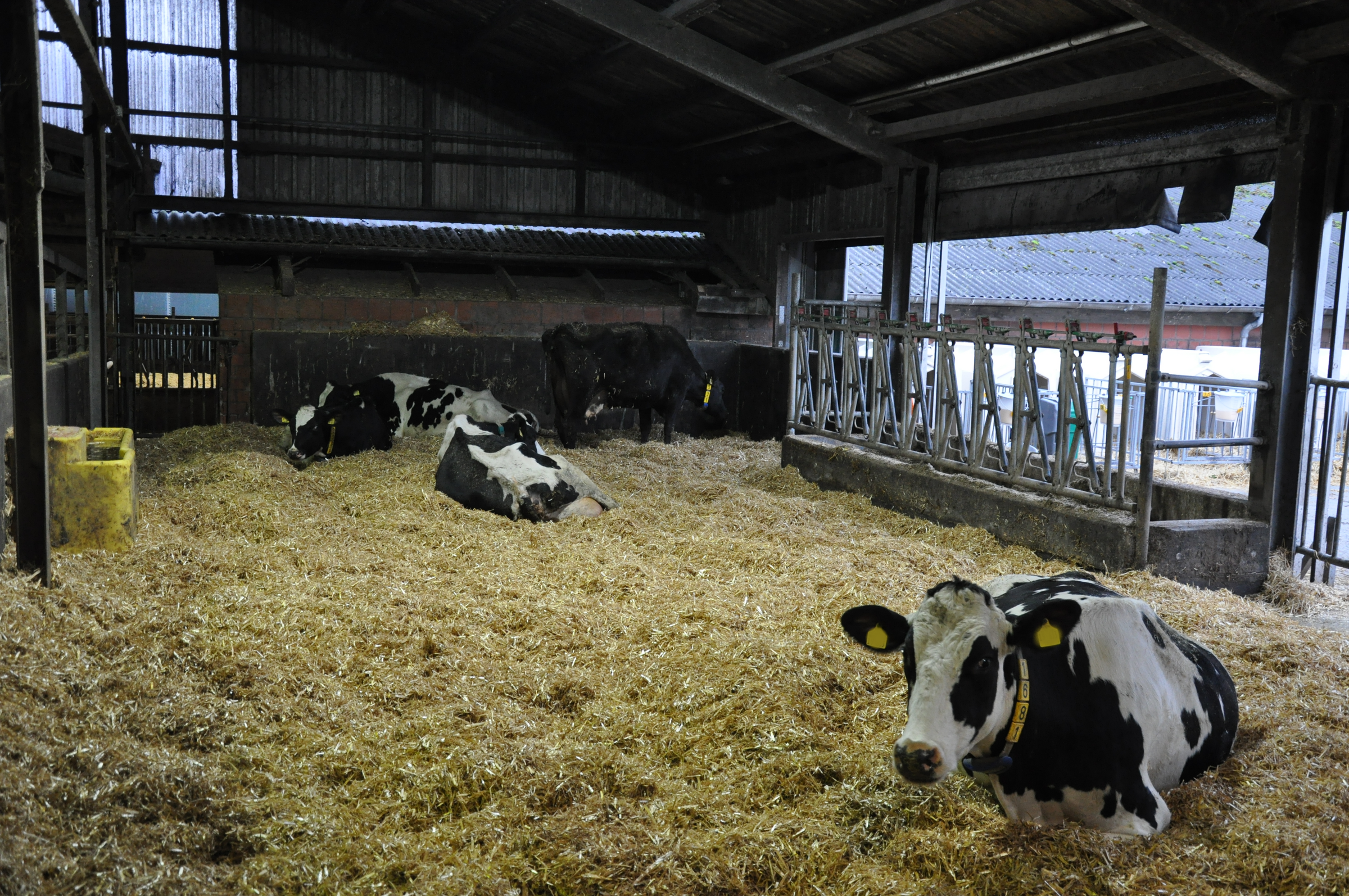
Caring for sick and injured dairy cows
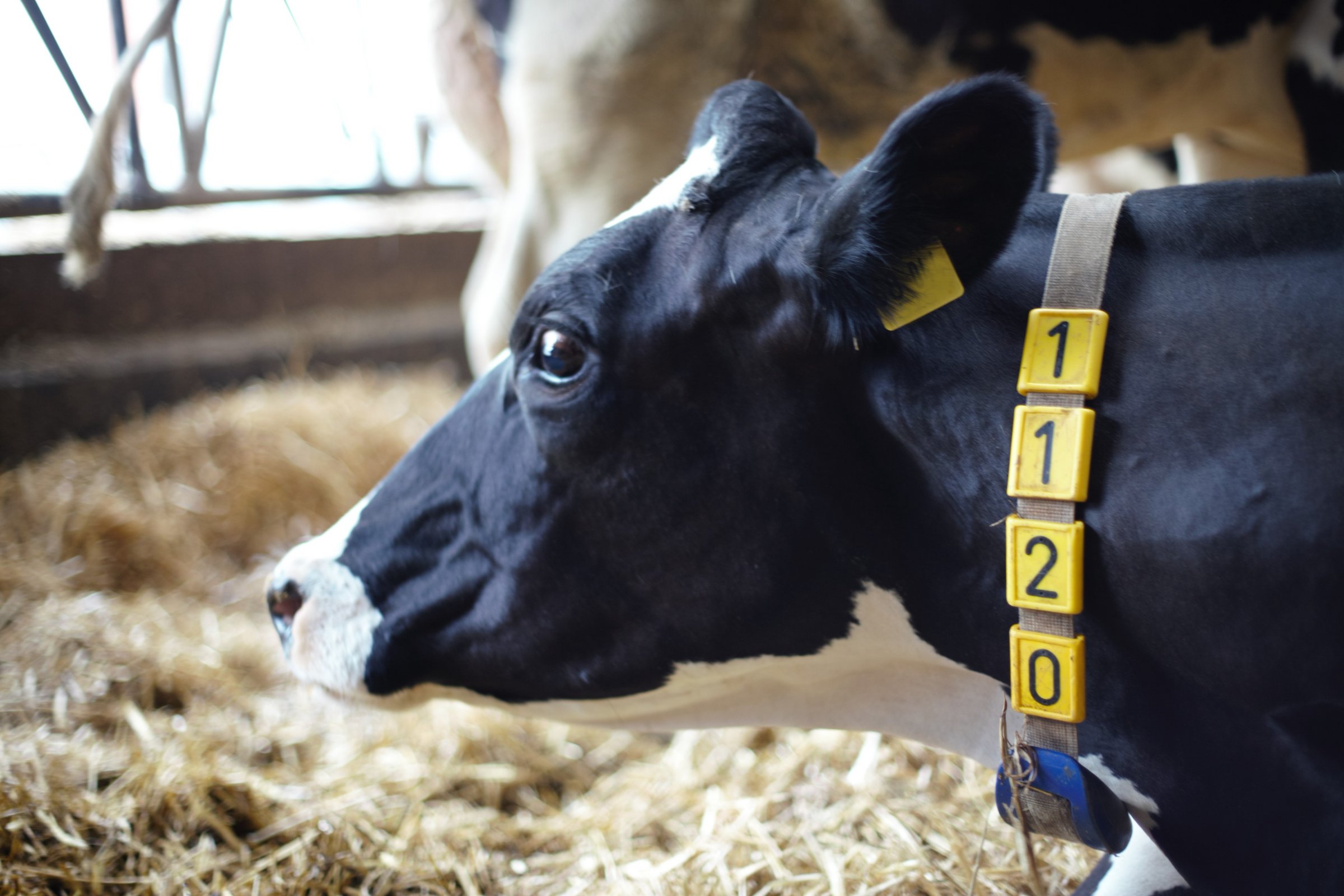
Caring for sick and injured dairy cows
Managing cold stress in suckler cows
Inspection round
Extended calving interval
Podcast: Heat stress in cattle
Podcast: Colostrum Feeding for Calves
Podcast: Mother-Attached Calf Rearing
Podcast: Male Calves
Podcast: Extended Intercalving Period
Video: How to use a breathing pump correctly
Video: Correct use of the mechanical obstetric device
Video: Birth as a natural process
Video: Obstetric care for breech presentations
Video: Assisting with the birth of cattle
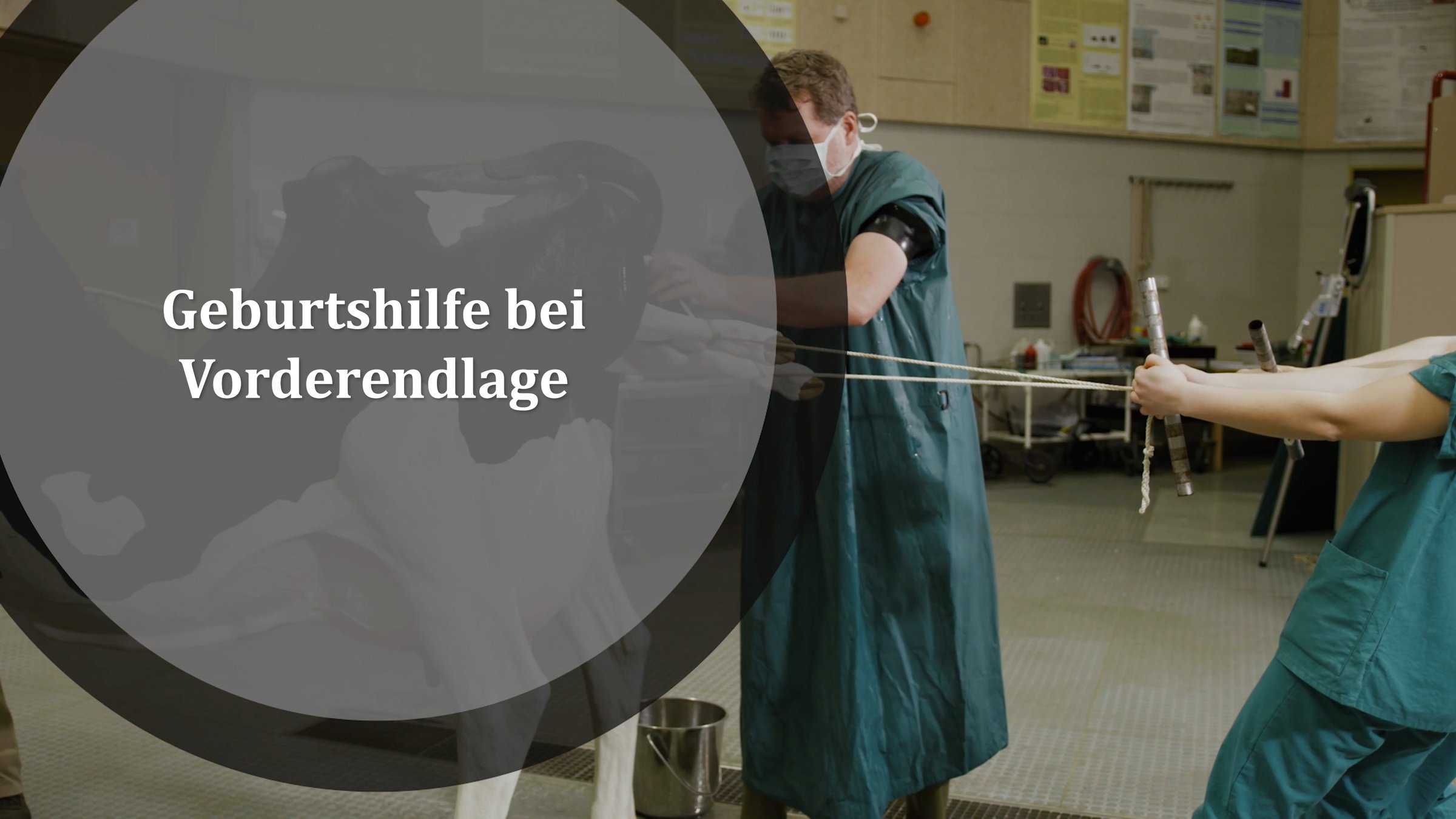
Video: Obstetric care for a breech presentation
Video: Postnatal Hygiene and Documentation
Video: Birth monitoring
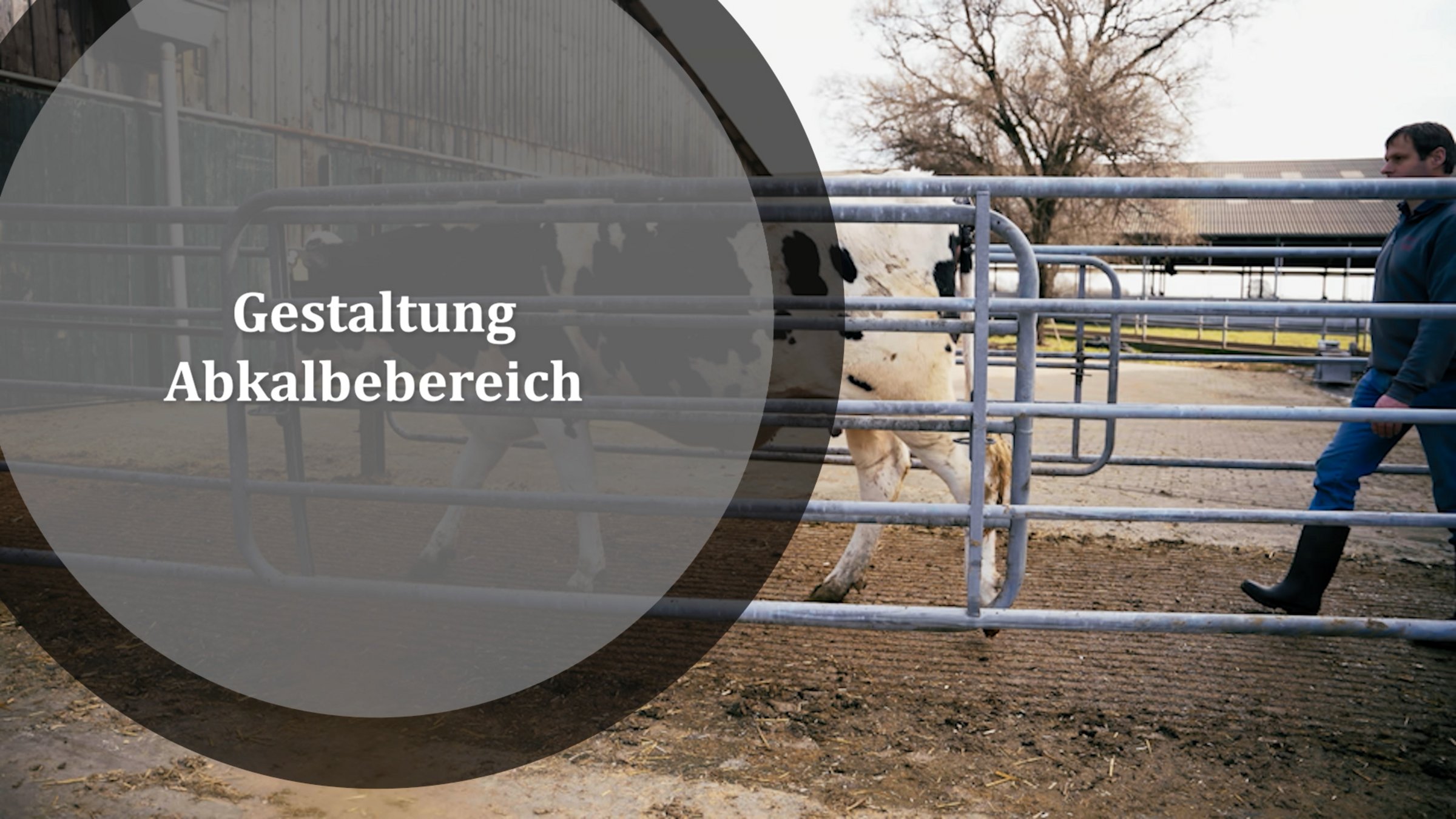
Video: Design for the calving area
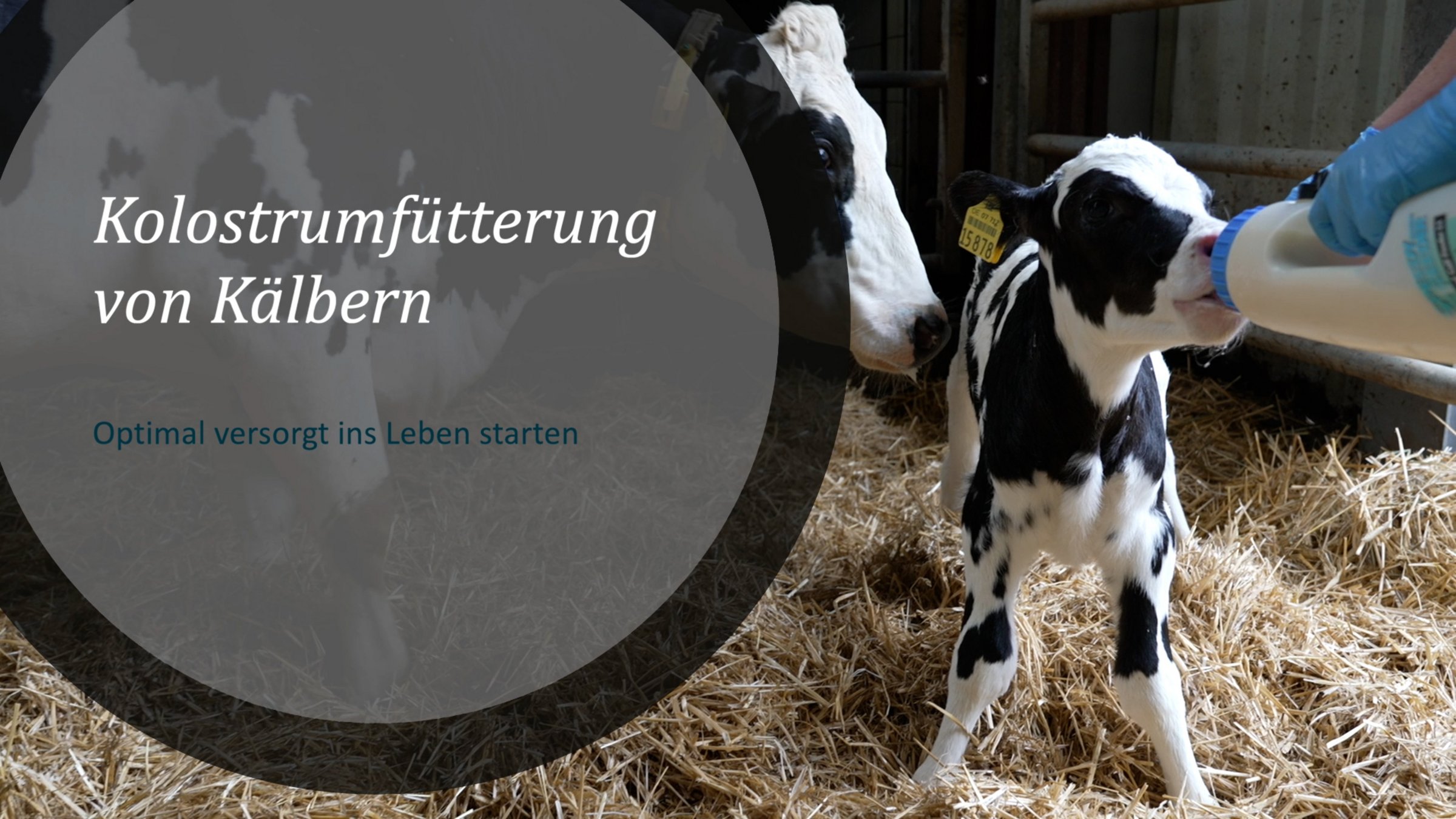
Video: Feeding colostrum to calves
Video: Raising calves with their mothers – rearing with foster mothers
Video: Raising calves with their mothers – mother-bonded rearing
Video check of the basin's flow
Video: Difficult births in cattle
Video: Tour of the stable of the future
From the events: Mob Grazing
From the events: Sensory perception in cattle
Funded projects: Pasture
Funded projects: On-farm slaughter
Funded projects: Pilot project on hoof health management
Funded projects: MoMiNE
Funded projects: MuD Animal Welfare: Pasture-based Farming
Animal Welfare Pilot Schemes: Animal transport
06 Tierwohl in der Naturschutzbeweidung
Funded projects: VerLak
Funded projects: InKalkTier
Funded projects: InnoRind
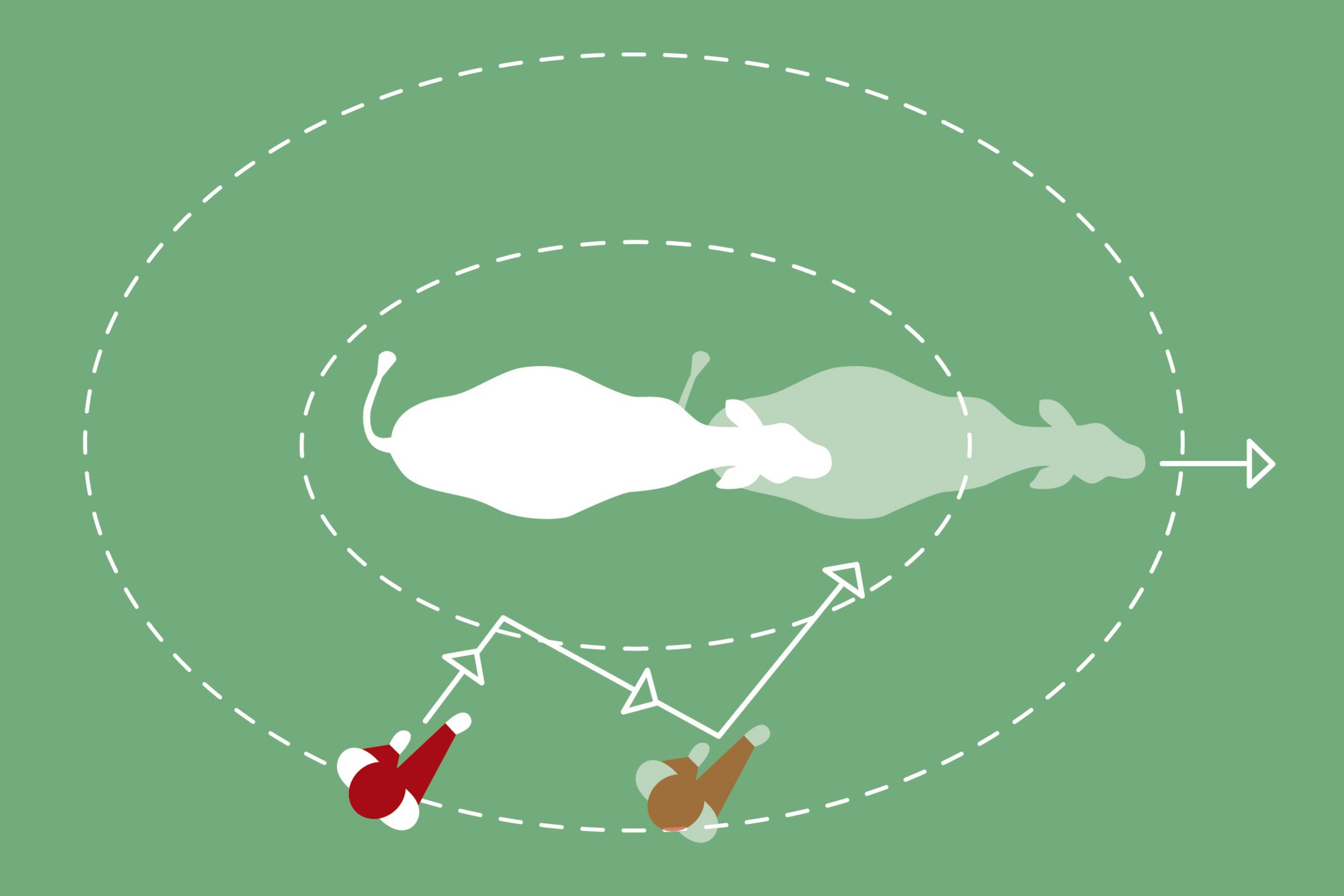
Funded projects: Mob-Grazing

Funded projects: Animal welfare planning
Integration & Organisation der Klauenpflege
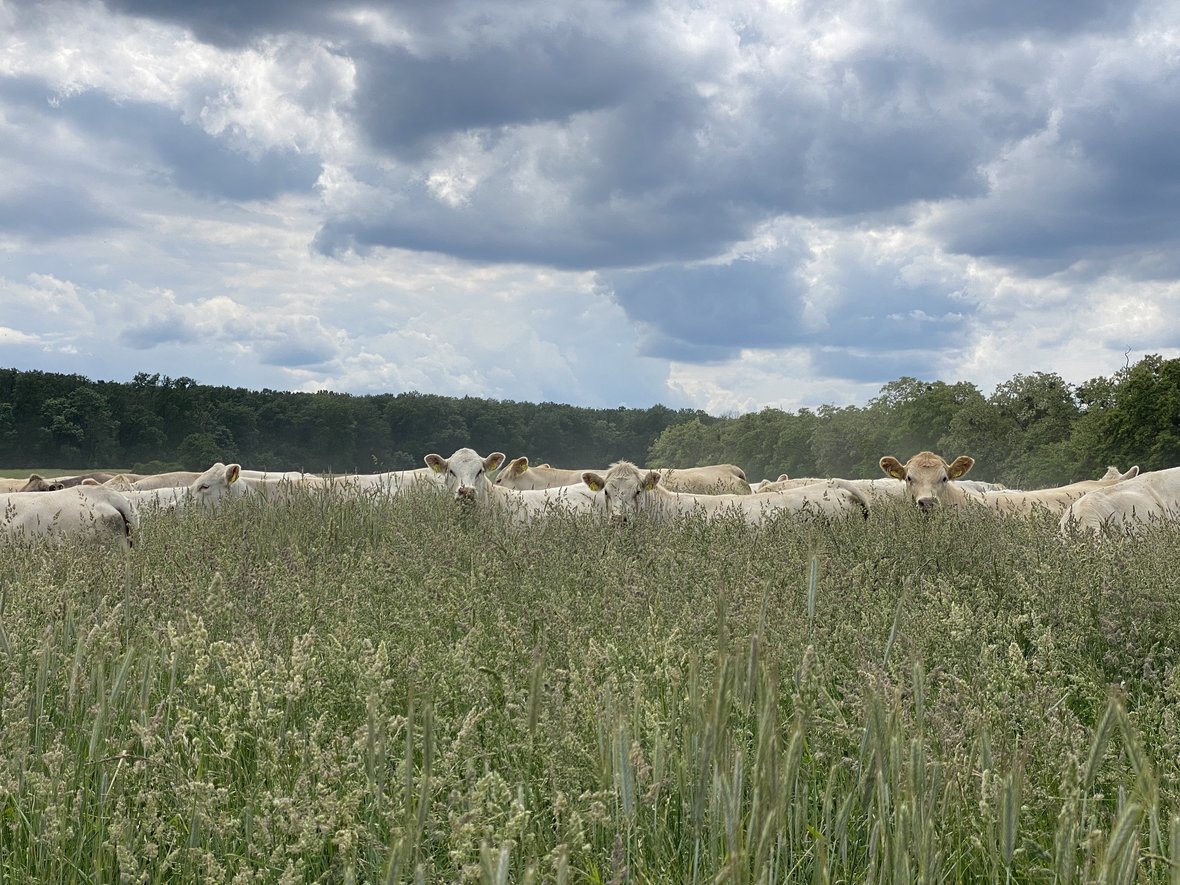
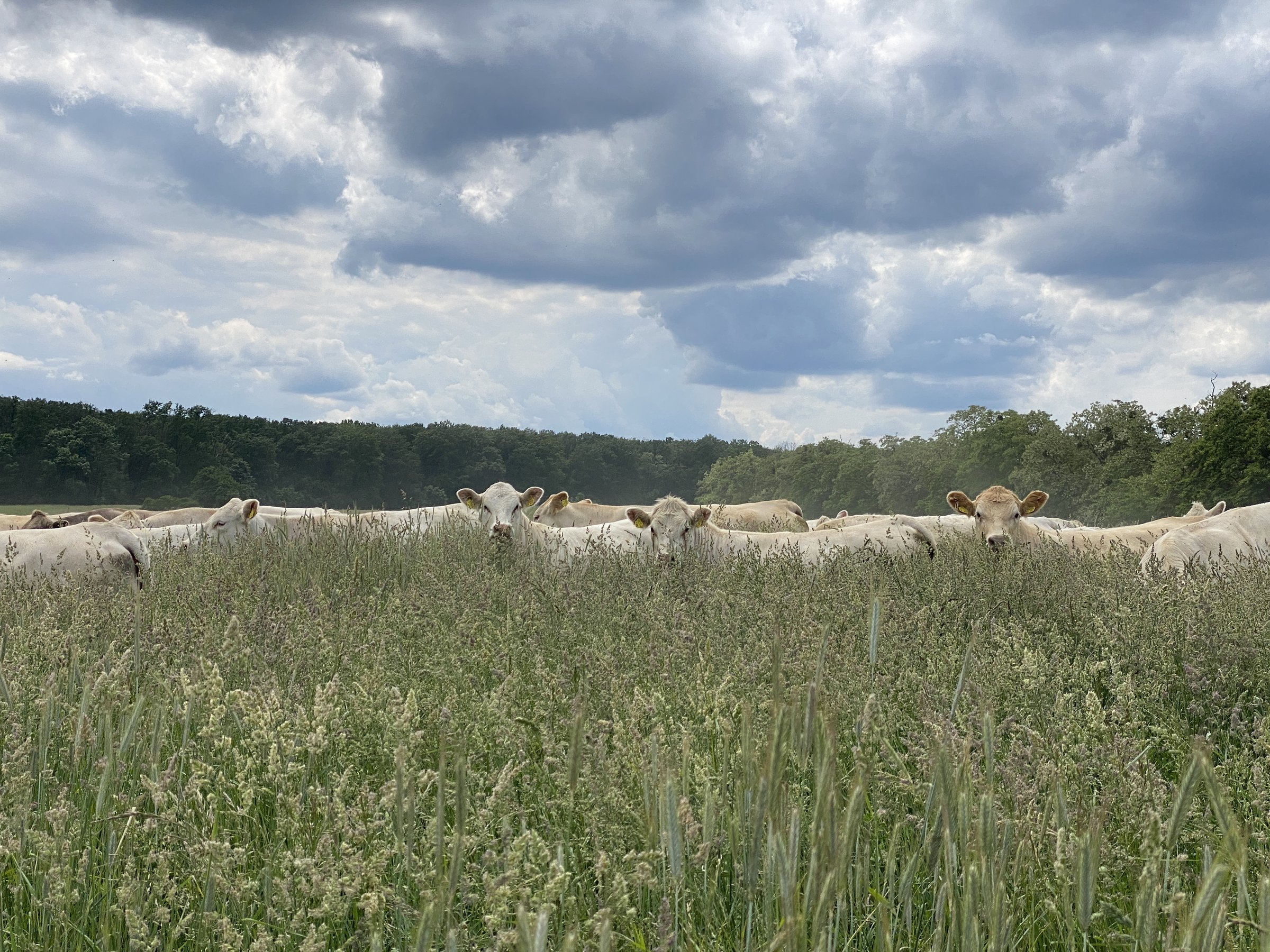
In collaboration with the German Network for Rural Areas (dvs) and the Netzwerk Fokus Tierwohl project, an online event was held on the topic of ‘Dairy and beef cattle farming in the context of climate change – innovative concepts for climate protection and adaptation’. In addition to current topics such as “climate change in the broader context” and “agroforestry systems in combination with cattle farming”, the topic of “mob grazing” was also explored in greater detail and current projects in this area were presented.
With over 800 participants, this seminar was the most well-attended event of the past three years within the “Netzwerk Fokus Tierwohl” project. It was not only farmers but, above all, fire brigades who had already caused registration to close a week before the event on 20 November 2023. Bernhard Feller from the North Rhine-Westphalia Chamber of Agriculture gave a presentation on fire safety measures in pigsties. Dr Florian Diel (Weihenstephan-Triesdorf University of Applied Sciences) spoke about strategies for evacuating dairy cattle during barn fires.
Focus on pastures
The German Pasture Days took place for the second time this year.
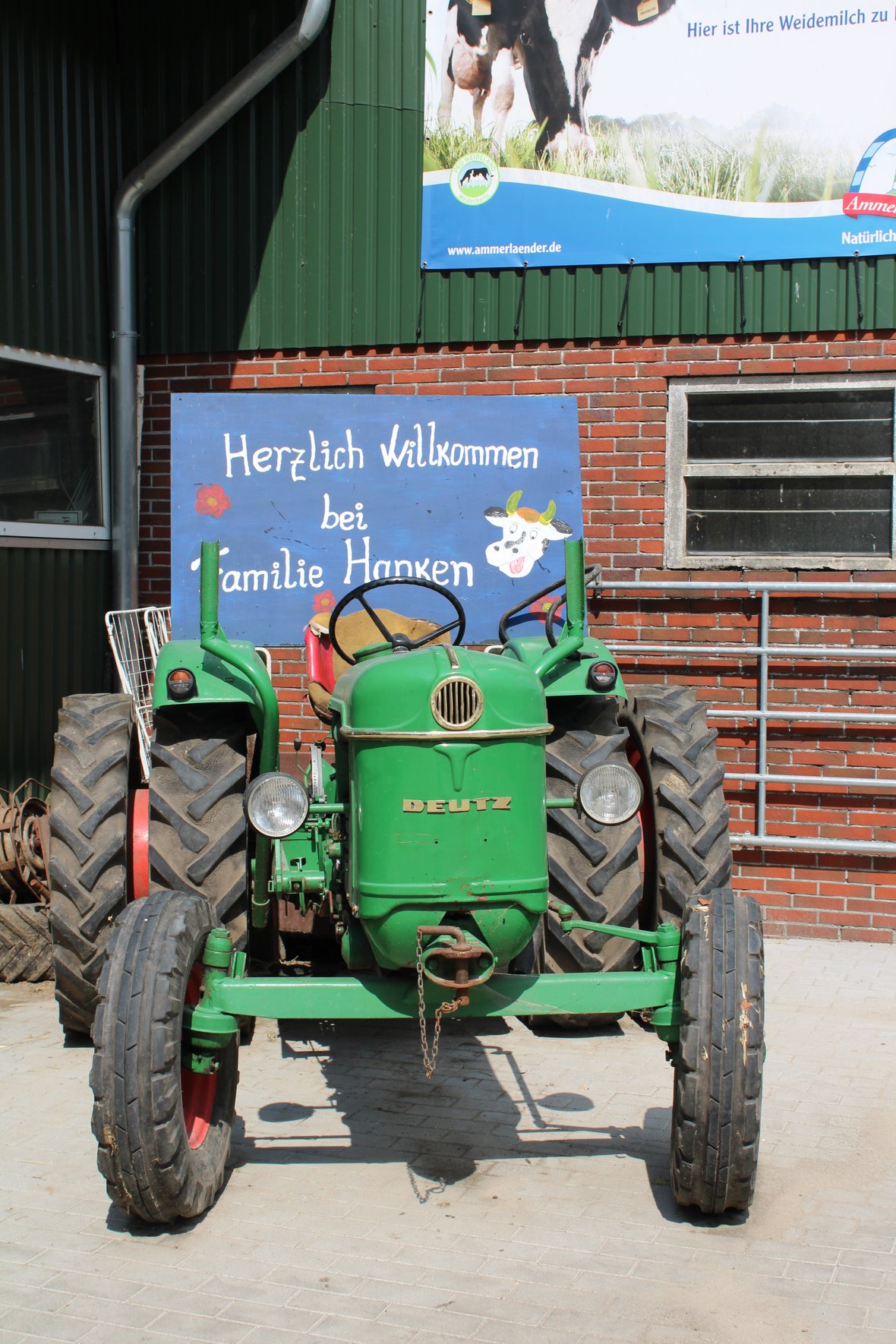
Even from a distance, it was clear that something special was happening at the Hanken family farm in Elsfleth, Lower Saxony. Alongside the cows in the pasture, large white pagoda tents adorned the farmyard. It wasn’t just the animals themselves who were amazed.
For the 2nd German Grazing Days on 21 and 22 June 2023, large parts of the family farm were spruced up, rearranged and decorated. A special feature of this year’s Grazing Days: alongside the organisers from the Grünlandzentrum Niedersachsen/Bremen e.V., the Netzwerk Fokus Tierwohl and Elite Partner were also involved in organising and running the event.
The programme featured engaging talks in the morning. In the afternoon, visitors could choose from a wide range of workshops and engage in discussions with experts on specialist topics in small groups, or try their hand at practical exercises.
(Image: Animal Welfare Network, LLH)
New approaches to rearing, fattening and husbandry – looking to the future with healthy calves
An event organised by the Centre of Excellence for Cattle Welfare explores new approaches and ideas in calf rearing and husbandry
As cattle farms are currently facing a constant stream of new challenges and calf rearing is also coming under greater political scrutiny, the ‘Netzwerk Fokus Tierwohl’ project is also addressing issues relating to calves.
As part of the knowledge transfer events, the federal states of Baden-Württemberg, Bavaria and Hesse joined forces to present practitioners with new approaches and ideas for calf rearing and husbandry in a combined in-person and online event.
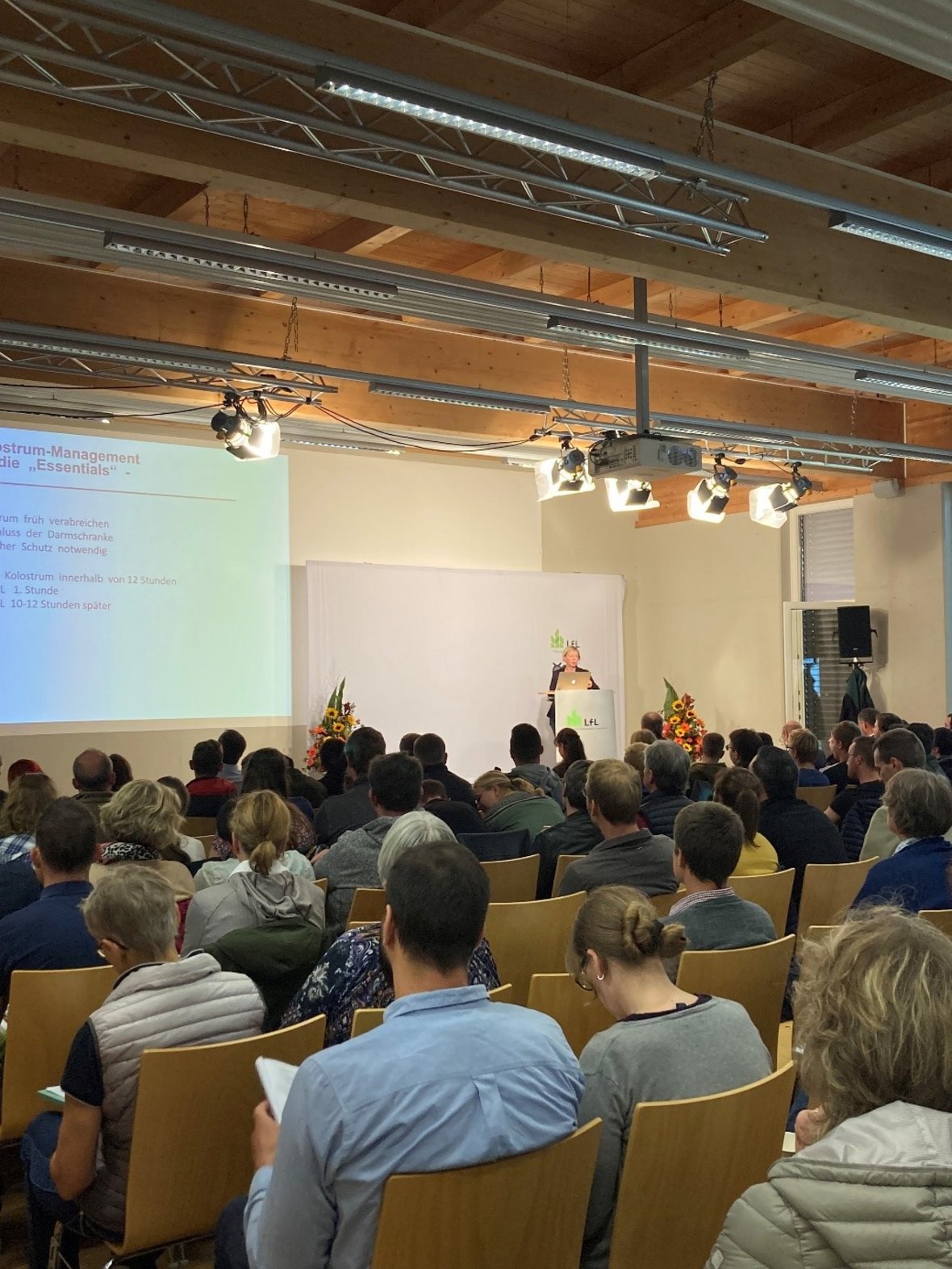
The information day on 19 October 2022 at the LfL Bayern in Grub focused entirely on barn climate, air supply, housing systems and optimised workflows. The content of the presentations built logically on one another, guiding participants through the various aspects of calf husbandry and highlighting key issues and pitfalls. Afterwards, there was an opportunity to find out more about the topics covered at a company exhibition and to develop ideas for solutions for their own farms.
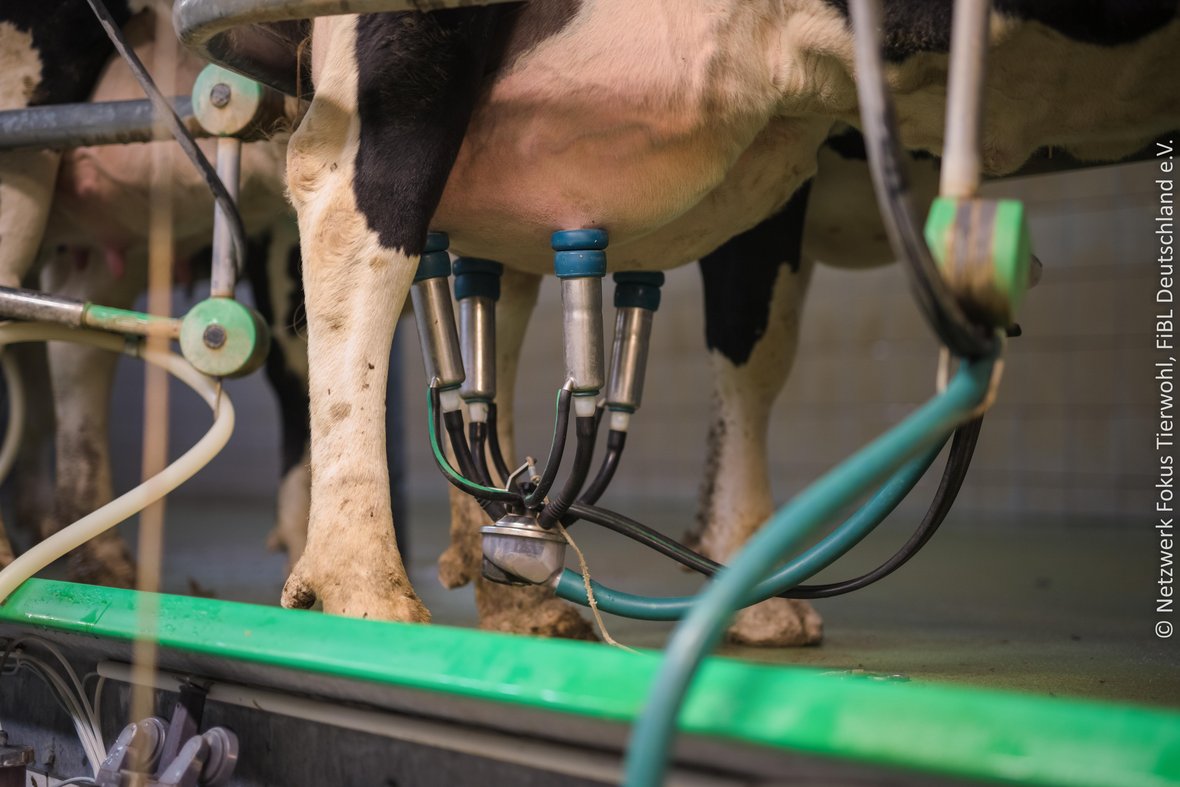
Mastitis causes pain in dairy cows and can have a negative impact on animal welfare. Furthermore, it creates additional workload for staff, and the financial losses resulting from mastitis are enormous: each individual case of mastitis costs the farm an average of over €400. The options for treating mastitis with antibiotics will be even more restricted in future, as the EU is aiming for a significant reduction in the use of antibiotics in livestock farming in response to the increasing prevalence of resistant pathogens. The prevention of udder diseases will therefore become even more important in the future.
In two online seminars on the topic of ‘Focus on Udder Health’, Dr Andreas Steinbeck, who works as a specialist advisor for cattle health at Boehringer Ingelheim, explained what proper dry cow management looks like and how the use of antibiotics can be successfully reduced.
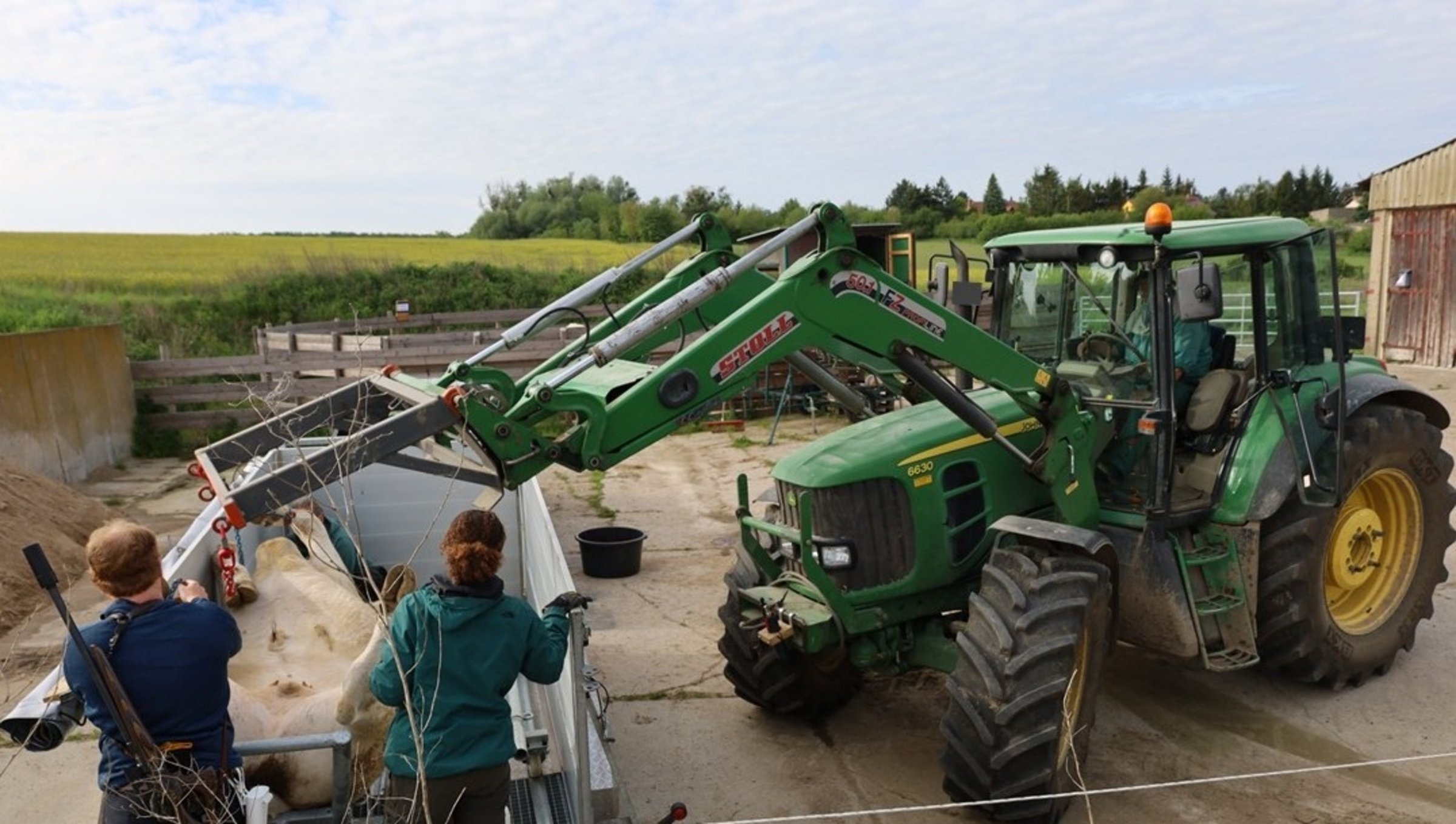
In Germany, cattle may generally only be slaughtered at a slaughterhouse if the animals are intended for human consumption. Until recently, exceptions were only granted to farms that, for example, kept their cattle outdoors all year round and killed the animals on the pasture using a bolt gun, before subsequently taking the animal to the abattoir. However, new regulations now allow slaughter on the farm itself, provided certain conditions are met. An event organised by the Netzwerk Fokus Tierwohl at a cattle farm in the Harz region demonstrated how this can work.
Wolf Fischer (LLG Saxony-Anhalt) provided an overview of the general legal requirements to be observed and the authorities to be involved when planning an on-farm slaughter facility. Arne Kutschbach from the Agrarmarketing-Gesellschaft Sachsen-Anhalt (AMG) reported on the funding opportunities currently available for direct marketing in Saxony-Anhalt. Lea Trampenau (ISS – Innovative Slaughter Systems) explained the specific features of semi-mobile slaughter and presented the mobile slaughter trailer she has developed.
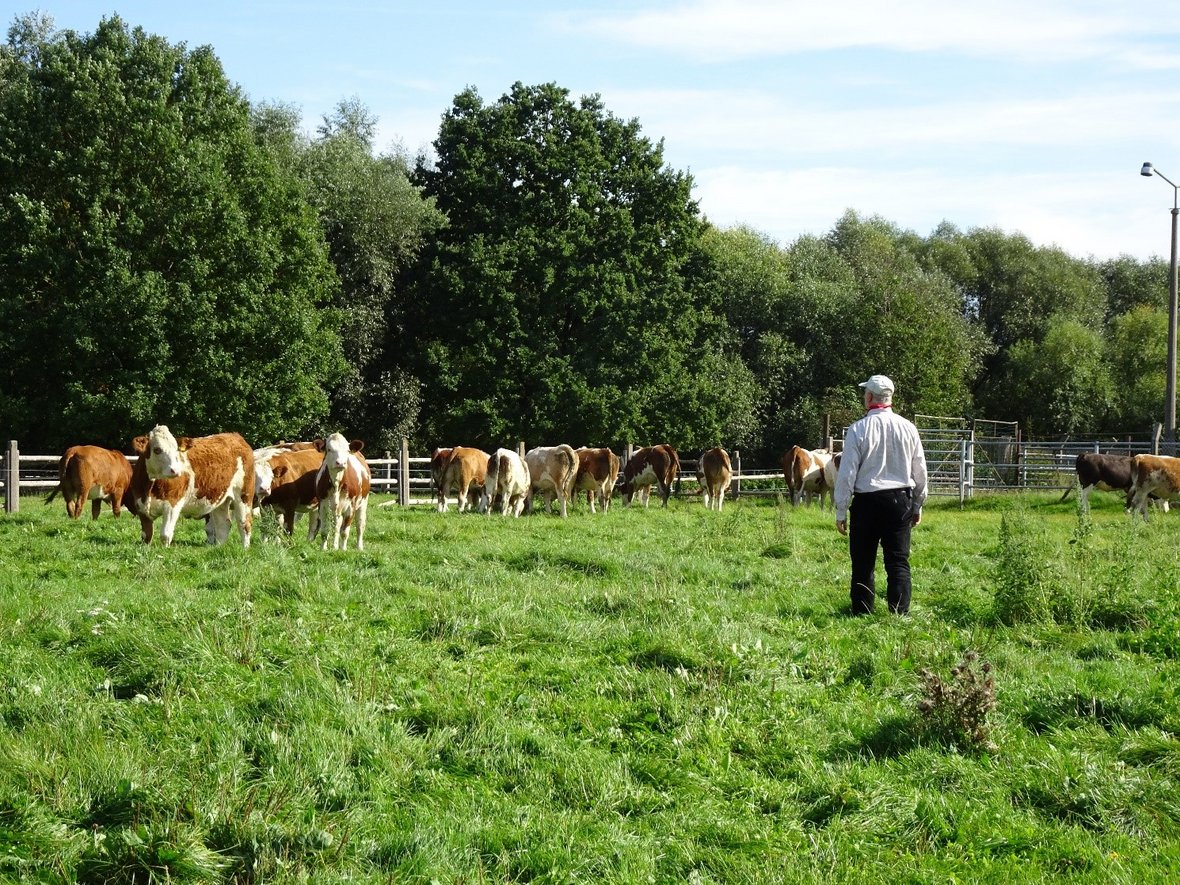
“Take it easy – we’re in a hurry!” With this statement, which at first glance seems contradictory, Ronald Rongen, “Cowmunicator” (Low Stress Stockmanship Europe), welcomes his audience on his tour of Schleswig-Holstein, Mecklenburg-Western Pomerania and Brandenburg. A total of five seminars on stress-free cattle herding were held as part of the Animal Welfare Focus network.
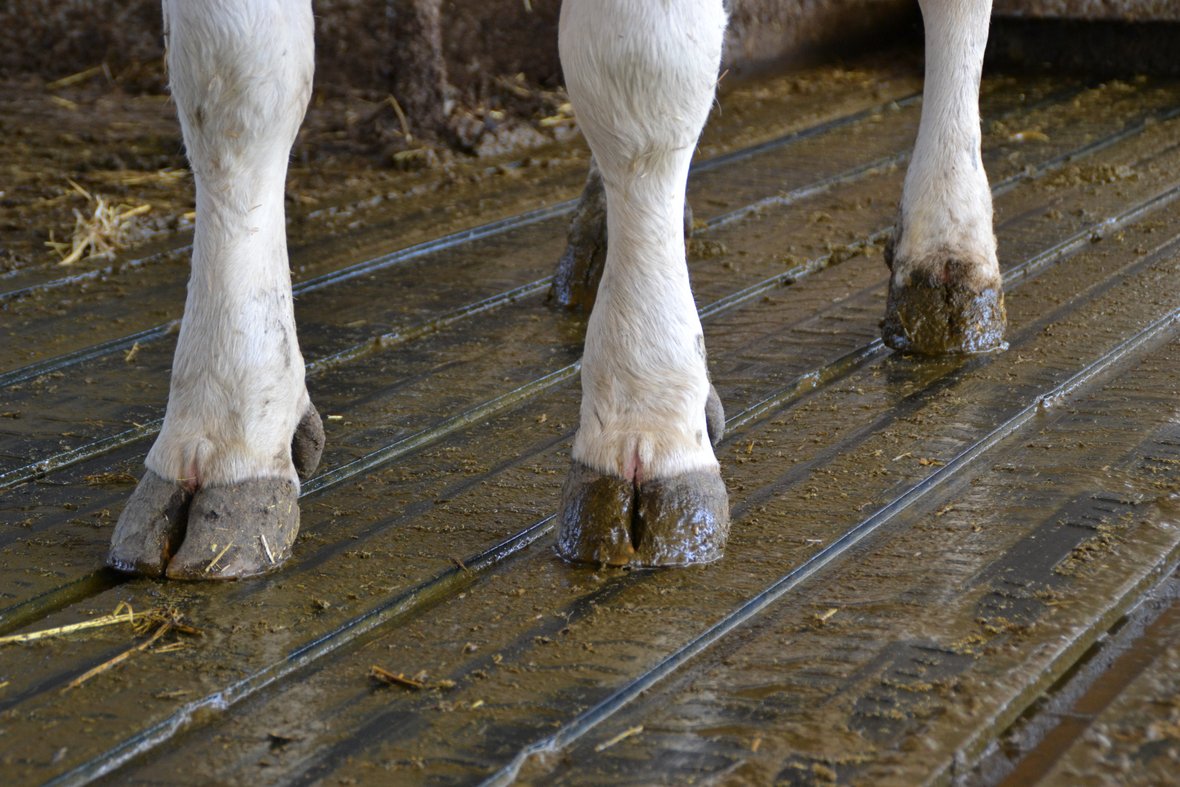
Hoof health is what matters!
Online seminars organised by the Lower Saxony Chamber of Agriculture provide information on ways to influence hoof health
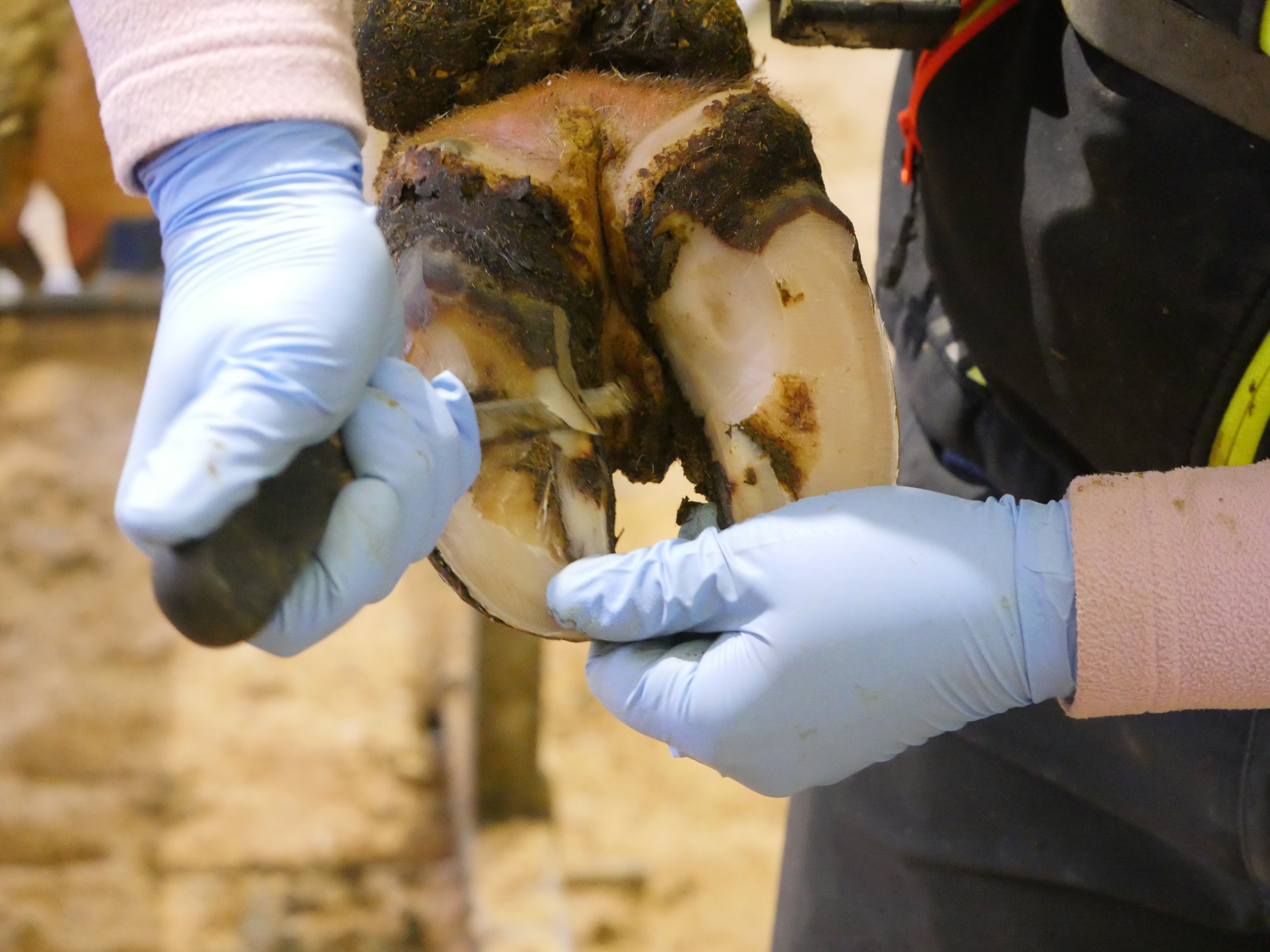
Hoof health plays a crucial role in the welfare and performance of our cattle. Hoof diseases remain the third most common reason for culling dairy cows. Furthermore, every case of lameness represents a financial problem that should not be underestimated, leading to reduced milk yield, increased replacement rates, extra work due to treatment costs and veterinary fees, and even prolonged calving intervals. Through feeding, hoof care and animal-friendly husbandry, the farmer has a wide range of ways to influence the hoof health of their herd.
To equip dairy farmers with the knowledge they need on this topic, an online seminar was held at the LWK Niedersachsen as part of the Fokus Tierwohl network. The speakers were Dr Jörg Willig, from the Cattle Health Service of the LWK Lower Saxony, and Klaus Hermann Haß, a self-employed hoof trimmer. In a second online seminar, Prof. Dr Barbara Benz from the University of Applied Sciences for Economics and the Environment in Nürtingen-Geislingen spoke about the synergistic effects between emission reduction measures in the cowshed and hoof health.
Obstetrics and calf management
Online event organised by the Lower Saxony Chamber of Agriculture
How can we ensure a good start to a calf’s life? This question was the focus of two webinars organised by the Lower Saxony Chamber of Agriculture as part of the nationwide ‘Netzwerk Fokus Tierwohl’ project.
In the first part, Dr Carola Fischer-Tenhagen from the Federal Institute for Risk Assessment (BfR) spoke about obstetrics in cattle. In a second webinar, Dr Caroline Esfandiary from the Cattle Health Service of the Lower Saxony Chamber of Agriculture discussed the care of calves after birth.
Heat stress in dairy cattle housing
Online event organised by the Bavarian State Office for Agriculture
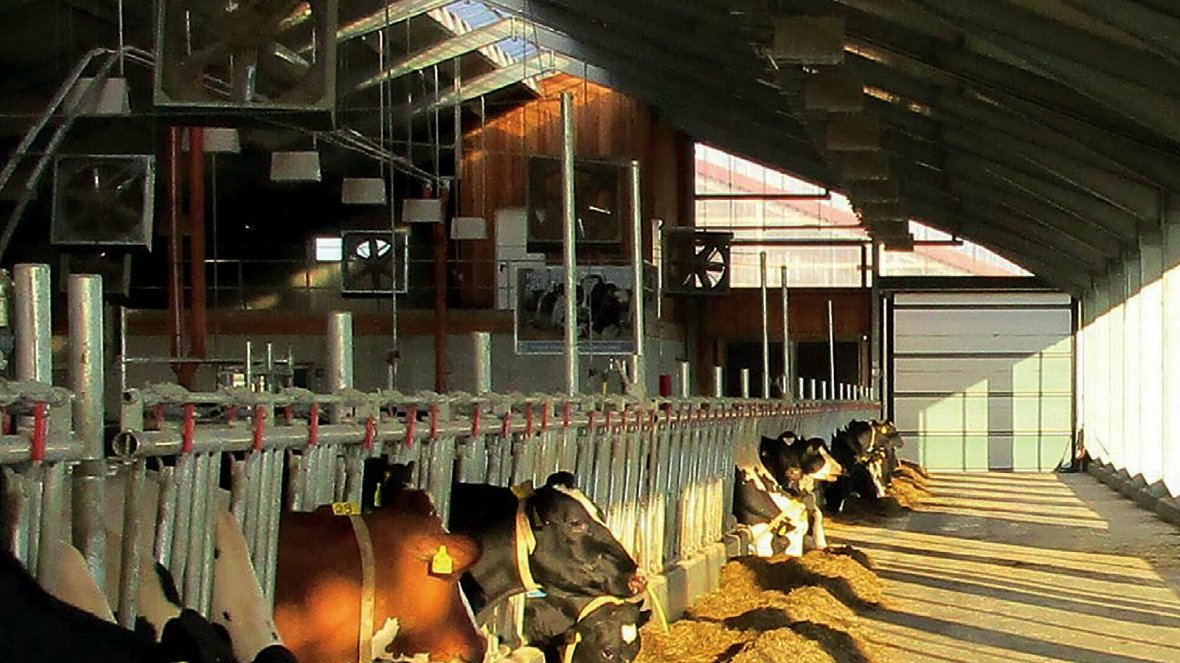
As part of the nationwide ‘Fokus Tierwohl’ network, the Institute for Agricultural Engineering and Animal Husbandry at the Bavarian State Institute for Agriculture organised a free online seminar entitled ‘Heat stress in dairy cattle housing’. Johannes Zahner (LfL Bavaria) explained how the negative consequences of heat stress, such as reduced milk yield and health problems, can be mitigated during the summer months.
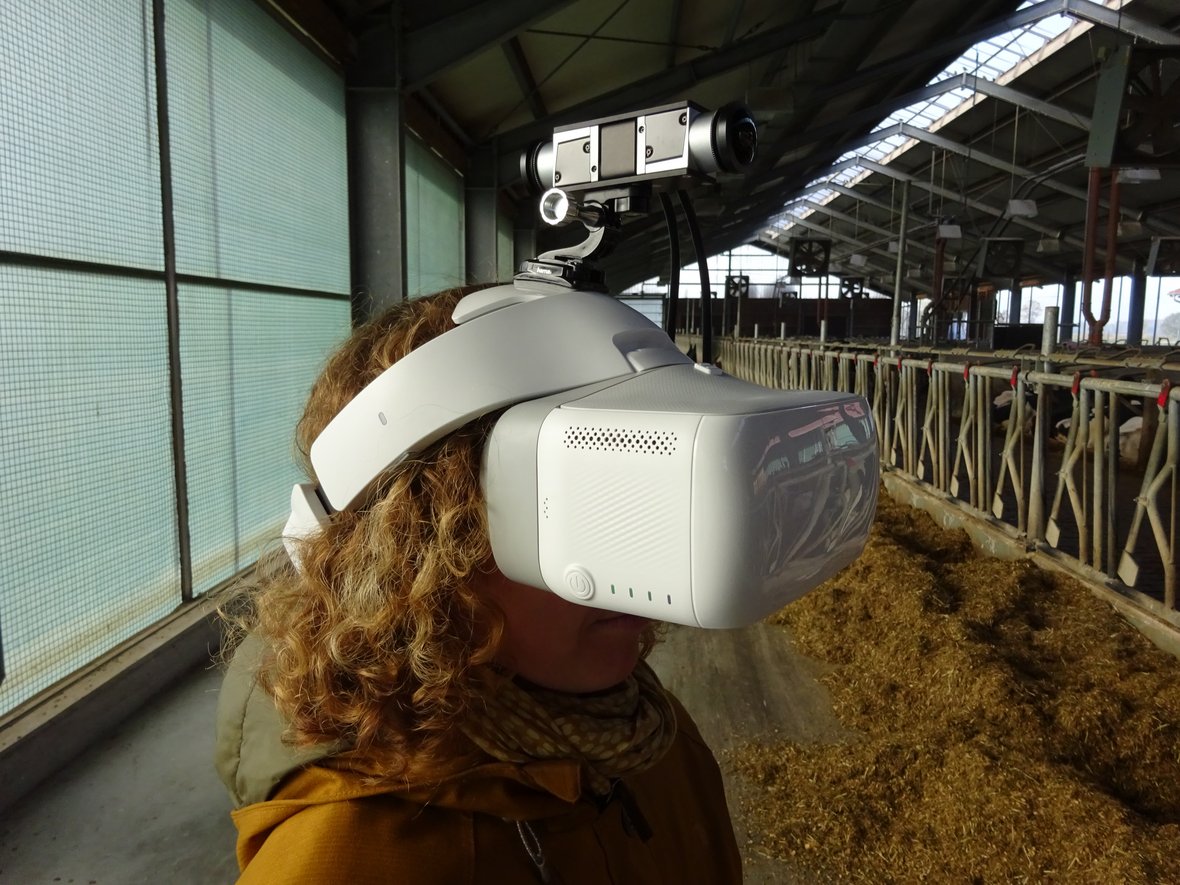
At EuroTier digital, which made its debut in early February 2021 as a purely online event, the session on bovine sensory perception organised by the nationwide Fokus Tierwohl network was one of the most popular events in the specialist programme. The speaker was Benito Weise, who is responsible, amongst other things, for inter-farm training at the Agricultural Training Centre (LBZ) Echem of the Lower Saxony Chamber of Agriculture.
When handling cattle, a certain degree of habituation develops between humans and animals. However, new situations are often associated with stress and can lead to difficulties. Habituation to the automatic milking system or, for example, being moved into the hoof care stall are just two of many examples of this. When interpreting behaviour, it is important to bear in mind that cows are flight animals. When faced with danger, they react by fleeing; however, unlike horses, cattle may also resort to attacking. Cattle that have escaped and are not recaptured within two to three days, for example, fall into this evolutionarily determined pattern. They then tend to revert to a wild state and display classic flight behaviour when approached.
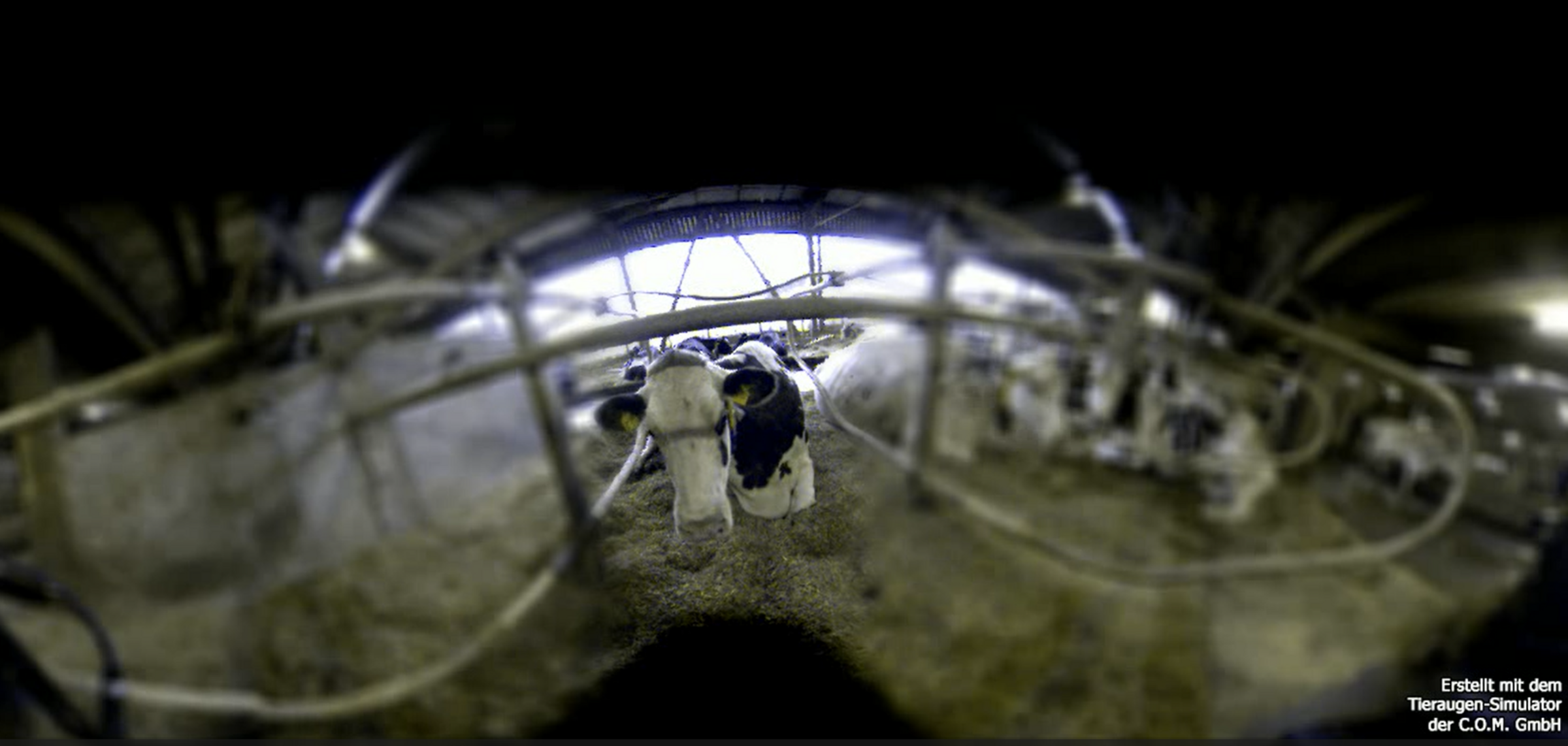
To make the differences in visual perception between cattle and humans easy to understand, virtual reality (VR) goggles were developed at the LBZ Echem in collaboration with a software company. The environment is captured by cameras and modified for viewing through the VR goggles in such a way that it feels as though one has the vision of a cow. This allows humans to experience, for example, how a cow visually perceives being herded into the hoof trimming pen.
Webinars organised recently by the Lower Saxony Chamber of Agriculture (LWK Niedersachsen) focused on topics relating to livestock farming and pasture management. The sessions covered parasites, effective herd protection and mobile slaughter.
Prof. Dr Georg von Samson-Himmelstjerna (Freie Universität Berlin) gave a presentation on parasite infestation and control in grazing animals. The main focus was on the occurrence, significance and control of selected parasites.
Elke Steinbach and Martin Holm spoke about options for constructing wolf-repellent fencing, herd protection and the conditions for compensation payments.
Gerd Kämmer, a farmer from Schleswig-Holstein, spoke on the slaughter of cattle on pasture.
Ways to reduce the use of antibiotics in dairy farming
LFA Mecklenburg-Vorpommern’s online seminar provides information on practical solutions
The use of antibiotics in livestock farming must be reduced – this is a clearly expressed wish of many consumers. Excessive use for prevention and treatment can lead to antibiotic resistance, which also has implications for human health. This calls for a change in mindset and a much more responsible approach to the use of antibiotics in livestock farming in general. Furthermore, new management practices are needed to support this reduced use. But what options are available in dairy farming to reduce the use of antibiotics?
On 17 March 2021, the State Research Institute for Agriculture and Fisheries (LFA) of Mecklenburg-Western Pomerania hosted an online seminar on this topic as part of the Fokus Tierwohl network. Thirty-nine interested parties from across Germany joined the session to learn about practical solutions.
Know-how! – Easy hoof care
Online event series organised by the Eifel Rural Services Centre
On 21 January and 4 February 2021, two online seminars organised by the nationwide Fokus Tierwohl network on the topic of hoof health took place at the Rural Service Centre (DLR) Eifel.
Dr Hans-Peter Klindworth, a specialist veterinarian for cattle from Vierden, kicked off the hoof health series with a presentation on ‘The influence of husbandry on hoof health’. Thomas Engelhardt from the Centre for Animal Husbandry and Breeding in Iden, part of the State Institute for Agriculture and Horticulture of Saxony-Anhalt, then spoke about the most common feeding errors and their impact on hoof health. In the second part of the online seminar series, Dr Andrea Fiedler used numerous images and video clips to demonstrate how to identify lame animals on the farm.
Calving as a pivotal event for the cow and calf
EuroTier digital 2021 – Animal Welfare Network in the DLG Spotlights
At EuroTier digital in early February 2021, the nationwide Fokus Tierwohl network was featured in the specialist programme with numerous presentations. The ‘Spotlight on Cattle’ section included, among other things, a specialist talk on calf birth.
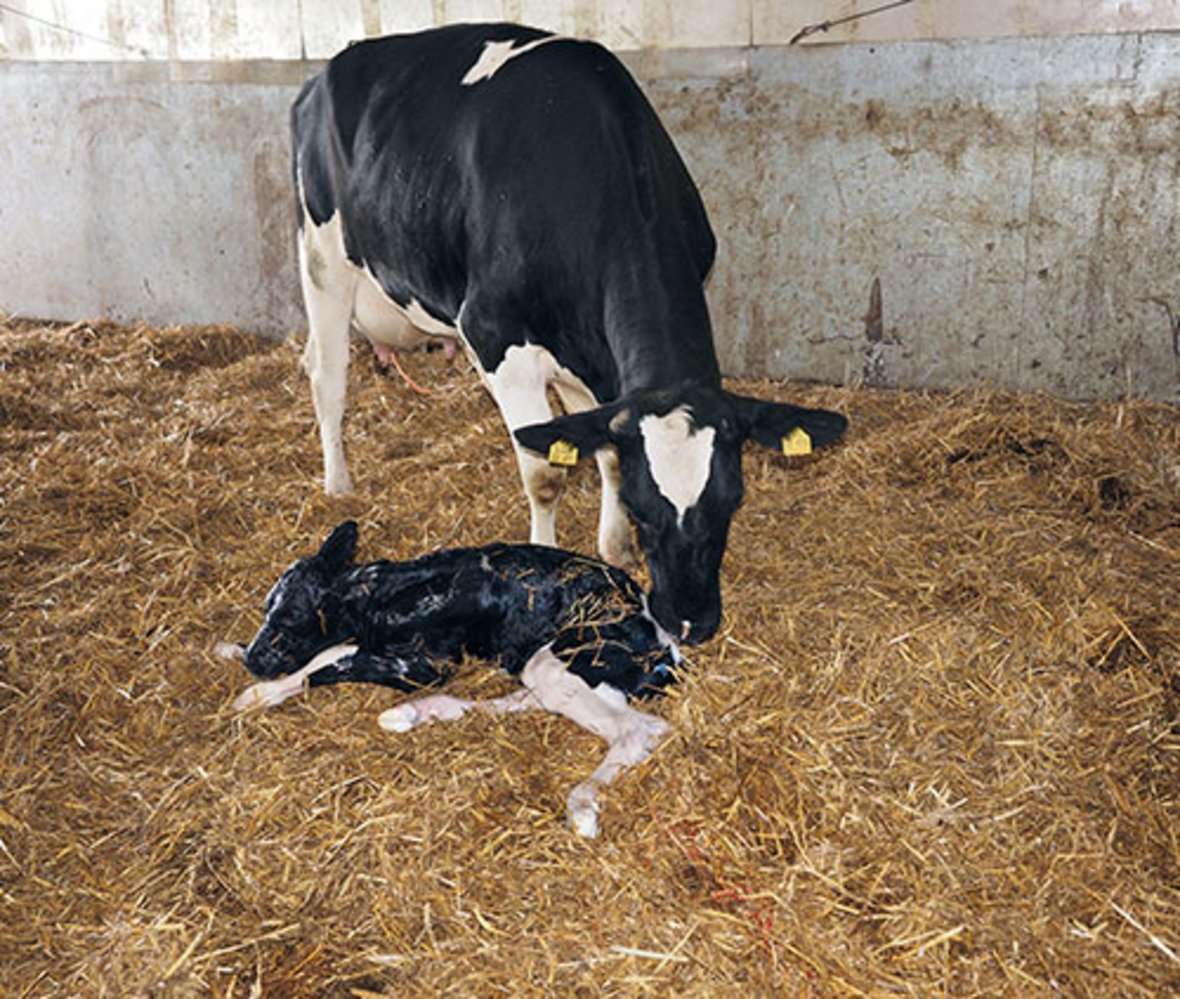
What begins with birth and, where necessary, obstetric care in cattle was clear to all viewers right from the start: hopefully a long, healthy life for a productive cow. Professor Axel Wehrend, Head of the Clinic for Obstetrics, Gynaecology and Andrology of Large and Small Animals at the Faculty of Veterinary Medicine at JLU Giessen, began his lecture with remarks on the consequences of a difficult birth.
Rubber mats on slatted floors for greater comfort when calves are lying down
The Lower Saxony Chamber of Agriculture provides information on the use of rubber mats on slatted floors
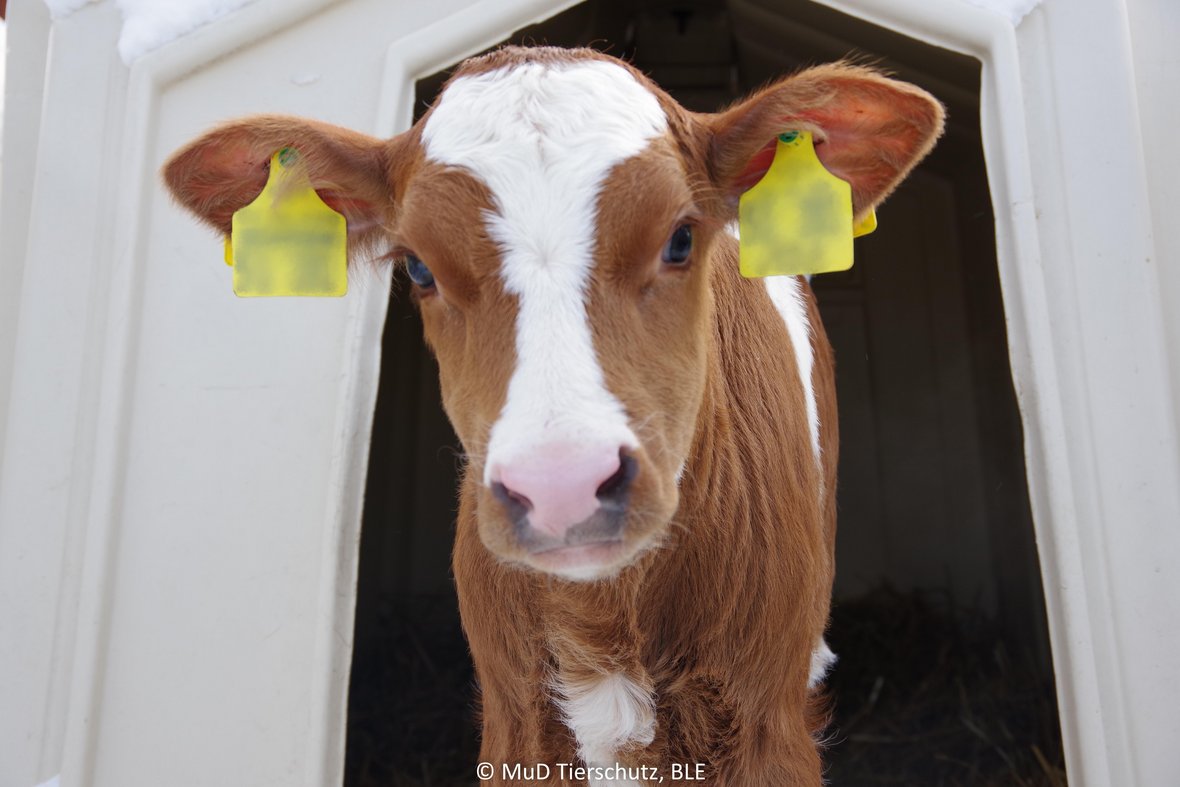
The revision of the Animal Welfare and Livestock Management Ordinance, which came into force at the end of January 2021, introduces a number of changes to calf rearing. Among other things, the ordinance has been amended to stipulate that calves under six months of age must have access not only to a dry lying area but also to a “soft or elastic lying area” whilst indoors.
With a view to improving lying comfort in existing barns with fully slatted floors, the Lower Saxony Chamber of Agriculture has offered two webinars on the topic of ‘Rubber mats on slatted floors for calves’.
Leading farms share their practical experience of using digital tools in dairy farming
EuroTier digital 2021 – Animal Welfare Network in the DLG Spotlights
On Friday 12 February, the first EuroTier Digital came to a successful close. Over 41,000 visitors logged on to the DLG’s digital platform during the four days of the event. They explored the offerings of around 1,200 participating companies, took part in over 300 specialist events and networked specifically with industry professionals.
The pilot farms of the Focus Animal Welfare network were actively involved in shaping the EuroTier specialist programme. For the DLG Spotlight on Cattle on 12 January, the three farm managers literally had to pry themselves loose from the icy conditions to take part in the panel discussion on the topic ‘Digitalisation and automation in dairy farming – good for animal welfare?’.