
Sustainable, biodiversity-promoting cattle grazing in Schleswig-Holstein
EIP Project NaBiWei
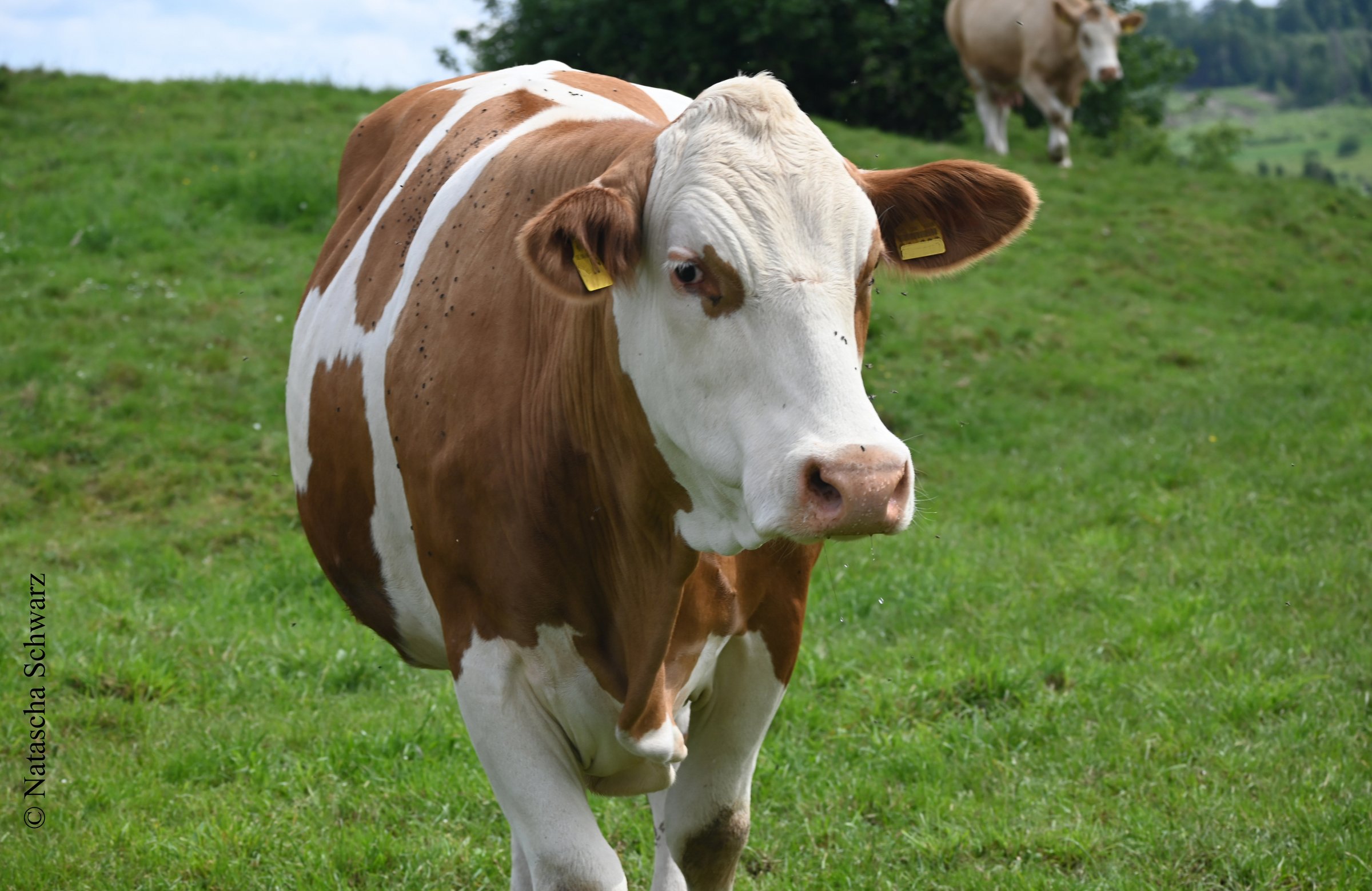
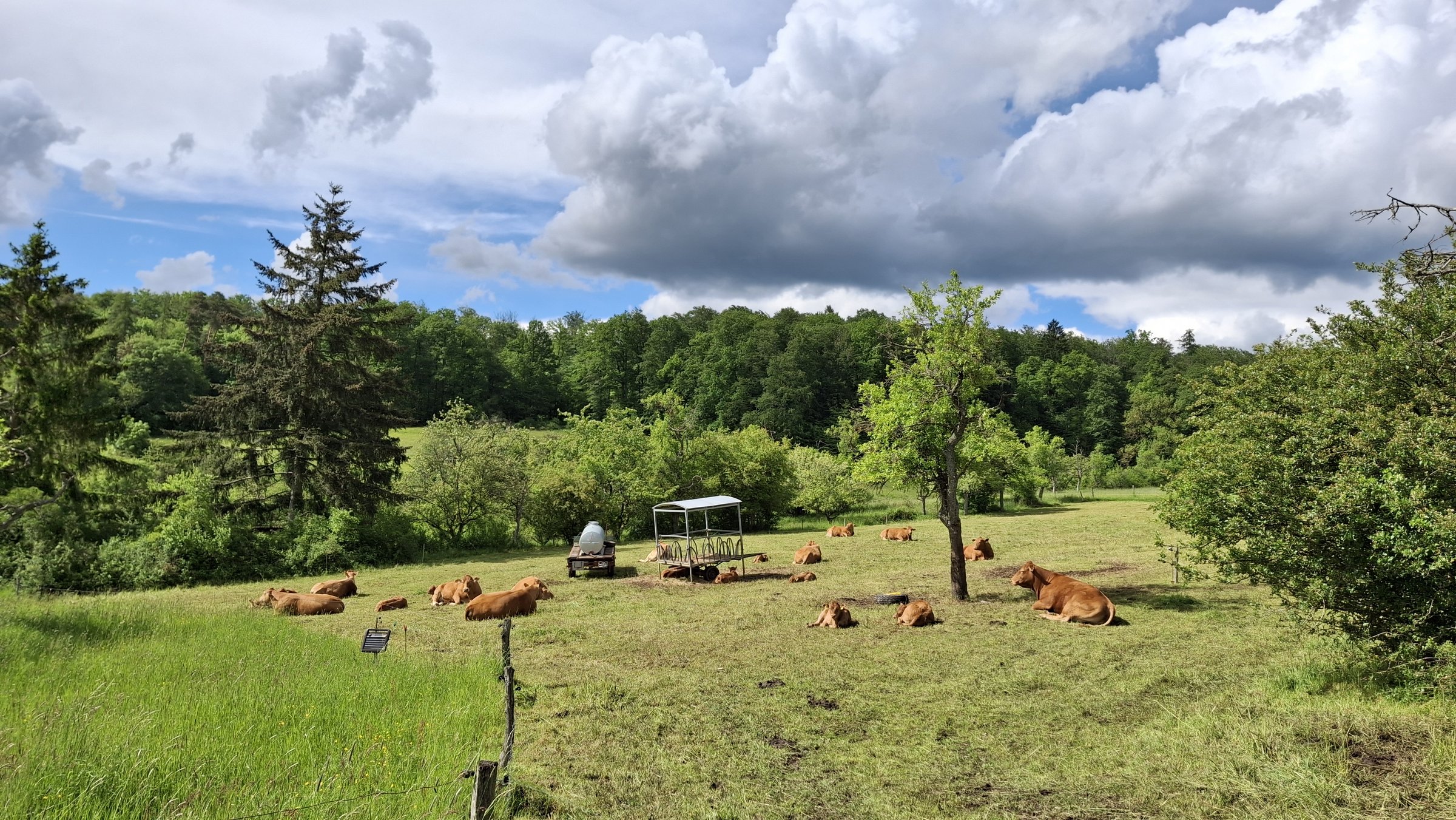
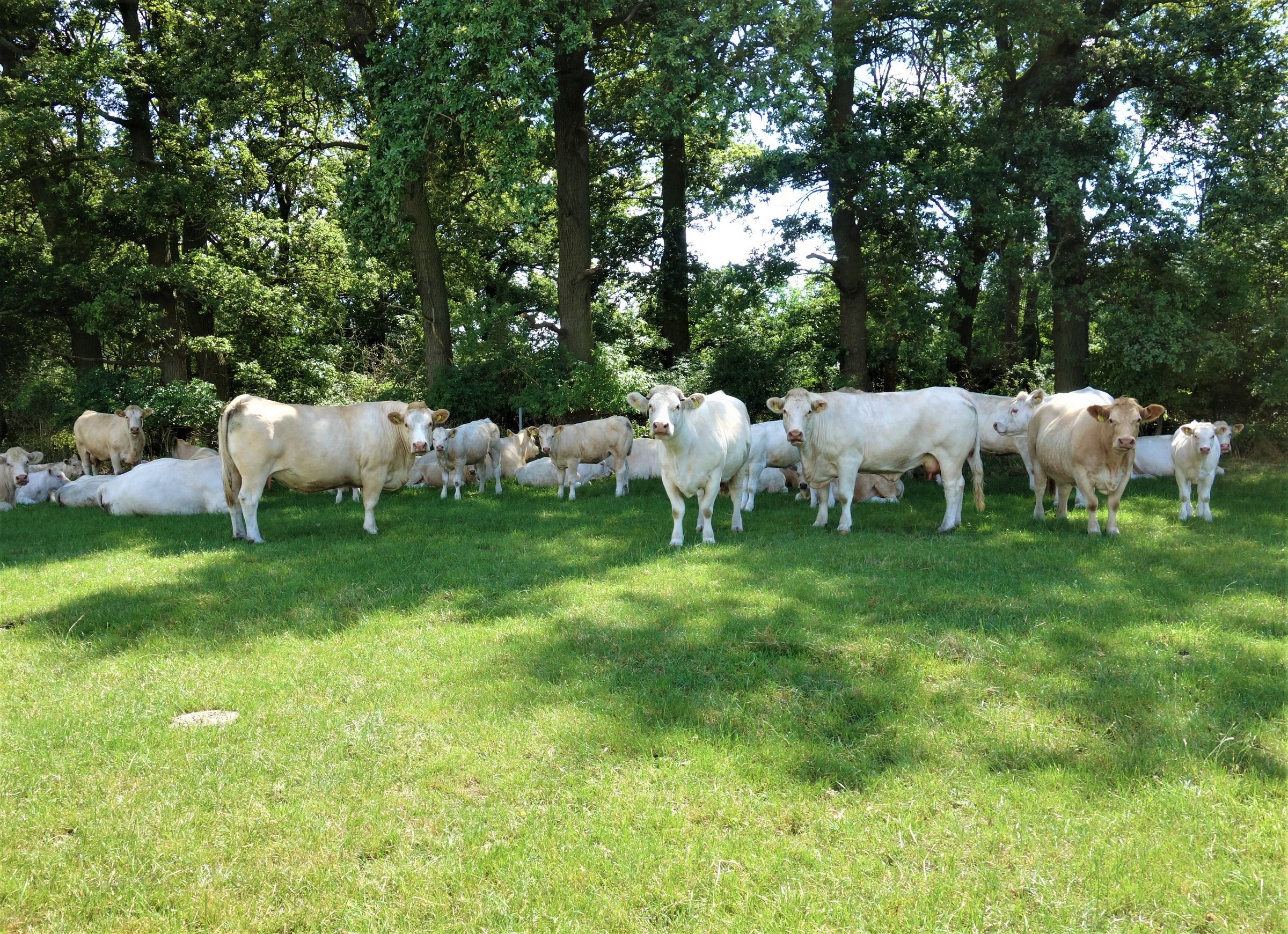
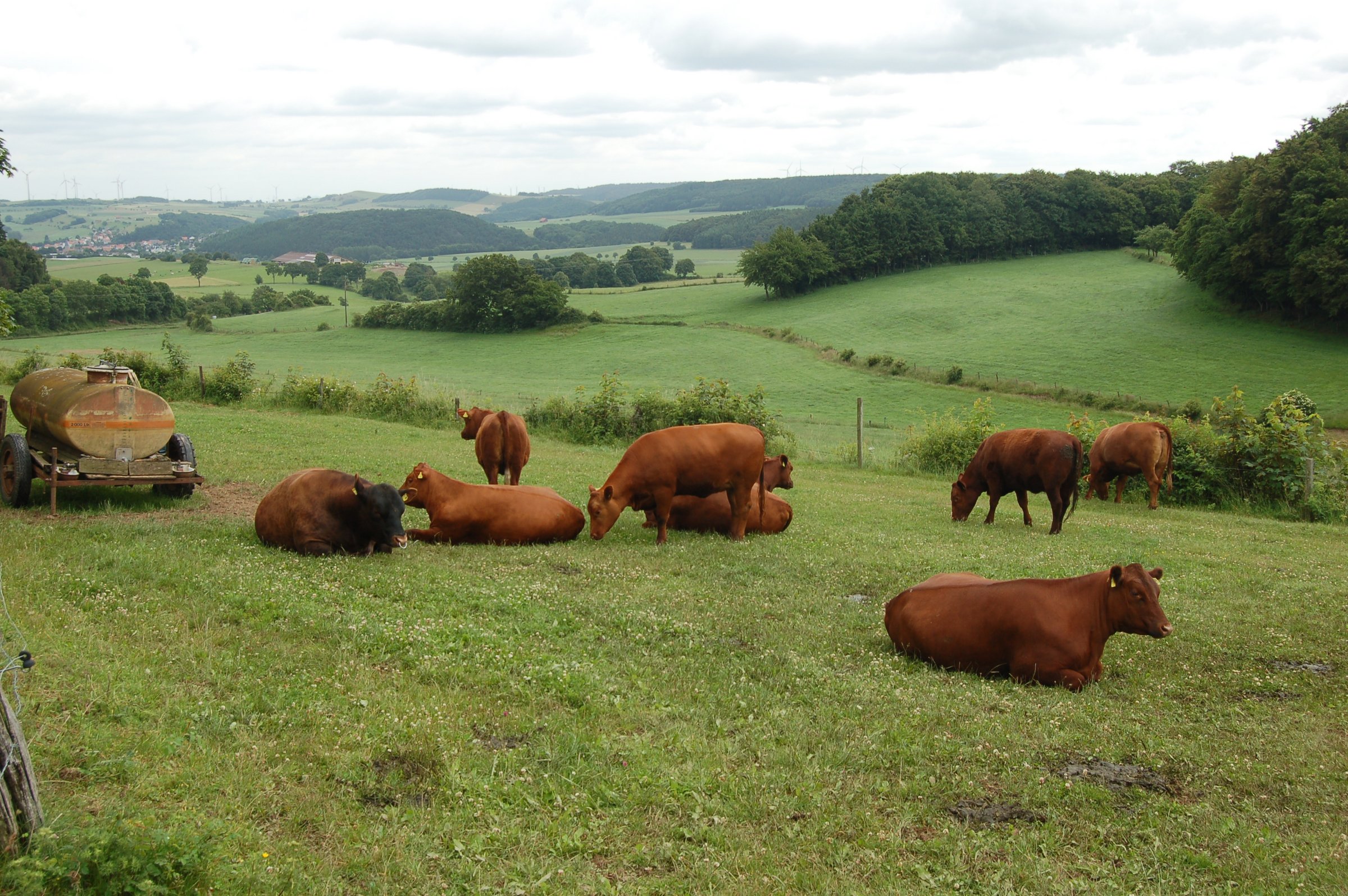
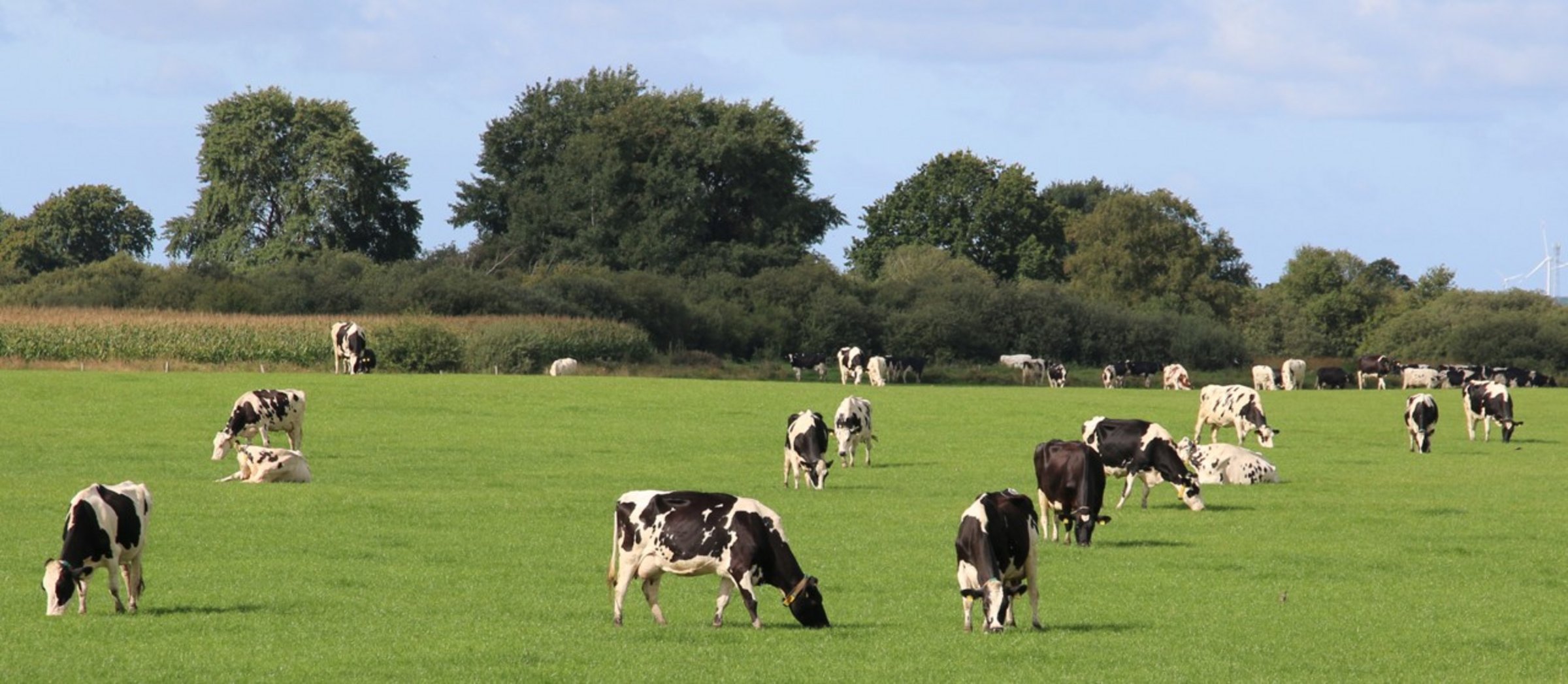
Grazing cattle is an important building block for animal welfare, climate protection and biodiversity. At the same time, it poses challenges - for example in terms of animal health, parasite management and the further development of suitable breeds through breeding. This is precisely where the NaBiWei project comes in, which is funded by the EU and the state of Schleswig-Holstein as part of the European Innovation Partnership (EIP).
The aim of the project is to make pasture farming more sustainable. To this end, three central topics are being addressed:
- Anthelmintics and biodiversity: research is being carried out into how deworming agents affect the flora and fauna on pastures. The aim is to develop a treatment concept that promotes both animal welfare and nature conservation.
- Animal health and parasite load: Comprehensive data on husbandry, performance and health is being collected at different locations and with different cattle breeds in order to derive practical recommendations.
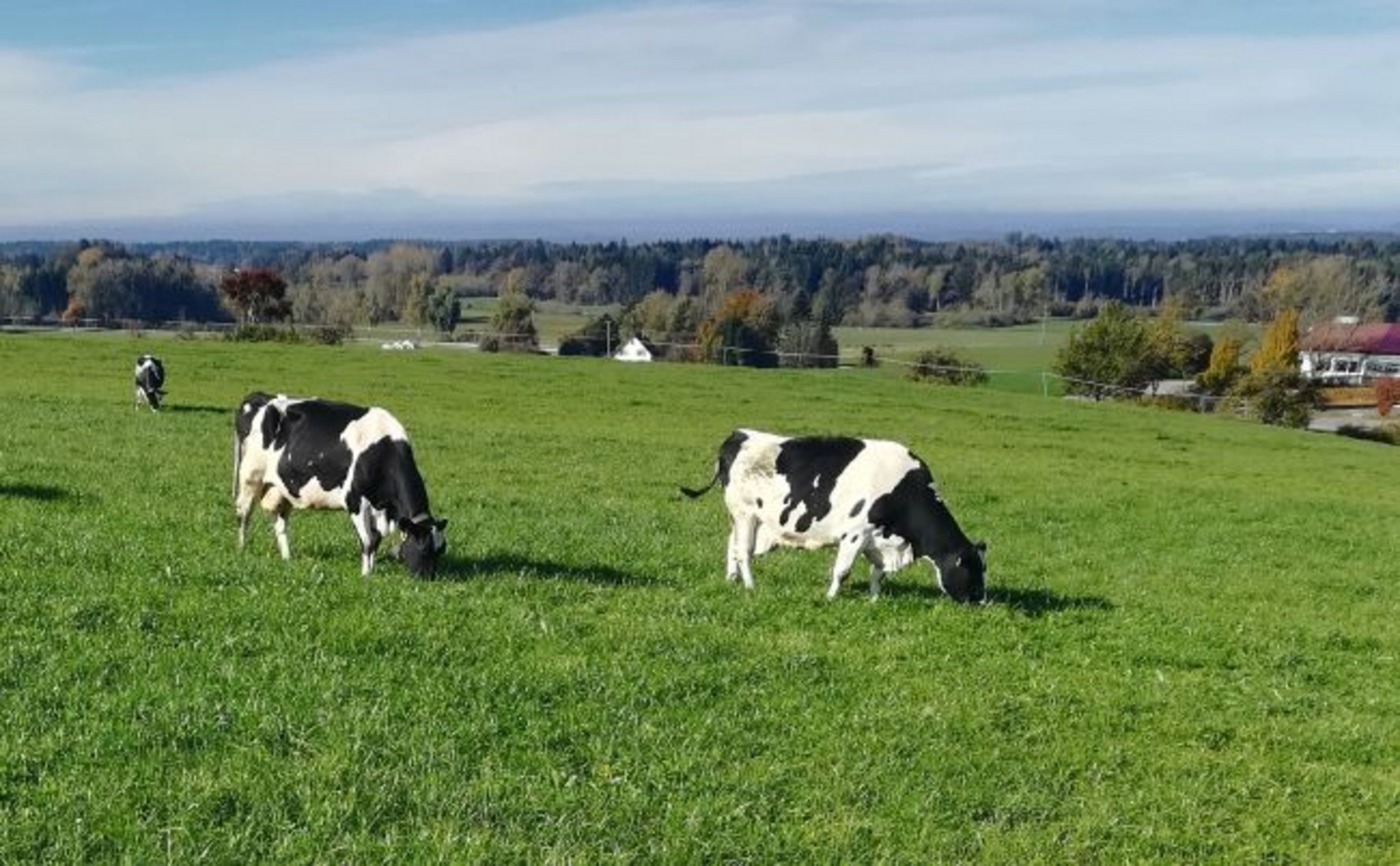
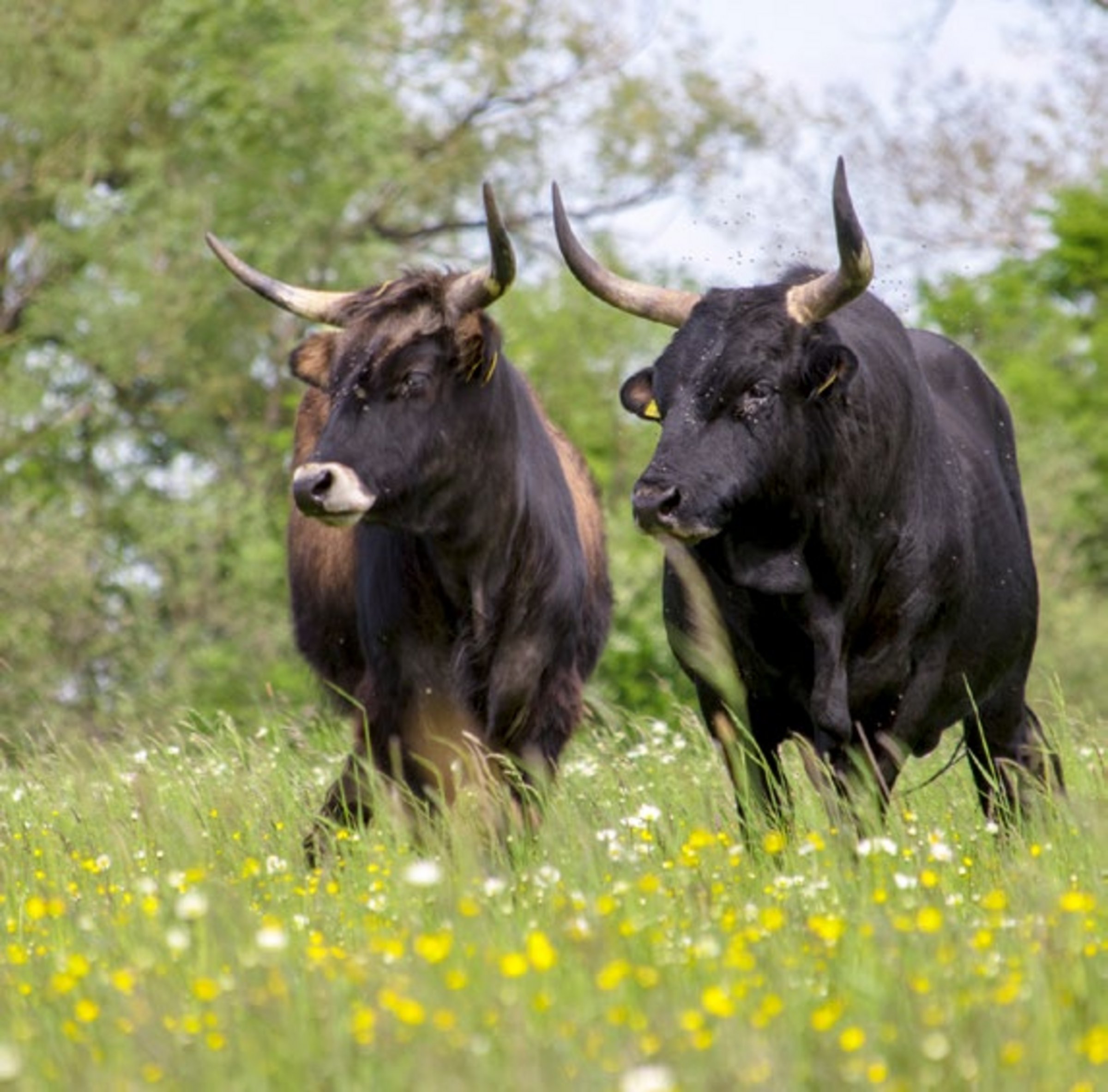
- Genomic breeding programmes: A special index breeding value for pasture is being developed for the Holstein Friesian breed, based on the pasture bull map of Rinderzucht Schleswig-Holstein eG. This gives farmers the opportunity to select specifically for suitability for grazing. At the same time, the endangered German Shorthorn breed is being genomically characterised and, through close cooperation with Denmark, related to other Shorthorn populations for the first time. The aim is to ensure their long-term utilisation in extensive grazing and nature conservation.
In addition, an online survey among dairy farmers will record the current status of grazing in practice.
In the long term, NaBiWei aims to use new findings and breeding tools to support farms in realising pasture farming in a more animal-friendly, sustainable and biodiversity-promoting way.