
Topic overview Beef
5 Min-Check
Ammonia emissions
Fachinformation
01 Breeding for hornlessness
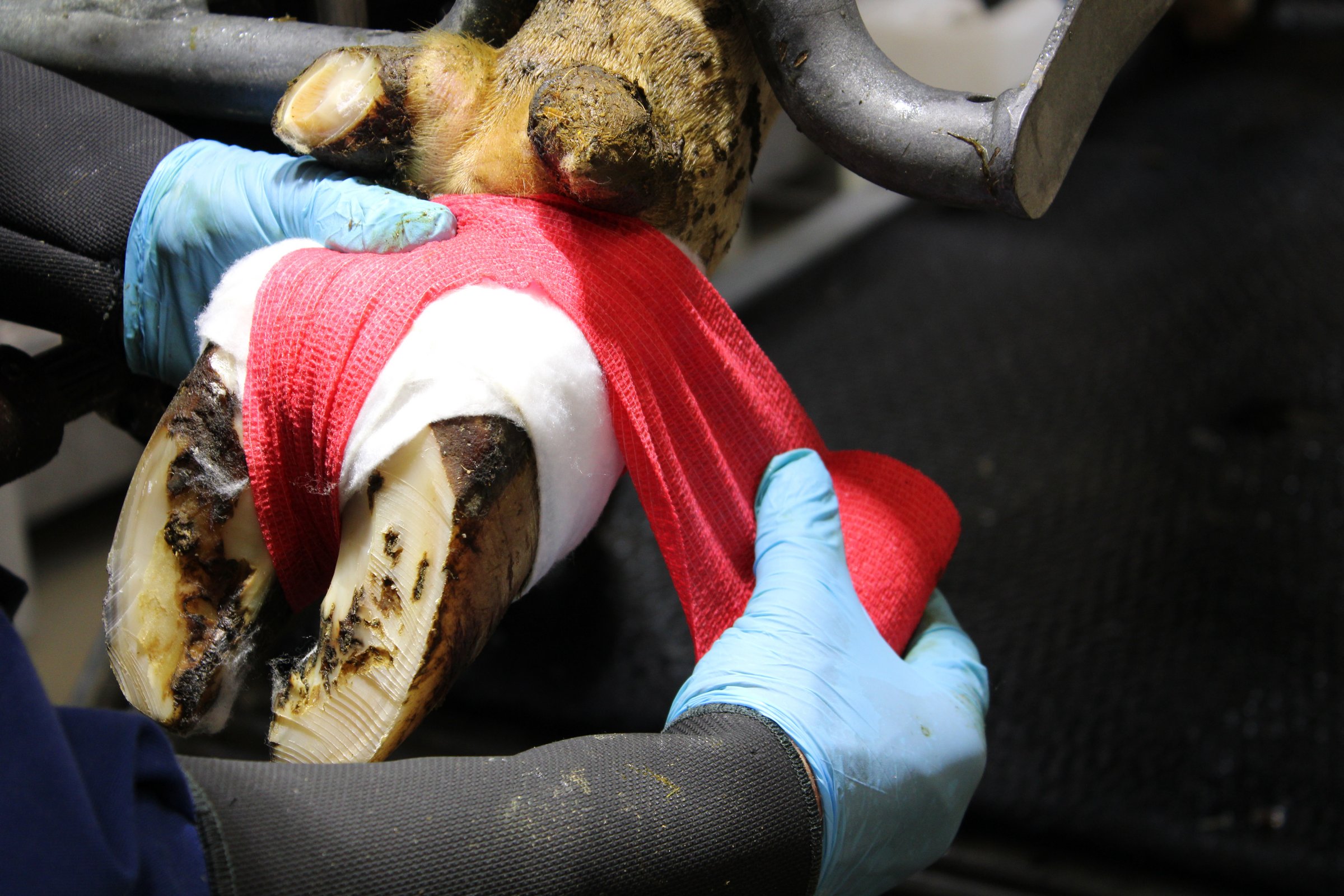
Hoof Care Checklists
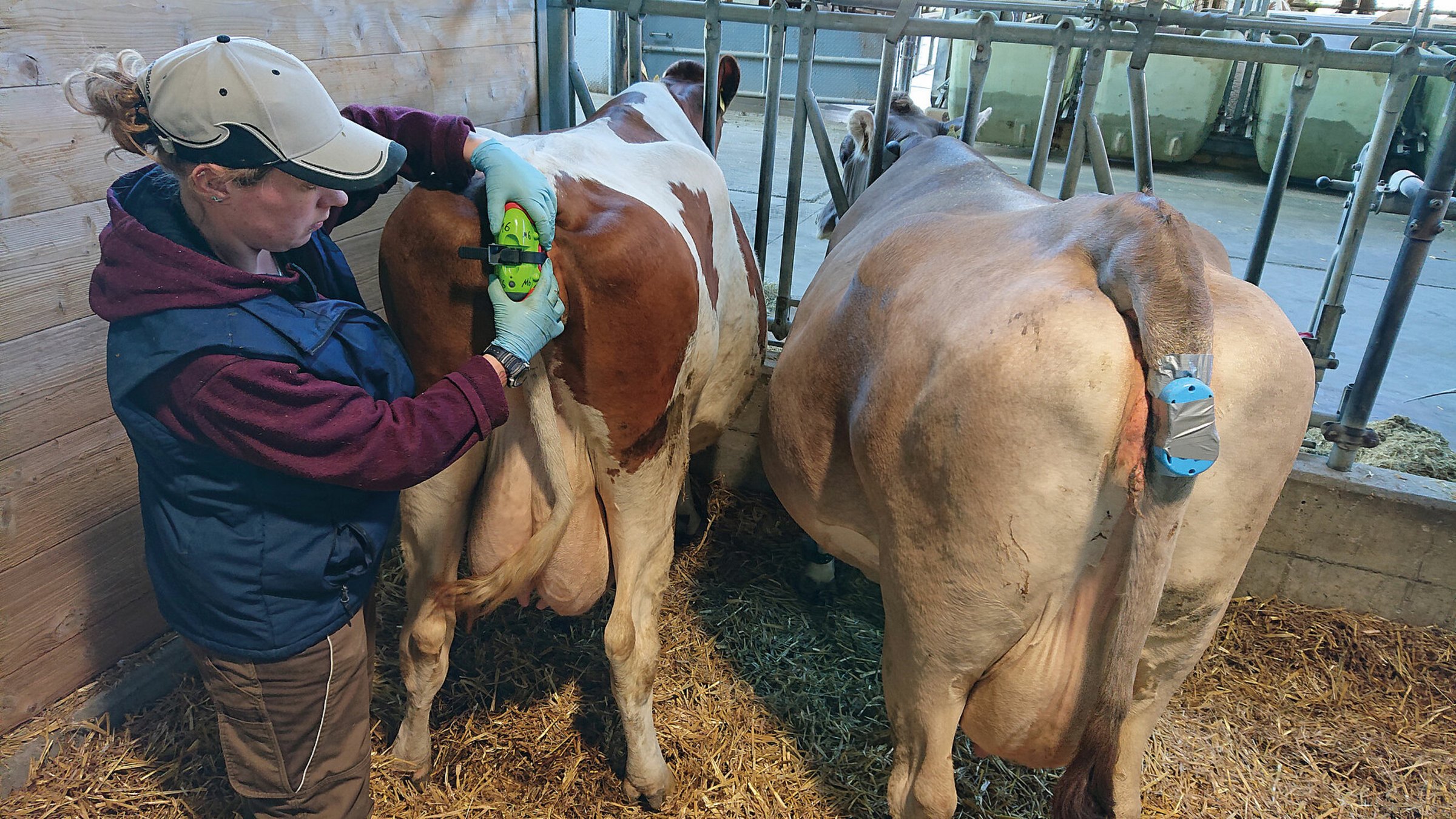
Experiences with foetal monitoring systems
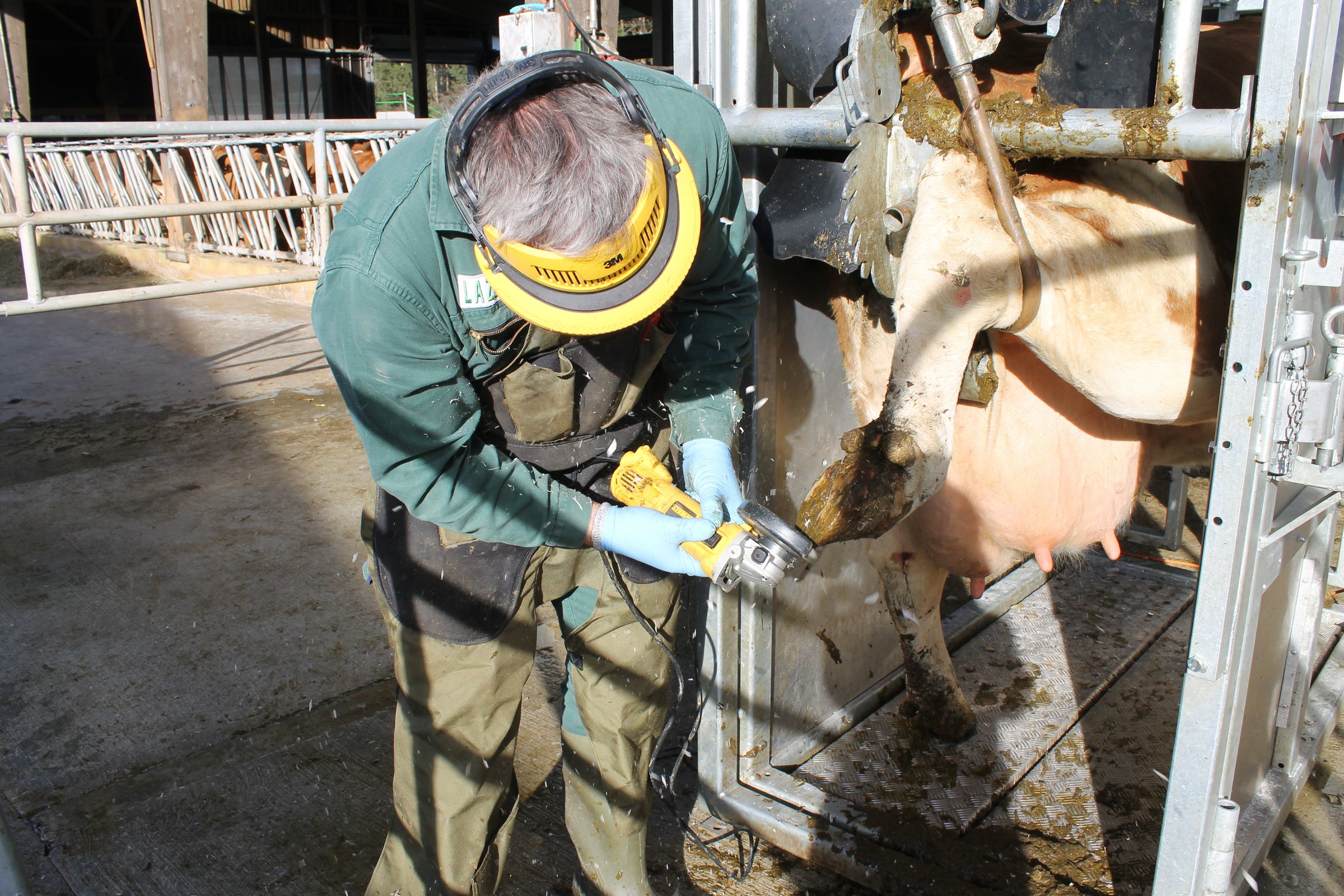
Professional treatment of lameness
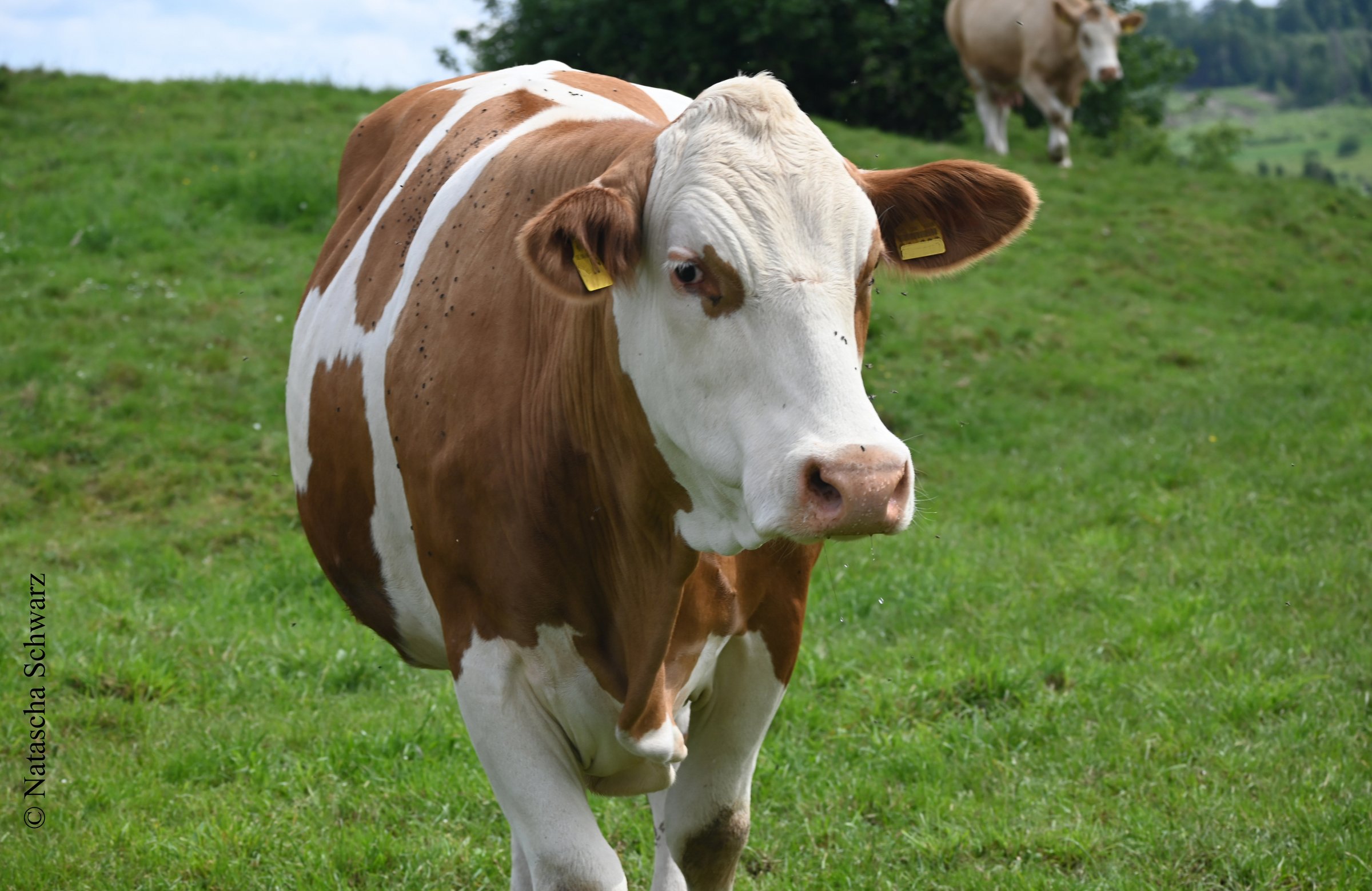
01 Fliegen und Gnitzen
Early detection of lameness
Fetal monitoring systems
Health breeding values in Holstein cattle breeding
Rubber-coated slatted floors for use in cattle fattening
Heat stress in dairy cows
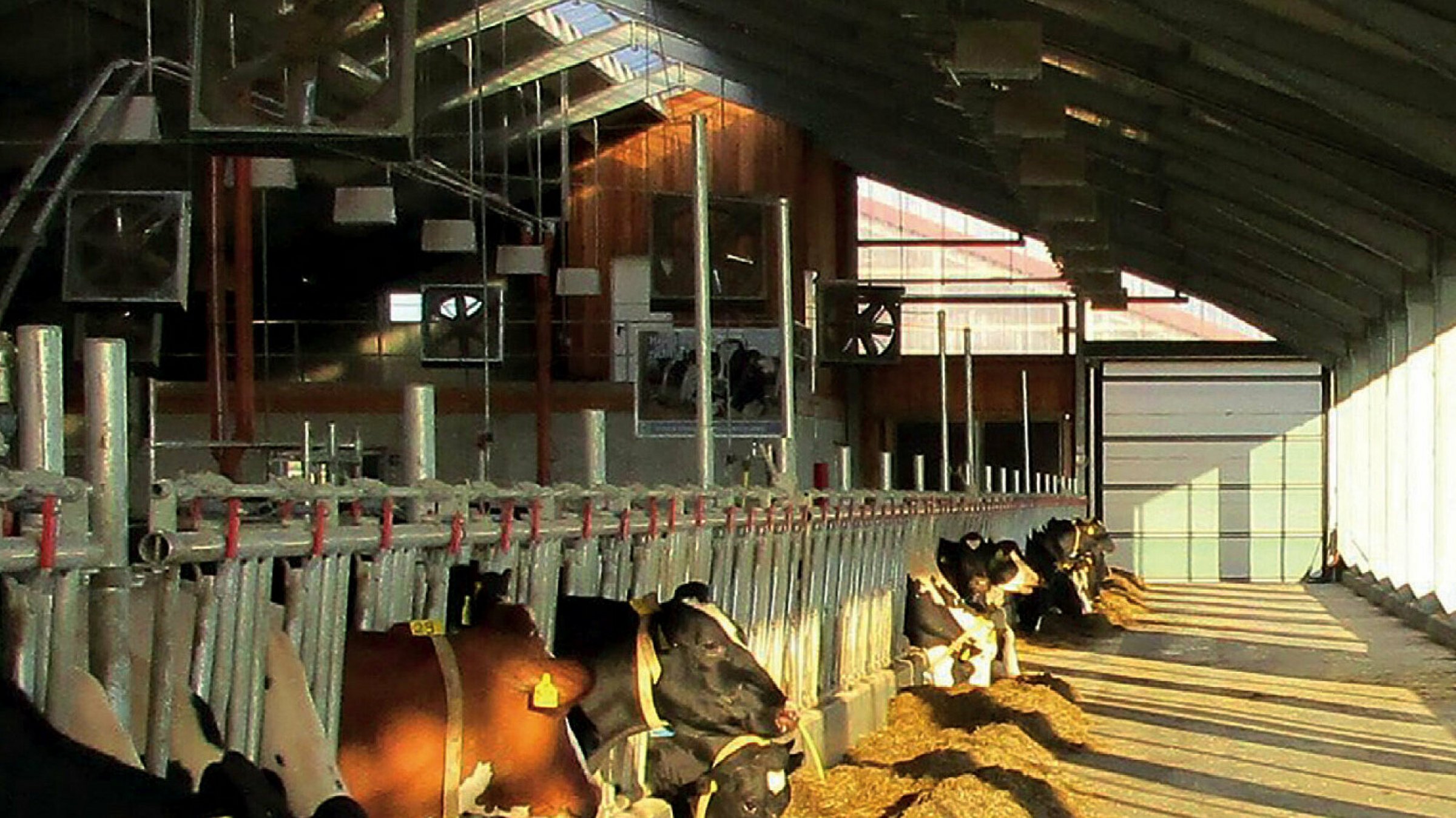
Hitzestress bei Milchkühen
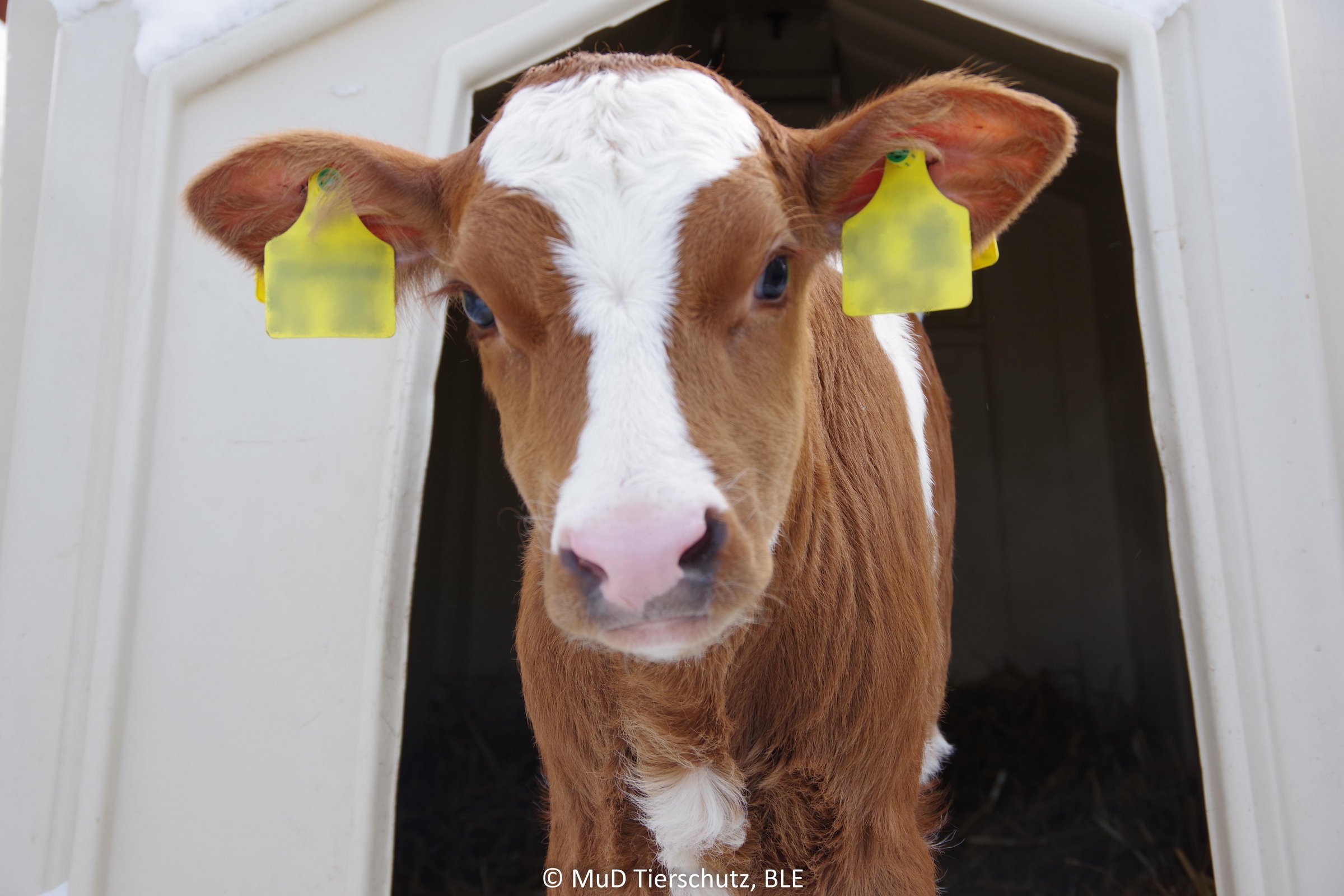
Hygiene in calf rearing
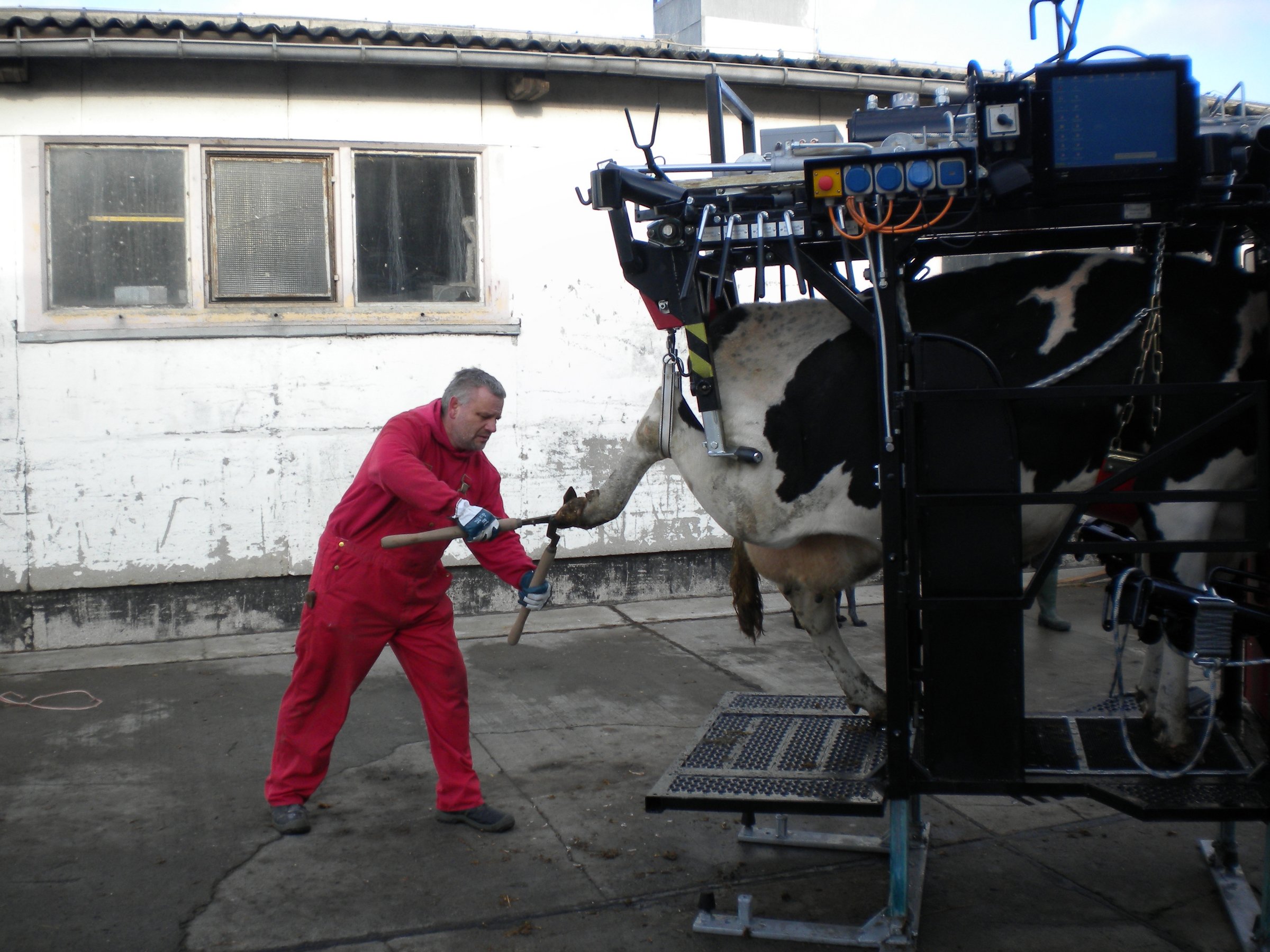
Hoof care: safety for animals and people
Hoof bandage
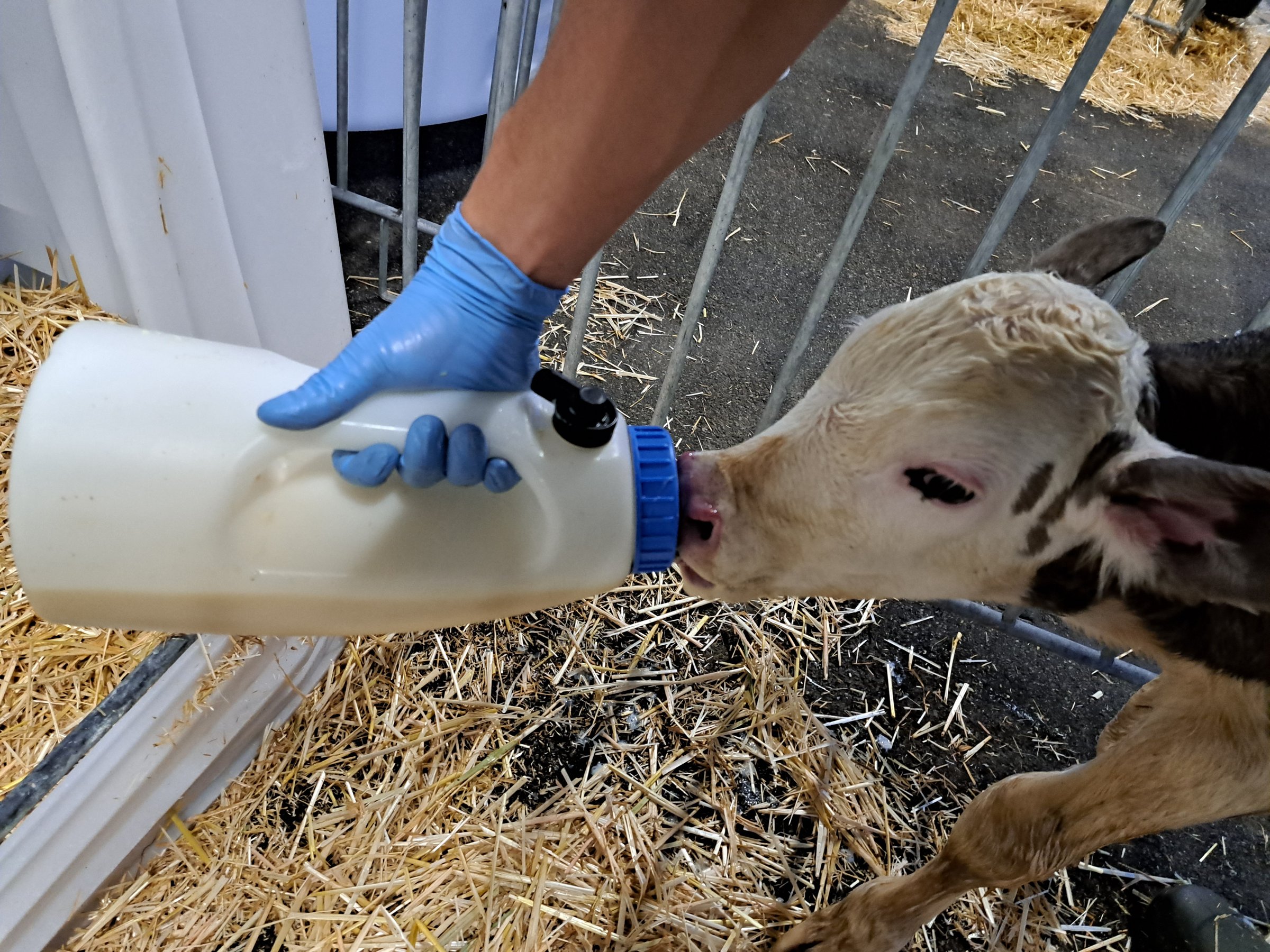
Colostrum supply
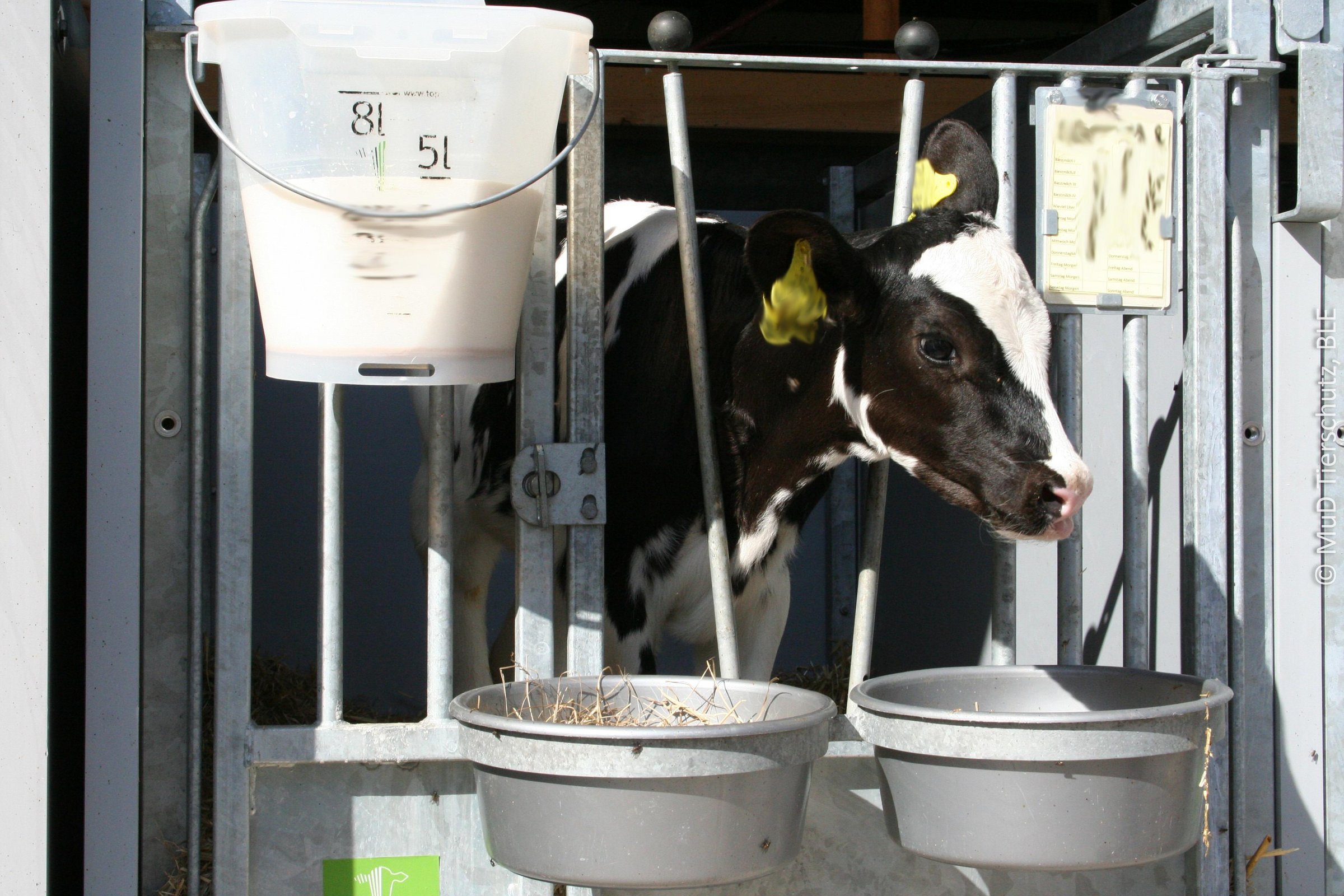
Feeding calves
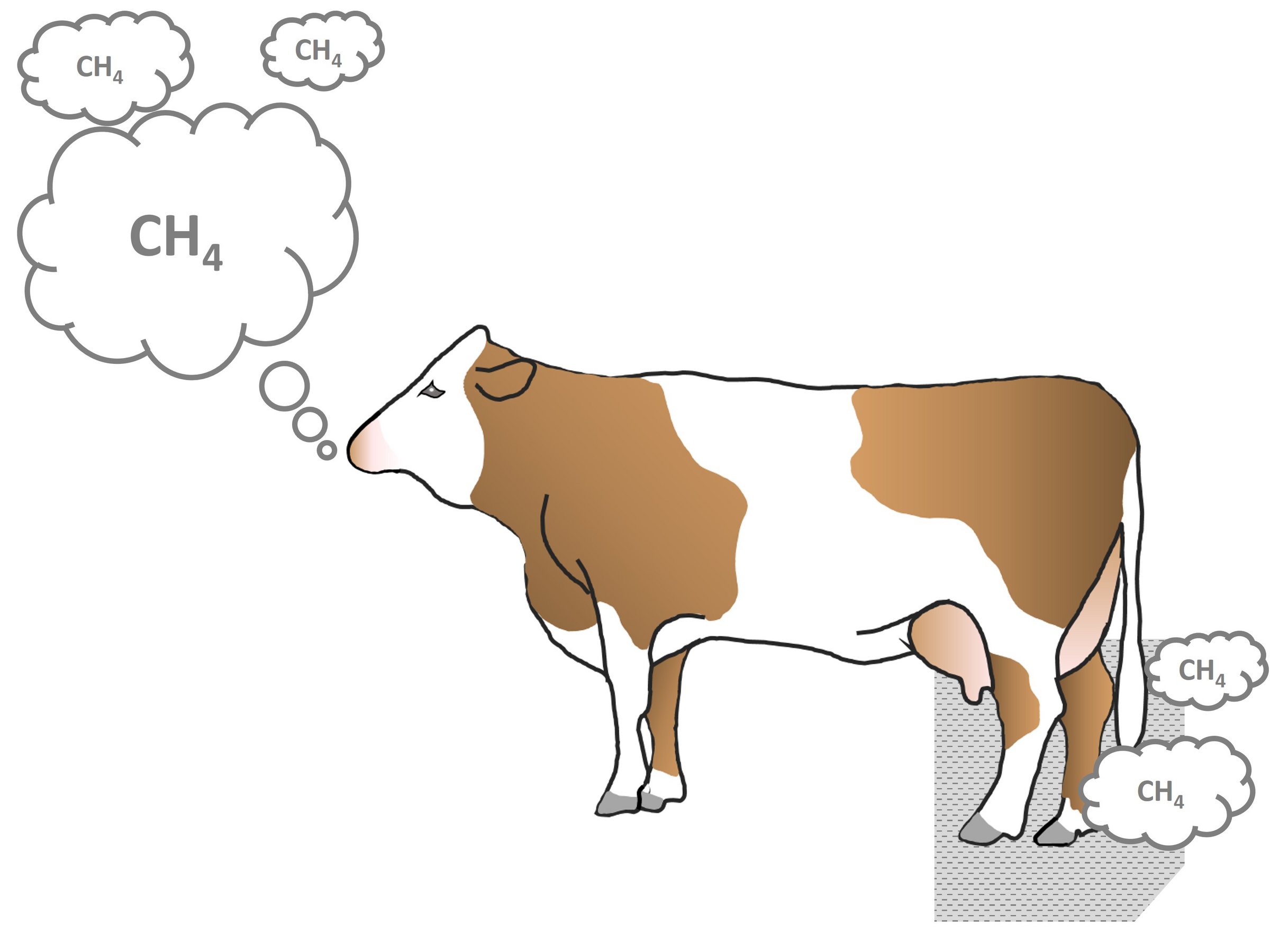
01 Methanemissionen
Fachinformation
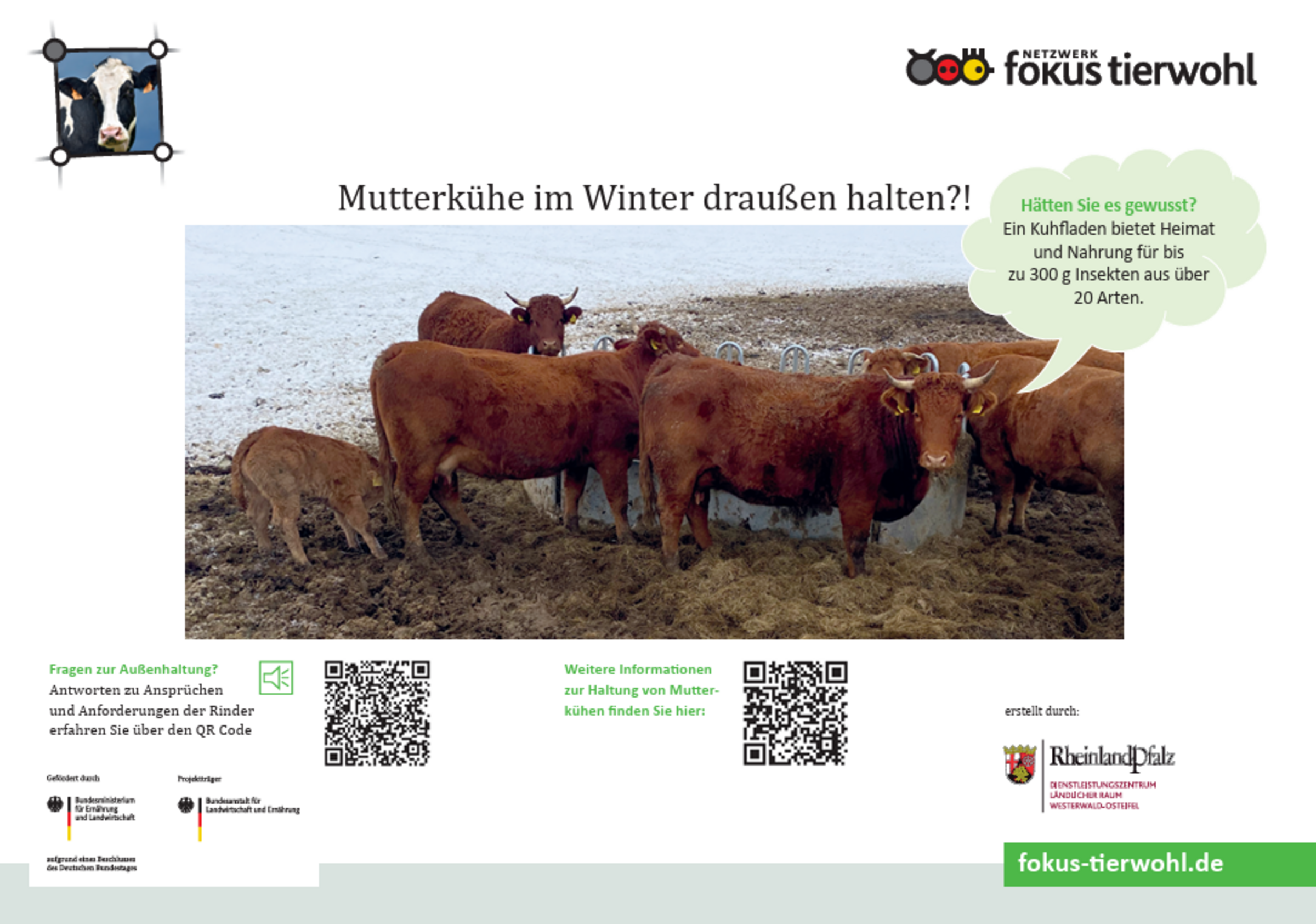
Suckler cow management in winter
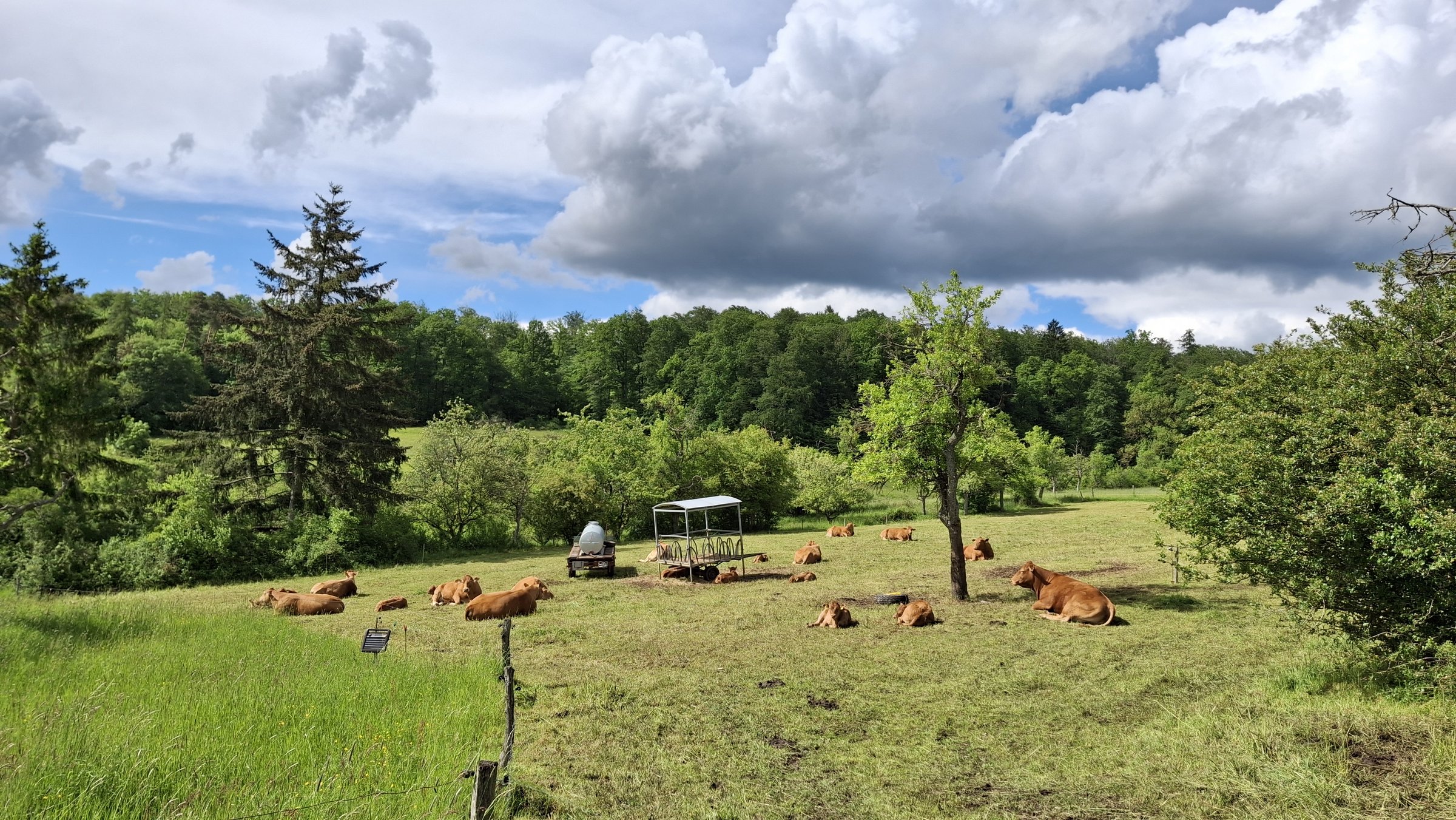
Suckler cow management in winter
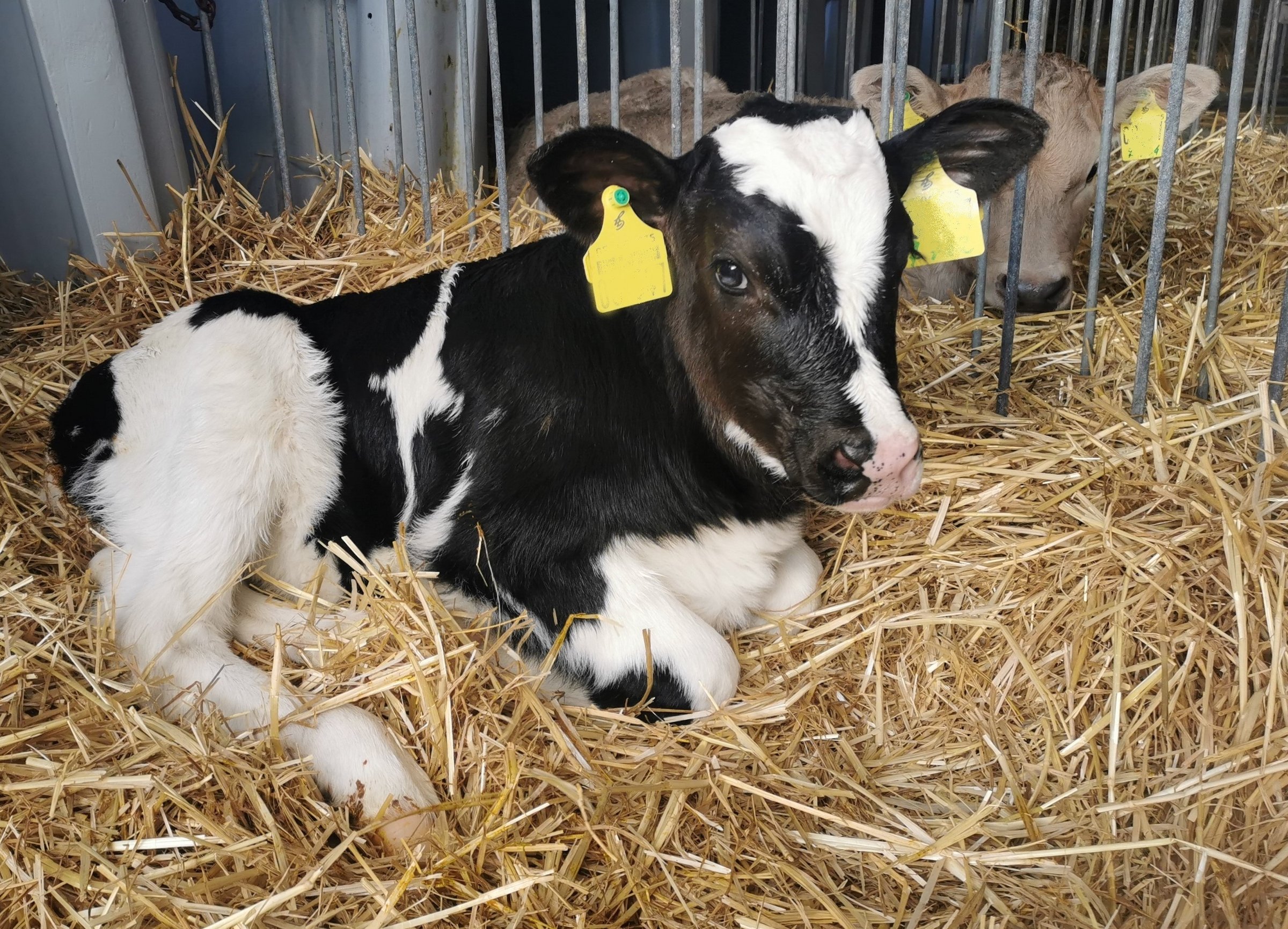
Navel disinfection
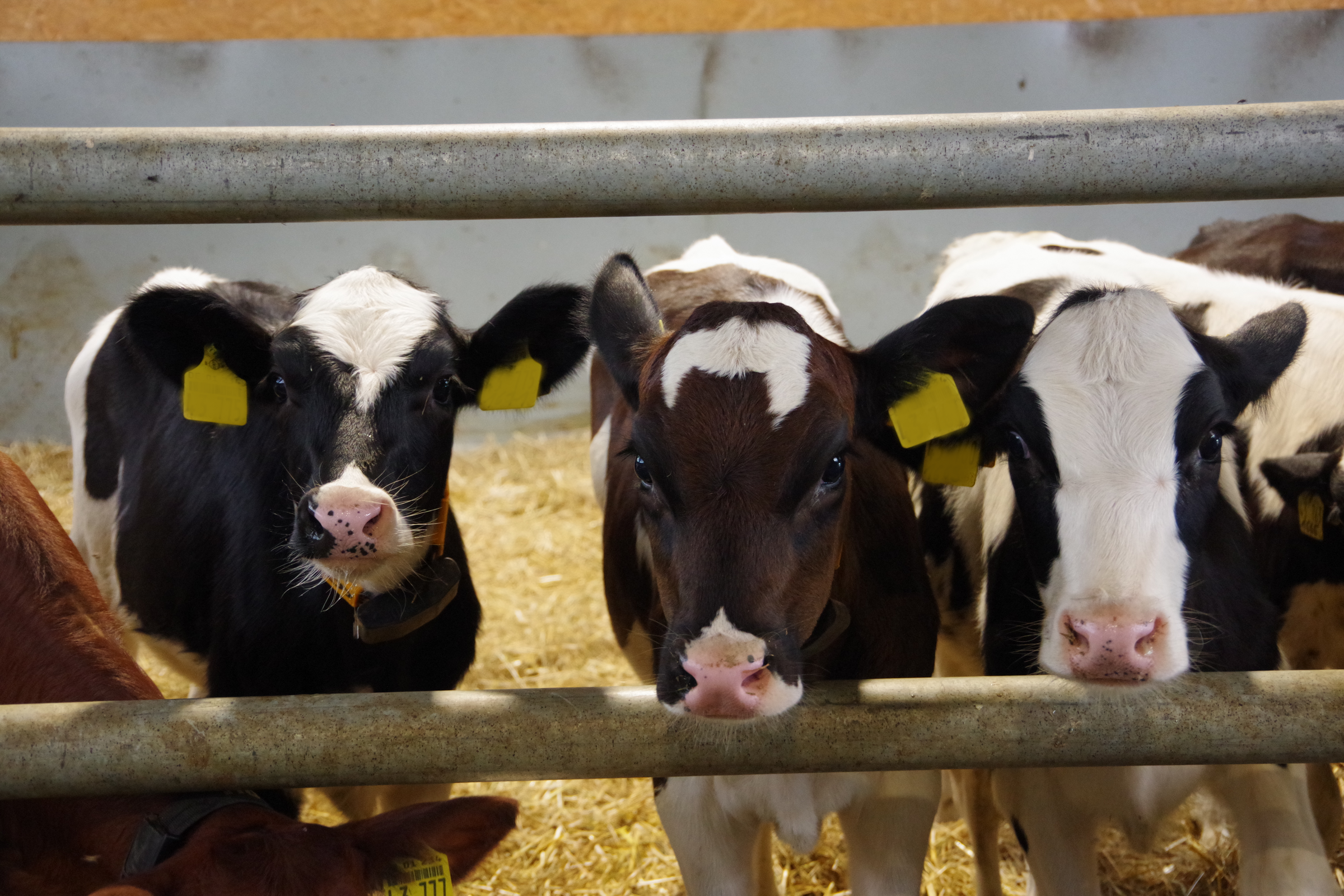
Calves for beef production from dairy breeds

Integration & Organisation der Klauenpflege
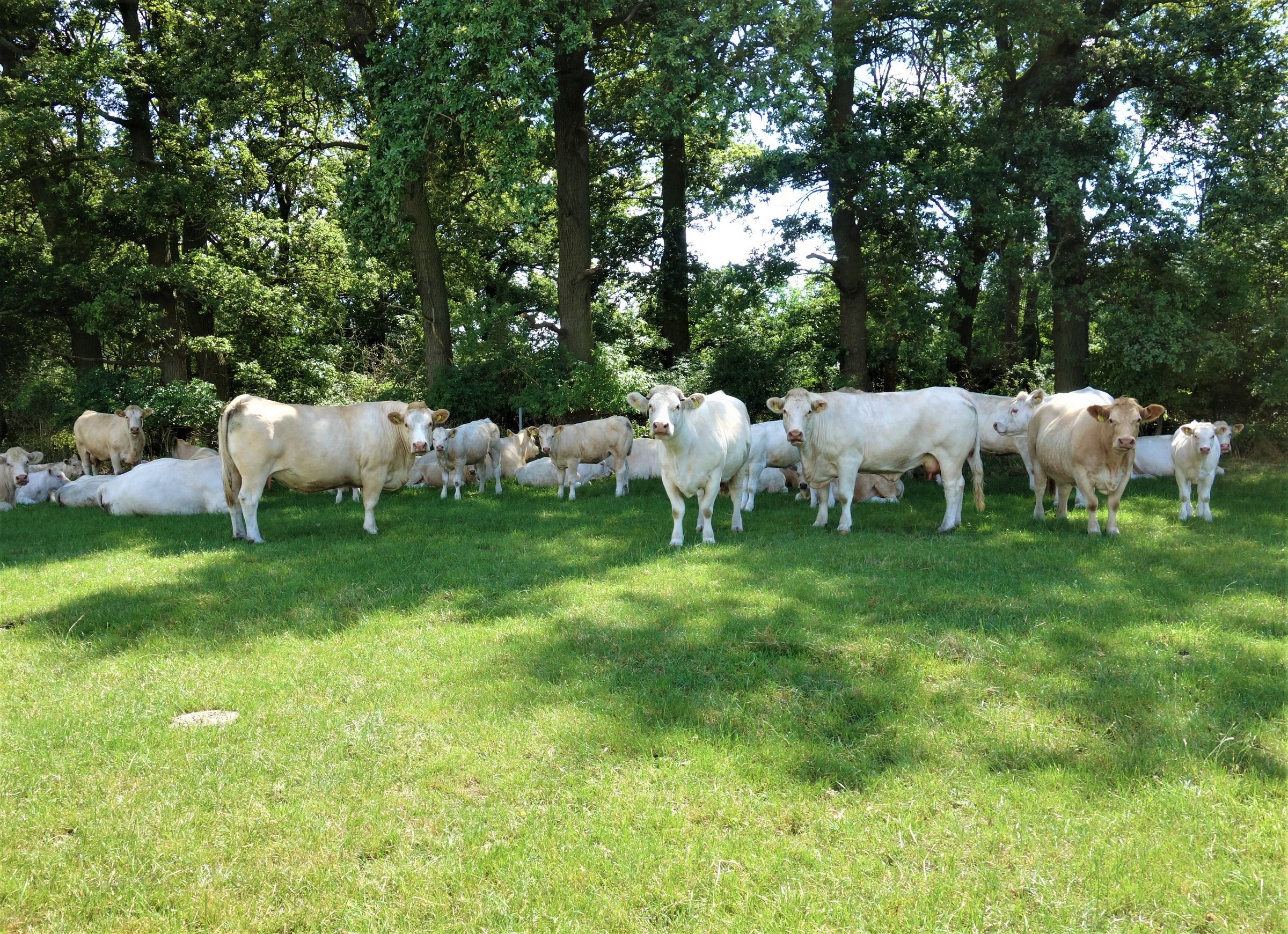
Parasite management
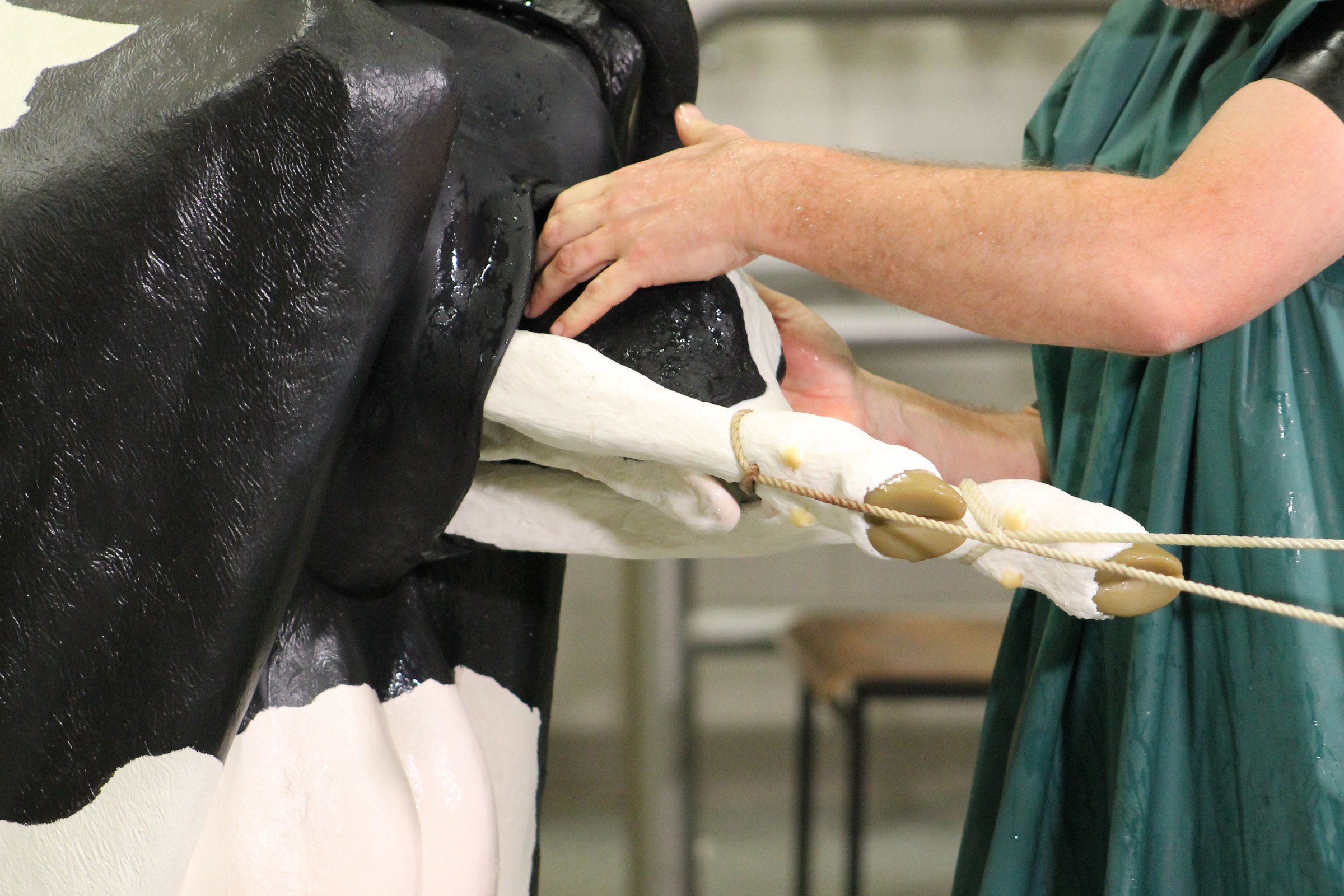
Everything you need to know about calving
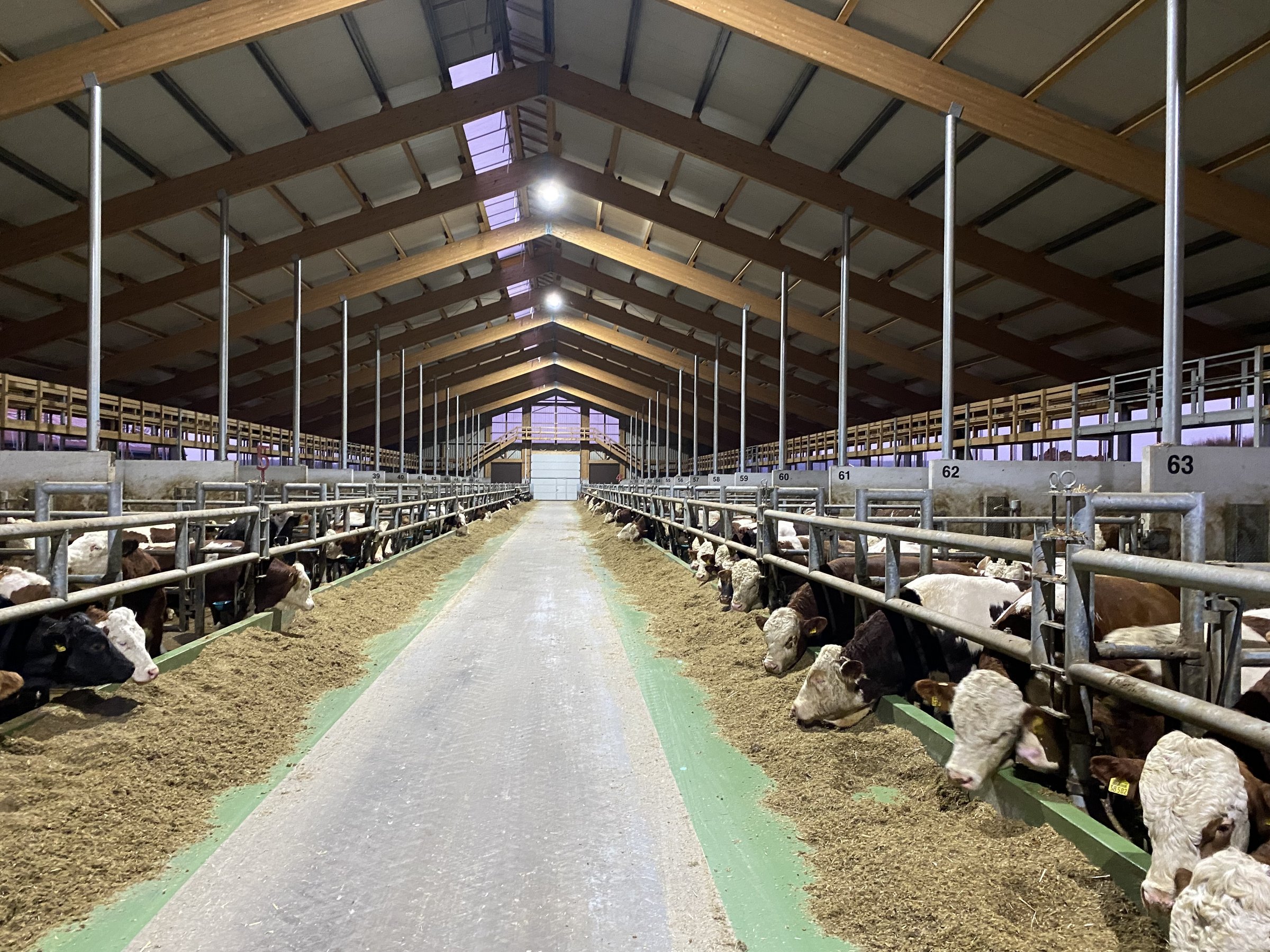
Scratching posts for fattening bulls
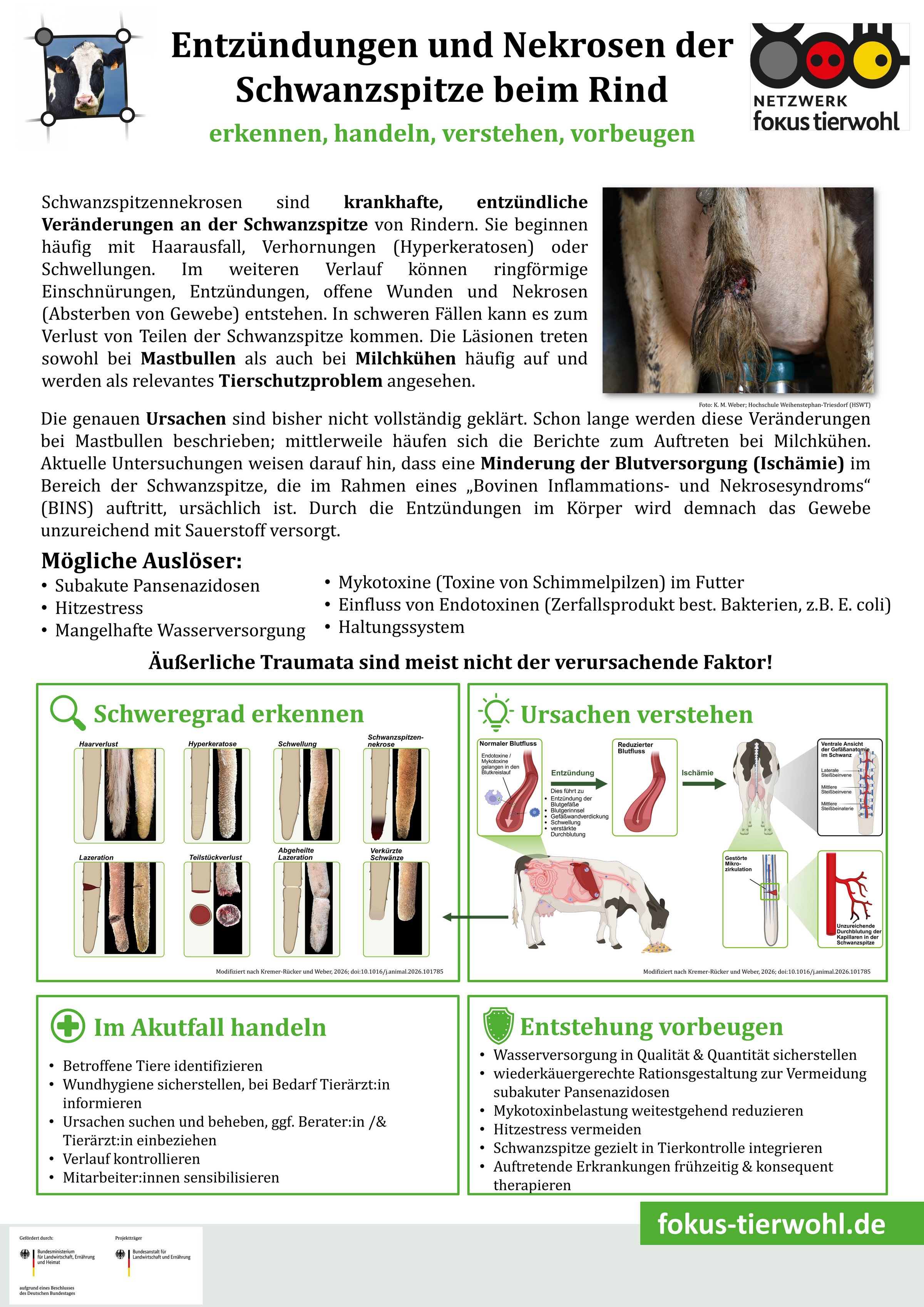
01 Schwanzspitzennekrosen beim Rind
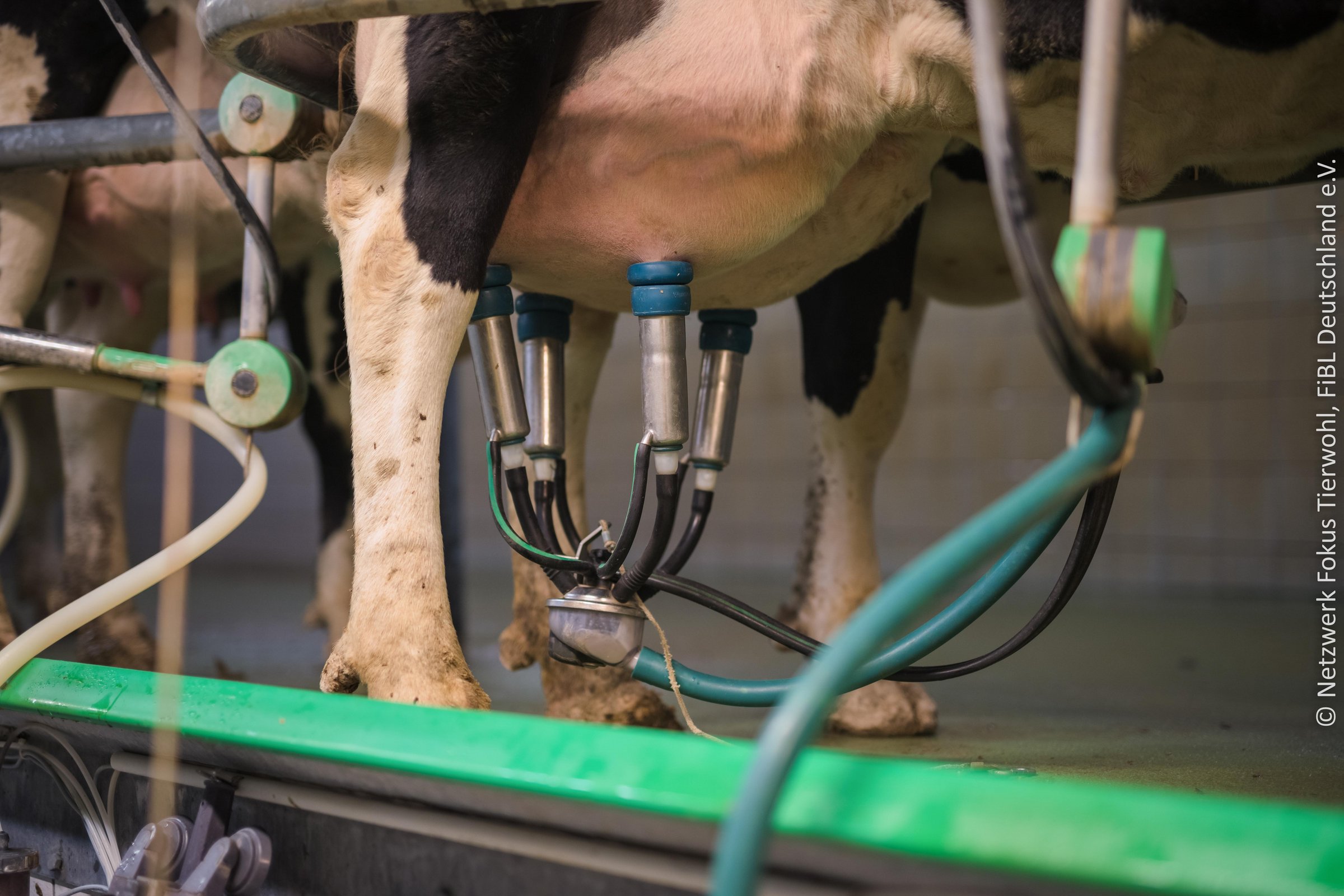
Selective drying off of dairy cattle
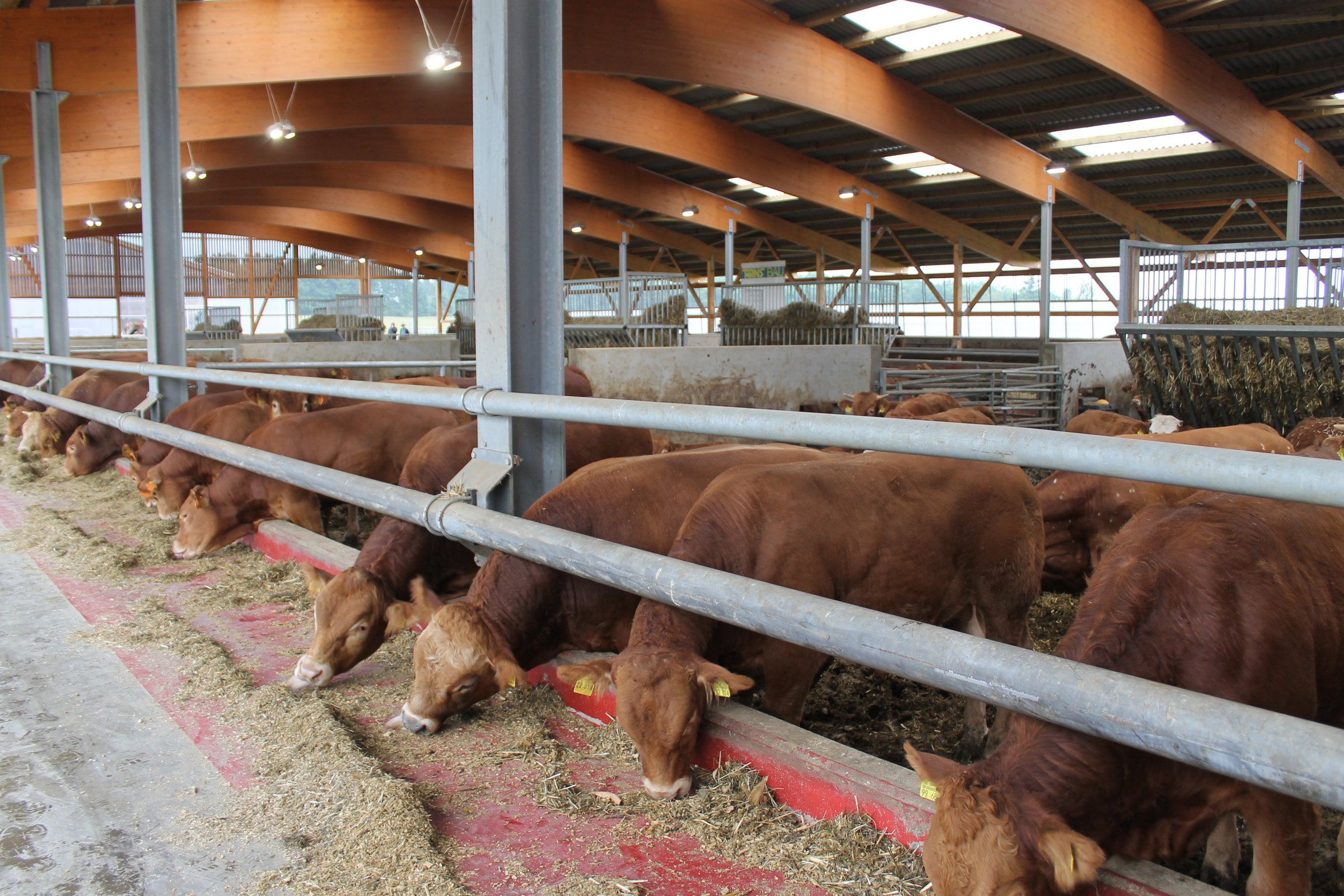
Structural feeding of breeding bulls
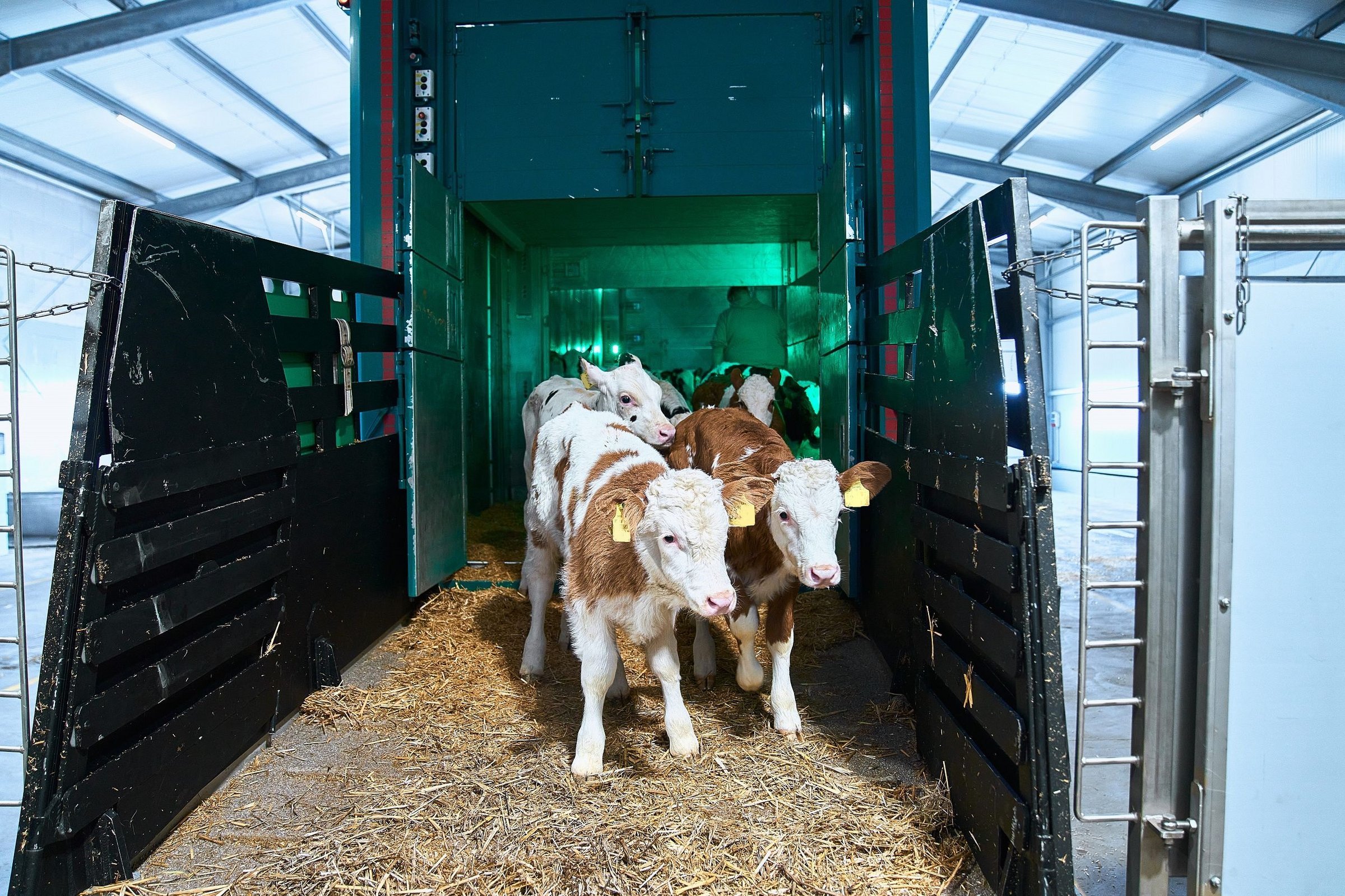
Animal transport
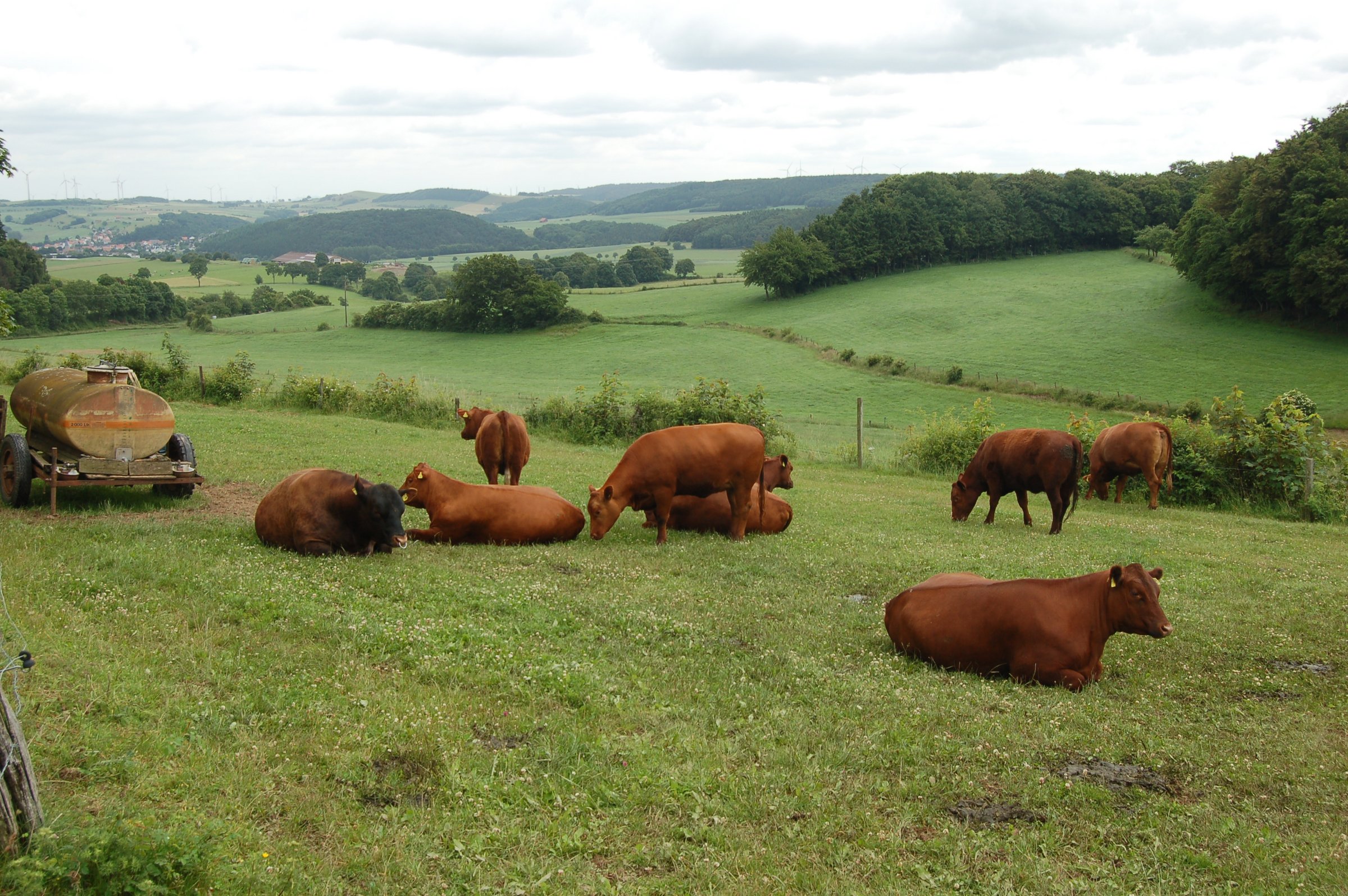
Animal welfare indicators for suckler cows
Water supply for fattening bulls
Managing heat stress in suckler cows
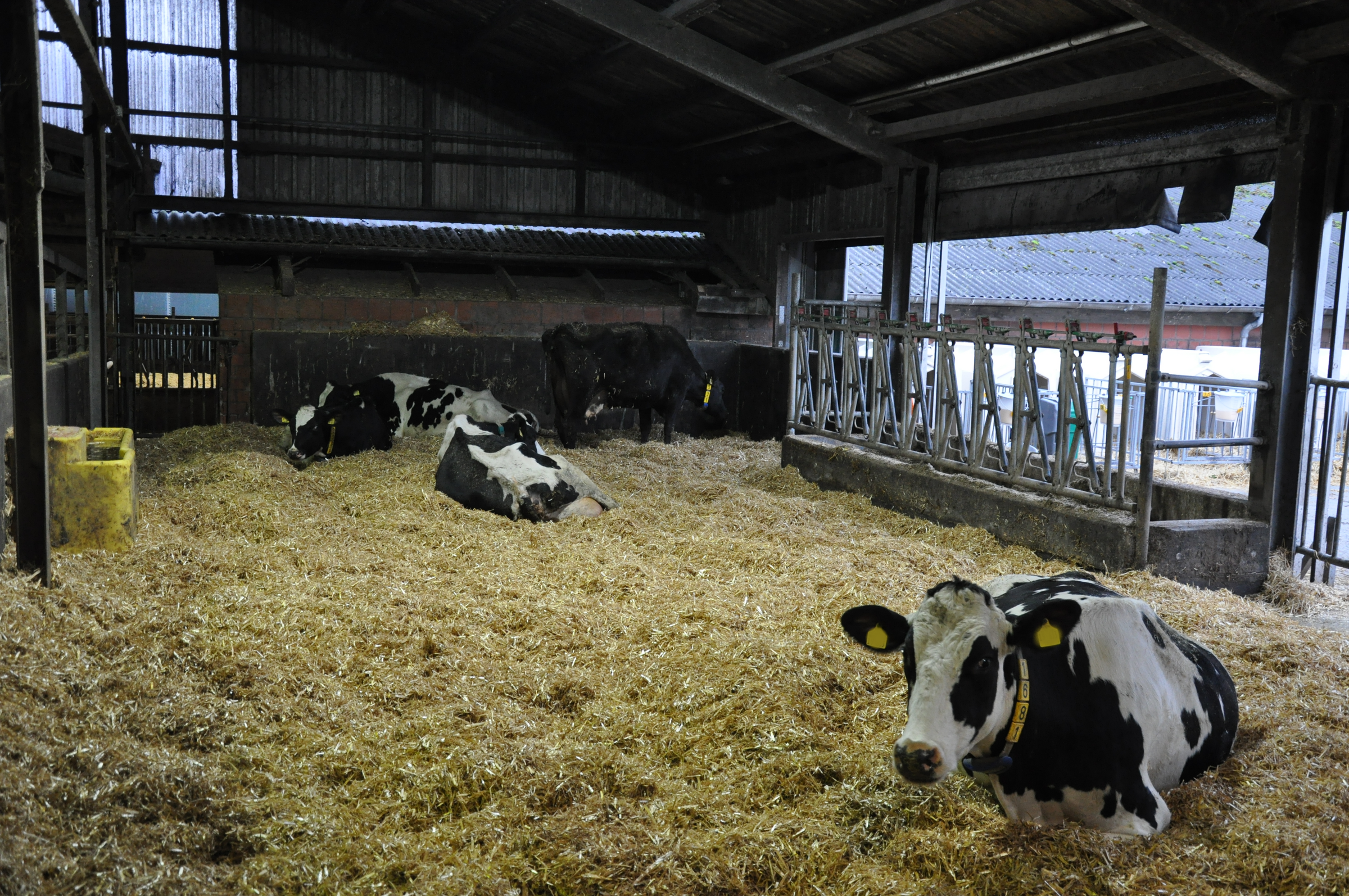
Caring for sick and injured dairy cows
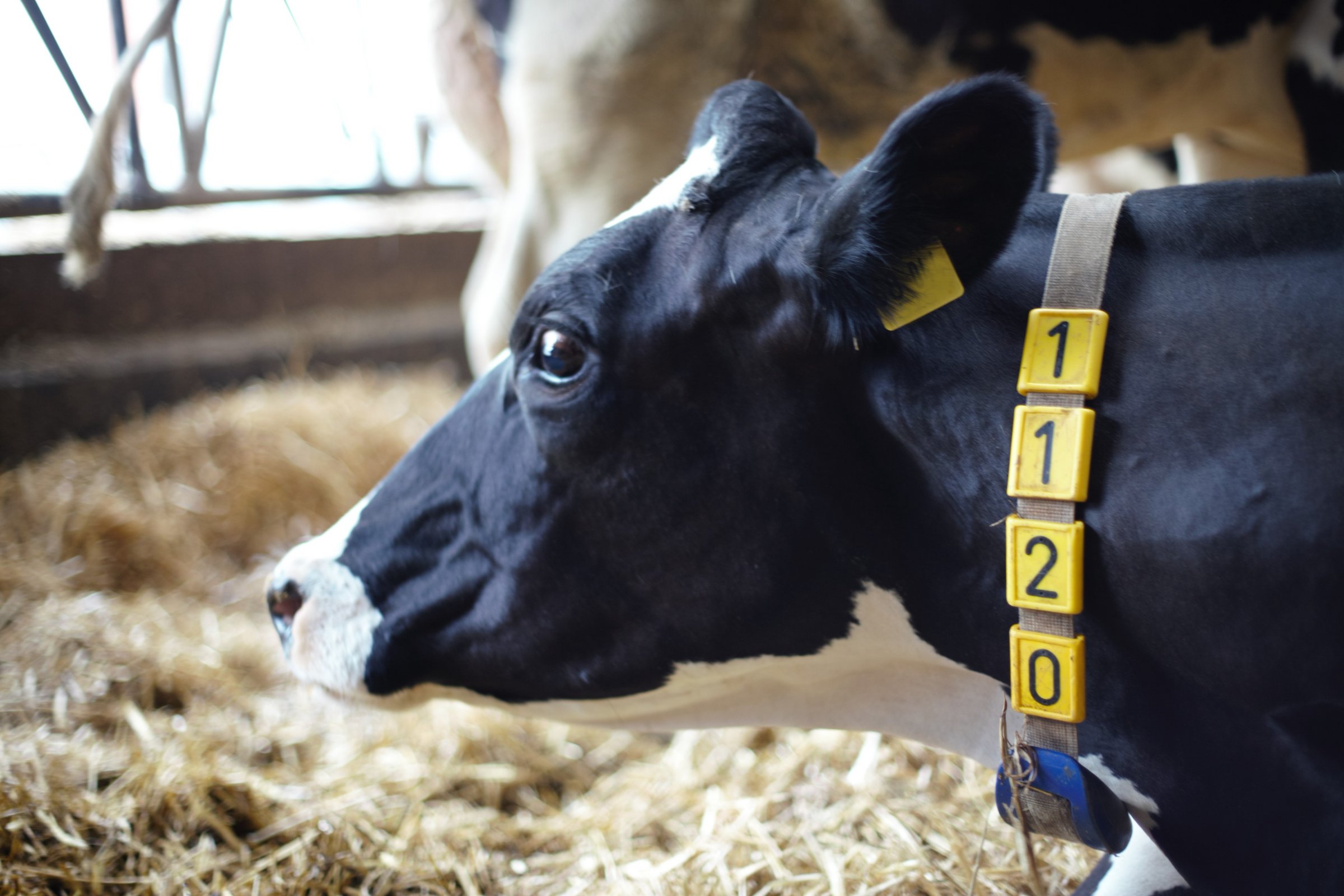
Caring for sick and injured dairy cows
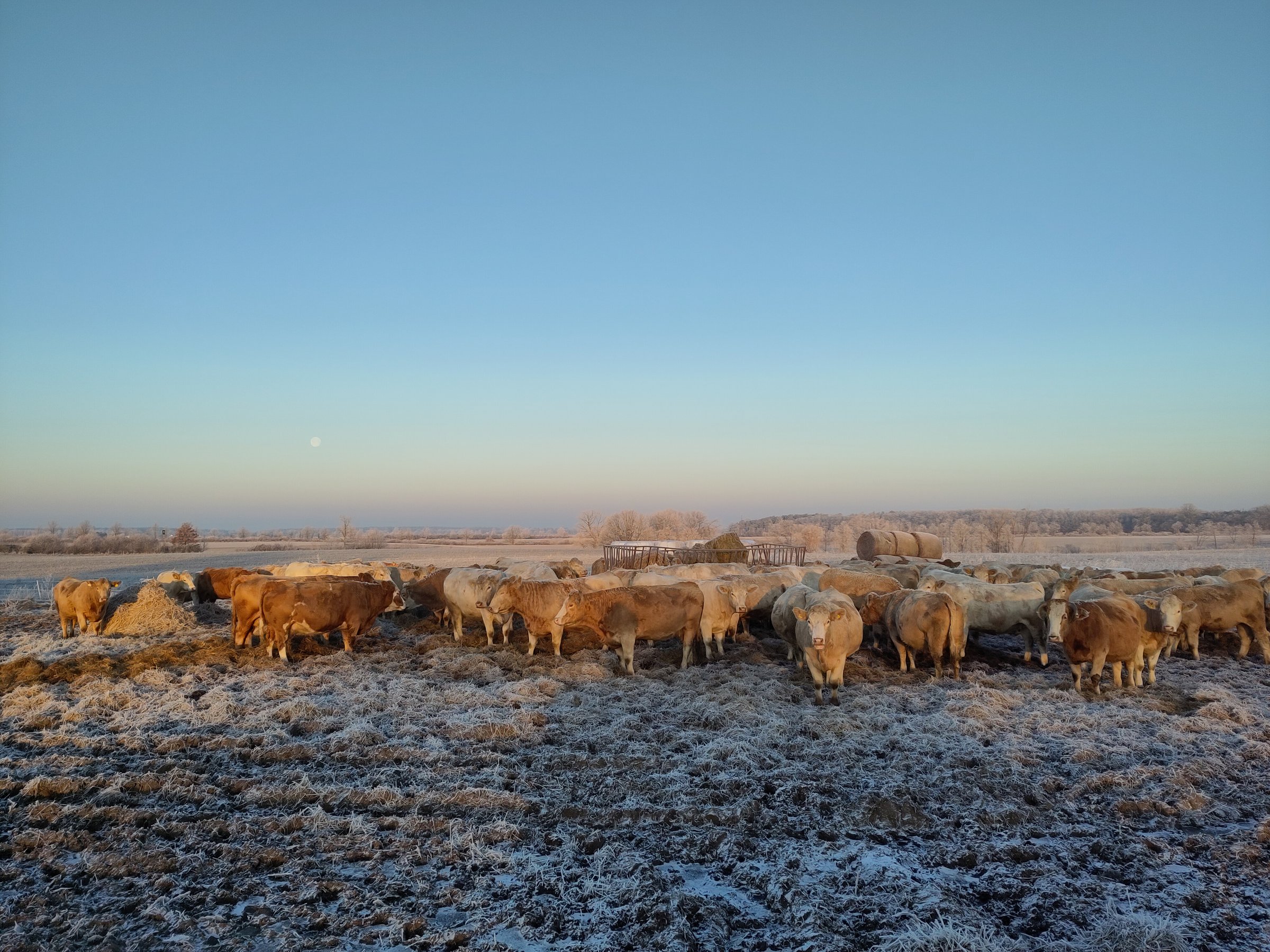
Managing cold stress in suckler cows
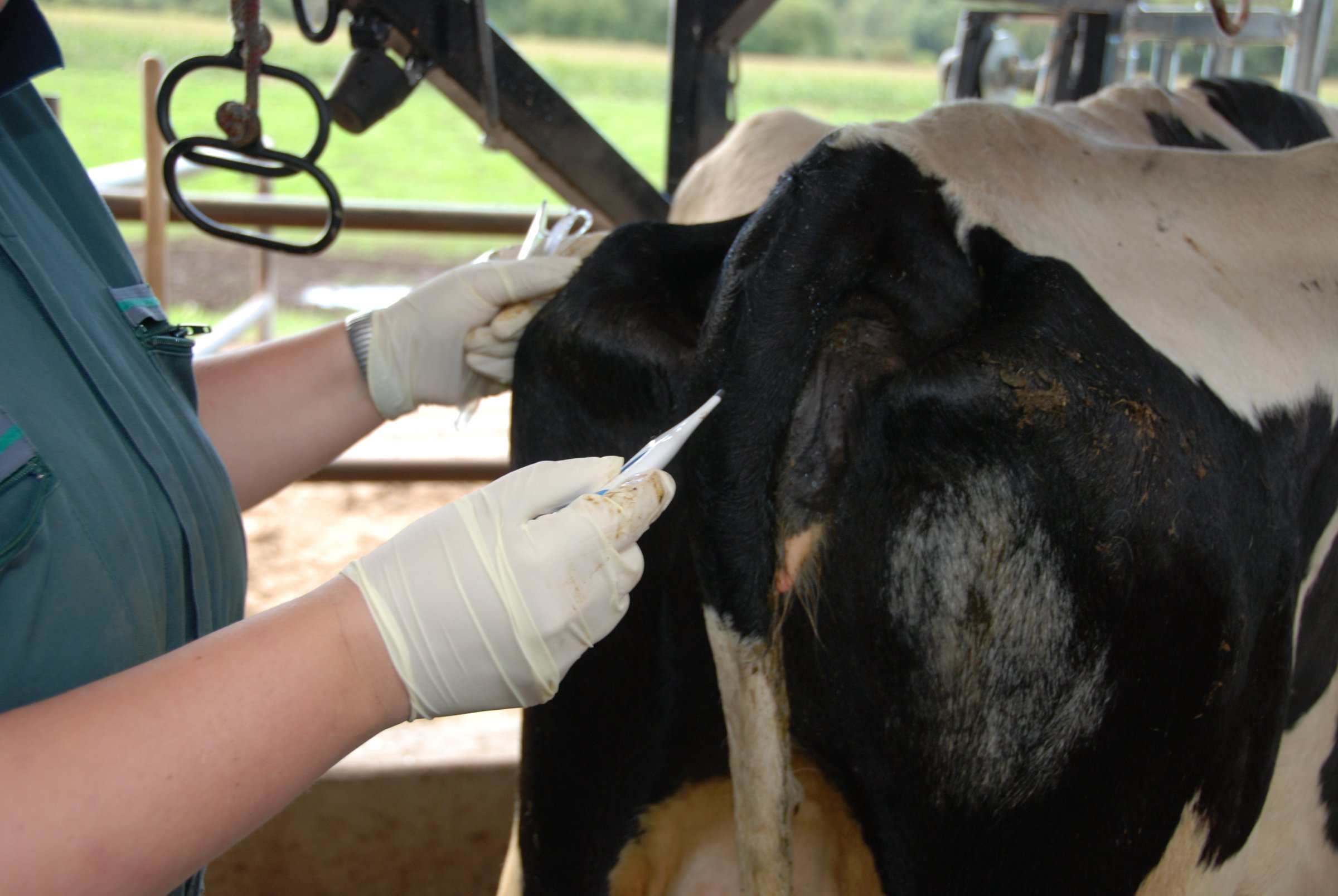
Inspection round
Extended calving interval
Podcast: Heat stress in cattle
Podcast: Colostrum Feeding for Calves
Podcast: Mother-Attached Calf Rearing
Podcast: Male Calves
Podcast: Extended Intercalving Period
Video: How to use a breathing pump correctly
Video: Correct use of the mechanical obstetric device
Video: Birth as a natural process
Video: Obstetric care for breech presentations
Video: Assisting with the birth of cattle
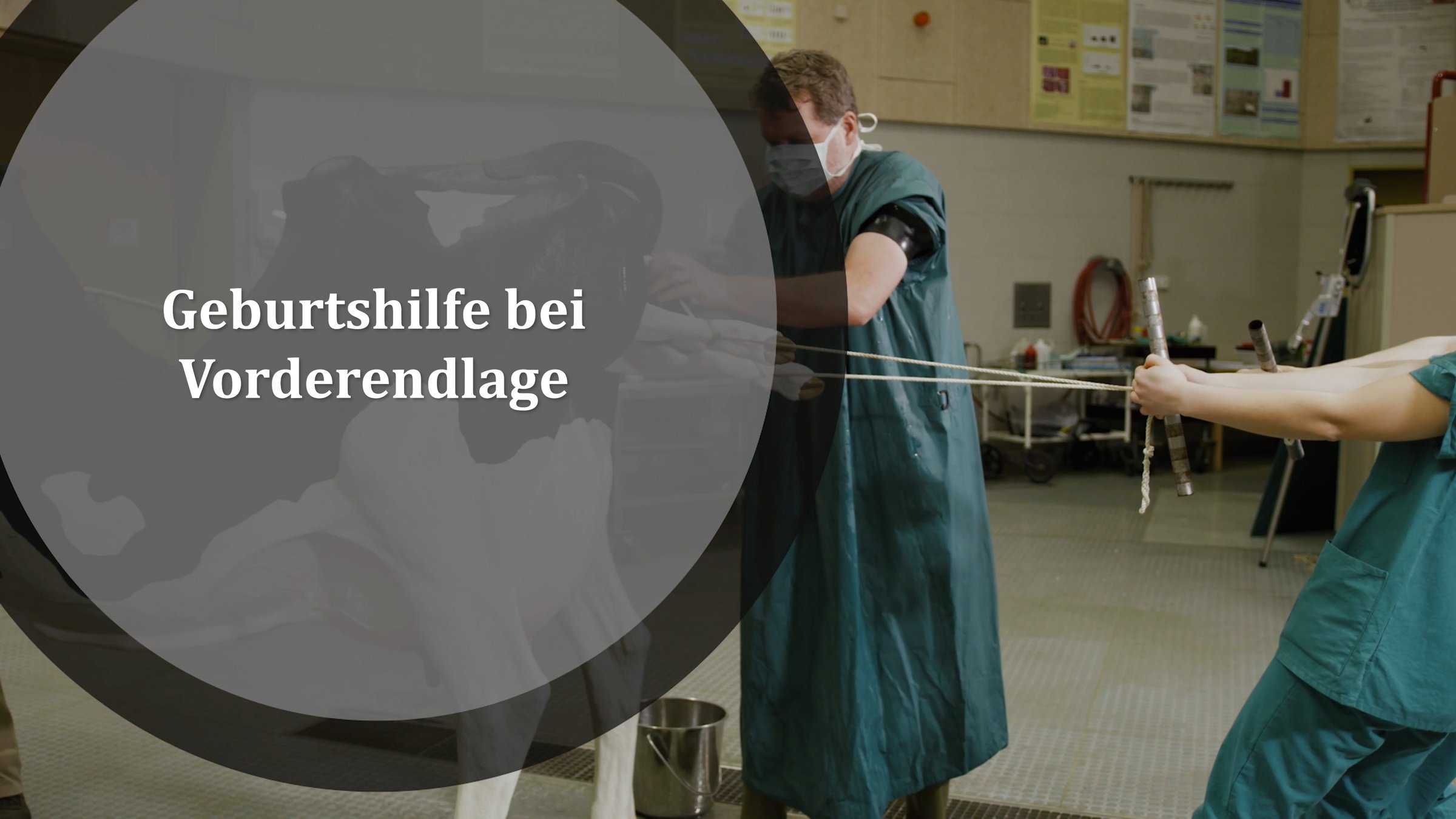
Video: Obstetric care for a breech presentation
Video: Postnatal Hygiene and Documentation
Video: Birth monitoring
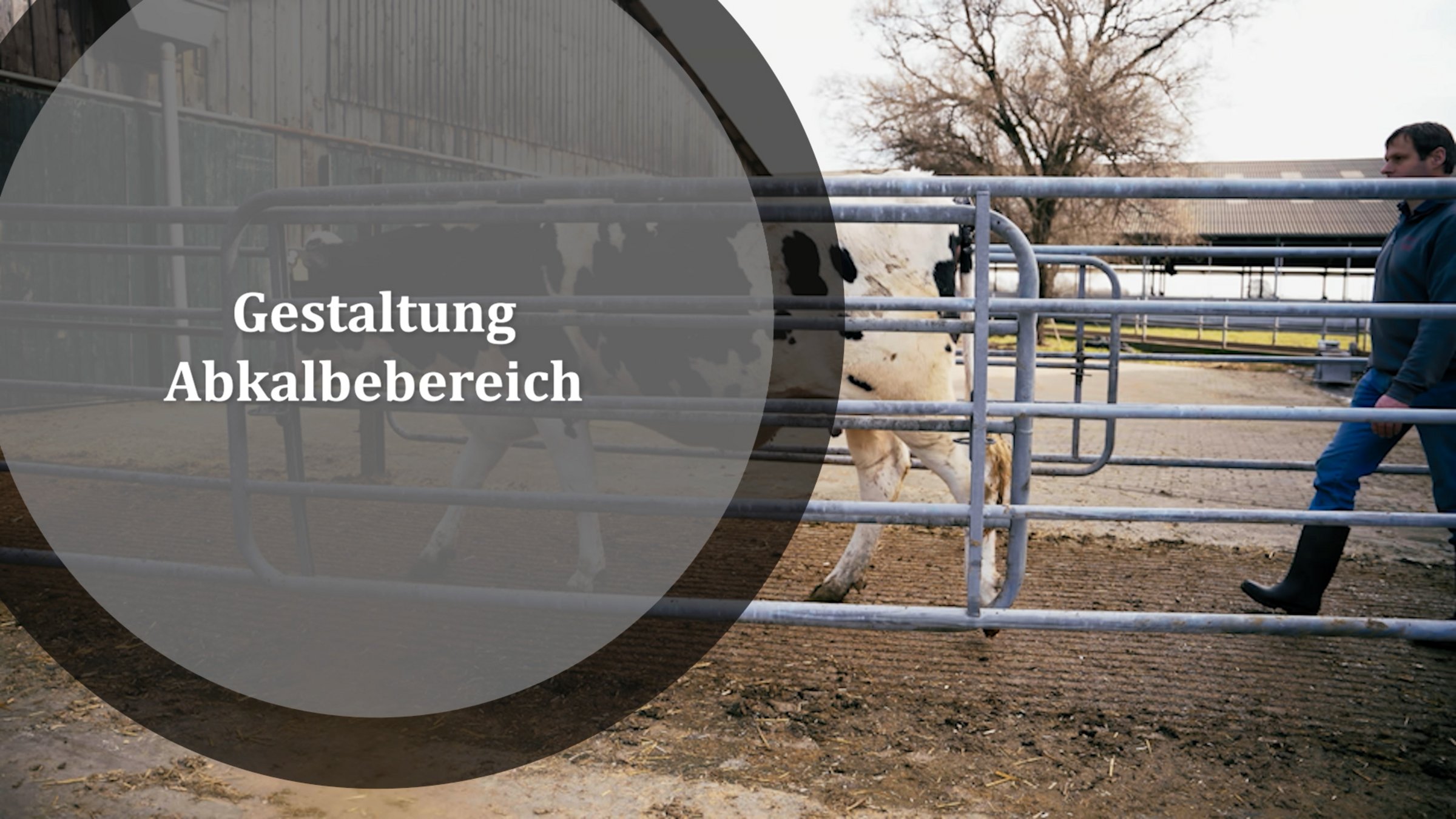
Video: Design for the calving area
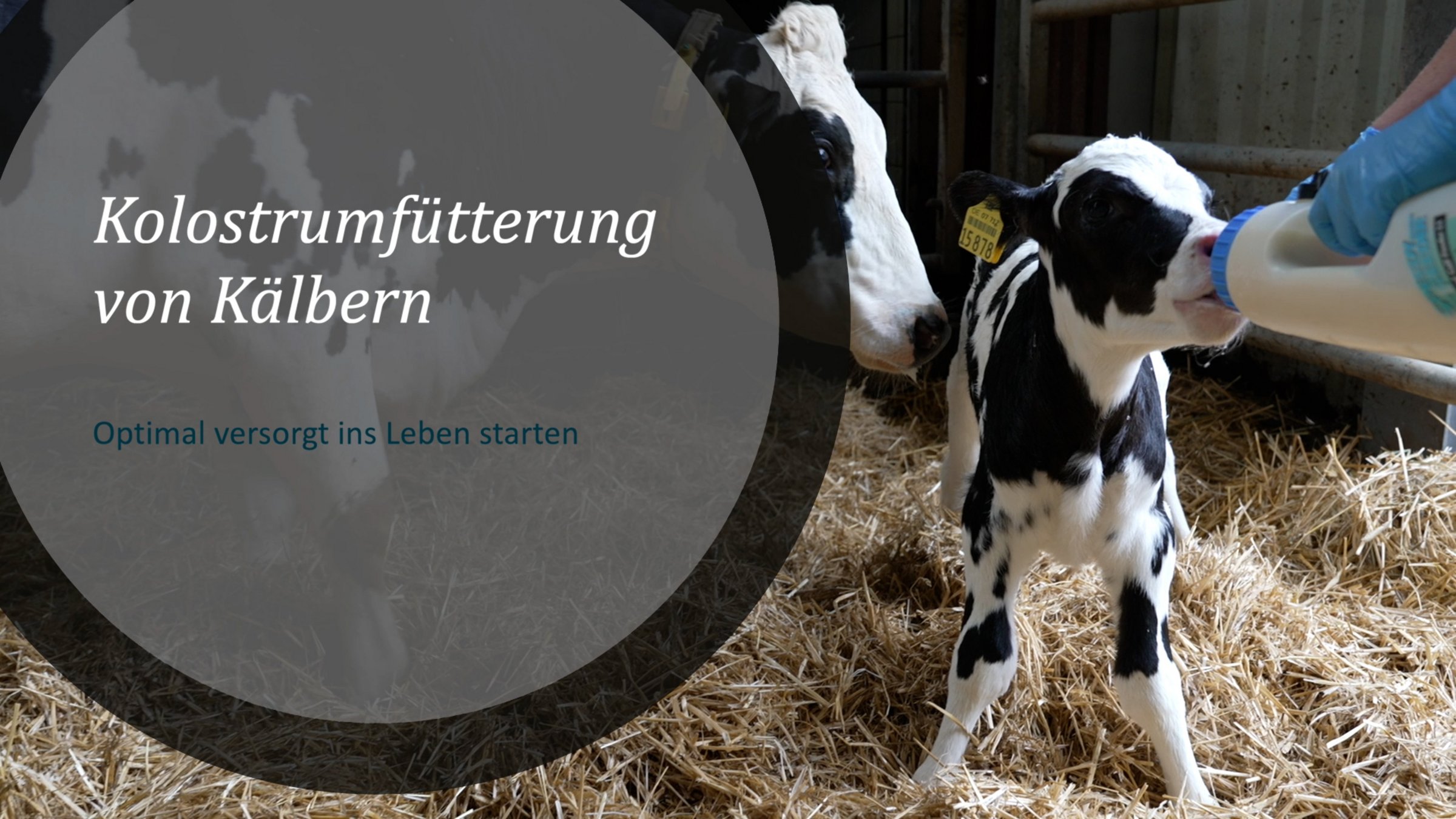
Video: Feeding colostrum to calves
Video: Raising calves with their mothers – rearing with foster mothers
Video: Raising calves with their mothers – mother-bonded rearing
Video check of the basin's flow
Video: Difficult births in cattle
Video: Tour of the stable of the future
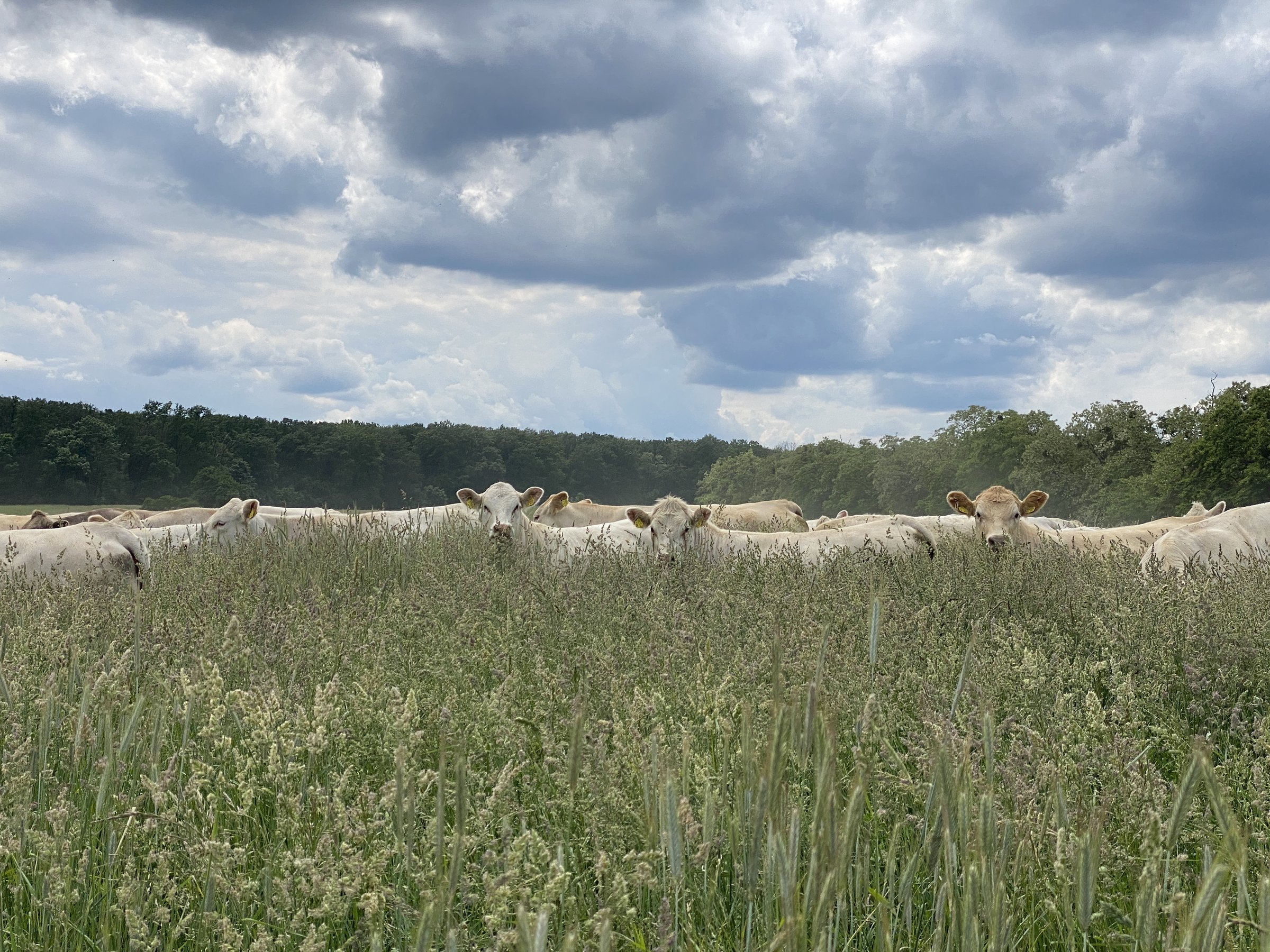
From the events: Mob Grazing
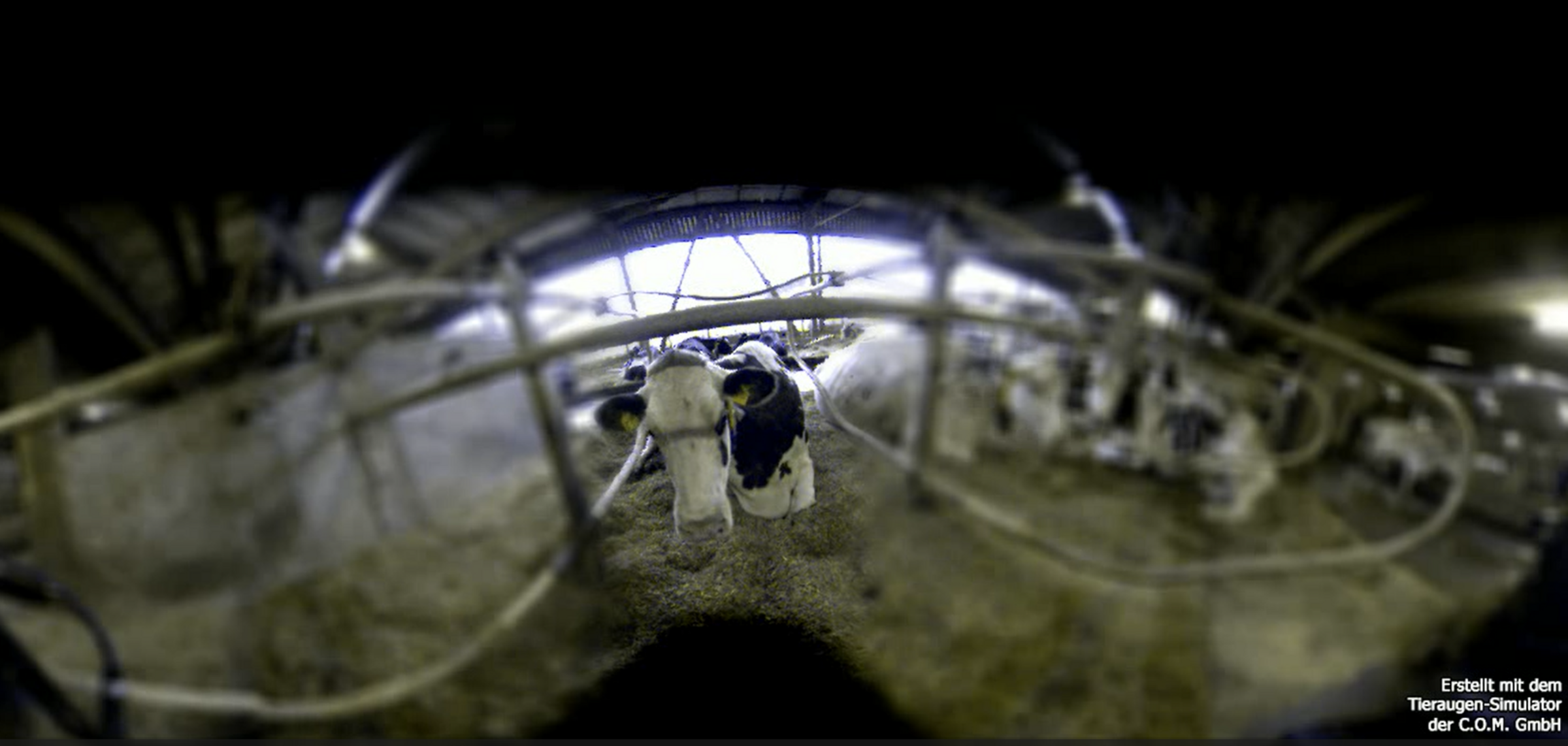
From the events: Sensory perception in cattle
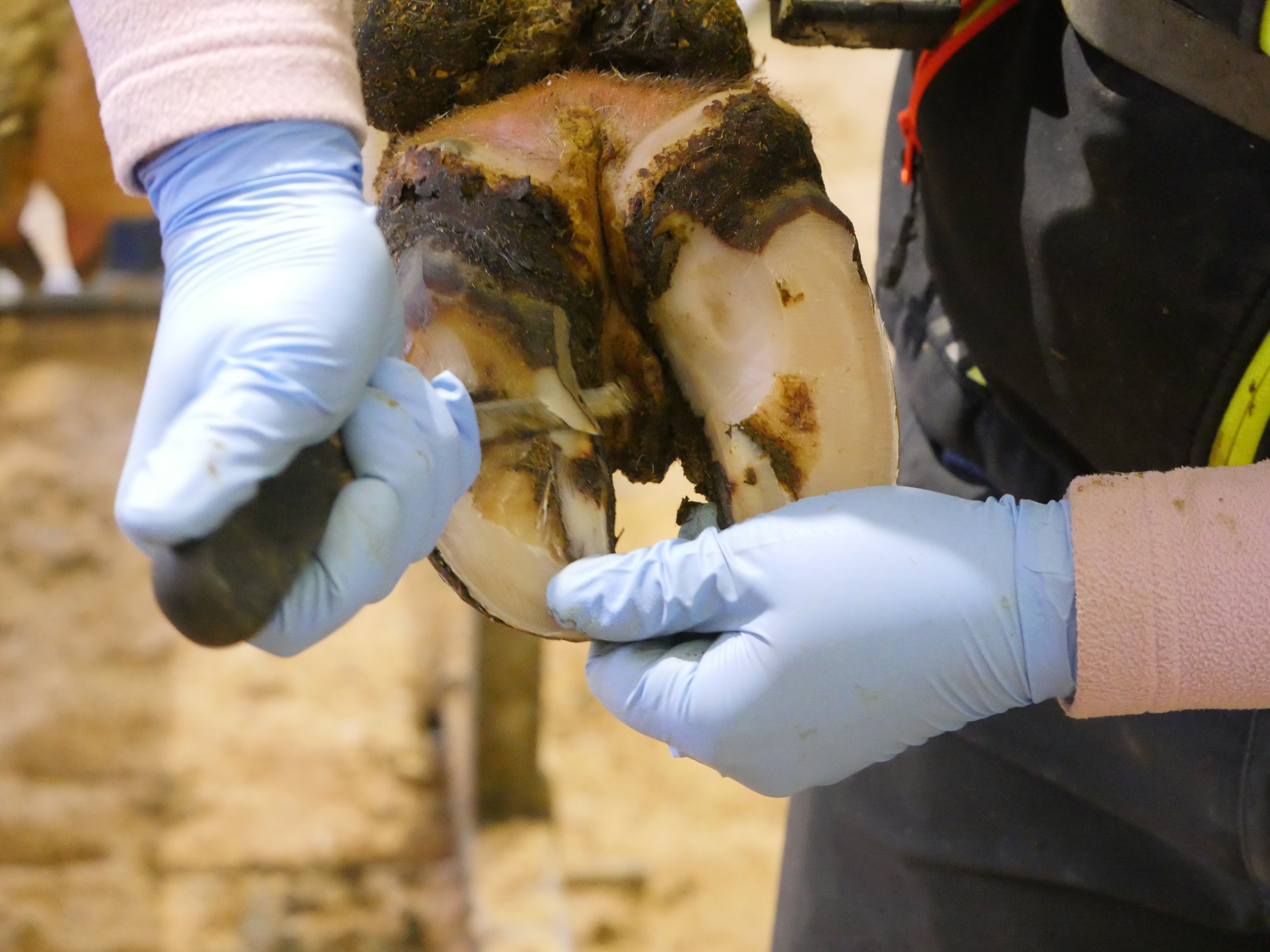
Funded projects: Pilot project on hoof health management
Funded projects: MoMiNE
Funded projects: MuD Animal Welfare: Pasture-based Farming
Animal Welfare Pilot Schemes: Animal transport
06 Tierwohl in der Naturschutzbeweidung
Funded projects: VerLak
Funded projects: InKalkTier
Funded projects: InnoRind
Funded projects: Mob-Grazing
Funded projects: Animal welfare planning
Integration & Organisation der Klauenpflege
How has animal breeding changed over the past few decades – and what contribution can it make to animal health and welfare? The ‘Animal Breeding Success Story’ project presents information on the objectives, developments and achievements of German livestock breeding in an accessible way. The focus is on clear communication that reaches consumers whilst also providing scope for more in-depth information.
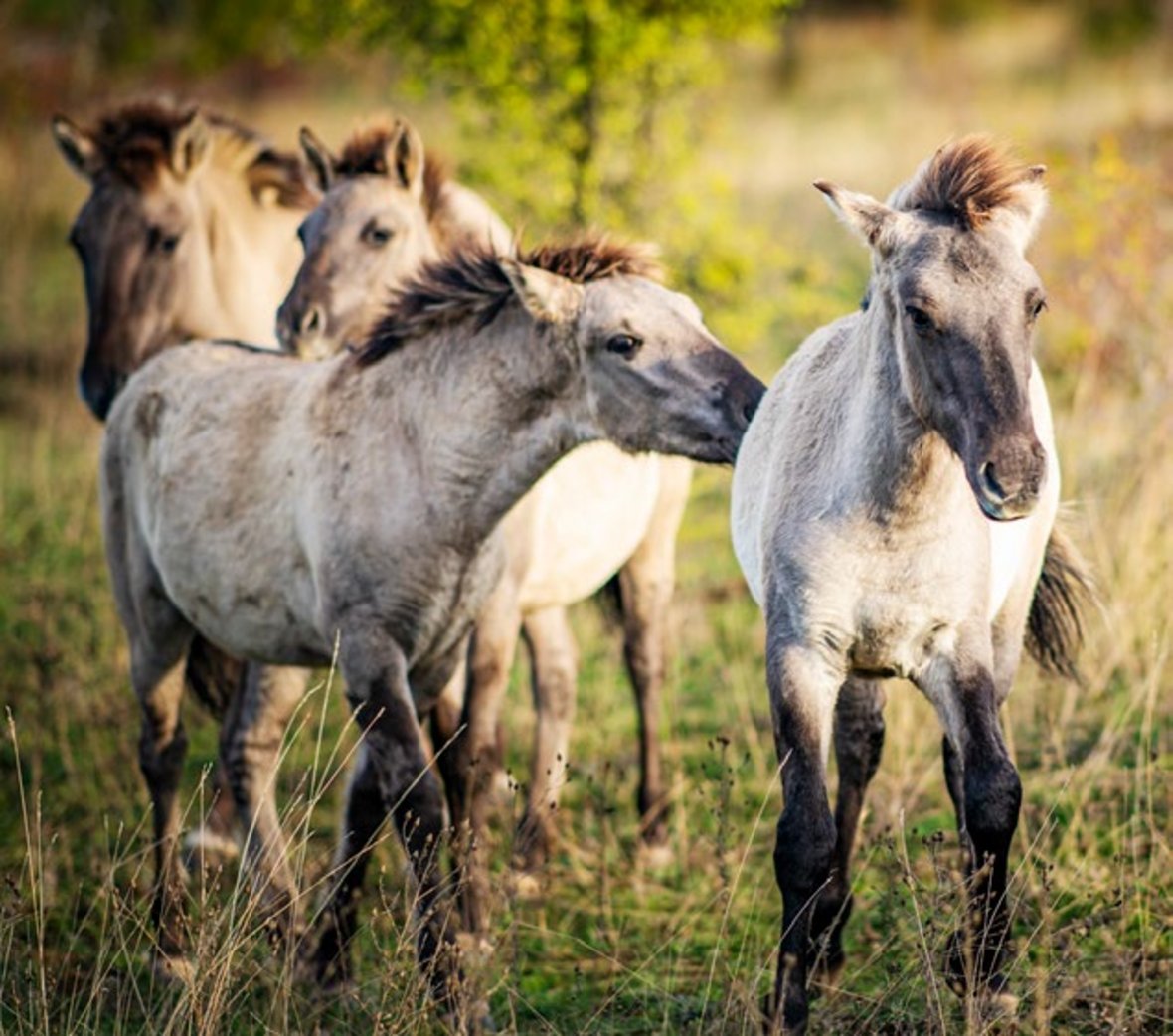
Animal welfare in nature conservation grazing
Full of life right from the start
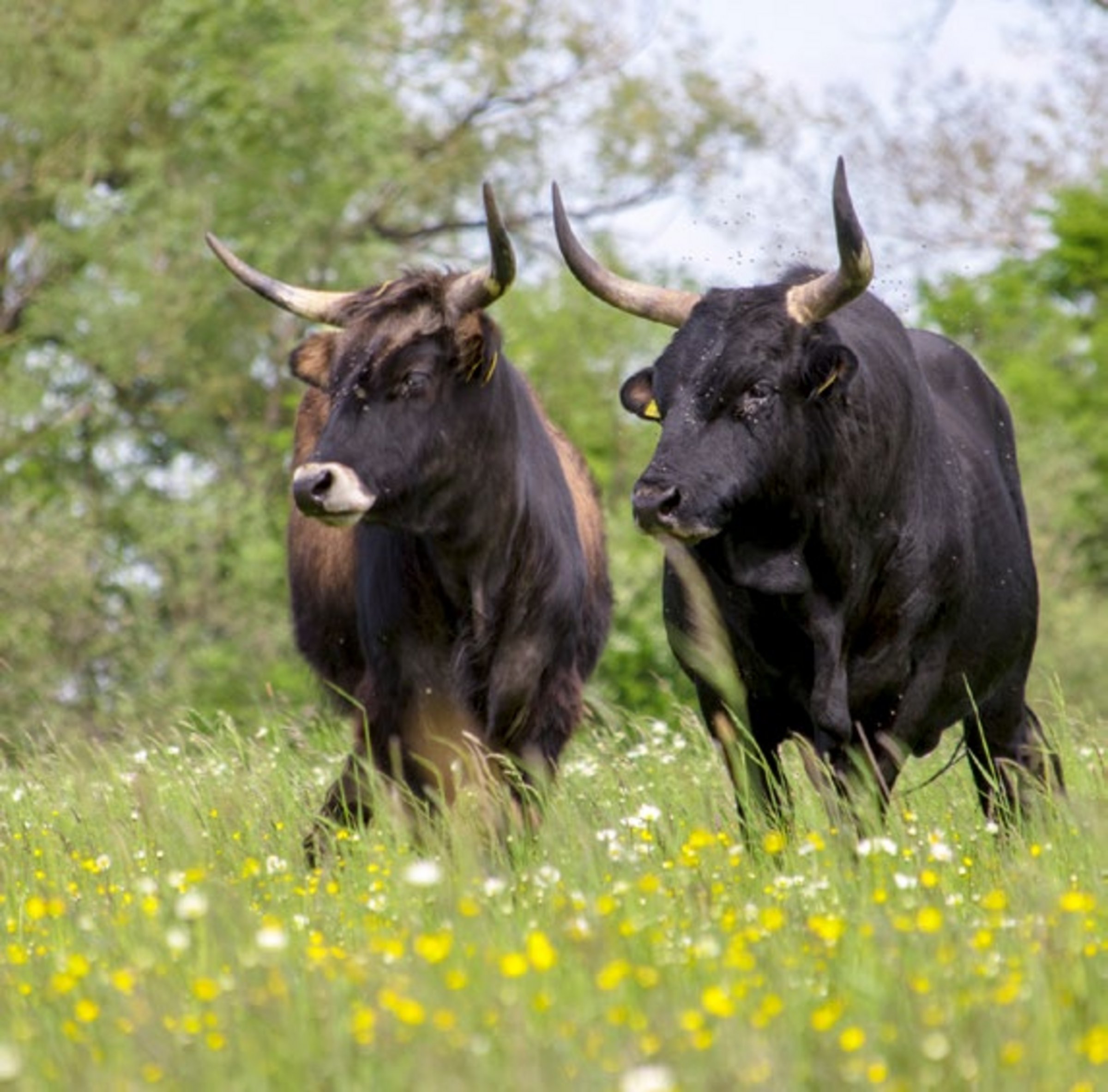
Extensive grazing with cattle and horses is an important measure for the maintenance and conservation of valuable nature conservation areas. Well-planned grazing management is required to ensure that grazing meets both the requirements of nature and species conservation and the needs of the animals. The ‘Guidelines for the animal-friendly year-round grazing of cattle and horses on nature conservation areas’ demonstrate how animal-friendly year-round grazing of cattle and horses can be implemented on nature conservation areas.
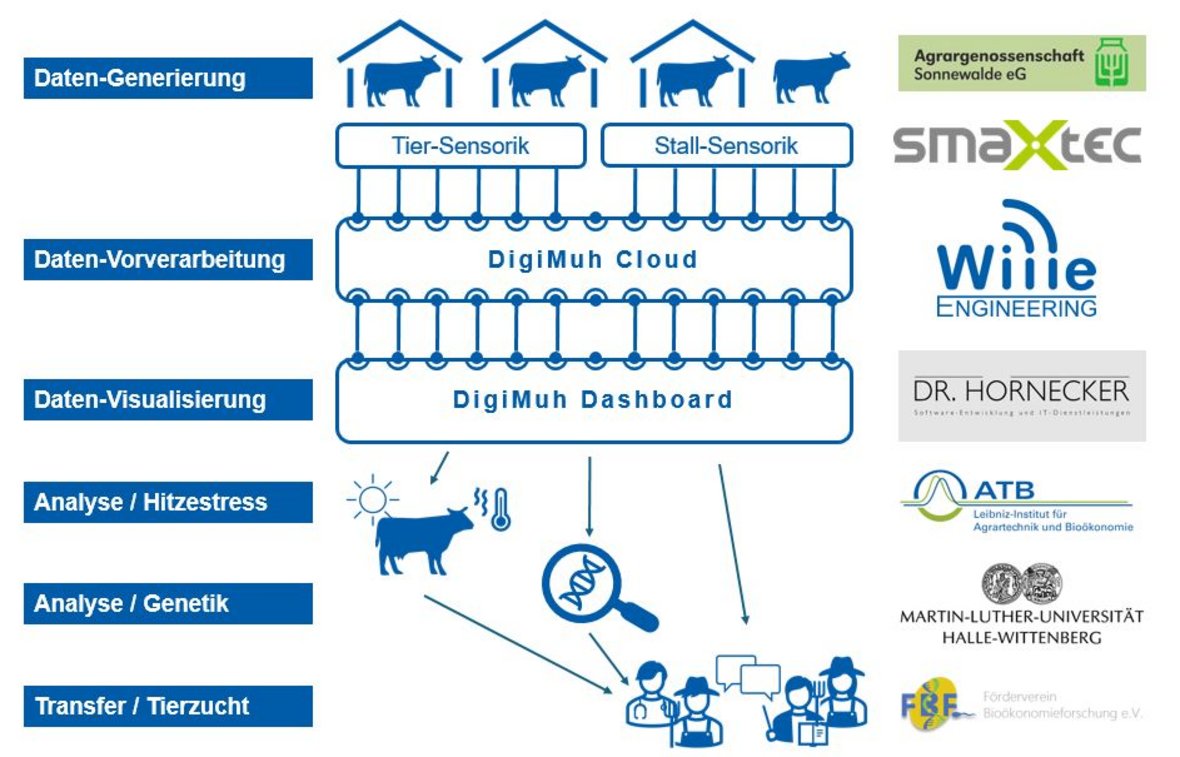
Whether in the barn or out in the pasture, digital technologies are opening up new possibilities for more efficient and animal-welfare-focused livestock farming. The results from 13 research projects funded by the BMLEH show how sensor technology, AI and data platforms are already supporting practice today – with scientific support and networking provided by the ‘DigiTier’ networking and transfer initiative. At the same time, it is clear that the interaction between systems is crucial to realising the full potential of digitalisation.
The "Animal Welfare Planning" management concept is a new service offered by the Thünen Institute that has emerged from the Cattle Innovation Network. The concept consists of the regular repetition of the 3 steps "See: Measure and evaluate animal welfare", "Understand: Analyse causes" and "Improve: Plan and act". Animal welfare planning is a structured, practical approach to improving animal health and welfare on your own farm in a targeted and sustainable way.

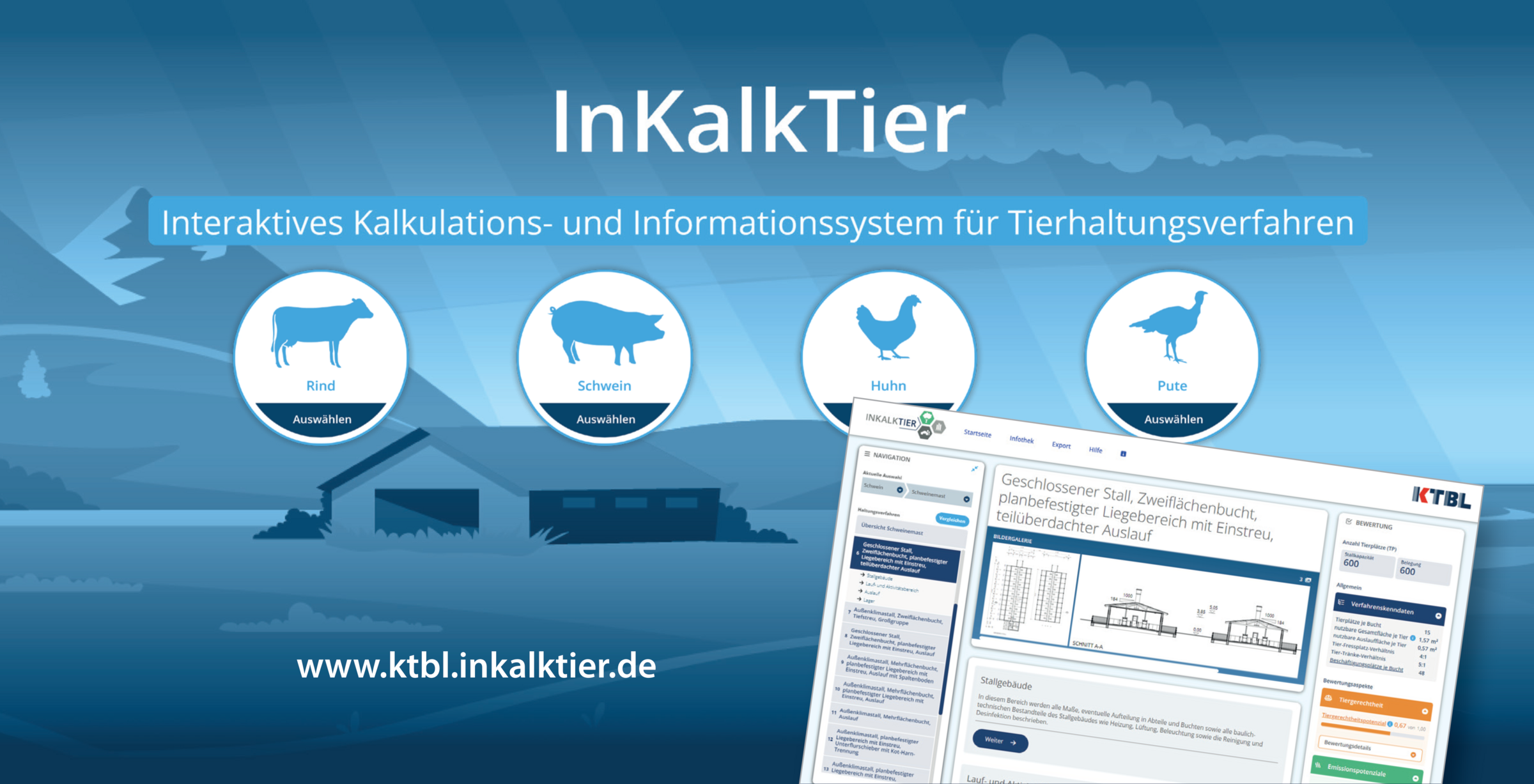
In the "InKalkTier" project, a web application has been developed that provides qualitative and quantitative information on animal welfare, emission potential and economic parameters of livestock farming methods.
The application provides a variety of husbandry methods for cattle, pigs, chickens and turkeys, which can be evaluated in terms of their structural and technical aspects. The web application is based on a data structure that enables the KTBL to add further assessment aspects and husbandry methods with manageable effort. The application is aimed in particular at experts from practice, consultancy, authorities, professional associations, science and training.
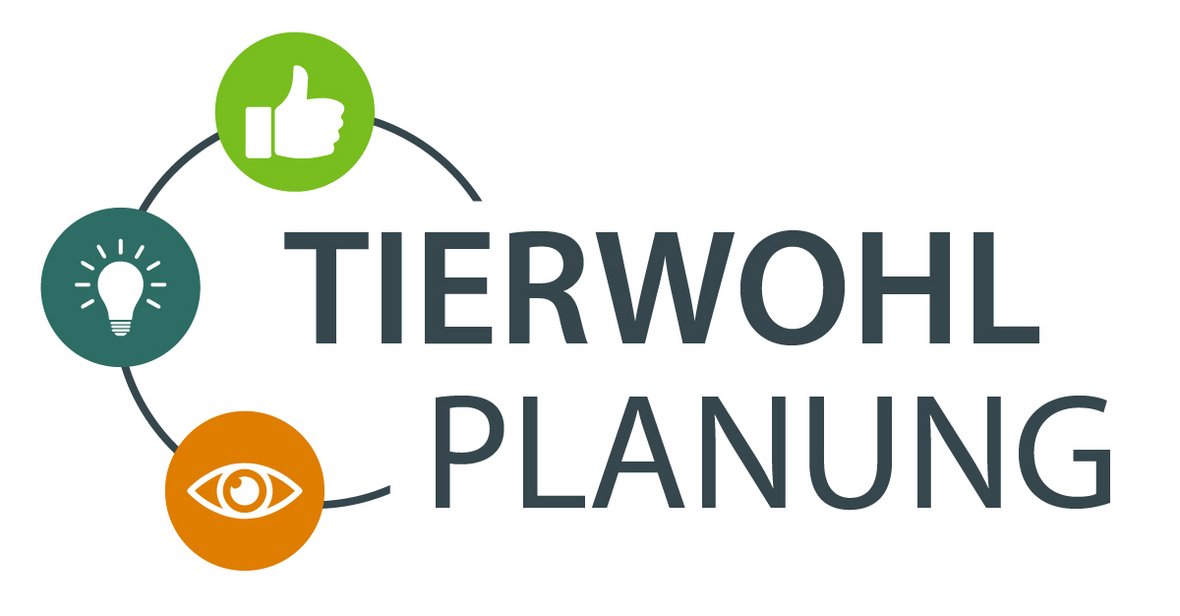
The "Animal Welfare Planning" management concept is a new service offered by the Thünen Institute that has emerged from the Cattle Innovation Network. The concept consists of the regular repetition of the 3 steps "See: Measure and evaluate animal welfare", "Understand: Analyse causes" and "Improve: Plan and act". Animal welfare planning is a structured, practical approach to improving animal health and welfare on your own farm in a targeted and sustainable way.
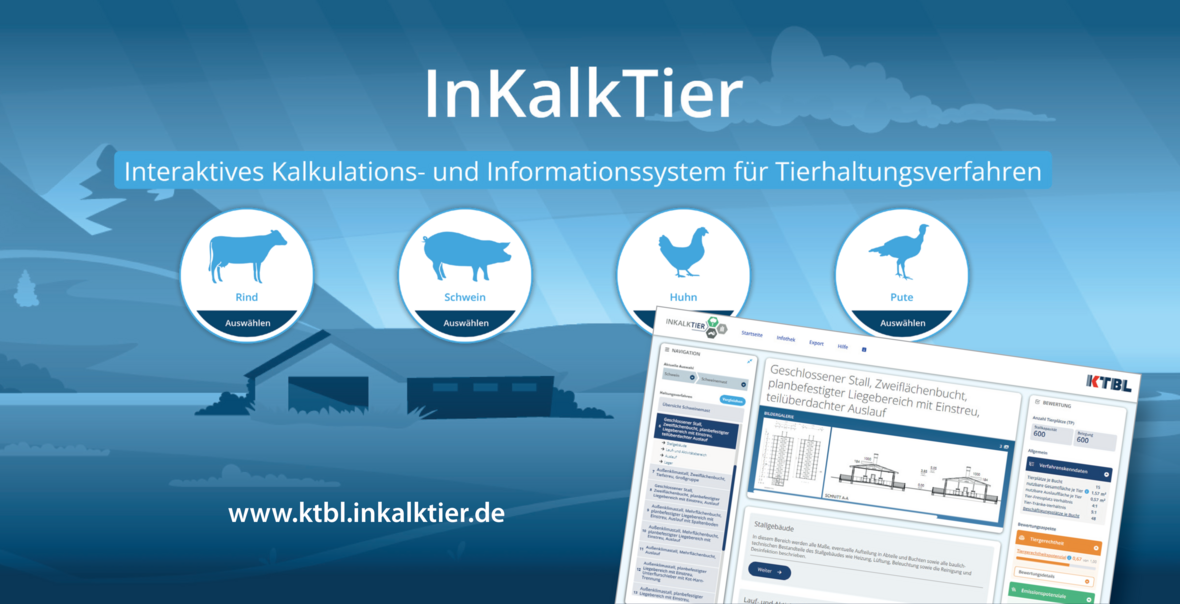
In the "InKalkTier" project, a web application has been developed that provides qualitative and quantitative information on animal welfare, emission potential and economic parameters of livestock farming methods.
The application provides a variety of husbandry methods for cattle, pigs, chickens and turkeys, which can be evaluated in terms of their structural and technical aspects. The web application is based on a data structure that enables the KTBL to add further assessment aspects and husbandry methods with manageable effort. The application is aimed in particular at experts from practice, consultancy, authorities, professional associations, science and training.
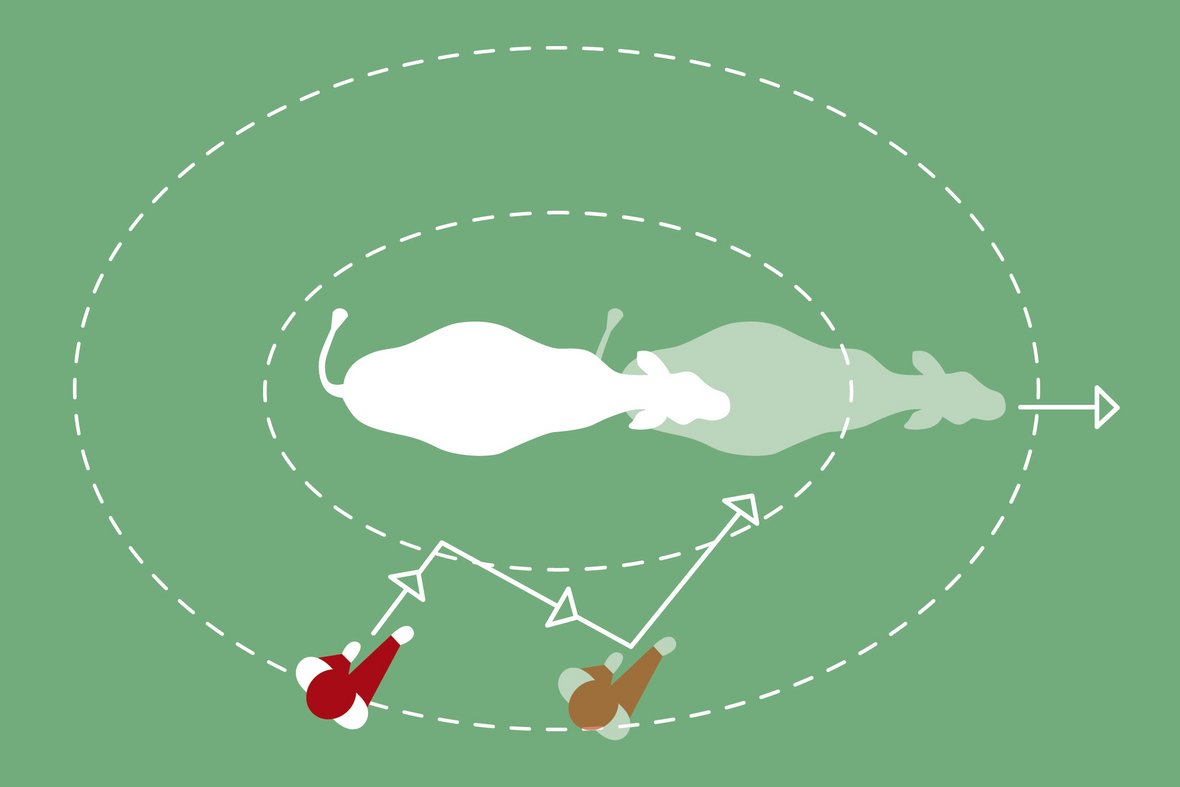
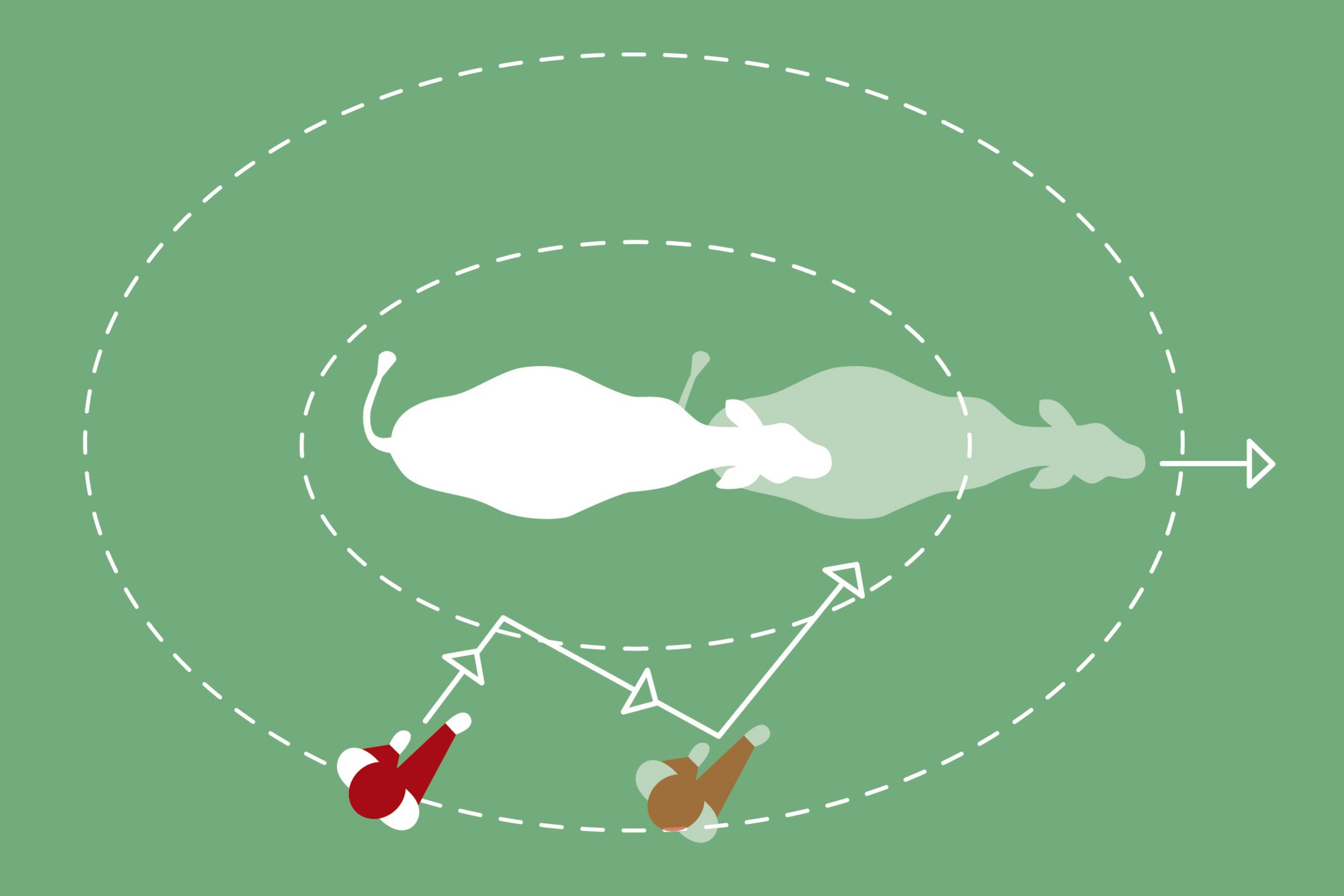
Stockmanship is a method for low-stress handling of cattle. Those who use stockmanship choose body language and movement patterns that make working with cattle easier. In the EIP project "Mob-Grazing in forage production", multimedia learning material was developed for a first introduction to stockmanship.
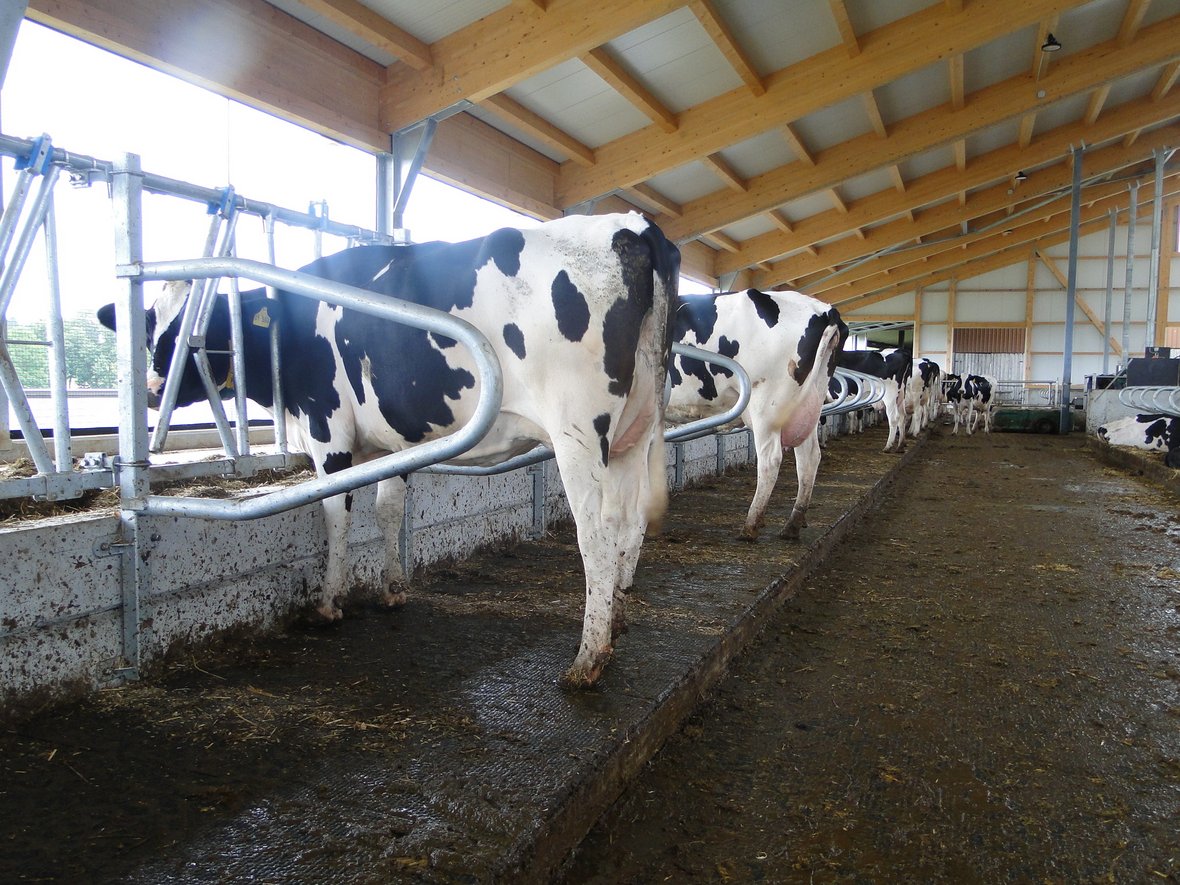
Livestock farming, and dairy cow husbandry in particular, is the most significant cause of nitrogen surpluses in Germany. The most efficient measure to reduce these emissions at the same time is to reduce the nitrogen intake and thus excretion of the animals by optimising the design of feed and feeding with regard to nitrogen requirements. The project "MoMiNE - Modelling the N excretion of dairy cattle to improve the national emission inventories and the individual farm assessment" investigates reduction potentials in feeding, develops guidelines for practice and establishes the creditability of these reduction measures by mapping them in the national emission inventory.
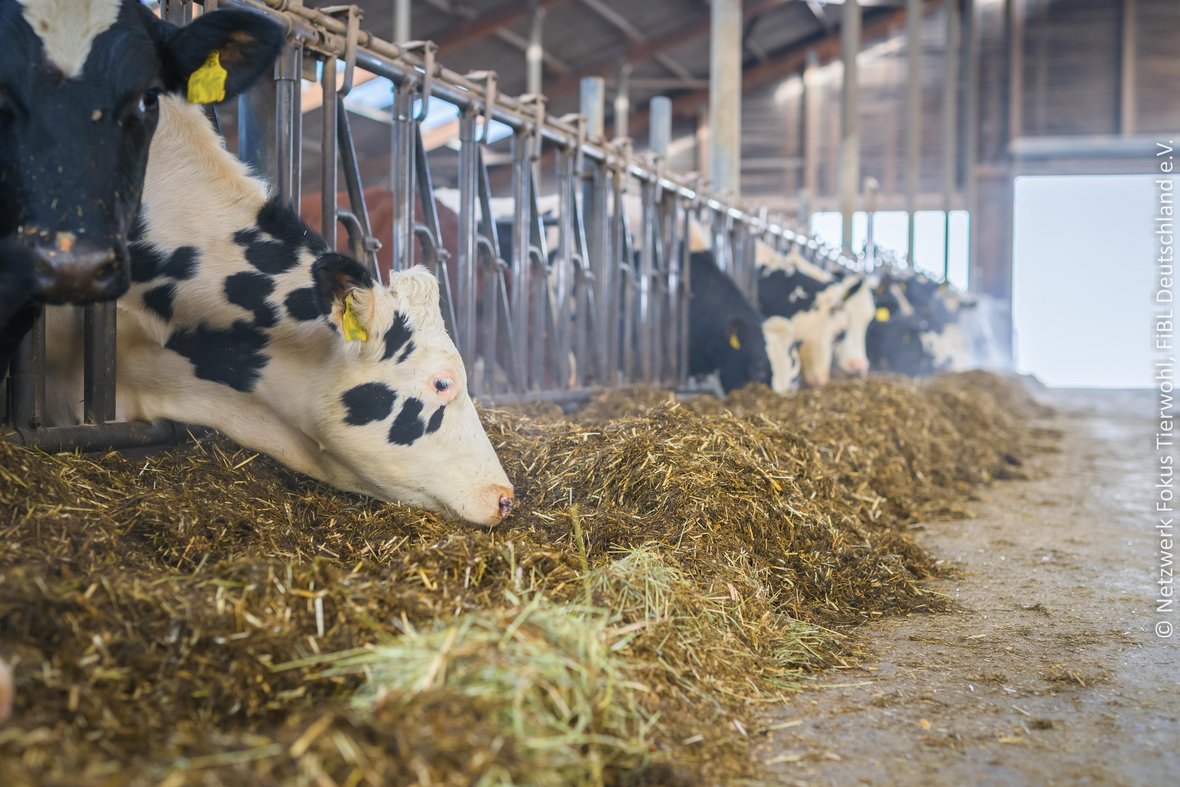
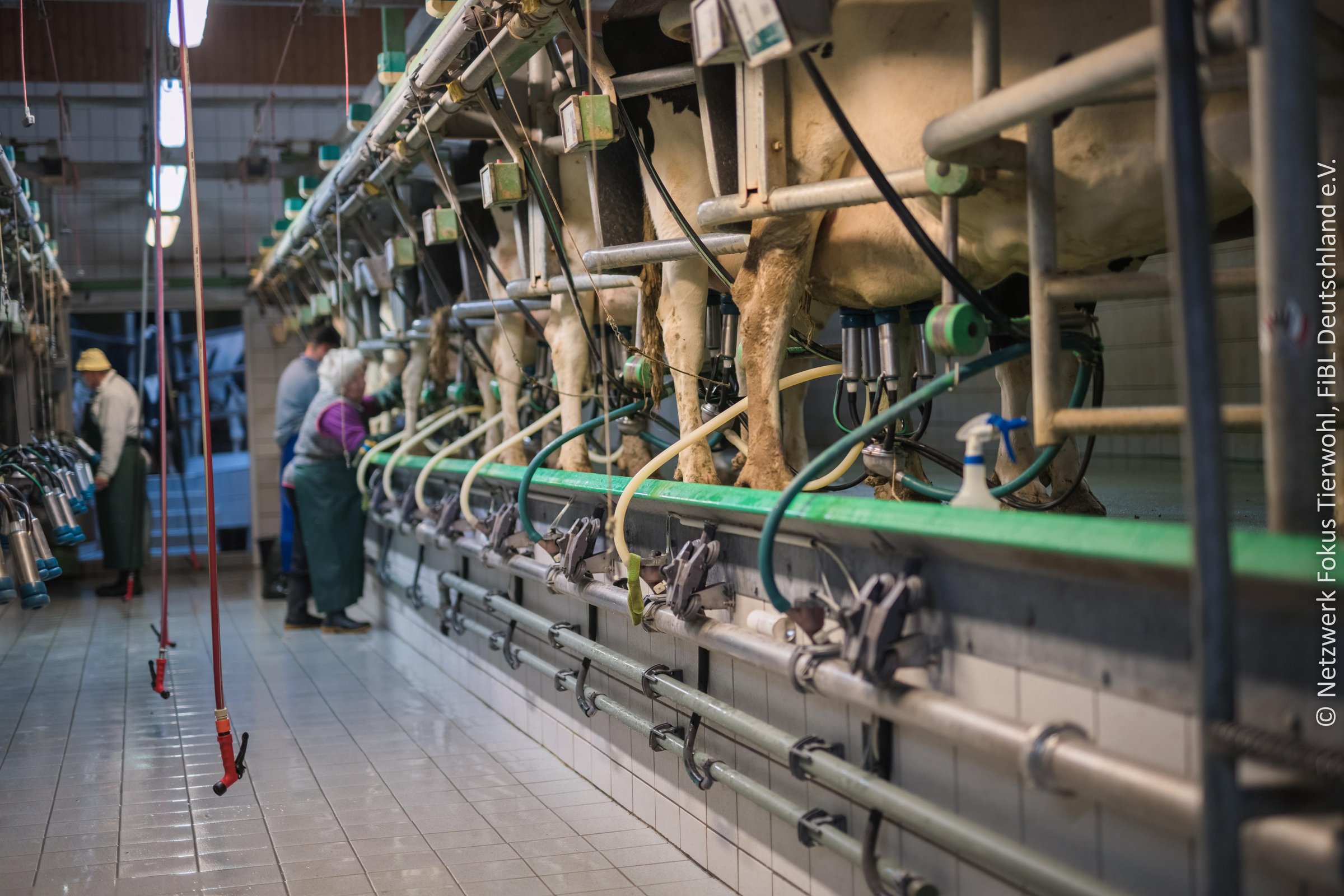
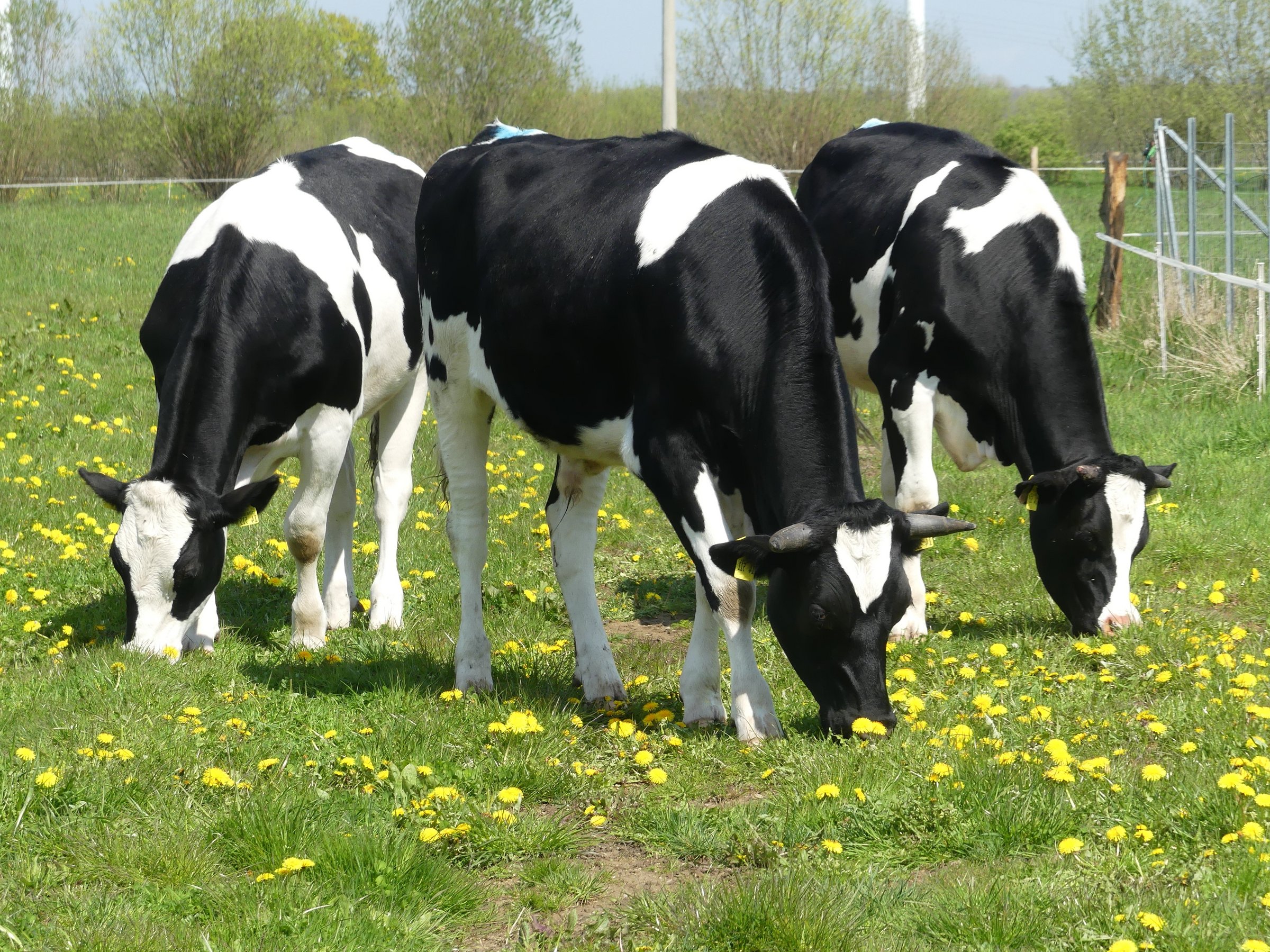
Keeping cows healthy and achieving good milk yields is a major challenge in modern farming. There are many problems, especially around calving. A lot of medication is often used during this time.
On 1 January 2021, the Mecklenburg-Vorpommern State Research Centre for Agriculture and Fisheries (LFA) launched the MuD animal welfare project "Extension of the lactation period and selective drying off to minimise the use of antibiotics in dairy cows" together with the Frankenförder Forschungsgesellschaft and the Institute for Reproduction of Farm Animals Schönow. The immediate aim of the project was to introduce practical concepts and methods for reducing the use of antibiotics in dairy farming.
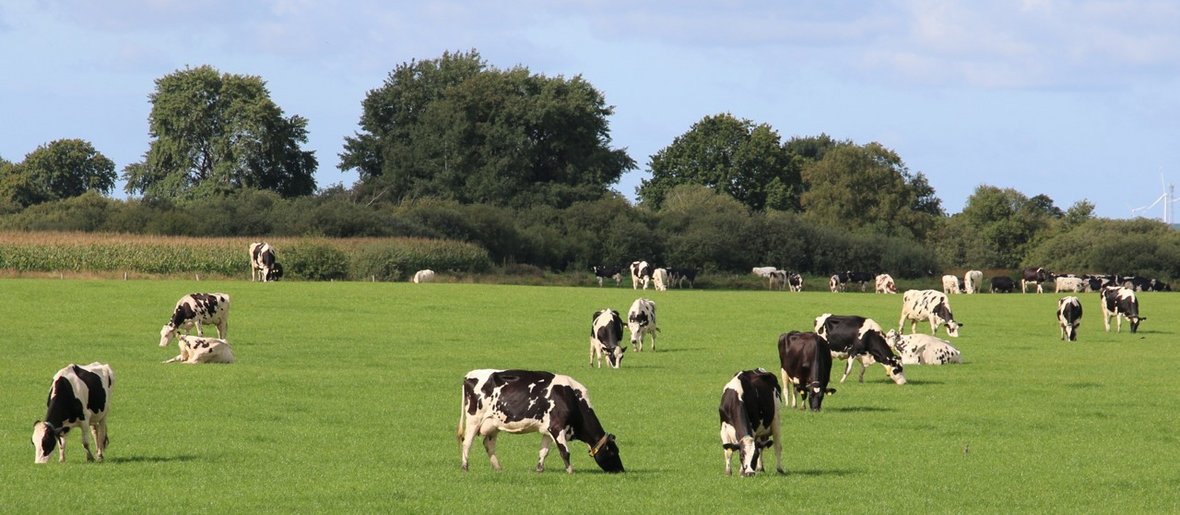
Grazing cattle is an important building block for animal welfare, climate protection and biodiversity. At the same time, it poses challenges - for example in terms of animal health, parasite management and the further development of suitable breeds through breeding. This is precisely where the NaBiWei project comes in, which is funded by the EU and the state of Schleswig-Holstein as part of the European Innovation Partnership (EIP).
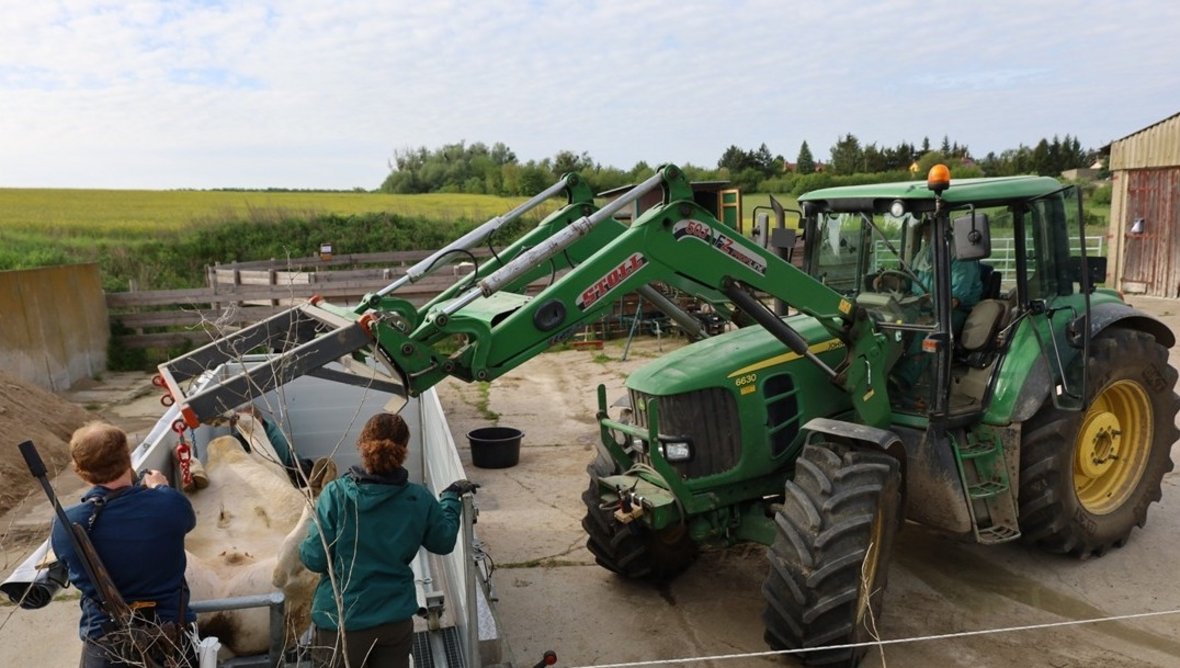
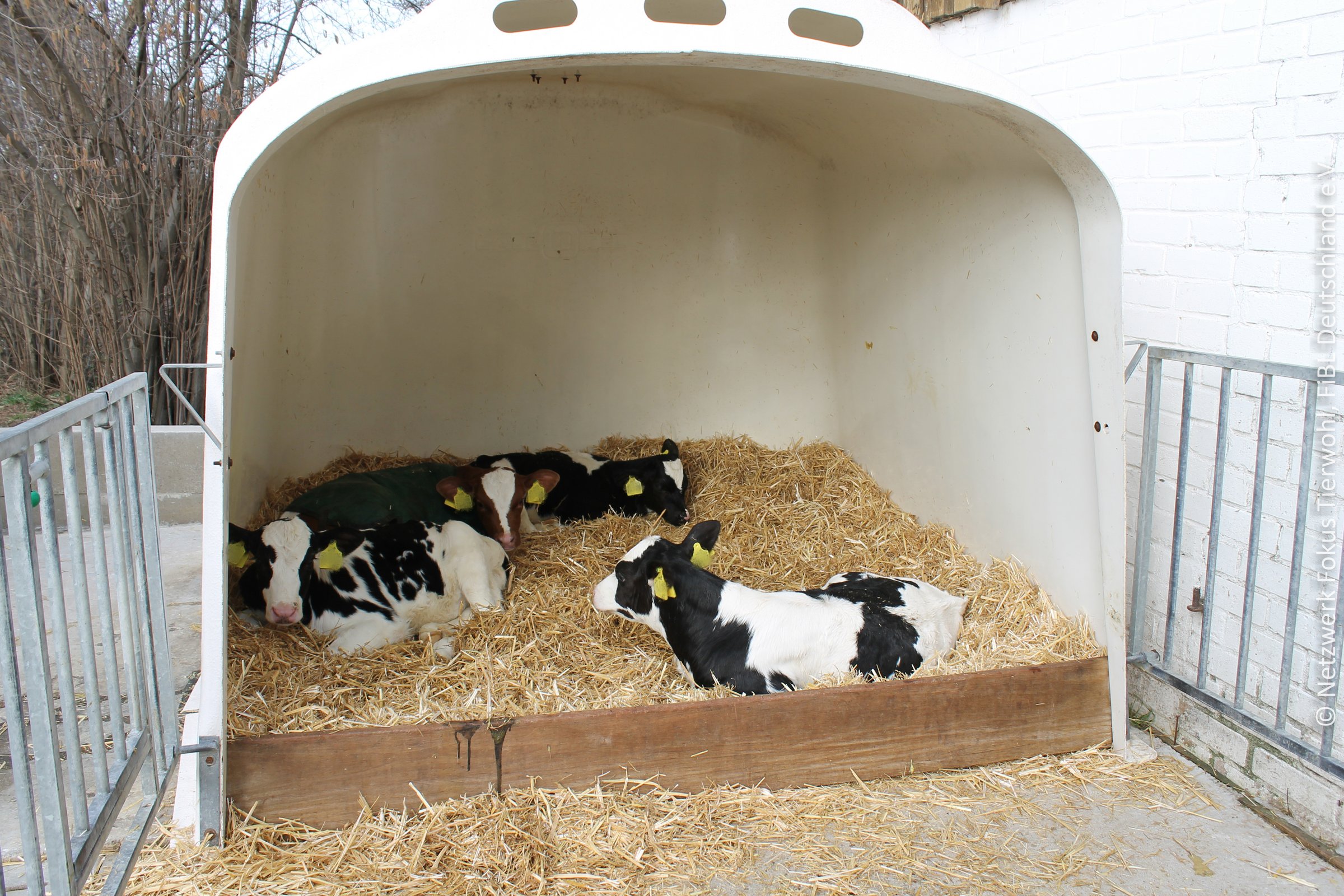
Near-farm slaughtering offers the opportunity to reduce transport and slaughter-related stress by avoiding the transport of live animals. The central aim of the project is knowledge transfer, as part of which various workshops and online seminars were held and a training course with films was developed. The training course "Farm-based slaughtering in dialogue" has been available free of charge since 1 August 2025.
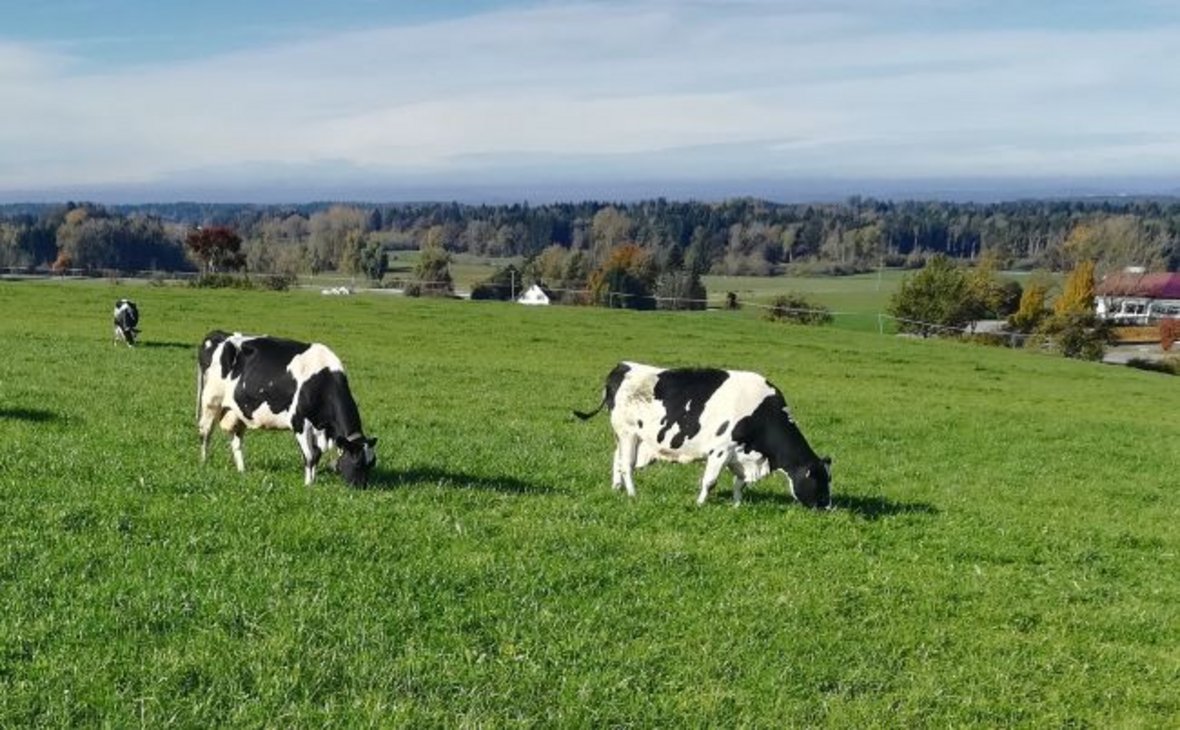
In order to provide dairy farms - regardless of their farming method - with targeted support for the introduction, optimisation or expansion of grazing, the three-year project "BWeidung umsetzen" (Implementing grazing) has been running at the Baden-Württemberg Agricultural Centre (LAZBW) in Aulendorf since 1 January 2025.e Grazing is particularly important for dairy cattle and their offspring in organic farming, as it can have positive effects on animal welfare and the environment in addition to labour and economic advantages if managed well.
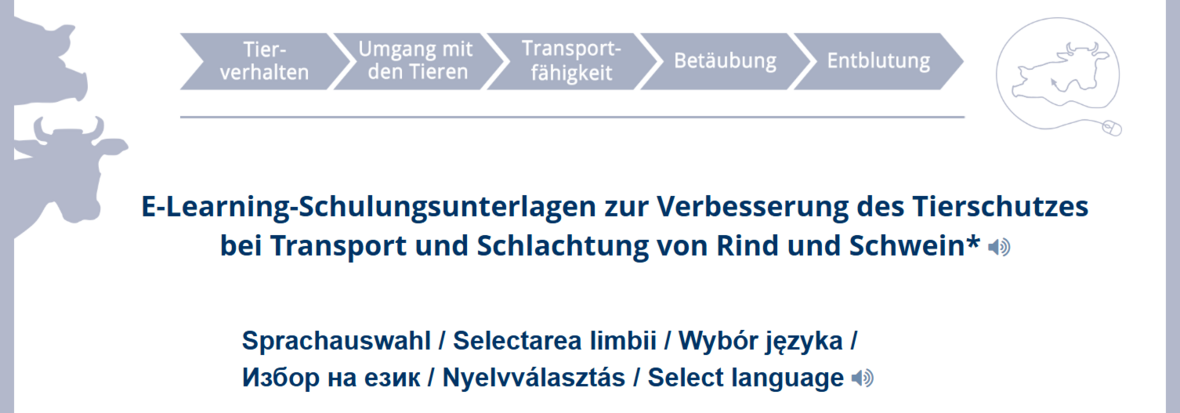
In the eSchulTS2 project (development of target group-oriented e-learning training materials to improve animal welfare during the transport and slaughter of cattle and pigs, funded by the Federal Ministry of Food and Agriculture), the Free University of Berlin has created e-learning modules on animal welfare during the transport and slaughter of cattle and pigs in various languages. The target groups of the training materials are employees in transport and slaughter companies who handle live animals.

The peatland regions along the North Sea coast in north-west Germany differ fundamentally from the history and development status of other peatland areas in Germany and Europe, some of which are still close to their natural state. The Grassland Centre Lower Saxony/Bremen e.V. has published a study entitled "The future of peatland sites in Lower Saxony", which summarises the legal and scientific background to the topic of "Climate protection through peatland conservation".
The German Association for Landscape Conservation (DVL) is showing important aspects of practical livestock protection in a four-part film series. The series is aimed in particular at livestock farmers who want to protect their animals against wolves, as well as advisors and multipliers on the subject of livestock protection.
In the #FitForCows research project, a traffic light system was developed to help quickly recognise changes in animals and take countermeasures at an early stage. The implementation is intended to ensure and improve animal welfare in the cowshed. The target group are dairy farmers in practice, as well as trainees and students of agriculture.
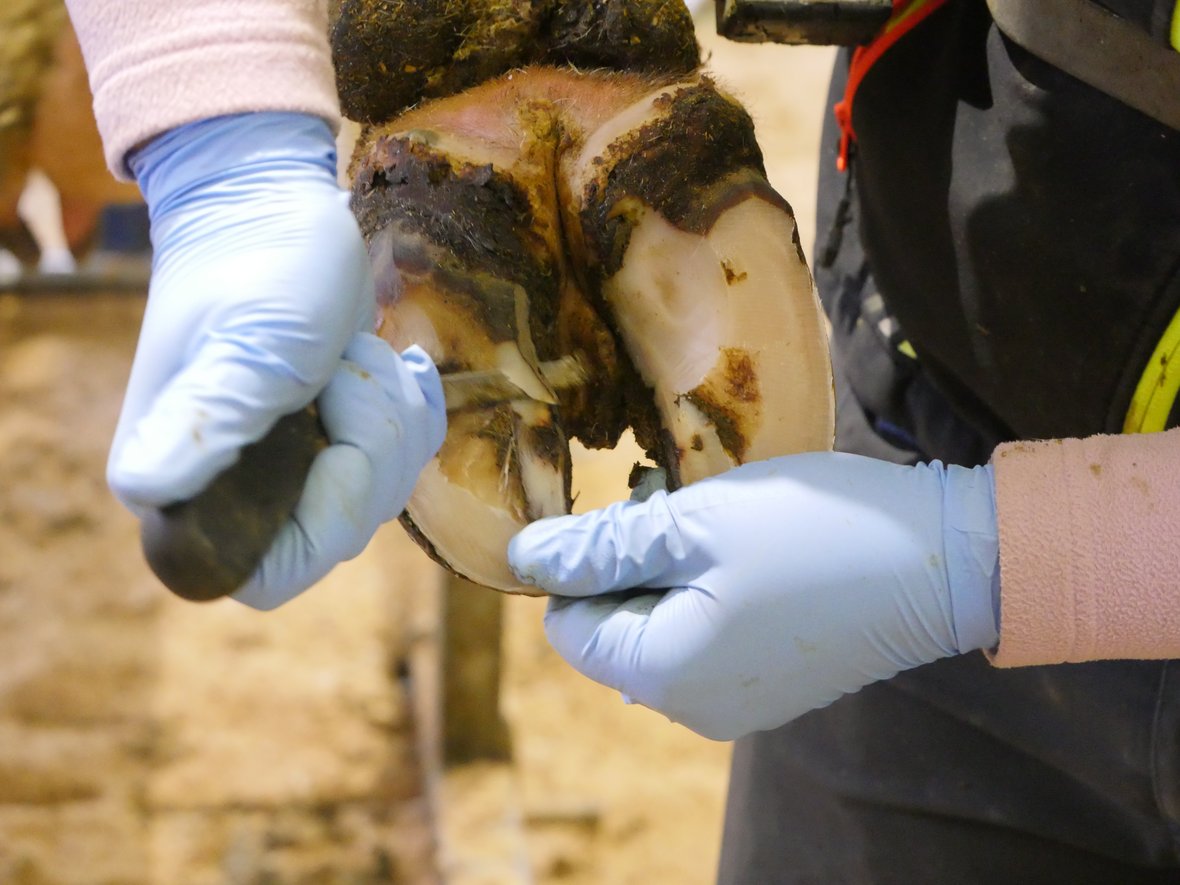
The pilot project "Establishment of two consultation farms for optimal claw health management in dairy farming in the state of Brandenburg" presents its two consultation farms. Optimised claw health management makes a significant contribution to improving animal health and reducing disease-related losses. The aim of the pilot project was to establish a farm-specific and animal-individualised system for prophylactic claw health management.
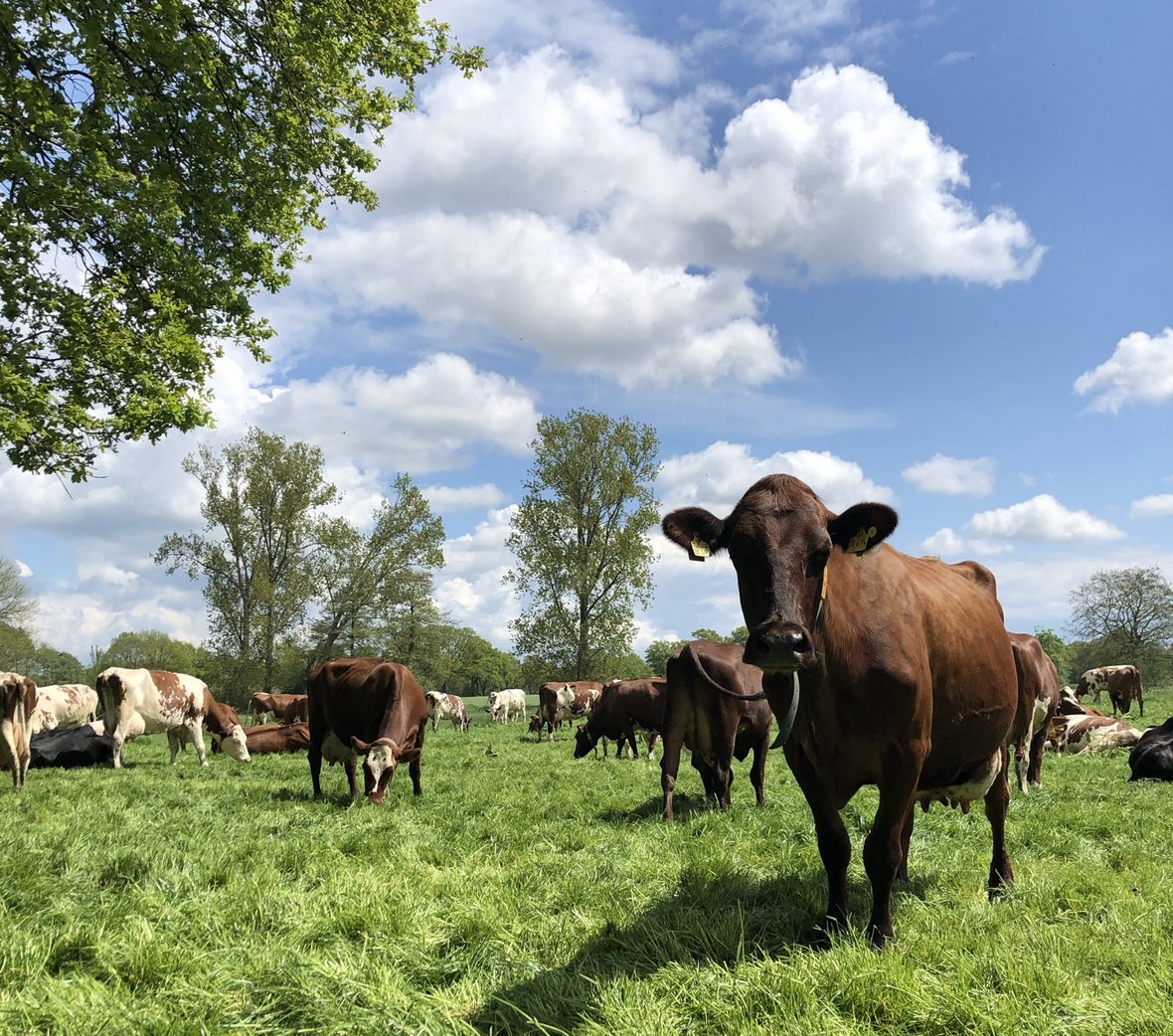
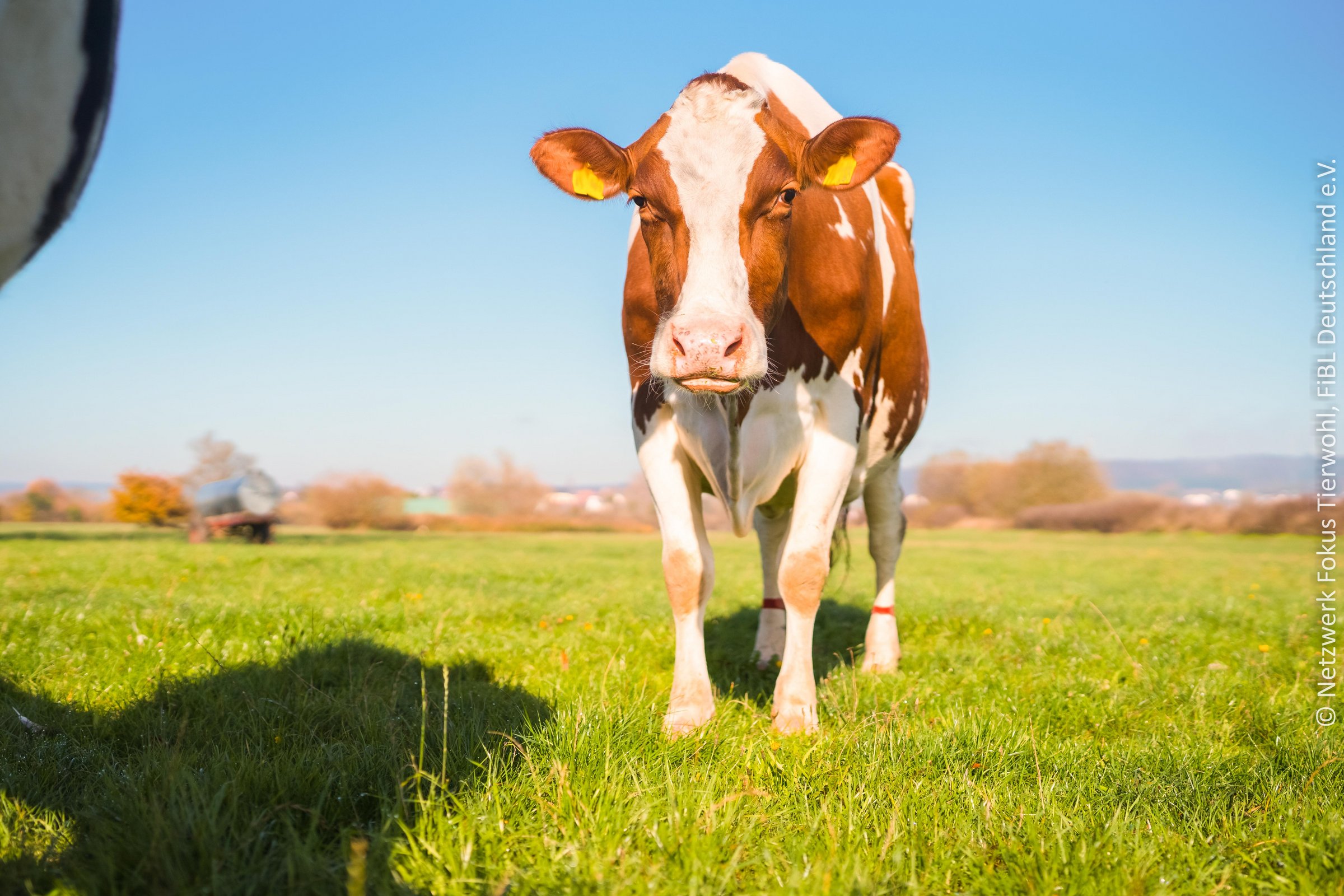
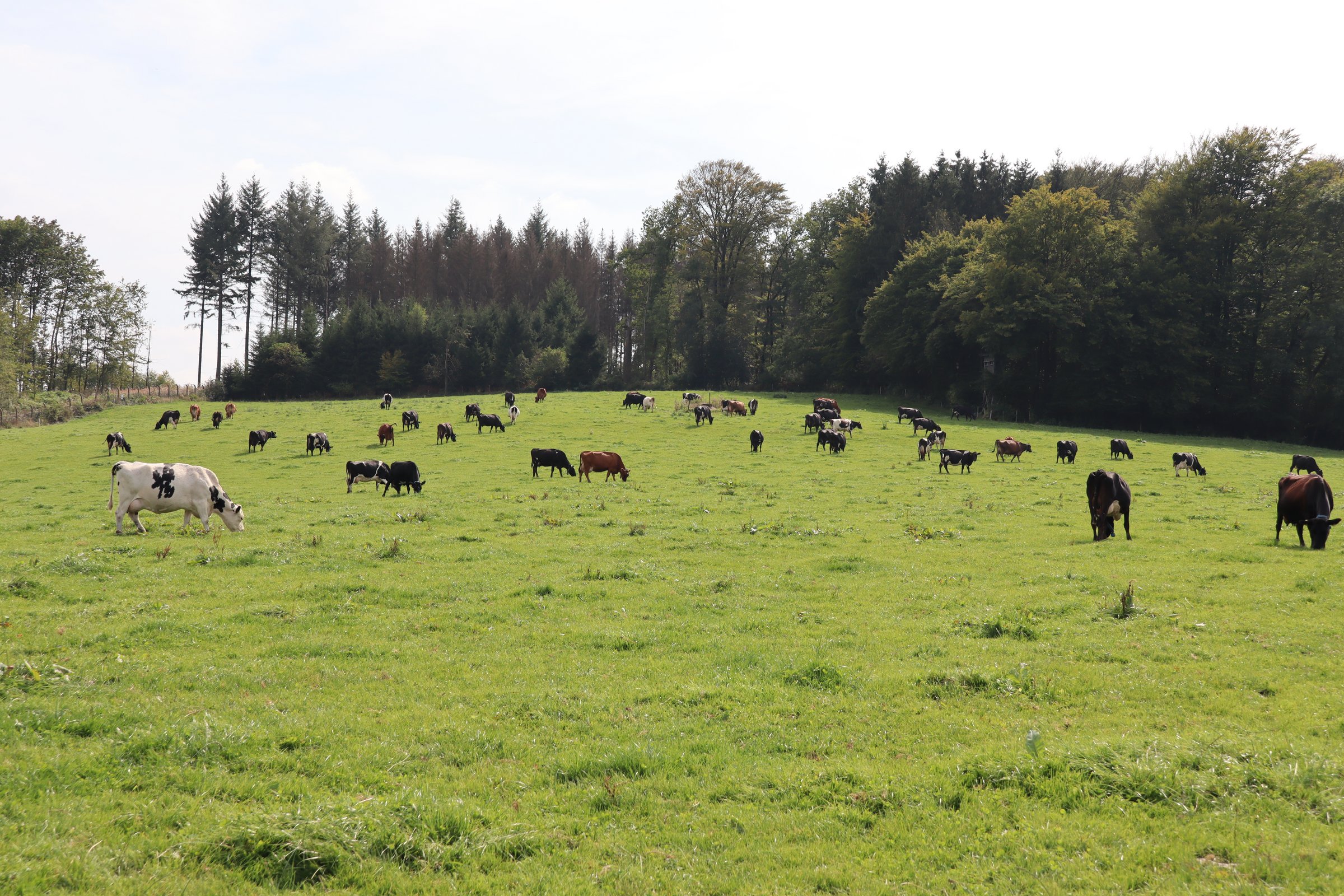
The cow in the pasture. This image is associated by consumers with a high level of animal welfare and is therefore desired by them. For high-yielding cows in particular, needs-based feeding is essential to ensure the health of the animal. In contrast to stall rearing, feed intake is more difficult to control in pasture rearing and in some cases the intake is not sufficient for their milk yield. In order to ensure that they are fed according to their needs, livestock farmers prefer to keep them indoors. The Model and Demonstration Project (MuD) Animal Welfare Project "Improving animal welfare in grazing dairy cows" has developed recommendations and animal welfare criteria for grazing.
A high level of animal welfare is one of the requirements of modern and sustainable cattle farming.
But what is the state of animal welfare in German beef and dairy production? Data that allows conclusions to be drawn on partial aspects of animal welfare, such as through milk performance testing or ante-mortem and post-mortem inspections, are already being collected. However, a systematic, nationwide evaluation of this information is still lacking.
This is where the National Animal Welfare Monitoring, or "NaTiMon" for short, should come in, which takes into account animal welfare aspects in husbandry as well as during transport and slaughter. The report will be based on regularly collected management, resource and animal-related indicators.
EIP-Agri - Cattle projects introduce themselves
EIP-Agri - European Innovation Partnerships for Agricultural Productivity and Sustainability
The European funding programme EIP-Agri has set itself the goal of promoting the further development of innovative approaches in agriculture. The programme is characterised by the fact that current agricultural issues are addressed jointly by farmers, consultants, associations, companies and scientists. EIP-Agri is thus intended to help improve networking between agriculture and research.
In order to create a network, the German Networking Centre (DVS) organised an online networking meeting for EIP-Agri cattle projects together with the Fokus Tierwohl network. Current and completed EIP-Agri projects focussing on calf, dairy and beef cattle husbandry were presented.
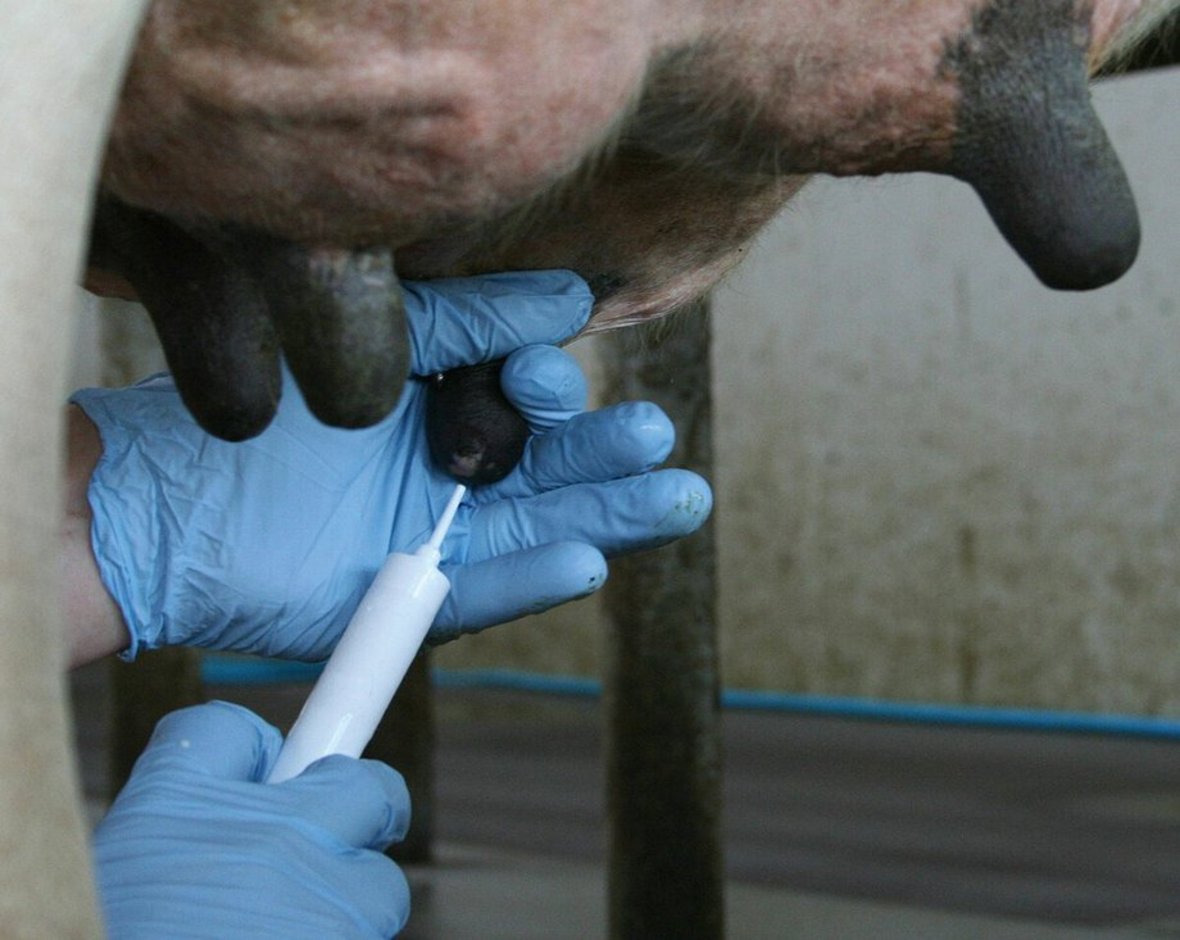
Quarter-selective drying - sustainably reducing the use of antibiotics
Recommendations from science and practical experience - guidelines from the "Knowledge - Dialogue - Practice" project phase of the animal welfare model and demonstration project published: The aim of the MinimA project was to test a drying-off treatment consistently oriented towards the detection of mastitis pathogens under practical conditions. To this end, 16 dairy farms across Germany carried out quarter-selective drying off in their herds. Based on the experiences and suggestions of the project farms, these guidelines for action were drawn up.
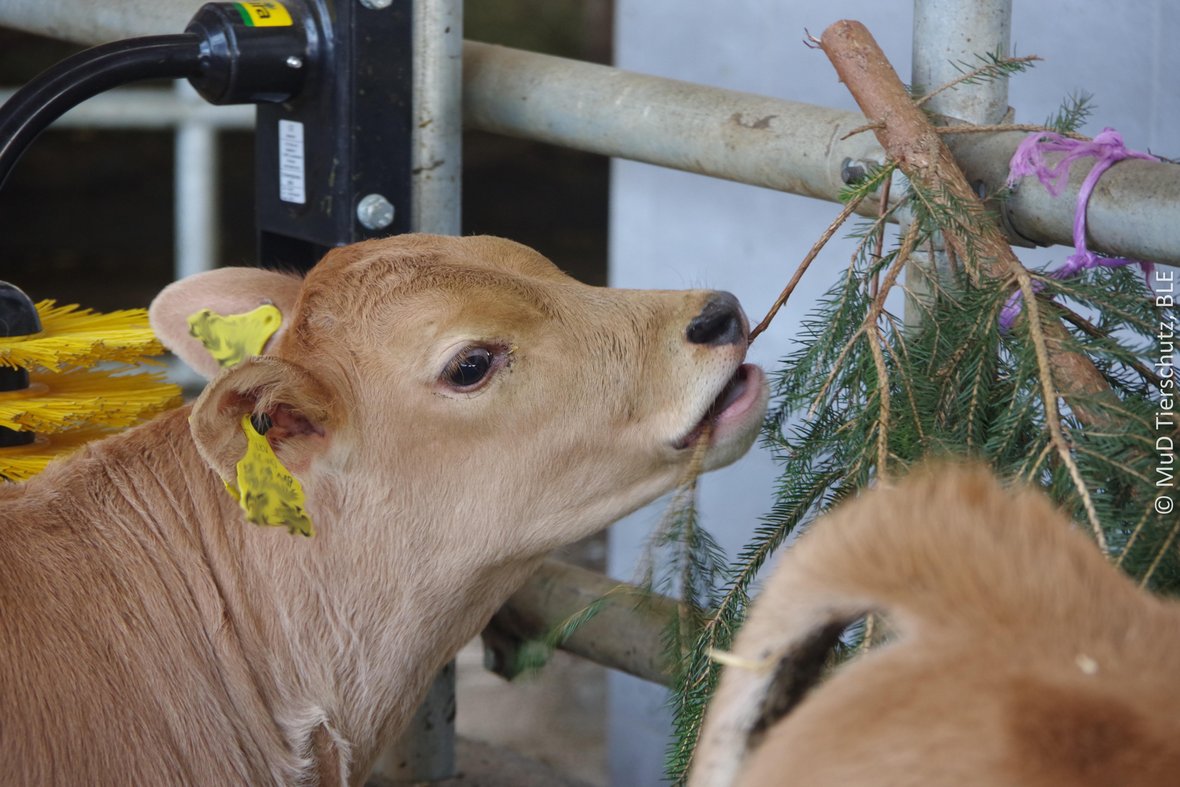
Activity material for calves
An overview of different employment opportunities in practice
The motherless rearing of calves, which is common in dairy farming, places high demands on management due to the special needs of the young animals. It is not only necessary to cover the calves' nutritional requirements, but also to take into account the species-specific behaviour and satisfy the calves' needs.
As part of the MuD Animal Welfare Network Demonstration Farms "Optimisation of group housing of calves with regard to avoiding and reducing mutual suckling" , a brochure was produced for farmers, advisors and other interested parties. It provides an overview of various housing materials, the costs involved and their suitability in practice.