
- Dr. Hans-Joachim Herrmann, Landesbetrieb Landwirtschaft Hessen
- Antoine Janssen, Specialist farmer for hoof care
- Dr. Fanny Rachidi, Clinic for hoofed animals, University of Leipzig
- Mr Hubert Reßler, Hochstädter Klauenpflege GmbH
- Dr. Jörg Willig, Cattle Health Service, LUFA North-West
- Caroline Leubner, Landesbetrieb Landwirtschaft Hessen
All articles on the topic
Hoof Care Checklists
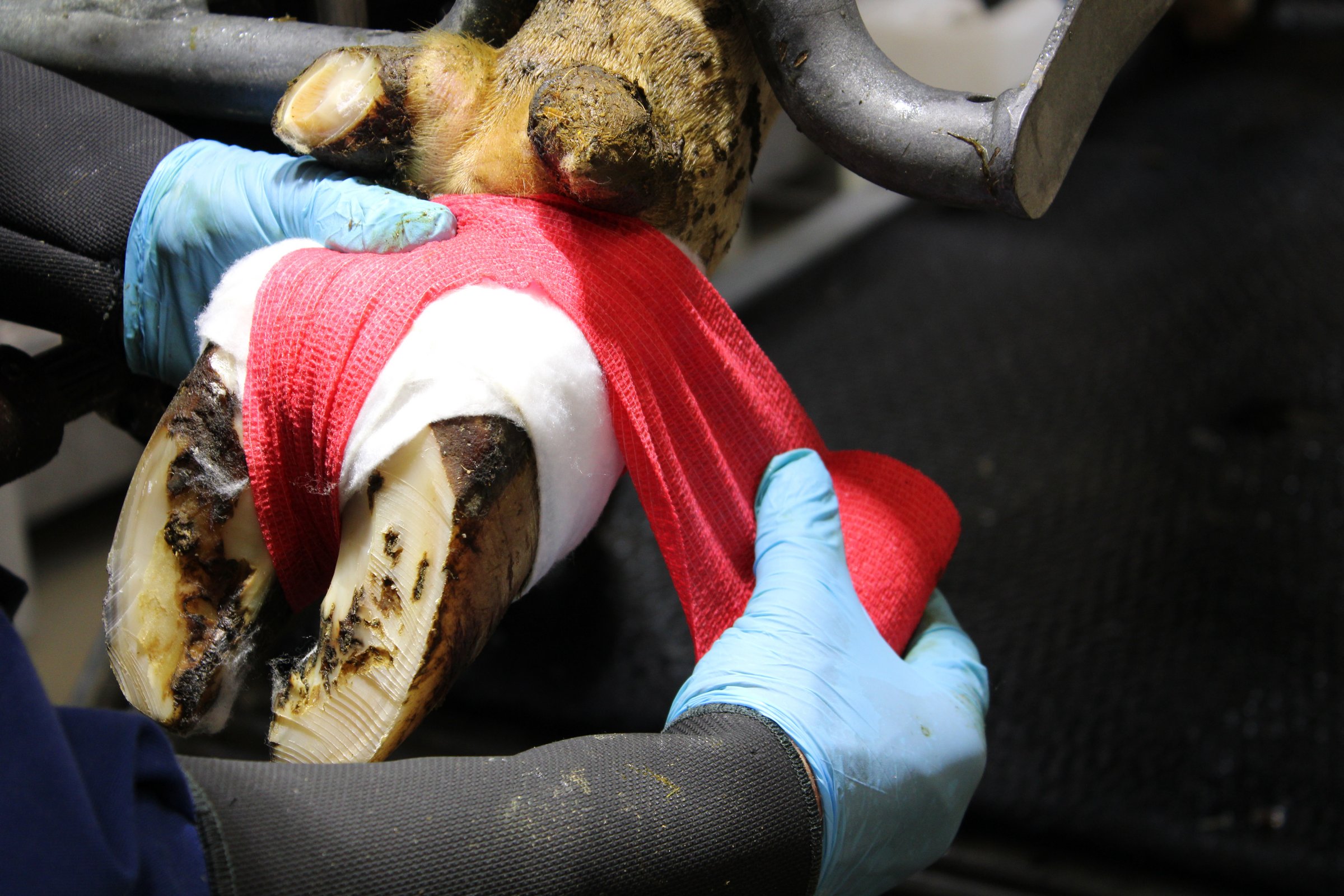
Professional treatment of lameness
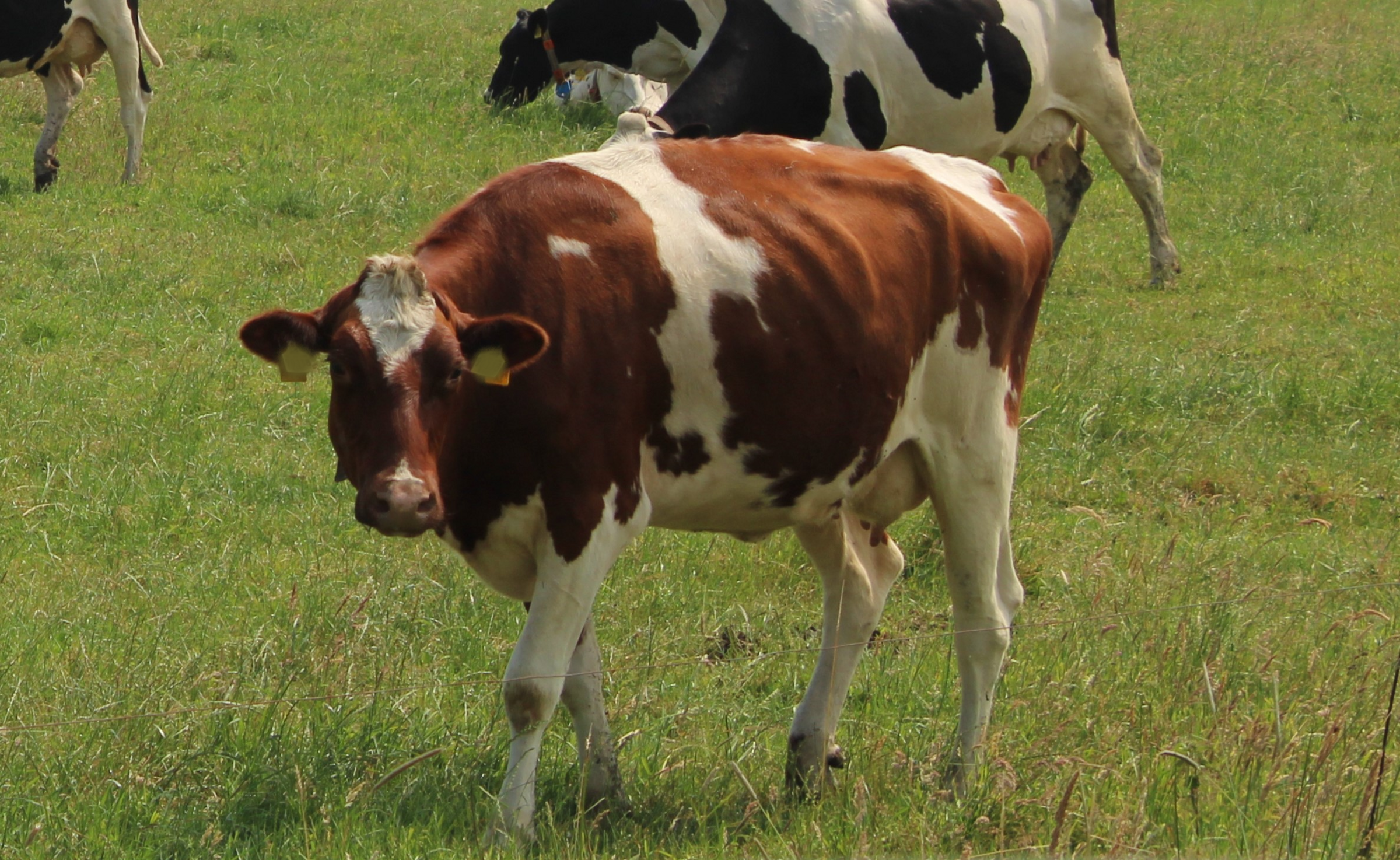
Early detection of lameness
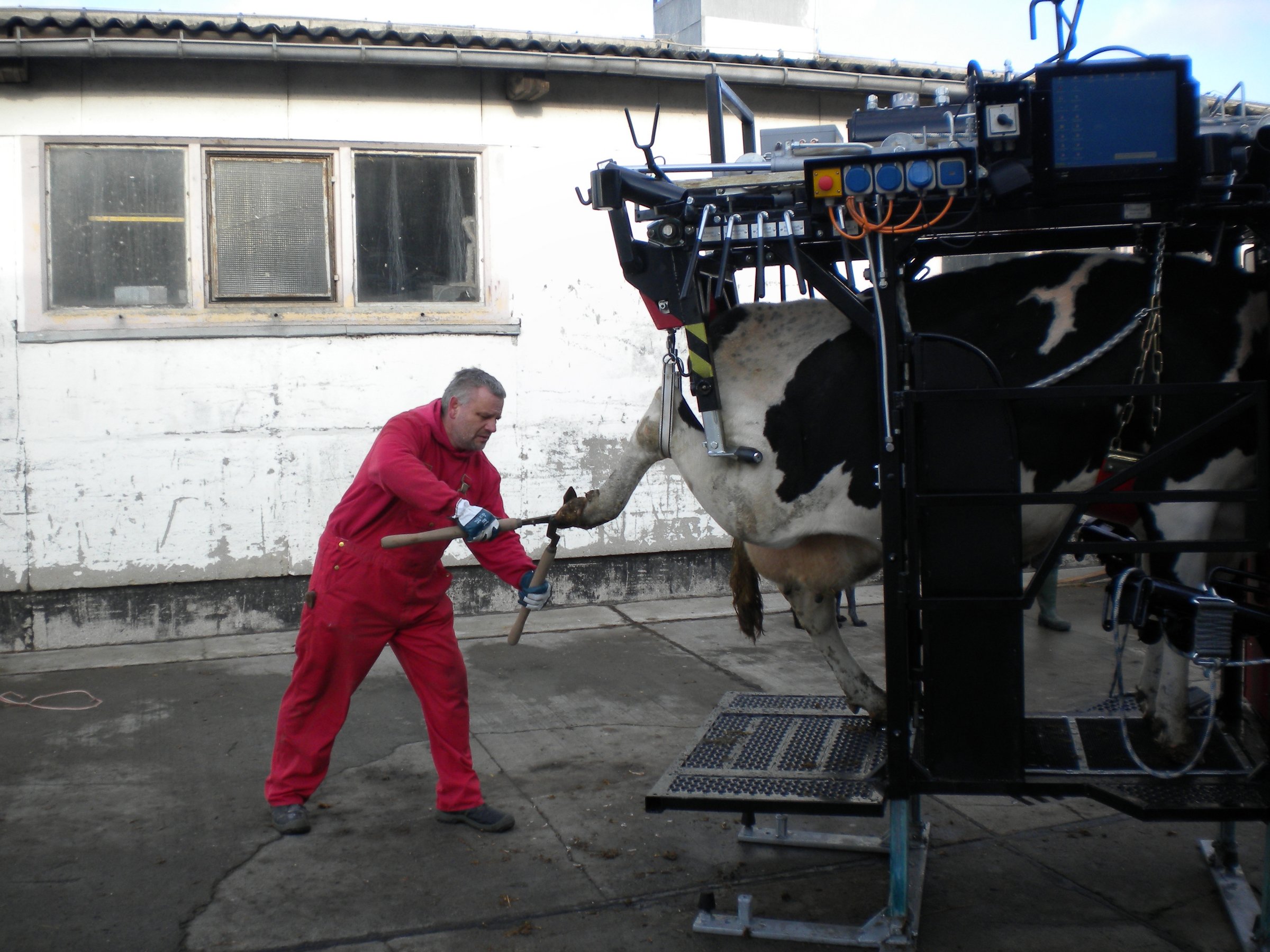
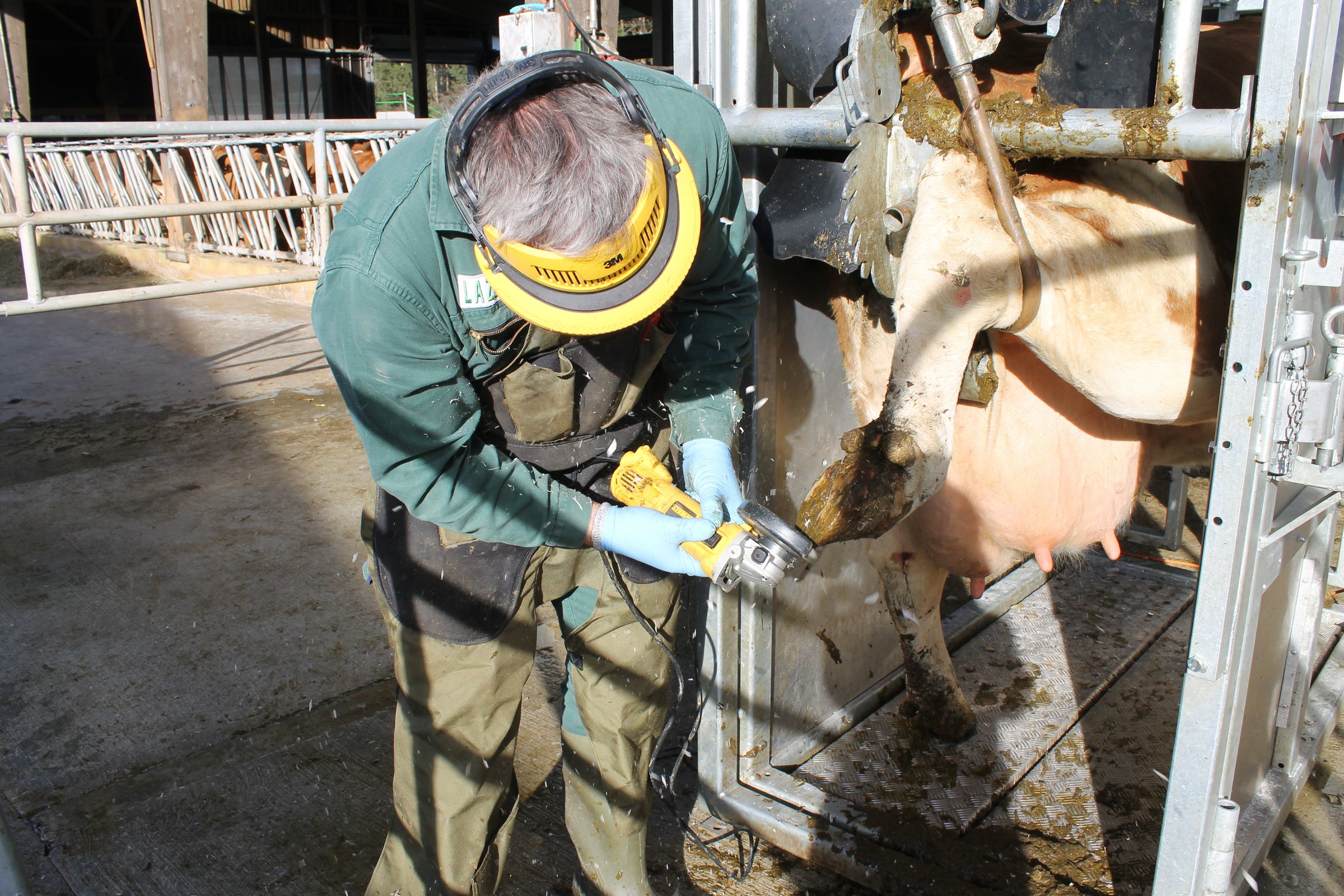
Hoof care: safety for animals and people
Hoof bandage

Integration & Organisation der Klauenpflege
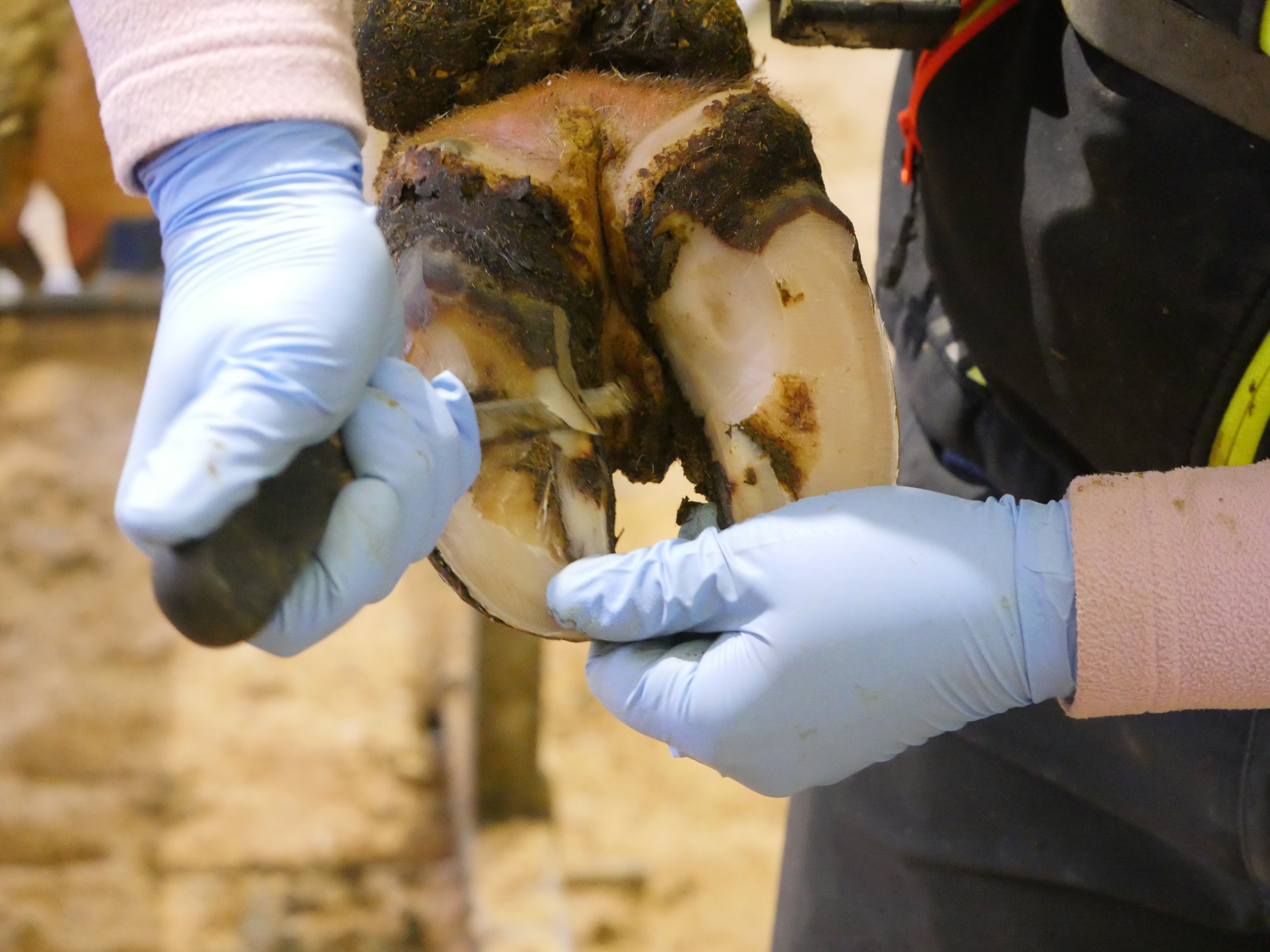
Funded projects: Pilot project on hoof health management
Integration & Organisation der Klauenpflege
Introduction
According to the PraeRi study (2020), lameness is still a current problem in modern dairy cow husbandry in Germany. In northern and southern Germany, it was found that almost one in four cows (22.8% and 22.7%) and in the eastern German states more than one in three cows (39.4%) go lame. This problem is often underestimated by farmers. They estimate that only 9.5 % of their cows in northern and southern Germany and 7.1 % in eastern Germany go lame.
Young cattle are usually not even included in lameness observations. Studies from 2012 also showed that lame animals are usually recognised late: high-grade lameness was only noticed after 21 days and low-grade cases usually only after a delay of 70 days.
When comparing the actual condition and individual perception, it becomes clear that it is precisely this gap that represents a weak point. Operational blindness is the factor that must be worked against in order to recognise lameness at an early stage. In addition, the expertise of farm managers and management must be improved.
The following target values can be used to categorise your own farm. These values refer to the proportion of animals with at least moderate lameness, which is categorised as lameness level 3 or higher in the locomotion score according to Sprecher et al. (1997).
| Orientation value | Acceptable | Alarm value |
| < 10 % | 10 - 20 % | > 20 % |
The target values suitable for the farm must be discussed with the hoof trimmer and the vet in order to set farm-specific targets.
The target for good farms should be less than 10 % lame animals. In addition, lame animals should be recognised at an early stage and treated accordingly. The feasibility of this was confirmed in Austria with the "KlaueCheck - Benchmarking of claw health". Hoof data was collected for years. The results showed that the top 10 % of farms were able to keep the proportion of lame cows (alarm findings) at 6 % in 2020.
The aim for high-grade lameness from lameness level 4 and 5 should be to ensure that no animals are left untreated in the barn. The aim should be for these lameness levels to be at 0 % on the farm.
Lameness means pain
It must be clear to everyone that lame cows should be treated as soon as possible. This is because lame cows are clearly restricted in their animal welfare. The more severe the pain, the more obvious the lameness. Regular and increased lameness in the herd can therefore have animal welfare implications. In addition, the cows eat less, are more susceptible to metabolic diseases and mastitis and may have poorer fertility parameters. Milk yield is also impaired.
The top priority for cattle farmers is to avoid lameness. If they occur, the animals must be helped quickly and expertly. Early detection is particularly important in order to enable the cow to lead a lameness-free life. In this way, animals with a conspicuous gait pattern can be promptly remedied so that lameness (from stage 3) is no longer the order of the day. The prognosis for a successful cure of claw diseases is significantly improved with early diagnosis. One study confirmed that the better lame cows were recognised on the farm (Farmers' Detection Index), the fewer lame cows there were in the herd. However, claw health cannot be assessed solely by observing lameness, but must also be assessed in the hoof trimming crush.
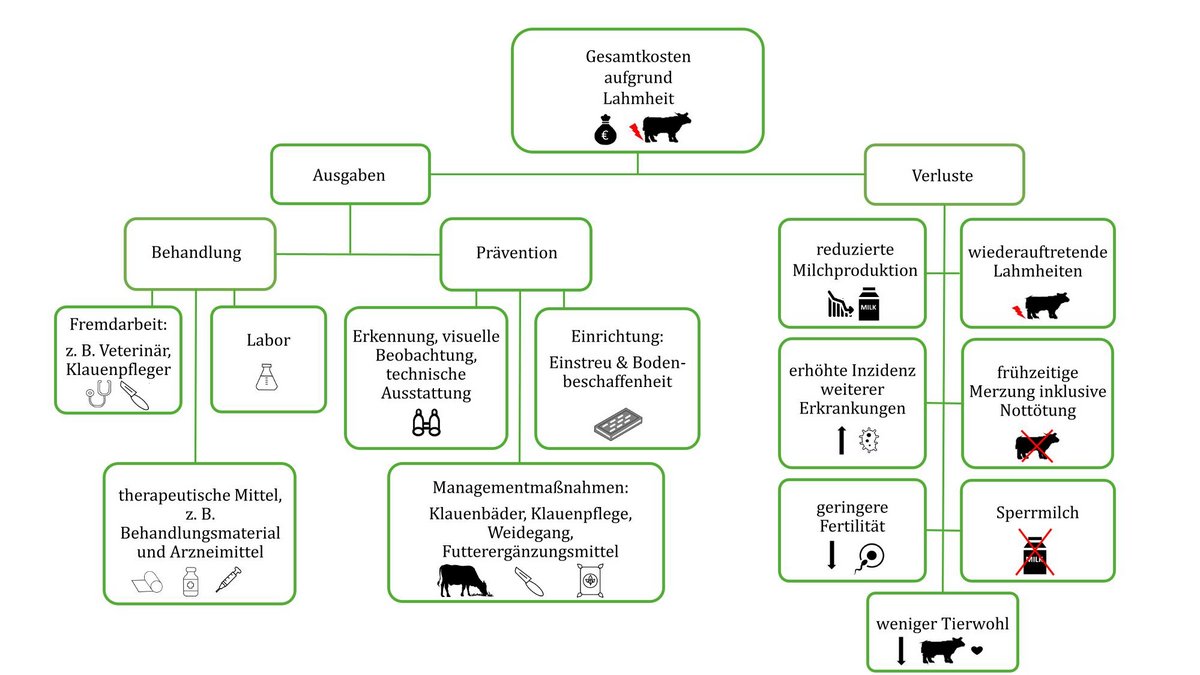
Apart from animal welfare and animal health, the economic consequences also play a role. Calculations have shown total costs of €130 to €600 per case of illness. This can mean a loss of 5 to 10 % of the annual profit per cow for the farmer.
Cost factors are
- Increased time spent on management and treatment
- more labour hours
- reduced fertility
- later conception (up to 40 days later)
- early malting
- slaughter weight is reduced in animals fit for slaughter
- with severe lameness
- Loss of milk and semen due to medication
- possibly poorer body condition (BCS)
- Veterinary costs and medication
The greatest losses in milk yield measured in terms of lactation number are seen in first lactation cows with lameness in the transit phase (Puerto et al., 2021). Milk constituents are also affected by lameness. A study by Kofler et al. 2021 found that cows with severe and recurrent lameness produced on average 319 kg less milk, 10.8 kg less fat and 16.6 kg less protein in a lactation period than healthy cows.
The indirect costs must also be taken into account. Farms with higher lameness rates usually do not notice these costs because they are constantly incurred. However, if the target values were improved, they would be recognised as a gain. Such costs arise, for example, when
- an unintended extension of the inter-calving period
- the risk of renewed lameness and other diseases
- premature malting including emergency culling due to loss of transportability or fitness for slaughter (Dahl-Pedersen et al. 2018 showed that the assessment of the transportability of lame cows by farmers, livestock dealers and veterinarians is only moderately consistent)
- the reduction in slaughter profit (up to €178; Hufe et al., 2021)
- the costs of rearing heifers with early malting
- claw diseases in heifers that have a negative impact on the rest of their lives (disease with severe claw horn lesions negatively affects welfare, health and productivity over the rest of their lives; Randall et al., 2016)
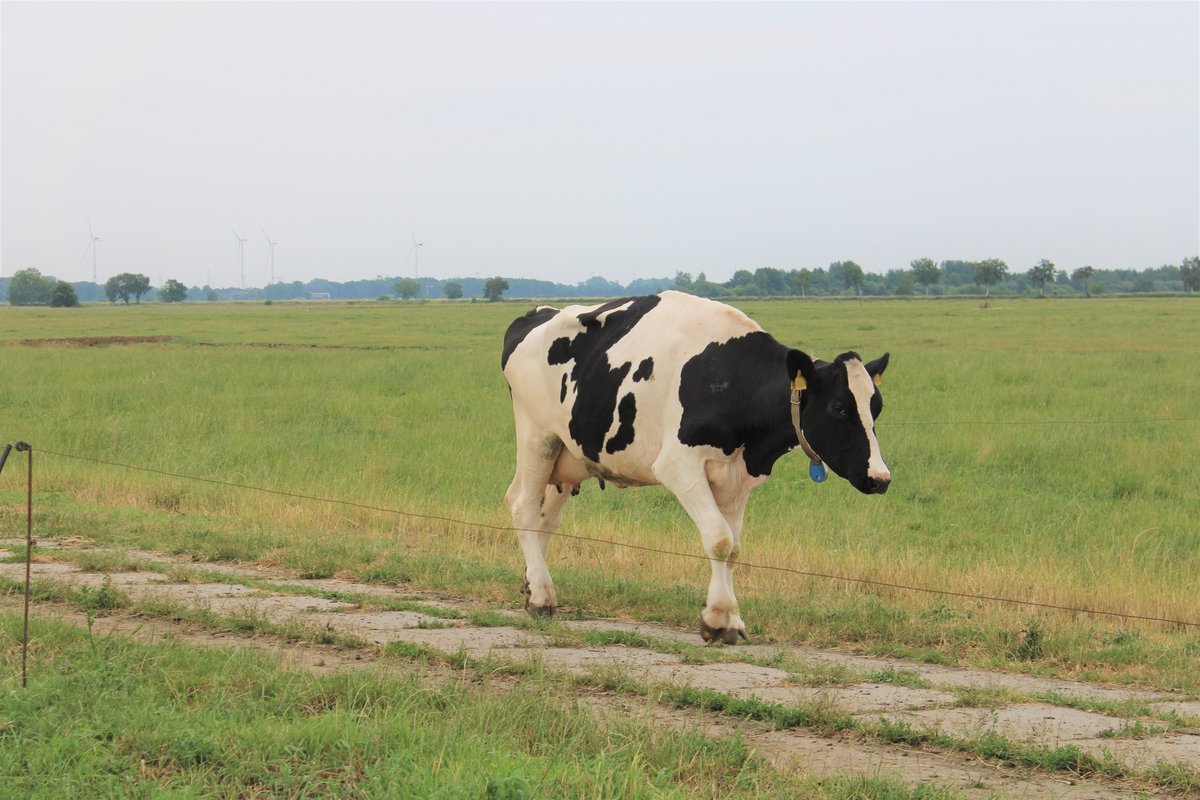
What does lame mean and when do we speak of lameness in cattle?
According to the definition, lameness is a change in gait due to a pain-related, functional or structural disorder of the musculoskeletal system and a mechanically induced disorder of the gait pattern. Lameness is therefore a symptom. In around 90% of cases of lameness, the cause lies in diseases of the lower foot, which are localised in the area of the claw and the surrounding skin. Most claw diseases occur on the hind limbs and can sometimes cause bilateral lameness, so that the pair of limbs is affected.
It is important to know that, due to their nature as prey animals, cattle only show pain "outwardly" very late, as this signals weakness to the "attacker". In addition, pain is suppressed in stressful situations. This is particularly evident in situations such as after hoof trimming, when the cow takes the first steps out of the hoof trimming crush, or during oestrus. This often gives the farmer a false sense of security that the cow is feeling better or is (no longer) in pain.
Recommendation Routine review
Recognising, recording and reacting to early warning signals takes time. This labour input and the perceived "lost working time" for many is not really lost. On the contrary: it pays off in that the animals remain healthy and do not require any additional treatment other than routine hoof care. There is no or less economic damage or animal losses.
The aim is therefore to regularly check the cattle for lameness. This should not be scheduled alongside other activities, but preferably as an independent task on a regular basis, e.g. weekly. In addition, the animals should at least be looked over at every step of the work in the barn. Severe lameness can be recognised immediately, but early detection requires special attention and a separate routine.
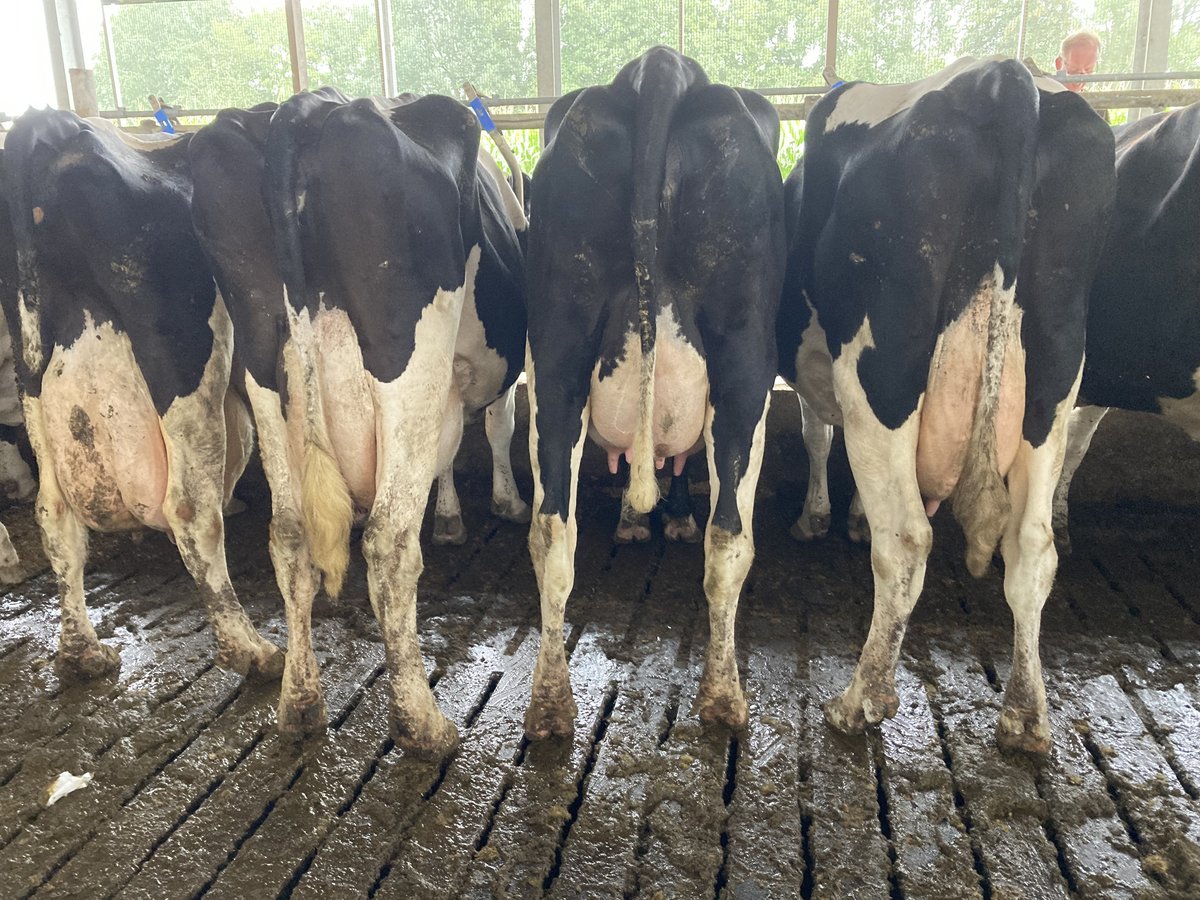
3.1 Leg position, back line, relieving posture
The leg position, back line and relief postures should be checkedat least every 14 days (described below). It can be decided on a farm-specific basis how the inspection should be integrated into the farm routine. The best way to do this is to view the cows from behind and from the side at the feed fence (Fig. 3). This places the focus on the hooves and the back. In conventional milking, attention can also be paid to leg position and relieving postures in the milking parlour. Good illumination is important here, which can be achieved using torches or headlamps. Claw diseases, such as dermatitis digitalis (DD), which are observed during the assessment should be documented immediately and then treated straight away.
Not only the milking cows, but also the young cattle and dry cows should be considered. They should also be assessed at least every 14 days. As these animals are not milked or moved back and forth frequently, lame animals are usually not recognised quickly. Therefore: Don't forget dry cows and young cattle!
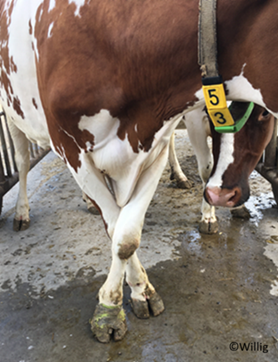
The cow places one front leg over the other to relieve the pressure on the inner claw.
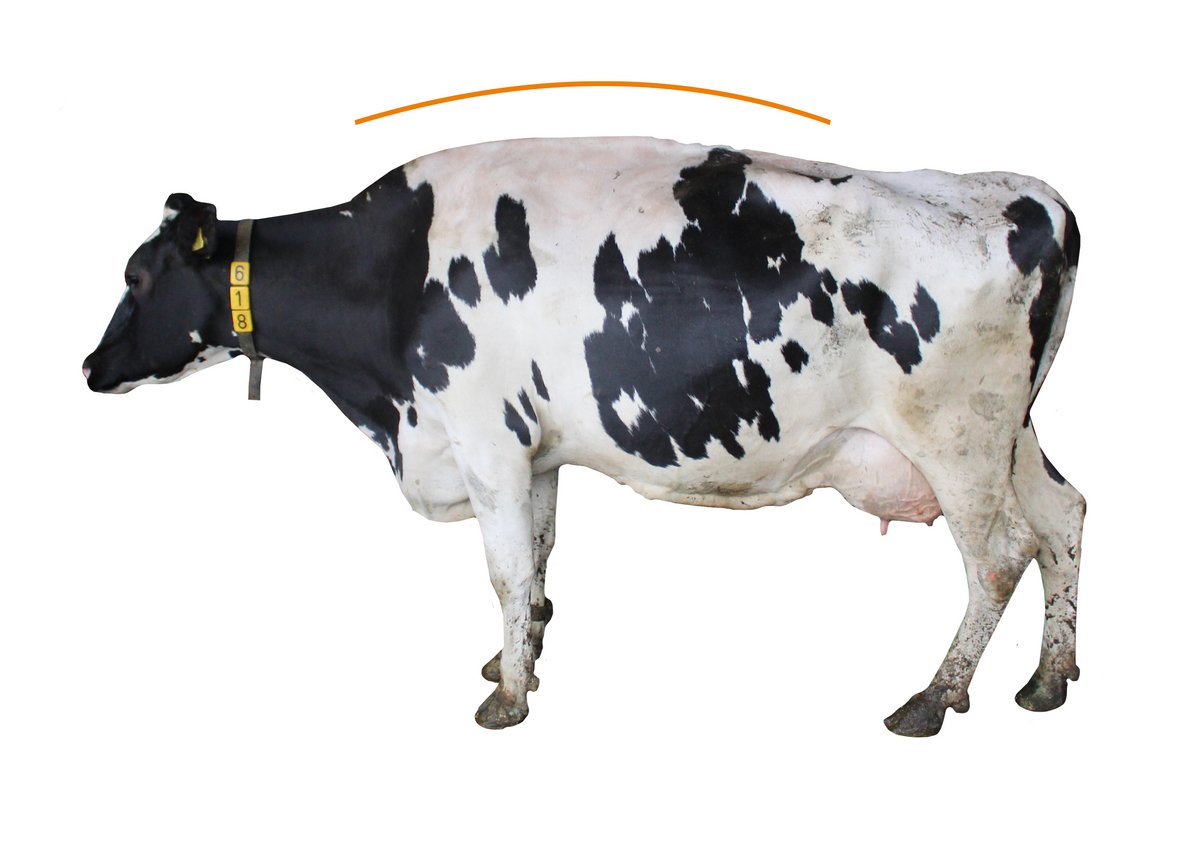
Only from a higher degree of lameness does the cow show a curvature of the back when standing. This is a sign that the cow is already in more severe and longer-lasting pain.
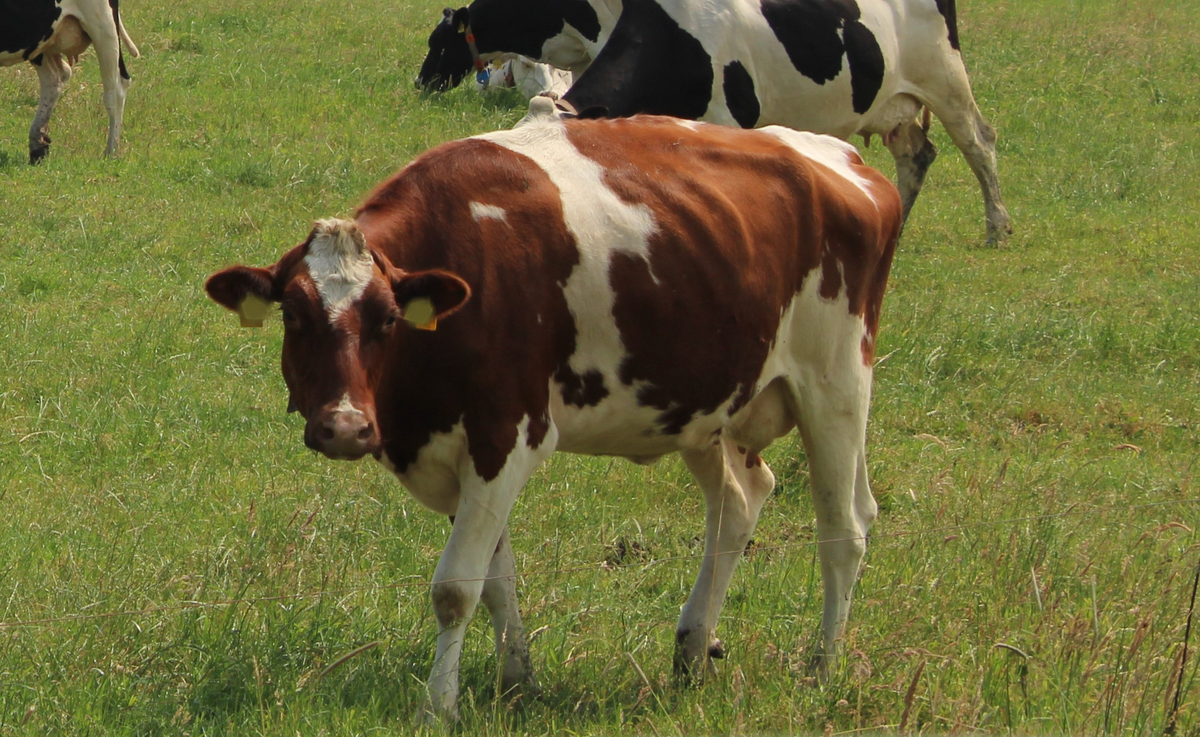
In the relief position, the painful claws are relieved. This can look different:
- One leg is placed to the side to relieve the painful outer claw.
- One leg is placed under the chest or belly to relieve the inner claw.
- The animal bends the toe so that only the tip is raised. This is known as "lifting" the foot.
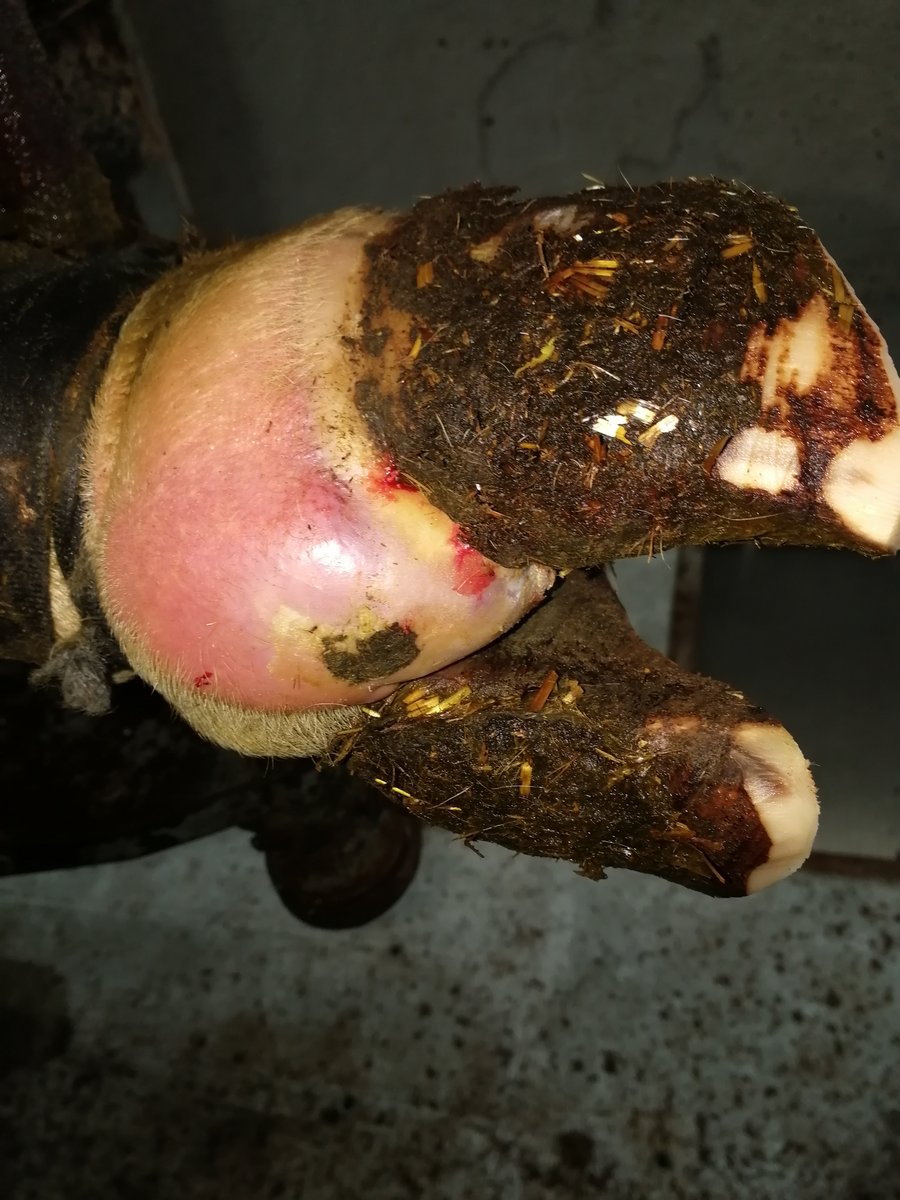
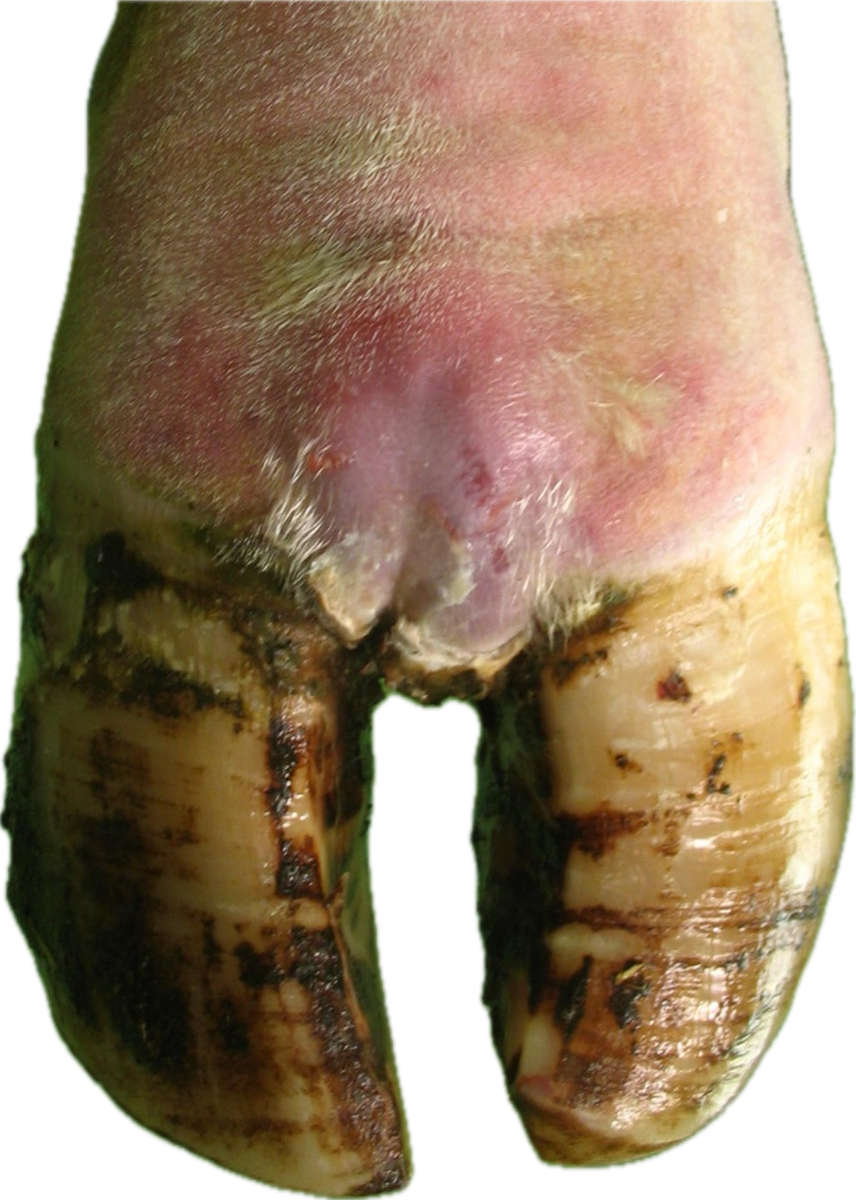
Swelling in the leg and claw area must be presented to the vet immediately and treated.
3.2 Recognition of lameness during movement
Correct lameness detection during movement should be integrated into the operating procedure, just like the assessment at the feed fence. The inspection is carried out on a firm surface that is non-slip and level. Ideally, it should take place on familiar routes that the cows know and that are adequately lit. Quietness is also an important point, as cattle try to hide their lameness in stressful situations, as already mentioned. Suitable places could be the exit from the milking parlour or the pasture outlet.
The following instructions explain exactly how lameness detection is prepared and carried out:
Klauenfitnet 2.0 - Movement assessment leaflet
The Klauenfitnet project also provides learning content in an e-learning programme.
Lameness assessment systems
The locomotion score according to Sprecher et al. (1997) is used to assess movement. However, other lameness assessment systems have also been used over the years.
- Listed authors from the years 1988 - 2008 in the literature overview chapter "Visual lameness assessment systems" (from page 11) by C. Orgel (2010). Regular assessment of lameness in dairy cows and the effect of lameness on milk yield, fertility and health status in different dairy farms. University of Veterinary Medicine Hannover. Dissertation
- 3-point gait assessment according to Grimm & Lorenzini (2018)
- Scoring system for lameness according to Starke et al. (2007). In Infectious claw diseases of the dermatitis digitalis complex; publication series, issue 16/2021 (page 22)
3.3 Other anomalies
All the changes mentioned above can also be observed every time the horse is handled in the stable. In addition, other abnormalities provide information about lameness problems. On conventional milking farms, drivers can look out for changes in the order of the cows being milked. The same applies when cows are turned out to pasture and driven in. The cows at the end of the group are always suspected of being lame.
Deviations in animal behaviour can also be noticed during regular stall care. A change in standing up behaviour can be noticed both when the cows are being driven up for milking and during stall care. This can indicate lameness. These deviations are listed in the 5-minute check. Any abnormalities noticed should be noted immediately and, if necessary, the cows identified in this way can be separated directly and taken to the hoof trimming crush.
3.4 Digital lameness detection
Nowadays, digitalisation plays a major role in the management of companies. It is impossible to imagine many farms without technology. It makes work easier, supports animal observation and much more.
Research is already very active in the field of lameness detection in cattle. This is because lameness monitoring requires a lot of time and a trained eye. In addition, the assessment is subjective.
For this reason, attempts are being made to detect lameness digitally at an early stage so that treatment of the hooves can be carried out as quickly as possible and no severe lameness occurs.
Even though digitalisation is on the rise, personal animal observation and targeted gait observation are still the be-all and end-all and should not be dispensed with. Digital lameness detection can be used as an aid alongside animal observation and can therefore provide useful support. A recent study showed that algorithms from milking robot data in combination with other animal and farm information could provide valuable results for recognising mild lameness at an early stage (Lemmens et al., 2023).
Examples that can provide supporting information:
- Automatic milking system (daily milk production, number of visits, feed residues)
- Pedometer
- Pedometers in combination with noseband sensors (head movements, feeding period length, rumination, drinking)
- Systems as ear tags or for collars
The technology for fully automated lameness detection is not yet fully developed. Therefore, no reliable system is yet commercially available on the market.
Assessment of lameness and its consequences
Unfortunately, a lameness check alone is not enough to improve the lameness situation in the stable. If this is carried out, consequences must also be taken afterwards. This means that conspicuous animals must be treated immediately so that no severe lameness develops. This requires good organisation on the farm. Particularly with large herds, it requires organisational talent, e.g. if 20% of 1000 cows are lame, this means that 200 cows have to be taken to the hoof trimming crush.
Here, but also on smaller farms, a farm-specific strategy is important. The article "Integration and organisation of hoof care" contains valuable tips on hoof care intervals. However, lame animals should always be considered separately from routine hoof care.
Prompt treatment of lame cows
Detected and documented lame animals require prompt treatment. Top farms already react to a lameness score of 2 (score 3 at the latest) according to Sprecher et al. (1997) and move the animals to the hoof trimming crush.
Farms with a high proportion of lame cows have difficult decisions to make. If there are many lame animals on the farm, a "triage" decision must be made. To do this, the cow must be considered as a whole. Lame cows with a low body condition score (BCS), a sunken hungry pit or poor general condition should receive immediate treatment.
Fresh milkers, high-yielding cows or heavily pregnant animals also have priority in such cases. In the case of heavily pregnant cows, this should be discussed in advance with the vet and hoof trimmer. A prior clinical examination is advisable in this case. Of course, the severity of the lameness is also decisive. However, animals with mild lameness should not fall off the radar, so documentation is an important measure. The aim should also be to detect and treat lame animals at an early stage.
Documentation
If lameness is observed in animals, this must be recorded immediately. Whether this is done by hand or digitally is initially irrelevant. Rather, care should be taken to ensure that the documentation is simple, effective, clear and can be easily understood at a later date. Documentation is always necessary to record the course of the illness.
As described in the previous chapter, it is also sensible to record the degree of lameness in order to assess the urgency of treatment. If immediate treatment is not possible, the following details should be noted:
- How long has the lameness been present?
- Have there been any improvements or deteriorations since the lameness was first noticed?
A prepared questionnaire for assessing movement is available here:
Movement Assessment Questionnaire (Klauenfitnet 2.0)
The floor surface should also be documented. Rubber flooring masks lameness to some extent, as it cushions the pressure on the hoof. Therefore, lame animals on concrete floors cannot be compared with lame animals on rubber flooring.
As soon as the animal is treated in the hoof trimming stall, this must be documented:
- Date
- Findings
- Treatment: What was done?
- Aftercare: hoof block check and dressing change
Following treatment, lameness checks should be carried out closely to monitor the healing process until the animal is discharged. At the next lameness check, care should be taken to observe whether the animal shows chronic changes in its gait or has developed a new condition.
Current project on lameness detection
- Soundhooves: https://www.uni-kassel.de/fb11agrar/index.php?eID=dumpFile&t=f&f=2583&token=1538af7ab396e21e16a3d1006558631206b5f7b6
- KIauenfitnet 2.0: https://www.die-milchkontrolle.de/elearning/klauengesundheit/
- Welfare Quality Protocol: https://www.welfarequalitynetwork.net/media/1020/wq_lameness_cows_0308_du.pdf
- Joint project: The Smart Back – Establishment of a multimodal concept for the early detection of lameness in cows (2021–2024): https://www.fisaonline.de/projekte-finden/details/?tx_fisaresearch_projects%5Bp_id%5D=14868&tx_fisaresearch_projects%5Baction%5D=projectDetails&tx_fisaresearch_projects%5Bcontroller%5D=Projects&cHash=f2dfdcefb44d1969d930ec049d60e68e#projectagencies
- Joint project: Measurement system for the automated early diagnosis of hoof diseases using acoustic analysis of the structure-borne sound of cattle’s movements (2016–2019): https://www.fisaonline.de/project-search/details/?tx_fisaresearch_projects%5Baction%5D=projectDetails&tx_fisaresearch_projects%5Bcontroller%5D=Projects&tx_fisaresearch_projects%5Bp_id%5D=9854&cHash=3fd5070ab202e1fb44240743808f629f#associatedprojects
- EIP-Agri Project: Claw Condition Score – naturally padded with fat (2020–2023): https://projekte.eip-nds.de/tiergerechte-nutztierhaltung/claw-condition-score-fruehwarnsystem-fuer-klauenerkrankungen/
- DigiMilch: Networked, individual animal sensor systems (DP V): All animal data at a glance (2019–2022): https://www.lfl.bayern.de/ilt/tierhaltung/rinder/239930/index.php
Bibliography
- Alawneh, J.I., Laven, R.A., & Stevenson, M.A. (2012). Interval between detection of lameness by locomotion scoring and treatment for lameness: A survival analysis. The Veterinary Journal, 193(3), 622–625.
- Baumgartner, W. (2014). Clinical Propaedeutics of Domestic and Companion Animals. 8th ed. Stuttgart. Georg Thieme Verlag.
- Bio Austria & Hulek, M. (2018). Hoof condition assessment. Bio Austria, Linz. Link: www.bio-austria.at/app/uploads/Klauenkarte-final-201908.pdf (accessed: 04/05/2023).
- Burla, J.-B., Weigele, H.C., Gygax, L., Steiner, A. & Wechsler, B. (2018). Early detection of lameness in dairy cows: lying, movement and feeding behaviour in moderately lame cows. Agroscope Transfer, 244, 2018, 1–12.
- Dahl-Pedersen, K., Foldager, L., Herskin, M.S., Houe, H., & Thomsen, P.T. (2018). Lameness scoring and assessment of fitness for transport in dairy cows: agreement among and between farmers, veterinarians and livestock drivers. Research in veterinary science, 119, 162–166.
- Dolecheck, K., & Bewley, J. (2018). Animal Board invited review: Dairy cow lameness expenditures, losses and total cost. Animal, 12(7), 1462–1474.
- Hoedemaker, M., Knubben-Schweizer, G., Müller, K.E., Campe, A., & Merle, R. (2020). Animal health, hygiene and biosecurity in German dairy farms – a prevalence study (PraeRi). Final report.
- Hufe, P., Waurich, W. & Schären, M. (2021). An estimate of the costs of hoof health in dairy production. Special edition Blickpunkt Rind, Issue 1, 2021, Groß Kreutz.
- Fiedler, A., Maierl, J., & Nuss, K. (2019). Diseases of the hooves and toes in cattle. Stuttgart. Georg Thieme Verlag.
- Green, L.E., Huxley, J.N., Banks, C., & Green, M.J. (2014). Temporal associations between low body condition, lameness and milk yield in a UK dairy herd. Preventive Veterinary Medicine, 113(1), 63–71.
- ICAR Guidelines (2022). Section 7 – Guidelines for health, female fertility, udder health, claw health traits, and lameness in the bovine section. 7 bovine functional traits. 84–150. Link: www.icar.org/Guidelines/07-Bovine-Functional-Traits.pdf. (accessed: 05.09.2023).
- Jensen, K.C., Oehm, A.W., Campe, A., Stock, A., Woudstra, S., Feist, M., Müller, K.E., Hoedemaker, M., Merle, R. (2022). German farmers’ awareness of lameness in their dairy herds. Frontiers in Veterinary Science, 9, 866–791.
- Kofler, J. (2014). Orthopaedic examination. In: Baumgartner, W. (2014). Clinical Propaedeutics of Domestic and Companion Animals. 8th ed. Parey, Berlin-Vienna, 126–281.
- Kofler, J. (2021). Detection of ‘subclinical lameness’. In: Hoof health under control – with a systematic and forward-looking approach. A practical guide. Rural Training Institute. Austria. 11–12.
- Kofler, J., Fuerst-Waltl, B., Dourakas, M., Steininger, F., & Egger-Danner, C. (2021). Impact of lameness on milk yield in dairy cows in Austria – results from the Efficient-Cow-project. Swiss Journal of Veterinary Medicine, 163(2), 123–138.
- Lemmens, L., Schodl, K., Fuerst-Waltl, B., Schwarzenbacher, H., Egger-Danner, C., Linke, K., Suntinger, M., Phelan, M., Mayerhofer, M., Steininger, F., Papst, F., Maurer, L. & Kofler, J. (2023). The combined use of automated milking system and sensor data to improve detection of mild lameness in dairy cattle. Animals 2023, 13, 1180.
- Logue, D.N., Offer, J.E., Kempson, S.A. (1993). Lameness in dairy cattle. In: Irish Veterinary Journal, 46, 47–58.
- Lorenzini, I., Grimm, K., Haidn, B., & Misha, E. (2018). Development of a prediction model for automatic lameness detection in dairy cows. Work in digital transformation. HBLFA Francisco Josephinum of the Federal Ministry for Sustainability and Tourism, Austria, 196–208.
- Murray, R.D., Downham, D.Y., Clarkson, M.J., Faull, W.B., Hughes, J.W., Manson, F.J., Meritt, J.B., Russell, W.B., Sutherst, J.E. & Ward, W.R. (1996). Epidemiology of lameness in dairy cattle: Description and analysis of foot lesions. The Veterinary Record 138(24), 586–591.
- O’Callaghan, K., Cripps, P., Downham, D., & Murray, R. (2003). Subjective and objective assessment of pain and discomfort due to lameness in dairy cattle. Animal Welfare, 12(4), 605–610.
- Orgel, C. (2010). Regular assessment of lameness in dairy cows and the impact of lameness on milk yield, fertility and health status in various dairy farms. University of Veterinary Medicine Hannover.
- Puerto, M.A., Shepley, E., Cue, R.I., Warner, D., Dubuc, J., & Vasseur, E. (2021). The hidden cost of disease: II. Impact of the first incidence of lameness on production and economic indicators of primiparous dairy cows. Journal of Dairy Science, 104(7), 7944–7955.
- Rachidi, F., Černá, A., Zenker, M., Starke, A., & Ullrich, E. (2021). Infectious hoof diseases of the dermatitis-digitalis complex. Saxon State Office for the Environment, Agriculture and Geology, Series, 16.
- Randall, L.V., Green, M.J., Chagunda, M.G.G., Mason, C., Green, L.E., & Huxley, J.N. (2016). Lameness in dairy heifers; impacts of hoof lesions present around first calving on future lameness, milk yield and culling risk. Preventive Veterinary Medicine, 133, 52–63.
- Reszler, G. (1999). The hooves carry the milk. GroßtierVet. 4, 12–17.
- Schmiedel, C. (2008). The impact of selected diseases on the economics of dairy farming. Freie Universität Berlin. PhD thesis.
- Sogstad, Å.M., Østerås, O., & Fjeldaas, T. (2006). Bovine claw and limb disorders related to reproductive performance and production diseases. Journal of Dairy Science, 89(7), 2519–2528.
- Sprecher, D.E.A., Hostetler, D.E., & Kaneene, J.B. (1997). A lameness scoring system that uses posture and gait to predict dairy cattle reproductive performance. Theriogenology, 47(6), 1179–1187.
- Suntinger, M., Kofler, J. & Egger-Danner, C. (2022). KlaueCheck – Benchmarking hoof health for Austria’s cattle farmers. Link: www.rinderzucht.at/nachricht/20220621-klauecheck.html (accessed: 22 May 2023)