
Overview of topics: Beef
5 Min-Check
Ammonia emissions
Fachinformation
01 Breeding for hornlessness
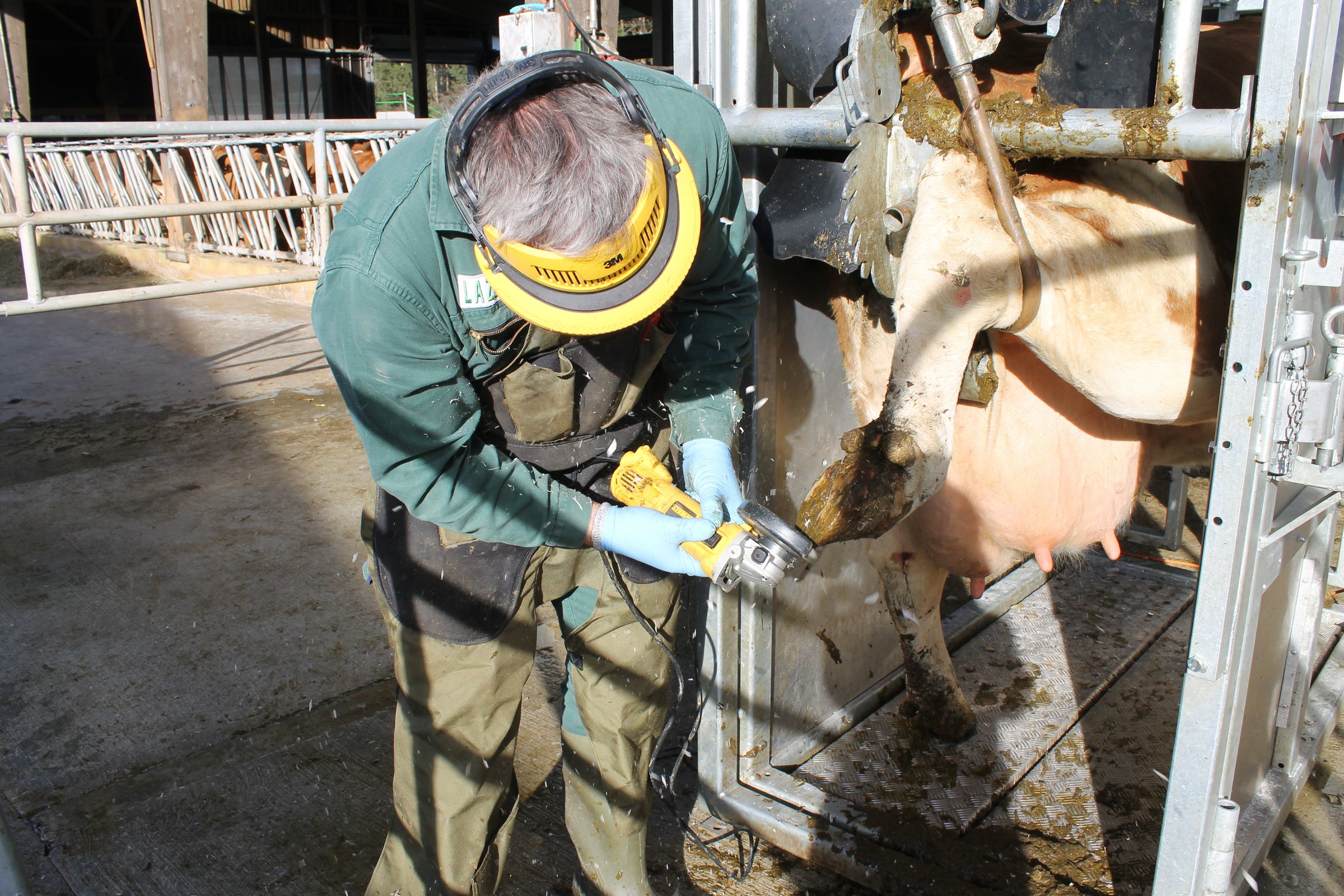
Hoof Care Checklists
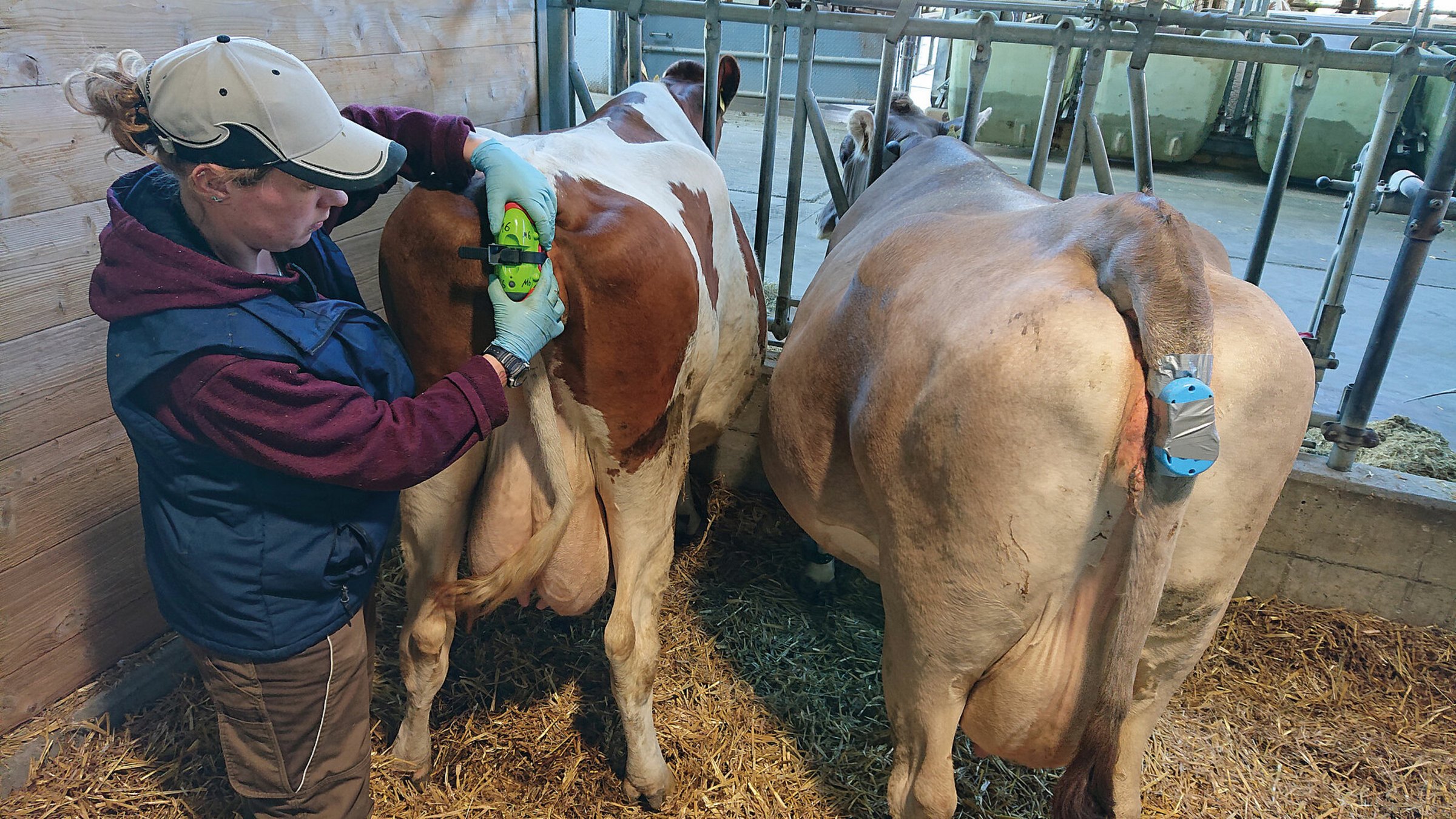
Experiences with foetal monitoring systems
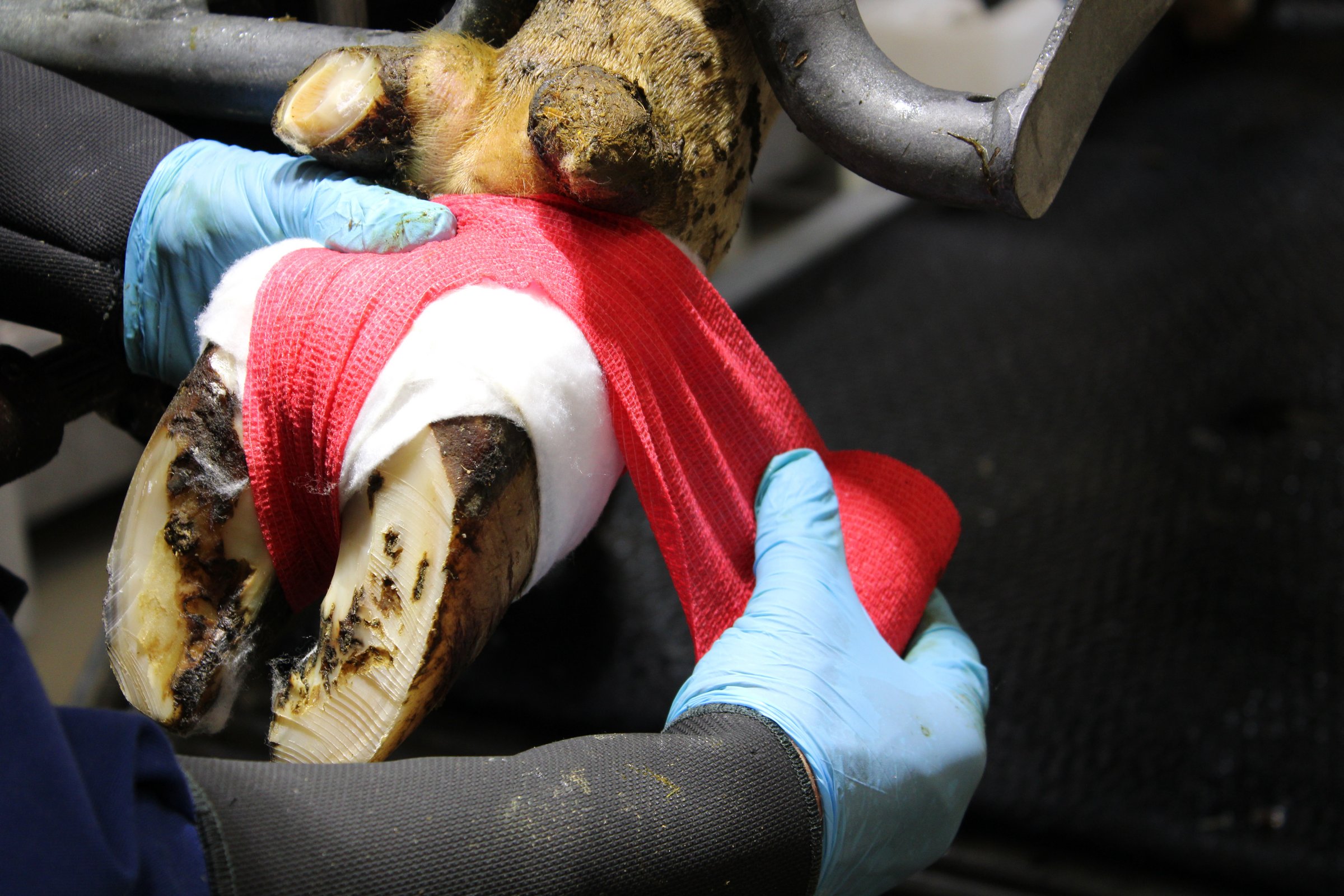
Professional treatment of lameness
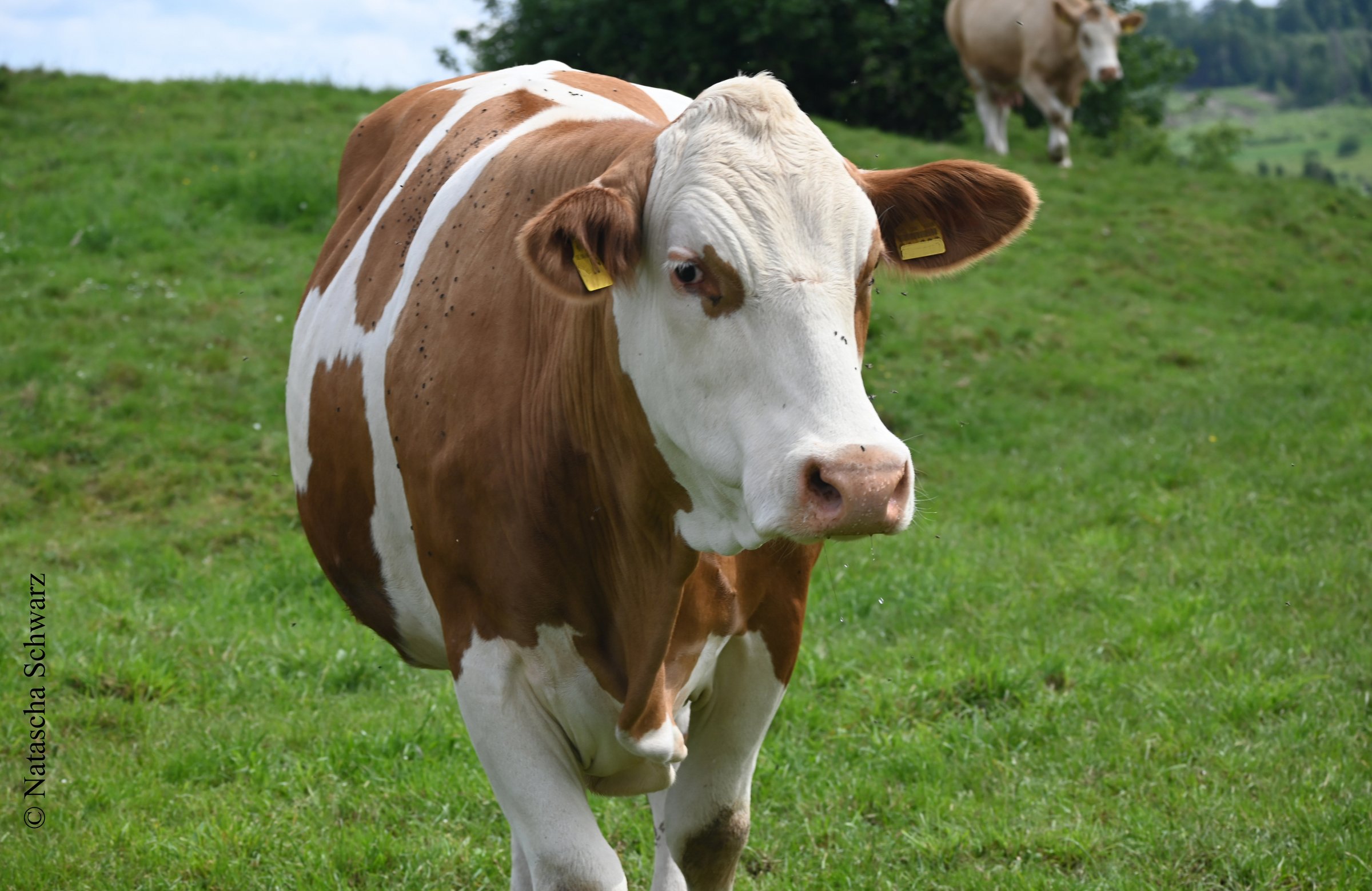
01 Fliegen und Gnitzen
Early detection of lameness
Fetal monitoring systems
Health breeding values in Holstein cattle breeding
Rubber-coated slatted floors for use in cattle fattening
Heat stress in dairy cows
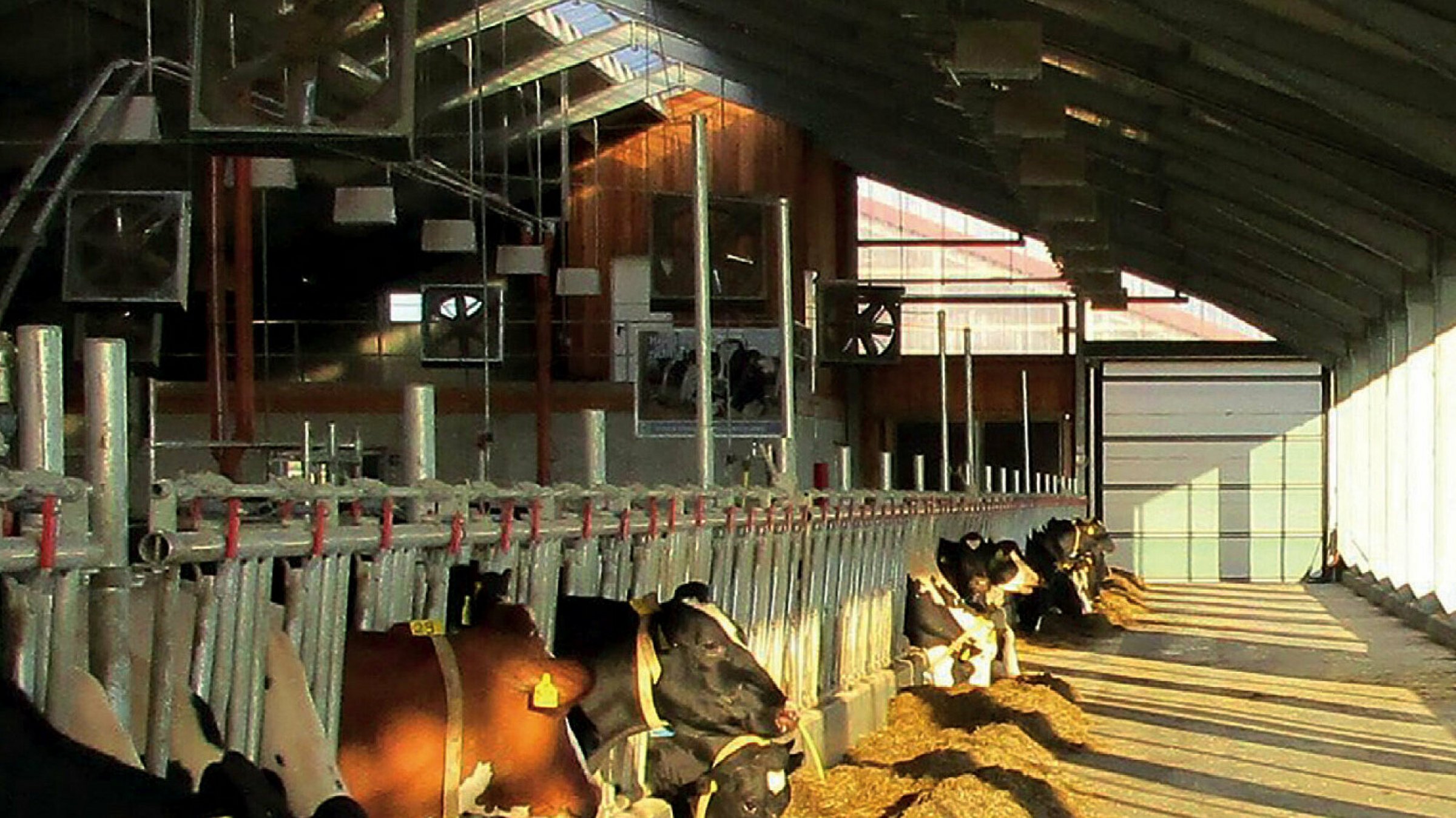
Hitzestress bei Milchkühen
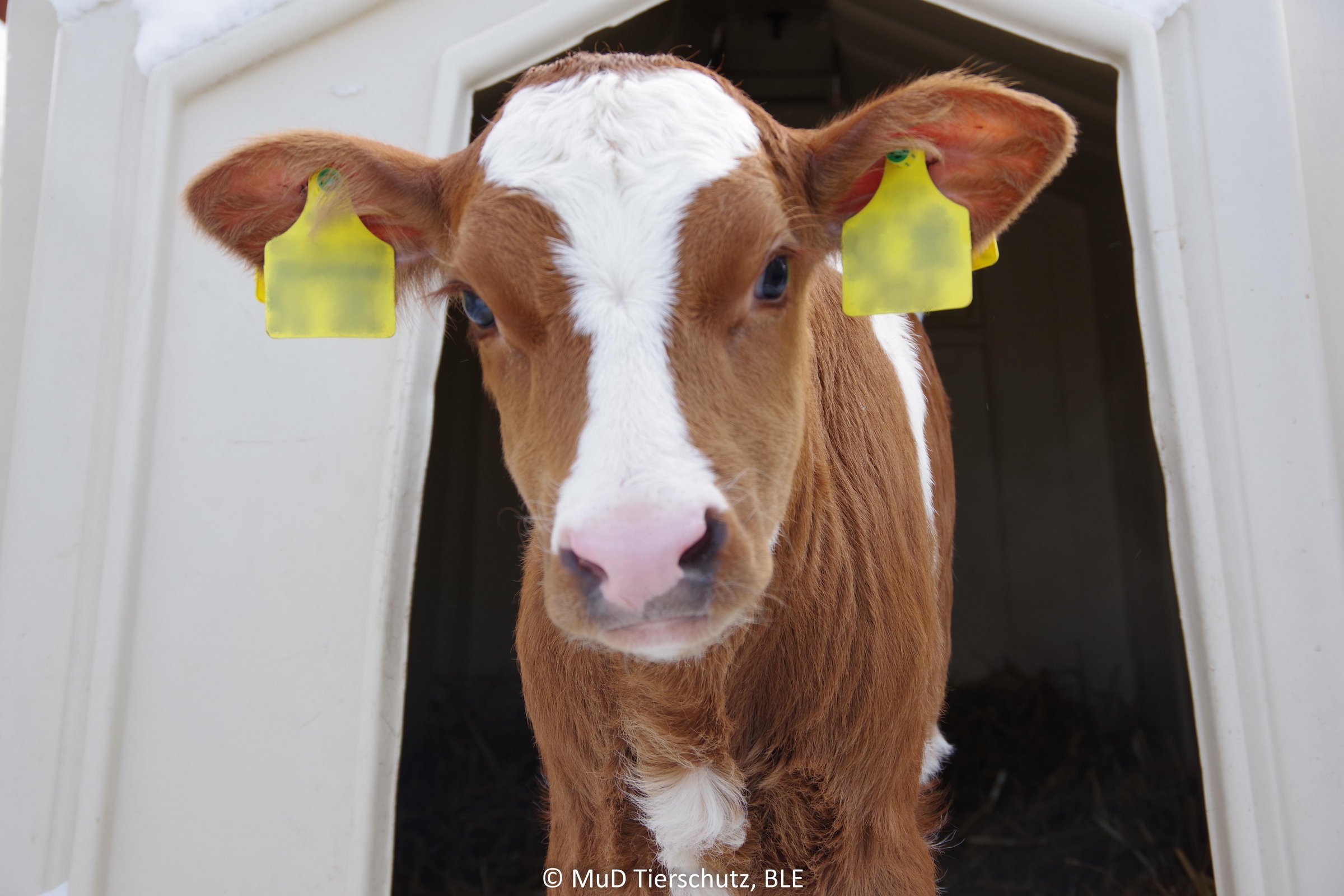
Hygiene in calf rearing
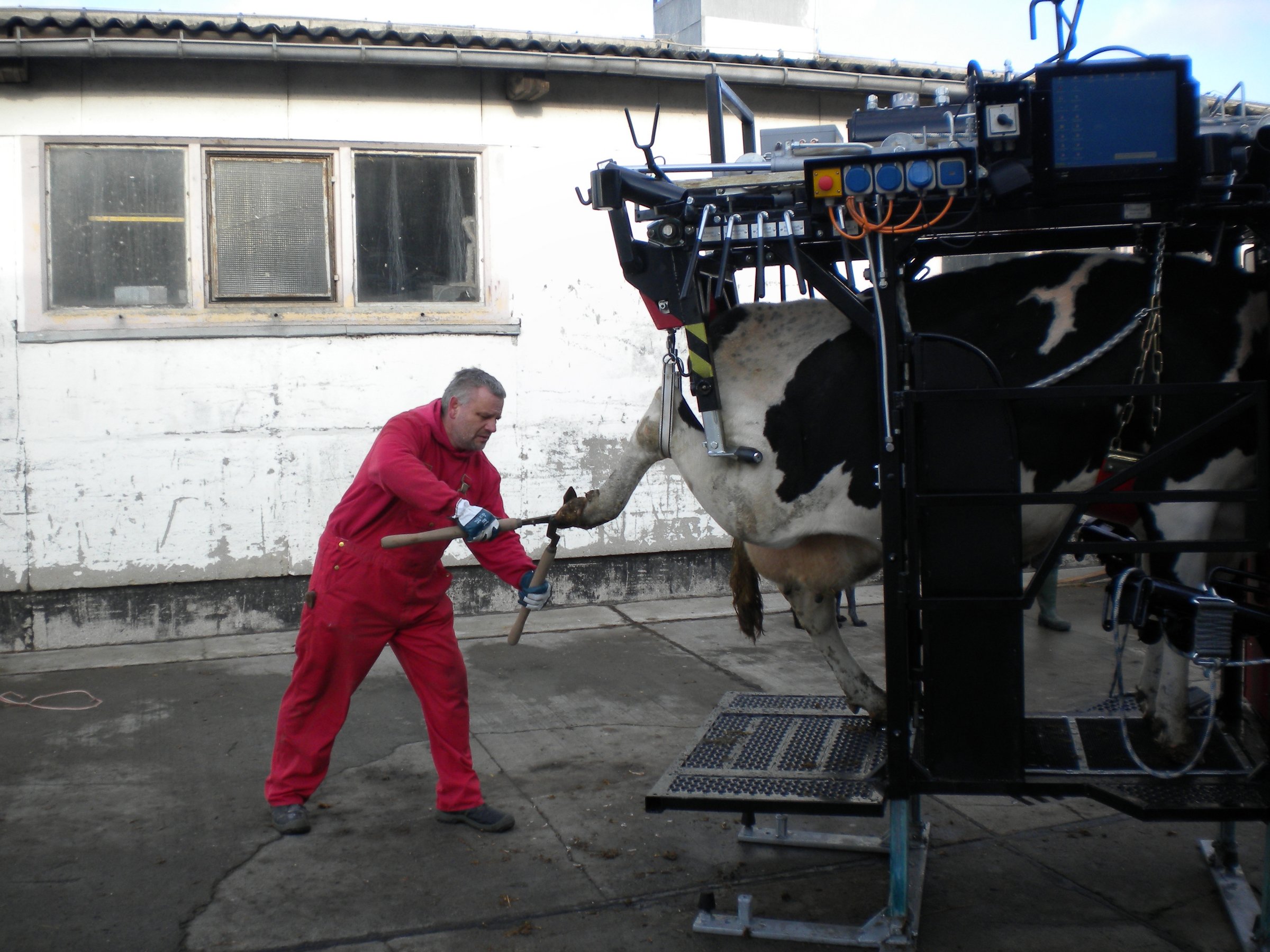
Hoof care: safety for animals and people
Hoof bandage
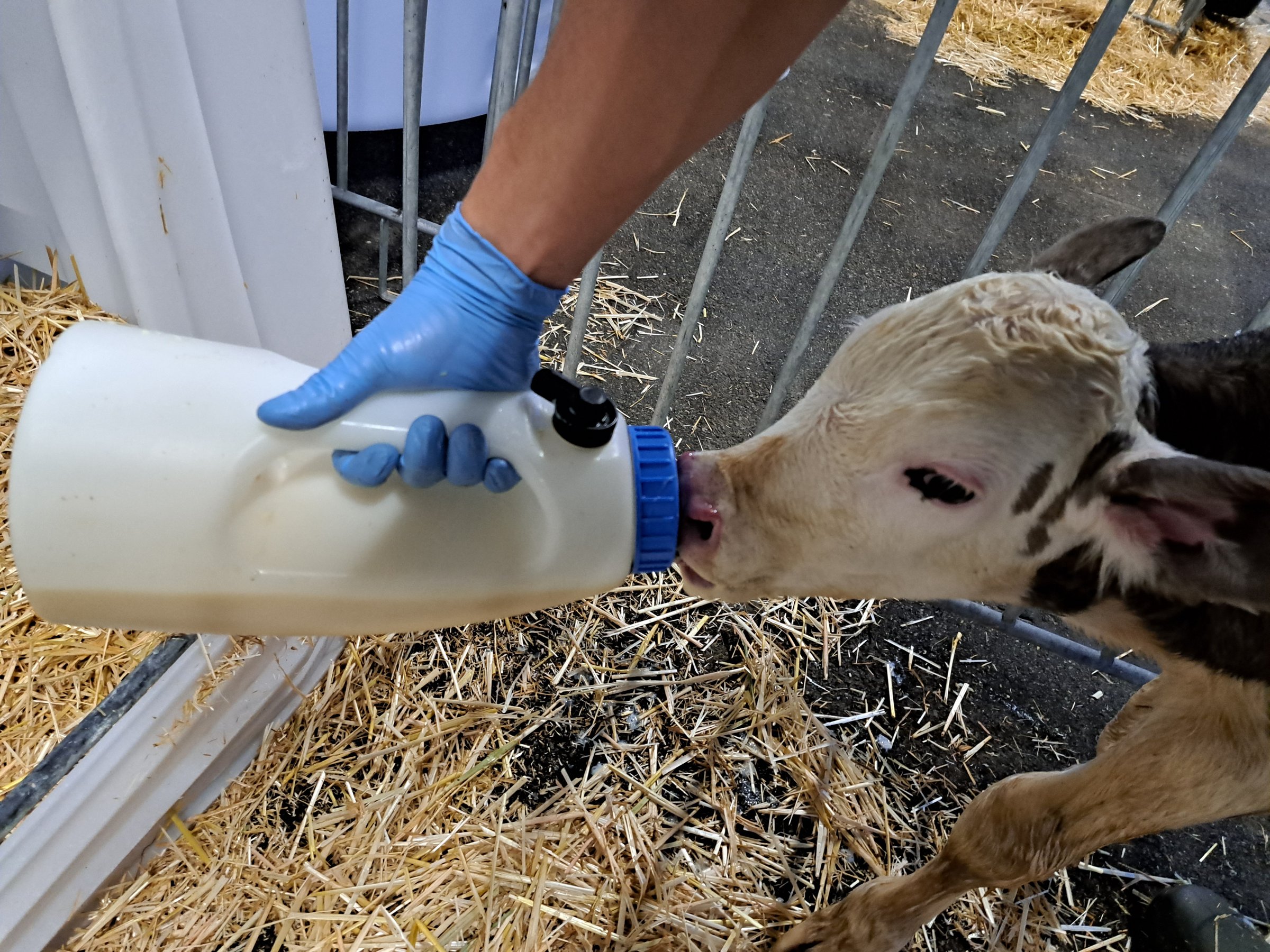
Colostrum supply
Feeding calves
01 Methanemissionen
Fachinformation
Suckler cow management in winter
Suckler cow management in winter
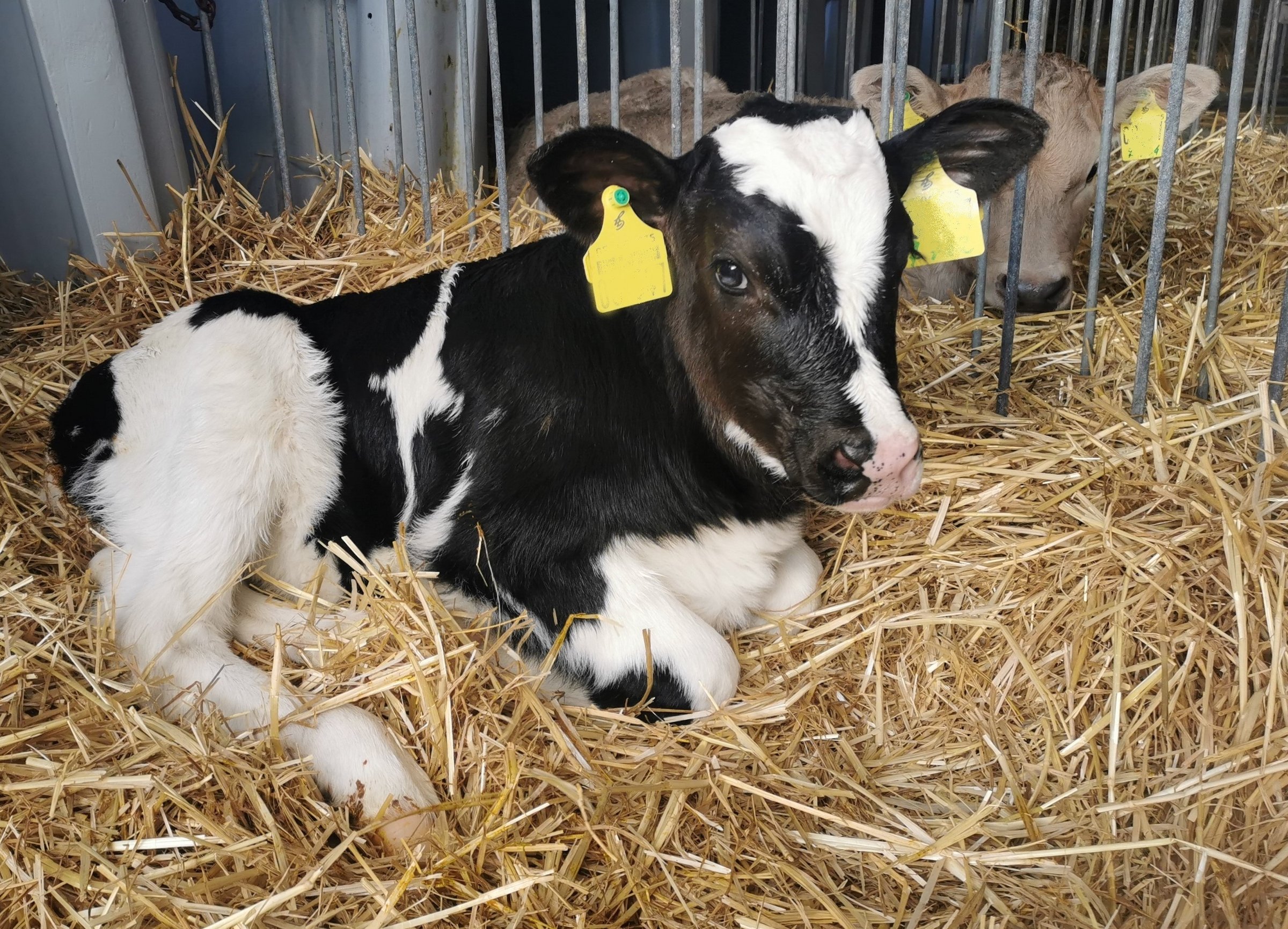
Navel disinfection
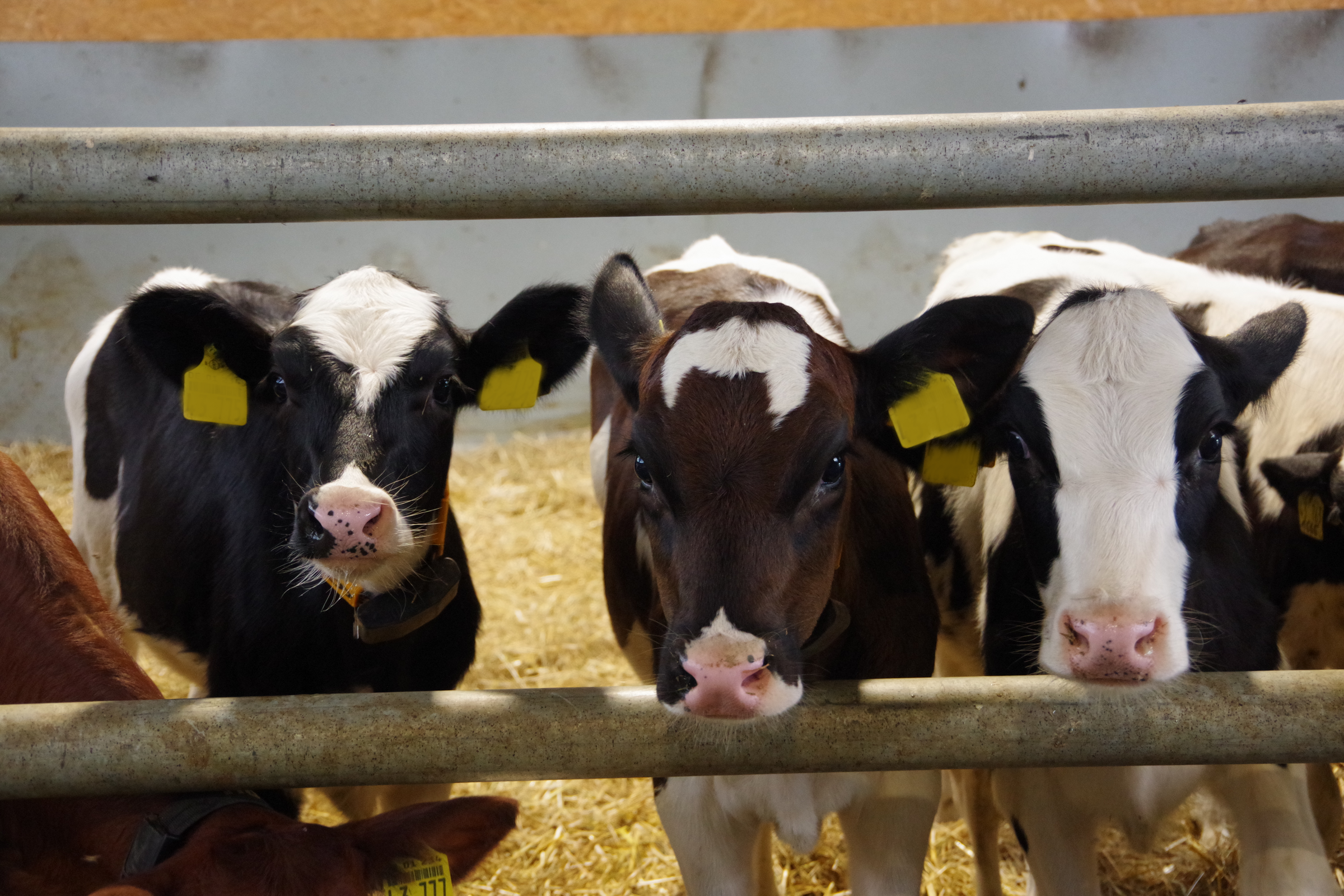
Calves for beef production from dairy breeds

Integration & Organisation der Klauenpflege
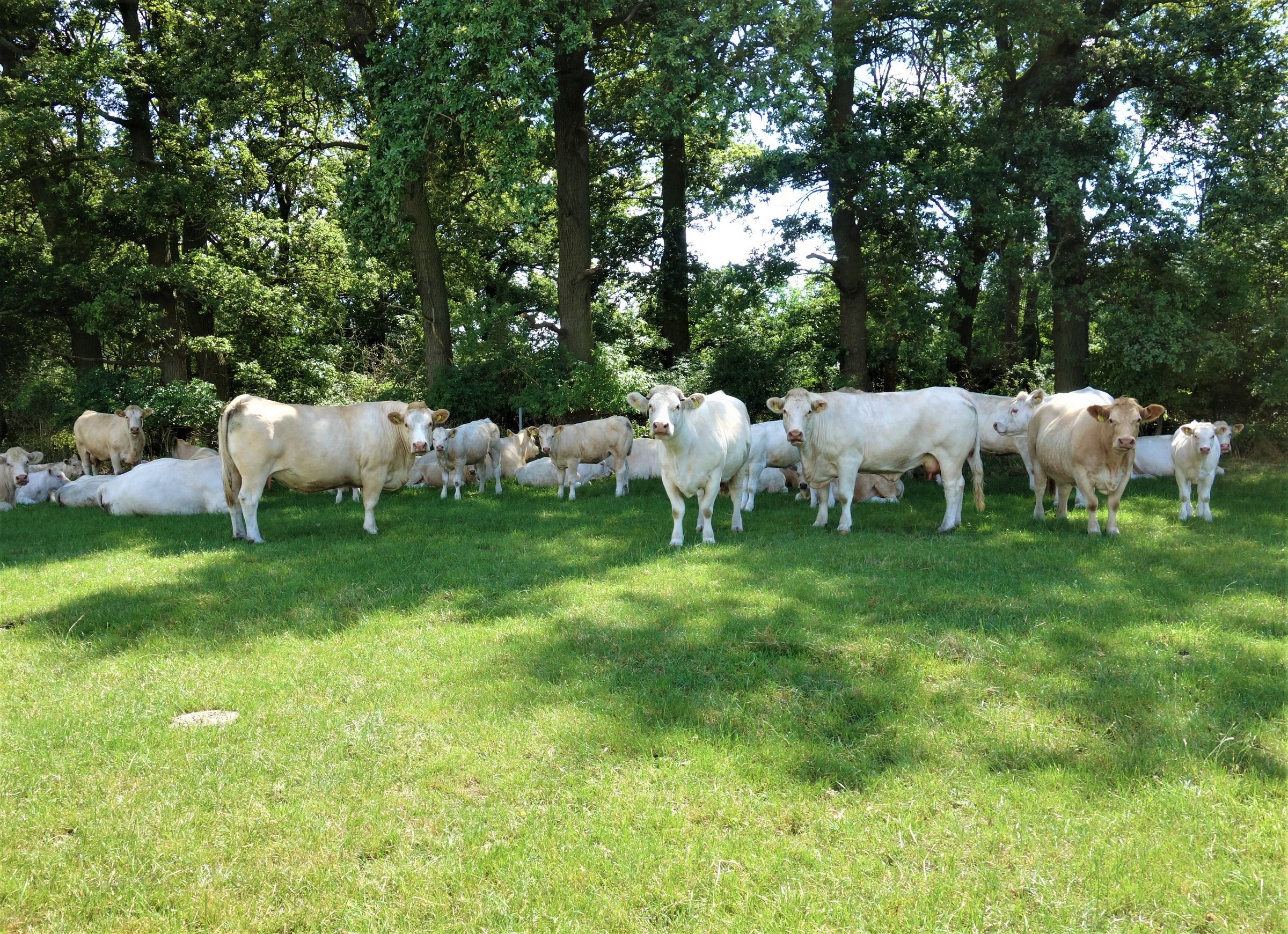
Parasite management
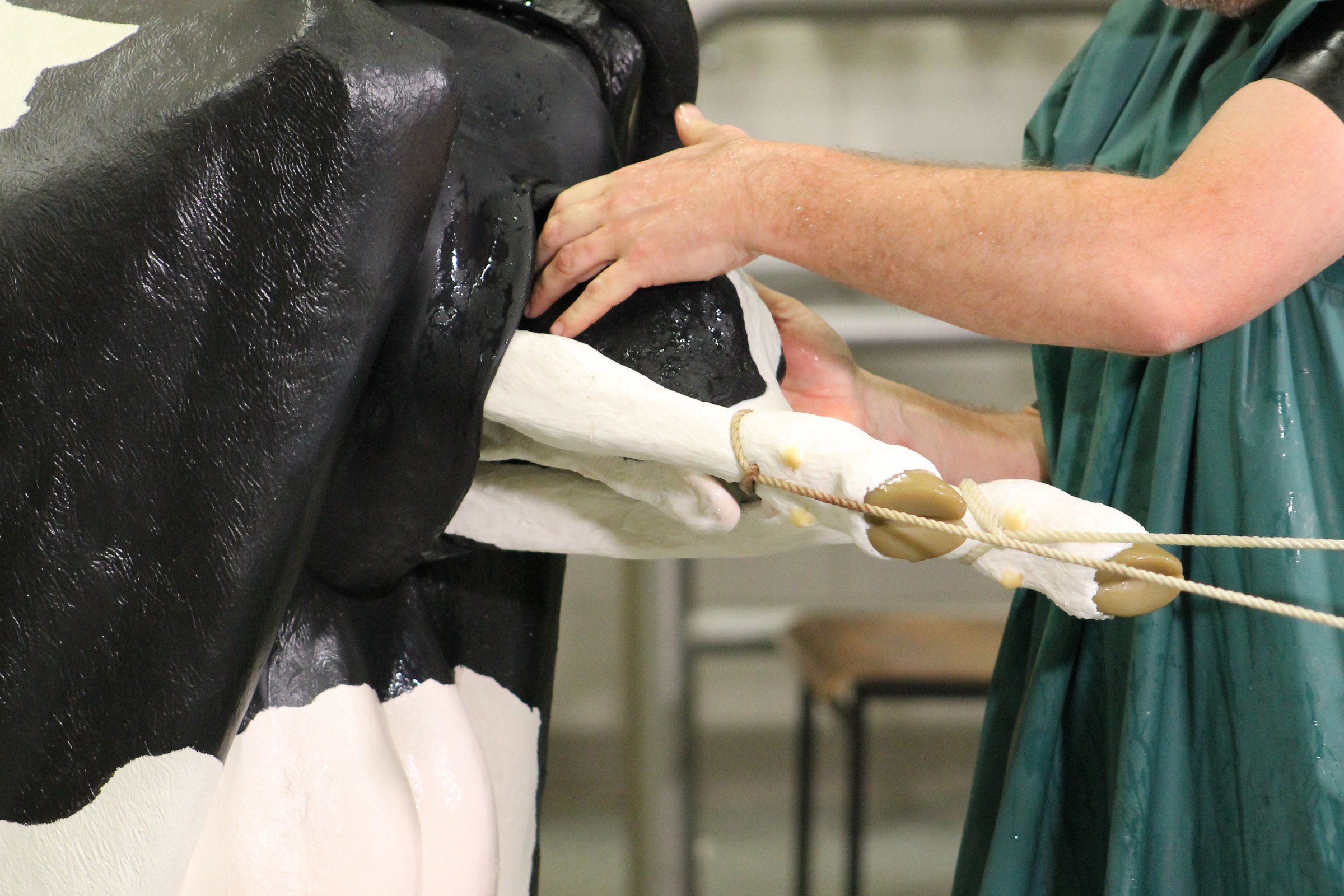
Everything you need to know about calving
Scratching posts for fattening bulls
01 Schwanzspitzennekrosen beim Rind
Selective drying off of dairy cattle
Structural feeding of breeding bulls
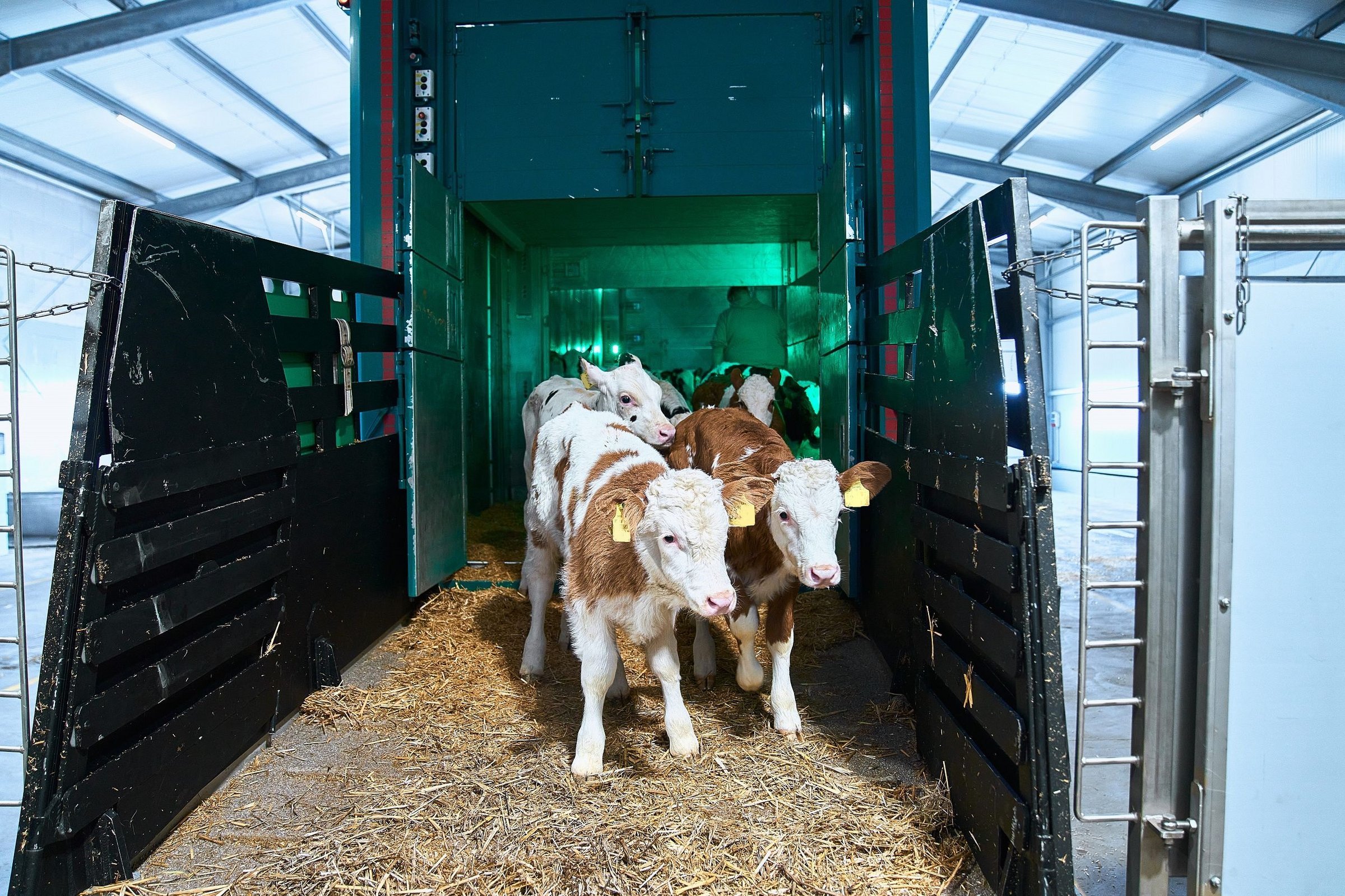
Animal transport
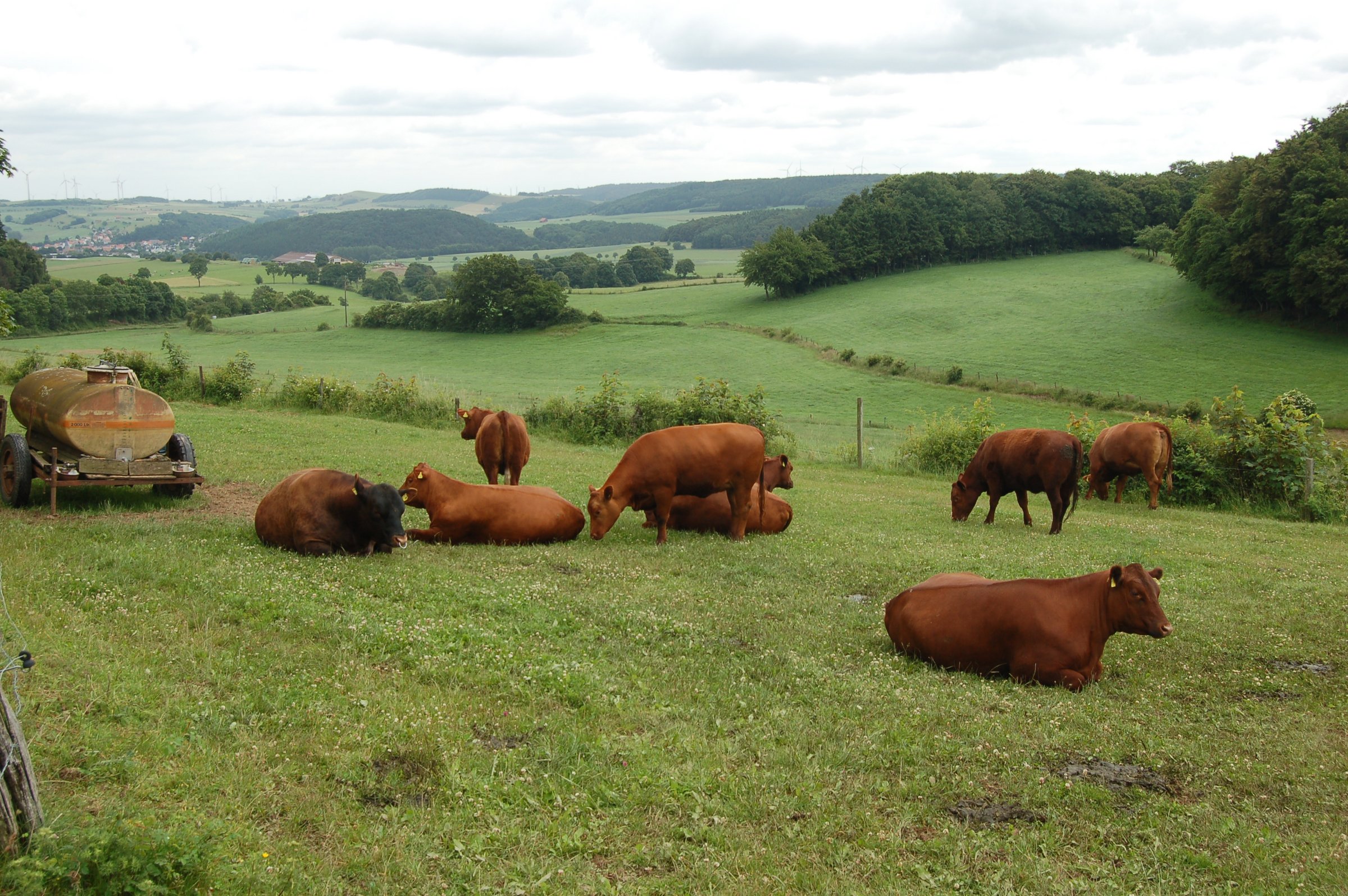
Animal welfare indicators for suckler cows
Water supply for fattening bulls
Managing heat stress in suckler cows
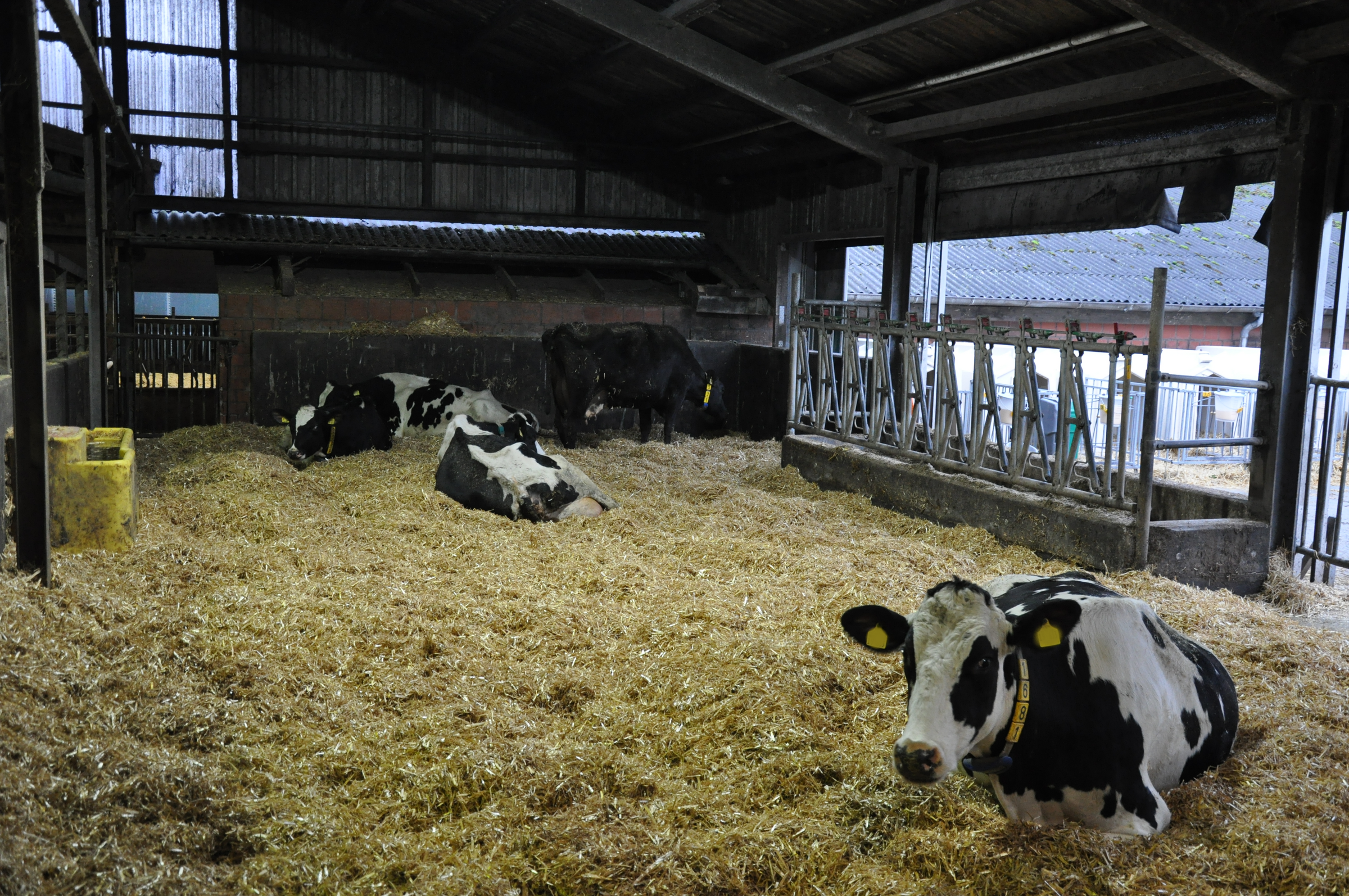
Caring for sick and injured dairy cows
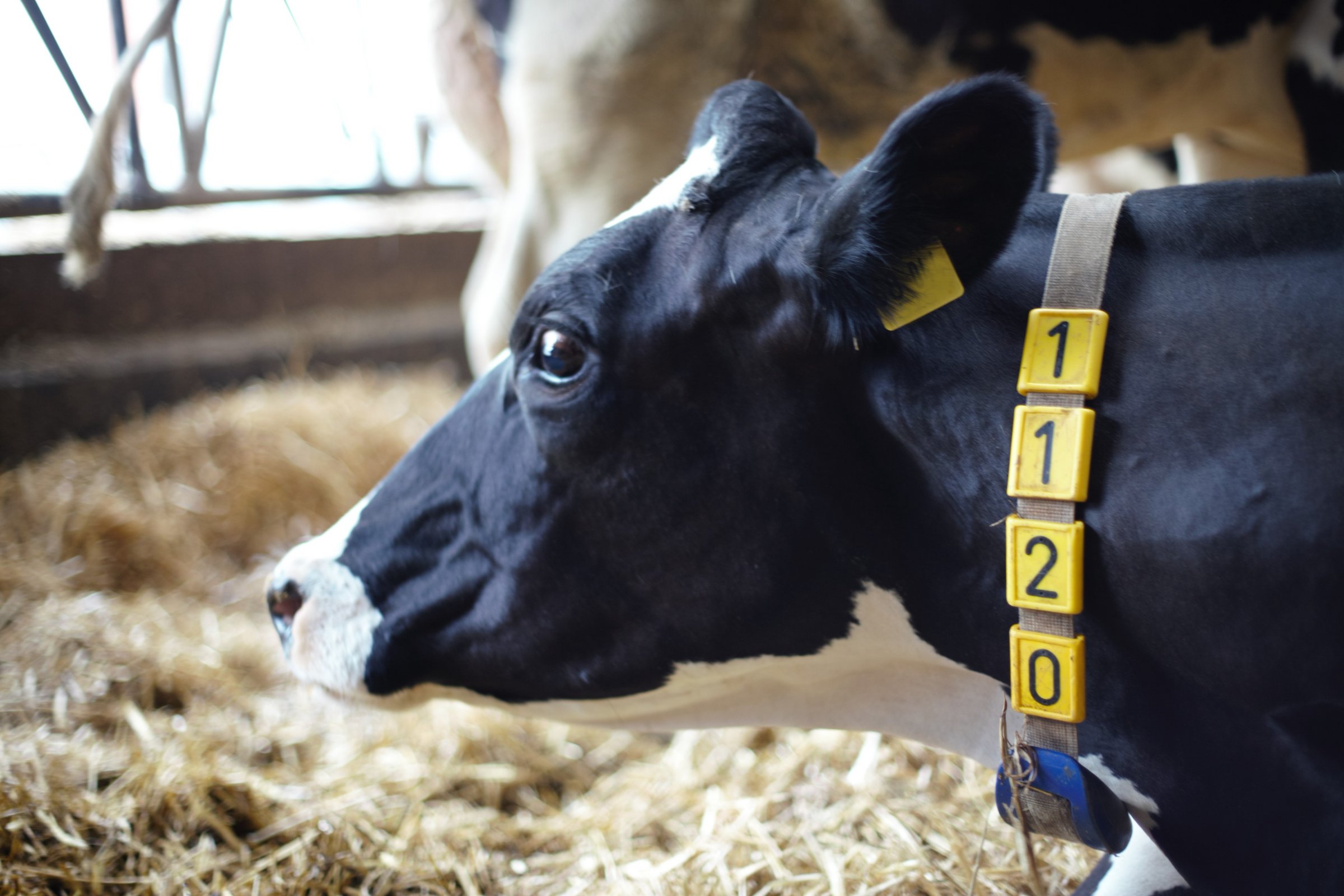
Caring for sick and injured dairy cows
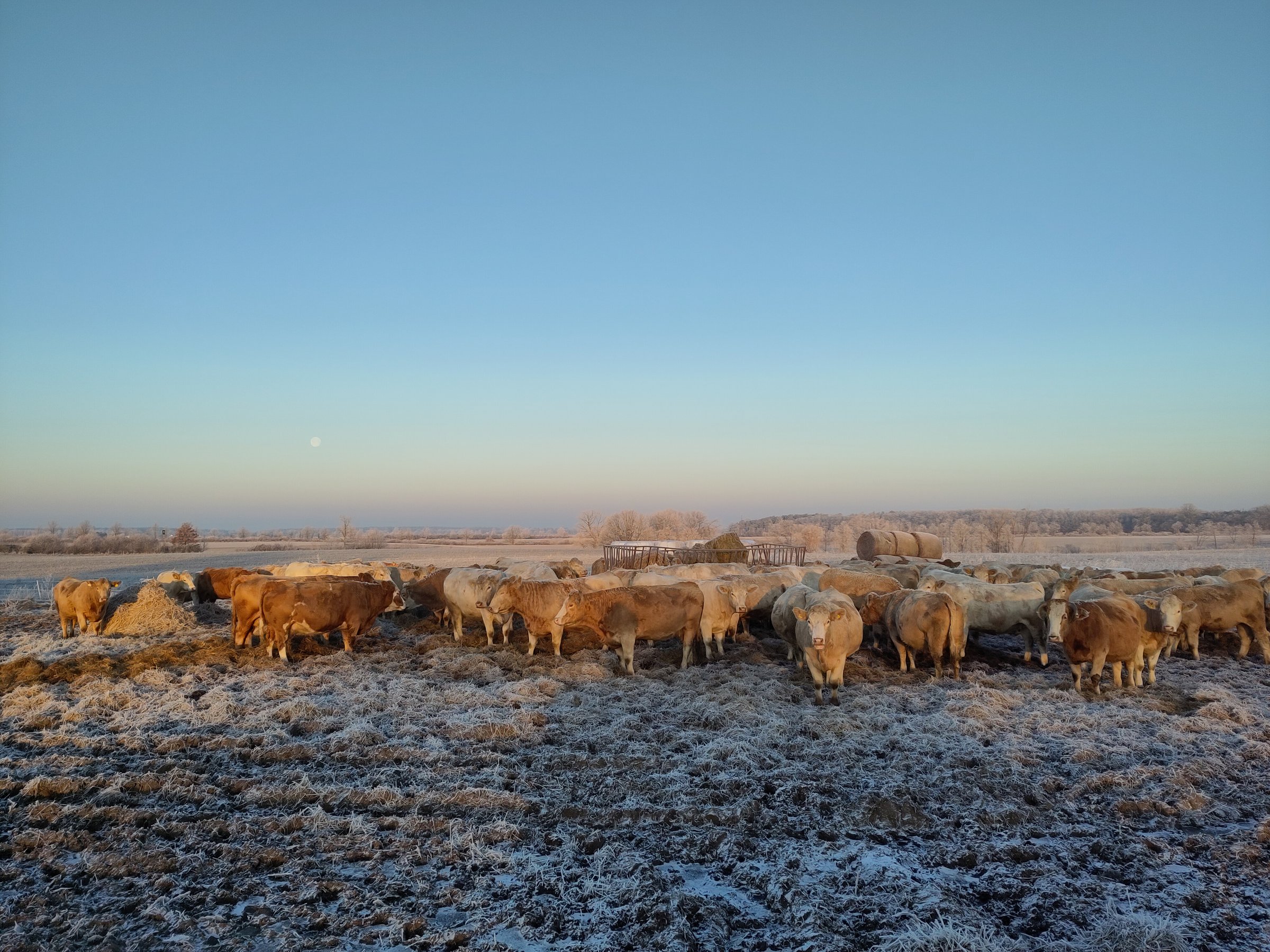
Managing cold stress in suckler cows
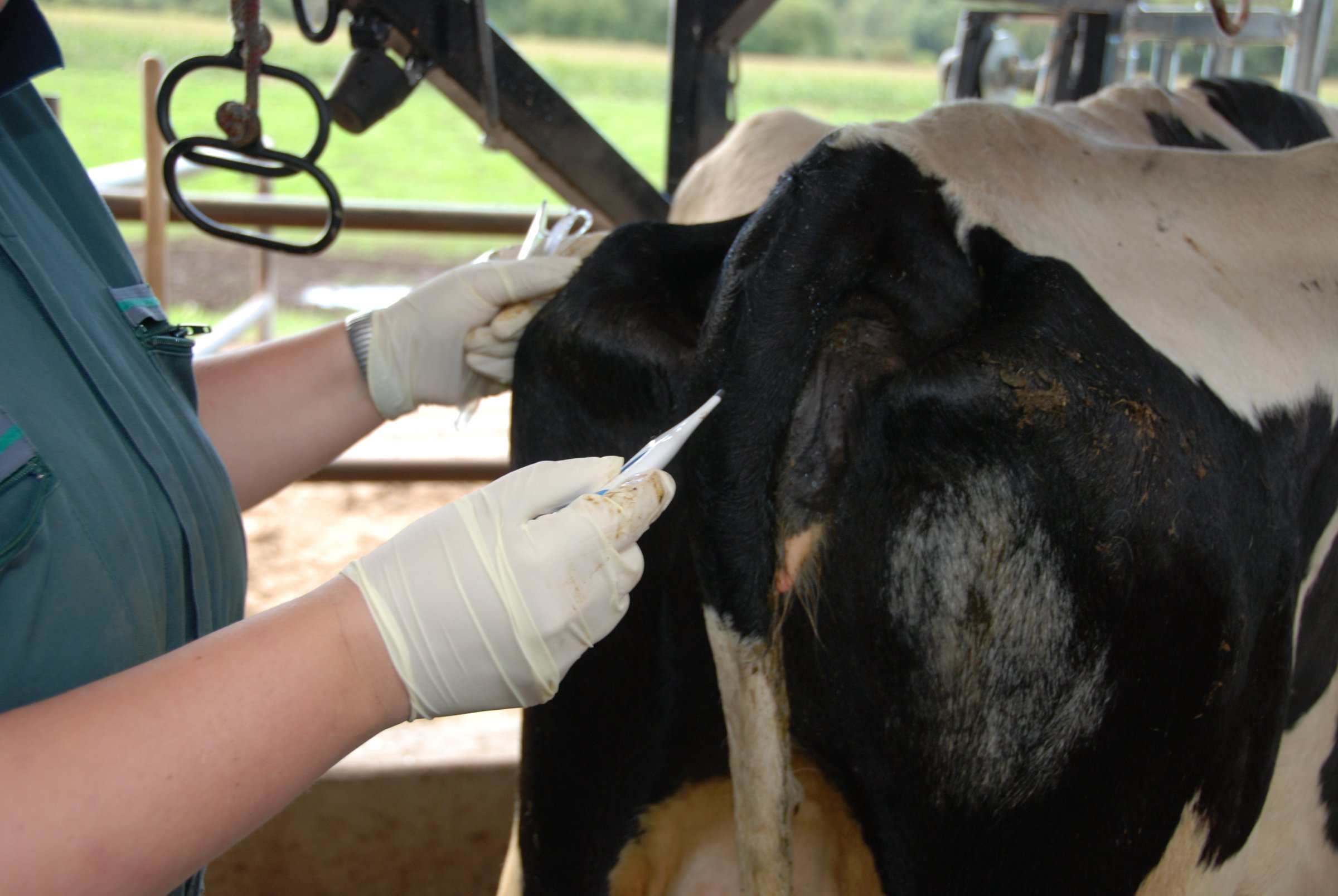
Inspection round
Extended calving interval
Podcast: Heat stress in cattle
Podcast: Colostrum Feeding for Calves
Podcast: Mother-Attached Calf Rearing
Podcast: Male Calves
Podcast: Extended Intercalving Period
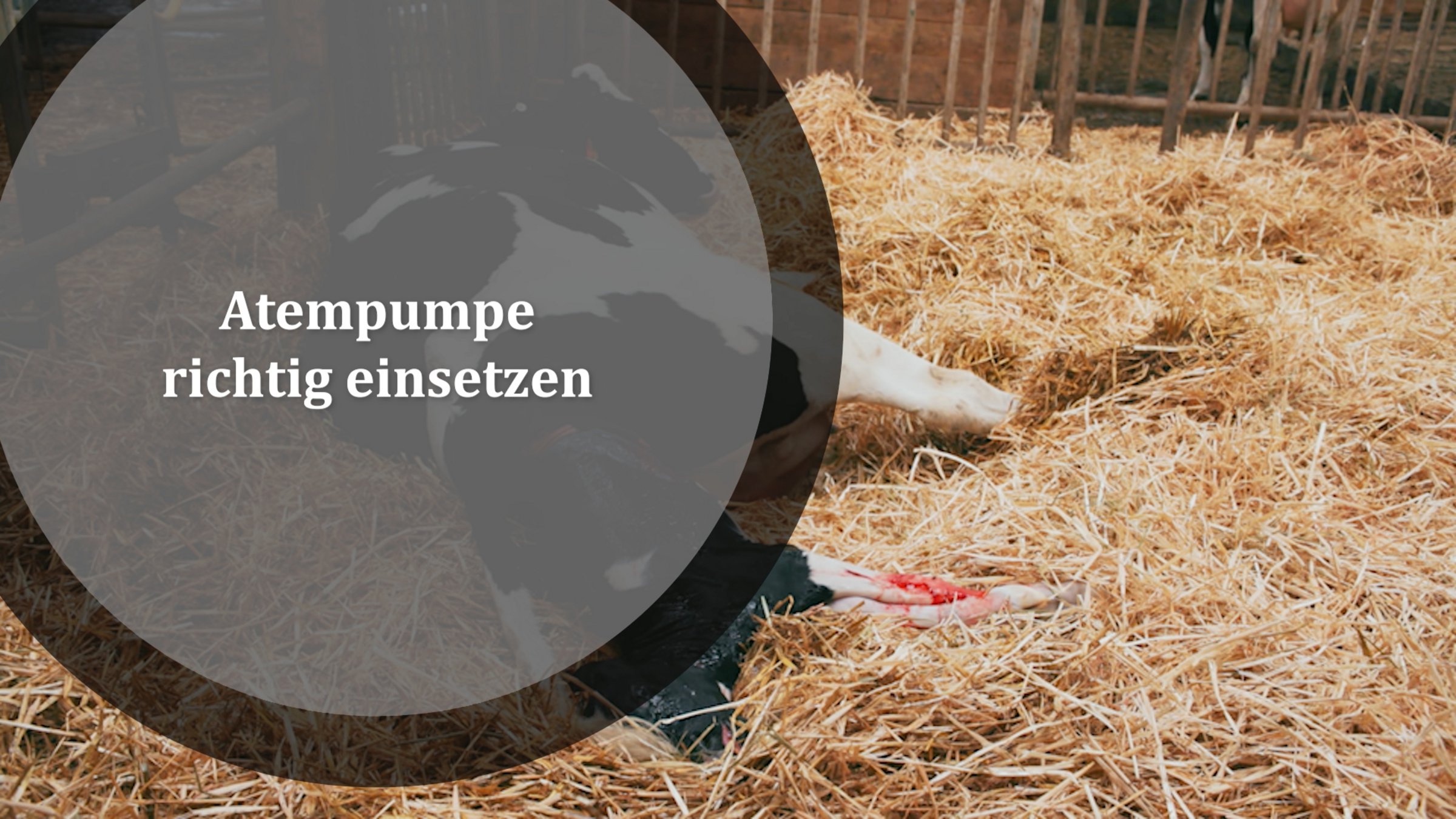
Video: How to use a breathing pump correctly
Video: Correct use of the mechanical obstetric device
Video: Birth as a natural process
Video: Obstetric care for breech presentations
Video: Assisting with the birth of cattle
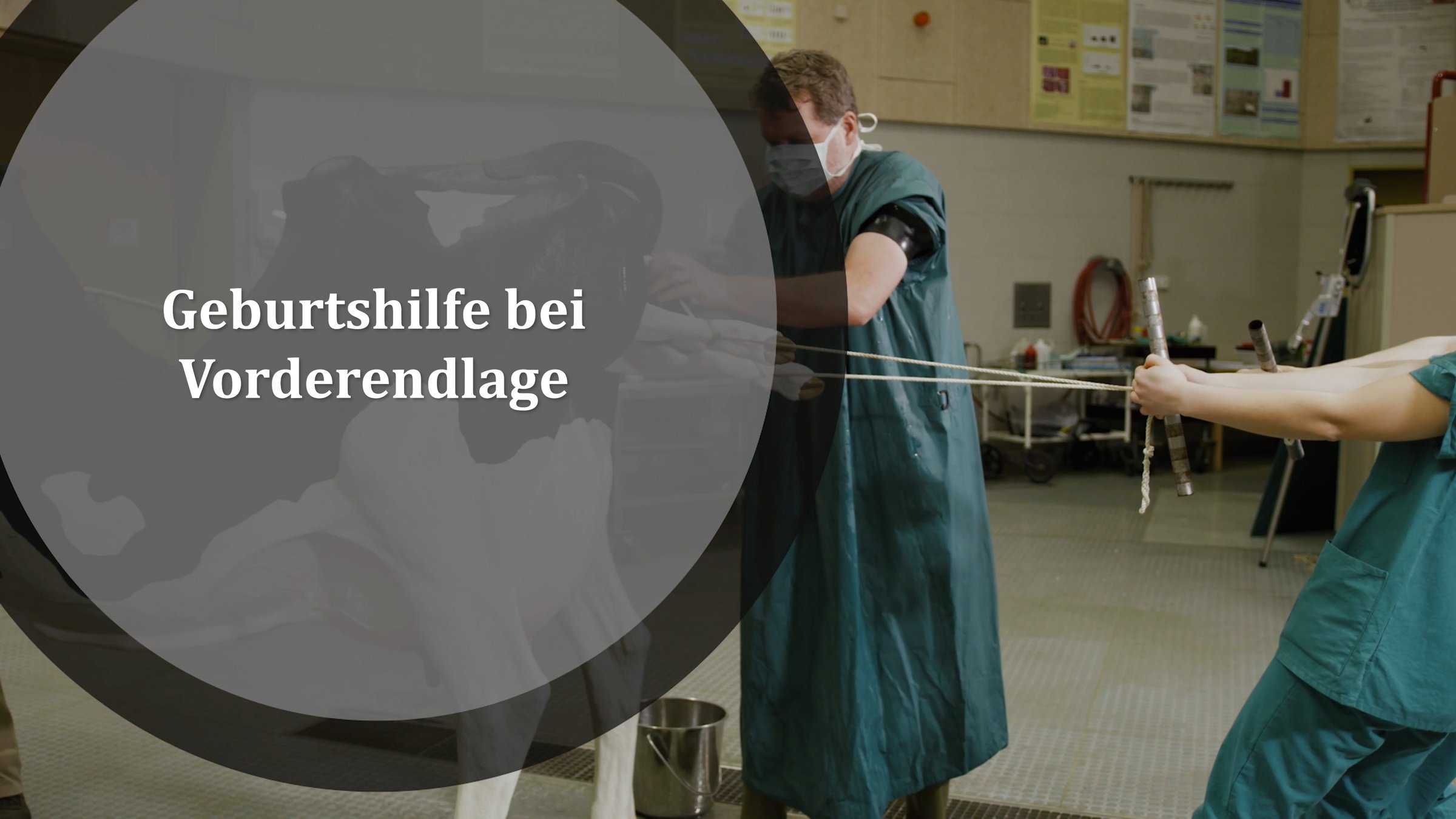
Video: Obstetric care for a breech presentation
Video: Postnatal Hygiene and Documentation
Video: Birth monitoring
Video: Design for the calving area
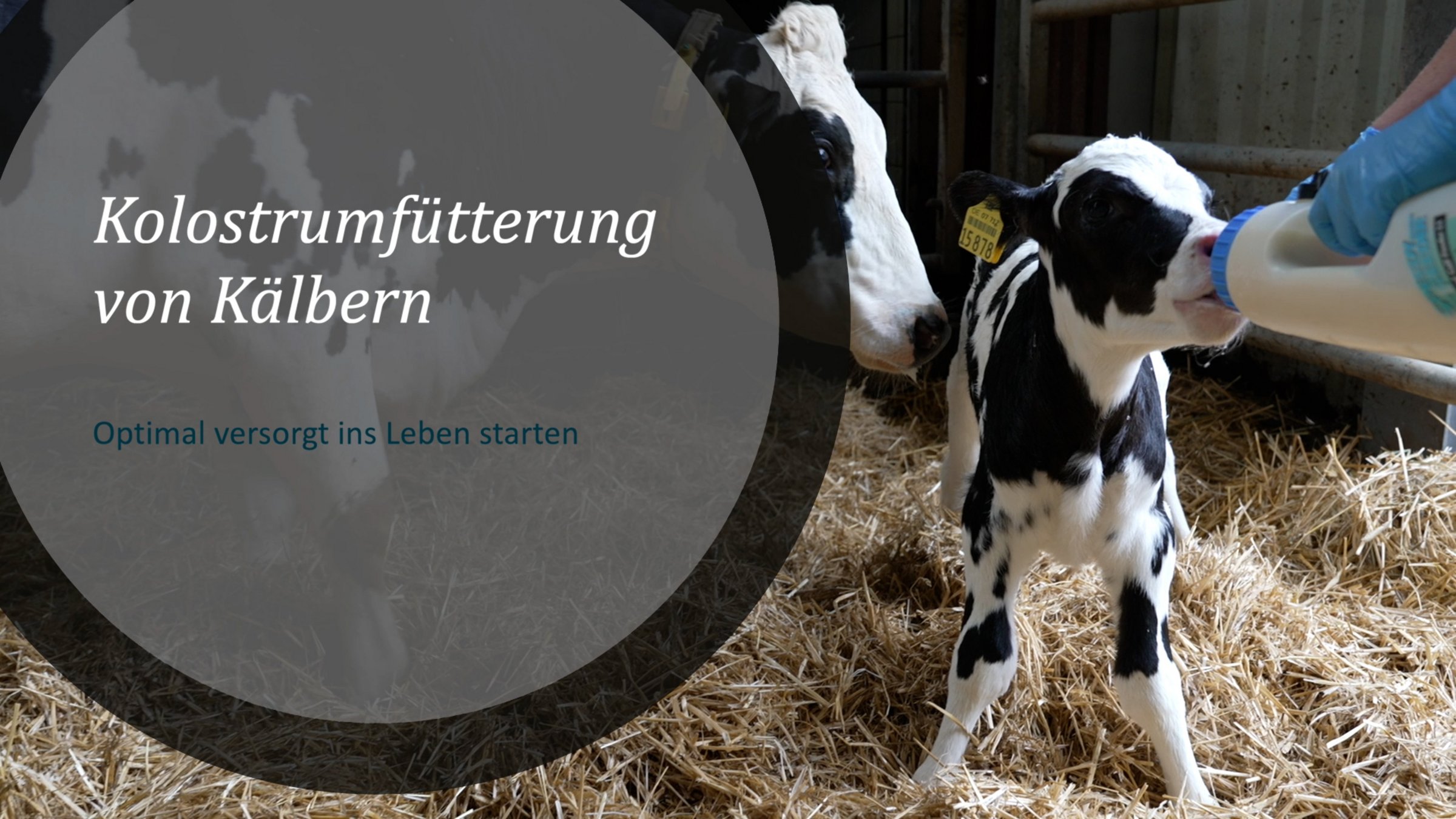
Video: Feeding colostrum to calves
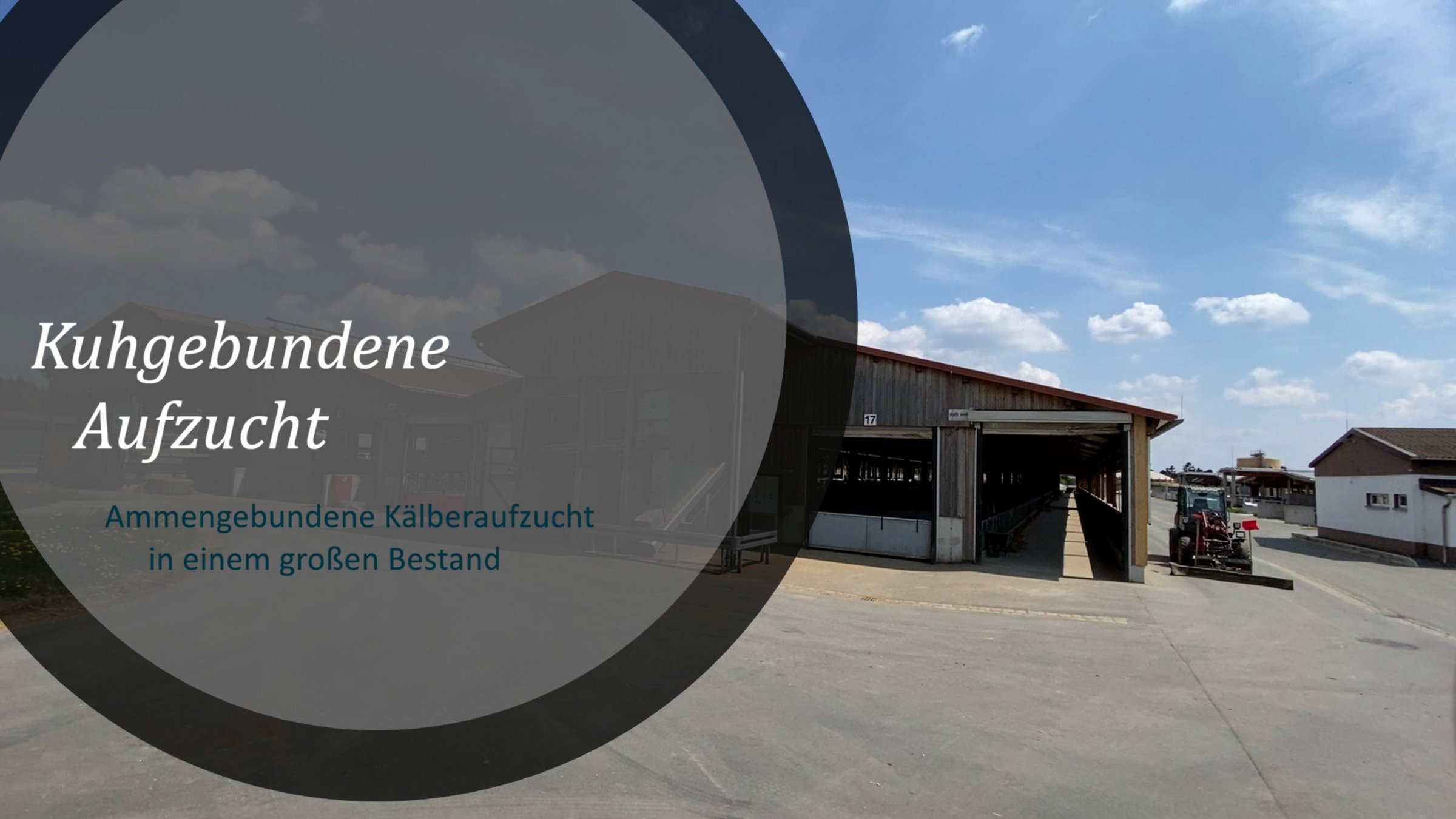
Video: Raising calves with their mothers – rearing with foster mothers
Video: Raising calves with their mothers – mother-bonded rearing
Video check of the basin's flow
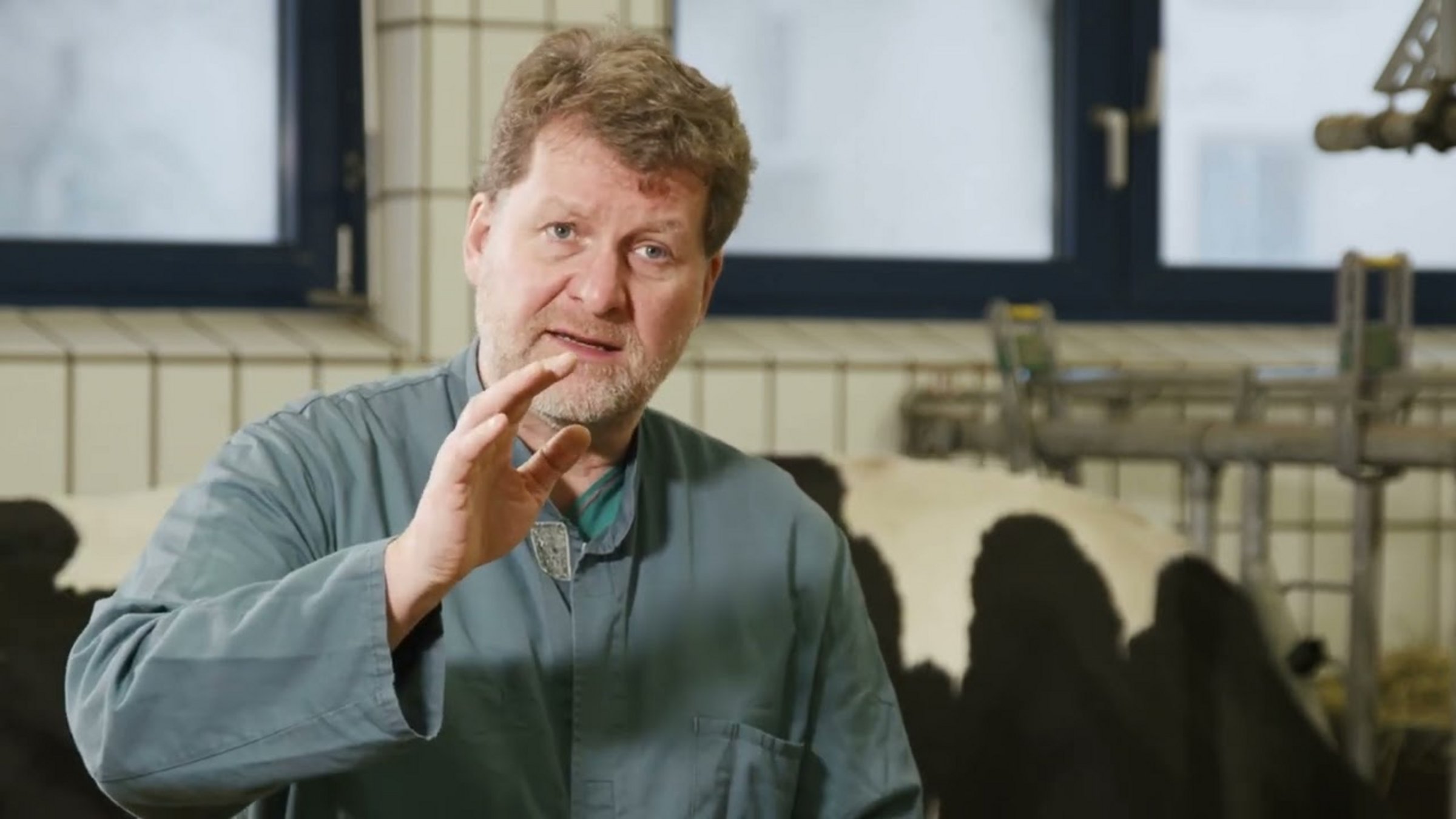
Video: Difficult births in cattle
Video: Tour of the stable of the future
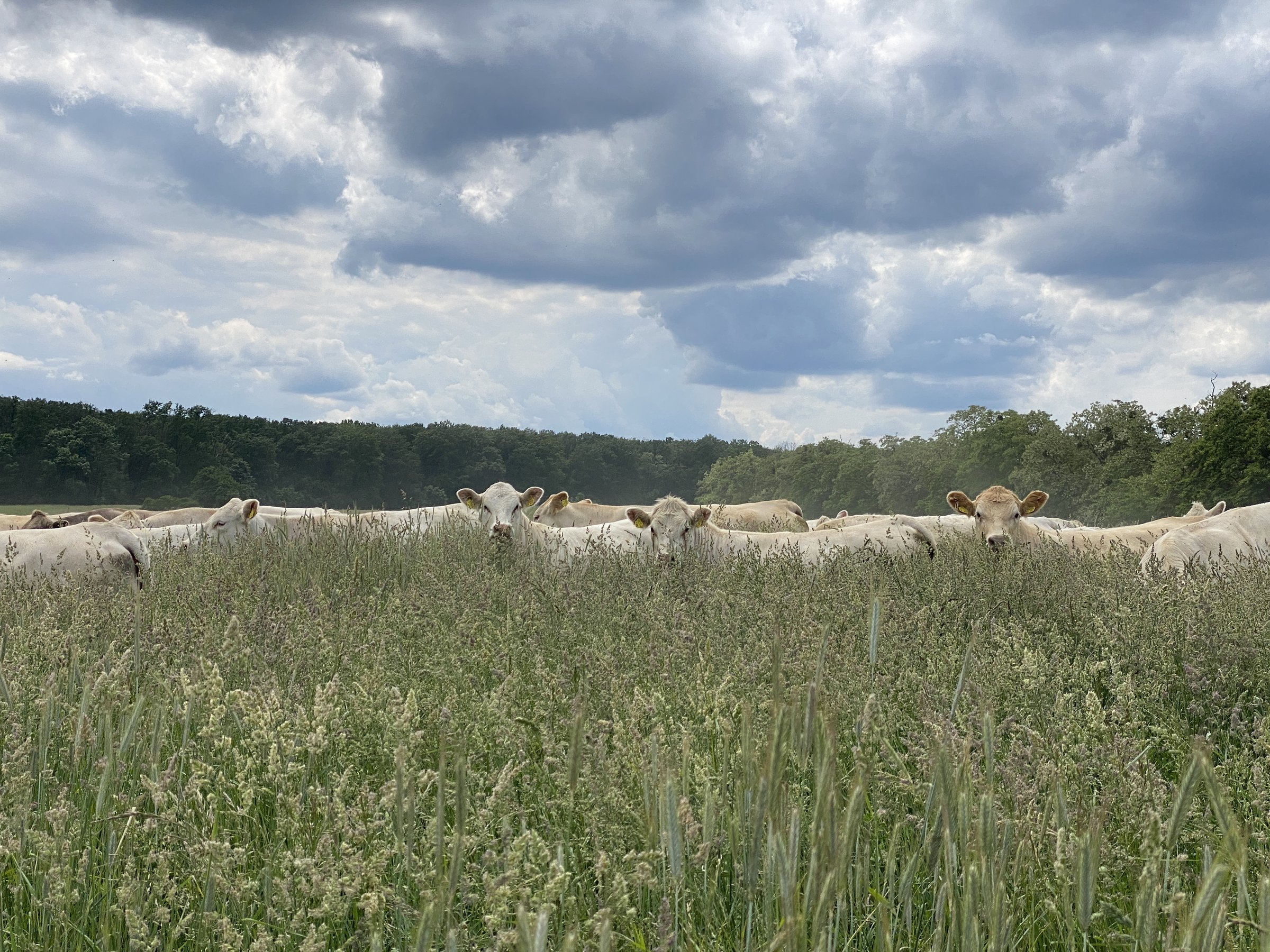
From the events: Mob Grazing
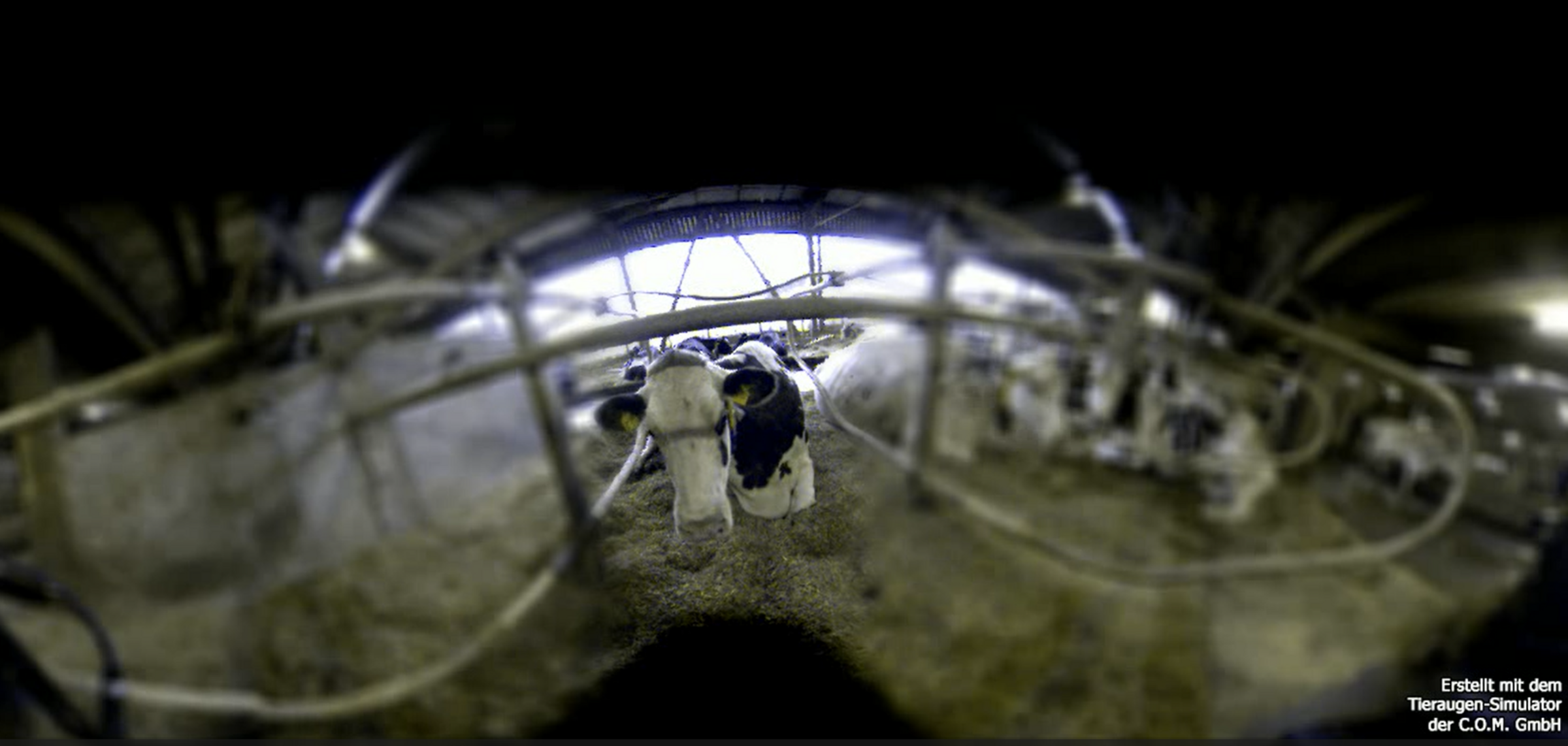
From the events: Sensory perception in cattle
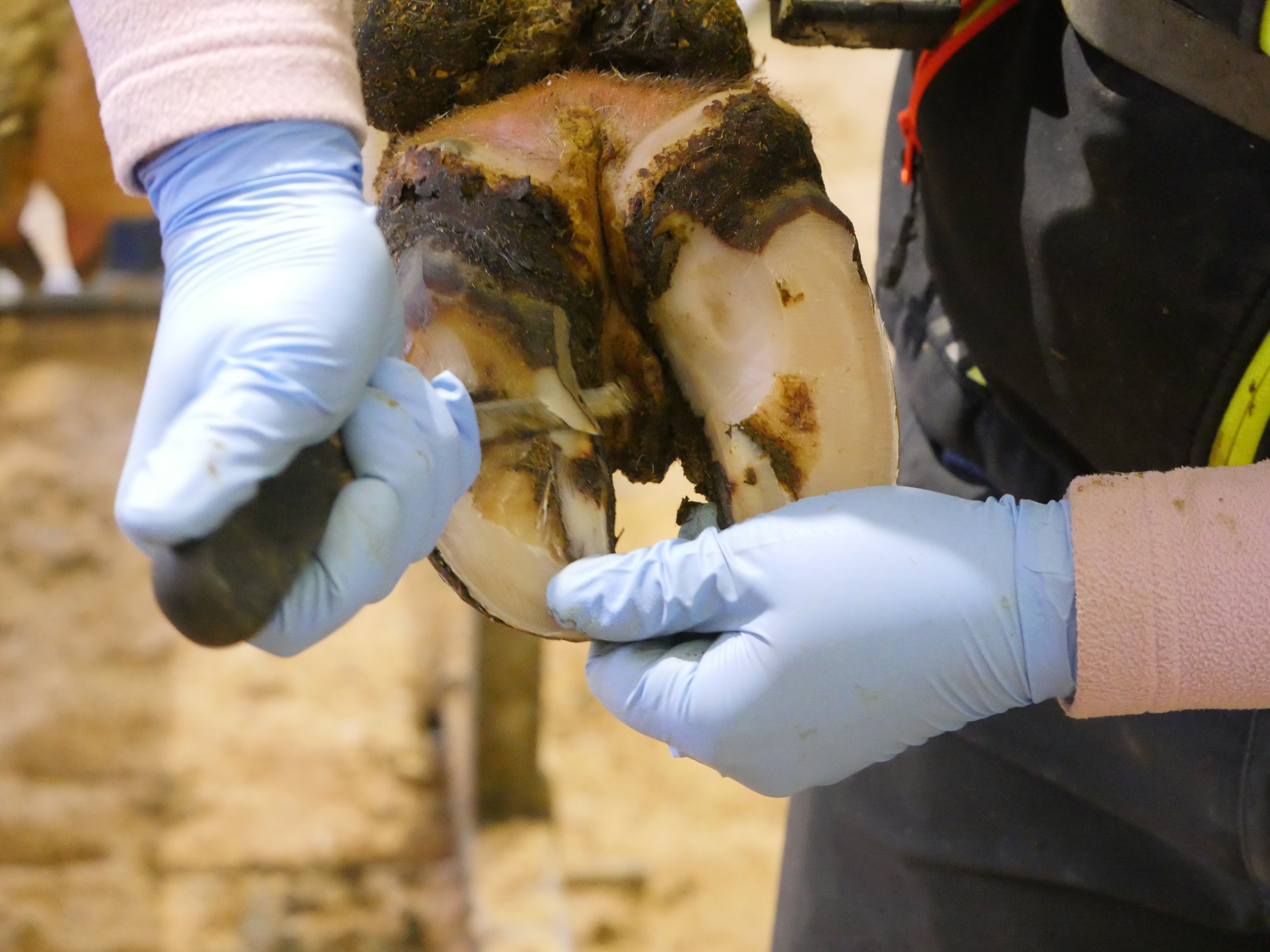
Funded projects: Pilot project on hoof health management
Funded projects: MoMiNE
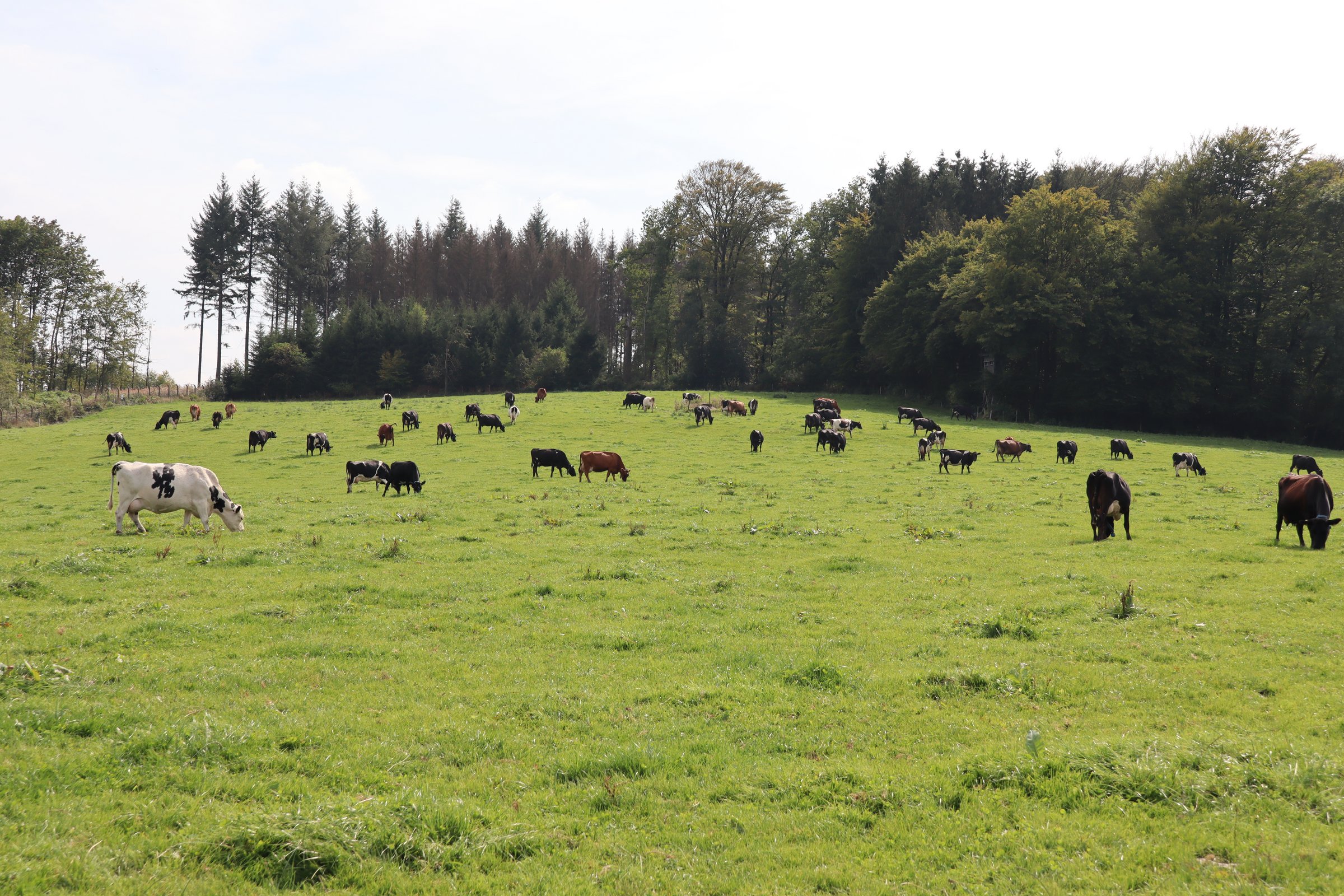
Funded projects: MuD Animal Welfare: Pasture-based Farming
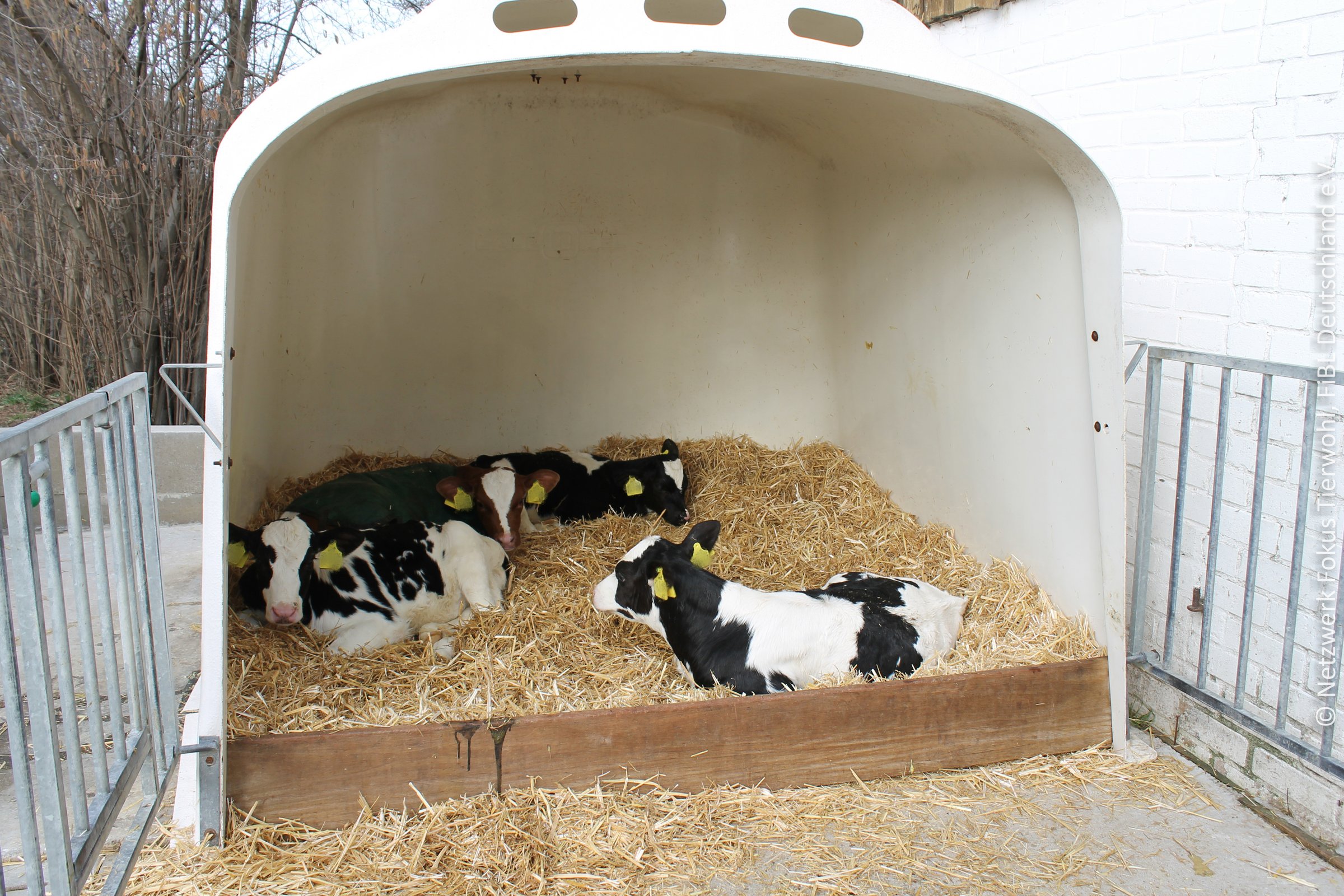
Animal Welfare Pilot Schemes: Animal transport
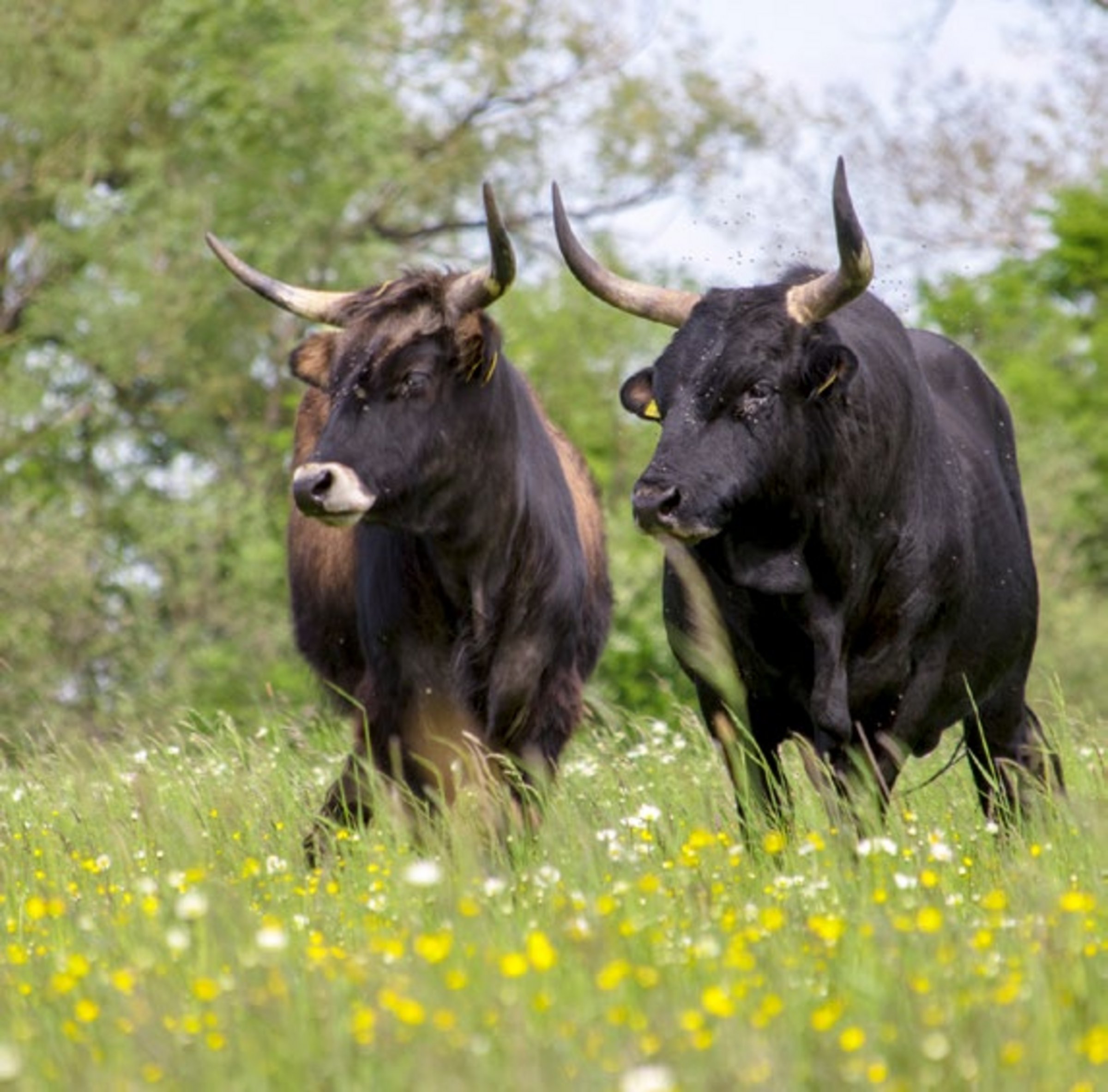
06 Tierwohl in der Naturschutzbeweidung
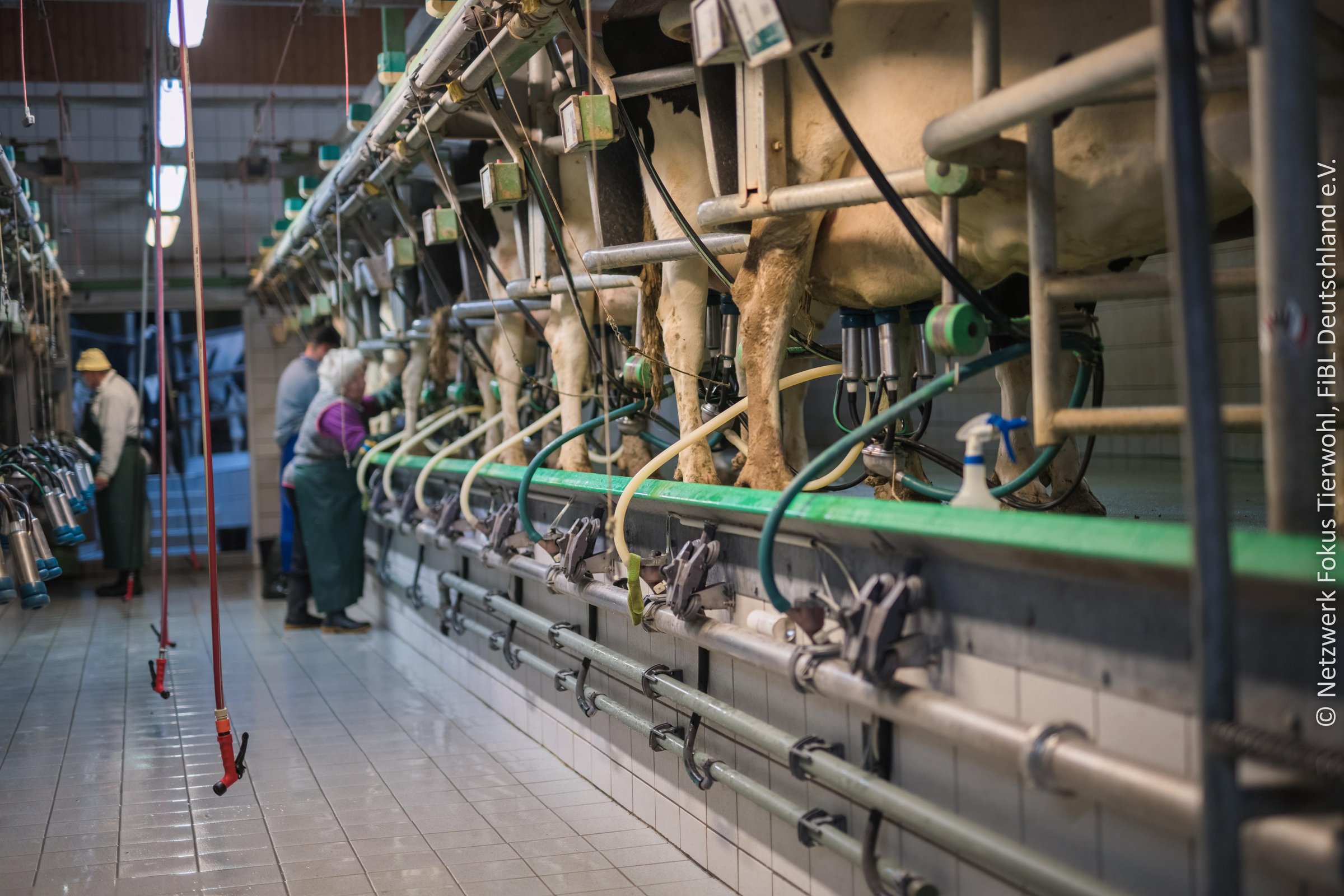
Funded projects: VerLak
Funded projects: InKalkTier
Funded projects: InnoRind
Funded projects: Mob-Grazing

Funded projects: Animal welfare planning
Integration & Organisation der Klauenpflege
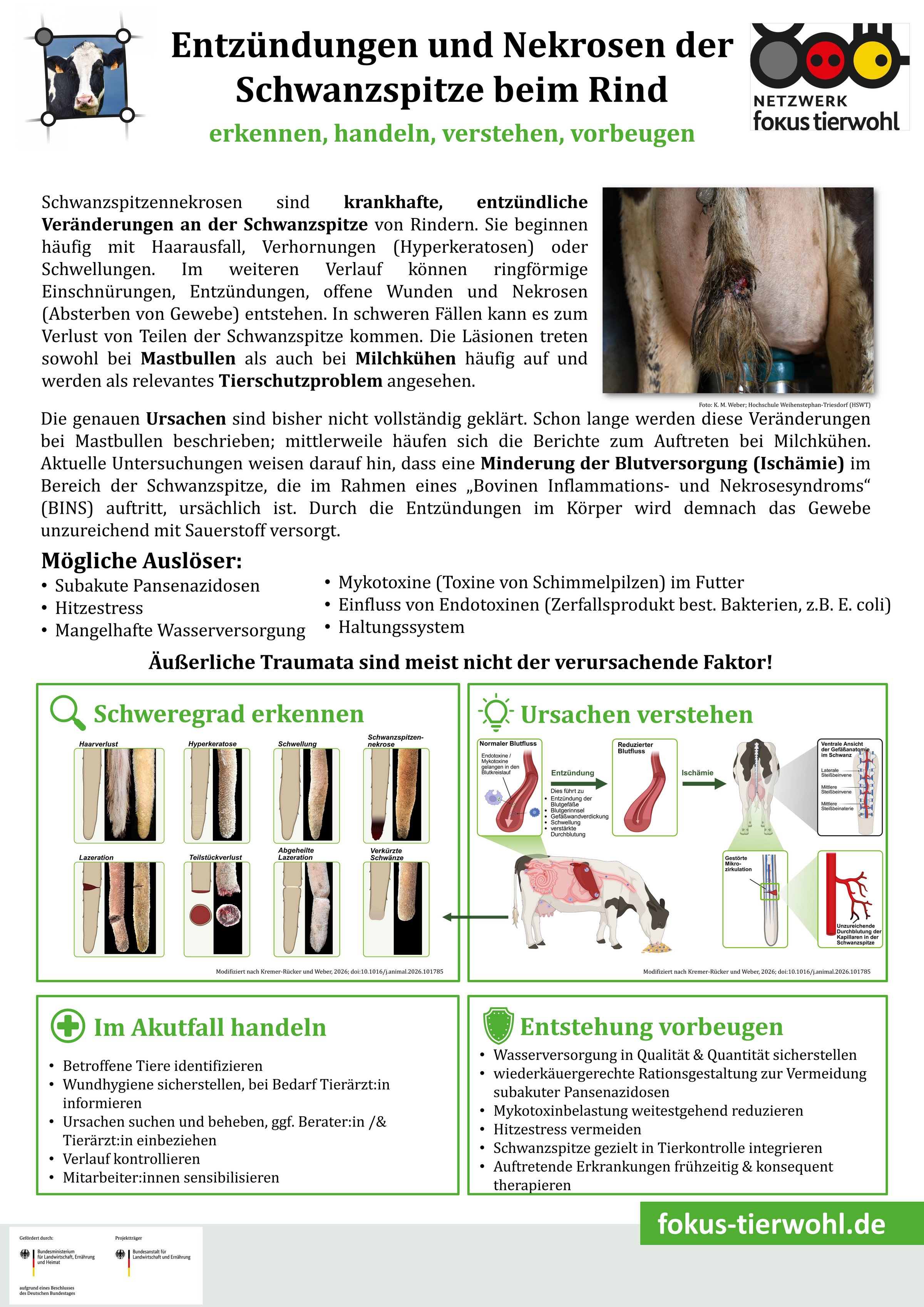
Tail tip necrosis and inflammatory changes at the tip of the tail can occur in dairy cows and beef cattle. These changes range from calluses and minor skin lesions to tissue necrosis. As the initial signs are often concealed by the hair on the tail tuft, tail tip necrosis can easily go undetected in the herd. A poster produced by the Fokus Tierwohl network clearly summarises the current state of knowledge regarding the causes, detection, emergency measures and prevention of tail tip necrosis in dairy cows.
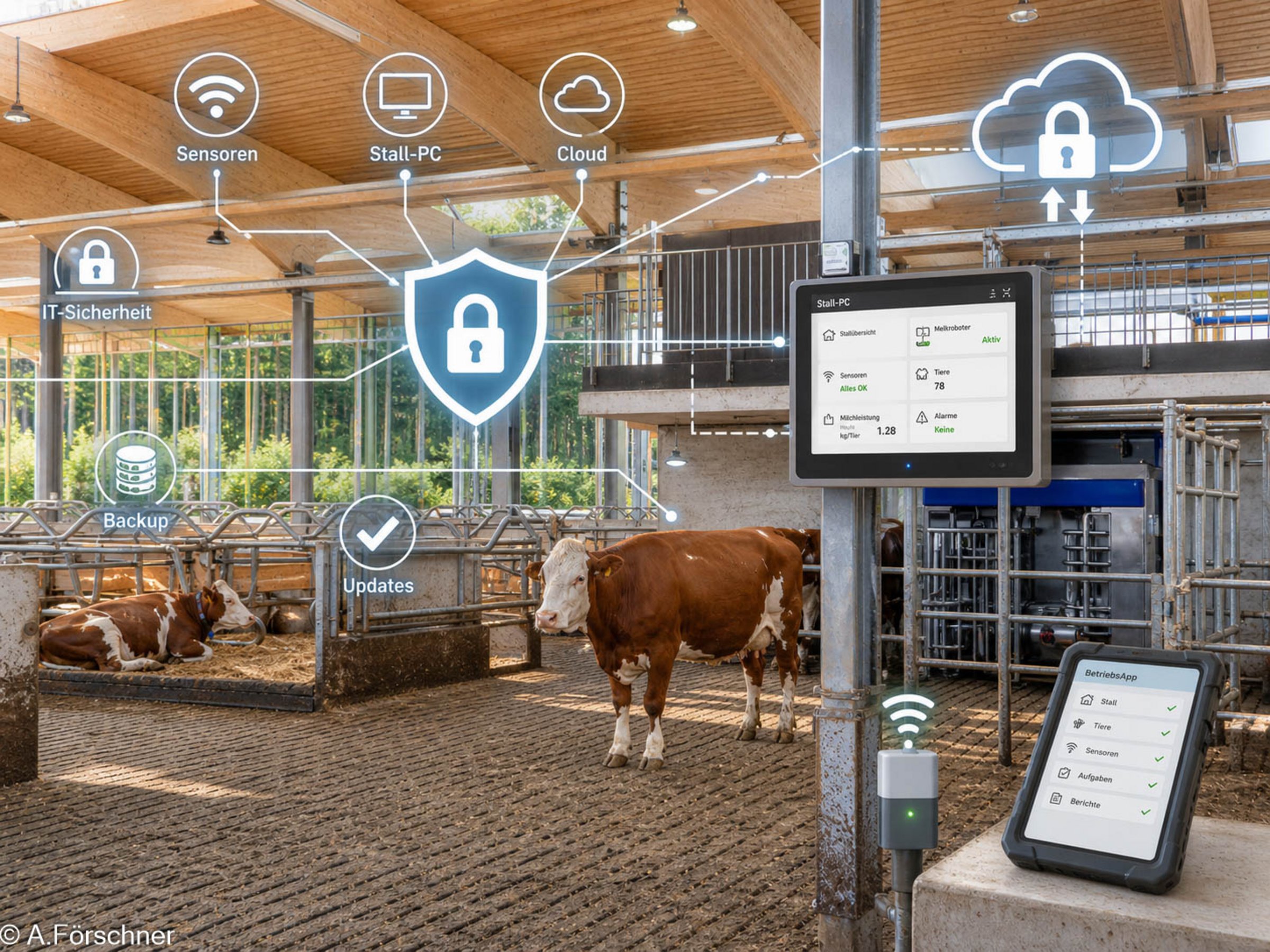
Digitalisation has become an integral part of modern dairy farms. Automatic milking systems, oestrus detection, feeding technology, herd management and digital health monitoring simplify many work processes and help maintain high standards of animal health and welfare. At the same time, the importance of IT security on farms is increasing with every connected application. This is because if digital systems fail, are tampered with or important data is lost, this can quickly have far-reaching consequences for operational processes, profitability and animal care.
Breeding for polledness in cattle is an important, animal-welfare-focused alternative to dehorning. It helps to reduce avoidable interventions on the animals and is becoming increasingly important in modern dairy farming and cattle breeding. Find out more about genetics, inheritance and practical knowledge regarding hornlessness in dairy cows and bulls that pass on the hornless trait.
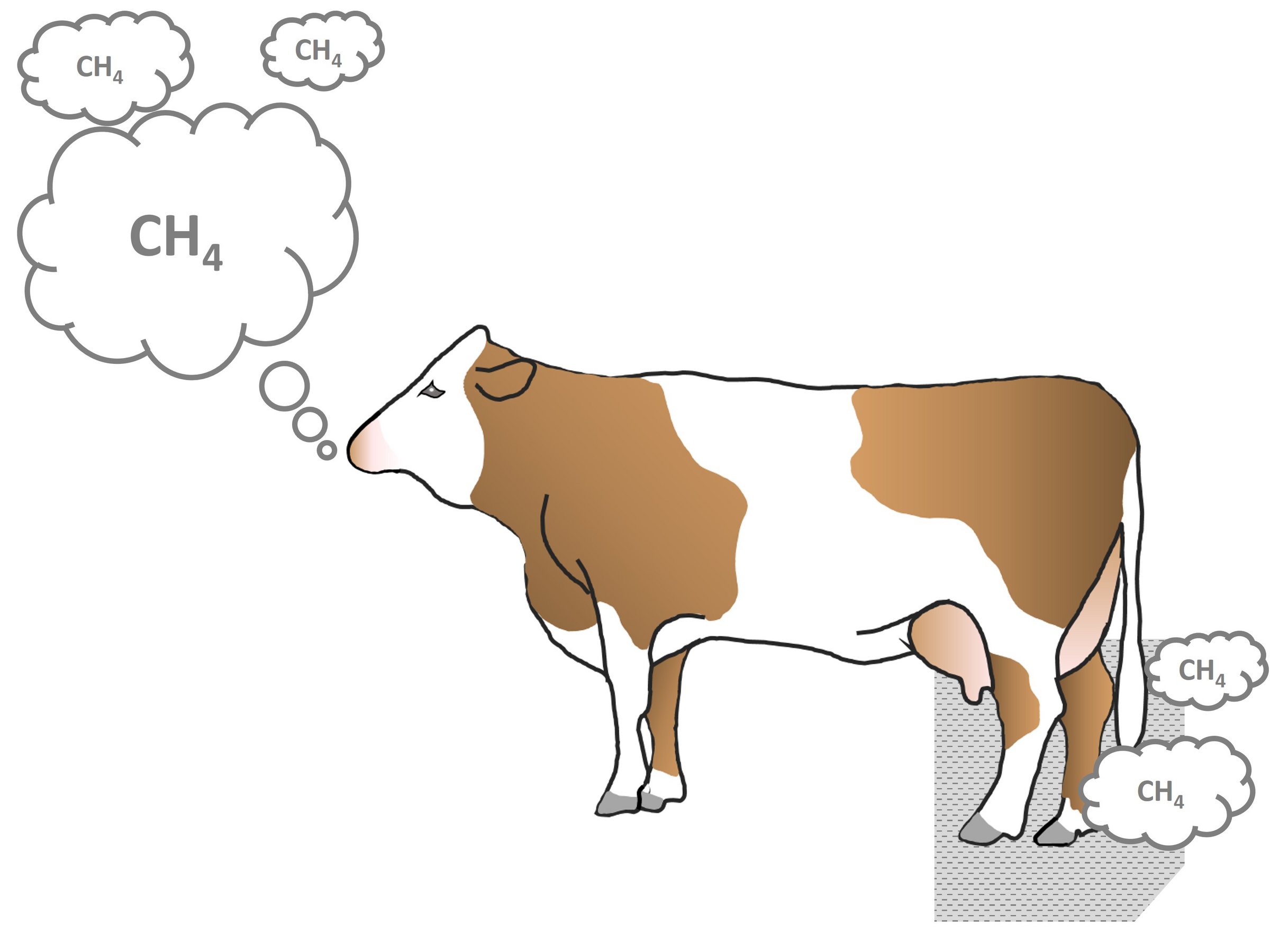
Methane emissions from dairy cows are a key factor in climate protection within the agricultural sector. During digestion, methane – a greenhouse gas that contributes to climate change – is produced naturally in the rumen. For sustainable dairy farming, it is therefore crucial to understand the causes of methane production in cattle and to be aware of effective measures to reduce it.

As the warmer season begins, insect activity is once again on the rise. Flies, midges and other species are now finding increasingly favourable conditions for reproduction. In cattle farming, rising population numbers can lead to problems such as stress and restlessness in the animals, as well as the transmission of pathogens. This trend is exacerbated by climate change, as rising temperatures and higher humidity levels provide a lasting boost to their reproduction and spatial spread.
A poster set from the Animal Welfare Competence Centre for Cattle provides clear information on the development and spread of flies, midges and black flies. It also explains disease transmission routes and presents practical measures for prevention and control.
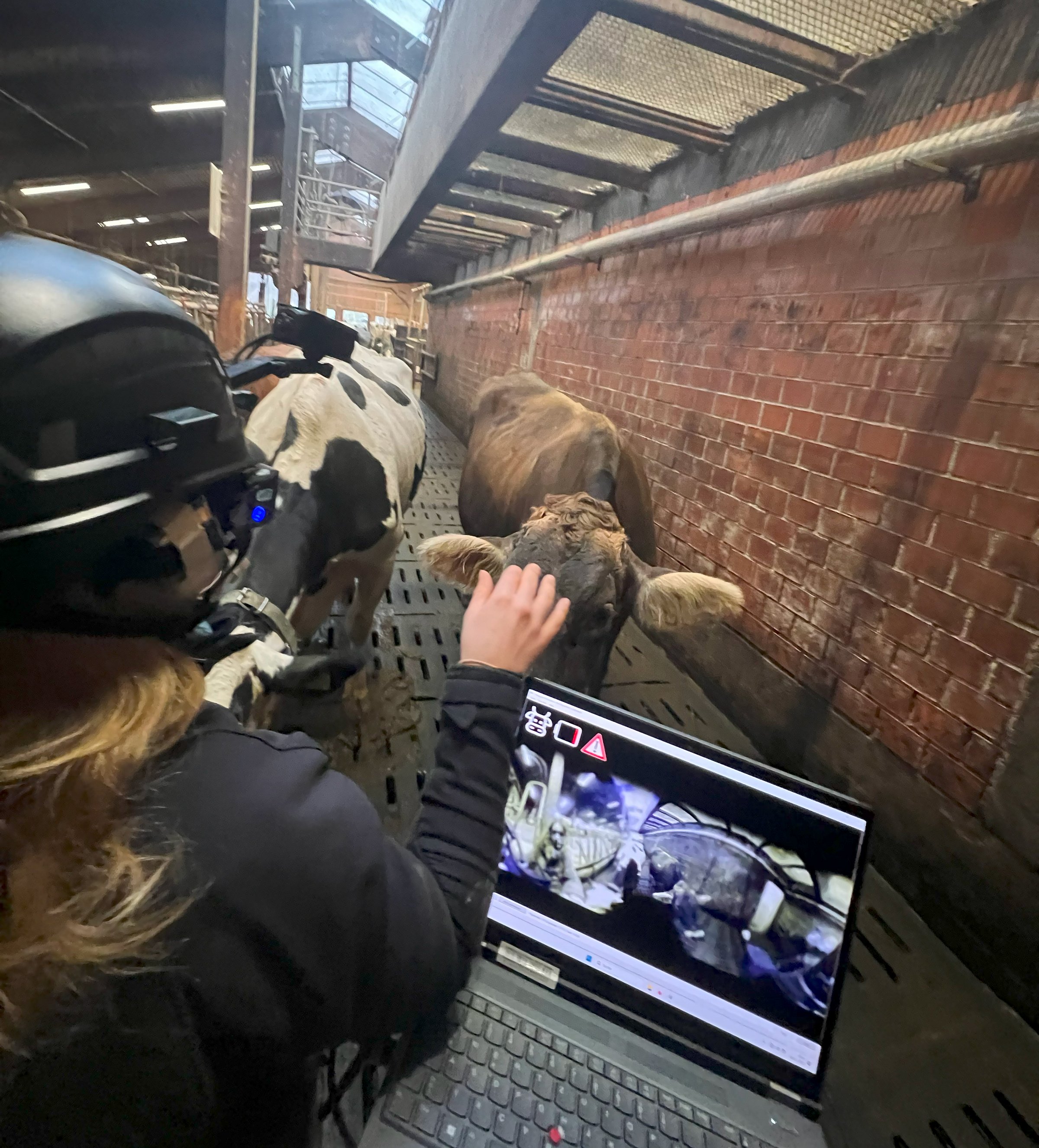
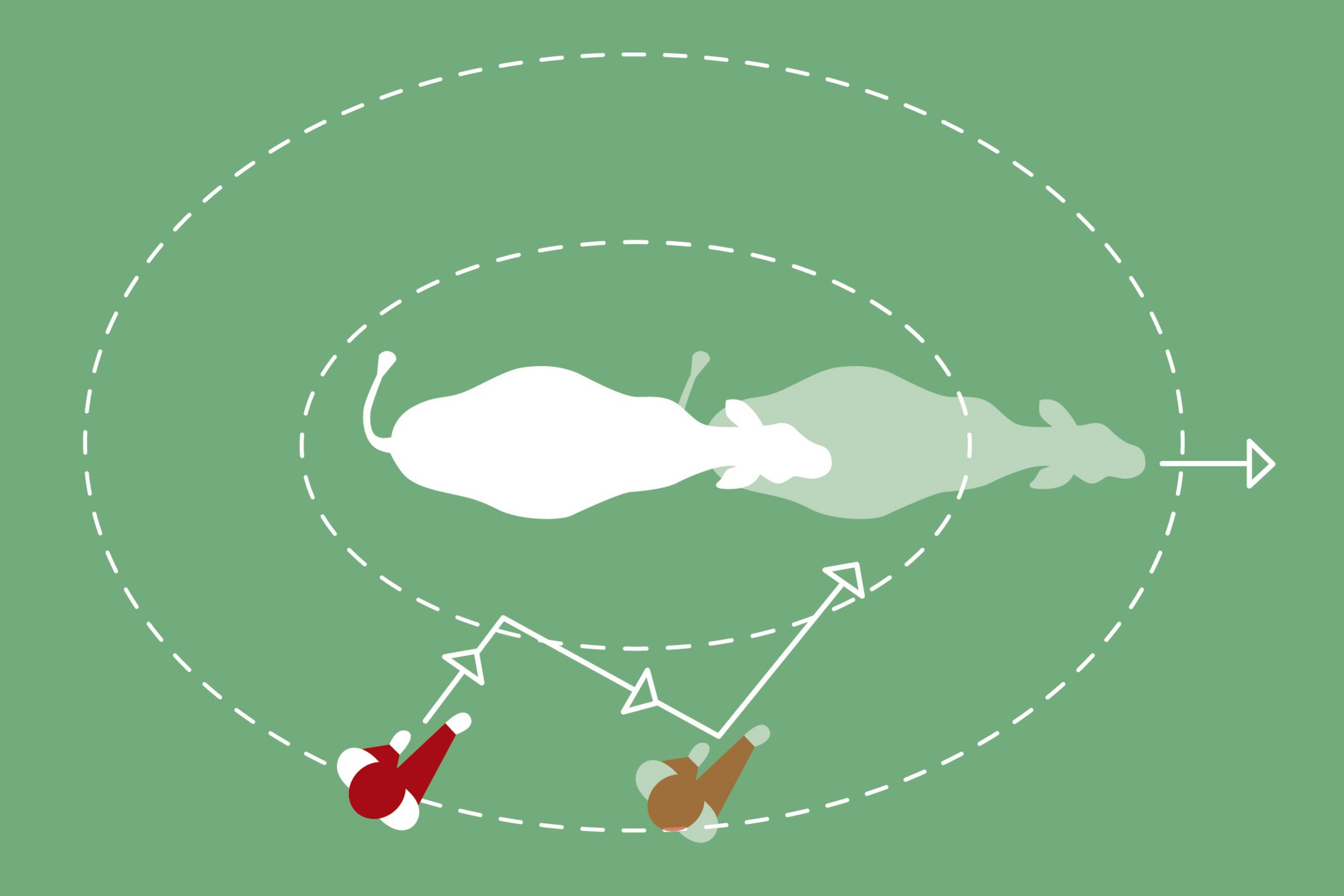
Visual perception in cattle and horses
How do cattle and horses perceive their surroundings – and why do they sometimes react ‘suddenly’ to things that seem quite unremarkable to us? An animal vision simulator brings the sensory perception of both species to life and demonstrates how field of vision, depth and motion perception, as well as light-shadow contrasts, affect orientation and behaviour.
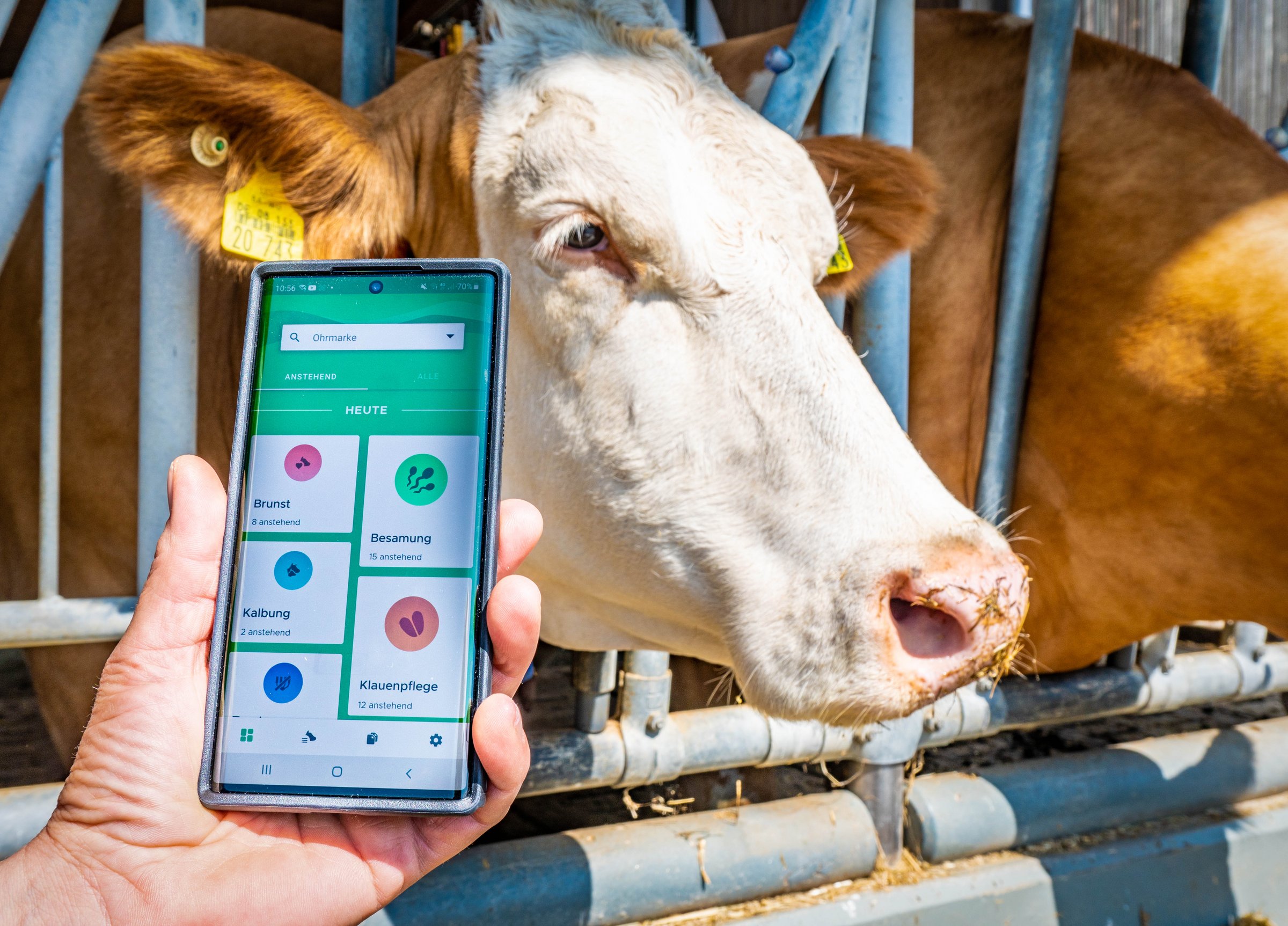
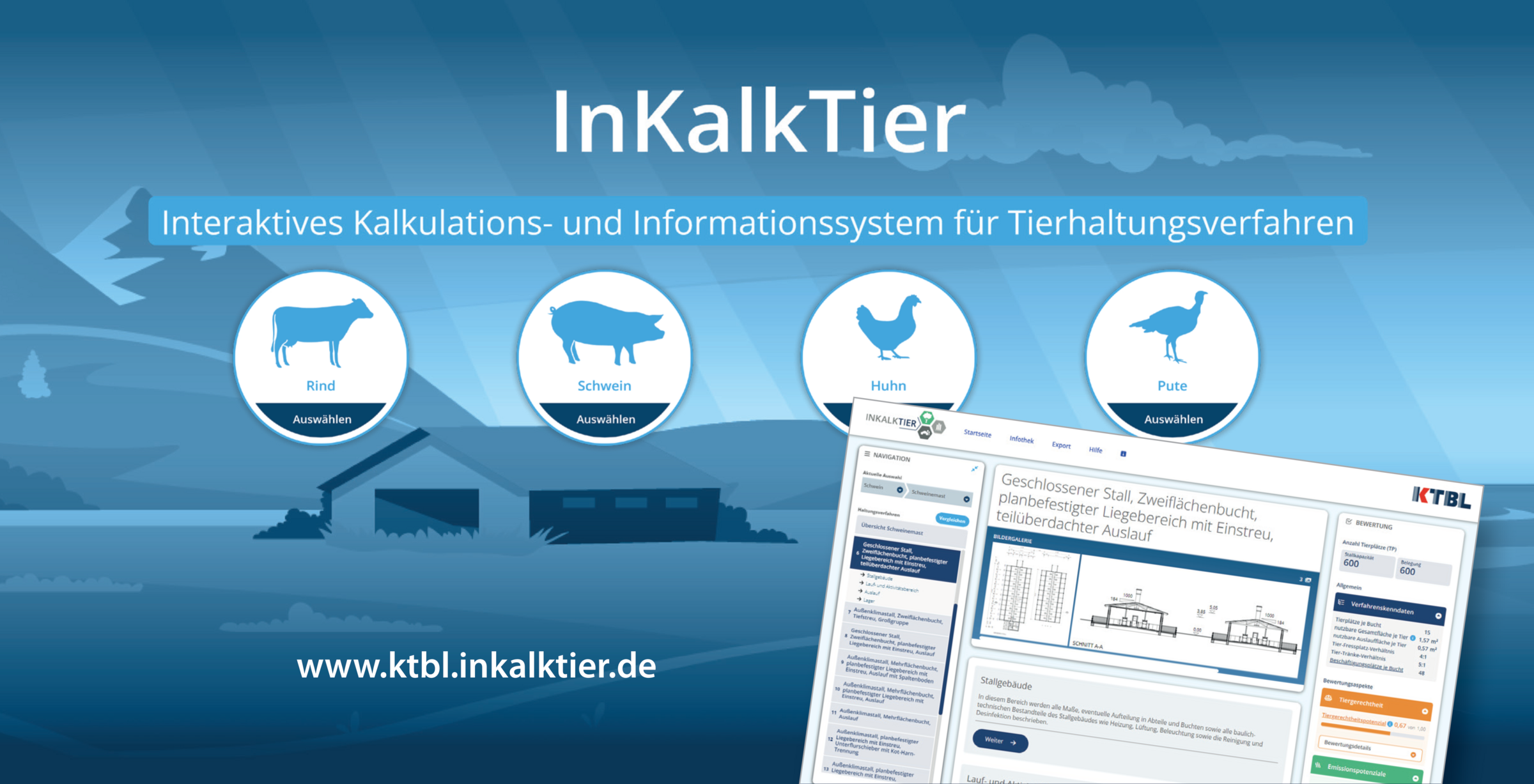
The livestock sector faces major challenges. Digitalisation offers the potential to support and relieve the burden on farmers as they work towards an animal-friendly, labour-efficient and resource-conserving form of agriculture. Digital technology should not, and cannot, replace people; rather, it should serve as a tool to aid decision-making and implementation, as well as making their work easier.
There are many possible applications for biochar in agriculture. Above all, the potential for soil improvement (water and nutrient storage) and for increasing carbon storage (CO2 storage) in the soil make biochar attractive. The Animal Welfare Competence Centre for Cattle has compiled an overview of the opportunities and challenges in agriculture.
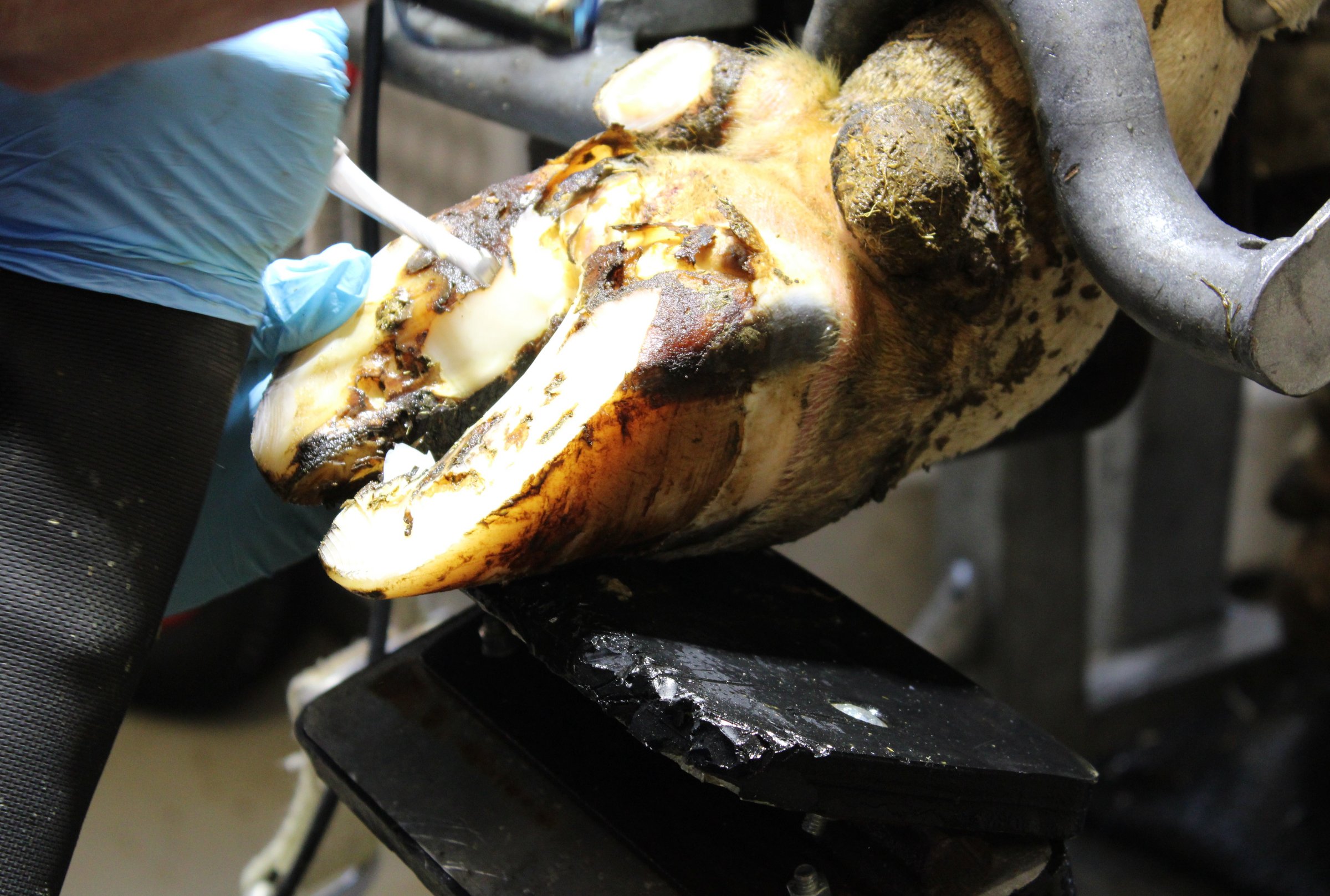
The correct fit of claw bandages and relief aids is an important part of claw recovery. If necessary, they can be applied or glued by hoof trimmers themselves. Four illustrated working instructions have been drawn up by the Animal Welfare Competence Centre for Cattle to provide the most detailed guidance possible on how to apply a claw bandage and glue on a relief aid.
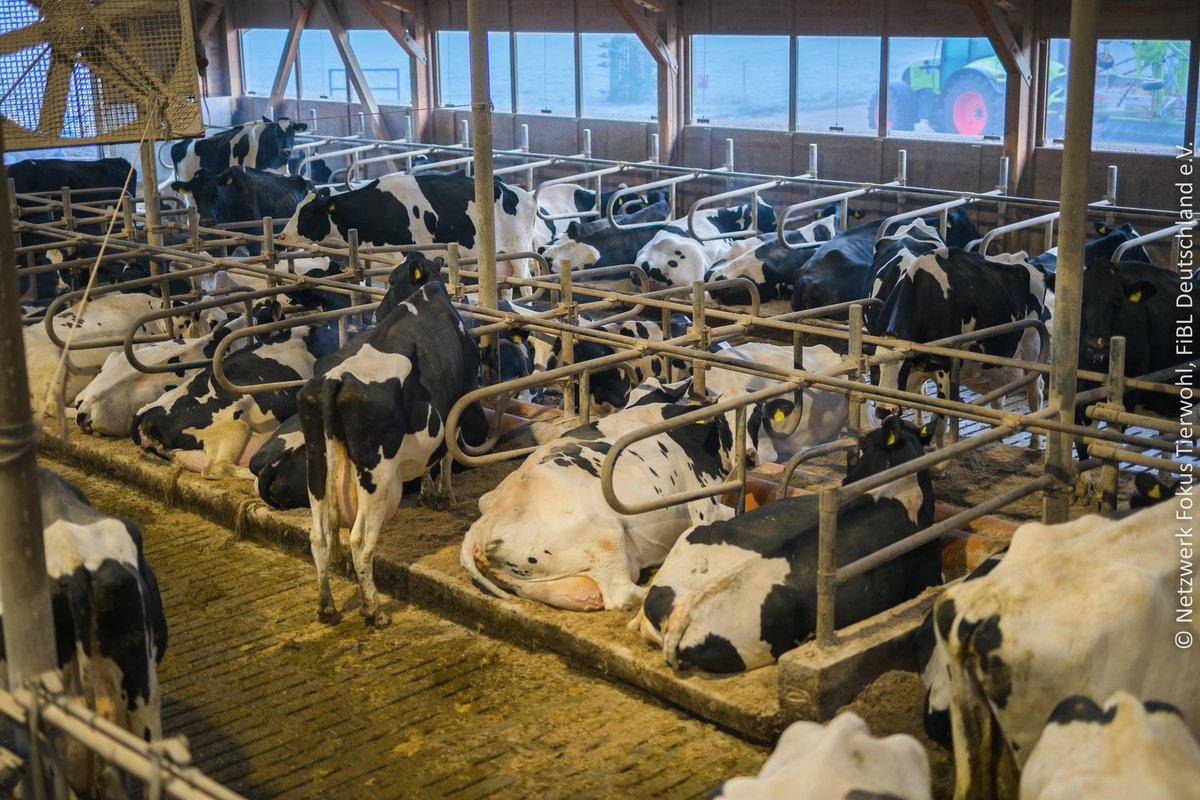
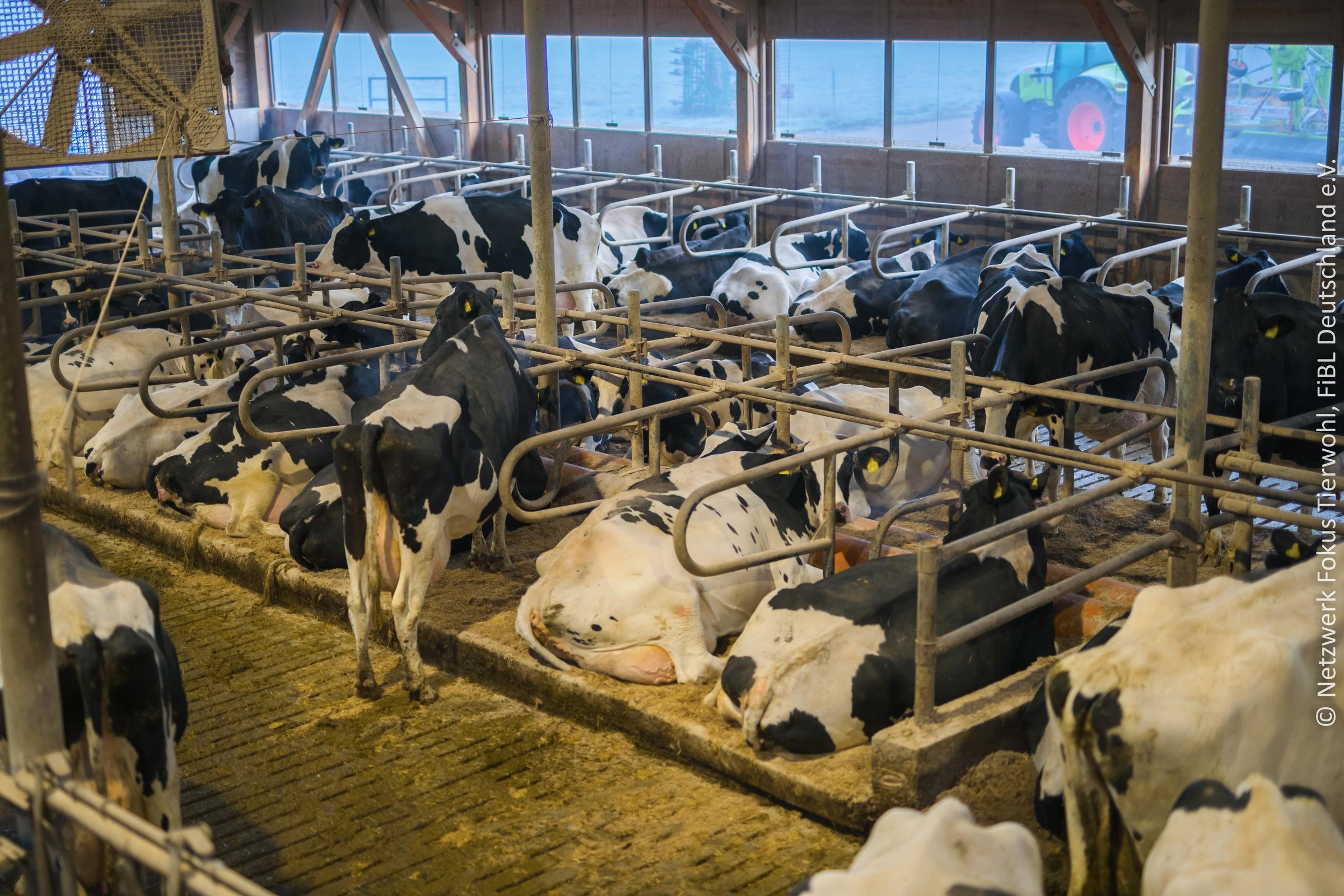
A further rise in temperatures in the coming years as a result of climate change makes dealing with heat stress in dairy cows an important issue. The effects on performance and well-being are manifold. Our modern dairy cattle breeds are increasingly reaching the limits of their thermoregulation and suffering from heat stress. This is due to the fact that climate change is leading to increasingly severe weather extremes such as heat waves. In addition, the rapid development of milk yield over the years and decades is also a decisive reason.
Alongside methane and nitrous oxide, ammonia is one of the relevant gaseous emissions that can arise in cattle housing. The majority of ammonia emissions in Germany come from the agricultural sector, with over 70 % coming from animal husbandry (stalls and storage of farm manure) and around 25 % from the soil (application of farm, mineral and other organic fertilisers and grazing).
Ammonia and the fine dust particles formed in the air have been proven to damage ecosystems and plants and jeopardise human health. In order to avoid negative effects on animals, humans and the environment, emissions should be further reduced in the future. An overview by the Animal Welfare Competence Centre for Cattle provides an insight into the formation of ammonia and shows the measures for reduction through links to (research) projects.
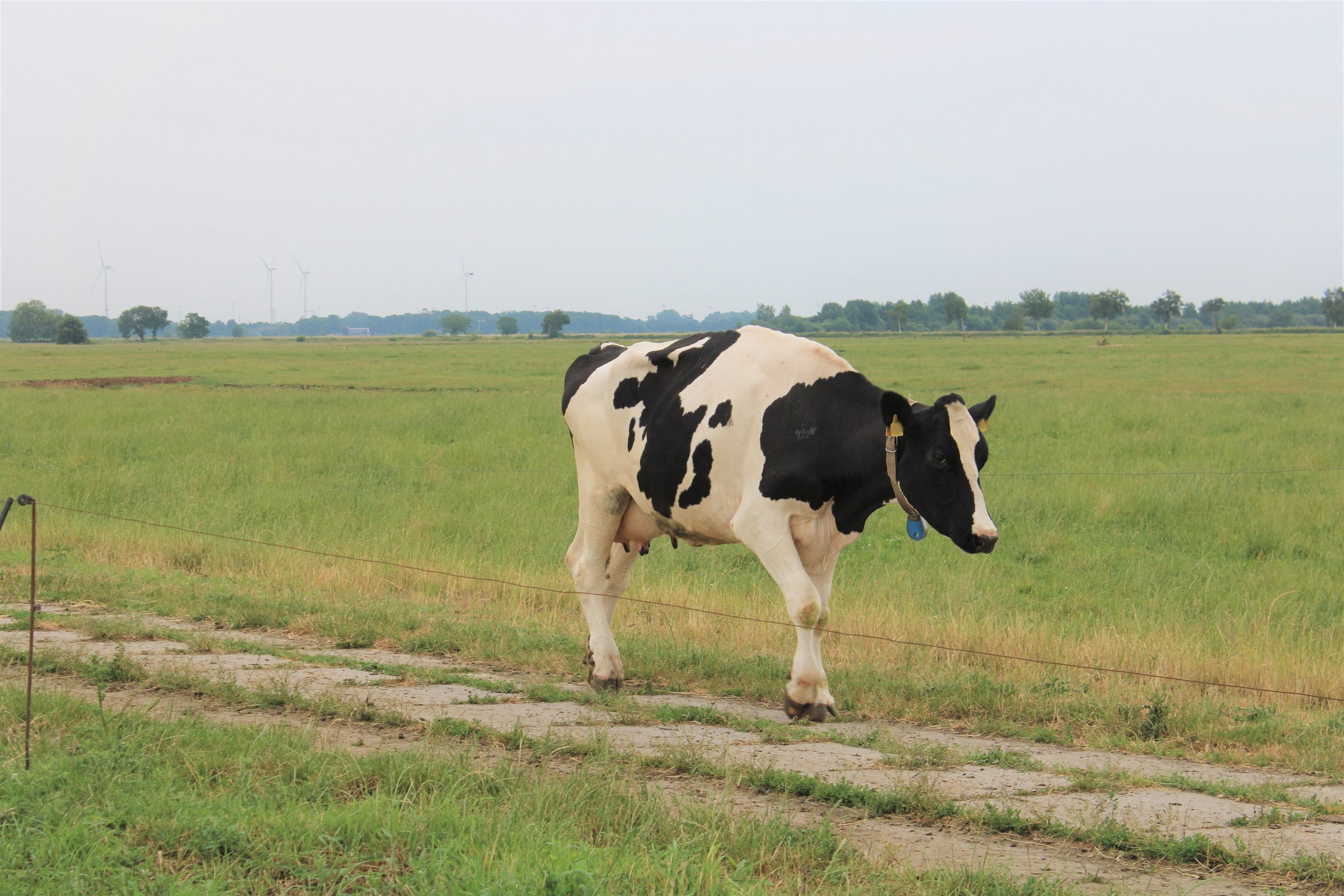
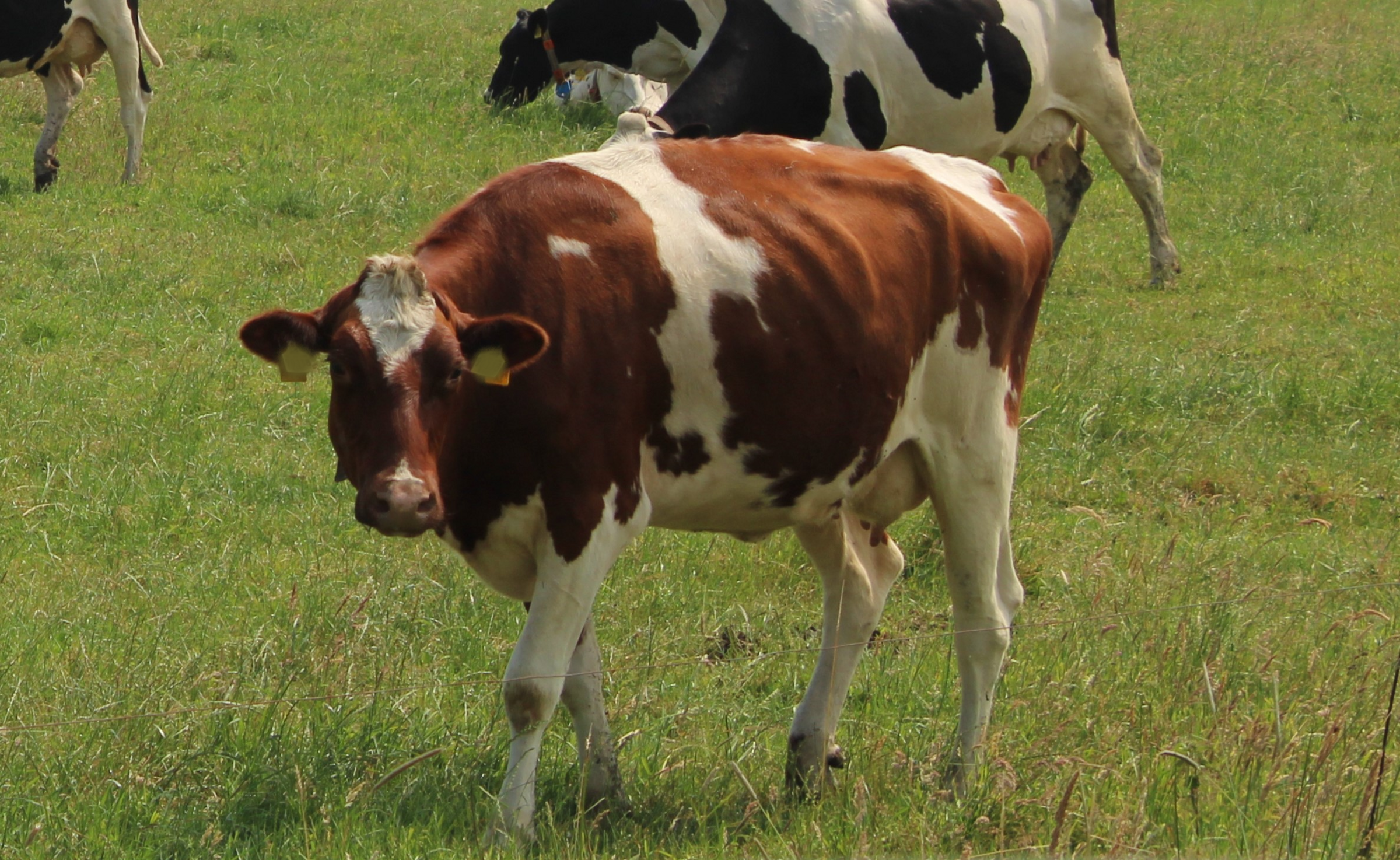
According to the PraeRi study (2020), lameness is still a current problem in modern dairy cow husbandry in Germany. In northern and southern Germany, it was found that almost one in four cows (22.8% and 22.7%) and in the eastern German states more than one in three cows (39.4%) go lame. This problem is often underestimated by farmers. They estimate that only 9.5 % of their cows in northern and southern Germany and 7.1 % in eastern Germany go lame.
Young cattle are usually not even included in lameness observations. Studies from 2012 also showed that lame animals are usually recognised late: high-grade lameness was only noticed after 21 days and low-grade cases usually only after a delay of 70 days.
The top priority for cattle farmers is to avoid lameness. If they do occur, the animals must be helped quickly and expertly. Early detection is particularly important in order to enable the cow to lead a lameness-free life.
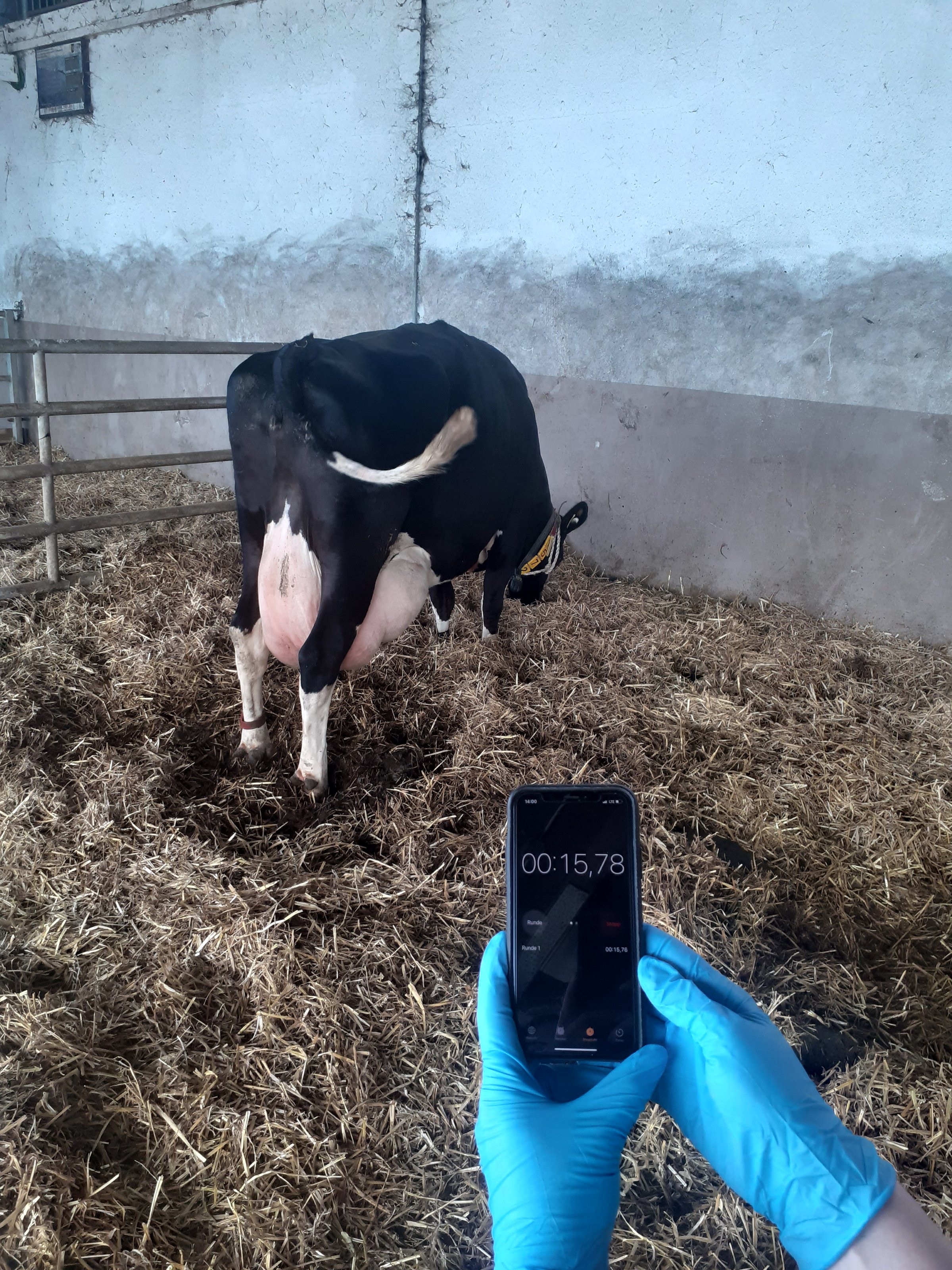
Animal husbandry includes the responsibility to provide animals with a life that is appropriate for them. In animal husbandry, conditions should be created to avoid pain, suffering and harm and to ensure the well-being of the animals. Despite all efforts and precautions, diseases and injuries can occur. This jeopardises the welfare and performance of the animals. Early detection of sick and injured cattle is therefore particularly important. It can minimise pain, suffering, damage and the risk of compromising animal welfare.
A comprehensive practical guide consisting of a 5-minute check, an image guide "Examination procedure" and a specialist article are intended to help recognise problems at an early stage, make clear decisions and take the appropriate measures.
Internationally, the heavy birth rate in cows is stated to be between two and seven per cent, with large differences between individual farms. Birth monitoring can be carried out by means of animal monitoring by a human, human-assisted monitoring using sensors or cameras, or using sensor-based systems alone. The increasing difficulty in finding qualified labour and the simultaneous increase in technical systems in the cattle barn are leading to an increasing relevance of the use of these systems for birth monitoring.
The Focus on Animal Welfare network has conducted an online survey to determine the prevalence of technical systems for birth monitoring and to find out why farms do not use such systems or decide against them.
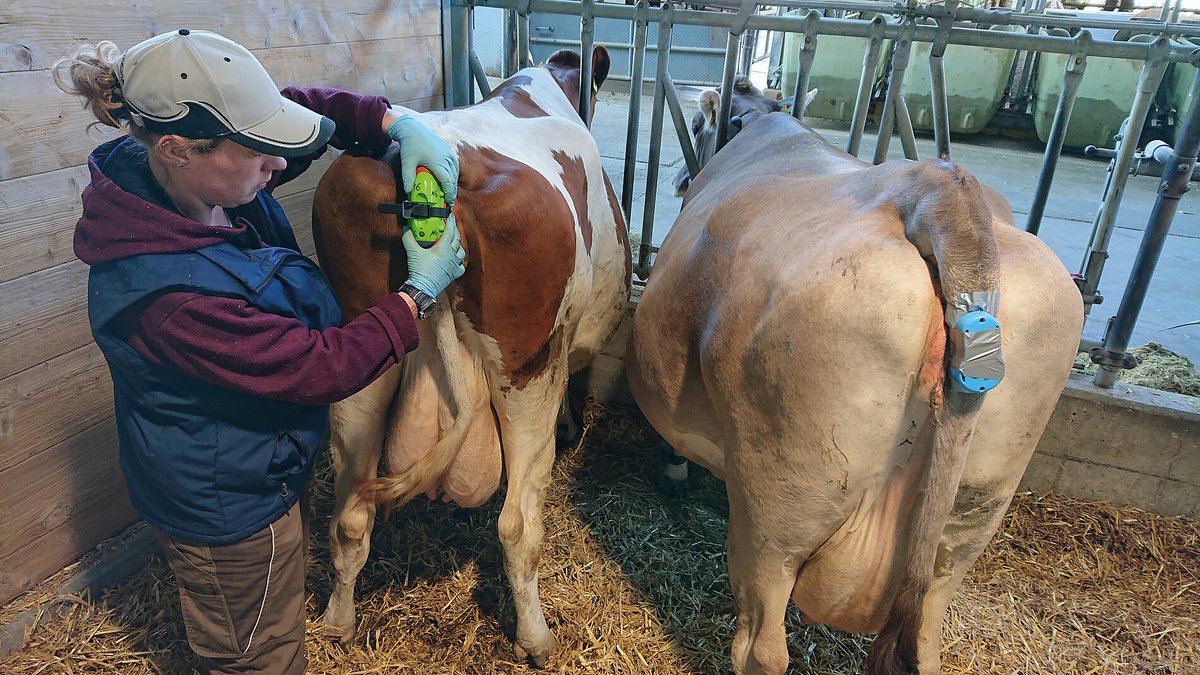
Good monitoring of cows due to give birth is necessary in order to recognise birth disorders in good time and to ensure that the calf is initially supplied with colostrum and that the cow receives follow-up care. Technical aids for birth monitoring can reduce the need for the presence of staff or regular check-ups. The cows are not unnecessarily disturbed during this sensitive phase and the amount of labour required for monitoring is reduced.
For some time now, the extended calving interval has been a recurring theme in terms of longevity, animal welfare and low calf prices. For many decades, a standard lactation of 305 days was aimed at a calving interval of one year and the "fertility limit" was set at around 400 days between calvings. In the 1990s, it was good for an optimally managed farm to achieve a calving interval of 12 to 13 months. In addition, it was recommended to fall below the average slurry period of 105 days, which could be achieved by shortening the resting period or the delay period. In addition, calf prices were relatively high and faster breeding progress could be achieved. With increasing milk yield, these limits should be reconsidered, because the higher the average yield, the more days should be allowed to the cow as a voluntary waiting period in order to utilise economic advantages and to strengthen animal health and welfare.
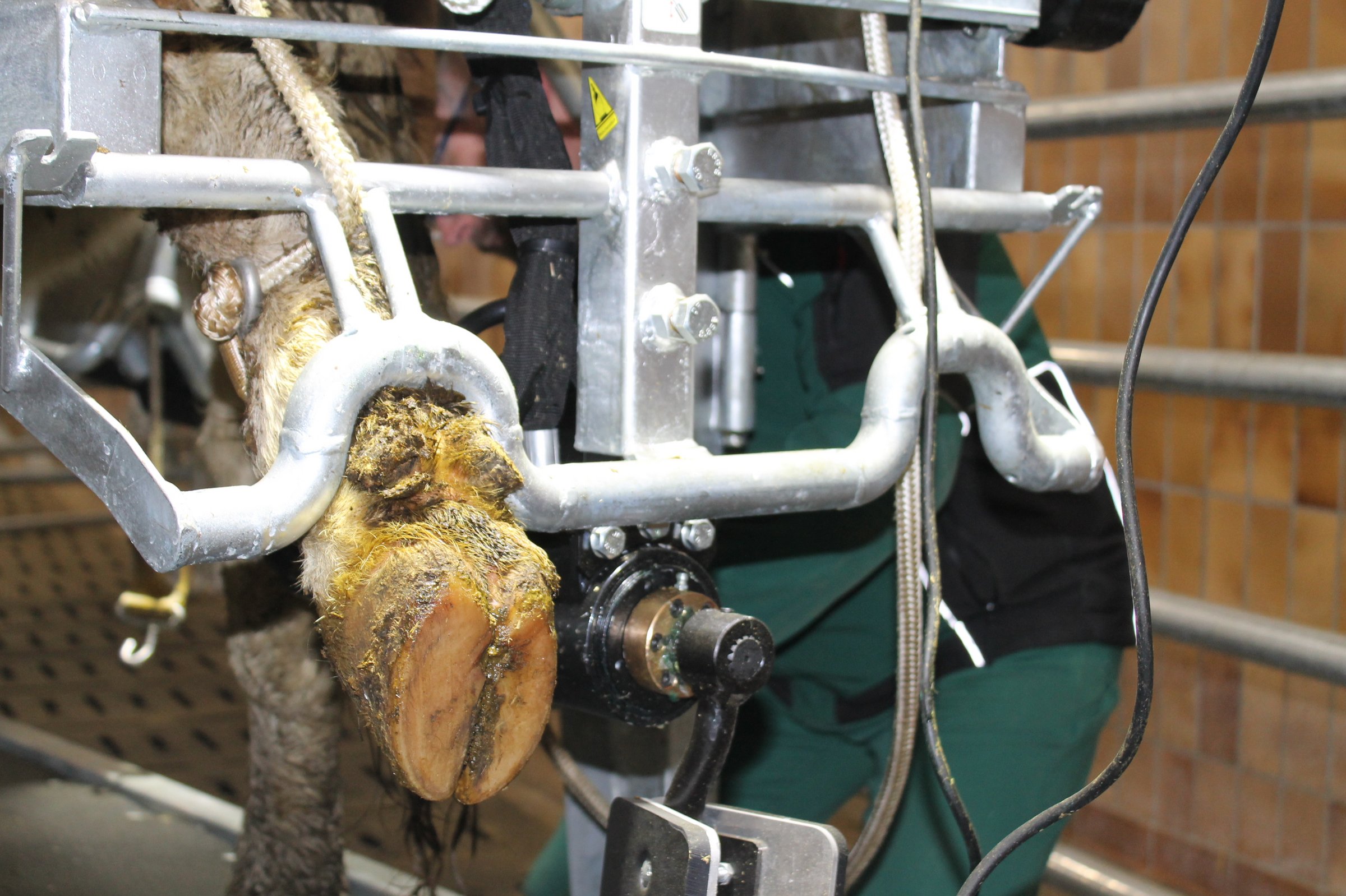
Hoof care: integration and organisation, safety for animals and humans
Regular and qualified hoof care is an important pillar of animal health in dairy cows. Routine care should take precedence over the treatment of claw diseases. Regular, professional hoof care is a preventative measure and helps to minimise restrictions on animal welfare by acting too late.
Hoof care in the sense of prophylaxis always pays off economically - provided that the carers are qualified.
Safety for animals and humans must be guaranteed during hoof care. A suitable hoof trimming crush, well-planned feeding systems and sound knowledge on the part of the staff carrying out the work form the basis for this. Safety begins with the selection of the hoof trimming crush, because the wrong equipment can cause injuries or, in extreme cases, total loss. Considerate and prudent handling of the animal, coupled with speedy work in the chute, is a basic prerequisite for reducing the risk of injury.
The "Hoof Health" working group at the Animal Welfare Competence Centre for Cattle has produced two guidelines explaining how hoof care can be integrated into operational processes and which aspects of animal and human safety need to be taken into account during hoof care.
to the guide "Organisation and integration of hoof care"
to the guide "Safety for animals and humans during hoof care"
The aim of all obstetrics must be to make the birth as gentle as possible for the cow and calf. Professor Axel Wehrend, Head of the Clinic for Obstetrics, Gynaecology and Andrology of Large and Small Animals at the Faculty of Veterinary Medicine at JLU Giessen, explains how this can be achieved in a short interview.
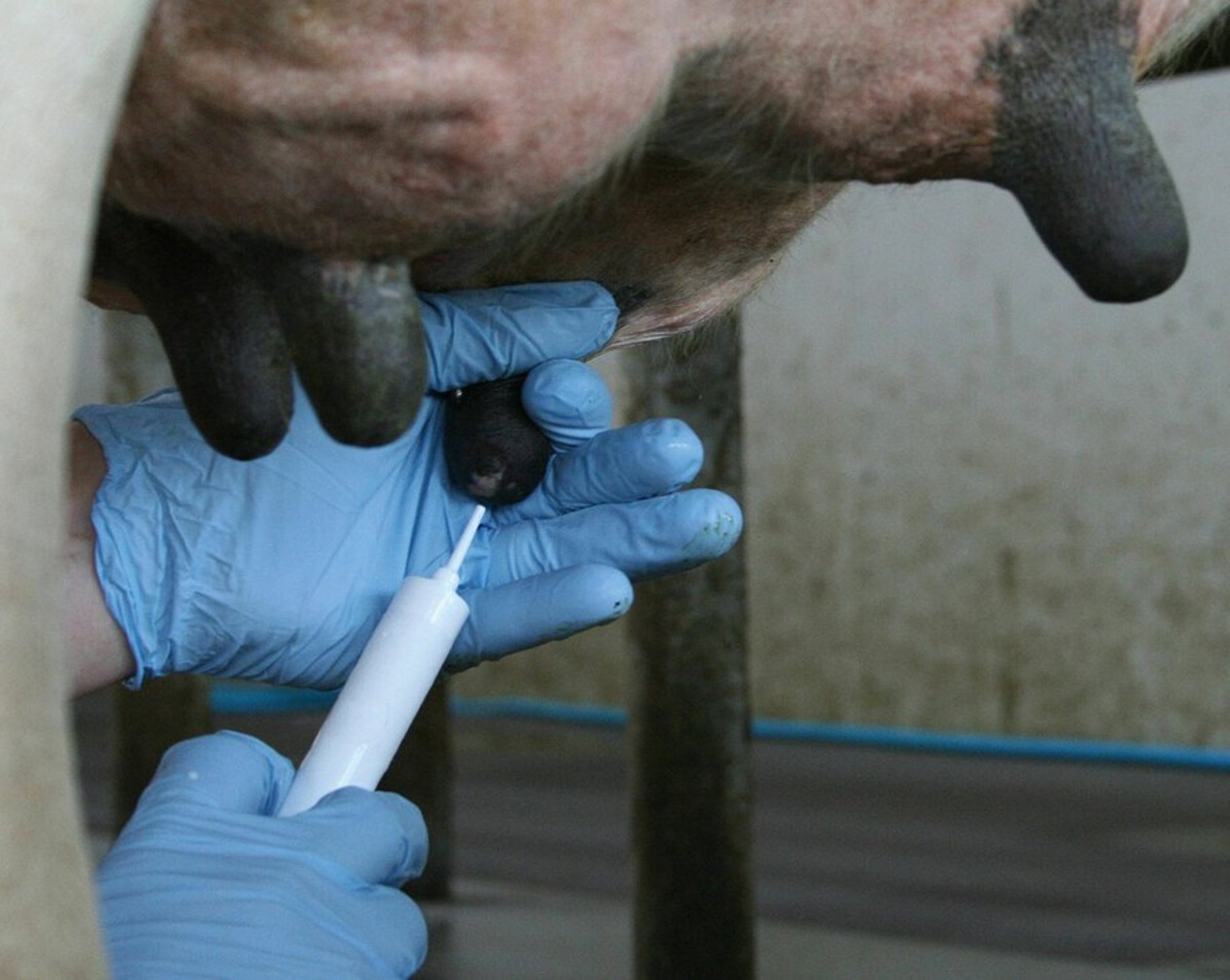
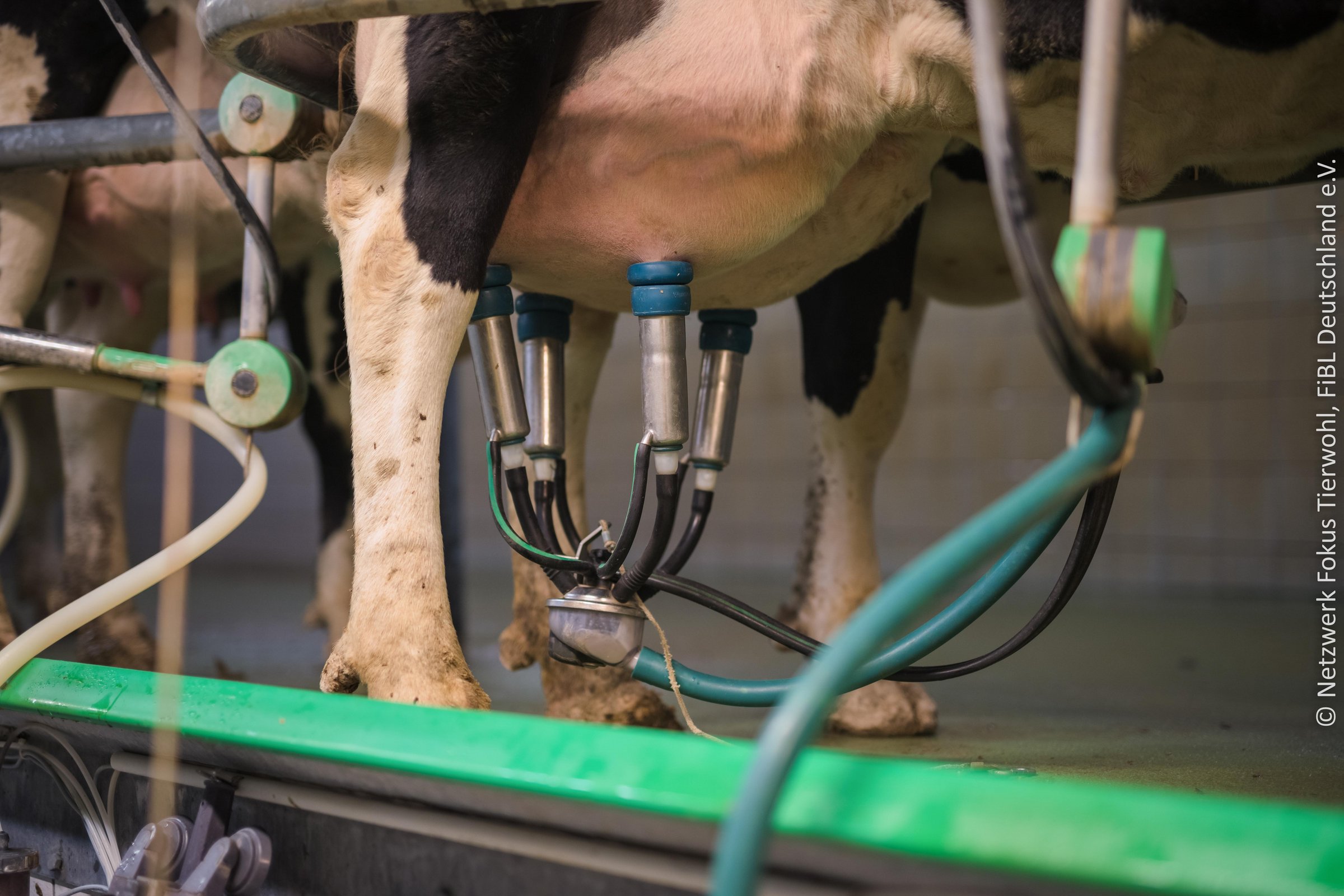
Restricting the administration of antibiotic dry-off preparations (selective dry-off) to infected animals requires simultaneous optimisation of the entire dry cow management (health monitoring, hygiene, husbandry, feeding). It requires an active approach to the topic of udder health in all its many facets.
more...
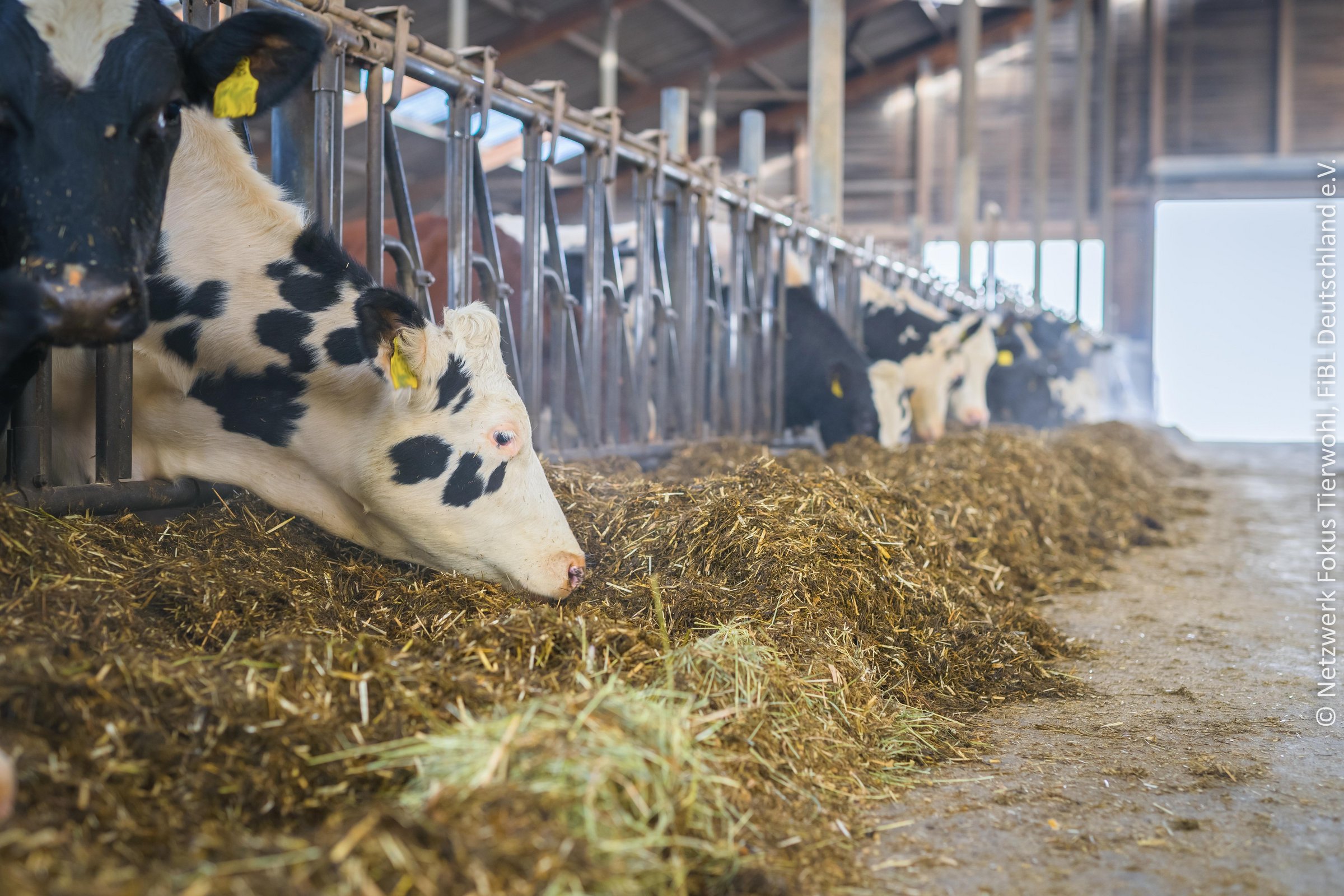
Until 1996, Holstein cows in Germany were bred exclusively for milk production. Thanks to these milk-orientated genetics, good farm and feed management and increasing scientific knowledge, milk production in Germany has risen to a considerable level in recent years. However, the average productive life is still unsatisfactory. This was the reason for focussing breeding in dairy farming more on improving animal health and other secondary traits.
more...