
- Dr. Hans-Joachim Herrmann, Landesbetrieb Landwirtschaft Hessen
- Antoine Janssen, Specialist farmer for hoof care
- Hubert Reßler, Hochstädter Klauenpflege GmbH
- Dr. Jörg Willig, Cattle Health Service, LUFA North-West
We would also like to thank Dr. Fanny Rachidi, Clinic for Clovenhoofed Animals, University of Leipzig, for her valuable support.
- Caroline Leubner, Landesbetrieb Landwirtschaft Hessen
- Leonie Schnecker, Landesbetrieb Landwirtschaft Hessen
- Rebecca Simon, Landesbetrieb Landwirtschaft Hessen
- Prof Dr Johann Kofler, University of Veterinary Medicine Vienna, Clinic for Ruminants
All articles on the topic
Hoof Care Checklists
Professional treatment of lameness
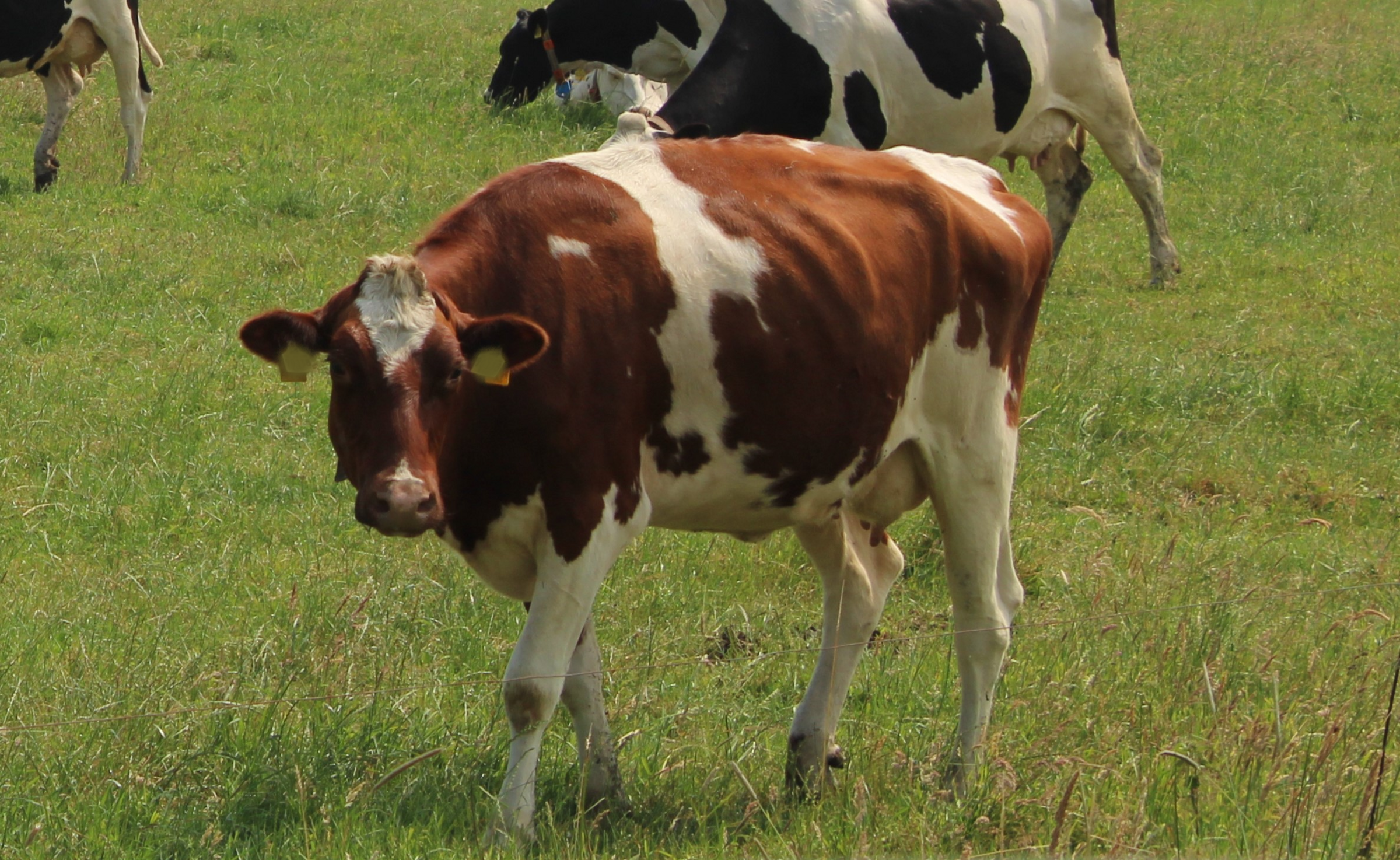
Early detection of lameness
Hoof care: safety for animals and people
Hoof bandage

Integration & Organisation der Klauenpflege
Funded projects: Pilot project on hoof health management
Integration & Organisation der Klauenpflege
Introduction
Professional and prompt treatment of lame animals is a must on every cattle farm. Lameness is an expression of pain and therefore an alarm signal. Expert livestock farmers and carers recognise even slightly lame animals (with a movement score of 2 out of 5) at an early stage and react quickly. If the lameness is caused by a horn defect affecting one of the two claws of a limb, pain can be significantly reduced and the healing of the horn defect can be initiated by providing relief, if necessary with the aid of an attached relief aid (so-called "block"). (Basic) knowledge of the interaction between animal health, animal welfare and human health can be assumed for competent carers and trained hoof trimmers (see KlauenPflPrV).
Regardless of whether hoof care is carried out externally or in-house, it is helpful to appoint a competent person who is responsible for the care and treatment of problem animals and who is familiar with the necessary measures and limits of their own actions. It makes sense to attend a qualified hoof care course to acquire basic knowledge of functional hoof care and the treatment of hoof defects. If, for example, the dermis and underlying structures are affected or interventions involving analgesia are necessary, the vet must be consulted.
The use of pharmacy-only and prescription drugs, e.g. for the treatment of dermatitis digitalis (DD), requires a veterinary prescription and the veterinarian's treatment instructions, which must be followed. In the case of the DD herd problem, for example, a contractually agreed herd management programme and instruction of the animal keeper by the vet fulfil the requirements for this. The success of the measures is also monitored by regular animal health visits. Important pharmaceutical regulations can also be found in the Bavarian leaflet for hoof and claw trimmers. Even if the prescription of painkillers is reserved for the veterinarian, hoof trimmers should be informed that the use of so-called NSAIDs (non-steroidal anti-inflammatory drugs) not only reduces pain and other inflammatory symptoms, but also increases the healing success.
to the leaflet for hoof and hoof trimmers
Accordingly, lame animals are first and foremost entitled to fast and professional, if necessary veterinary care. The designed handout, the poster and the picture instructions (see below), in conjunction with this article, are intended to provide assistance explicitly for hoof trimmers (e.g. farmers, herd managers, (external and company) hoof trimmers) in the interests of animal welfare. They can achieve rapid regeneration and pain reduction by recognising and treating slightly lame animals at an early stage. In addition, problems caused by e.g. bacterial subcutaneous inflammation (inter-claw phlegmon, so-called "panaritium") or deeper processes can be recognised more quickly and reliably and presented to the vet.
As soon as the lameness is recognised, immediate action must be taken and the animal must be brought to the hoof trimming crush to determine the cause of the lameness. The article Early detection of claw problems and first measures helps to recognise the lame cattle and make decisions for important measures.
Providing professional care for lame animals in the stall
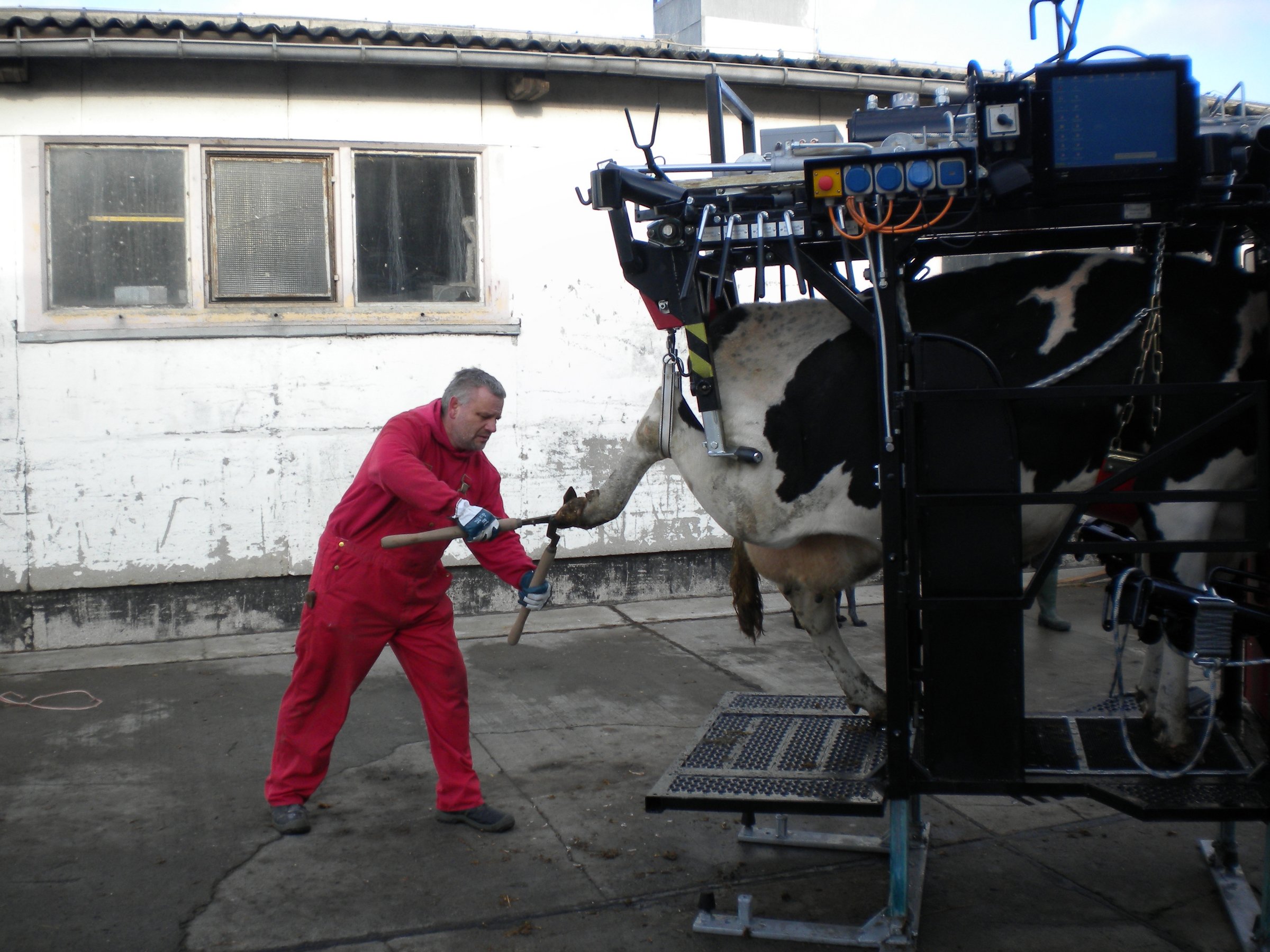
Once the lame cow is secured in the hoof trimming stand, there are steps in the preparation and execution that any knowledgeable hoof trimmer can perform:
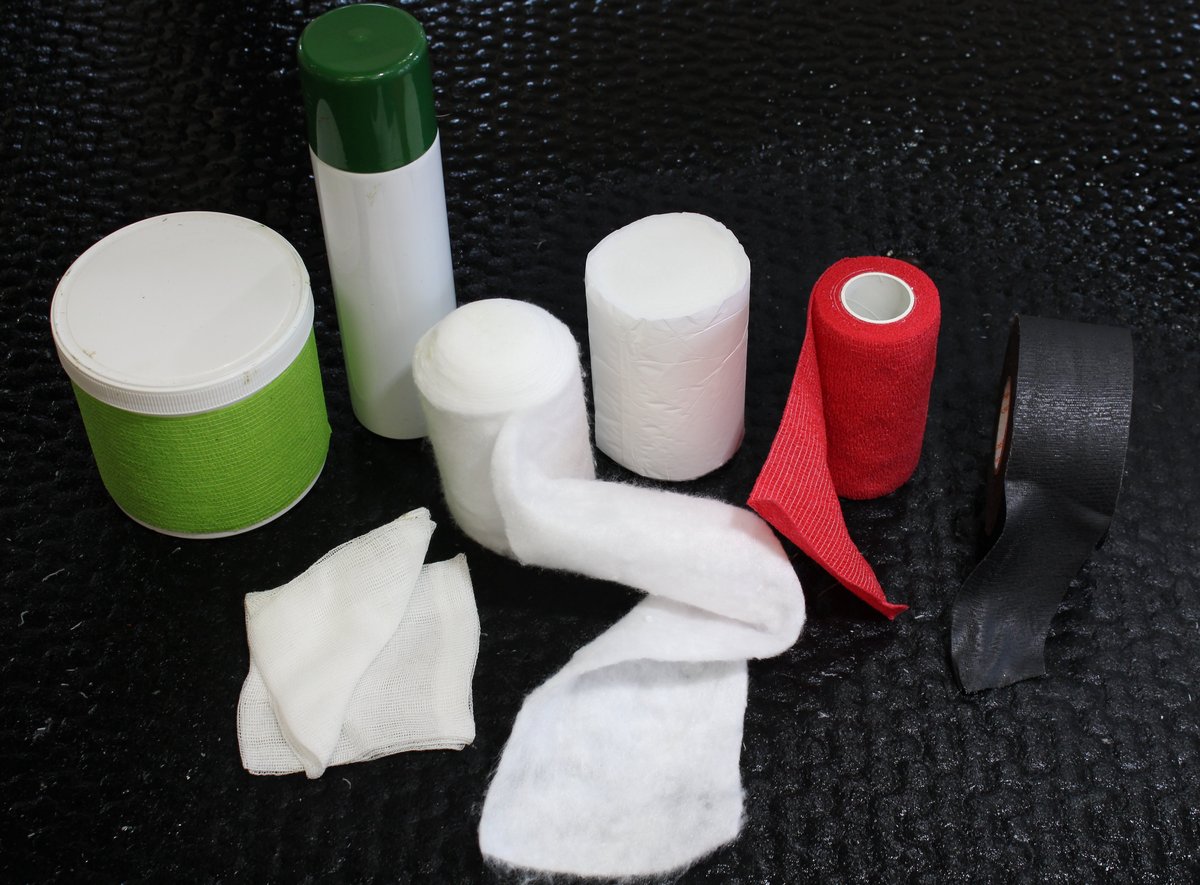
1. The necessary materials should always be within easy reach. Not only the hoof care tools, but also bandages or materials for attaching relief aids should be ready to hand. Do not forget disposable gloves and, if necessary, cut-resistant gloves. These should always be worn to protect other animals from disease transmission, but also for your own protection. The ideal solution is a permanently installed hoof care and treatment stand that is integrated into a functional workplace with a pre- and post-treatment area, a drive-in, tool storage, bandages and water and electricity connections.
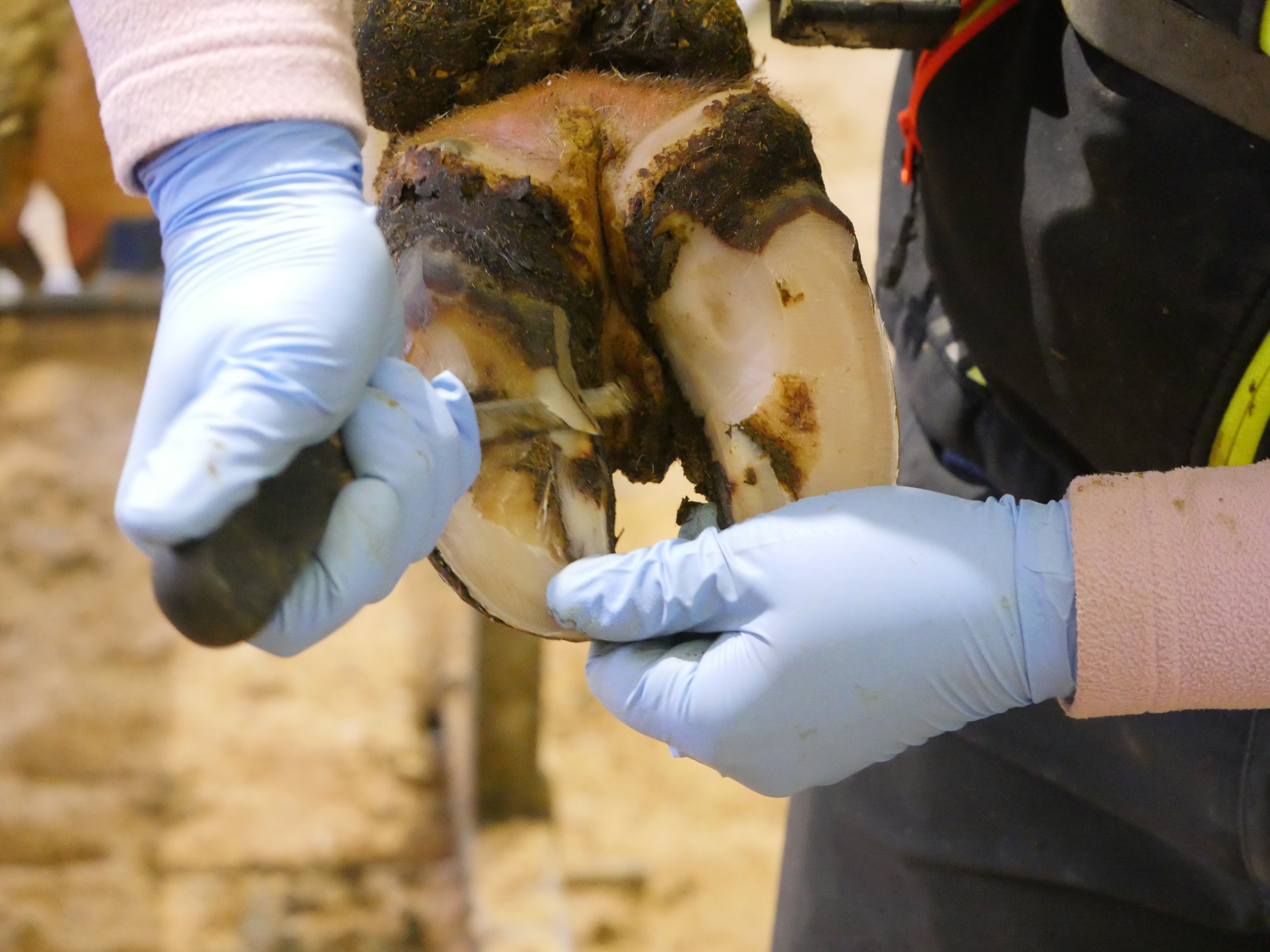
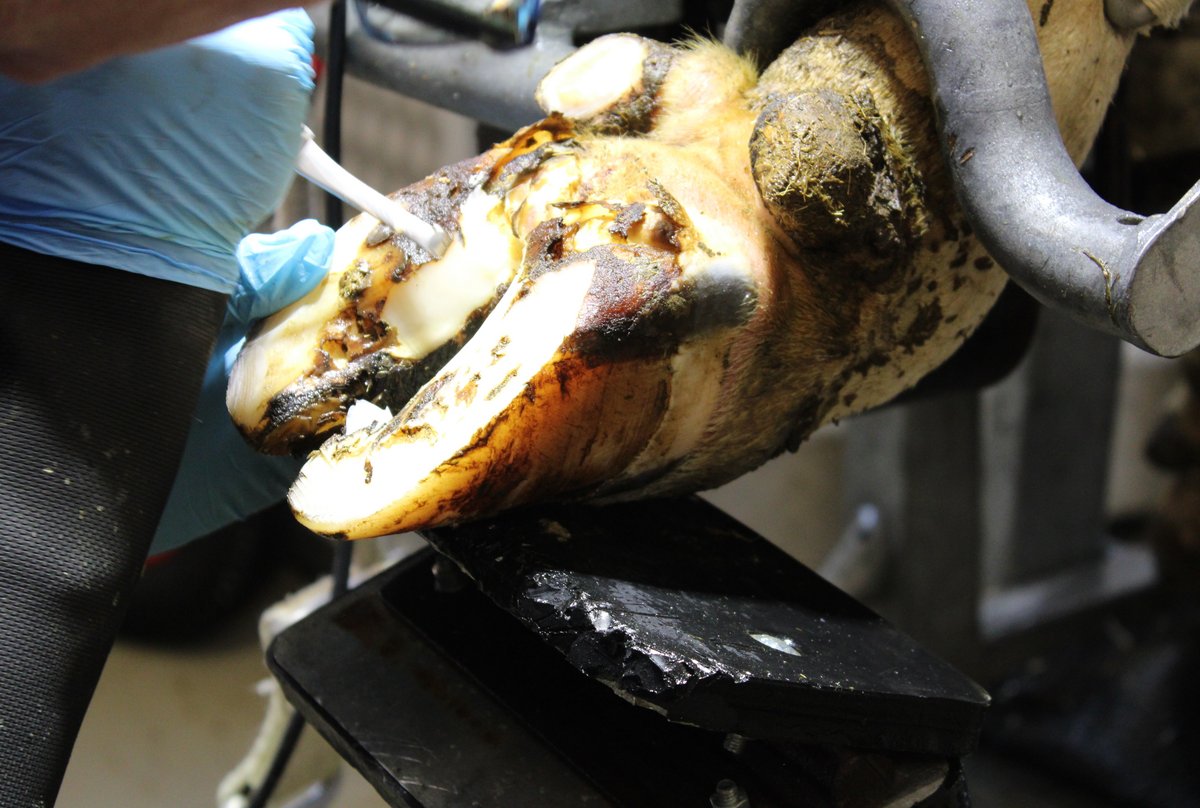
2. Place the cow in the hoof trimming stand, fix the hooves in place and assess them while raised in the stand. For a more accurate assessment, thorough cleaning with water is recommended and, if necessary, a "diagnostic" cut should be made across the sole.
See the biosafety recommendations for hoof trimmers
Assessment of the hoof (5-point scheme for functional hoof care)
- Length: normal front wall length between the tip of the hoof and the coronet band 7.5–8 cm (Holstein, Fleckvieh, Braunvieh)
- Shape: normal angle of 50–60°, claw wall evenly grown, height of the heels, especially the inner claw at the rear: should be 3.5 cm
- Changes in hoof shape (lameness, rolled hoof, scissor hoof)
- Other changes: signs of inflammation of the surrounding soft tissue, loose horn, colour deviations
- Foreign bodies
The ICAR Atlas lists the different findings on hooves with corresponding images to standardise documentation:
ICAR Atlas 2nd edition (in English)
Appendix 1: Stages of digital dermatitis (in English)
Appendix 2: Digital dermatitis-associated hoof horn lesions (in English)
Functional hoof care
Functional hoof care is carried out in five steps. It is important for every hoof treatment and care of hoof defects so that the biomechanics can function properly again after regeneration. You can find the correct instructions under the following links:
Kofler, J. (2011): Monitoring hoof health in dairy herds and functional hoof care
KLAUENfitnet: Functional hoof care – E-learning module 4
Care for different illnesses
The Animal Welfare Competence Centre for Cattle in the Focus on Animal Welfare network has compiled recommendations for action on the effective treatment of superficial horn defects, digital dermatitis (DD) and interdigital phlegmon by hoof care professionals. In addition, a poster has been designed with recommendations for effective treatment of superficial horn defects and digital dermatitis (DD).
To the guide "Recommendations for action on hoof care"
To the poster "Recommendations for action on hoof care"
Additional and further information:
Chronic DD lesions (M4): If animals do not respond to treatment, consideration should be given to removing these animals from the breeding programme.
5-point plan for controlling digital dermatitis (DD)
Quality assurance in the treatment of hoof and toe diseases in cattle
Hoof health under control – with a systematic approach and foresight – A practical guide
Assessment of the frequency of claw lesions on your own farm
In Austria, a study was conducted in 2020 on 512 farms with a total of 17,838 cows to determine the incidence of claw lesions.
The following table provides an overview of the average incidence of hoof diseases on farms.
Percentage of cattle (%) with hoof diseases | |||
| Type of claw lesion | Average | 25% target value | 25% Alarm value |
| Thin sole (DUN) | 0.7 | 0.0 | 0.0 |
| Interdigital phlegmon (panaritium) (ZP) | 0.8 | 0.0 | 0.0 |
| Swelling of the coronary band/ball (SKB) | 1.9 | 0 | 0 |
| Horn split (HS) | 2.6 | 0.0 | 4.2 |
| Limax (Tylom) (LI) | 5.0 | 0.0 | 7.5 |
| Double sole (DS) | 8.1 | 0.0 | 10.3 |
| Roll claw (RO) | 8.3 | 0.0 | 9.6 |
| Bale horn rot (BF) | 11.0 | 0.0 | 10.9 |
| Sole haemorrhage (diffuse/circumscribed) (SBD, SBU) | 12.1 | 0 | 16.7 |
| White line abscess (WLA) | 12.5 | 3.1 | 17.7 |
| Ulcers (sole, sole tip, ball ulcers, sole tip necrosis) (SG, BG, SSG, SSN) | 13.6 | 4.9 | 20.3 |
| Concave front wall (+other stages of laminitis) (KV) | 18.1 | 4.9 | 26.8 |
| Digital dermatitis (DD) | 33.2 | 9.5 | 52.2 |
| ALARM lesions* | 30.1 | 14.2 | 41.4 |
* "Alarm" lesions included all painful claw lesions – all ulcers, sole tip necrosis, white line abscesses, interdigital phlegmons, swelling of the coronet band and/or frog, acute M2 stages of DD and all DD-associated claw horn lesions.
If a veterinarian is consulted, applying a relief aid and a bandage until the veterinarian arrives can provide relief for the animal and keep the hoof clean. However, these measures alone will not lead to successful treatment.
In the following situations, consultation with a veterinarian is necessary, among other things for animal welfare reasons and because the use of prescription medication becomes necessary:
- Certain hoof diseases:
- Purulent dermal inflammation
- Dermatitis digitalis (DD) acute form
- Dermatitis digitalis-infected claw horn disease
- Interdigital phlegmon
- If there is no improvement after several treatments
- e.g. at the latest when changing the dressing for the second time or after applying salicylic acid paste from the attending veterinarian for digital dermatitis (DD). Note: before applying the paste, clean the surrounding tissue and lubricate it with milking grease.
- As soon as anaesthesia and surgery (e.g. exposure of the corium, limax removal, non-healing claw tip ulcer ("necrosis")) are necessary.
- As soon as deeper structures (bones, tendons, joints) are affected, exposed or can be probed.
- As soon as lameness is present but no defect can be detected on the lower limb.
- Other problems arise, such as severe swelling, general illness, loss of appetite. See also the guidelines for the humane treatment of

If medicinal products have been used in this process, the Veterinary Medicines Act must be observed. The use of medicinal products must be discussed with the herd’s attending veterinarian.


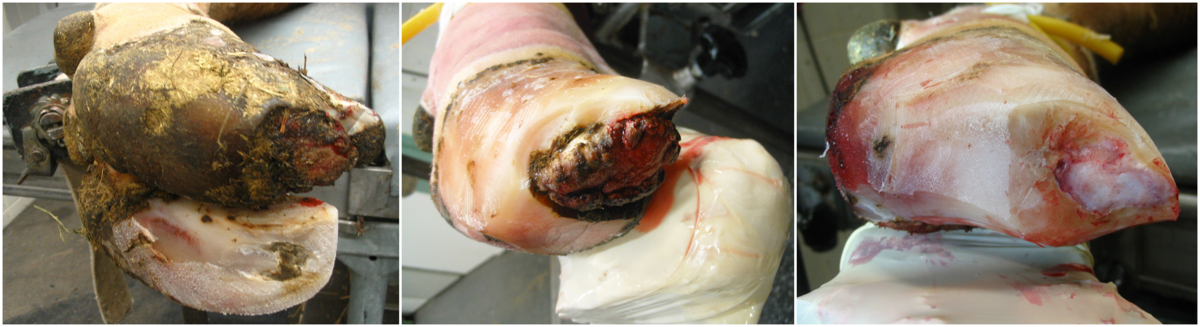
Side note: DD-infected plantar ulcer
DD-infected sole tip ulcers are hoof diseases that require urgent veterinary attention. However, this section aims to briefly illustrate, with the aid of images, just how successful surgery can be for farmers and hoof trimmers. Through collaboration with the vet, prolonged pain, suffering and damage to the animals – and in some cases premature culling – can be avoided. In many cases, the hoof’s integrity is restored, as is the animal’s ability to walk.
This condition must be referred to a vet as soon as possible, who will then perform surgery. The chances of recovery after surgery are over 90%, provided the hoof joint is not yet affected. Proper aftercare, including follow-up checks by the vet, is mandatory. The following images illustrate these practical experiences.
Hoof bandages and pressure-relieving aids
If a hoof bandage or pressure-relieving aid is required as part of proper hoof care, this can be applied or taped in place by a hoof care professional.
Both measures can lead to secondary problems if not carried out correctly, e.g. the bandage cutting into the hoof or the development of an ulcer under the pressure relief aid. Care must therefore be taken to ensure correct execution. It is also important that the animals are checked daily following hoof care. In the event of abnormalities, such as worsening lameness, the measures taken must be reversed immediately, e.g. the block must be removed if it causes pressure pain. Action is also required if the treated animal loses the pressure relief pad or the bandage prematurely.
To provide as detailed guidance as possible on how to apply a correct hoof bandage and attach a weight-bearing aid, the following instructions have been drawn up:
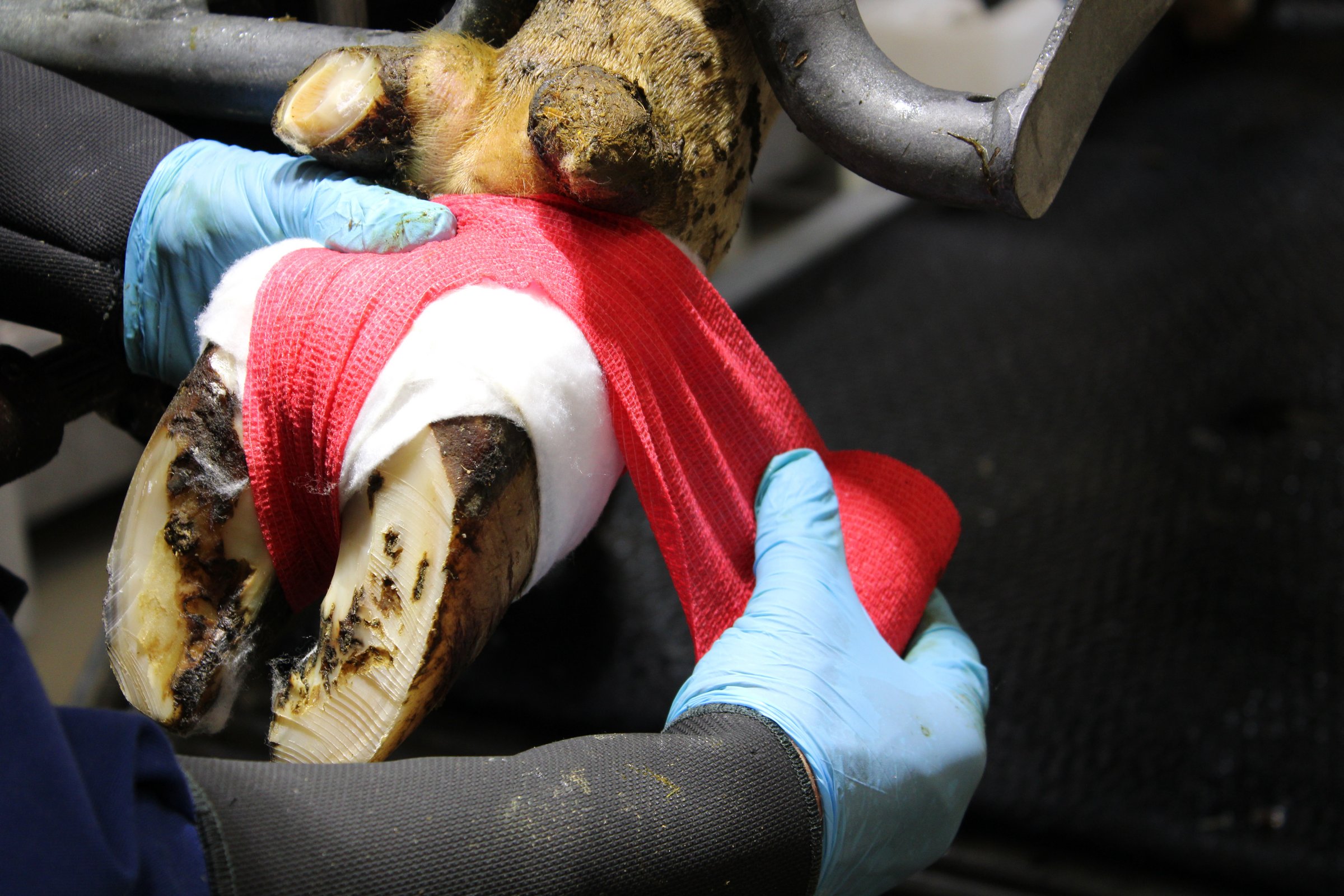
Hoof bandage
A hoof bandage is not necessary for every minor hoof horn lesion, but should be used, for example, to treat
- DD M2 stage with local medication
- superficial defects in the hoof wall that have become secondarily infected with DD
- and always following surgery
. Follow-up checks and removal (listed below) must be ensured, and the animal should not walk through the hoof bath whilst wearing the dressing.
Pre-cleaning, disinfection and drying of the lesion and the surrounding tissue are strongly recommended. It is also advisable to apply a hoof bandage even in cases of defects affecting deeper structures, until the animal is seen by a vet. This serves merely a protective and supportive function and does not constitute treatment.
Instructions for the correct application of a hoof bandage to treat digital dermatitis
Instructions for correctly applying a hoof bandage alongside a pressure-relieving aid
Follow-up and removal
How long a protective bandage remains necessary depends on the type, extent and healing progress of the hoof horn defect or DD lesion. The bandage must generally be changed after three to five days. Special bandages, e.g. those using polyurethane film as a wound dressing, may and must remain on the animal for longer (at least two weeks). However, their application requires additional knowledge and skills to ensure success. In exceptional cases where healing takes longer, a weekly change may suffice until complete healing is achieved, in consultation with the attending vet. In all cases, the responsible carer must check the fit daily.
Complete cast padding
In some cases, a complete cast-padding bandage is wrapped around the foot (e.g. when stabled in a straw-bedded stable). This must be sufficiently thickly padded and remains in place for two to three weeks. The bandage should be checked after one week. Wire or tin snips or an angle grinder are suitable for removal.
Relief aids
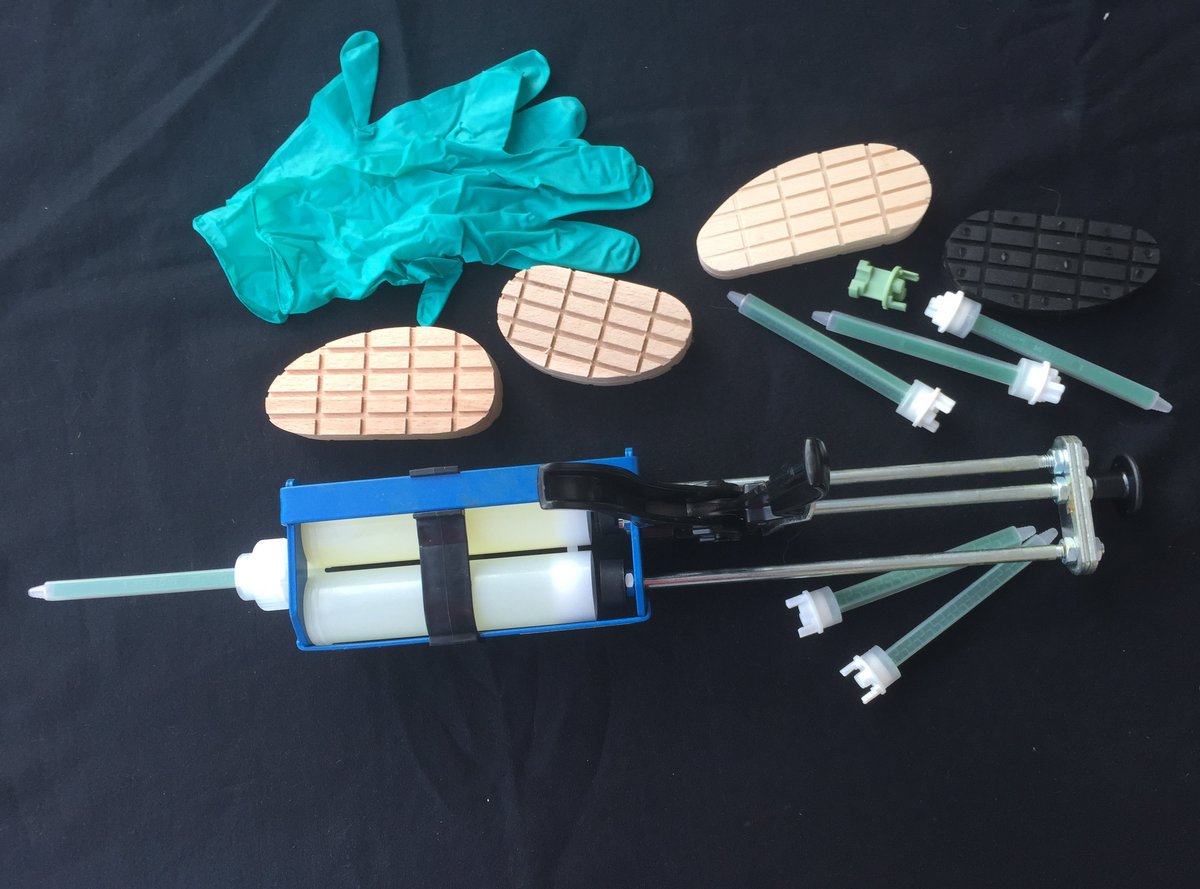
Offloading aids are used when the affected hoof cannot be naturally offloaded by the opposing hoof. They serve as an artificial elevation to relieve pressure on the hoof with the defect. This ensures that healing proceeds with as little disruption as possible, as no constant pressure is exerted on the corium and the underlying structures. Various types are available (wood, plastic, rubber). The use of different systems has advantages and disadvantages. Details and specialist information on the relief systems available on the market can be obtained from the manufacturers and professional practitioners.
This article and the instructions aim to cover generally applicable principles for the use of relief aids. Among other things, it is extremely important to find the correct size of ‘block’ for the hoof. As is frequently the case in hoof care practice, hardwood blocks are used in the following images. For a pressure relief aid intended for a young heifer or another breed (e.g. Jersey), the aid does not necessarily have to be 13 cm long, as specified in the instructions. What is important here is that the block protrudes 1 cm from the tip of the hoof, extending backwards over the sole.
Fundamentally, the conditions must be in place to achieve the aim of providing relief: the flooring in the barn must be designed so that the relief aid does not sink. This means that relief does not work sufficiently on straw, but only on a hard surface. Nevertheless, housing on straw with a weight-relief aid can be beneficial, e.g. for severely lame animals that lie down a lot and have to walk to the milking parlour twice a day.
The partner hoof must be healthy and weight-bearing (i.e. not too thin = at least 5 mm thick sole) for the block, as it will bear more weight for some time. Furthermore, if a pain reaction is detected during the pressure sensitivity test using hoof testing pliers or if a defect is identified, no pressure relief aid should be applied. In this case, an alternative method should be used (e.g. a thick padded bandage).
Instructions for bonding a relief aid for mixing cannulas using polyurethane adhesive
Instructions for bonding a pressure relief aid using mixed two-component adhesive
Check immediately after bonding
Immediately after the adhesive has set, the correct fit of the relief aid should be checked. This can already be observed in the hoof trimming stand when the foot is placed down and the resulting load is applied. The correct fit should also be checked whilst the horse is walking. If the relief aid is not fitted correctly, it must be removed immediately. This can be identified by incorrect weight distribution on the foot or by lameness. Problems may arise due to adhesive residue in the interdigital space, incorrect fit, or a block that is too short and does not extend far enough into the ball of the foot.
Aftercare and removal
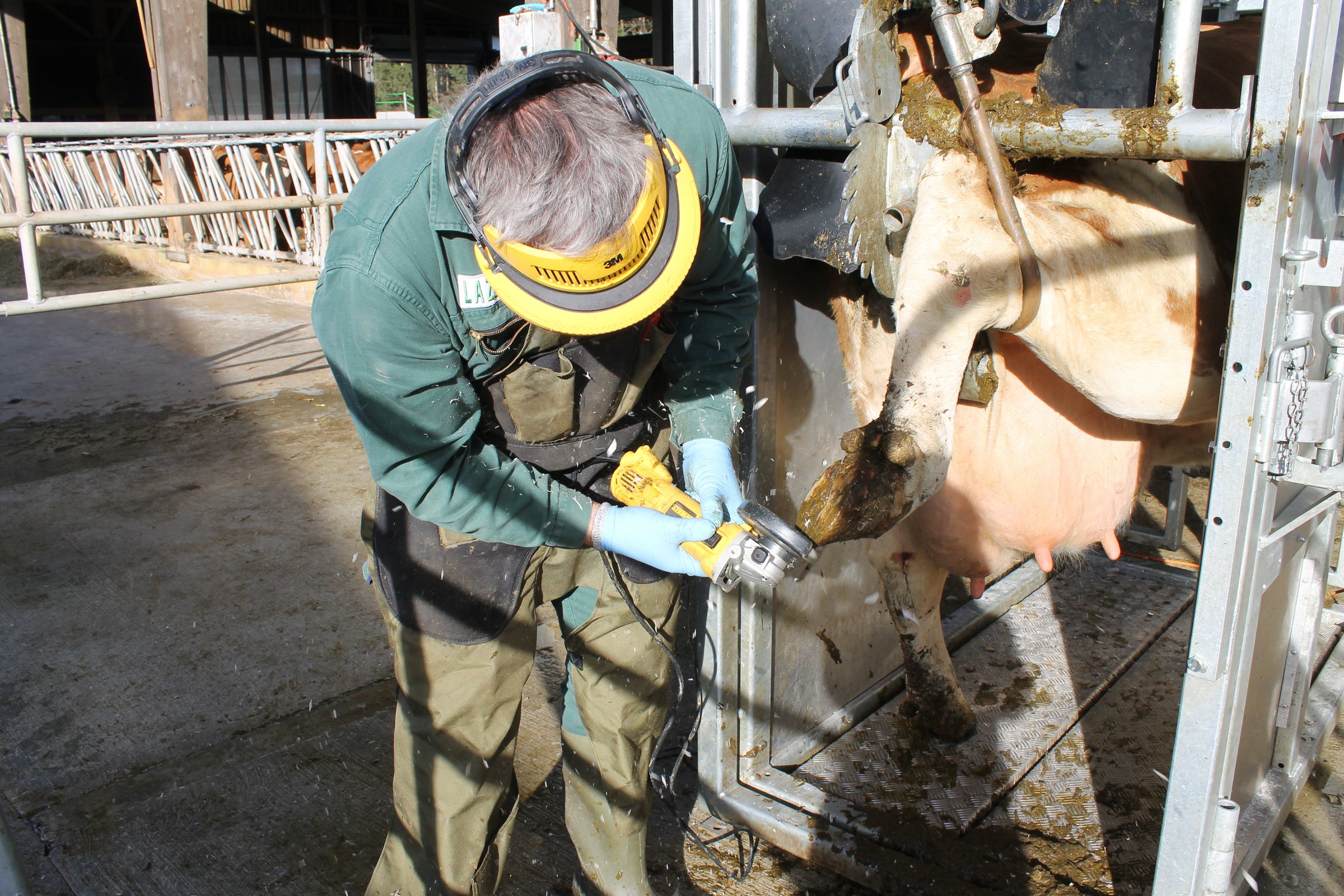
If renewed or increased lameness is observed in the limb with the relief aid in place, it must be checked immediately in the hoof trimming stand and removed. Here too, comprehensive documentation is essential. The relief aid should be removed or, if necessary, replaced after three to four weeks at the latest. For removal, we recommend using an abrasive disc on an angle grinder and a pair of pliers to pull it off.
Documentation
Once lesions and superficial defects in the hoof have been treated, the following should be documented:
- Date
- Number and identity of cattle
- Findings (e.g. according to the ICAR Atlas)
- Treatment: What measures were taken (dressing, support)?
- Measures for monitoring and, if necessary, referral to a vet
- Follow-up appointment for re-examination, dressing change, check of the support device
If medication is used, additionally:
- Exact name and quantity of the medication
- Applicable withdrawal periods for milk and meat in days
- Name of the user and, where applicable, location of the animals
For full details regarding the use of medication, please refer to the “Livestock Register Regulation” (THAMNV) or enquire with the relevant control authority.
Following treatment, lameness checks should be carried out and documented closely to monitor the healing process until the animal is discharged. During the next lameness check, care should be taken to observe whether the animal shows changes in its gait or has developed a new condition. Documentation using images in herd management programmes helps both beginners and specialist staff to assess the progress of healing and to respond as necessary by consulting a vet.
Recovery Bay
In cases of severe lameness, where the animal can no longer hold its own within the herd or is unable to make the journey to the feed trough regularly, it must be moved to a recovery pen and given more intensive care. Regular checks on the animal are essential. Hoof care may need to be adapted to the new housing environment (as described above).
Conclusion
Prompt treatment of superficial hoof horn defects and digital dermatitis lesions leads to faster healing and prevents prolonged pain in the animal. The hoof care practitioner can take steps themselves to help the lame animal. Regular consultation with the vet is essential for this. If the same problems recur regularly, it is essential to investigate the cause.
Bibliography
-
Act on the Marketing of Veterinary Medicinal Products and on the Implementation of EU Regulations Concerning Veterinary Medicinal Products1 (Veterinary Medicines Act – TAMG). Veterinary Medicines Act of 27 September 2021 (Federal Law Gazette I p. 4530), last amended by Article 1 of the Ordinance of 14 March 2024 (Federal Law Gazette 2024 I No. 97). www.gesetze-im-internet.de/tamg/__50.html (accessed on 10 March 2025)
-
Reßler, H. Höchstädter Bullenbote – Hoof care. Correct use of blocks and bandages. www.klauenpflege.de/site/assets/files/1603/vorab_bullenbote_klauenpflege_seiten.pdf (accessed on 10 March 2025)
-
Kofler, J. (2015; revised 2024). Lecture notes – Orthopaedic diseases & orthopaedic surgery in ruminants. Vetmeduni Vienna.
-
Kofler, J. (2011). Monitoring of hoof health in dairy herds and functional hoof care. 4th Veterinary Conference. Teaching and Research Centre for Agriculture, Raumberg-Gumpenstein.
-
Kofler, J. & Pesenhofer, R. (2021). When to apply which pad? In: Fleckvieh Austria Magazine 6.
-
Kofler, J., & Altenbrunner-Martinek, B. (2022). Quality assurance in the treatment of hoof and toe diseases in cattle – presentation of standard procedures to achieve better therapeutic outcomes and reduce the use of antibiotics. Vienna. Tierarztl. Monat–Vet Med Austria, 109.
-
Kofler, J., Suntinger, M., Mayerhofer, M., Linke, K., Maurer, L., Hund, A., Fiedler, A., Duda, J. & Egger-Danner, C. (2022). Benchmarking based on regularly recorded claw health data of Austrian dairy cattle for implementation in the Cattle Data Network (RDV). Animals, 12(7), 808.
-
LFI Austria (ed.) (2021). Hoof health under control – with a systematic and forward-looking approach – A practical guide; www.lko.at/tiergesundheit-klauengesundheit-im-griff-mit-system-und-voraussicht+2400+3492182 (accessed on 10 March 2025)
-
Sekul, W. (2010). Functional Hoof Care – Preventing Hoof Damage with a Systematic Approach.
-
Working Group on Hoof Diseases of the Cattle Health Services in Germany (2018). Information sheet on the use of bandages on the hoof
-
Meis, C. (2023). Hoof blocks: What matters. In: Milchpraxis 4/2023 (57th year).
-
Agricultural Centre for Cattle Farming, Grassland Management, Dairy Farming, Game and Fisheries Baden-Württemberg (LAZBW) (2020). Support aids – A short guide to blocks & co.
-
Regulation on examinations for the recognised further training qualifications of Certified Hoof Trimmer and Certified Female Hoof Trimmer, as well as Specialist in Hoof Care and Specialist Female in Hoof Care. Hoof Care Examination Regulation – KlauenPflPrV of 7 February 2011 (Federal Law Gazette I p. 232). www.gesetze-im-internet.de/klauenpflprv/index.html (accessed on 10 March 2025)
-
Regulation on the record-keeping obligations of livestock keepers regarding medicinal products intended for use in animals (Livestock Keepers’ Medicinal Product Use and Record-keeping Regulation). Livestock Keepers’ Medicinal Product Use and Record-keeping Regulation of 17 July 2015 (Federal Law Gazette I, pp. 1380, 1382). www.gesetze-im-internet.de/thamnv/BJNR138200015.html (accessed on 10 March 2025)