
InnoRind
Sustainable cattle farming in Germany, taking into account animal welfare, environmental impacts and social acceptance
InnoRind is a nationwide innovation network that brings together scientific institutions and agricultural practices to further develop cattle farming in Germany in a sustainable manner. Its aim is to pool the expertise available in the country in the field of livestock farming and to establish a cattle farming network that draws on the expertise of the project participants to develop innovative approaches for sustainable cattle farming in Germany.
The joint project aims to pool the expertise available in the country in the field of livestock farming and to establish a network for cattle farming that utilises the expertise of the project participants to develop innovative approaches for sustainable cattle farming in Germany. These approaches are intended to improve animal welfare and reduce negative environmental impacts, while also incorporating the labour management situation of agricultural businesses and consumer preferences into sustainable concepts. The solutions resulting from InnoRind should also take into account the economic efficiency of the businesses. The network aims to take a comprehensive look at cattle farming and deals with the rearing of calves and young cattle as well as the rearing of beef and dairy cattle. The main topics of the planned innovation network include cow-bound calf rearing, the sales problems of purebred male calves, the transition period and the assessment of environmental impacts in dairy cattle housing.
The "InnoRind" project has a total of four working groups (WGs) dealing with various topics related to the future of cattle farming. In addition, all WGs work on so-called cross-cutting issues.
animal welfare planning
The website www.tierwohlplanung.de, developed as part of the project, offers a concise introduction to the preventive (management) concept, practical tips and a structured overview of available tools for animal welfare planning for dairy cows, calves and beef cattle. The guide developed as part of the project explains the concept in detail and provides background information and practical tips. It is available free of charge as a PDF on the website and is also available in print.
calf rearing
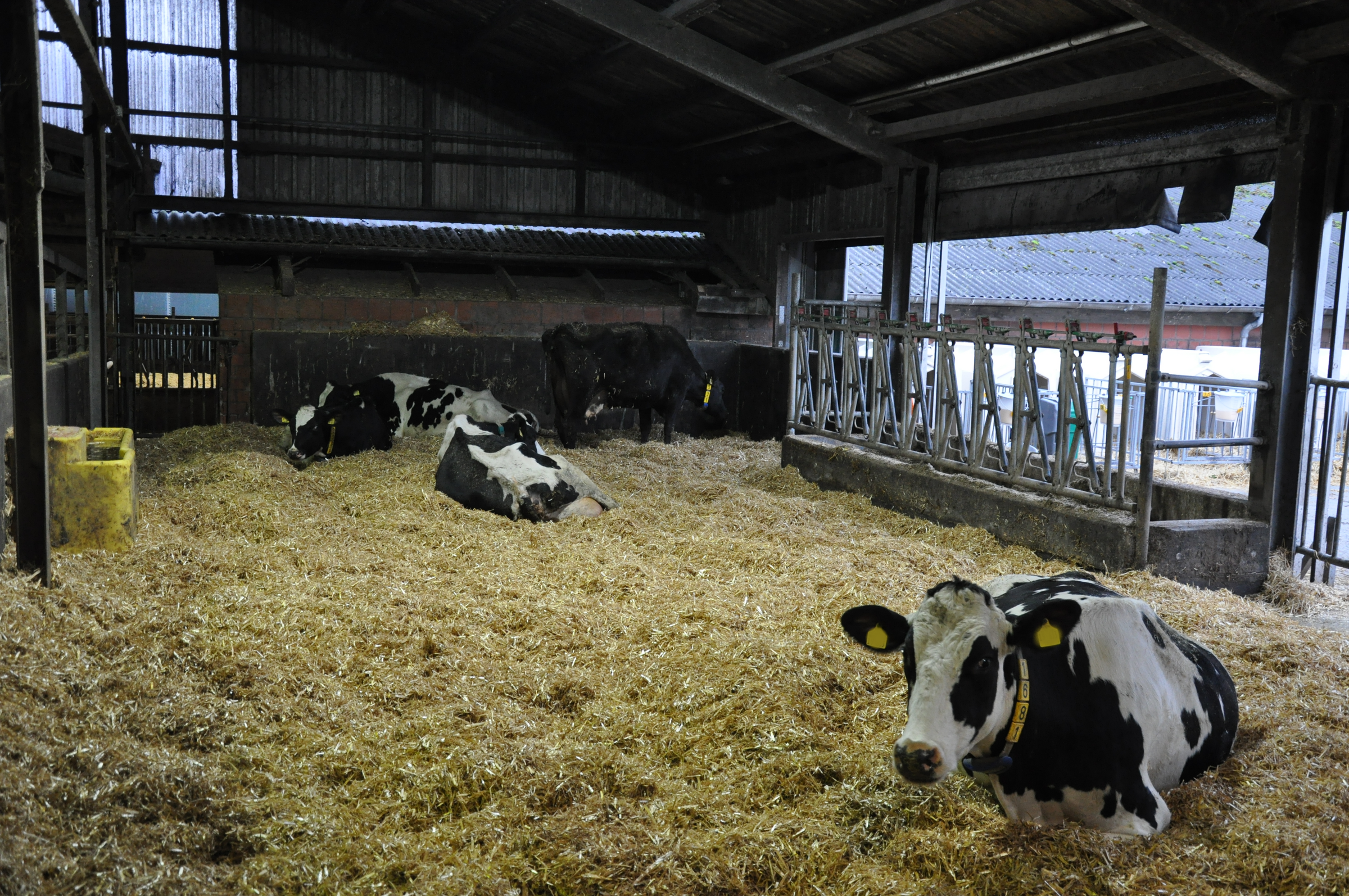
Early social contact can have a positive influence on the behaviour and adaptability of calves. The studies did not reveal any significant disadvantages for animal health or management. Against this background, early group housing appears to be a particularly viable compromise between social expectations and operational practice, while cow-bound systems offer prospects primarily in the specialised or market-oriented segment. Technical solutions such as smart gates can contribute to less stressful weaning in mother-bonded calf rearing.
dairy farming
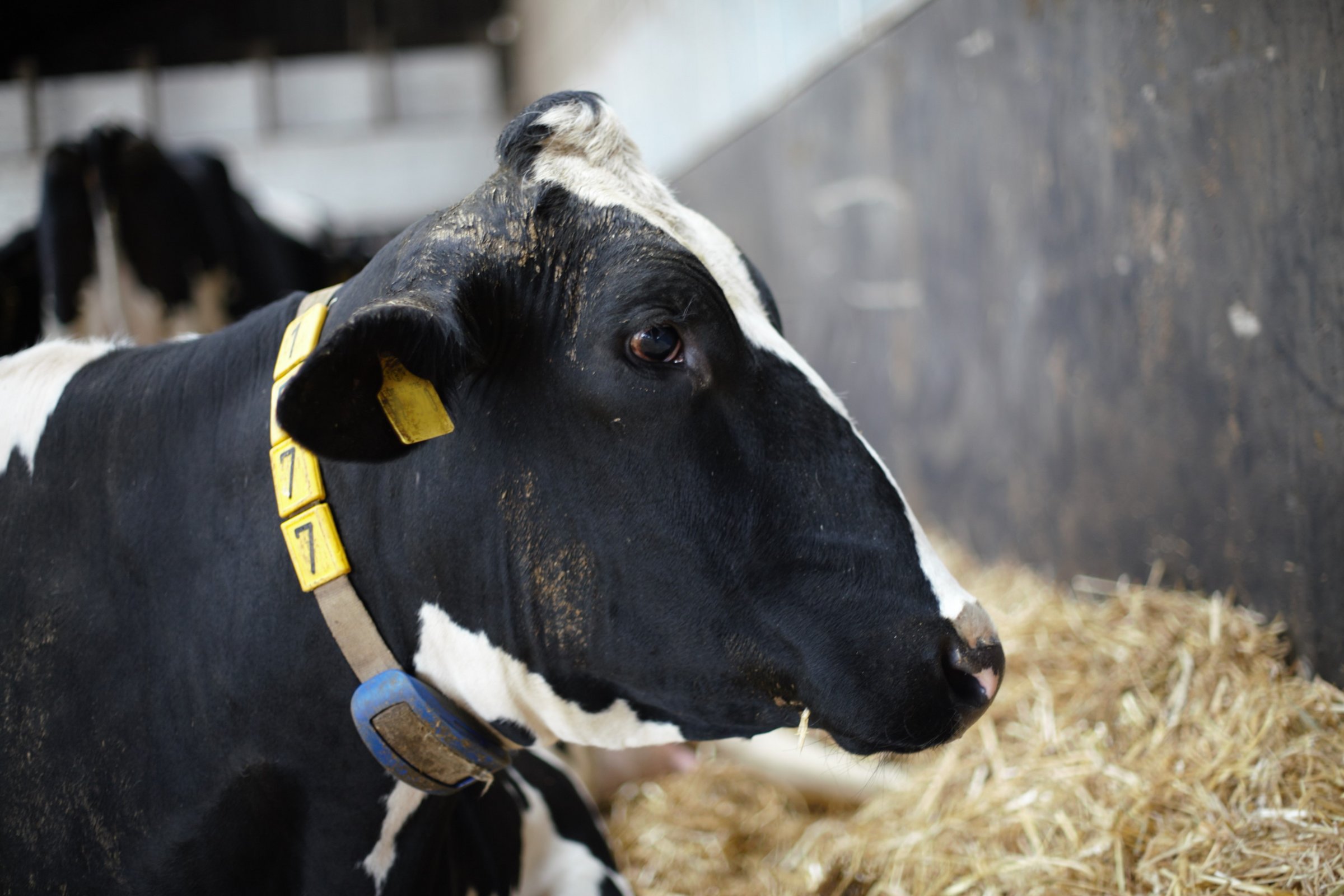
Optimised calving areas with separate pens offer calving cows the opportunity to withdraw from the group independently before calving. This corresponds to their natural behaviour and can have a positive effect on the calving process, as the calving cow is less disturbed by other cows and the calving process is physiologically supported. The use of the separate areas increased with higher stocking densities and with more space available in the retreat area. Cows that calved in the separate areas had a shorter calving duration, which could have a positive long-term effect on animal health and lactation performance.
beef cattle farming
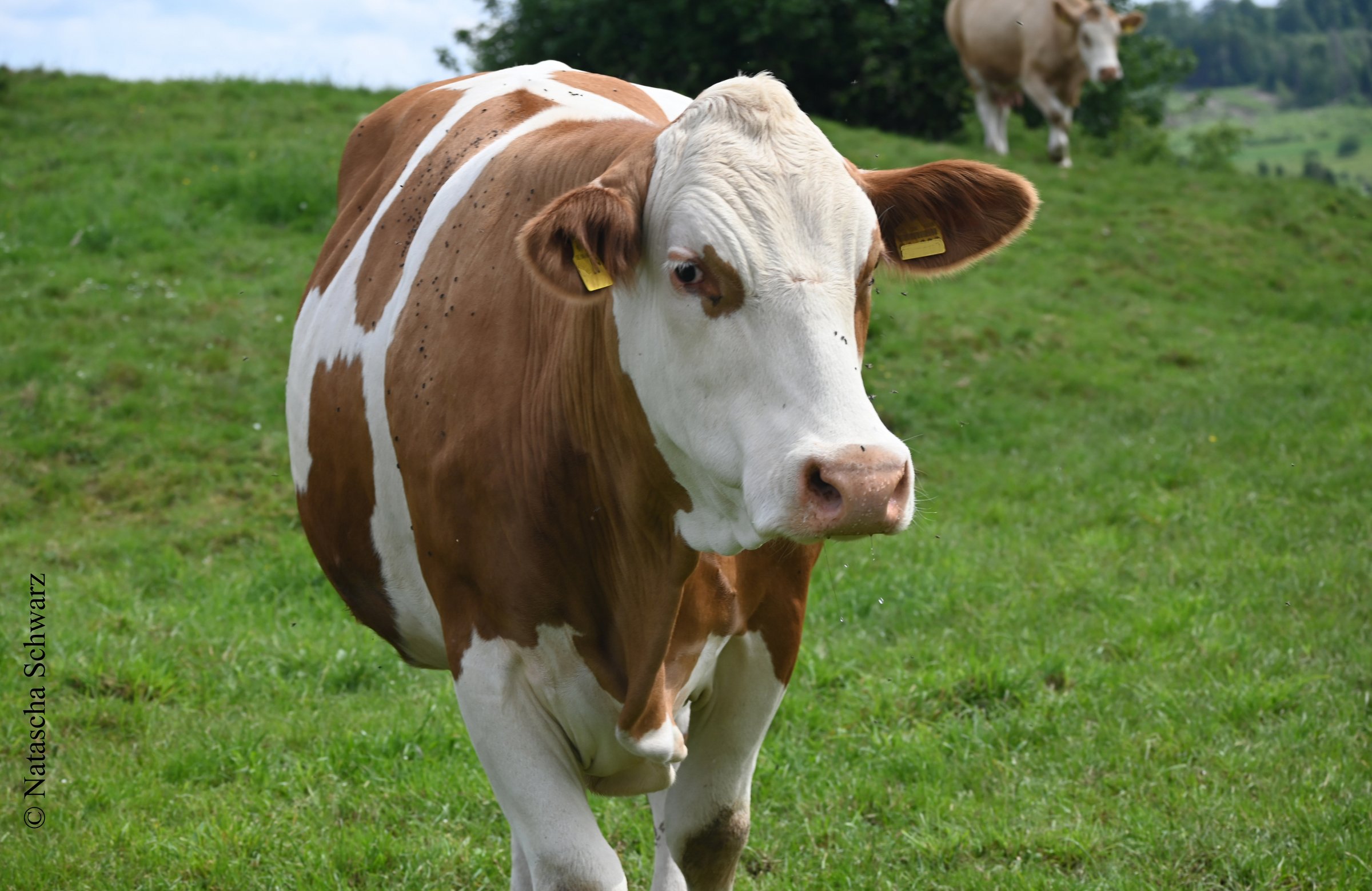
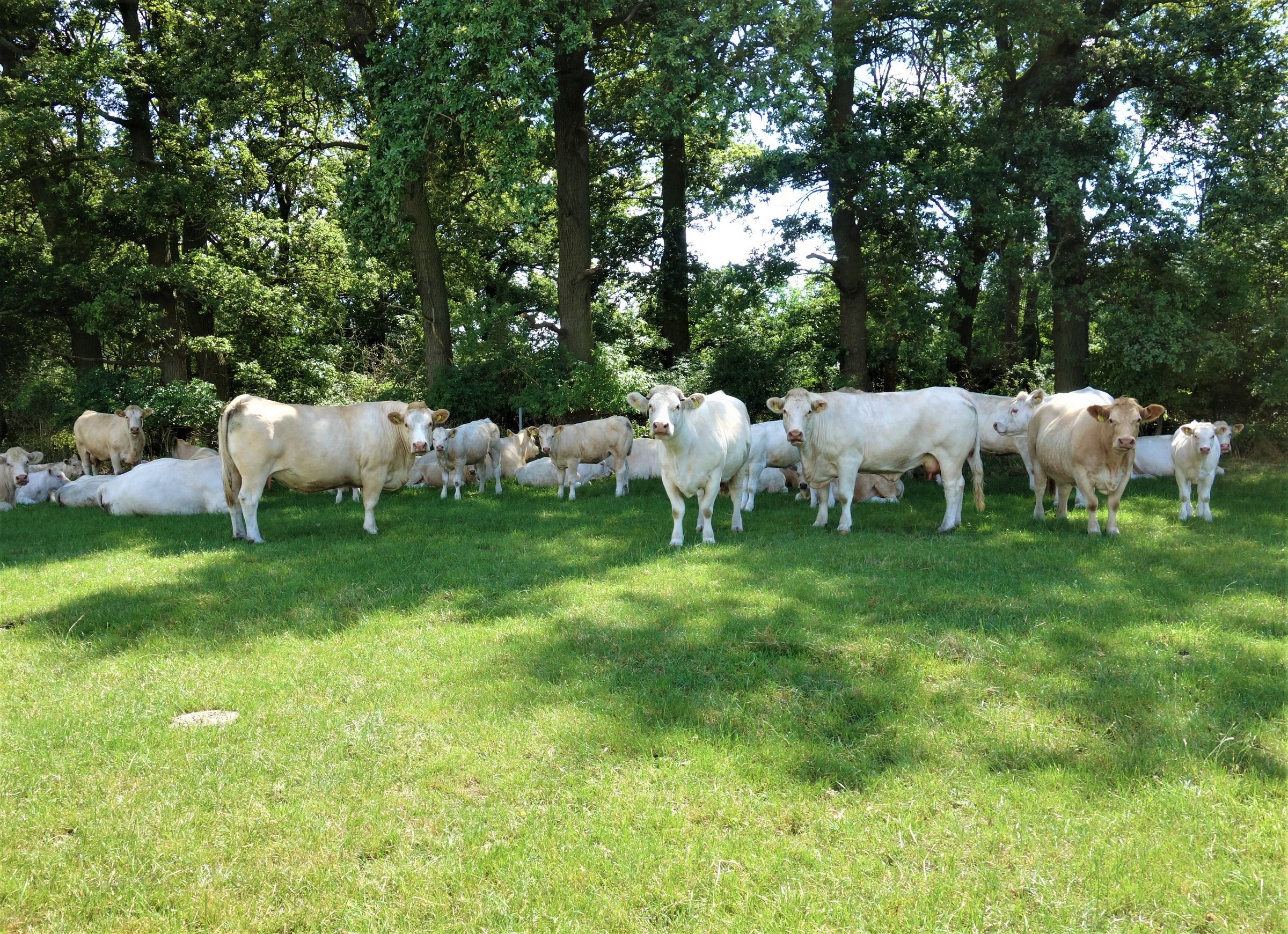
Animal welfare-oriented farming methods for beef cattle with access to pasture or outdoor climate stimuli are viewed positively by society and also have positive effects on animal health and behaviour. In contrast, barn-based systems, especially where land resources are limited, enable high fattening performance and good operational planning, but meet with significantly lower social acceptance.
Overall, InnoRind provides practical, scientifically sound concepts that support the restructuring of cattle farming towards greater animal welfare and sustainability.
The results of the InnoRind innovation network show that sustainable cattle farming in Germany is possible if animal welfare, environmental impacts, economic aspects and social acceptance are considered together.
The "Animal Welfare Planning" project is part of the InnoRind joint project. Funding is provided by the Federal Ministry of Agriculture, Food and Rural Affairs (BMLEH) on the basis of a resolution by the German Bundestag. The project is managed by the Federal Office for Agriculture and Food (BLE) as part of the federal livestock farming programme, funding code 28N304205.