
All articles on the topic
5 Min-Check
01 Breeding for hornlessness
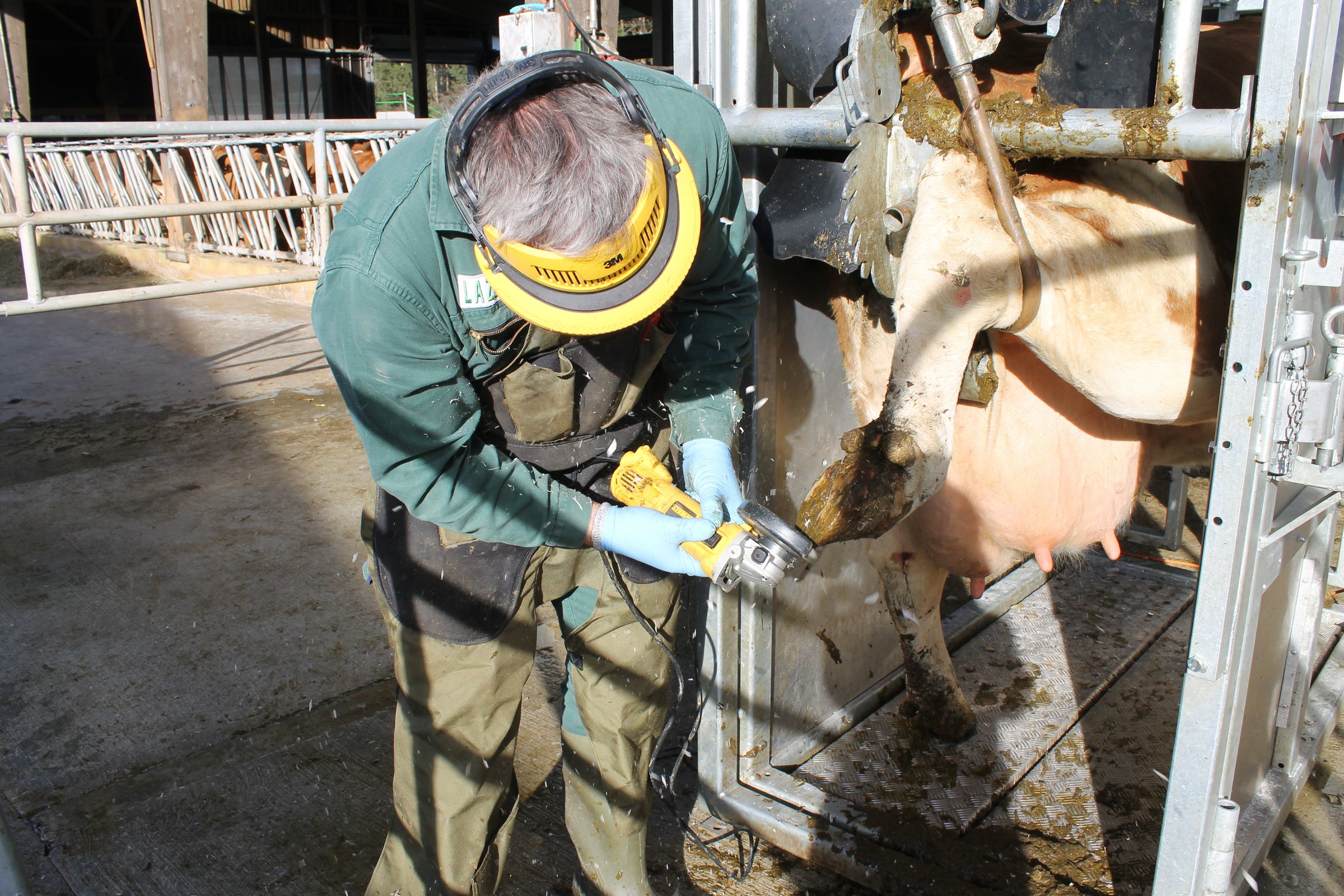
Hoof Care Checklists
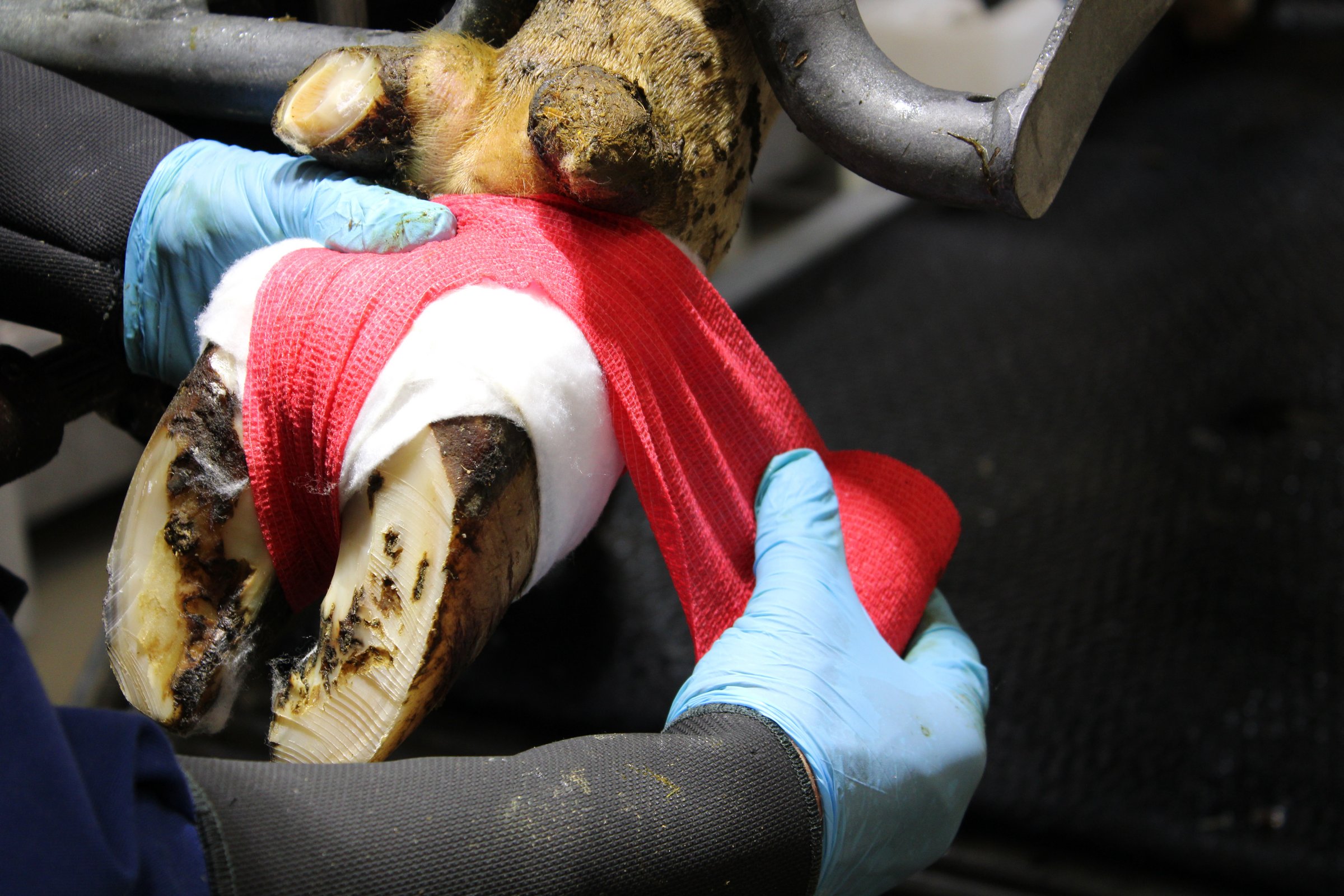
Professional treatment of lameness
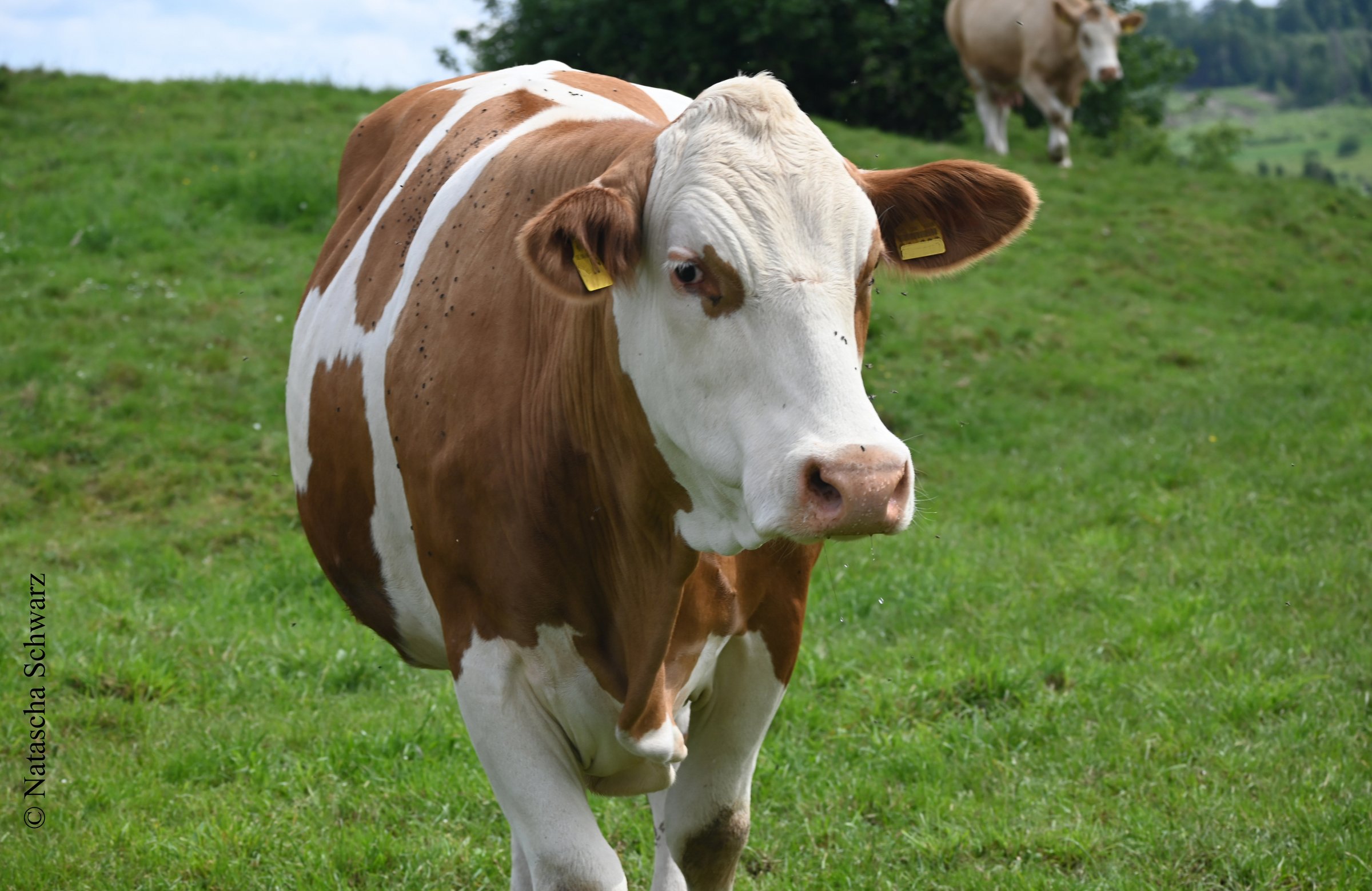
01 Fliegen und Gnitzen
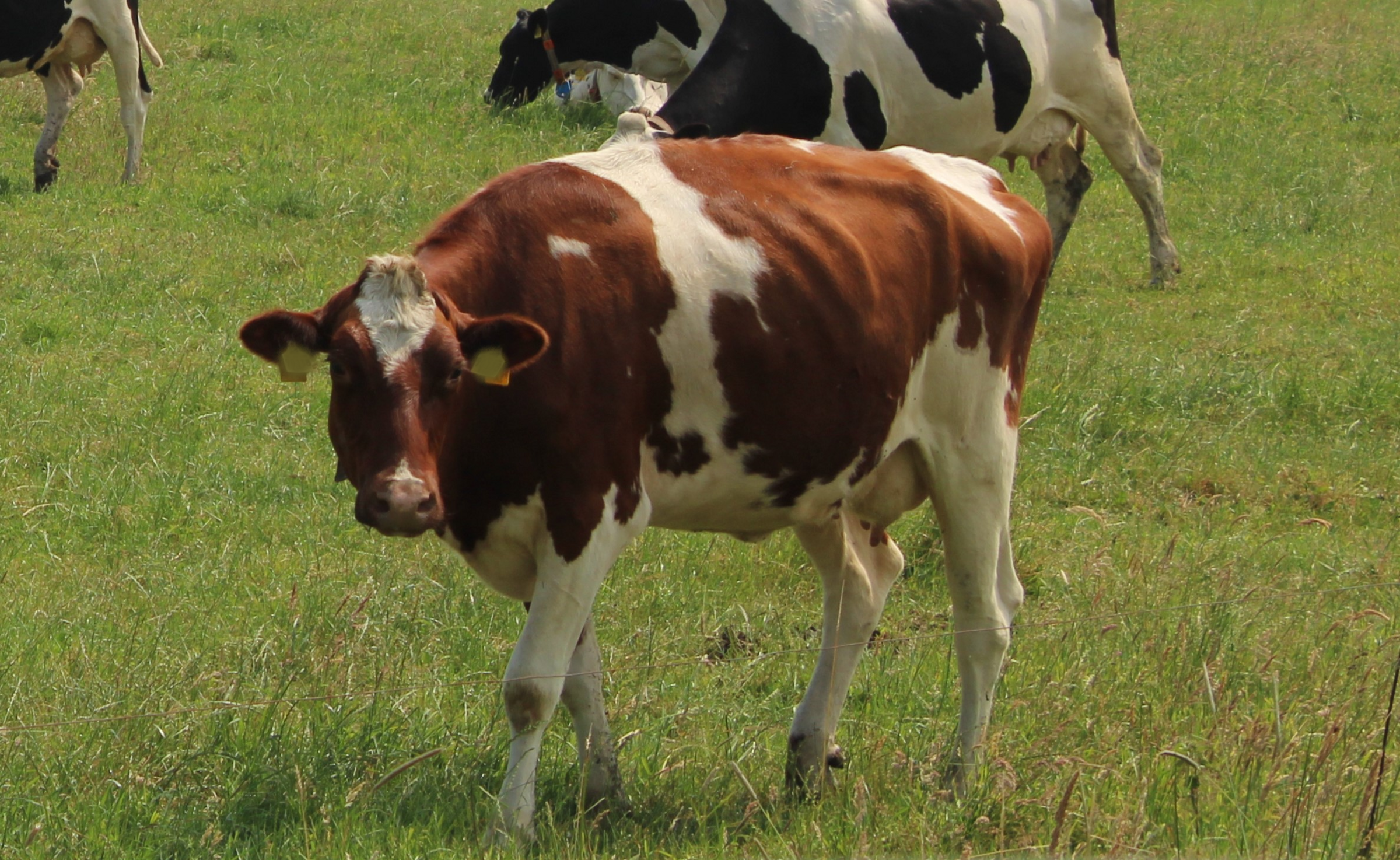
Early detection of lameness
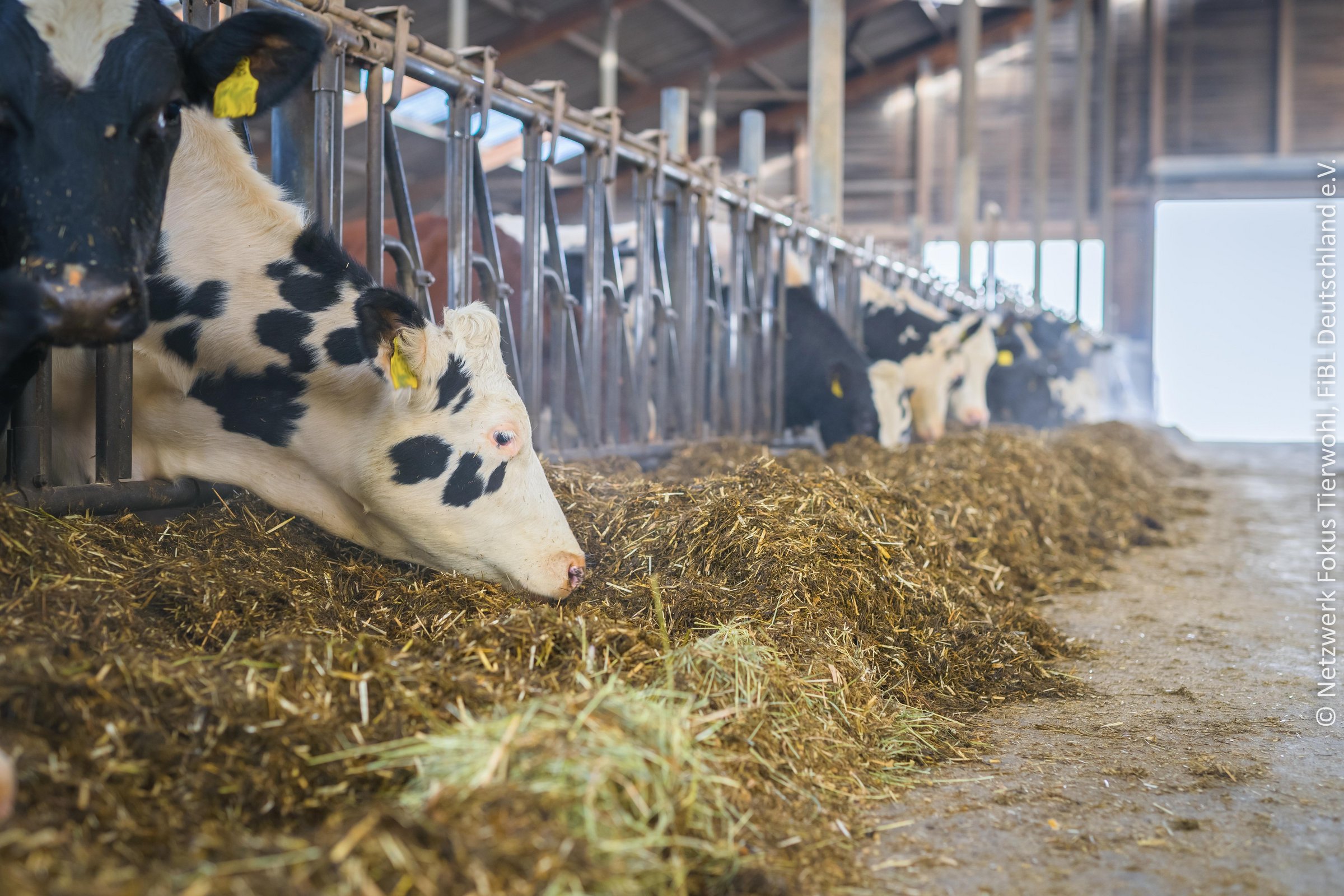
Health breeding values in Holstein cattle breeding
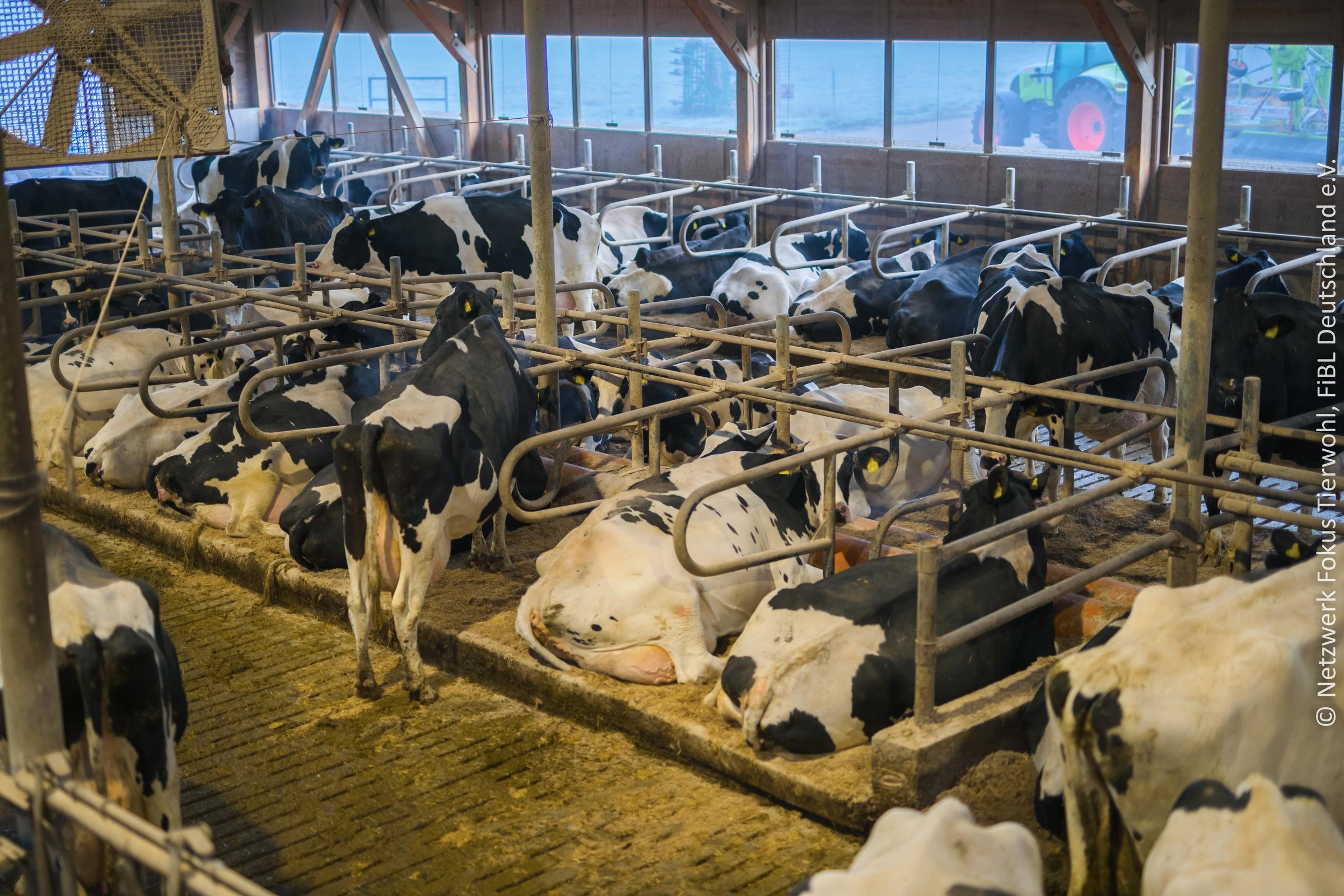
Heat stress in dairy cows
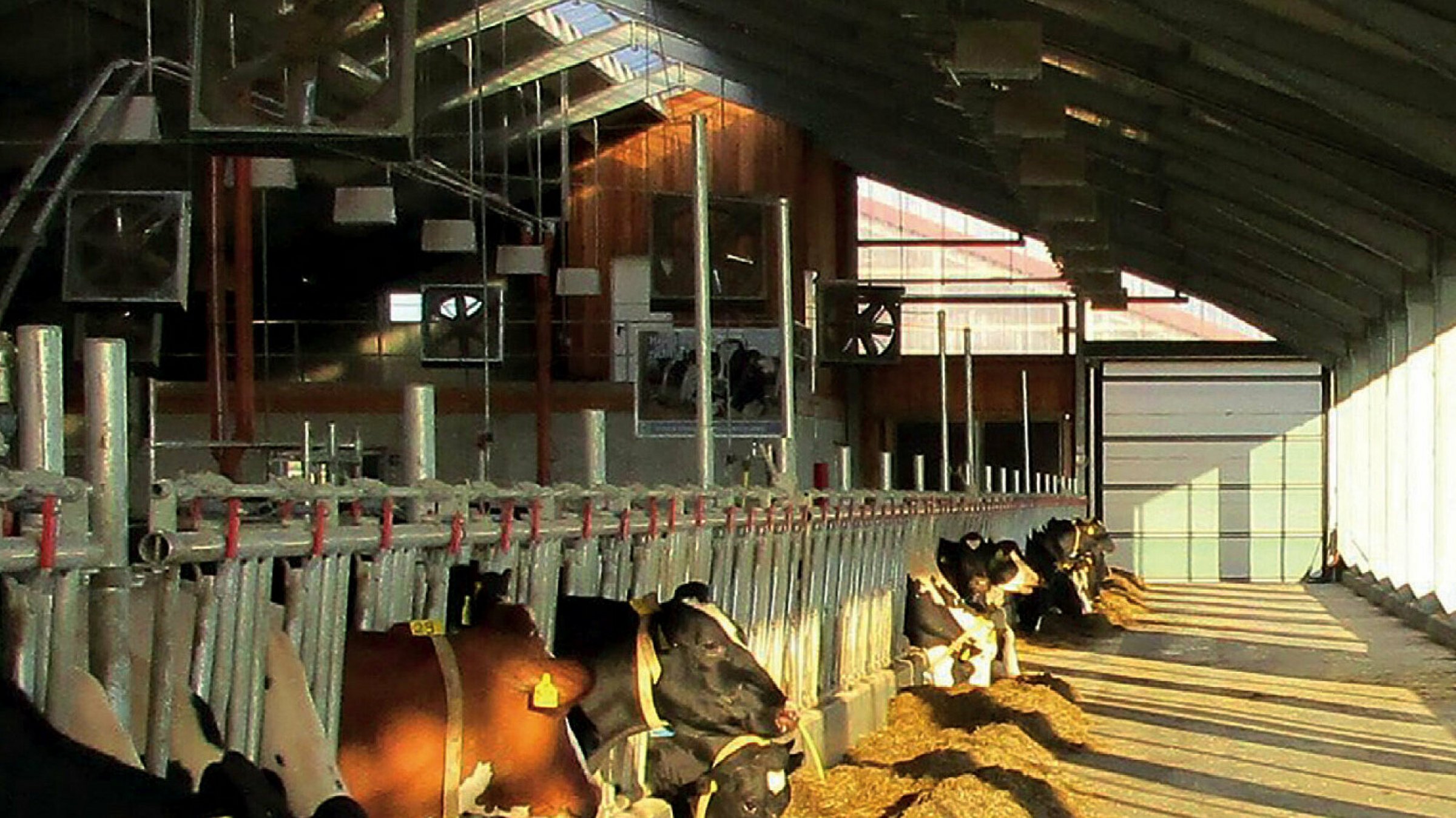
Hitzestress bei Milchkühen
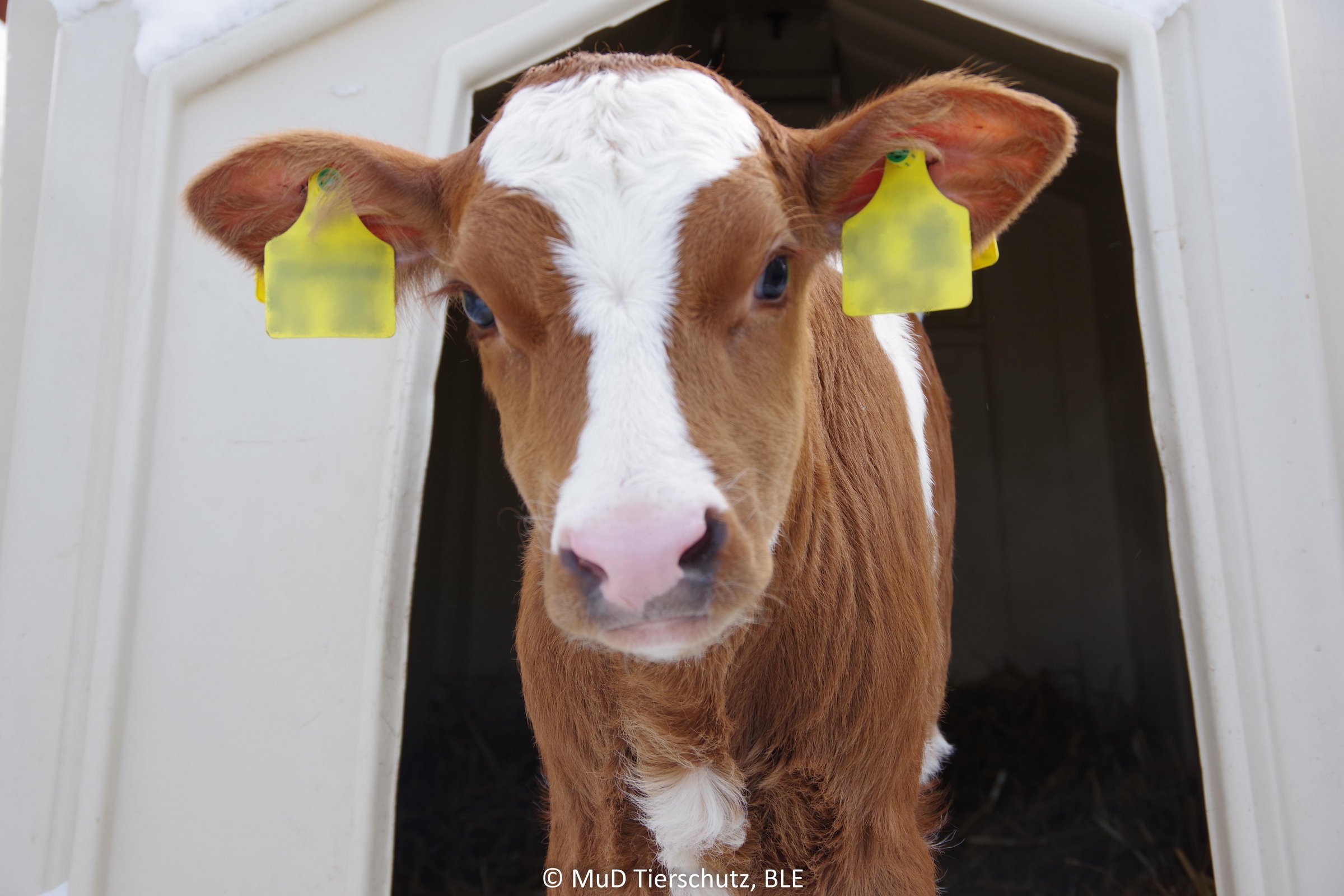
Hygiene in calf rearing
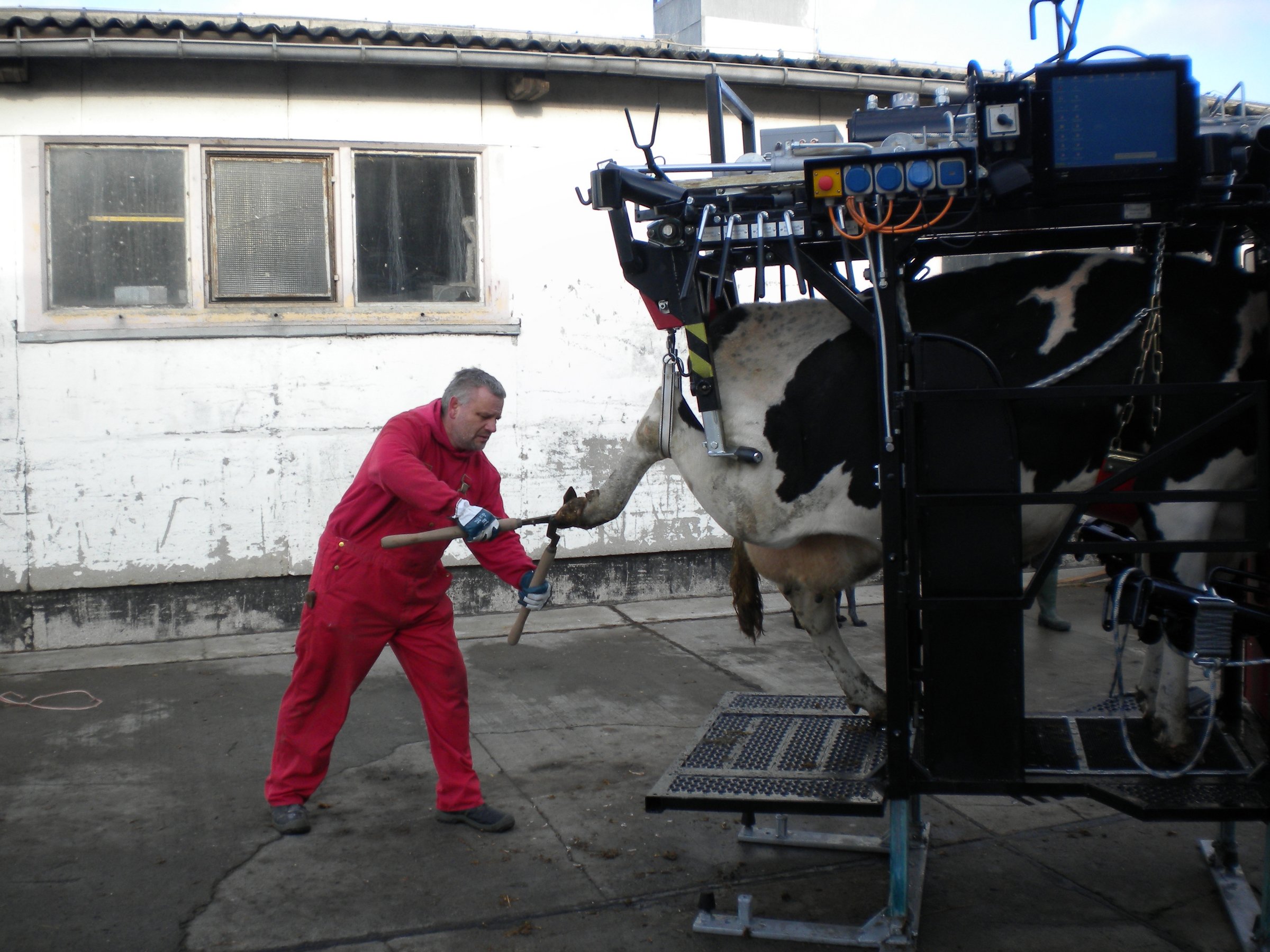
Hoof care: safety for animals and people
Hoof bandage
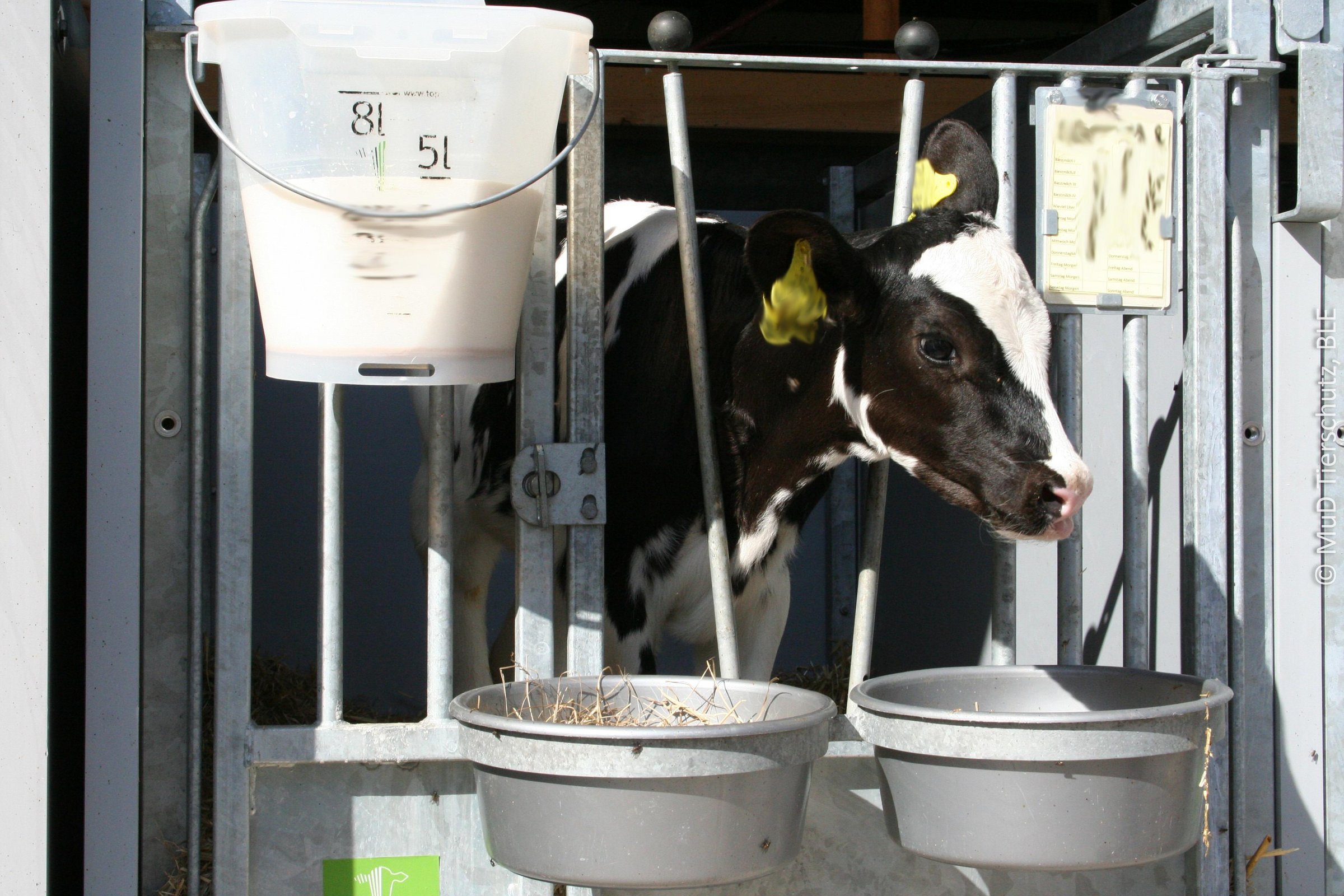
Feeding calves
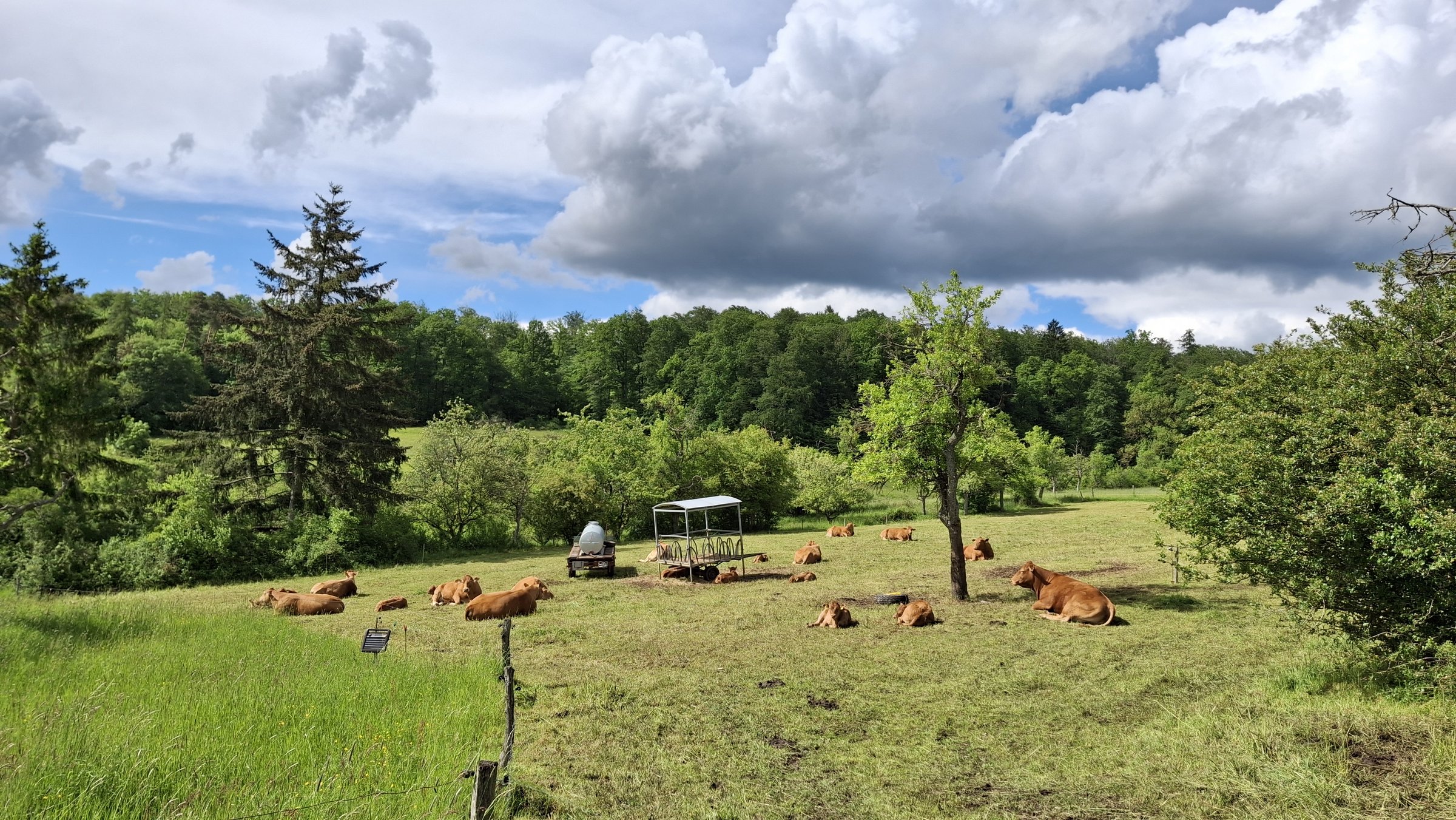
Suckler cow management in winter

Integration & Organisation der Klauenpflege
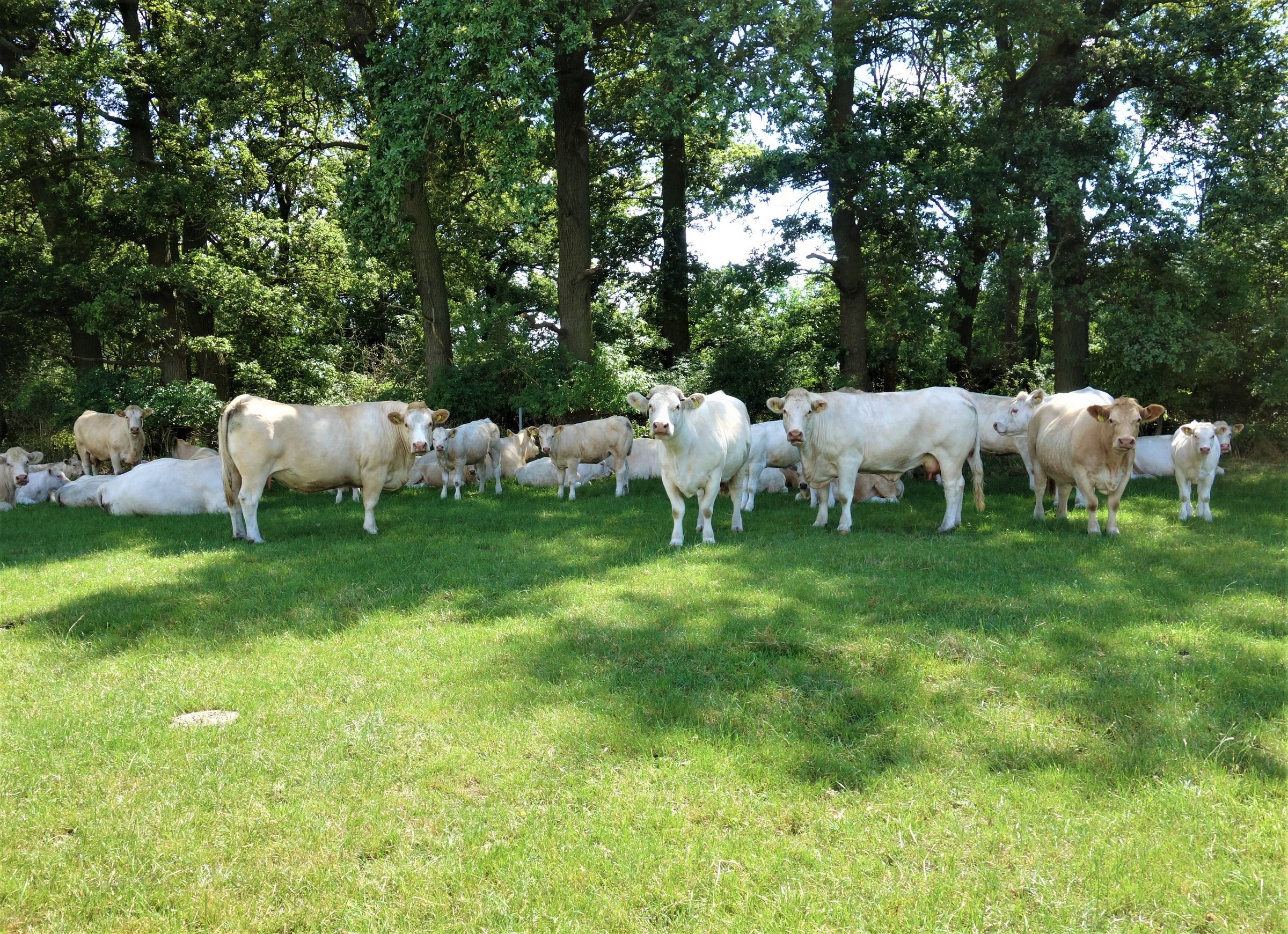
Parasite management
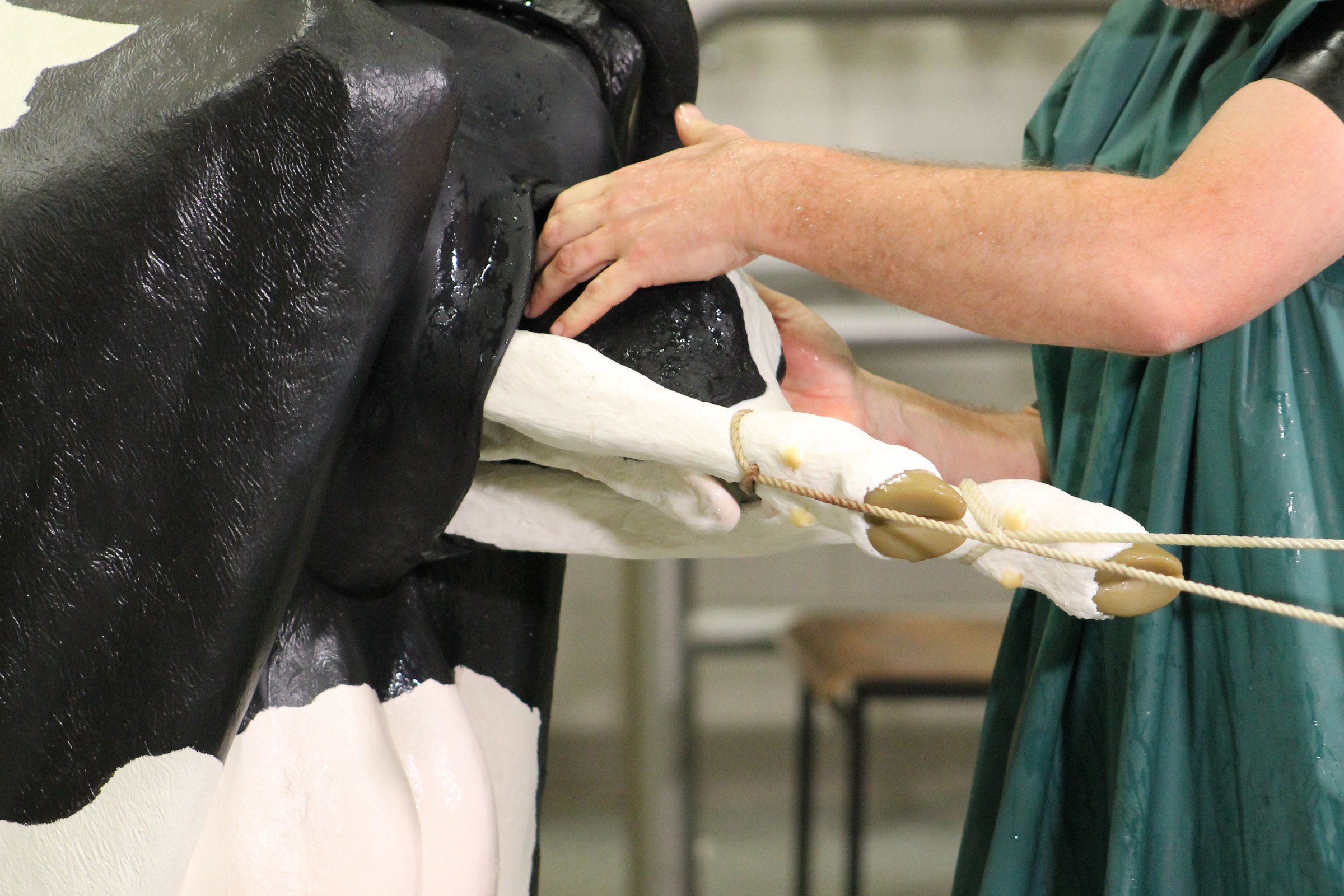
Everything you need to know about calving
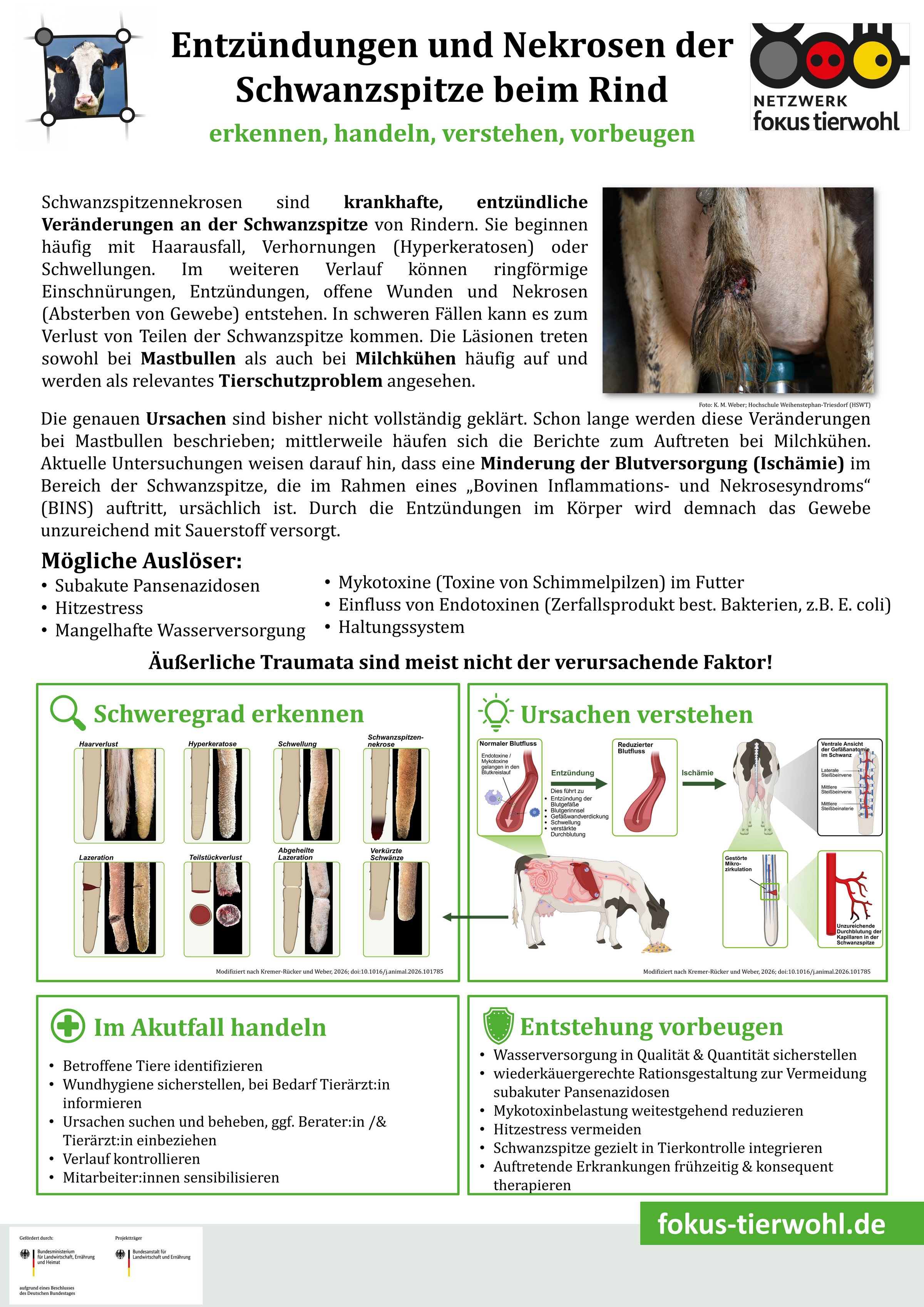
01 Schwanzspitzennekrosen beim Rind
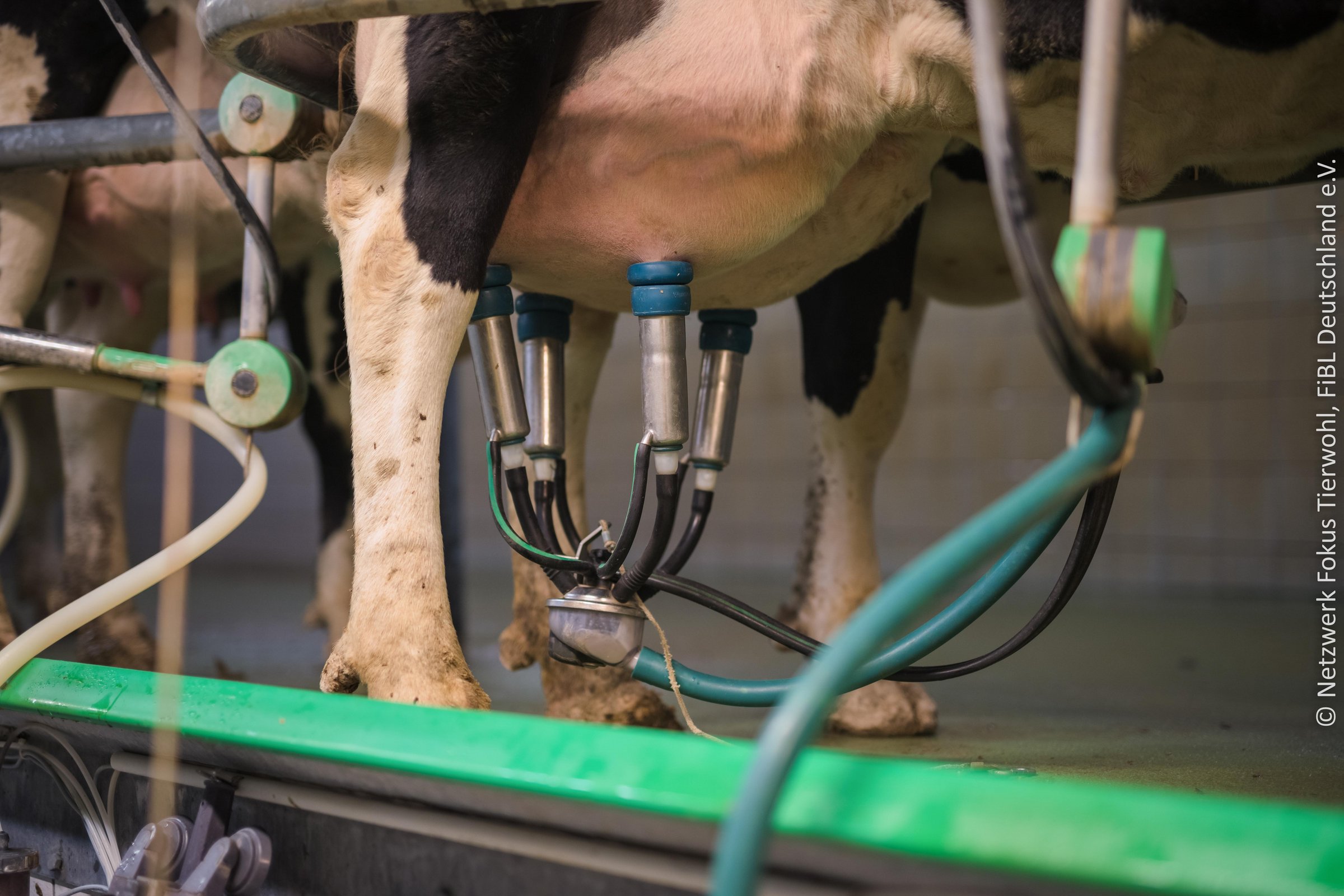
Selective drying off of dairy cattle
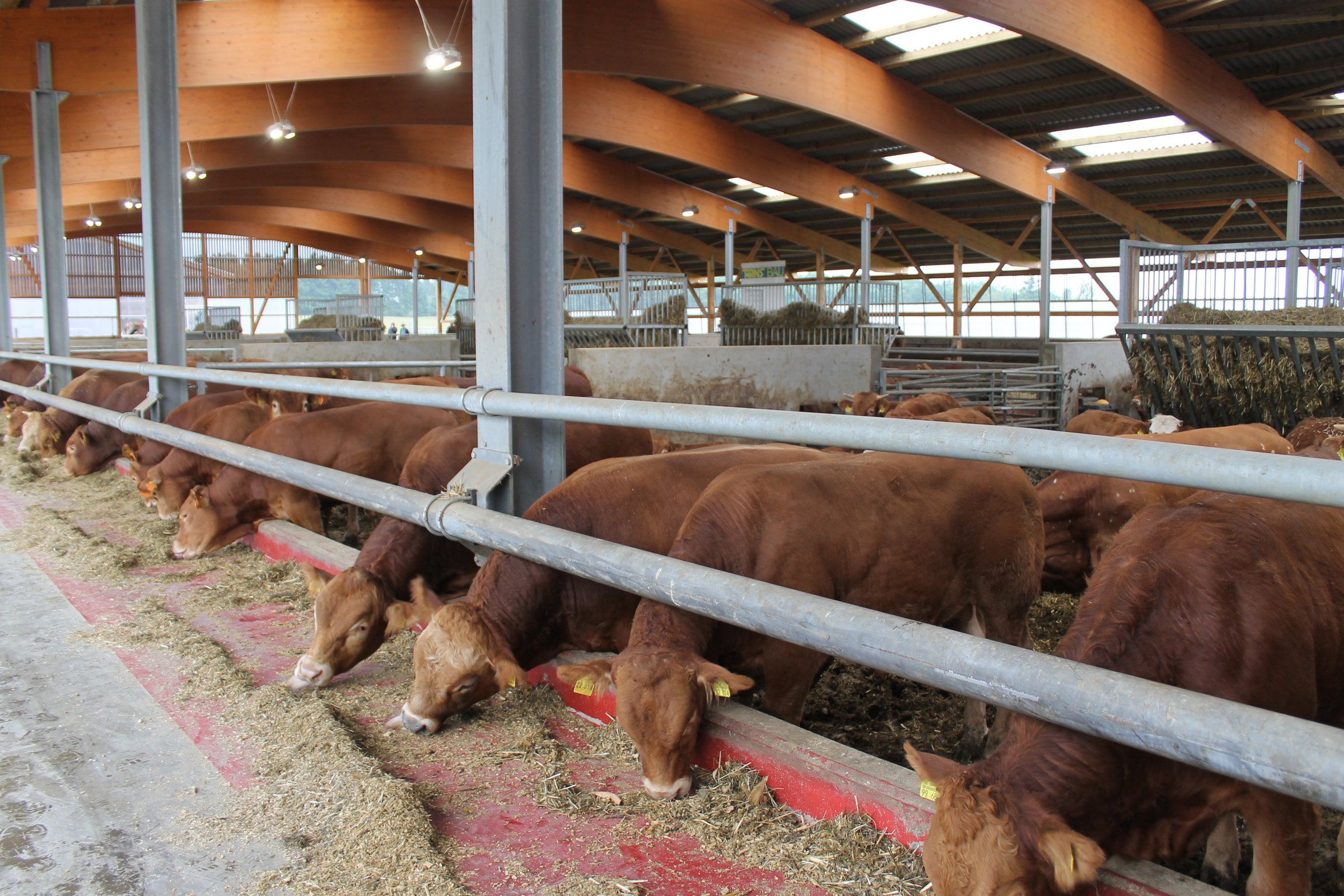
Structural feeding of breeding bulls
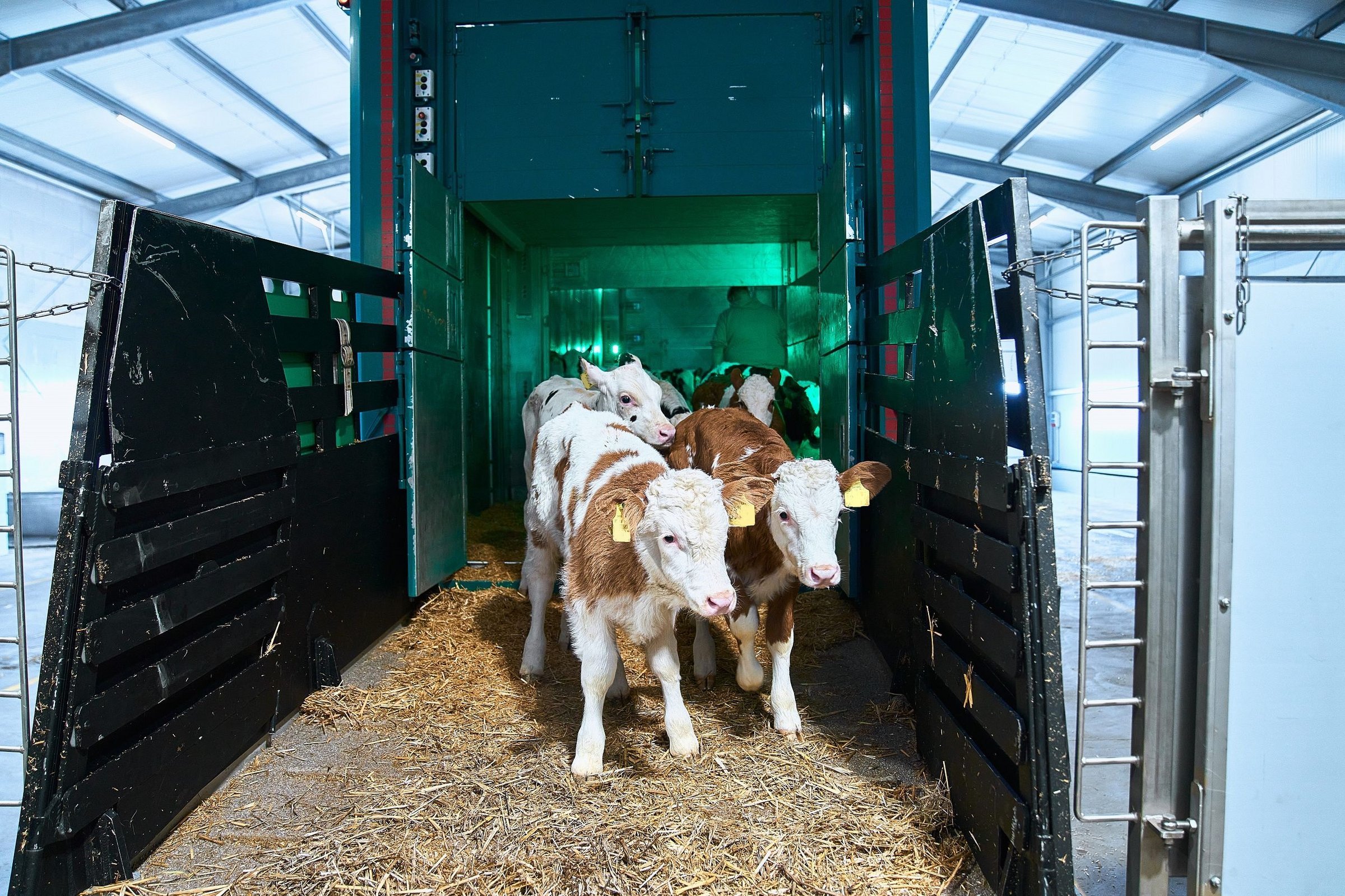
Animal transport
Managing heat stress in suckler cows
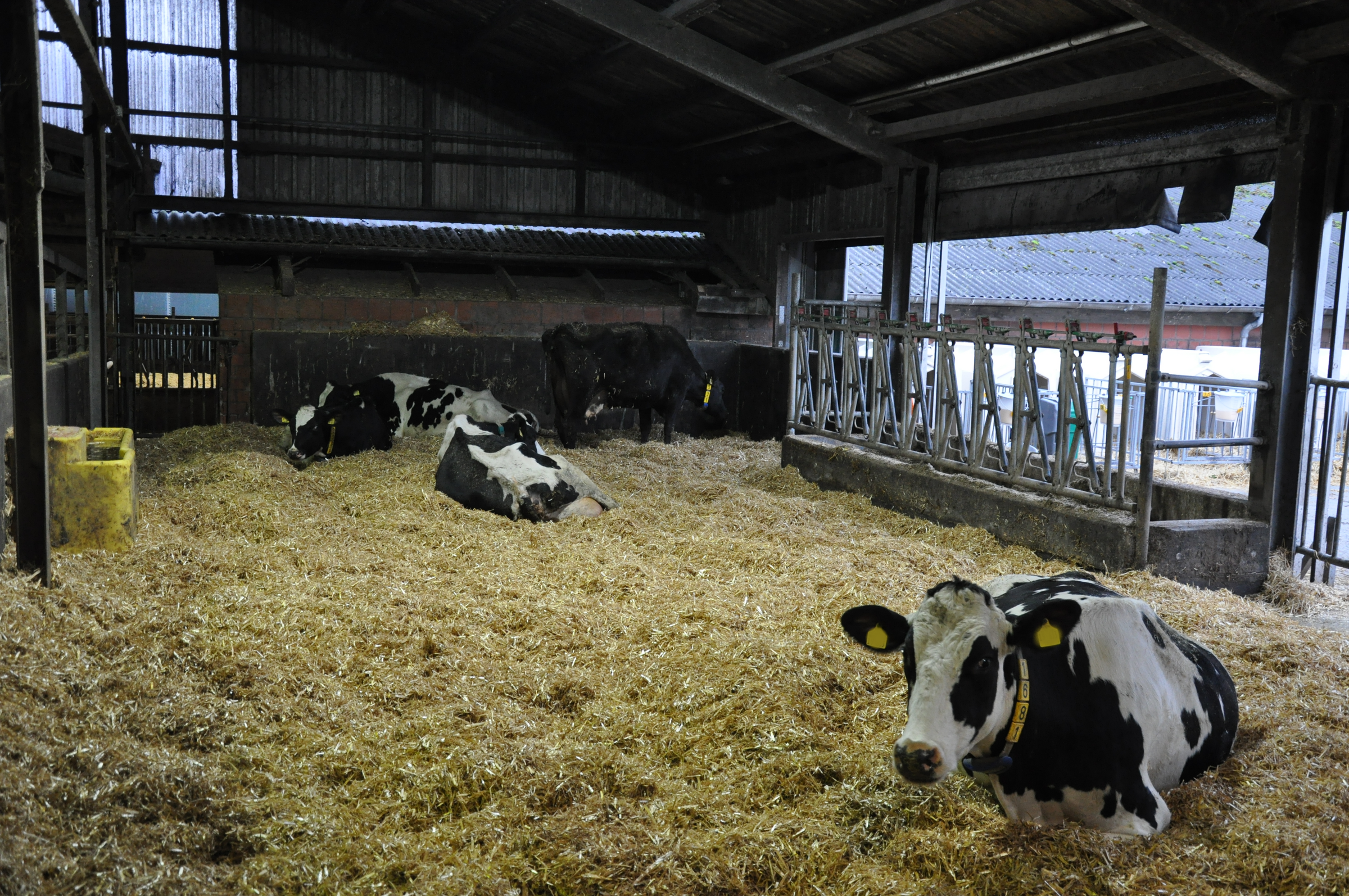
Caring for sick and injured dairy cows
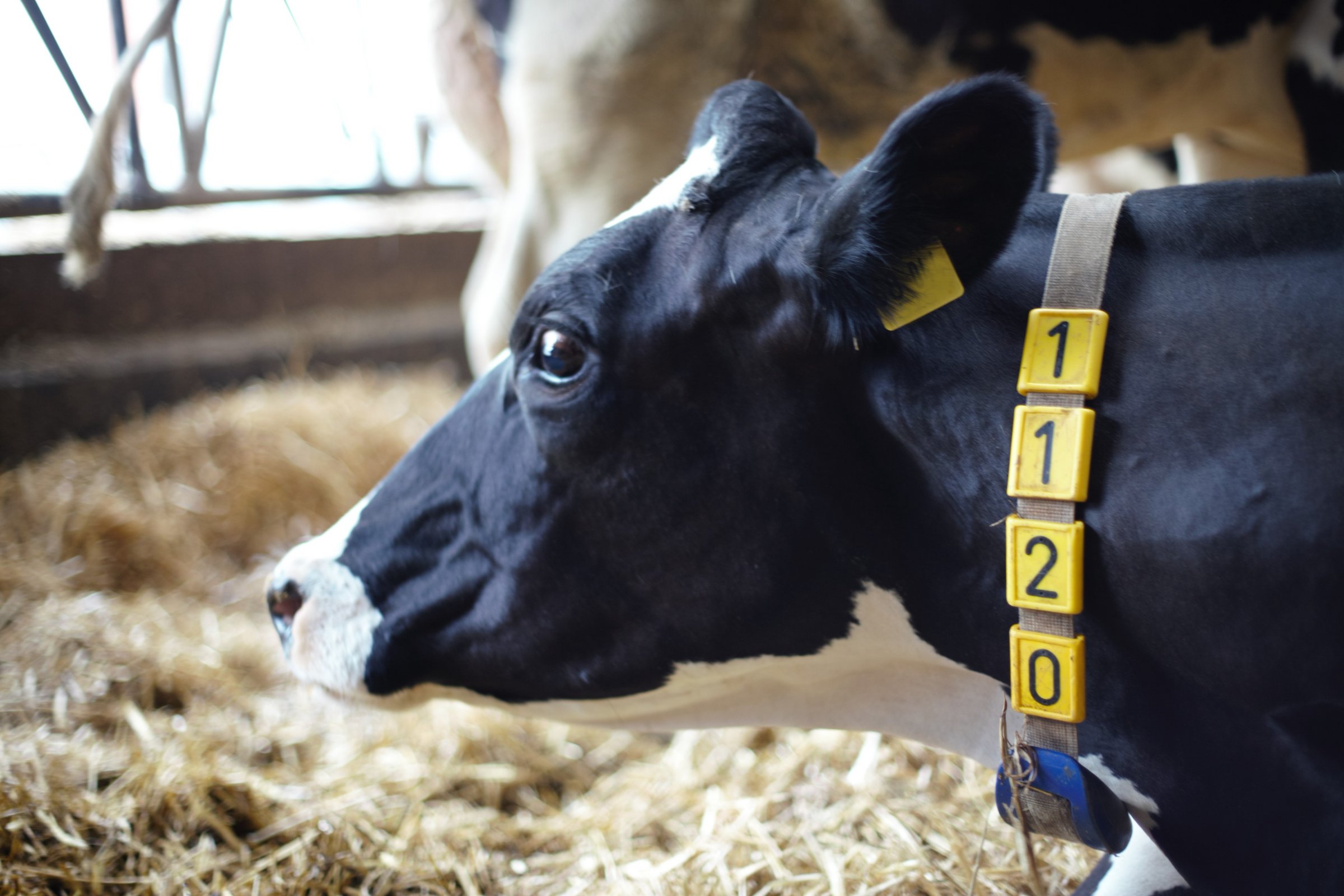
Caring for sick and injured dairy cows
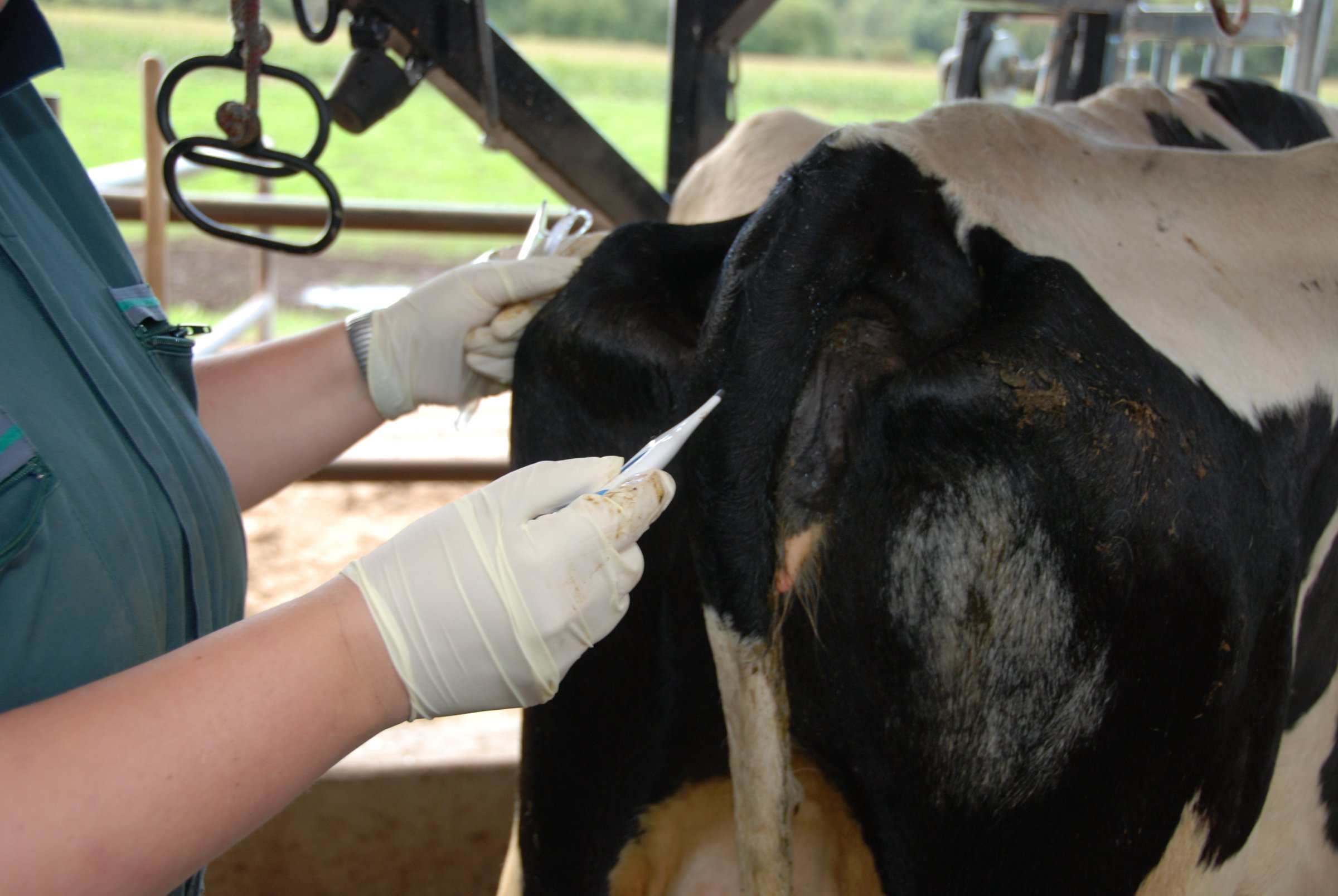
Inspection round
Extended calving interval
Podcast: Heat stress in cattle
Podcast: Colostrum Feeding for Calves
Podcast: Mother-Attached Calf Rearing
Podcast: Extended Intercalving Period
Video: How to use a breathing pump correctly
Video: Correct use of the mechanical obstetric device
Video: Obstetric care for breech presentations
Video: Assisting with the birth of cattle
Video: Obstetric care for a breech presentation
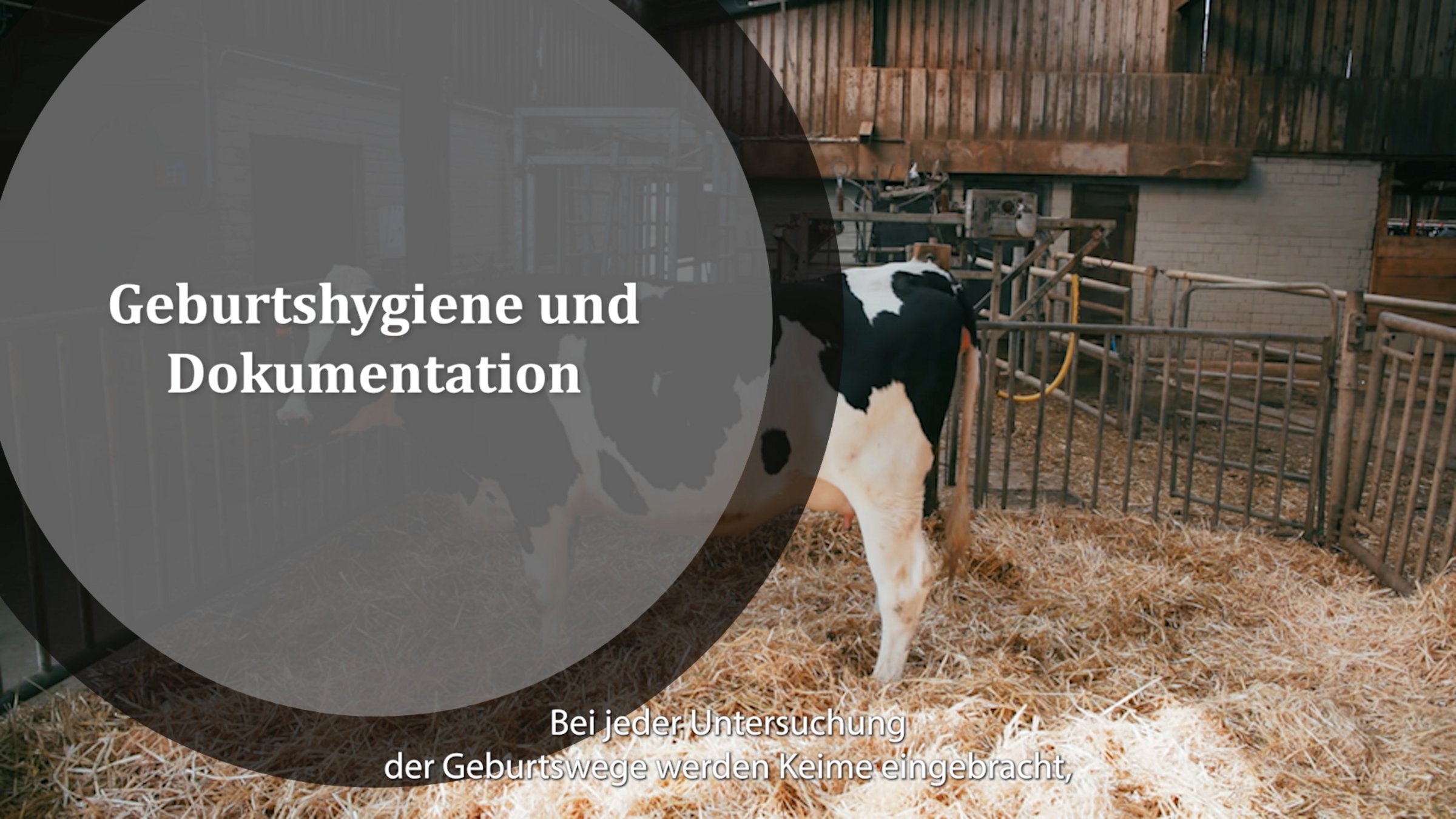
Video: Postnatal Hygiene and Documentation
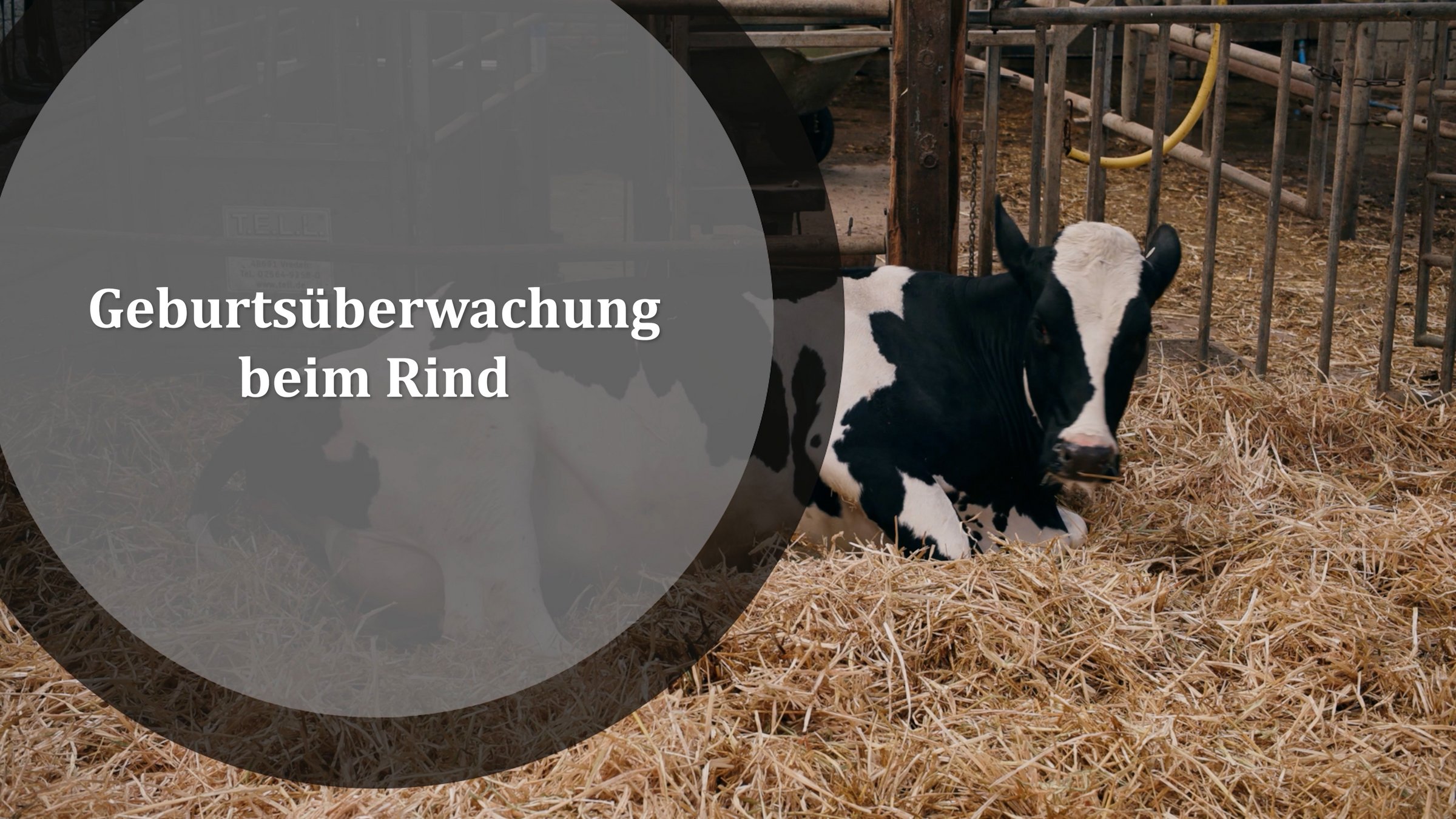
Video: Birth monitoring
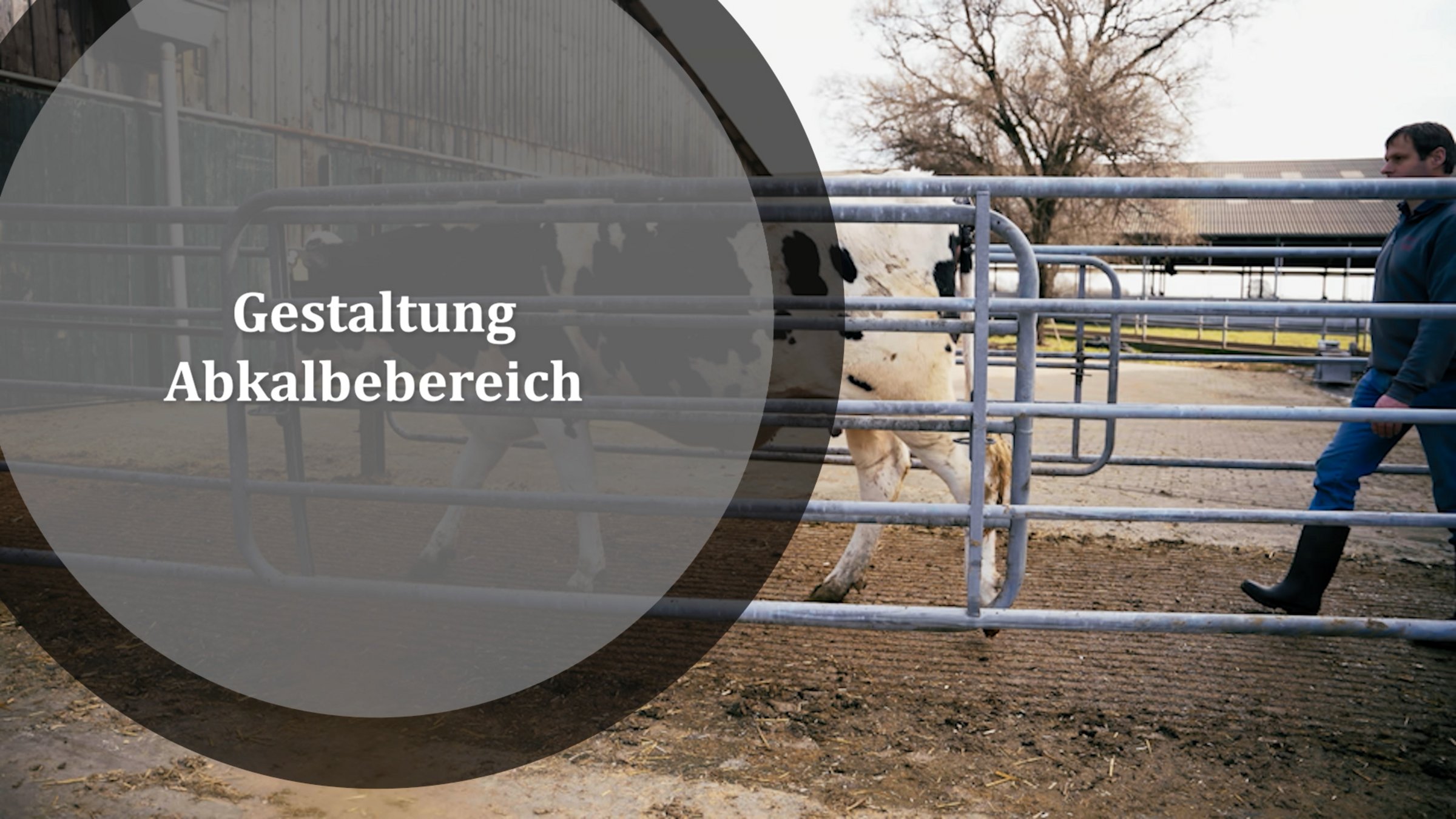
Video: Design for the calving area
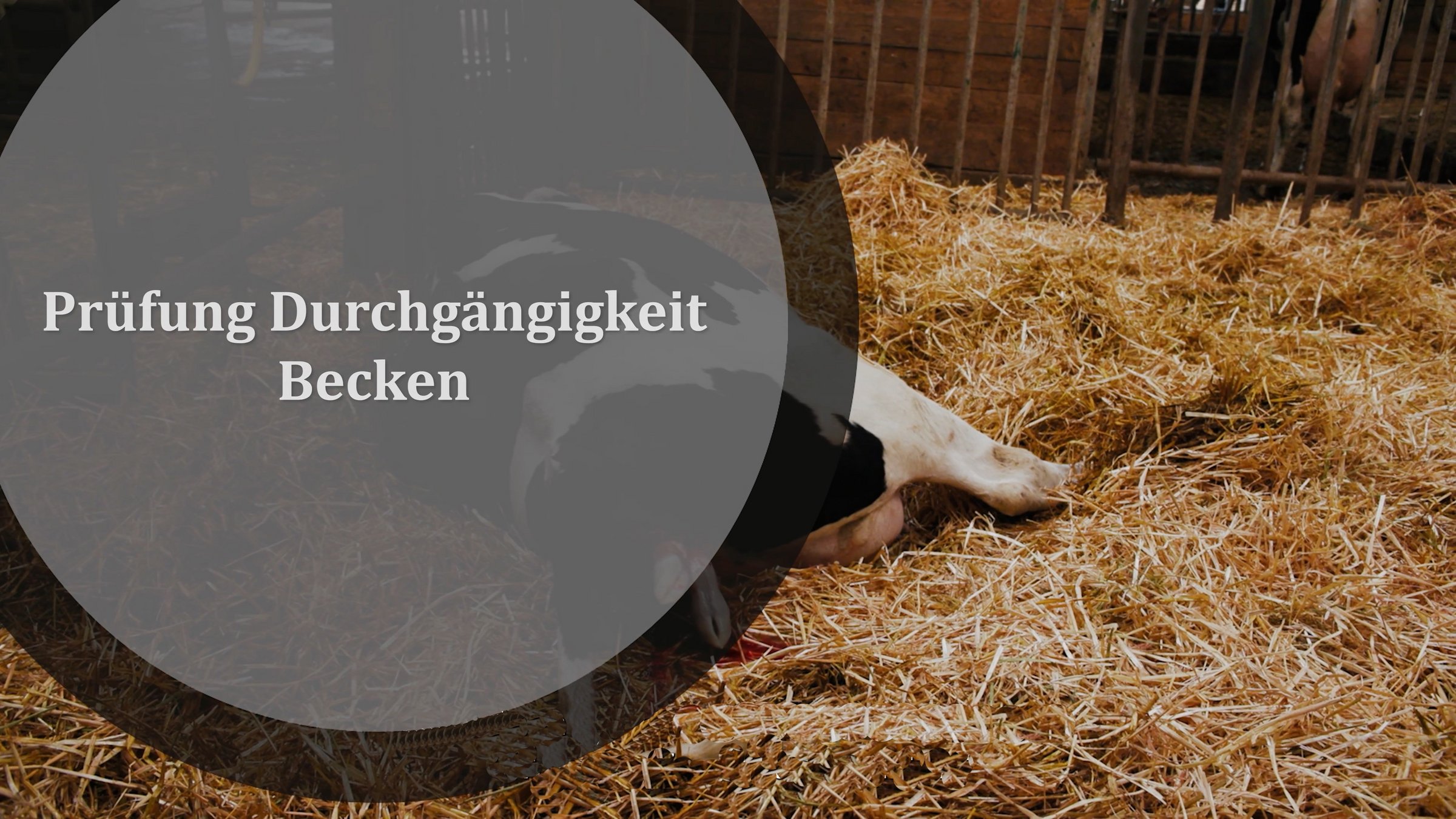
Video check of the basin's flow
Video: Difficult births in cattle
Video: Tour of the stable of the future
From the events: Mob Grazing
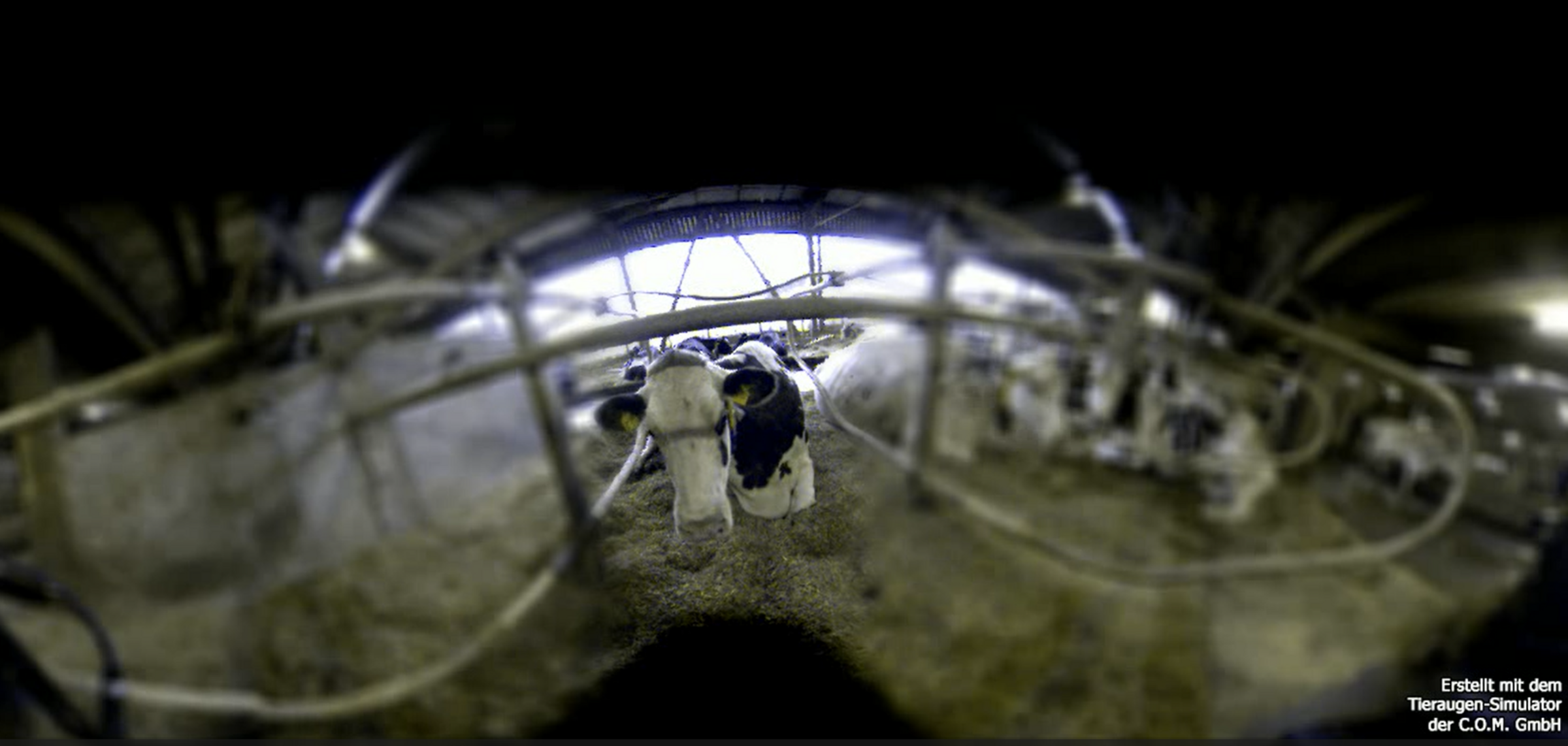
From the events: Sensory perception in cattle
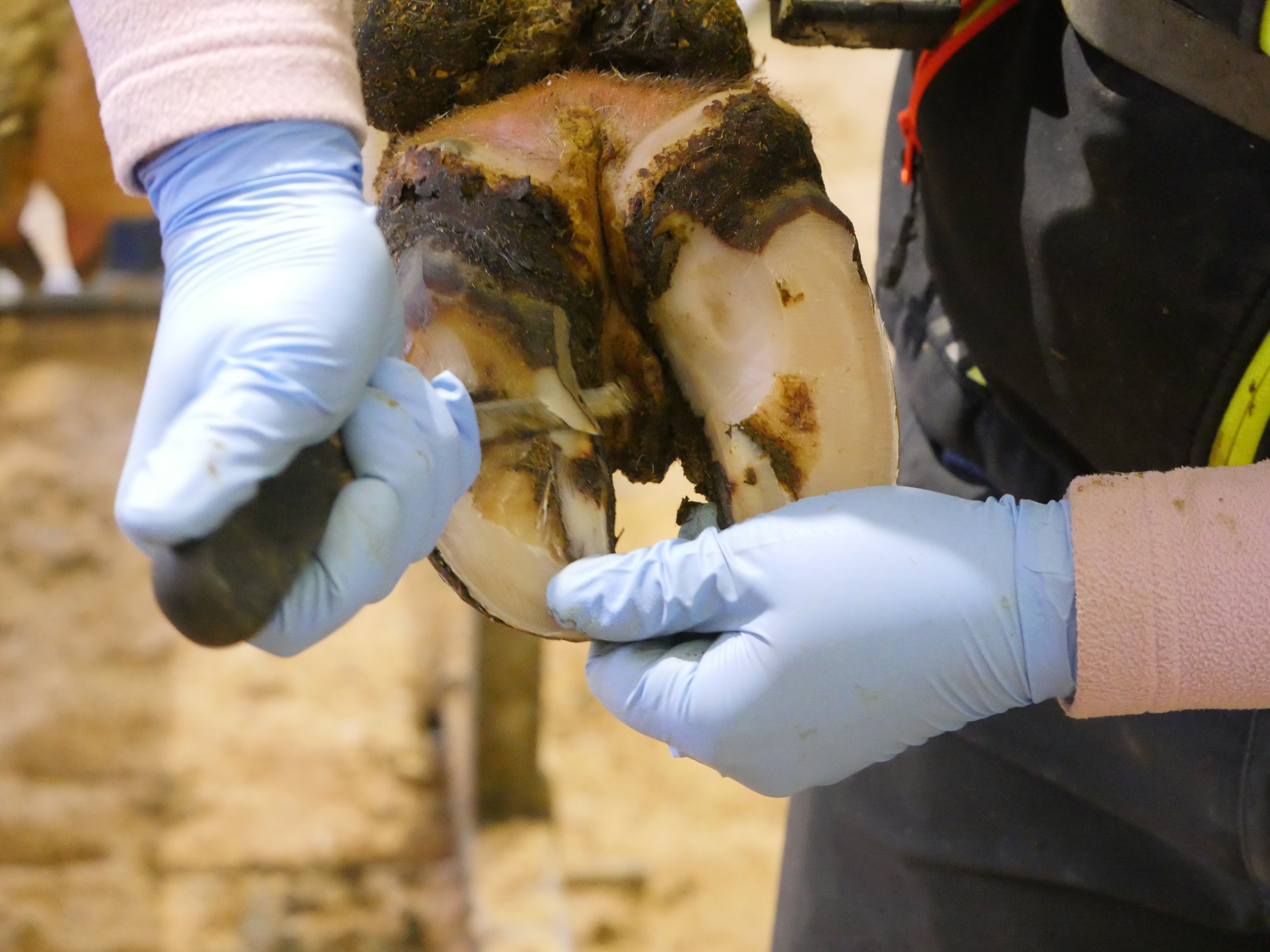
Funded projects: Pilot project on hoof health management
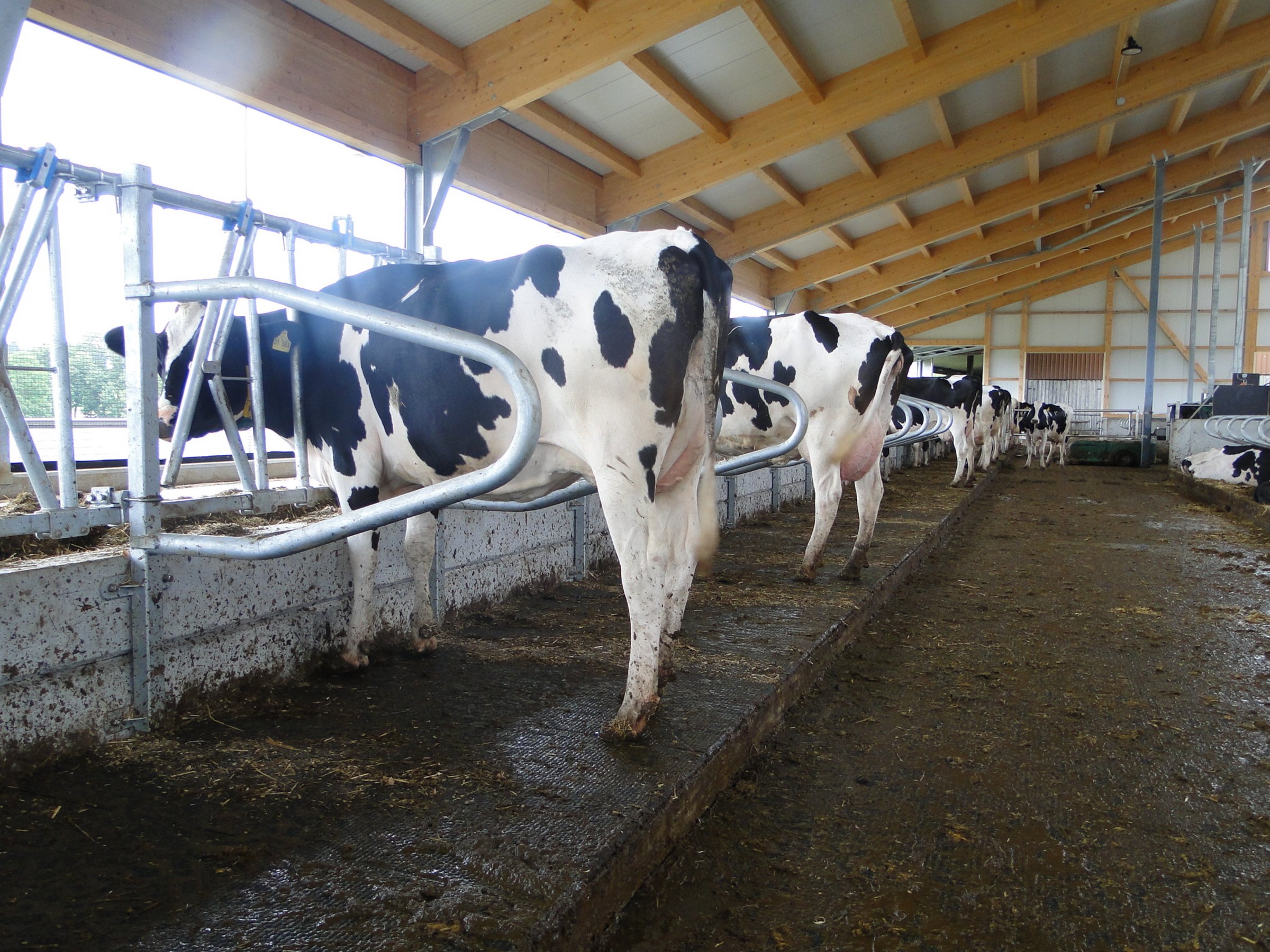
Funded projects: MoMiNE
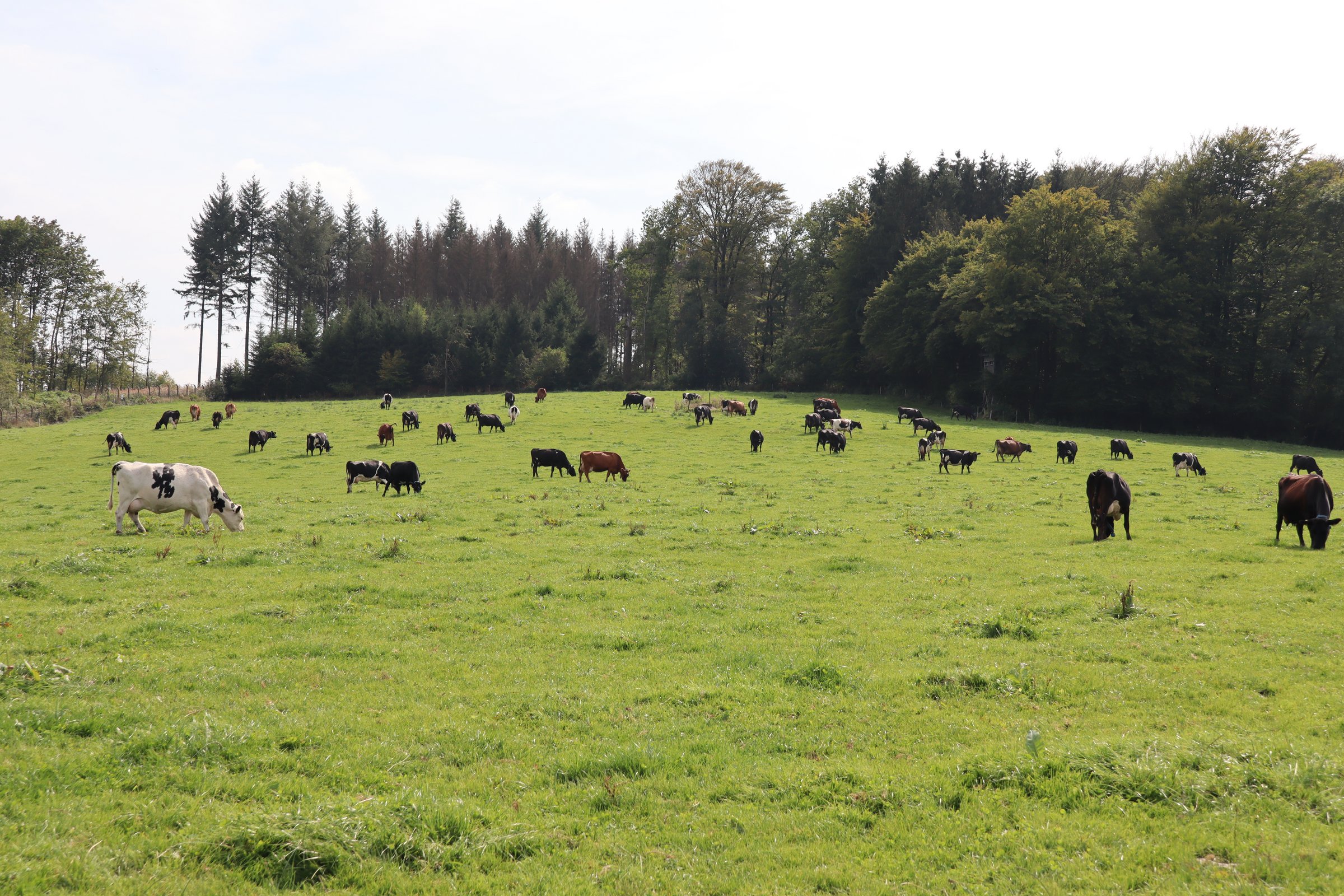
Funded projects: MuD Animal Welfare: Pasture-based Farming
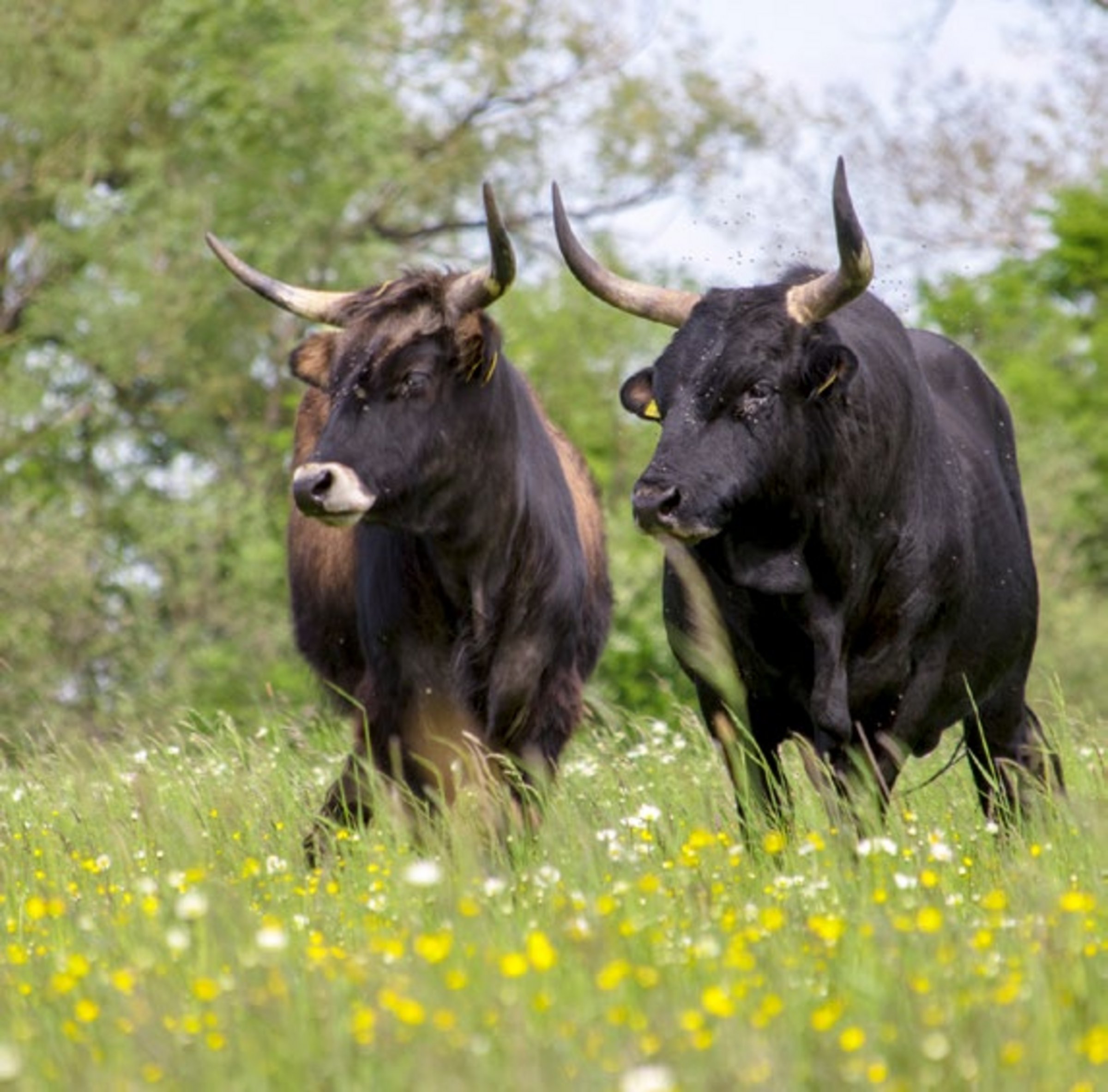
06 Tierwohl in der Naturschutzbeweidung
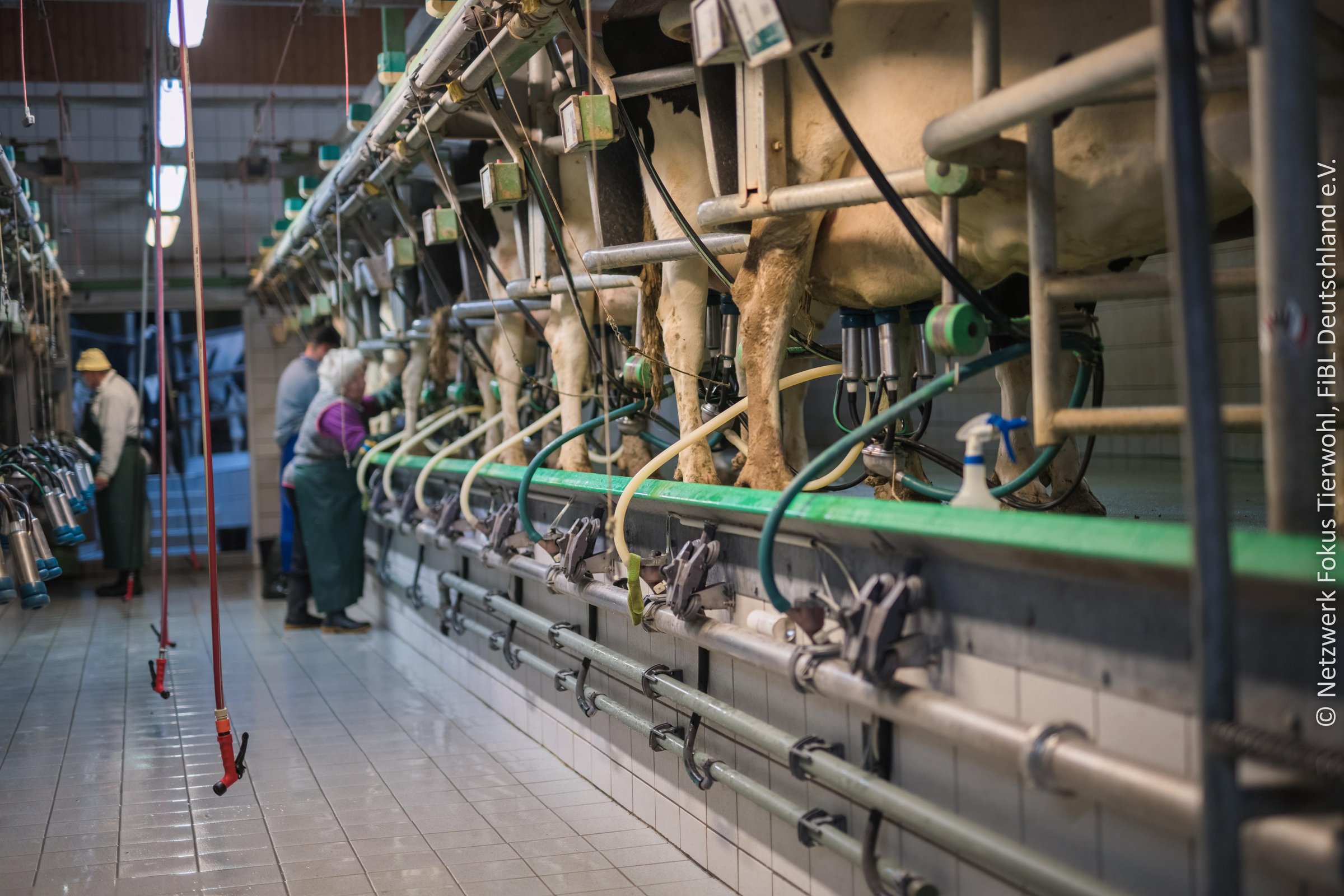
Funded projects: VerLak
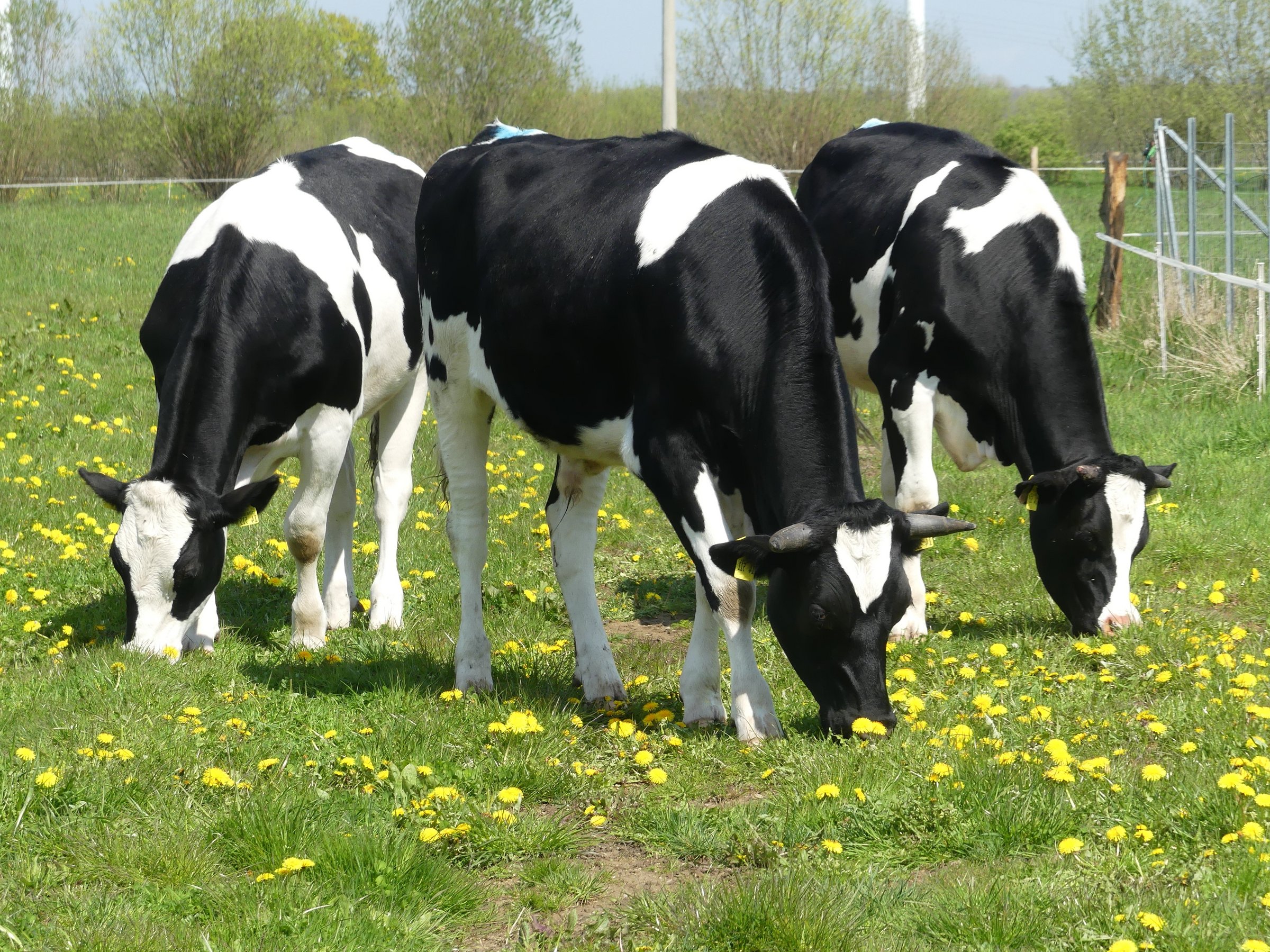
Funded projects: InnoRind
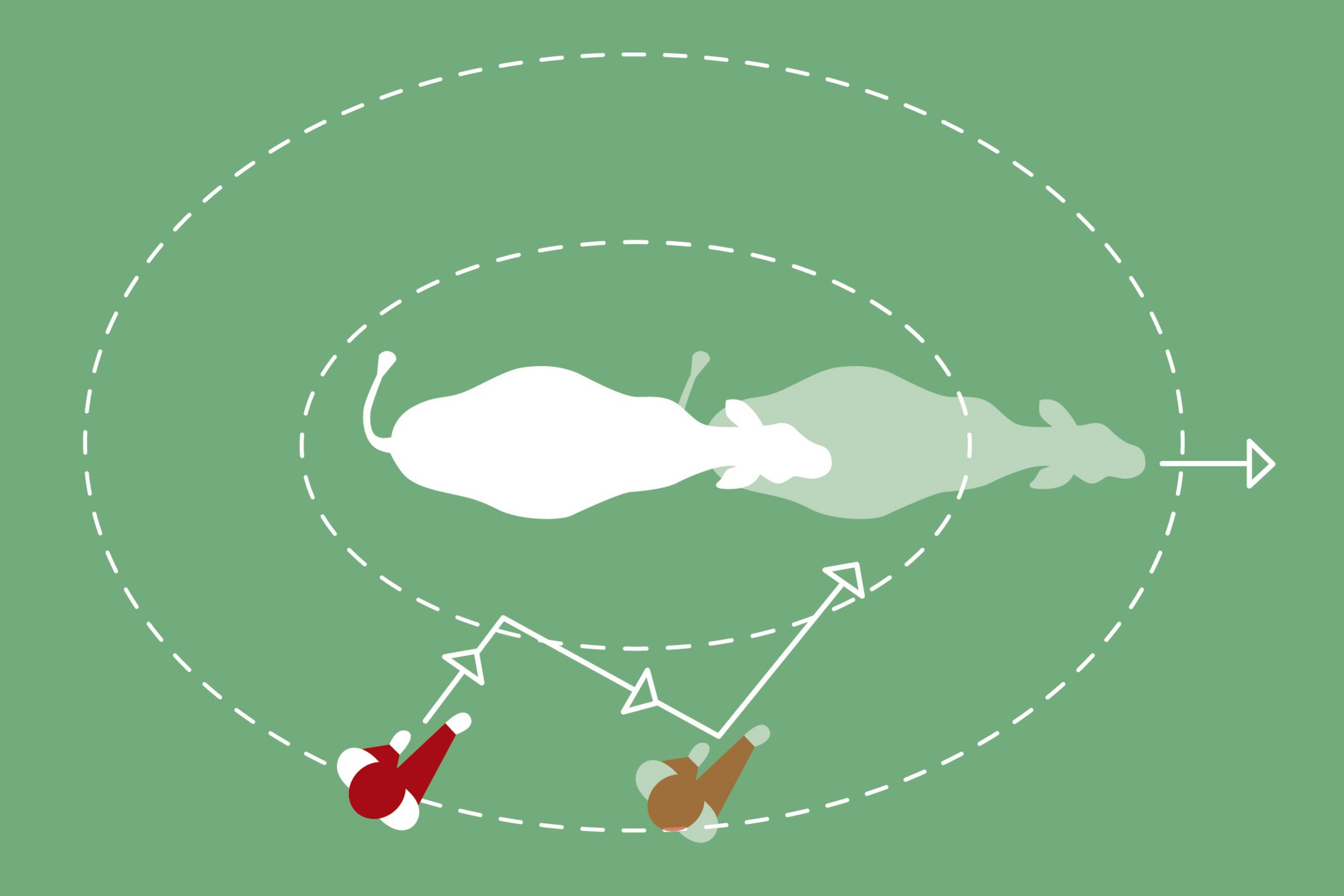
Funded projects: Mob-Grazing
Funded projects: Animal welfare planning
Integration & Organisation der Klauenpflege

The future of peatland sites in the coastal region of Lower Saxony. Facts, questions, approaches
The "Moorland Fact Check" published by the Lower Saxony/Bremen Grassland Centre sheds light on the socio-economic effects of rewetting measures on peatland sites in Lower Saxony in the context of climate protection. The focus is on the conflicting goals between the reduction of greenhouse gas emissions and the challenges that arise for agricultural use and in particular for the dairy industry. In addition to legal and scientific principles, the report offers a well-founded analysis of the current situation, taking into account the entire value chain. Based on this analysis, the "Moorland Fact Check" shows possible options for action and transformation paths in terms of integrated land and water management for Lower Saxony. The aim is to create a basis for dialogue between agriculture, politics, science and society in order to develop future-oriented solutions for peatland protection and the economic development of the affected regions. Supplementary factsheets provide additional compact background knowledge.