
MuD Animal Welfare Project Grazing of dairy cows
The Model and Demonstration Project (MuD) Animal Welfare Project "Improving animal welfare in grazing dairy cows" has developed recommendations and animal welfare criteria for grazing.
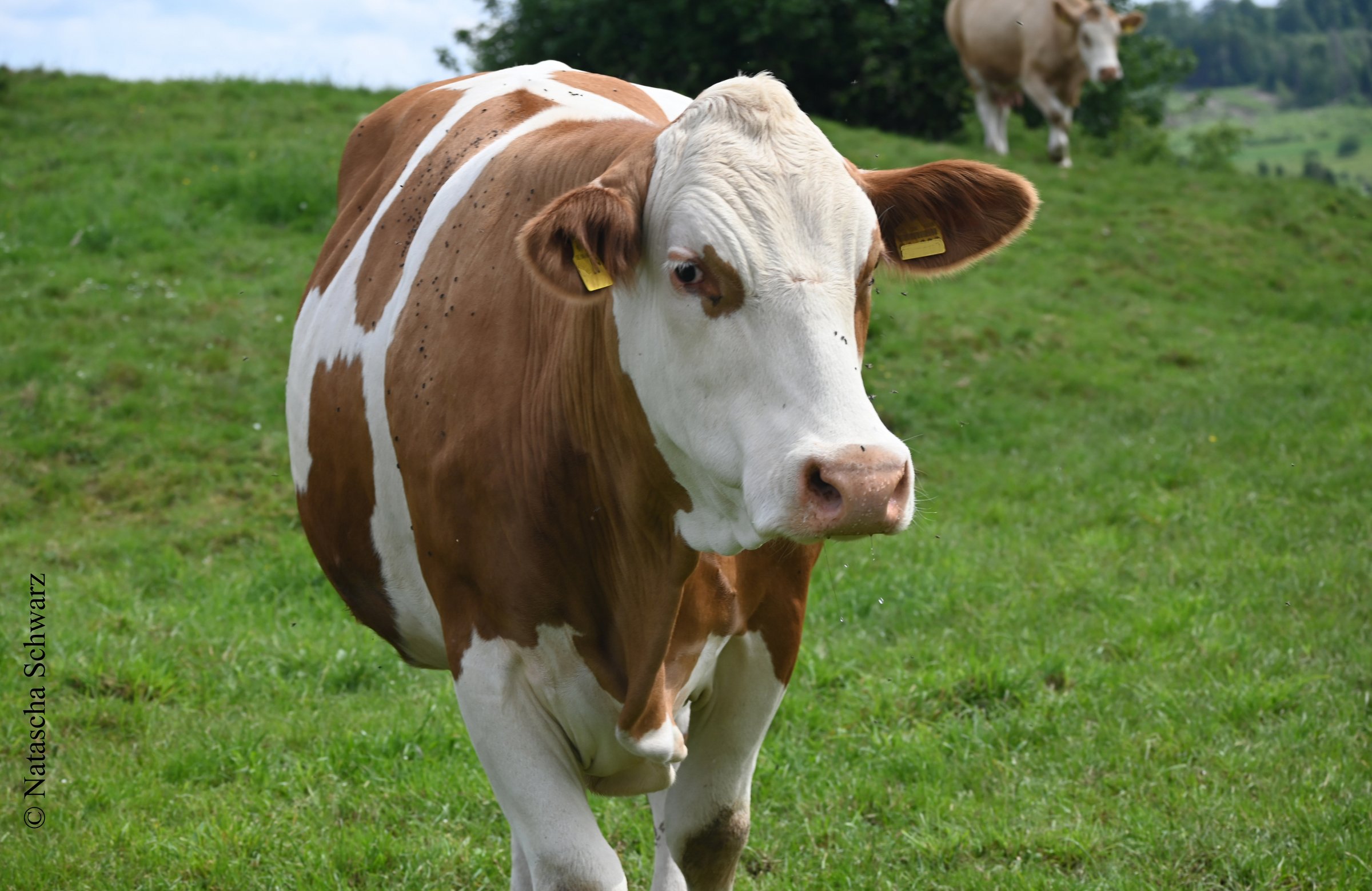
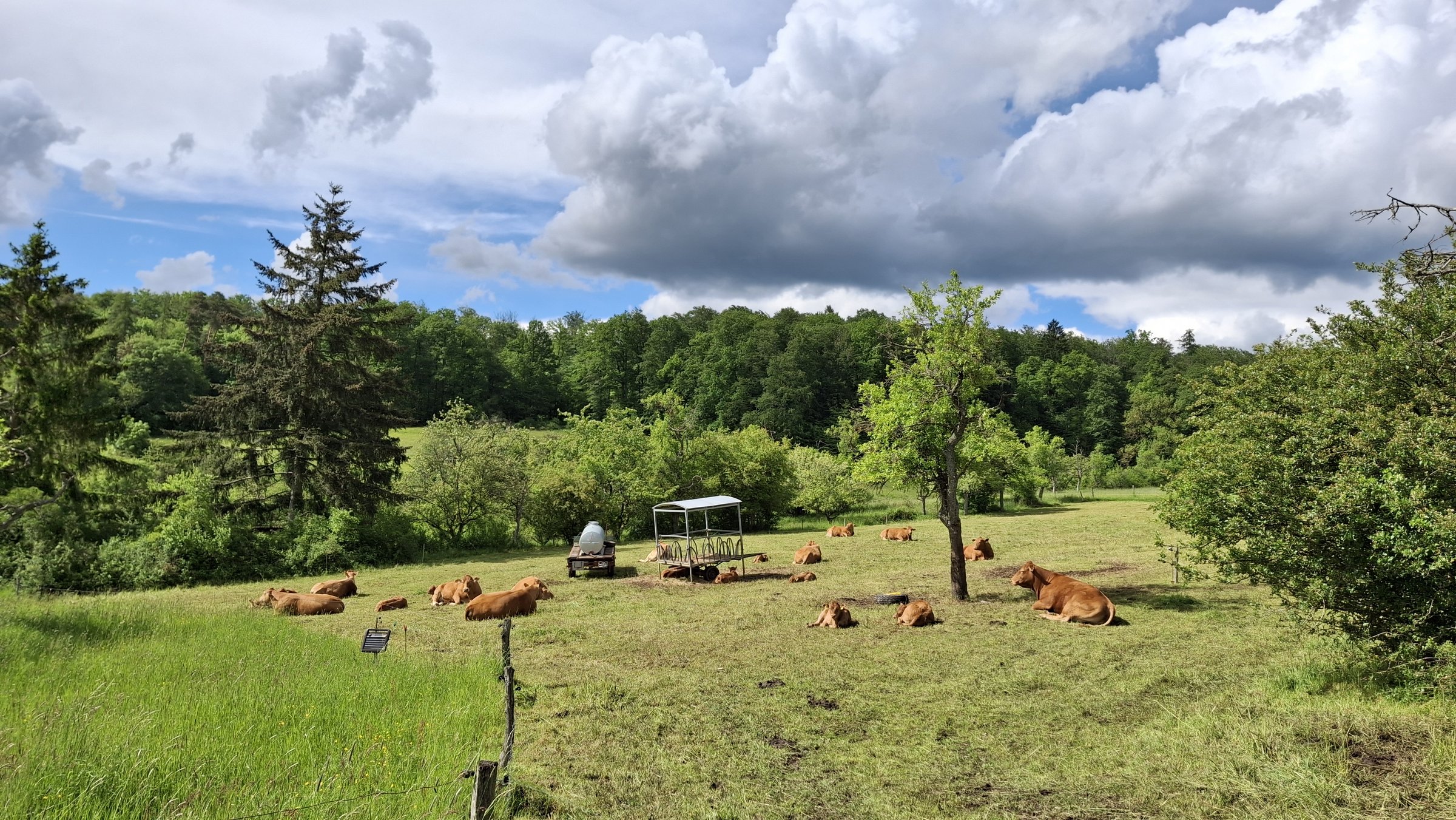
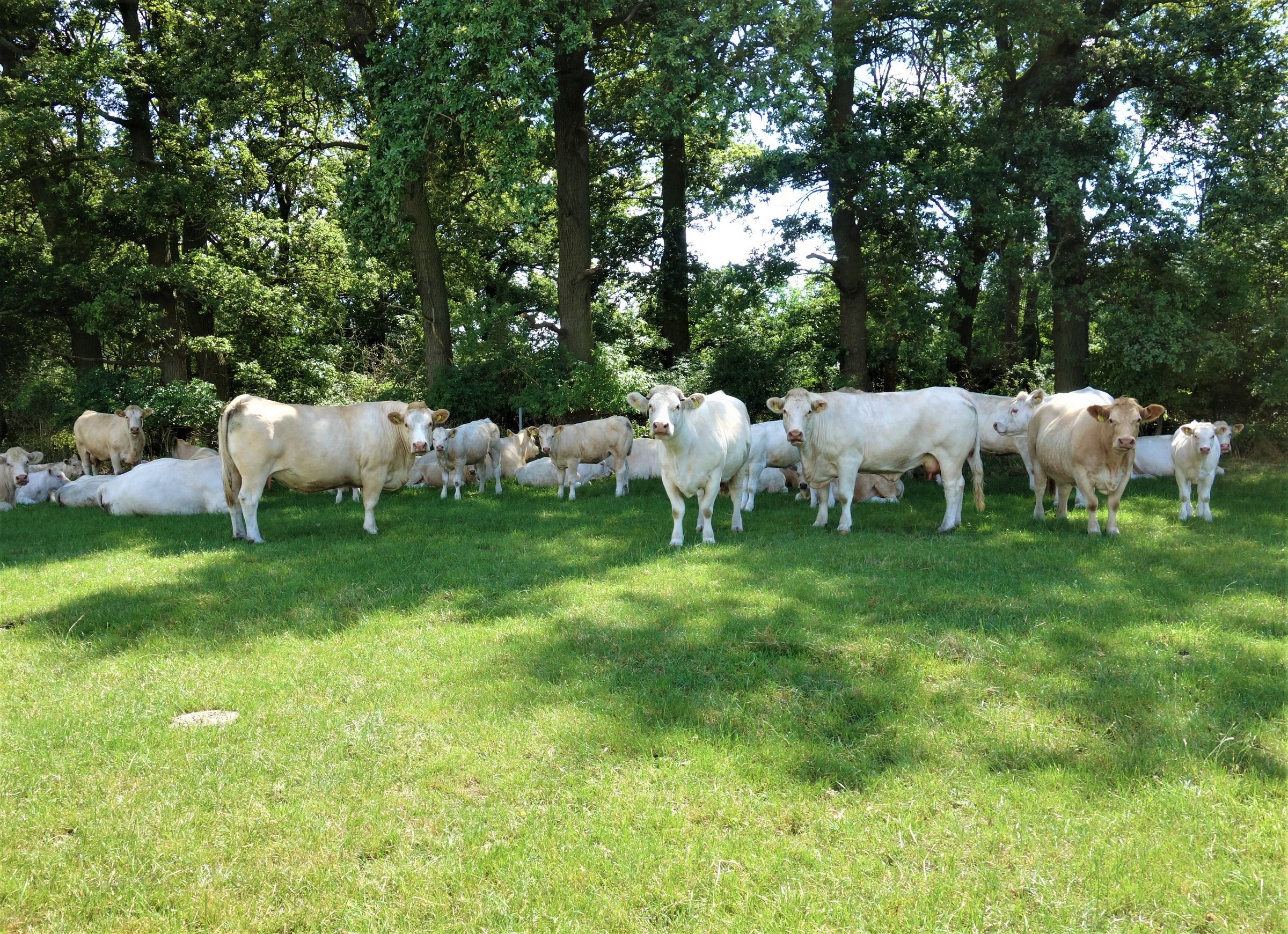
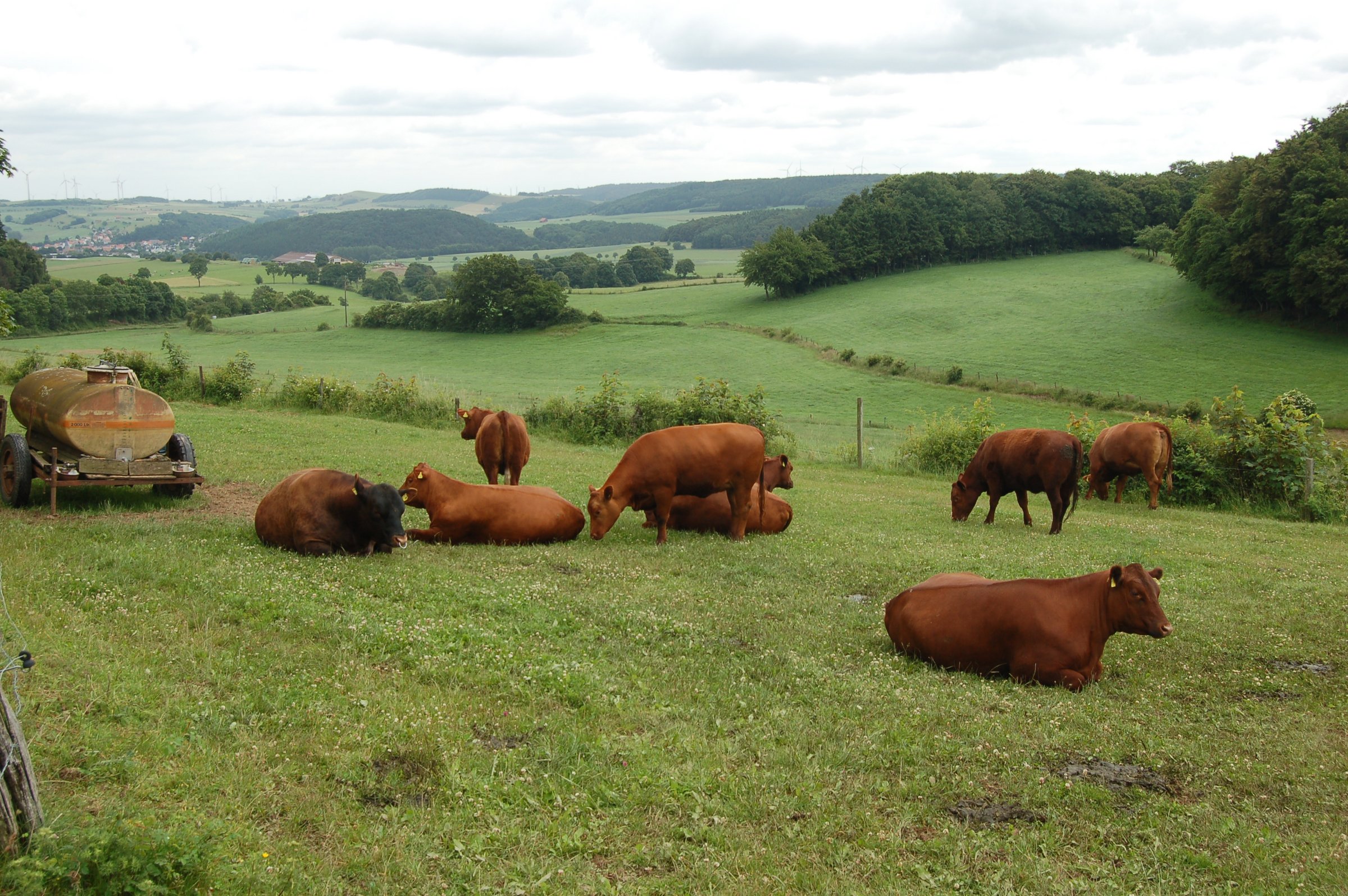
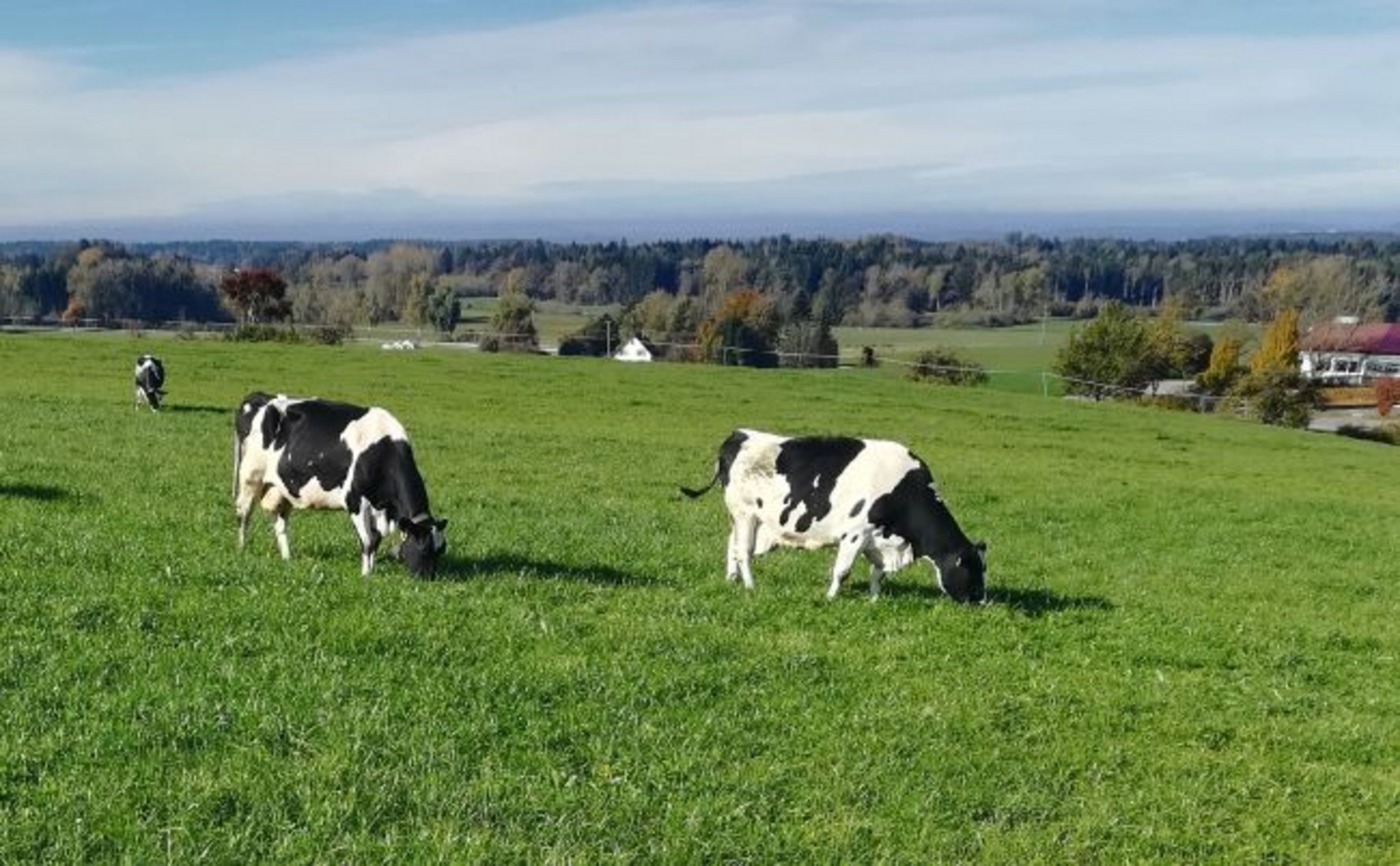
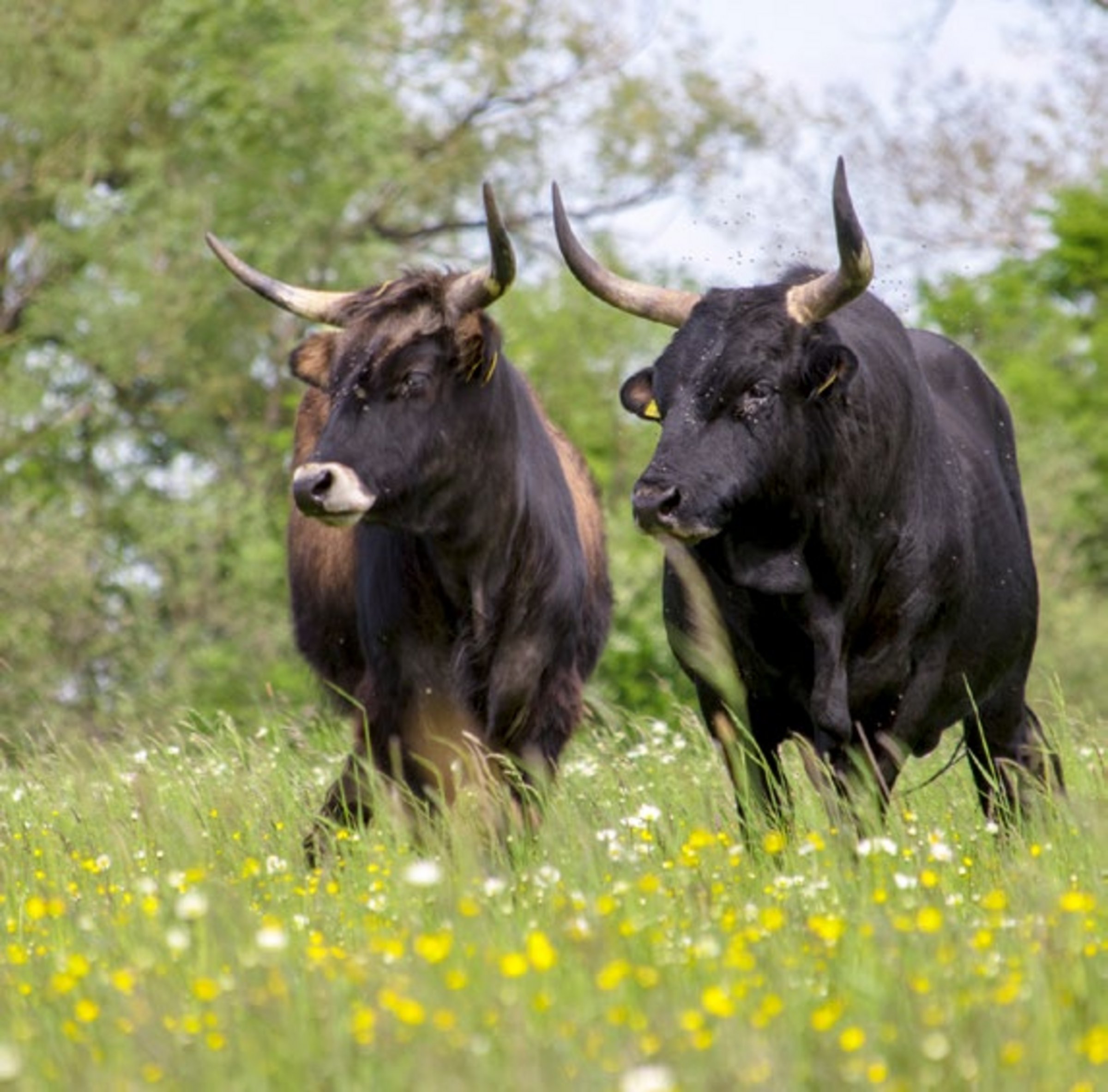
The cow on pasture. This image is associated by consumers with a high level of animal welfare and is therefore desired by them. However, many dairy cows are still kept indoors. Why is that?
For high-yielding cows in particular, needs-based feeding is essential to ensure the animal's health. In contrast to indoor husbandry, feed intake is more difficult to control in pasture husbandry and in some cases the intake is not sufficient for their milk yield. In order to ensure that they are fed according to their needs, livestock farmers prefer to leave them in the barn.
But how can pasture ensure a high level of animal welfare, in particular feed and water supply, while also boosting economic milk production?
The Model and Demonstration Project (MuD) Animal Welfare Project "Improving animal welfare in grazing dairy cows" dealt intensively with these questions in the period from 2021 to 2023. The Grassland Centre Lower Saxony/Bremen e.V. was responsible for the project, in cooperation with the University of Vechta and Göttingen. Particular attention was paid to the two main topics of water supply and the management of feed quantity and quality. Other aspects of pasture management were also covered, e.g. infrastructure, animal health and heat stress.
Results during the project period
During the project period, recommendations and animal welfare criteria for grazing were developed, which grazing farms can use to assess themselves. These recommendations were tested on nine practical farms and continuously adapted. After analysing the weak points on 30 further farms, the recommendations for action were then compiled in agrazing guidewhich was reviewed by experts from the scientific community and can be used to improve animal welfare on pasture.
During the project phase, so-called farm walks were organised on the farms in order to pass on the farms' experiences to other farms or advisors.