Restricting the use of antibiotic dry-off preparations (selective dry-off) to infected animals requires the simultaneous optimisation of the entire dry-off management regime (health monitoring, hygiene, housing, feeding). It necessitates an active engagement with the topic of udder health in all its many facets.
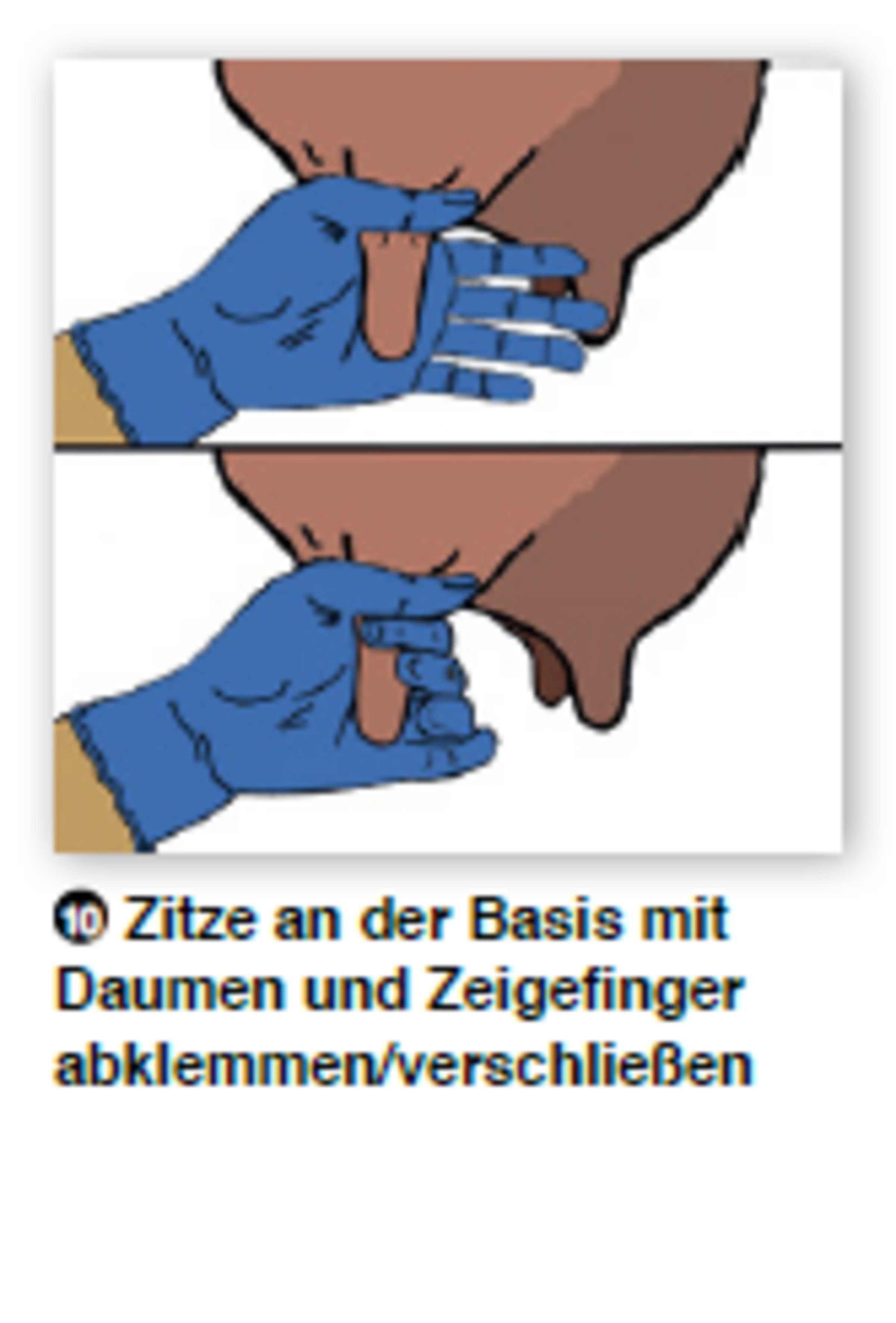
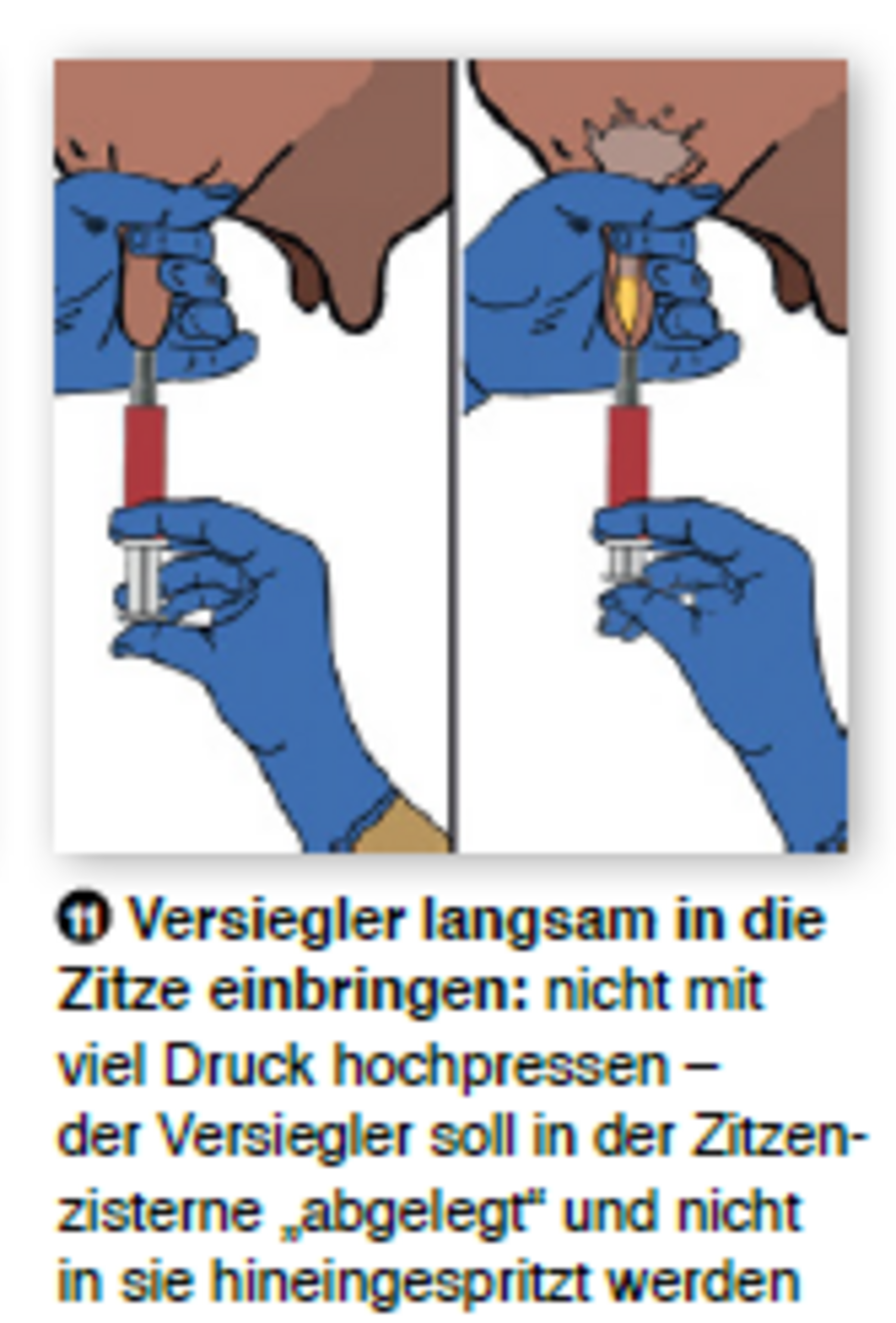
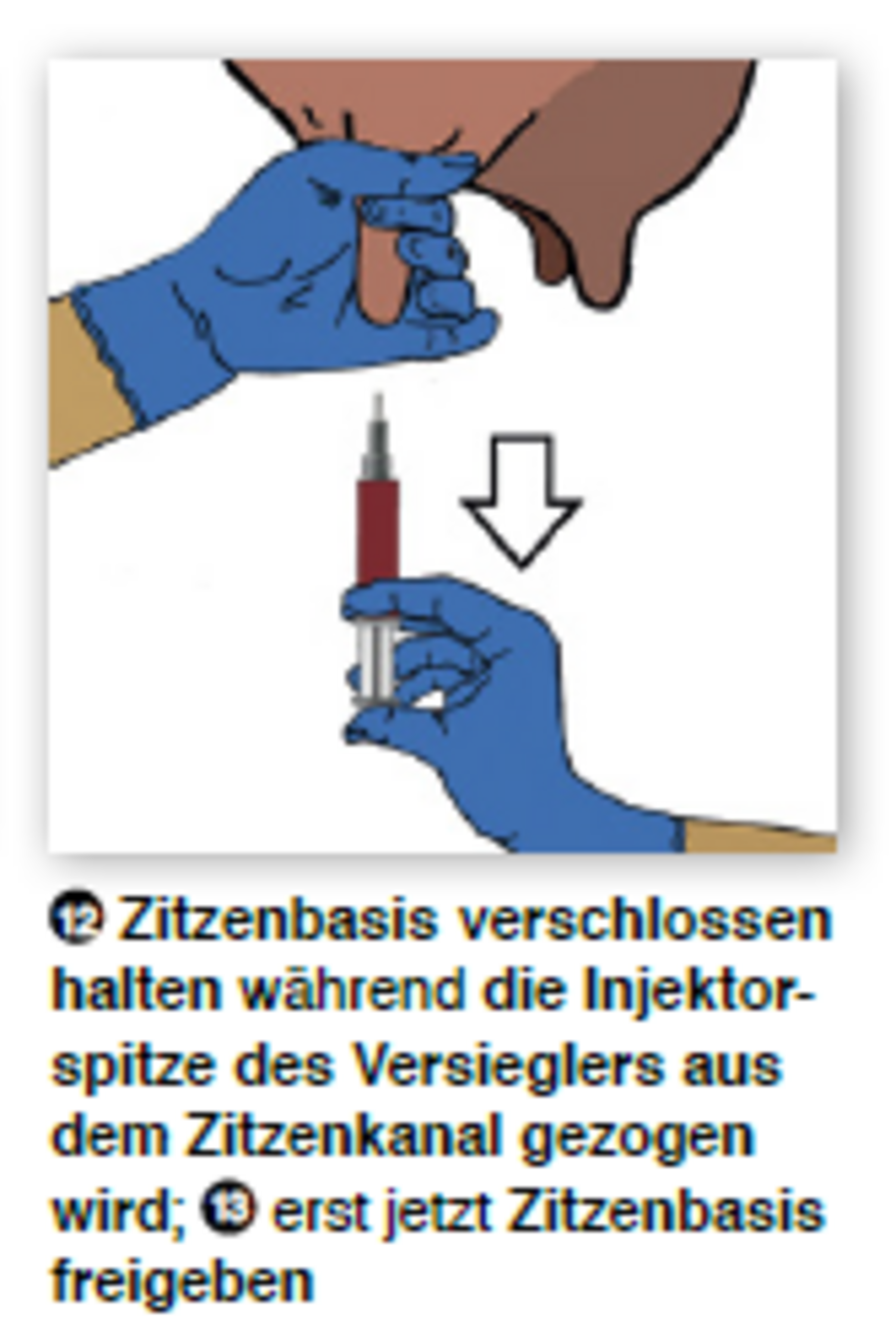
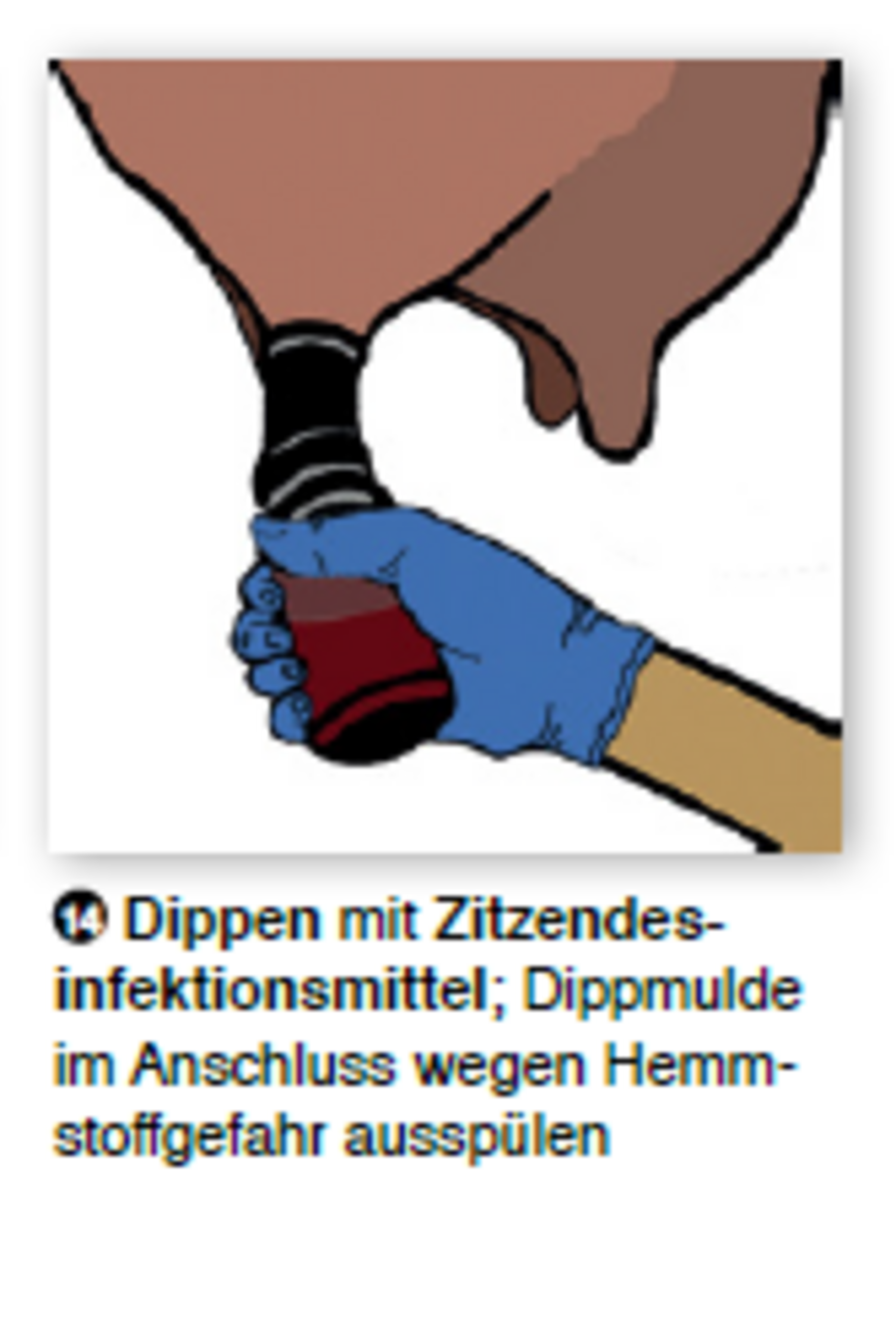
In cows with udder disease, antibiotic dry-off therapy is generally the more effective measure compared to treatment during lactation, provided the pathogens are sensitive to the chosen agents. Treatment of udder-healthy animals during the dry-off period, however, cannot be justified. Instead of long-acting antibiotic preparations, internal teat sealants are available to protect against new infections; when used correctly, these provide reliable protection.
The aim of selective dry-off is to maintain a high level of health whilst reducing the use of antibiotics to the necessary minimum.
Further information on how livestock farmers can implement selective dry-off on their farms is available at:
Recommendations for Selective Drying Off in Bavaria (Publisher: LfL Bavaria)
DLG Fact Sheet: Drying off dairy cattle – Measures to improve udder health during the dry period