As the warmer season begins, insect activity is once again increasing significantly. Flies, midges and other species are now finding increasingly favourable conditions for reproduction. In cattle farming, rising population numbers can lead to problems such as stress and agitation among the animals, as well as the transmission of pathogens. This trend is exacerbated by climate change, as rising temperatures and higher humidity levels provide a lasting boost to their reproduction and spatial spread.
Blue tongue disease, which is transmitted by midges, has been the focus of particular attention since its resurgence in Germany and has once again highlighted the importance of effective insect management. Against this backdrop, understanding the links between insect populations in cattle farming and the transmission of pathogens is becoming increasingly important in order to be able to introduce appropriate measures in good time.
A poster set from the Animal Welfare Competence Centre for Cattle provides clear information on the development and spread of flies, midges and black flies. It also explains disease transmission routes and presents practical measures for prevention and control.
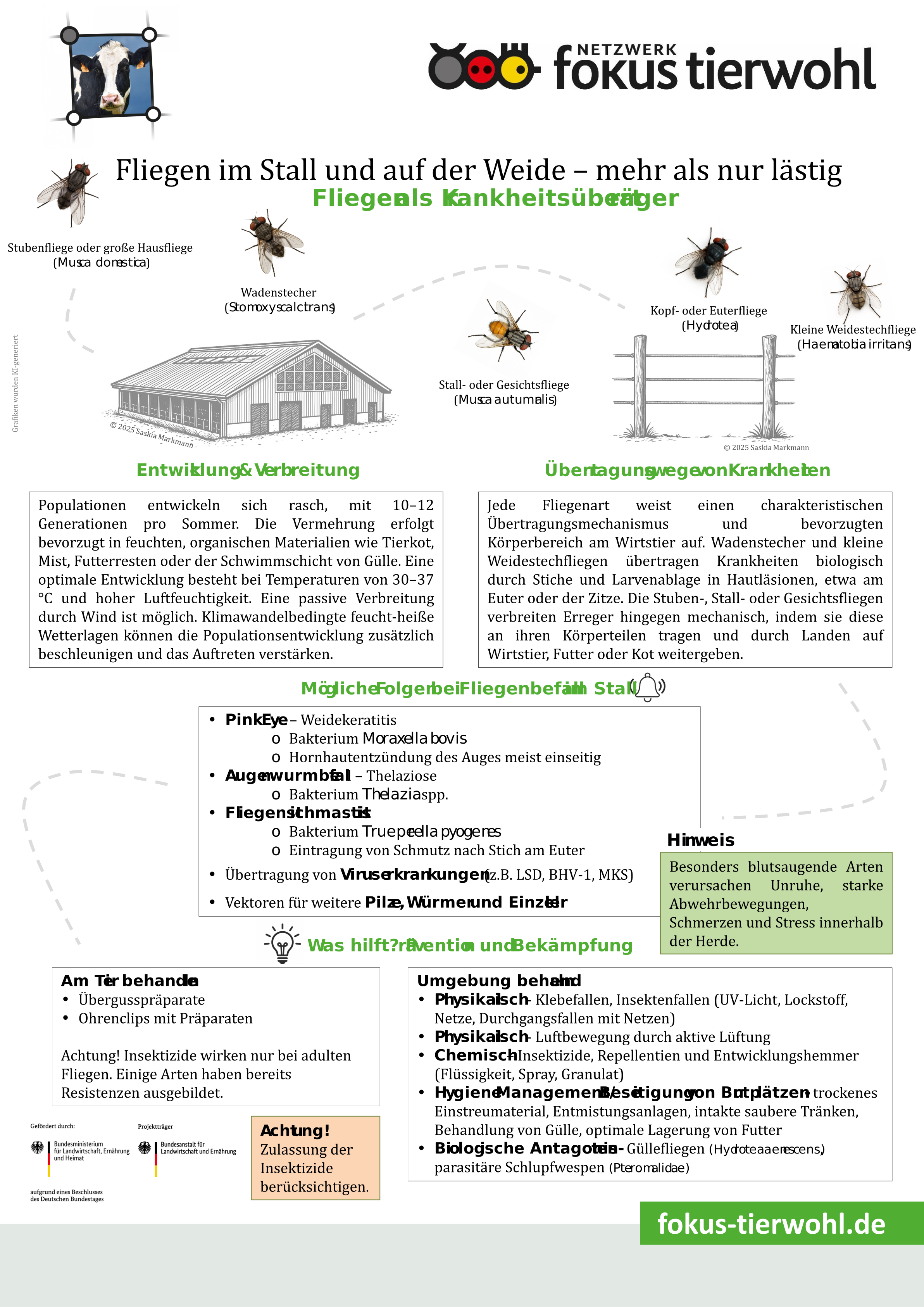
Flies in the barn and in the pasture – more than just a nuisance
Flies are a common sight in stables and pastures – yet their significance is often underestimated. Various species of fly, such as the common housefly, the horsefly, and stable and face flies, can transmit pathogens not only mechanically through physical contact and by landing on surfaces, but also biologically through bites and skin lesions. The consequences range from restlessness and stress in the herd to specific diseases such as eye infections (e.g. ‘pink eye’), eye worm infestation or fly-bite mastitis.
This poster provides a concise overview of key fly species, their development and distribution, possible transmission routes, and practical measures for prevention and control. The focus is on effective hygiene management, the reduction of breeding sites and the targeted use of physical, biological and – subject to approvals and potential resistance – chemical methods. In this way, consistent fly management makes a direct contribution to animal welfare, health and performance.
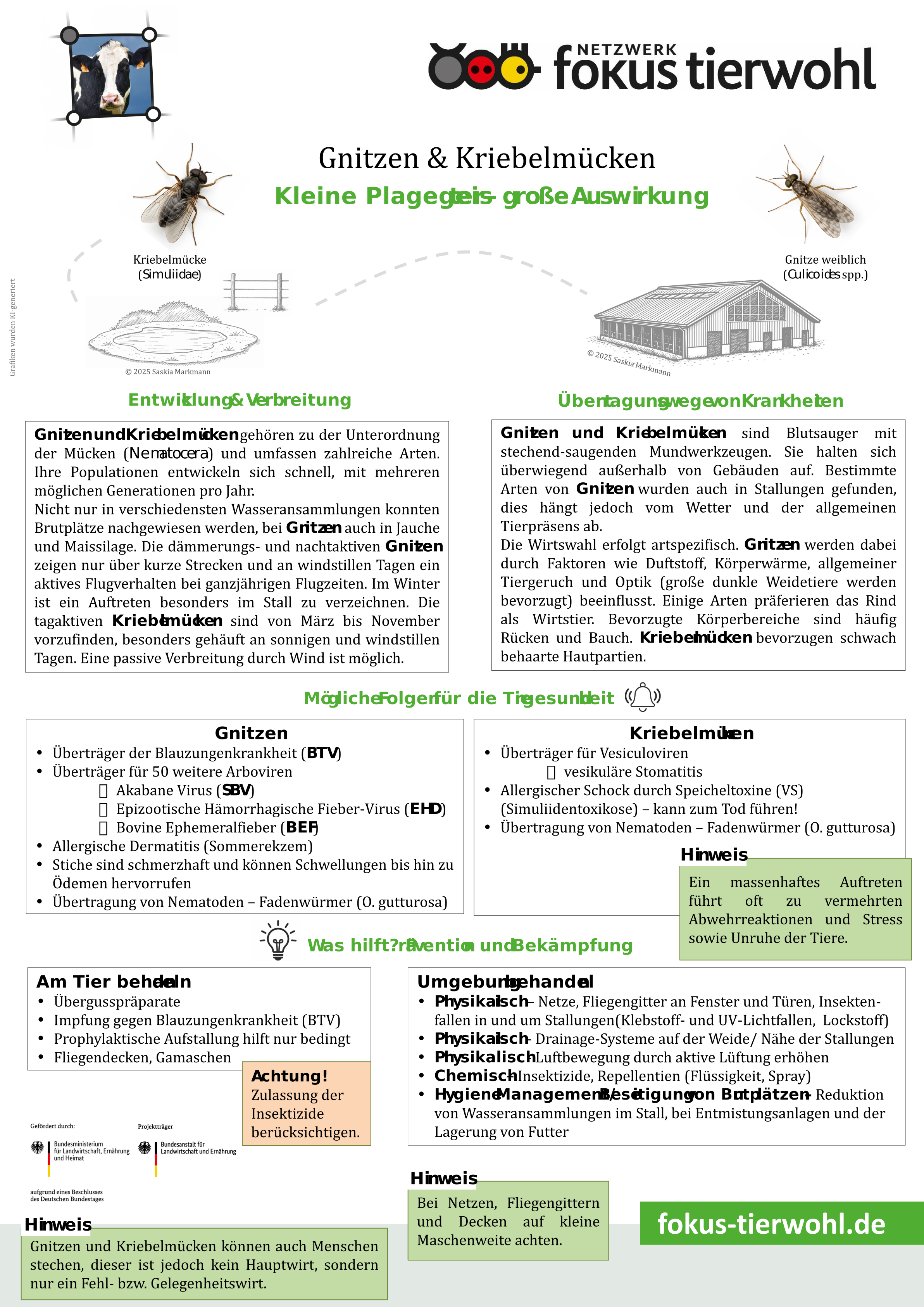
Midges and black flies – tiny pests, big impact
Black flies and midges are small and often hard to spot – yet their impact on animal health and welfare can be significant. As blood-sucking insects, they cause painful bites, trigger defensive reactions, restlessness and stress within the herd, and in some cases can lead to severe swelling or allergic reactions. Above all, however, they play an important role as carriers of pathogens: midges (Culicoides spp.) are considered vectors of bluetongue disease (BTV), amongst other things, and can transmit other arboviruses; black flies can also spread pathogens and parasites.
This poster provides a concise overview of how midges and black flies develop and spread, when increased numbers are to be expected, and which transmission routes are relevant. It also presents practical measures for prevention and control – ranging from structural and physical protection (e.g. nets/fly screens, air circulation) and hygiene and breeding site management to approved repellents/insecticides, as well as supplementary measures such as vaccinations (e.g. against BTV). The aim is to reduce stress on the animals and effectively lower the risk of infection.