

Digital technology in the barn and out in the fields: how new technologies are driving forward livestock farming
Whether in the barn or out in the pasture, digital technologies are opening up new possibilities for more efficient and animal-welfare-focused livestock farming. The results from 13 research projects funded by the BMLEH demonstrate how sensor technology, AI and data platforms are already supporting practical applications today – with scientific support and networking provided by the ‘DigiTier’ networking and transfer initiative. At the same time, it is clear that the interaction between systems is crucial to realising the full potential of digitalisation.
Over the past five years, numerous innovative solutions have been developed and tested under practical conditions as part of 13 research and development projects on digitalisation in livestock farming funded by the BMLEH. The projects and their results were scientifically supported by the DigiTier networking and transfer initiative, linked together, presented in a way that engages the public, and finally systematically evaluated.
The results show that digital technologies already offer tangible added value for agricultural businesses, particularly in the areas of animal health, management support, workload reduction and traceability.
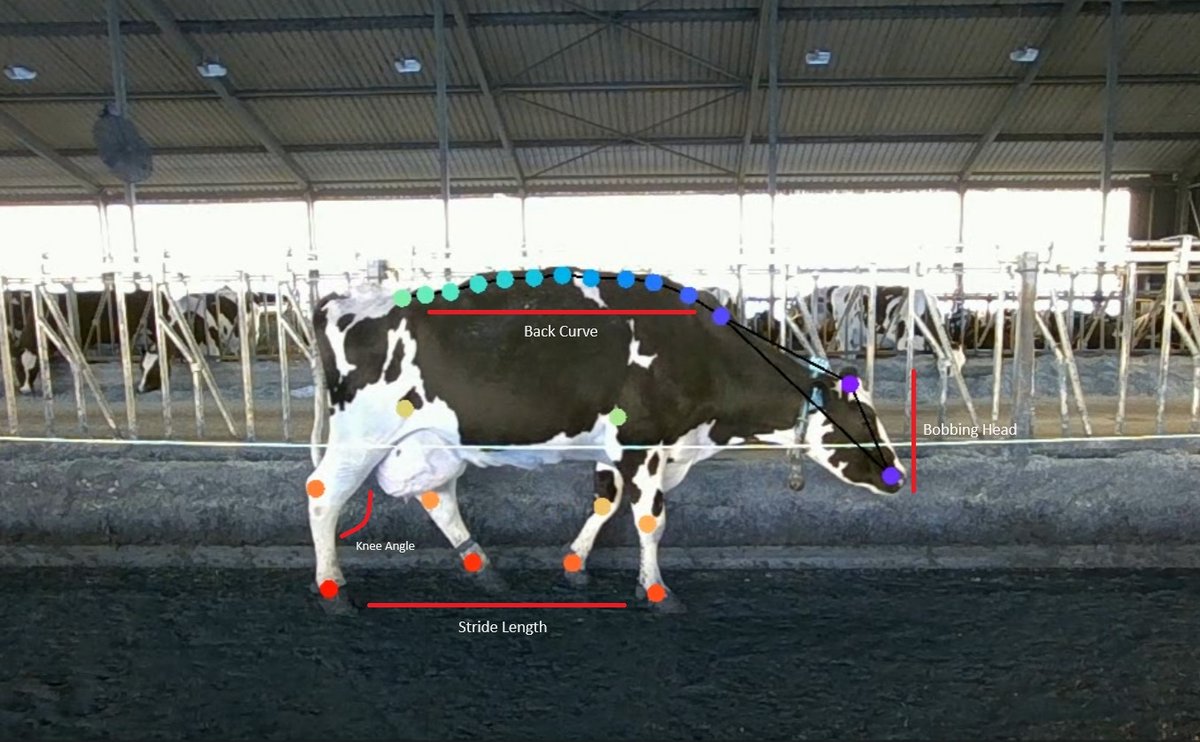
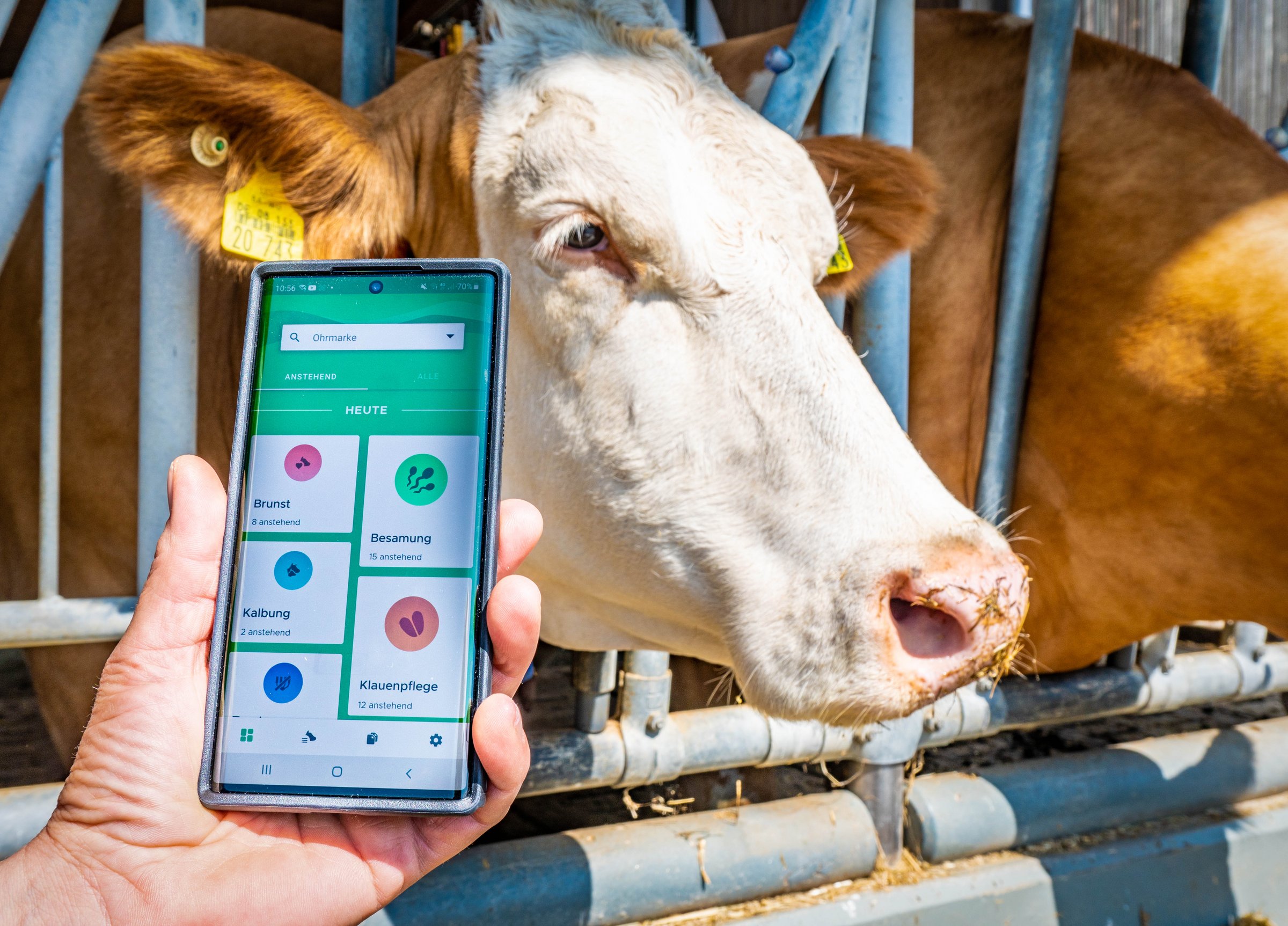
A key advancement lies in the intelligent integration and analysis of individual animal data. Sensor-, camera- and AI-based systems, such as those developed in the DigiStable or CHN projects, for example. These enable continuous monitoring of behaviour, health status and environmental conditions in dairy and pig farming. The data collected is consolidated into user-friendly platforms and helps farmers make informed, farm-specific decisions.
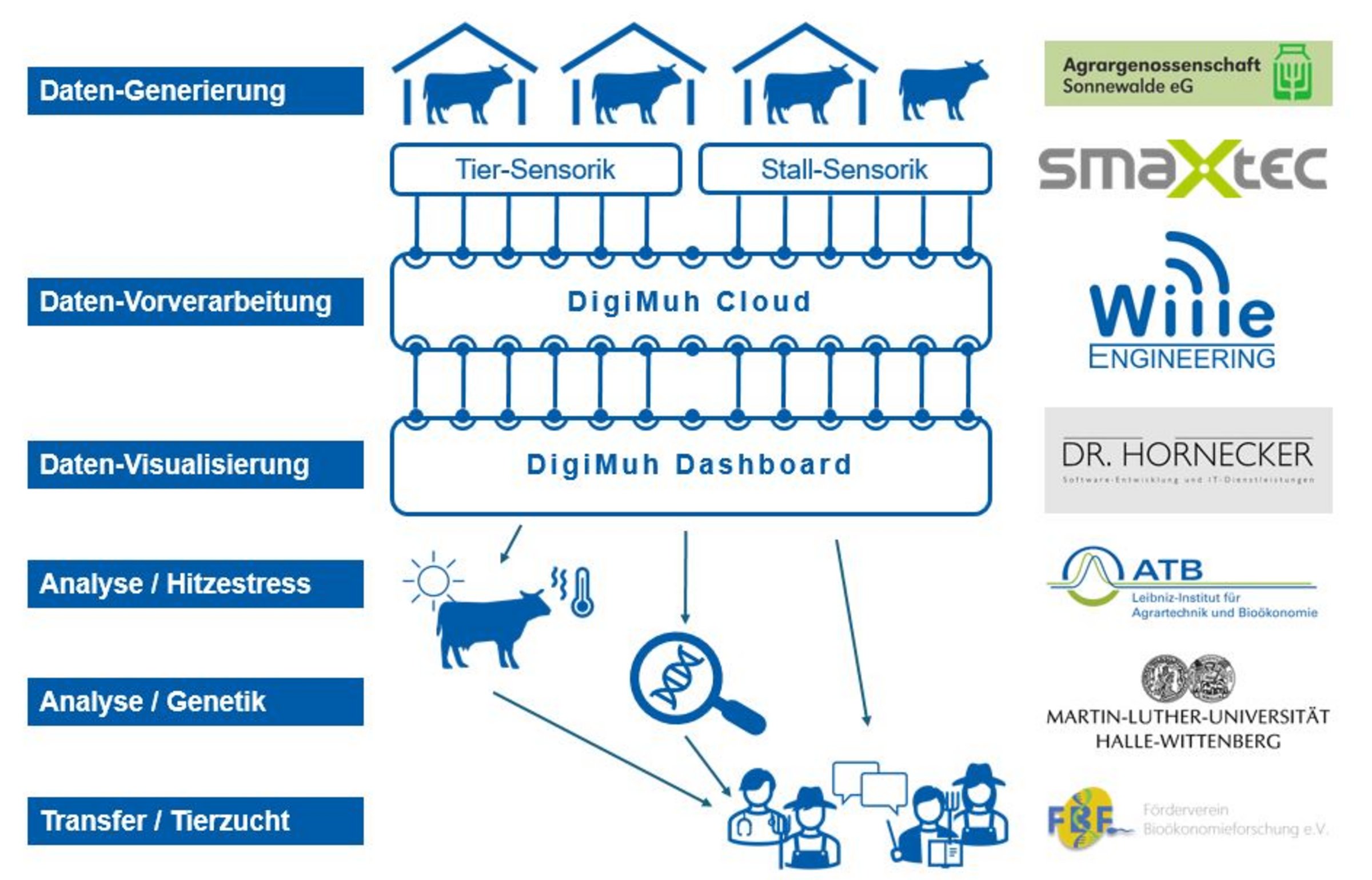
The benefits of digital applications are particularly evident in the field of animal health: projects such as MuKoLa or DigiMuh demonstrate how diseases (e.g. lameness) and stress can be detected at an early stage, often even before visible symptoms appear. This allows targeted measures to be implemented more quickly, improves animal welfare and, in the long term, also reduces the use of medication.
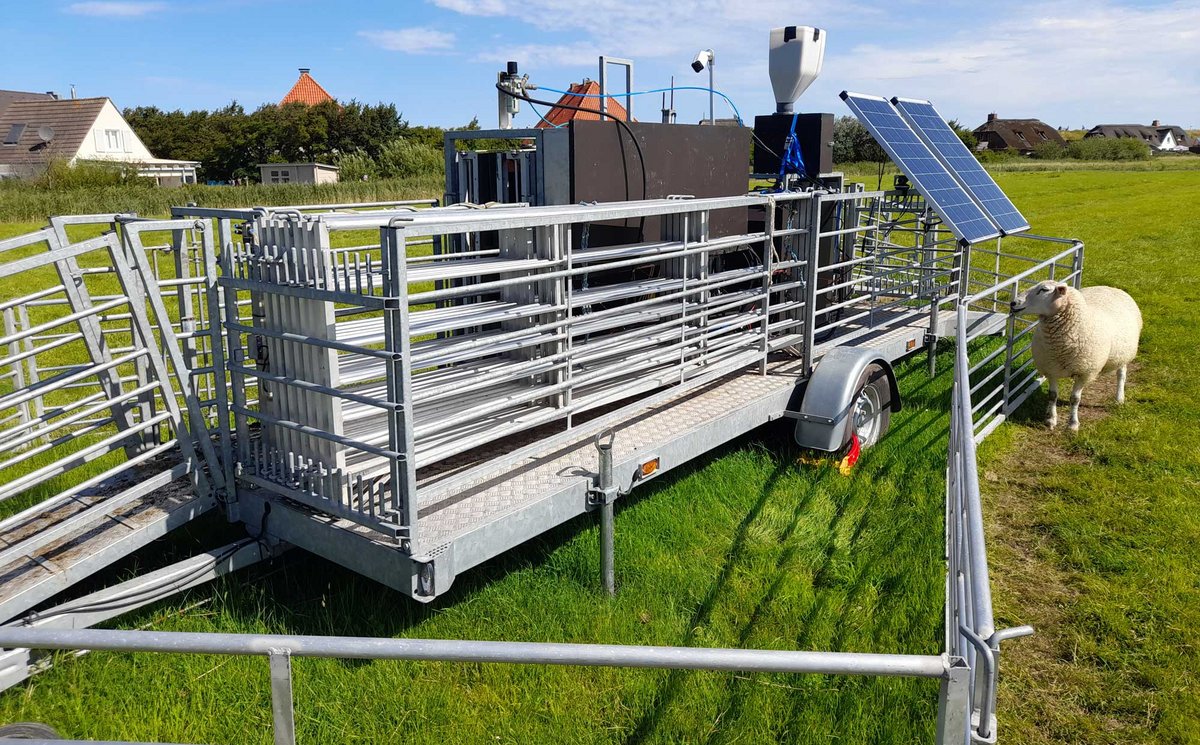
Another key area of development concerns digital solutions for grazing. Projects such as IoL, WeideInsight and SmartSheepNet demonstrate how tracking technologies and sensor systems can be used to continuously monitor animals, even across vast areas. Movement profiles, locations and activity patterns provide valuable insights into animal health and behaviour, enabling more targeted herd management. At the same time, applications such as SmartFence for the automated maintenance of pasture fences open up new possibilities for reducing labour-intensive inspection rounds and making livestock farming under extensive conditions more efficient and safer. Such systems are becoming increasingly important, particularly against the backdrop of a shortage of skilled labour.
Furthermore, digital applications make an important contribution to transparency and traceability in livestock farming. Through the continuous recording and documentation of animal welfare, health and production data, processes can be presented in a more traceable manner, both within the farm and along the entire value chain. This not only strengthens operational control but also the trust of consumers and market partners.
Many applications are evolving further towards providing concrete decision support. For instance, the expert system developed as part of the IQexpert project and already established at LKV Bayern (State Board of Producer Associations for Animal Processing) provides data-based recommendations for udder health management in dairy farming and helps to optimise operational processes in a targeted manner.
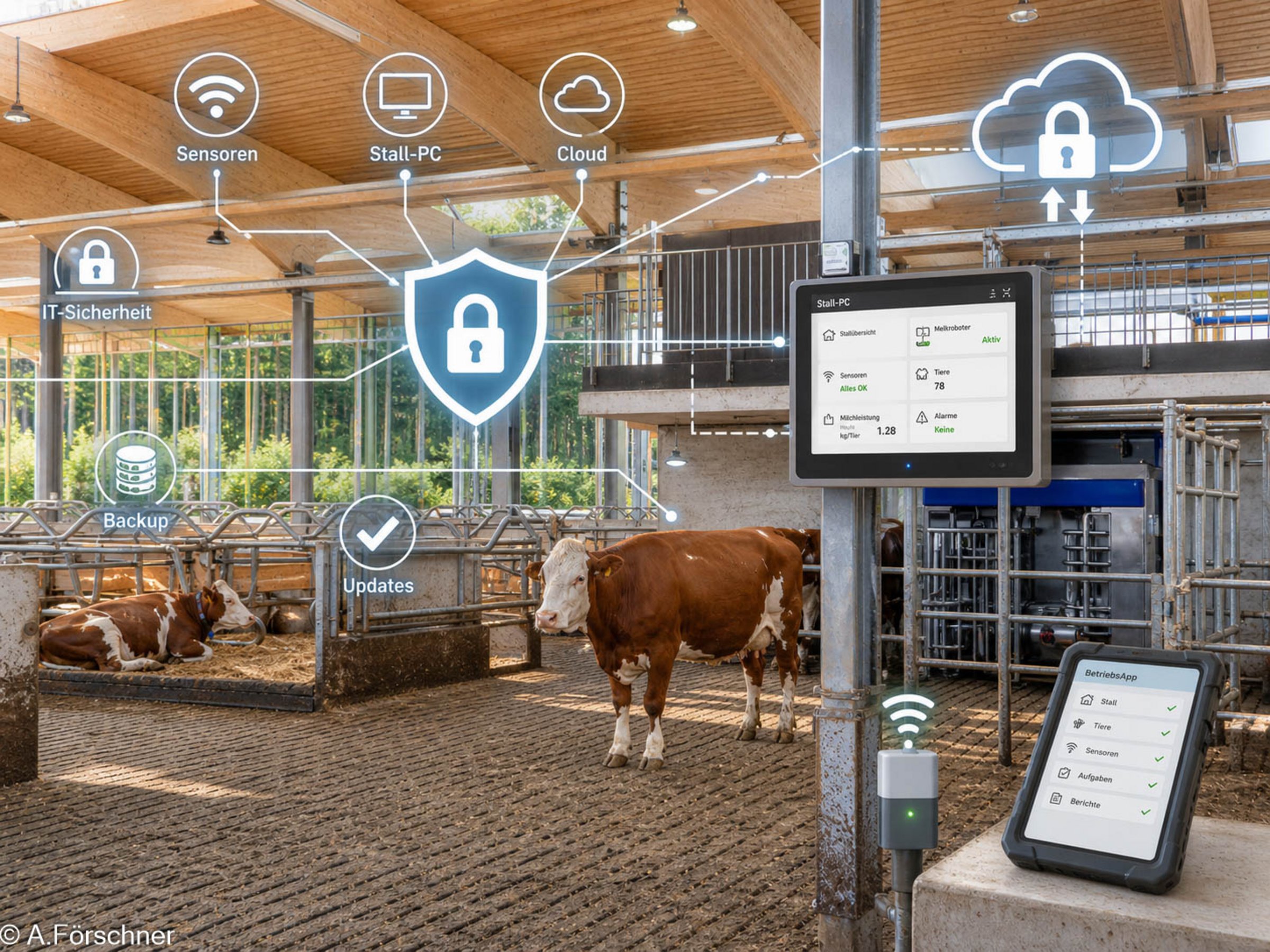
At the same time, the evaluation of the projects shows that there is still a need for further development. In particular, improved networking and interoperability between different systems, issues of data security and data sovereignty, as well as the cost-effectiveness and robustness of individual technologies remain key topics for the future.
Overall, the results show that many of the technologies developed have already achieved a high level of technological maturity and practical relevance. At the same time, it is clear that digitalisation in livestock farming should not be viewed as a stand-alone innovation, but rather as an integrated system solution that only realises its full potential through the interplay of technology, data infrastructure and operational application.
Contact:
Dr Sabine Goetz, [email protected]
Further information
https://www.innovationsprogramm.de/vernetzung-und-transfer/digitier