
- Dr. Isabella Giambra, Justus Liebig University, Giessen
- Philipp Heimel, Landesbetrieb Landwirtschaft Hessen
- Dr. Ulrike Wolf, KTBL
- Dr. Rebecca Simon, Landesbetrieb Landwirtschaft Hessen
- Saskia Markmann, Landesbetrieb Landwirtschaft Hessen
- Leonie Schnecker, Landesbetrieb Landwirtschaft Hessen
- Dr. Brigitte Eurich-Menden, KTBL
Funding note: This document was produced as part of the joint project ‘Netzwerk Fokus Tierwohl’ (Animal Welfare Network), funding reference numbers 28N419T01 to 28N419T17, by the ‘Emissions’ working group of the Animal Welfare Competence Centre for Cattle.
This collaborative project, involving the Chambers of Agriculture and agricultural institutions from all federal states, aims to improve the transfer of knowledge into practice in order to ensure that cattle, pig and poultry farms are equipped for the future through animal-welfare-friendly, environmentally sound and sustainable livestock farming.
The project is funded by the Federal Ministry of Food and Agriculture pursuant to a resolution of the German Bundestag.
All information and guidance is provided without any guarantee or liability.
Publisher
DLG e.V.
Centre for Agriculture
Eschborner Landstraße 122
60489 Frankfurt am Main
The reproduction and transmission of individual sections of text, drawings or images (including for teaching purposes) and the provision of fact sheets, in whole or in part, for viewing or downloading by third parties is permitted only with the prior authorisation of the relevant department of the Animal Welfare Competence Centre for Cattle and DLG e.V., Marketing Division, Tel. +49 69 24788-209, [email protected].
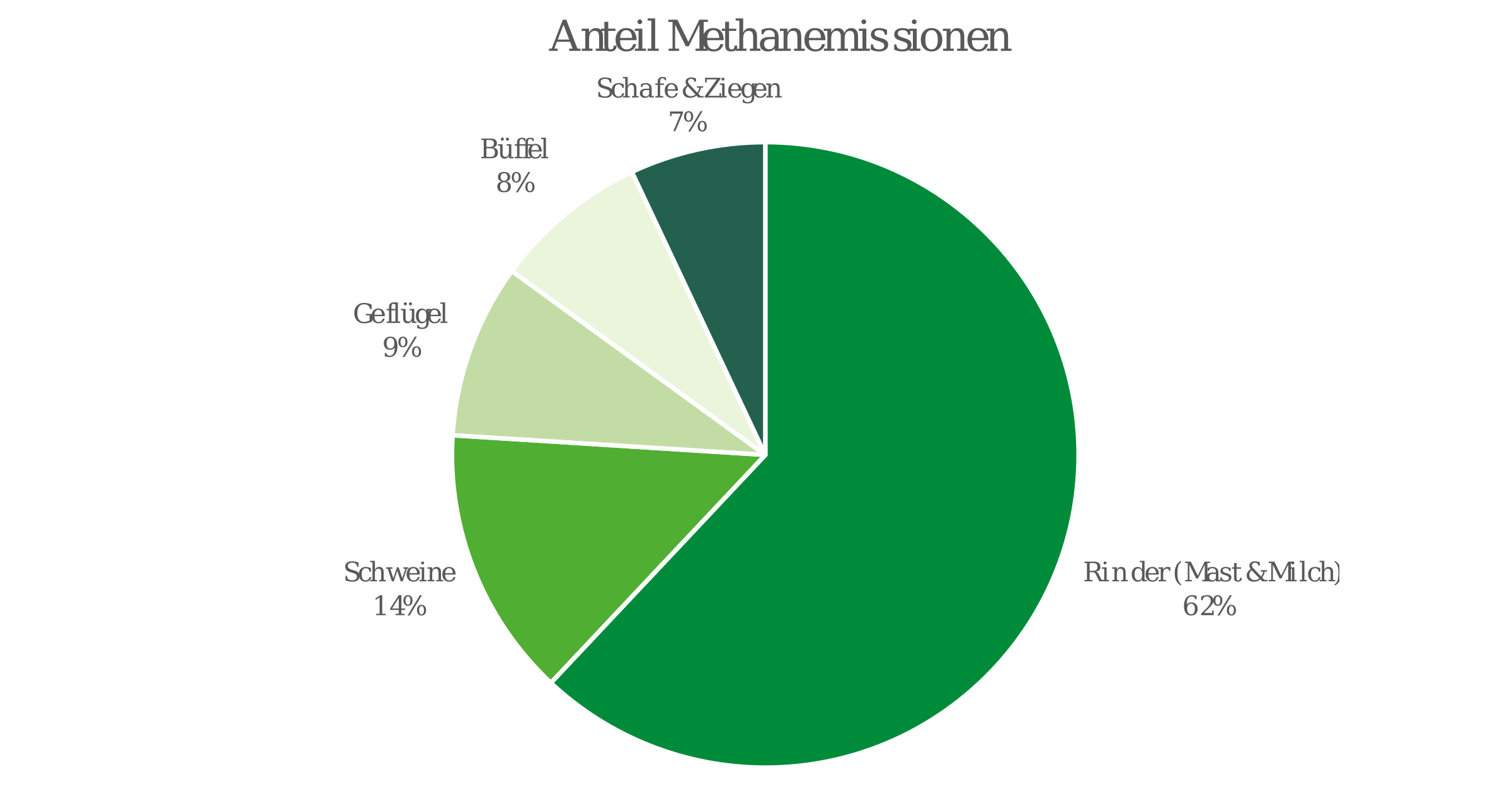
Methane (CH₄, non-fossil methane), a greenhouse gas occurring naturally in the atmosphere, has a global warming potential up to 27 times higher than that of carbon dioxide (CO₂) and thus contributes significantly to climate change (IPCC, 2024 Sixth Assessment Report, in English). Reducing this greenhouse gas therefore warrants particular attention. According to the Global Methane Pledge (in English), signed by 159 countries and the European Commission, global methane emissions are to be reduced by at least 30% by 2030 (compared with 2020 levels). A proportion of methane emissions also originates from agriculture, frequently from livestock farming (Fig. 1). The following section examines in more detail how methane is produced in cattle farming, what mitigation options are already available today, and the directions in which research is currently being conducted in this field.
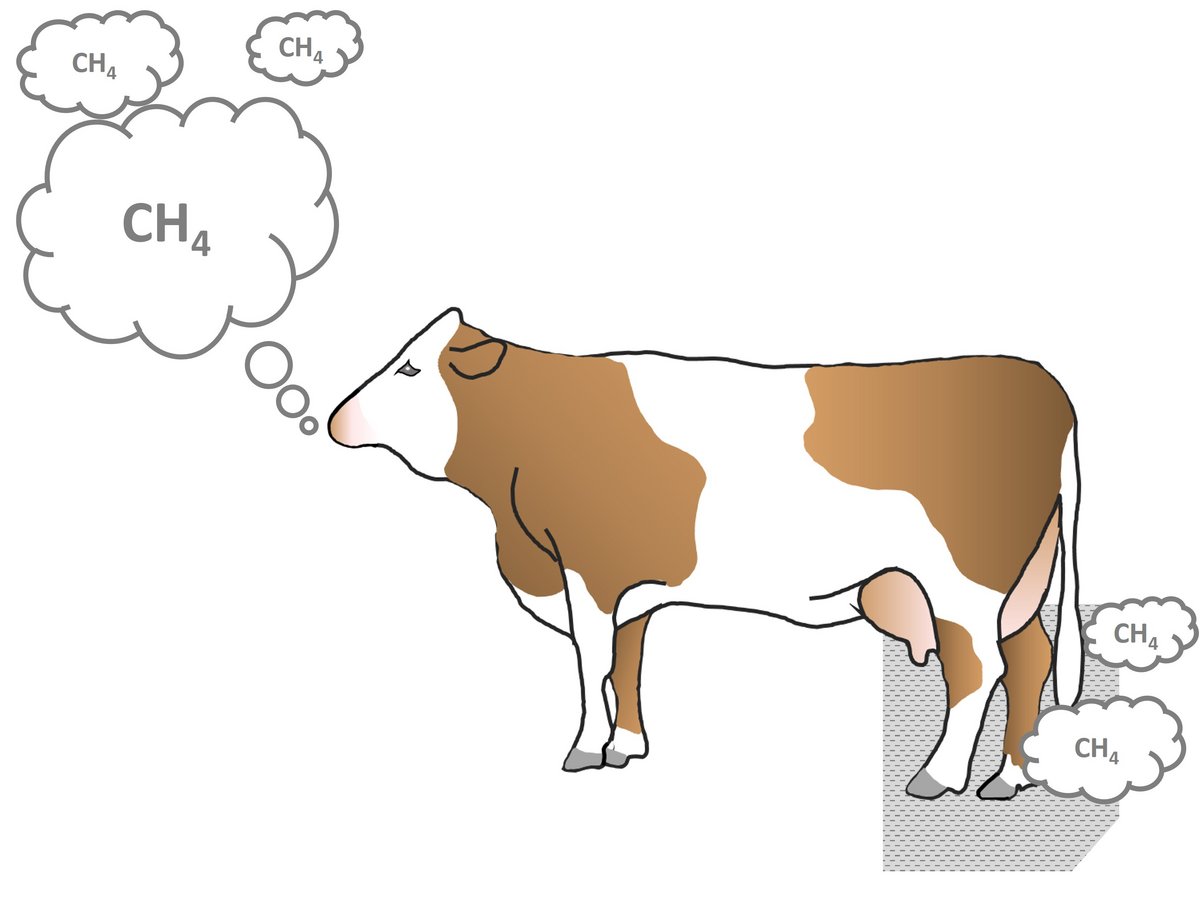
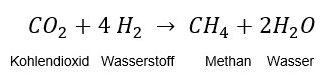
HOW is methane (CH₄) formed?
Methane is produced by methanogenic (= methane-producing) microorganisms during the digestion of carbohydrates in the forestomachs of ruminants. It is mainly expelled via the breath when the animal belches. The production of methane is essential, as it removes hydrogen (H₂) from the forestomachs, which would otherwise impair digestive activity.
| Unit | Quantity |
|---|---|
| Per dairy cow per day | 250–500 g |
| Per beef calf per day | 70–170 g |
| Per kg of milk | 7–30 g |
| Per kg of carcase weight | 0.5–0.8 g |
Table 1: Methane production rates (Benchaar et al. 2023, Gilson et al. 2020, Hagerty et al. 2007, Ryan et al. 2022). Variations arise, for example, from differences in feed quantities and ration compositions, but also from differences in measurement methods.
WHERE is methane produced?
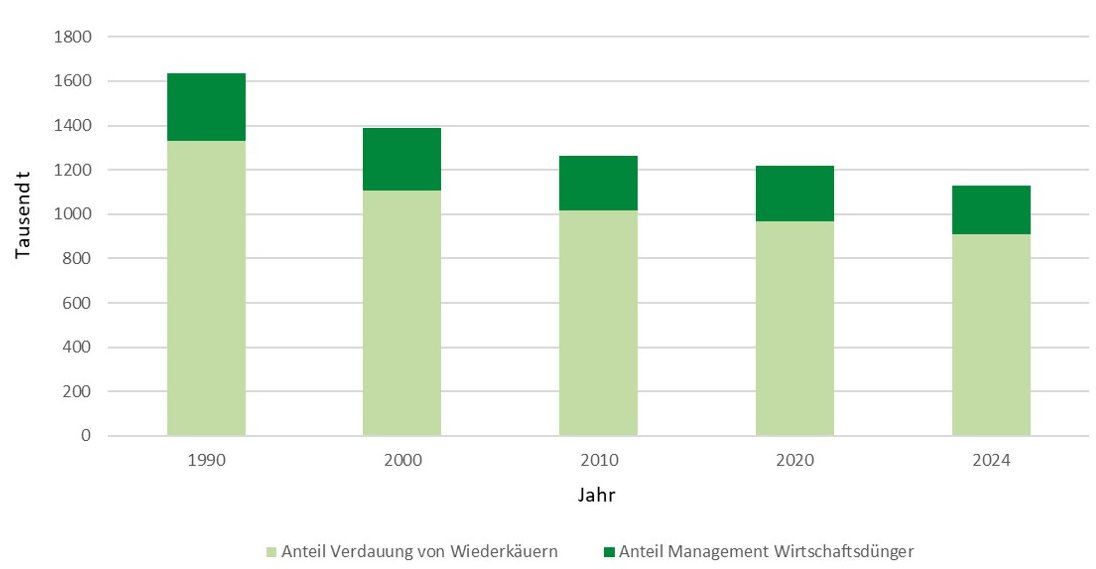
In 2024, 76% of Germany’s methane emissions originated from agriculture (UBA); these were caused, on the one hand, by the digestion of feed by ruminants and, on the other, by the storage and management of slurry and manure (Fig. 2). In recent years, a reduction in methane emissions has already been achieved, partly due to a reduction in cattle numbers (greenhouse gas emissions from agriculture).
In contrast to ammonia emissions, there are significant differences in methane emissions between different housing systems, depending on where the slurry is stored (inside or outside the barn). The EmiDaT project provides the latest figures:
- Solid floor or slatted floor with outdoor slurry storage: 131 (kg CH₄ per animal place per year)
- Slatted floor with slurry pit: 308 kg (kg CH₄ per animal place per year)
Further information
In which areas can mitigation measures be implemented?
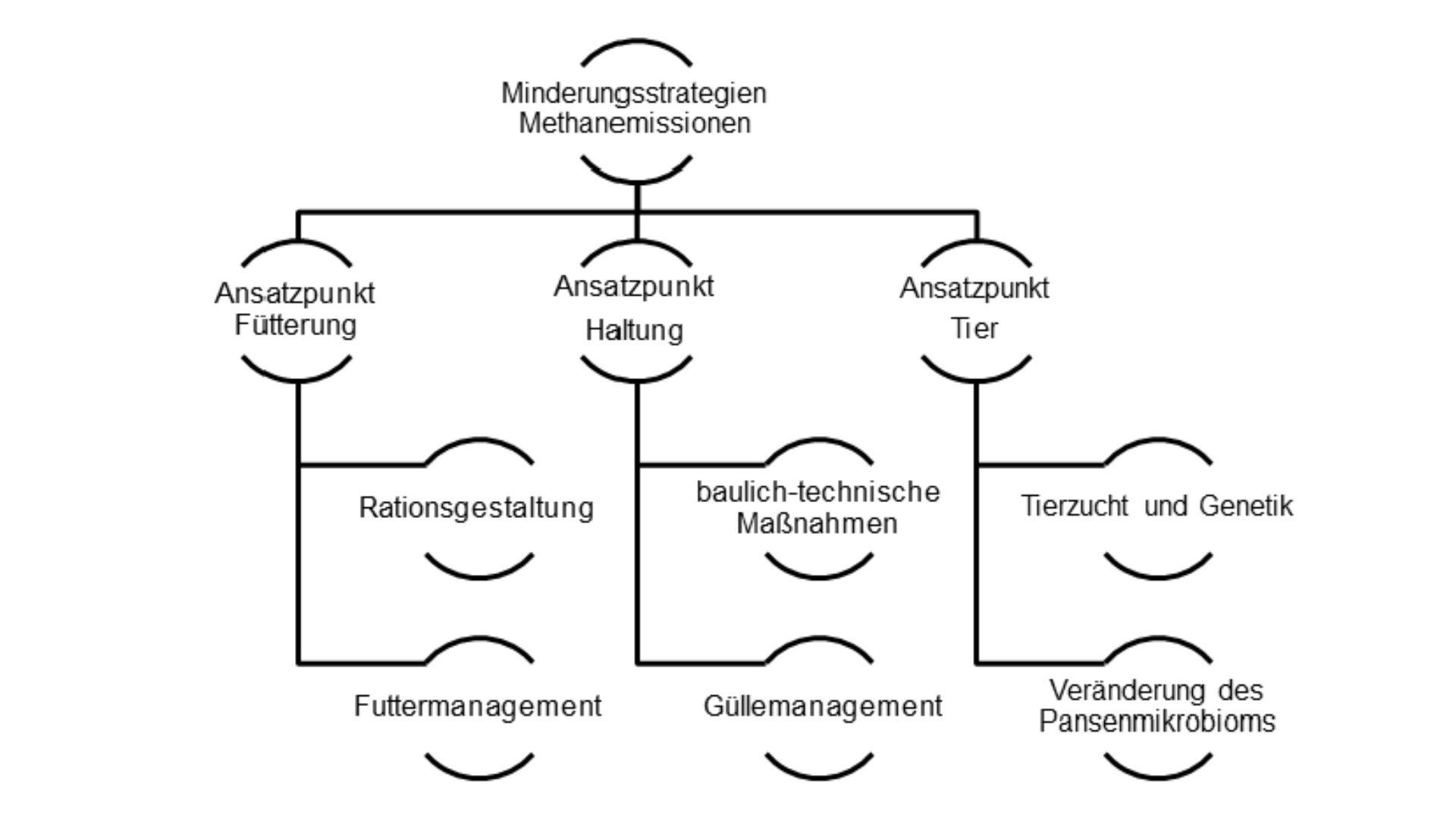
Unlike with ammonia, there are few structural or technical options available for reducing methane emissions in livestock housing. Many mitigation measures relate to feeding practices. A relatively large amount of methane is produced during digestion, particularly when animals are fed cellulose- and fibre-rich feed. What other measures can be used to reduce methane emissions? Many potential levers have been and are being examined in greater detail through research. The points shown in Fig. 3 are described in more detail below.
Feeding: where to start
In the field of feeding, there are various approaches that can be adopted to reduce methane emissions. However, a methane-reducing feeding strategy must not have a negative impact, for example, on feed intake (ensuring that energy and nutrient requirements are met at the respective stage of production), food safety or the environment. Continuous supplementary feeding or ration adjustment is necessary to achieve a lasting reduction in methane emissions (Kreuzer 2025).
In addition to feeding (quantity and ration composition) itself, forage production and management – such as the reduction of forage losses – also represent a key area for emission reduction.
Ration formulation
When formulating rations for cattle, the following applies with regard to methane emissions over the long term: the higher the feed efficiency, the lower the relative amount of methane produced per kg of end product (kg of milk or kg of meat).
When formulating rations (Fig. 4), care can be taken to ensure a higher proportion of rumen-degradable starch and a shorter retention time (high passage rate) of the feed in the rumen. This is achieved by increasing the proportion of concentrate feed or maize silage in the ration. Limits are set by designing the ration to suit ruminants, with a maximum concentration of rumen-degradable starch plus sugars of 21% in the dry matter (note the risk of acidosis) (DLG Information 01I2025). A higher concentration of fibre-bound carbohydrates in the ration is associated with an increase in methane production, whilst high ration digestibility is associated with a reduction in methane emissions.
Increase the crude fat concentration
The source of the fat (e.g. rapeseed, soya, linseed), the dosage and the overall composition of the ration all influence the potential for methane reduction. In particular, feed components with a high proportion of polyunsaturated fatty acids help to reduce emissions by inhibiting methane-producing bacteria in the rumen.
Recent studies suggest that the addition of rapeseed oil alters the composition of the rumen microbiome. In particular, the proportion of fibre-degrading microorganisms decreases, which generally leads to poorer feed digestibility. This effect is only partially reversible; the use of rapeseed oil should therefore be approached with caution (O’Hara et al. 2025). The crude fat concentration in the ration should not exceed 4% of dry matter in order to avoid adverse effects on the microbial breakdown of fibre carbohydrates.
Further information
DLG Information: Ration optimisation and feeding management for dairy cows
When oilseeds were used, a negative effect on weight gain was observed in the lactating animals studied; however, no negative effect on milk yield was observed (Arndt et al. 2022).
Grassland, or grass and silage feeding
The time of harvest has an impact on methane production. An earlier harvest leads to lower methane emissions due to a lower concentration of fibre carbohydrates in the plants and the resulting improved digestibility of the forage (Arndt et al. 2022, Brask et al. 2013).
However, a recent German study indicates that there is no demonstrable link between methane emissions and the diversity of pastureland (species richness in terms of vegetation) (Komainda et al. 2025). Grazing on species-rich land cannot therefore serve as a mitigation measure.
Further information
Press release: Diverse pastures – more milk and less methane?
Methane-reduced feeding – how does it work?
Reducing methane emissions through feeding
Launch of the MethaCow project
Feed additives
To date, only one feed additive that has a positive impact on the environment by reducing methane emissions has been authorised in the EU (Regulation (EC) No 1831/2003). The feed additive, which has been authorised since 2022, is a product based on 3-nitrooxypropanol (3-NOP).
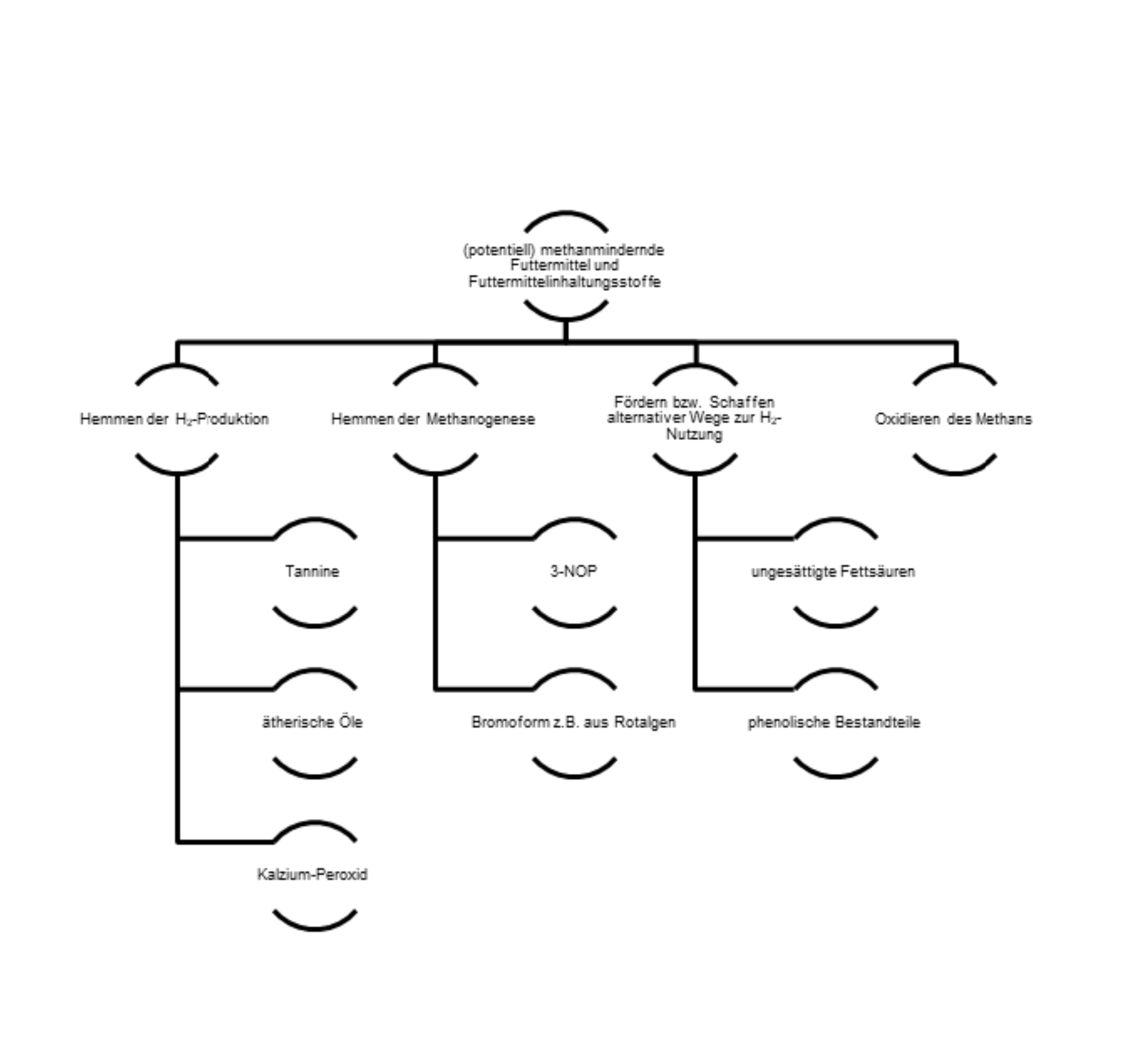
3-NOP is a chemical methane inhibitor that inhibits methanogenesis (Figure 5). The resulting increase in available H₂ can be utilised for propionate synthesis in the rumen (cf. feeding a concentrate-based ration). Consequently, its use leads to a shift in ruminal fermentation processes, whilst the composition of the ruminal microbiome remains largely unaffected (O’Hara et al. 2025).
Various studies have demonstrated its efficacy depending on the dosage and the overall ration composition. To date, no effect of supplementation on feed intake, milk yield or milk composition has been demonstrated in dairy cows (Van Wesemael et al. 2019). The specified minimum and maximum levels (follow the manufacturer’s instructions) in the daily ration must be observed in each case to ensure the safe and effective action of the feed additive. Incorporation into concentrate pellets or mixing into the compound feed are examples of possible forms of administration (Van Wesemael et al. 2019).
Further information
Scientific opinion of the European Food Safety Authority (EFSA)
Feed materials containing certain phytochemicals
These are primarily secondary plant compounds, such as essential oils (terpenes) and tannins (Figure 5). However, the results are not consistent, meaning that no clear recommendation regarding their use can be made. Differences in efficacy may also arise due to individual differences between animals, herds and farms.
Feed materials containing higher levels of the aforementioned secondary plant compounds may be fed without any specific regulatory requirements (e.g. red clover, sainfoin). However, in the case of products containing these secondary plant compounds in isolated form, separate authorisation as a feed additive is generally a prerequisite for their use in animal feed.
A collection of various feeding examples:
Reducing methane emissions through feeding
Certain phytochemicals, such as essential oils (terpenes), saponins and isoflavones – the latter being found primarily in red clover – are also said to have a methane-reducing effect. Such additives are commercially available, but are not explicitly authorised as feed additives for the reduction of methane emissions.
Tannins (esparsette, horn clover, chicory or alfalfa)
Scientists are not yet able to explain the exact link between the supplementary feeding of tannins and the observed reduction in methane emissions. It is thought that tannins influence the enzymatic activity of microorganisms in the rumen. (Zanon 2025, Cieslak et al. 2014). Depending on the source of the tannins, varying degrees of emission reduction are observed (Arndt et al. 2022).
Biochar
The use of biochar as a feed material in cattle feed did not result in any demonstrable reduction in methane emissions.
Further information
Biochar in cattle feeding – a closer look at potential additional benefits
Table 2: Summary of the proven effects of various mitigation strategies on methane emissions and the animal (adapted from Arndt et al. 2022, supplemented by GfE 2023 and Jayanegara et al. 2011).
Effect on the animal | |||||
|---|---|---|---|---|---|
| Mitigation strategy | CH₄ reduction potential | Feed intake | Digestibility | Milk yield | Daily weight gain |
| Increase in feed quantity / intake | ↓↓ | ↑↑↑↑ | ↓ | ↑↑ | ↑↑↑↑ |
| Earlier harvest time | ↓↓ | ↑ | ↑↑ | ↑ | No data |
| Reduction in the roughage:concentrate ratio | ↓ | ↑ | = | ↑↑ | ↑↑ |
| CH4 inhibitors | ↓↓↓ | = | = | = | = |
| Feed containing tannins | ↓ | = | ↓ | = | = |
| Electron sink | ↓↓ | ↓ | = | ↑ | = |
| Oils and fats | ↓↓ | ↓ | ↓ | = | = |
| Oilseeds | ↓↓ | = | ↓ | = | ↓↓ |
↓ Reduction of up to 10%; ↓↓ Reduction of 11–25%; ↓↓↓ Reduction of 26–50%; ↓↓↓↓ Reduction of > 50%;
↑ Increase of up to 10%; ↑↑ Increase of 11–25%; ↑↑↑ Increase of 26–50%; ↑↑↑↑ Increase of > 50%
= no detectable effect
Starting point: Posture
Structural and technical approaches
Unlike the reduction of ammonia emissions, there are hardly any structural and technical options available for reducing methane emissions that have a proven effect.
Slatted floors with emission flaps have no effect on methane reduction.
In principle, slurry cooling would reduce methane emissions; however, due to the high costs of installation, conversion and operation, it is not practical and has so far only been investigated in pig houses.
Slurry management
The addition of sulphuric acid to acidify the slurry can reduce both methane and ammonia emissions. The system is already in use in Denmark. In Germany, however, it is not currently relevant in practice.
To keep methane emissions in the barn to a minimum, the slurry must be removed from the barn as quickly as possible. Subsequently, methane emissions can be reduced through acidification or the addition of approved slurry additives (e.g. calcium cyanamide) (Holtkamp et al. 2023). Alternatively, the gas produced can be utilised in a biogas plant.
Energy recovery from methane
Fermenting slurry and manure in biogas plants prevents methane from escaping into the atmosphere. Methane emissions generated during the storage of slurry can only be reduced through gas-tight storage followed by incineration. For these reasons, utilising the methane for energy through digestion in a biogas plant is the most effective mitigation measure. To achieve the greatest possible reduction in methane emissions, it is essential to regularly clear the manure passages and feed the slurry directly from the barn into the biogas plant.
Methane emissions per animal place for various storage methods in dairy farming, assuming a milk yield of 7,500 kg/year (KTBL, Issue 119, Climate Protection in Agriculture, 2017)
| Slurry cellar | 38.6 kg CH₄/animal place/year |
|---|---|
| Tank with plastic sheeting cover | 38.6 kg CH₄ per animal place per year |
| Tank with floating layer | 22.7 kg CH4 per animal space per year |
| Biogas plant with gas-tight storage of digestate | 6.1 kg CH4/animal place/year |
As the methane emission figures for the various storage options illustrate, the use of slurry in biogas plants can achieve an emission reduction of approximately 85 per cent.
Further information:

Starting point: Animals
Extending the productive life and increasing efficiency
An effective strategy for reducing methane emissions per kg of milk or meat is to breed high-performing, fertile and long-lived animals. This shortens unproductive periods during which methane is still produced (König et al., 2022).
This is illustrated, for example, by the relationship between milk yield and methane emissions in Fig. 6.
Reducing methane emissions through breeding
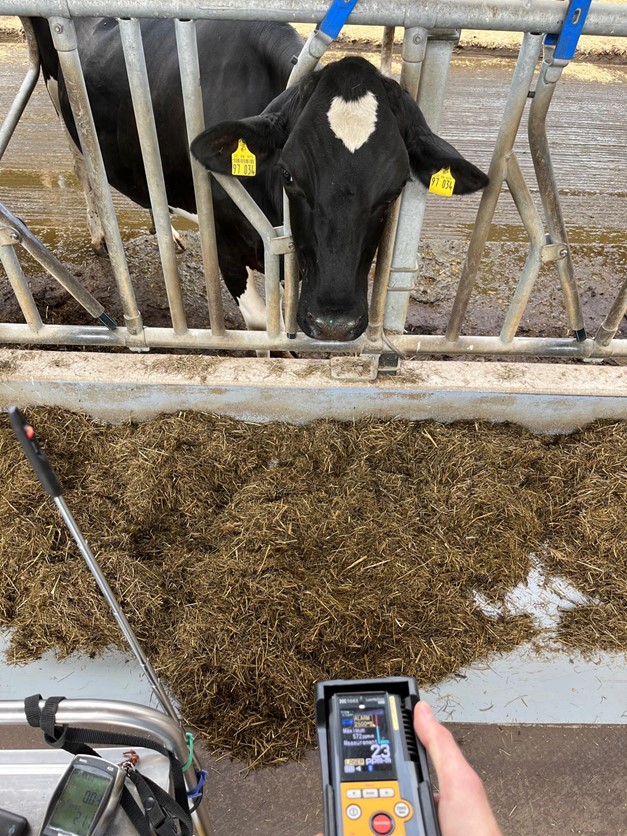
There are two approaches to reducing methane emissions through breeding. The first concerns the cattle themselves. The second approach focuses on the rumen microorganisms (rumen microbiome). A fundamental prerequisite for the possibility of selectively breeding for a trait is the objective identification (Figure 7) of individual differences between animals, as well as the heritability (h²) of that trait.
Depending on the measurement method used, heritabilities of around 25% have been observed for methane emissions (Lassen and Difford, 2020; Donoghue et al., 2016; Pickering et al., 2015). Variations in methane emissions between cows are therefore one-quarter genetically determined. As a general rule, the higher the heritability, the more accurately potential methane breeding values can predict the actual methane emissions of the animals.
Further information
Breeding strategies for reducing methane emissions in cattle
Heredity
In animal breeding, heritability (h²) describes the proportion of a trait’s expression that can be attributed to genetic factors. Generally speaking, the higher the heritability of a trait, the better the prospects for selective breeding and the lower the environmental effect on that trait. Heritability can be broadly categorised into three levels:
High heritability: h² > 0.45; e.g. body conformation, milkability
Medium heritability: h² 0.2 – 0.4; e.g. fertility parameters
Low heritability: h² 0.01 – 0.15; e.g. health parameters
Breeding strategies
Breeding strategies for cattle
Currently, there are increased efforts worldwide – particularly in the dairy cattle sector – to incorporate methane emissions into existing breeding strategies. For example, a Canadian breeding organisation states that, through the selection of artificial insemination sires and the application of genomic herd management, it will be possible to reduce methane emissions in Holstein-Friesian herds by 30 per cent compared with current levels by the year 2050 (https://www.semex.com/us/i?page=methane). Furthermore, the Canadian studies show that a reduction in methane emissions has no adverse effects on other functional traits of the cattle.
In principle, a large sample size must be analysed to develop reliable breeding value estimation methods (König et al., 2022). Consequently, the systems described below for individual methane measurement have been developed in recent years. For example, ‘sniffers’ are already being used in Spain, the Netherlands and Denmark to record traits as part of breeding programmes aimed at managing methane emissions. In addition, the possibility of making predictions based on milk constituents is increasingly being utilised. In Canada and by some German regional control associations, for example, milk spectral data are used alongside breeding values to predict individual animal methane emissions. In April 2023, the first official genetic evaluations of methane efficiency for Holstein cattle were published in Canada (https://lactanet.ca/en/new-genetic-evaluations-april-2023/).
Similar efforts are also underway in Germany; for example, a breeding value for methane emissions in dairy cattle is to be developed (the MethaBreed project). This will then enable the targeted selection of dairy cows with lower methane production.
Research into the detailed characterisation of genomic mechanisms also focuses on the genetic characterisation of the rumen microbiome and its interactions with the cattle.
Breeding strategies relating to the rumen microbiome
It has been shown that, in addition to the effects of the cow itself, 13 per cent of individual methane emissions can be explained by the microbiome or by cow-microbiome interactions (Difford et al., 2018). As individual differences between animals – for example, in pH value and rumen size – as well as feeding practices influence the composition of the microbiome, the interaction between the cattle and the rumen microbiome is significant. A genetic component of the rumen microbiome and its positive correlation with methane emissions has been demonstrated in numerous studies (König et al., 2022; Difford et al., 2018; Sasson et al., 2017). However, analysing the microbial composition is currently still too labour-intensive and not cost-effective enough for use in breeding programmes. It remains to be seen to what extent direct characterisation of the rumen microbiome can be utilised in cattle breeding in the future. Further research is needed. In future, potential strategies aimed at altering the rumen microbiome should be investigated with a view to reducing methane emissions in cattle farming (Difford et al., 2018).
Vaccination
Researchers are currently working on the development of a methane vaccine. The aim is to administer a single vaccination early in life, which is intended to bring about a lifelong reduction in methane emissions. The basic idea behind this is to stimulate the production of antibodies that bind to the methanogenic bacteria in the digestive tract, thereby reducing methane production. Whether such an effect can be achieved in practice and what impact this will have on cattle (animal health, feed intake, etc.) is the subject of current research (Pioneering Cattle Methane Vaccine Project Launched… | Bezos Earth Fund).
Animal feed
Furthermore, various feedstuffs and their ingredients with the potential to reduce methane emissions are being investigated. Whilst some substances demonstrate such effects in studies, they also entail undesirable side effects. In many cases, the long-term effects have yet to be assessed. None of the following groups of substances has been granted EU authorisation as a feed additive in the functional group ‘substances having a beneficial effect on the environment’; consequently, their use as methane-reducing agents or in animal feed is not currently permitted.
Red algae Asparagopsis spp.
This species of algae contains high levels of bromoform, which reduces methane production during digestion. A reduction in methane emissions of 80–90 per cent has been demonstrated in trials with cattle.
There are general concerns regarding its use, as bromoform is suspected of having a carcinogenic (cancer-causing) effect in humans. Studies to date have not been able to rule out the possibility that bromoform passes into milk (Muizelaar et al. 2021, Stefenoni et al. 2021). The high iodine content of red algae may also represent a limiting factor in feeding (summarised by Arndt et al. 2022).
The use of red algae as a single feed material is possible in principle; however, the use of bromoform as a pure substance or in isolated form as a feed is not permitted.
Calcium peroxide (CaO₂)
Put simply, calcium peroxide inhibits the activity of anaerobic methane-producing bacteria by increasing oxygen levels in the rumen. Depending on the dosage, the supplementation of calcium peroxide in fattening bulls can lead to a reduction in methane emissions of 16–32% (Roskam et al. 2024). In the study on fattening bulls, the supplementation of calcium peroxide at various doses had no effect on final fattening weight, daily weight gains or feed conversion, although the group receiving high doses of CaO₂ in non-pelleted form showed a reduced dry matter intake (Roskam et al. 2024). Further studies are needed, for example, to investigate the effect of CaO₂ on the rumen microbiome and its CH₄-reducing effect in relation to different rations.
Electron sinks
Electron acceptors, such as nitrate supplements, bind the hydrogen (H₂) produced during digestion, thereby preventing it from being utilised by methanogenic microorganisms to produce methane.
However, research in this area is still in its infancy; long-term studies and an assessment of side effects are still pending (Dicks et al. 2026).
Probiotics
Probiotics contain viable microorganisms (bacteria) which are said to have a positive effect on health. Research findings regarding the methane-reducing effect of probiotics are, in some cases, contradictory. A comparison of various studies showed that, in individual cases – particularly when probiotics comprising different bacterial strains were used – a positive effect was observed. However, a general recommendation for their use cannot be made (Ncho et al. 2024).
Animal breeding
Future strategies for incorporating methane emissions into practical cattle breeding:
Ongoing livestock breeding research projects aim to link individual animal measurements of methane emissions with genome-based analyses of cattle, with a view to establishing genome-based breeding value estimates for methane emissions in German cattle populations in the future. However, genetic relationships between methane emissions and performance parameters, fertility traits, animal health, longevity and body condition must not be overlooked. One advantage is that breeding for reduced methane emissions can already have a positive effect at the calf and young cattle stage.
A future genomic breeding value can be utilised through the selection of young female cattle and through targeted bull selection during mating, thereby contributing to reduced methane emissions.
Genome editing (e.g. CRISPR)
Initial efforts to utilise genetic engineering methods, such as CRISPR gene editing, to reduce methane emissions have also been launched. Two US universities are aiming to modify the rumen microbiome of calves so that, throughout their lives, they produce or emit little or no methane. The research focuses exclusively on modifying the rumen microbes. To this end, work is currently underway to decode the DNA of the various microbes in order to identify potential targets for genetic modification.
However, under current EU legislation, these calves are classified as genetically modified organisms (GMOs), the production, use and marketing of which are subject to very strict regulations. Practical application in Germany is not foreseeable at this stage.
Projects
Methane emissions from cattle farming pose a global challenge – one that is also being addressed by numerous international projects:
Global Methane Genetics (GMG) Initiative
Global Research Alliance on Agricultural Greenhouse Gases
Reducing greenhouse gas emissions from livestock farming: best practice and emerging options
Conclusion
Reducing methane emissions is ultimately a global challenge. The wealth of current research projects – for example, in animal breeding and feeding – clearly reflects the topicality and relevance of this issue. However, the findings must first be assessed for their practical applicability – this includes ensuring that animal health, performance and other breeding objectives are not adversely affected by methane-reducing breeding or feeding practices.
Even now, however, a number of options are already available which, when used in combination, can achieve good results in terms of methane reduction. Which measures can be implemented must be assessed on a farm-by-farm basis – there is no one-size-fits-all solution.
Further information
DLG Fact Sheet 491: Focus on methane in dairy cows
Methane emissions from cattle farming
Fact-check: Methane emissions in cattle farming
Methane Dossier – Discussion on the Assessment of Methane Emissions
Climate change: What role does methane from agriculture play?
Reducing methane emissions through feeding
FiBL fact sheet ‘Cows and Climate’: Not a contradiction, but potential
NEMUR Project – Sustainable Emissions Models for Environmentally Friendly Cattle Feeding
Side note: Recording methane emissions
In order to evaluate mitigation measures and incorporate them into breeding programmes, it is necessary to measure methane emissions as accurately as possible on an individual animal basis. The more frequently methane emissions are measured at the individual animal level, the better environmental factors such as feeding, housing and management can be assessed, and the more accurately the heritability of methane emissions can be calculated (König et al., 2022). Researchers have various methods at their disposal for this purpose (Table 2). However, due to costs and the effort involved in taking measurements, these are not always suitable for day-to-day use. The most practical method is the sniffer, which can be integrated into an automatic milking system (AMS) and, where appropriate, into a concentrate feeding station. The purchase cost (~€12,000) is still too high for routine use. However, it is possible to draw conclusions about methane emissions by recording auxiliary parameters. Data on milk constituents from the milk yield testing scheme (MLP) can be used for this purpose.
Calculation of methane emissions based on milk constituents
Given the link between the synthesis of milk fatty acids and the production of fatty acids and methane in the forestomachs, milk fatty acid profiles can be used to predict methane emissions. High proportions of short- and medium-chain fatty acids in milk are indicative of a forage-based ration with increased methane production. High proportions of long-chain fatty acids – the end product of starch digestion – are an indication of a diet rich in concentrate feed, with lower methane emissions. Milk fatty acid profiles can be determined through spectral analysis of the milk. These analyses of milk spectral data may therefore, under certain circumstances, be used in future as indicators of methane and could replace the labour-intensive methane measurements carried out using respiration chambers or laser methane detectors (LMD), or usefully complement sniffer technology. Milk spectral analyses can be easily integrated into the routine milk yield testing process.
Further information
Calculation of a dairy cow’s methane emissions based on milk constituents
| System | Advantages | Disadvantages |
|---|---|---|
| Respiration chamber | Highly accurate measurements (gold standard) | High costs |
| poor applicability to pasture-based husbandry | ||
| Low capacity (1 animal per chamber) | ||
| Unfamiliar environmental conditions for the animal | ||
| Long measurement time | ||
| Not feasible on commercial farms | ||
| Face mask | Suitable for use in various natural husbandry environments | High maintenance |
| lower costs | may be a source of disturbance for the animal | |
| Sulphur hexafluoride tracer (SF6) | Suitable for use in various natural housing environments, including on pasture | High maintenance |
| may be a source of disturbance for the animal; invasive | ||
| SF6 itself is highly harmful to the climate | ||
| Sniffer (gas flow quantification) | Can be used in various natural husbandry environments | Lower measurement accuracy |
| Can be used in practical operations for the continuous monitoring of CH4 emissions from entire herds | ||
| non-invasive | ||
| relatively inexpensive | ||
| Short measurement duration | ||
| GreenFeed system (gas flow quantification) | Can be used in various natural husbandry environments | Currently only used in research institutions as it is costly |
| non-invasive | Capacity limit of approx. 20 animals | |
| Short measurement duration | ||
| Laser methane detector, LMD | Can be used in various natural housing environments | difficult to standardise |
| Non-invasive | Interfering factors such as distance, angle of alignment, animal movements, air flow and temperature | |
| Time-consuming measurements mean large numbers of animals cannot be measured | ||
| Calculation of methane emissions based on milk constituents | applicable on commercial farms | ‘Snapshot’ |
| Suitable for everyday use | Applicable only to dairy cows | |
| cost-effective | No direct measurement of methane emissions |
Table 3: Advantages and disadvantages of the methods currently available for measuring methane emissions from cattle.
Bibliography
- C. Arndt, A.N. Hristov, W.J. Price, S.C. McClelland, A.M. Pelaez, S.F. Cueva, J. Oh, J. Dijkstra, A. Bannink, A.R. Bayat, L.A. Crompton, M.A. Eugène, D. Enahoro, E. Kebreab, M. Kreuzer, M. McGee, C. Martin, C.J. Newbold, C.K. Reynolds, A. Schwarm, K.J. Shingfield, J.B. Veneman, D.R. Yáñez-Ruiz, & Z. Yu (2022): Full adoption of the most effective strategies to mitigate methane emissions from ruminants can help meet the 1.5 °C target by 2030 but not by 2050, Proceedings of the National Academy of Sciences of the United States of America, Vol. 119 (20) e2111294119, doi: 10.1073/pnas.2111294119.
- K.A. Beauchemin, E. Kebreab, M. Cain, M.J. VandeHaar (2025): The Path to Net-Zero in Dairy Production: Are Pronounced Decreases in Enteric Methane Achievable? Annual Review of Animal Biosciences, Vol. 13(1):325–341, doi: 10.1146/annurev-animal-010324-113703.
- A. Belance, A. Bannink, J. Dijkstra, Z. Durmic, F. Garcia, F.G. Santos, S. Huws, J. Jeyanathan, P. Lund, R.I. Mackie, T.A. McAllister, D.P. Morgavi, S. Muetzel, D.W. Pitta, D.R. Yánez-Ruiz, E.M. Ungerfeld (2024): Feed additives for methane mitigation. A guideline to uncover the mode of action of anti-methanogenic feed additives for ruminants. J. Dairy Sci. 108, pp. 375–394, doi: 10.3168/jds.2024-25046.
C. Benchaar, F. Hassanat, K.A. Beauchemin, D.R. Ouellet, H. Lapierre, C. Côrtes (2023): Effect of metabolisable protein supply on milk performance, ruminal fermentation, apparent total-tract digestibility, energy and nitrogen utilisation, and enteric methane production in Ayrshire and Holstein cows. Animals, Vol. 13: 832, doi: 10.3390/ani13050832.
- M. Brask, P. Lund, A.L.F. Hellwing, M. Poulsen, M.R. & Weisbjerg (2013): Enteric methane production, digestibility and rumen fermentation in dairy cows fed different forages with and without rapeseed fat supplementation. Animal Feed Science and Technology, Vol. 184(1–4), 67–69, doi: 10.1016/j.anifeedsci.2013.06.006.
German Farmers’ Association (2020): Fact check: Methane emissions in cattle farming. (last accessed: 17 June 2026).
L. Dicks, Y. Roman-Garcia, S. van Gastelen, M. Maigaard, P. Ingram, G.F. Schroeder (2026): A meta-analysis of the effects of nitrate supplementation on enteric methane emissions, production performance, and blood methaemoglobin in dairy cattle. Journal of Dairy Science, Vol. 109(3), 2444–2457. doi: 10.3168/jds.2025-27514.
G.F. Difford, D.R. Plichta, P. Løvendahl, J. Lassen, S.J. Noel, O. Højberg, A.-D.-G. Wright, Z. Zhu, L. Kristensen, H.B. Nielsen, B. Guldbrandtsen, G. Sahana (2018): Host genetics and the rumen microbiome jointly associate with methane emissions in dairy cows. PLoS Genetics, Vol. 14: e1007580. doi: 10.1371/journal.pgen.1007580.
K.A Donoghue, T. Bird-Gardiner, P.F. Arthur, R.M. Herd, R.F. Hegarty (2016): Genetic and phenotypic variance and covariance components for methane emissions and post-weaning traits in Angus cattle. Journal of Animal Science, Vol. 94: 1438–1445. doi: 10.2527/jas.2015-0065.
- European Commission: Food and Feed Information Portal Database – Feed Additives. https://ec.europa.eu/food/food-feed-portal/screen/feed-additives/search (last accessed: 17 June 2026)
FAO (2023): Pathways towards lower emissions – A global assessment of greenhouse gas emissions and mitigation options from livestock agrifood systems. Rome. doi: 10.4060/cc9029en.
L. Fehmer, J. Herold, P. Engel, S. König (2021): Individual cow methane emissions in freewalk farming systems and associations with breeding traits. Book of Abstracts of the 72nd Annual Meeting of the European Federation of Animal Science, Davos, Switzerland. 30 August–3 September 2021: 499.
- P. Forster, T. Storelvmo, K. Armour, W. Collins, J.-L. Dufresne, D. Frame, D.J. Lunt, T. Mauritsen, M.D. Palmer, M. Watanabe, M. Wild, and H. Zhang (2021): The Earth’s Energy Budget, Climate Feedbacks, and Climate Sensitivity. In Climate Change 2021: The Physical Science Basis. Contribution of Working Group I to the Sixth Assessment Report of the Intergovernmental Panel on Climate Change [Masson-Delmotte, V., P. Zhai, A. Pirani, S.L. Connors, C. Péan, S. Berger, N. Caud, Y. Chen, L. Goldfarb, M.I. Gomis, M. Huang, K. Leitzell, E. Lonnoy, J.B.R. Matthews, T.K. Maycock, T. Waterfield, O. Yelekçi, R. Yu, and B. Zhou (eds.)]. Cambridge University Press, Cambridge, United Kingdom and New York, NY, USA, pp. 923–1054, doi: 10.1017/9781009157896.009.
- I.U. Gadzama (2025): The GreenFeed System as a tool for measuring methane emissions from ruminants. Wikifarmer. Retrieved from https://wikifarmer.com/library/en/article/greenfeed-system-as-a-tool-for-measuring-methane-emissions-from-ruminants (last accessed: 16 June 2026).
Society for Nutritional Physiology, Committee on Nutritional Requirements (eds.) (2023): Recommendations on energy and nutrient requirements for dairy cows. Energy and nutrient requirements of farm animals. 1st edition. ISBN: 978-3-7690-0865-4.
G. Gislon, S. Colombini, G. Borreani, G.M. Crovetto, A. Sandrucci, G. Galassi, E. Tabacco, L. Rapetti (2020): Milk production, methane emissions, nitrogen, and energy balance of cows fed diets based on different forage systems. Journal of Dairy Science, Vol. 103: 8048–8061, doi: 10.3168/jds.2019-18134.
R.S. Hegarty, J.P. Goopy, R.M. Herd, B. McCorkell (2007): Cattle selected for lower residual feed intake have reduced daily methane production. Journal of Animal Science, Vol. 85: 1479–1486, doi: 10.2527/jas.2006-236
- F. Holtkamp, J. Clemens, M. Trimborn (2023): Calcium cyanamide reduces methane and other trace gases during long-term storage of dairy cattle and fattening pig slurry. Waste Management, Vol. 161, doi: 10.1016/j.wasman.2023.02.018.
A. Jayanegara, F. Leiber, M. Kreuzer (2011): Meta-analysis of the relationship between dietary tannin levels and methane formation in ruminants based on in vivo and in vitro experiments. Journal of Animal Physiology and Animal Nutrition, Vol. 96: 365–375, doi: 10.1111/j.1439-0396.2011.01172.x.
S. König, L. Fehmer, K. May. (2022): Breeding strategies for reducing methane emissions in cattle. Züchtungskunde, Vol. 94: 262–274. ISSN 0044-5401.
- M. Komainda, F. Riesch, J. Isselstein (2025): Boosting grassland output and lowering methane emissions by grazing dairy cows on diverse pastures? Food and Energy Security 14, doi: 10.1002/fes3.70113.
- M. Kreuzer (2025) Feed additives for methane mitigation: Introduction – Special issue on technical guidelines for developing feed additives to reduce enteric methane. Journal of Dairy Science, Vol. 108, pp. 298–301, doi: 10.3168/jdy.2024-25669.
- KTBL (2017): Issue 119, Climate Protection in Agriculture. ISBN 978-3-945088-47-0.
J. Lassen, G.F. Difford (2020): Review: Genetic and genomic selection as a methane mitigation strategy in dairy cattle. Animal, Vol. 14: pp. S3–S473–S483, doi: 10.1017/S175173112000156.1
- A. Mar (2024): Methane: A short-lived gas with far-reaching effects https://www.rifs-potsdam.de/de/blog/2024/04/methan-ein-kurzlebiges-gas-mit-weitreichender-wirkung (last accessed: 16 June 2026).
- C. Martin, Y. Rochette, D. Humphries, G. Renand (2020): Greenfeed system. In S.D. Esgaran, R. Baumont, L. Munksgaard, D. Humphries, E. Kennedy, J. Dijkstra, R. Dewhurst, H. Ferguson, M. Terré, B. Kuhla (Eds.), Methods in cattle physiology and behaviour research – Recommendations from the SmartCow consortium. PUBLISSO. doi: 10.5680/mcpb012.
- W. Muizelaar, M. Groot, G. van Duinkerken, R. Peters, J. Dijkstra (2021): Safety and Transfer Study: Transfer of Bromoform Present in Asparagopsis taxiformis to Milk and Urine of Lactating Dairy Cows. Foods. Vol. 10(3):584, doi: 10.3390/foods10030584.
- C.M. Ncho, S-H. Kim, S.A. Rang, S.S. Lee (2024): A meta-analysis of probiotic interventions to mitigate ruminal methane emissions in cattle: implications for sustainable livestock farming. Animal, Vol. 18, doi: 10.1016/j.animal.2024.101180.
N.K. Pickering, M.G.G. Chagunda, G. Banos, R. Mrode, J.C. McEwan, E. Wall (2015): Genetic parameters for predicted methane production and laser methane detector measurements. Journal of Animal Science, Vol. 92: 11–20, doi: 10.2527/jas2014-8302.
- A. del Prado, R.E. Vibart, F.M. Bilotto, C. Faverin, F. Garcia, F.L. Henrique, F.F.G.D. Leite, A.M. Mazzetto, B.G. Ridoutt, D.R. Yánez-Ruiz, A. Bannink (2025): Feed additives for methane mitigation: Assessment of feed additives as a strategy to mitigate enteric methane from ruminants – Accounting; How to quantify the mitigating potential of using antimethanogenic feed additives. Journal of Dairy Science, Vol. 108, pp. 411–429, doi: 10.3168/jds.2024-25044.
- E. Roskam, D.A. Kenny, A.K. Kelly, V. O’Flaherty, S.M. Waters (2024): Dietary supplementation with calcium peroxide improves methane mitigation potential in finishing beef cattle. Animal, Vol. 18, doi: 10.1016/j.animal.2024.101340.
C.V. Ryan, T. Pabiou, D.C. Purfield, S. Conroy, S.F. Kirwan, J.J. Crowley, C.P. Murphy, R.D. Evans (2022): Phenotypic relationship and repeatability of methane emissions and performance traits in beef cattle using the GreenFeed system. Journal of Animal Science. Volume 100, Issue 12, doi:10.1093/jas/skac349.
G. Sasson, S.K. Ben-Shabat, E. Seroussi, A. Doron-Faigenboim, N. Shterzer, S. Yaacoby, M.E. Berg Miller, B.A. White, E. Halperin and I. Mizrahi (2017): Heritable bovine rumen bacteria are phylogenetically related and correlated with the cow’s capacity to harvest energy from its feed. mBio 8, e00703–17, doi: 10.1128/mbio.00703-17.
Semex: Breeding the way to low-methane cows. https://www.semex.com/us/i?page=methane (last accessed: 17 June 2026).
- C. Sicard (2023): Can CRISPR Cut Methane Emissions From Cow Guts? https://www.ucdavis.edu/food/news/can-crispr-cut-methane-emissions-cow-guts (last accessed: 17 June 2026).
H.A. Stefenoni, S.E. Räisänen, S.F. Cueva, D.E. Wasson, C.F.A Lage, A. Melgar, M.E. Fetter, P. Smith, M. Hennessy, B. Vecchiarelli, J. Bender, D. Pitta, C.L. Cantrell, C. Yarish, A.N. Hristov (2021): Effects of the macroalga Asparagopsis taxiformis and oregano leaves on methane emissions, rumen fermentation, and lactational performance of dairy cows. Journal of Dairy Science. Vol. 104(4):4157–4173, doi: 10.3168/jds.2020-19686.
H. Sweett, A. Fleming (2023): Lactanet – New Genetic Evaluations Coming in April 2023. https://lactanet.ca/en/new-genetic-evaluations-april-2023/ (last accessed: 19 November 2025).
- J. Swift (2024): Field note – Diana Reyes Gomez: Harnessing red seaweed to reduce cow methane emissions. https://cals.cornell.edu/news/2024/08/diana-reyes-gomez-harnessing-red-seaweed-reduce-cow-methane-emissions (last accessed: 17 June 2026).
- C.E. Van Middelaar, J. Dijkstra, P.B.M. Berentsen, I.J.M. De Boer (2014): Cost-effectiveness of feeding strategies to reduce greenhouse gas emissions from dairy farming, Journal of Dairy Science, Vol. 97(4), doi: 10.3168/jds.2013-7648.
- D. Van Wesemael, L. Vandaele, B. Ampe, H. Cattrysse, S. Duval, M. Kindermann, V. Fievez, S. De Campeneere, N. Peiren (2018): Reducing enteric methane emissions from dairy cattle: Two ways to supplement 3-nitoroxypropanol. Journal of Dairy Science, Vol. 102, pp. 1780–1787, doi: 10.3168/jds.2018-14534.
- H. Vrancken, M. Suenkel, P. Hargreaves, L. Chew, E. Towers (2019): Reduction of enteric methane emissions on a commercial dairy farm using a new feed supplement. Open Journal of Animal Sciences, Vol. 9, pp. 286–296, doi: 10.4236/ojas.2019.93024.
- T. Zanon, C. Baes, F. Miglior, M. Gierus, M. Gauly (2025): Review: Effect of breeding strategies, feeding and manure management on mitigating methane emissions in dairy cattle farming: an overview and the way forward. Animal, doi: 10.1016/j.animal.2025.101617.