
Overview of topics: Poultry
Avian influenza
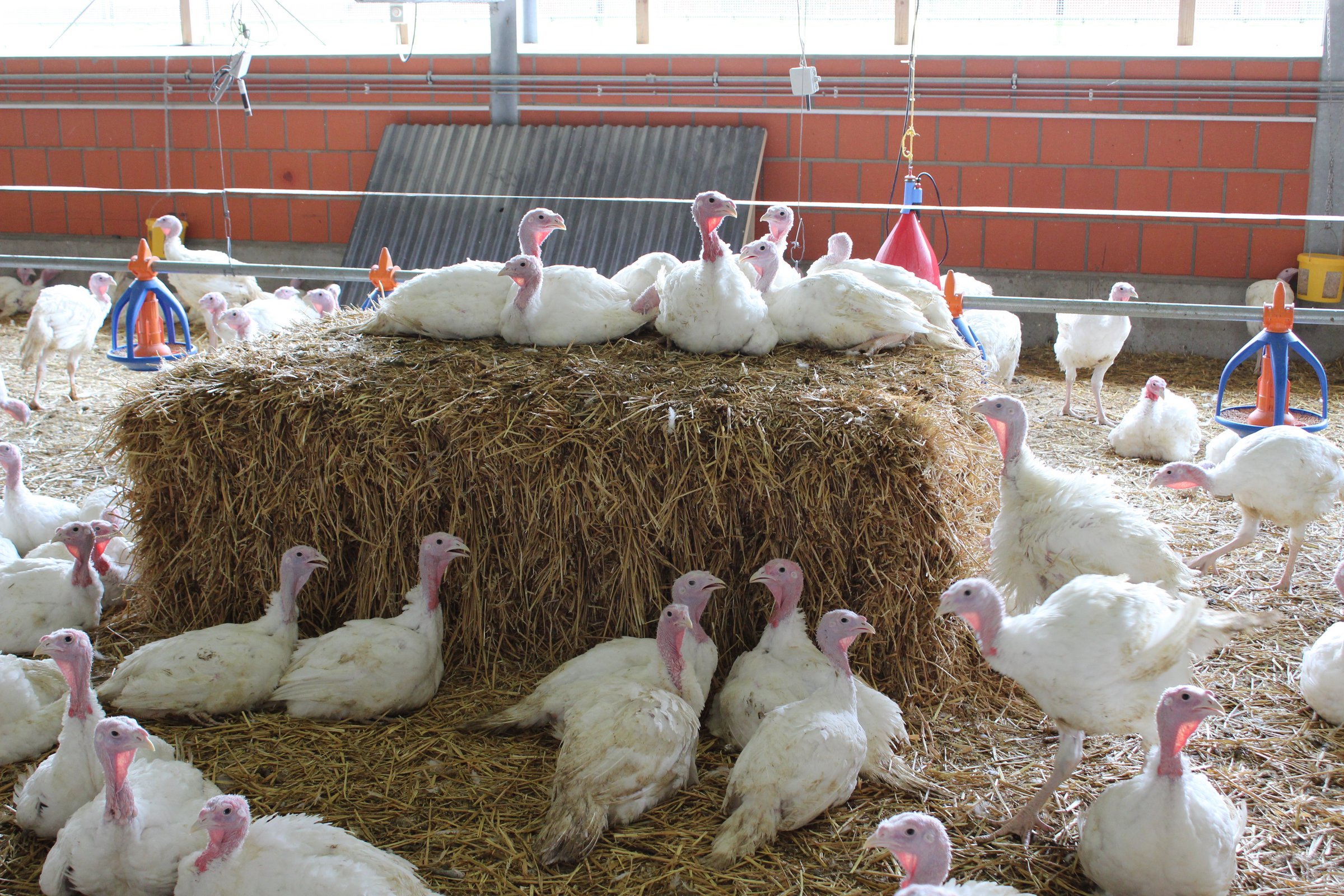
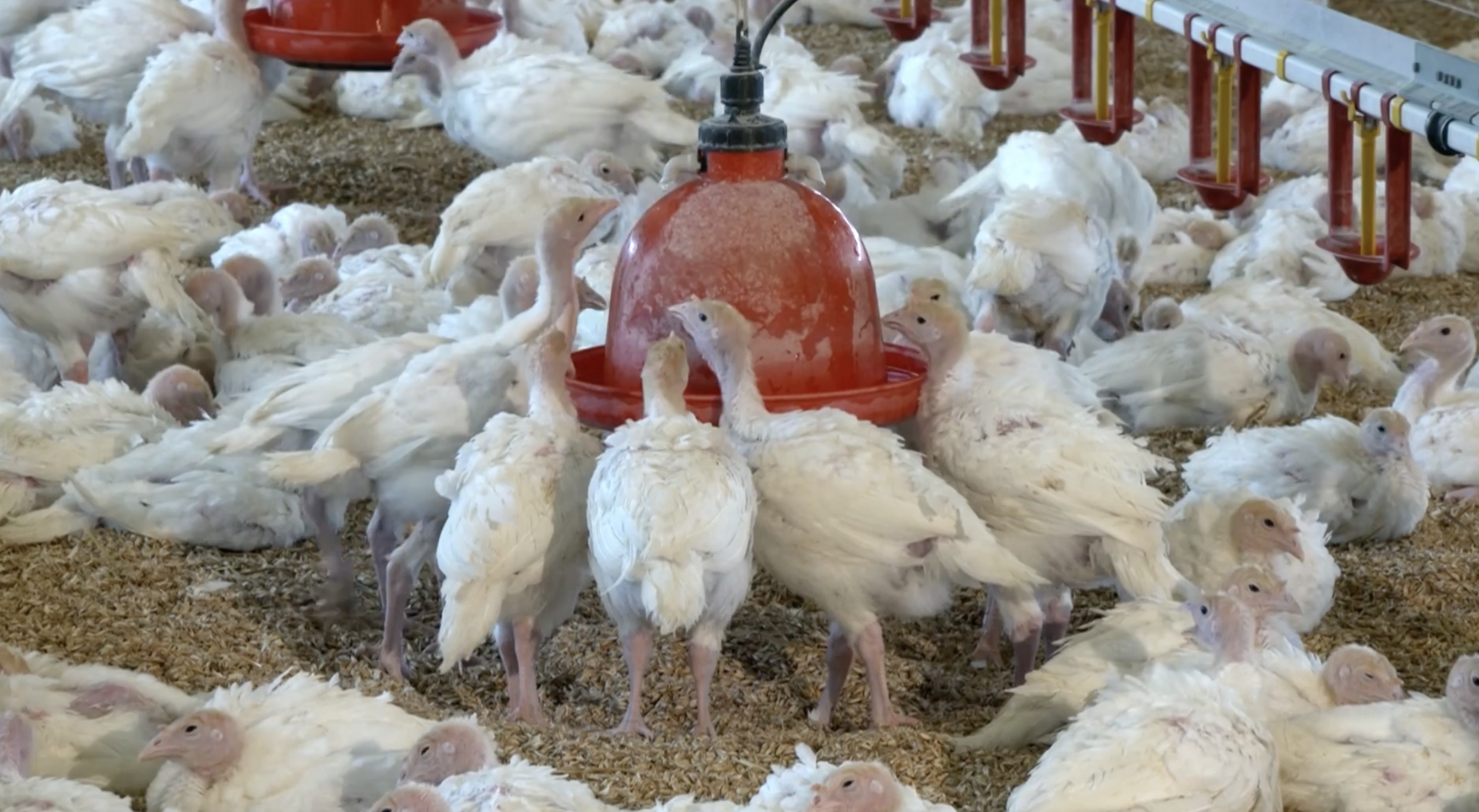
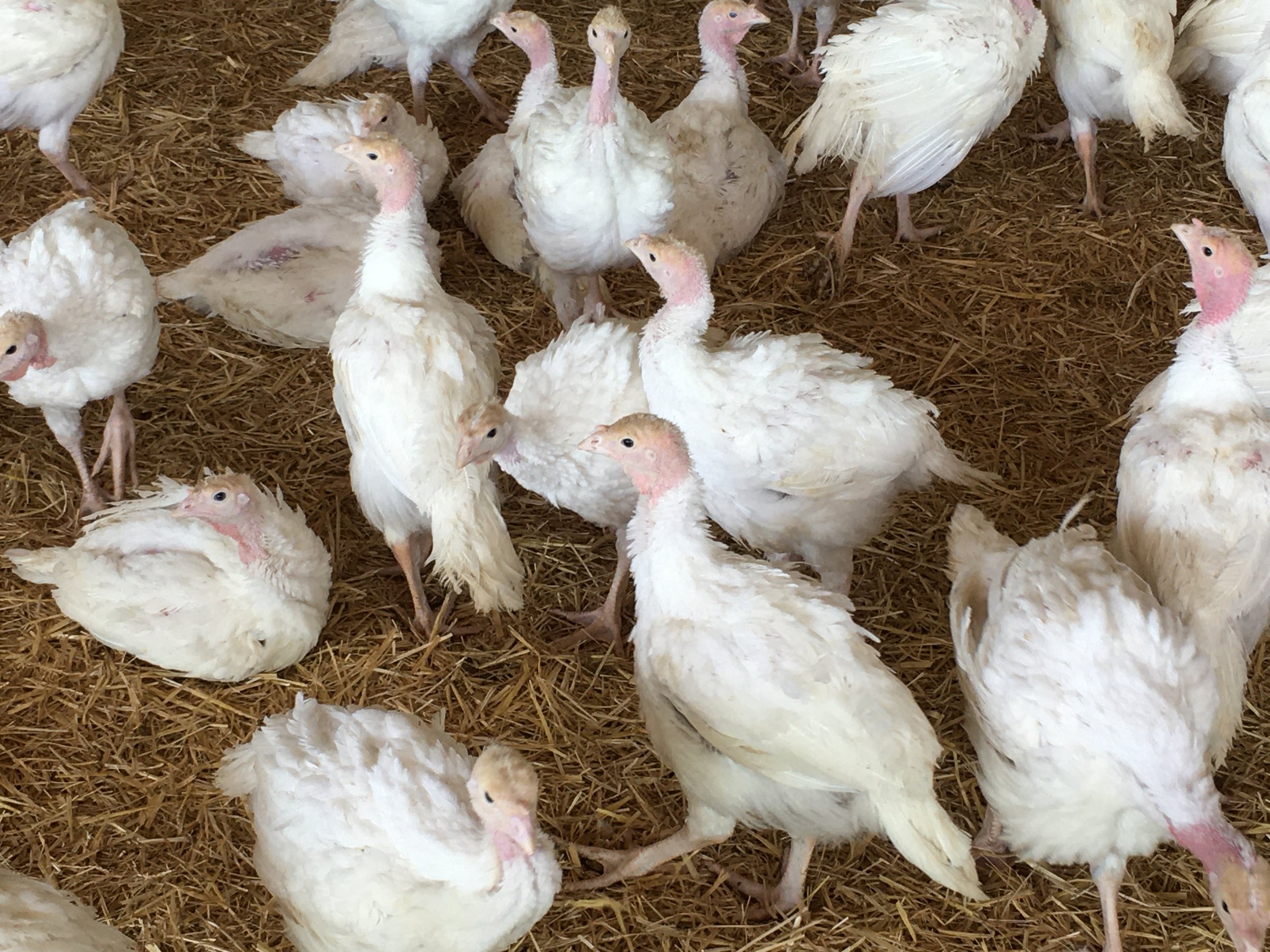
Enrichment materials in turkey farming
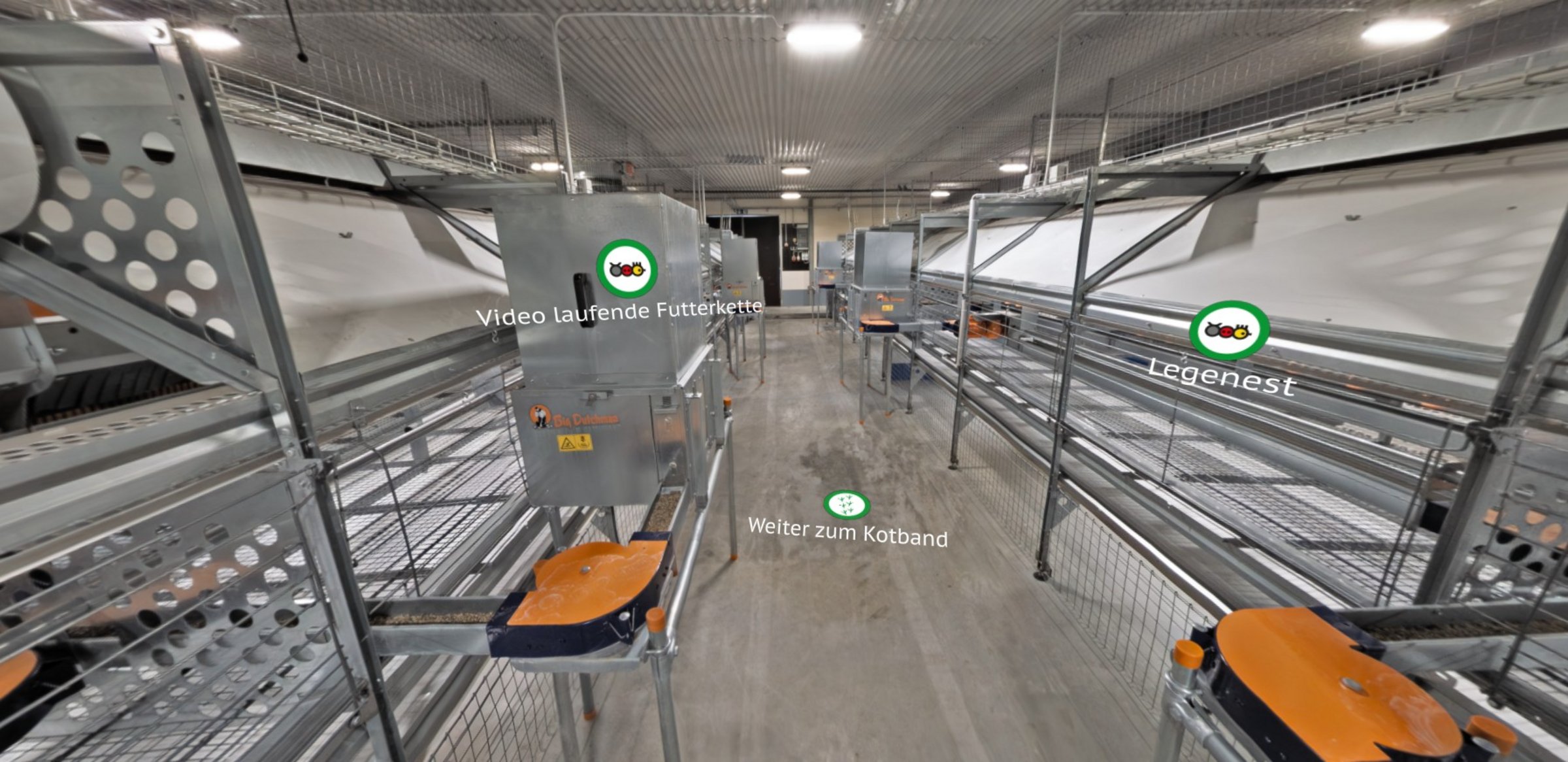
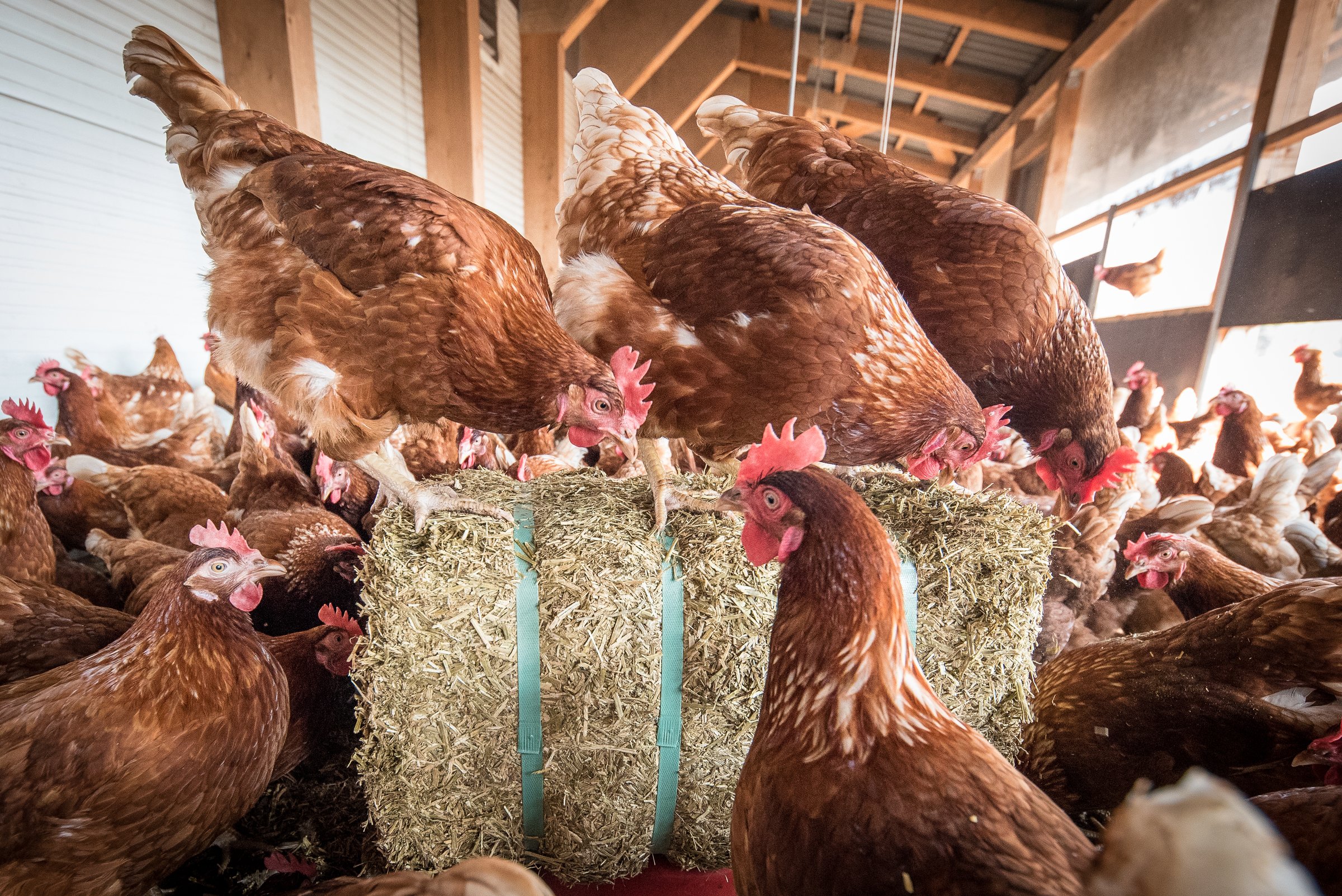
Floor-rearing system for laying hens
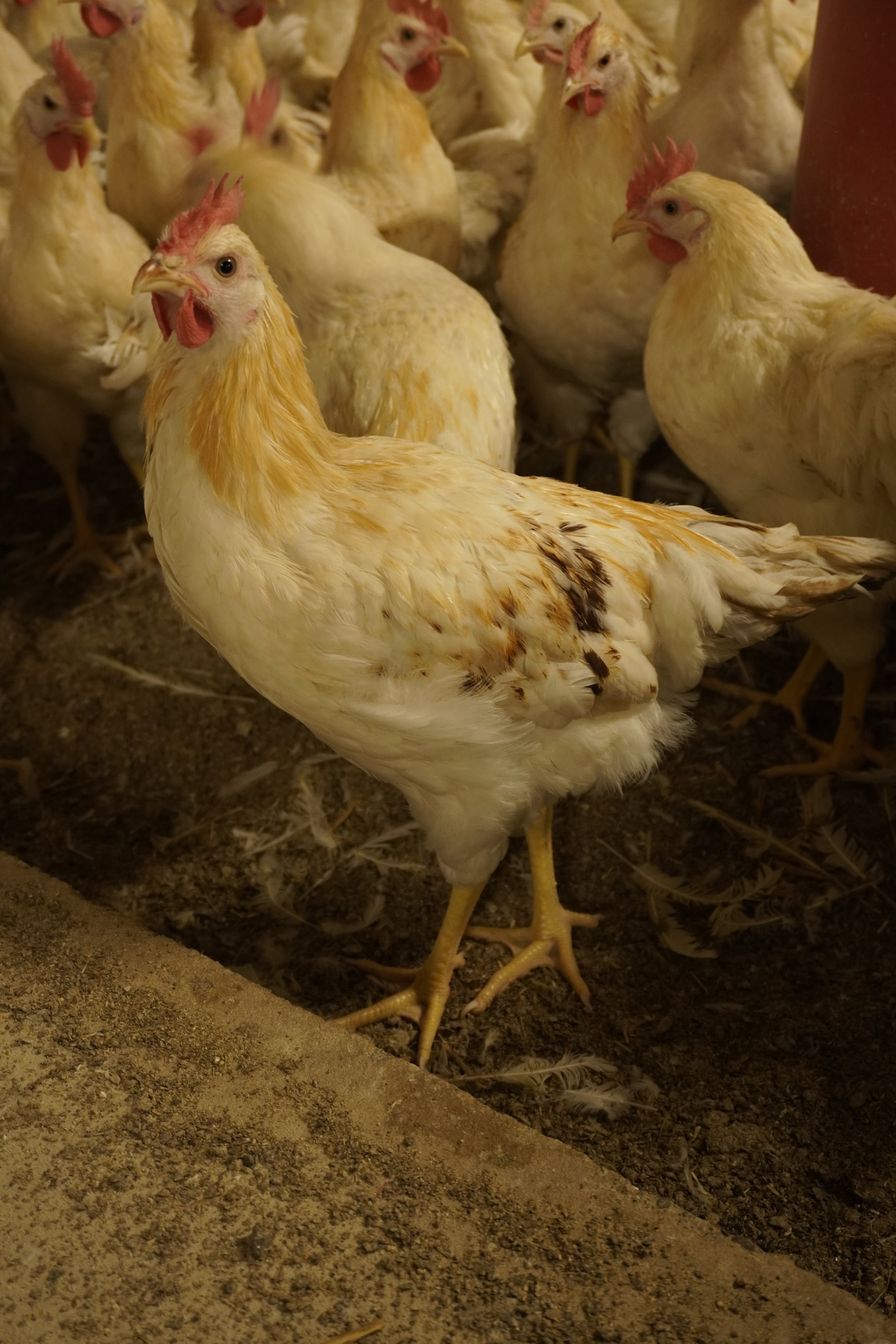
Broiler Rearing
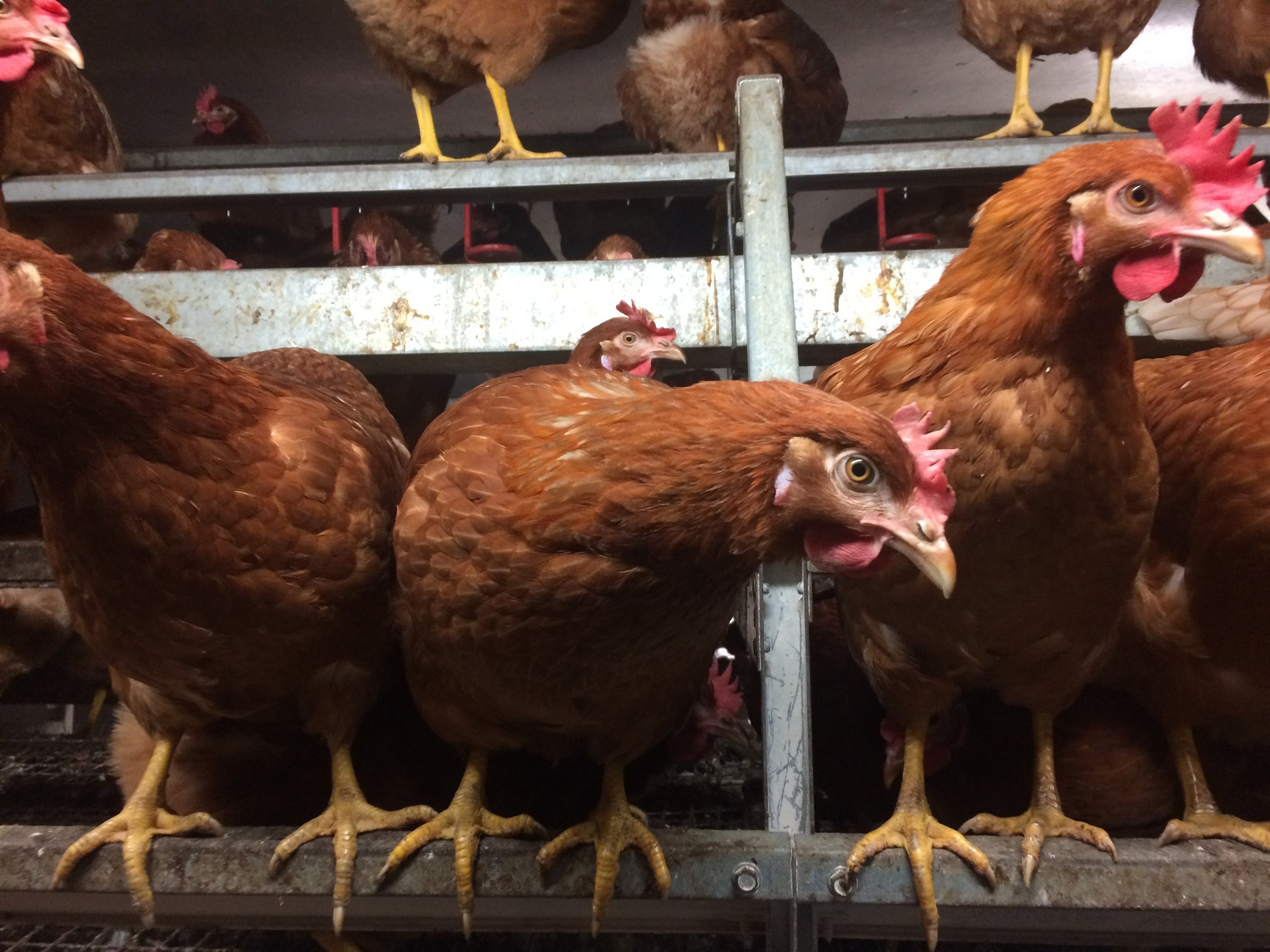
Changes to the sternum in laying hens
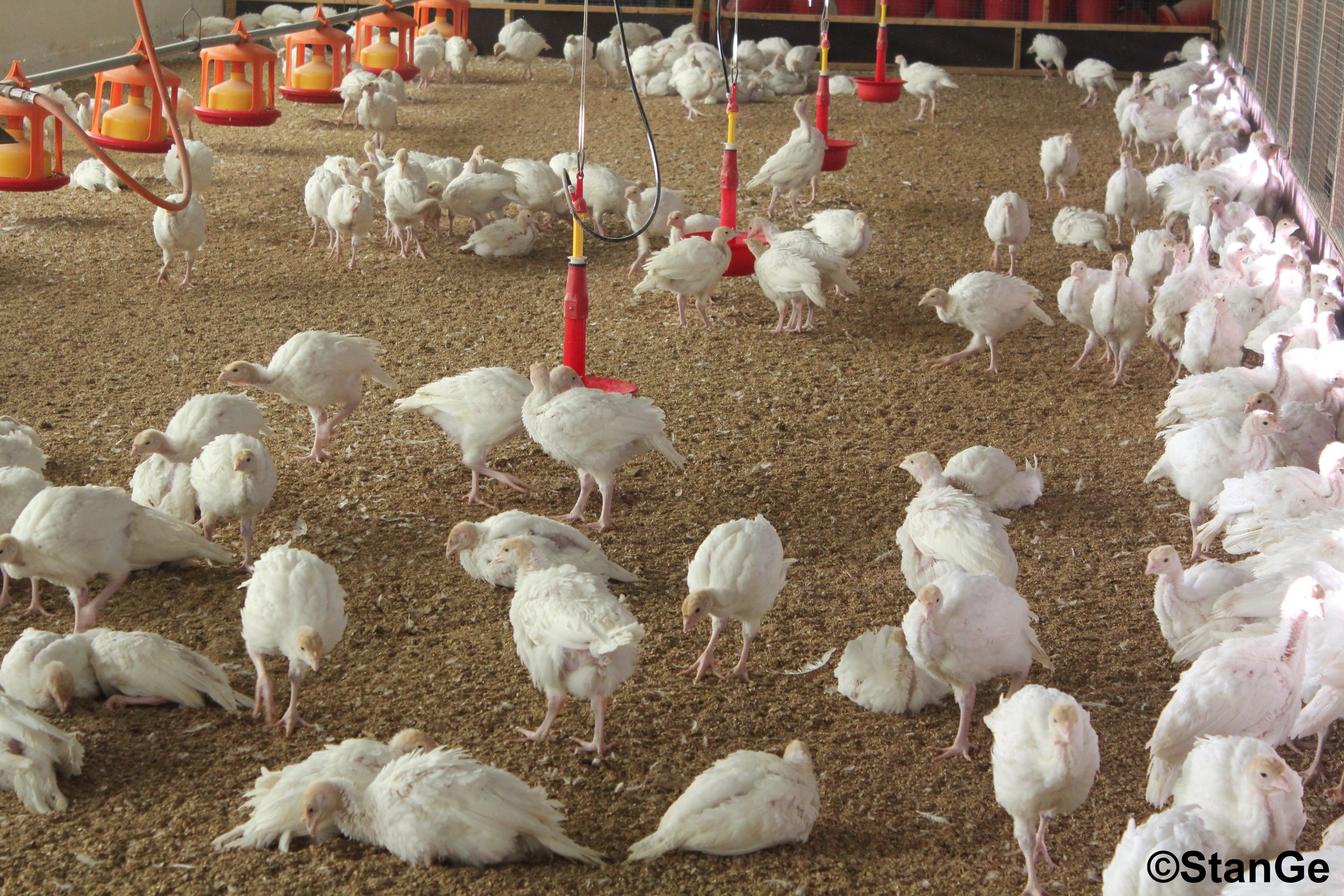
Gut health in turkeys
Gut microbiome
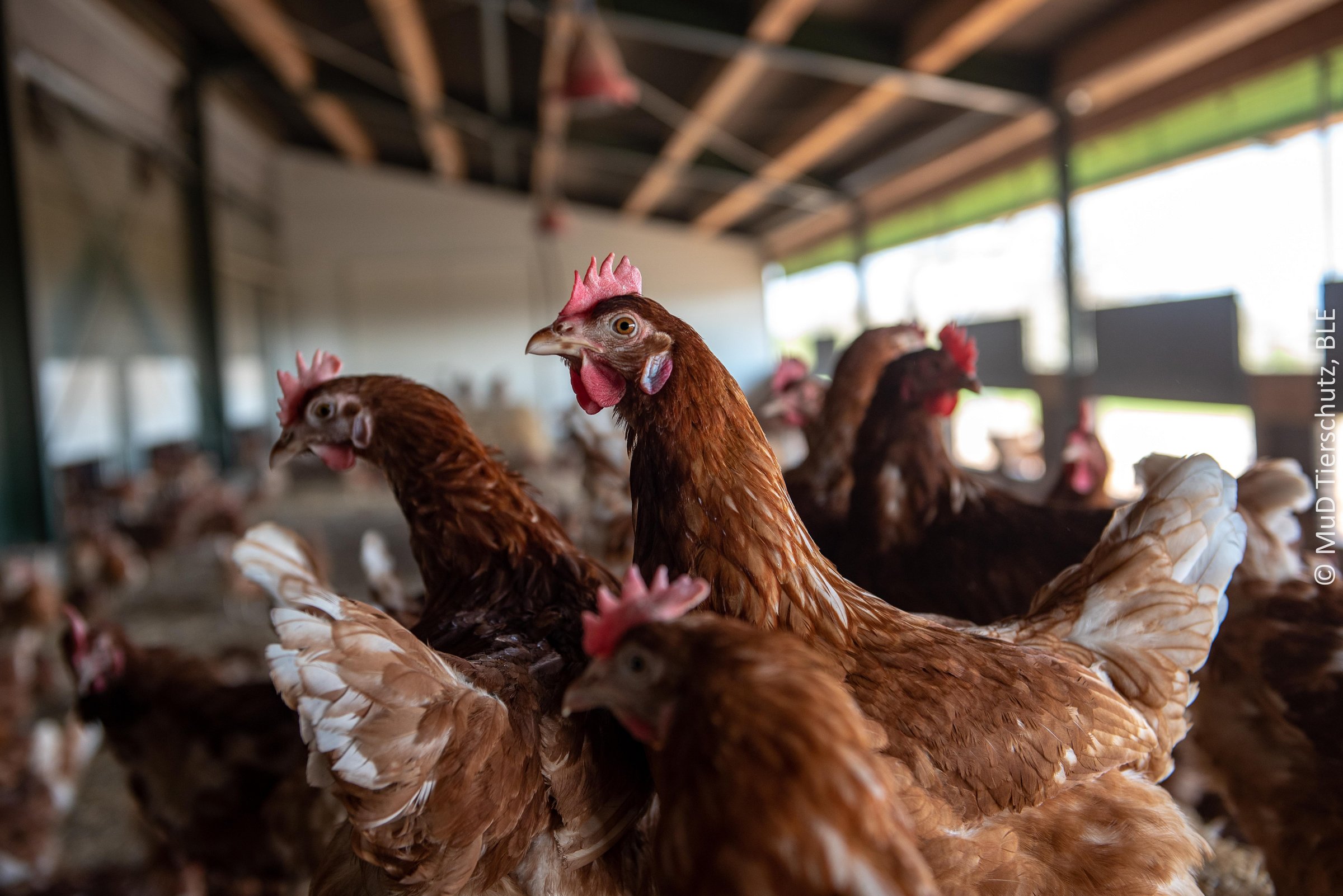
Emissions reductions in pullet and laying hen farming
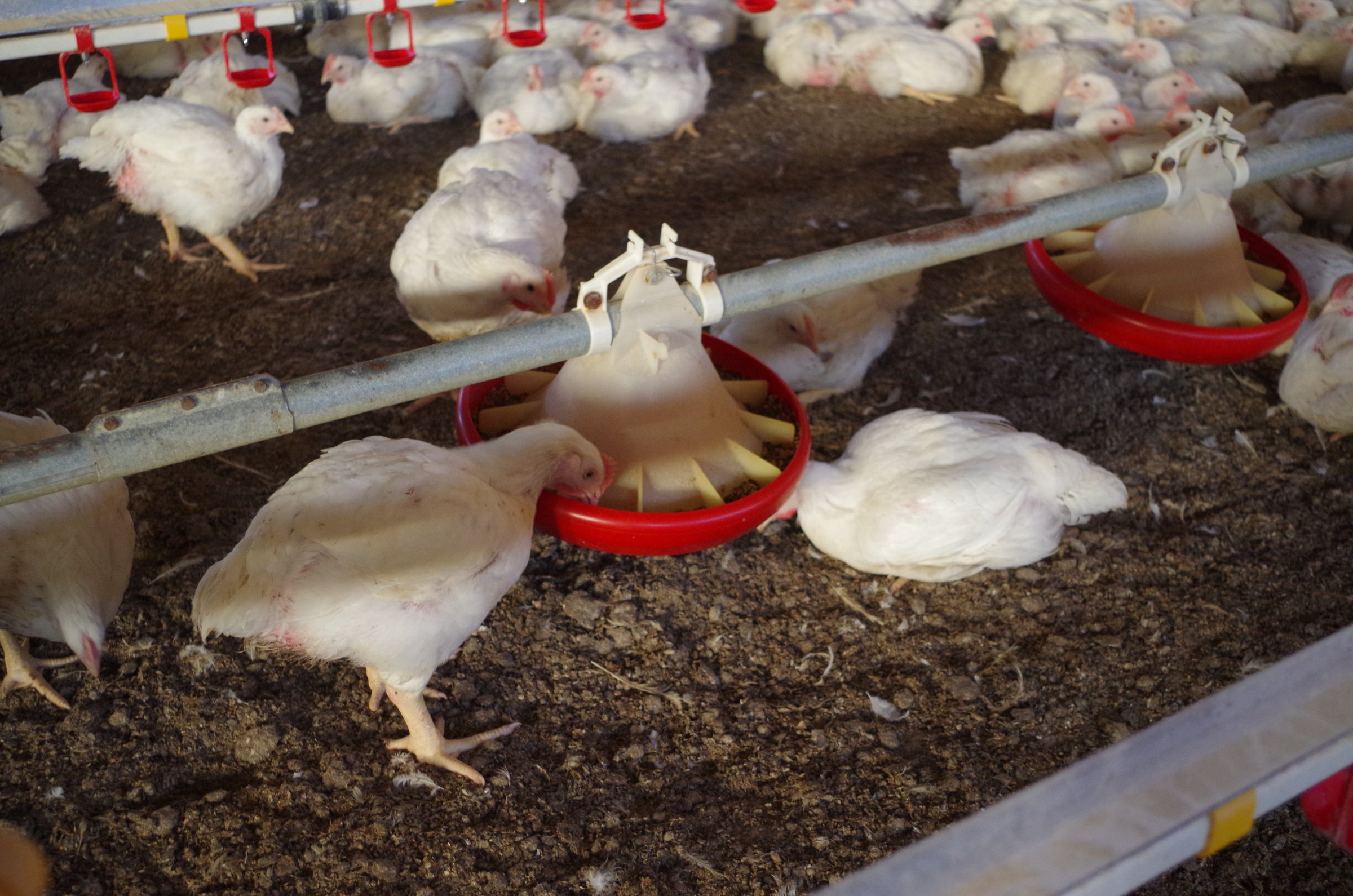
Emissions reductions in broiler farming
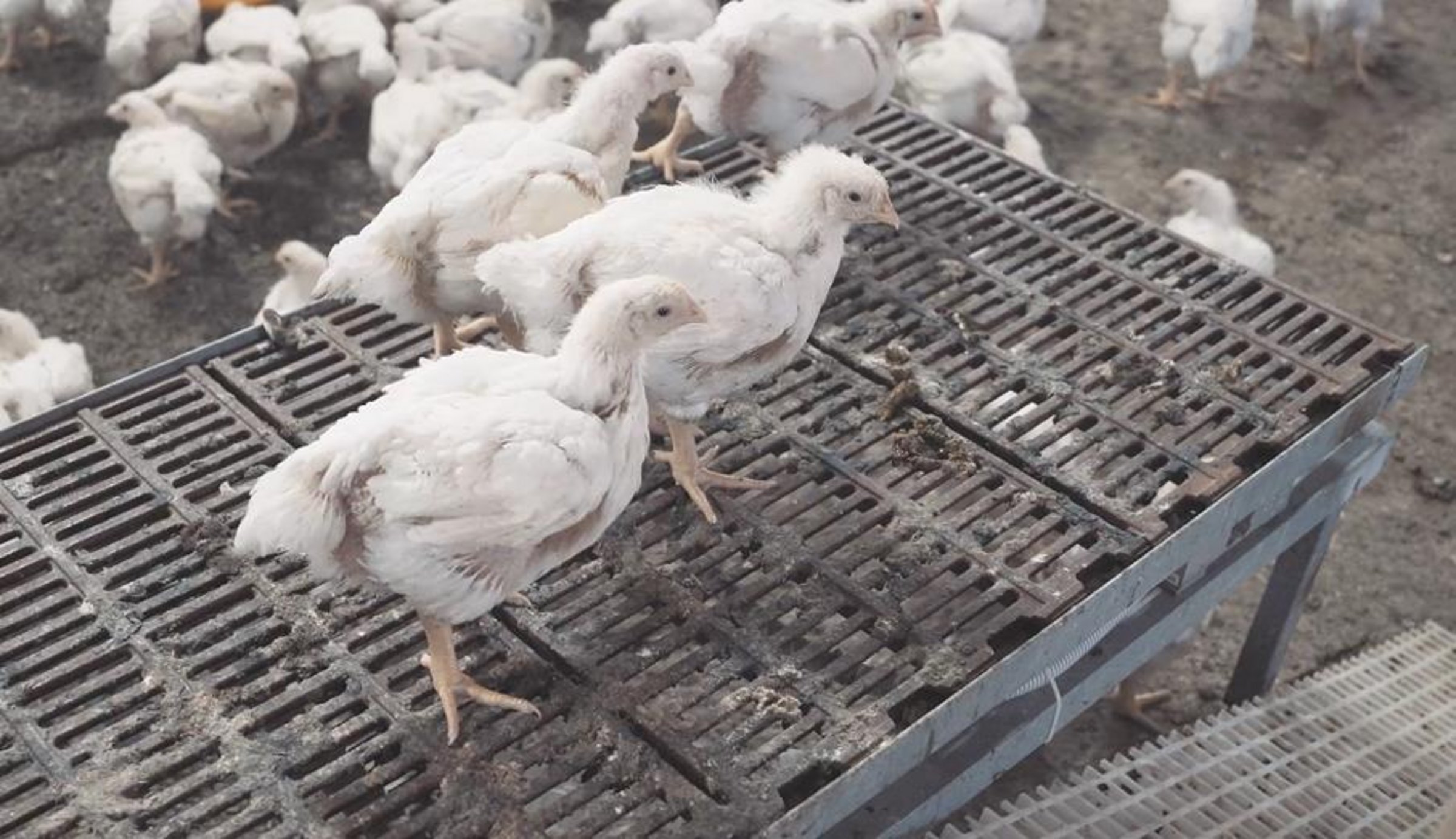
Elevated levels
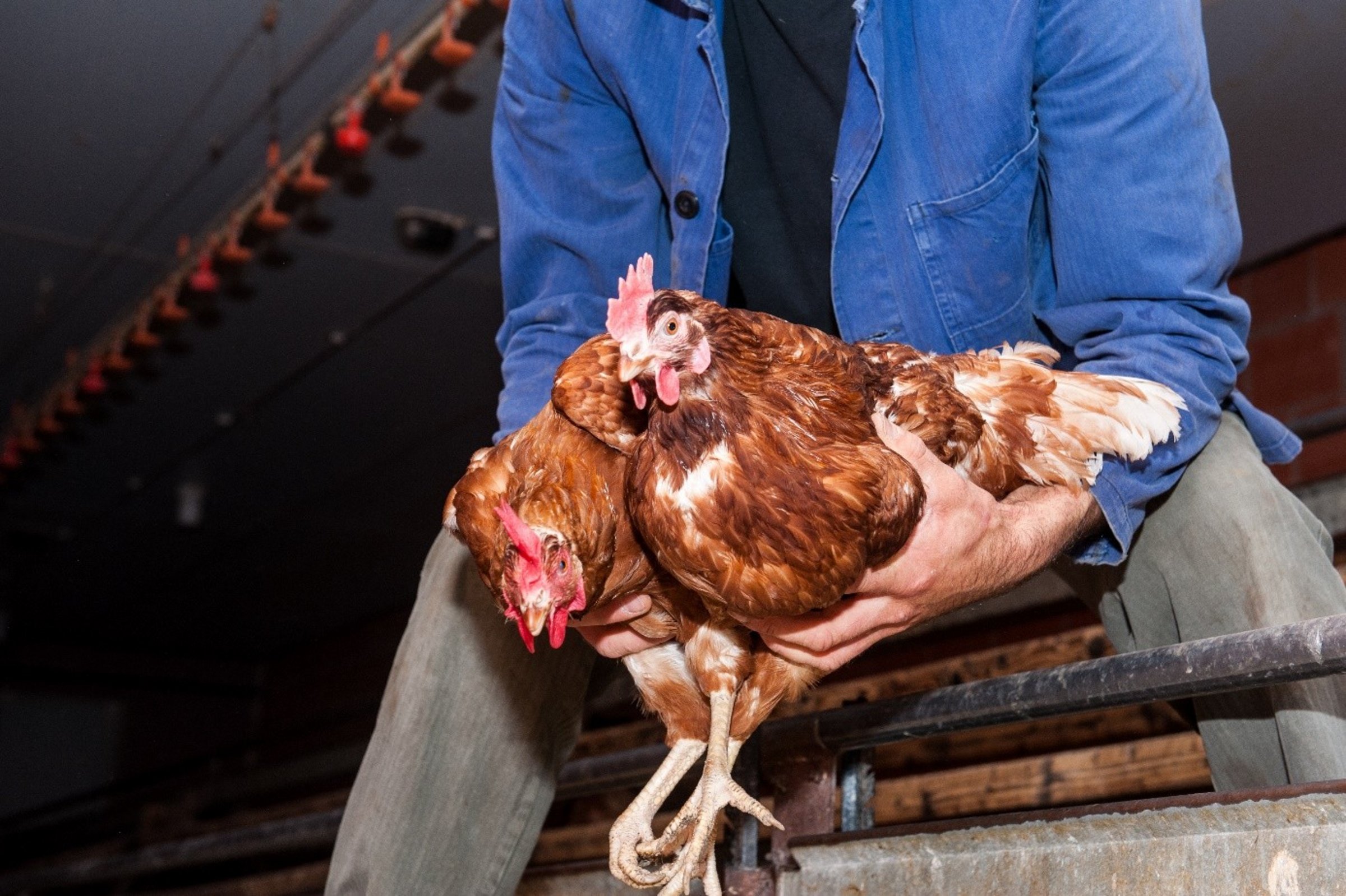
Loading and unloading of aged layers
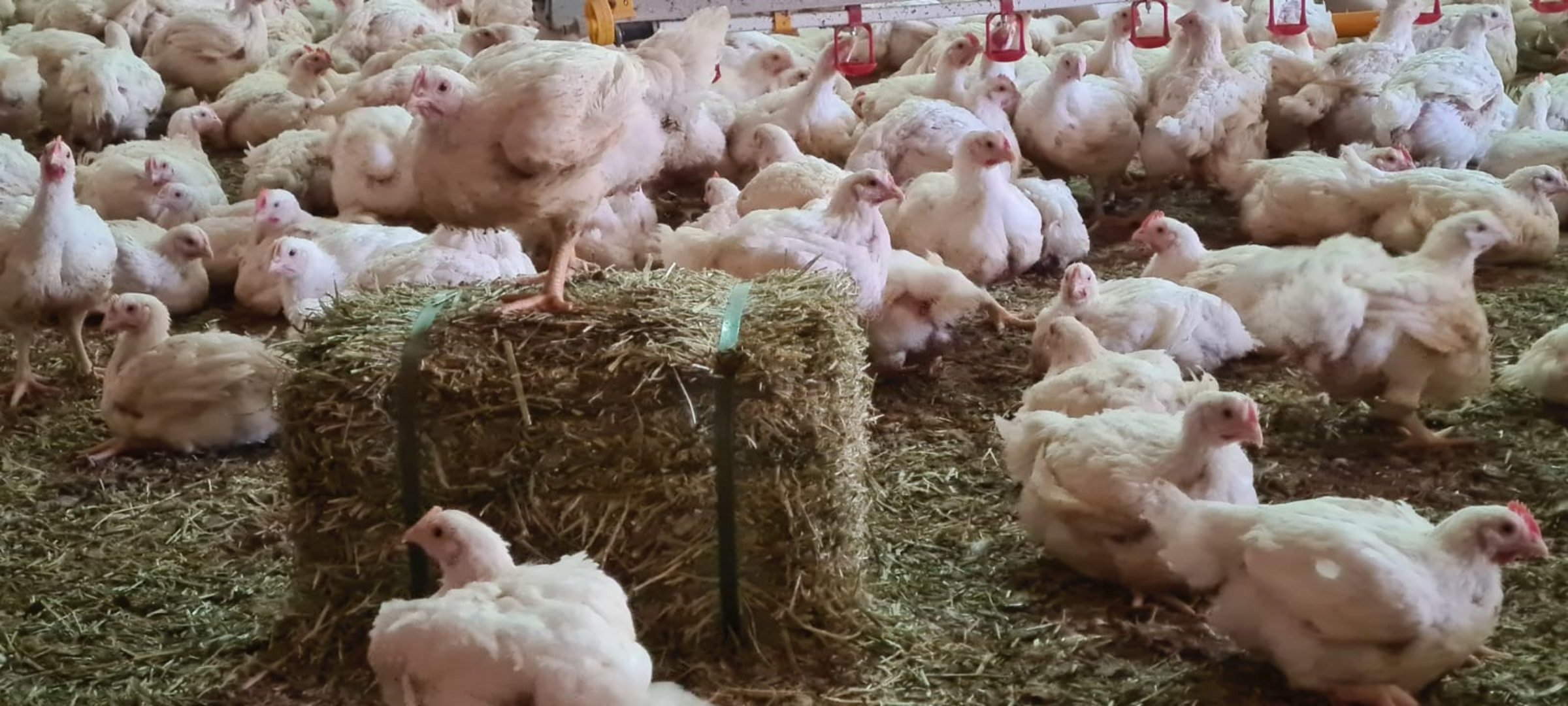
Enrichment of housing conditions for broiler chickens
Rearing of poultry with intact beaks
Hepatic lipidosis
Heat stress in poultry
Vaccination of broiler chickens
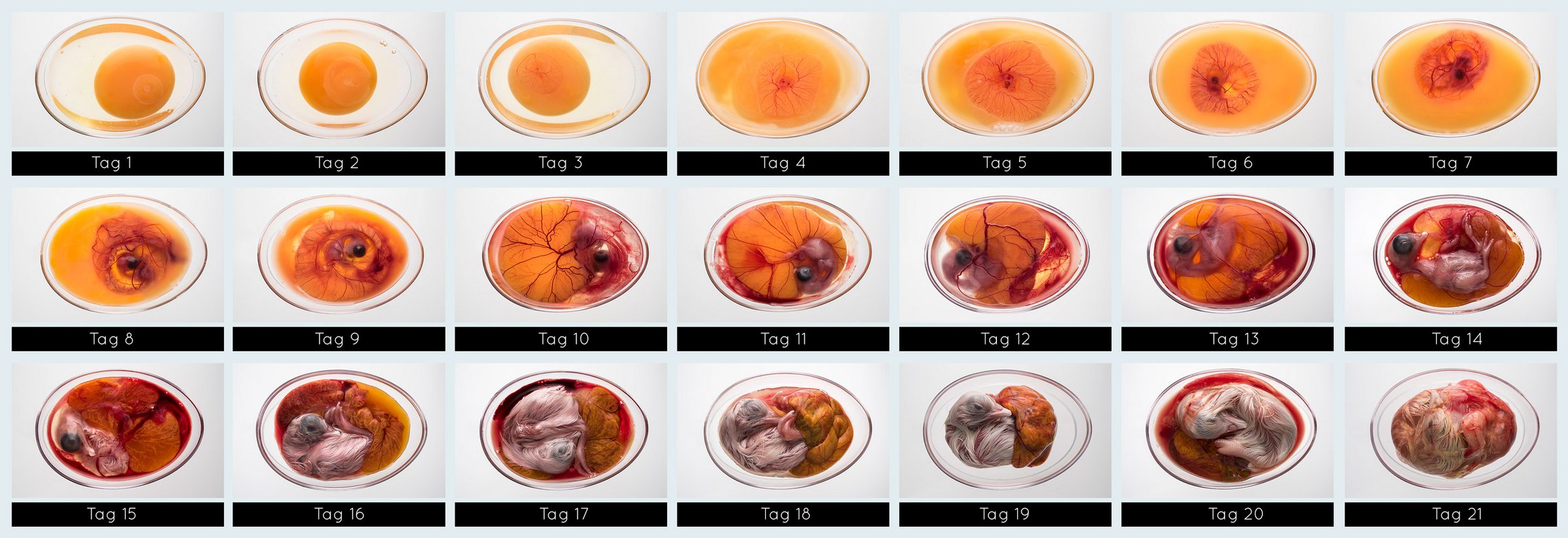
Methods of sex determination in the egg
01 Newcastle Disease
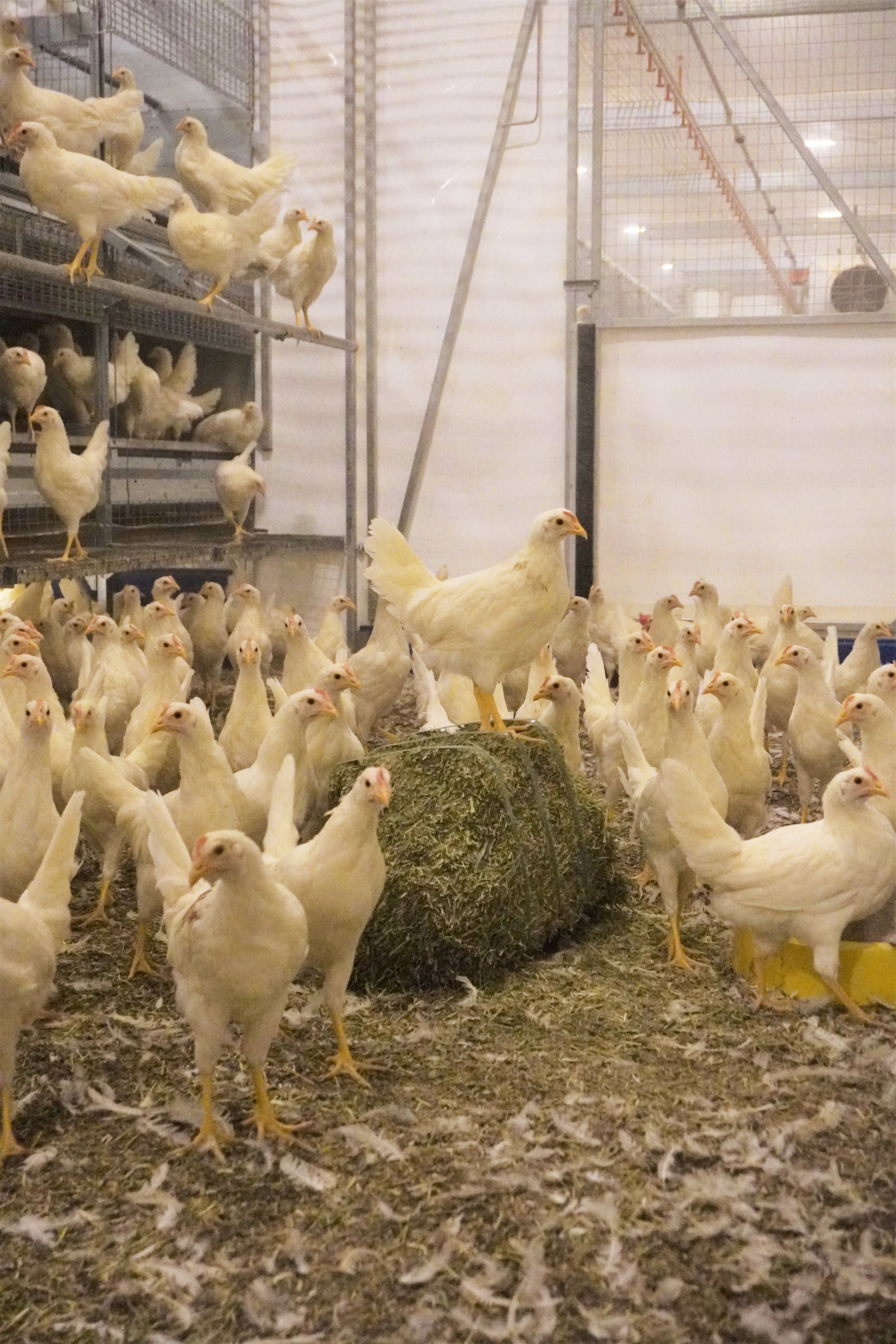
Emergency measures for feather-pecking and cannibalism
01 Schwachstellen-Analyse Tool
Stable cleaning and disinfection
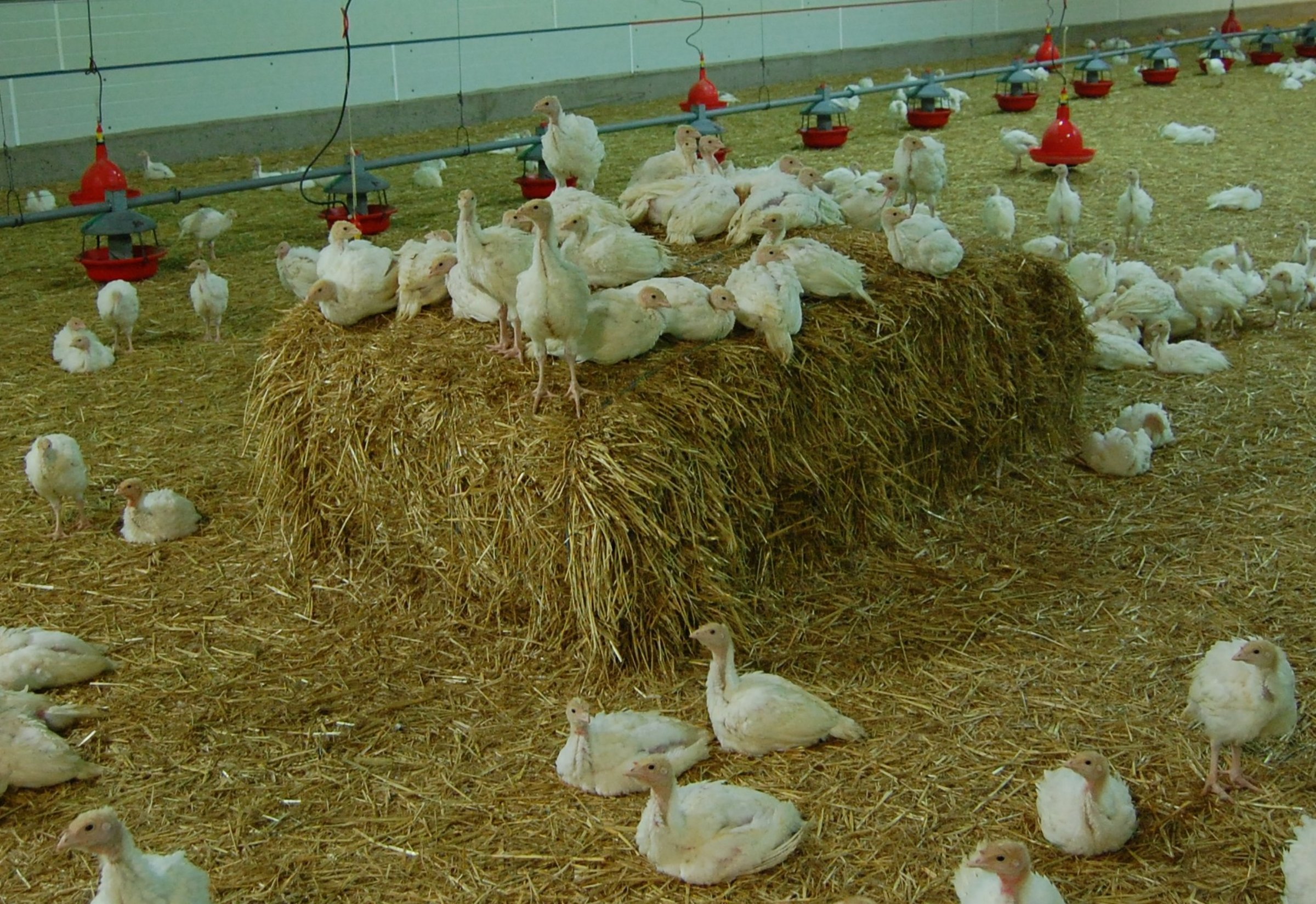
01 Stallstrukturierung im Putenstall
01 Tierwohlkriterien ITW
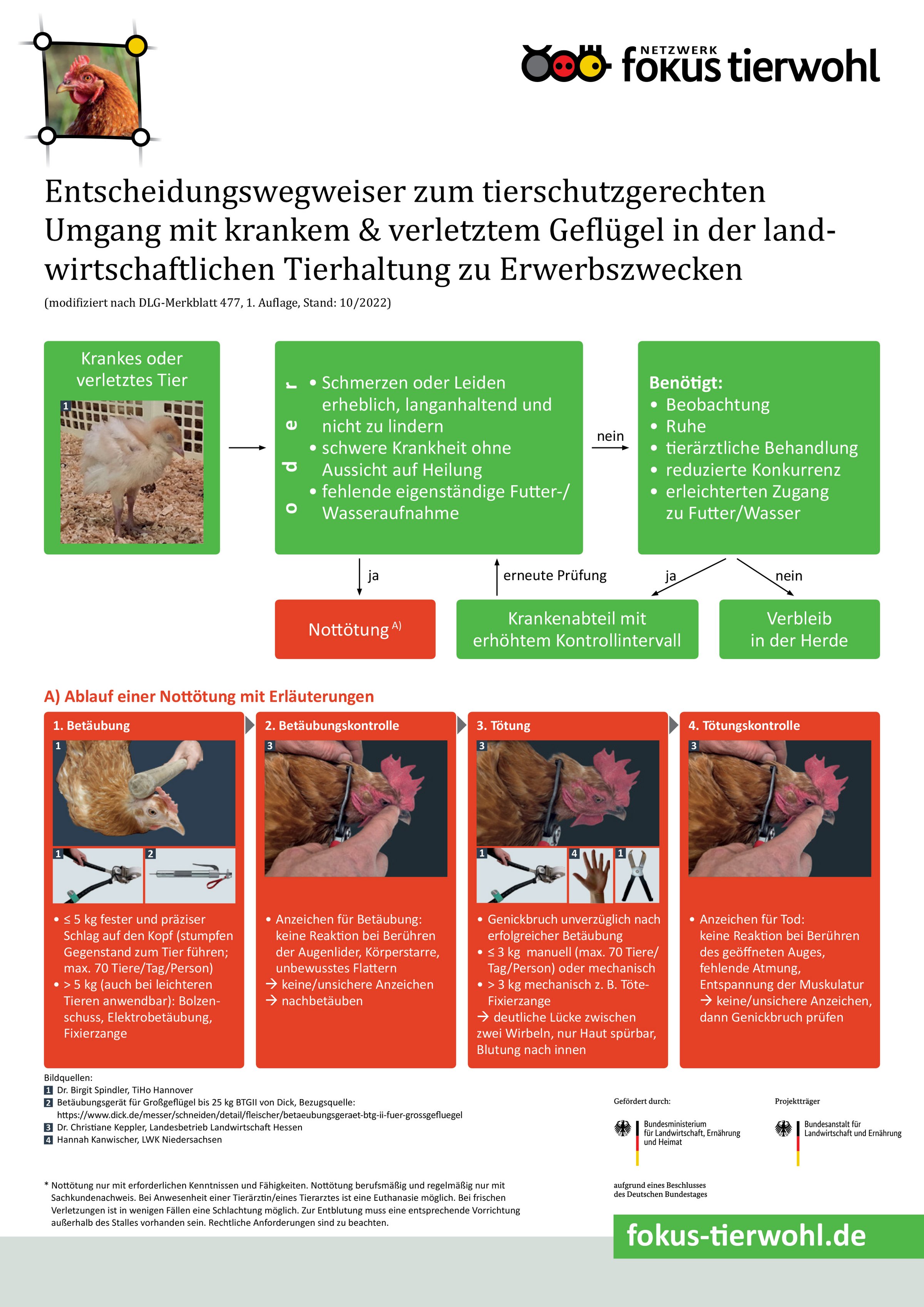
Caring for sick and injured poultry
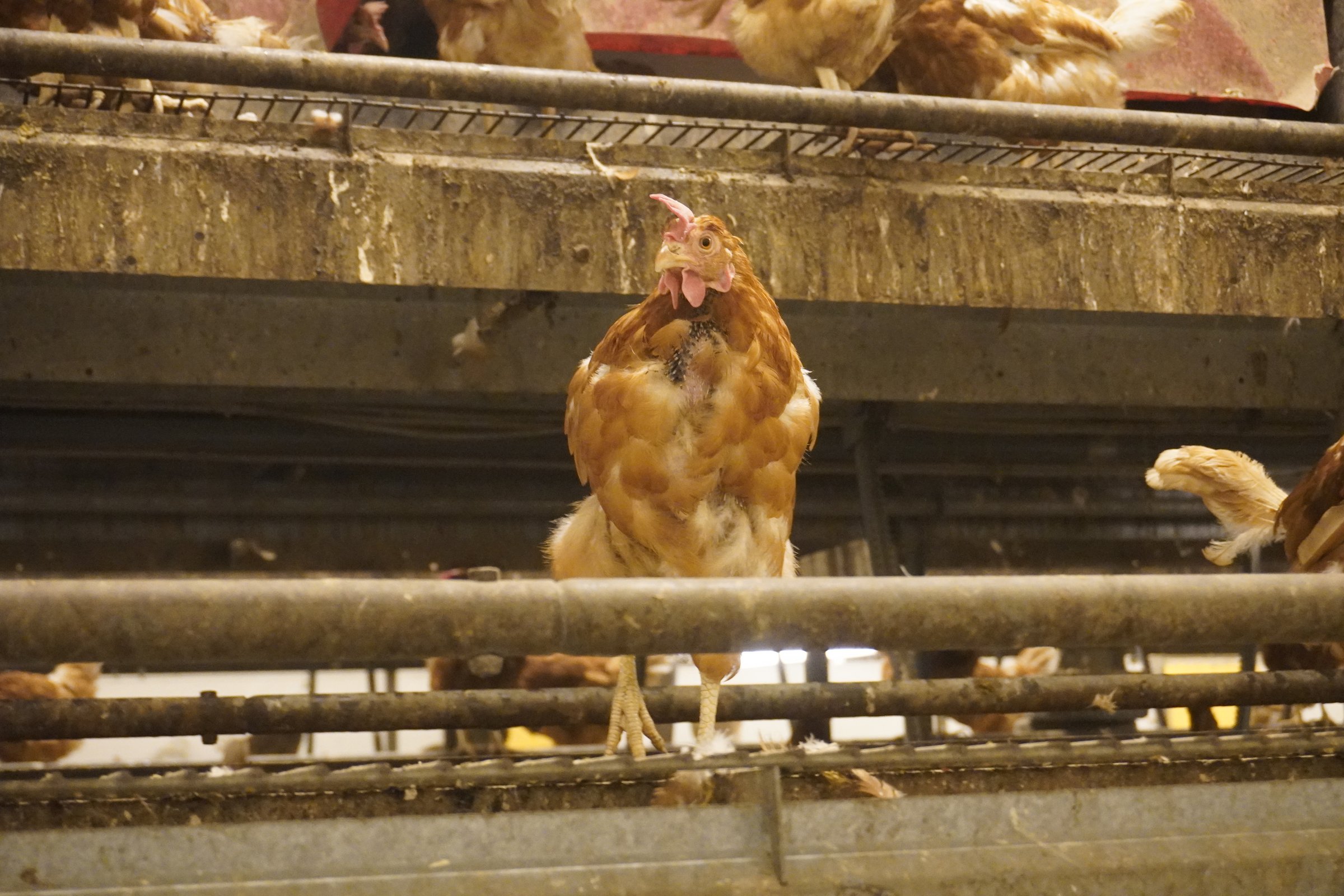
Extension of the rearing period or induced laying break
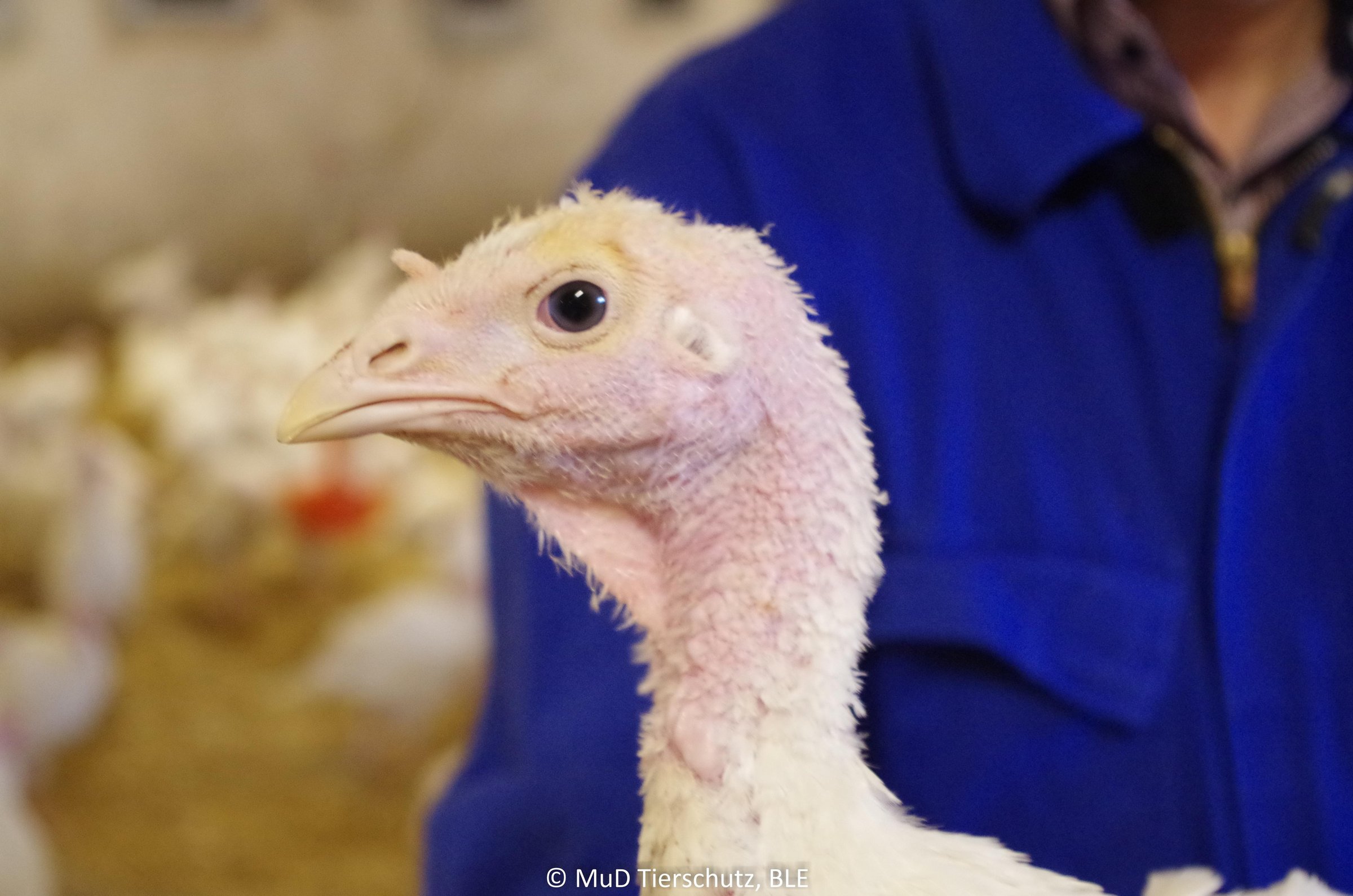
No beak trimming
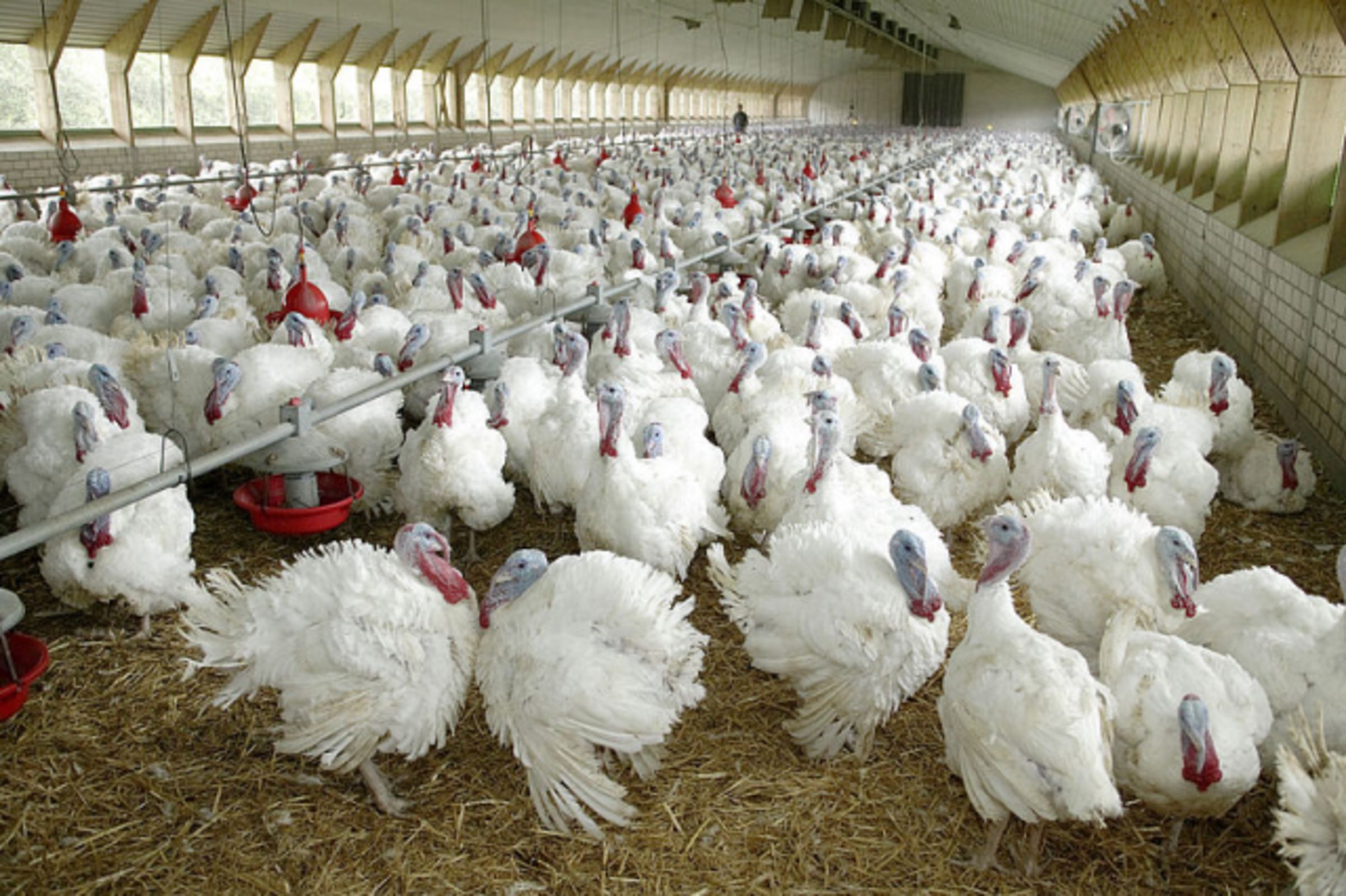
The value chain in turkey farming
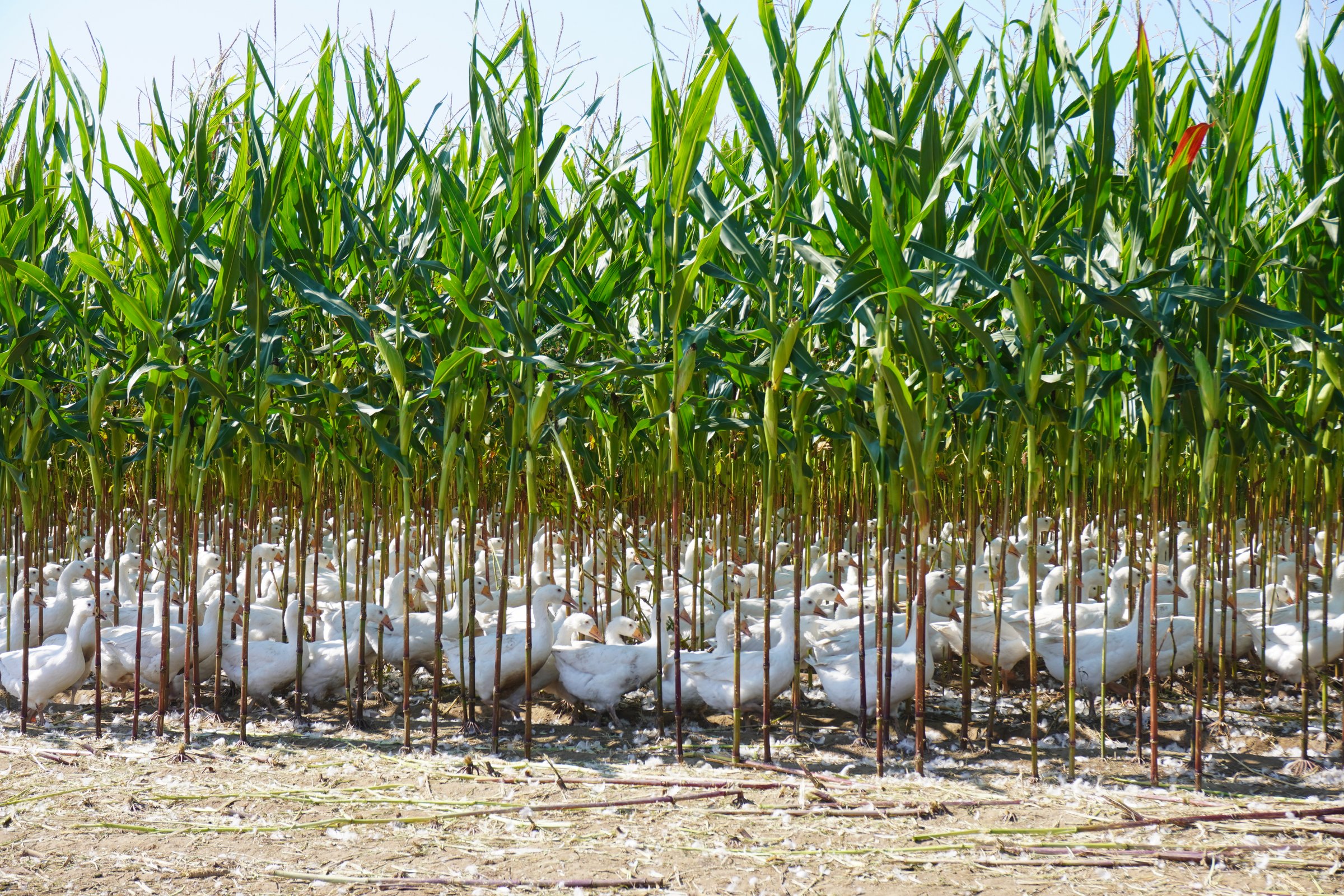
Run-out management for fattening geese
01_Vorwort und Inhaltsverzeichnis
01_Übergabeprotokolle
Podcast: Broiler Rearing
Podcast: Digitalisation in the broiler house
Podcast: Insect Protein
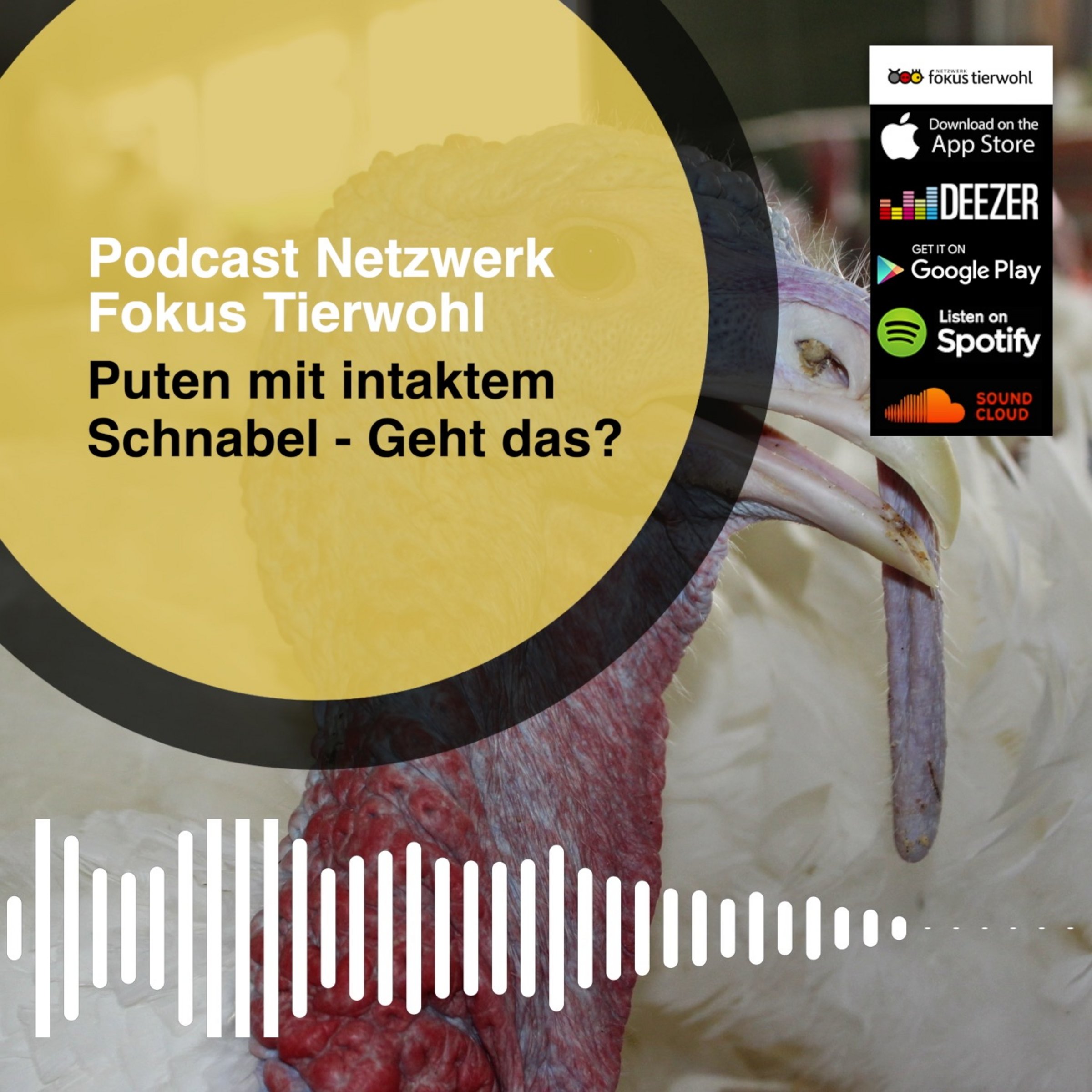
Podcast: Not clipping the claws of turkeys
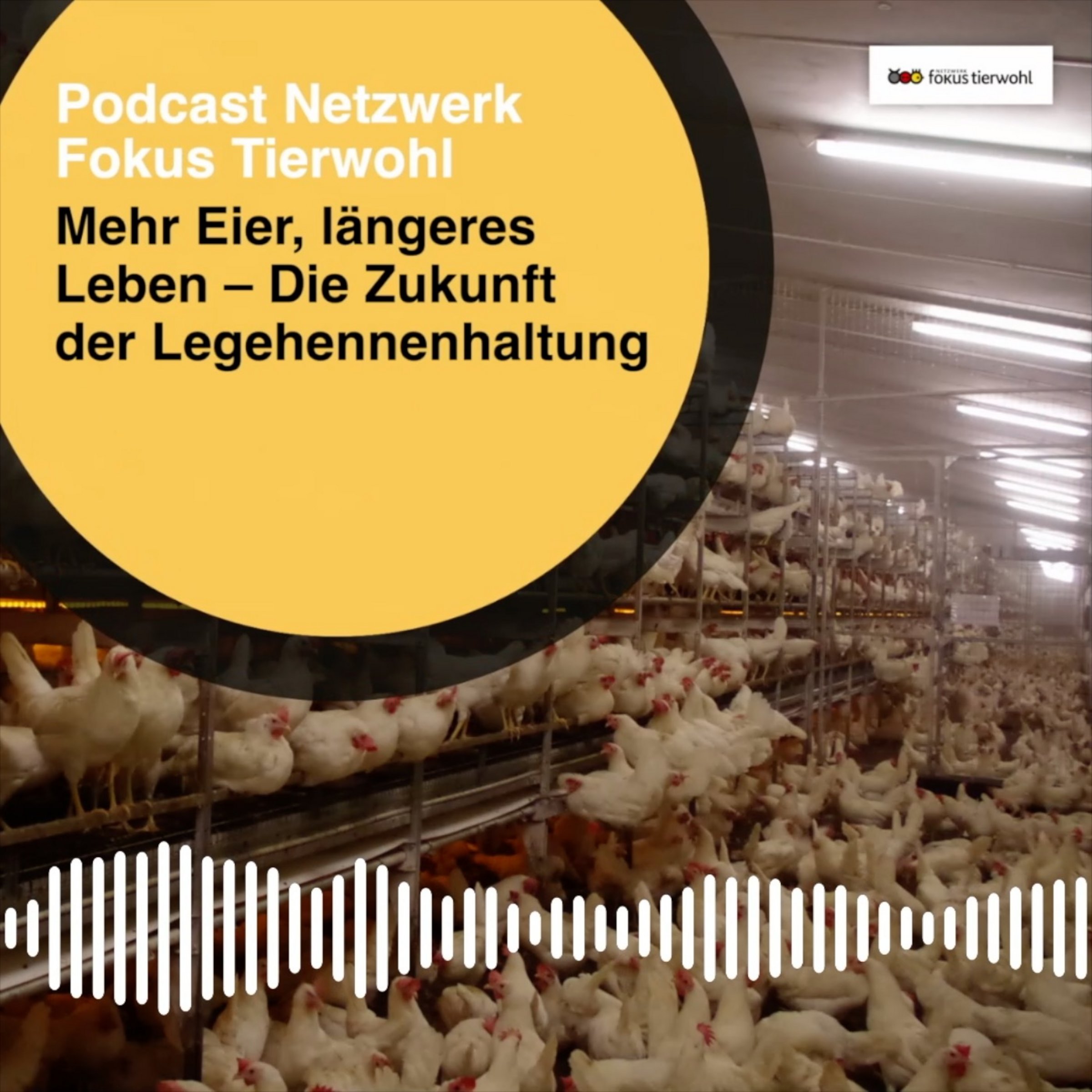
Podcast: Laying Hen Management
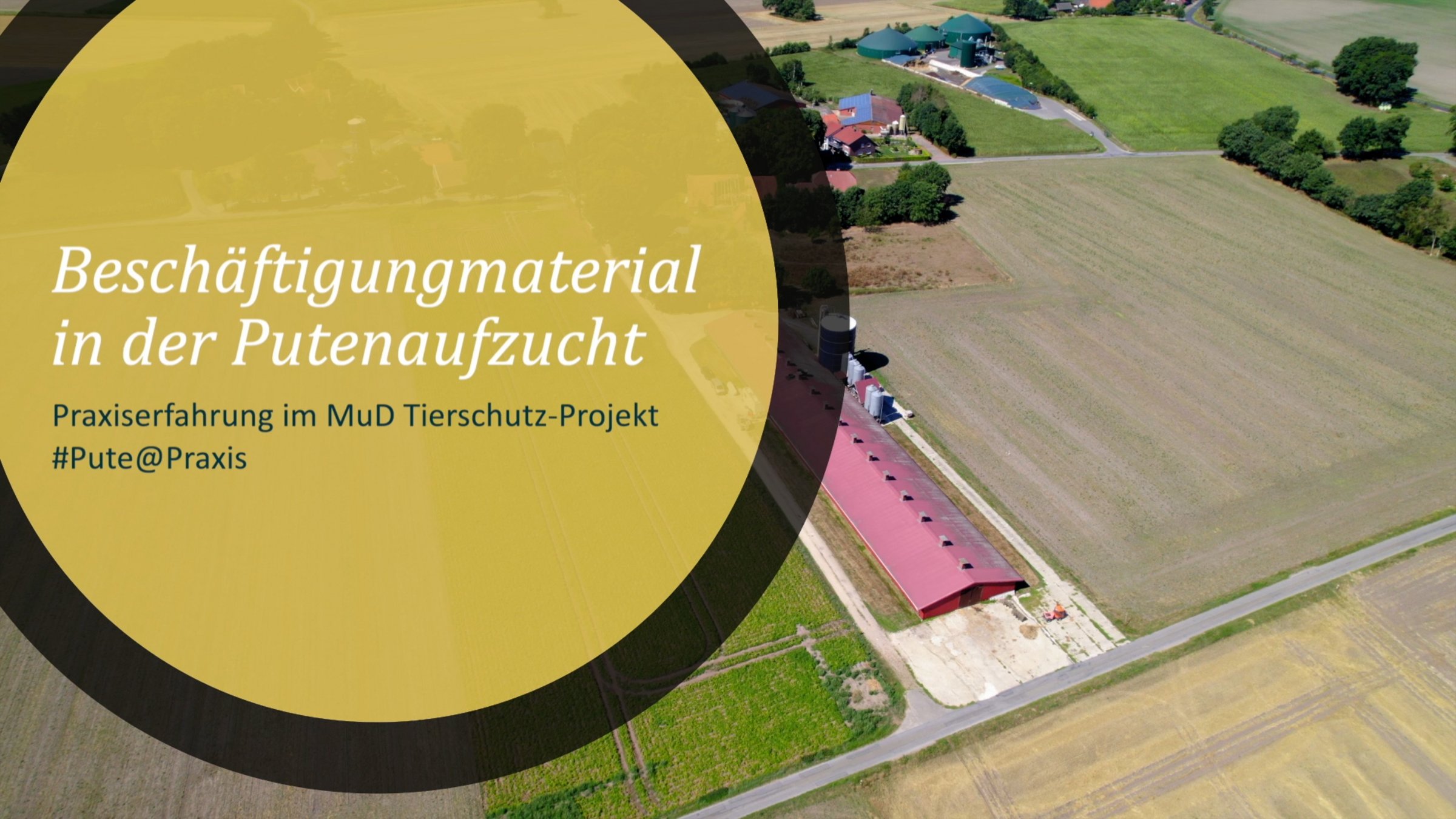
Video: Educational material on turkey rearing
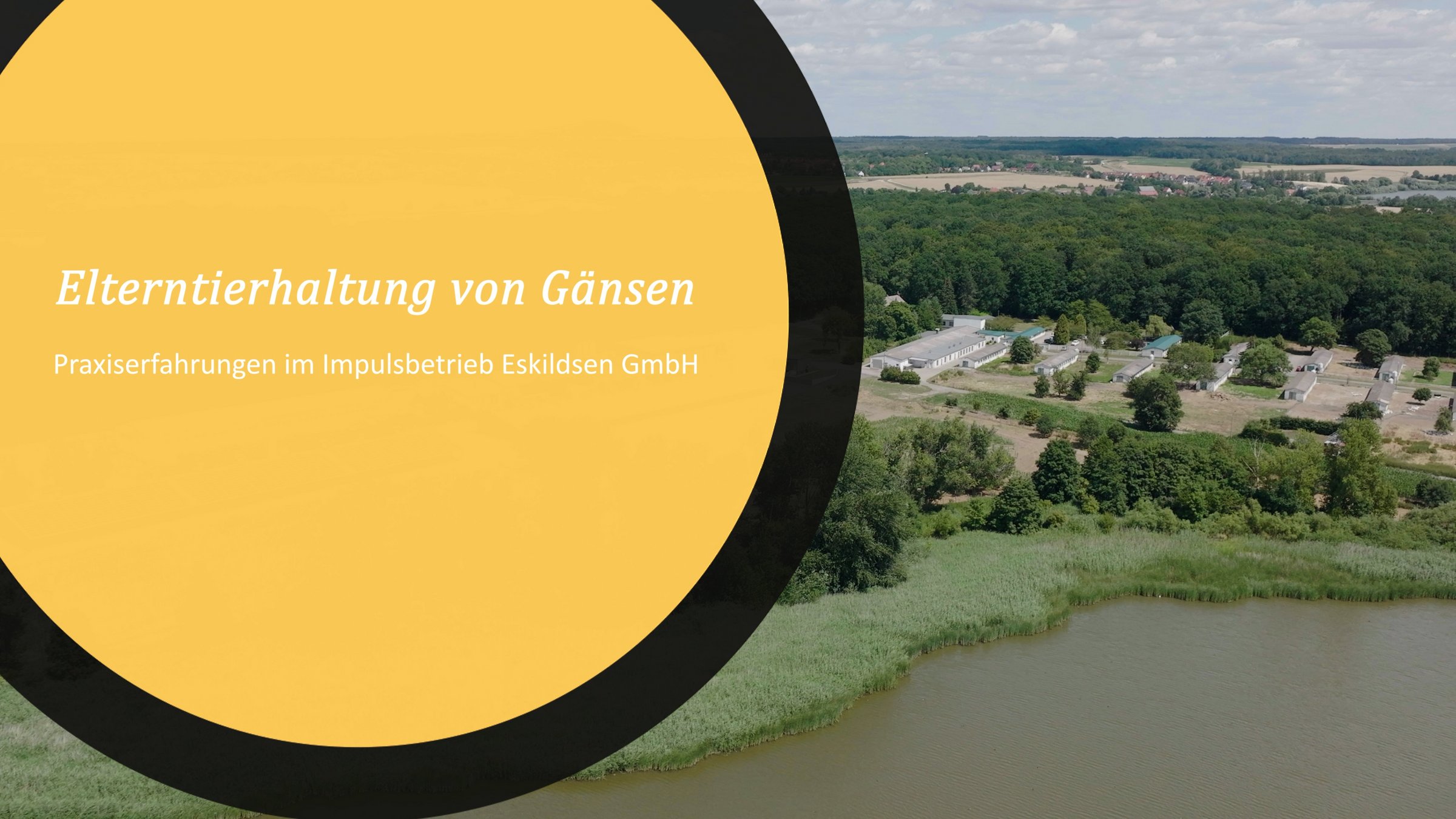
Video: Fattening geese
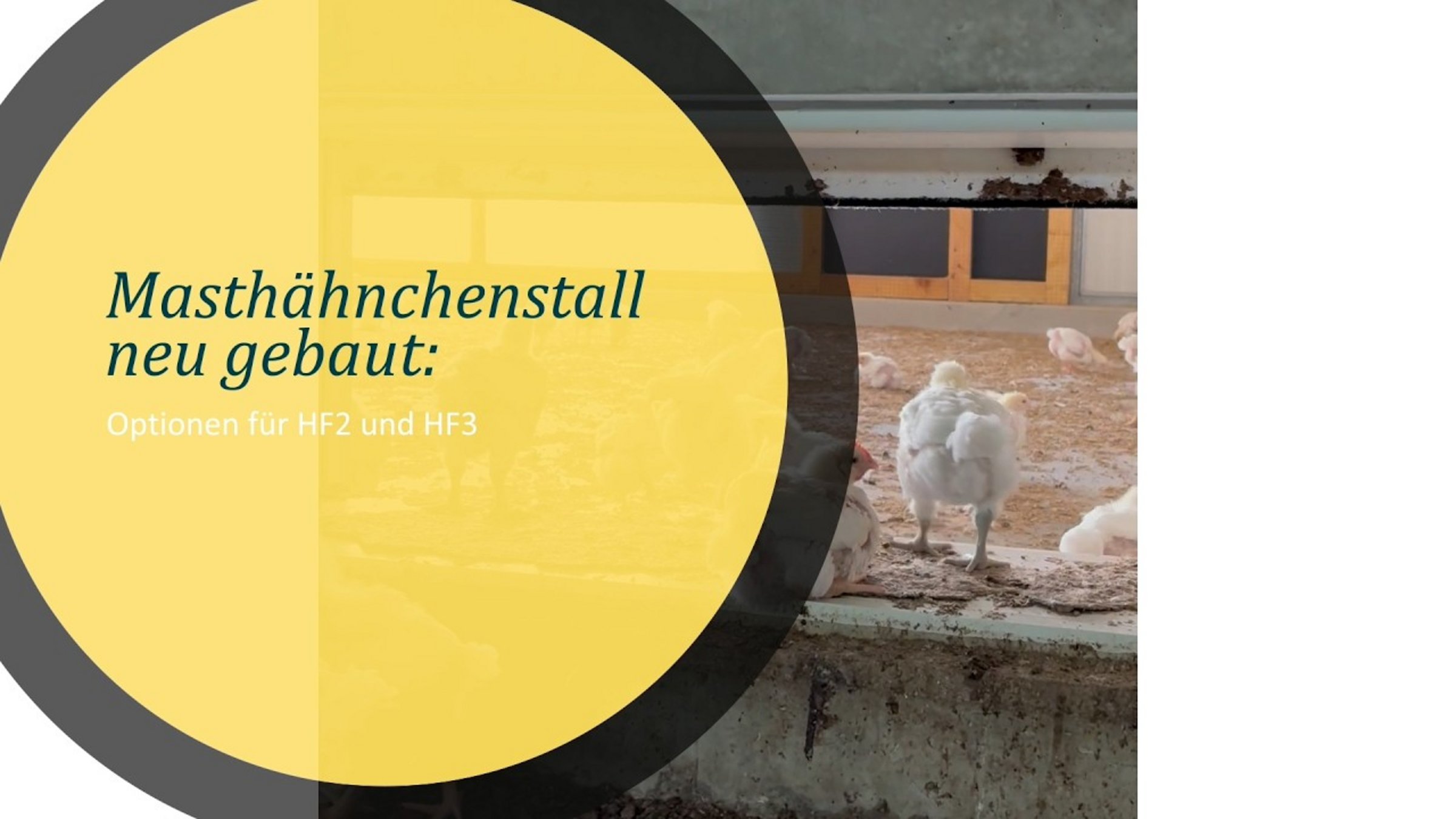
03 Video Masthähnchenstall neu gebaut: Optionen für Haltungsform 2 und 3
Video: Turkey enrichment materials
Video: Improving animal welfare in turkey farming
Video: A virtual tour of the laying hen house – a typical barn system
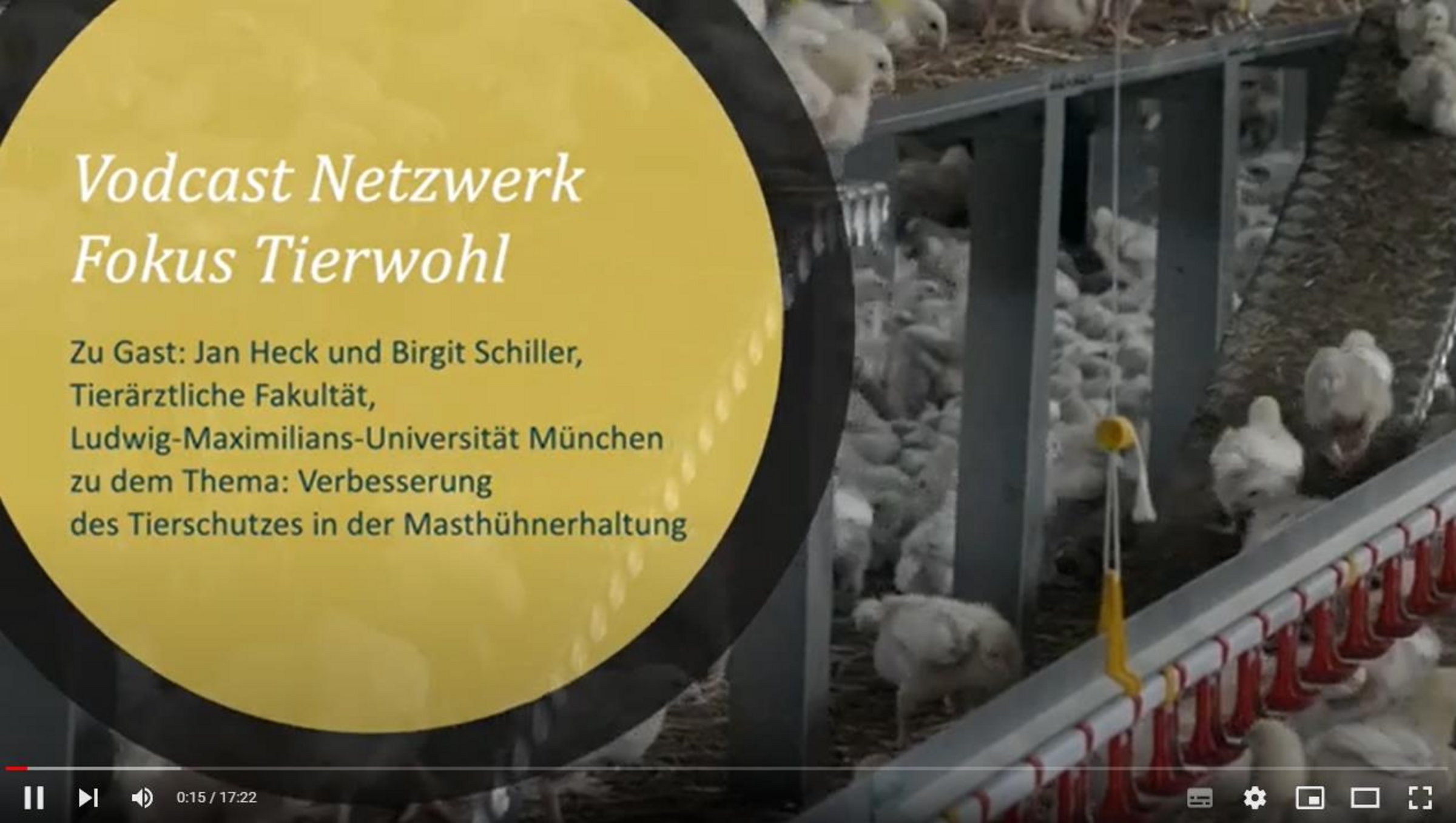
Vodcast: Self-assessment of animal welfare
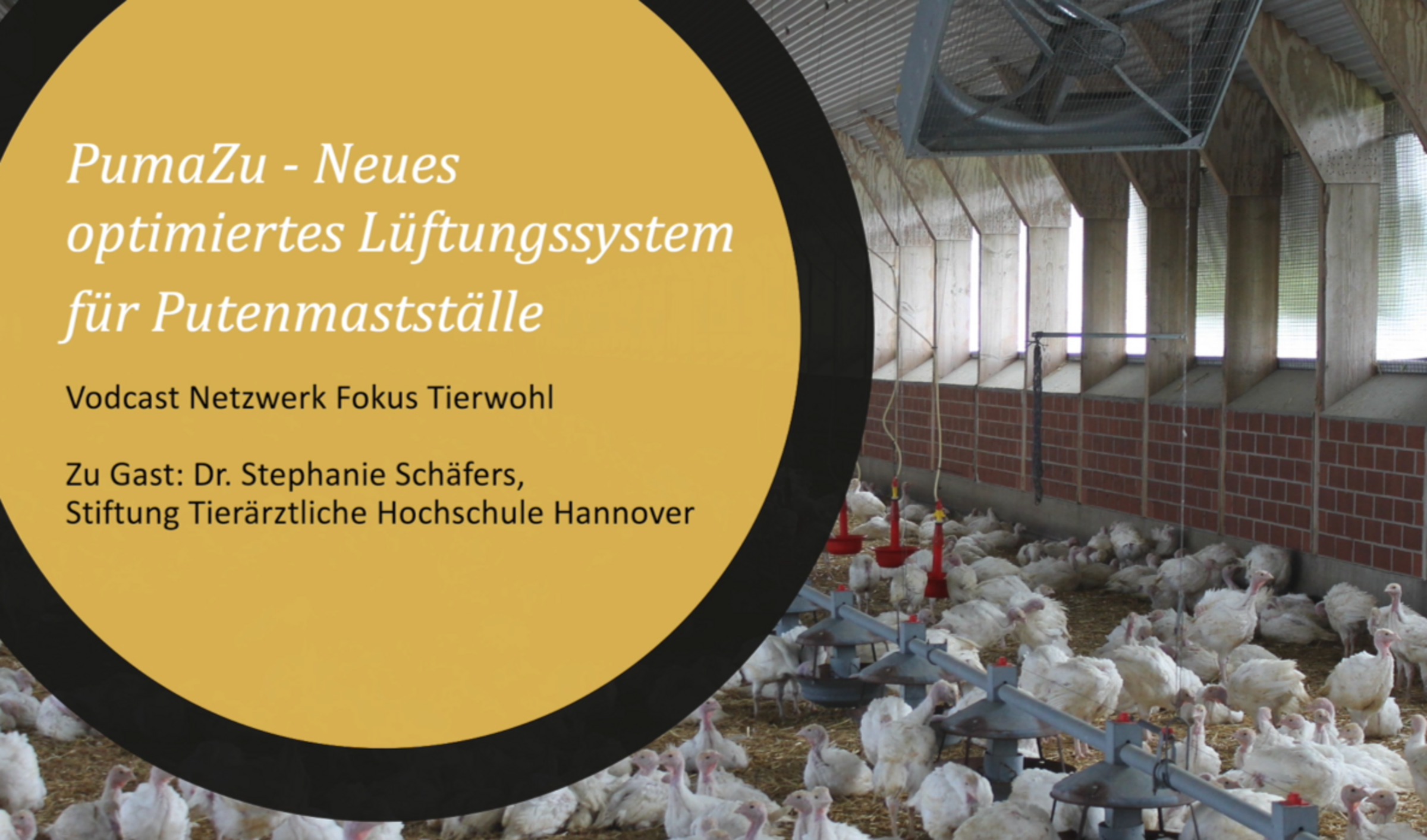
PumaZu podcast
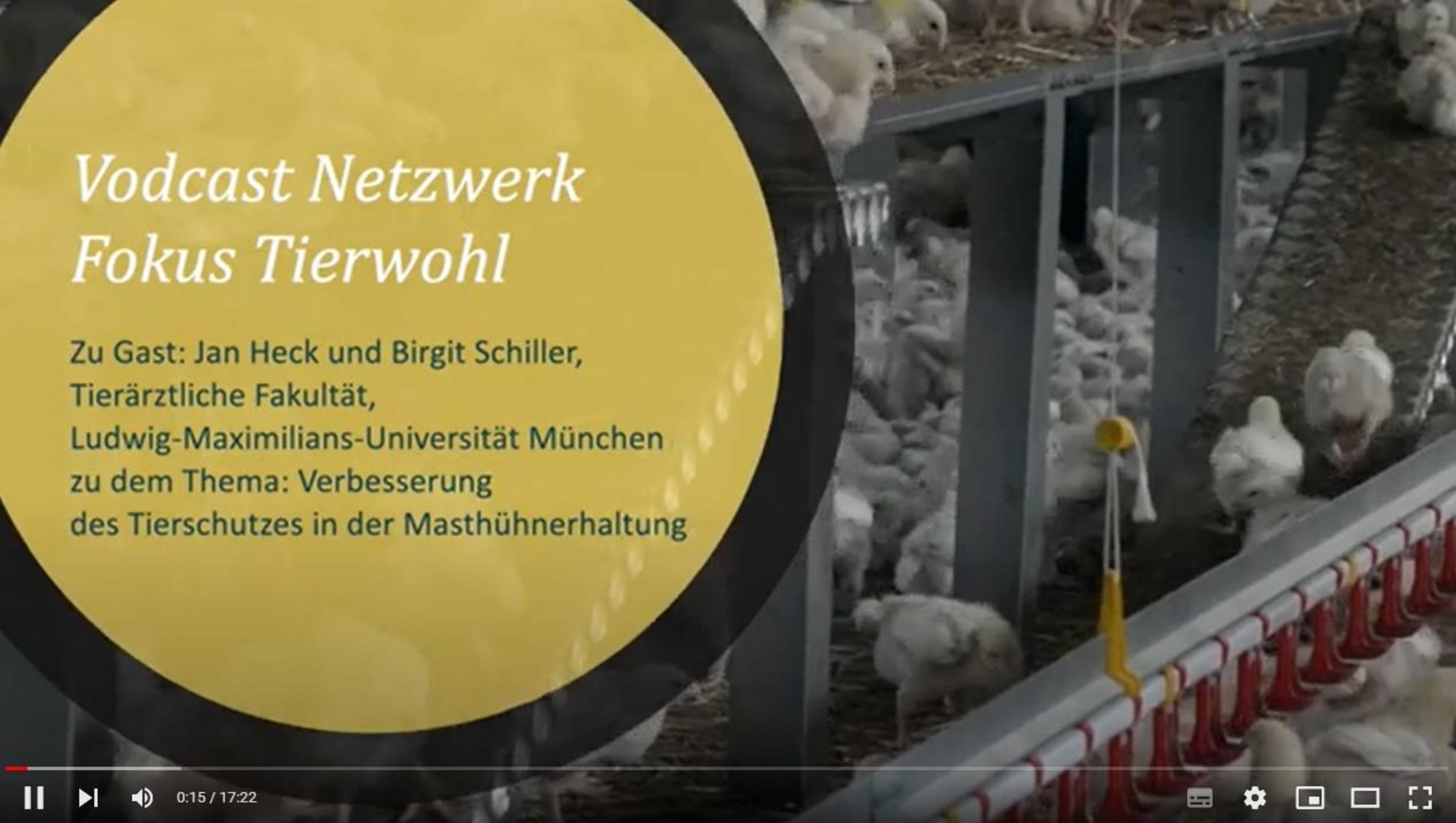
Vodcast: Animal Welfare in Broiler Chicken Farming
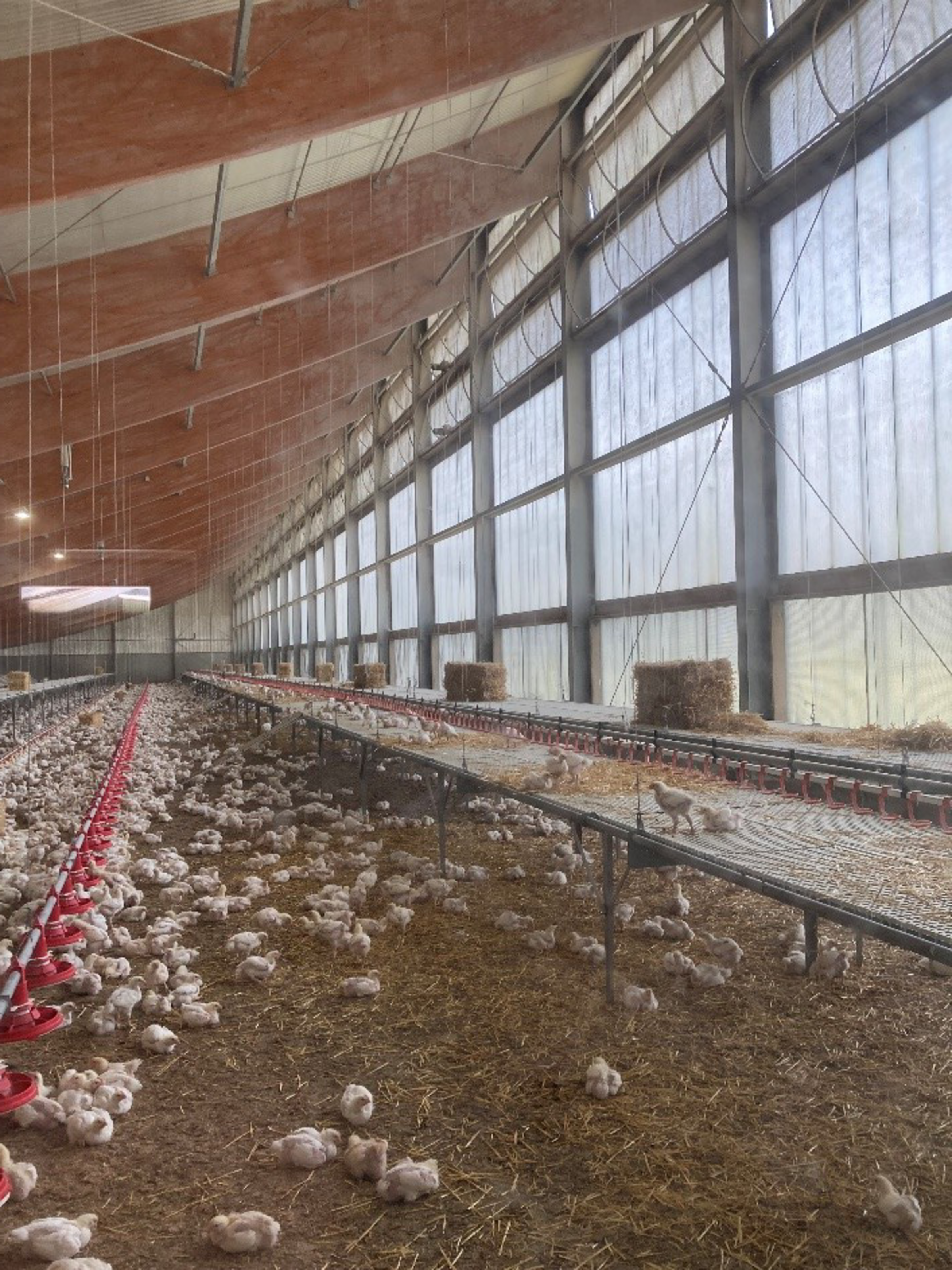
From the events: A look at future-oriented housing systems for broiler chickens
Funded projects: EIP broiler rearing house
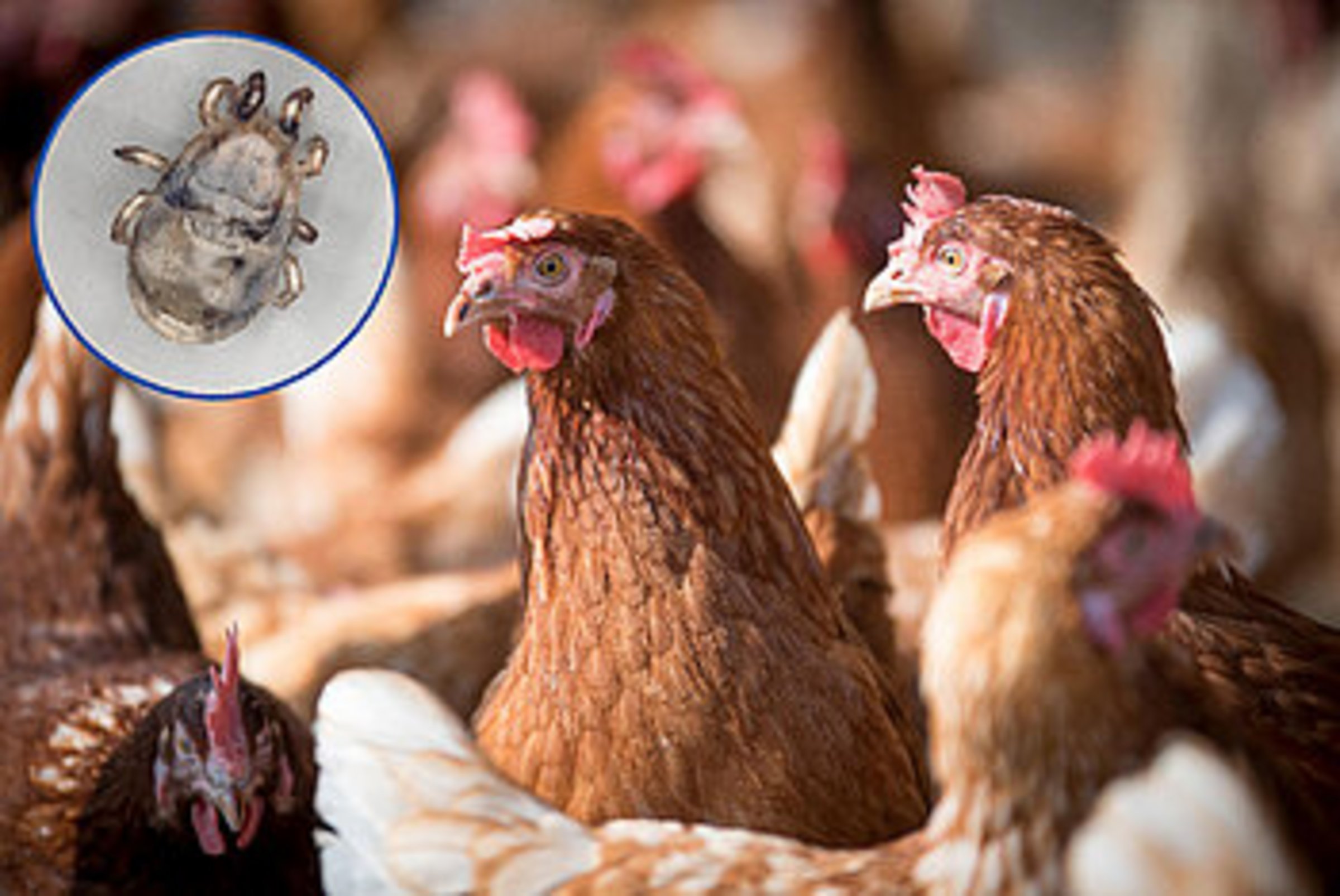
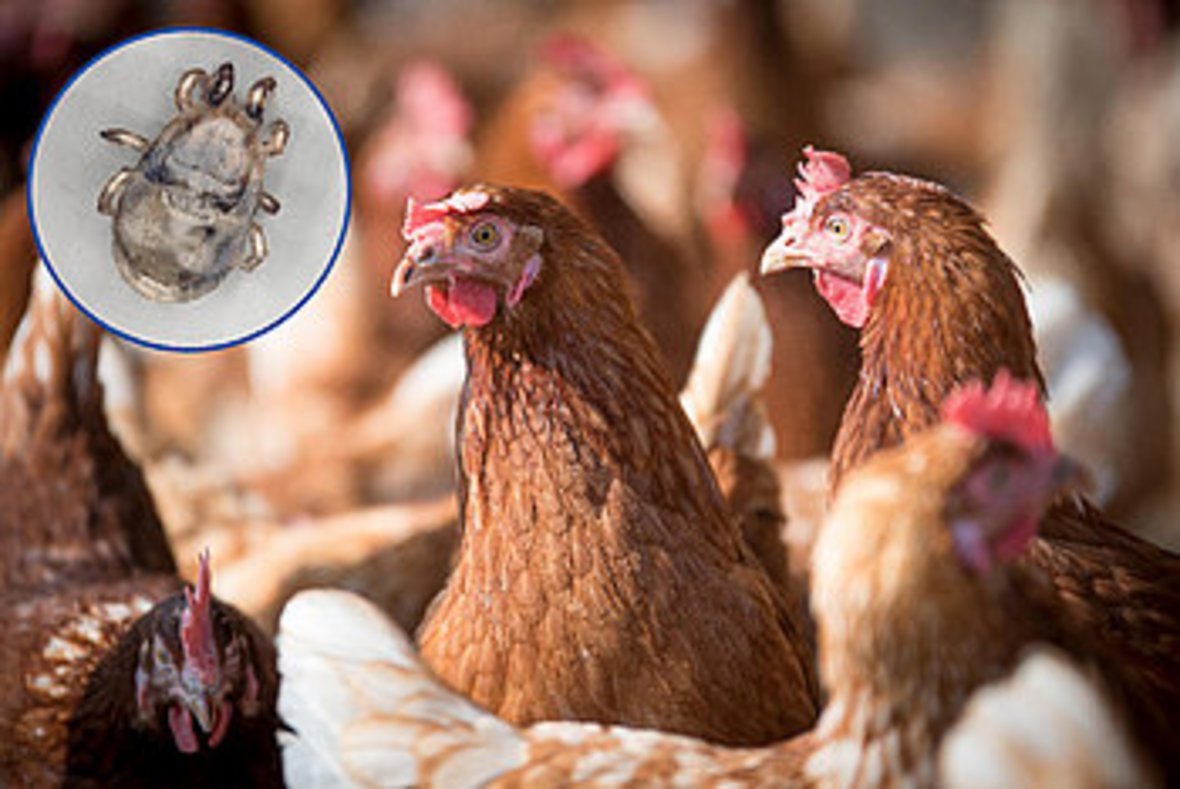
Funded projects: Cold plasma mite trap
Funded projects: EIP broiler rearing house
06 EIP Wurmfrei
Funded projects: Hygiene in mobile housing
Funded projects: Mobile chicken rearing shed
Druckversion
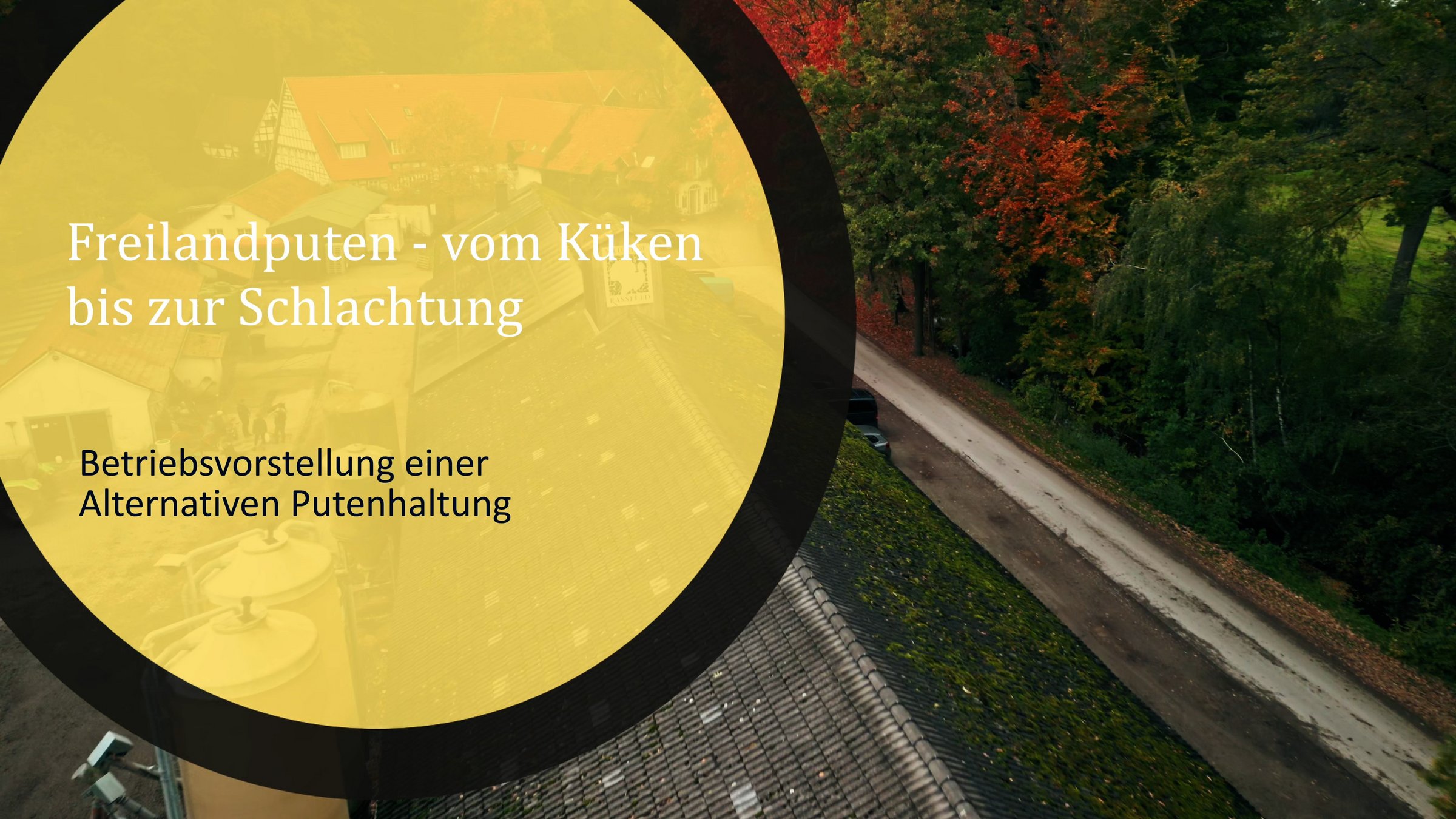
Video Freilandpute - vom Küken bis zur Schlachtung: Ein Praxisbeispiel
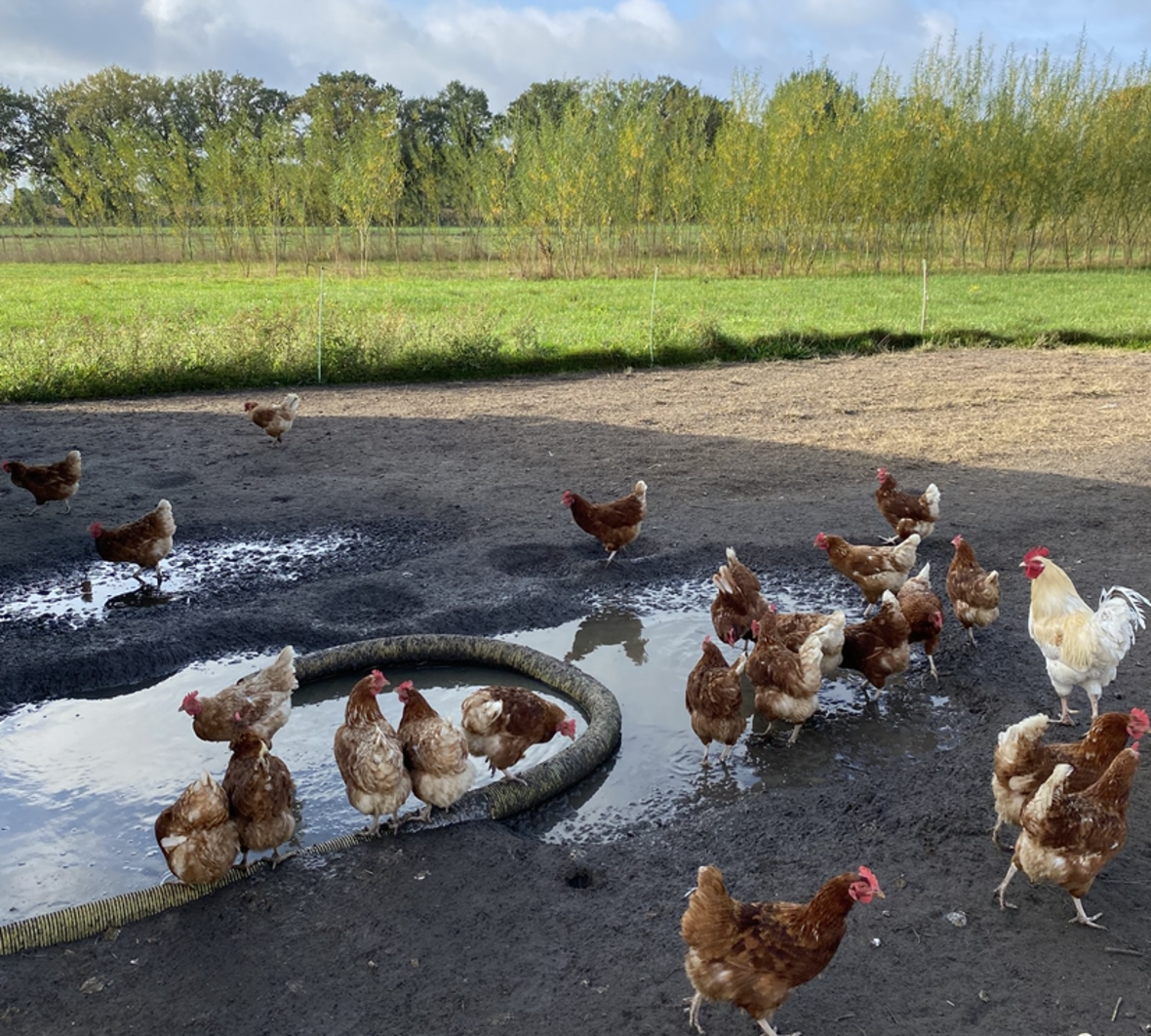
The EIP project “WurmFrei” is developing practical strategies to sustainably reduce endoparasites in free-range laying hen flocks, thereby improving animal health and welfare. The focus is primarily on roundworms (Ascaridia galli) and coccidia (Heterakis gallinarum), whose eggs can accumulate in outdoor runs and be ingested via the environment or intermediate hosts. To this end, faecal samples, management data and soil samples from the outdoor runs are being collected and analysed across 50 flocks in Lower Saxony throughout the laying period. Building on the results, the aim is, among other things, to develop a web-based application for assessing the risk of worm infestation, in order to manage monitoring and control measures more effectively.
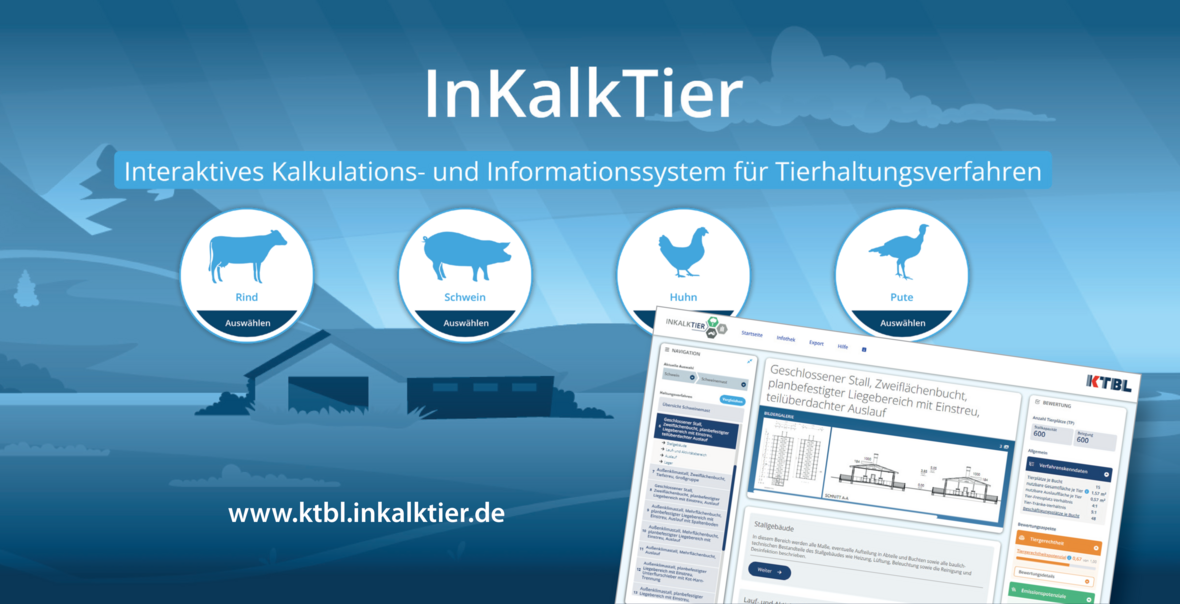
The "InKalkTier" project has developed a web application that provides qualitative and quantitative insights into animal welfare, emission potentials and economic indicators relating to husbandry systems in livestock farming.
The application provides a wide range of housing systems for cattle, pigs, chickens and turkeys, which can be assessed in terms of their structural and technical aspects. The web application is based on a data structure that enables the KTBL to add further assessment criteria and housing systems with manageable effort. The application is aimed in particular at professionals from the fields of practice, consultancy, public authorities, trade associations, academia and education.
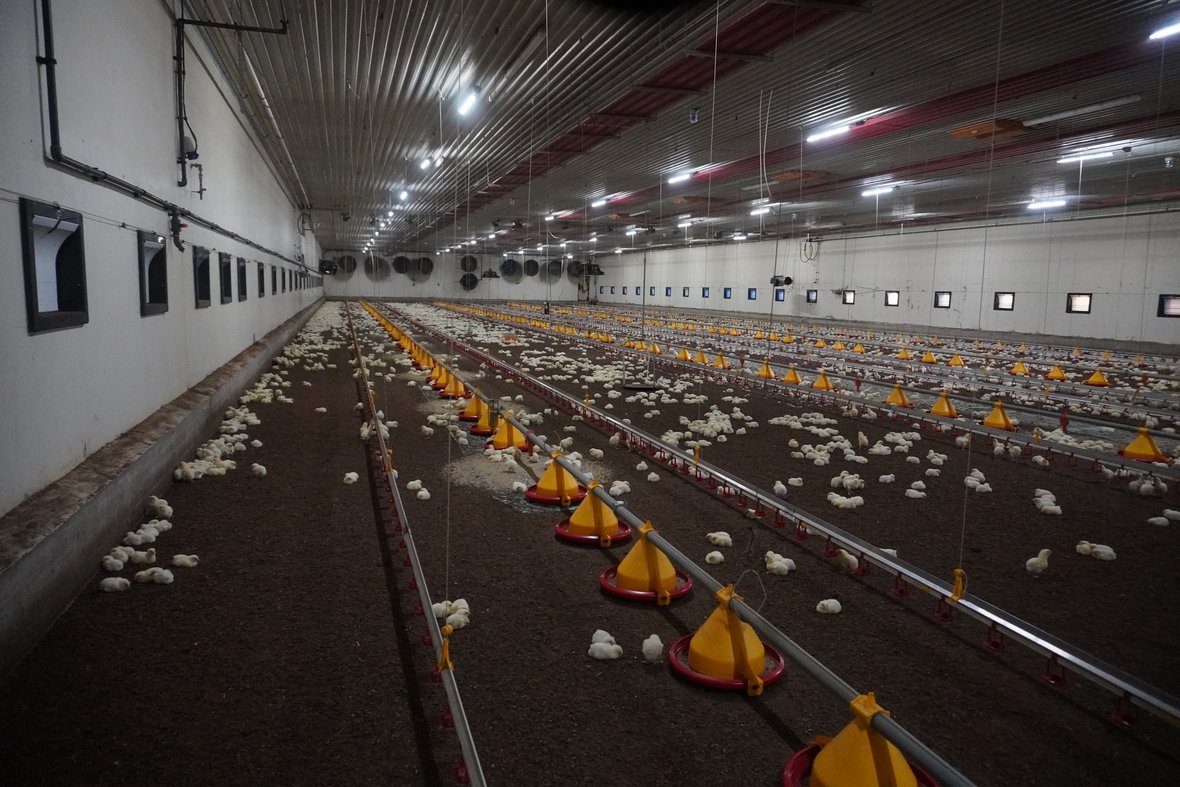
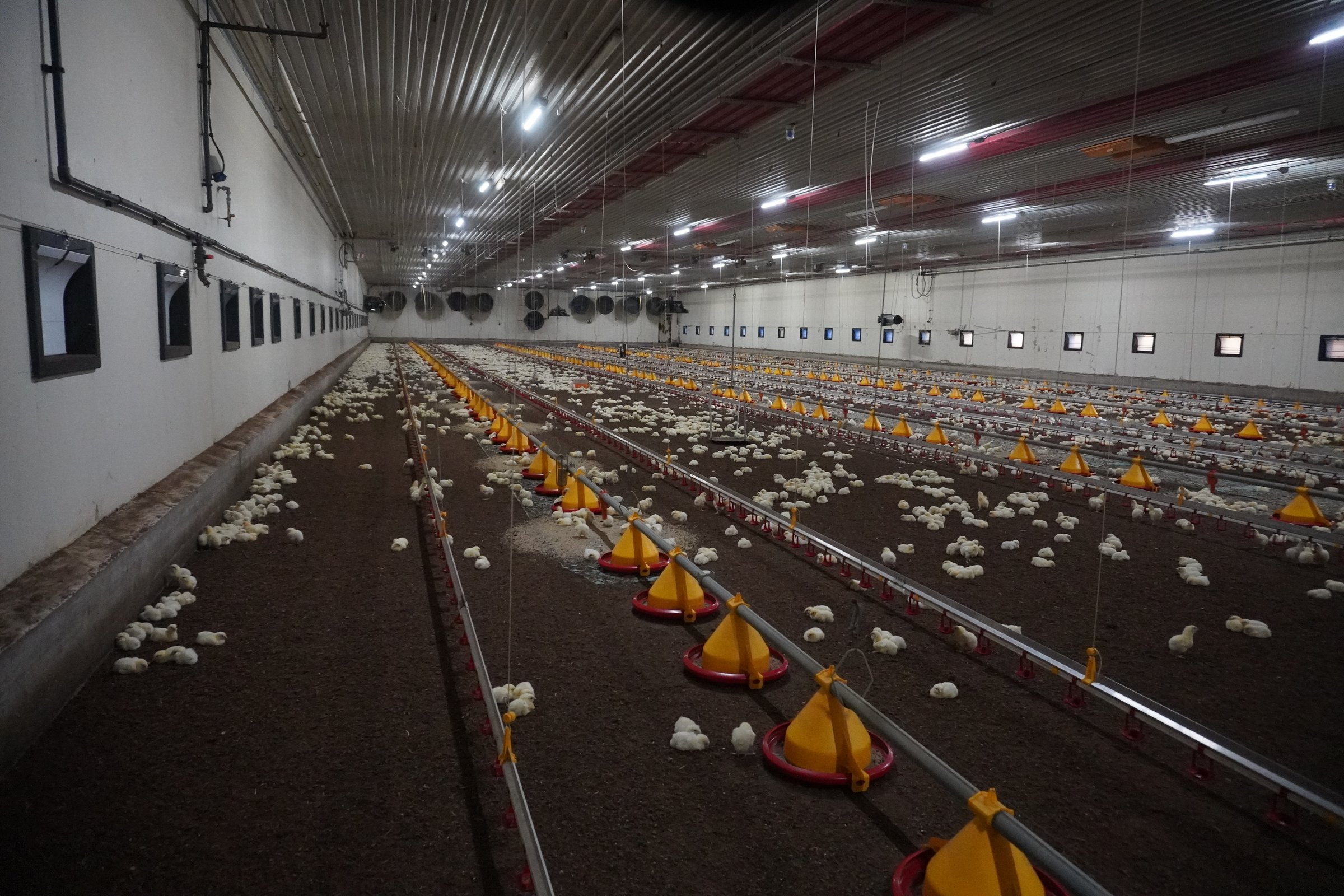
Conventional broiler rearing houses are generally designed as buildings with a single-layer outer shell. These structures often suffer from the problem that the negative pressure required to maintain a stable house climate is insufficient due to leaks in the outer shell, thereby adversely affecting climate control within the house. As part of the EIP project ‘Broiler House 2023’, the aim was to construct and test a house designed with two shells to ensure the building’s airtightness. This innovative building is intended to enable an optimal, constant house climate, so that the animals are not exposed to significant climatic fluctuations.
The aim of the new building is to improve animal welfare in broiler rearing. By eliminating significant climatic fluctuations and, in particular, preventing cold air from entering the animal area, the aim is to reduce litter moisture and ammonia levels.
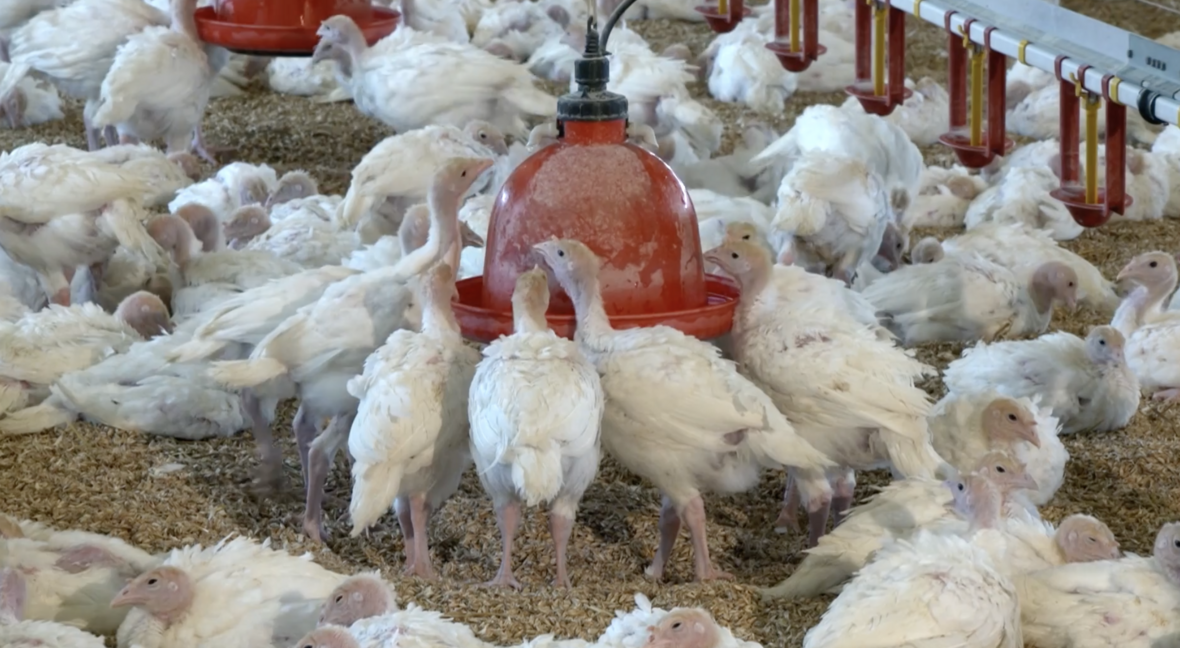
The AminoVit project is a collaborative project funded by the Federal Ministry of Food and Agriculture (BMEL) through the Federal Programme for Organic Farming (BÖL), involving the Research Institute of Organic Agriculture (FiBL), Weihenstephan-Triesdorf University of Applied Sciences (HSWT) and the Bavarian State Farms/Bavarian State Institute for Agriculture (LfL).
The aim of the project was to investigate how organic turkey fattening can be organised as closely as possible to the animals’ needs through an optimised feed composition, with a particular focus on amino acid and vitamin supply. The aim is to make the best possible use of available protein sources and to keep competition for food with human nutrition as low as possible.
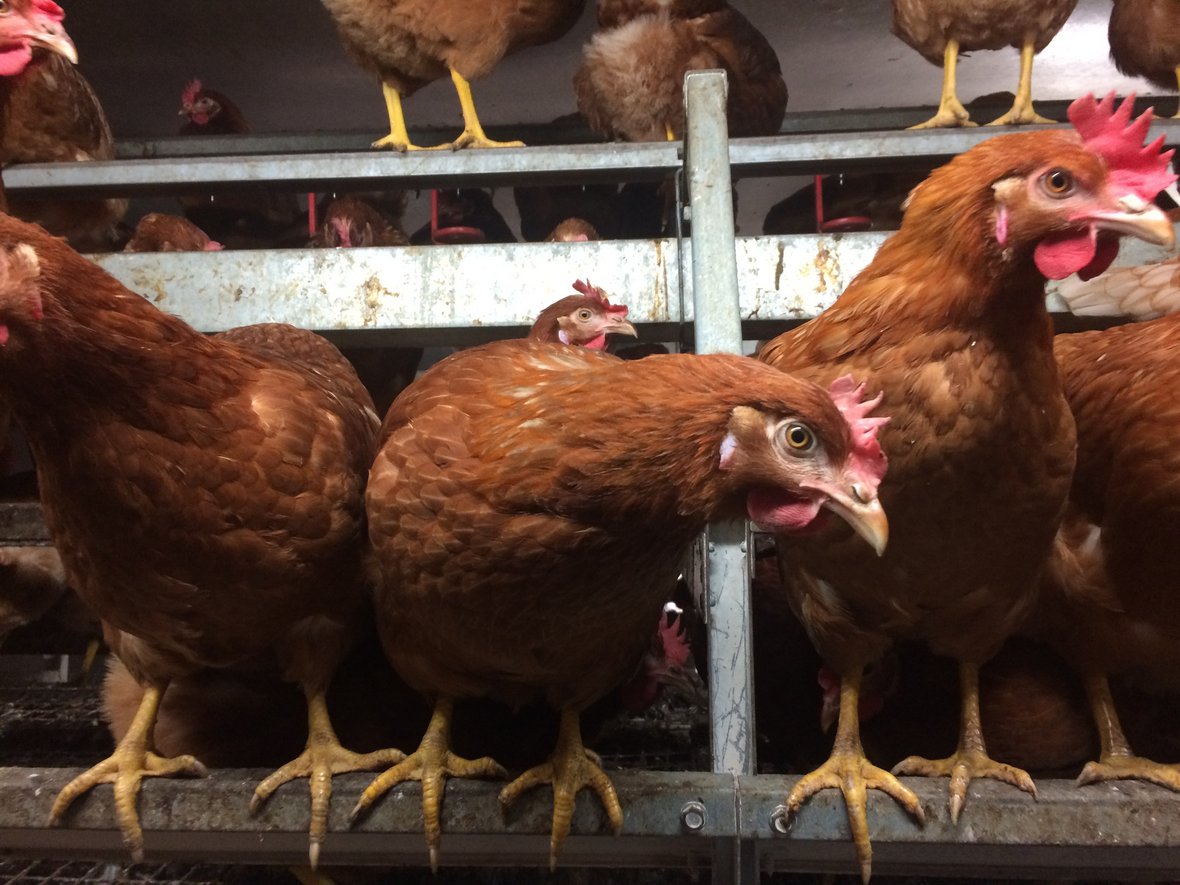
The MeTiWoLT II project (“Improved Animal Welfare for Laying Hens in Thuringia II”) focused intensively on investigating changes to the sternum in laying hens between April 2020 and March 2023. The Thuringian Poultry Health Service, in collaboration with the Thuringian Poultry Industry Association, monitored 10 flocks of laying hens throughout the project period and collected data on sternum status during the laying period and the possible factors influencing the development of sternum changes.
A high standard of animal welfare is one of the requirements placed on modern and sustainable poultry farming. But what is the state of animal welfare in German poultry meat and egg production? Data that allows conclusions to be drawn about specific aspects of animal welfare, such as animal losses or footpad necrosis, is already being recorded. However, there is currently no systematic, nationwide evaluation of this information.
This is where the National Animal Welfare Monitoring scheme, or ‘NaTiMon’ for short, is set to come into play in future, taking into account animal welfare aspects not only in rearing but also during transport and slaughter. The report is based on regularly collected management, resource and animal-related indicators.

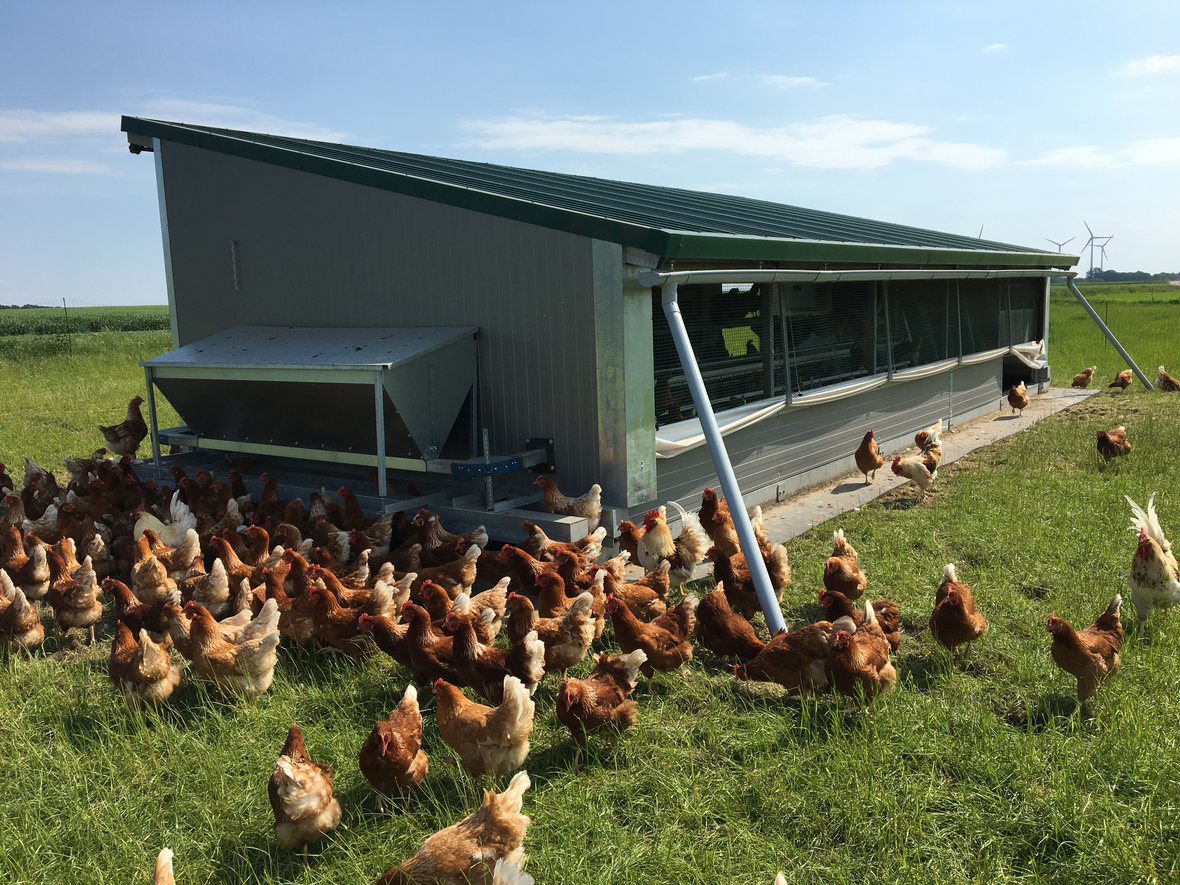
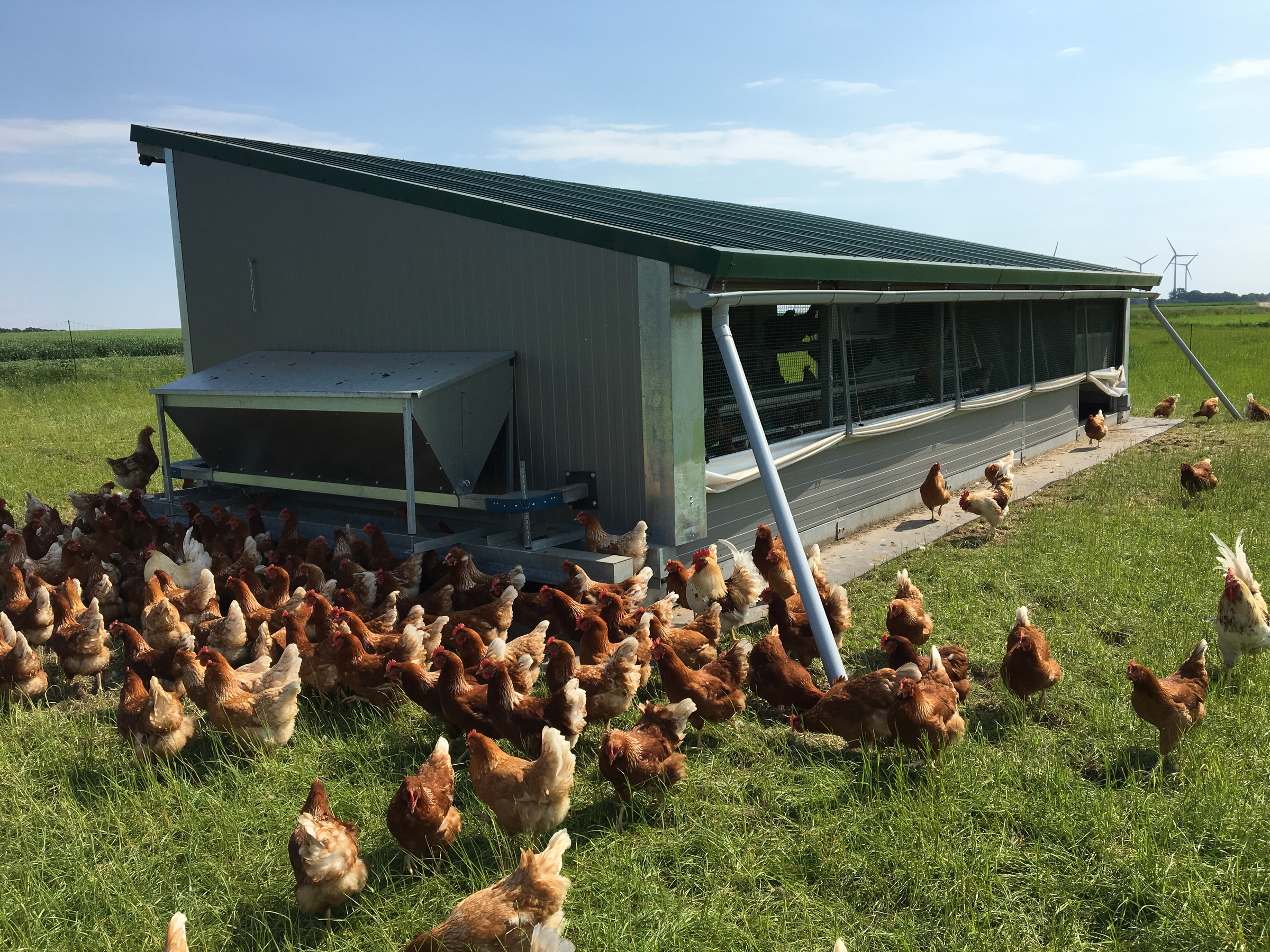
The rearing of laying hens in mobile housing systems is becoming increasingly popular. As the hens have access to outdoor runs, the system is considered more animal-friendly and offers a high degree of transparency for interested consumers.
However, the use of mobile housing systems also presents particular challenges for farmers, especially with regard to the implementation of general and specific hygiene measures.
The project ‘Mobile housing for laying hens: Innovation for the practical implementation of legally compliant hygiene management’ (Hyg-MobiLe) has therefore set itself the aim of testing measures that can contribute to improving animal health and hygiene in mobile housing systems.
Practitioner survey: experiences with the use of natural prophylactic agents to reduce the use of antibiotics in poultry
Poultry farmers are invited to share their experiences with natural-based products designed to minimise the use of antibiotics.
Despite the implementation of action plans and improved husbandry conditions, poultry farms often have no choice but to use antibiotics due to individual health issues. To promote animal health, they are increasingly turning to natural products or preparations based on natural substances, such as oregano, Effective Microorganisms (EM), clay minerals or organic acids. How effective are these products? What experiences have practitioners gained with them?
The project “Antibiotic Minimisation in Poultry Farming: Alternative Prophylactic Measures” (AntiMin-Pro) is part of the Model and Demonstration Projects (MuD) on Animal Welfare within the Federal Livestock Farming Programme and aims to consolidate knowledge on alternative prophylactic measures and test innovative approaches in practice.
Chicken rearing in mobile housing
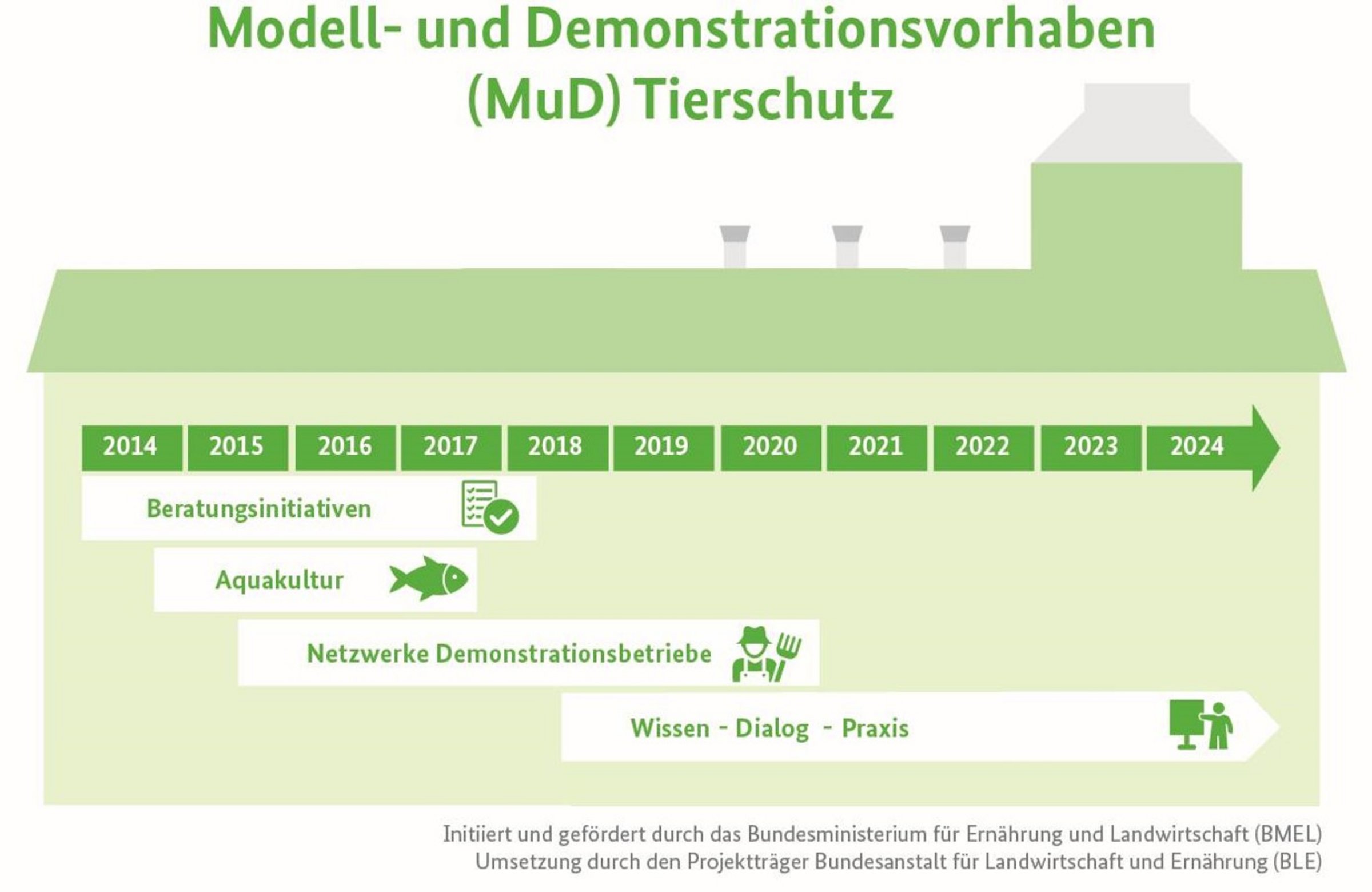
MuD Animal Welfare Project: Chicken rearing in mobile housing (HüMaMo)
The ‘Broiler Rearing in Mobile Housing’ (HüMaMo) project is part of the Animal Welfare Model and Demonstration Programme run by the Federal Ministry of Food and Agriculture (BMEL). It focused on the relatively unexplored practice of rearing broilers in mobile housing and supported nine farms over a period of 2.5 years. During this period, practical findings were collated and the data collected was scientifically analysed. This involved, amongst other things, the investigation of animal welfare and performance parameters, animal behaviour (activity, comfort and resting behaviour) and the use and design of outdoor runs.
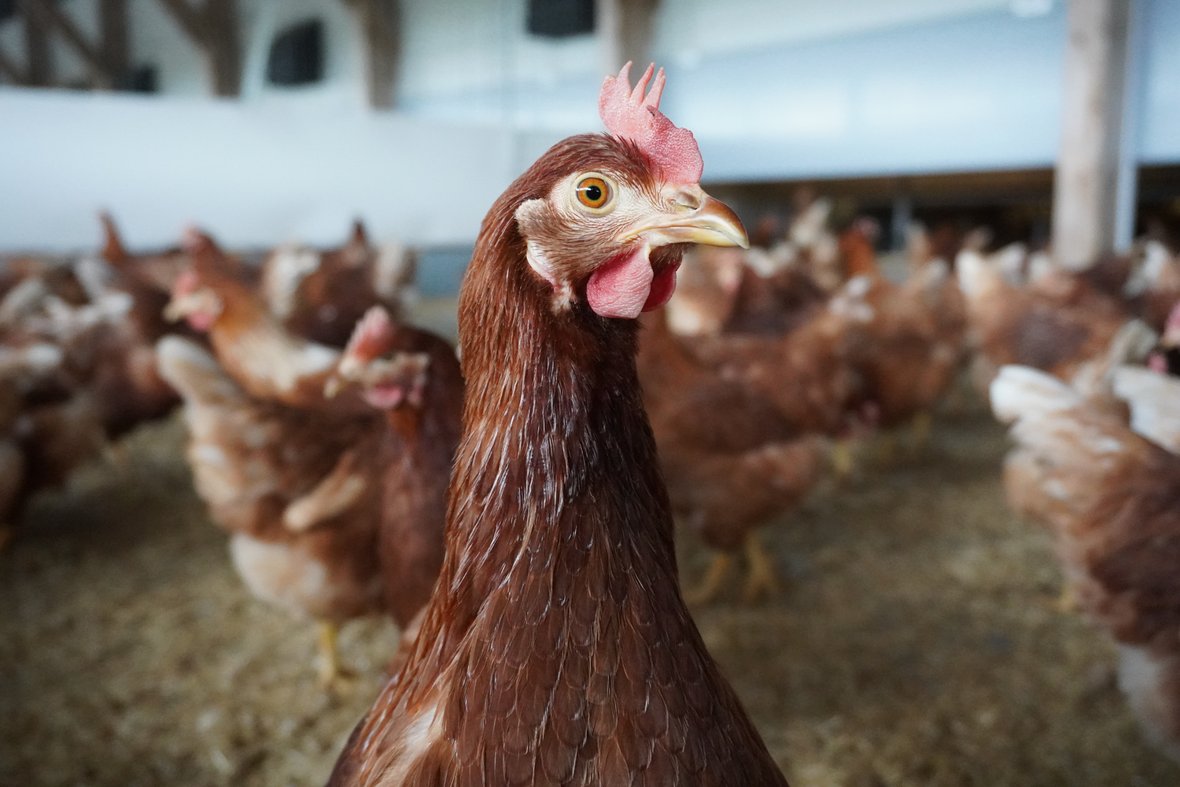
The "Risk-Oriented Flock Management" (RoHm) project evaluated recommendations for preventing feather pecking and cannibalism in young and laying hens within the context of establishing and operating a risk-oriented flock management system. To this end, 31 flocks were monitored during the rearing and laying periods, and the data collected was scientifically analysed.
The project was carried out in collaboration with Osnabrück University of Applied Sciences, the Foundation of the University of Veterinary Medicine Hannover, the Lower Saxony Poultry Industry Association and the Lower Saxony Chamber of Agriculture.
Battery hens one floor up
MuD projects present preliminary findings on animal-welfare-oriented housing design
One way to design broiler houses with animal welfare in mind is to incorporate raised levels. This topic was addressed by the two model and demonstration projects (MuD) ‘Structure and adapted feeding in broiler houses: options for behaviour-appropriate and environmentally friendly animal husbandry (MaVeTi)’ and ‘Improving animal welfare in model and demonstration farms in broiler production’. The two projects, funded by the Federal Ministry of Food and Agriculture, are now nearing successful completion. In collaboration with the Focus on Animal Welfare network, the two projects presented their results and findings regarding the raised platforms at an online event.
Poultry farming under the microscope – critical control points and how to identify them on my farm
As part of the MuD Animal Welfare Project’s Layer-HACCP Concept (Animal Welfare Advisory Team in Practice – Feeding and Enrichment Under Scrutiny for Improved Animal Welfare in Pullet and Laying Hen Farming), nine pullet rearing farms and ten laying hen farms received intensive support over a three-year period, during which specific critical control points were identified throughout the rearing and laying phases.
EIP-Agri – Laying hen projects introduce themselves
EIP–Agri – European Innovation Partnerships for Agricultural Productivity and Sustainability
The European funding programme EIP-Agri aims to promote the further development of innovative approaches in agriculture. A key feature of the programme is that current issues in agriculture are addressed collectively through the collaboration of farmers, advisers, associations, businesses and the scientific community. EIP-Agri is thus intended to help improve links between the agricultural sector and research.
The solutions developed as part of the innovation projects are intended to contribute in the long term to making agriculture more sustainable, more animal-friendly and also more competitive.
Networking meeting of the ‘Knowledge-Dialogue-Practice’ projects with the ‘Focus on Animal Welfare – Focus on Poultry’ network
On 15 June 2021, an initial meeting took place between the projects under the Model and Demonstration Projects (MuD) for Animal Welfare, focusing on ‘Knowledge-Dialogue-Practice’, and the Focus on Animal Welfare network.
In addition to exchanging views on the key areas of the projects, the aim was to discuss existing areas of overlap and further opportunities for collaboration. All participating projects are funded by the Federal Ministry of Food and Agriculture as part of the Federal Livestock Strategy programme. Alongside gaining insights across various fields of research, the projects are united by the goal of adapting knowledge to practical use in agriculture.