
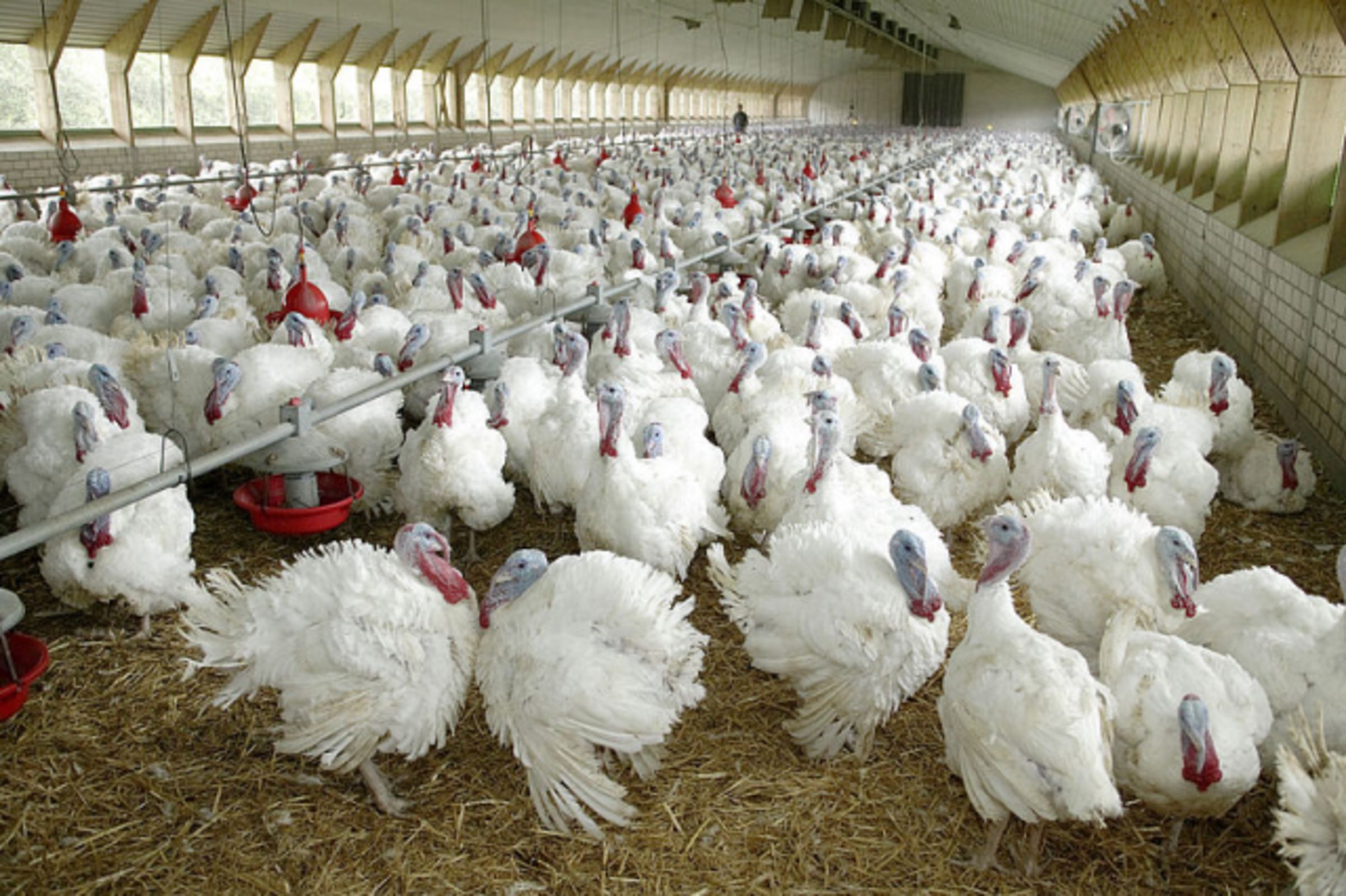
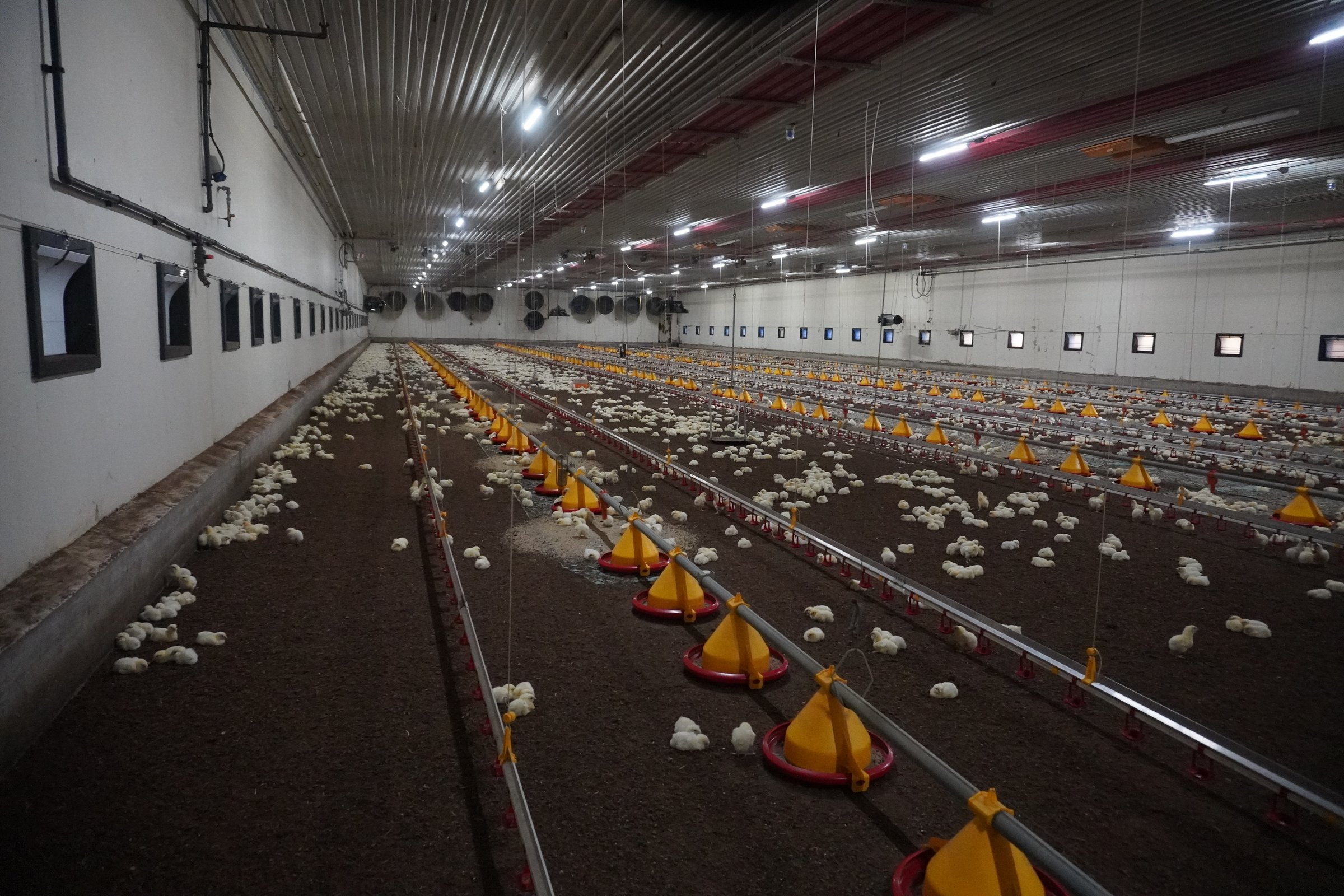

A high standard of animal welfare is one of the requirements placed on modern and sustainable poultry farming. But what is the state of animal welfare in German poultry meat and egg production? Data that allows conclusions to be drawn about specific aspects of animal welfare, such as animal losses or footpad necrosis, is already being recorded. However, there is currently no systematic, nationwide evaluation of this information.
This is where the National Animal Welfare Monitoring scheme, or ‘NaTiMon’ for short, is set to come into play in future, taking into account animal welfare aspects not only in rearing but also during transport and slaughter. The report is based on regularly collected management, resource and animal-related indicators.
The following benefits are expected to result from the National Animal Welfare Monitoring in future:
- Poultry farmers will be able to compare the situation on their farm with the population of farms nationwide and thus better assess the current level of animal welfare in their own livestock management.
- A reliable basis for evidence-based policy decisions is established.
- Consumers can use objective information to form an opinion on animal welfare in German poultry farming.
- Scientists can use the results for further research on animal welfare.
In the “National Animal Welfare Monitoring” project, guidelines were therefore developed for collecting indicators in laying hen, broiler chicken and turkey farms. A guideline and a methodology handbook were also produced for collecting indicators relating to the transport and slaughter of poultry.
In addition to the guidelines, an indicator database offers a quick and easy way to find out about individual indicators for the respective poultry species:
Literature database on animal welfare indicators (ktbl.de)
The significance and informative value of the individual indicators are illustrated in an initial model report.
Although the foundations for the National Animal Welfare Monitoring scheme have now been laid, further steps must be taken before the first results report is published. These include, for example, establishing a legal framework and a suitable infrastructure. To this end, the project consortium has drawn up a six-point plan for implementation.
Visit the National Animal Welfare Monitoring project website
Further information available for download: