
All articles on this topic
Enrichment materials in turkey farming
Floor-rearing system for laying hens
Changes to the sternum in laying hens
Emergency measures for feather-pecking and cannibalism
01 Schwachstellen-Analyse Tool
01 Tierwohlkriterien ITW
Extension of the rearing period or induced laying break
01_Übergabeprotokolle
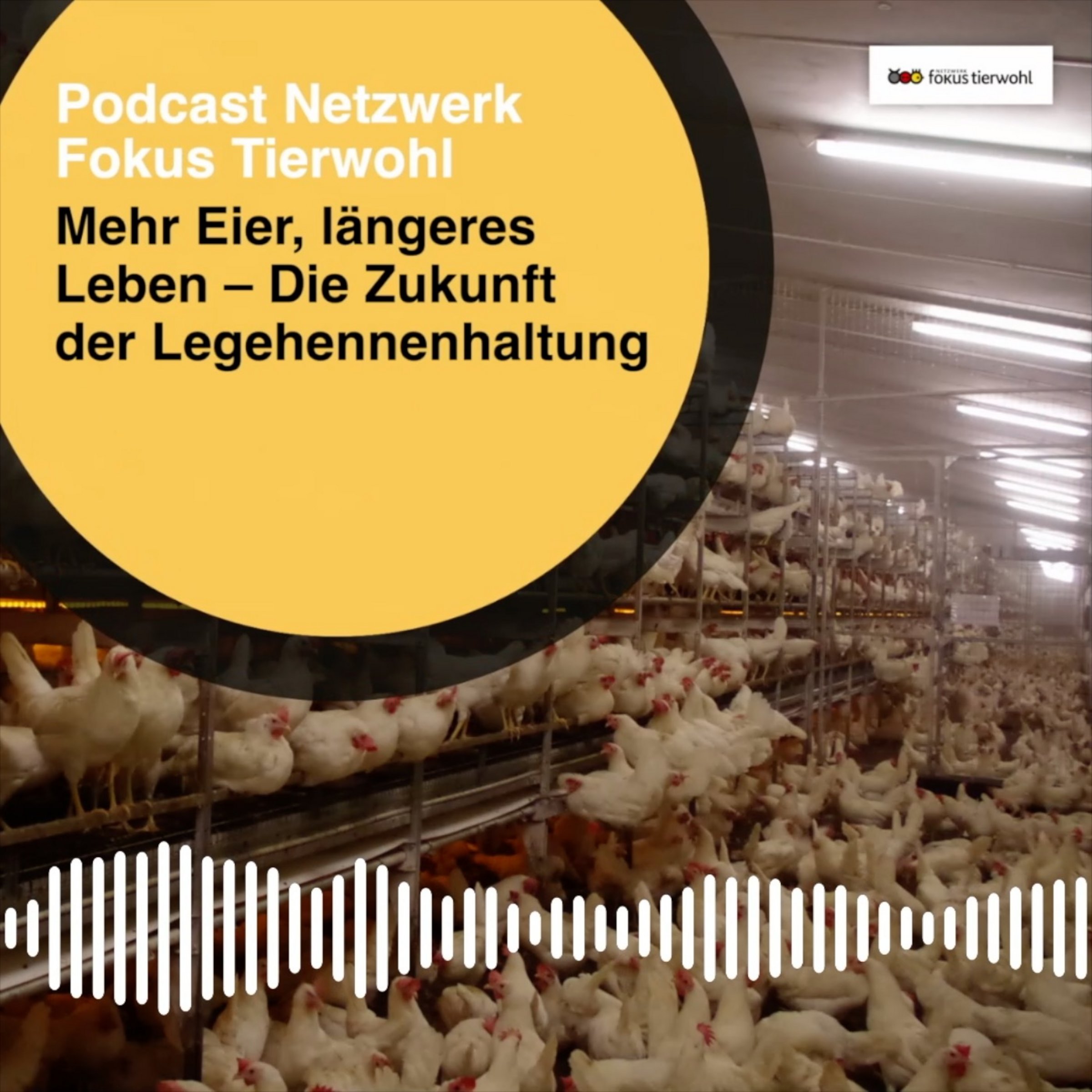
Podcast: Laying Hen Management
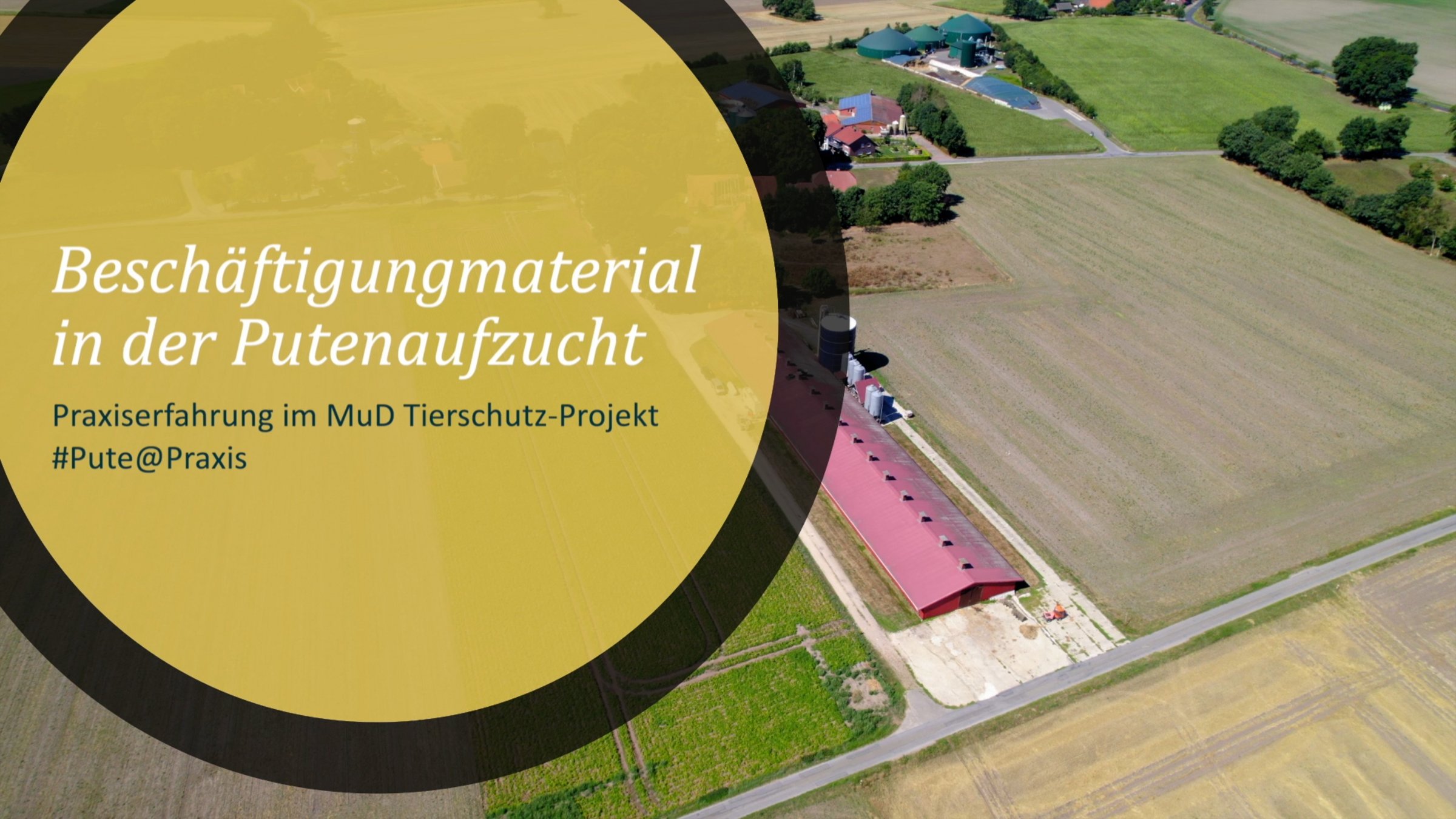
Video: Educational material on turkey rearing
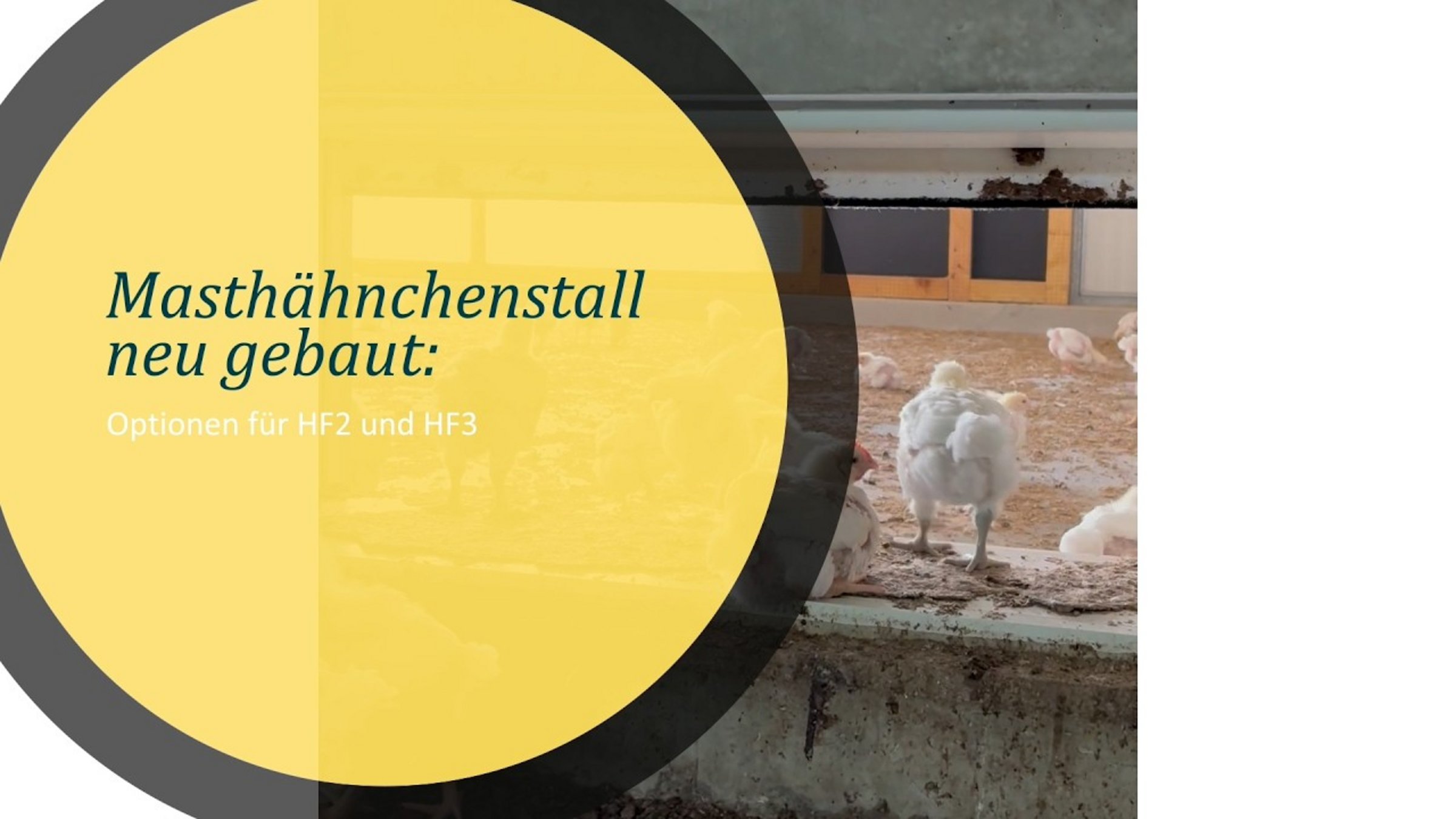
03 Video Masthähnchenstall neu gebaut: Optionen für Haltungsform 2 und 3
Video: Turkey enrichment materials
Video: Improving animal welfare in turkey farming
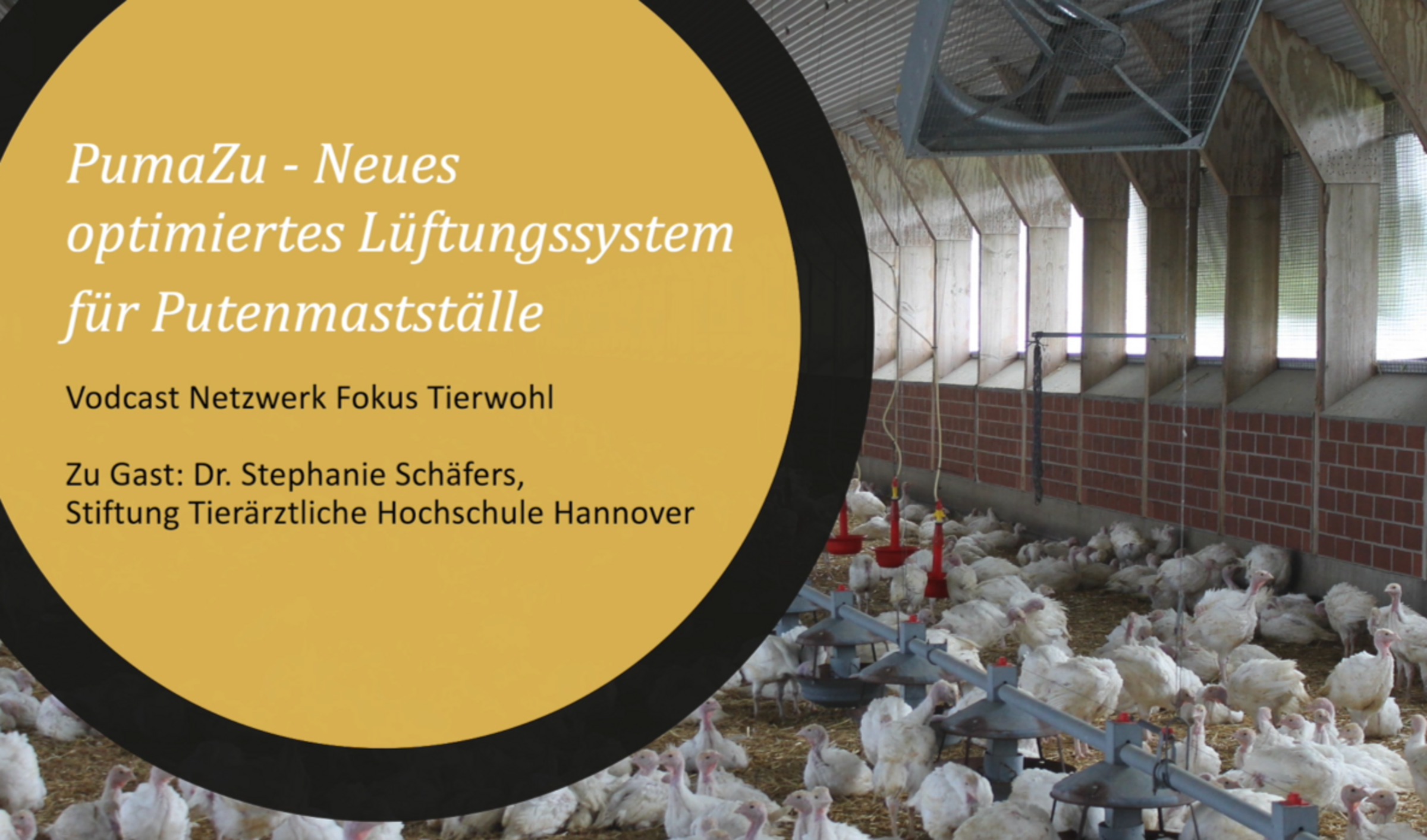
PumaZu podcast
Vodcast: Animal Welfare in Broiler Chicken Farming
Funded projects: Hygiene in mobile housing
Funded projects: Mobile chicken rearing shed
Video Freilandpute - vom Küken bis zur Schlachtung: Ein Praxisbeispiel
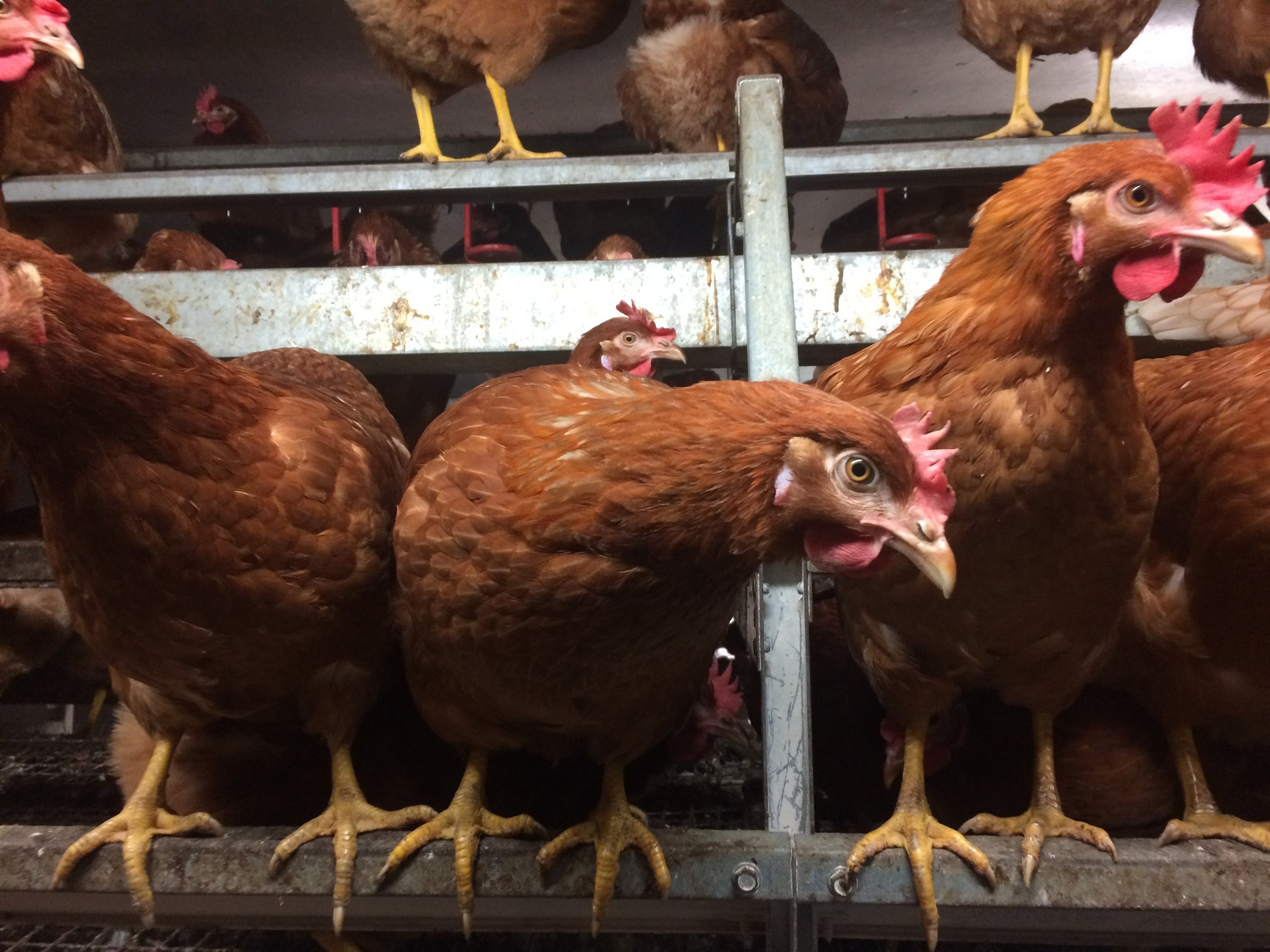
(Photo: Alexandra Koch, Lower Saxony Chamber of Agriculture)
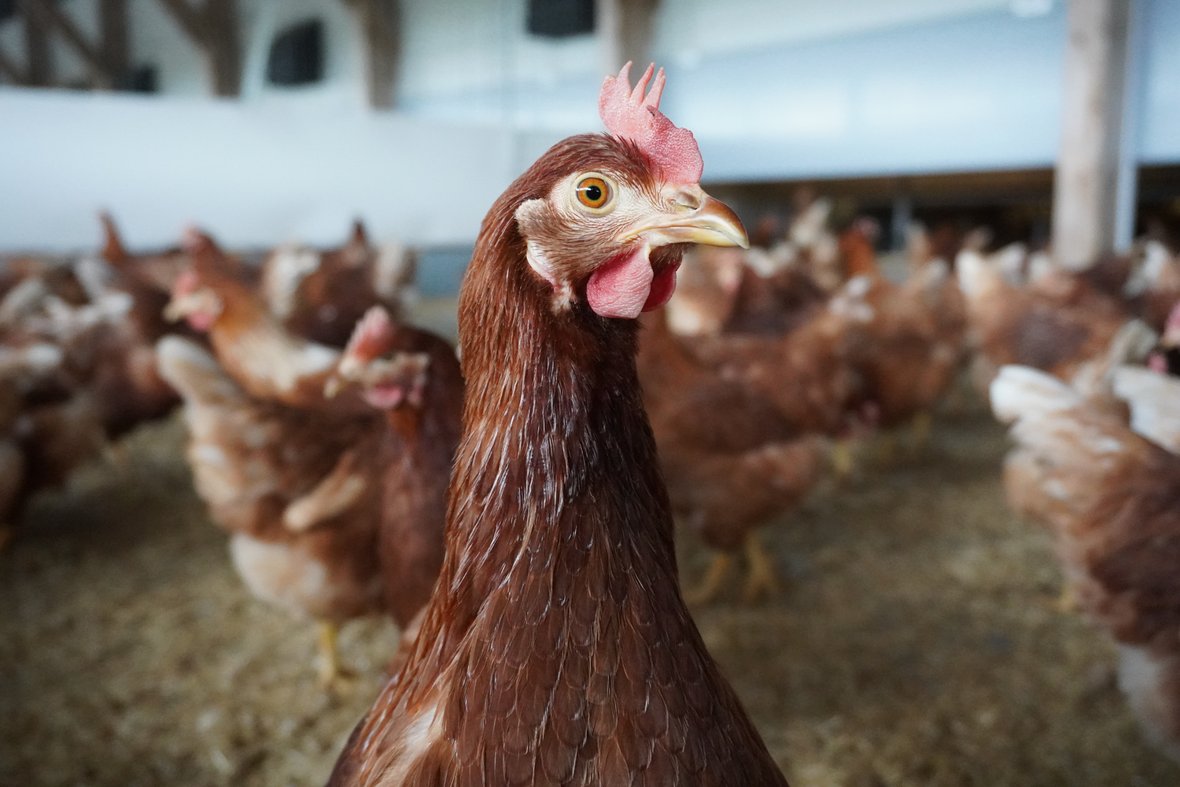
The "Risk-Oriented Flock Management" (RoHm) project evaluated recommendations for preventing feather pecking and cannibalism in young and laying hens within the context of establishing and operating a risk-oriented flock management system. To this end, 31 flocks were monitored during the rearing and laying periods, and the data collected was scientifically analysed.
The project was carried out in collaboration with Osnabrück University of Applied Sciences, the Foundation of the University of Veterinary Medicine Hannover, the Lower Saxony Poultry Industry Association and the Lower Saxony Chamber of Agriculture. The project was launched in 2017 to investigate the rearing of hens with intact beaks and was completed in 2020. As is well known, a decision was taken at the beginning of 2017 that trimming the tips of the beaks is not compatible with the Animal Welfare Act. In general, however, this decision increases the risk of damage caused by feather pecking and cannibalism, particularly under suboptimal husbandry conditions.
Participating farms should use the Lower Saxony Animal Welfare Plan’s brochure ‘Recommendations for the Prevention of Feather Pecking and Cannibalism in Pullets and Laying Hens’ (as of 2017) to scrutinise their management measures and husbandry practices. The practical applicability of the recommendations was subsequently evaluated and they are currently being revised. We will inform you as soon as the latest edition is published.
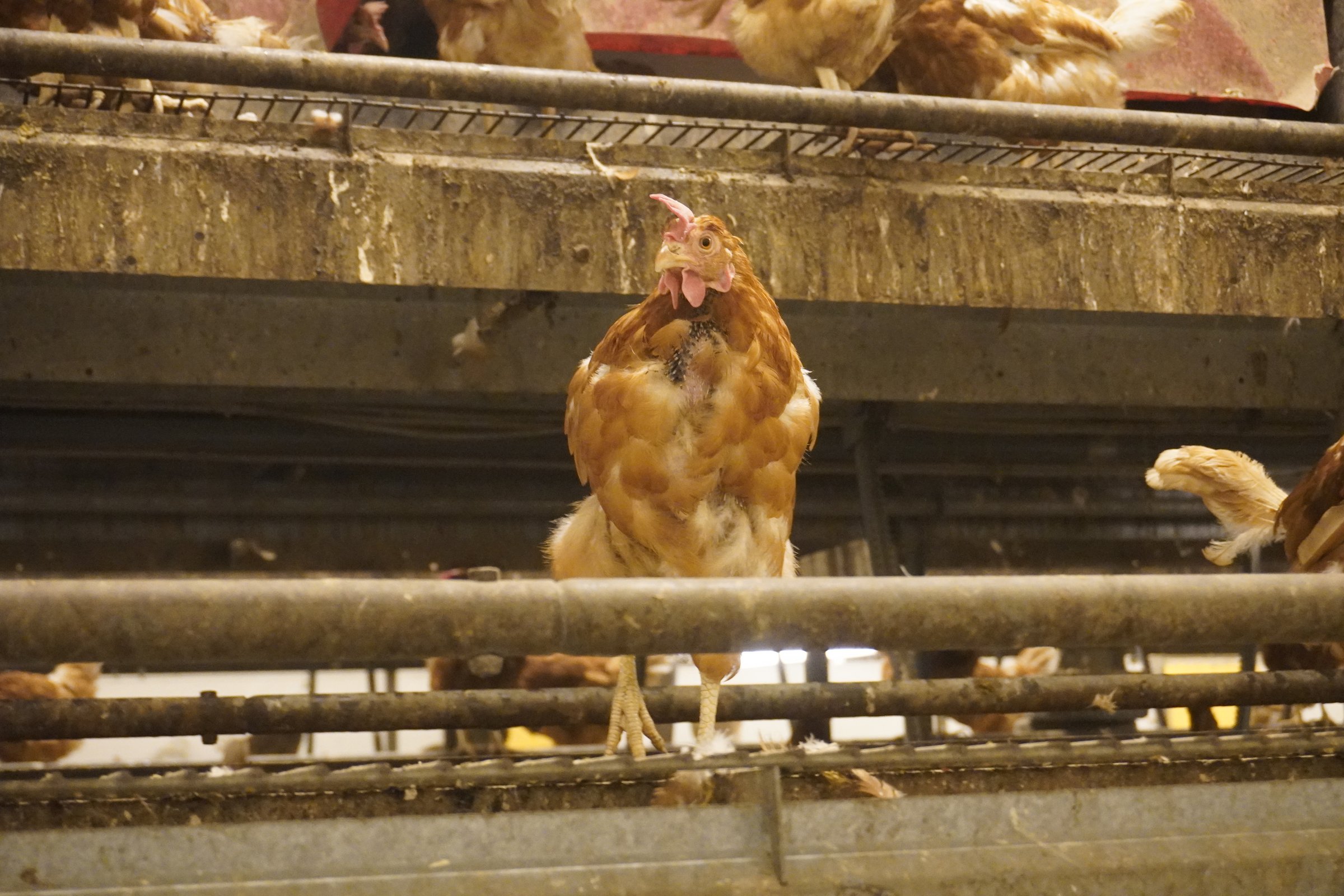
The project has shown that there is a significant need to communicate the links between management measures and housing conditions and the development of behavioural disorders. Furthermore, knowledge of normal behaviour and, ultimately, the ability to recognise behavioural deviations are crucial for identifying problems at an early stage. Measures must then be implemented swiftly, tailored to the individual farm and the specific situation, to prevent the spread of feather pecking or cannibalism. In general, flocks with intensive and systematic animal monitoring have a lower risk of behavioural disorders being detected too late and countermeasures being taken belatedly.
Inadequate lighting was cited as a major contributing factor to feather pecking and cannibalism. In some cases, despite manufacturers’ specifications regarding the light sources used, the lighting was not flicker-free. In many instances, the problem lay in the fact that farmers were unable to check the technical aspects themselves and had to rely on the statements of the installers.
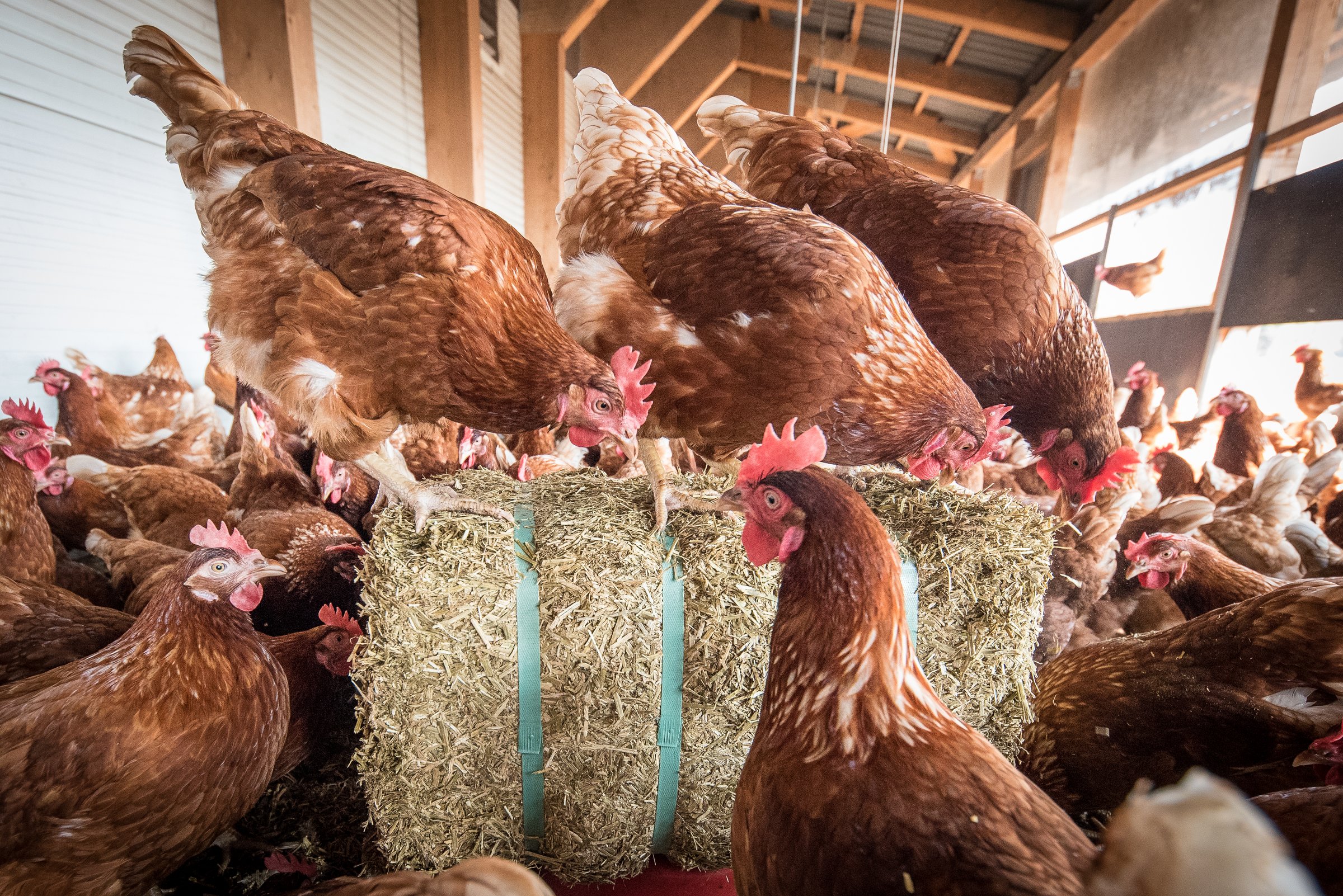
Reducing light intensity was cited as the most common measure against behavioural disorders. However, this should be the final step in an ‘emergency plan’. A systematic investigation of the causes and targeted countermeasures are appropriate. The use of unsuitable enrichment materials is also counterproductive. Hard materials or plastic cannot be picked up or manipulated by the hens. This can lead to frustration and even behavioural disorders. Soft, organic materials should be preferred.
Has this sparked your interest? The compiled knowledge can be viewed in the final report or accessed as a recorded seminar. Six courses cover a wide range of aspects from rearing through to the laying period and provide practical tips. The programme is available free of charge on the Ulm Academy website. The project was funded by the Lower Saxony Ministry of Food, Agriculture and Consumer Protection.