

(Image: Christina Schulte)
(Image: Christina Schulte)
Animal welfare in mobile housing: how do I go about it?
Recommendations from the Hyg-MobiLe project
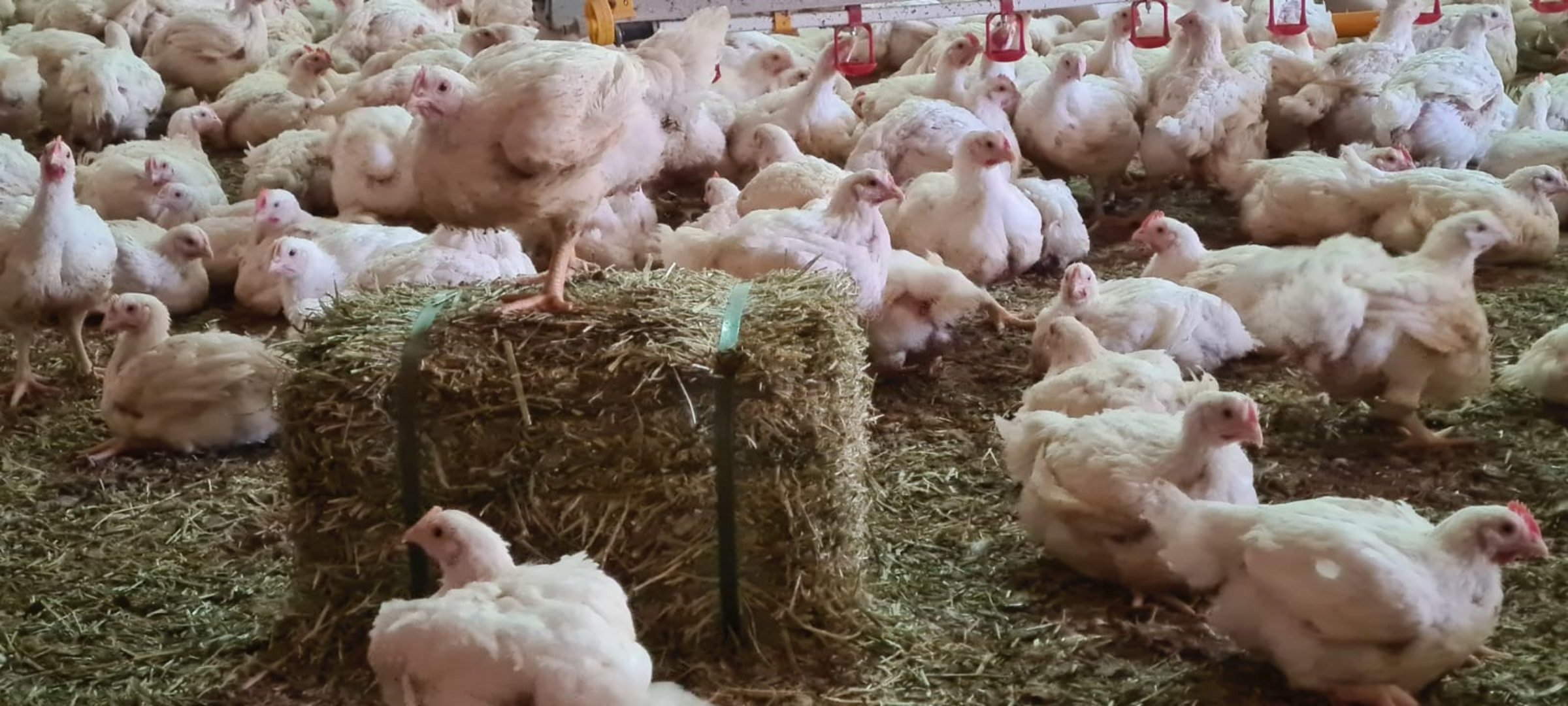
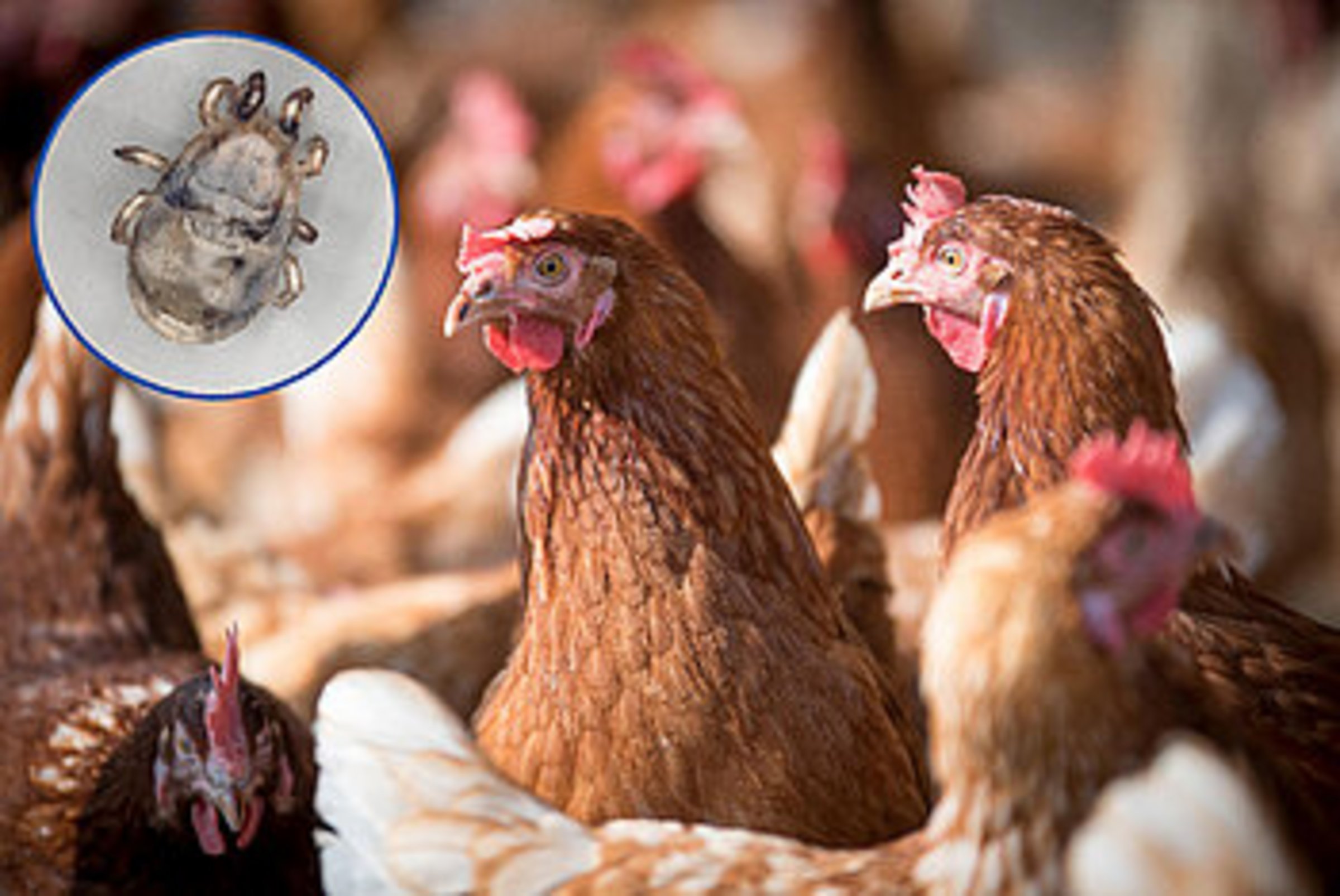
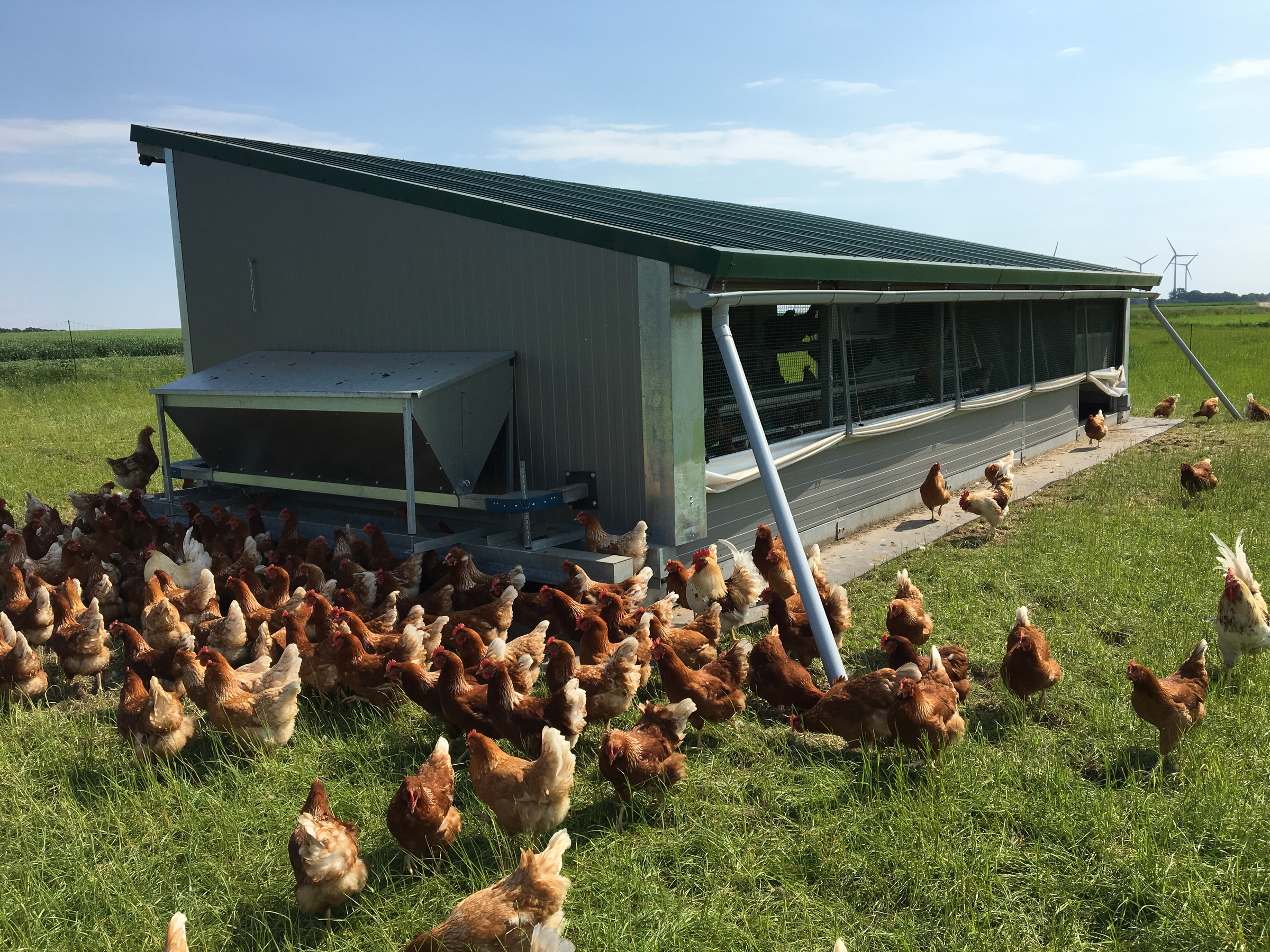
The rearing of laying hens in mobile housing systems is becoming increasingly popular. As the hens have access to outdoor runs, the system is considered more animal-friendly and offers a high degree of transparency for interested consumers.
However, the use of mobile housing systems also presents particular challenges for farmers, especially with regard to the implementation of general and specific hygiene measures.
The project ‘Mobile housing for laying hens: Innovation for the implementation of legally compliant hygiene management in practice’ (Hyg-MobiLe) has therefore set itself the aim of testing measures that can contribute to improving animal health and hygiene in mobile housing.
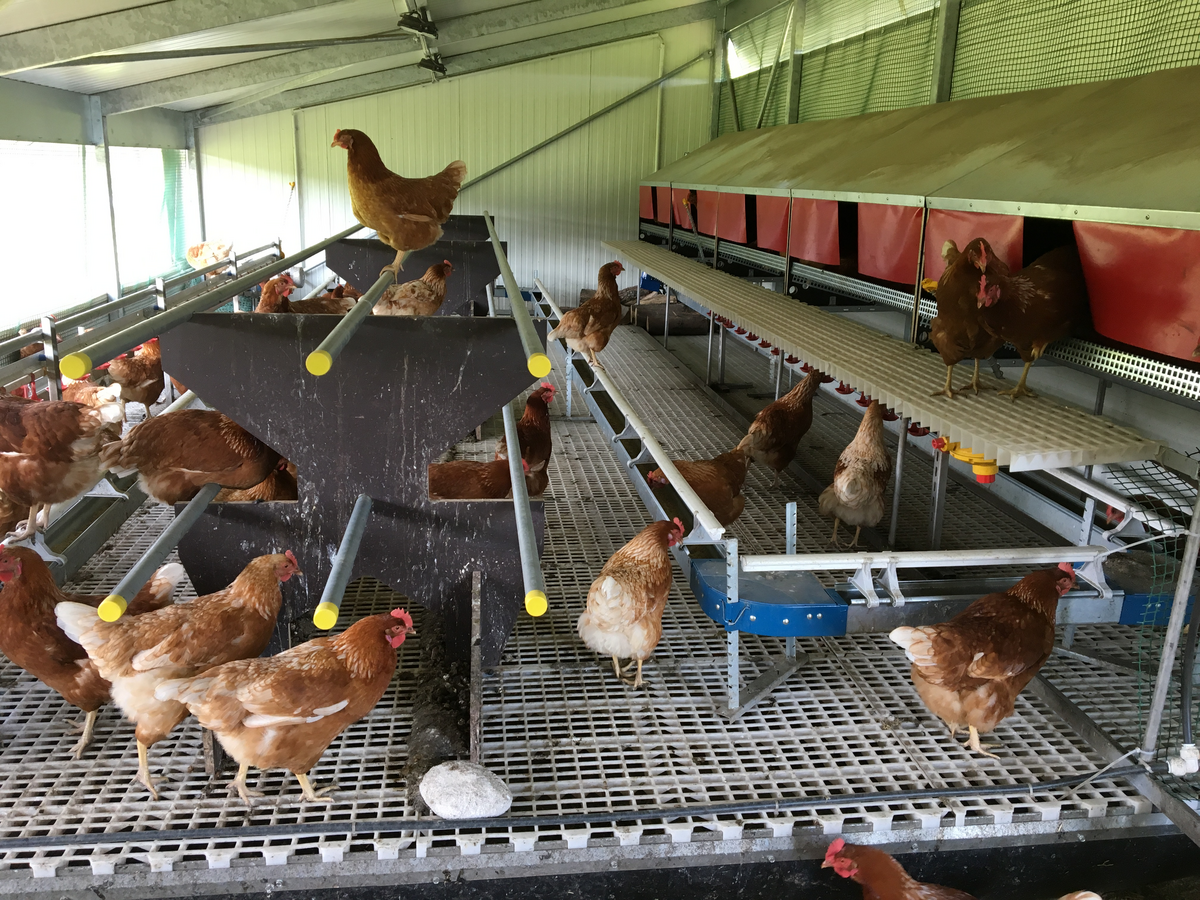
To this end, staff from Osnabrück University of Applied Sciences and the University of Veterinary Medicine Hannover Foundation, in cooperation with the Chambers of Agriculture of North Rhine-Westphalia and Lower Saxony and the mobile housing manufacturer Hühnermobil Stallbau Weiland GmbH & Co KG, conducted surveys on animal health, animal behaviour, and animal and environmental hygiene in laying hens kept in mobile housing. The studies were carried out at two trial sites. Both a mobile housing unit modified to implement hygiene measures and existing mobile housing units retrofitted with individual components were used. The 3.5-year project began in November 2018 and was completed in June 2022.
The experience gained during the project regarding the establishment of suitable measures to improve animal hygiene and biosecurity, particularly with regard to the risk of avian influenza introduction, was published as recommendations towards the end of the project.
Recommendations for implementing the best possible hygiene management in mobile housing systems