
Cold plasma mite trap – innovation for improved animal welfare in poultry farming
As part of the research project "Development of a cold plasma system to combat red bird mites in pullet and laying hen farms", a novel mite trap was developed that efficiently kills all stages of mite development – including eggs (see Figs. 1 and 2) – without the use of chemicals. The Friedrich Loeffler Institute for Animal Welfare and Animal Husbandry (FLI-ITT) in Celle, HAWK Göttingen (Faculty of Engineering and Health, Laser and Plasma Technology) and MIK INTERNATIONAL GmbH & Co. KG were involved in the project. The project was funded by "Federal funds at the Landwirtschaftliche Rentenbank" (funding code: 863 622).
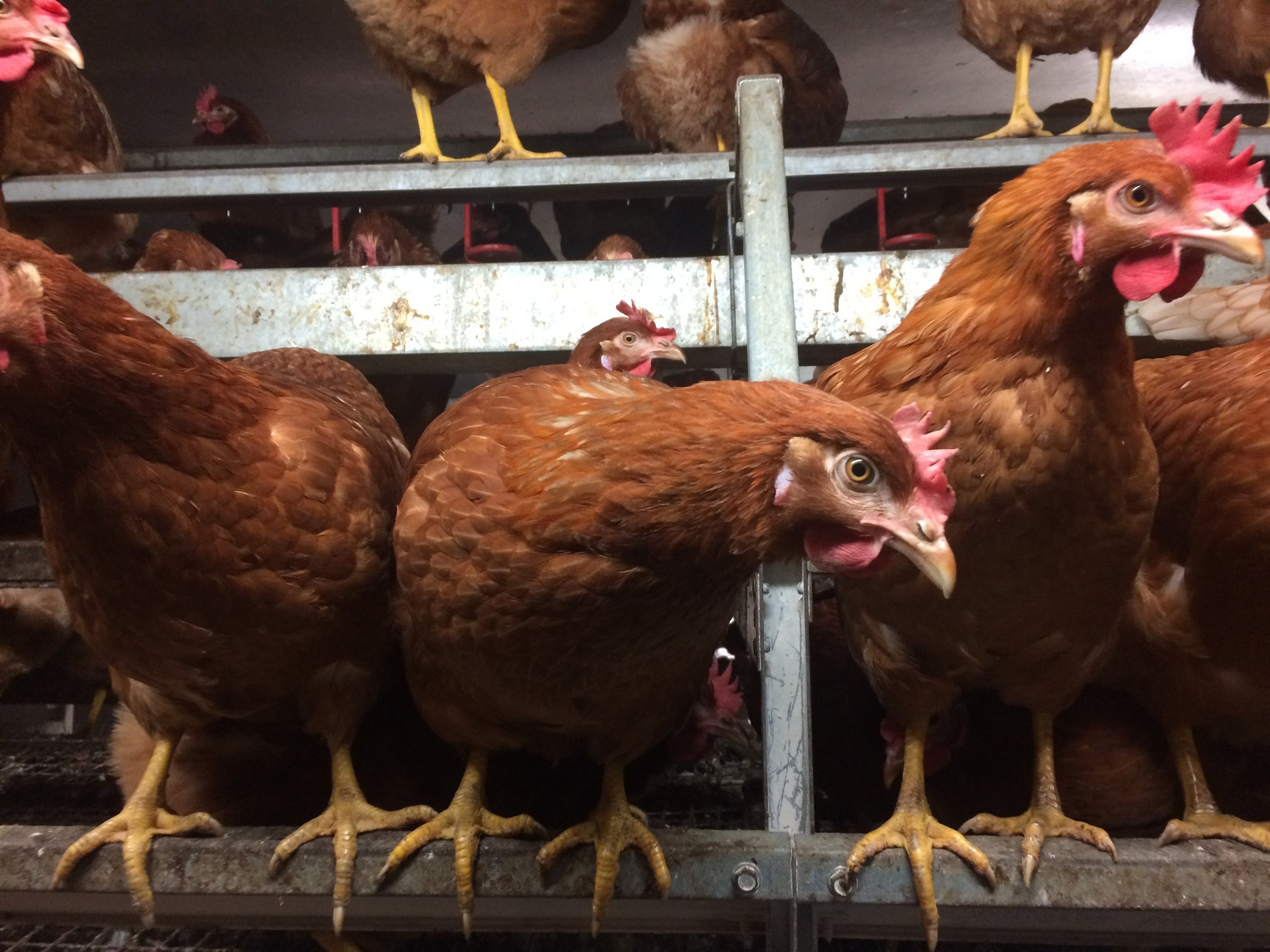
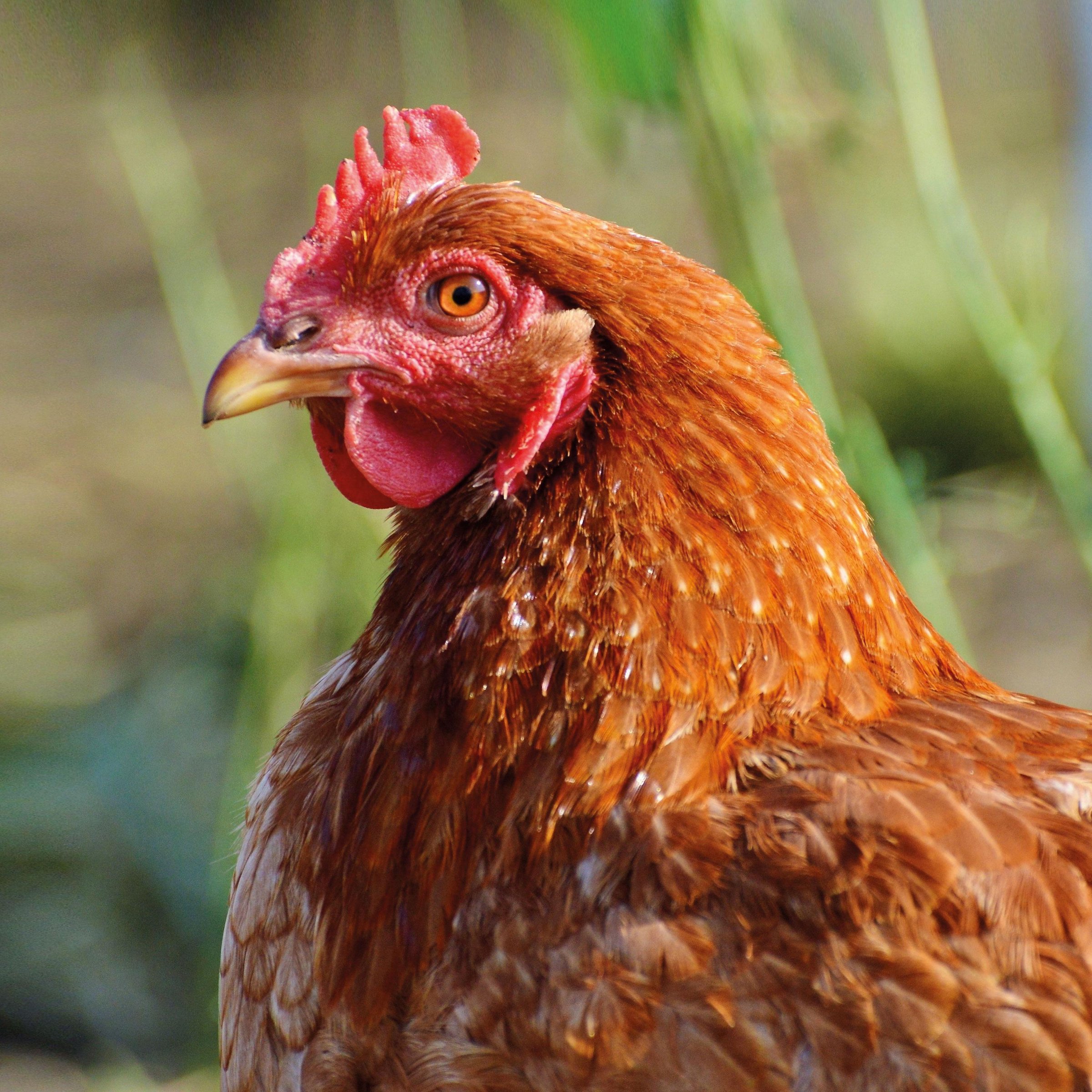
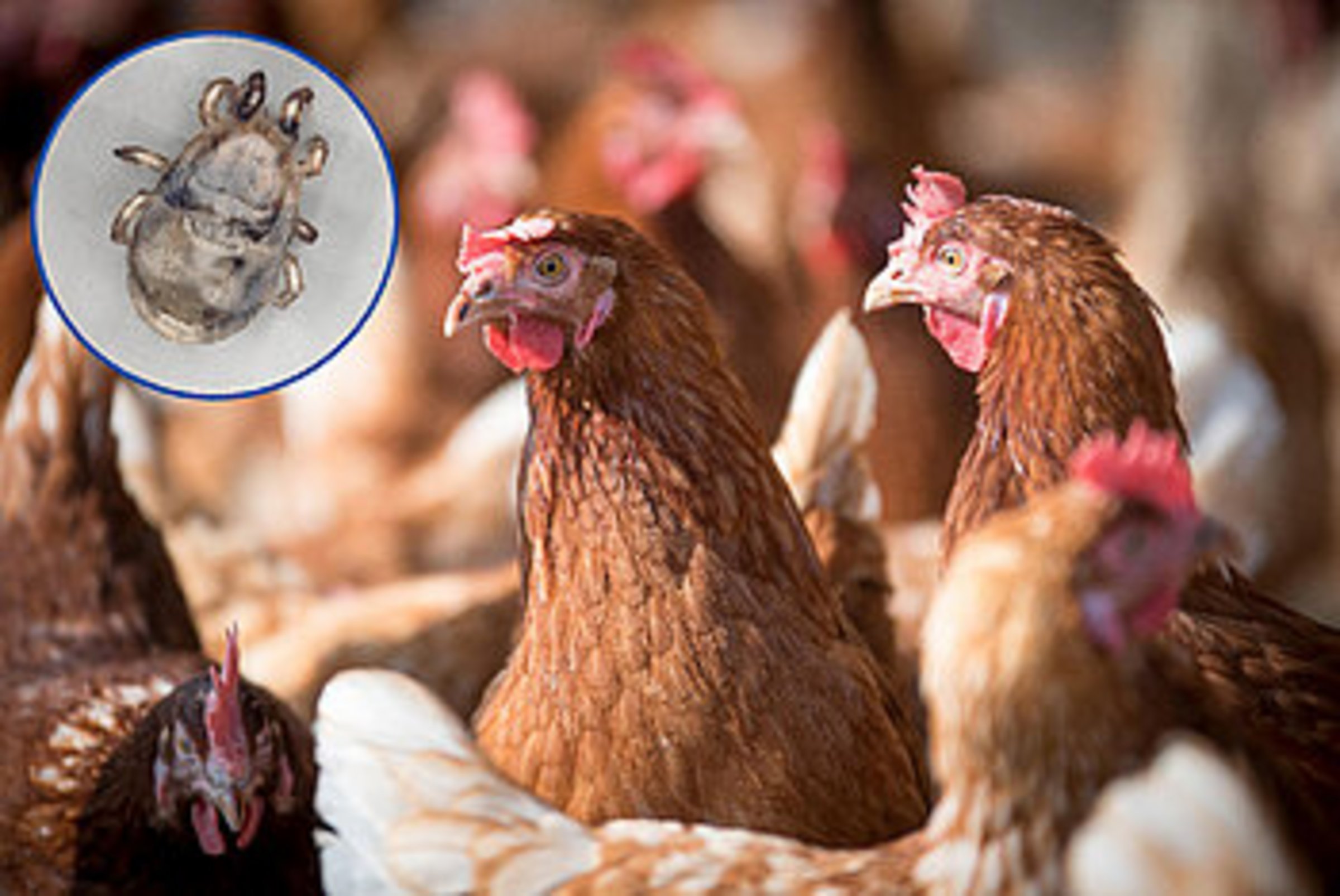
The red bird mite (Dermanyssus gallinae) is one of the most significant ectoparasites in poultry farming worldwide. Infestation leads to blood loss, skin irritation, stress and behavioural disorders such as feather pecking and cannibalism. An infestation of 500,000 mites can cause blood loss of up to 3% per night for the animals. The consequences are reduced egg production, poorer egg quality and increased mortality rates. Other animals and humans can also be affected – for example, through skin rashes ("bird keeper's scabies") or as potential hosts for pathogens such as salmonella or influenza A viruses.
The trap is designed as a shelter that the mites actively seek out. Inside, they are exposed to a cold atmospheric pressure plasma generated by dielectric barrier discharge (see Fig. 3). The plasma, ionised gas, glows purple during discharge and is effective against the parasites – without the use of acaricides, silicates, other antiparasitic agents or habituation effects. An automatic cleaning unit regularly removes the dead mites from the system.
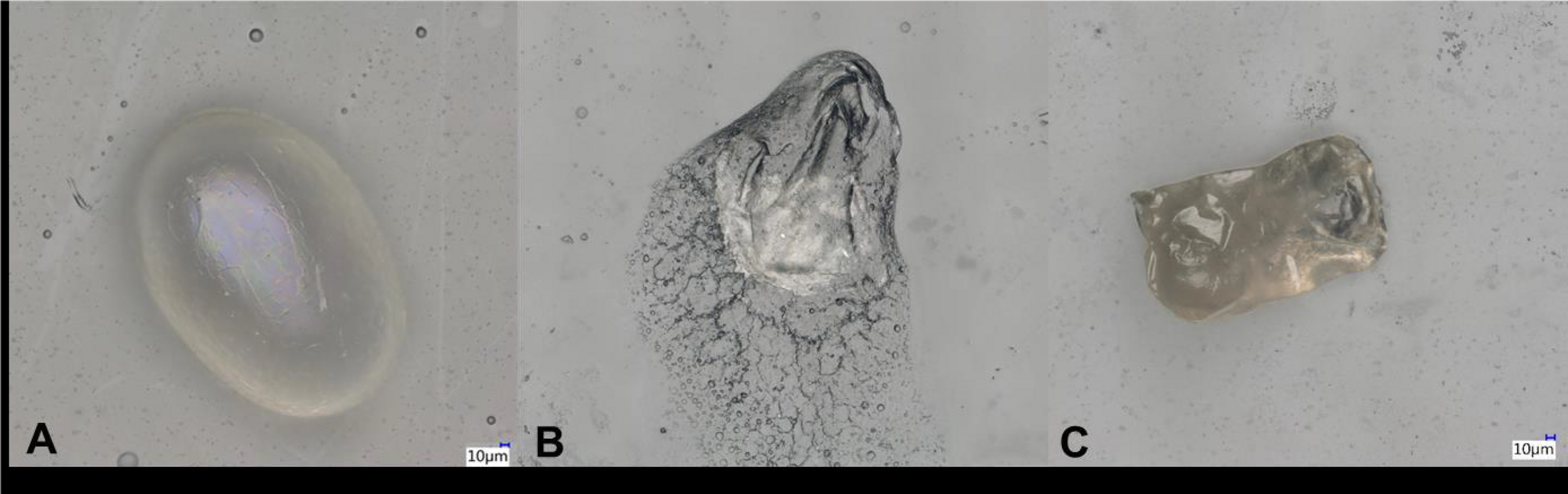
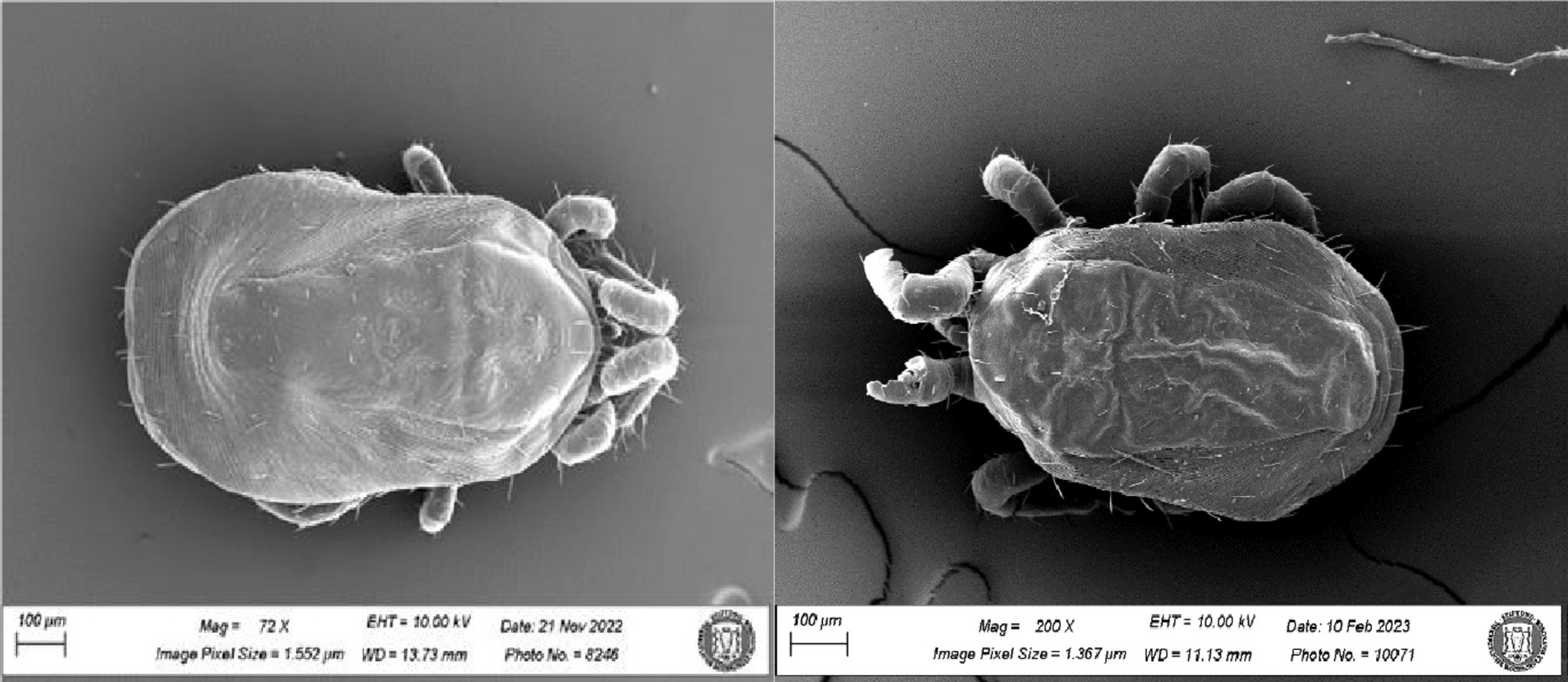
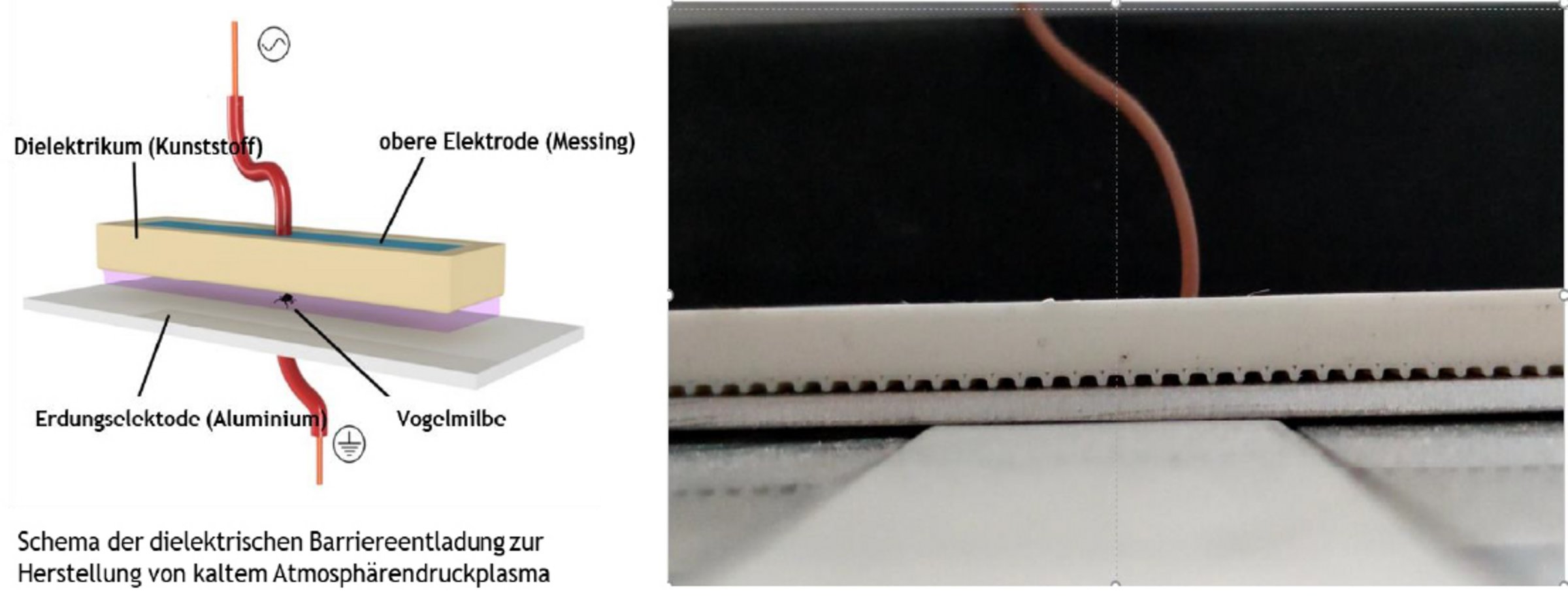
Initial study results under practical conditions show high effectiveness and confirm the potential of the method as an animal-friendly and environmentally friendly alternative to chemical acaricides. At least 60 minutes after plasma exposure at 10 W for 1 second, the survival rate for animals and eggs is <5%. The combination of high efficiency, chemical-free application and automated cleaning makes the cold plasma mite trap a real innovation in terms of animal welfare.
For this development, the project was awarded the Innovation Award in Gold at EuroTier 2024.