
The requirement to keep animals indoors remains a challenge
The Lower Saxony Ministry of Agriculture provides information on the measures required to ensure animal welfare during the mandatory indoor housing period
Since early November, the highly pathogenic avian influenza virus has been detected with increasing frequency, particularly in northern Germany. This has led to mandatory housing orders. A webinar organised by the Lower Saxony Chamber of Agriculture provided advice on managing mobile poultry housing.
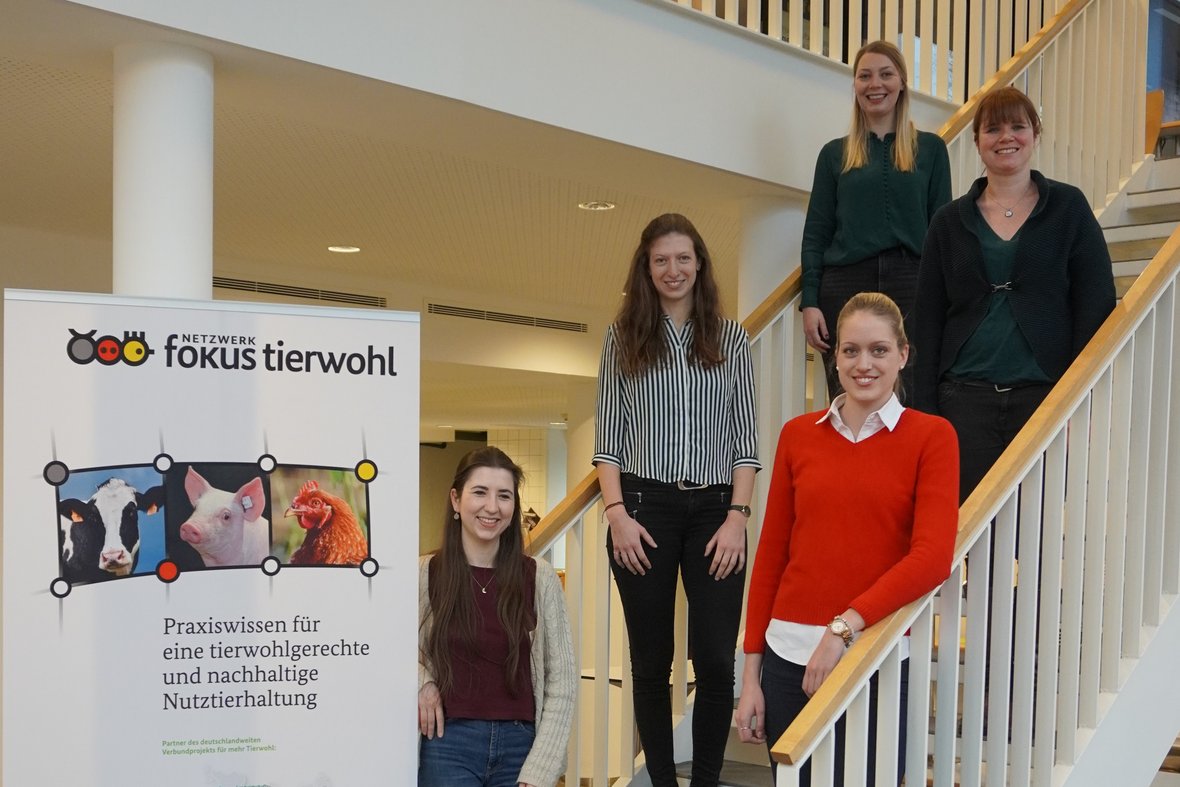
Mandatory housing orders for poultry have been imposed in several federal states and districts. This is intended to reduce the risk of avian influenza entering commercial poultry flocks. The mandatory housing order poses challenges not only for large-scale operations but also for mobile poultry keepers and hobbyists. The LWK Lower Saxony organised two webinars on the subject to support poultry farmers. These took place as part of the ‘Netzwerk Fokus Tierwohl’ project and were primarily aimed at poultry farmers with mobile housing or hobby flocks. More than 60 people took part in each session.
Legal provisions
During the webinar, Marek Milewski from the Veterinary Task Force at the State Office for Consumer Protection and Food Safety (LAVES) provided an overview of the current status of the spread of avian influenza in northern Germany. He also addressed the legal framework in the event of an outbreak and explained the different regulations for restricted and surveillance zones. Questions from participants highlighted their concerns. For instance, transport bans apply within the restricted zone, for example for feed. Milewski reassured them: “Feed may still be brought into the restricted zone, but not taken out. The animals’ supply is guaranteed.” There are no fixed figures regarding the possible duration of a mandatory housing order. It depends regionally on the current outbreak situation and bird migration patterns. According to the LAVES employee, although there is a vaccine against avian influenza, it may not be used in Germany due to EU regulations.
As the second speaker, Christina Schulte addressed the management measures required to maintain animal welfare during the mandatory housing period. The poultry farming advisor at the LWK Lower Saxony explained that chickens are creatures of habit and that daily outdoor access is firmly embedded in their internal clock. If this is taken away, it inevitably leads to stress. Nevertheless, there are many ways to reduce this stress.
Enrichment is key
According to Schulte, key factors include loose, dry litter and the provision of at least three different types of manipulable enrichment materials. In addition, a scratching area can be set up in front of the shed for the birds, which must, of course, be inaccessible to wild birds. Hens gather at the closed hatches at the times when they usually leave the shed. Here, slanted boards can help prevent individual animals from being crushed. Schulte also provided tips on feed quality, ventilation and further hygiene measures in the mobile shed.
The webinars were well received by participants. In future, the LWK will continue to offer events on current issues in cattle, pig and poultry farming in collaboration with the ‘Netzwerk Fokus Tierwohl’ project.
Author: Alexandra Koch, Lower Saxony Chamber of Agriculture