
Overview of topics: Poultry
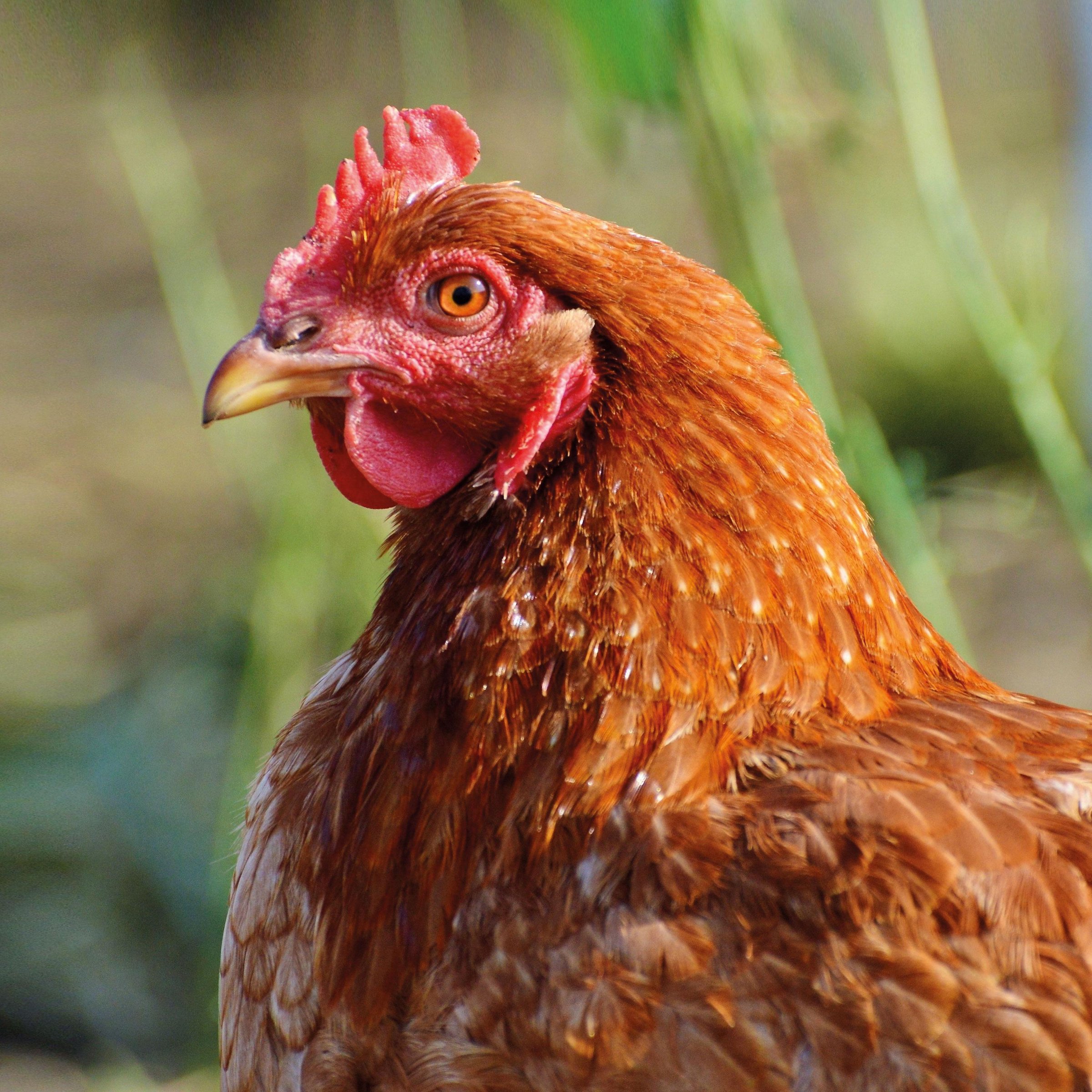
Avian influenza
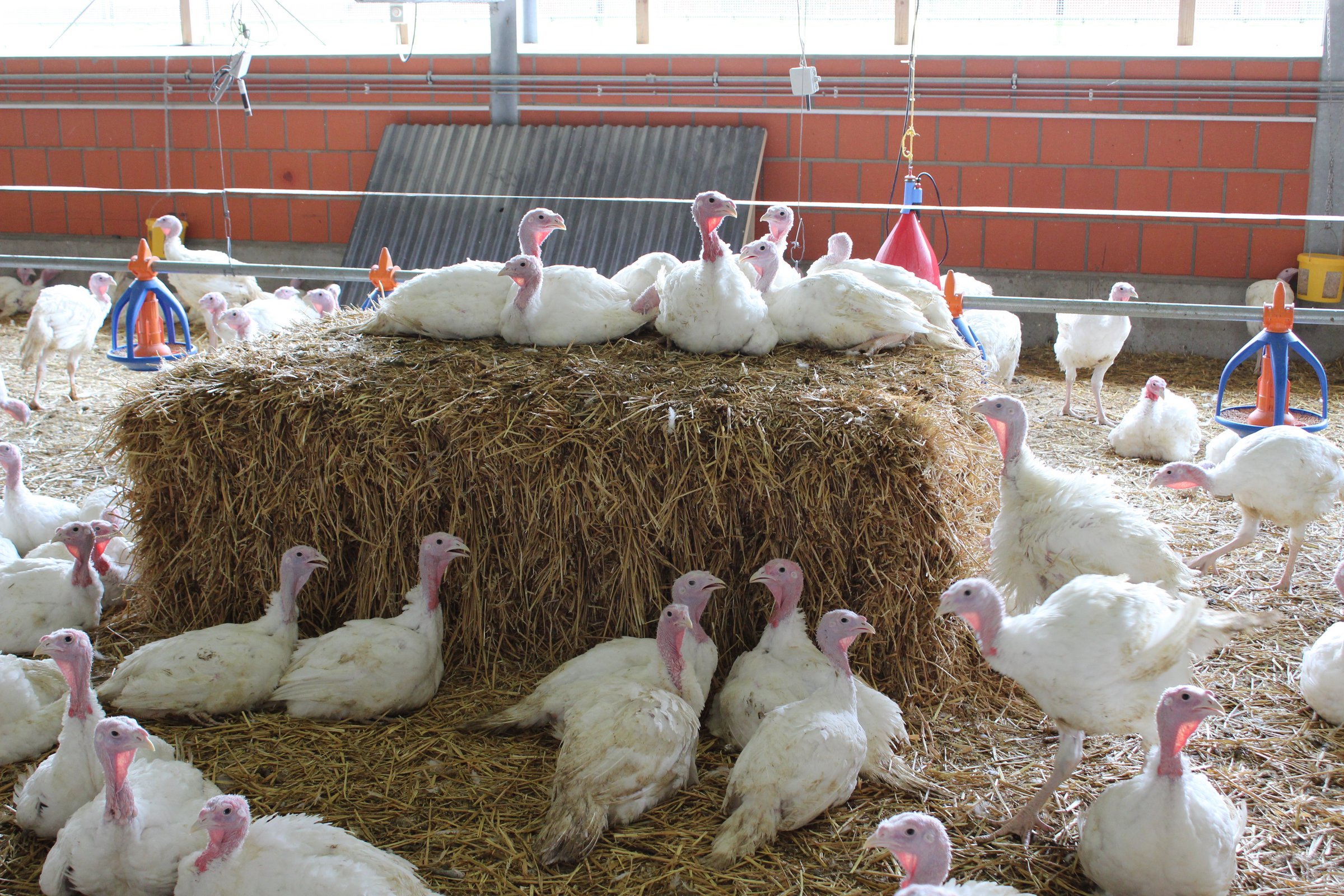
Enrichment materials in turkey farming
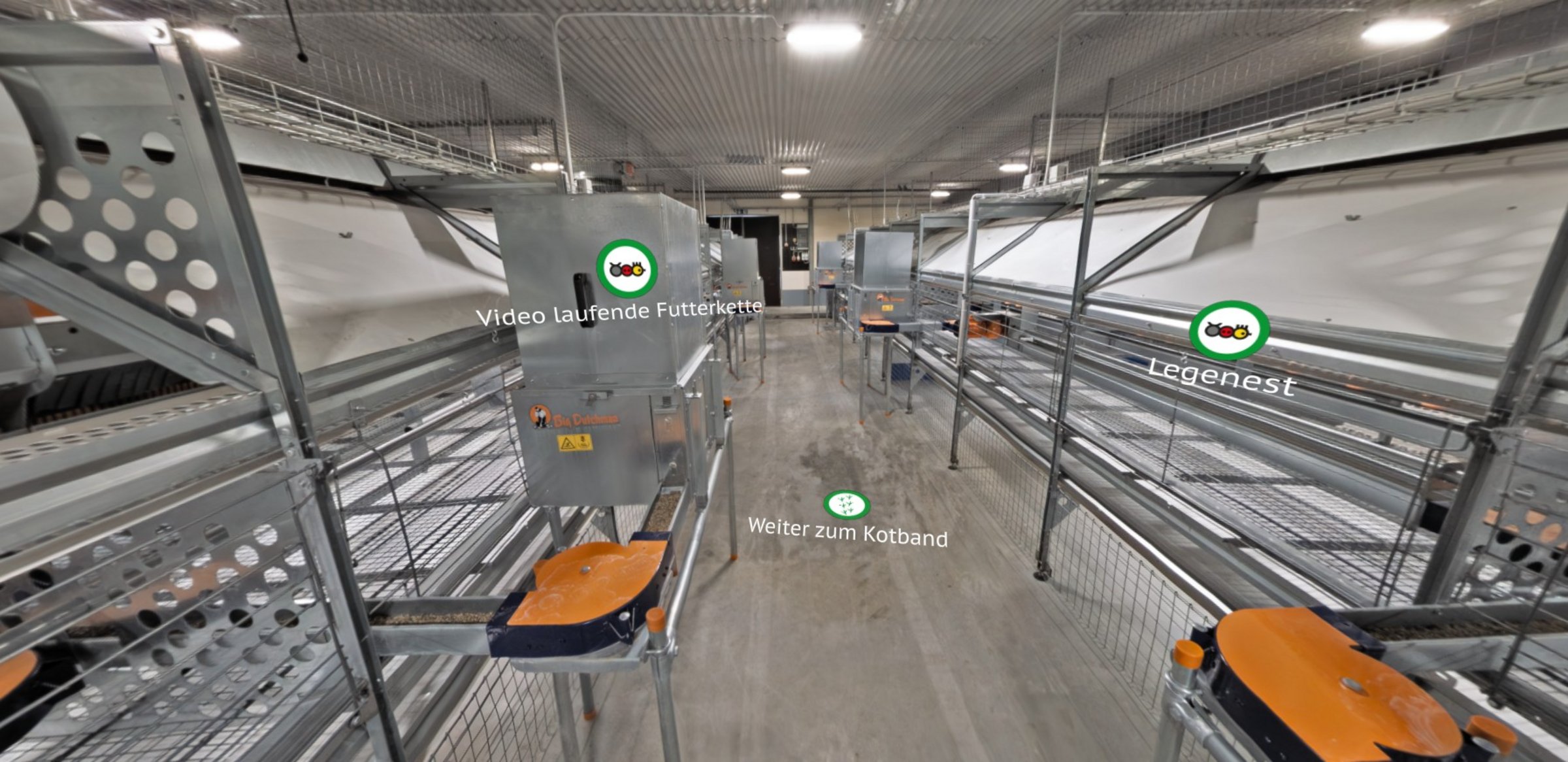
Floor-rearing system for laying hens
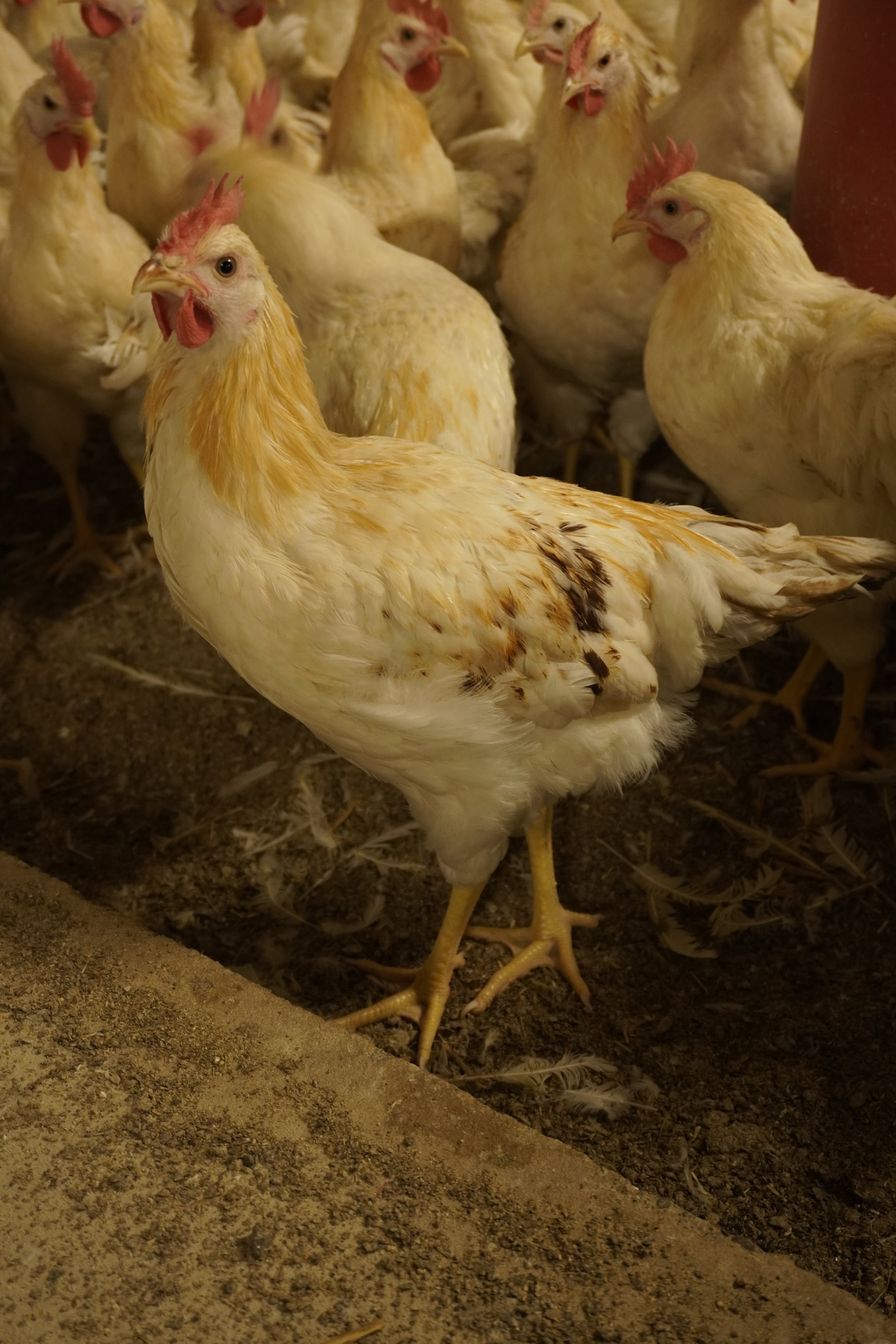
Broiler Rearing
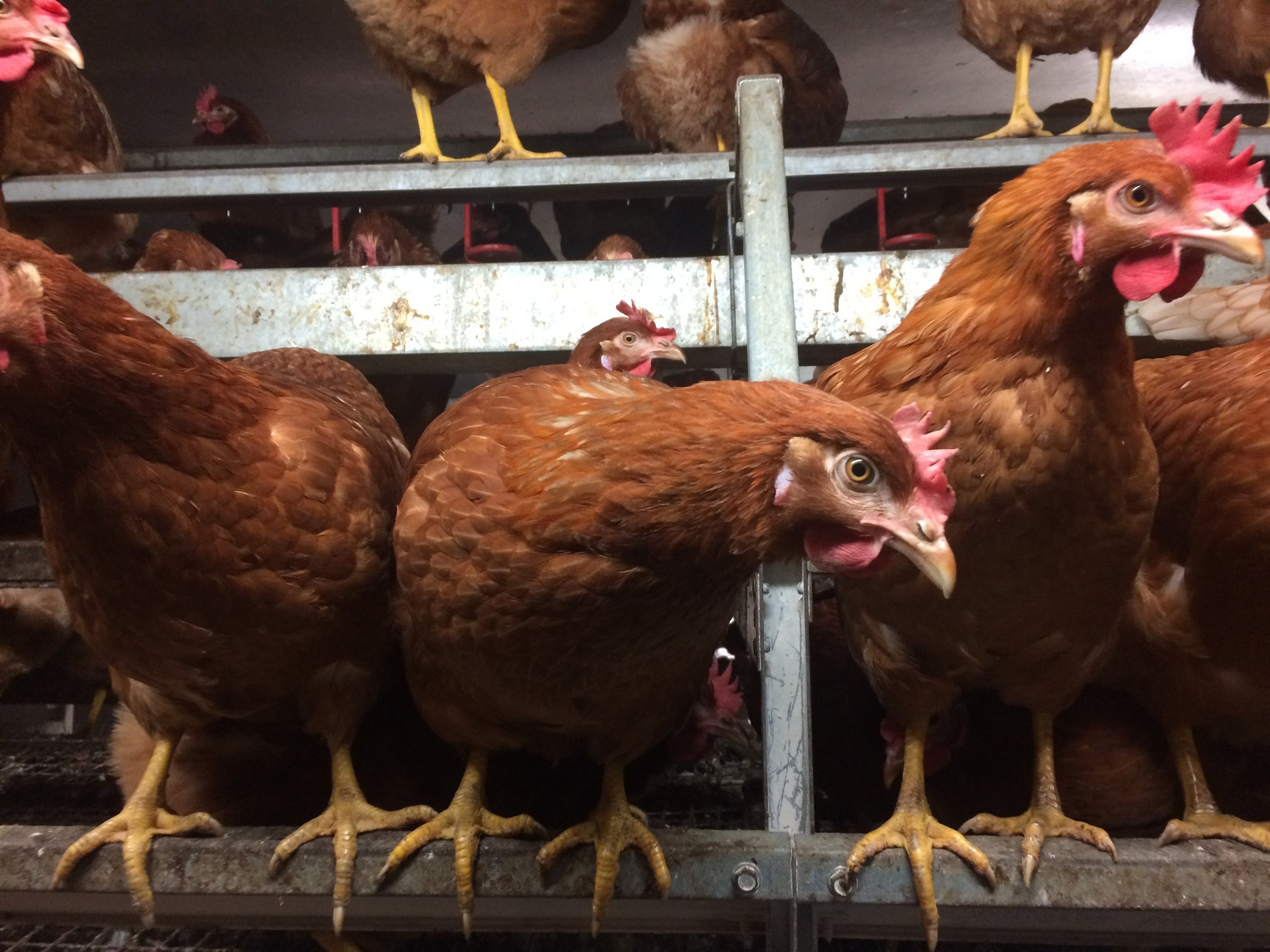
Changes to the sternum in laying hens
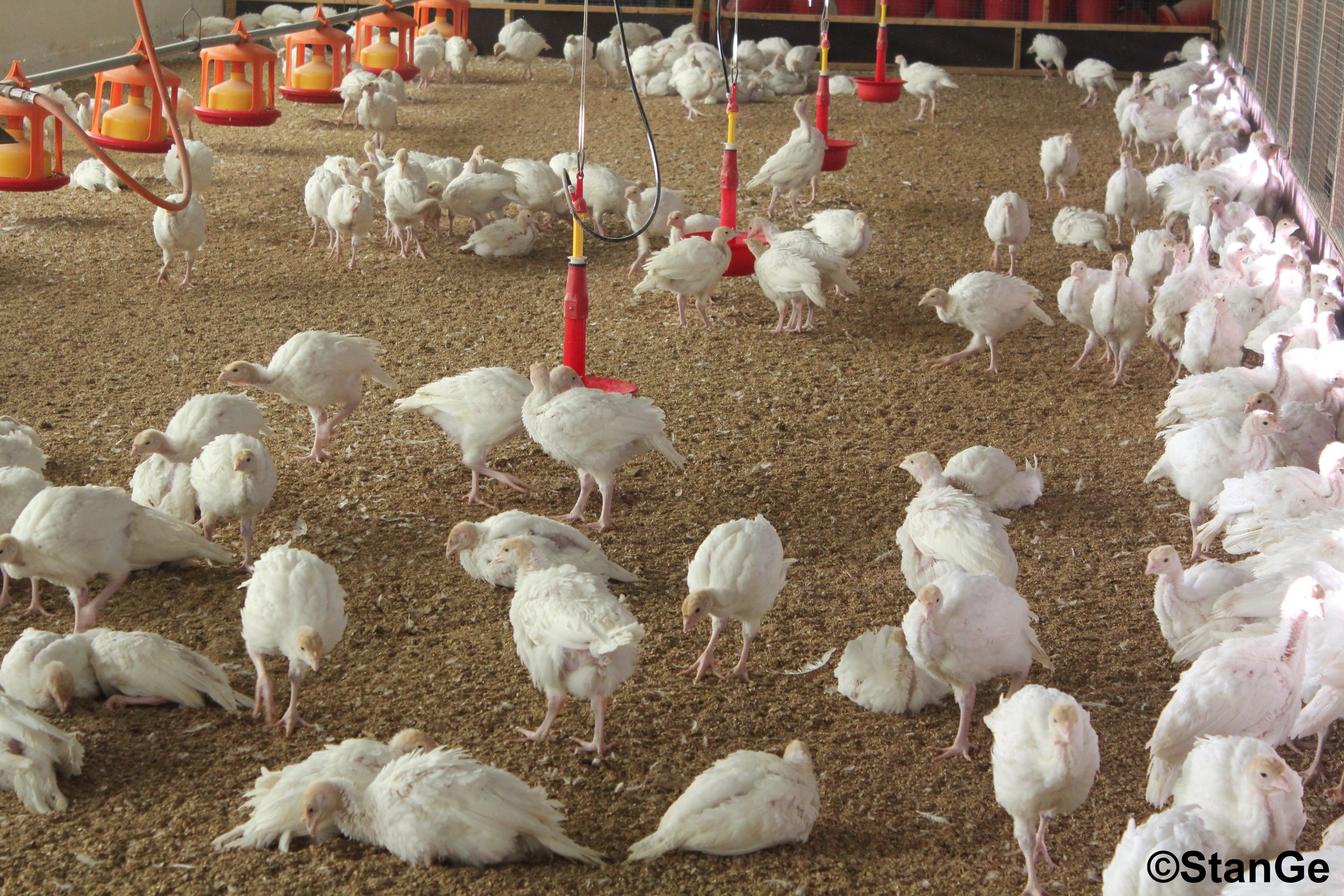
Gut health in turkeys
Gut microbiome
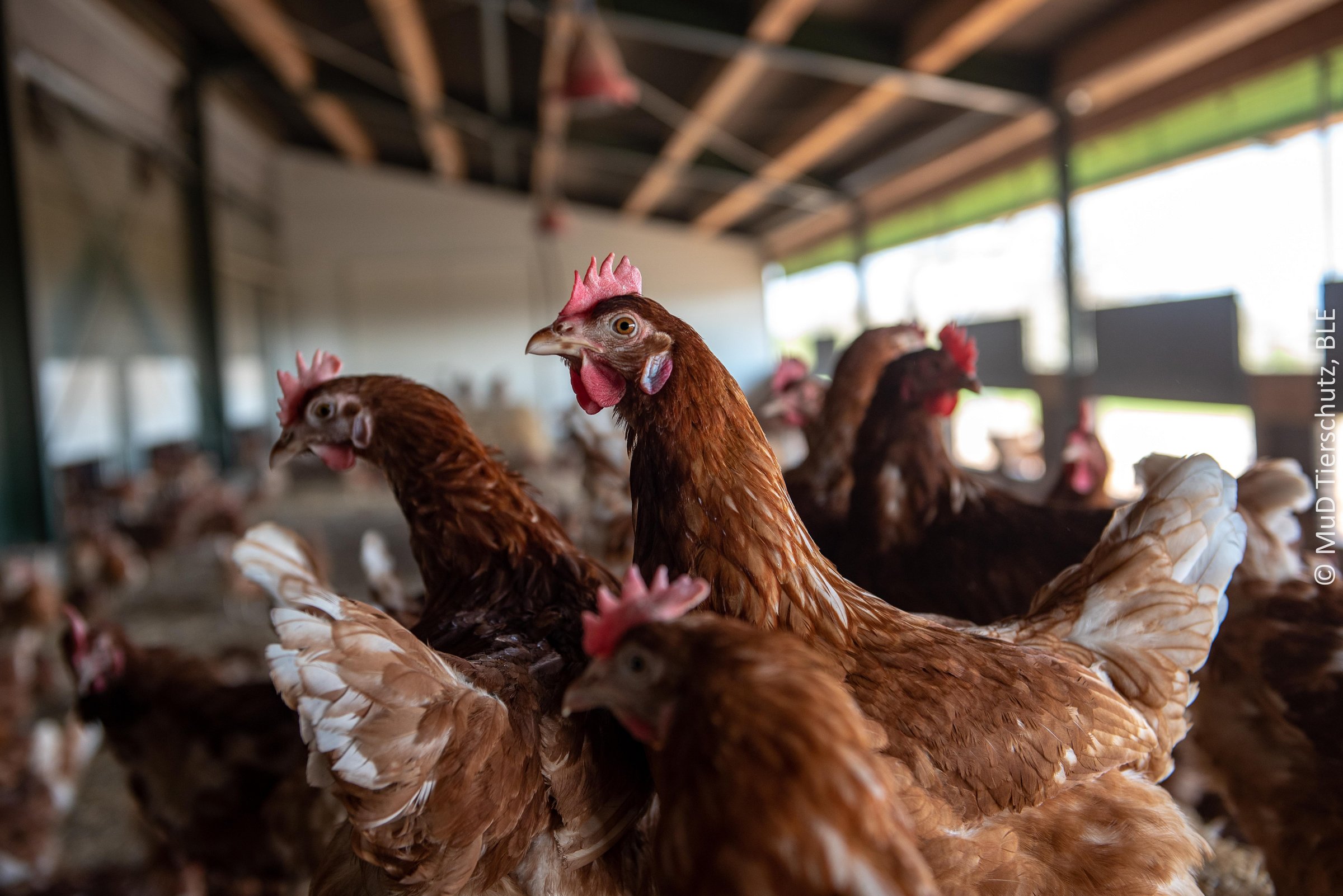
Emissions reductions in pullet and laying hen farming
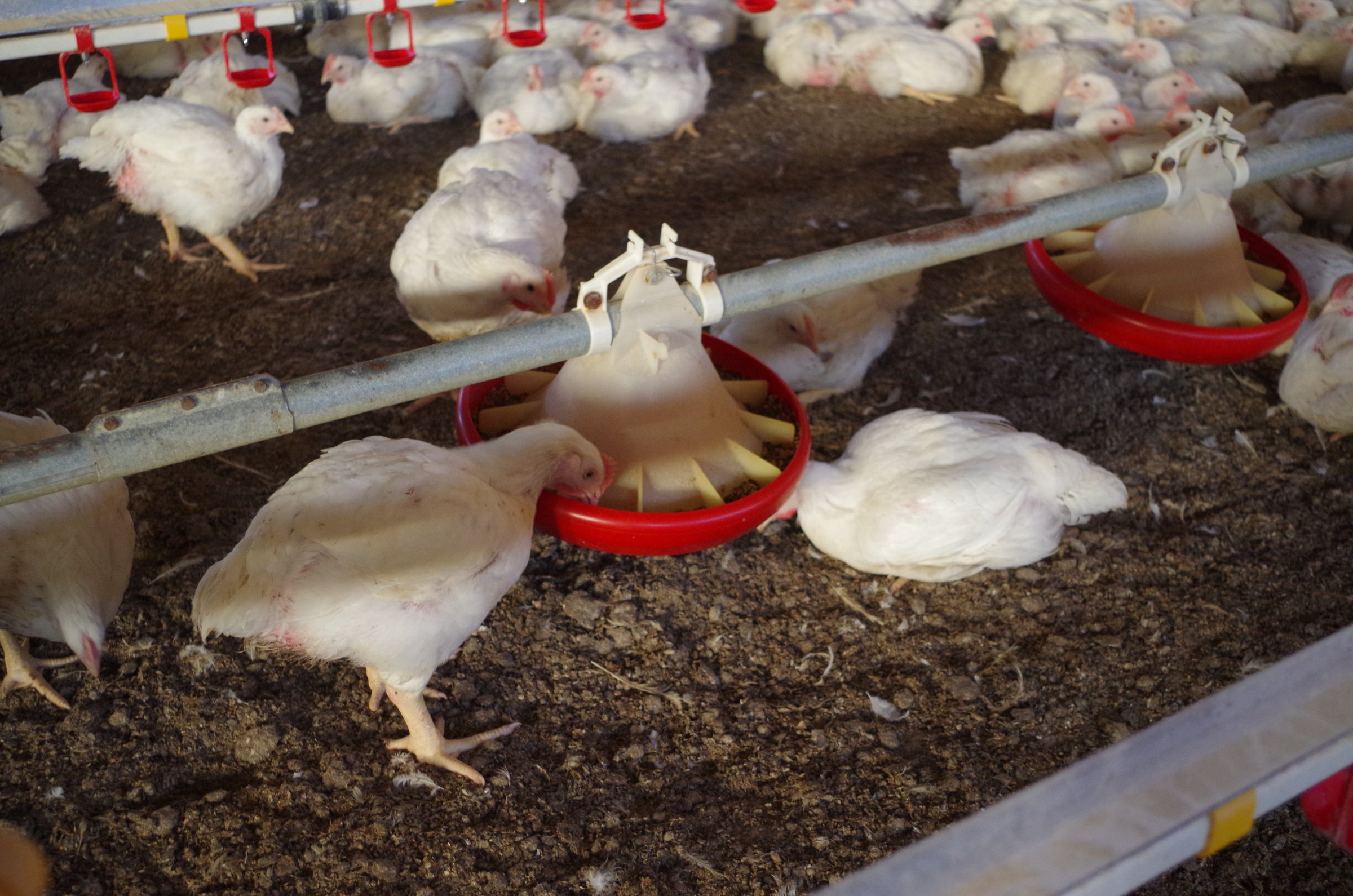
Emissions reductions in broiler farming
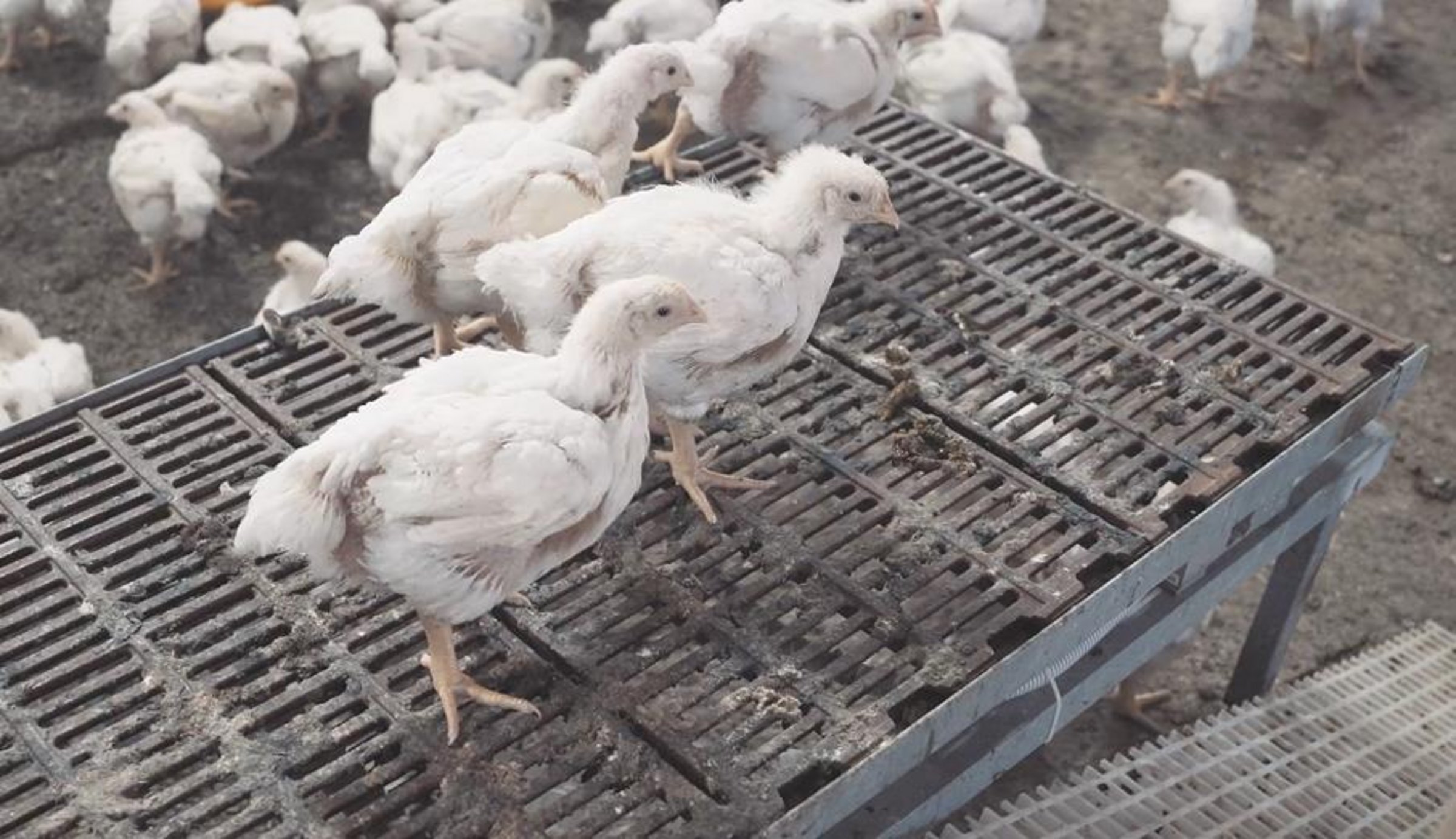
Elevated levels
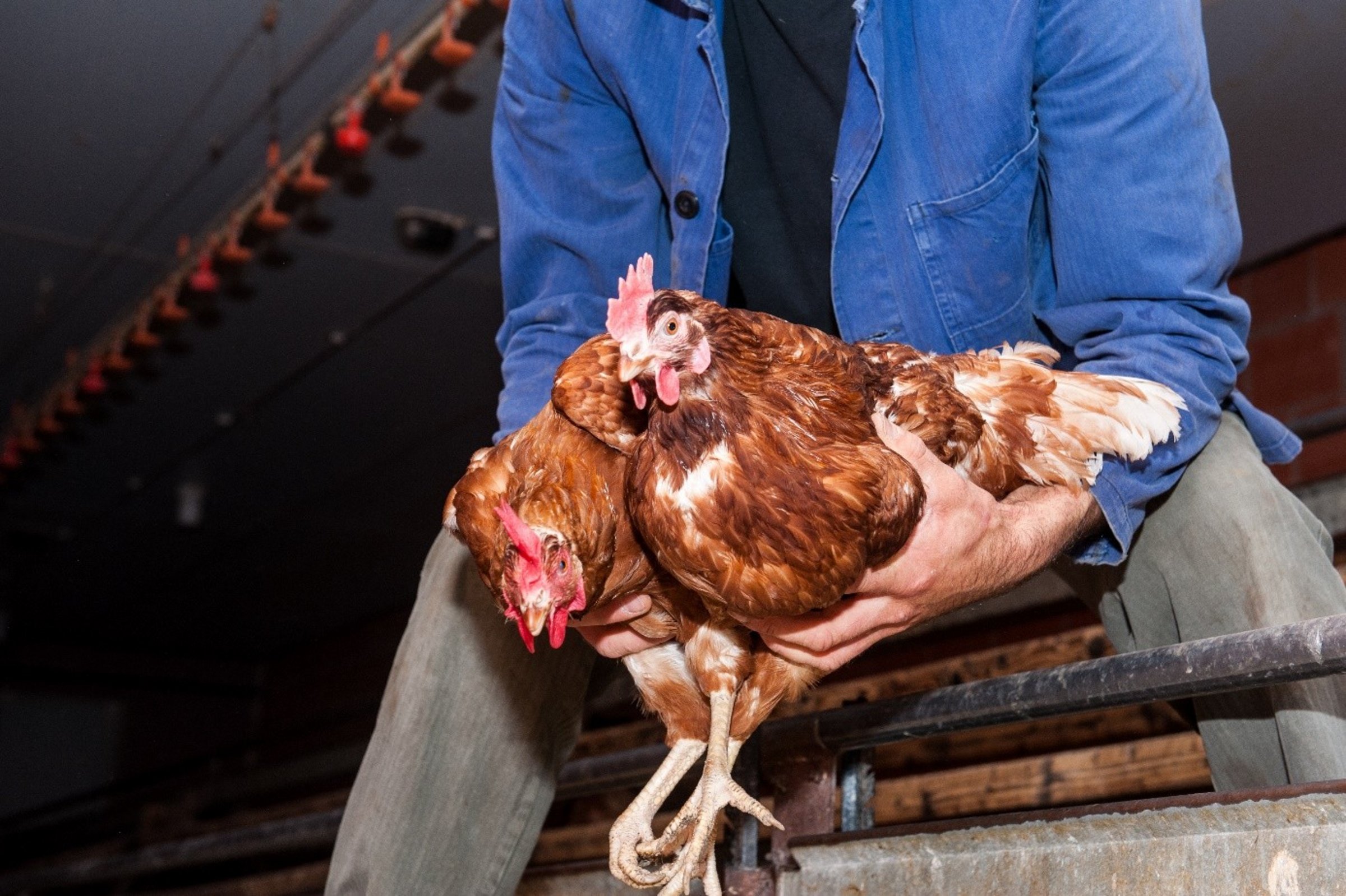
Loading and unloading of aged layers
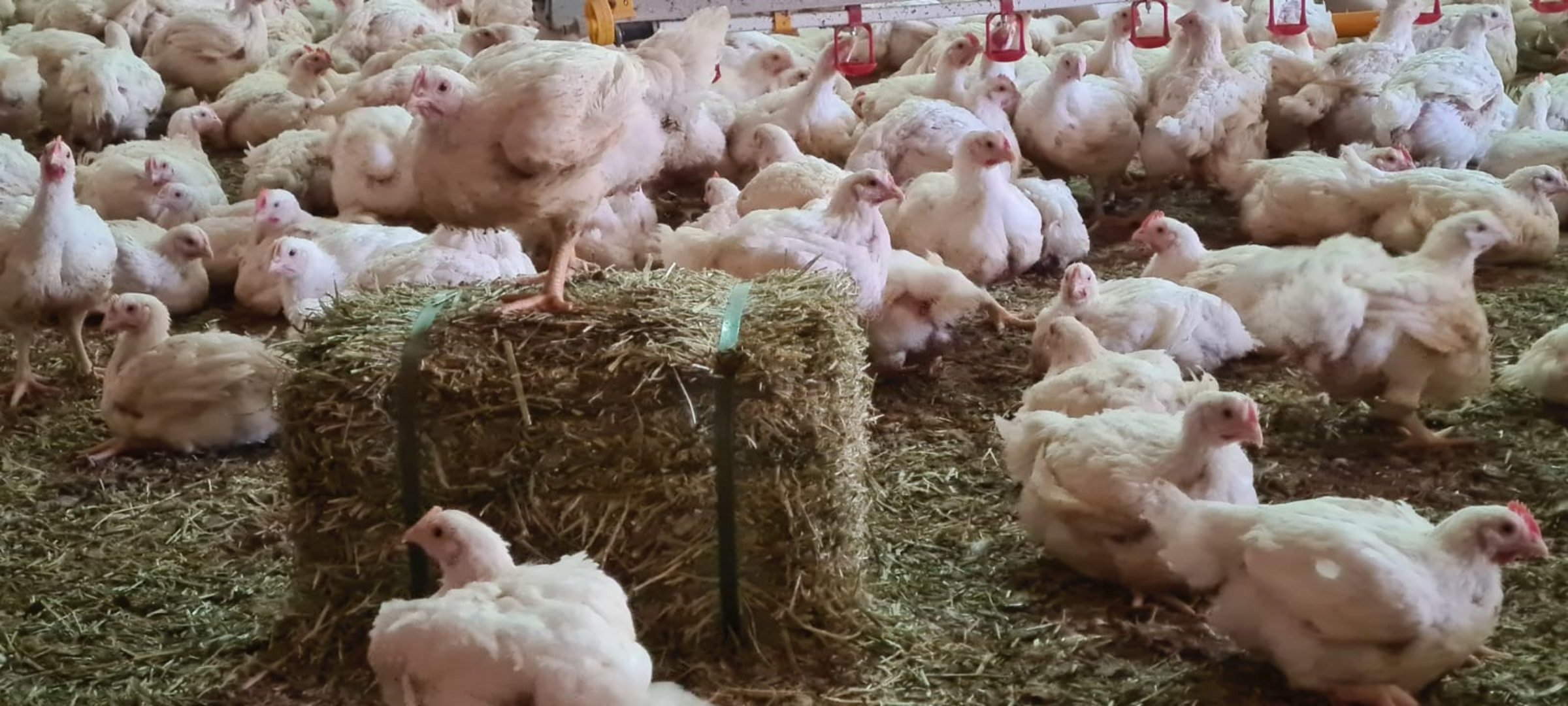
Enrichment of housing conditions for broiler chickens
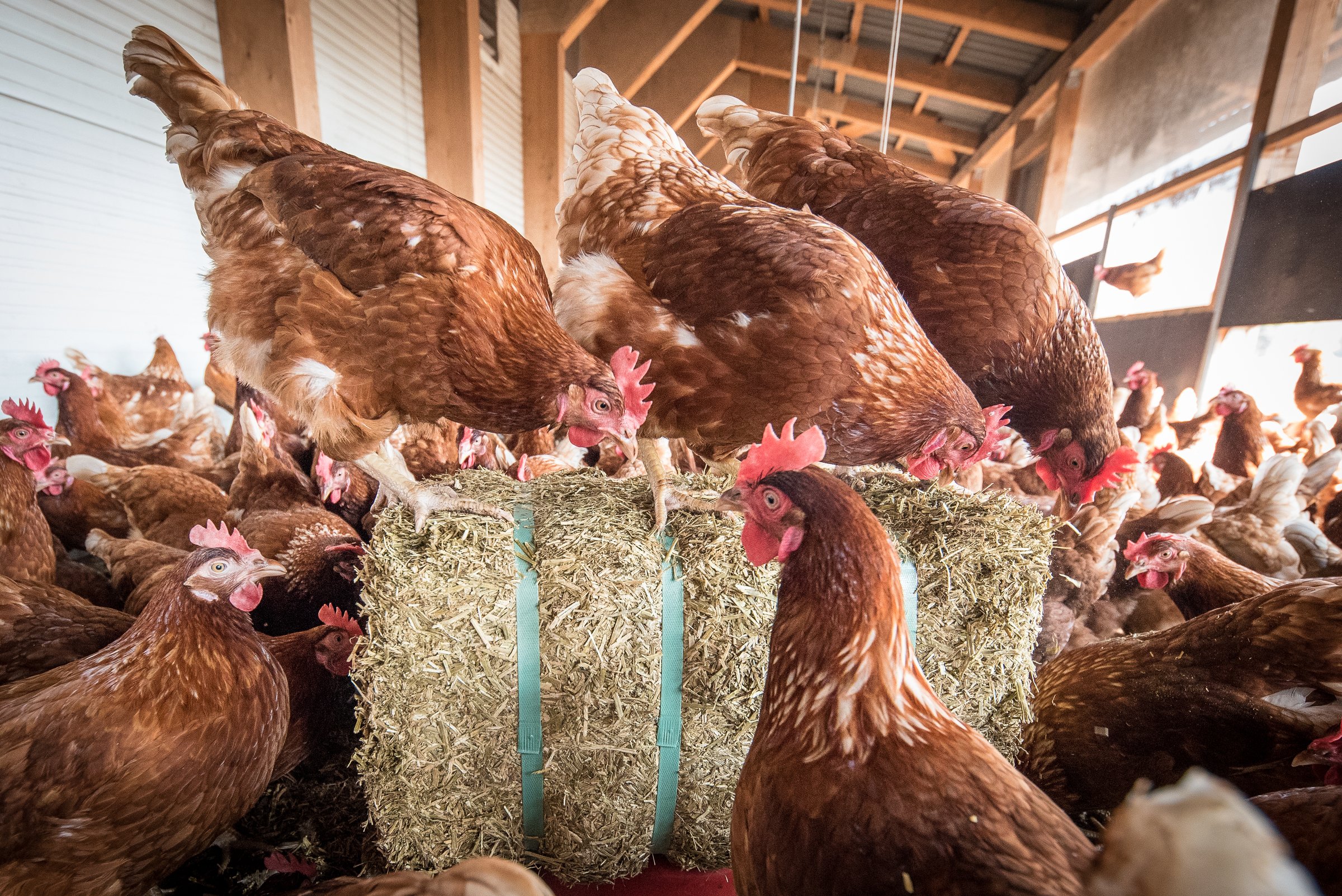
Rearing of poultry with intact beaks
Hepatic lipidosis
Heat stress in poultry
01 Hygieneschleuse im Geflügelstall
Vaccination of broiler chickens
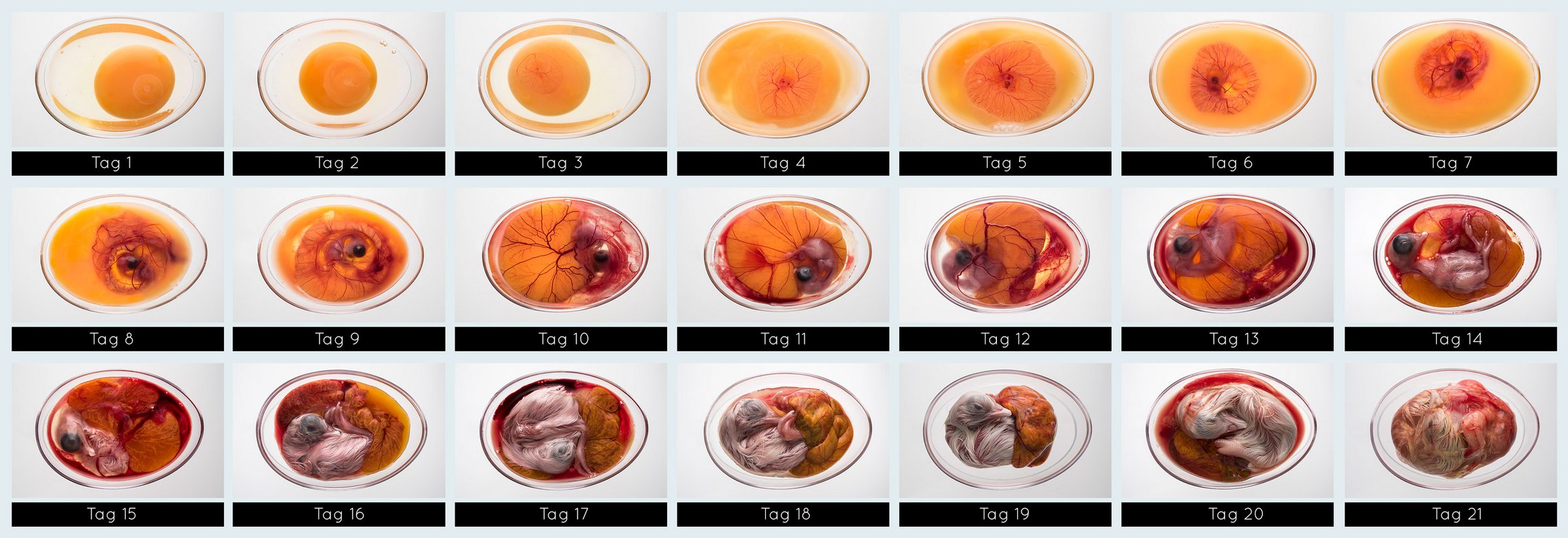
Methods of sex determination in the egg
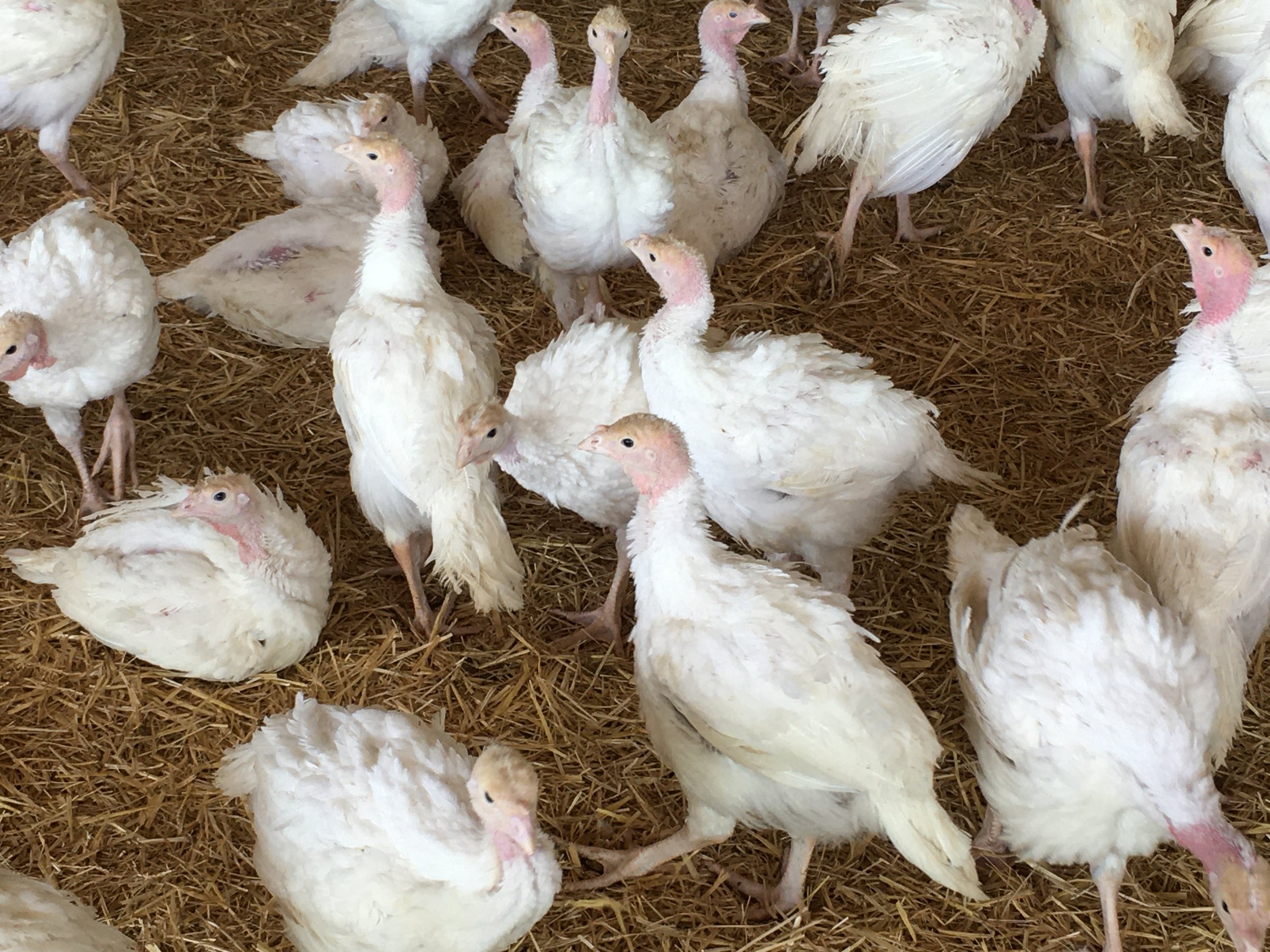
01 Newcastle Disease
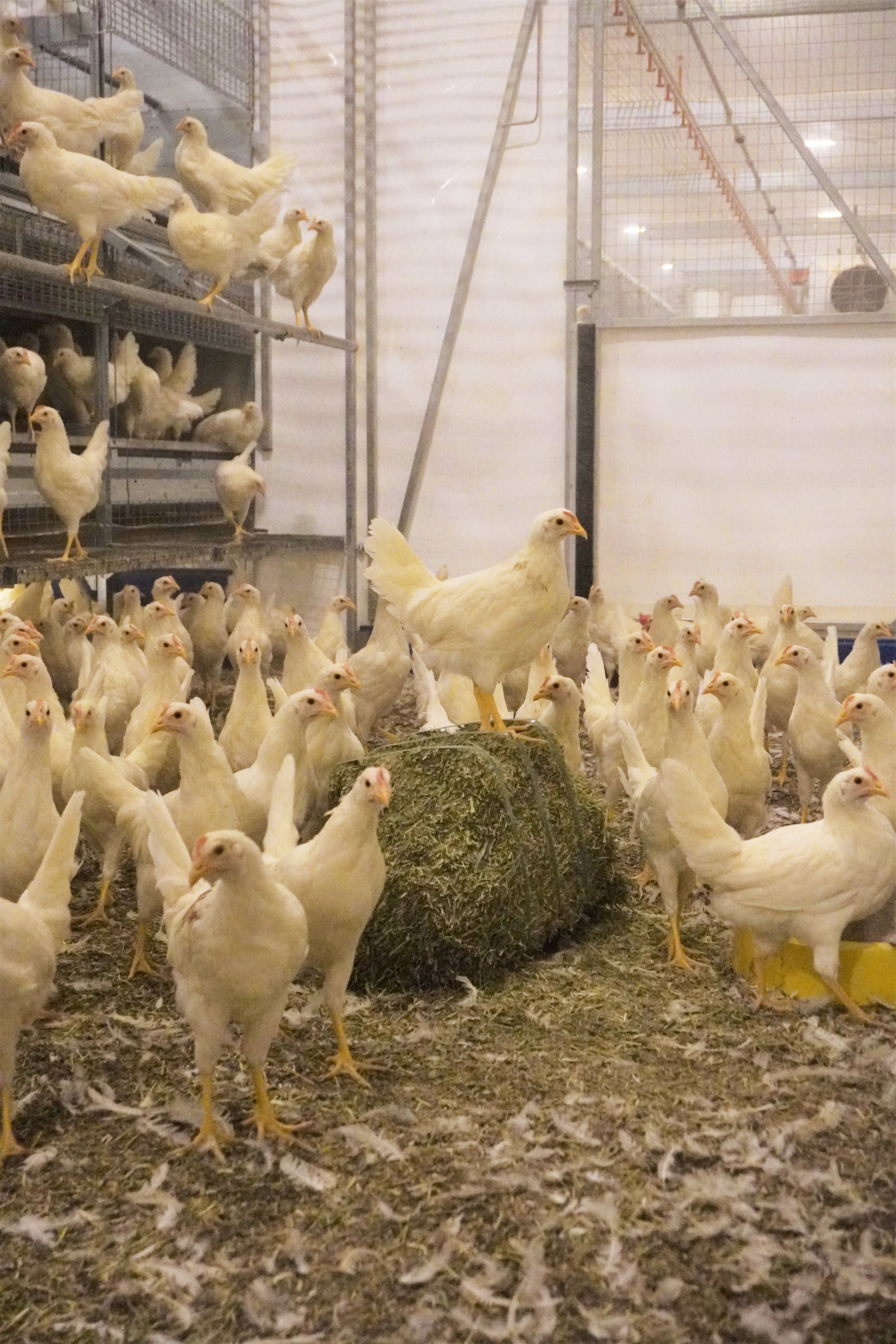
Emergency measures for feather-pecking and cannibalism
01 Schwachstellen-Analyse Tool
Stable cleaning and disinfection
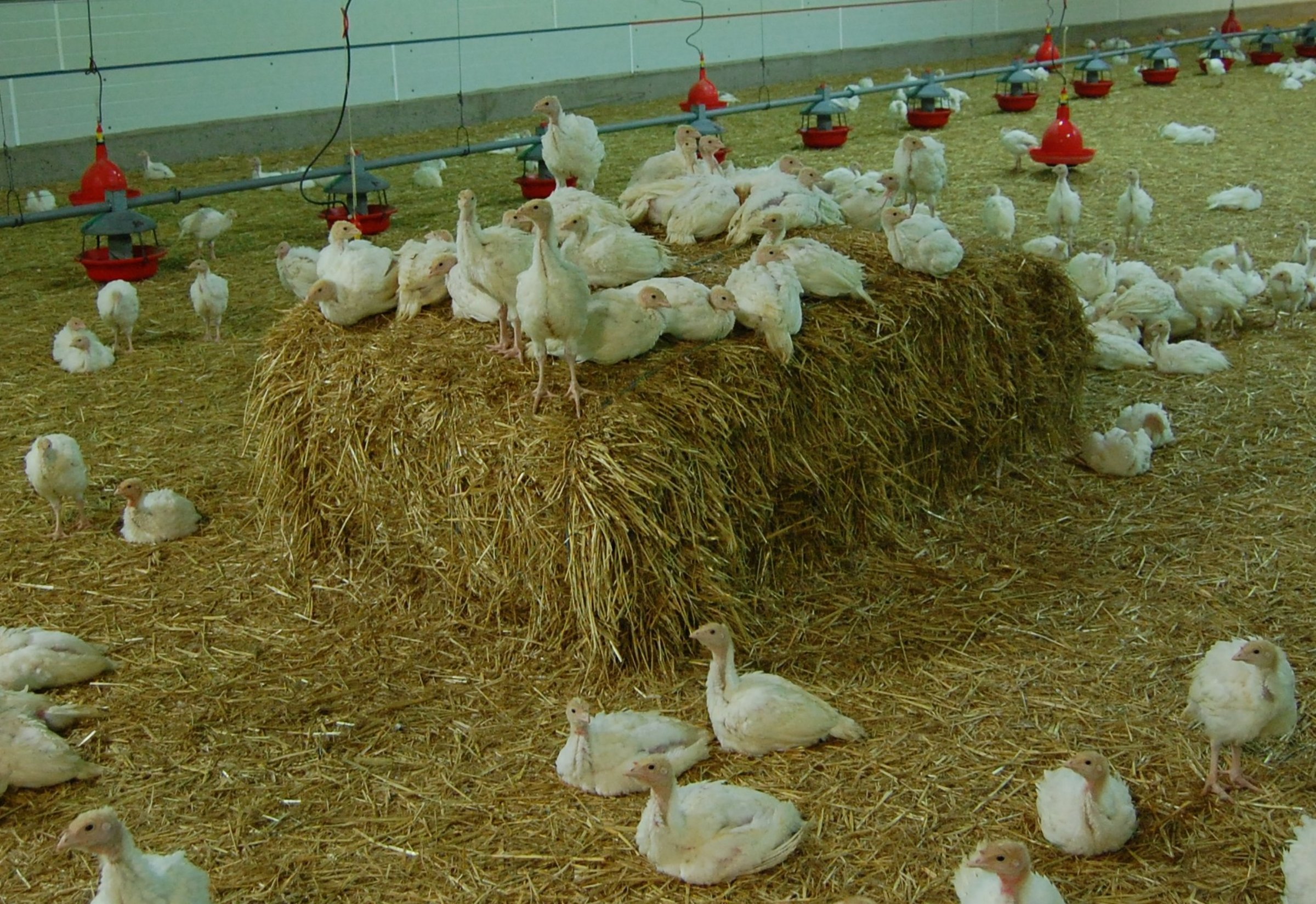
01 Stallstrukturierung im Putenstall
01 Tierwohlkriterien ITW
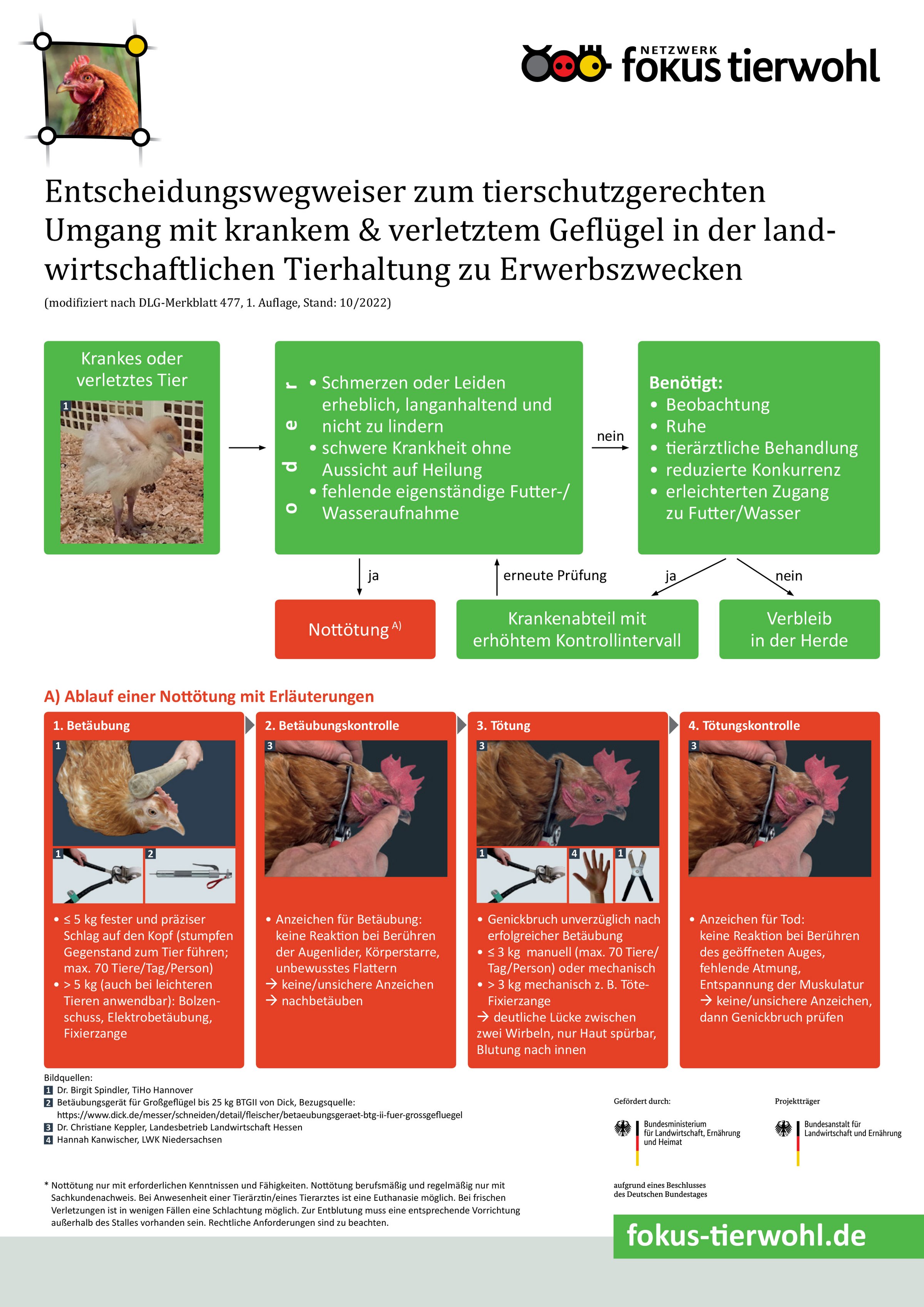
Caring for sick and injured poultry
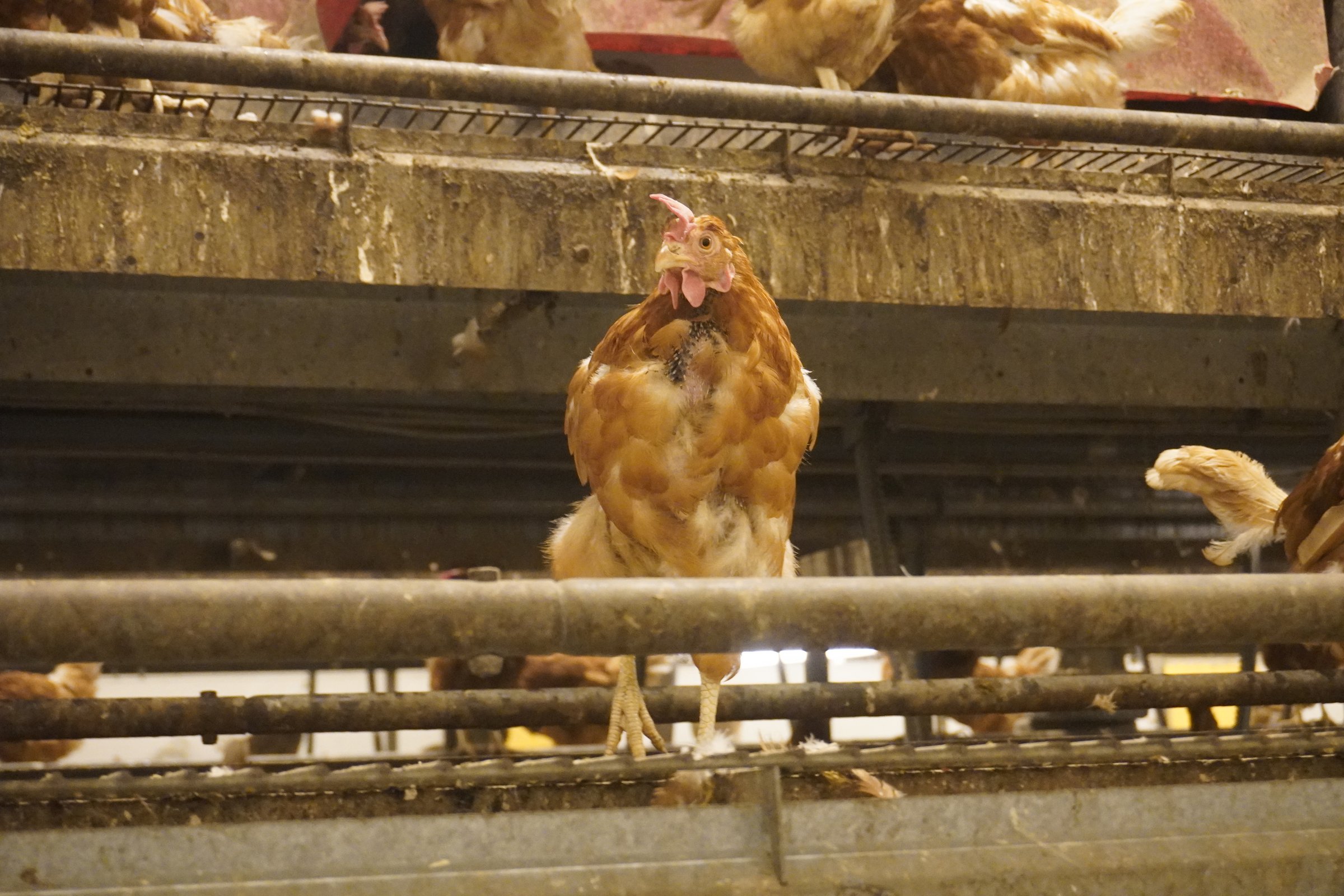
Extension of the rearing period or induced laying break
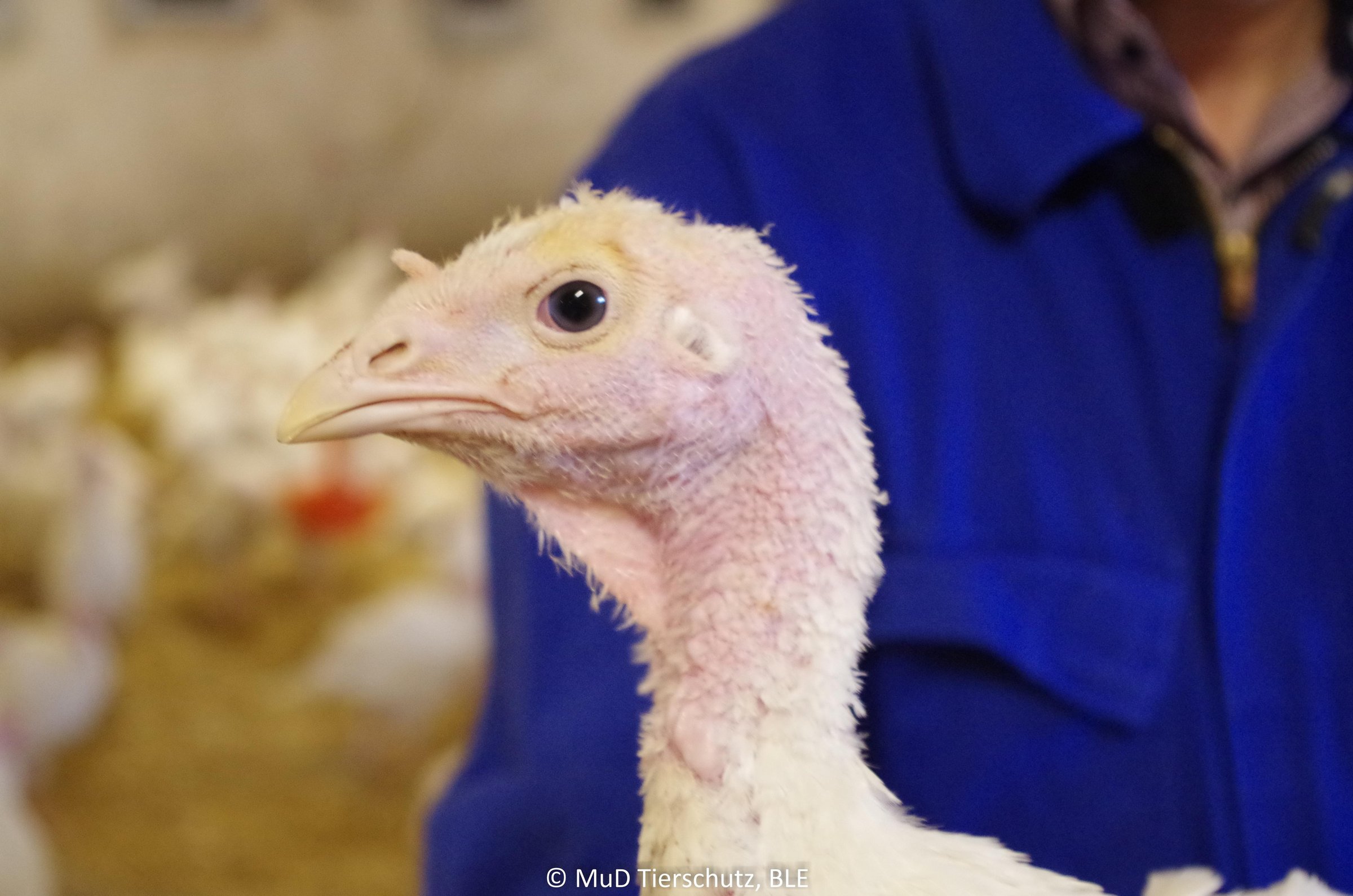
No beak trimming
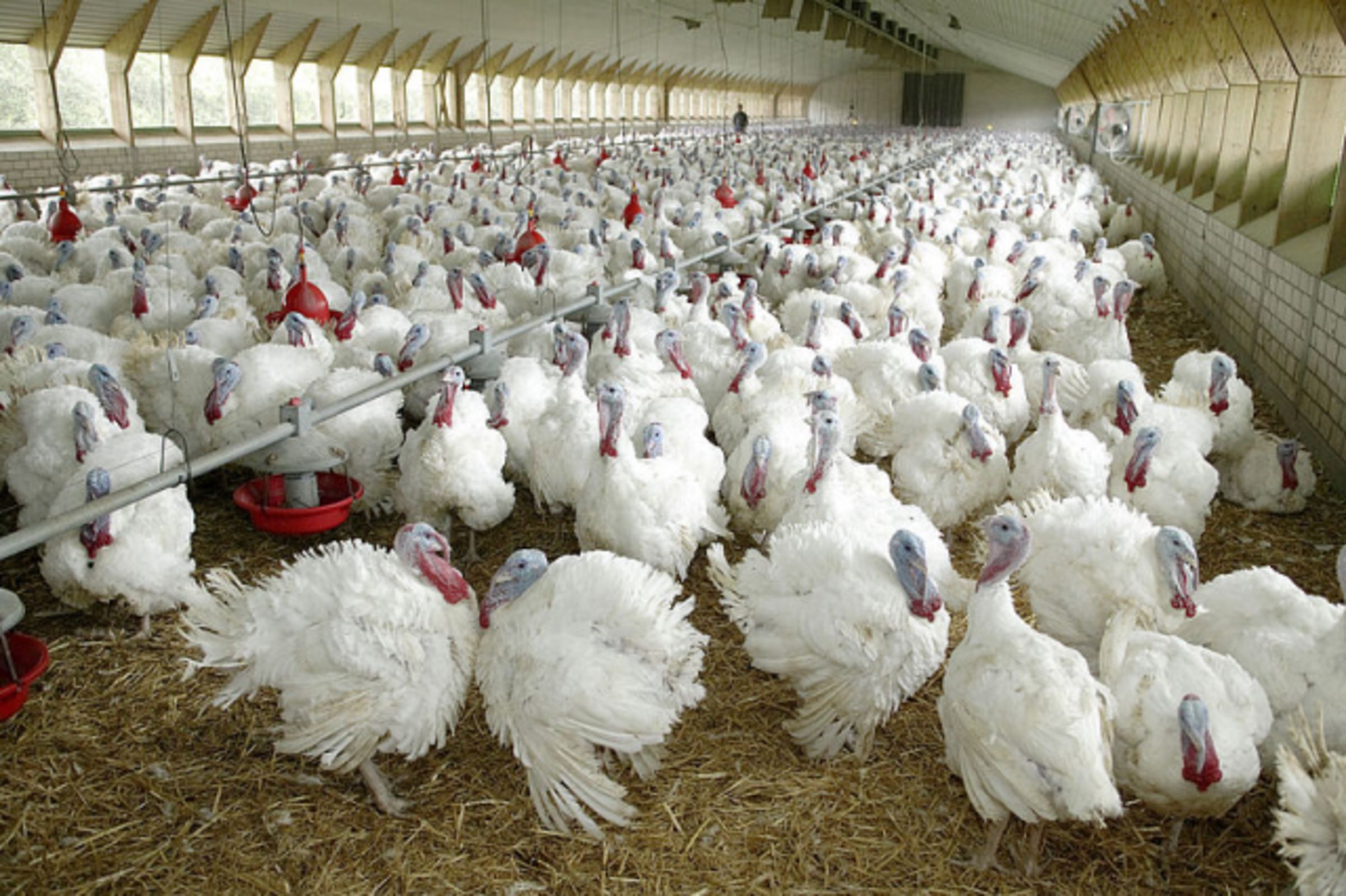
The value chain in turkey farming
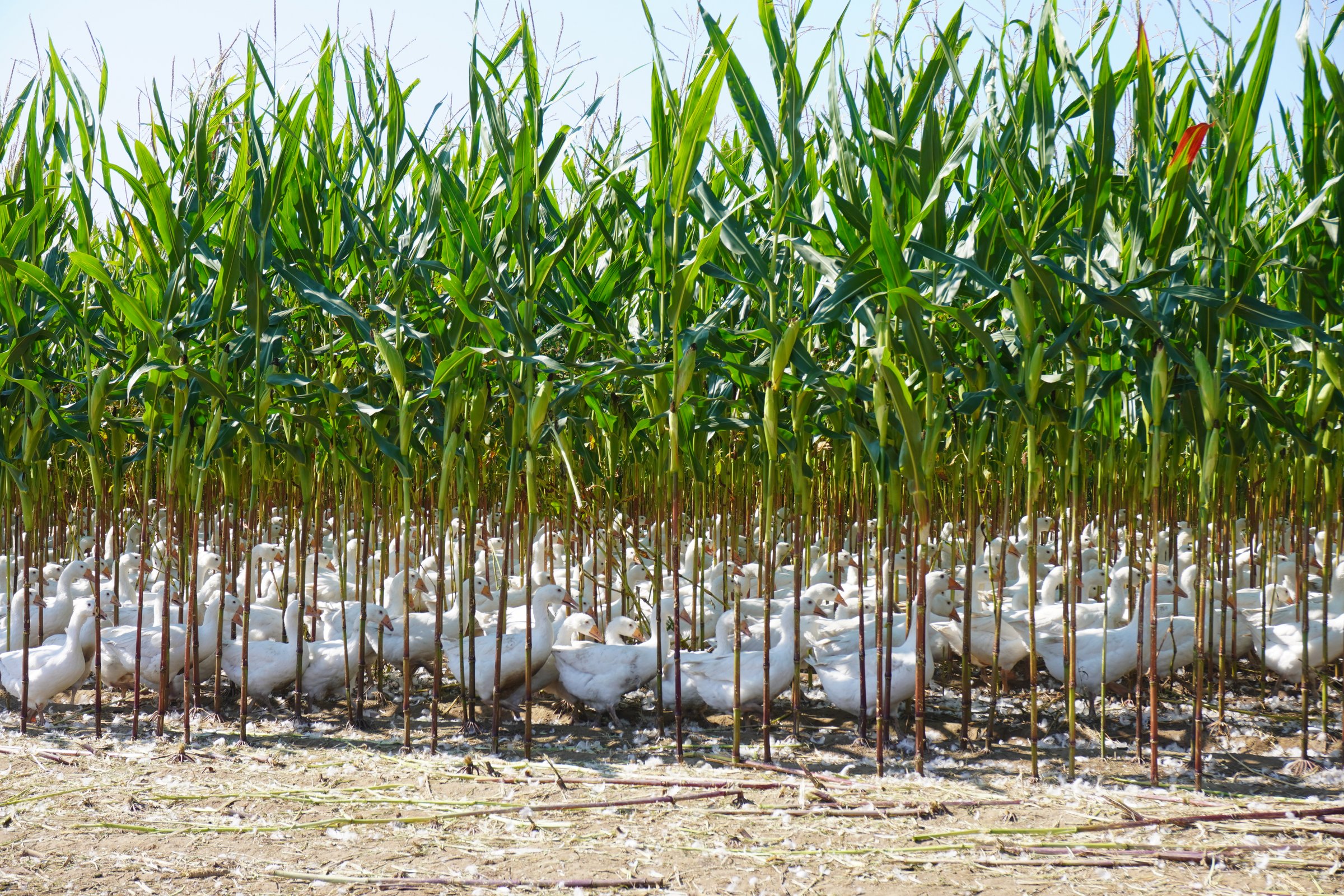
Run-out management for fattening geese
01_Vorwort und Inhaltsverzeichnis
01_Übergabeprotokolle
Podcast: Broiler Rearing
Podcast: Digitalisation in the broiler house
Podcast: Insect Protein
Podcast: Not clipping the claws of turkeys
Podcast: Laying Hen Management
Video: Educational material on turkey rearing
Video: Fattening geese
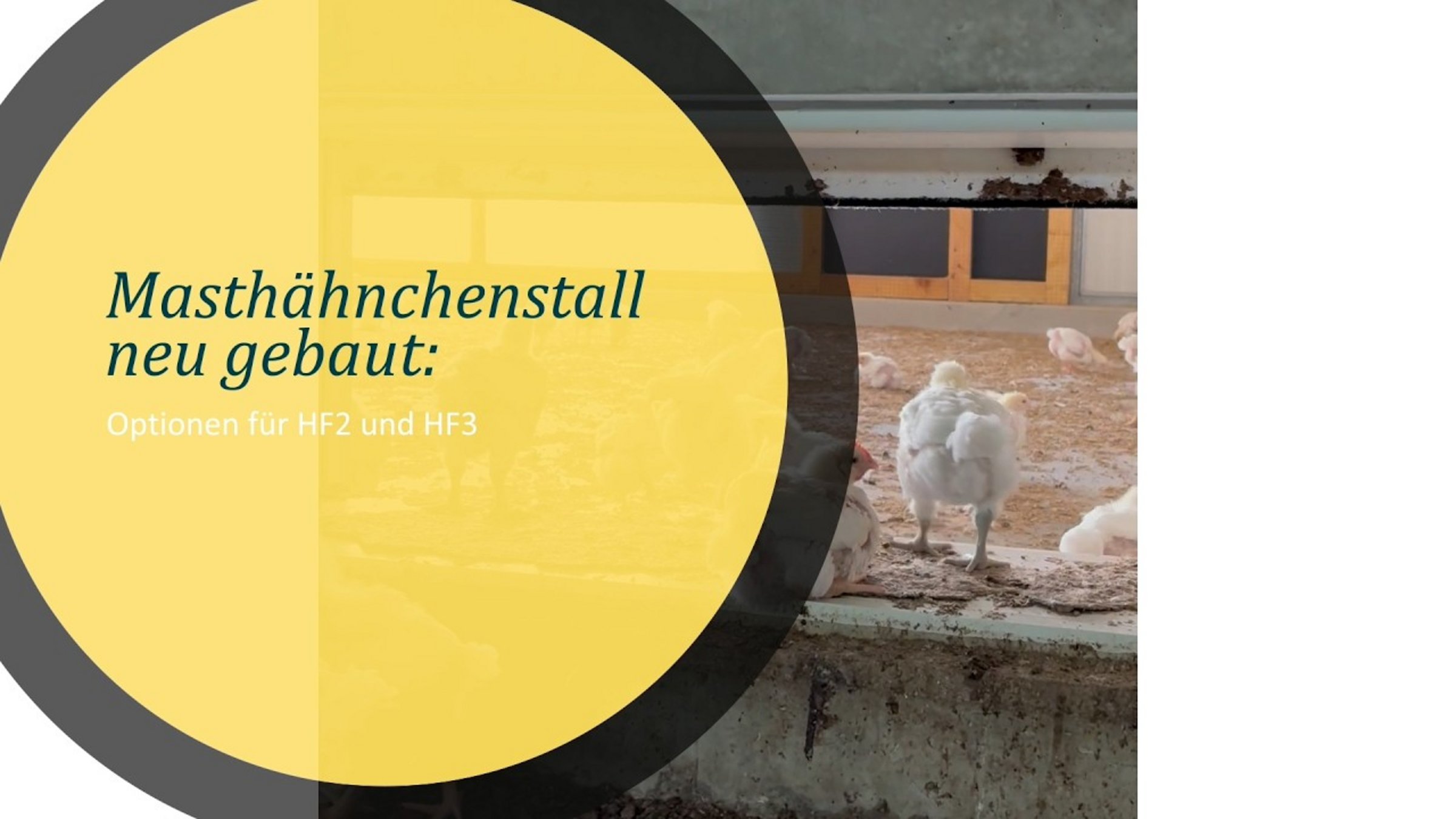
03 Video Masthähnchenstall neu gebaut: Optionen für Haltungsform 2 und 3
Video: Turkey enrichment materials
Video: Improving animal welfare in turkey farming
Video: A virtual tour of the laying hen house – a typical barn system
Vodcast: Self-assessment of animal welfare
PumaZu podcast
Vodcast: Animal Welfare in Broiler Chicken Farming
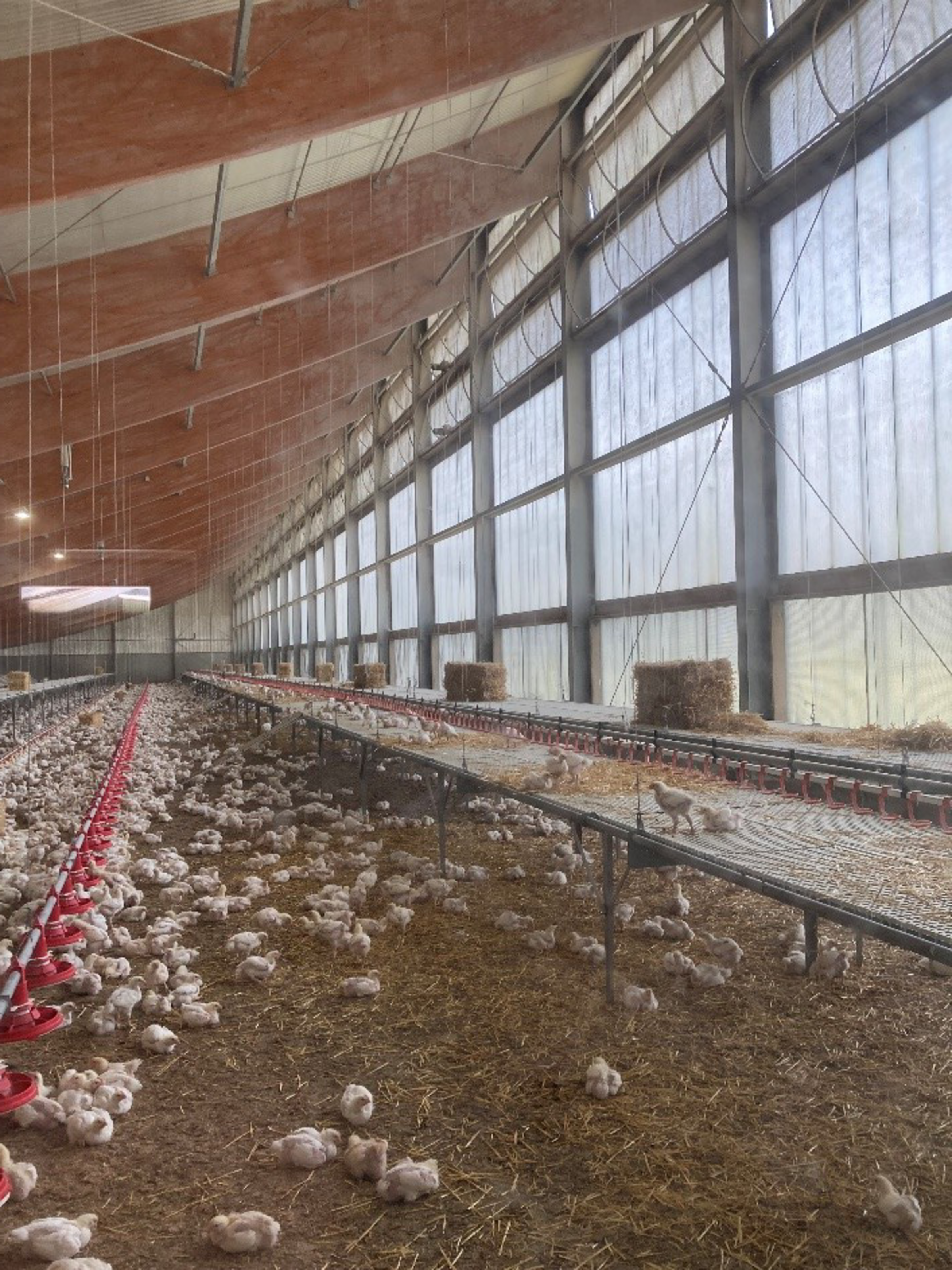
From the events: A look at future-oriented housing systems for broiler chickens
Funded projects: EIP broiler rearing house
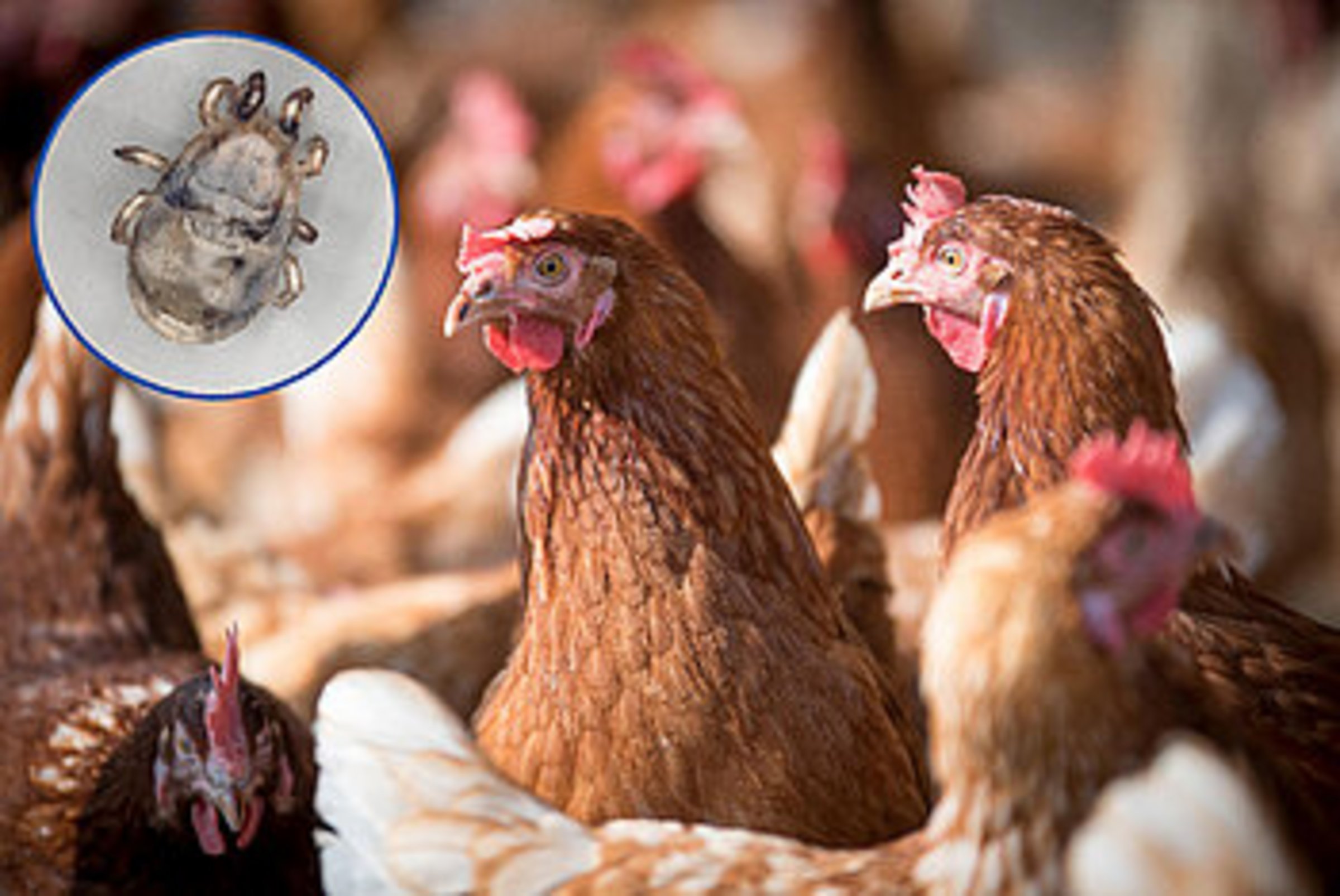
Funded projects: Cold plasma mite trap
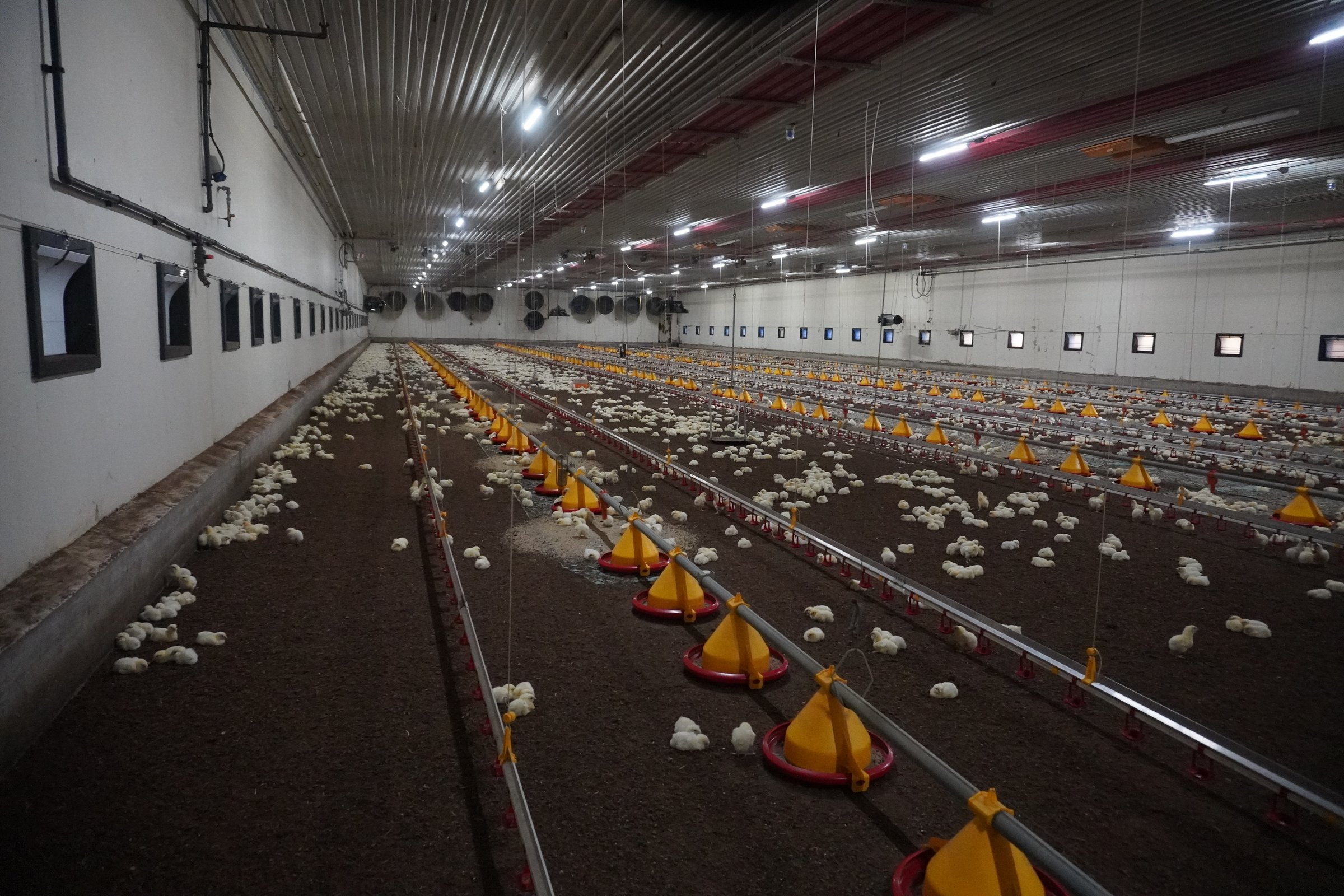
Funded projects: EIP broiler rearing house
06 EIP Wurmfrei
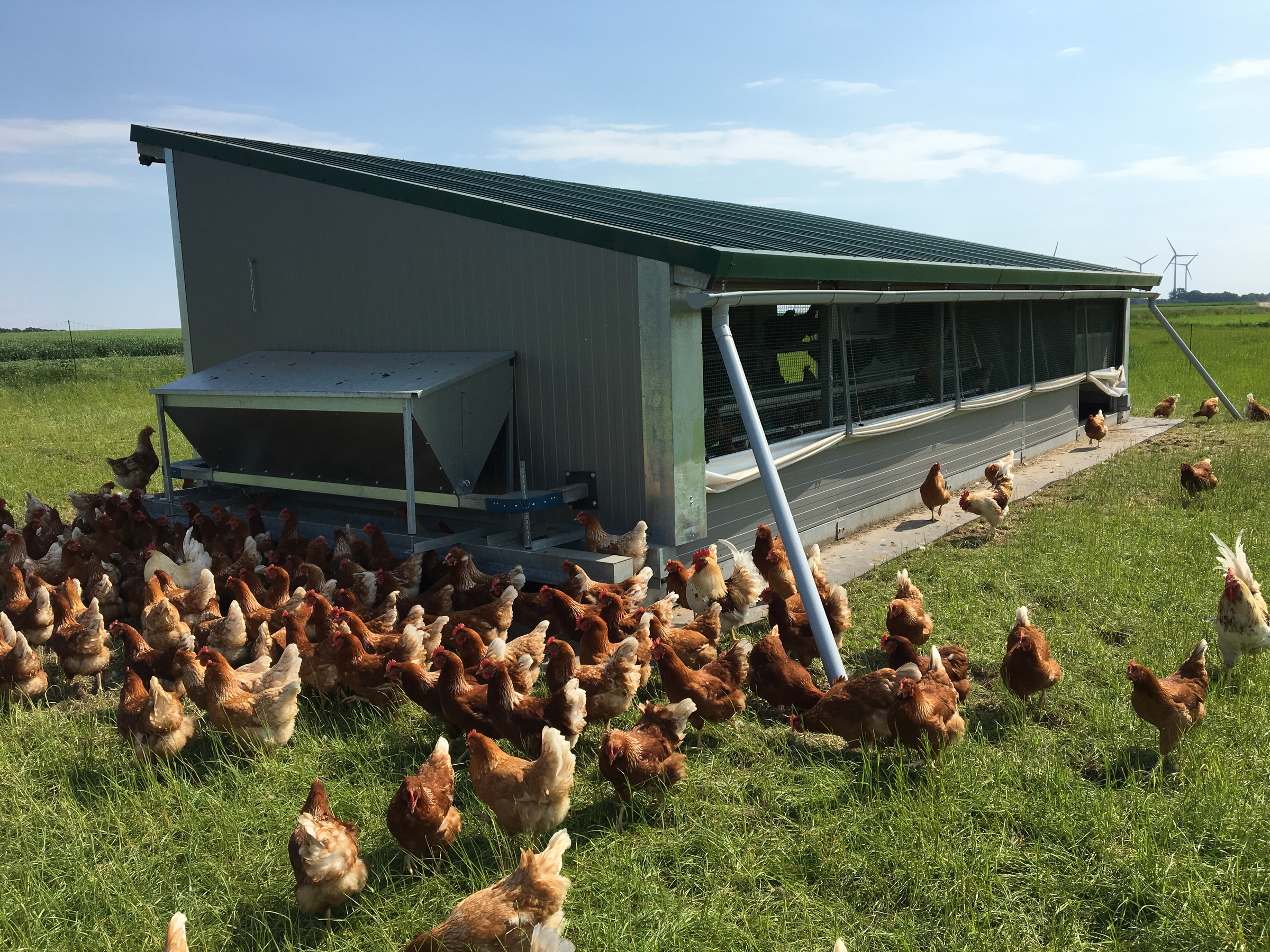
Funded projects: Hygiene in mobile housing
Funded projects: Mobile chicken rearing shed
Druckversion
Video Freilandpute - vom Küken bis zur Schlachtung: Ein Praxisbeispiel
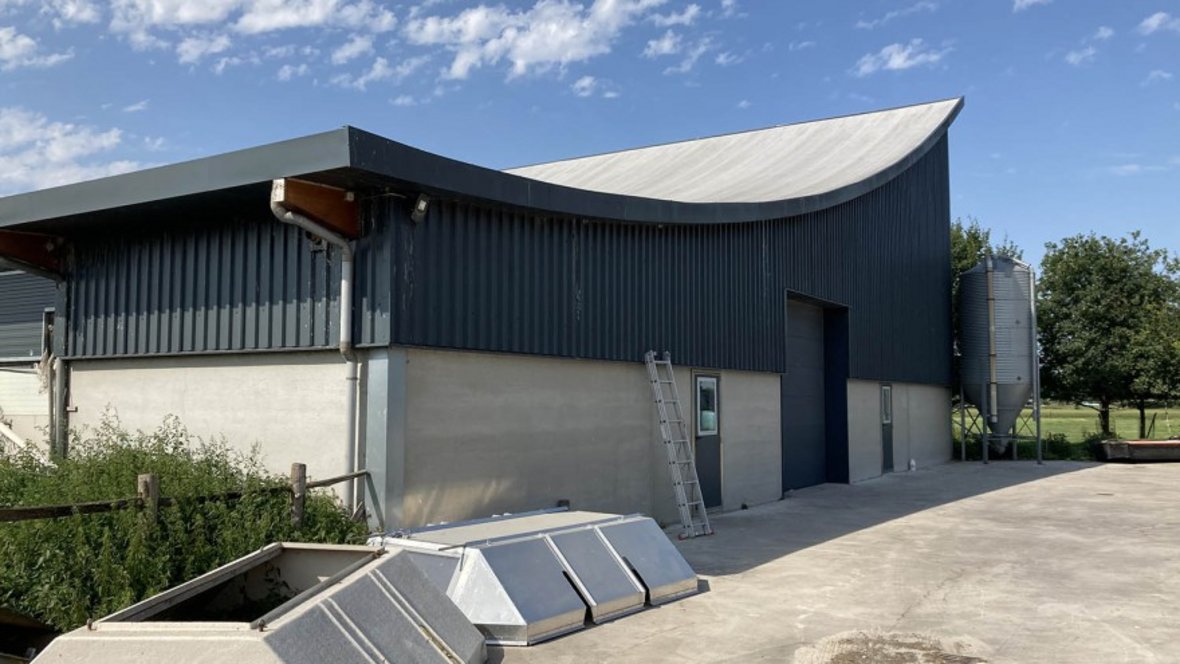
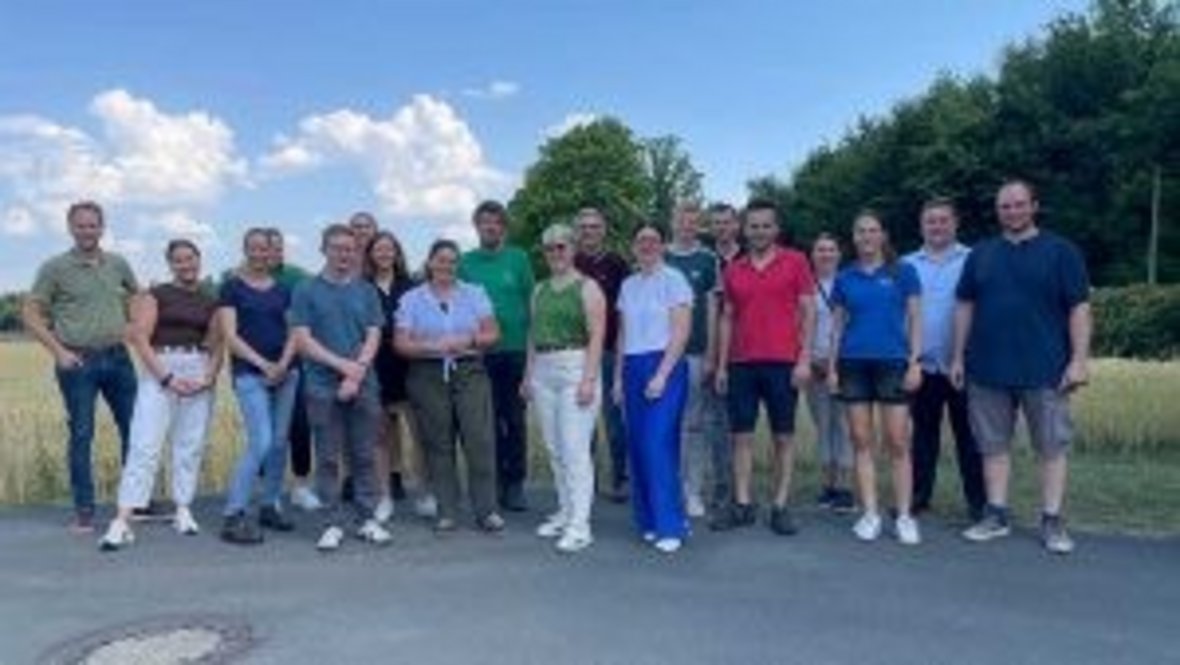
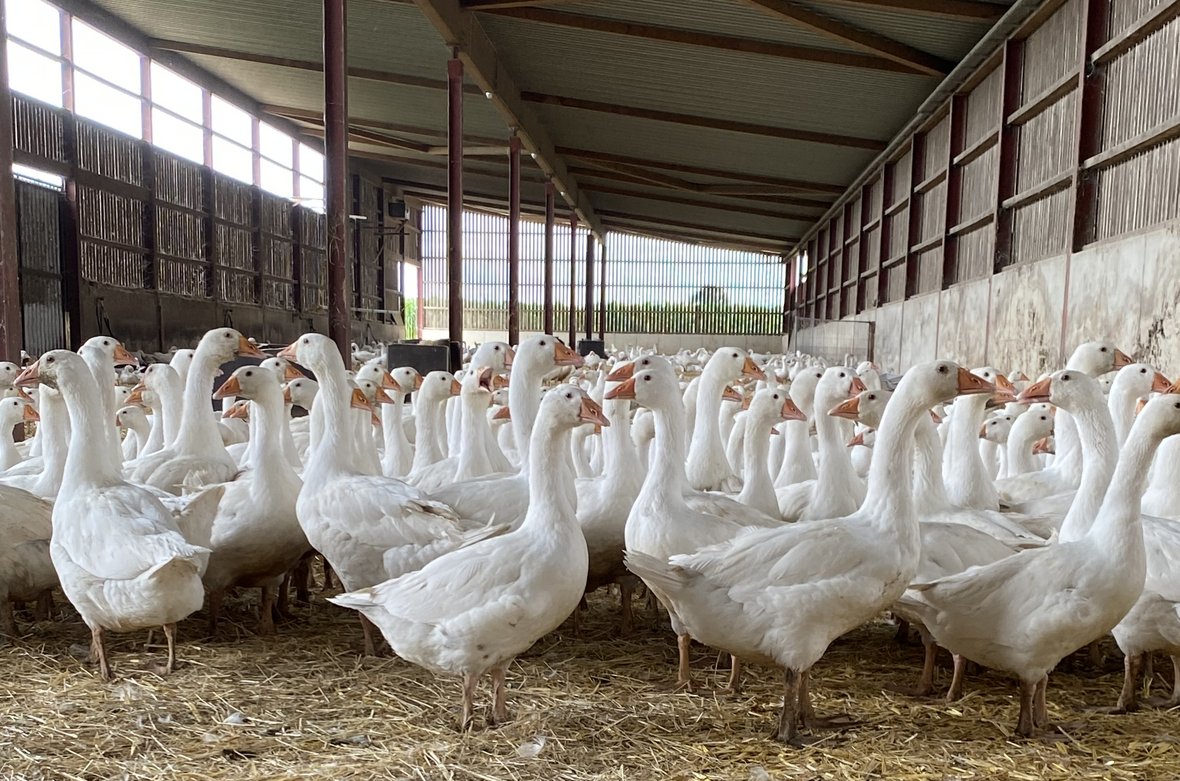
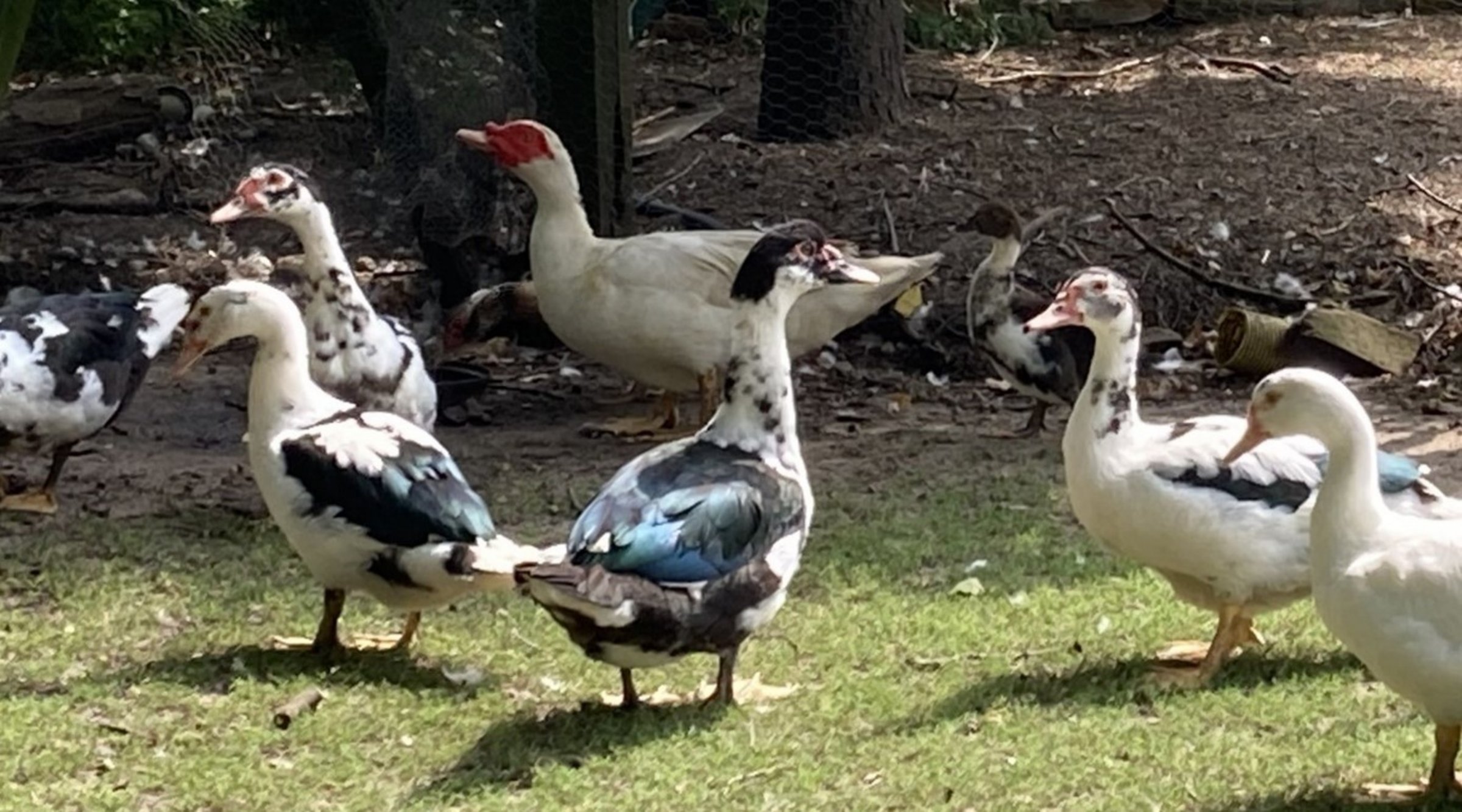
Animal husbandry that involves species-appropriate feeding, plenty of space to roam, and a gentle, low-stress journey to the abattoir is what both consumers and farmers want. At the Eßer farm in Rommerskirchen-Ramrath, known as ‘Der Gänsepeter’, particular emphasis is placed on these aspects. As part of a farm tour organised by the North Rhine-Westphalia Chamber of Agriculture for the Fokus Tierwohl network, farm manager Sebastian Eßer spoke about the life cycle and slaughter of the “Christmas goose”, as well as the slaughter of hens and chickens and the wide-ranging marketing of the various products.
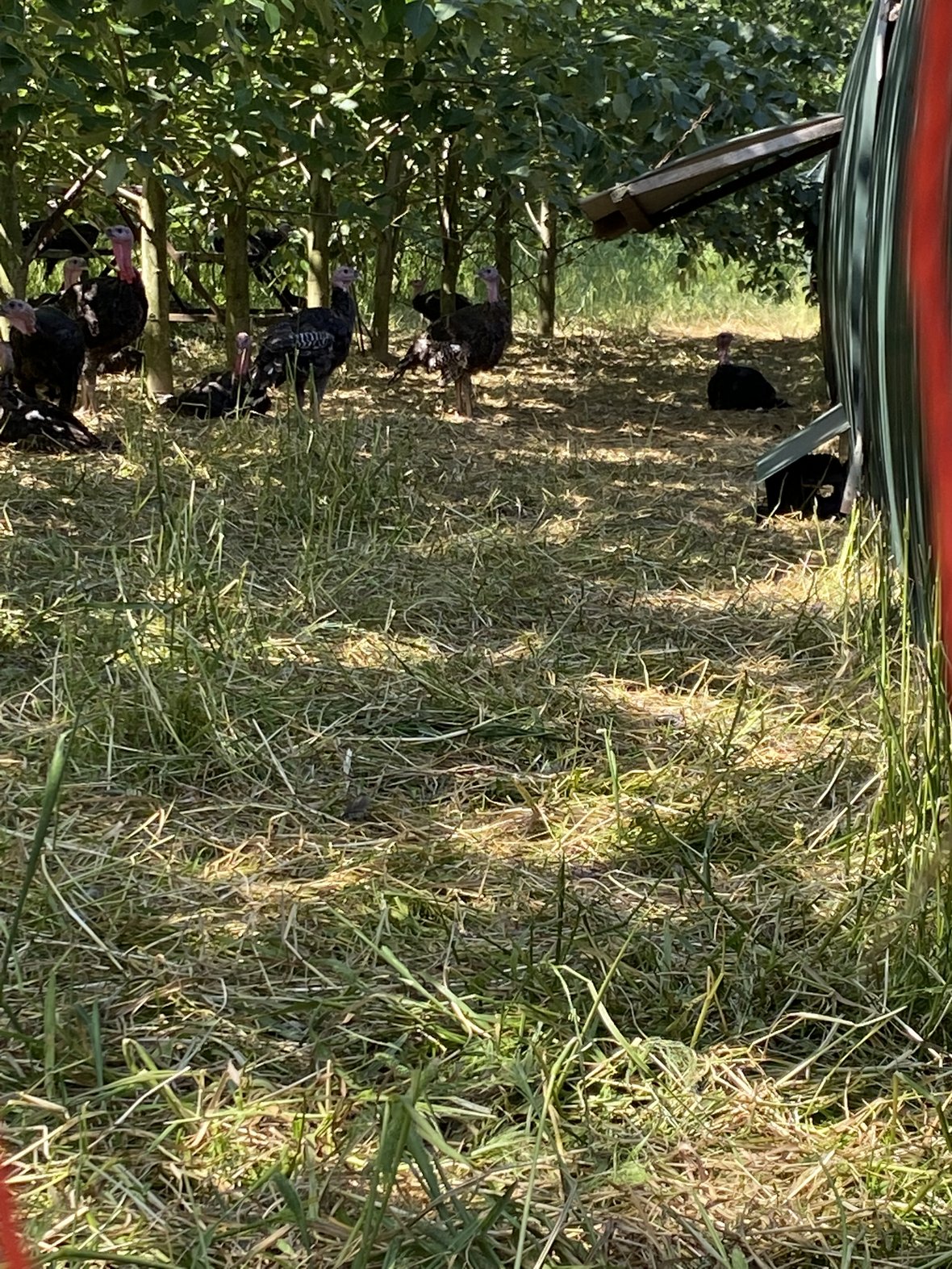
At the Haver-Rassfeld family farm, animal welfare is the top priority. Proud and upright, just as they would be in the wild, the Haver-Rassfeld family’s black turkeys roam the meadows and along the edges of the dense poplar plantations. During a farm tour, farm manager Friedrich Wilhelm Haver-Rassfeld spoke about his turkey farming as a ‘Neuland’ farm.
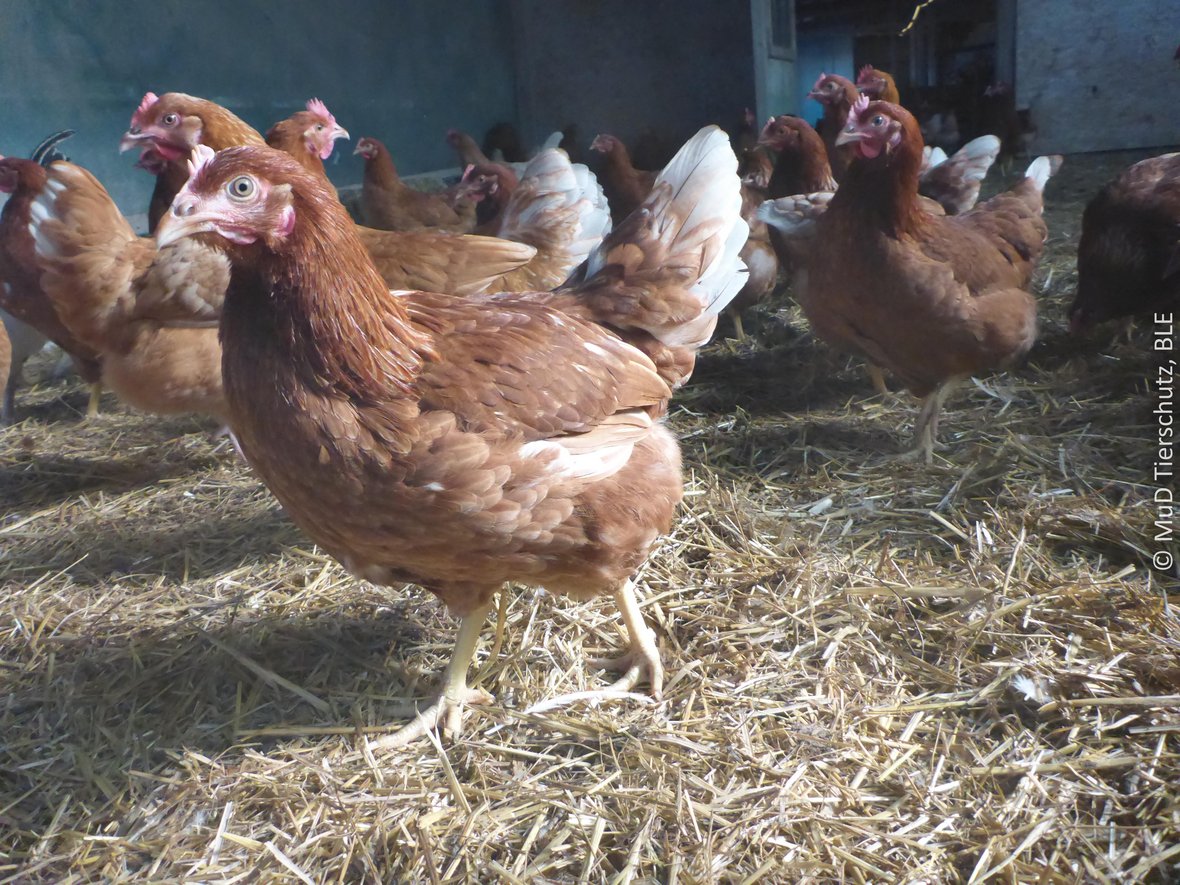
The most common and economically significant ectoparasite in laying hen houses is the red mite. The parasite primarily attacks its host at night to feed on blood. Laying hens are the main hosts for the red mite, but other poultry species can also be affected. Controlling the red bird mite is a long-standing problem in laying hen farming. The parasites can sometimes go without food for months and thus survive for months even in unoccupied houses. Controlling them is particularly challenging due to their rapid development of resistance and tenacious ability to survive.
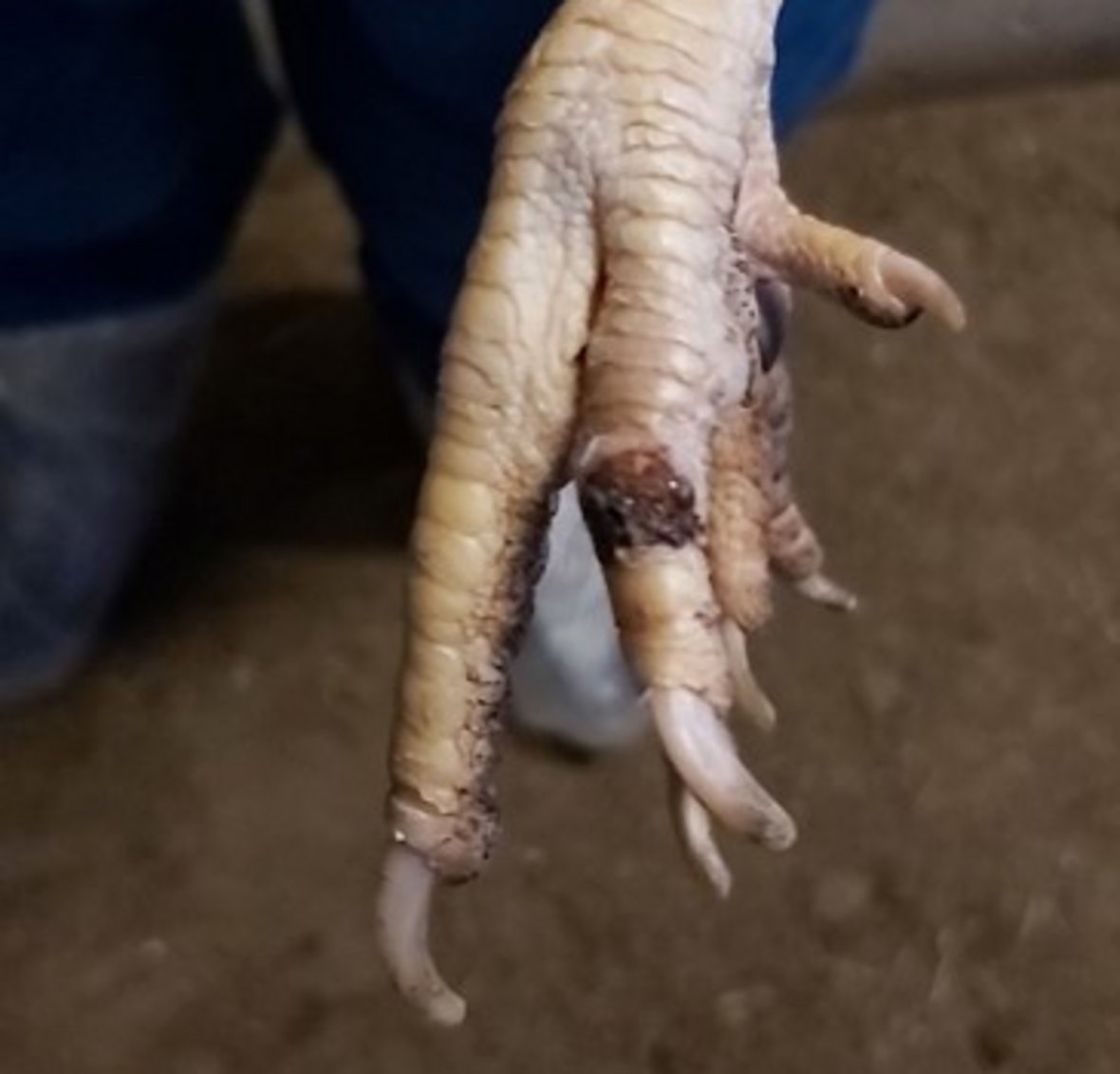
In the laying hen industry, there are frequent reports of outbreaks of feather pecking and cannibalism, with toe pecking being a specific form of cannibalism. At an event organised by the office of the Poultry Animal Welfare Competence Centre, participants were able to learn how good feeding management and the use of automatic enrichment systems can help prevent feather pecking and cannibalism.
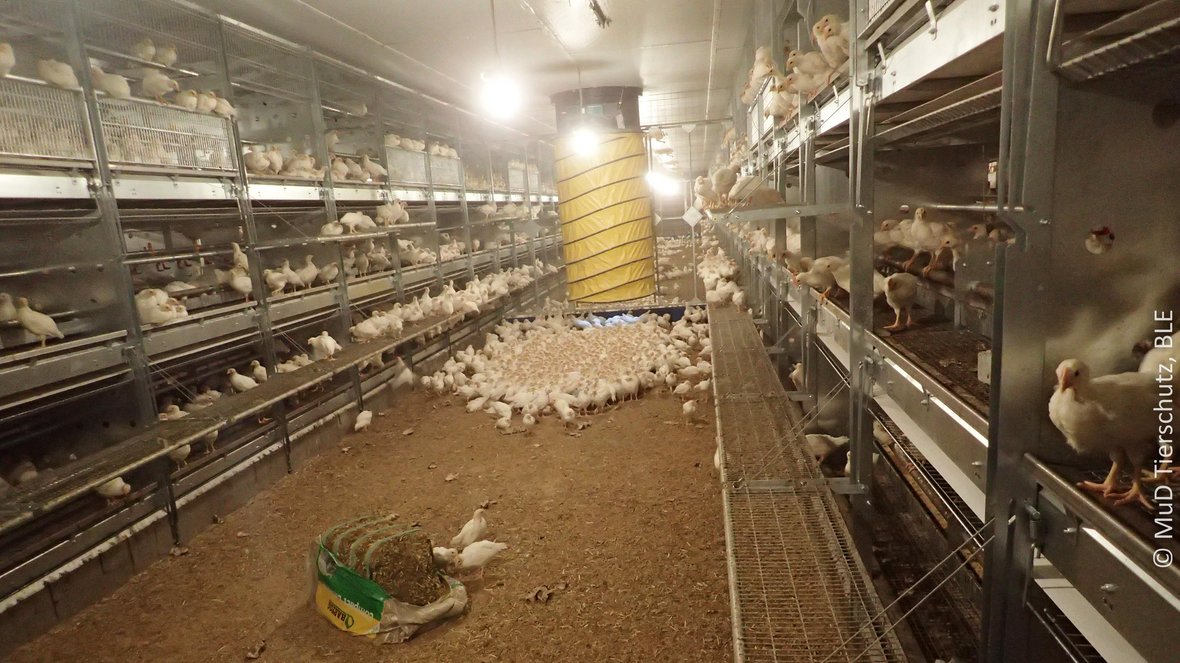
Birds have a very different visual perception to us humans. But how do chickens, turkeys and the like perceive their surroundings? And what should the lighting in the barn be like to ensure the animals feel comfortable? To answer this question, we first need to clarify what light actually is, say Prof. Dr Robby Andersson and Louisa Reimers from Osnabrück University of Applied Sciences, kicking off the webinar for the Network Focus Animal Welfare project.
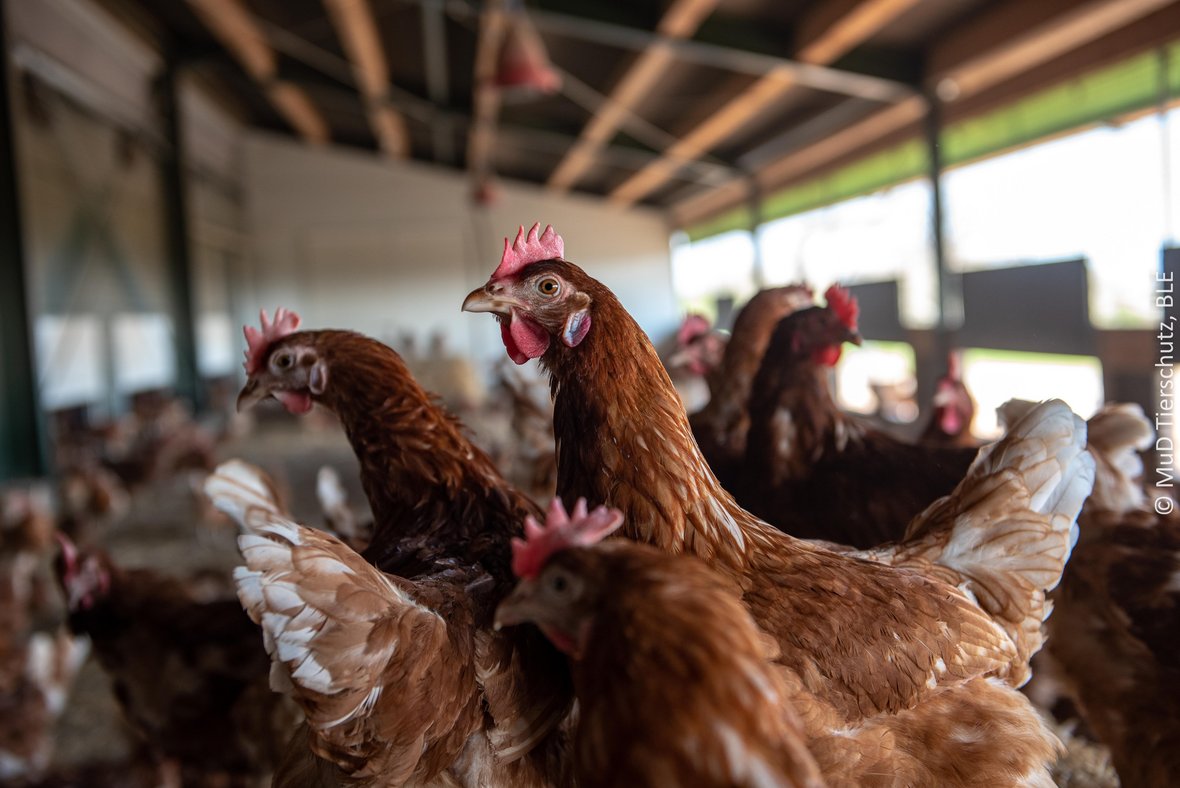
Vaccinations can prevent and stop the outbreak of dangerous diseases in young and laying hens as early as the rearing phase. What types of vaccine are available? What are common sources of error when vaccinating, and what vaccination techniques are used? Dr Kristian Düngelhoef, a specialist in poultry medicine, addressed these questions during an online event organised by the North Rhine-Westphalia Chamber of Agriculture as part of the Focus on Animal Welfare network.
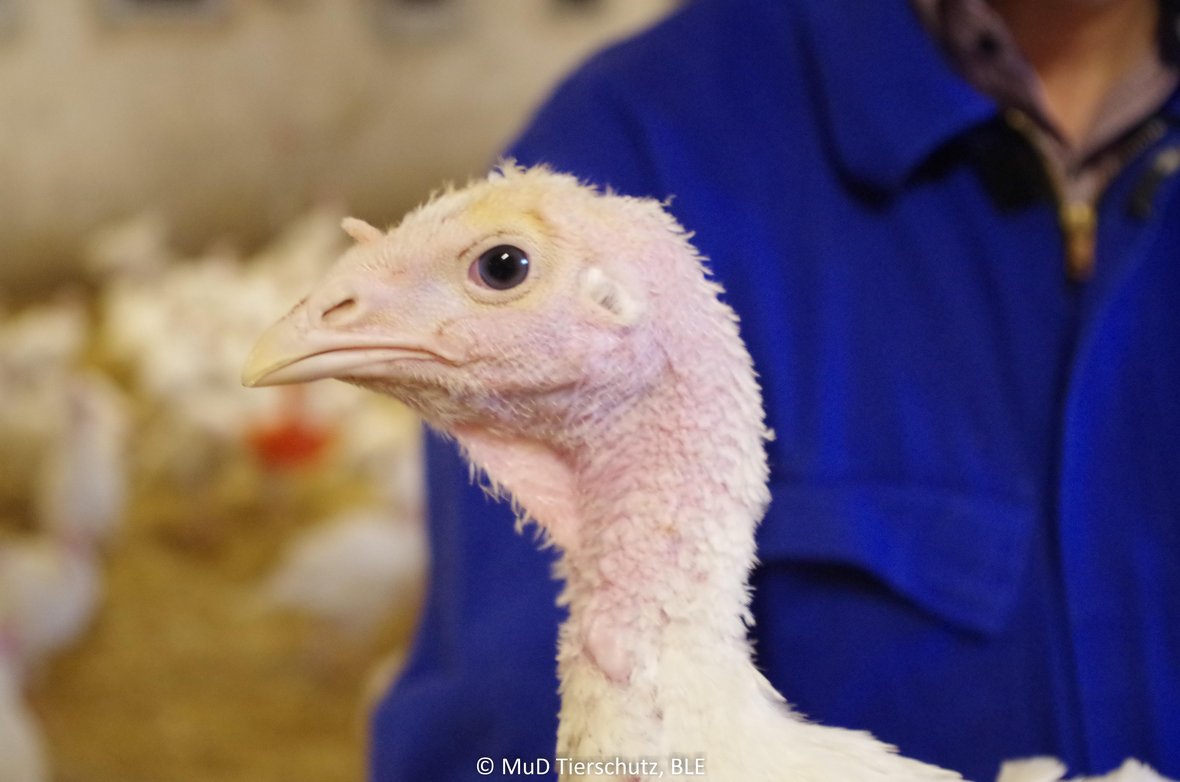
A healthy gut and an optimal diet for turkeys are the best prerequisites for ideal nutrient absorption and, consequently, for high performance and well-being. What veterinary aspects need to be considered when it comes to gut health, and how can turkeys be fed healthily and efficiently? Experts Dr Ronald Günther (veterinary specialist in poultry) and Dr Hartmut Meyer (Moorgut Kartzfehn) addressed these questions in an online event organised by the North Rhine-Westphalia Chamber of Agriculture as part of the Fokus Tierwohl network.
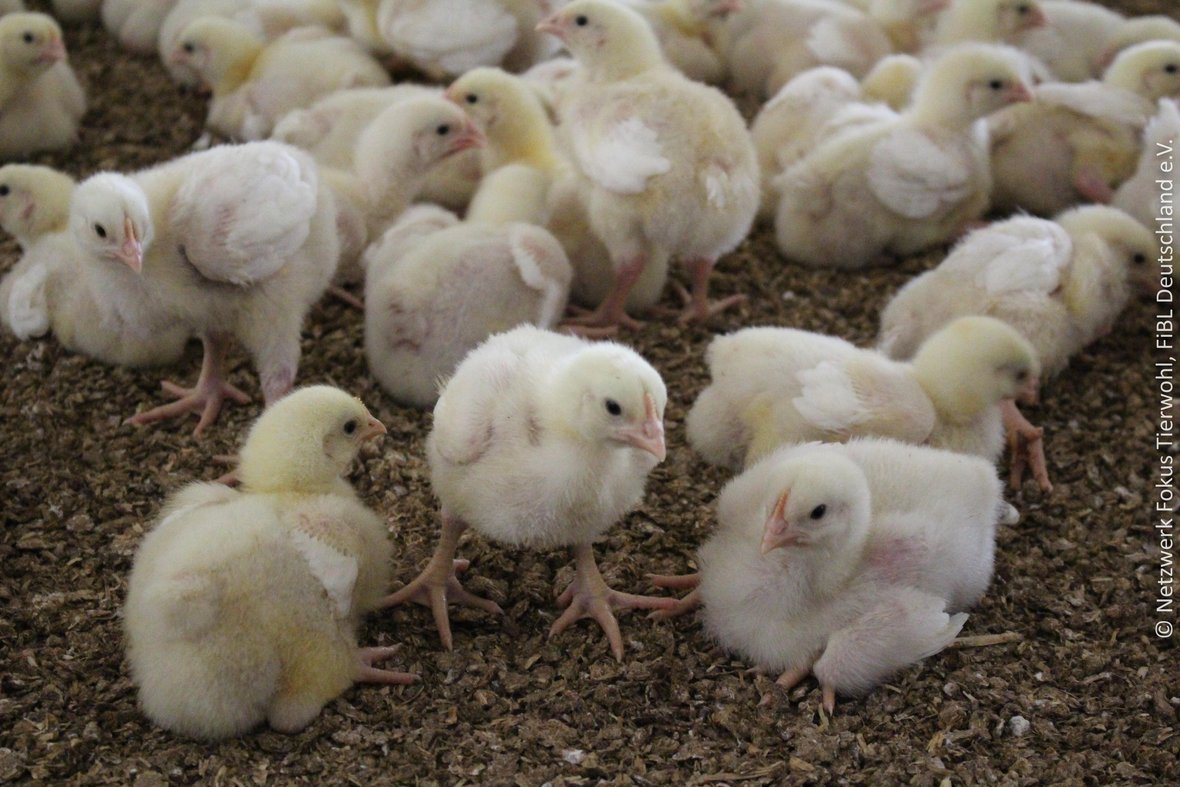
Following a resolution passed by the Bundestag on 20 May 2021, Germany will phase out the culling of male chicks from 1 January 2022. Furthermore, from January 2024, sex determination in eggs will only be permitted before the 7th day of incubation. An online event organised by the nationwide project Netzwerk Fokus Tierwohl presented strategies for phasing out the practice to farmers and farm managers, and was met with a consistently positive response.
Frank Hartmann from the Association for Controlled Alternative Animal Husbandry (KAT) presented possible recommendations for rearing male chicks. Mario Möckel from Lohmann Süd explained the possibilities of in-ovo sex determination. Annalina Behrens from the Fürstenhof producers’ association reported on her experiences in the rearing and raising of brother cocks.
Laying hens in mobile housing are now a common sight everywhere, but an increasing number of farmers are also considering mobile housing for broiler production. But what needs to be taken into account regarding animal welfare in mobile broiler housing? This question was addressed by the ‘Broiler Production in Mobile Housing’ animal welfare model and demonstration project. The findings from this project, as well as the practical experiences of a livestock farmer, were presented at a seminar organised by the Focus Animal Welfare network.
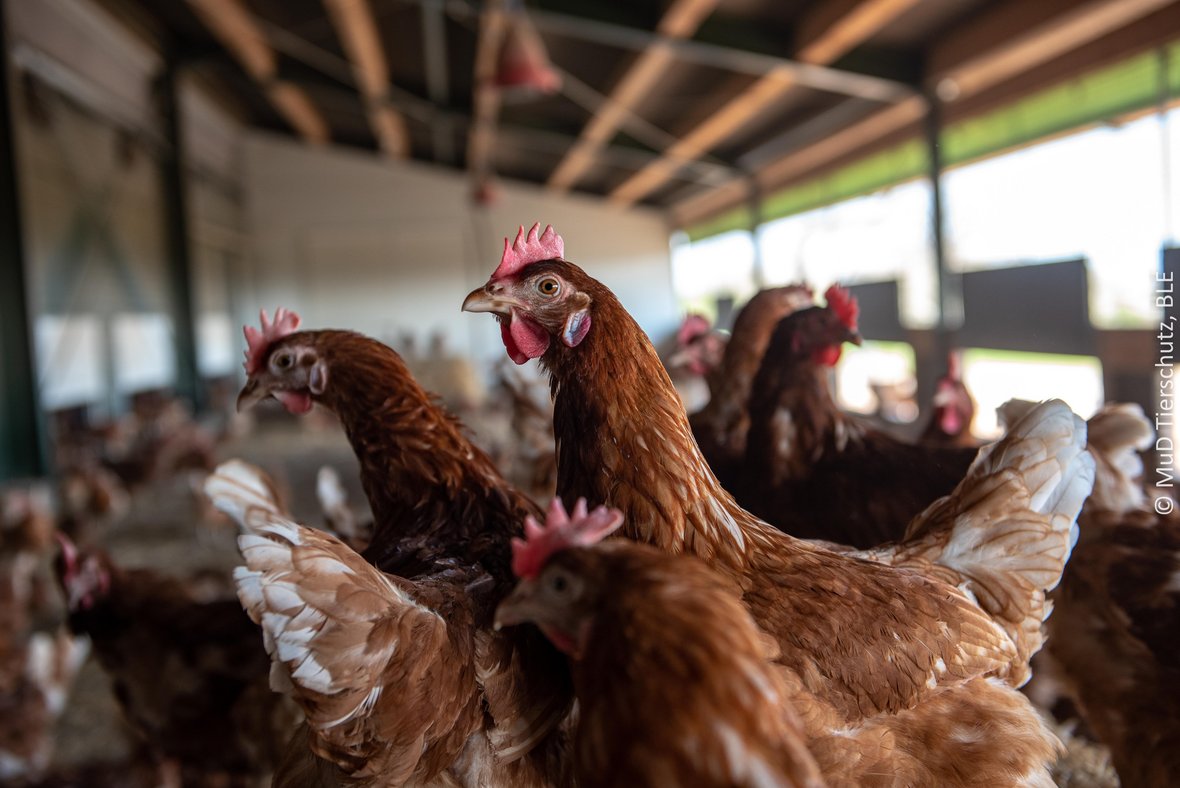
Improving animal welfare in livestock farming is a challenge that many sectors of the industry are currently seeking to address by exploring new approaches. This is also the case in the laying hen sector, where feather pecking and cannibalism continue to pose daily challenges for many farms, as beak trimming has been discontinued since 2017 for animal welfare reasons. But what factors trigger these behavioural disorders? And how can they be minimised or eliminated altogether? During an online seminar organised by the State Research Institute for Agriculture and Fisheries of Mecklenburg-Western Pomerania in September 2021, project staff from the Lower Saxony Chamber of Agriculture and the University of Veterinary Medicine Hannover presented their findings and discussed them with the audience.
Dr Peter Hiller from the Lower Saxony Chamber of Agriculture highlighted several critical control points in the rearing of pullets with regard to feeding. Dr Birgit Spindler from the University of Veterinary Medicine Hannover Foundation presented various important animal health aspects of pullet rearing. Anna Riedel, also a member of staff at the University of Veterinary Medicine Hannover Foundation, addressed important aspects relating to enrichment and access to outdoor runs.
Foot health in turkeys
Optimised bedding management reduces changes to the ball of the foot
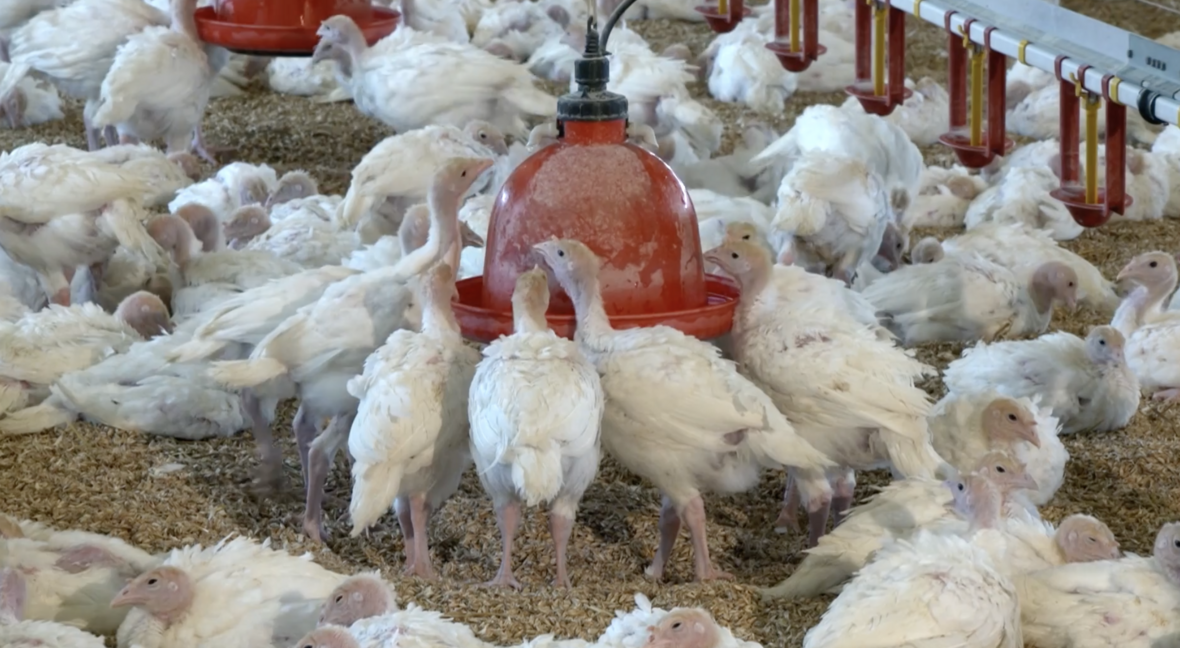
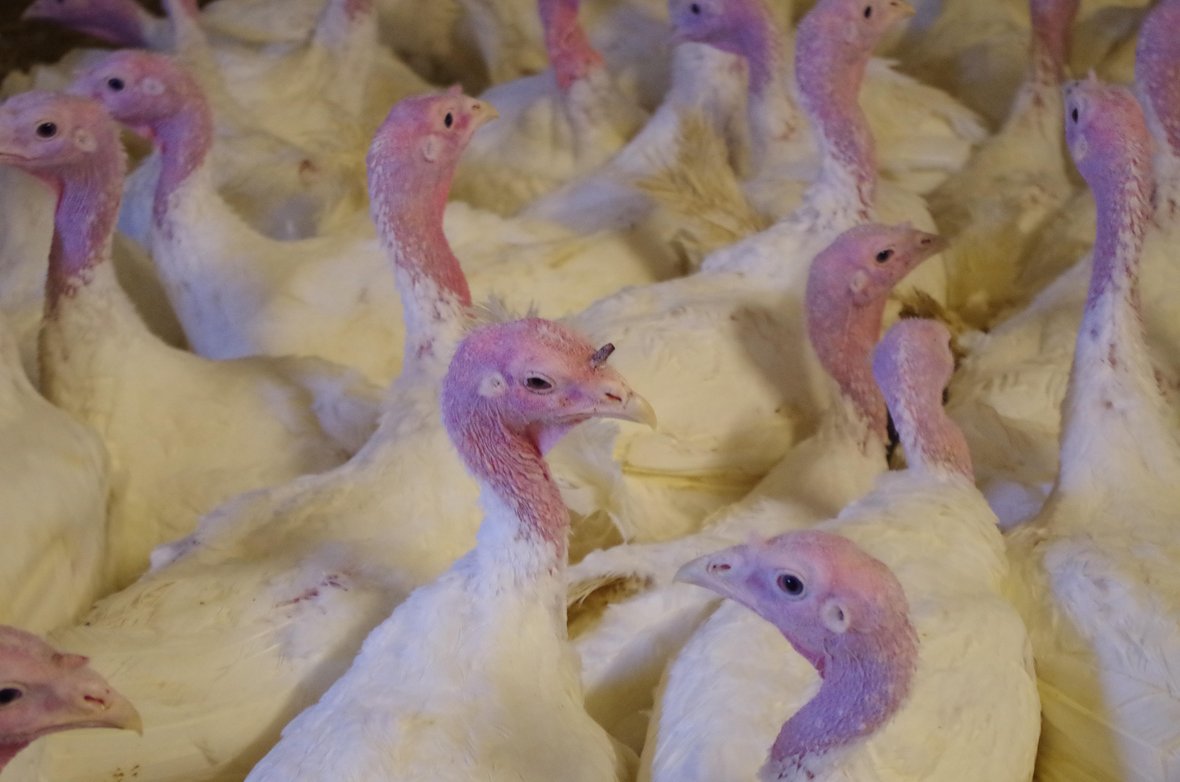
Footpad health in turkeys is of great importance, particularly from an animal welfare perspective. Bedding management has a significant influence on the occurrence of footpad lesions. How can footpad health in turkey flocks be monitored regularly, and what options are available for optimising bedding management? Experts Dr Daniel Gieseke (University of Kassel) and Dr Kathrin Toppel (Osnabrück University of Applied Sciences) provided information on this topic during an online event organised by the North Rhine-Westphalia Chamber of Agriculture as part of the Fokus Tierwohl network.
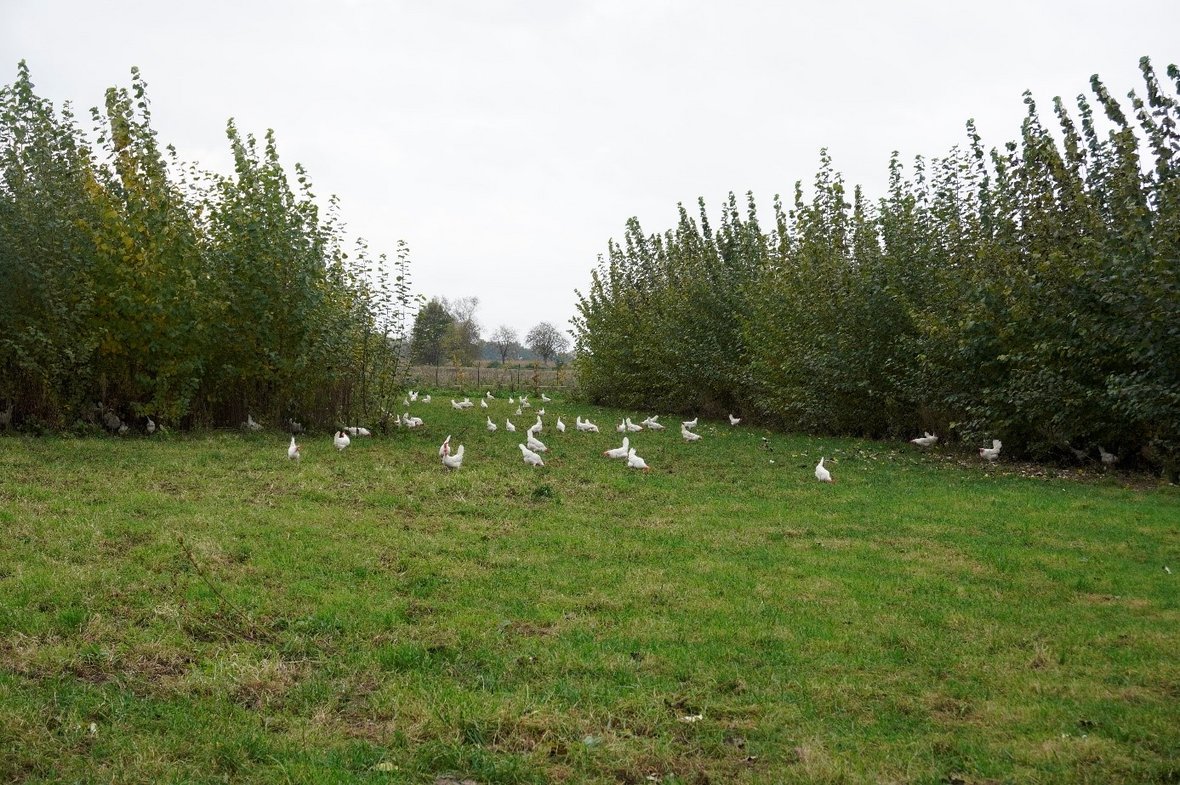
Enrichment and spatial design in turkey farming
Reducing feather pecking and cannibalism in turkey farming
Feather pecking and cannibalism are key issues not only in the rearing of laying hens but also in turkey farming. Long-term studies have shown that these behavioural disorders are triggered by multiple factors, and that the optimal use of enrichment materials and good housing design offer a potential solution to counteract them.
As feather pecking and cannibalism continue to pose a challenge for turkey farming, enrichment opportunities and housing design are the focus of current research projects. As part of the ‘Fokus Tierwohl’ network, the eastern German federal states organised an online seminar on enrichment opportunities and housing design in turkey farming, providing an update on the current state of knowledge on this topic from both scientific and practical perspectives.
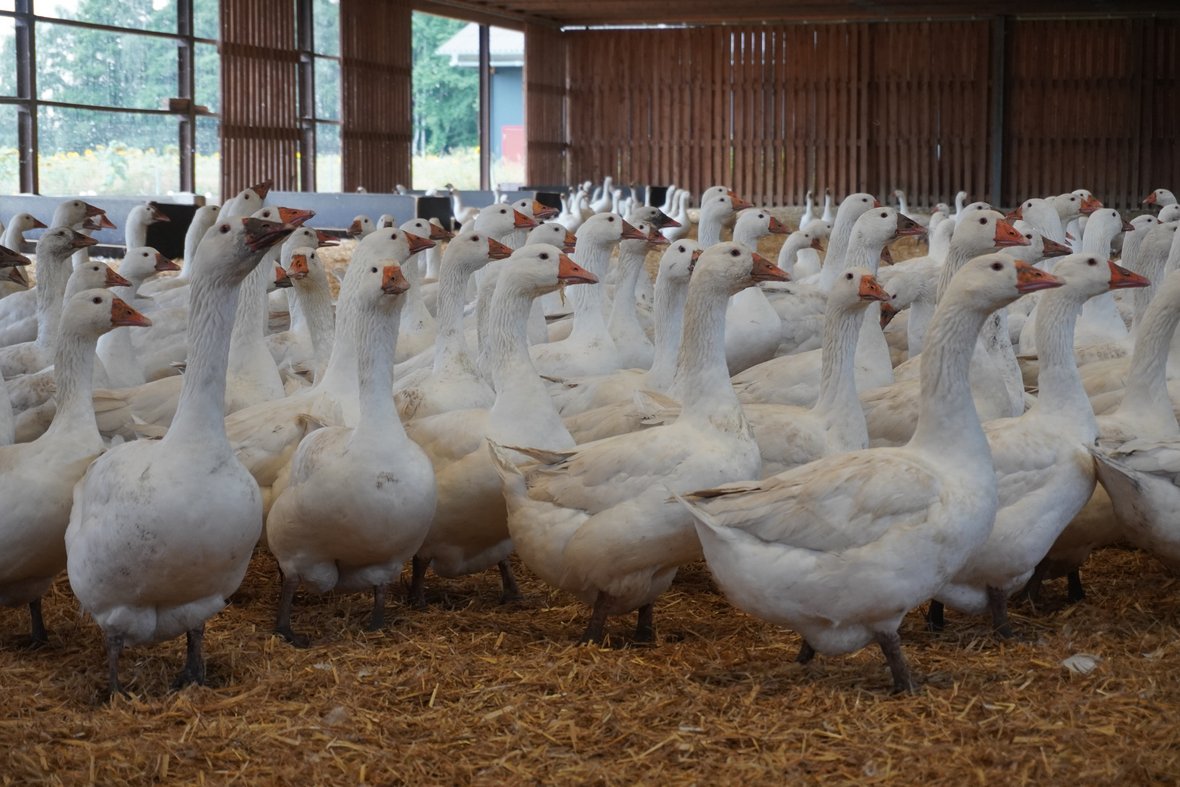
Insights into modern goose farming
Field trip organised by the Lower Saxony Chamber of Agriculture
On 9 September, the time had finally come for the Fokus Tierwohl network to host its first in-person event in Lower Saxony. Due to the pandemic, only online seminars had taken place last year; now, developments in the pandemic situation had finally allowed for a field trip to an established goose fattening farm.
Seventeen interested participants gathered at the Claßen family’s farm in Bakum. First, junior farm manager Johann-Michel Claßen presented the farm’s structure in the modern meeting room of the main building, which also houses the farm’s own abattoir and a small farm shop.
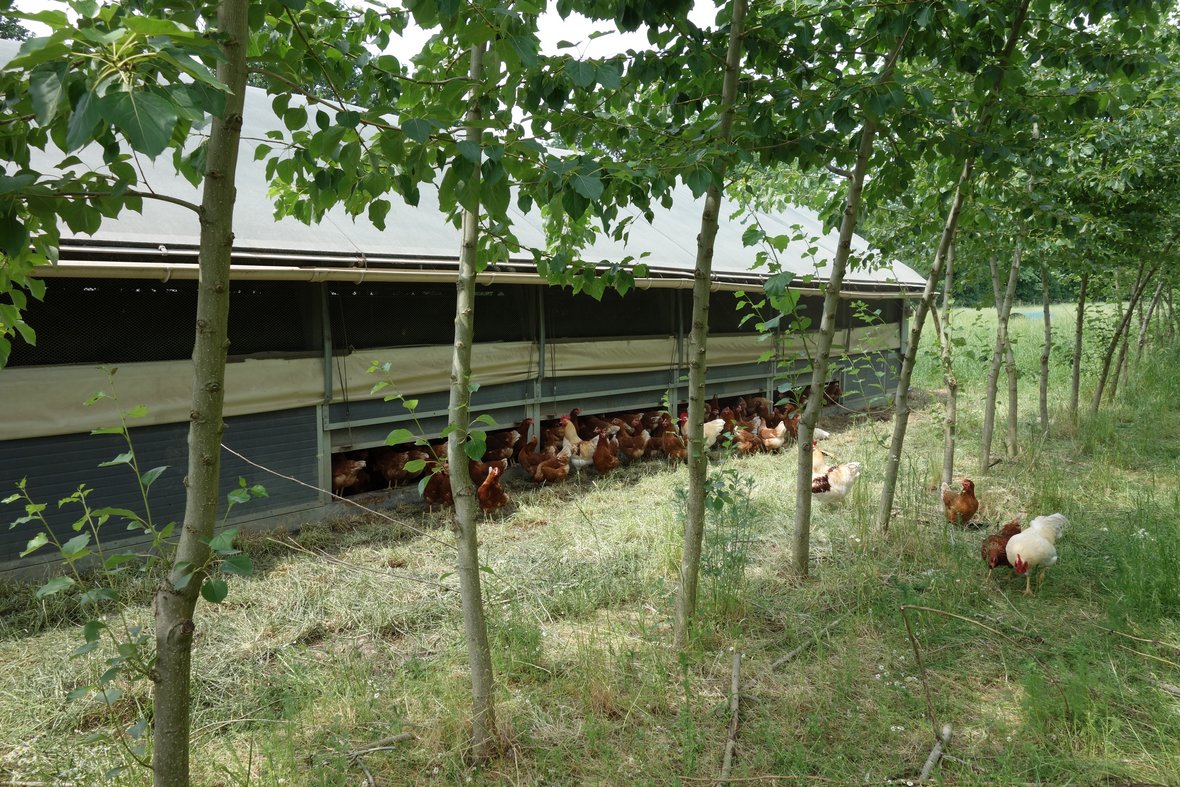
The rearing of laying hens in mobile housing systems is currently experiencing a resurgence. Many consumers also regard this rearing method as highly conducive to animal welfare, as the hens usually have access to plenty of fresh green space. This often leads to greater appreciation of the food produced and, consequently, a greater willingness to pay for it. However, meeting the requirements for species-appropriate rearing of laying hens remains just as important with this rearing method. How best to meet the basic needs of laying hens is also a key question for many who are currently transitioning to mobile housing. For example, how should animal-welfare-friendly outdoor access be managed in mobile housing, and what needs to be taken into account? To provide initial answers to this question, the animal welfare multipliers from the federal states of Brandenburg, Saxony-Anhalt, Saxony and Mecklenburg-Western Pomerania hosted an online seminar.
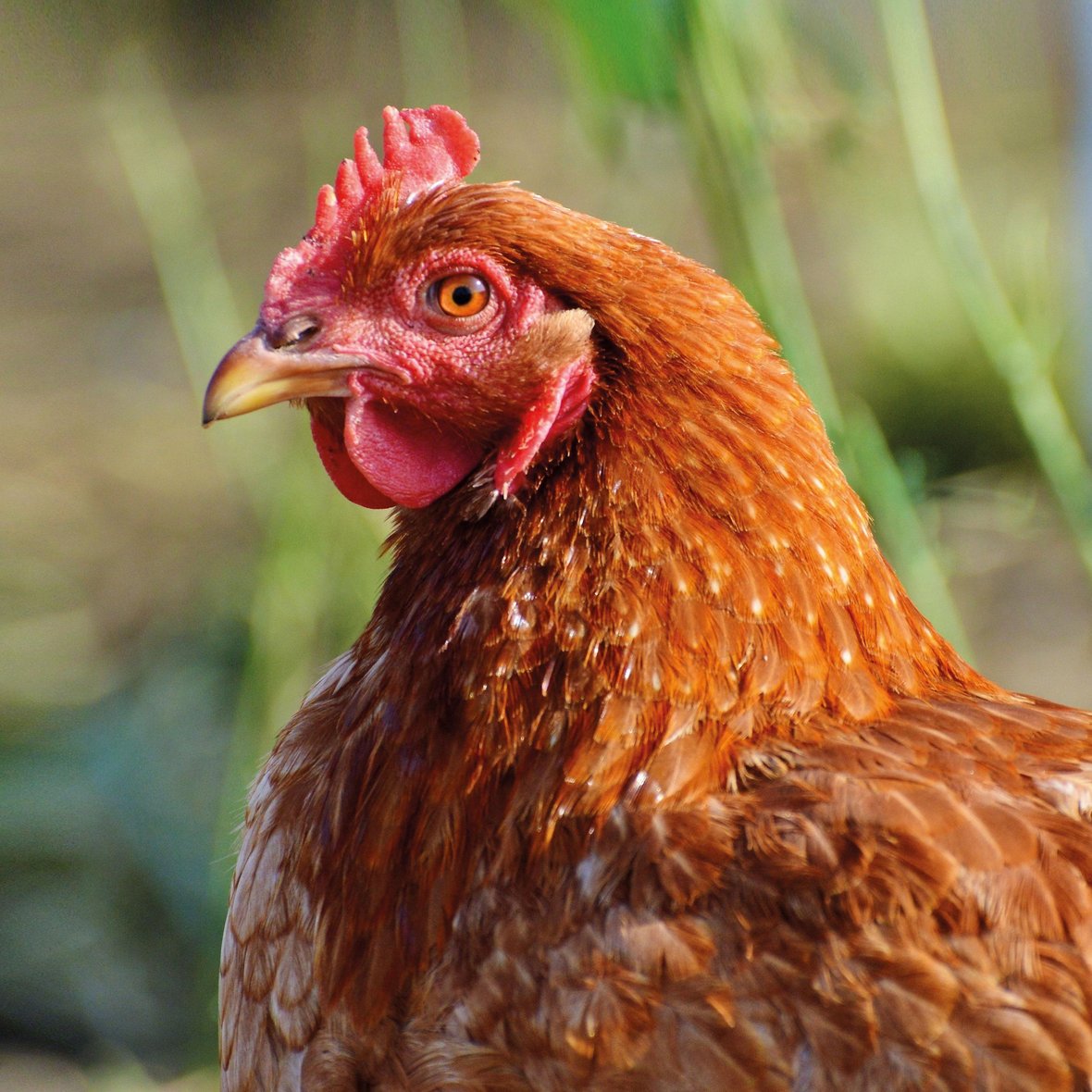
To keep poultry farmers informed about current issues and thereby improve animal welfare on poultry farms – with this aim in mind, the Hesse State Agricultural Agency (LLH) organised several online seminars. The topics covered in the events included, amongst others, the control of red mites, the handling of sick and injured animals, protection against predators, the natural behaviour of laying hens, and management tools to improve the welfare of poultry.
By the end of the laying period, sternum damage occurs in more than 40% of laying hens in a flock on average. Studies have shown that affected birds experience pain and reduced mobility, suggesting that sternum damage impairs the animals’ welfare. But how does sternum damage occur, what can be done about it, and what are its effects? Dr Stefanie Petow (Friedrich Löffler Institute, Celle) and Dr Lisa Jung (University of Kassel) have been investigating these questions for several years. In a webinar organised by the Network Focus Animal Welfare project, they shared their findings with participants.
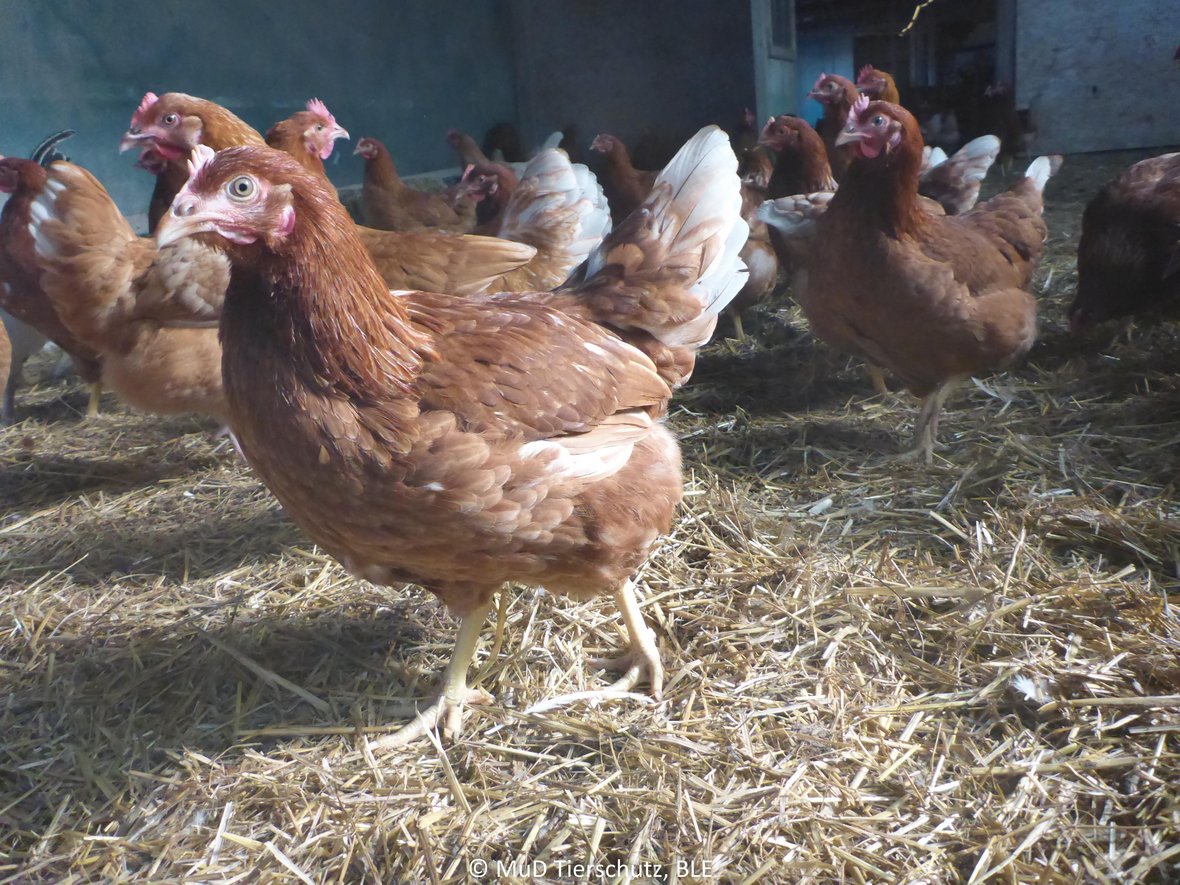
On 13 July 2021, 17 participants were welcomed to the online event on foot health in laying hens. The event was organised in cooperation with animal welfare ambassadors Natalie Wagner, Svenja Reich and Anne Helene Ahrend as part of the Fokus Tierwohl network, in collaboration with the Brandenburg Animal Welfare Advisory Service. Dr Christiane Keppler from Gallicon Poultry Consultancy was invited to speak.
Rearing male chicks – a genuine alternative?
Online seminar organised by the Lower Saxony Chamber of Agriculture
On 20 May 2021, the Bundestag finally passed the draft bill submitted by the Federal Ministry of Food and Agriculture to amend the Animal Welfare Act. Under this legislation, the culling of male day-old chicks is to be banned from 1 January 2022. But what alternatives are there? This question was the focus of an online seminar organised by the Fokus Tierwohl network at the Lower Saxony Chamber of Agriculture on 22 June.
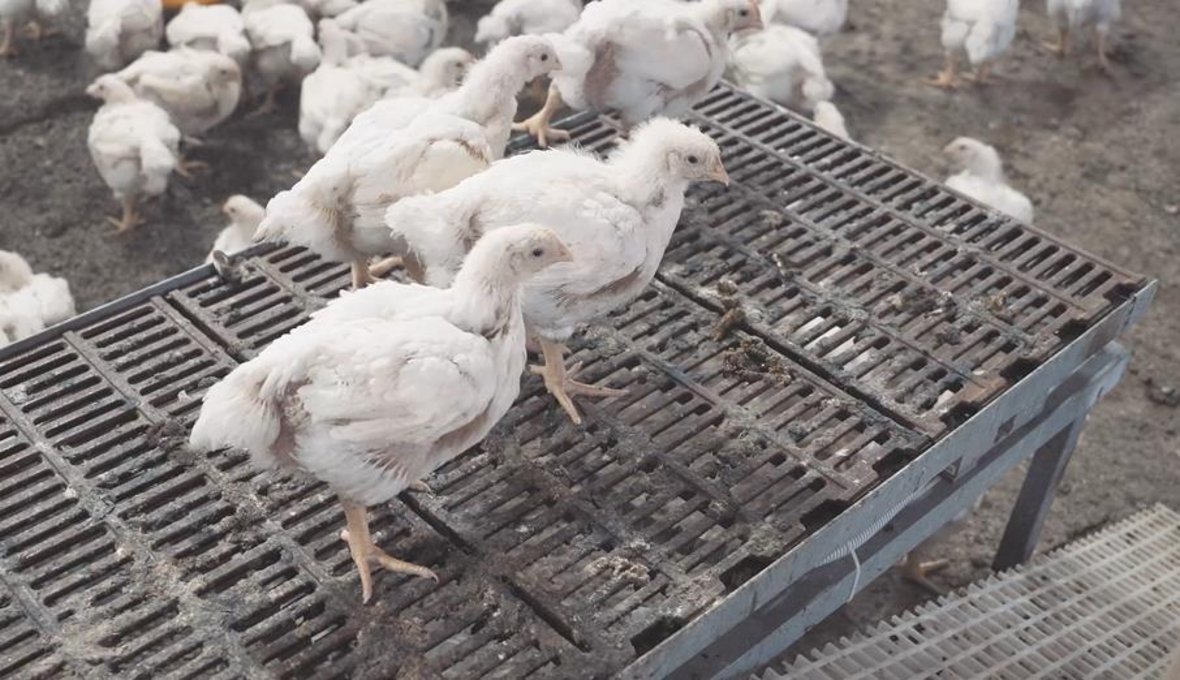
Increased perching space for broiler chickens under discussion
EuroTier Digital Round-up: The Animal Welfare Network organised a panel discussion on raised perches for broiler chickens.
Enrichment of the housing environment
Ways of enriching the housing environment play a central role in the debate on improving animal welfare in poultry. For broiler chickens, elements such as raised platforms are suitable for this purpose, as they allow the birds to rest in an elevated position in a manner appropriate to their natural behaviour, whilst also serving as a place of retreat. A high-profile panel discussion featuring representatives from academia, industry, consultancy and the field addressed the topic “Elevated perches for broiler chickens – how do I implement them?” as part of the EuroTier specialist programme. The session was moderated by Katja Kulke from the office of the Poultry Animal Welfare Competence Centre at the Lower Saxony Chamber of Agriculture.
When it gets too hot for the poultry
Online seminar organised by the North Rhine-Westphalia Chamber of Agriculture as part of the nationwide ‘Fokus Tierwohl’ network on heat stress in poultry
One of the most significant environmental challenges facing livestock farming is high temperatures, which can cause animals to suffer from heat stress if appropriate protective measures are not taken. In poultry farming, hot summer days combined with high humidity can have a negative impact on the health and welfare of the animals.
But how can signs of animal discomfort due to heat be detected at an early stage? What measures should be taken to prevent or reduce heat stress in animals?
The North Rhine-Westphalia Chamber of Agriculture provided answers to these questions in an online event organised as part of the nationwide Fokus Tierwohl network, attended by around 90 participants.
To begin with, Dr Kristian Düngelhoef, a veterinary specialist in poultry from the veterinary practice on Güterstraße, and Dirk Wonning, spokesperson for the Management Group of the Federal Association of Mobile Poultry Farming (Bundesverband mobile Geflügelhaltung e.V.), spoke about the detection and consequences of heat stress in poultry houses.
As a practical example, Geflügelhof Höckel GmbH und Co. KG then presented its newly designed spray cooling system, developed in collaboration with Dipl.-Ing. agr. Frank von der Haar (Agrarhygiene-Wassertechnik, Ankum).
Dual-purpose chickens as an alternative to chick culling?
Online seminar organised by the Lower Saxony Chamber of Agriculture provides information on the breeding and egg-laying performance of dual-purpose chickens
An online seminar organised by the Lower Saxony Chamber of Agriculture addressed the question of whether dual-purpose chickens offer an alternative to the culling of male chicks.
Prof. Dr Bernhard Hörning (Eberswalde University for Sustainable Development) explained to the 62 participants that, until now, chicken breeding had focused either on laying hybrids or on broiler hybrids. Only pedigree poultry breeding is an exception. With dual-purpose chickens, the females are used as laying hens and the males for fattening. These animals are therefore suitable for both egg production and meat production.
Master Farmer Christine Bremer reported on her experiences with dual-purpose chickens in the organic sector. Ms Bremer breeds dual-purpose chickens herself and rears parent stock on her organic farm in Suhlendorf (Uelzen district).
Animal welfare indicators in the rearing of laying hens
In-house monitoring using appropriate animal welfare indicators
Under the Animal Welfare Act, on-farm self-monitoring using appropriate animal welfare indicators has been mandatory for all livestock farmers in Germany since 1 February 2014. The aim is to gather information on the welfare of farm animals so that appropriate management measures can be taken at the first sign of pain, suffering or injury.
Dr Helen Louton, Professor of Animal Health and Welfare at the Faculty of Agricultural and Environmental Sciences at the University of Rostock, gave a presentation on the possibilities for assessing animal health in laying hen flocks using animal welfare indicators. She considers a sample size of approximately 50 birds per pen to be a representative sample for assessing the health status of the laying flock.
In his presentation on ‘Laying performance and egg characteristics: animal welfare indicators for assessing flock condition’, Dr Ruben Schreiter from the Centre for Applied Research and Technology at HTW Dresden highlighted the laying hens’ enormous biological performance level, which averages 20 to 21 kg of egg mass per hen per laying year.
At the end of the event, seminar participants were able to virtually accompany Dr Lisa Jung (University of Kassel) on a tour of the slaughterhouse and learn at which stages of production the collection of selected indicators at the ‘bottleneck’ of the slaughterhouse is theoretically possible, and what findings are already available in practice. Among the first pieces of information collected at the slaughterhouse is the proportion of transport losses.
The future prospects for broiler roosters and dual-purpose chickens
High-profile panel discussion on controversial alternatives to chick culling
A panel of high-profile experts discussed the future prospects for broiler roosters and dual-purpose chickens as part of the EuroTier specialist programme. Prof. Dr Silke Rautenschlein (Project Manager at Integhof, Foundation of the University of Veterinary Medicine Hannover), Carsten Bauck (Bauckhof), Dr Eva Moors (Animal Welfare Service, Lower Saxony State Office for Consumer Protection and Food Safety) and Prof. Dr Rudolf Preisinger (Lohmann Breeders GmbH) discussed the advantages and disadvantages of rearing male chicks and dual-purpose chickens as alternatives to sex determination in the egg.
Hygiene on a poultry farm – what should I bear in mind?
Online seminar organised by the Lower Saxony Chamber of Agriculture
The issue of hygiene is a particular focus for poultry farmers, especially given the current outbreak of avian influenza (AI). However, hygiene should never be overlooked, even when avian influenza is not an issue. This was made clear during the webinar ‘Managing and Optimising Hygiene in Poultry Farms’ on 4 March 2021, which was organised by the Lower Saxony Chamber of Agriculture as part of the nationwide ‘Fokus Tierwohl’ network. In her presentation “Prevention is better than culling – implementing structured hygiene management on poultry farms”, Dr Barbara Grabkowsky (University of Vechta) highlighted what needs to be taken into account to minimise the risk of pathogen introduction.
Farmer and entrepreneur Stefan Teepker also presented his farm hygiene concept using practical examples.
Strategies to combat avian influenza
EuroTier digital 2021 – Animal Welfare Network in the DLG Spotlights
Information and discussion on avian influenza (poultry plague or bird flu) were in high demand at the DLG Poultry Spotlight at “EuroTier digital”. The Animal Welfare Focus network was also represented with three events on the topic.
What measures can be taken to maintain animal welfare during an avian influenza outbreak? Farmer Friederike Schierholz’s presentation focused on practical tips. The owner of a mobile poultry house shared her experiences with the mandatory housing requirement.
In an interview with Dr Christian Lambertz from the Research Institute of Organic Agriculture (FiBL), Iris Tapphorn, a farmer in the Network of Pioneer Animal Welfare Farms, outlined her experiences in dealing with the requirements relating to avian influenza.
Improved animal welfare for broiler chickens through hatching indoors
An event organised by the North Rhine-Westphalia Chamber of Agriculture focusing on animal welfare, specifically the hatching of broiler chickens in barns, has attracted considerable interest
The chick rearing phase is of particular importance. Stress in the first few days of life, for example caused by transport from the hatchery to the farm, can trigger diseases. Hatching broiler chicks in the house offers a way to minimise various stress factors for the chicks. An online lecture organised by the North Rhine-Westphalia Chamber of Agriculture as part of the Focus on Animal Welfare network, attended by over 140 participants, demonstrated that there is considerable interest in the system.
The requirement to keep animals indoors remains a challenge
The Lower Saxony Chamber of Agriculture provides information on measures to ensure animal welfare during the mandatory housing period
A mandatory housing order for poultry has been imposed in several federal states and districts. The aim is to reduce the risk of avian influenza entering commercial poultry flocks. The mandatory housing order poses challenges not only for large-scale farms but also for owners of mobile poultry houses and hobby poultry keepers. The Lower Saxony Chamber of Agriculture (LWK Niedersachsen) has organised two webinars on the subject to support poultry farmers. These took place as part of the ‘Netzwerk Fokus Tierwohl’ project and were primarily aimed at poultry farmers with mobile housing or hobby flocks. More than 60 people took part in each session.