

(Image: Birgit Schiller, LMU Munich)
Battery hens one floor up
MuD projects present preliminary findings on animal-welfare-oriented housing design
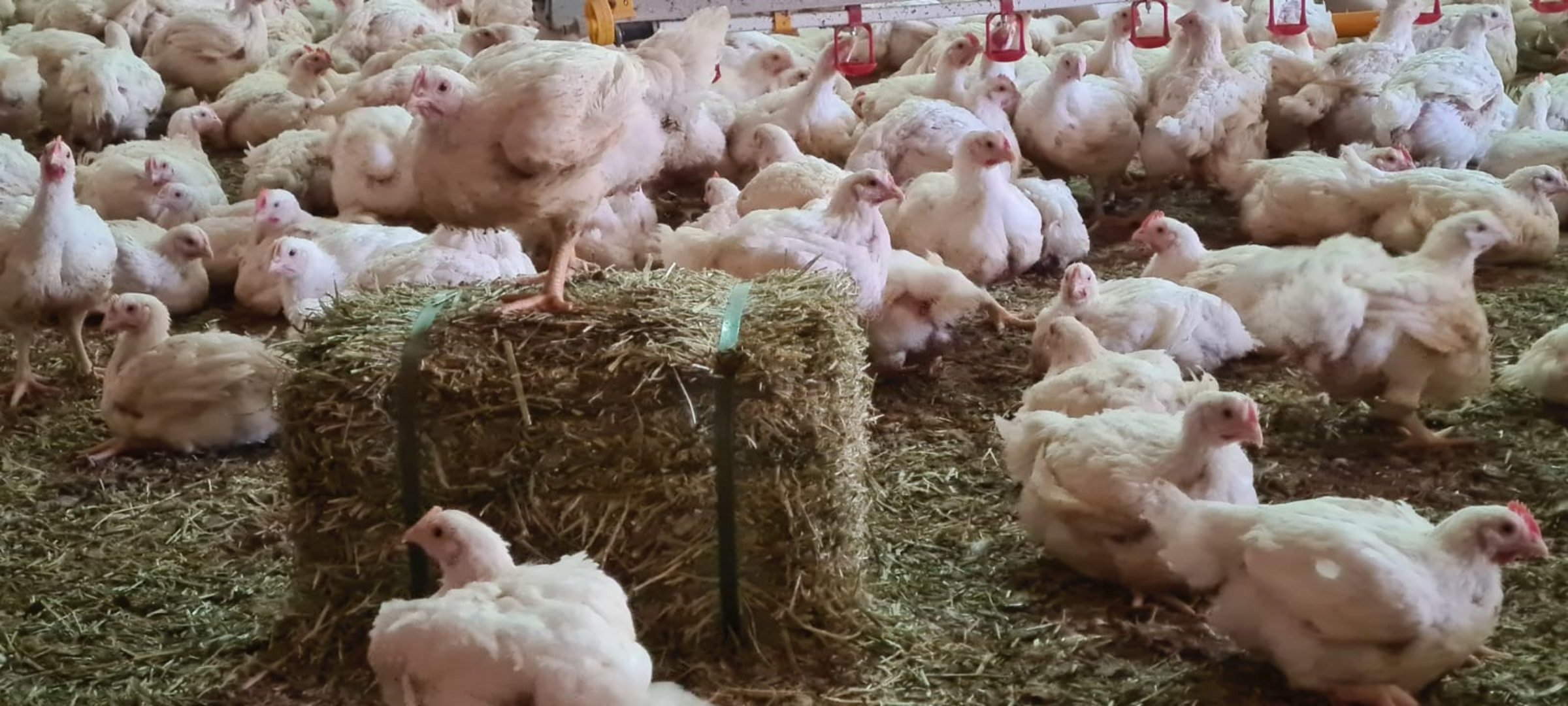
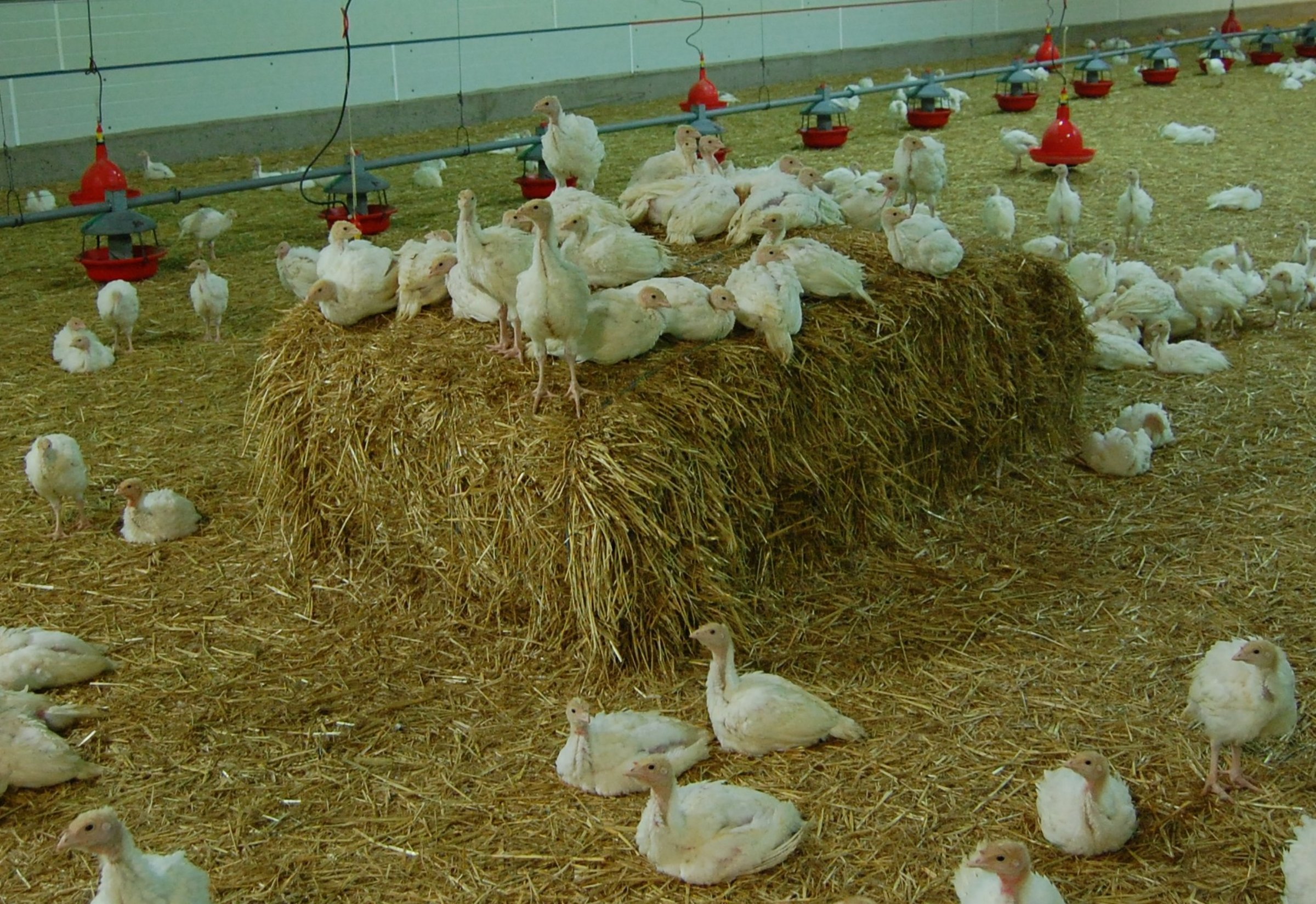
One way to design broiler houses with animal welfare in mind is to incorporate raised levels. This topic was addressed by the two model and demonstration projects (MuD) ‘Structure and adapted feeding in broiler houses: options for behaviour-appropriate and environmentally friendly animal husbandry (MaVeTi)’ and ‘Improving animal welfare in model and demonstration farms in broiler production’. The two projects, funded by the Federal Ministry of Food and Agriculture, are now nearing successful completion. In collaboration with the Netzwerk Fokus Tierwohl, the two projects presented their results and findings regarding the raised platforms at an online event.
Different approaches
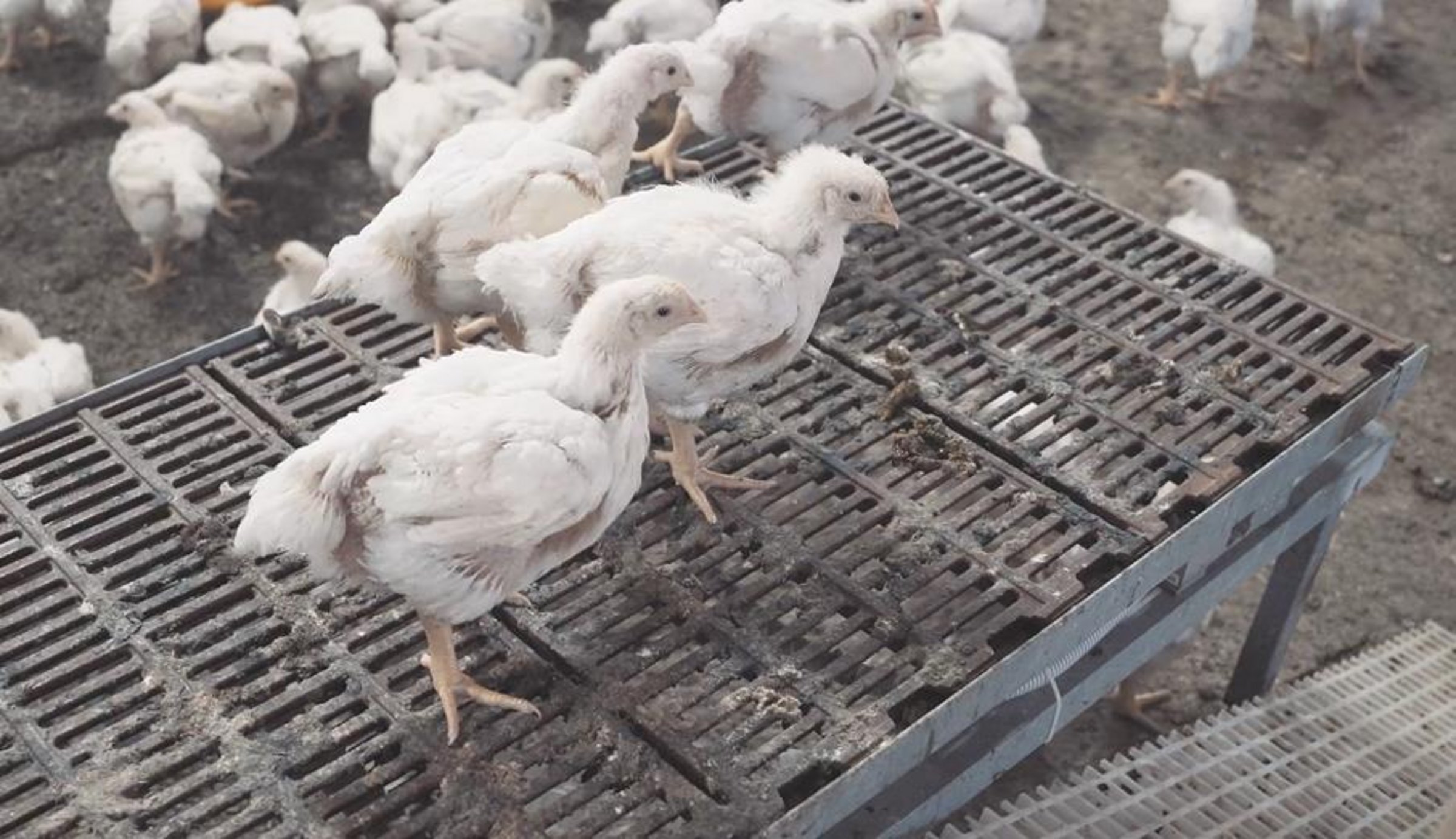
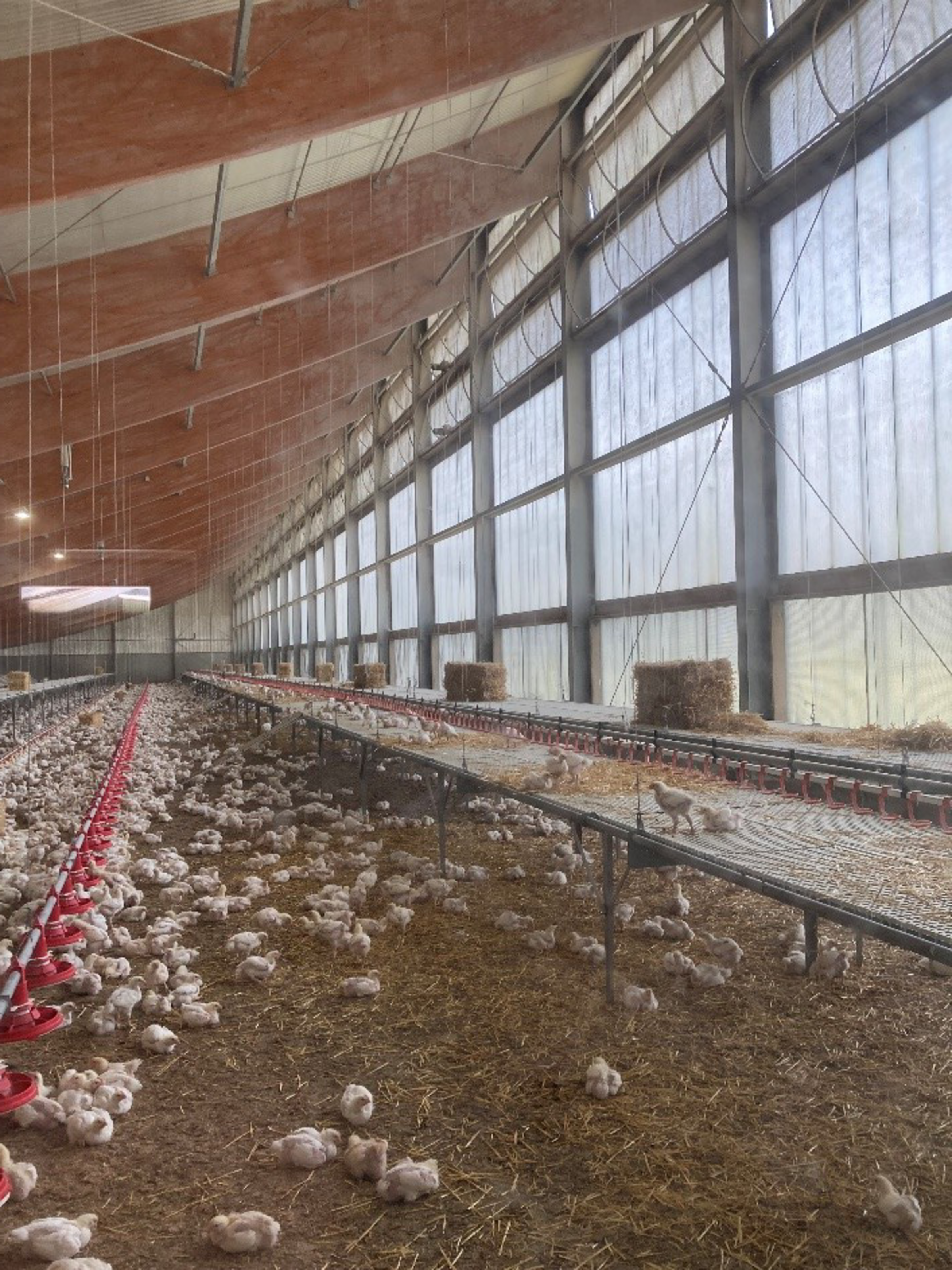
The MaVeTi project is managed by the Foundation of the University of Veterinary Medicine Hannover (TiHo Hannover) in collaboration with the Lower Saxony Chamber of Agriculture (LWK Niedersachsen). The core elements of the project were nutrient-reduced feeding, housing design and gender-segregated rearing. For the structural changes, platforms with a perforated surface and a manure belt were installed in the barns of the participating MuD farms. These were intended to serve as resting and retreat areas, to reduce stocking density through the additional space, and to improve the barn climate by removing manure via the manure belt. The project, supported by Ludwig Maximilian University of Munich (LMU Munich) and the University of Rostock, also involved the use of raised platforms. Here, however, platforms with a solid surface were used. Furthermore, the project included, amongst other things, the optimisation of the barn climate using ventilation controlled by harmful gas sensors.
Use of the raised platforms – including gender-specific differences
Franziska May, TiHo Hannover, and Johanna Müsse, LWK Lower Saxony, presented their findings on the animals’ use of the raised platforms from the MaVeTi project. The animals made good use of both the area on the platform and beneath it right from the start of the fattening period. However, the platform was also well received towards the middle and end of the fattening period, when the animals already had a higher live weight. An interesting aspect was that, from the second week of fattening onwards, the female birds made more intensive use of the additional space offered than the cocks. During the day or the light phase, the raised platform was visited by more animals than during the dark phase. Birgit Schiller, a researcher at LMU Munich, noted in her project that the animals in the houses with raised platforms exhibited more comfort-seeking behaviour, such as preening and dust bathing, than in the house without an additional platform. However, the design and number of ramps also appear to play an important role in the actual use of the raised platforms. The ramps should not be too steep and should have a suitable surface. Jumps or falls from the raised platforms were observed only rarely.
No negative effects on animal health
In both projects, animal health parameters such as soiling, changes to the footpads and heel lesions were recorded. Michelle Tillmanns, TiHo Hannover, presented data from five trials per farm. Fifty animals per barn were assessed on three occasions during each trial (start, middle, end). The analysis revealed that soiling and injuries in the animals depended more on the timeline of the fattening process than on the presence of a raised
level. Changes to the footpads and heel bumps were also primarily dependent on farm-specific management practices, and no significant differences were found between the control pens and those with a raised level installed.
Jan Heck from LMU Munich presented results from the animal assessment carried out as part of the project by LMU Munich and the University of Rostock. However, the focus here was on general animal health data, which were independent of the use of raised platforms. It was notable that there was a seasonal variation in these characteristics, which differed from farm to farm. Management factors on the farms often played a role here. Furthermore, female and male birds have different levels of risk of developing heel or footpad lesions. Cocks are affected more frequently than hens. Compared to female birds, they have a higher body weight and tend to have a slightly higher gait score (higher gait score = reduced ability of the bird to walk).
Cleaning and disinfection are time-consuming
A key factor that also influences the success of using raised platforms in the barn is the ability to clean and disinfect them. Dr Birgit Spindler from TiHo Hannover presented the results of the microbiological investigations from the MaVeTi project. Using sterile sponges, samples were taken from the barn floor, the perforated floor and the frame of the raised platform before and after wet cleaning, as well as after disinfection, and analysed in the laboratory. On the three farms studied, a sufficient reduction in the total bacterial count was achieved following final disinfection. The sampled areas of the raised platform were significantly less contaminated compared to the barn floor. However, cleaning the perforated platform with a manure belt by a single person involves a considerable time investment of around 14 hours. In the long term, solutions for faster yet thorough cleaning must be found to ensure the use of raised platforms is also economically viable.
Raised levels and barn climate
The MaVeTi project aimed to investigate whether regular manure removal from the manure belt leads to a reduction in ammonia levels in the barn. Both the climate in the barn and beneath the level were recorded using special climate sensors. Johanna Müsse presented the results of continuous measurements of ammonia (NH3), carbon dioxide (CO2), temperature and relative humidity throughout the fattening period. No significant reduction in NH3 levels in the barn air was observed as a result of manure belt cleaning. A comparison of the climate beneath the manure belt with that in the centre of the barn revealed no evidence of a build-up of harmful gases or general heat accumulation. Only on hot summer days was a temperature increase of approx. 2 °C measured beneath the floor in the afternoon. No adverse effects on the animals were observed at the project farms. On very warm days (outdoor temperature above 30 °C), however, animal monitoring should be carried out particularly intensively, especially beneath the floor. The barn climate measurements carried out in the project by LMU Munich and the University of Rostock confirmed the results from the MaVeTi project. Here too, measurements on and below the raised platform revealed no significant differences for the individual parameters (including temperature, relative humidity, CO₂ and NH₃) compared to the rest of the barn.
Both projects drew a positive overall conclusion regarding the use of raised platforms in broiler chicken housing. With appropriate design of the surface and ramps, they are attractive to both chicks and older birds and provide a good resting and retreat area. Furthermore, no negative effects on animal health parameters are expected from their use. However, the effort required for animal monitoring, particularly beneath the platform, may increase. Another significant factor is the increased time required for cleaning and disinfection.