

(©Regine Revermann, LWK NDS)
Hygiene on a poultry farm – what should I bear in mind?
Online seminar organised by the Lower Saxony Chamber of Agriculture
The issue of hygiene is a particular focus for poultry farmers, especially given the current outbreak of avian influenza (AI). However, hygiene should never be overlooked, even when avian influenza is not an issue. This was made clear during the webinar ‘Managing and Optimising Hygiene in Poultry Farms’ on 4 March 2021, which was organised by the Lower Saxony Chamber of Agriculture as part of the nationwide ‘Fokus Tierwohl’ network. In her presentation “Prevention is better than culling – implementing structured hygiene management on poultry farms”, Dr Barbara Grabkowsky (University of Vechta) highlighted what needs to be taken into account to minimise the risk of pathogen introduction. She pointed out that the introduction of pathogens not only has negative effects on the animals, but that the financial losses resulting from a disease outbreak can also be immense. According to the researcher, when animals come into contact with pathogens, they must devote a large part of their energy to fighting them off and are therefore unable to use this energy for growth and performance.
Hygiene airlocks
Following a brief introduction, a survey on the topic of hygiene sluices was first conducted among the 260 participants. In this survey, 57% of participants stated that the hygiene sluice was in excellent condition and was in constant use. For 41%, there was room for improvement, and 2% stated that they did not have a hygiene sluice at all. Dr Grabkowsky took these results as an opportunity to emphasise once again that around 90% of poultry diseases are introduced by people.
The hygiene expert also used examples to explain how even small changes can improve hygiene on poultry farms. For instance, a board on the floor that must be stepped over when entering the shed could serve as a reminder to change shoes.
(©Regine Revermann, LWK NDS)
Structured biosafety plan
Dr Grabkowsky highlighted the following points in particular as key components of a structured biosecurity plan:
- A well-structured biosecurity plan should not only include a hygiene barrier, but also a physical barrier around the farm, e.g. a fence
- The storage of fallen stock, the pre-entry area, and the procedures for bringing animals in and out of the barn must be well thought out to ensure that as few pathogens as possible are introduced into the herd
This biosecurity plan should ALWAYS be followed.
AI risk traffic light
To conclude, the expert presented the AI Risk Traffic Light, an anonymous and free online tool that supports farms in conducting self-assessments. The aim of this tool is to assess the risk of avian influenza entering a farm using a multiple-choice questionnaire. The result is displayed as an overview using traffic light colours. In addition, the farmer receives an optimisation analysis and a to-do checklist for their farm.
Following Dr Grabkowsky’s presentation, farmer and entrepreneur Stefan Teepker took the floor. He presented the well-designed hygiene barrier at his broiler farm. At the start of his presentation, the farmer explained that he did not view his hygiene barrier as a black-and-white separation, but rather categorised it as black-dark grey-light grey-white.
He explained his hygiene concept using photographs. The concept includes fencing around the entire farm as well as additional internal fencing around the sheds. Washing facilities for lorries are located on the forecourt between the outer and inner fences. The removal of fallen stock from the carcass storage area takes place via a separate gate in the outer fence, so that vehicles do not need to enter the farm premises for this purpose.
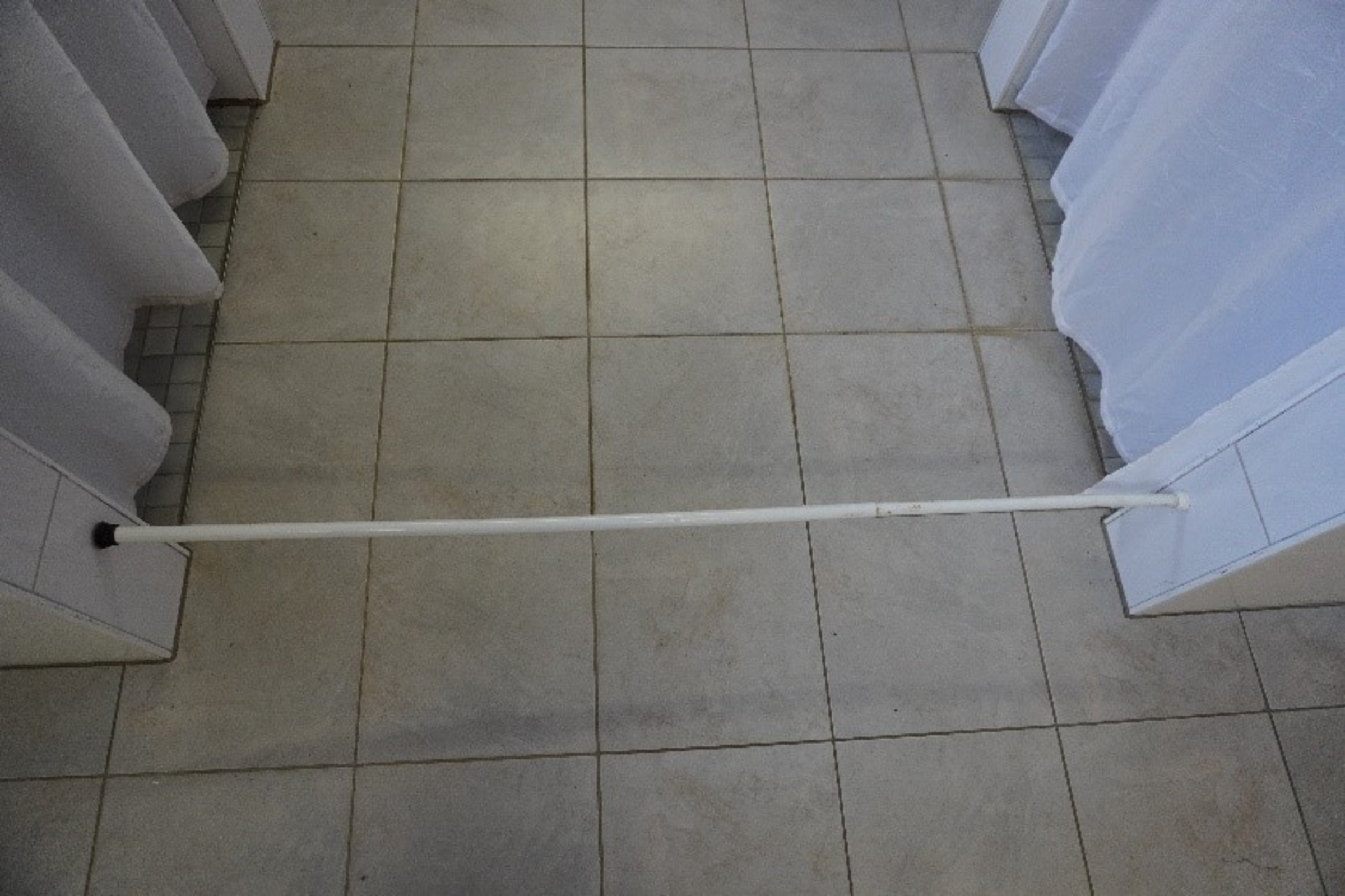
To enter the barn, every person must pass through the hygiene airlock. Inside, a broomstick suspended horizontally serves as a reminder to shower and change clothes before entering the inner courtyard leading to the farm’s eight barns. Stefan Teepker provides farm-issued clothing in various sizes for the catching team to prevent contamination here as well. Upon entering the antechamber of a barn, shoes are removed, as extra boots are provided at the threshold of the barn door for the tour of the barn. These measures effectively prevent transmission from barn to barn.
(©Regine Revermann, LWK NDS)
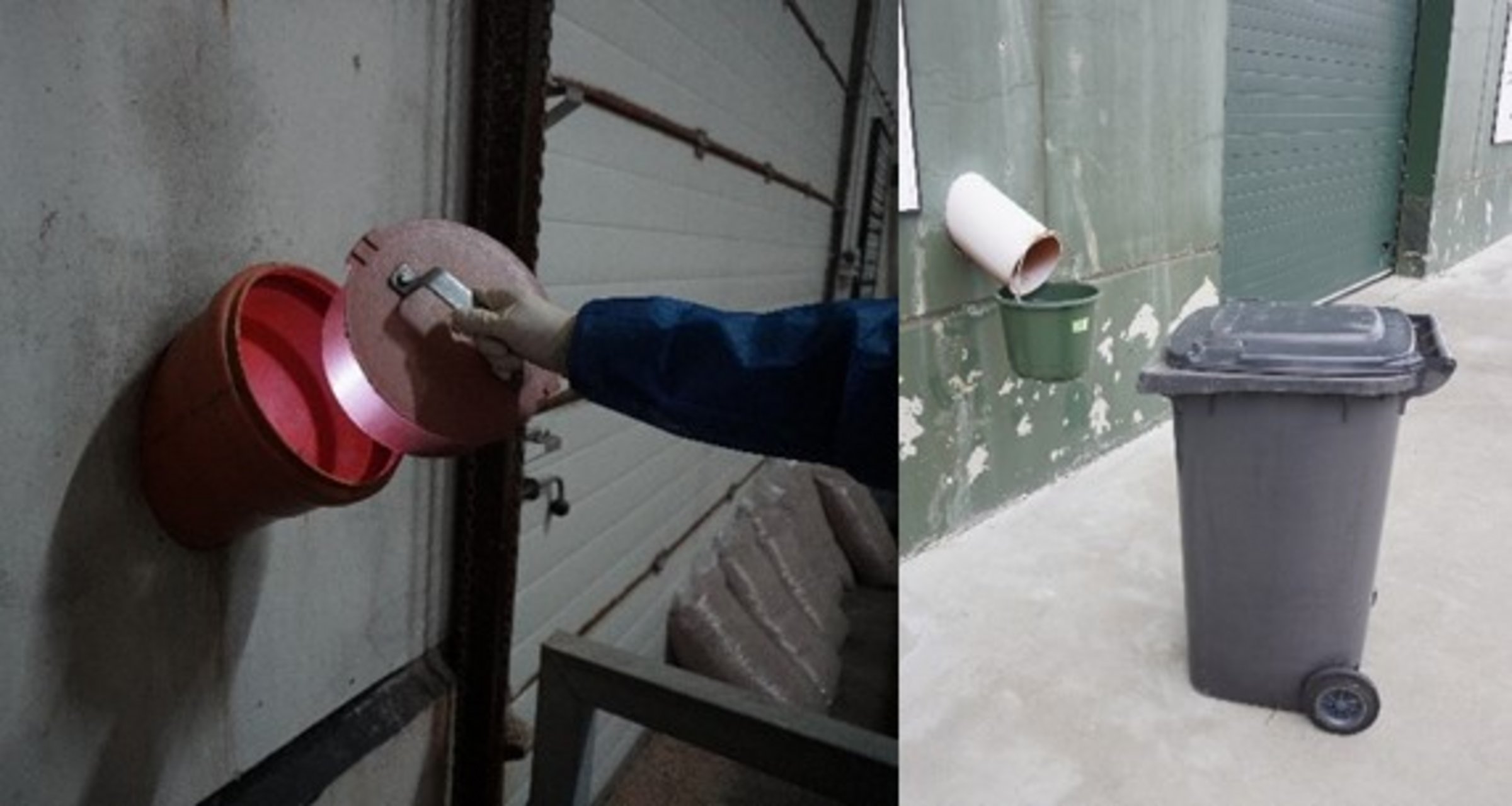
A large pipe is built into the wall of each barn. This enables the farmer and his staff to remove dead animals from the barn without having to walk through the entrance hall past the carcasses.
The farmer also relies on a well-thought-out hygiene concept at his two other sites. Containers have been converted into hygiene airlocks. These contain a shower, toilet, changing room and break room. According to the farmer, any farm could use such a container as a hygiene airlock.
In summary, hygiene on poultry farms should play a major role in terms of animal health, not only during periods of increased AI outbreaks. Using numerous examples, both speakers demonstrated that a sound concept can be developed and implemented with the help of simple measures. However, this must always be adhered to and put into practice in order to prevent the introduction of pathogens and protect the livestock from disease outbreaks.
Author: Regine Revermann, Lower Saxony Chamber of Agriculture