
All articles on this topic
Enrichment materials in turkey farming
Floor-rearing system for laying hens
Changes to the sternum in laying hens
Emergency measures for feather-pecking and cannibalism
01 Schwachstellen-Analyse Tool
01 Tierwohlkriterien ITW
Extension of the rearing period or induced laying break
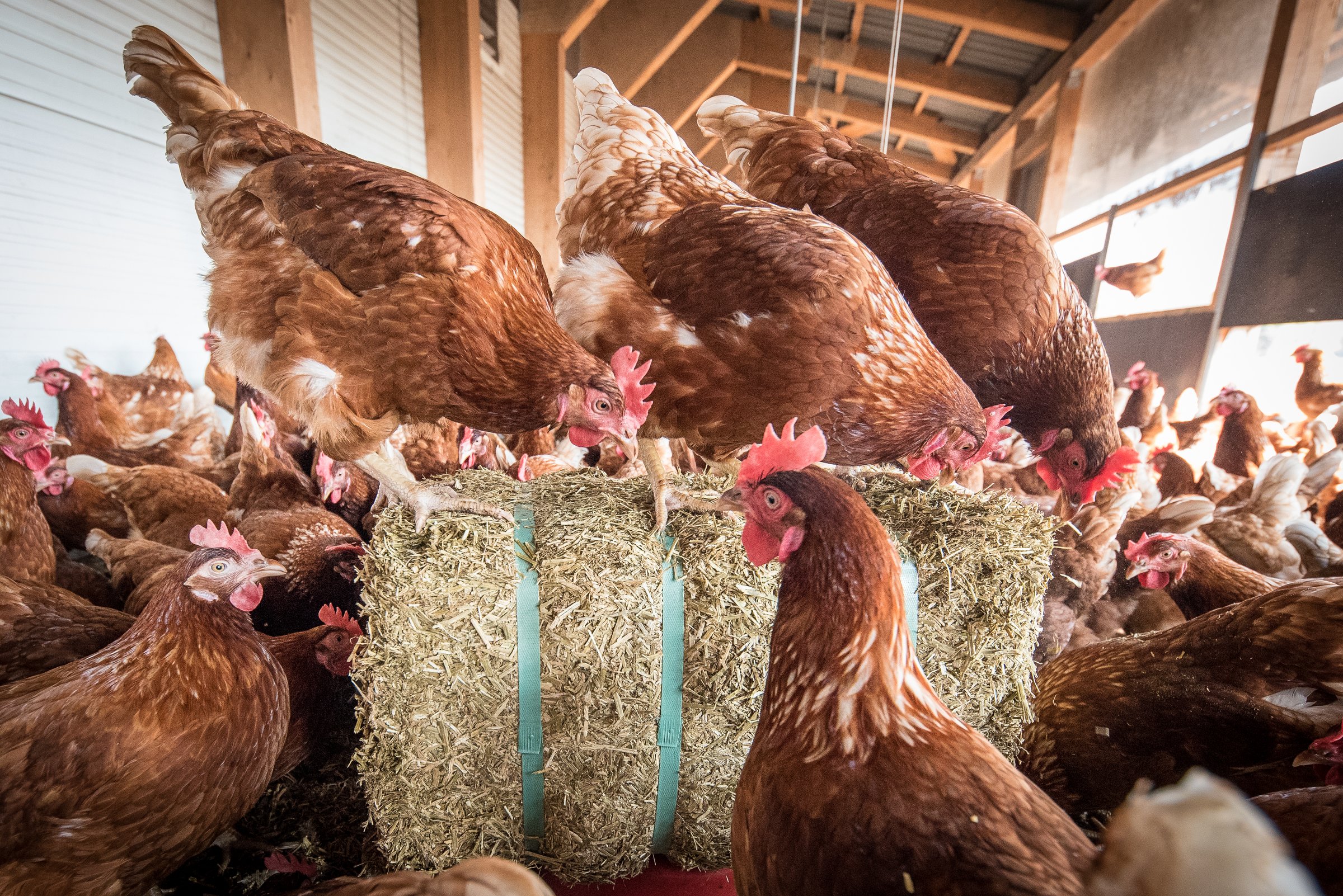
01_Übergabeprotokolle
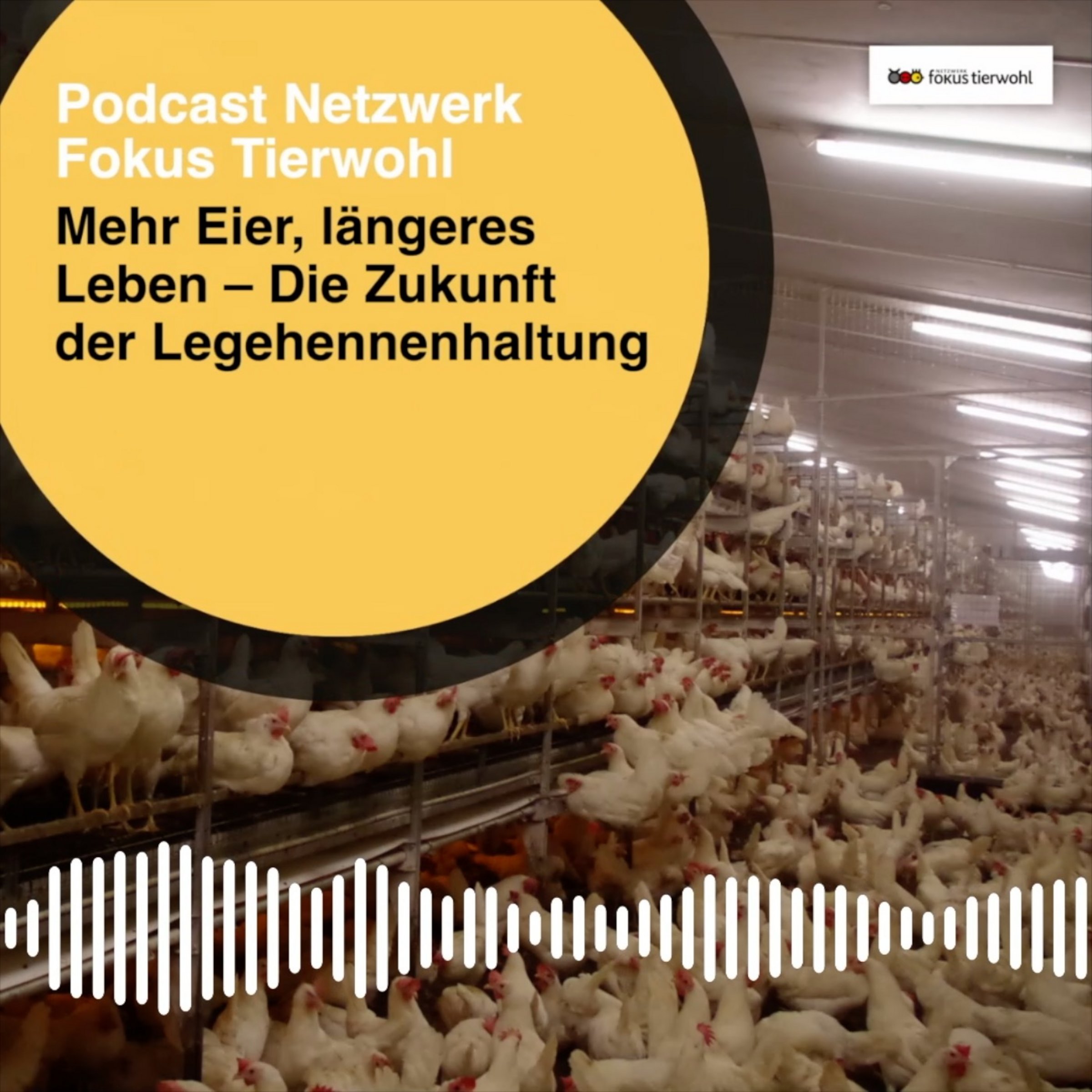
Podcast: Laying Hen Management
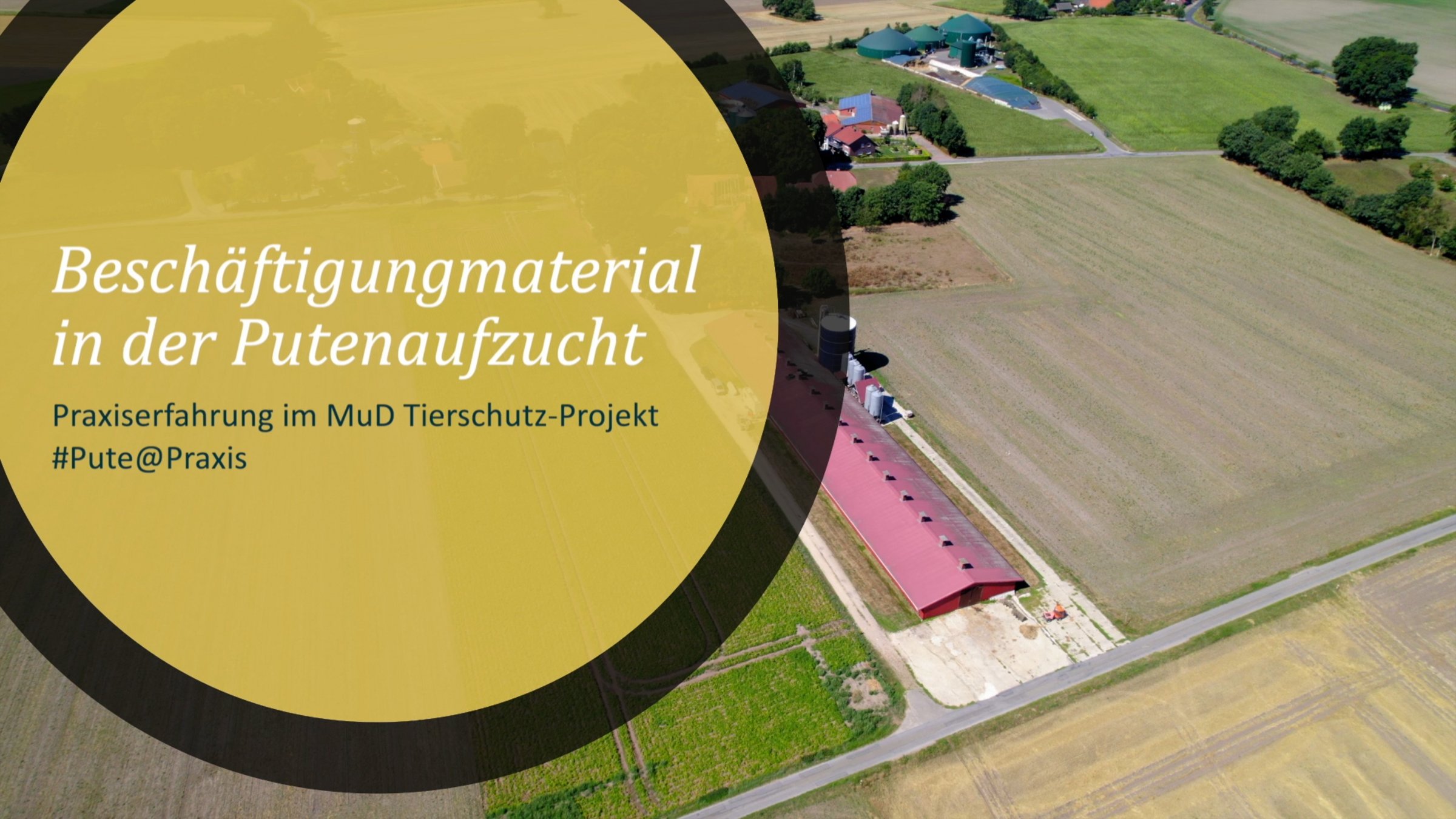
Video: Educational material on turkey rearing
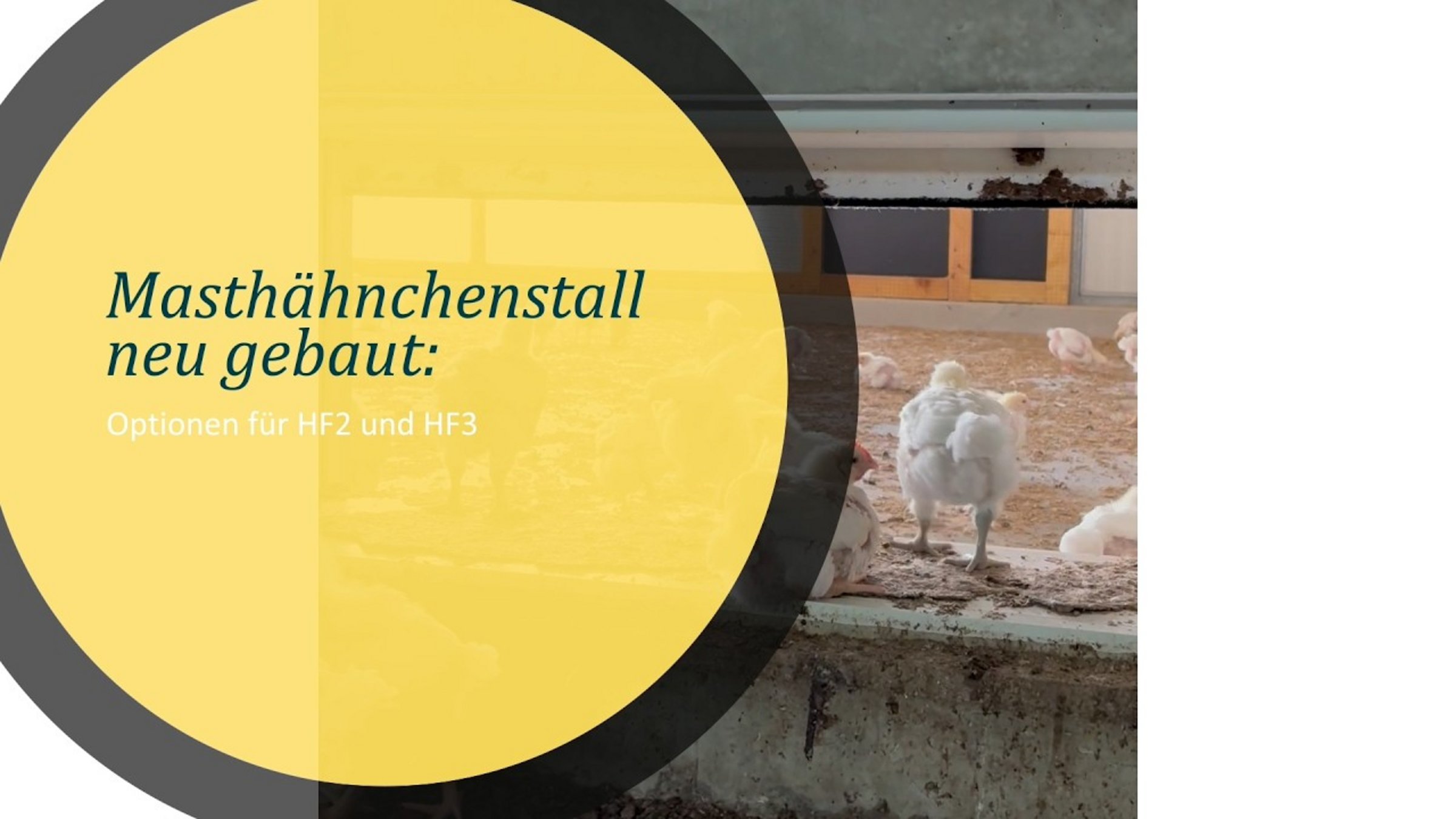
03 Video Masthähnchenstall neu gebaut: Optionen für Haltungsform 2 und 3
Video: Turkey enrichment materials
Video: Improving animal welfare in turkey farming
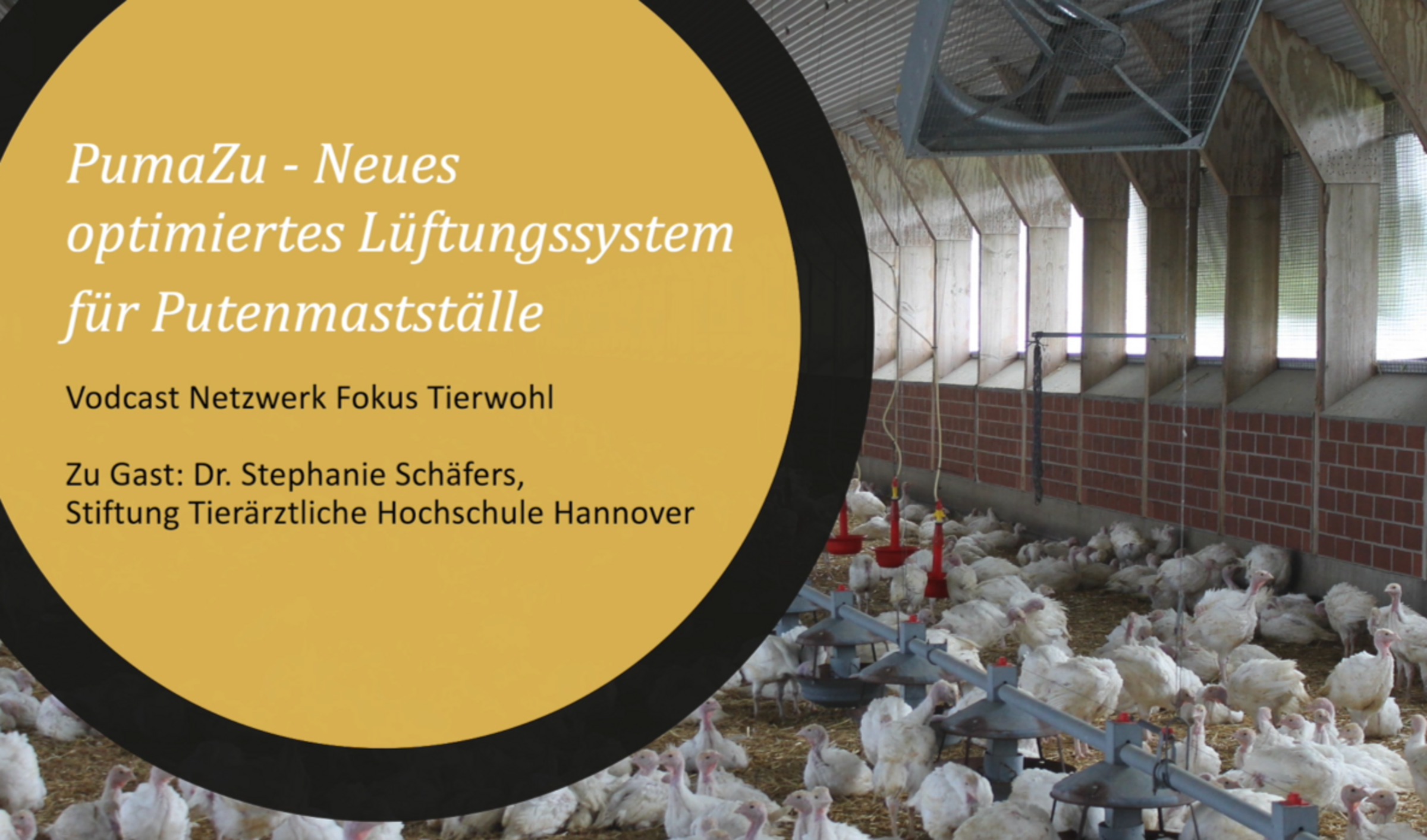
PumaZu podcast
Vodcast: Animal Welfare in Broiler Chicken Farming
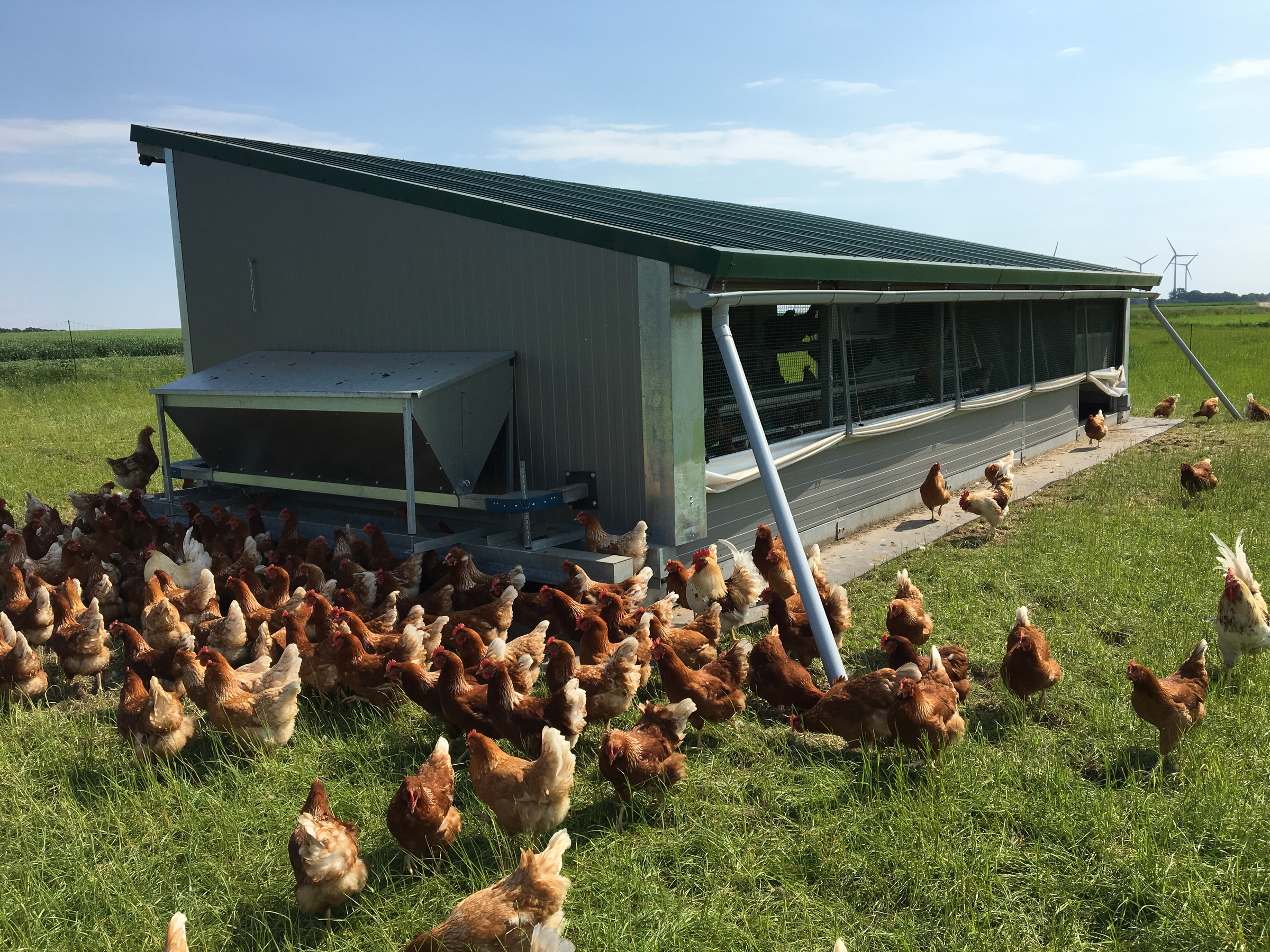
Funded projects: Hygiene in mobile housing
Funded projects: Mobile chicken rearing shed
Video Freilandpute - vom Küken bis zur Schlachtung: Ein Praxisbeispiel
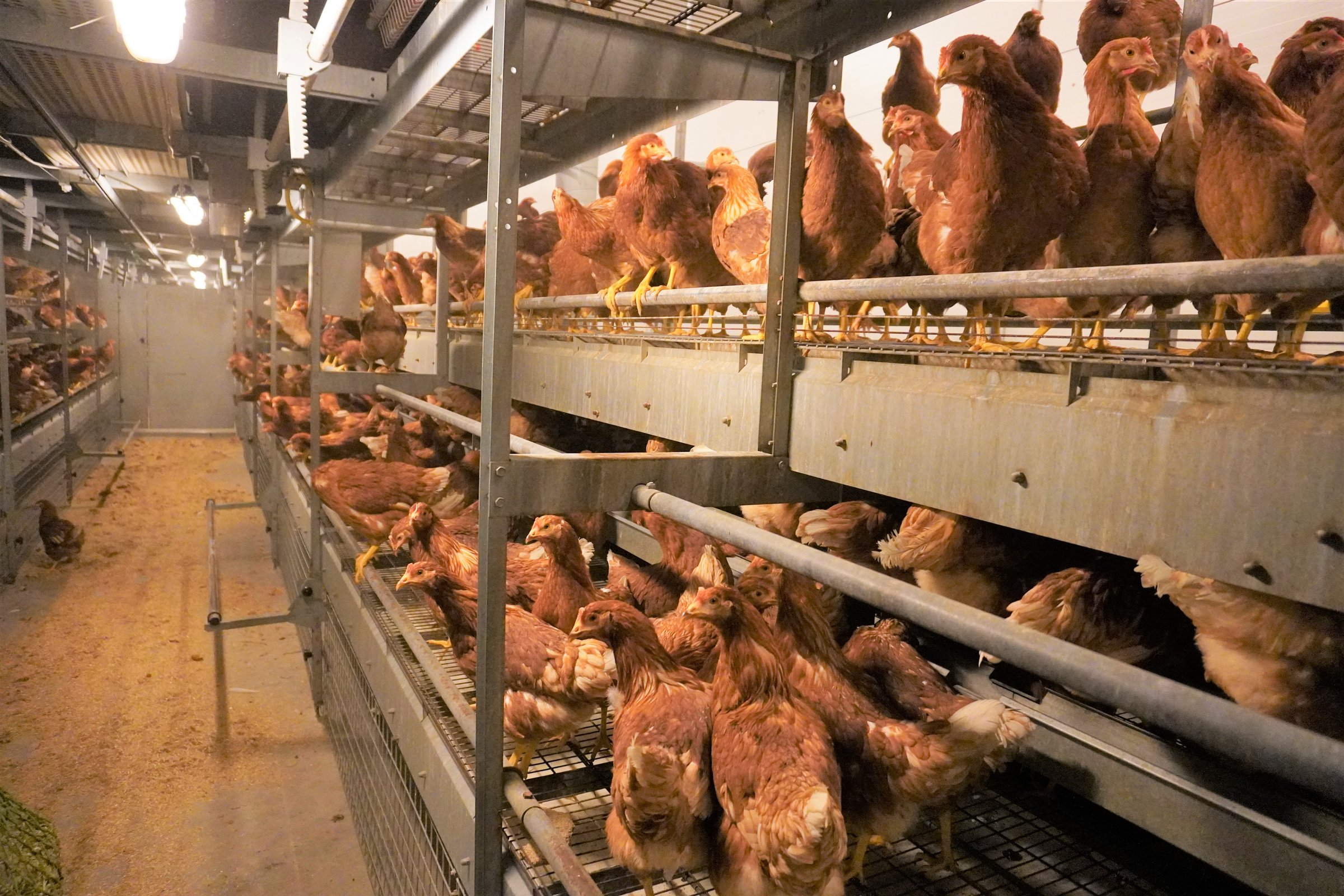
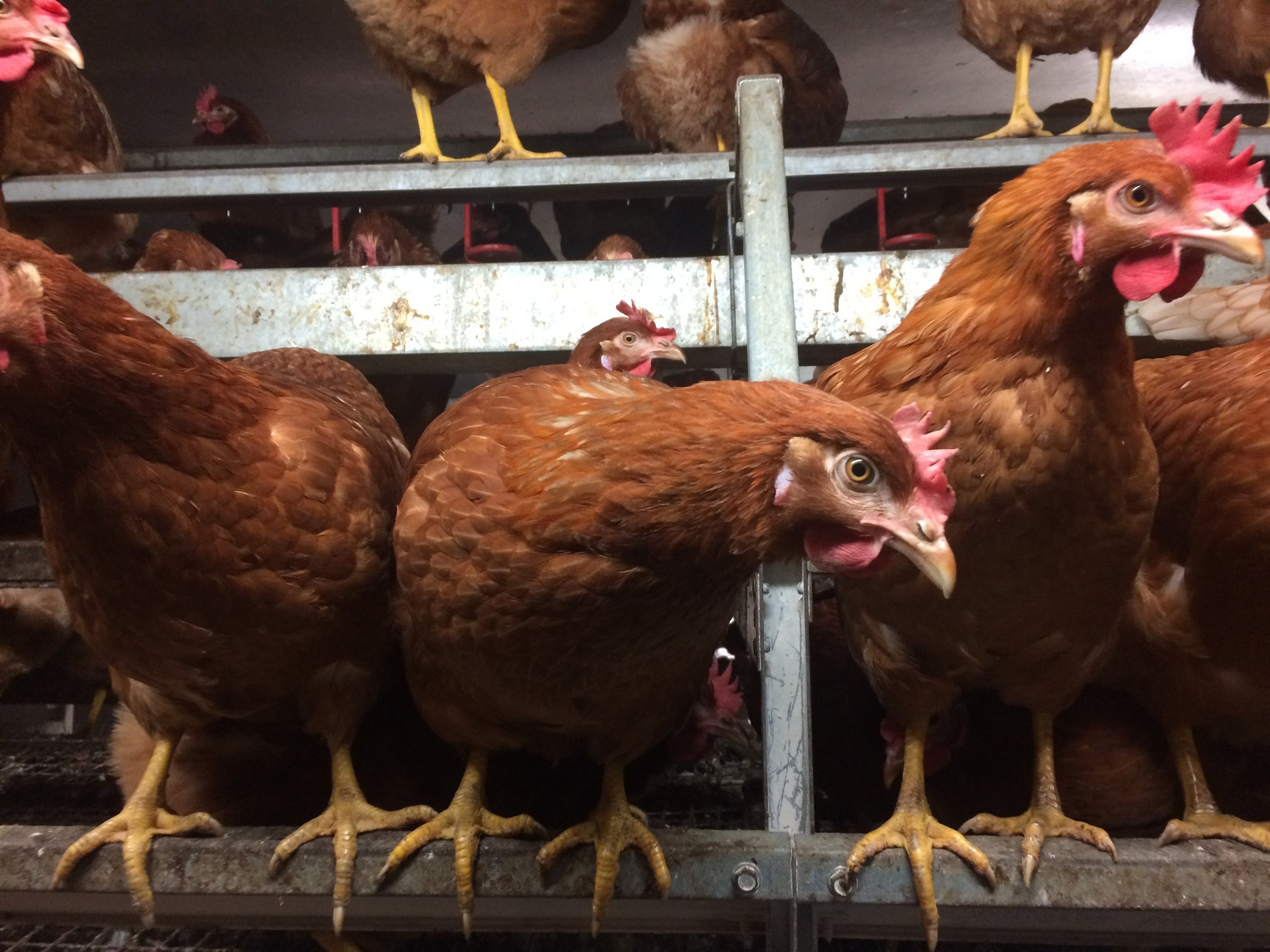
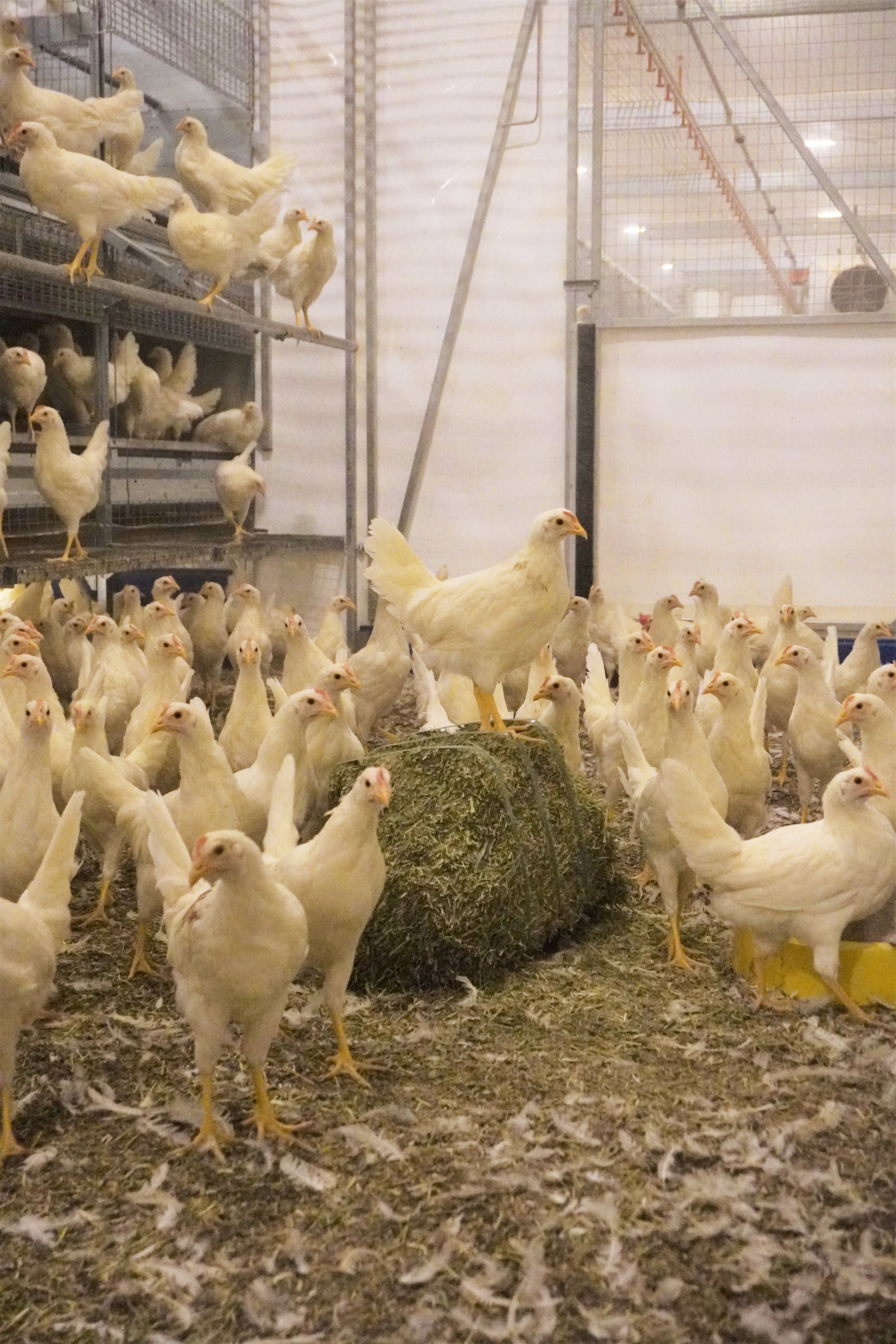
(Photo: Alexandra Koch, Lower Saxony Chamber of Agriculture)
Poultry farming under the microscope – critical control points and how to identify them on my farm
As part of the MuD Animal Welfare Project’s Layer-HACCP Concept (Animal Welfare Advisory Team in Practice – Feeding and Enrichment Under Scrutiny for Improved Animal Welfare in Pullet and Laying Hen Farming), nine pullet rearing farms and ten laying hen farms received intensive support over a three-year period, during which specific critical control points were identified throughout the rearing and laying phases.
The HACCP concept (Hazard Analysis and Critical Control Points) used in food production is based on the prevention of hazards through the identification and control of critical control points. The aim is to ensure food safety at all times. To this end, relevant control points are first recorded in the process and then the critical control points are identified. Appropriate measures to eliminate or minimise the risk are defined and serve to control hazards. This concept can also be applied to animal husbandry and was successfully implemented in the project. The aim is to raise awareness among livestock farmers and/or those responsible for animal care so that critical aspects in the life of a young hen or laying hen are recognised and appropriate measures are taken to counteract the occurrence of feather pecking and cannibalism.
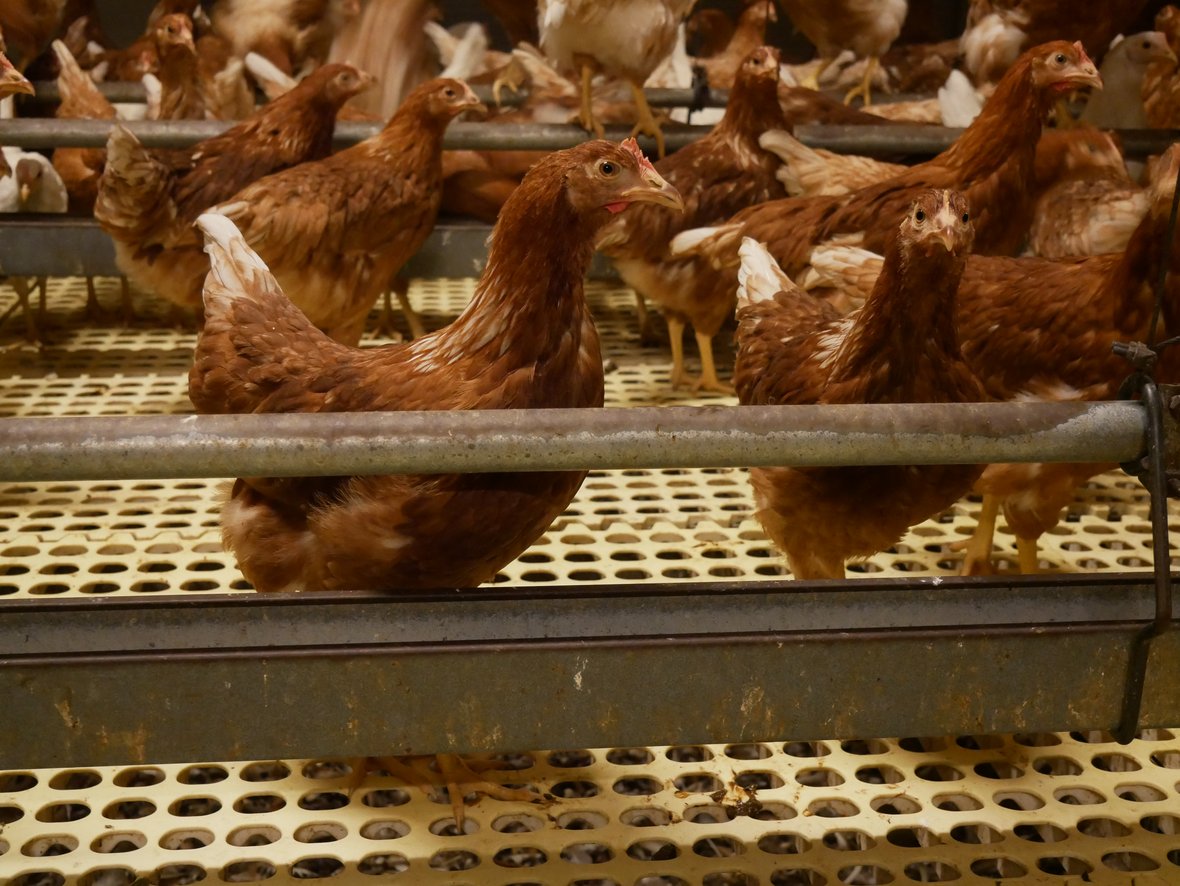
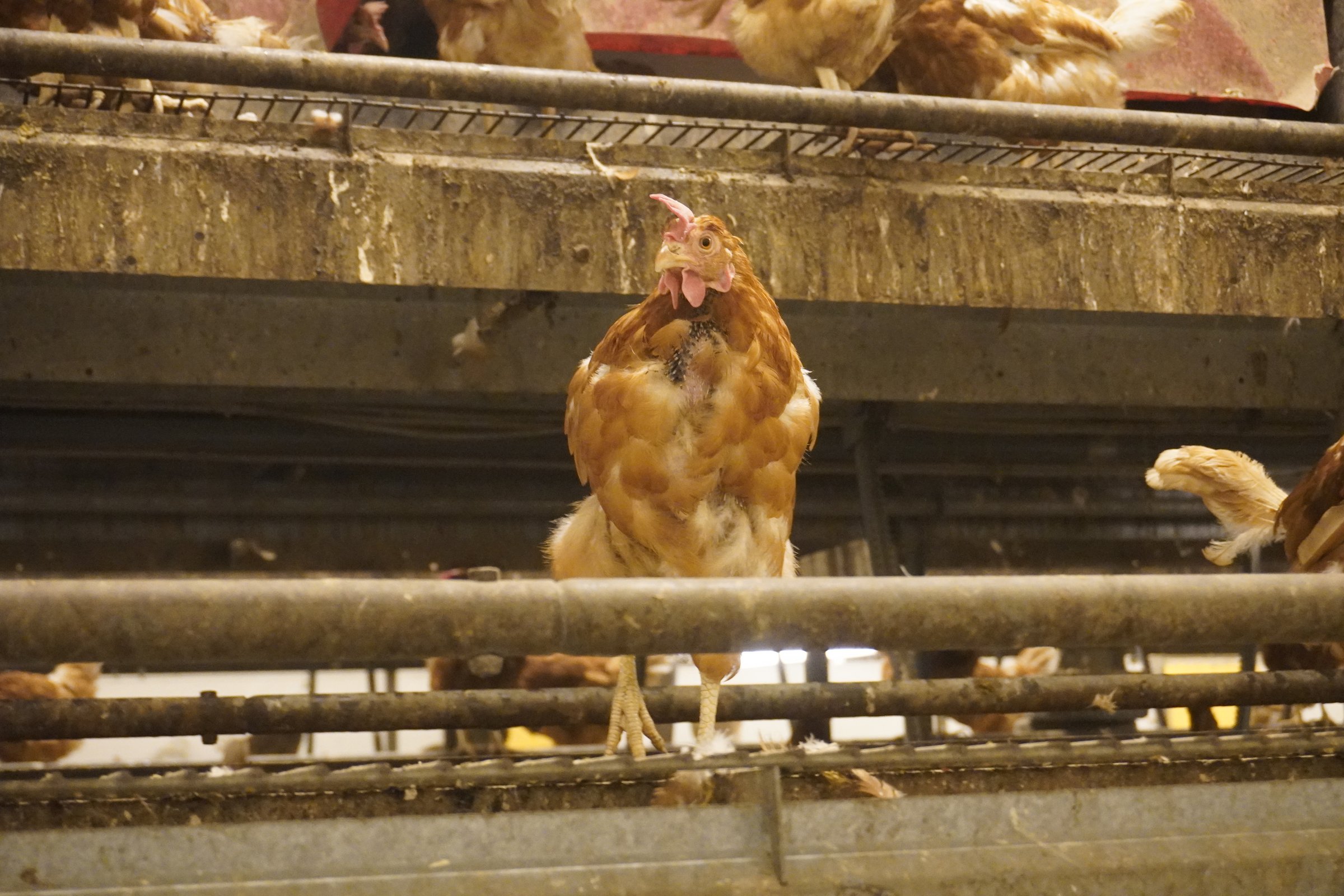
(Image: Neele Ahlers, Lower Saxony Chamber of Agriculture)
Rearing and the transition phase are crucial
The rearing of high-quality pullets is of particular importance, as this formative phase has a decisive influence on the hens’ future performance. The (early) expression of natural behaviours within an animal-friendly housing system, needs-based feeding, attractive enrichment materials and optimal housing climate conditions, alongside good animal health management, form the basis for successful pullet rearing.
Particular attention should also be paid to the process of transferring the pullets to the laying house, as this always represents a stress factor for the birds. Good coordination between the rearer and the future laying house plays a particularly important role here.
Once a balanced flock of laying hens has reached 30 to 35 weeks of age with good and increasing body weights and high feed intake, this is an indication that both the rearing and transition phases were successful. During this period, the flock should continue to be cared for and managed responsibly and with precision. Carelessness must under no circumstances creep in, and care must not slacken as the flock ages. Targeted activity for the birds is still recommended. Infestation with ecto- and endoparasites must also be monitored and treated if necessary.
A flock of laying hens that has remained healthy by week 50, exhibiting balanced behaviour with a full plumage and good shell quality, has the best prospects of being maintained at a high level of performance right up to week 90.
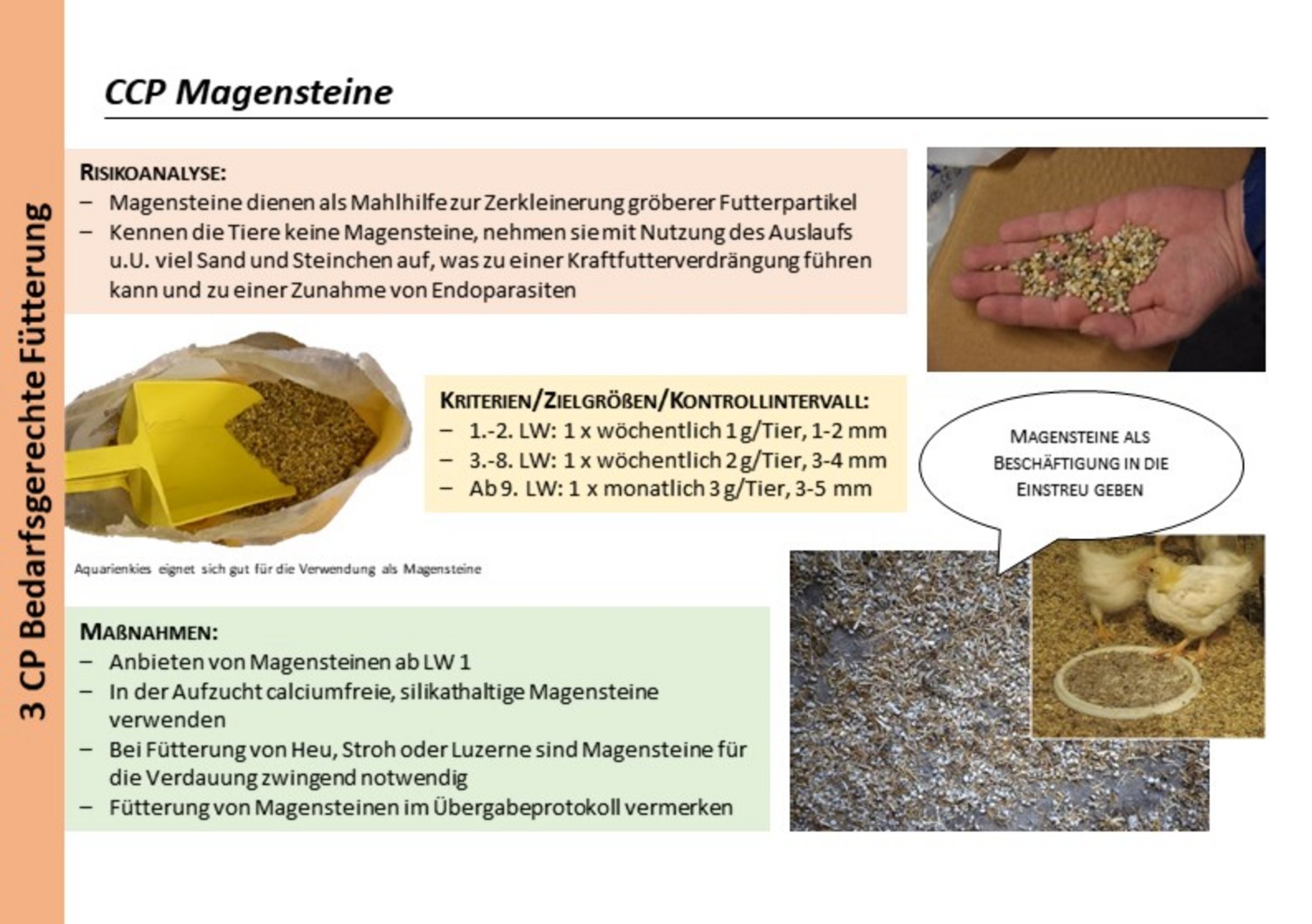
Brochures and a handbook highlight critical control points
The most important critical control points from the rearing and laying phases have been compiled in two brochures and a concise handbook. The brochure ‘Critical Control Points in Pullet Rearing – A Catalogue of Measures for Practical Application’ and the accompanying handbook focus on the rearing of pullets and the transition phase into the laying operation. The brochure is supplemented by a special edition on feeding, which includes, amongst other things, many example feed mixtures. The brochure ‘Focus on Laying Hen Management and Animal Welfare – Special Aspects – Compact and Practice-Oriented’ addresses selected topics relating to laying hen management and focuses in particular on the housing and acclimatisation phase of young laying hens. Both the brochures and the handbook are supplemented with practical examples, photos and recommended reading.
Both brochures and the handbook are available for download in digital form as well as in print and can be obtained free of charge from the Lower Saxony Chamber of Agriculture (contact: Jule Schättler, [email protected]).
The Layer-HACCP Concept project is part of the Animal Welfare Model and Demonstration Projects (MuD) in the ‘Knowledge – Dialogue – Practice’ project phase. Funding was provided by the Federal Ministry of Food and Agriculture (BMEL) pursuant to a resolution of the German Bundestag. The project was administered by the Federal Office for Agriculture and Food (BLE).