
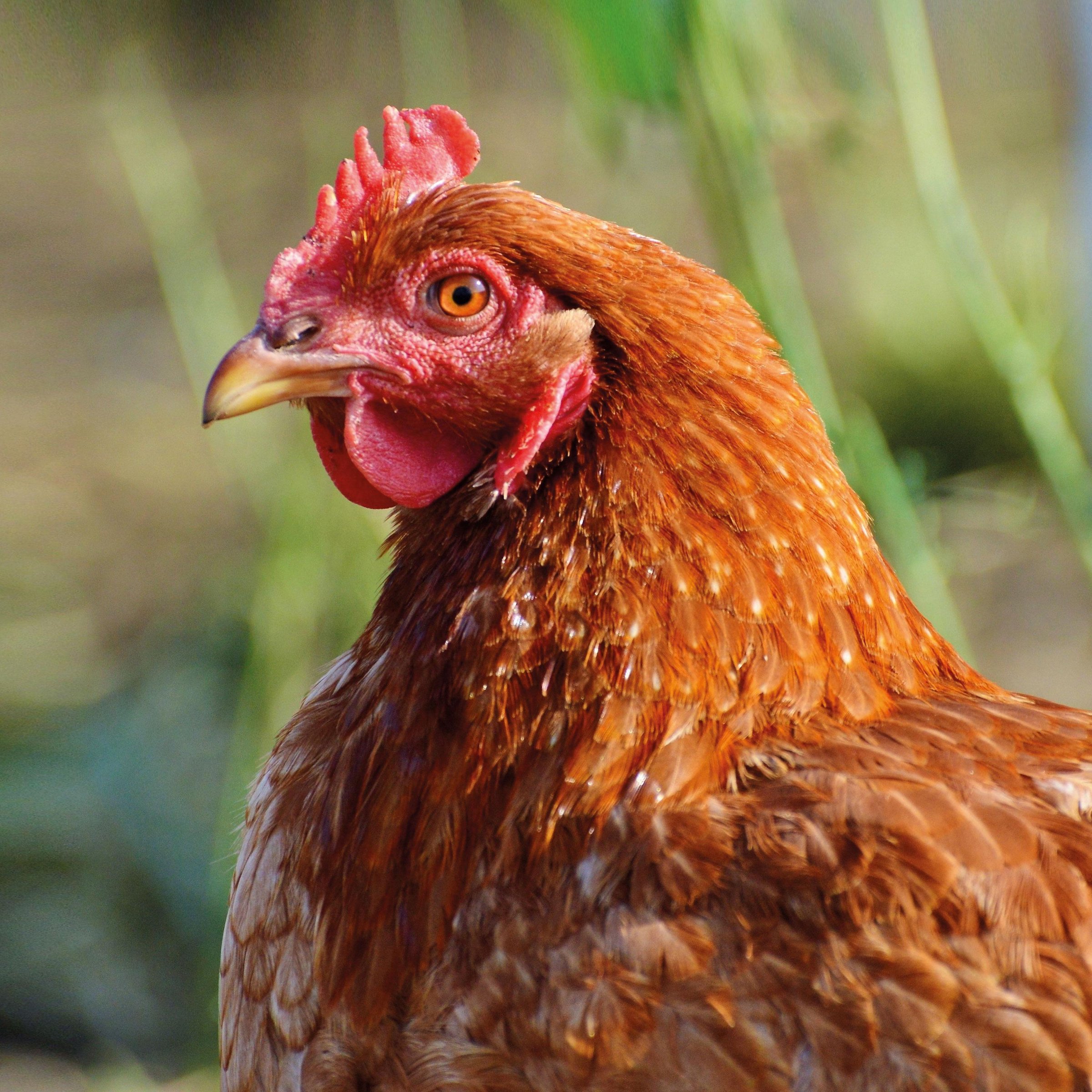
Overview of topics: Poultry
Avian influenza
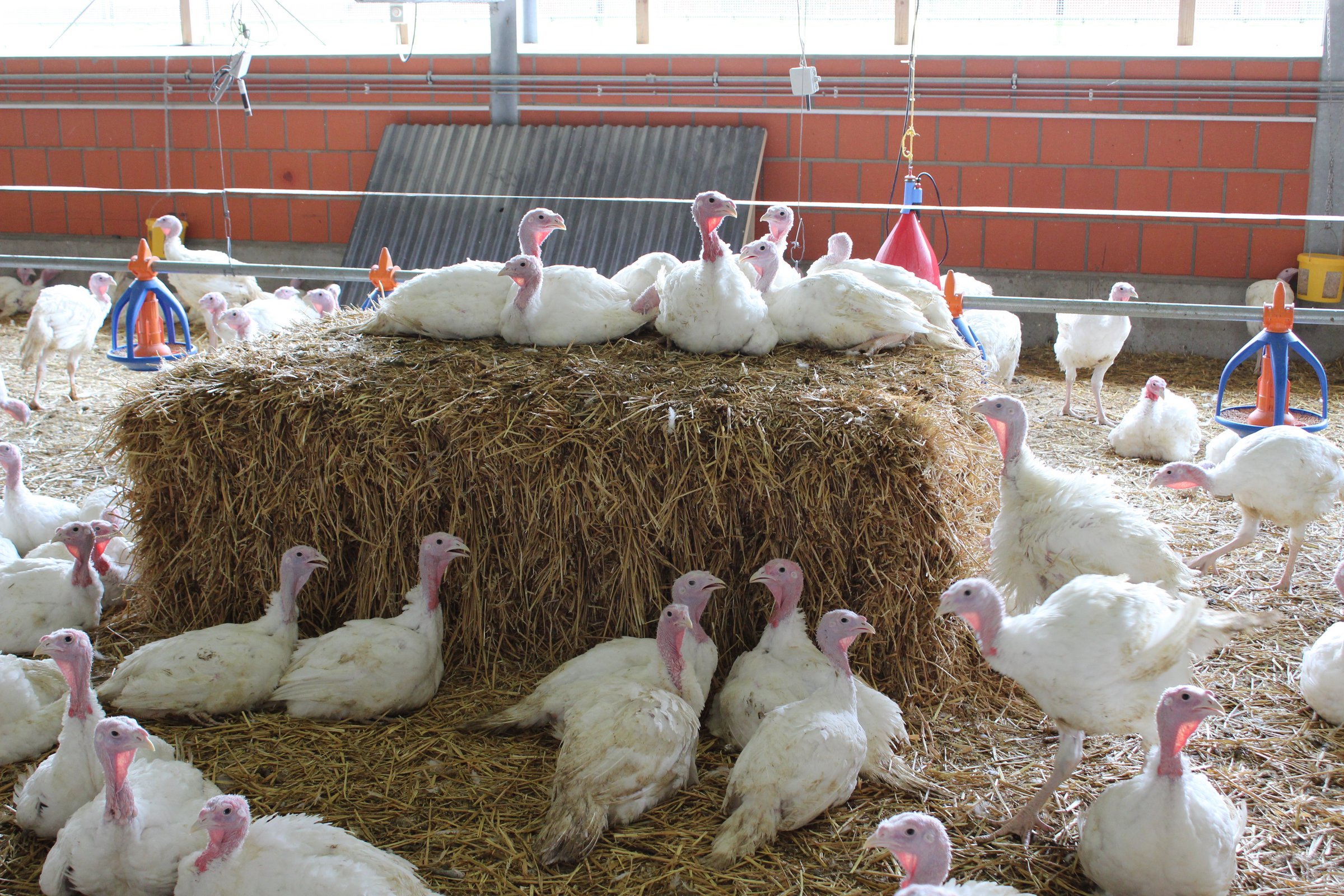
Enrichment materials in turkey farming
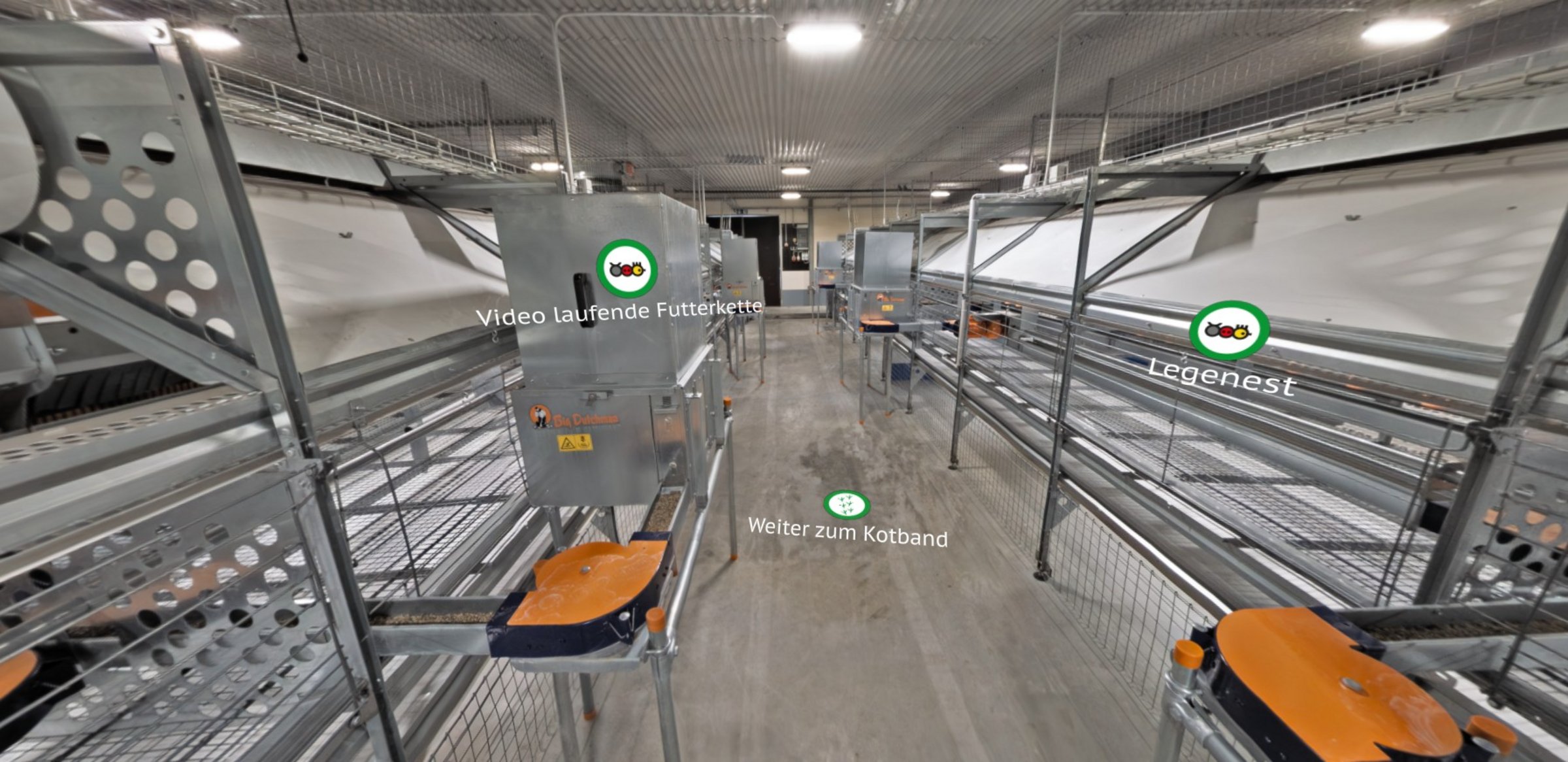
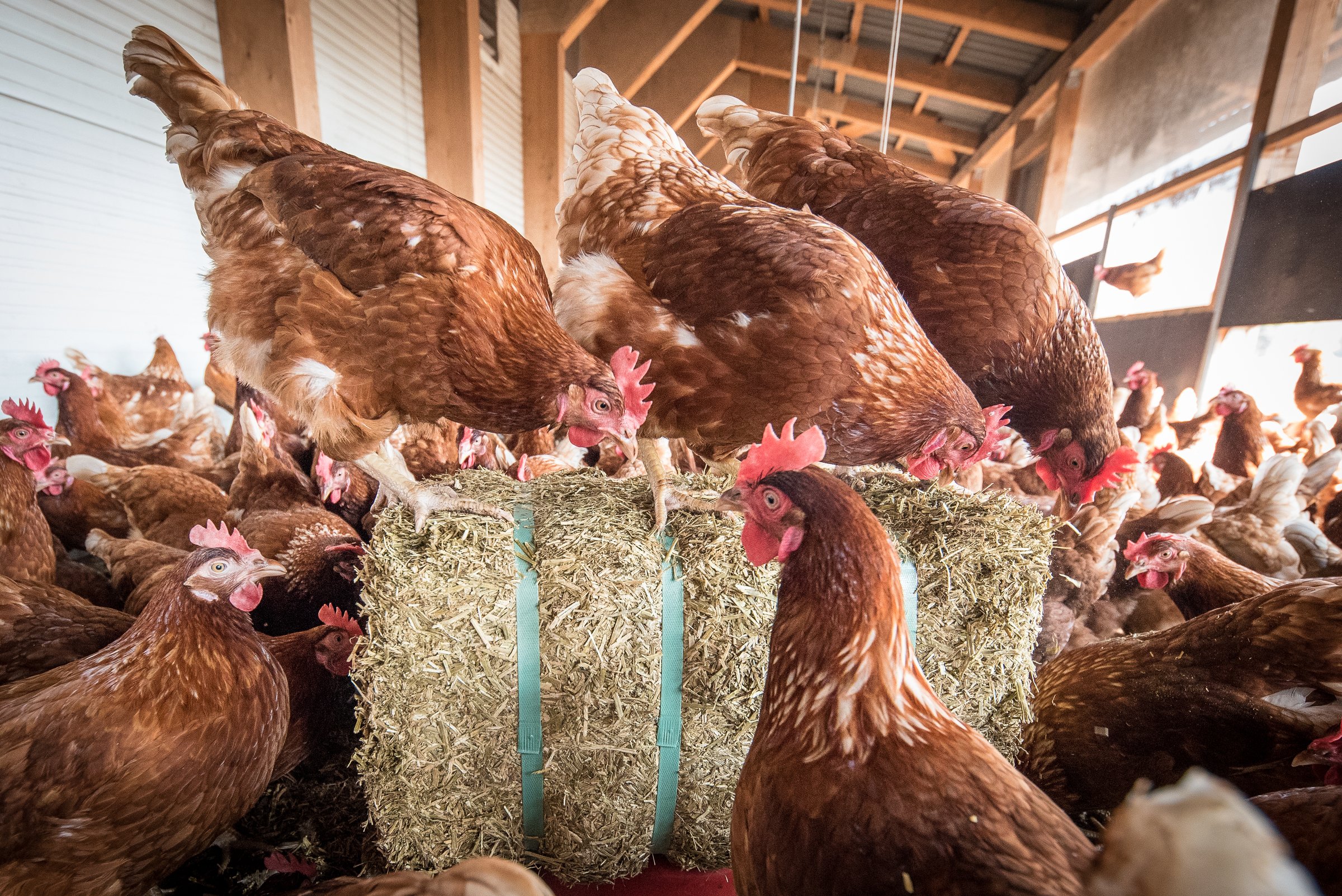
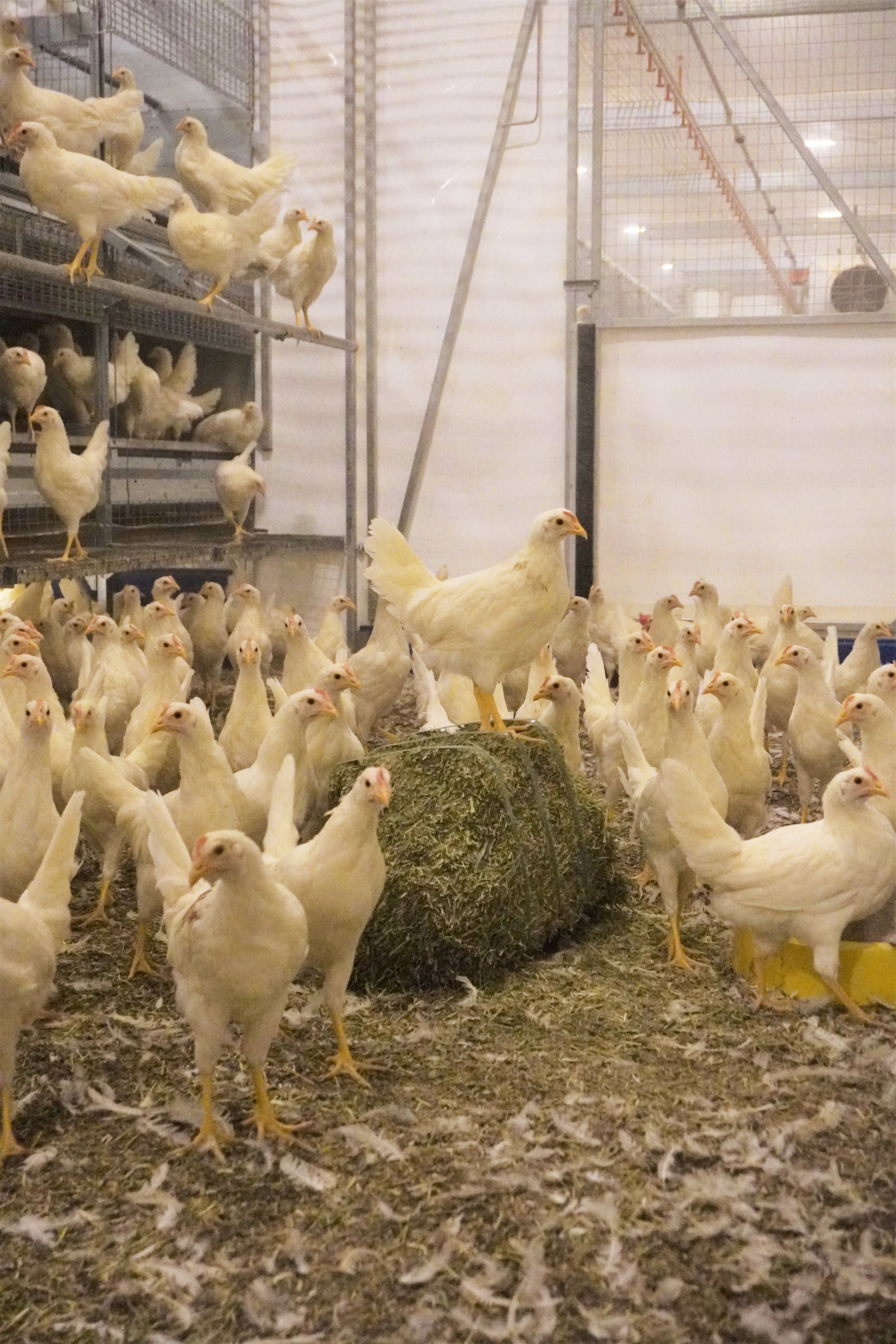
Floor-rearing system for laying hens
Broiler Rearing
Changes to the sternum in laying hens
Gut health in turkeys
Gut microbiome
Emissions reductions in pullet and laying hen farming
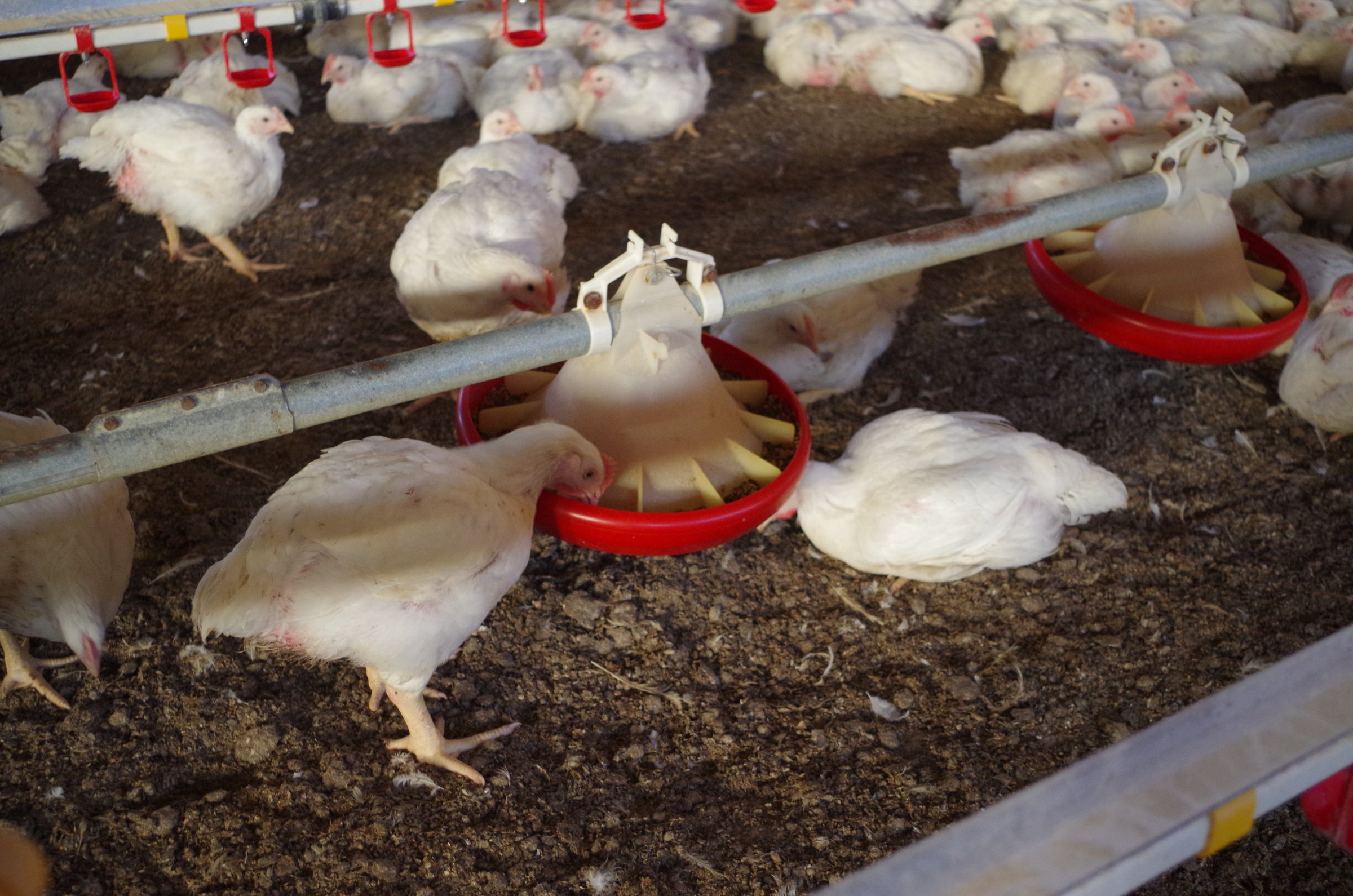
Emissions reductions in broiler farming
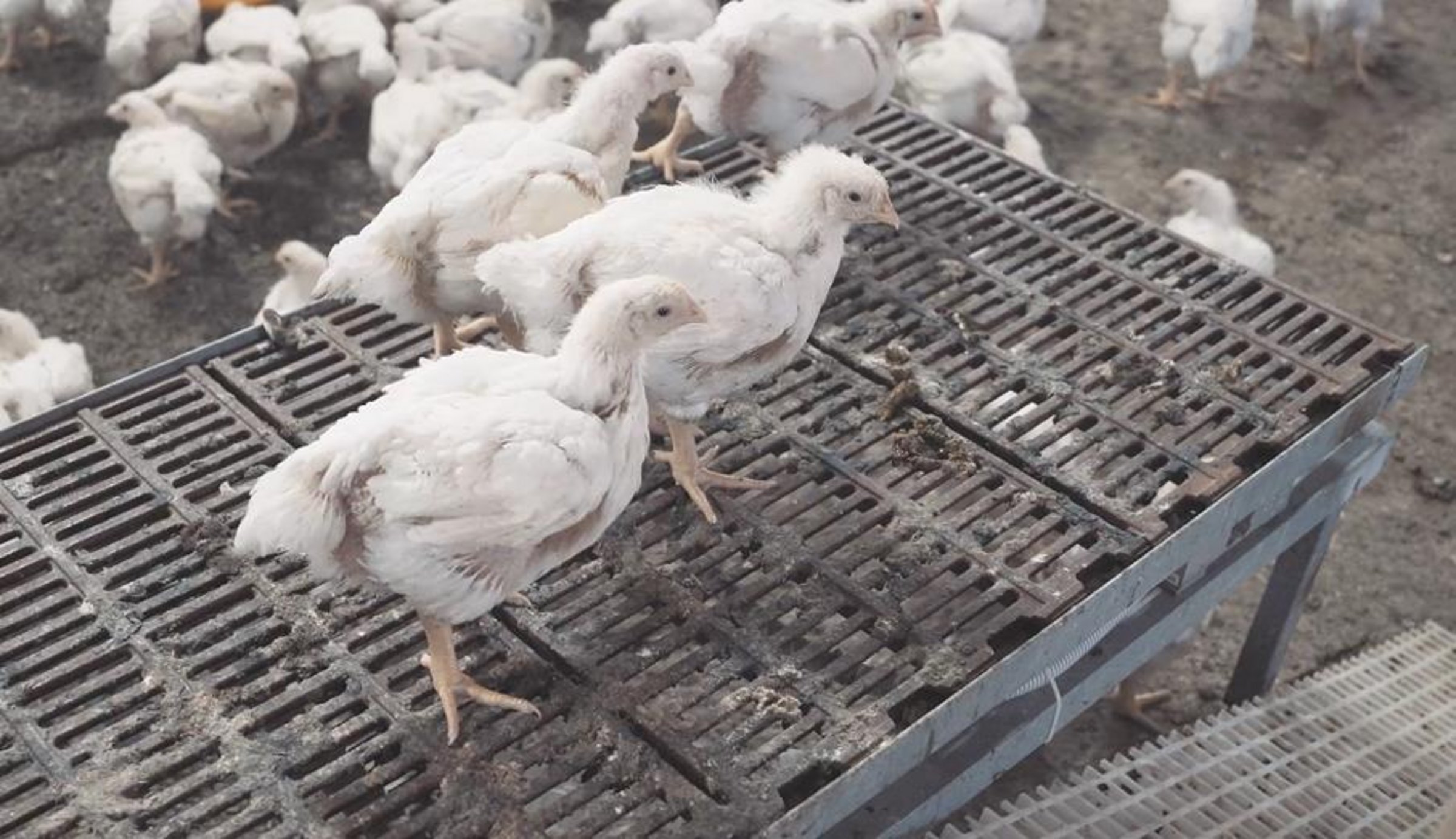
Elevated levels
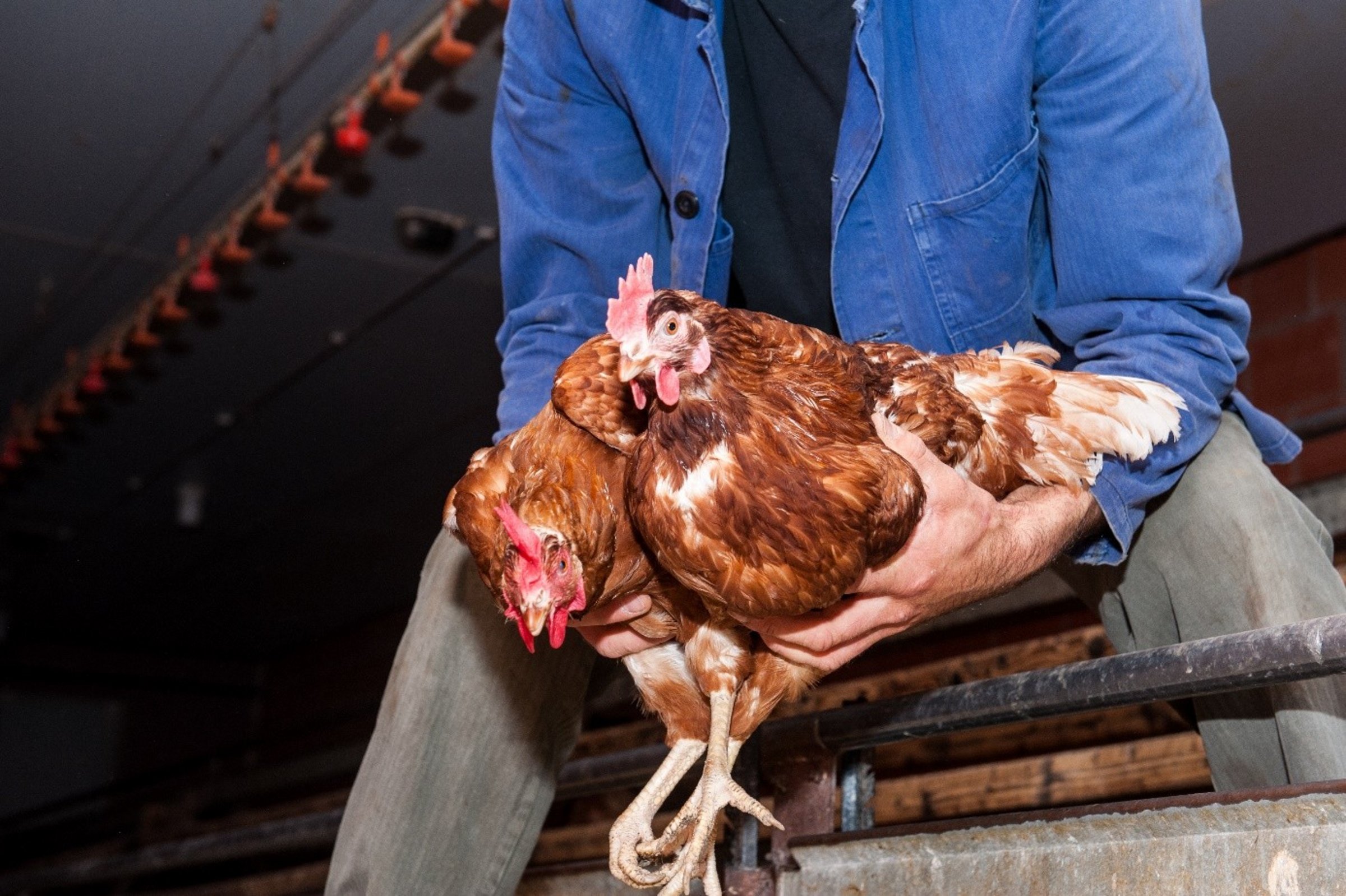
Loading and unloading of aged layers
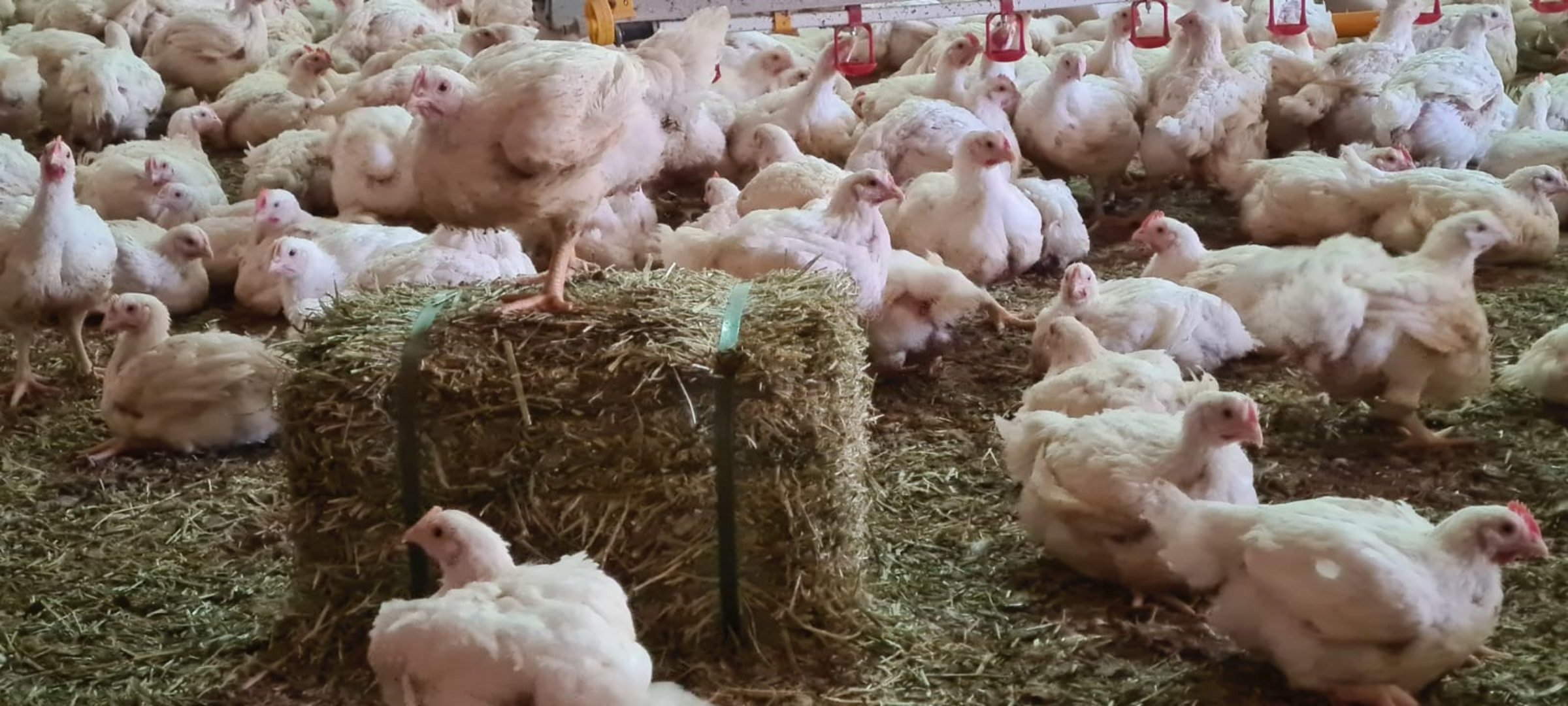
Enrichment of housing conditions for broiler chickens
Rearing of poultry with intact beaks
Hepatic lipidosis
Heat stress in poultry
Vaccination of broiler chickens
Methods of sex determination in the egg
01 Newcastle Disease
Emergency measures for feather-pecking and cannibalism
01 Schwachstellen-Analyse Tool
Stable cleaning and disinfection
01 Stallstrukturierung im Putenstall
01 Tierwohlkriterien ITW
Caring for sick and injured poultry
Extension of the rearing period or induced laying break
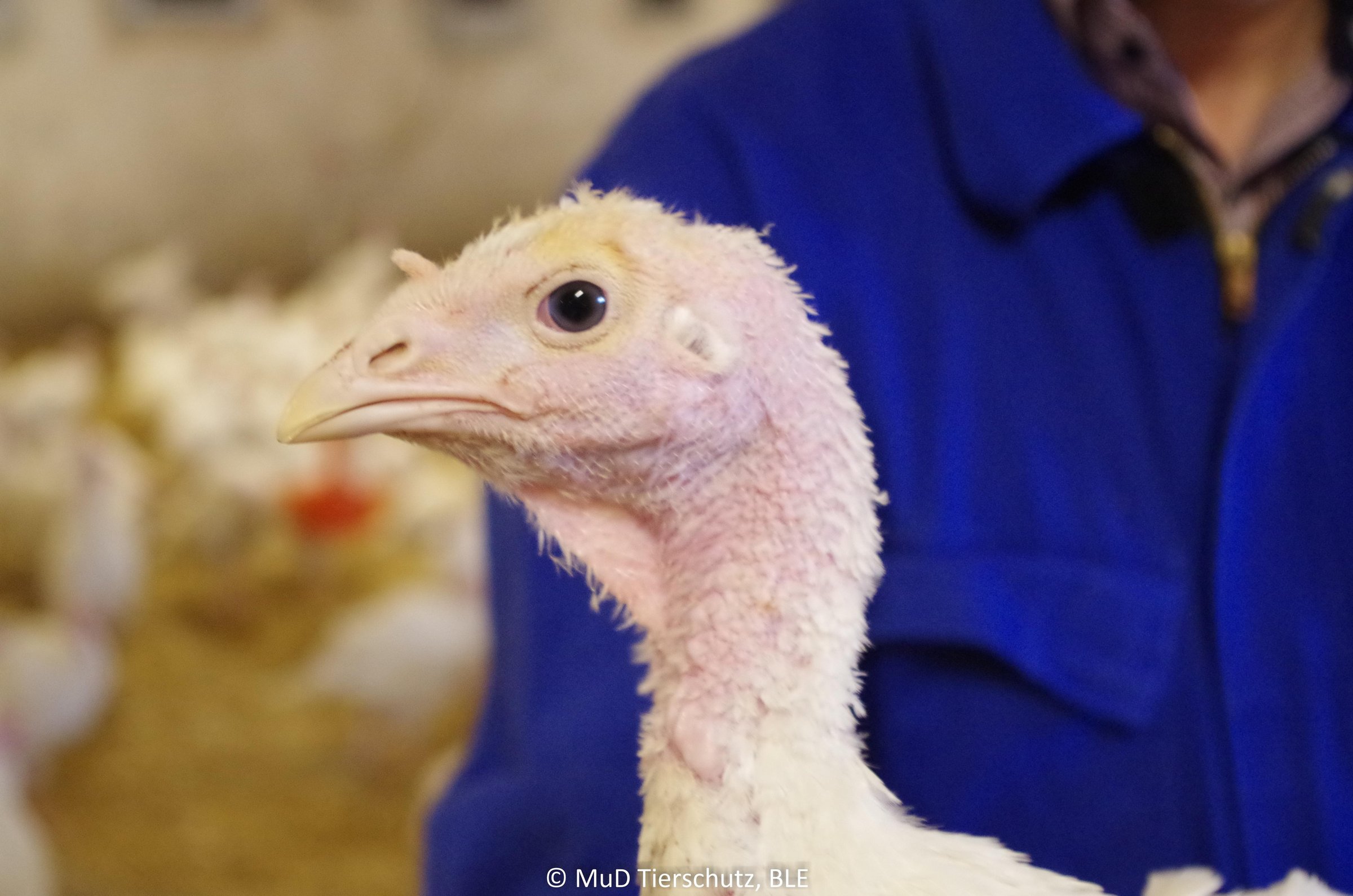
No beak trimming
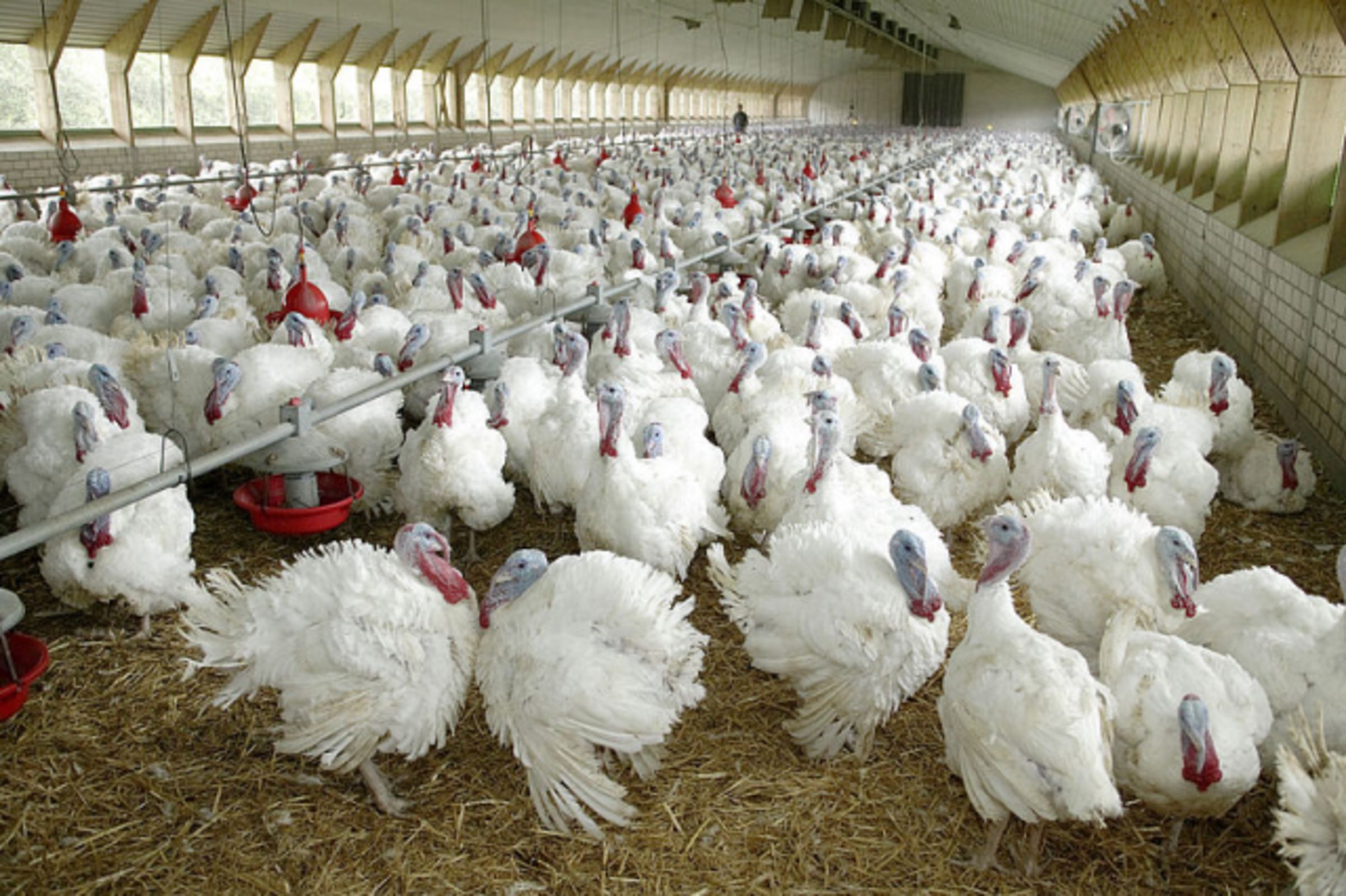
The value chain in turkey farming
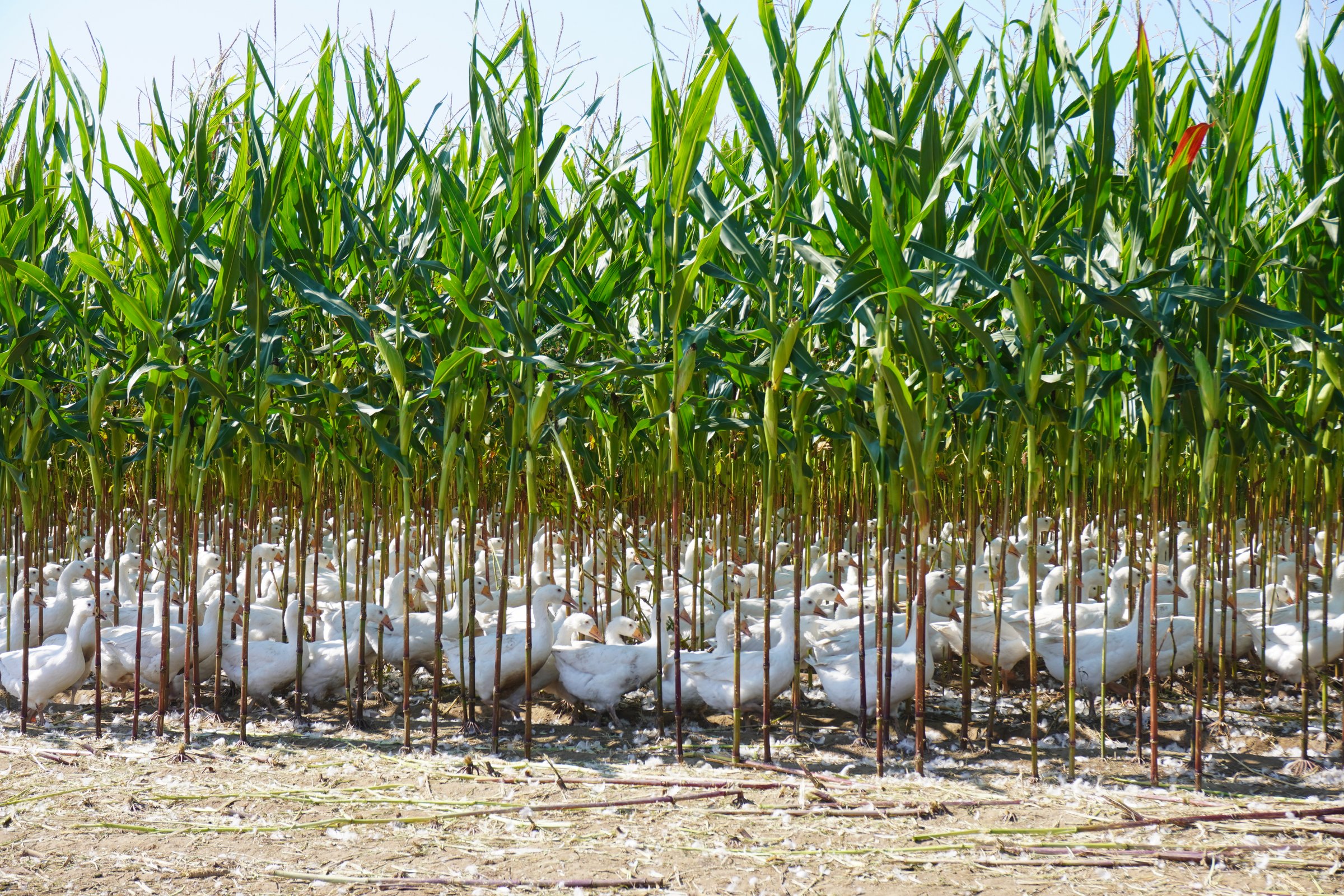
Run-out management for fattening geese
01_Übergabeprotokolle
Podcast: Broiler Rearing
Podcast: Digitalisation in the broiler house
Podcast: Insect Protein
Podcast: Not clipping the claws of turkeys
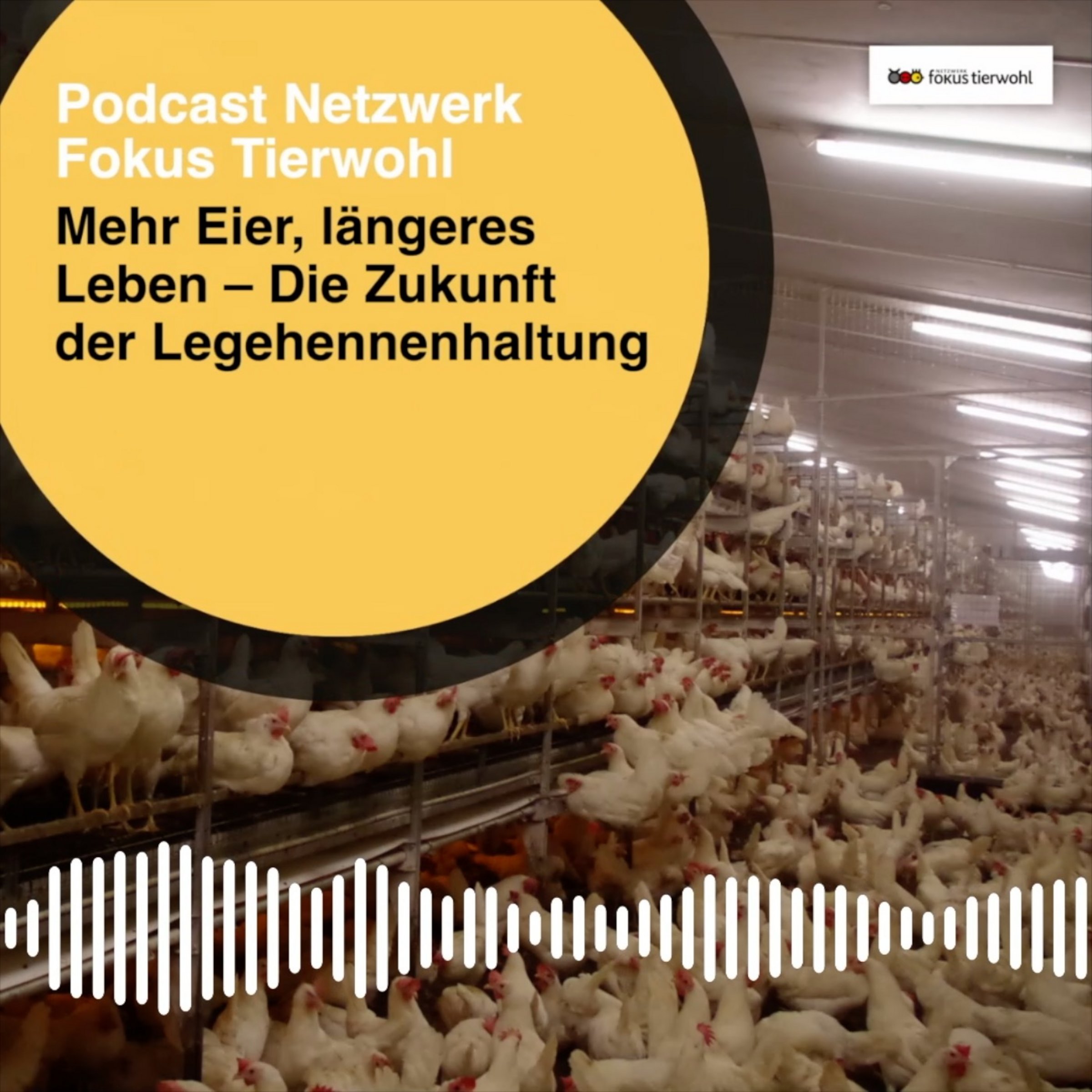
Podcast: Laying Hen Management
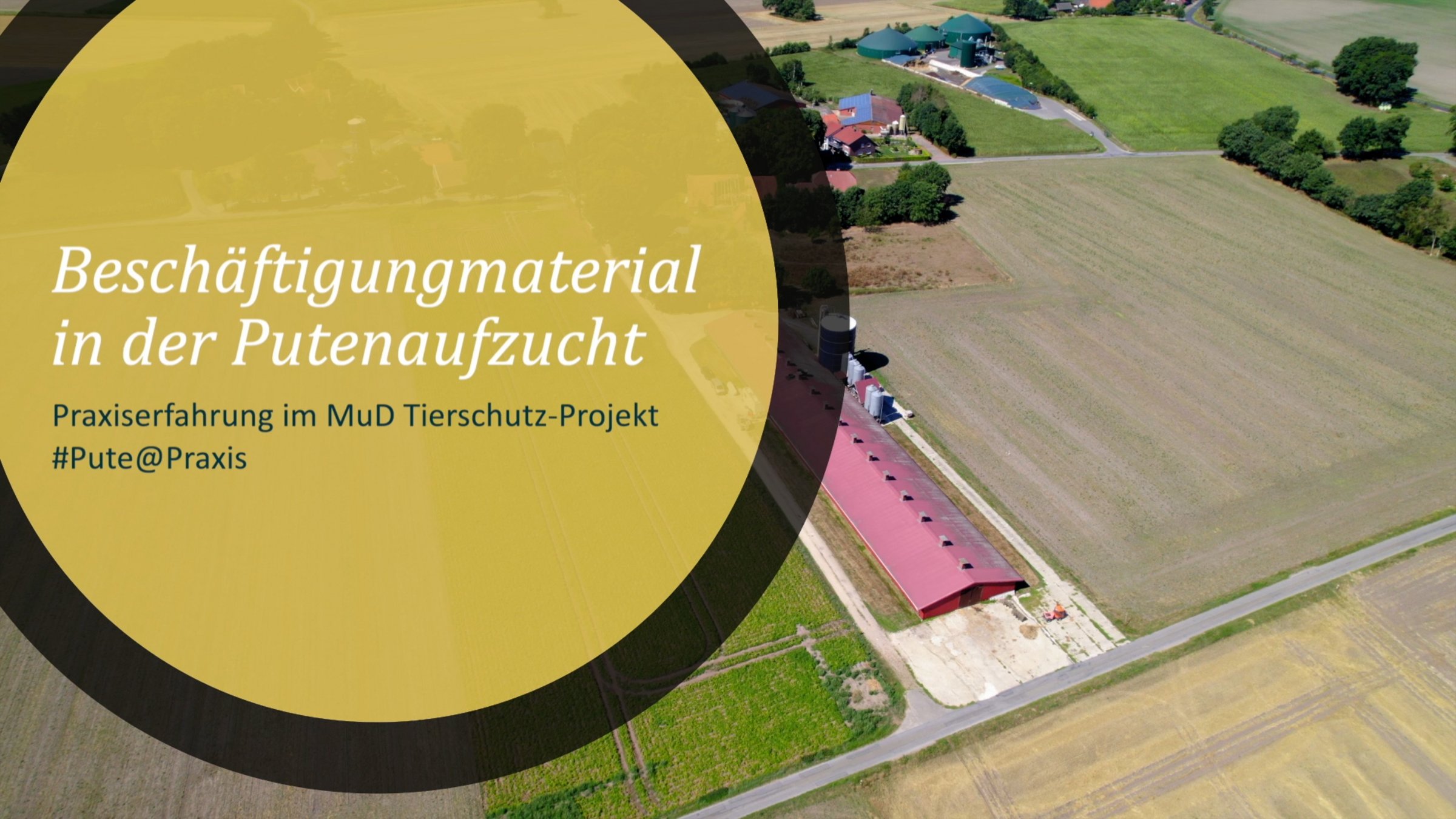
Video: Educational material on turkey rearing
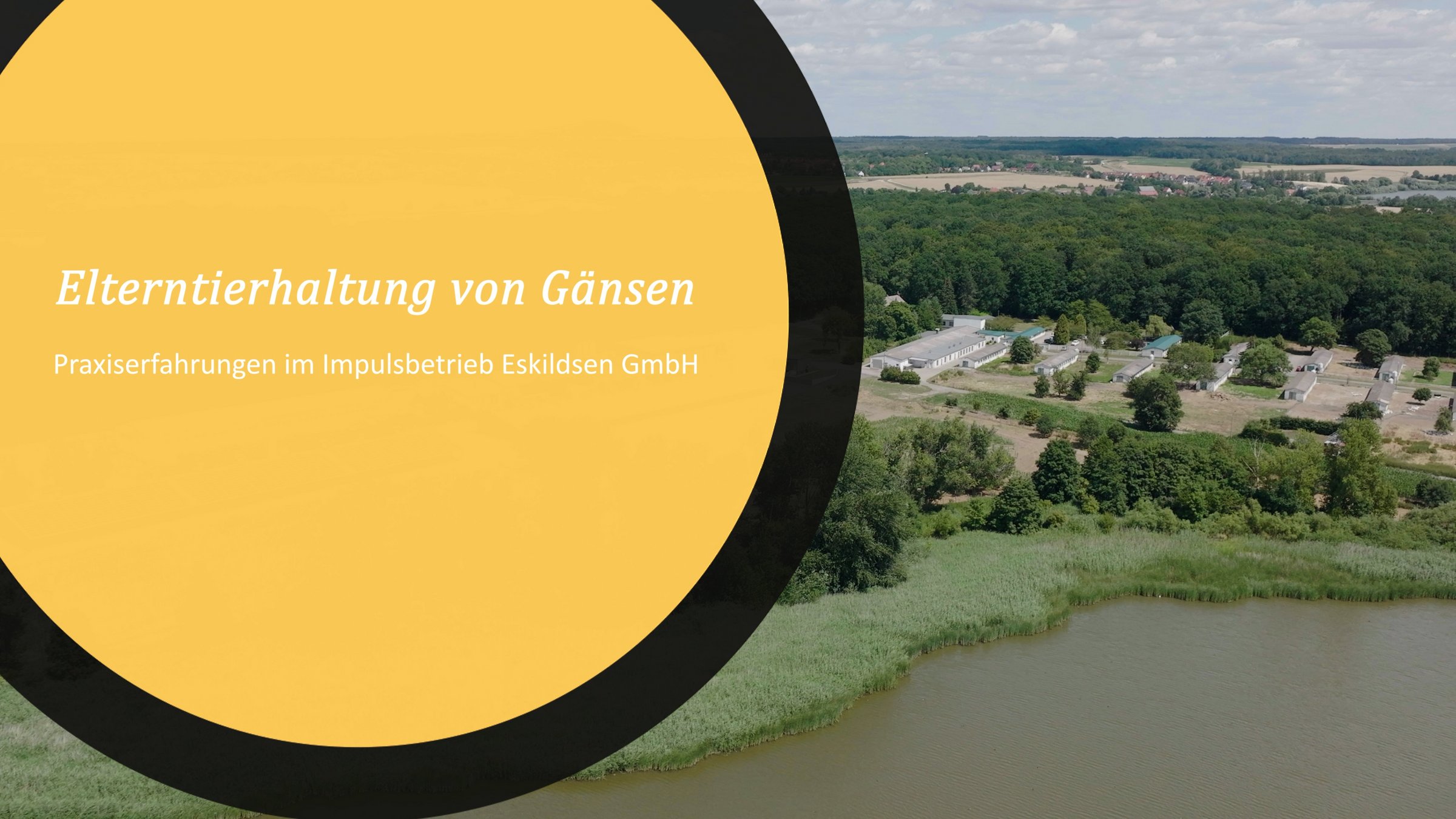
Video: Fattening geese
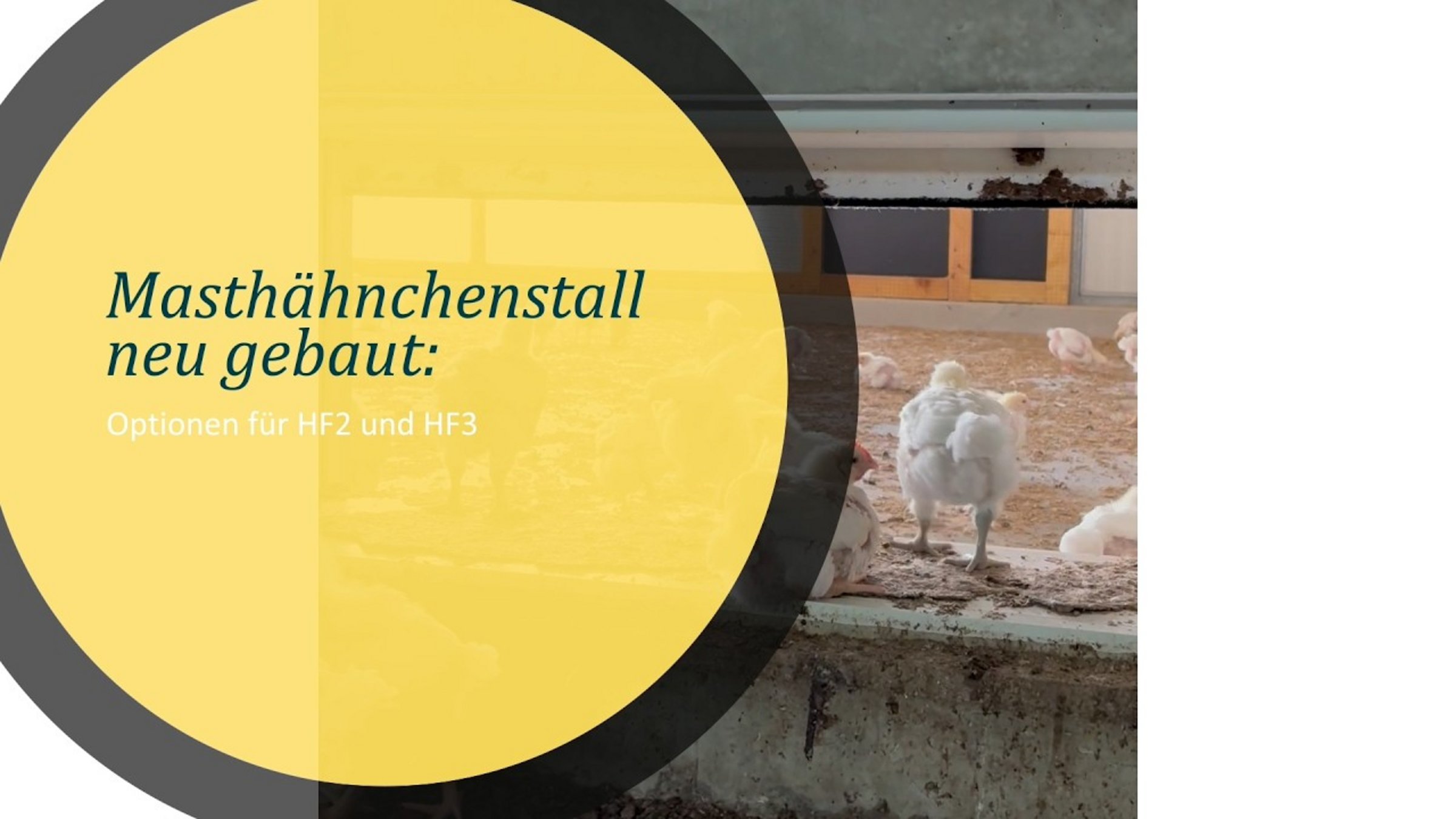
03 Video Masthähnchenstall neu gebaut: Optionen für Haltungsform 2 und 3
Video: Turkey enrichment materials
Video: Improving animal welfare in turkey farming
Video: A virtual tour of the laying hen house – a typical barn system
Vodcast: Self-assessment of animal welfare
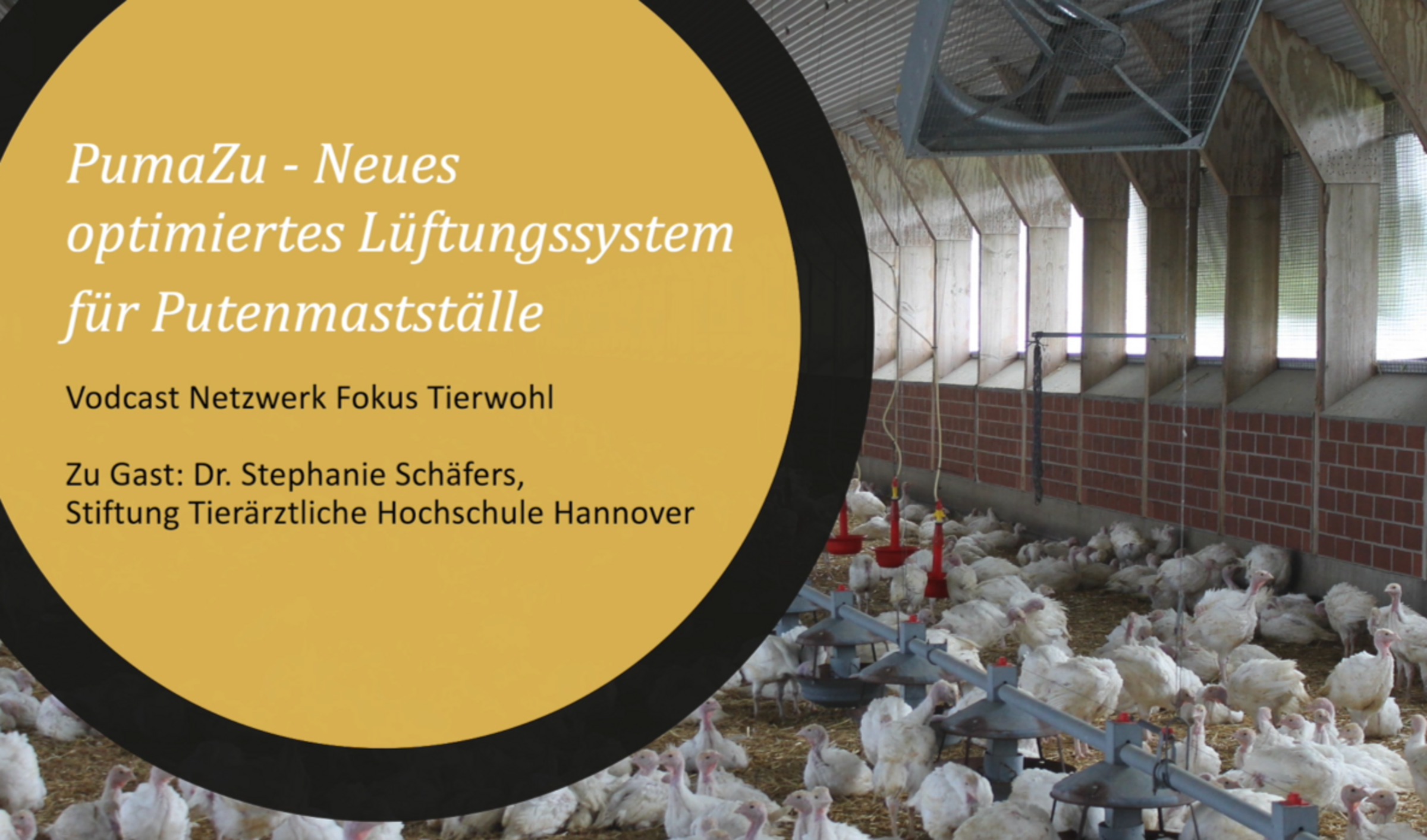
PumaZu podcast
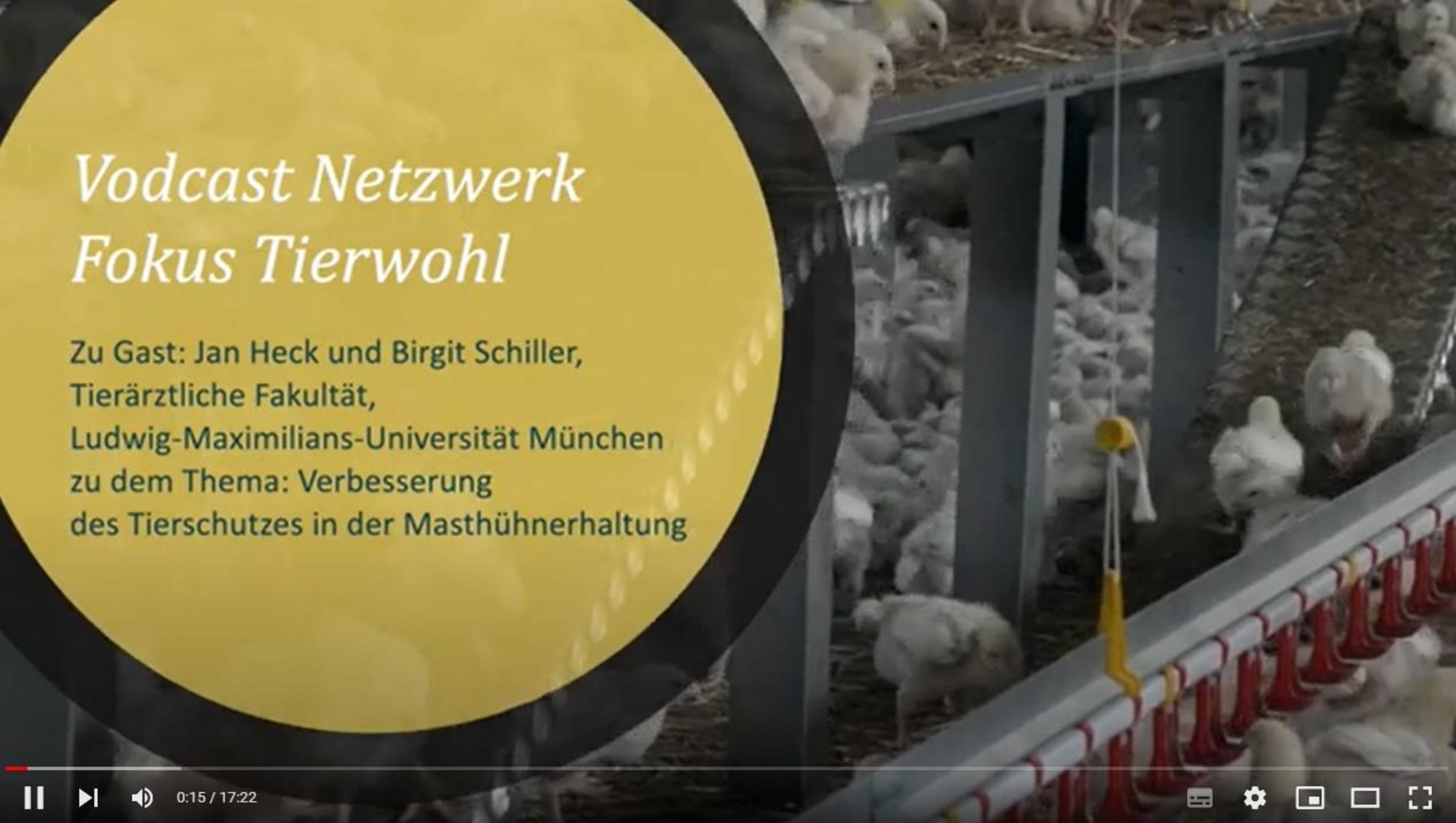
Vodcast: Animal Welfare in Broiler Chicken Farming
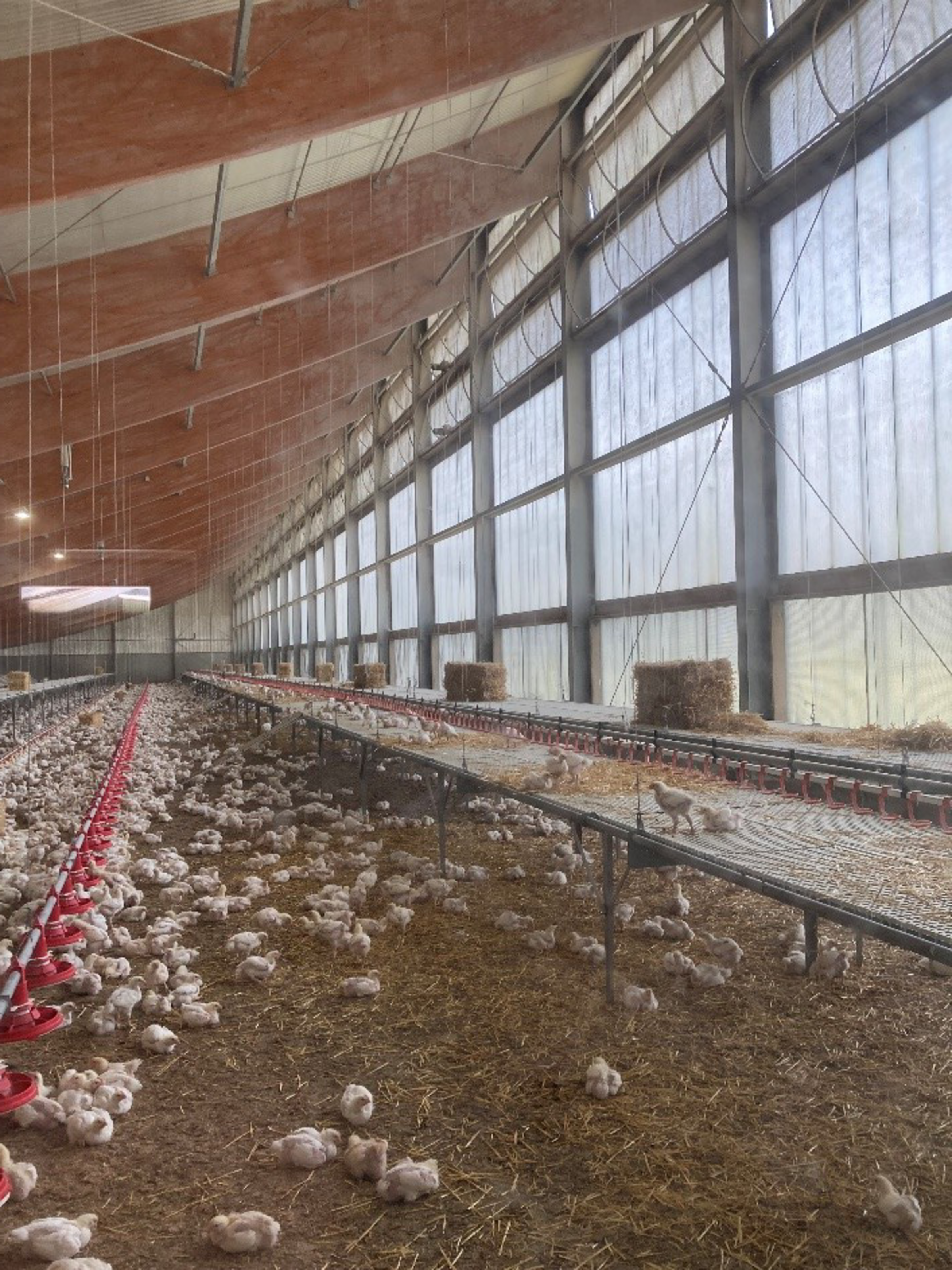
From the events: A look at future-oriented housing systems for broiler chickens
Funded projects: EIP broiler rearing house
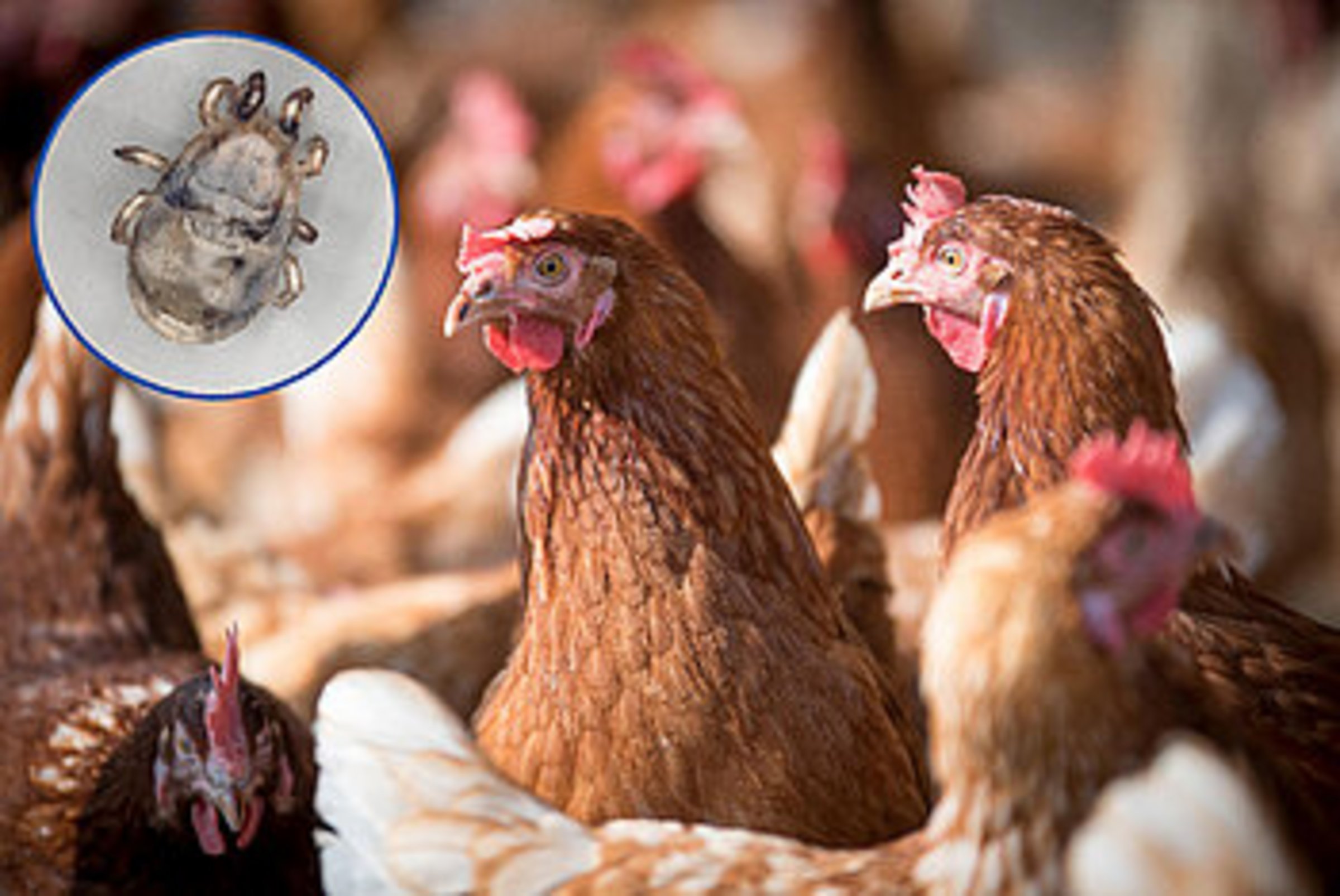
Funded projects: Cold plasma mite trap
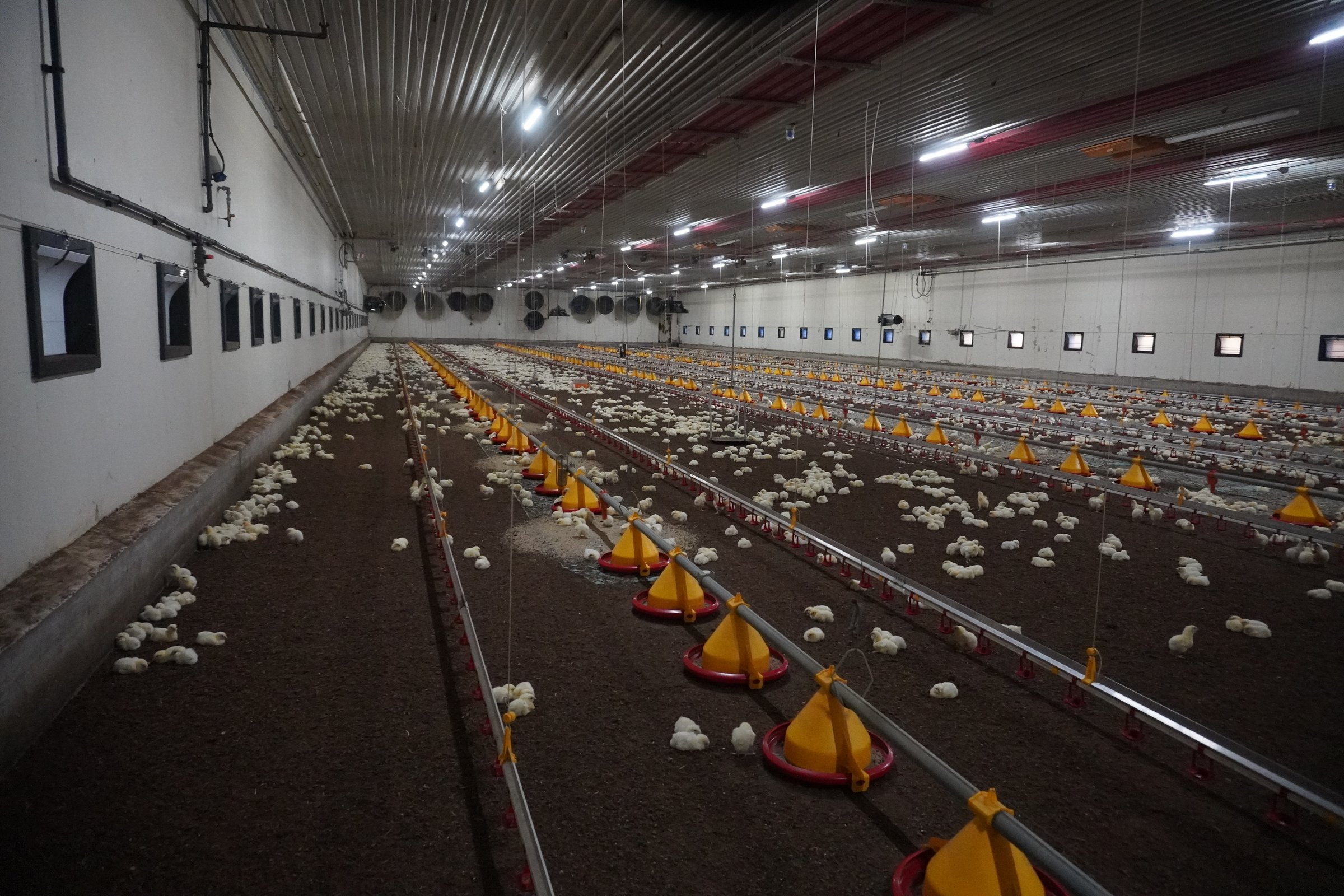
Funded projects: EIP broiler rearing house
06 EIP Wurmfrei
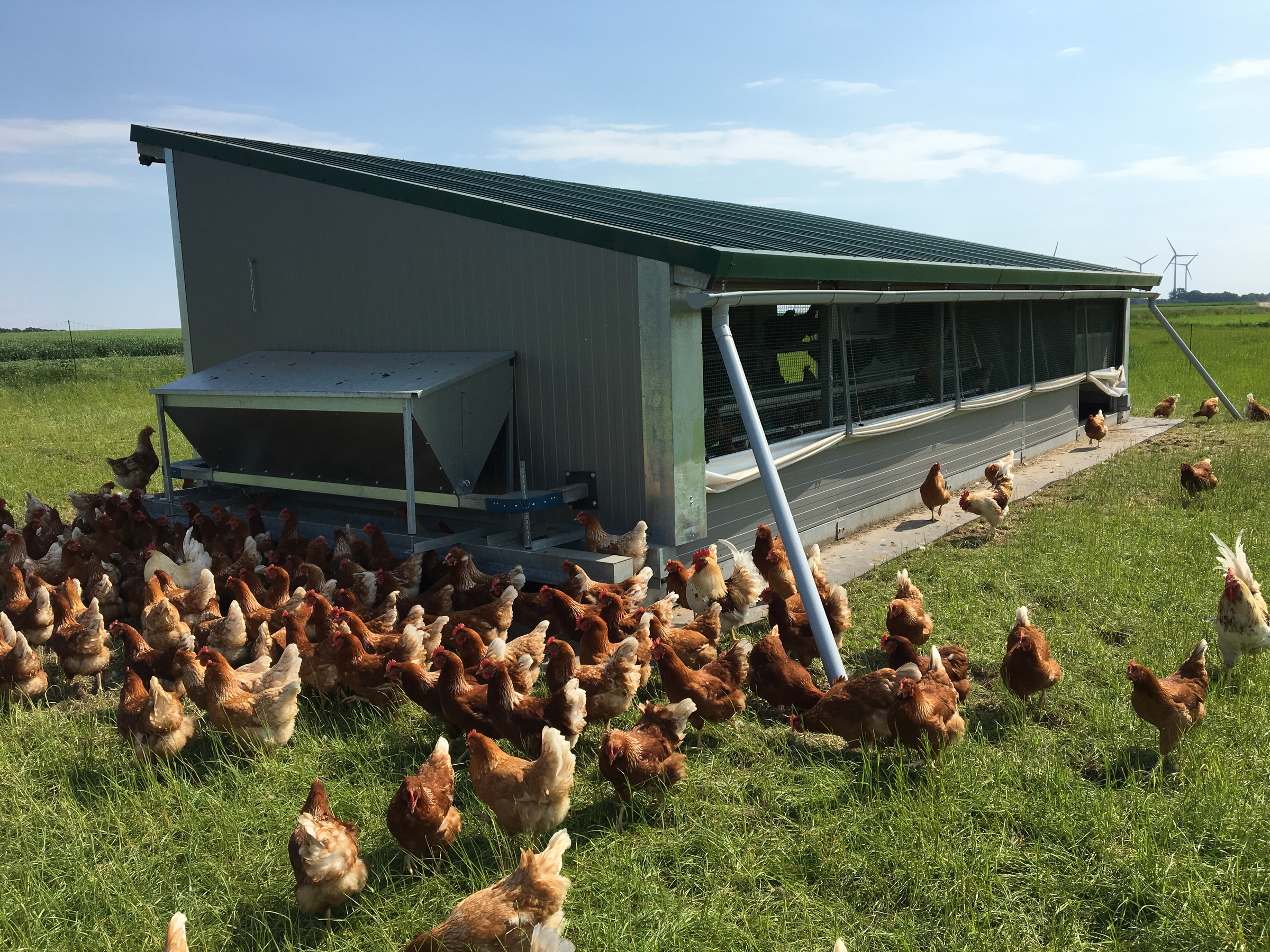
Funded projects: Hygiene in mobile housing
Funded projects: Mobile chicken rearing shed
Video Freilandpute - vom Küken bis zur Schlachtung: Ein Praxisbeispiel
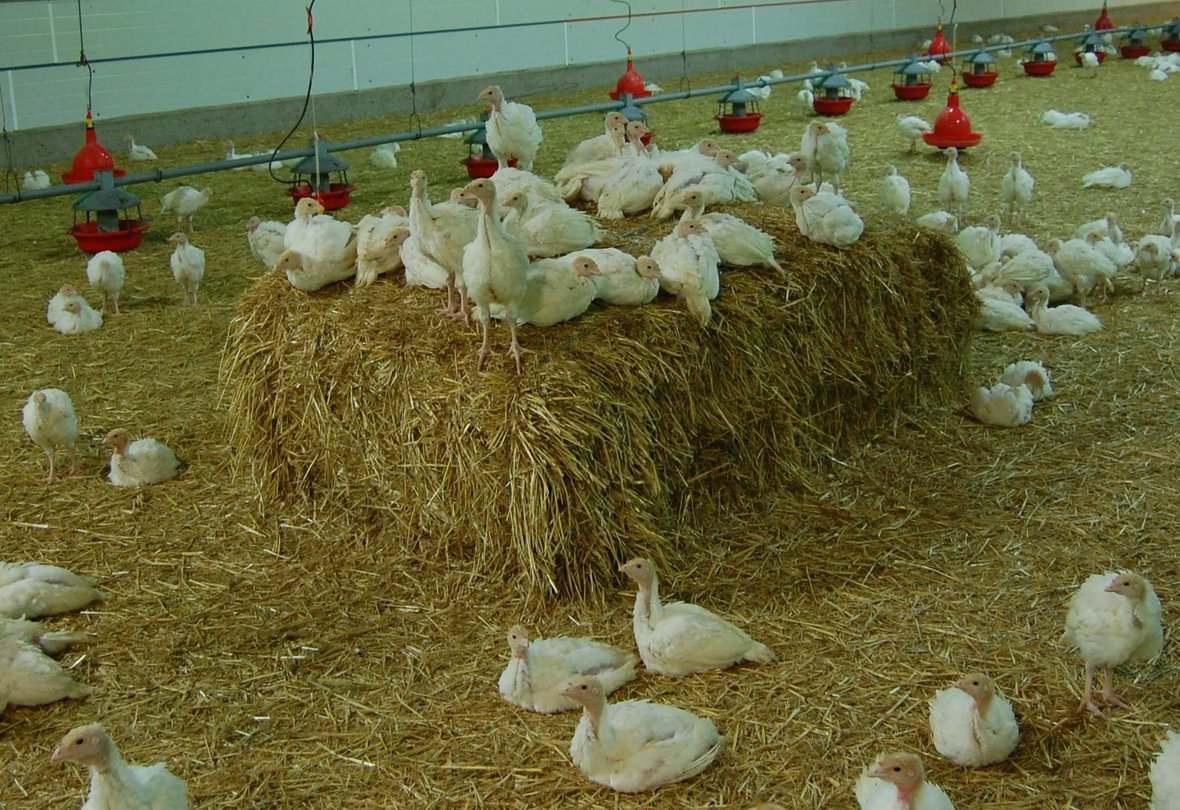
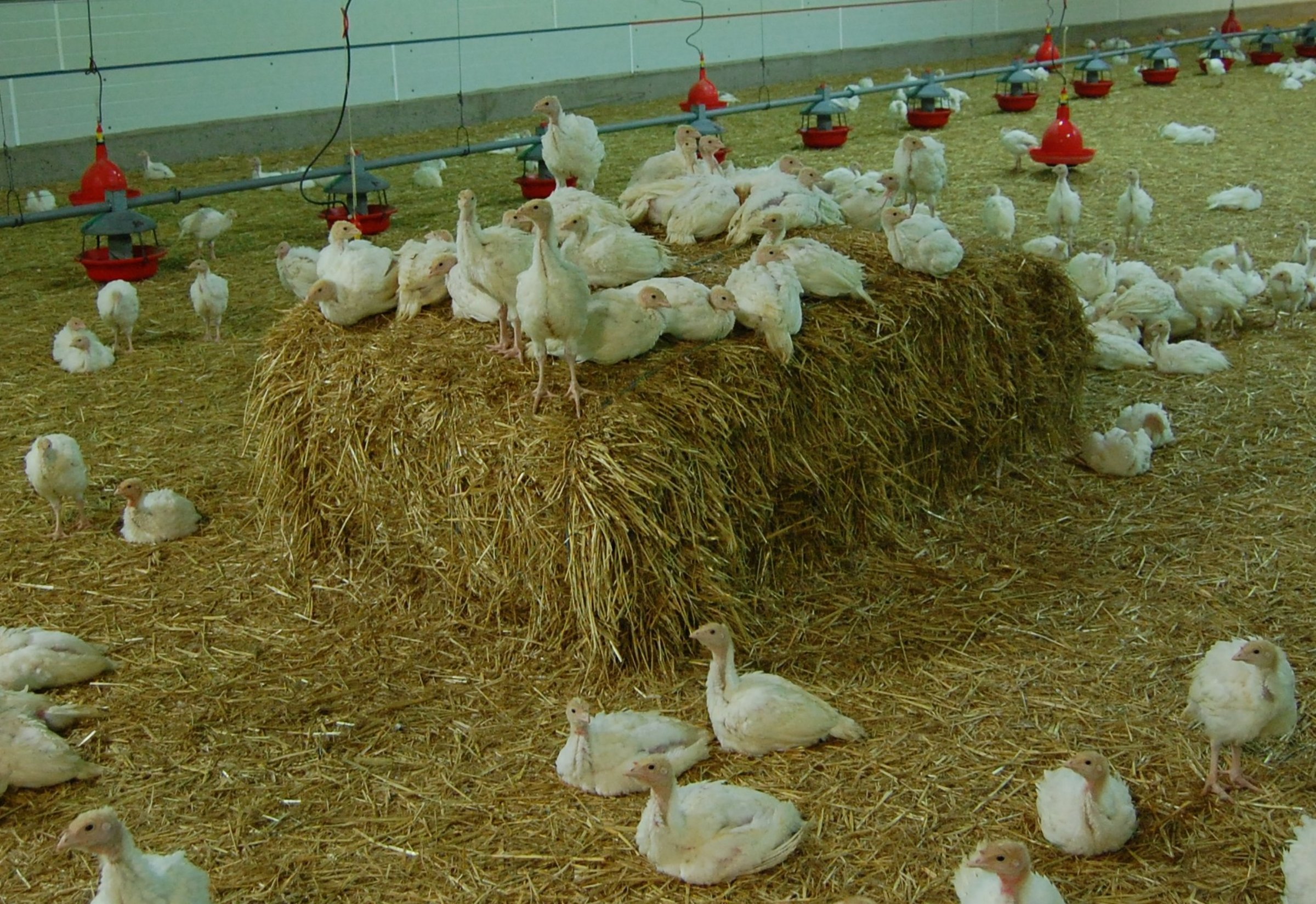
Turkeys are curious, active animals with a strong urge to explore. To meet their natural needs, a well-designed housing layout is a key component of animal-friendly turkey rearing. Clearly defined functional areas – for rest, exercise, retreat and exploration – help to reduce stress, minimise feather pecking and noticeably improve the animals’ welfare.
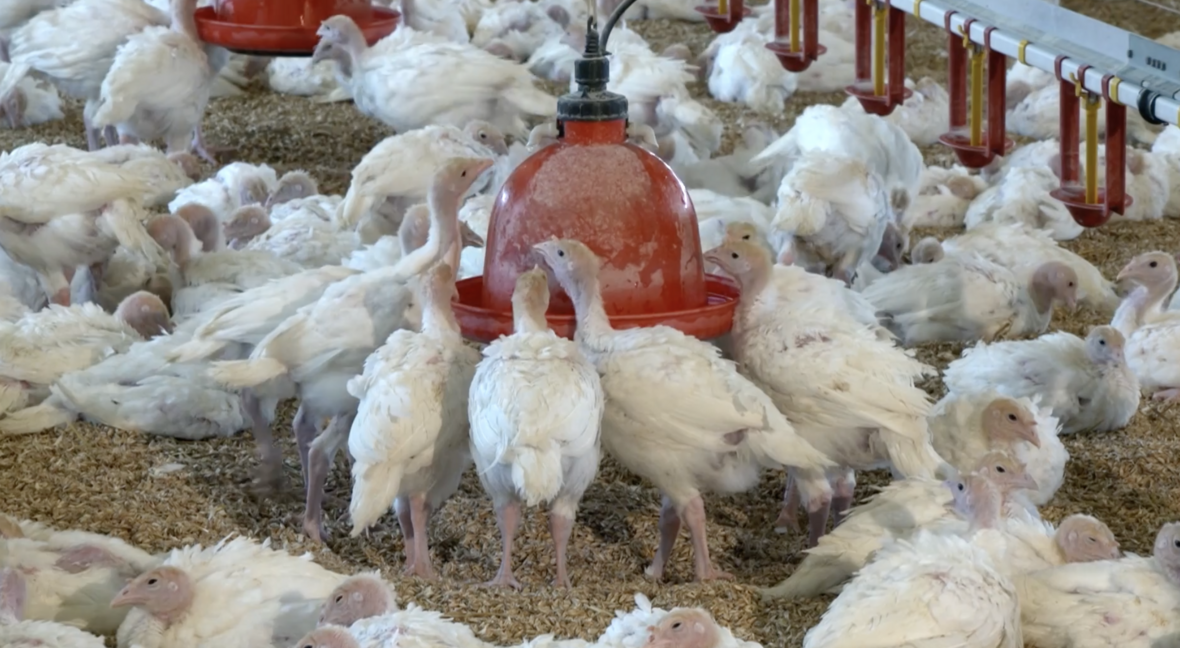
Ensuring that animal health and welfare in turkey farming are maintained at a consistently high standard requires rigorous management and structured herd monitoring. The vulnerability analysis tool from the Fokus Tierwohl network helps turkey farmers to identify deviations in flock development at an early stage, assess them correctly and take targeted action – in line with the principle: Observe – Assess – Act.
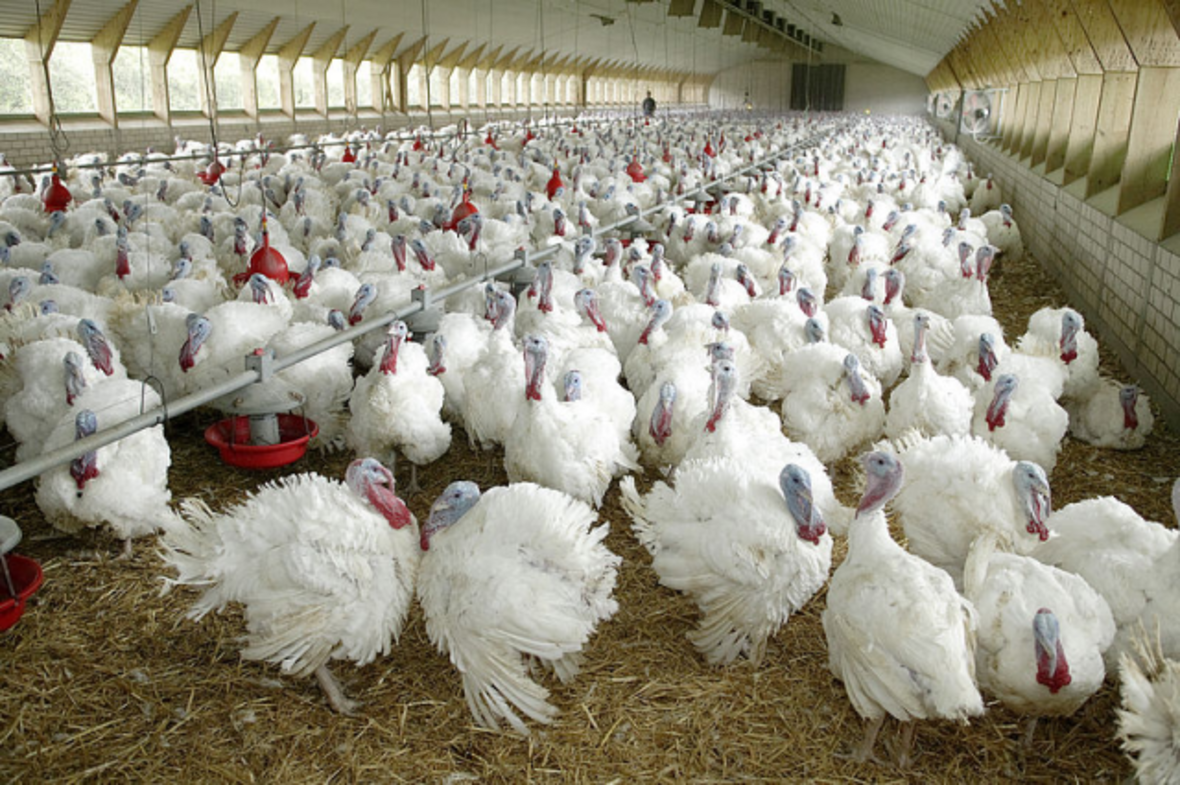
Where does the turkey meat on supermarket shelves come from – and how is the production process organised? Modern poultry farming is a complex interplay of many stakeholders and decisions that go far beyond just housing and feed.
In an interview with the Fokus Tierwohl network, Thorsten Mahlstedt, Johannes Bünger and Daniel Diephaus from Moorgut Kartzfehn explain how integration works in turkey farming and what other models exist. In addition, they take a closer look at parent stock rearing, which, as the first stage of turkey production, involves specific requirements.
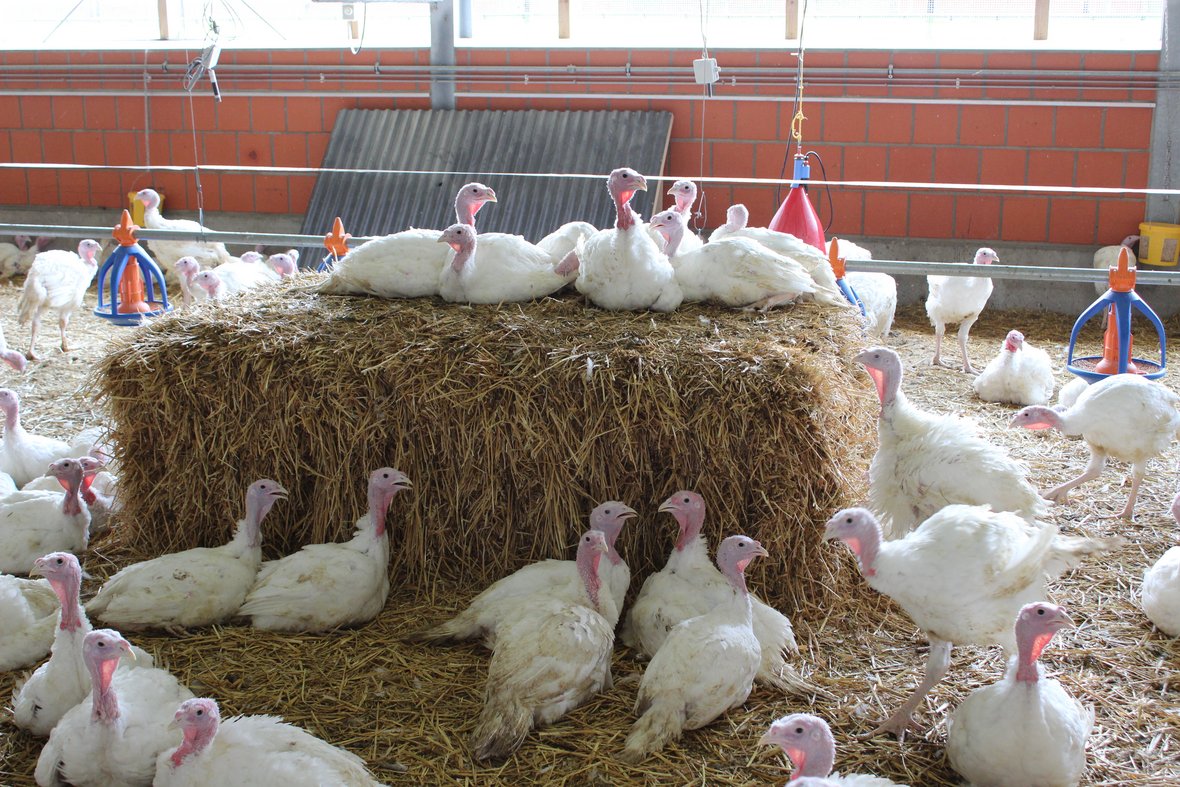
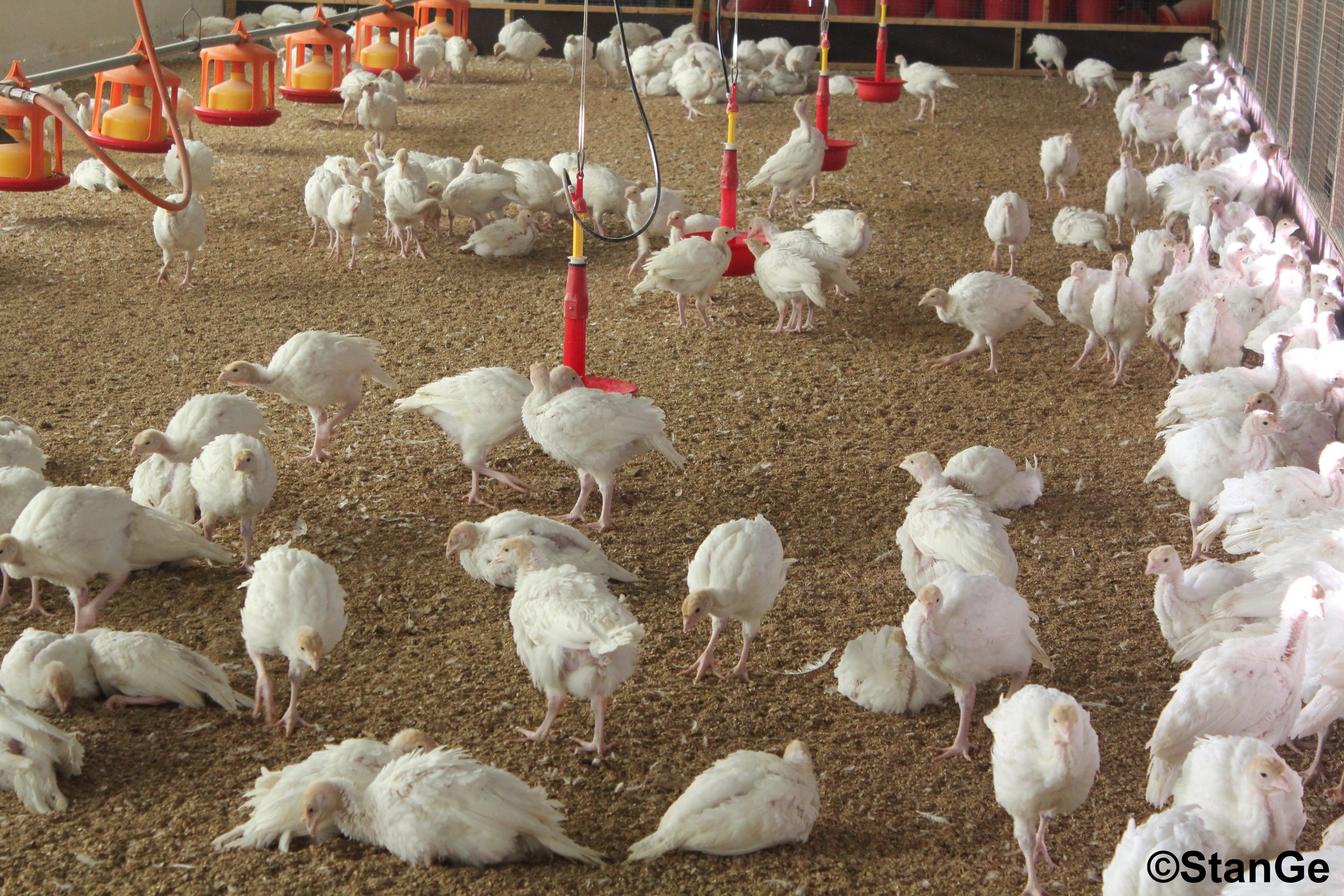
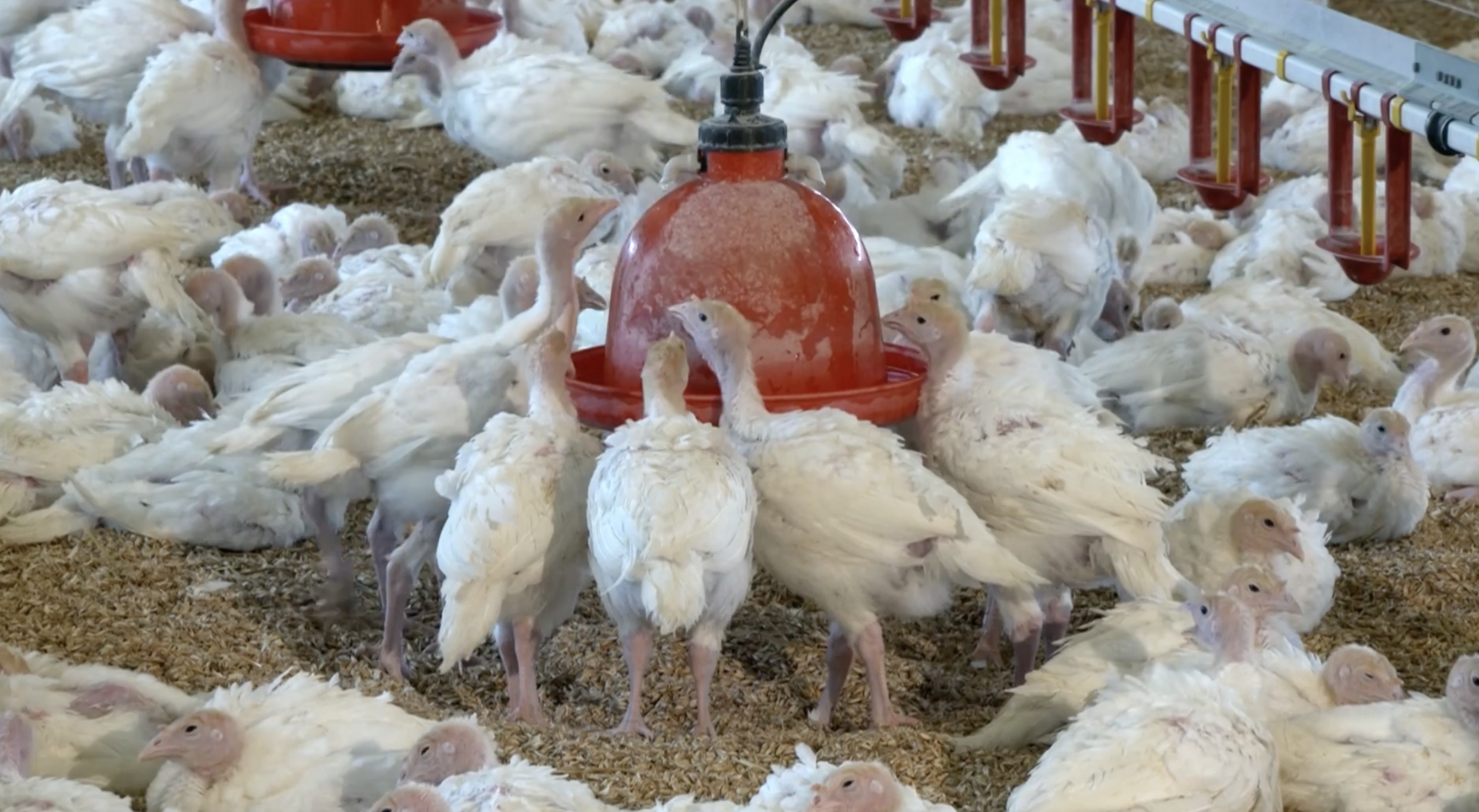
Providing enrichment materials is regarded as a key factor in ensuring animal welfare in the rearing of broiler turkeys. But why do turkeys need sufficient opportunities for enrichment?
Turkeys spend a large part of the day foraging for and consuming feed. The birds are constantly on the move whilst feeding and display a high level of pecking activity.
In turkey rearing and fattening, feed is continuously provided to the birds via feed troughs. Consequently, the turkeys spend less time actually foraging. Nevertheless, fattening turkeys also have a need to exhibit exploratory behaviour and to satisfy the high pecking activity described for wild turkeys.
It is therefore important to provide the birds with an opportunity to engage in exploratory behaviour combined with increased pecking, using attractive enrichment materials. Positive effects associated with the use of enrichment materials can then manifest, for example, in the form of a reduction in feather damage and injuries. This correlation has already been demonstrated by several scientific studies.
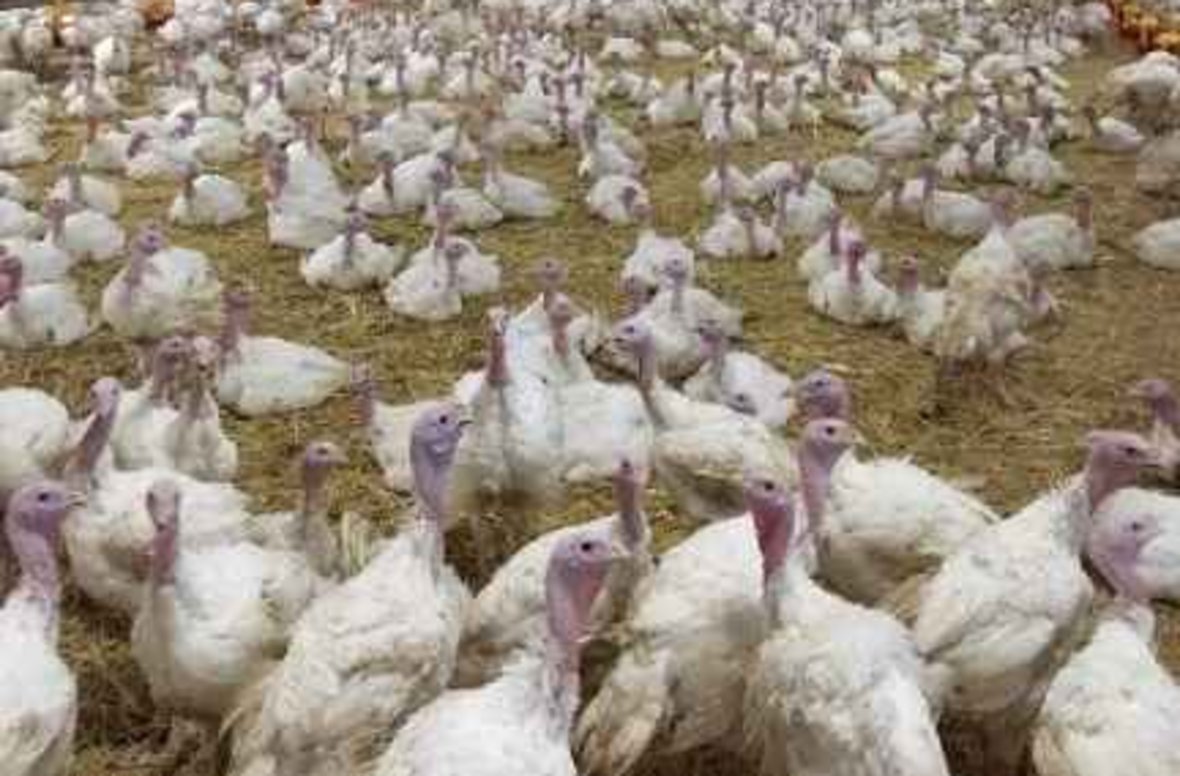
When it comes to ensuring a high standard of animal welfare, three criteria play a crucial role: alongside the ability to engage in natural behaviour and the avoidance of stress, animal health is a key component.
Particular focus is placed on gut health. The gut is not only responsible for breaking down feed into its individual components; rather, it also plays a part in the immune defence and, together with the microorganisms living in the gut, forms a barrier against the entry of pathogens.
But what can turkey farmers do to promote gut health in their flocks? How can potential problems be identified at an early stage?
A guide from the Poultry Animal Welfare Competence Centre provides answers to these questions and is aimed at farmers, animal carers and trainees. It aims to highlight the multitude of factors that can have a negative impact on gut stability. Those interested will receive tips on how to recognise early signs of infections, as well as shifts in the composition of the gut microbiome.
The liver is an organ involved in a wide range of metabolic processes in mammals and birds. However, compared to mammals, fat synthesis in birds takes place largely in the liver and only to a relatively small extent in adipose tissue. This is due to anatomical differences between mammals and birds and promotes fat accumulation in the liver in birds, and thus also in turkeys.
Increased fat accumulation in the liver can lead to damage to the liver tissue. This condition is referred to as fatty liver or hepatic lipidosis.
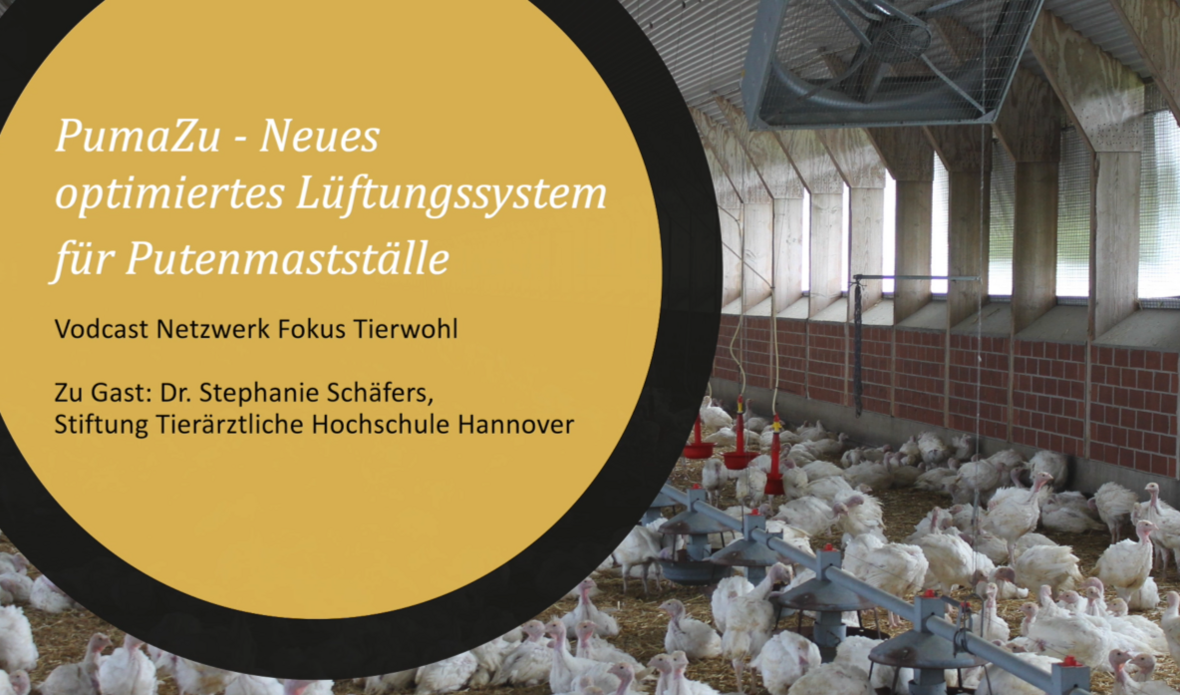
EIP PumaZu project – New ventilation system and drinking stations for turkeys
Interview with Dr Stephanie Schäfers from the Institute for Animal Hygiene, Animal Welfare and Farm Animal Behaviour (ITTN) at the University of Veterinary Medicine Hannover Foundation
When rearing turkeys in open-sided houses, turkey farmers face the same challenge year after year: particularly on damp, cold days in winter and autumn, cold, damp fresh air enters the animal area almost directly via the long sides of the house without warming up sufficiently first – increasing the risk of damp litter and respiratory diseases.
In the three-year PumaZu project, a team comprising three turkey farmers, PAL Stalleinrichtungen GmbH, the Lower Saxony Chamber of Agriculture and the University of Veterinary Medicine Hannover Foundation tested the combination of traditional natural gravity ventilation with a negative pressure system. Can this improve the house climate and animal health? In this vodcast, Dr Stephanie Schäfers reports on the project team’s research and experiences.
EiKoTiGer – Making it easy to collect animal welfare indicators?
Interview with Dr Daniel Gieseke from the Department of Farm Animal Behaviour and Animal Husbandry, University of Kassel
Under Section 11(8) of the Animal Welfare Act, poultry farmers are required to regularly record and analyse animal-related characteristics within their flocks. But which indicators in the house provide information on animal health and behaviour?
To assist with this, the KTBL published a guide in 2016 on indicator collection for farmers of pullets, laying hens, broiler chickens and broiler turkeys. Questions such as ‘Is the system applicable in practice?’ and ‘When should results be classified as good or bad?’ remained unanswered at first, however.
The EikoTiGer project (Self-monitoring of Animal Welfare) has now addressed these issues. In this interview, Dr Daniel Gieseke (Department of Farm Animal Behaviour and Animal Husbandry, University of Kassel) discusses his work on the project. He reports on the system’s practical applicability, evaluation methods, and its advantages and disadvantages, whilst also providing insights into his collaboration with poultry farmers.
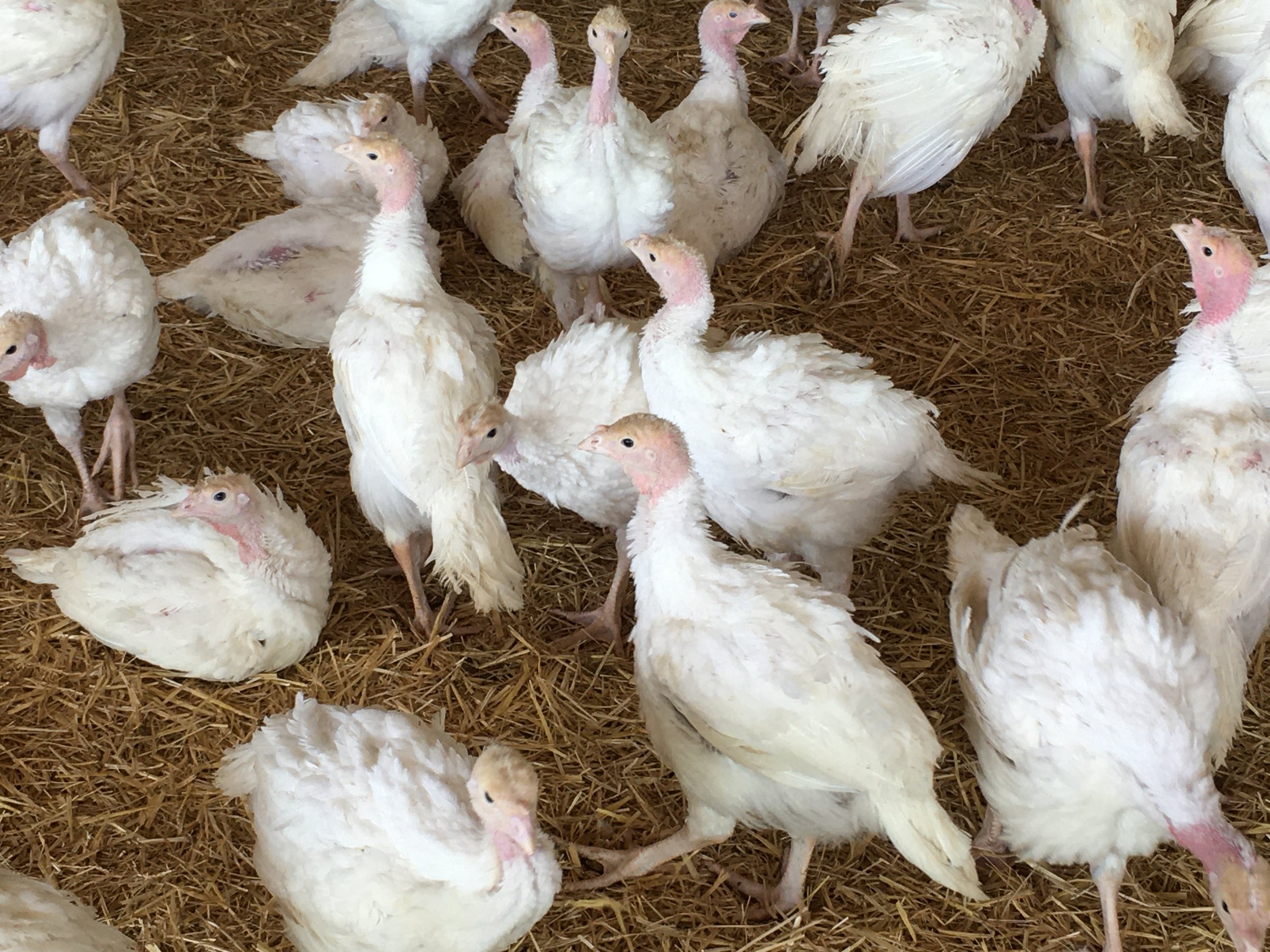
At national level, the long-term aim is to phase out beak trimming in turkeys as well. Whilst there are already many successful approaches in place for rearing pullets and laying hens, as described, there is not yet sufficient scientific evidence regarding the rearing of turkeys with intact beaks.
more...