
Overview of topics: Poultry
Avian influenza
Enrichment materials in turkey farming
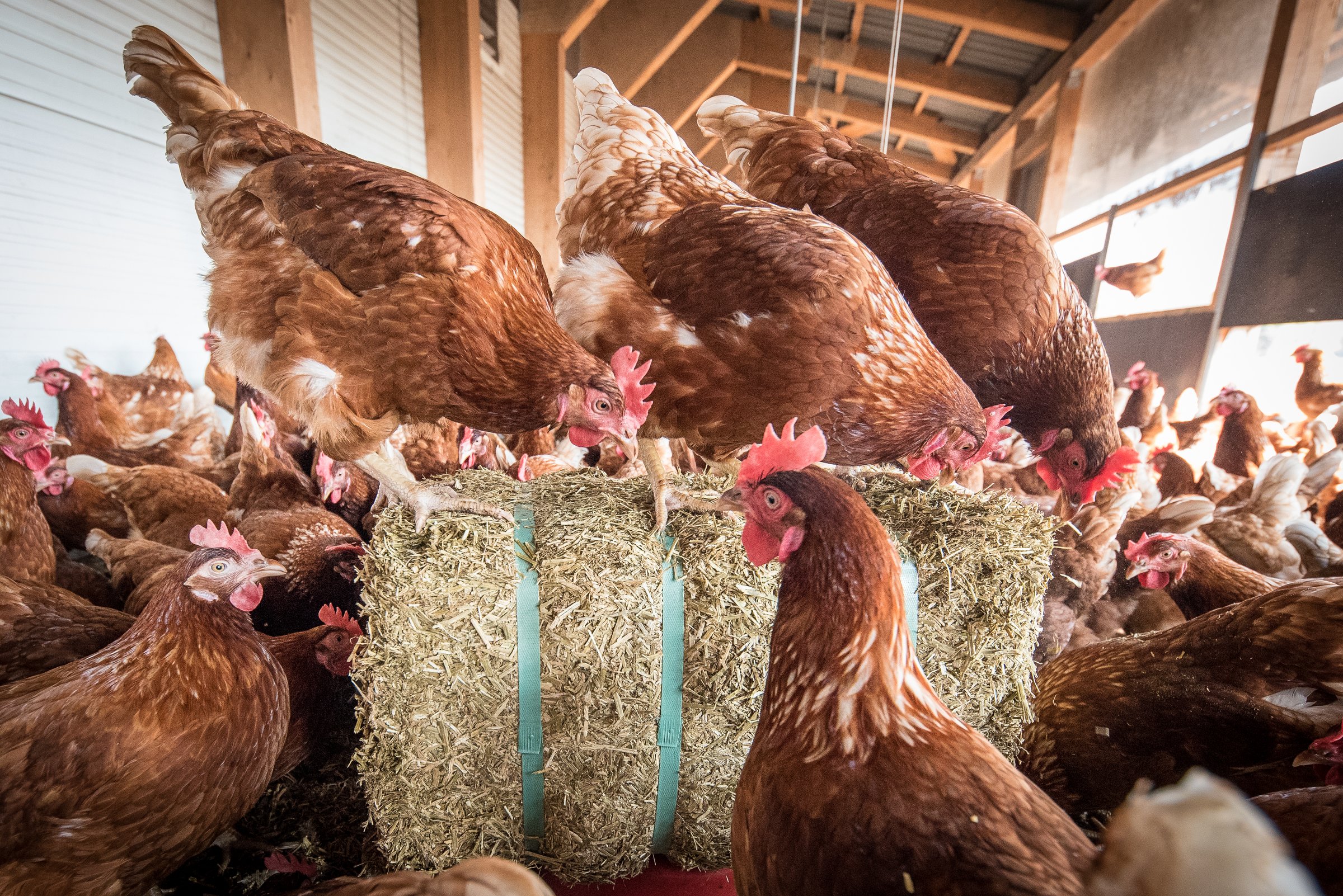
Floor-rearing system for laying hens
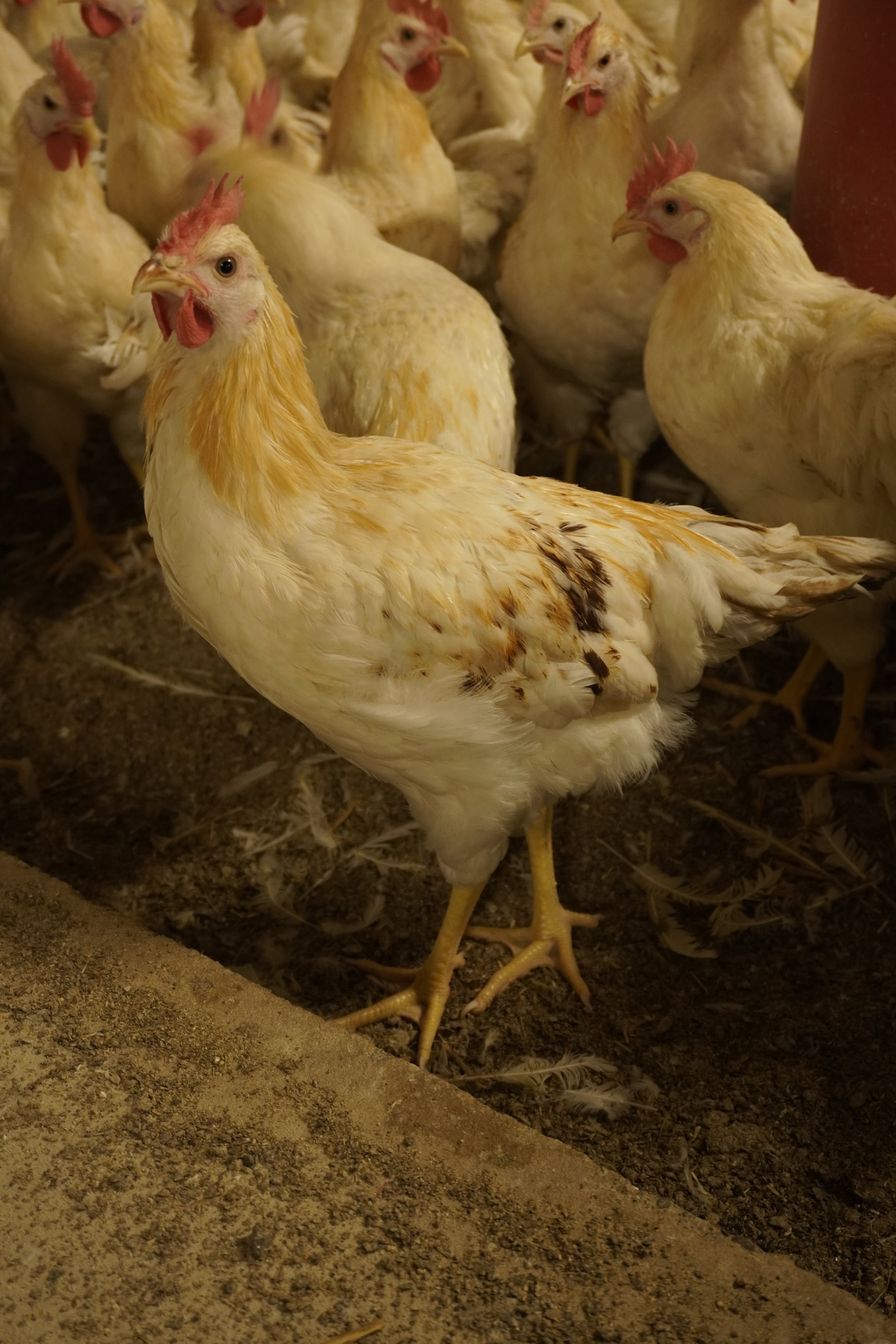
Broiler Rearing
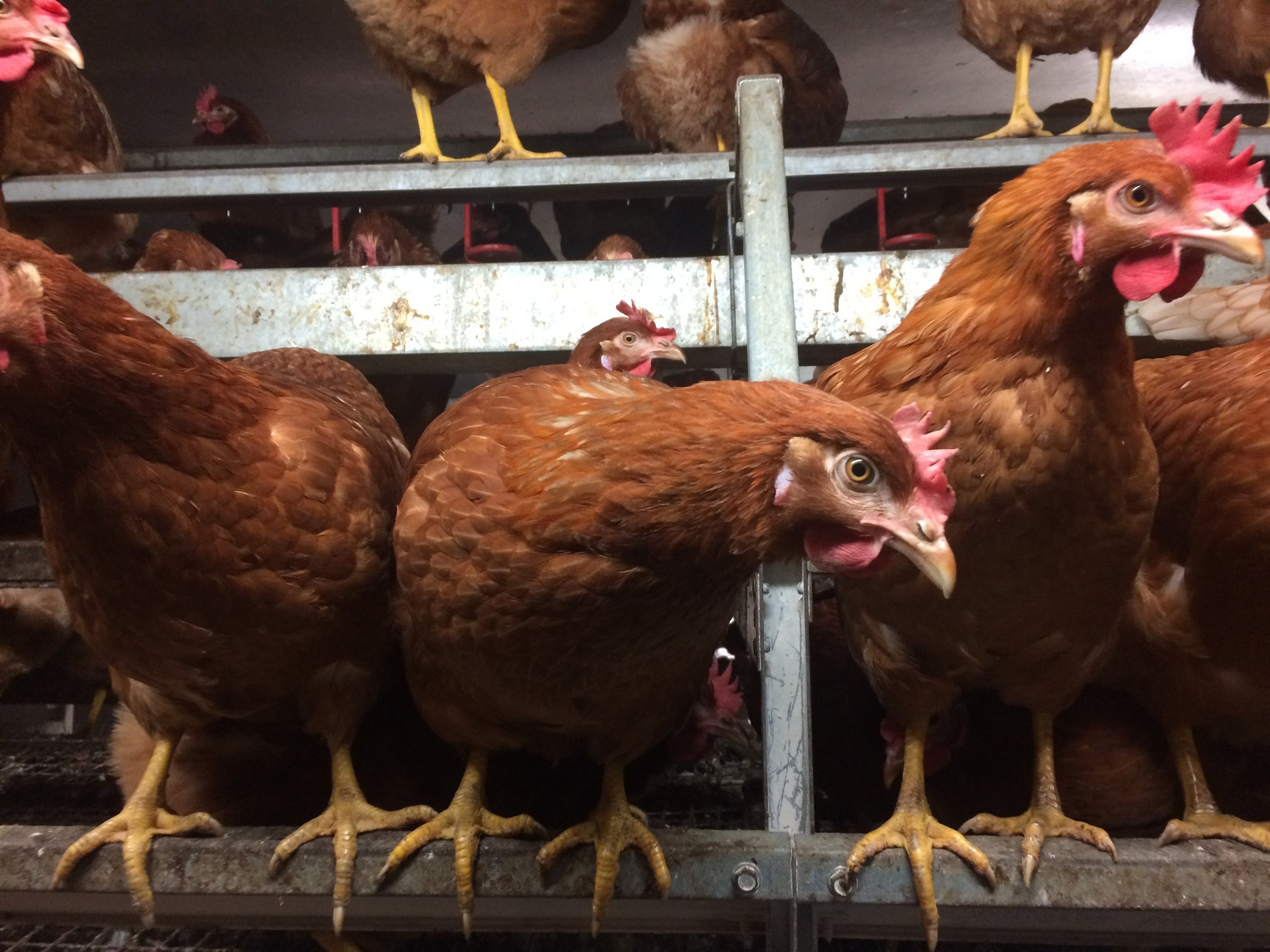
Changes to the sternum in laying hens
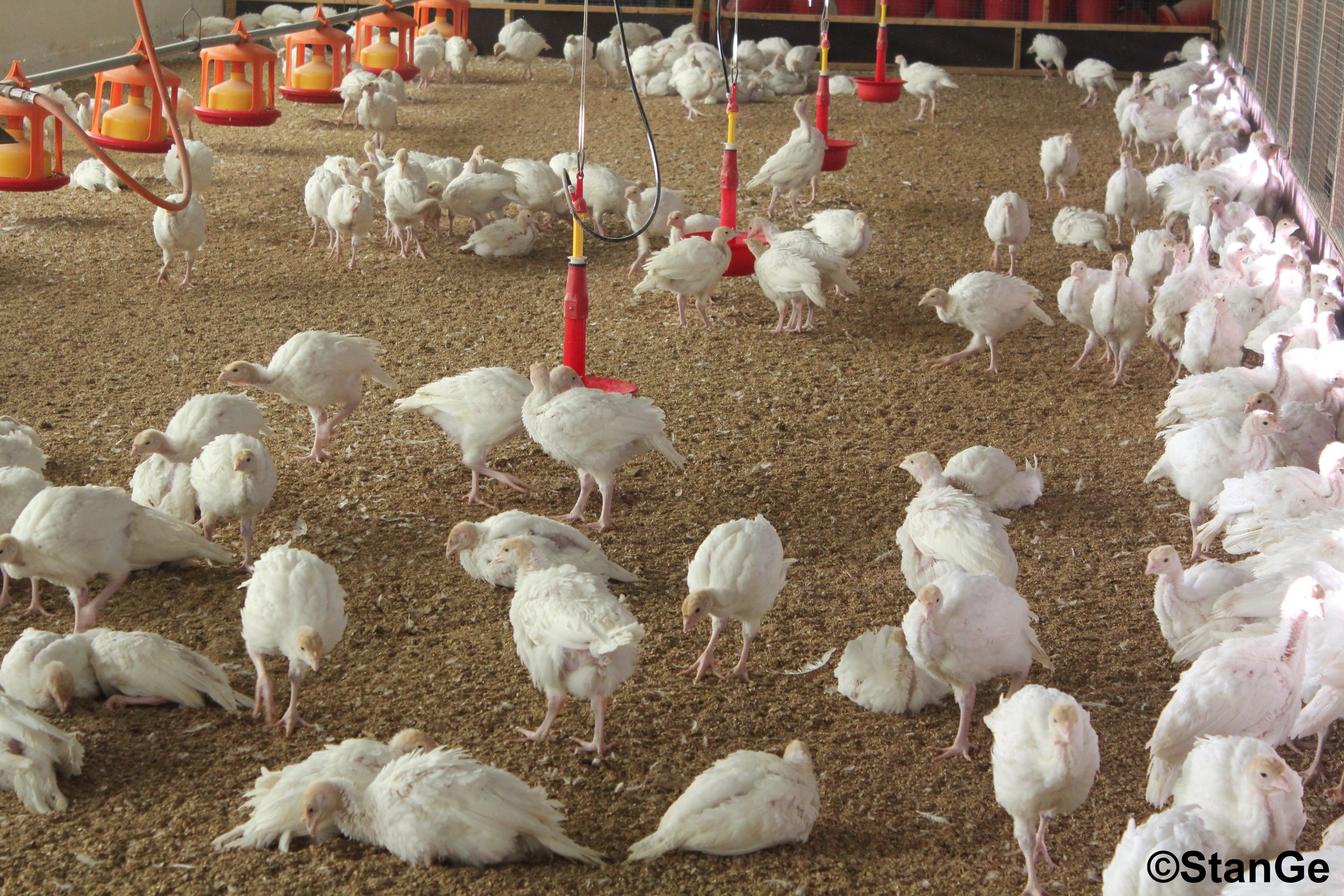
Gut health in turkeys
Gut microbiome
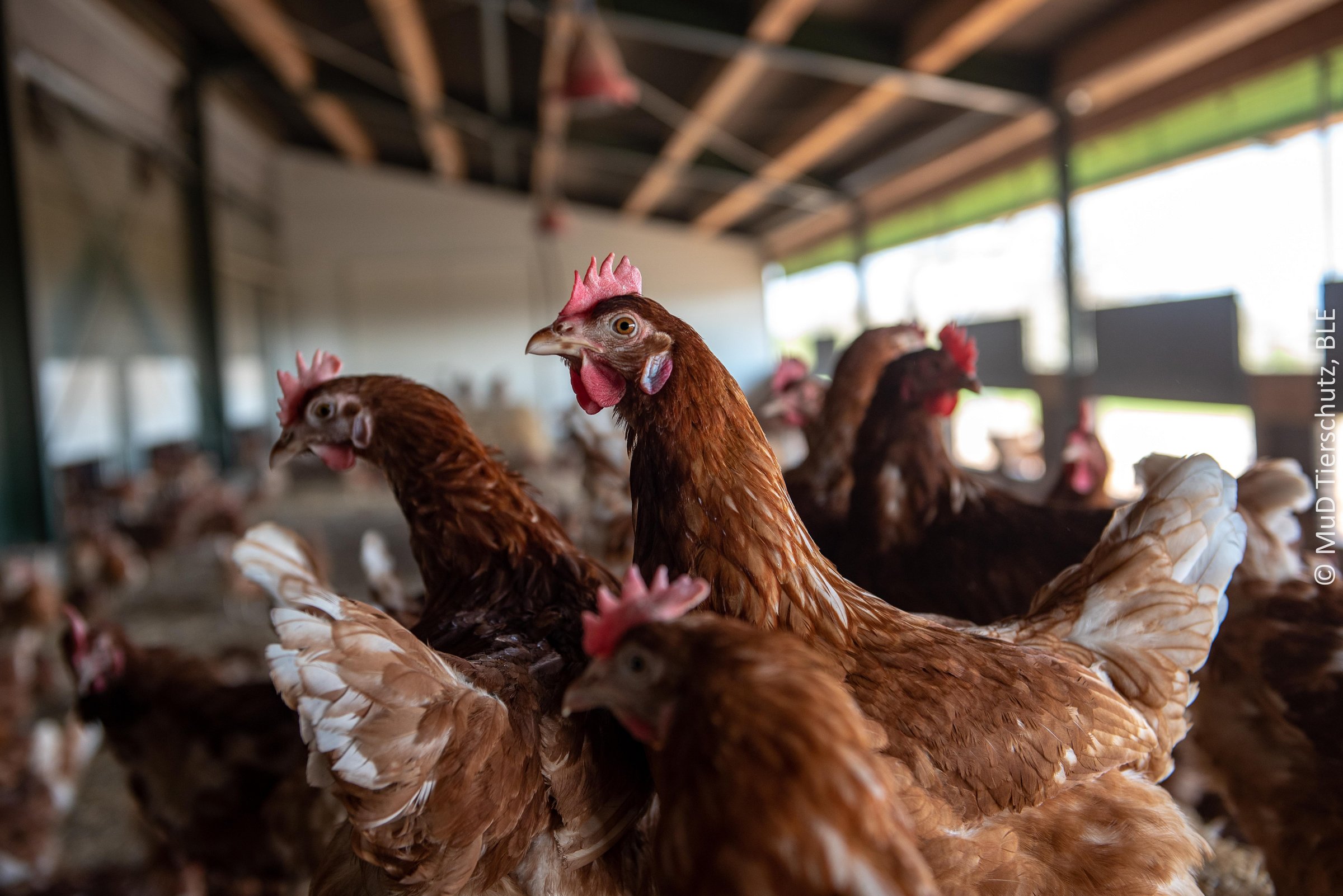
Emissions reductions in pullet and laying hen farming
Emissions reductions in broiler farming
Elevated levels
Loading and unloading of aged layers
Enrichment of housing conditions for broiler chickens
Rearing of poultry with intact beaks
Hepatic lipidosis
Heat stress in poultry
Vaccination of broiler chickens
Methods of sex determination in the egg
01 Newcastle Disease
Emergency measures for feather-pecking and cannibalism
01 Schwachstellen-Analyse Tool
Stable cleaning and disinfection
01 Stallstrukturierung im Putenstall
01 Tierwohlkriterien ITW
Caring for sick and injured poultry
Extension of the rearing period or induced laying break
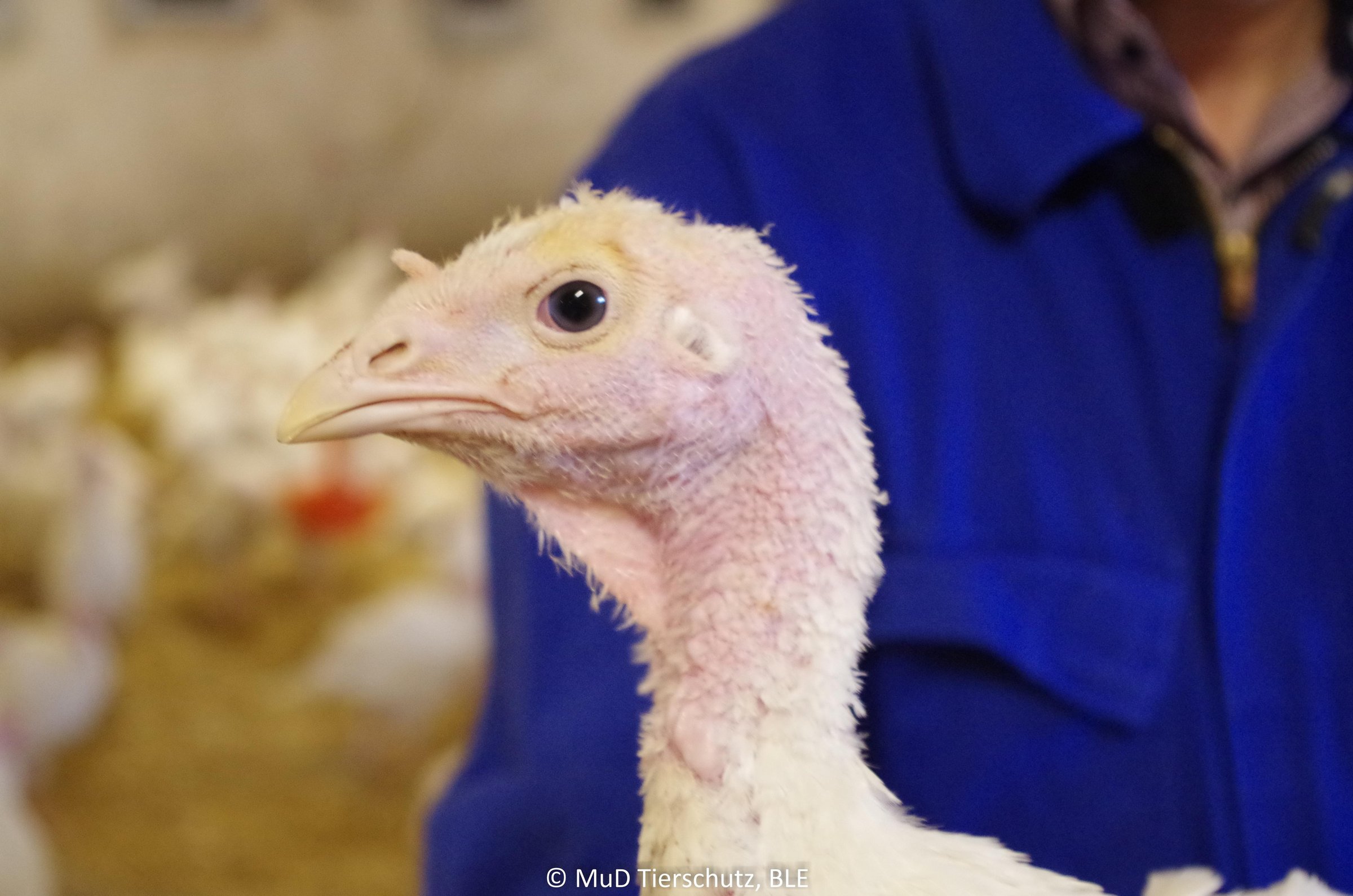
No beak trimming
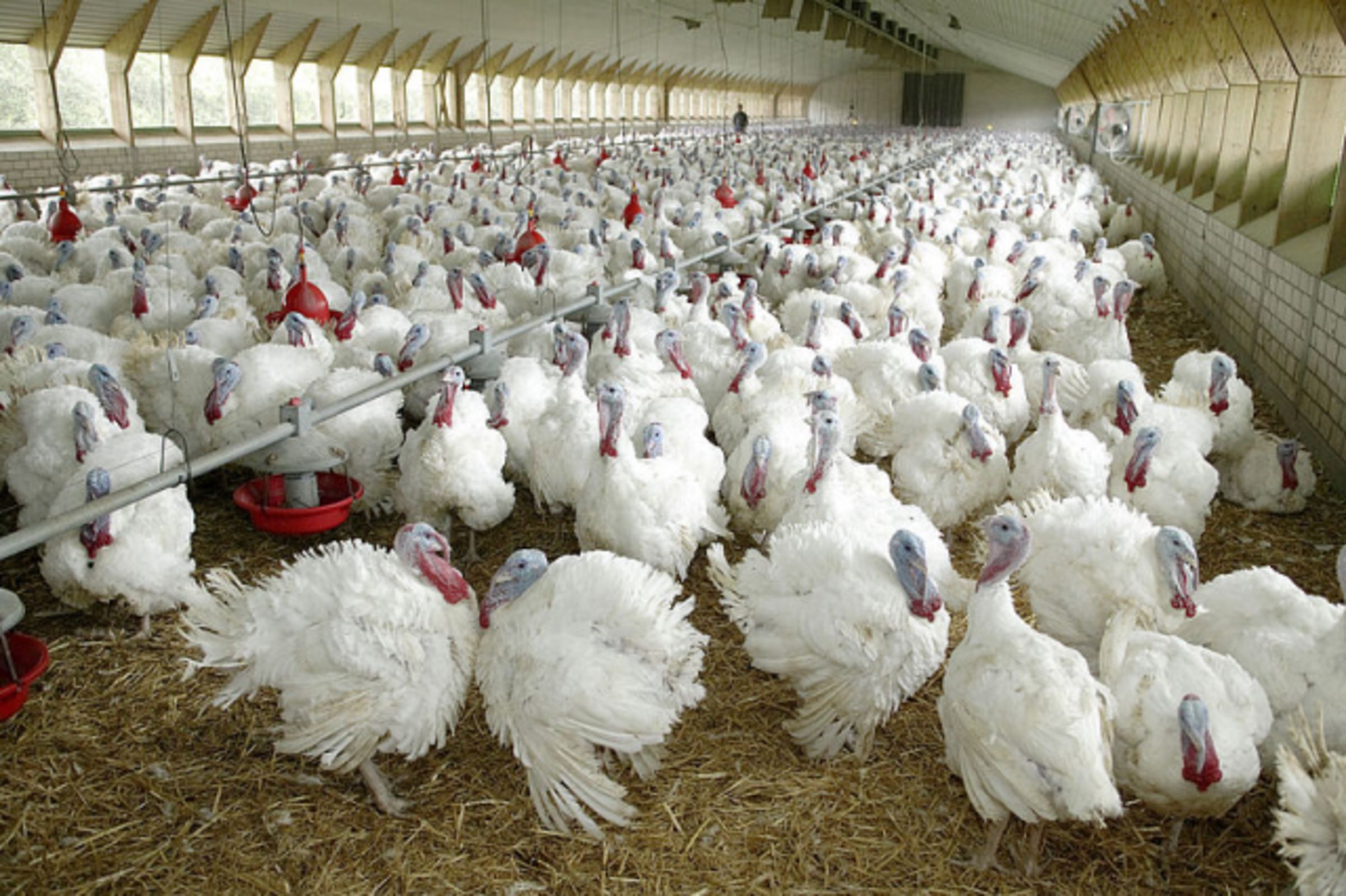
The value chain in turkey farming
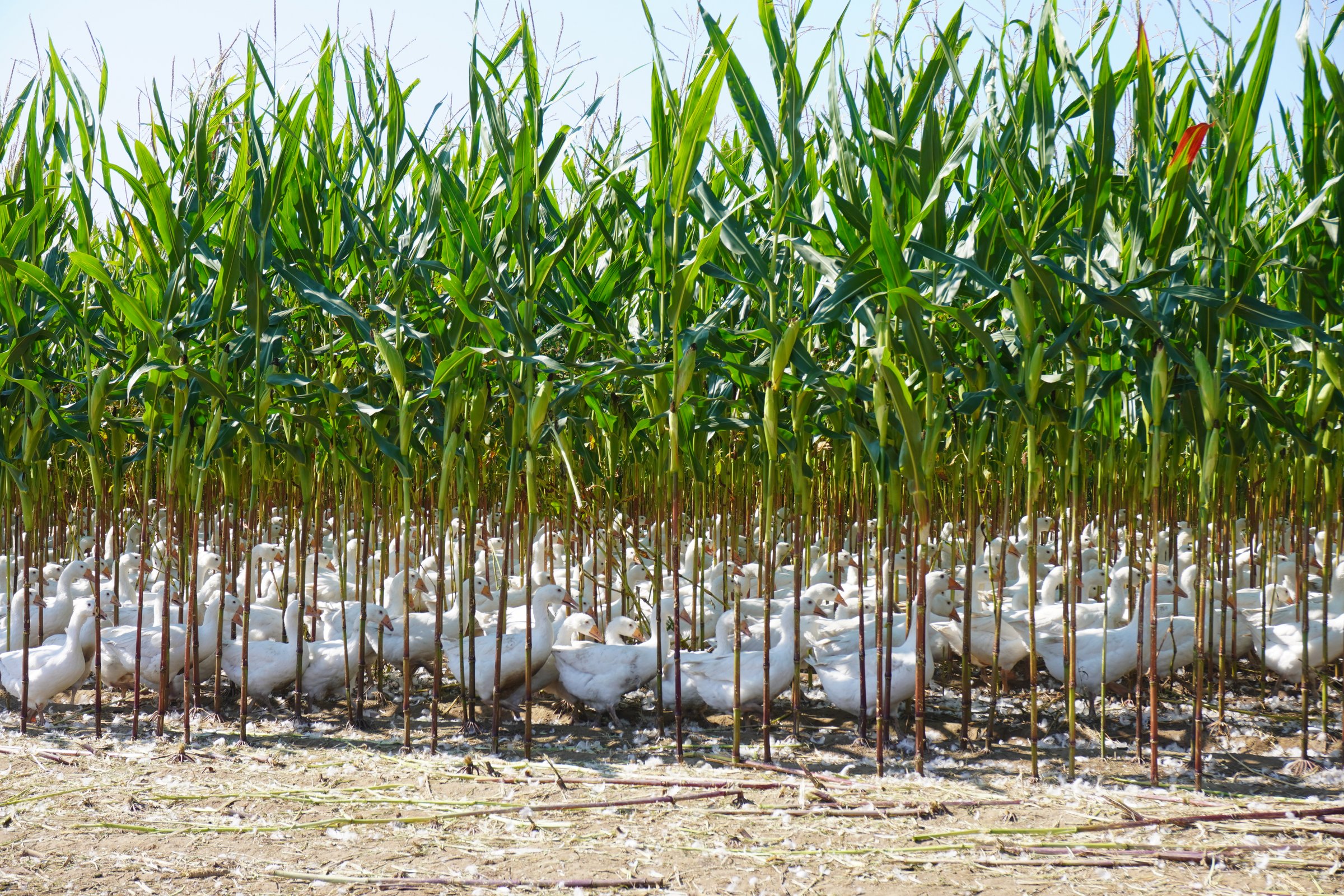
Run-out management for fattening geese
01_Übergabeprotokolle
Podcast: Broiler Rearing
Podcast: Digitalisation in the broiler house
Podcast: Insect Protein
Podcast: Not clipping the claws of turkeys
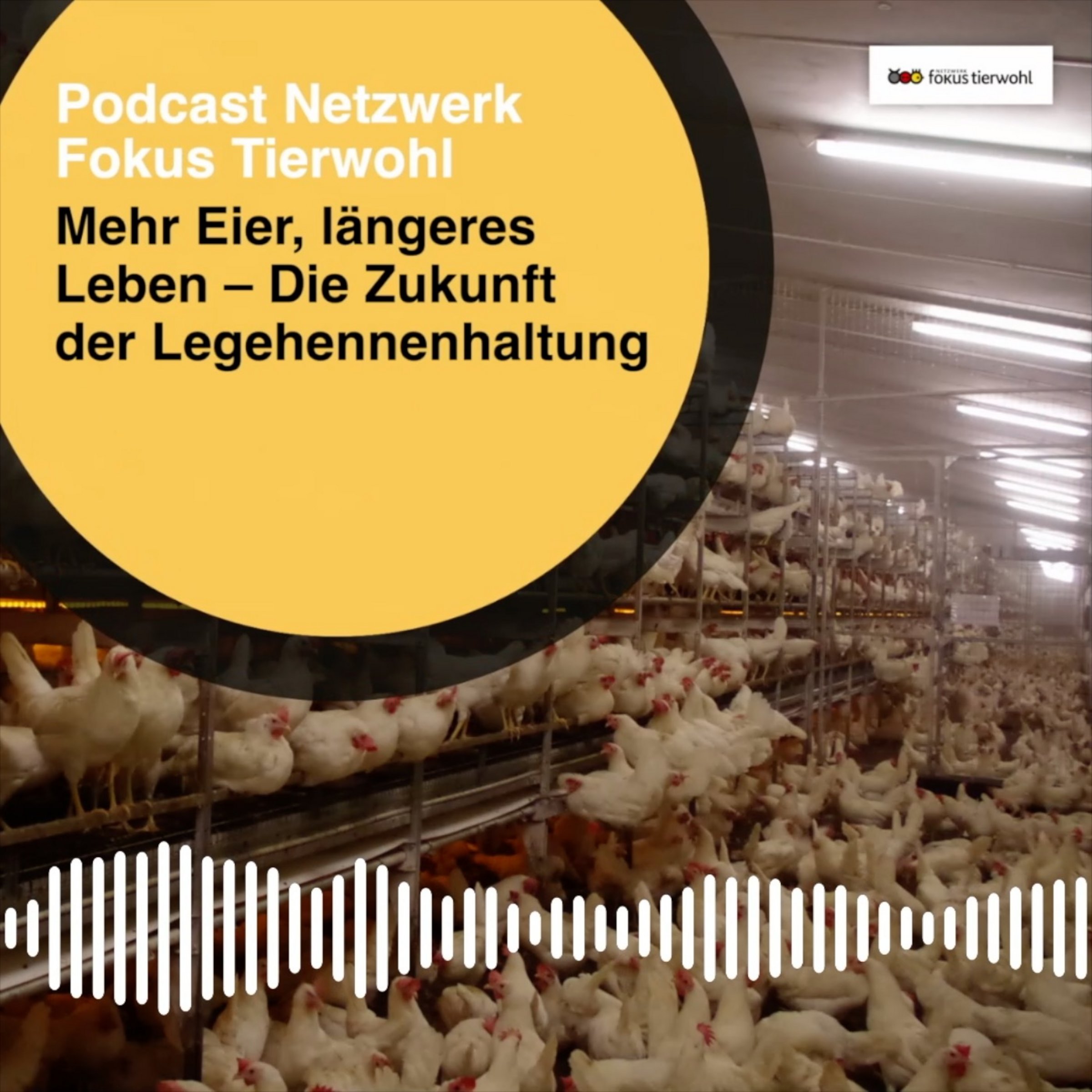
Podcast: Laying Hen Management
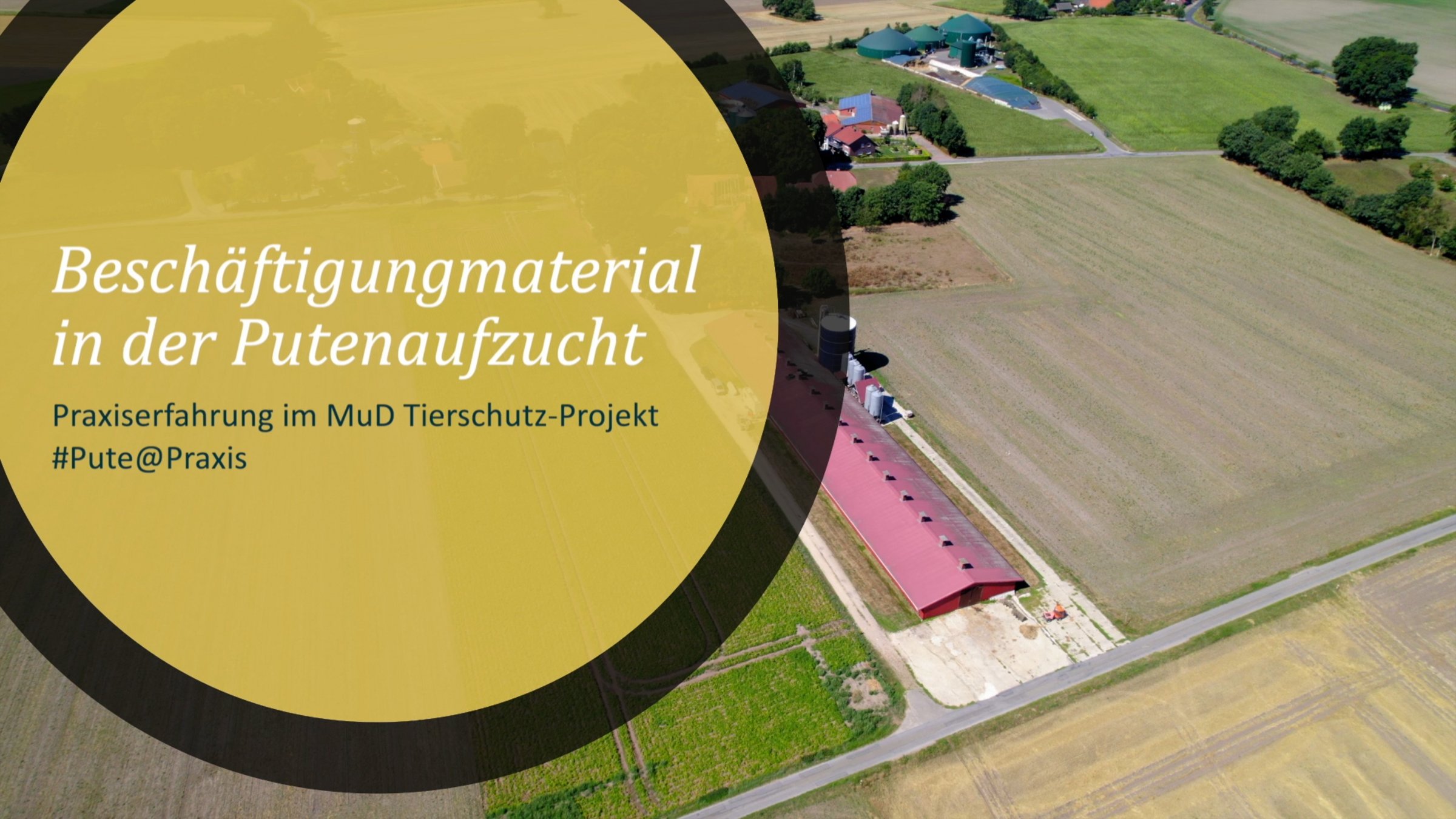
Video: Educational material on turkey rearing
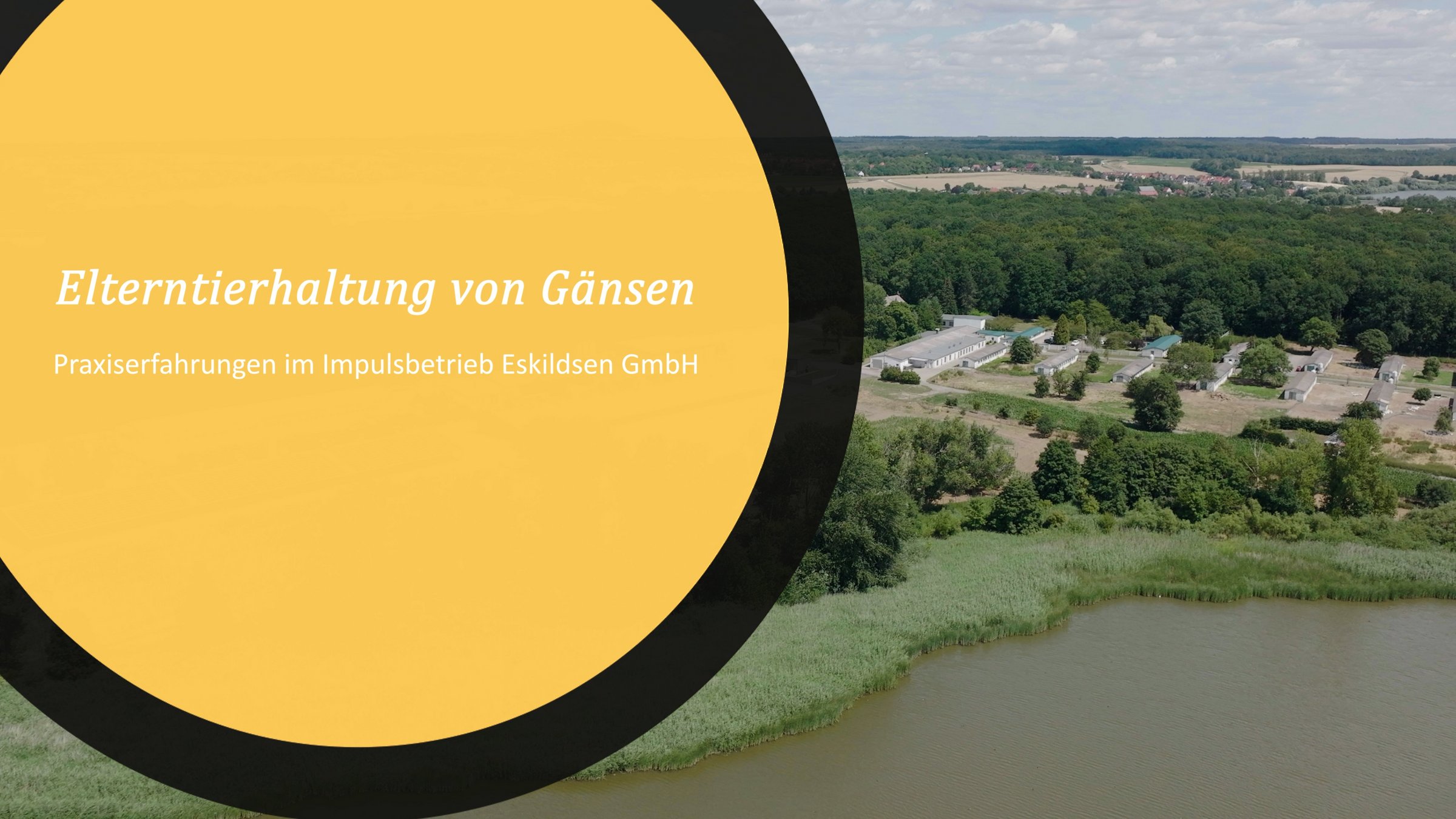
Video: Fattening geese
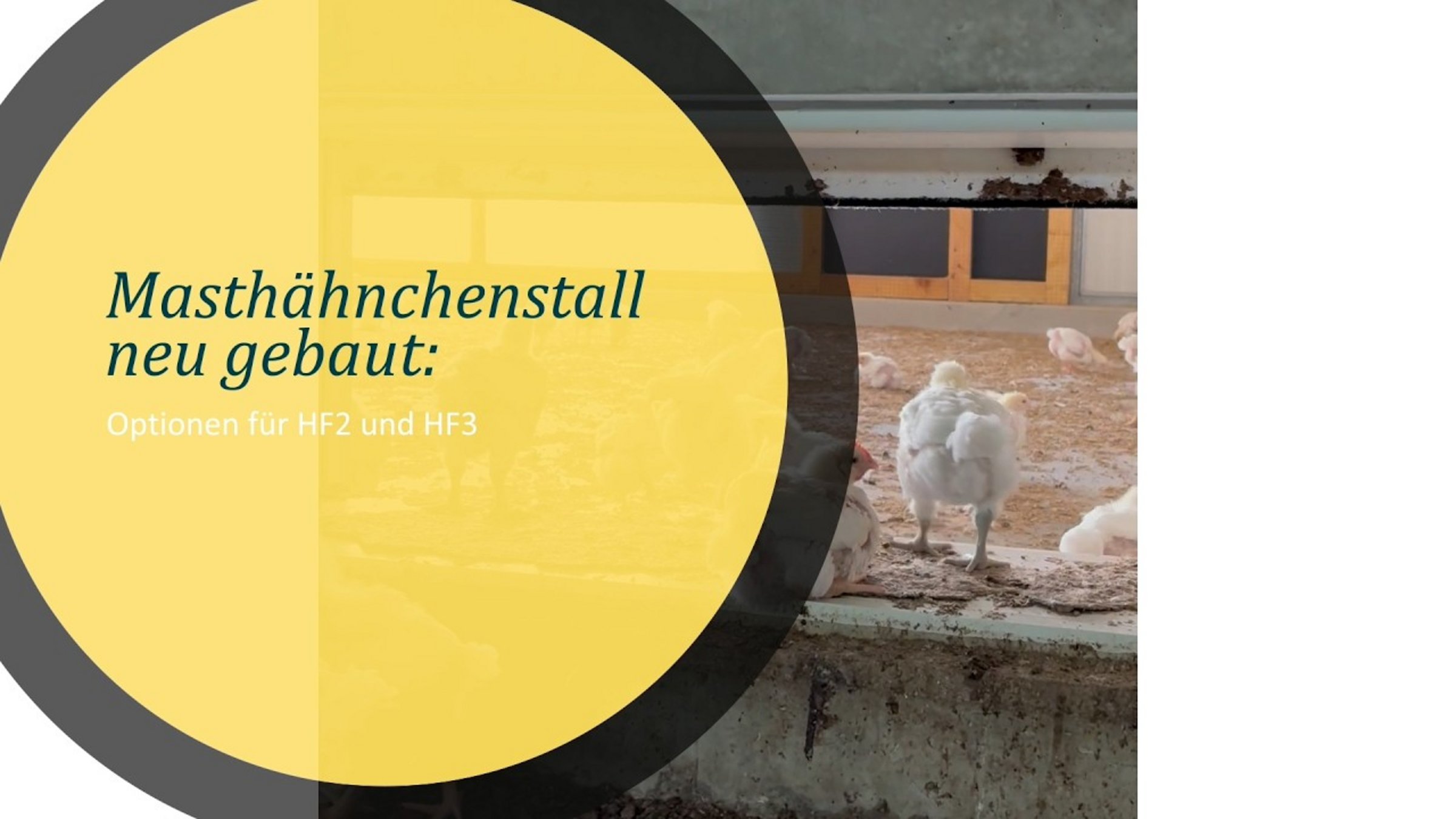
03 Video Masthähnchenstall neu gebaut: Optionen für Haltungsform 2 und 3
Video: Turkey enrichment materials
Video: Improving animal welfare in turkey farming
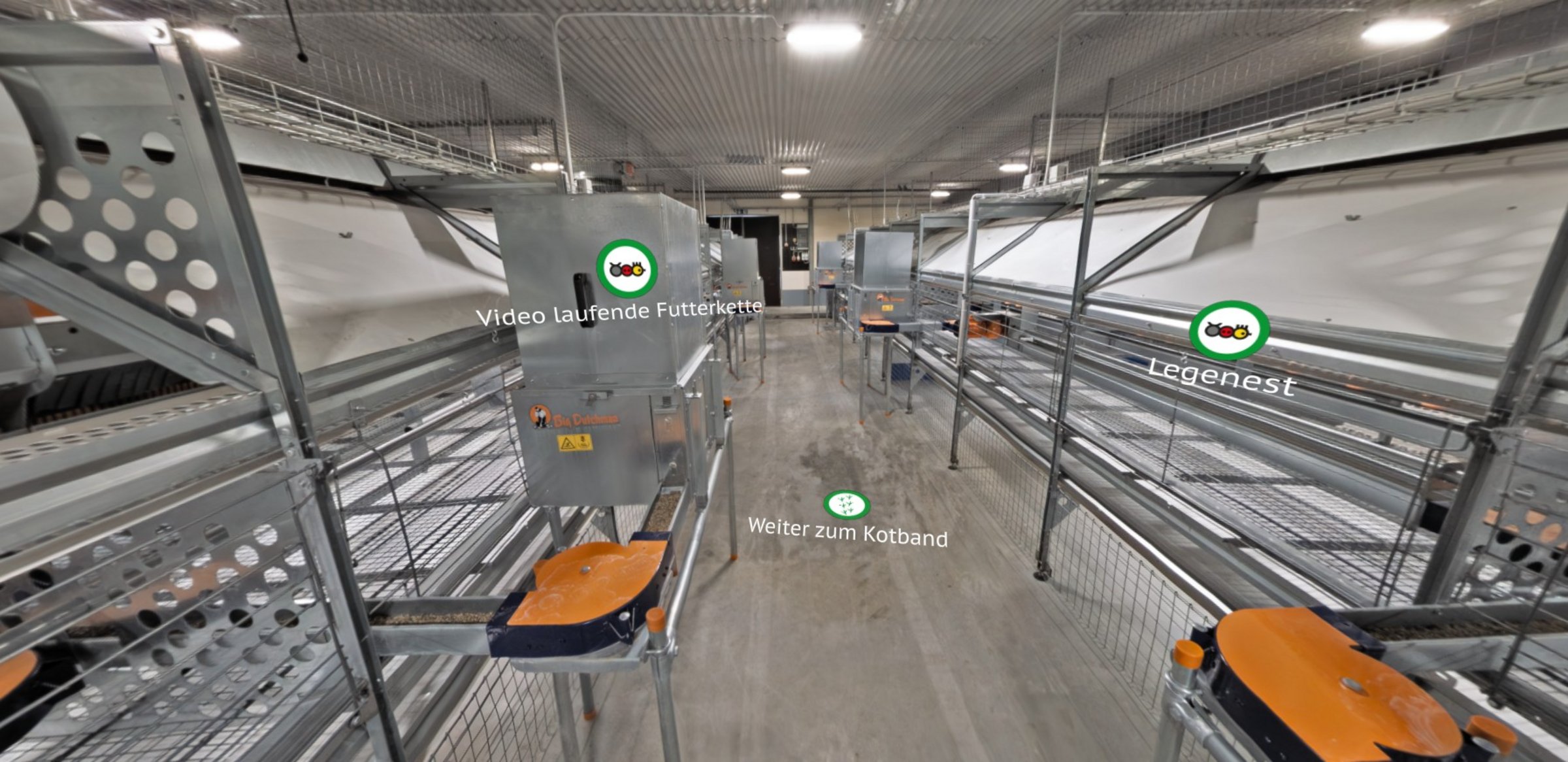
Video: A virtual tour of the laying hen house – a typical barn system
Vodcast: Self-assessment of animal welfare
PumaZu podcast
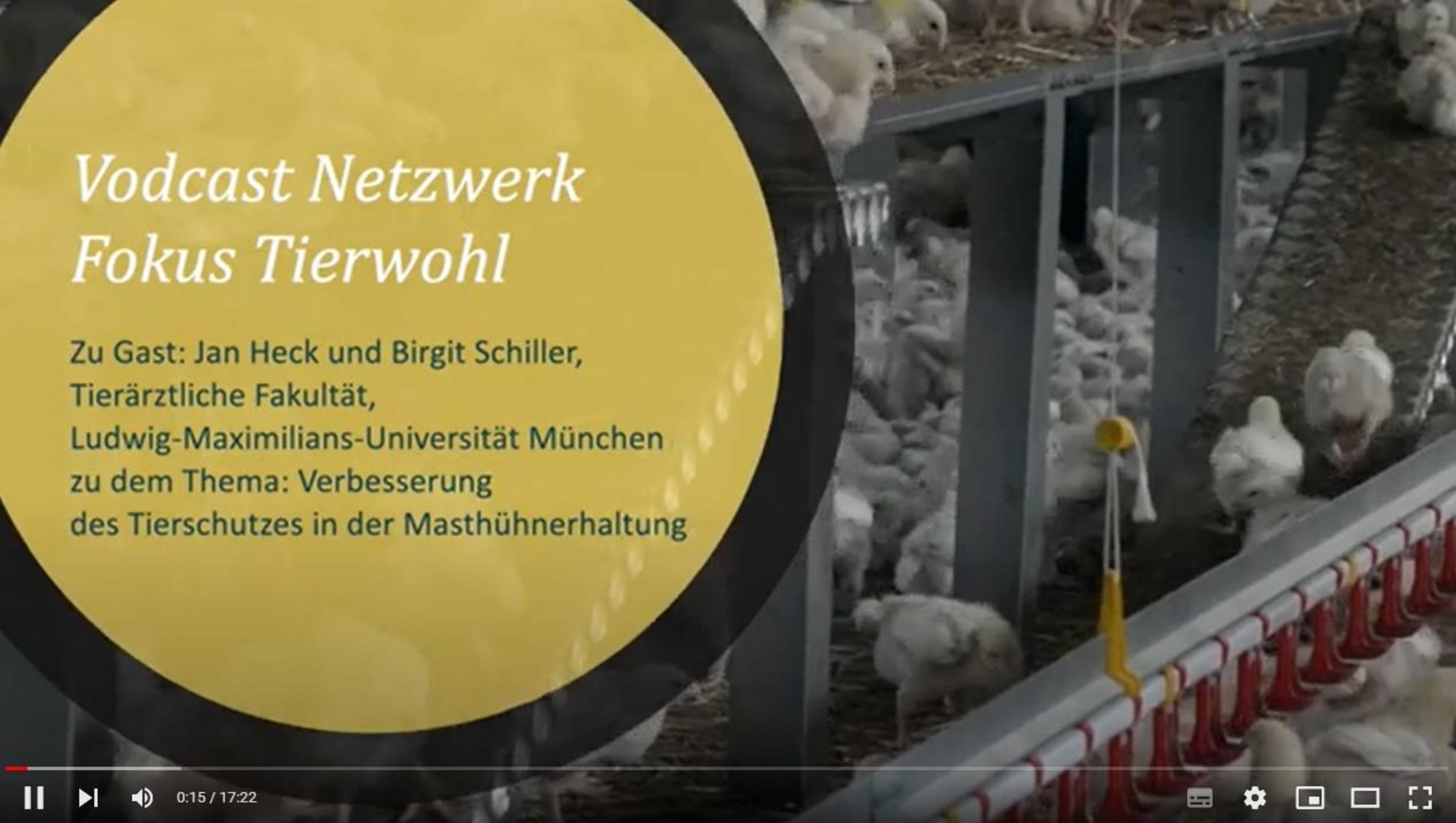
Vodcast: Animal Welfare in Broiler Chicken Farming
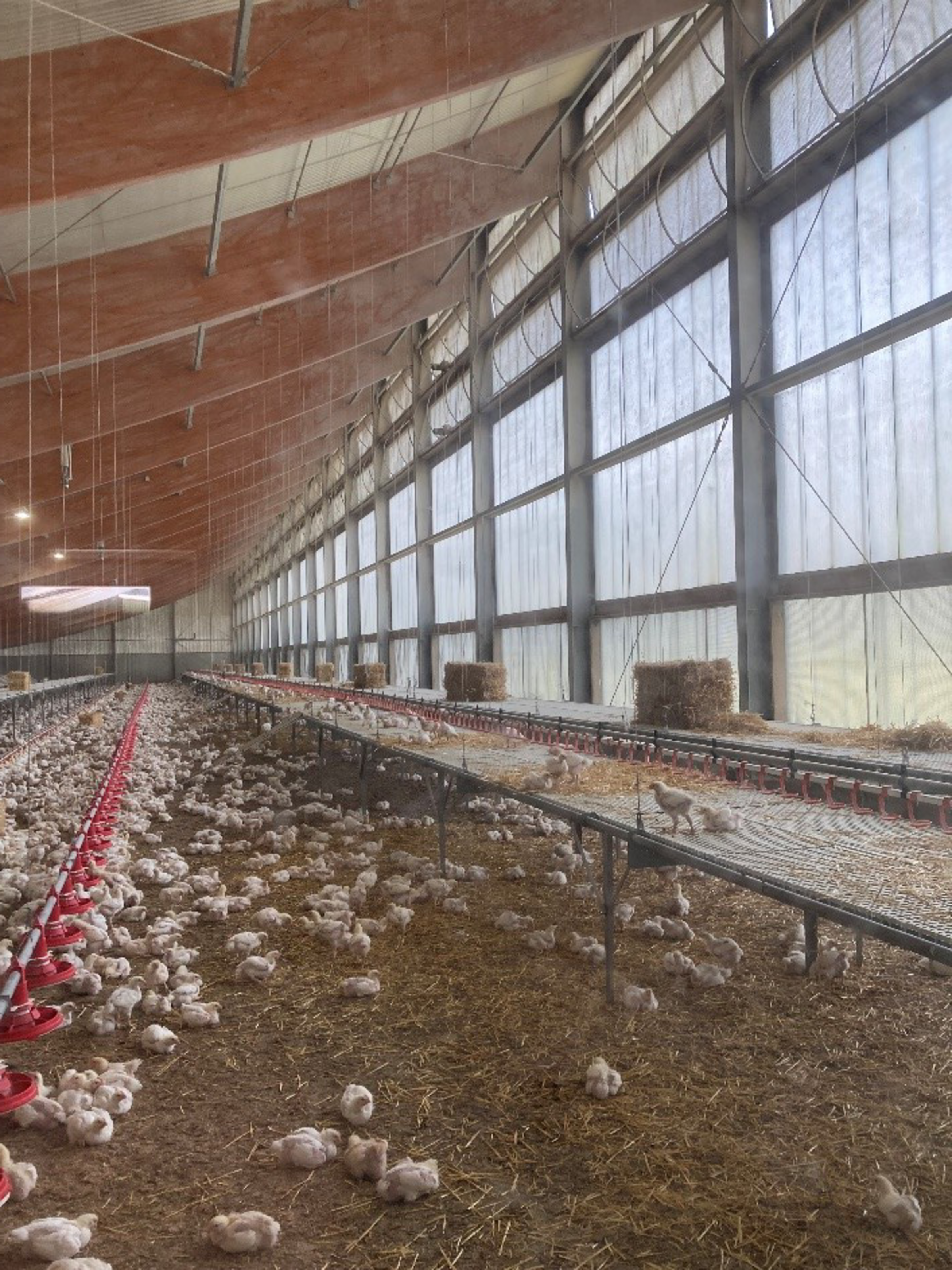
From the events: A look at future-oriented housing systems for broiler chickens
Funded projects: EIP broiler rearing house
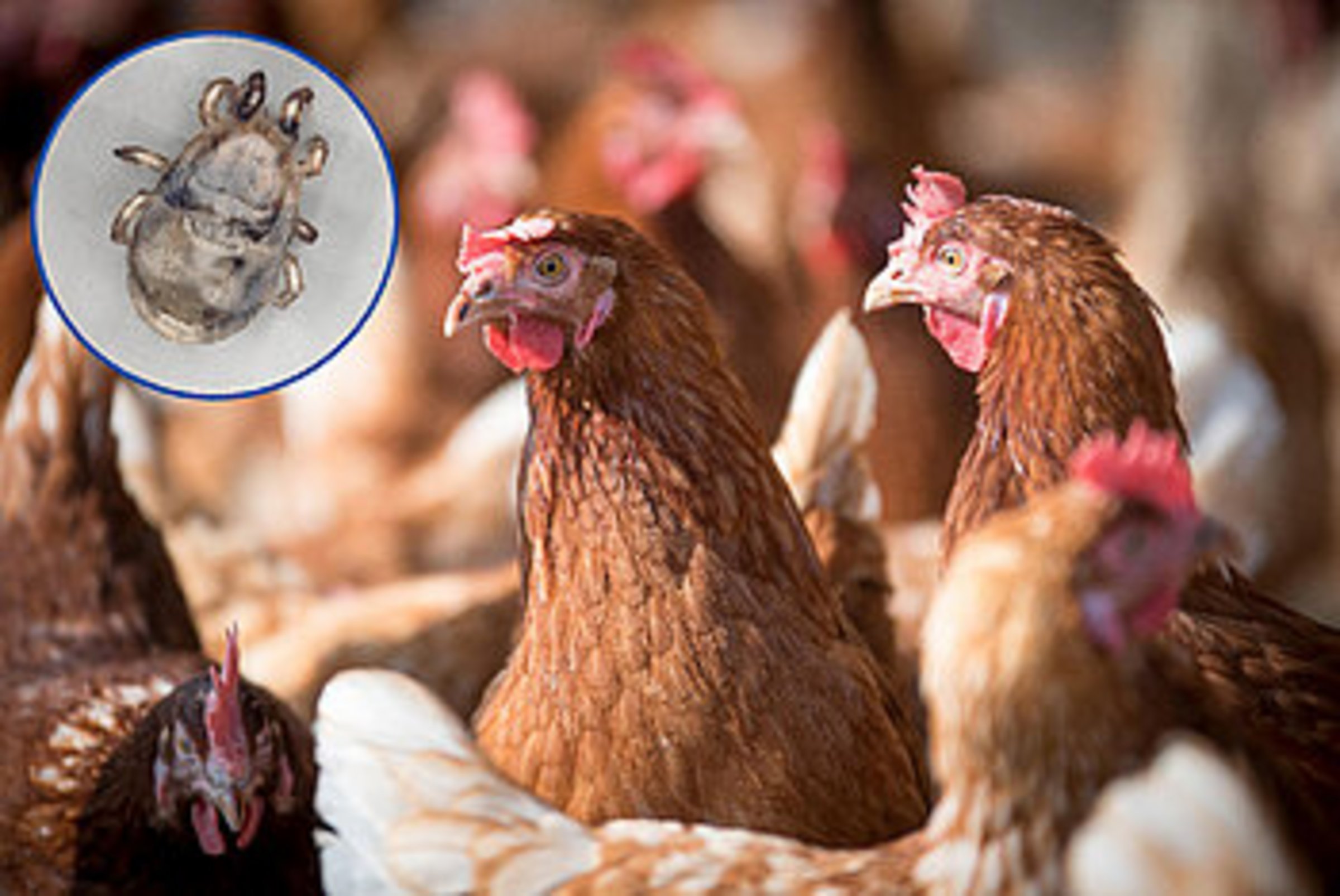
Funded projects: Cold plasma mite trap
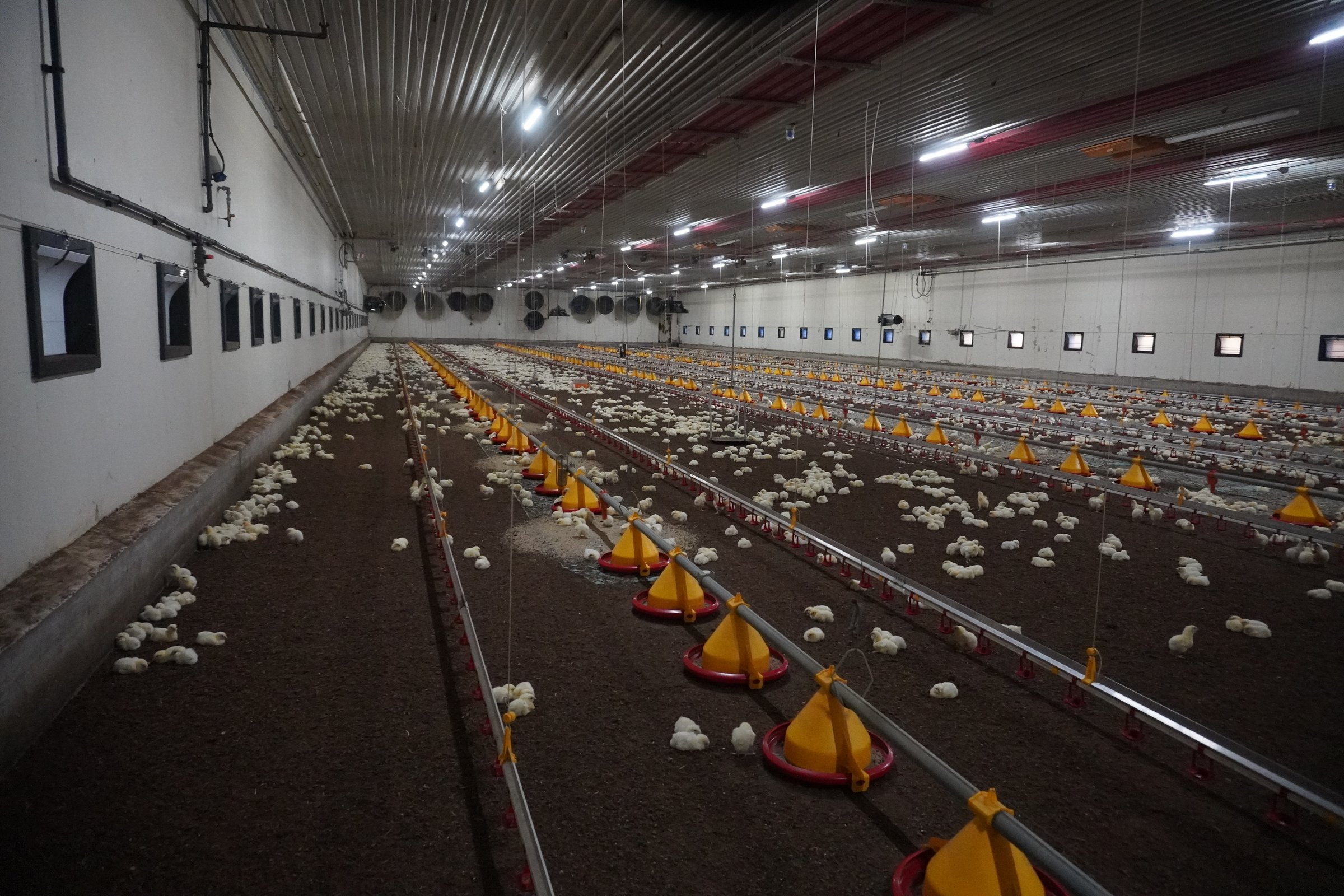
Funded projects: EIP broiler rearing house
06 EIP Wurmfrei
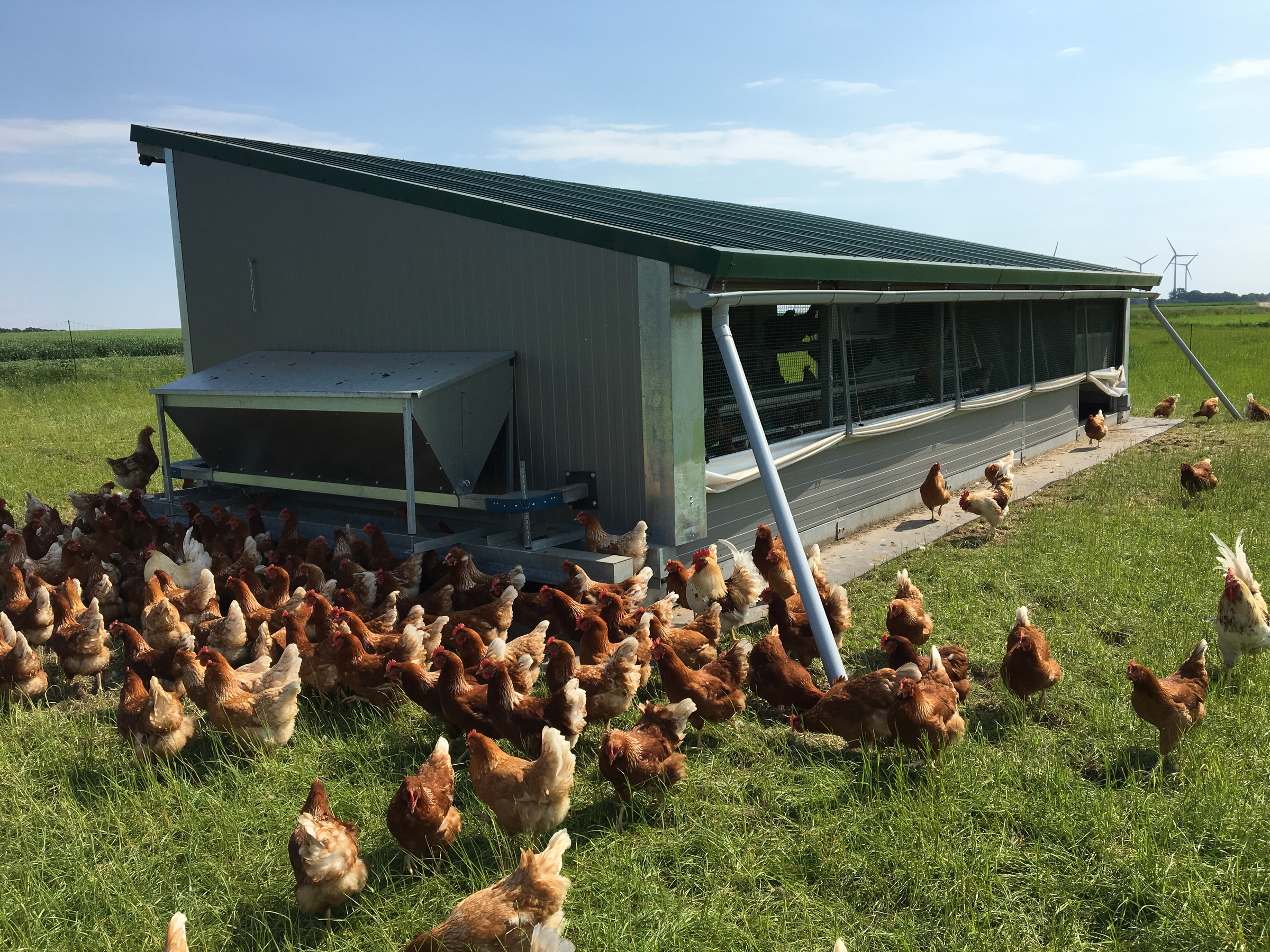
Funded projects: Hygiene in mobile housing
Funded projects: Mobile chicken rearing shed
Video Freilandpute - vom Küken bis zur Schlachtung: Ein Praxisbeispiel
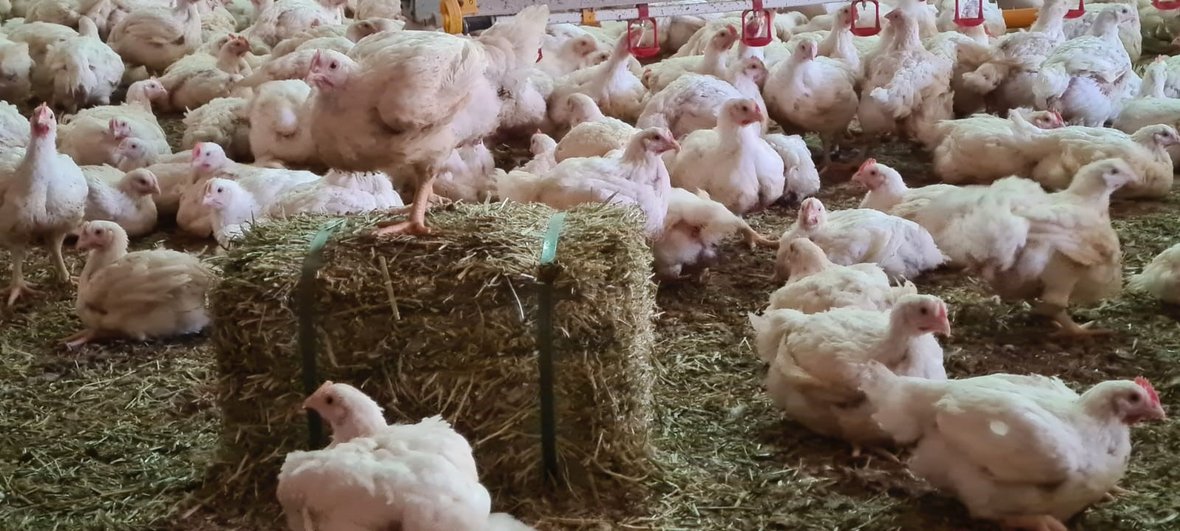
The Animal Welfare Initiative (ITW) is one of the most significant animal welfare programmes in the German poultry industry. The majority of poultry farmers in Germany currently participate in Housing Type 2 (“Housing plus outdoor access”) under the ITW. Since March 2026, it has also been possible to register farms with broiler chickens or broiler turkeys for certification under Housing Type 3 (“Initiative Tierwohl Fresh Air House”) and Housing Type 4 (“Initiative Tierwohl Free Range”).
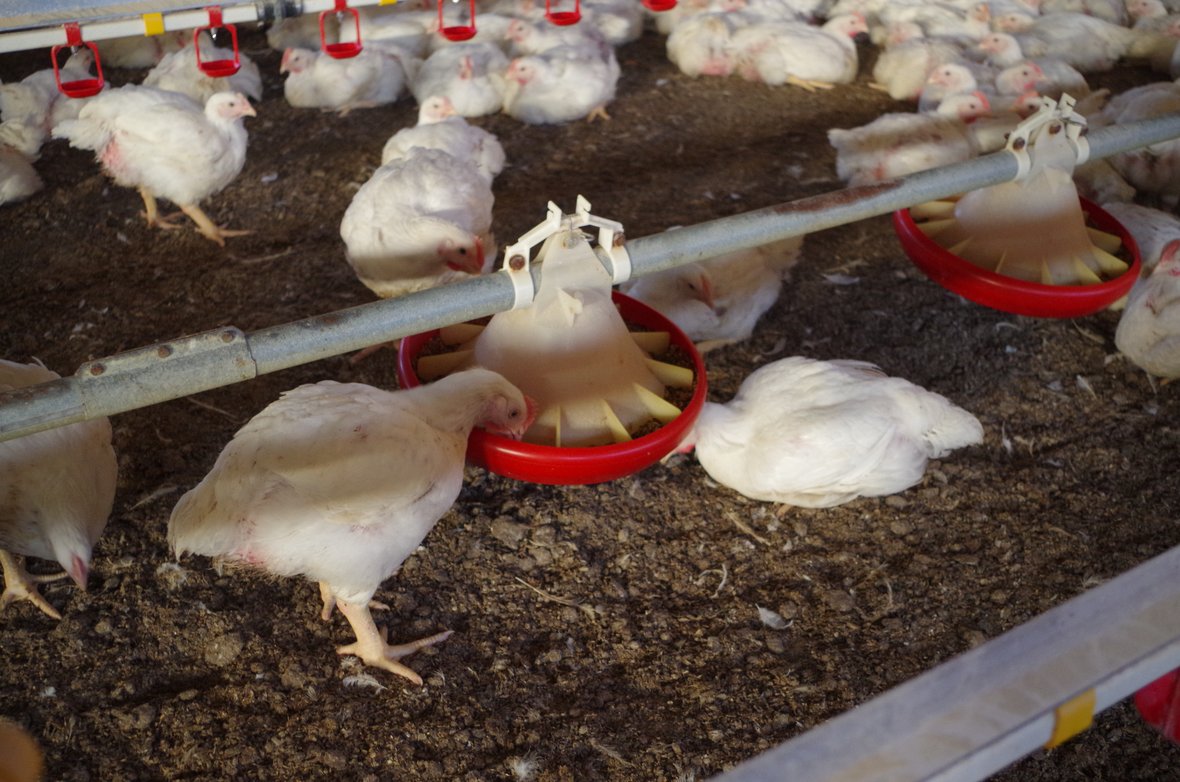
Germany aims to become climate-neutral by 2045 and to significantly reduce its greenhouse gas emissions, including those from the agricultural sector. As a first interim target, Germany aims to reduce ammonia emissions by 29% by 2030 compared with the reference year of 2005. Ammonia is not one of the greenhouse gases regulated by the Climate Protection Act, but it has an indirect impact on the climate and can affect animal health and the indoor environment in livestock housing.
For existing, larger older facilities, the TA Luft also contains requirements to bring the facilities up to date from an emissions perspective, known as the refurbishment of older facilities. Existing poultry facilities requiring a permit (under the Federal Immission Control Act (BImSchG)) must, like other livestock facilities, demonstrably reduce their emissions in accordance with the requirements of the TA Luft. Emissions of ammonia, dust and odours are particularly relevant for poultry farming in closed and forced-ventilated houses.
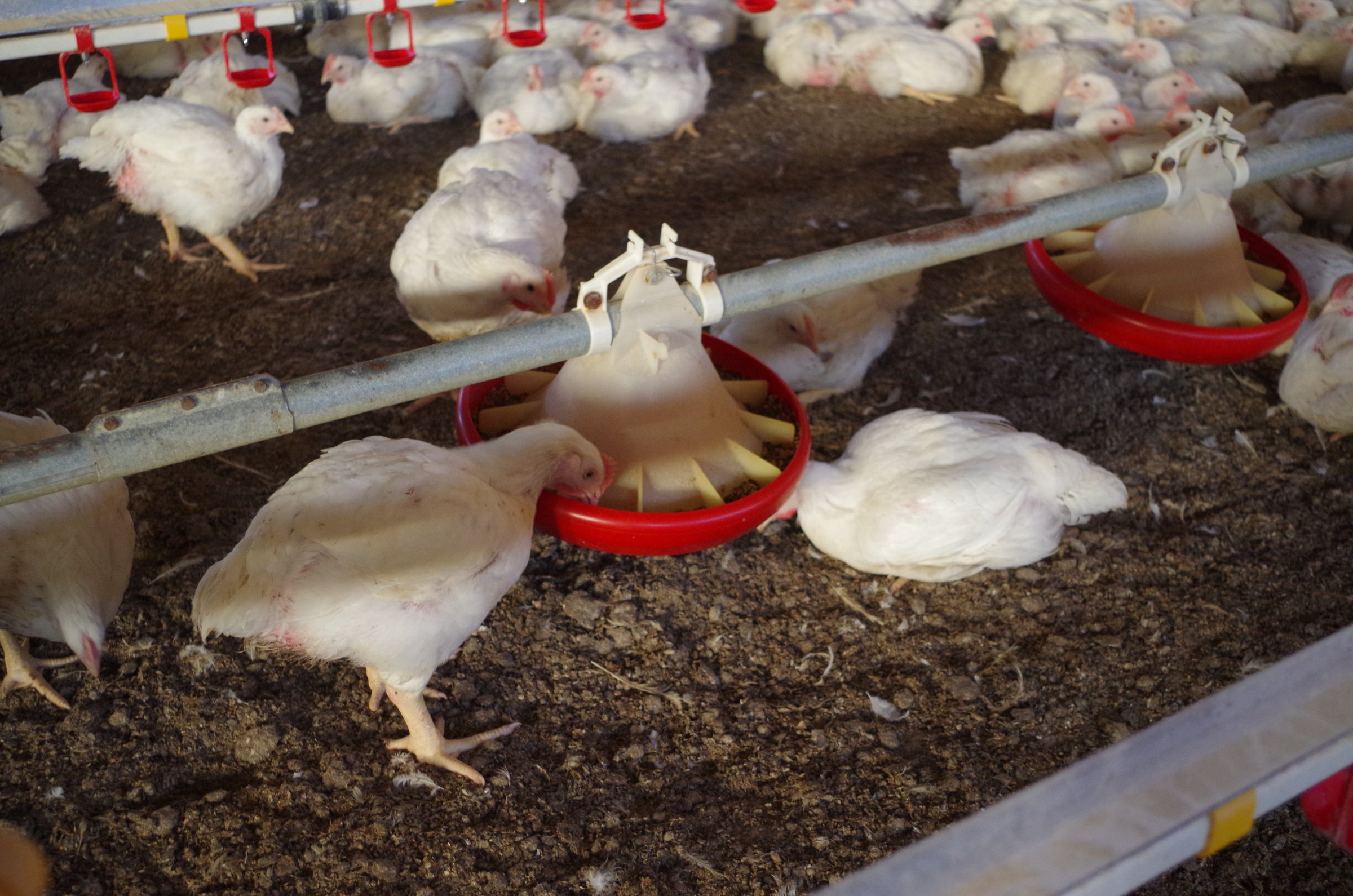
A report by the Poultry Animal Welfare Competence Centre aims to provide an overview of the already recognised mitigation measures for different farm sizes in broiler chicken farming and also to offer an outlook on possible future options.
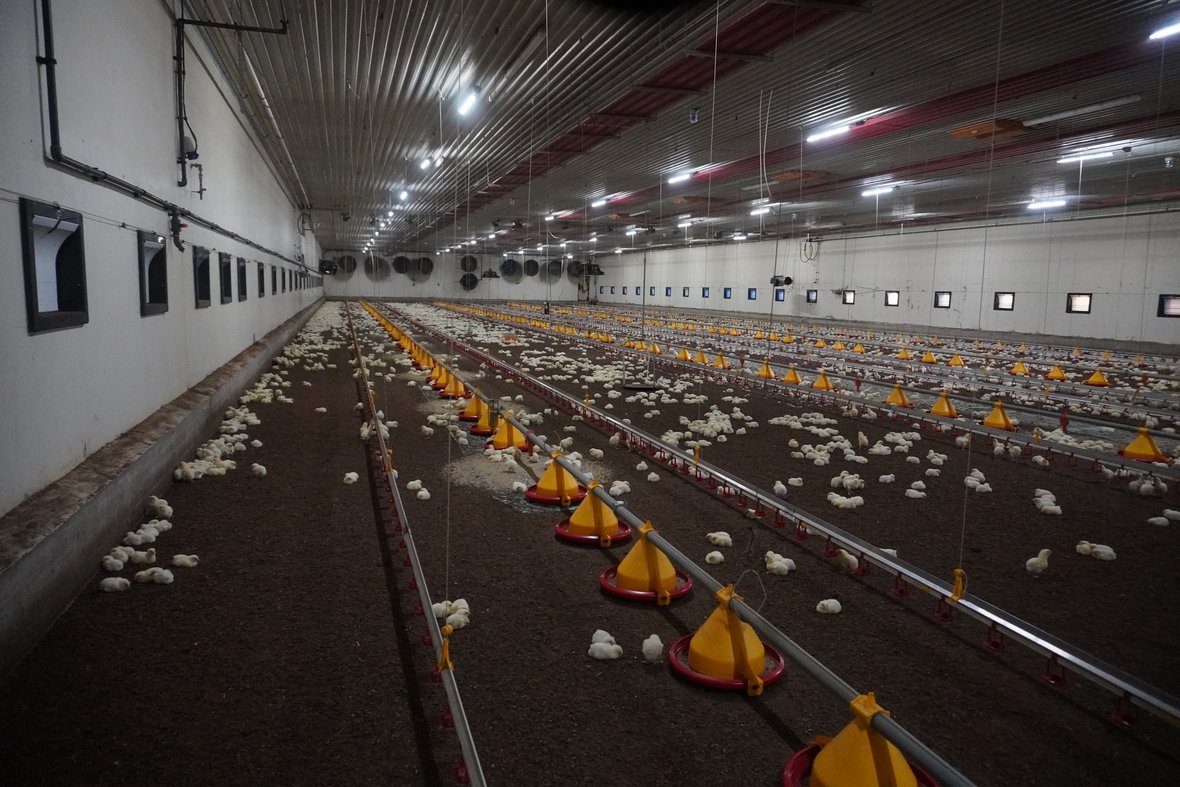
Conventional broiler rearing houses are generally designed as buildings with a single-layer outer shell. These structures often suffer from the problem that the negative pressure required to maintain a stable house climate is insufficient due to leaks in the outer shell, thereby adversely affecting climate control within the house. As part of the EIP project ‘Broiler House 2023’, the aim was to construct and test a house designed with two shells to ensure the building’s airtightness. This innovative building is intended to enable an optimal, constant house climate, so that the animals are not exposed to significant climatic fluctuations.
The aim of the new building is to improve animal welfare in broiler rearing. By eliminating significant climatic fluctuations and, in particular, preventing cold air from entering the animal area, the aim is to reduce litter moisture and ammonia levels.
Vaccinations are an important tool for maintaining and improving animal health. They serve as a preventive measure to avoid infection with pathogens. In addition, regular vaccination helps to reduce the spread of zoonotic pathogens. They remain a key component of animal disease control. For example, vaccination against Newcastle disease is mandatory in broiler chicken farming.
The guide from the Poultry Animal Welfare Competence Centre outlines the most important aspects of vaccination measures for broiler chickens.
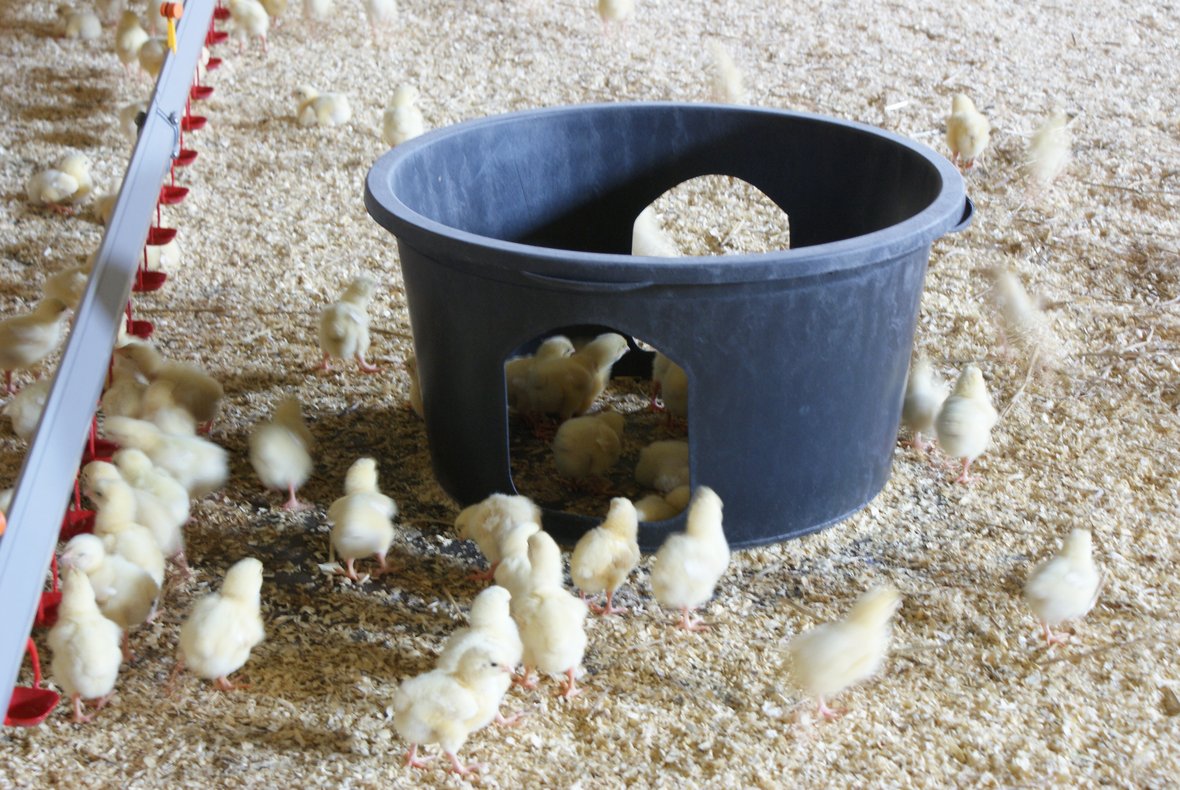
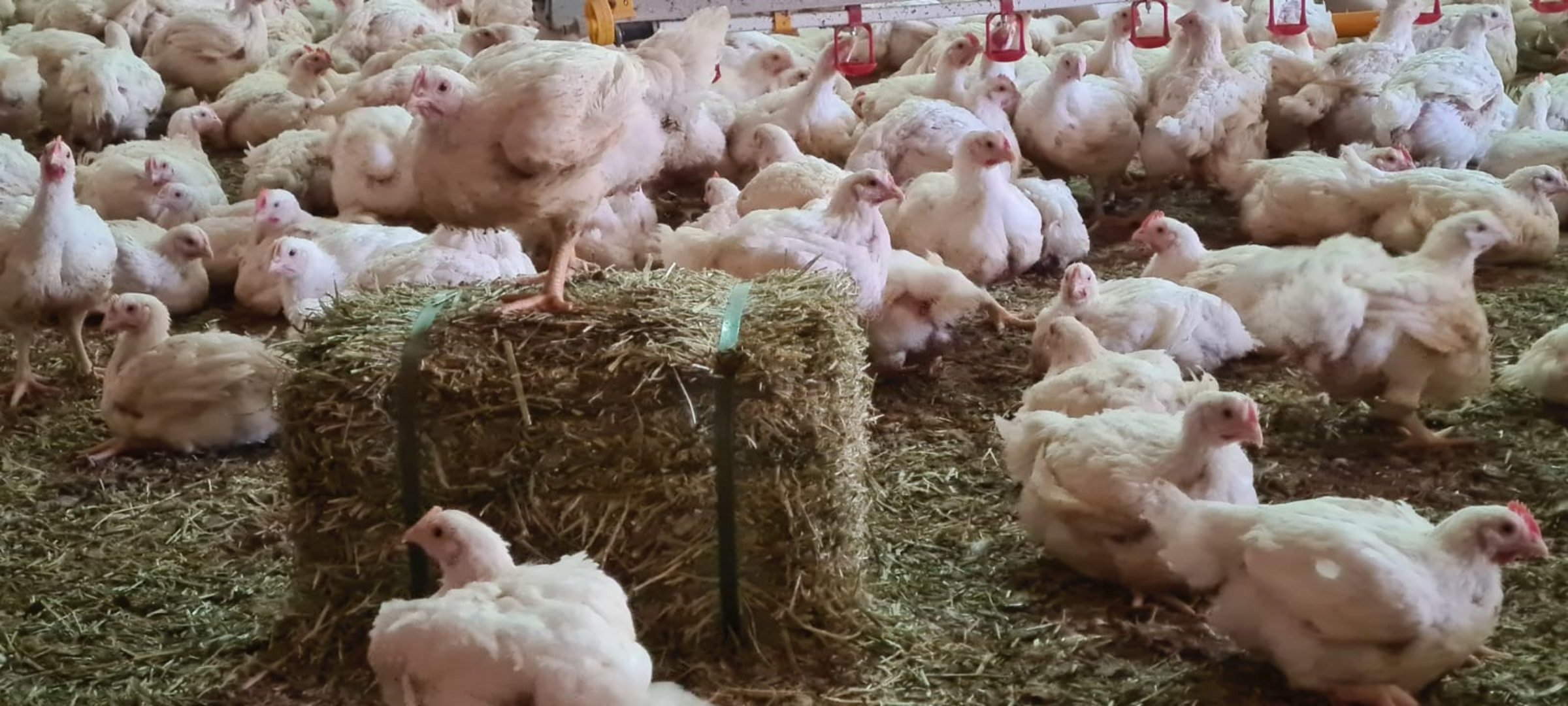
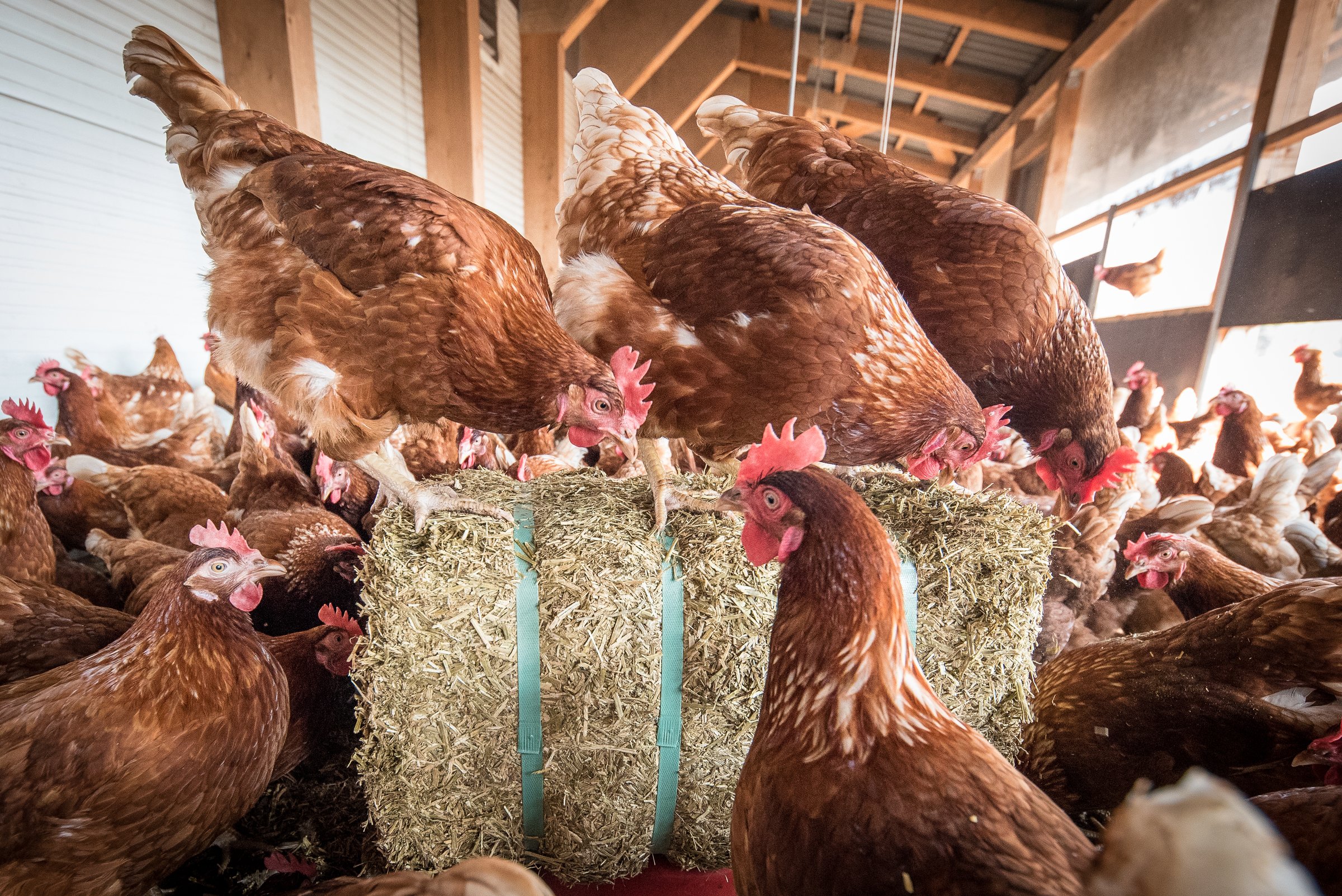
The concept of animal welfare encompasses not only animal health, but also the absence of negative emotions such as fear and stress, as well as the ability to express species-specific behaviour. Under natural conditions, feeding and exploratory behaviour, as well as dust bathing, take up a large part of the day for chickens. In purely indoor housing, however, the animals have easy access to feed and, partly as a result, display less exploratory behaviour.
Furthermore, purely floor-based housing offers no opportunity for perching. Consequently, species-appropriate resting behaviour can only be partially accommodated.
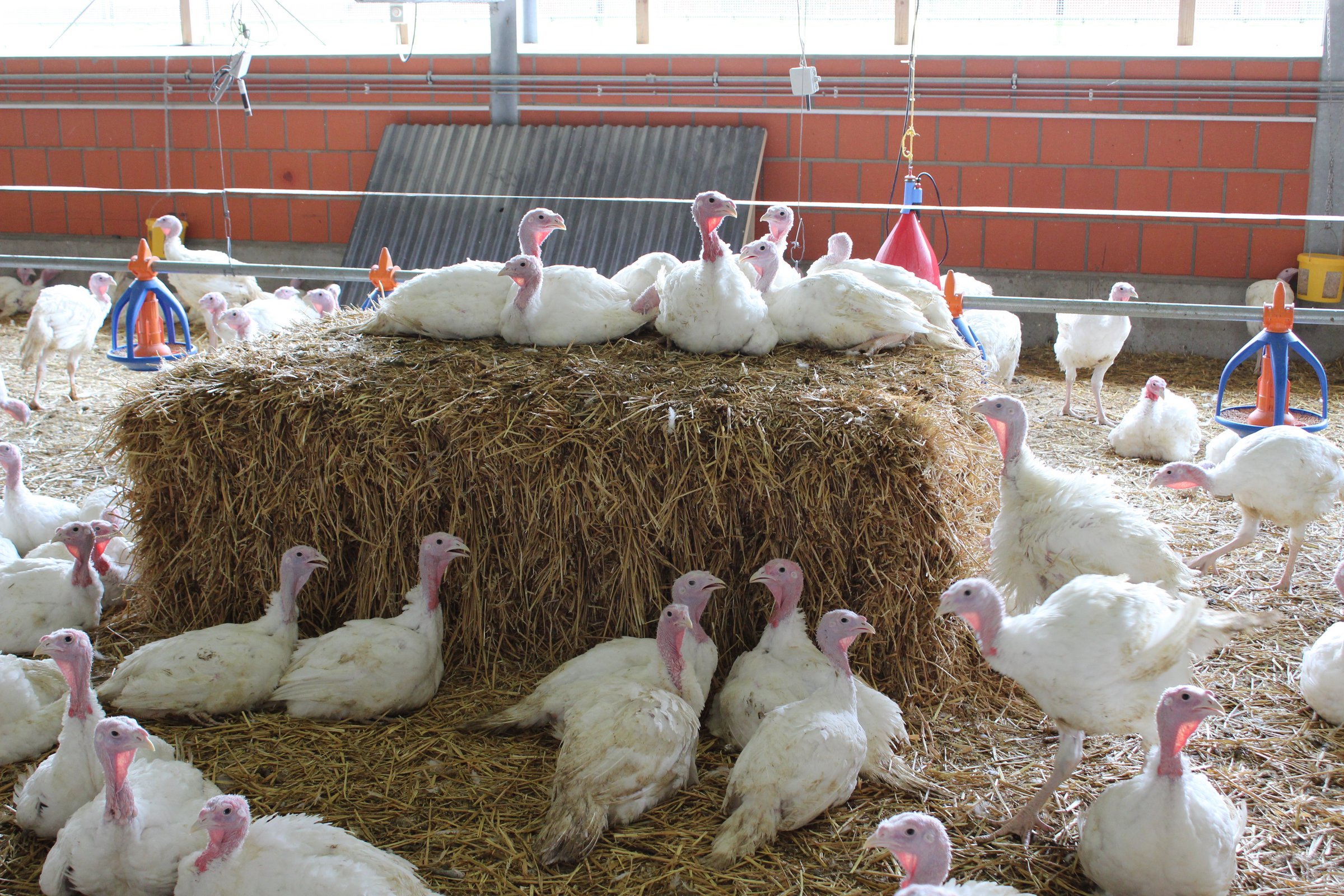
Consequently, a wide variety of approaches have been tested in recent years to enrich the animals’ housing environment. The use of enrichment materials is intended to stimulate the exploratory behaviour of broiler chickens, whilst structural elements allow them to perch. The aim of housing enrichment is therefore to improve the animals’ welfare. These approaches are presented below.
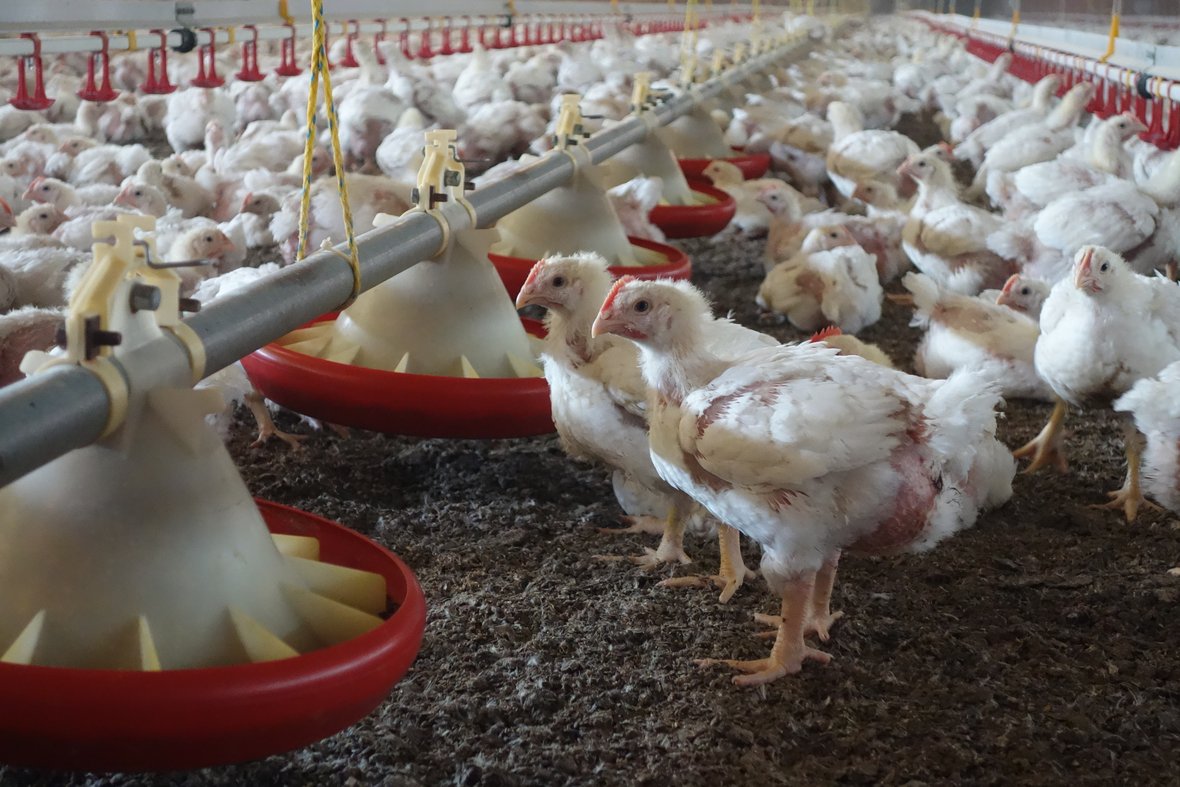
High production levels in chicken farming can only be achieved with healthy birds. Gut health plays a vital role in this, as the gut is a key component of the immune system. The foundation of a healthy gut is a stable gut microbiome, also known as gut flora. This refers to the trillions of microorganisms that live on the gut mucosa and, together with the gut, form a complex micro-ecosystem. A stable gut microbiome develops when the gut develops rapidly from the outset and as few disruptive factors as possible affect this high-performing but sensitive ecosystem. Disruptive factors such as stress or an unbalanced diet lead to a negative change in the composition of the gut flora. The gut wall becomes more permeable to undesirable substances, which can have health consequences.
A guide aims to highlight the multitude of factors that can have a negative impact on gut stability. Those interested will receive tips on how to recognise early signs of infections, as well as shifts in the composition of gut organisms.
EiKoTiGer – Making it easy to collect animal welfare indicators?
Interview with Dr Daniel Gieseke from the Department of Farm Animal Behaviour and Animal Husbandry, University of Kassel
Under Section 11(8) of the Animal Welfare Act, poultry farmers are required to regularly record and analyse animal-related characteristics within their flocks. But which indicators in the house provide information on animal health and behaviour?
To assist with this, the KTBL published a guide in 2016 on indicator collection for farmers of pullets, laying hens, broiler chickens and broiler turkeys. Questions such as ‘Is the system applicable in practice?’ and ‘When should results be classified as good or bad?’ remained unanswered at first, however.
The EikoTiGer project (Self-monitoring of Animal Welfare) has now addressed these issues. In this interview, Dr Daniel Gieseke (Department of Farm Animal Behaviour and Animal Husbandry, University of Kassel) discusses his work on the project. He reports on the system’s practical applicability, evaluation methods, and its advantages and disadvantages, whilst also providing insights into his collaboration with poultry farmers.
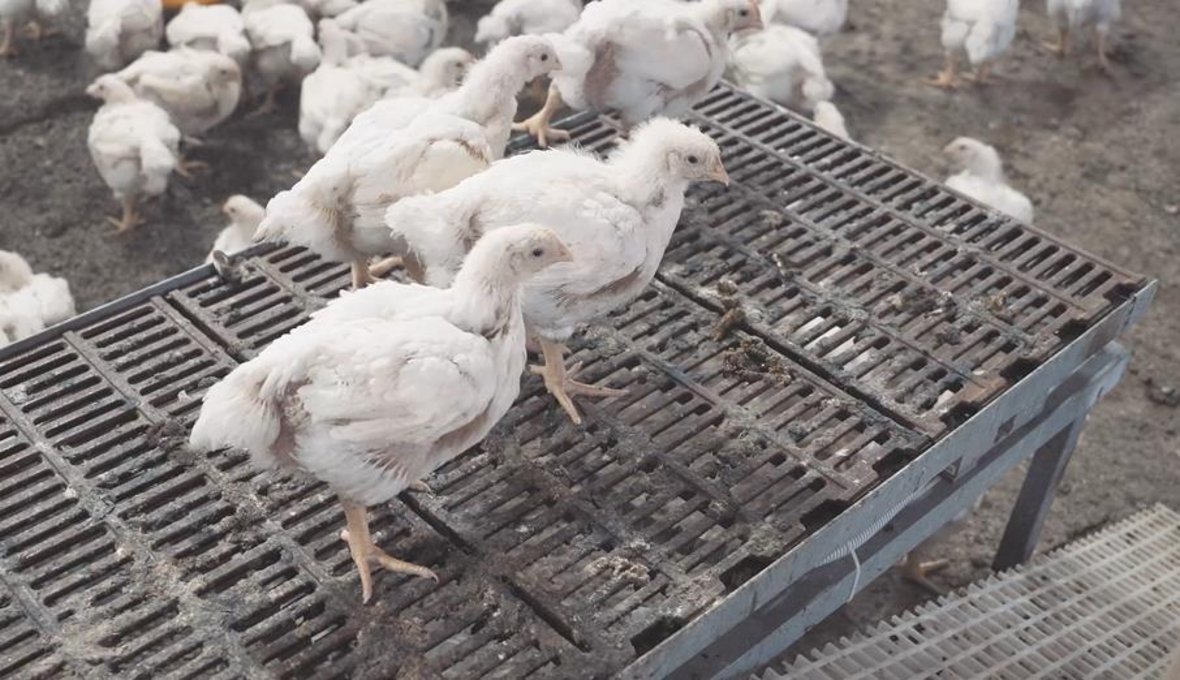
Increased perching space for broiler chickens under discussion
EuroTier Digital Round-up: The Animal Welfare Network organised a panel discussion on raised perches for broiler chickens.
Enrichment of the housing environment
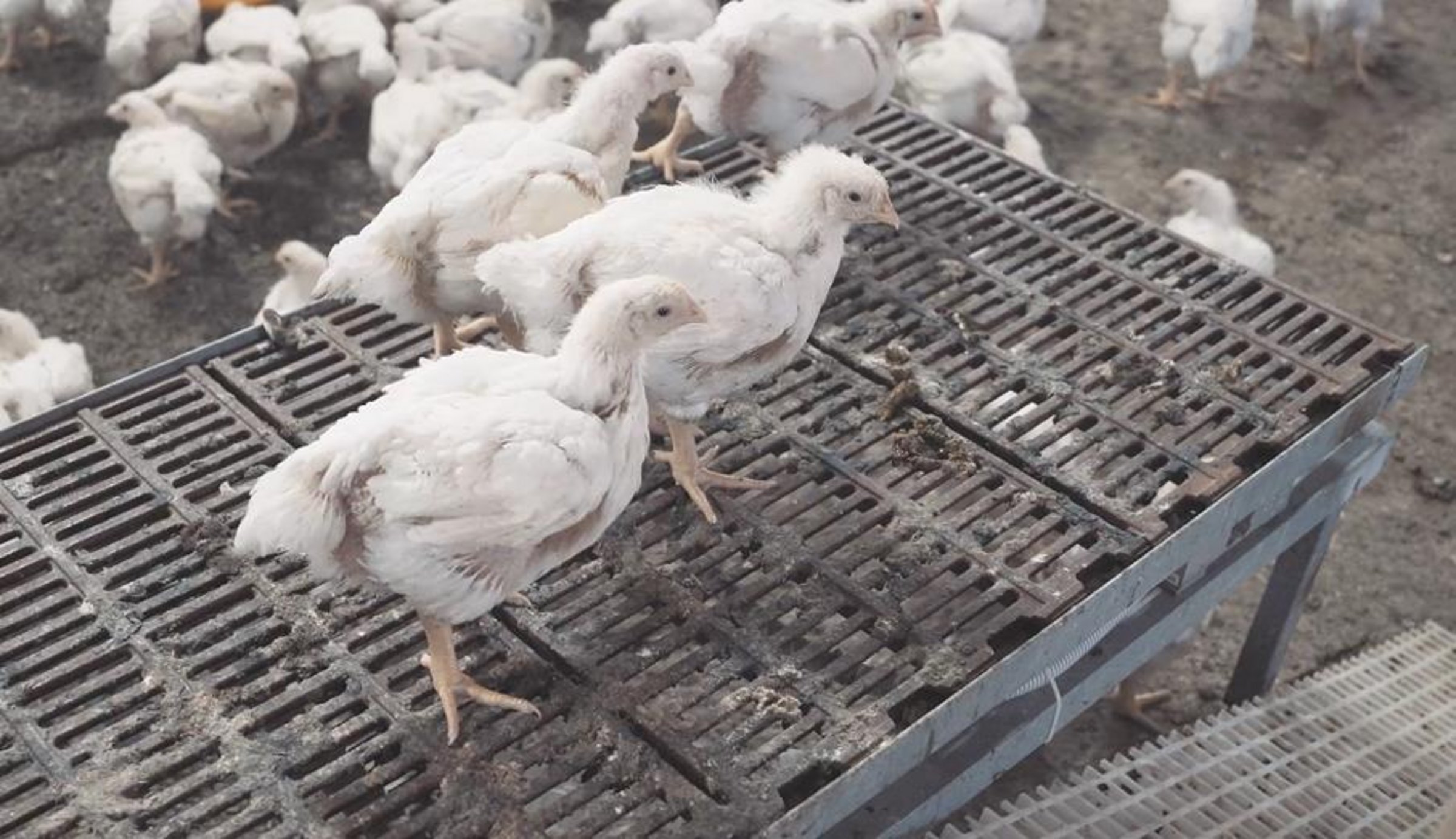
Options for enriching the housing environment play a central role in the discussion on improving animal welfare in poultry. For broiler poultry, elements such as raised platforms are suitable for this purpose, as they allow the birds to rest in an elevated position in a manner appropriate to their natural behaviour, whilst also serving as a place of retreat. The office of the Poultry Animal Welfare Competence Centre, based at the Lower Saxony Chamber of Agriculture (LWK), had already organised and moderated a discussion panel on the topic of ‘Elevated perches for broiler chickens’ at EuroTier digital. Four experts – Dr Julia Malchow from the FLI, Stefan Teepker, a broiler farmer and managing director of sprunGTische GmbH, Felix Wesjohann from the Weser-Ems hatchery, and Silke Schierhold, a poultry consultant at the LWK Lower Saxony – highlighted the benefits of a structured housing environment for broiler chickens. Elevated levels offer the animals the opportunity to roost in accordance with their natural behaviour and to retreat when necessary – both onto the levels and underneath them. Lighting zones can also be implemented in this way, depending on the time of day and season.
To complement this initial thematic launch for EuroTier digital, the Animal Welfare Focus Network has now also produced a specialist video on the topic of ‘Elevated levels in broiler production’. The plan is to gradually expand the video in line with the ongoing findings and experiences from the MuD projects, thereby making new information available to poultry farms at short notice.