
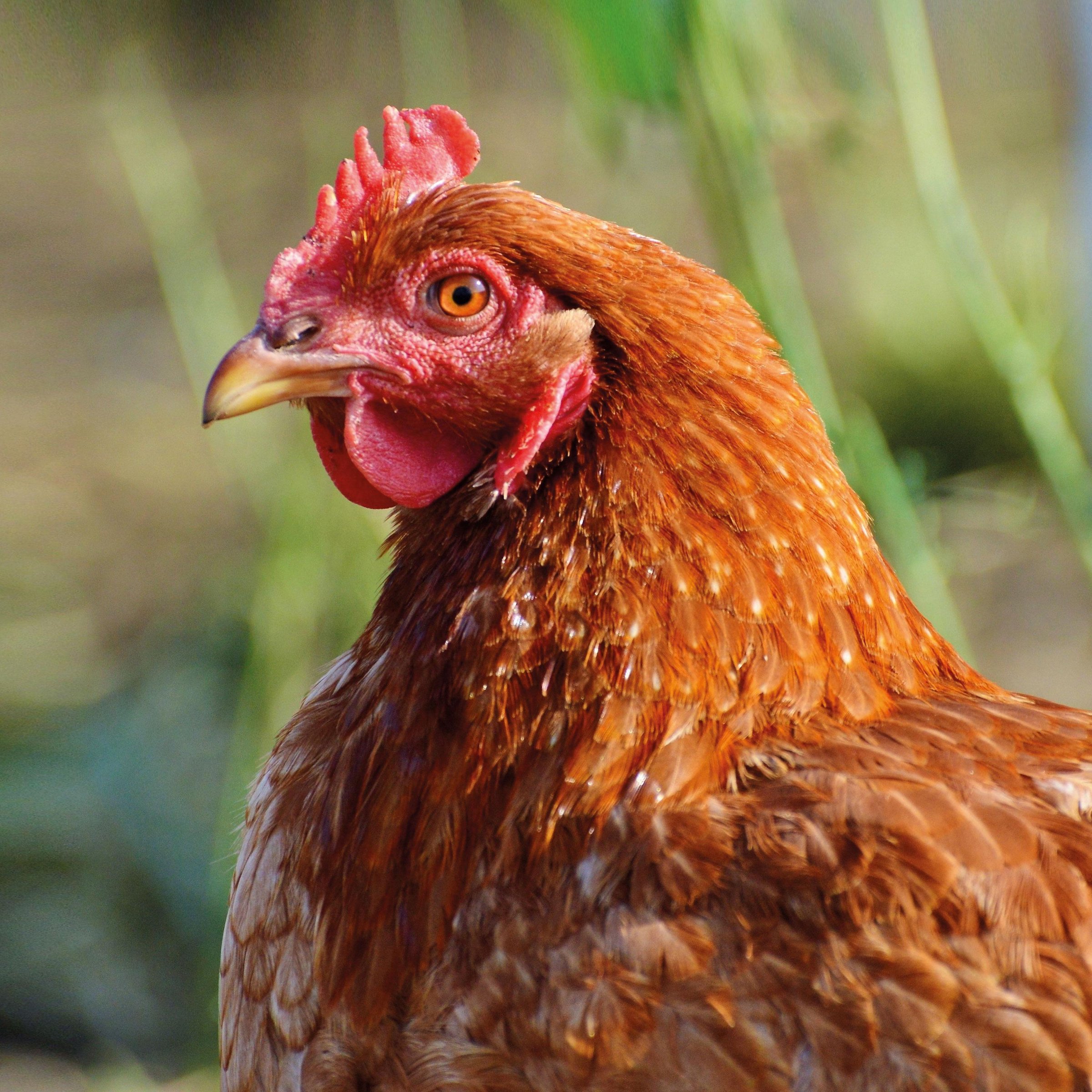
Overview of topics: Poultry
Avian influenza
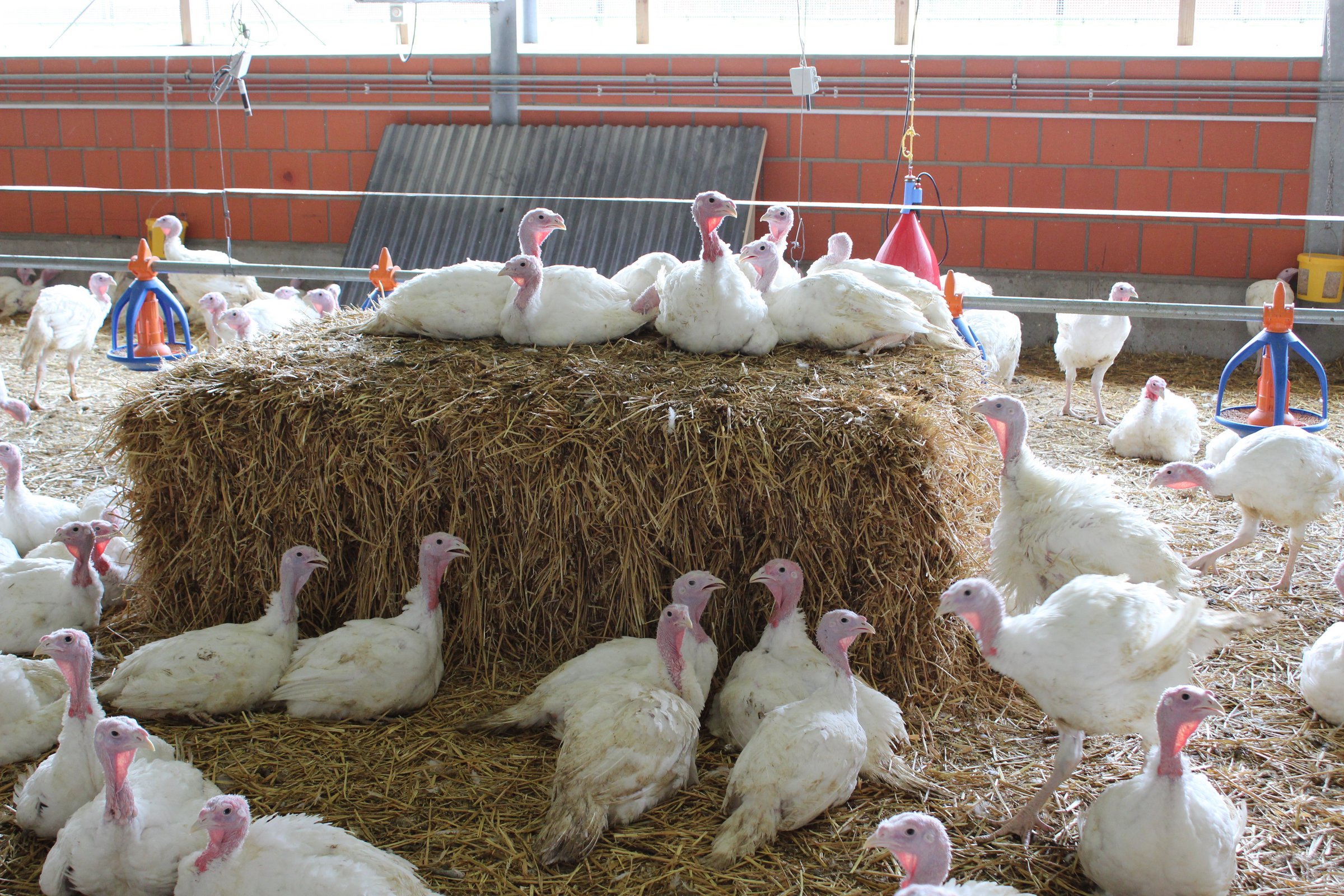
Enrichment materials in turkey farming
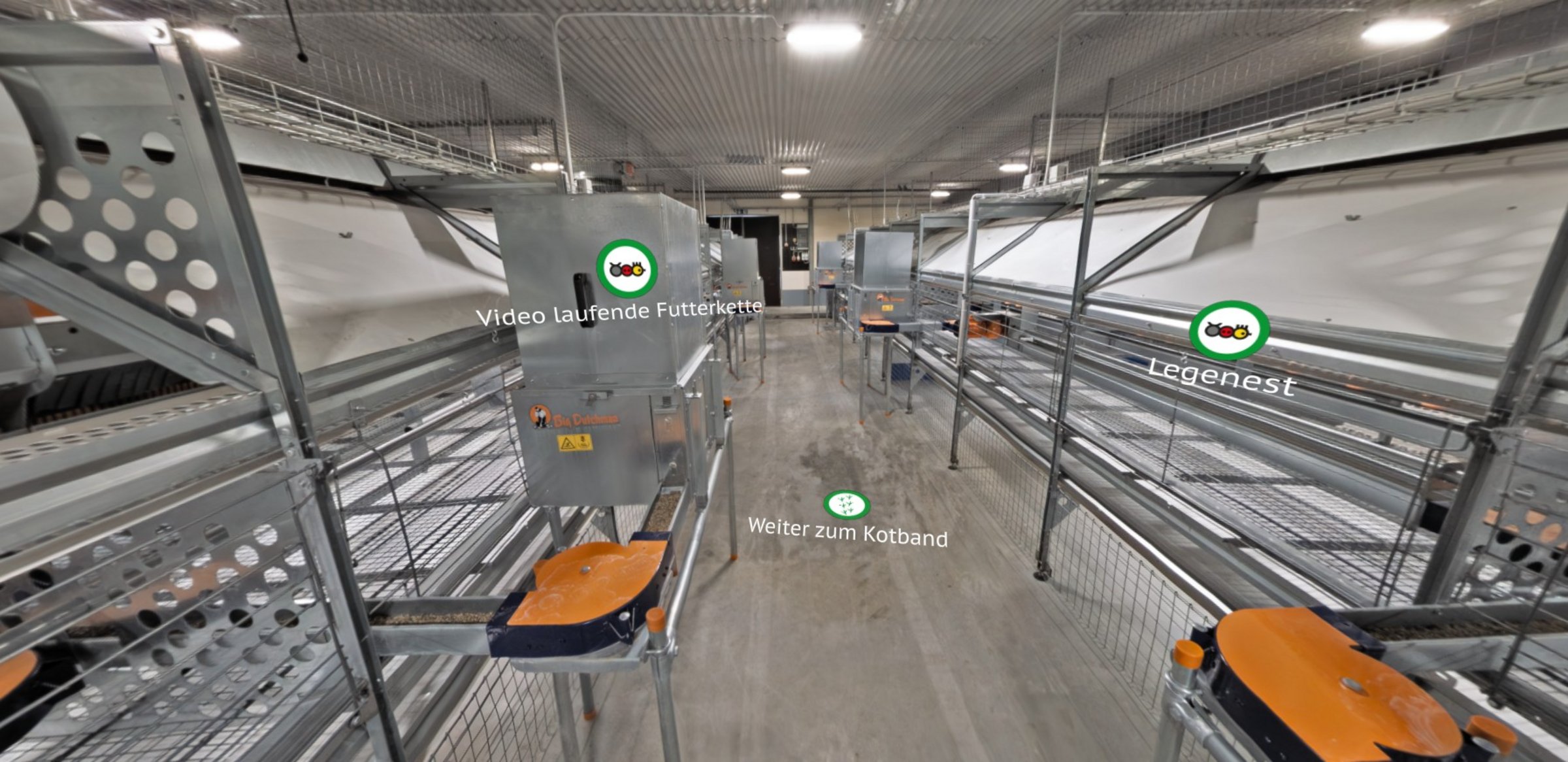
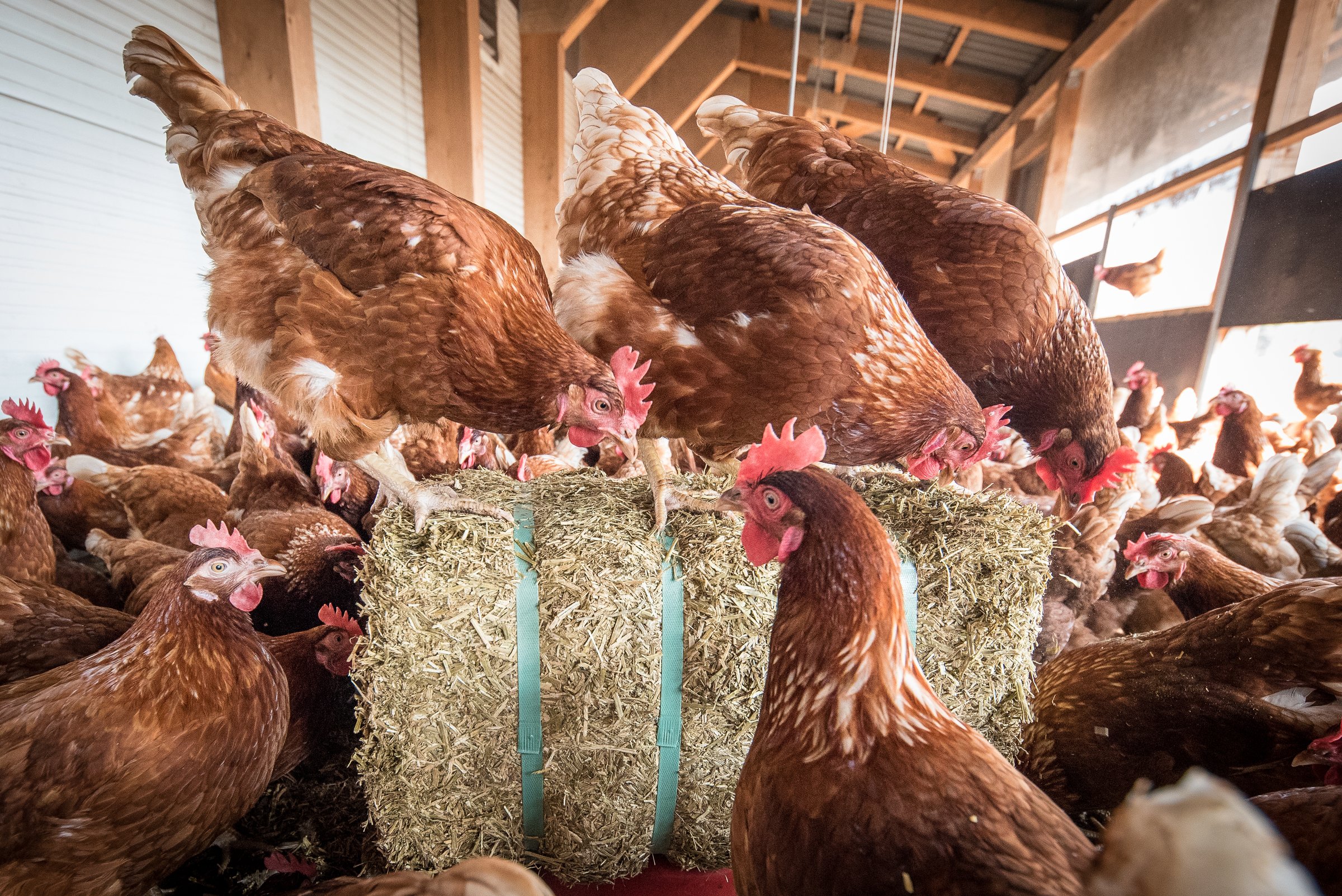
Floor-rearing system for laying hens
Broiler Rearing
Changes to the sternum in laying hens
Gut health in turkeys
Gut microbiome
Emissions reductions in pullet and laying hen farming
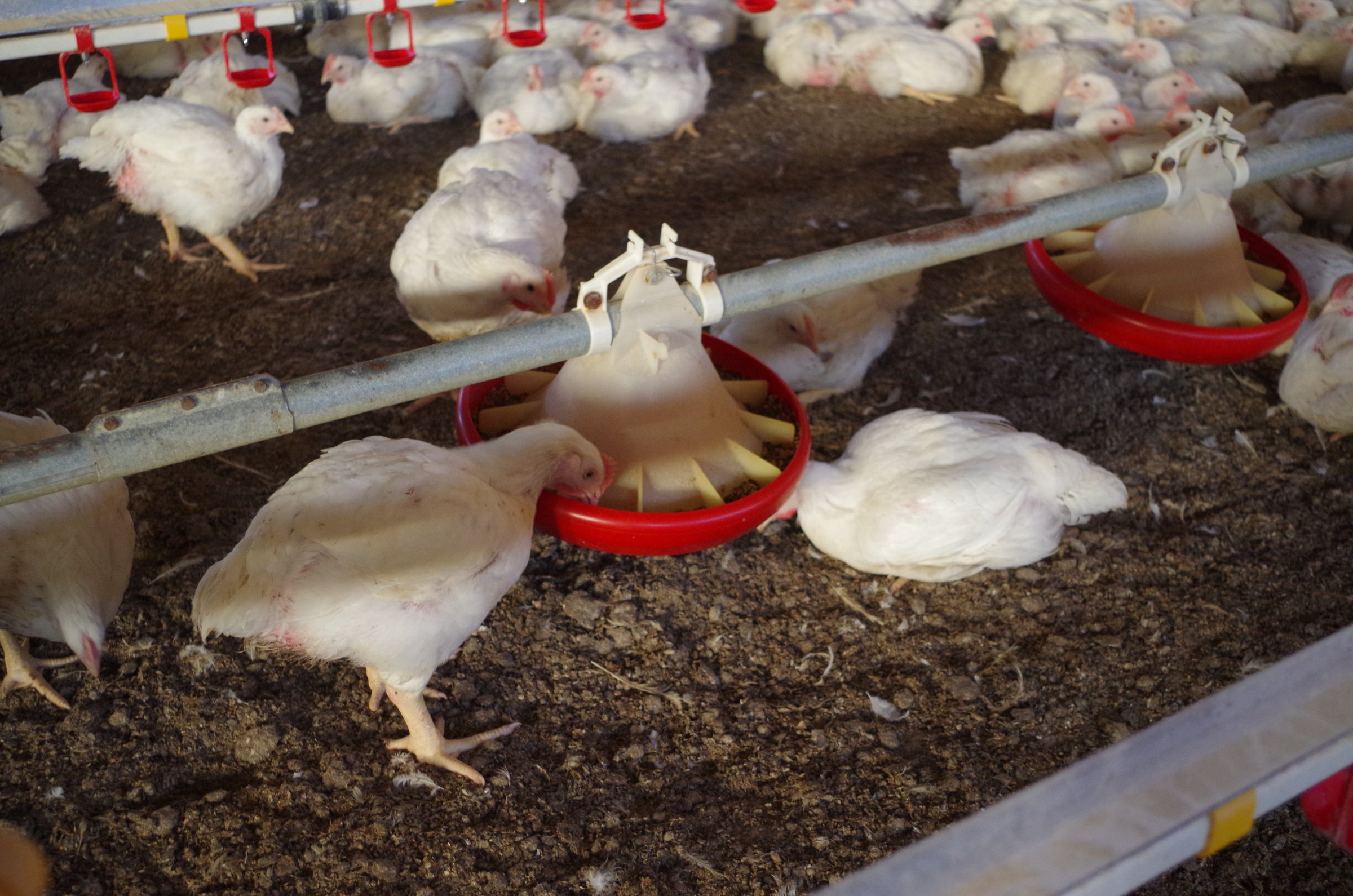
Emissions reductions in broiler farming
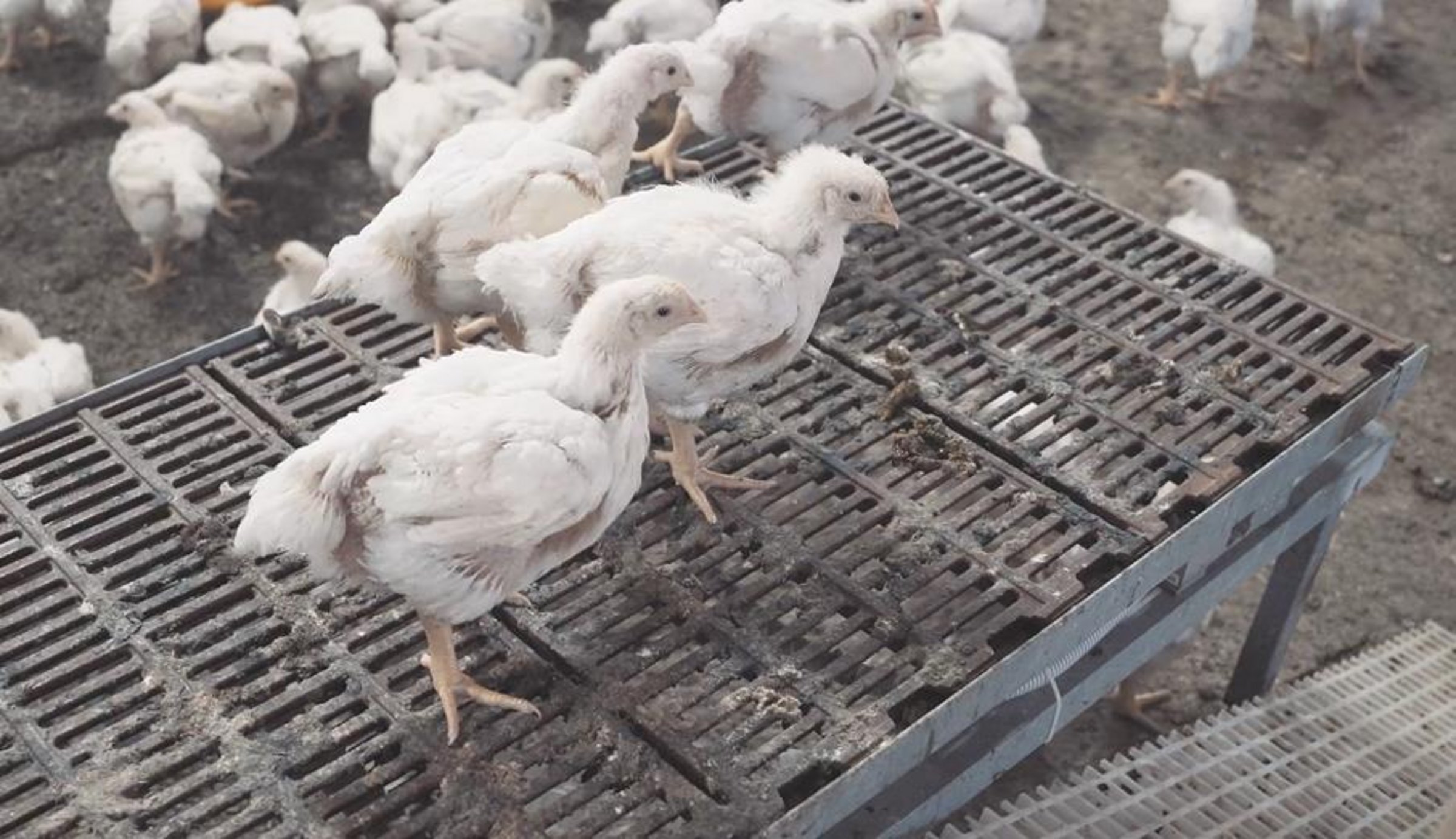
Elevated levels
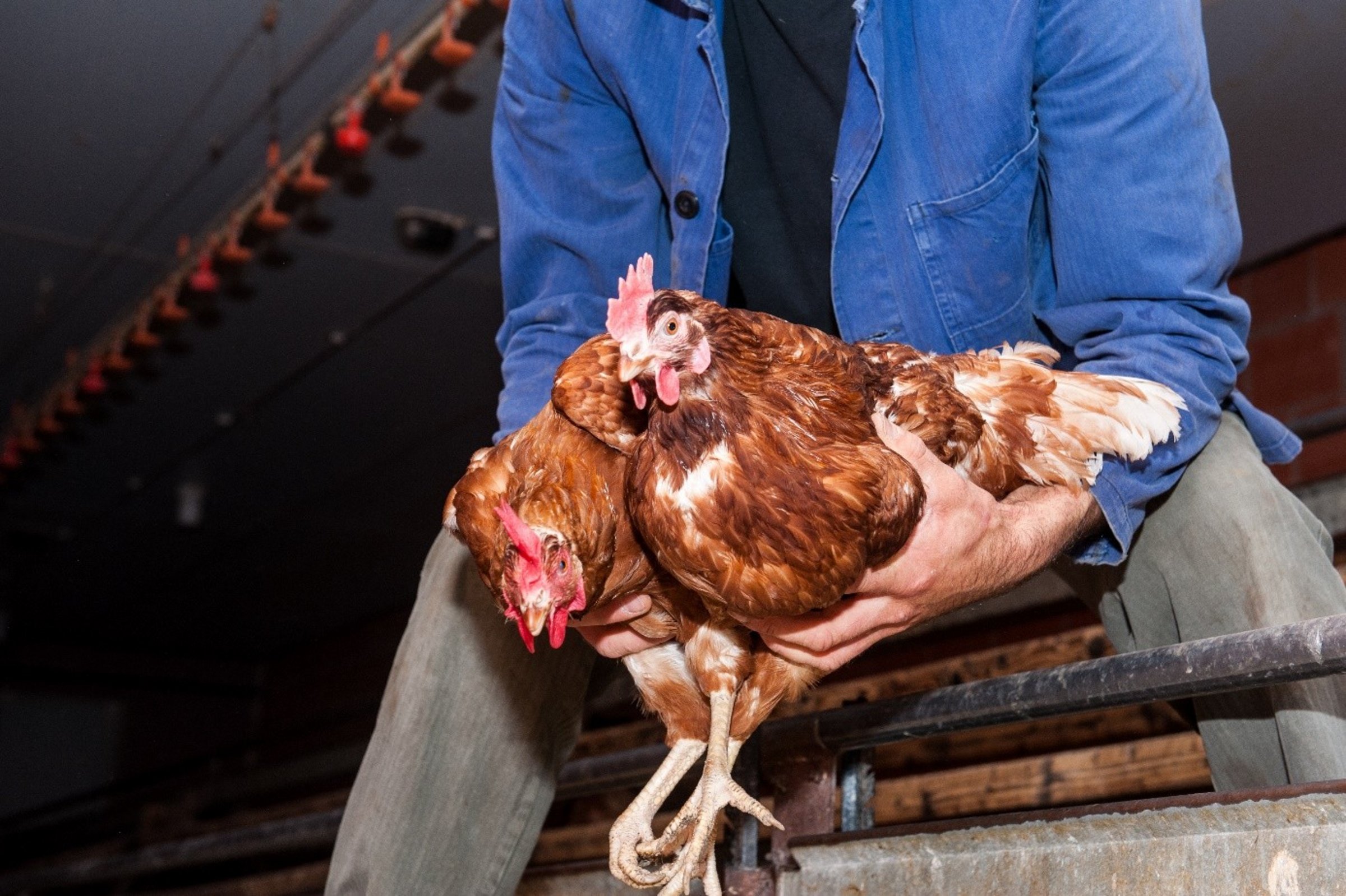
Loading and unloading of aged layers
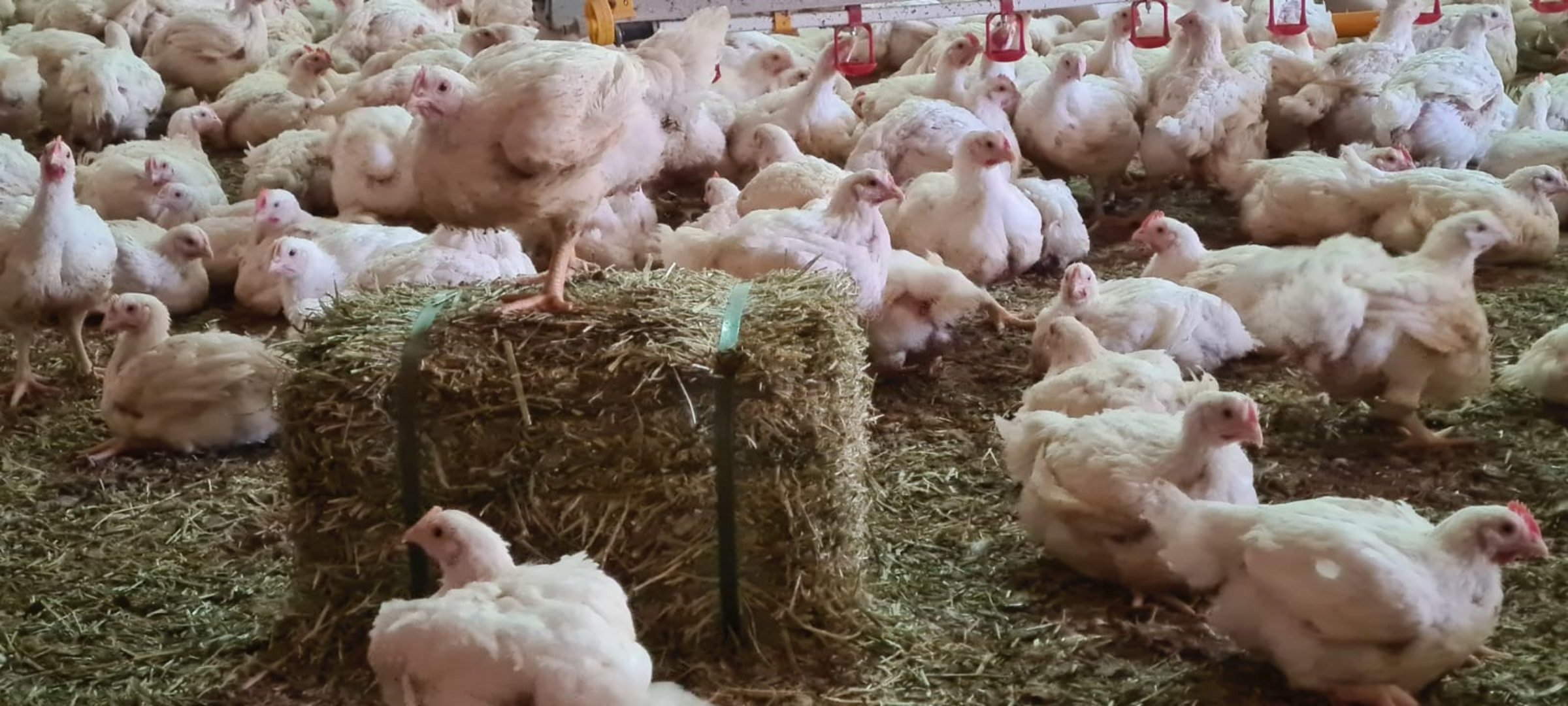
Enrichment of housing conditions for broiler chickens
Rearing of poultry with intact beaks
Hepatic lipidosis
Heat stress in poultry
Vaccination of broiler chickens
Methods of sex determination in the egg
01 Newcastle Disease
Emergency measures for feather-pecking and cannibalism
01 Schwachstellen-Analyse Tool
Stable cleaning and disinfection
01 Stallstrukturierung im Putenstall
01 Tierwohlkriterien ITW
Caring for sick and injured poultry
Extension of the rearing period or induced laying break
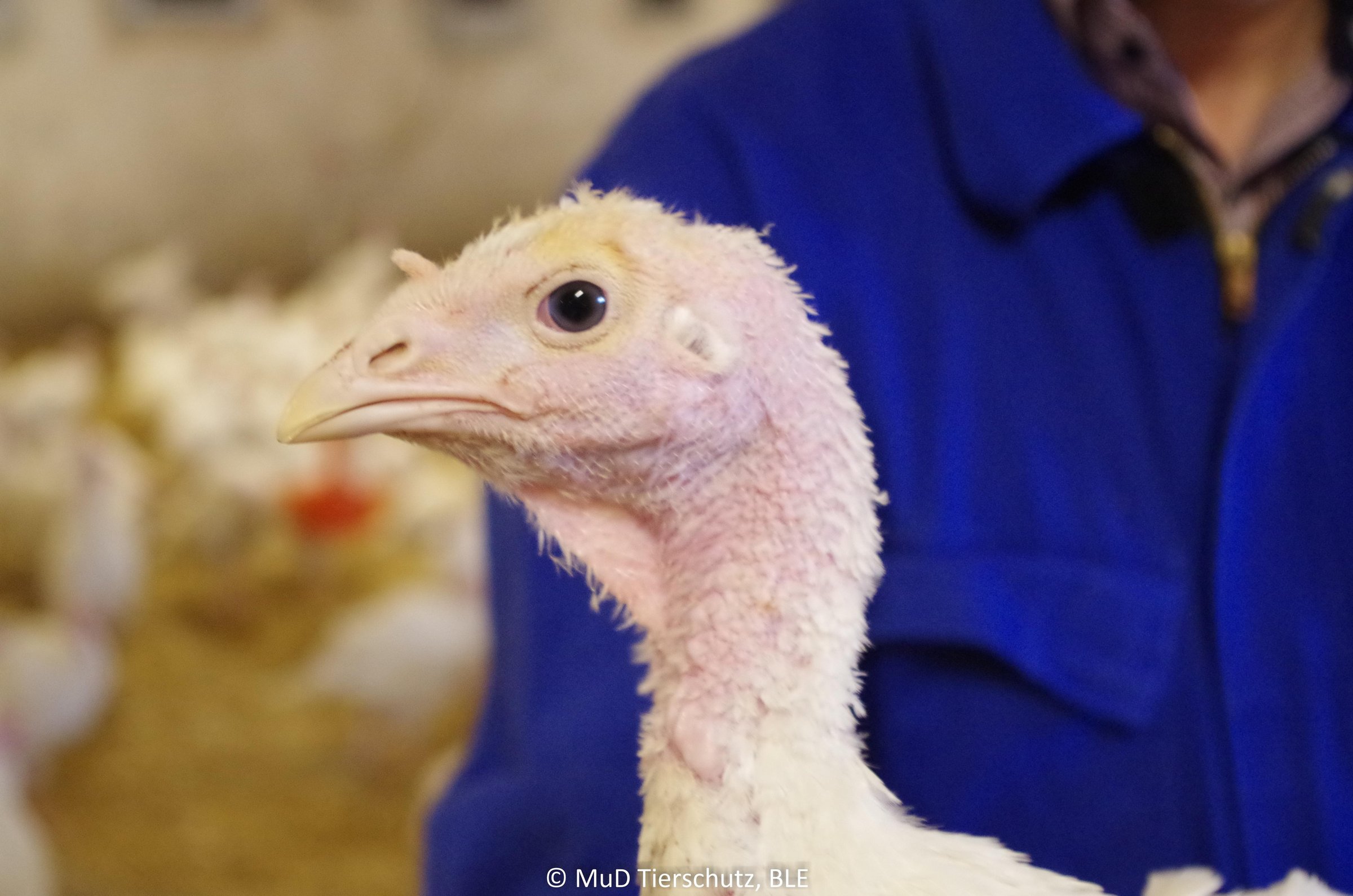
No beak trimming
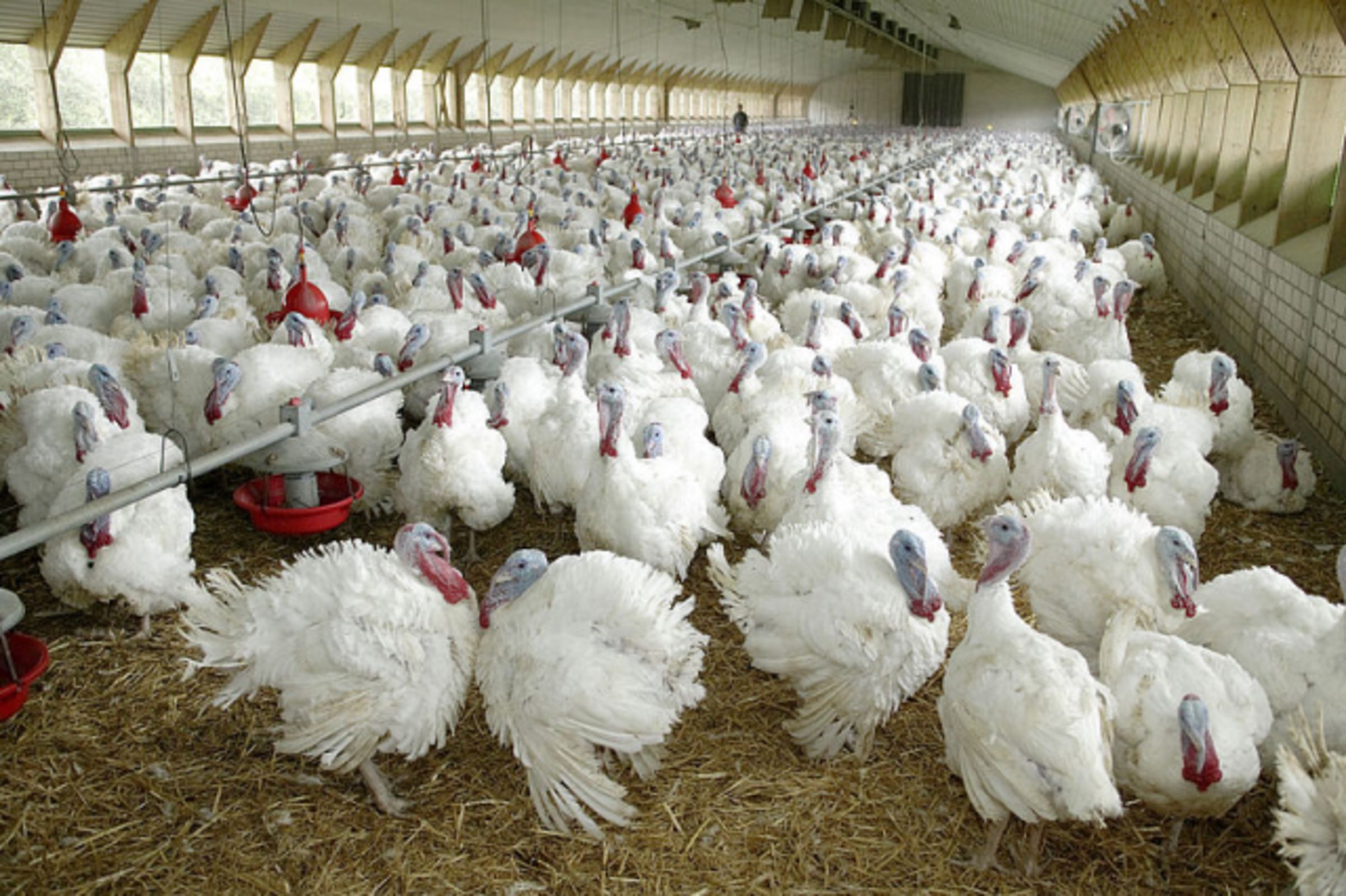
The value chain in turkey farming
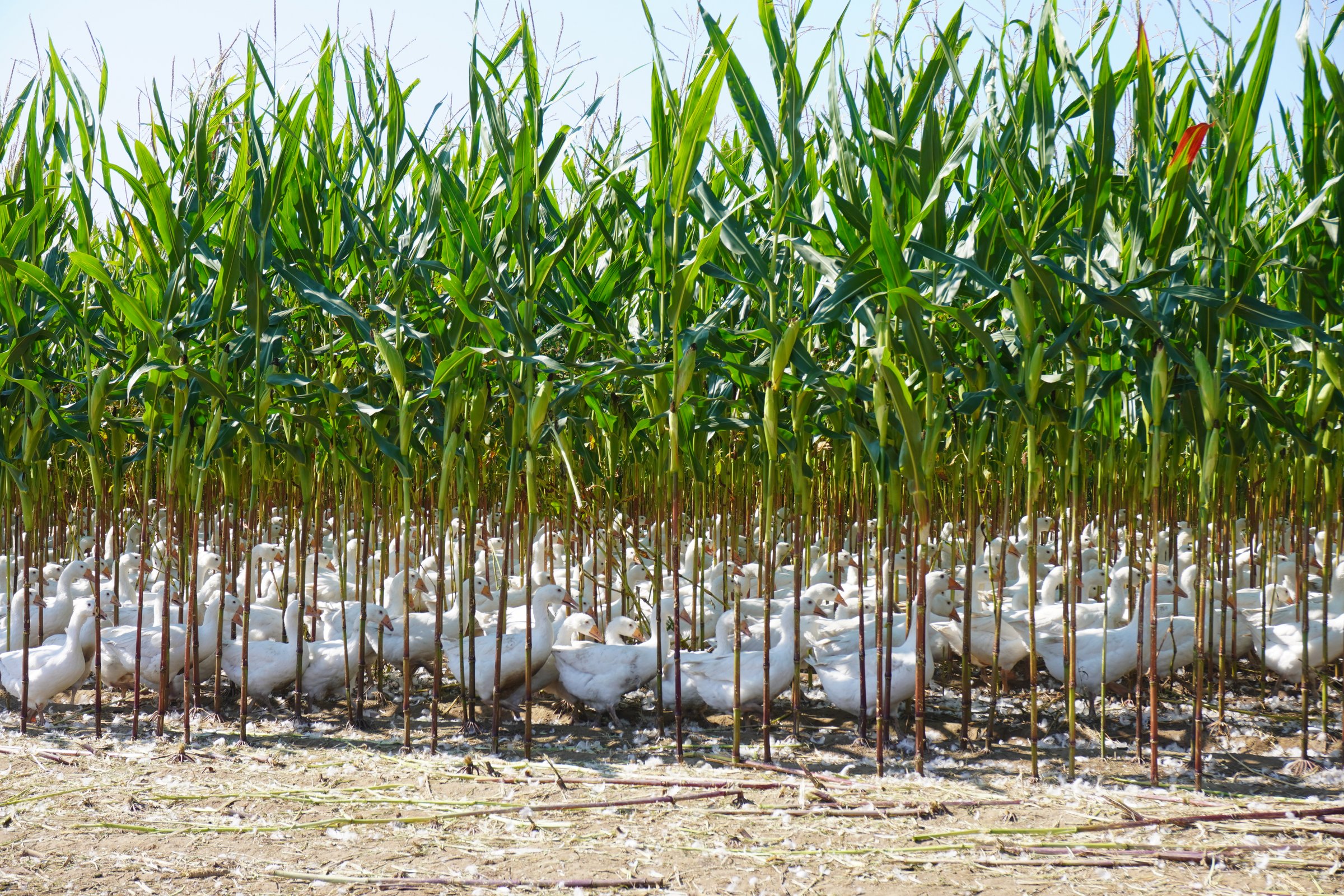
Run-out management for fattening geese
01_Übergabeprotokolle
Podcast: Broiler Rearing
Podcast: Digitalisation in the broiler house
Podcast: Insect Protein
Podcast: Not clipping the claws of turkeys
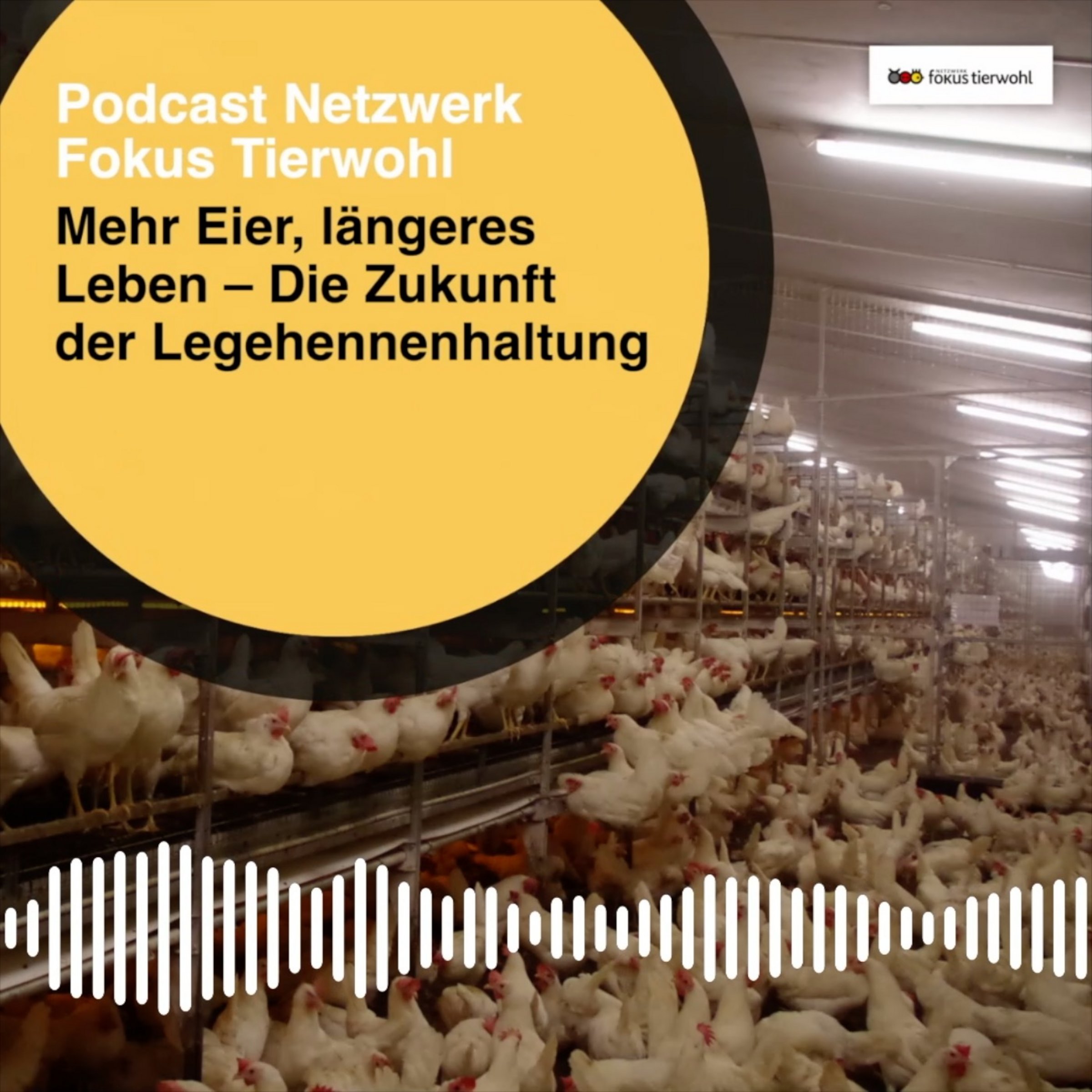
Podcast: Laying Hen Management
Video: Educational material on turkey rearing
Video: Fattening geese
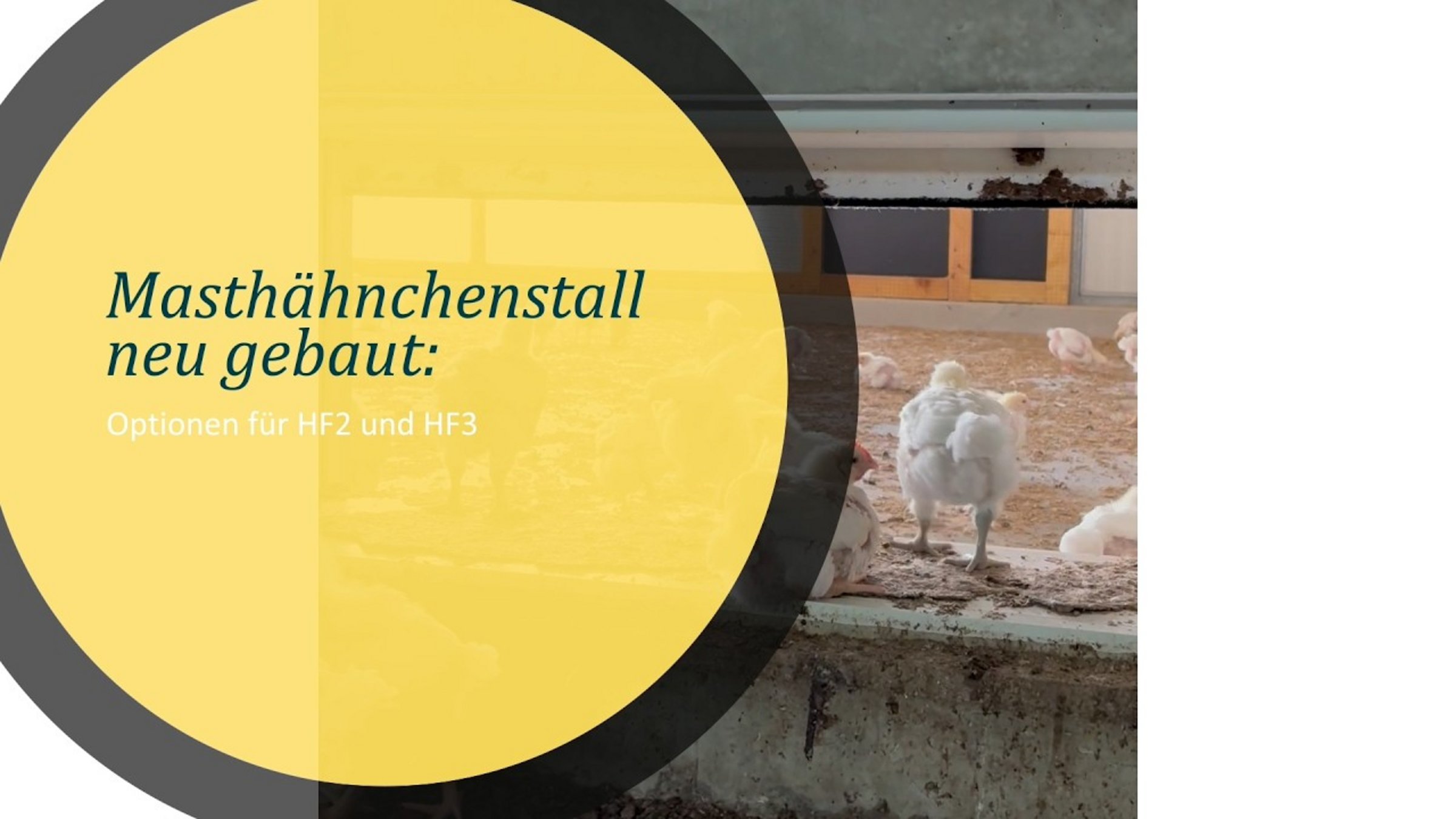
03 Video Masthähnchenstall neu gebaut: Optionen für Haltungsform 2 und 3
Video: Turkey enrichment materials
Video: Improving animal welfare in turkey farming
Video: A virtual tour of the laying hen house – a typical barn system
Vodcast: Self-assessment of animal welfare
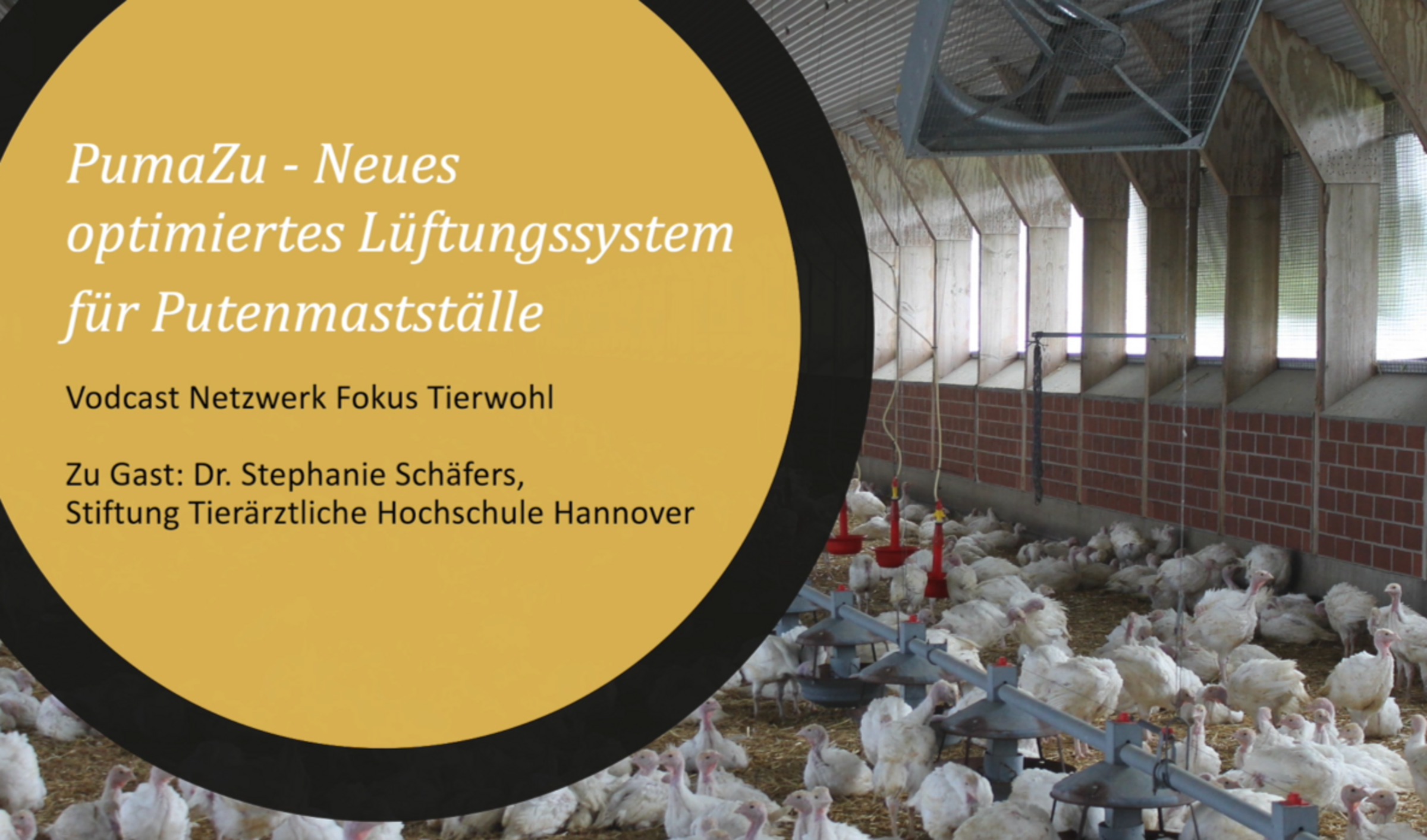
PumaZu podcast
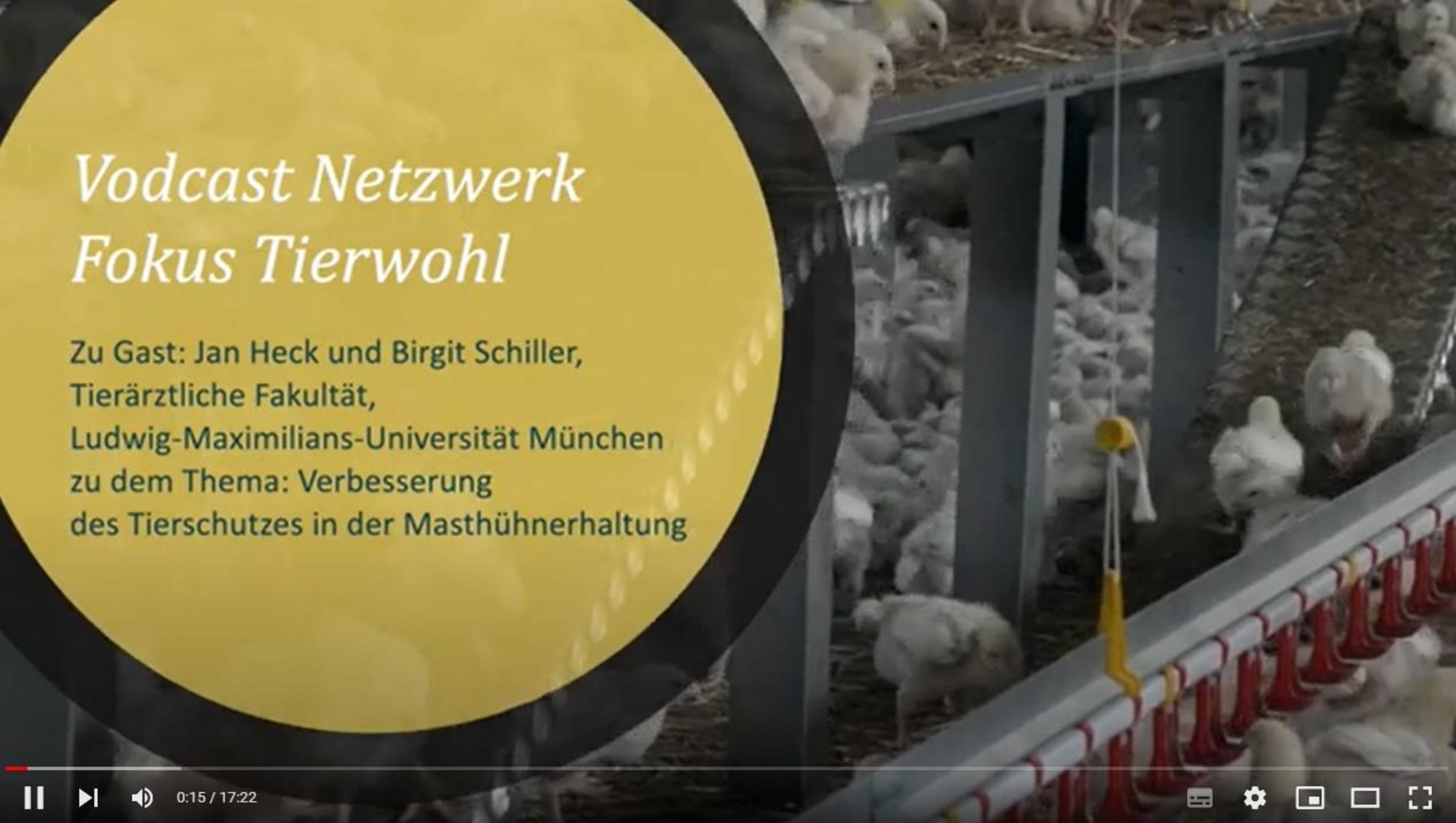
Vodcast: Animal Welfare in Broiler Chicken Farming
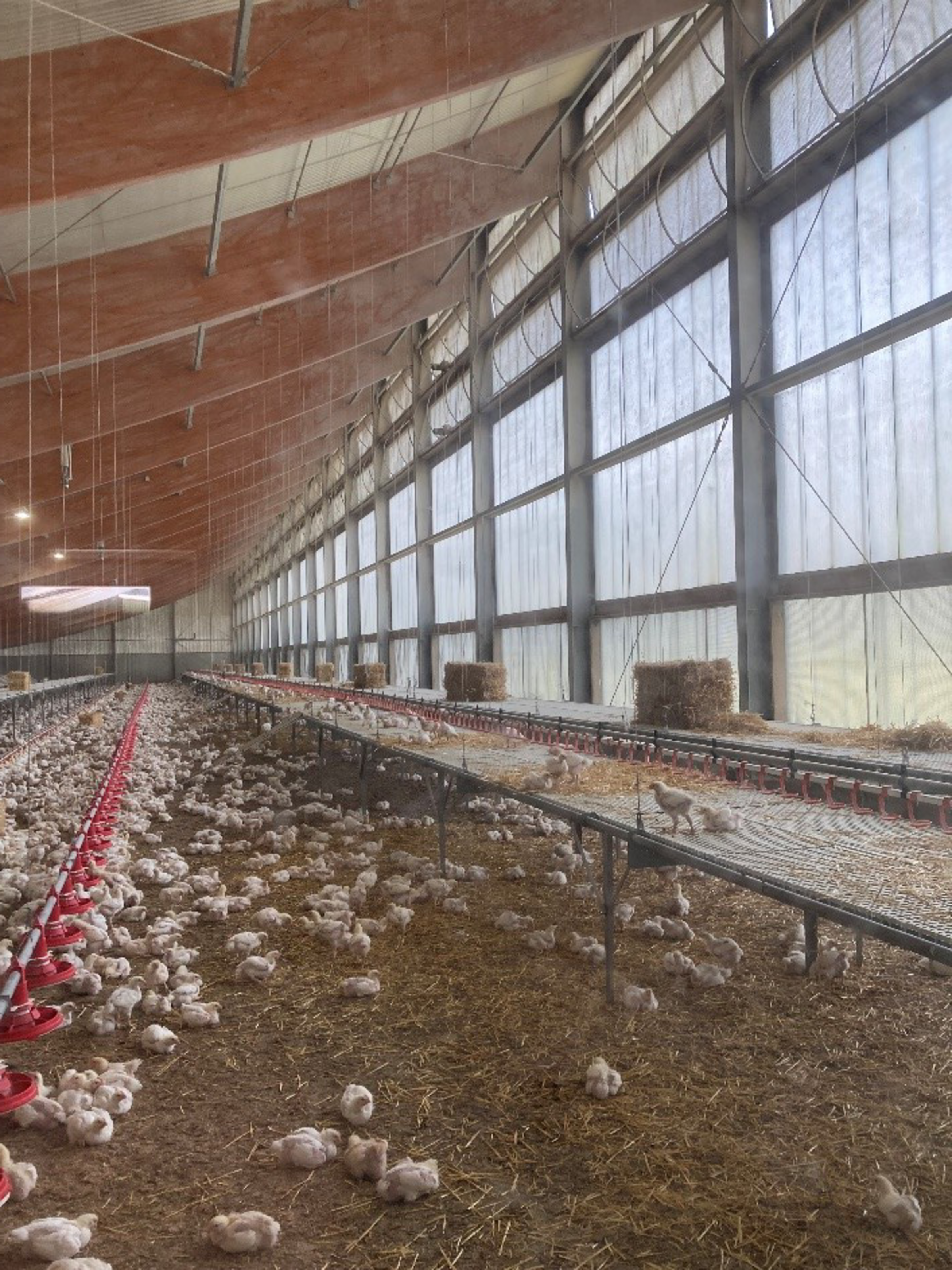
From the events: A look at future-oriented housing systems for broiler chickens
Funded projects: EIP broiler rearing house
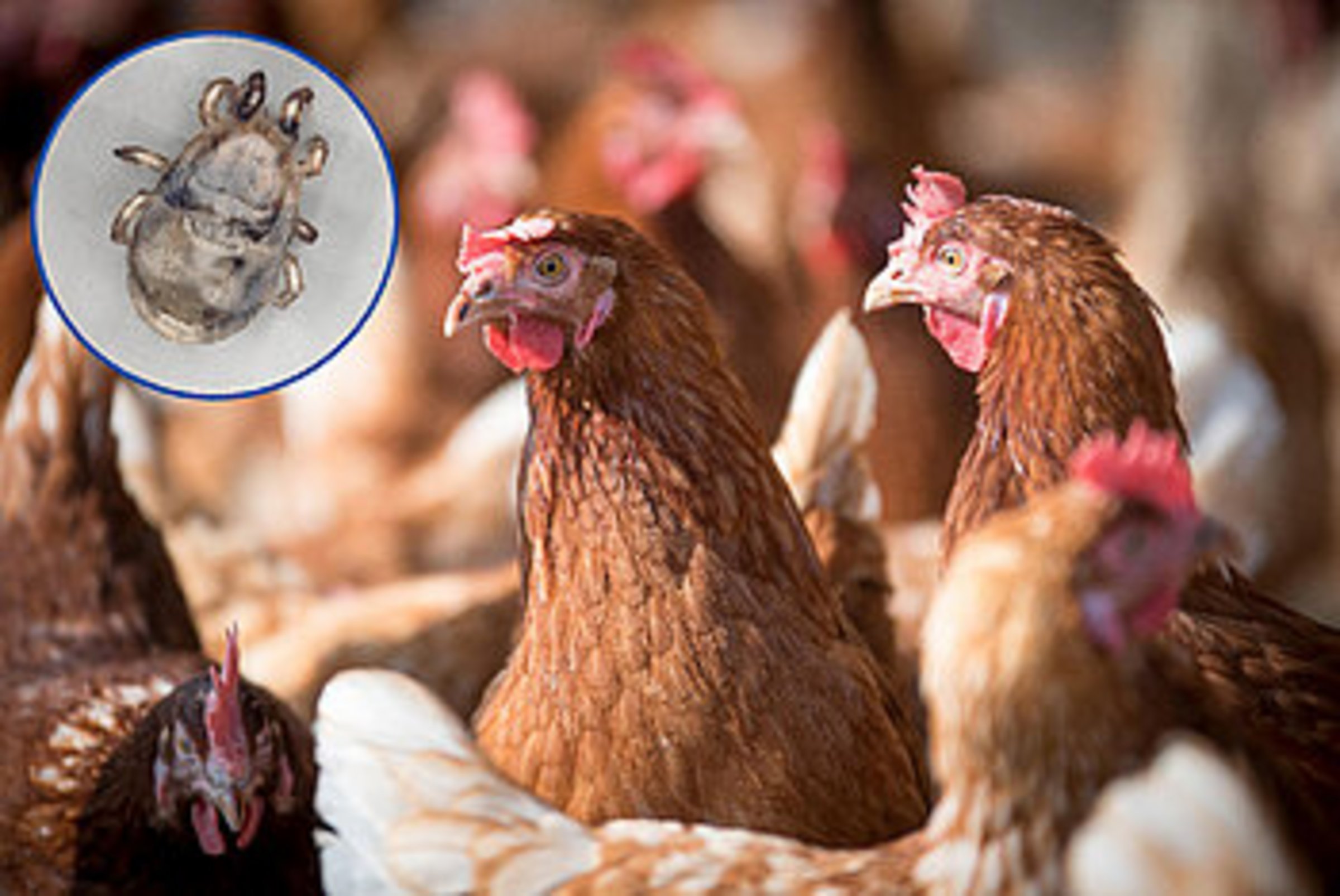
Funded projects: Cold plasma mite trap
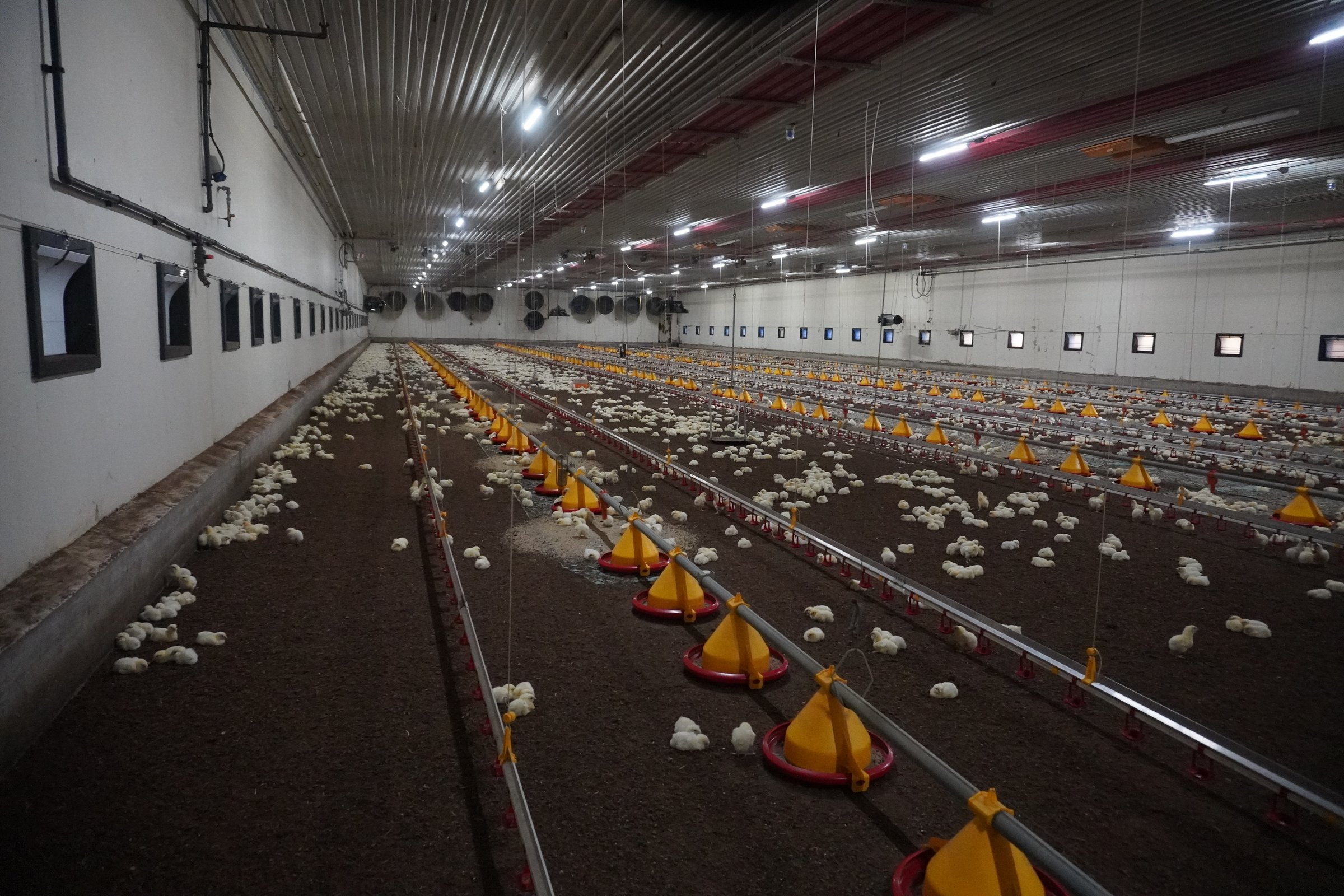
Funded projects: EIP broiler rearing house
06 EIP Wurmfrei
Funded projects: Hygiene in mobile housing
Funded projects: Mobile chicken rearing shed
Video Freilandpute - vom Küken bis zur Schlachtung: Ein Praxisbeispiel
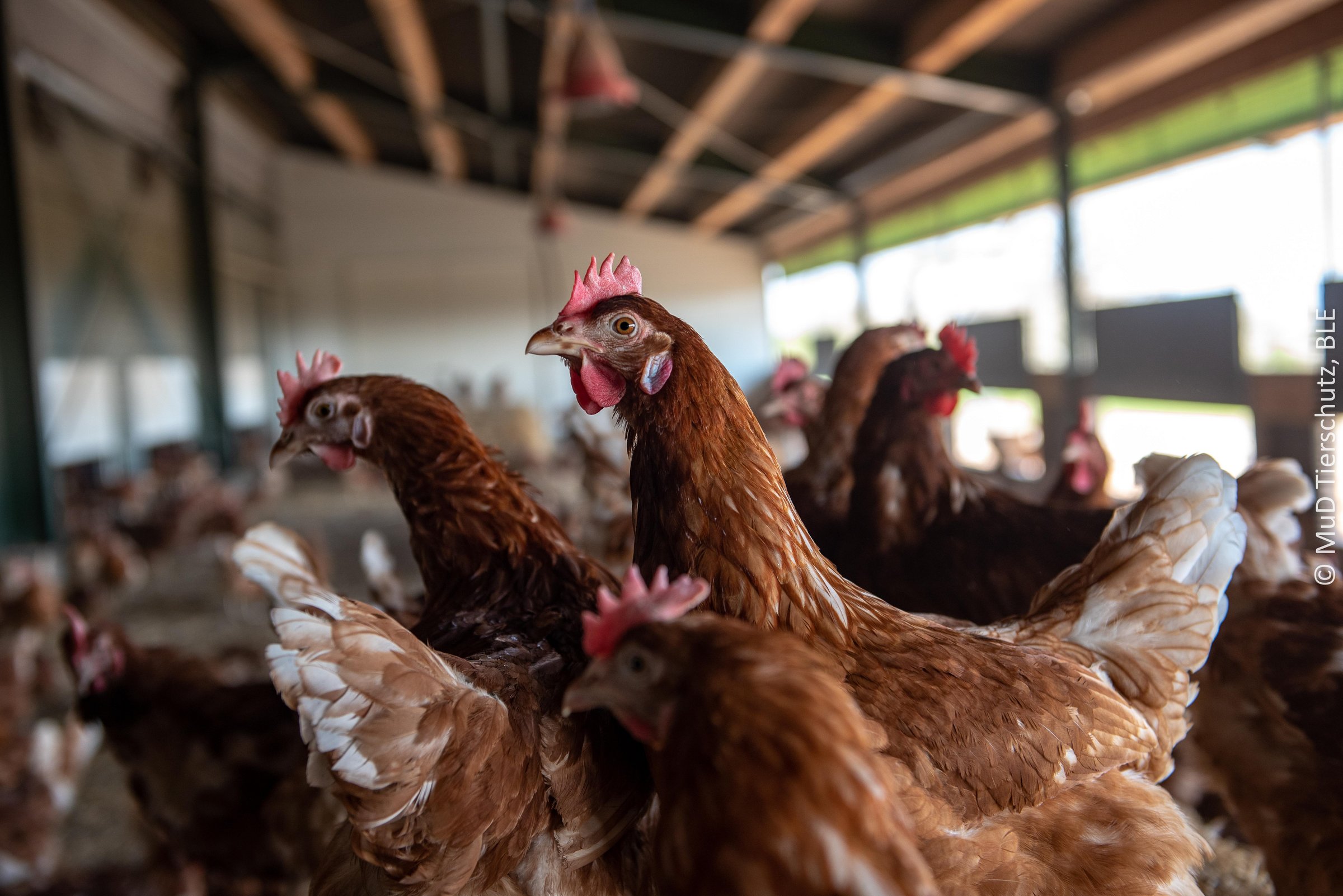
Hygiene airlock in the poultry house
A properly installed hygiene checkpoint is a key component of biosecurity in poultry farming. It effectively protects poultry flocks from the introduction of pathogens such as viruses and bacteria, thereby making a crucial contribution to health and disease control within the poultry house. The clear separation of the outdoor and house areas, the consistent changing of clothing and footwear, and hand washing and disinfection significantly reduce the risk of infection. All personnel must enter and leave the house exclusively via the hygiene airlock. Combined with clear operational procedures and training, it is indispensable for animal-welfare-compliant, sustainable and legally compliant pig farming, particularly for the prevention of animal diseases.
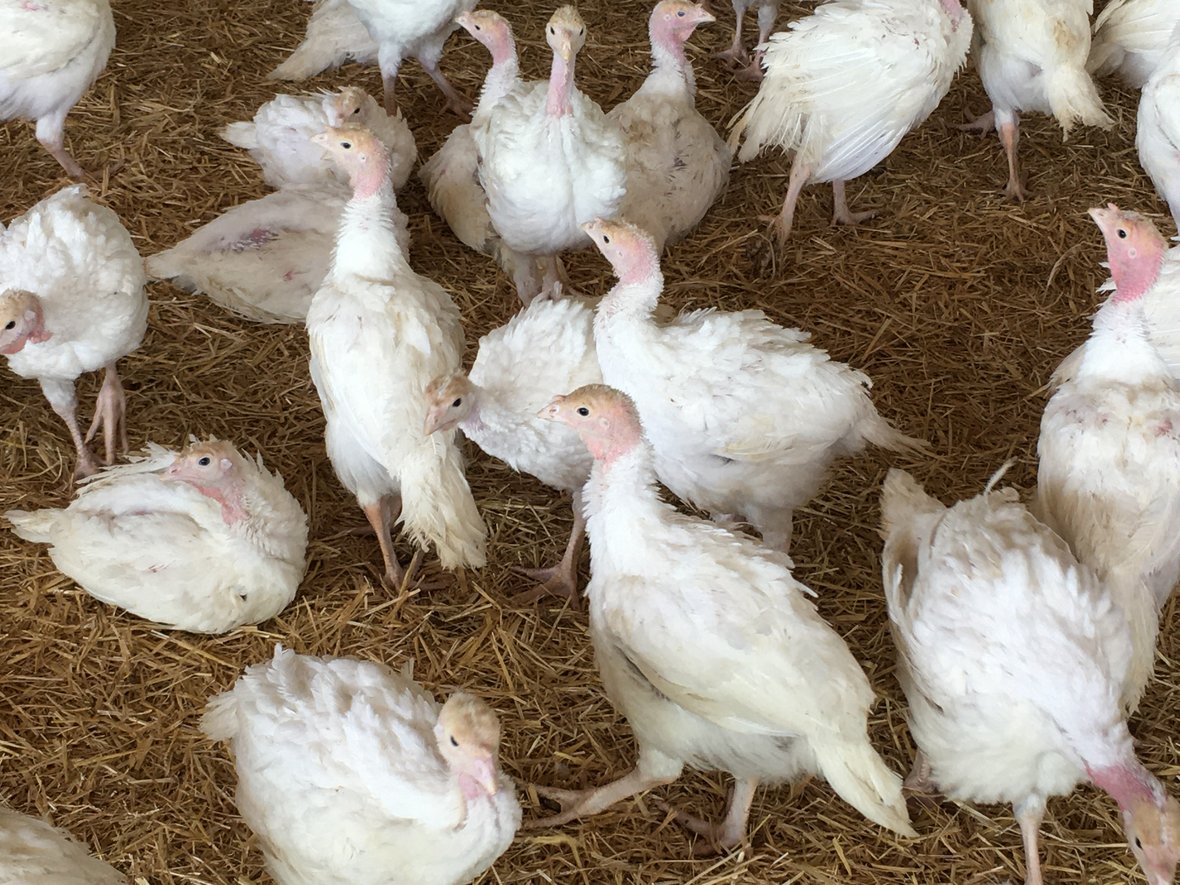
Newcastle Disease (ND), also known as atypical avian influenza, is one of the most significant notifiable animal diseases in the poultry sector. For the first time since 1996, active outbreaks are occurring again in Germany – a clear signal to all poultry farmers to protect their flocks and to strictly comply with statutory vaccination requirements.
Cleaning and disinfecting poultry houses: Acting responsibly for the environment, animals and people
The cleaning and disinfection of poultry houses, alongside other precautions—including those relating to the area outside the house, which are explained below—is essential for maintaining animal health, ensuring safe food production, and achieving good animal performance. Under EU regulations and German law, the livestock owner must ensure that no animal diseases are introduced into or spread from the flock. However, the obligation to clean and disinfect properly applies not only in the event of an outbreak, but also to the routine maintenance of hygiene in the housing facilities before and after each batch. An effective hygiene plan reduces the bacterial load, lowers the number of sick animals and animal losses, and consequently also reduces financial losses.
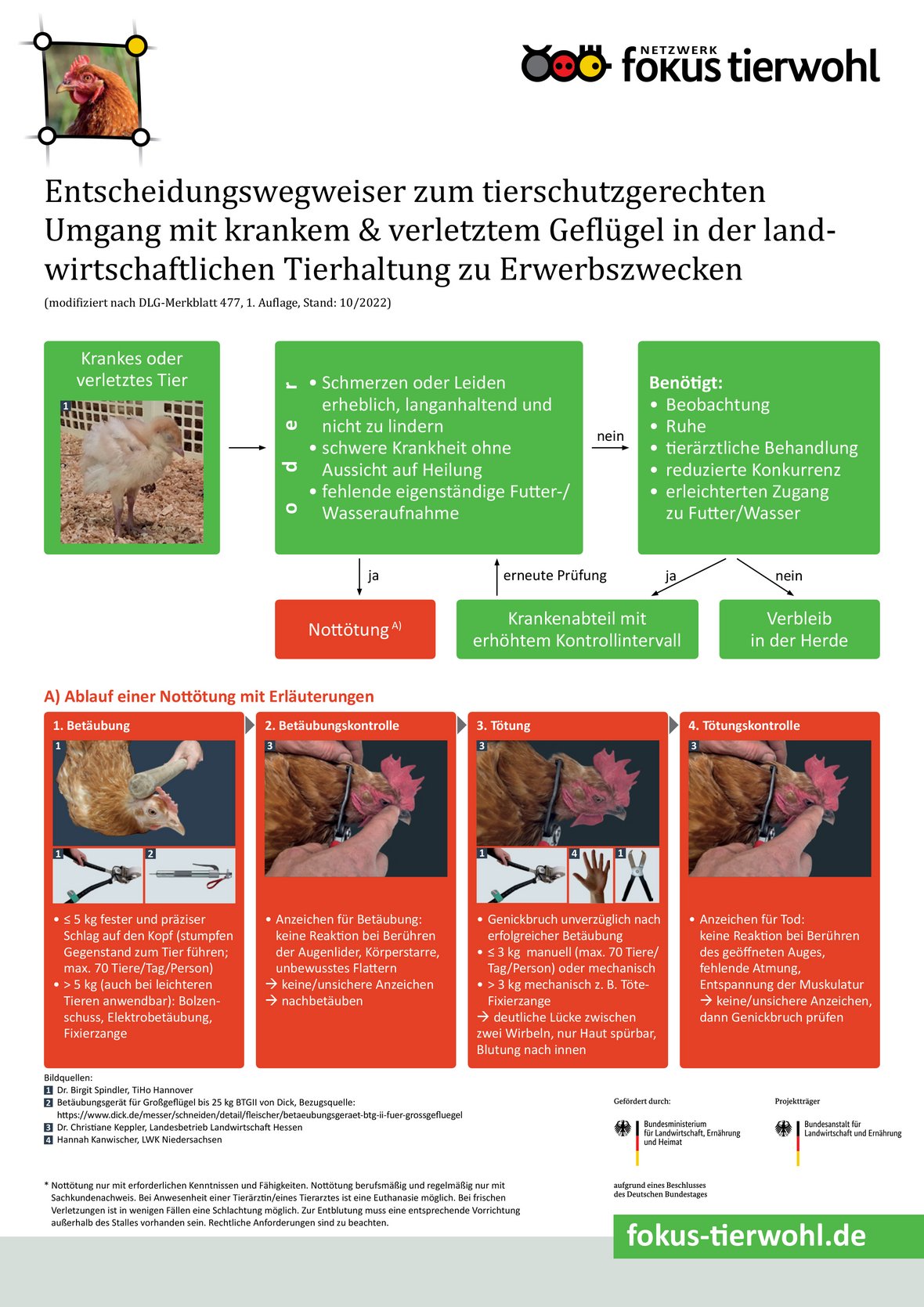
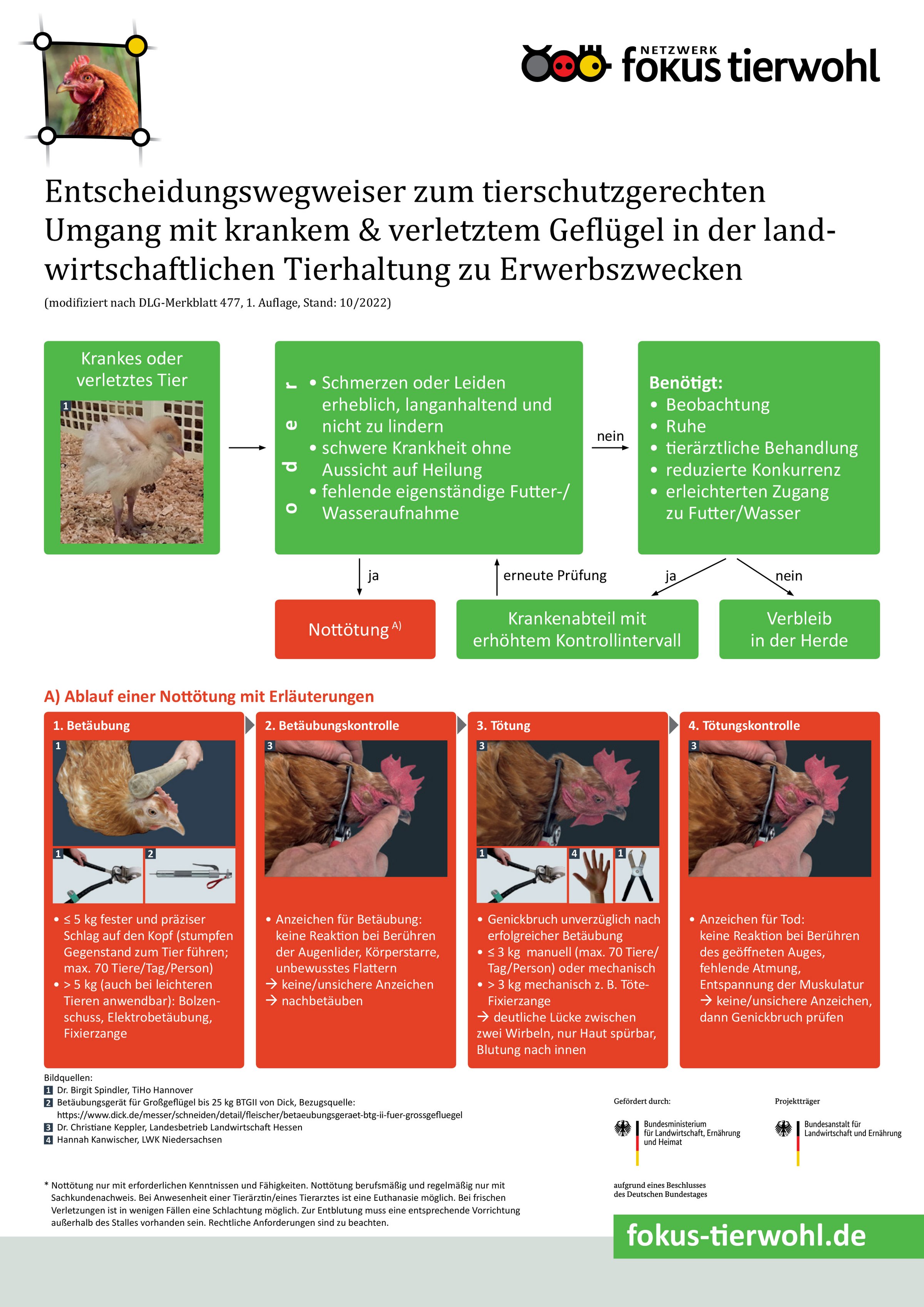
Every poultry farmer aims to maintain a healthy, robust flock that is resistant to disease. Preventive measures, such as farm-specific vaccination programmes and feeding regimes, play a vital role in keeping flocks healthy, alongside adherence to strict biosecurity measures. Nevertheless, it is not possible to completely prevent individual animals or the entire flock from falling ill, which requires appropriate care and the implementation of expert measures.
Identifying sick and injured animals, as well as deciding which measures are necessary for each animal in individual cases, requires a high degree of decision-making competence.
A poster from the Fokus Tierwohl network is intended to provide a concise decision-making guide on dealing with sick and injured poultry.
The European ‘Farm to Fork’ strategy, which was adopted back in 2020, aims to improve animal welfare in European livestock farming. To this end, measures to be introduced in the future include the phasing out of cage rearing and the establishment of common, scientifically based indicators for measuring animal welfare. The aim of the indicator survey is to drive forward the harmonisation of animal welfare standards across the EU.
As part of this process, the European Commission commissioned the European Food Safety Authority (EFSA) to produce scientific opinions on the current state of animal welfare in European livestock farming. With regard to poultry farming, EFSA’s Scientific Panel on Animal Health and Welfare (AHAW Panel) drew up recommendations on the rearing of laying hens, broiler chickens and, for the first time, ducks, geese and quails. These were published in spring 2023. In autumn 2022, the EFSA had already published an opinion on the protection of poultry and rabbits during transport in containers/crates. In October 2023, a mandate was issued to produce a similar opinion on the rearing of turkeys, which has not yet been submitted.
When preparing EFSA opinions, scientific publications from specialist journals, references from public research institutions and universities, as well as expert assessments, are taken into account.
During the period from November 2020 to June 2021, the latest outbreak of avian influenza affected over 250 poultry farms in Germany alone. These included both small-scale and commercial operations.
Avian influenza is an infectious disease caused by viruses whose natural reservoir is wild waterfowl. The viruses occur in both low-pathogenic and highly pathogenic forms, with different subtypes. Low-pathogenic avian influenza viruses tend to cause only rare or mild symptoms in domestic poultry. However, it is possible for the viruses to spontaneously mutate into a highly pathogenic form, the clinical manifestation of which is then avian influenza. This is highly contagious and usually results in a severe course of the disease. Once introduced into the poultry house, the entire flock is affected within a few days.
The topic of gut health and gut stability has become increasingly important in poultry farming over the past few decades, particularly since the ban on the use of antibiotic growth promoters in 2006. A healthy gut plays a crucial role in an animal’s well-being and has a positive impact on its overall health. Furthermore, gut health also plays a vital role in terms of flock productivity and food safety. Anyone looking into gut health in more detail will soon come across the terms gut microbiome and dysbiosis. But what exactly is the gut microbiome? What is its function? And when do we speak of dysbiosis?
EiKoTiGer – Making it easy to collect animal welfare indicators?
Interview with Dr Daniel Gieseke from the Department of Farm Animal Behaviour and Animal Husbandry, University of Kassel
Under Section 11(8) of the Animal Welfare Act, poultry farmers are required to regularly record and analyse animal-related characteristics within their flocks. But which indicators in the house provide information on animal health and behaviour?
To assist with this, the KTBL published a guide in 2016 on indicator collection for farmers of pullets, laying hens, broiler chickens and broiler turkeys. Questions such as ‘Is the system applicable in practice?’ and ‘When should results be classified as good or bad?’ remained unanswered at first, however.
The EikoTiGer project (Self-monitoring of Animal Welfare) has now addressed these issues. In this interview, Dr Daniel Gieseke (Department of Farm Animal Behaviour and Animal Husbandry, University of Kassel) discusses his work on the project. He reports on the system’s practical applicability, evaluation methods, and its advantages and disadvantages, whilst also providing insights into his collaboration with poultry farmers.
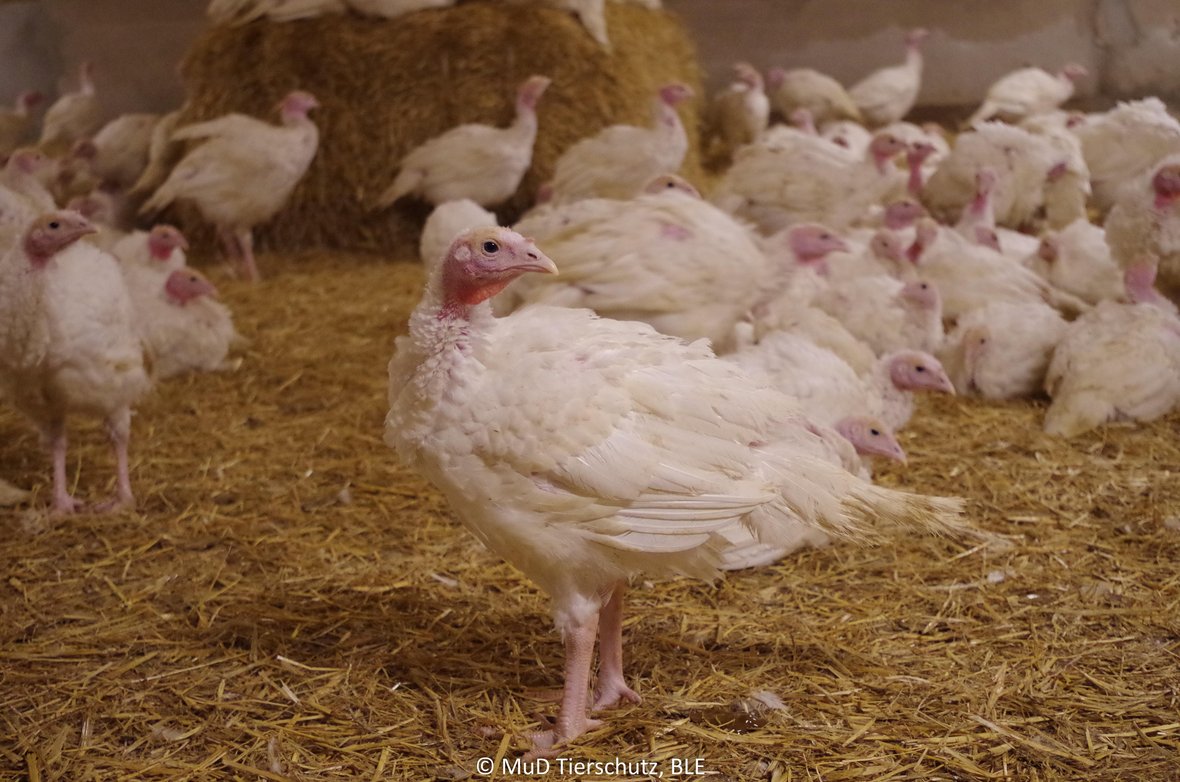
With increasingly extreme weather conditions and high temperatures in summer, it is becoming ever more important to implement the right measures in poultry houses to protect the health and welfare of the animals. This involves not only taking immediate action when critical temperatures are reached, but also taking the right precautions in advance, for example by installing suitable technical equipment.
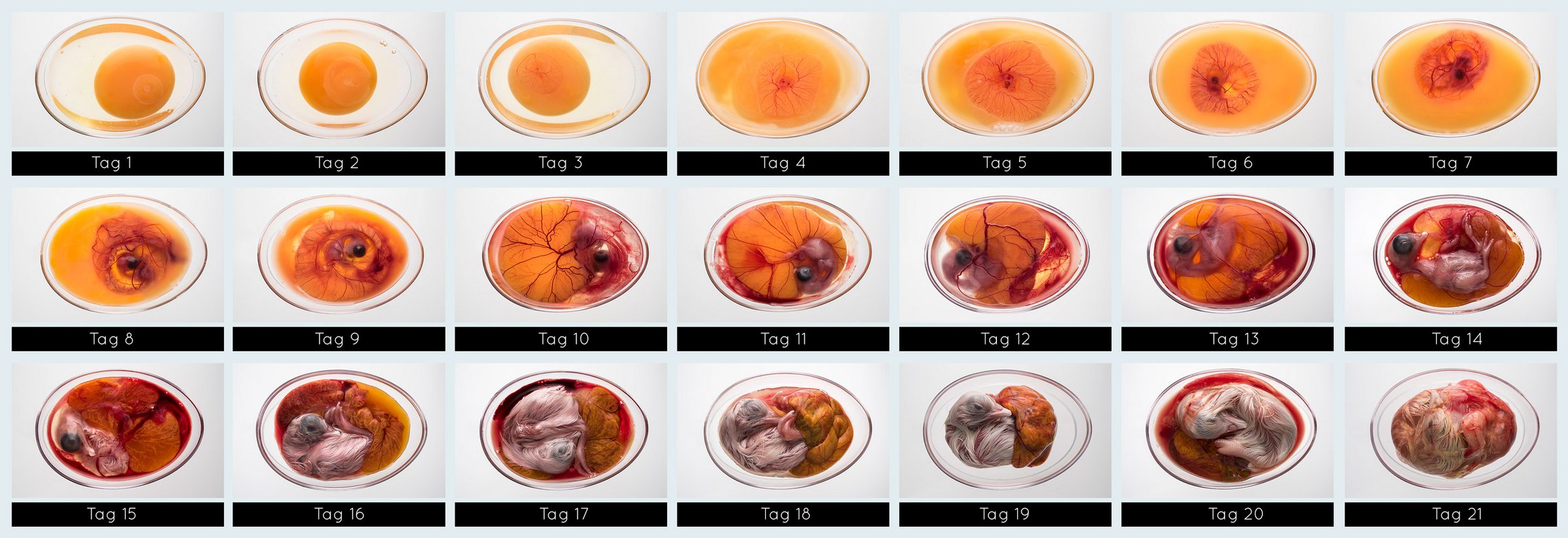
The culling of male day-old chicks from laying lines has been a subject of controversy within the agricultural sector and among consumers for years. As these lines are bred for egg-laying performance, the male chicks gain very little weight and are therefore regarded as ‘unwanted by-products’. As a result, around 42 million male chicks are killed shortly after hatching in Germany every year. To prevent this, there has been an increased focus in recent years on seeking alternatives and researching various solutions.