
Overview of topics: Beef
5 Min-Check
Ammonia emissions
Fachinformation
01 Breeding for hornlessness
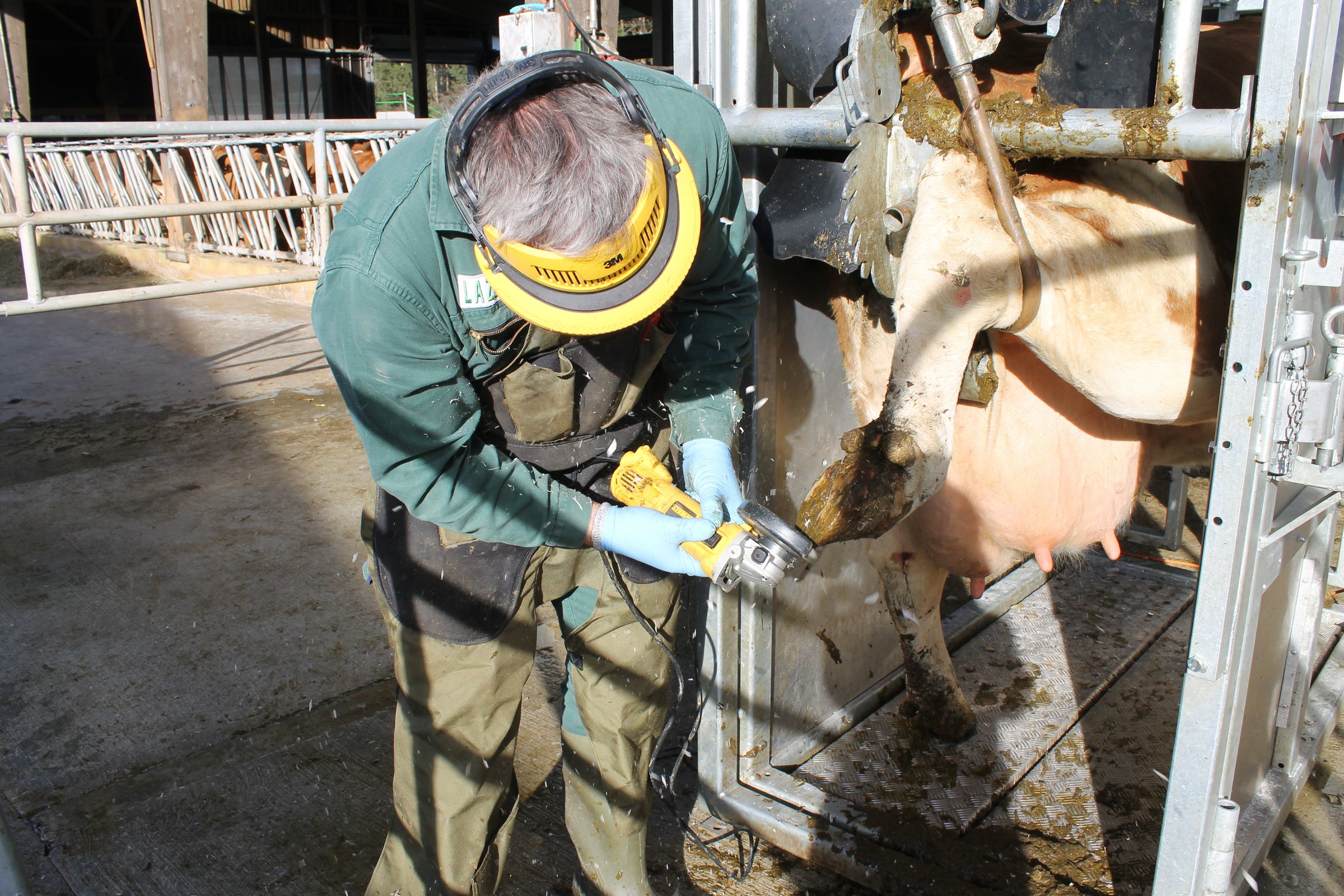
Hoof Care Checklists
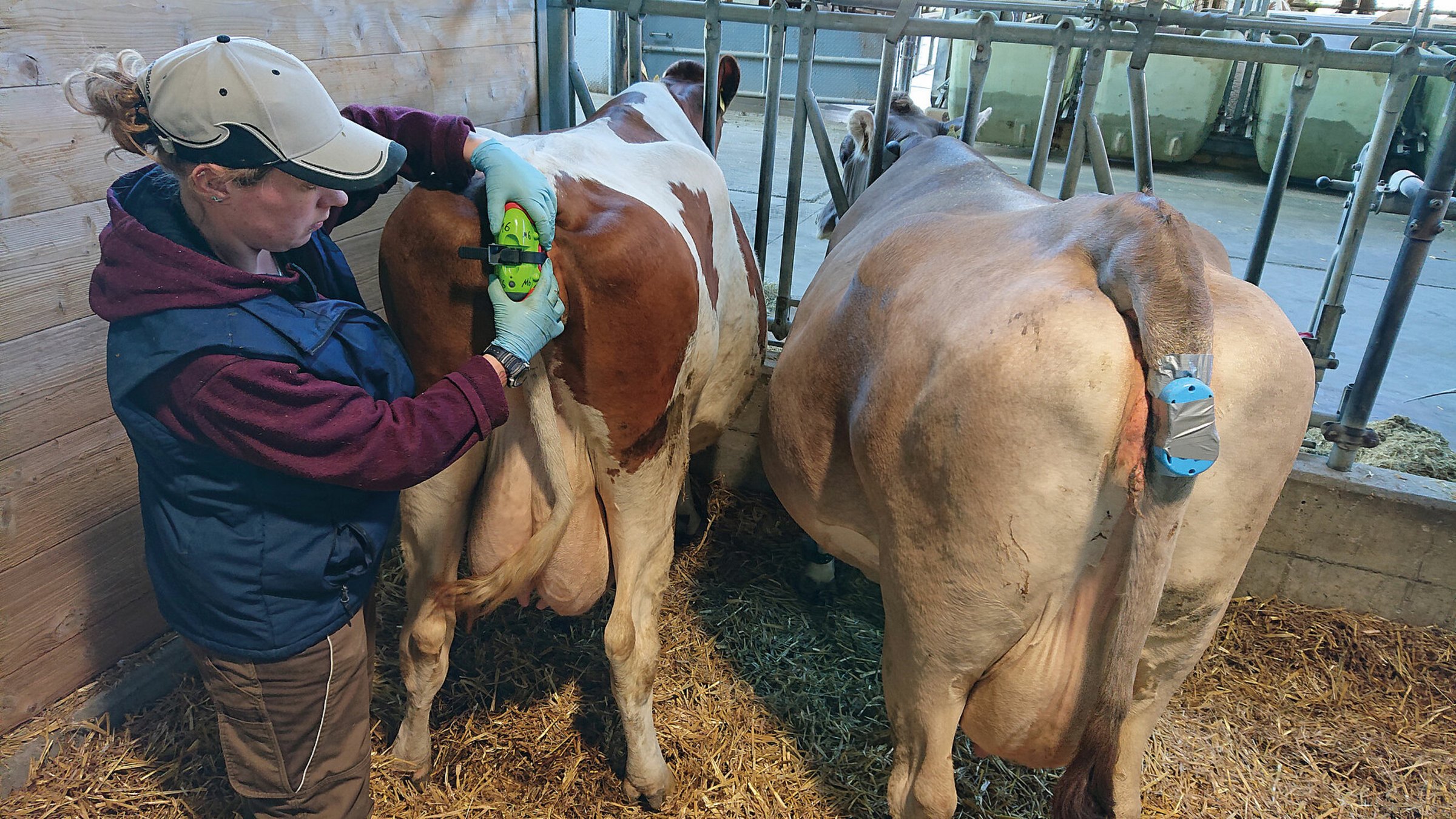
Experiences with foetal monitoring systems
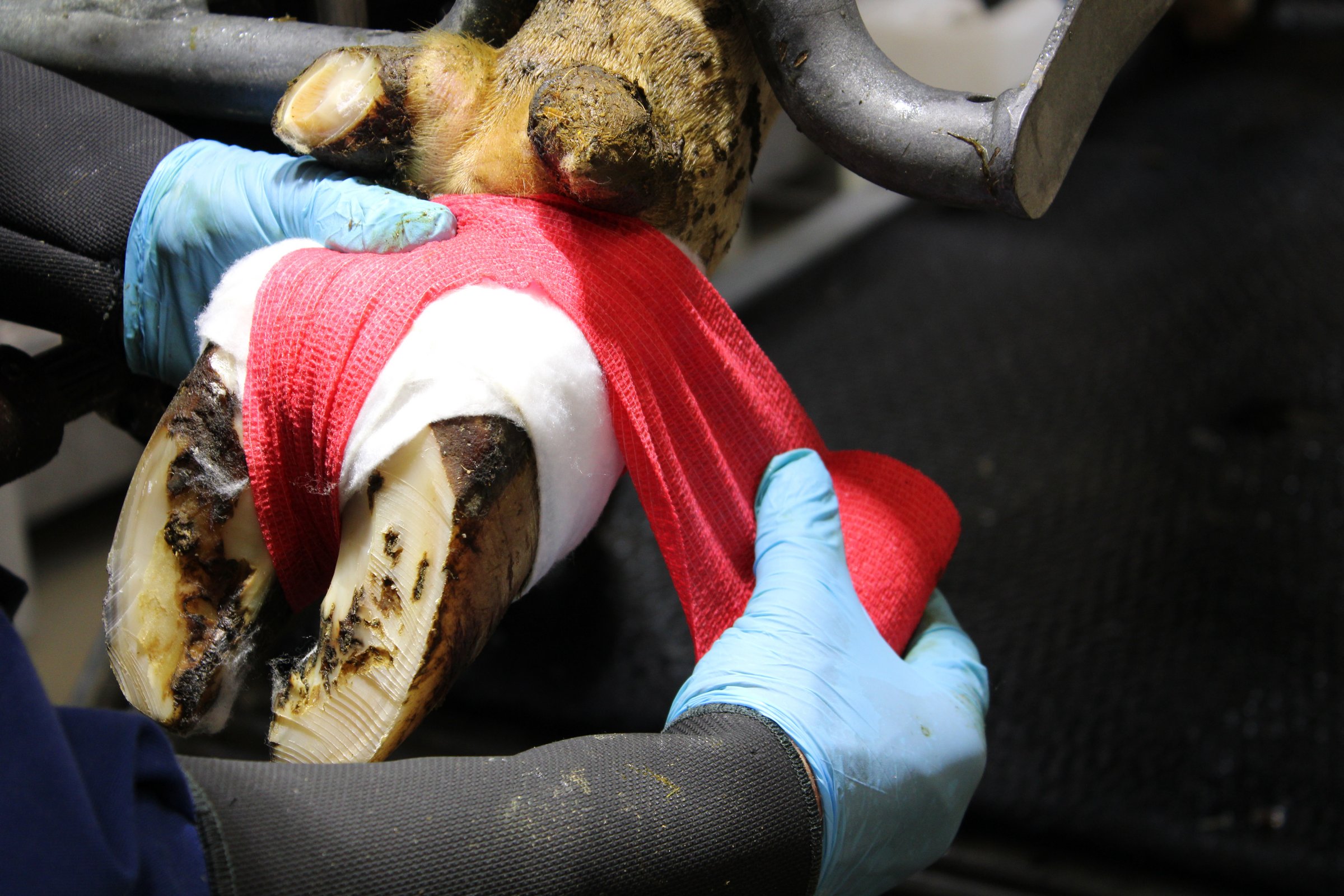
Professional treatment of lameness
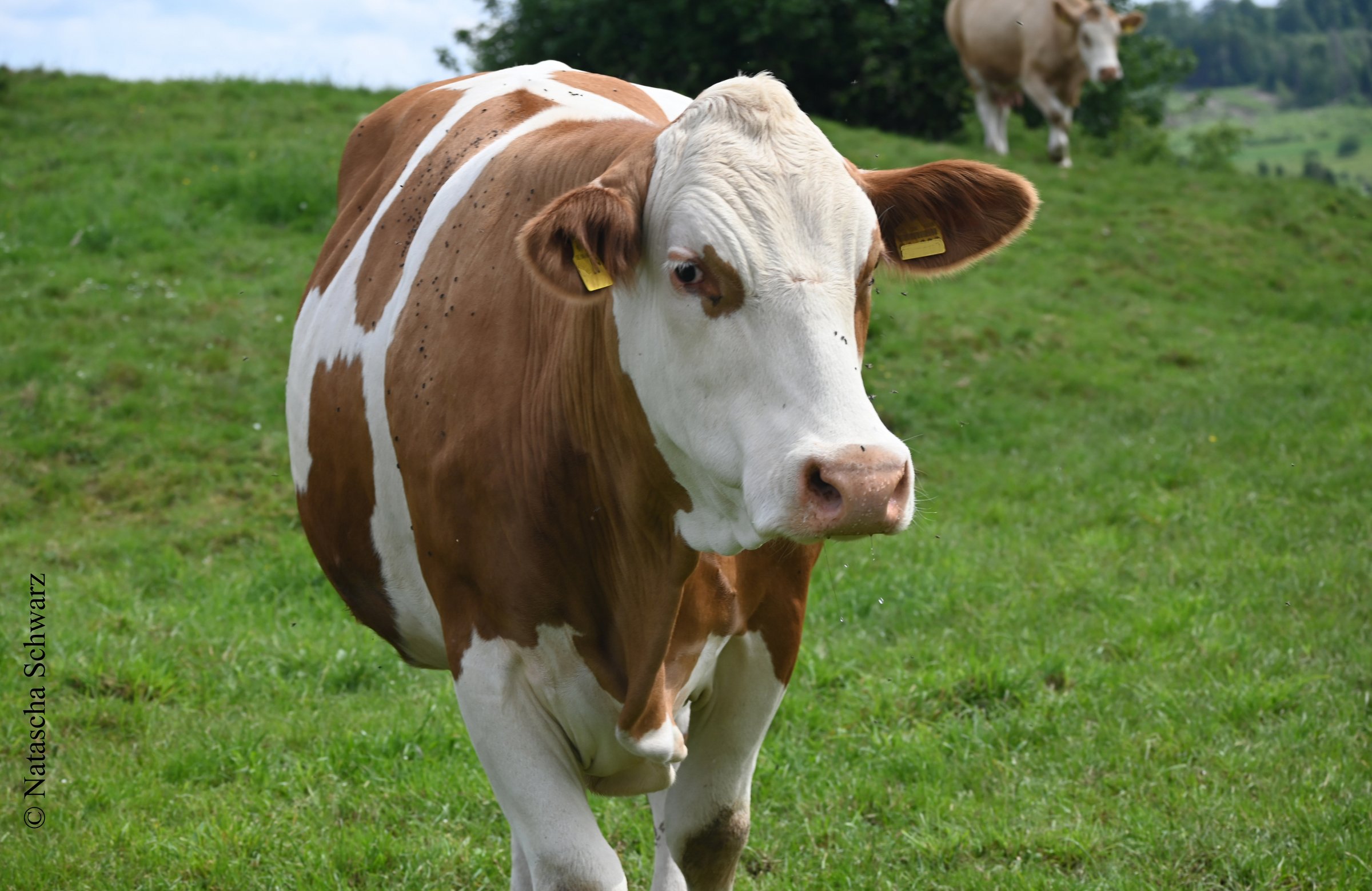
01 Fliegen und Gnitzen
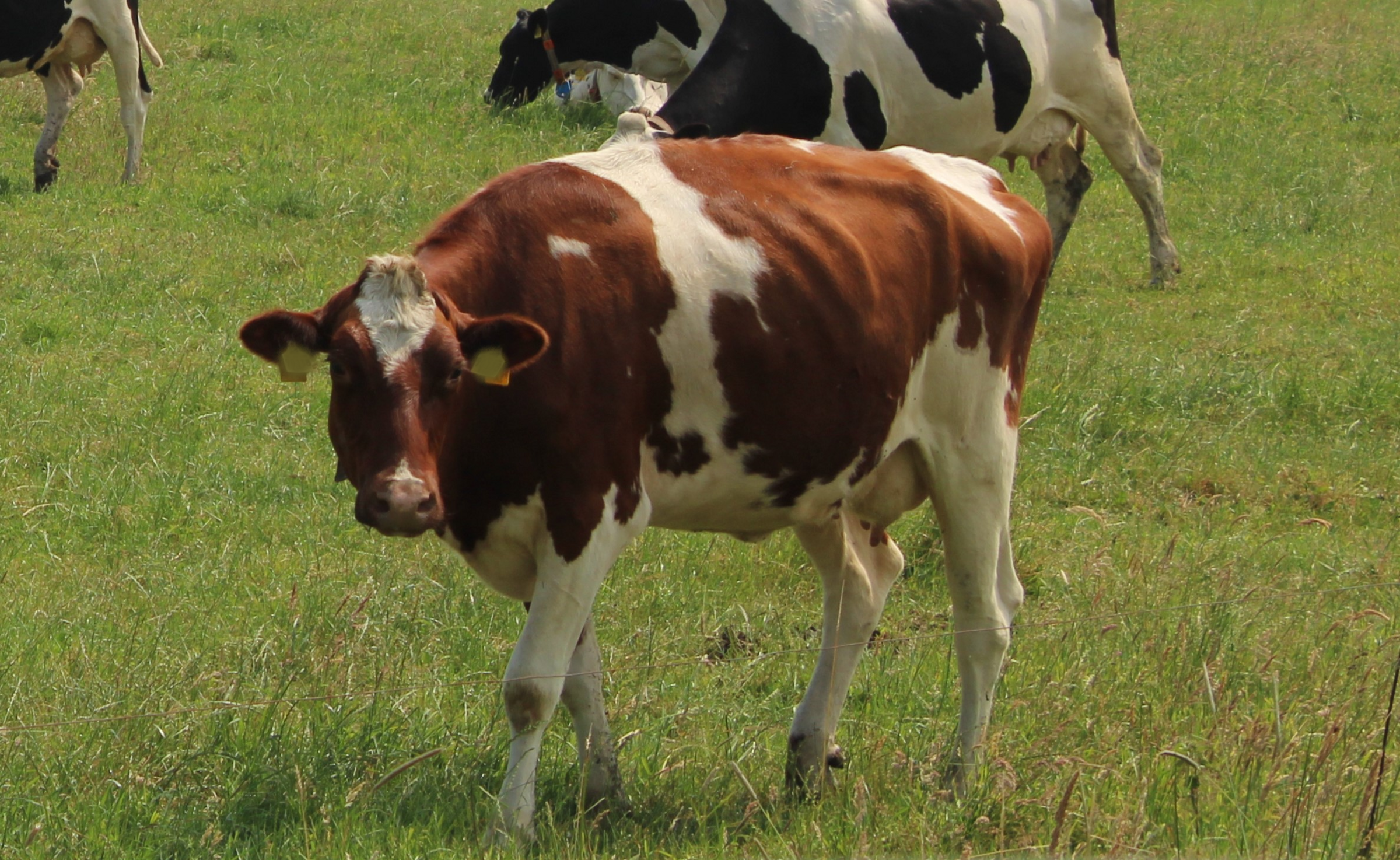
Early detection of lameness
Fetal monitoring systems
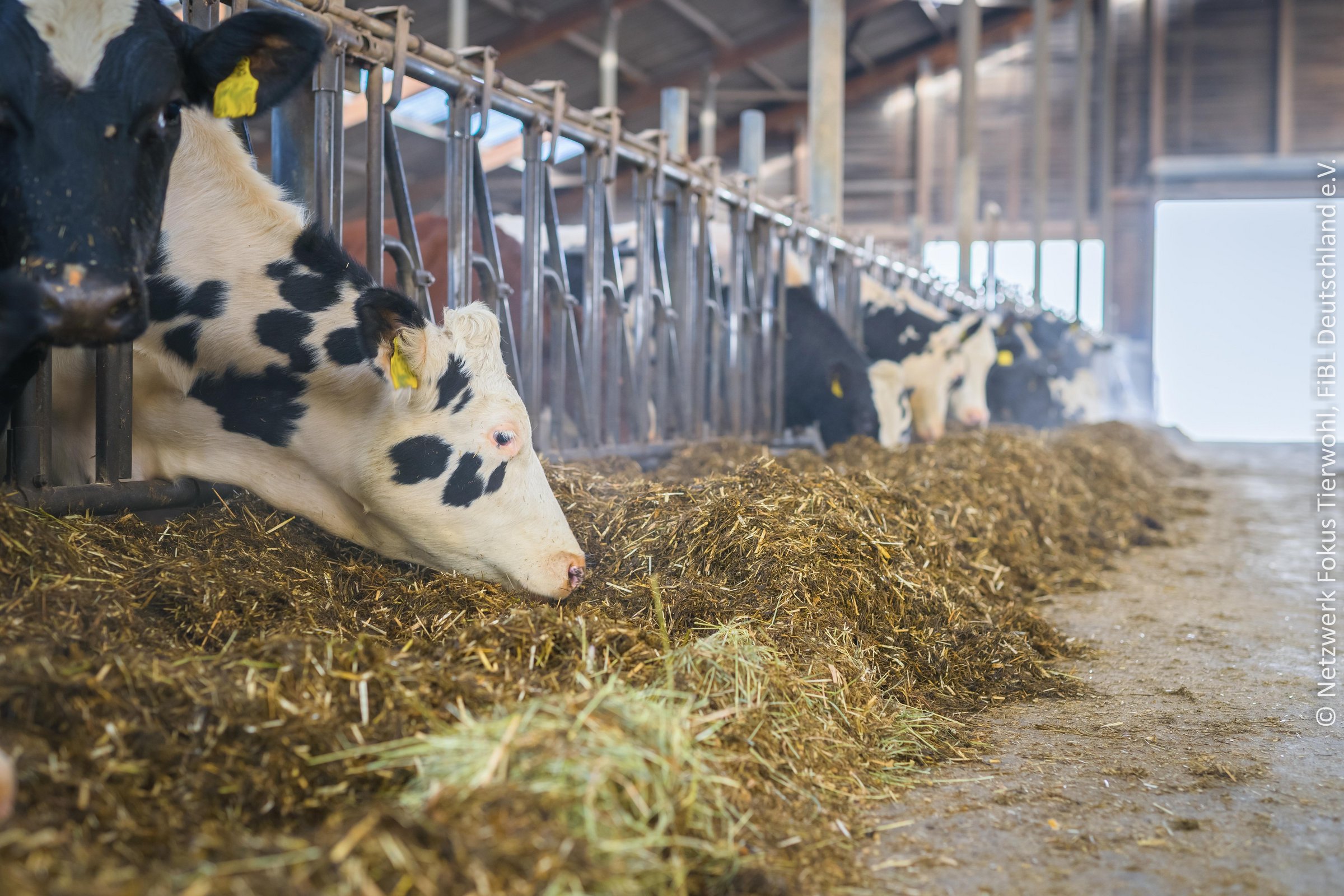
Health breeding values in Holstein cattle breeding
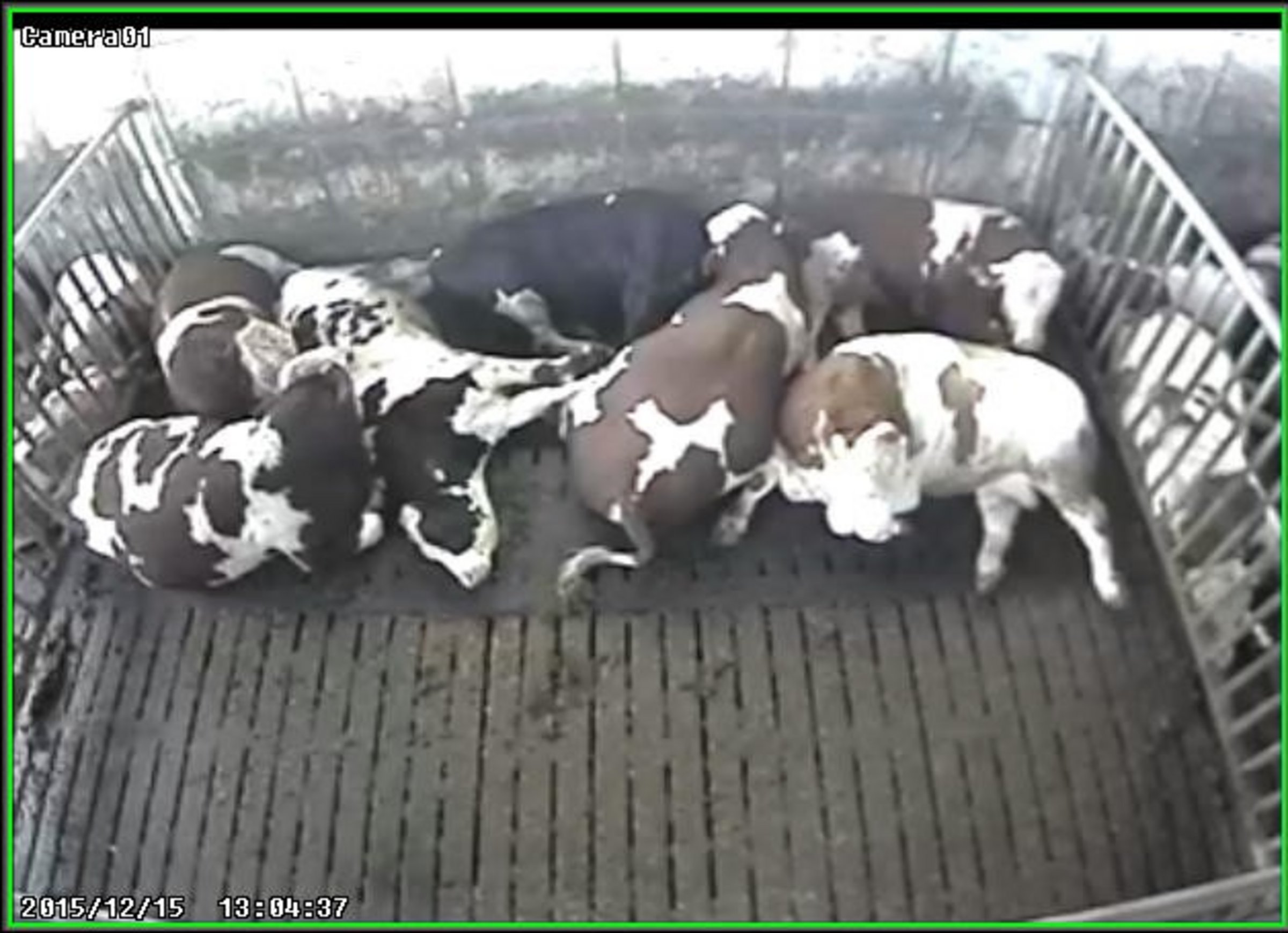
Rubber-coated slatted floors for use in cattle fattening
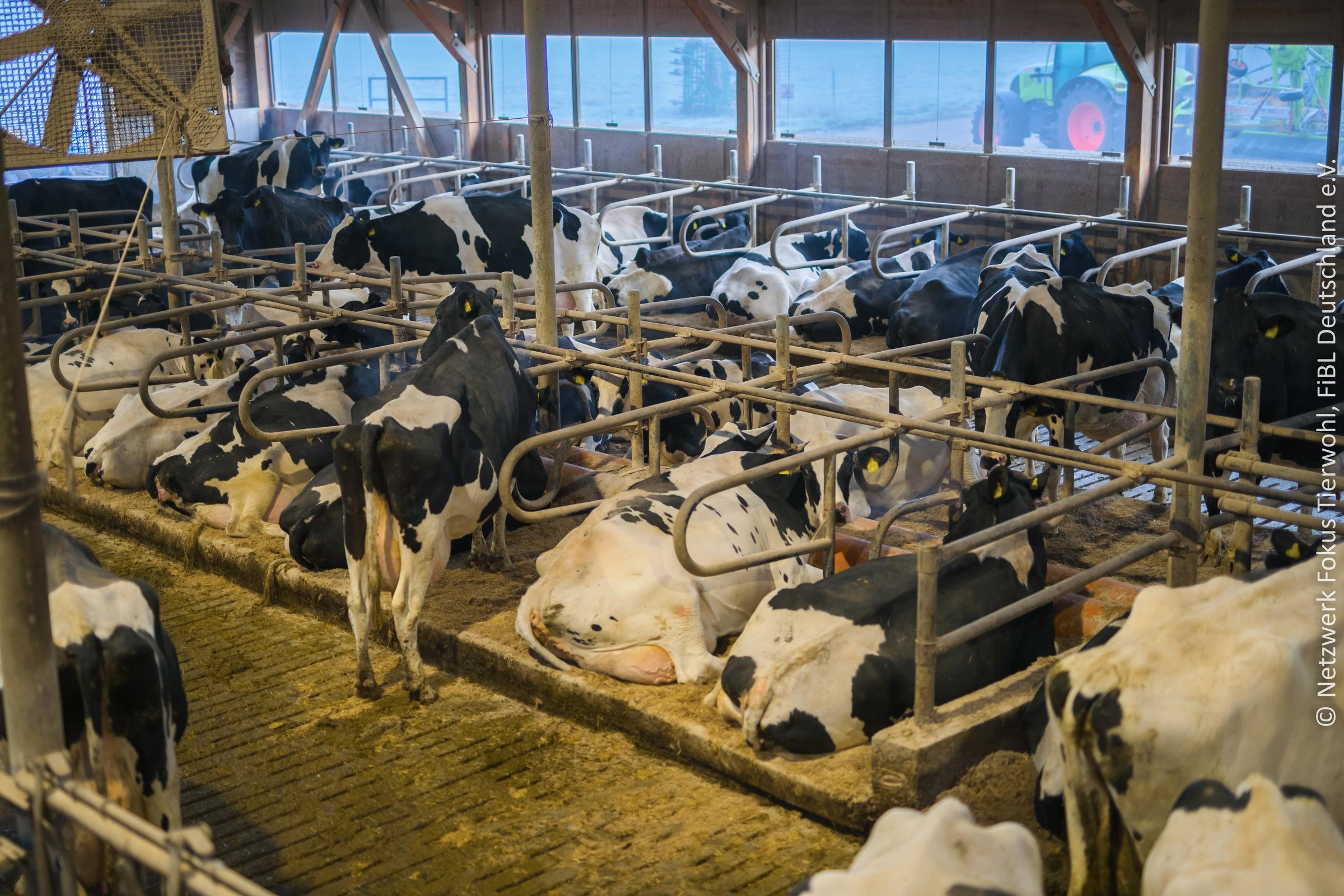
Heat stress in dairy cows
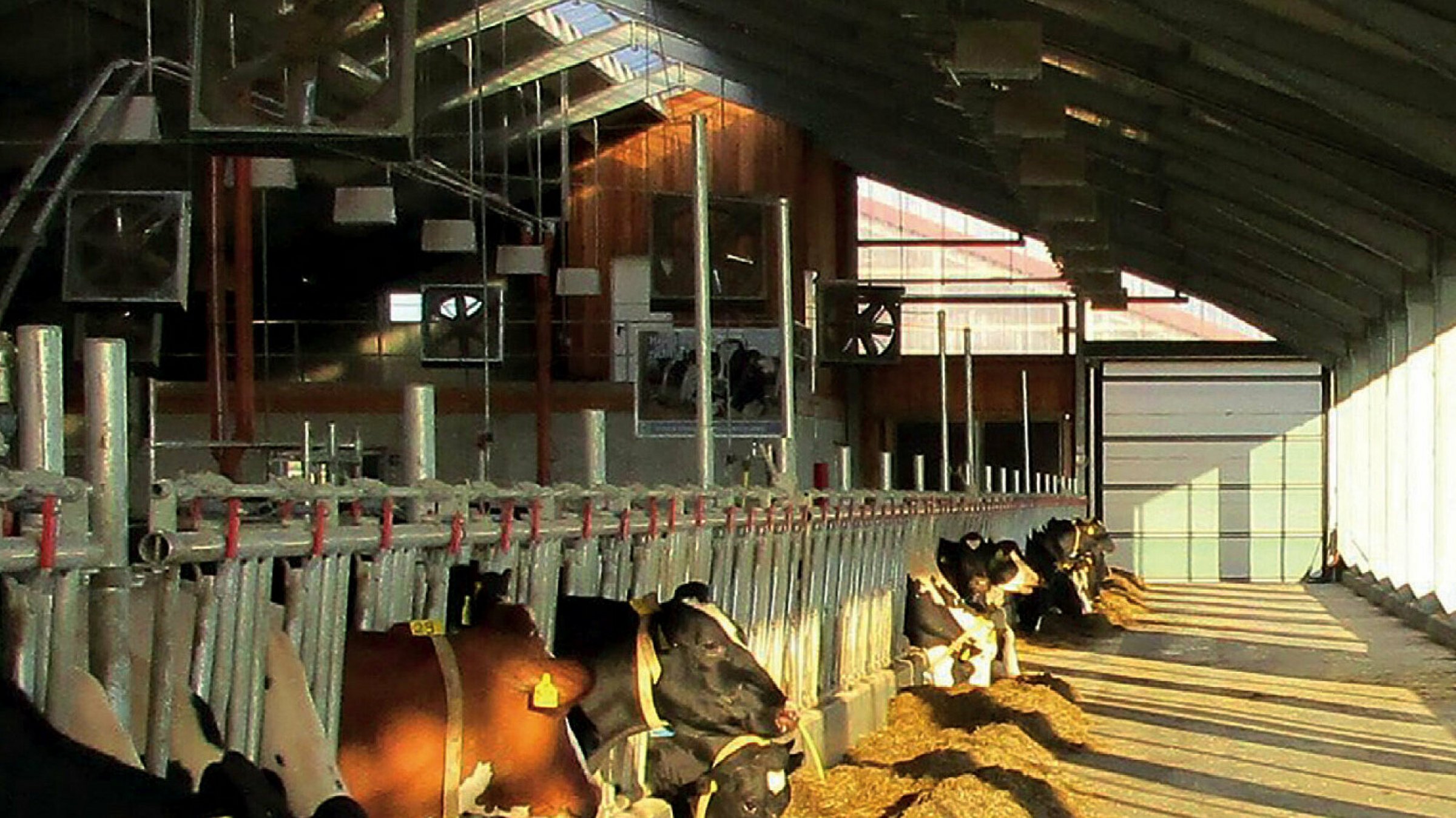
Hitzestress bei Milchkühen
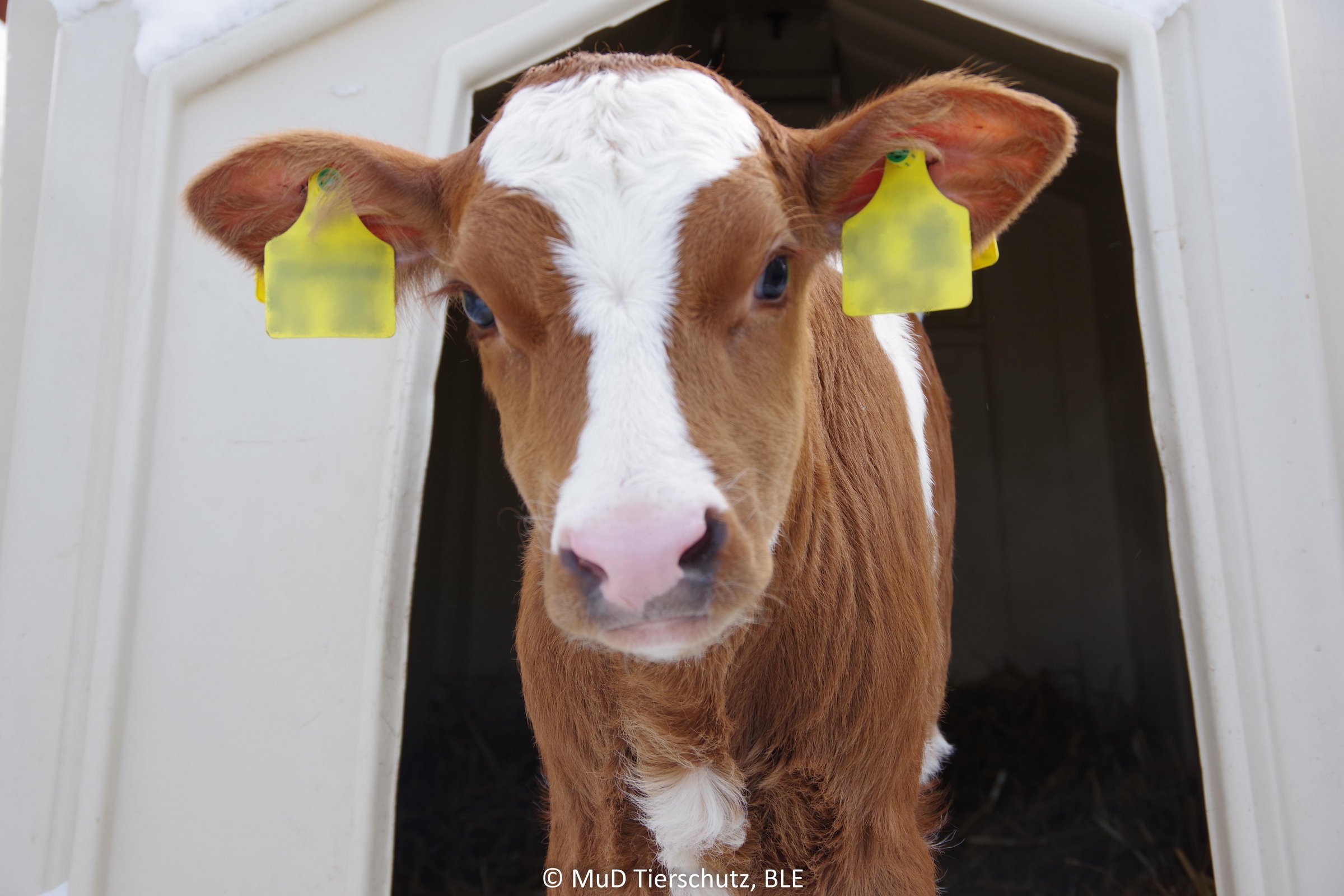
Hygiene in calf rearing
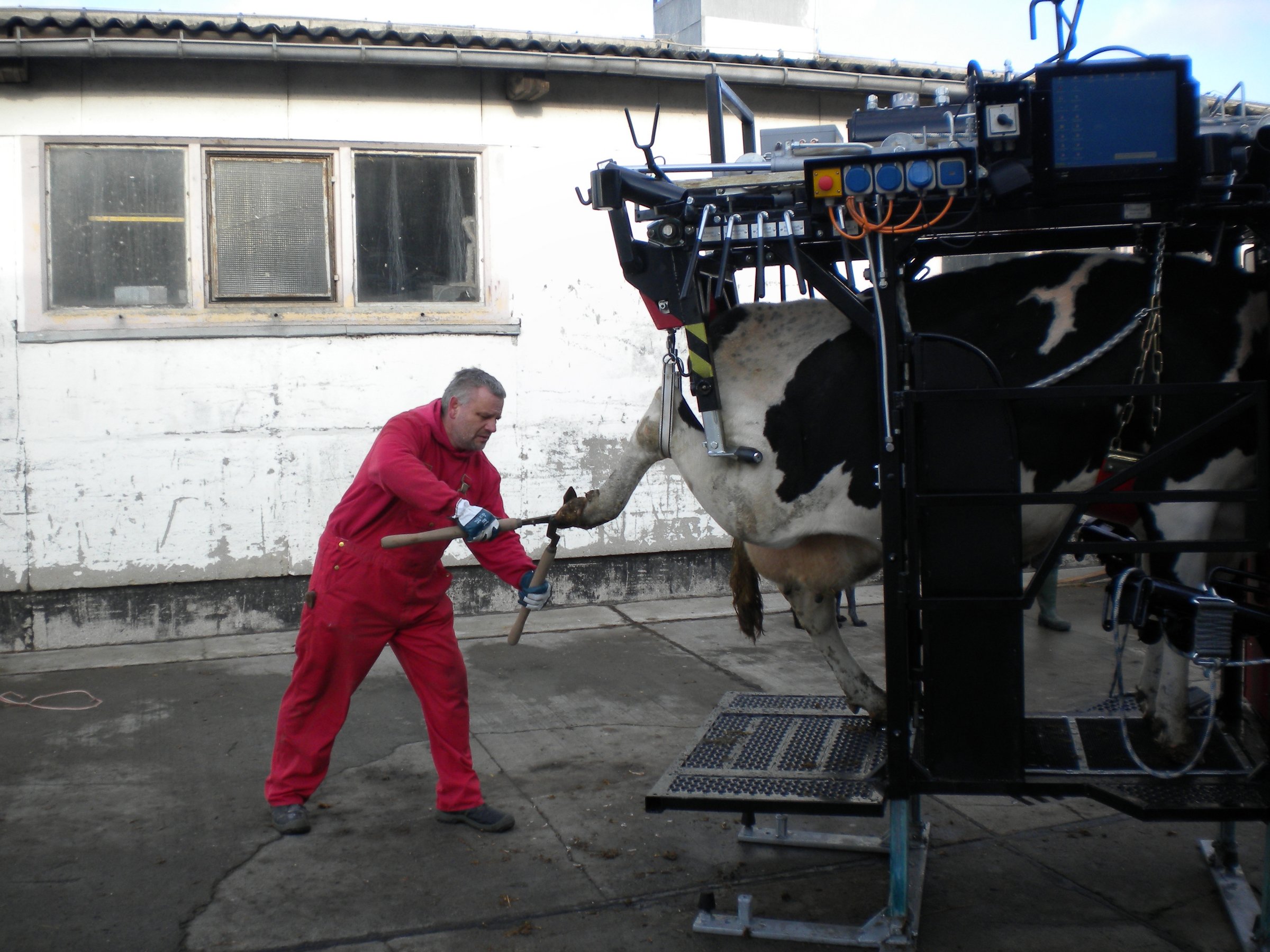
Hoof care: safety for animals and people
Hoof bandage
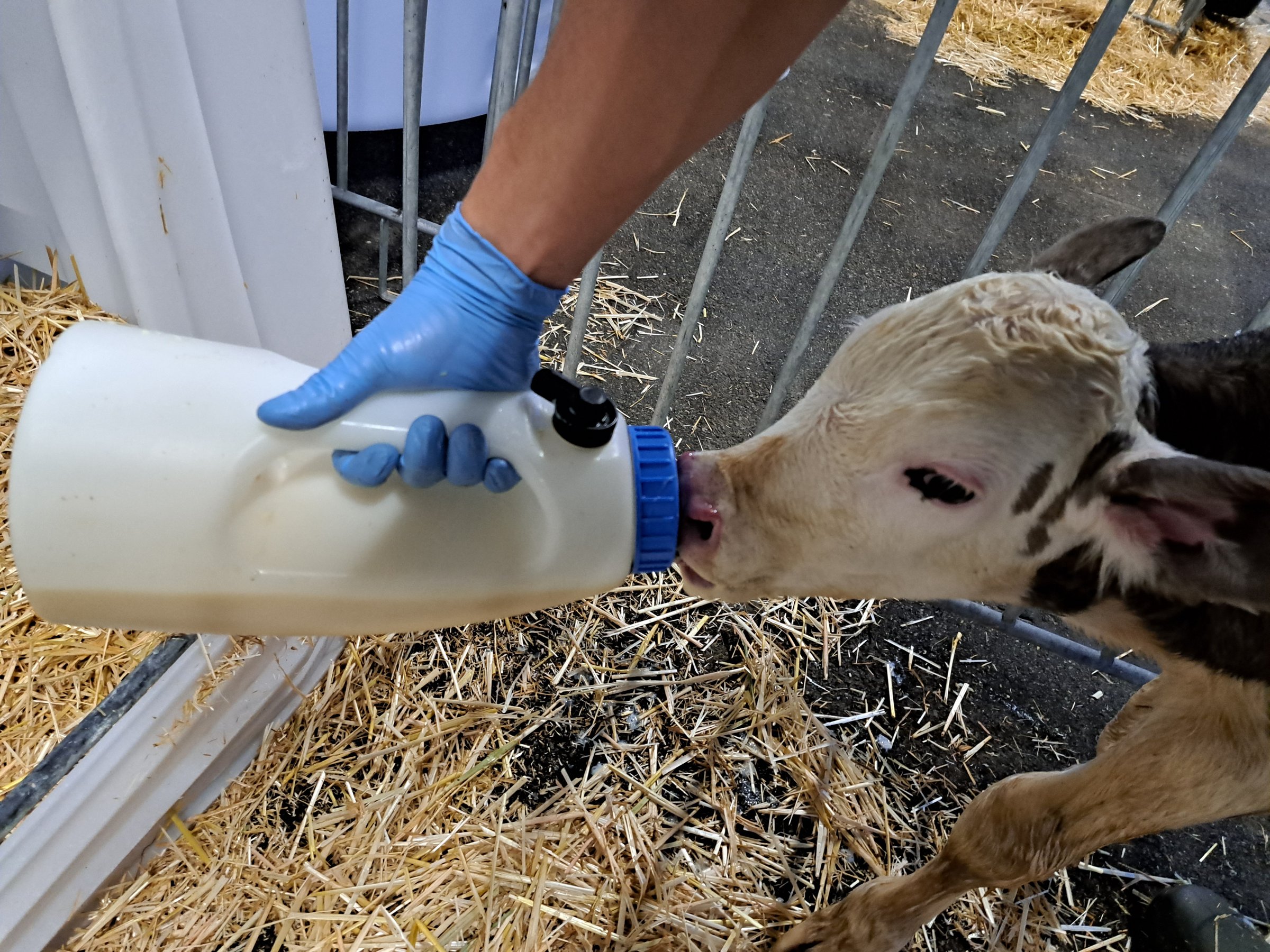
Colostrum supply
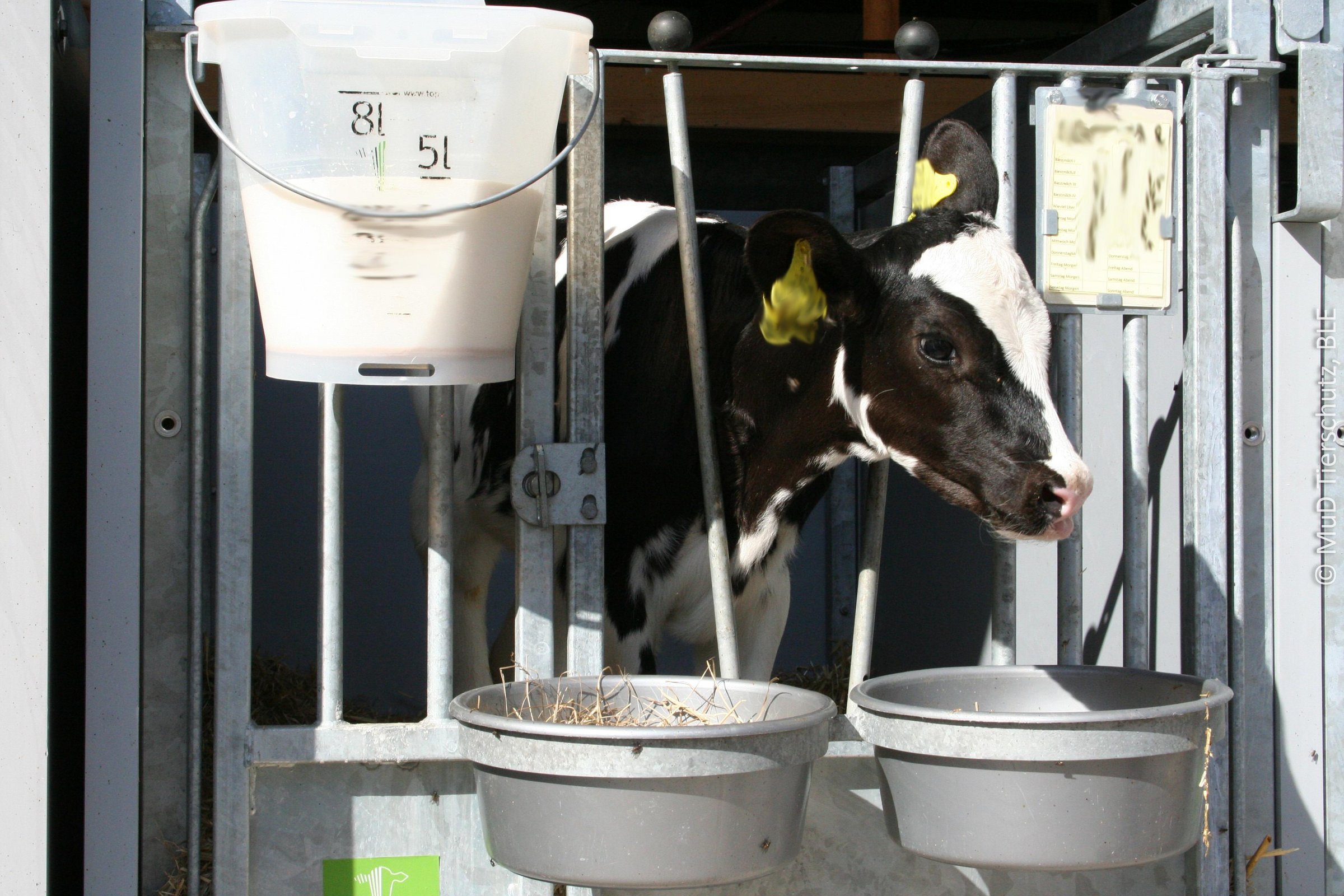
Feeding calves
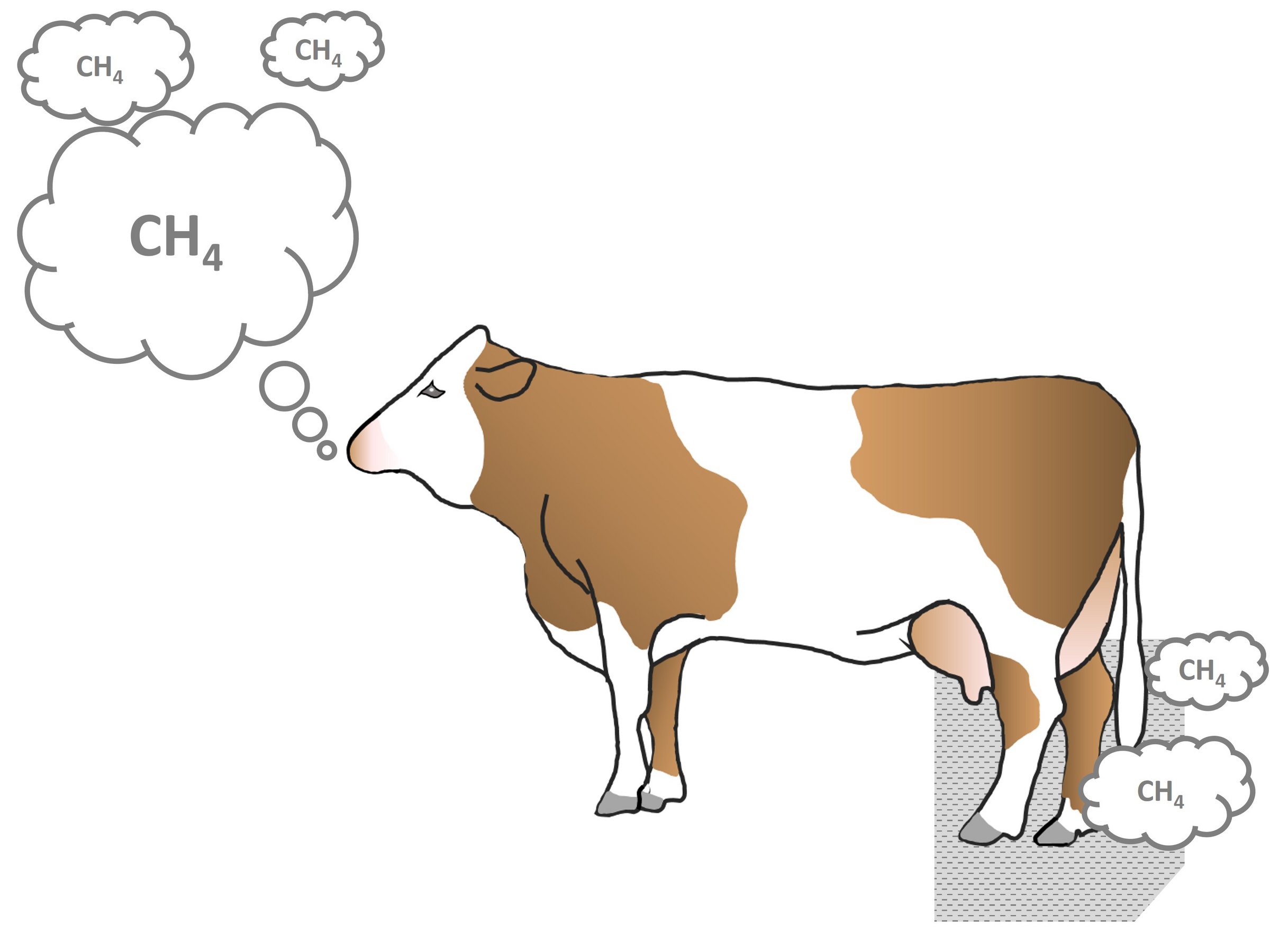
01 Methanemissionen
Fachinformation
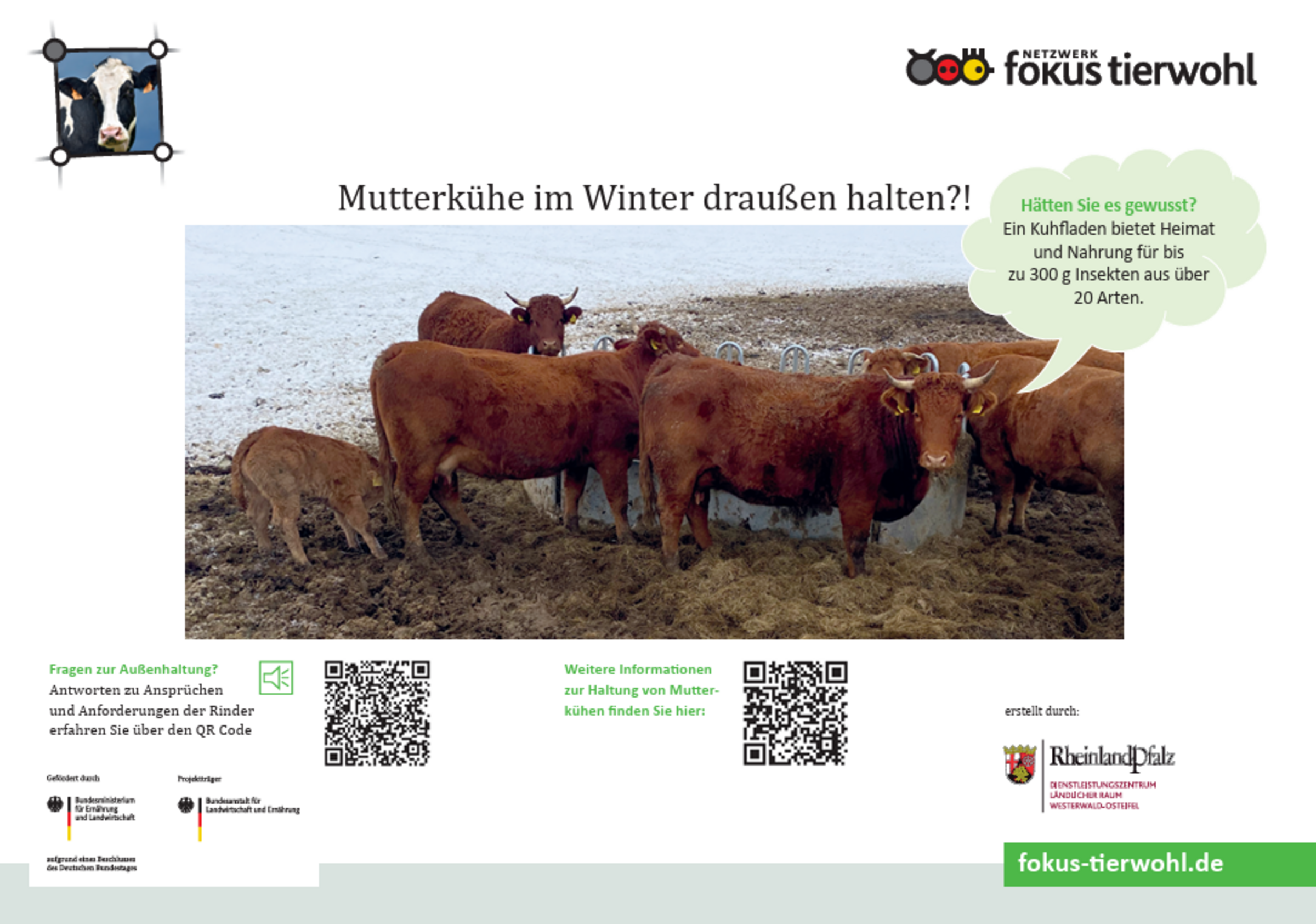
Suckler cow management in winter
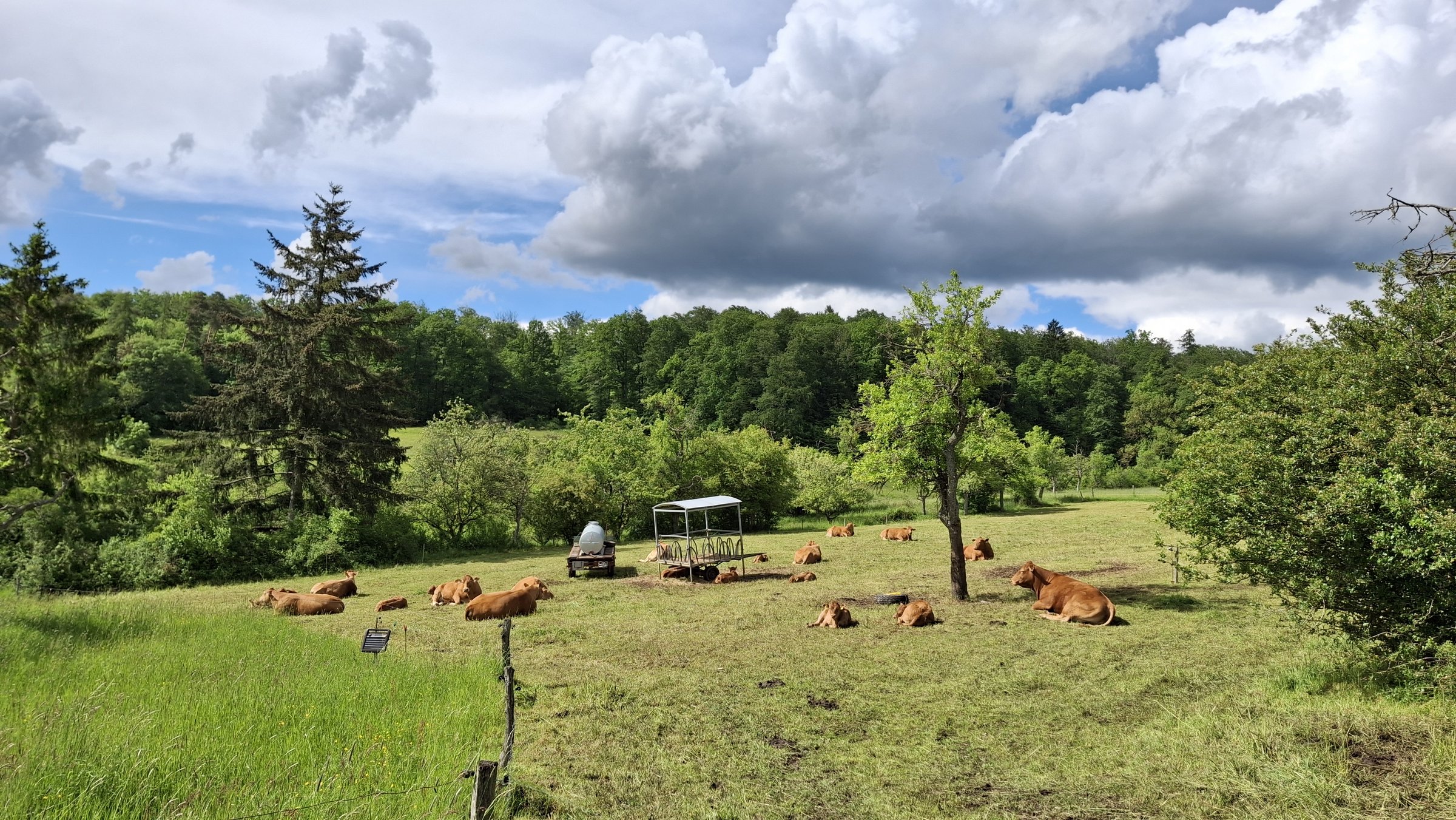
Suckler cow management in winter
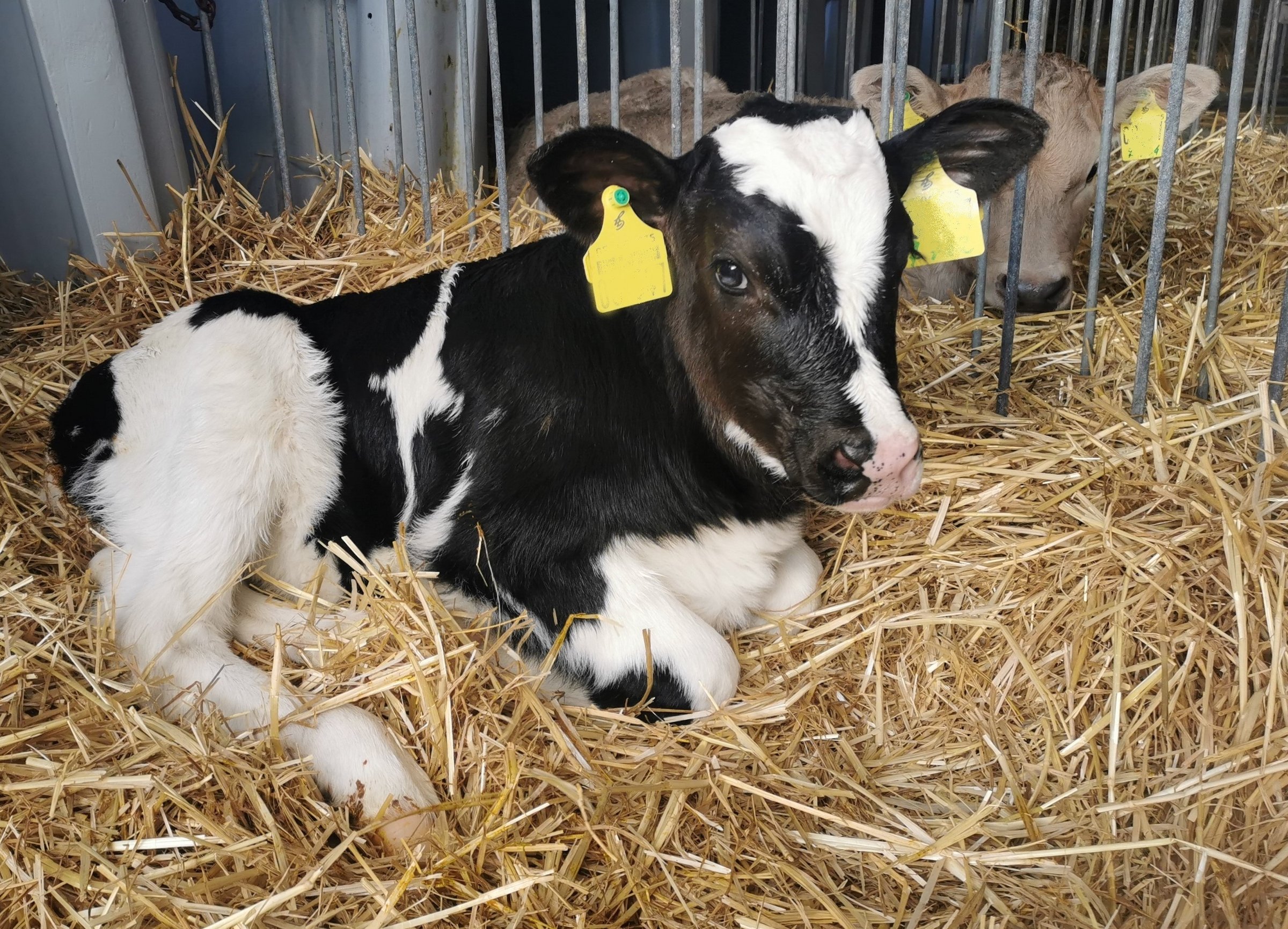
Navel disinfection
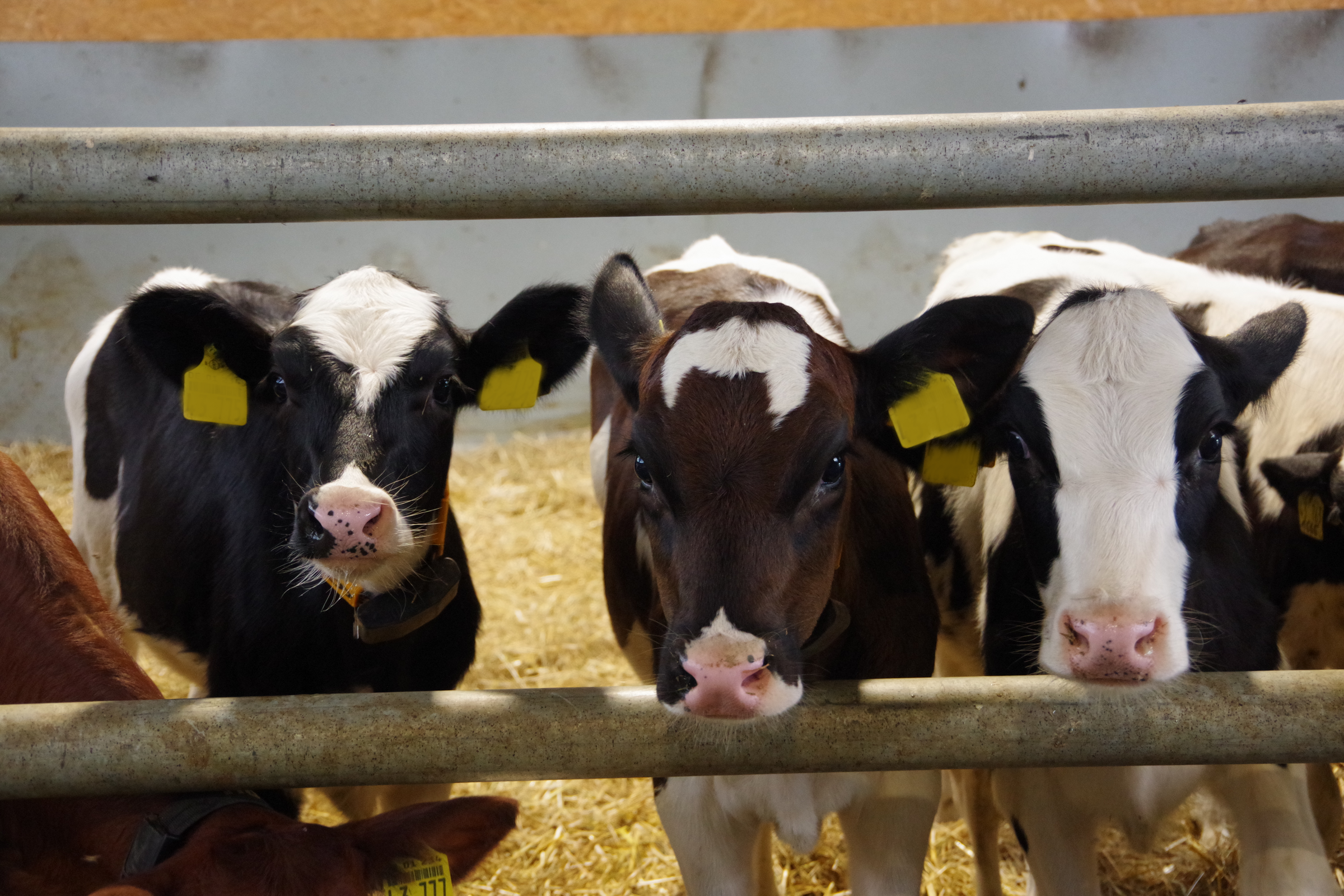
Calves for beef production from dairy breeds

Integration & Organisation der Klauenpflege
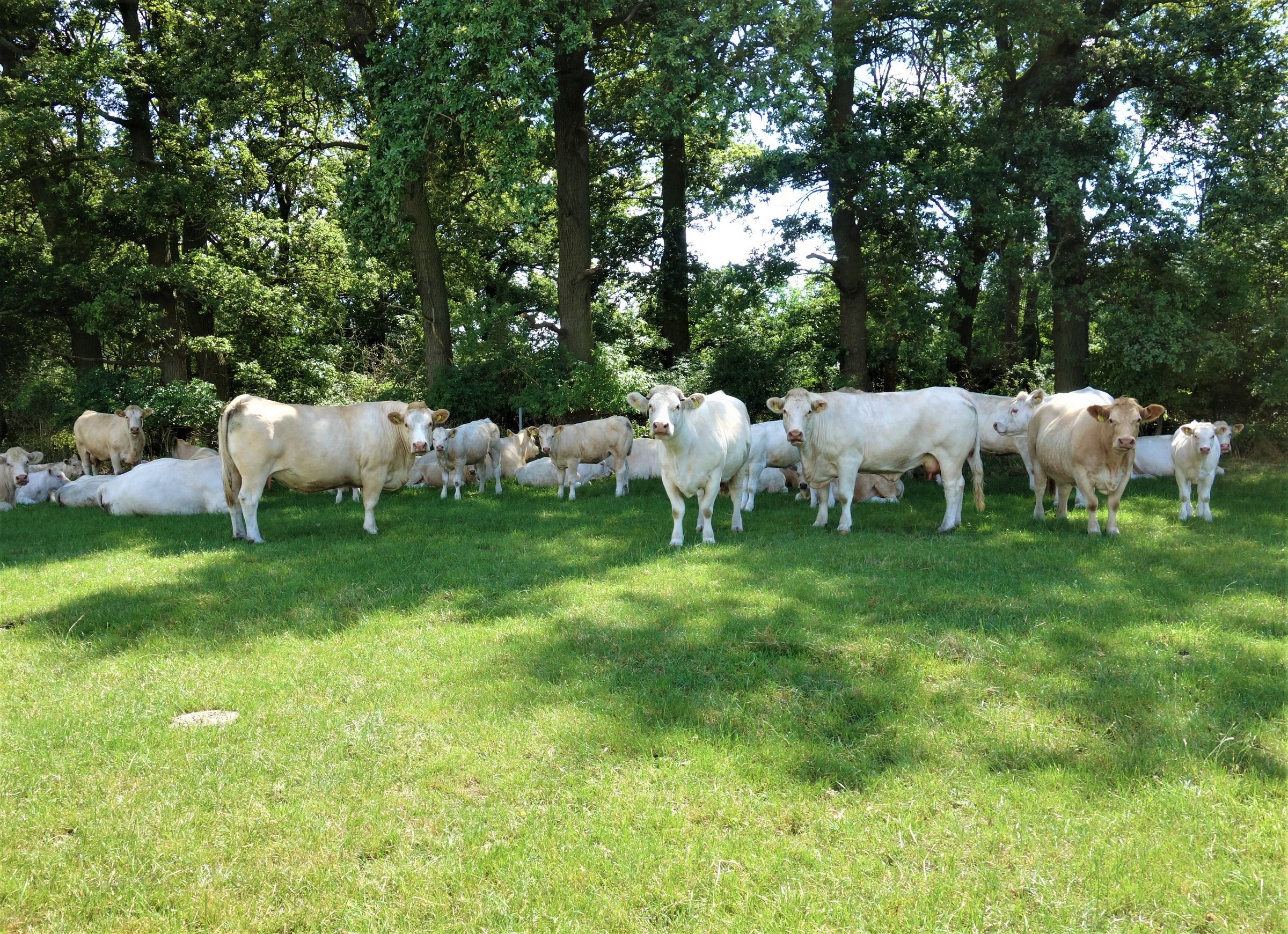
Parasite management
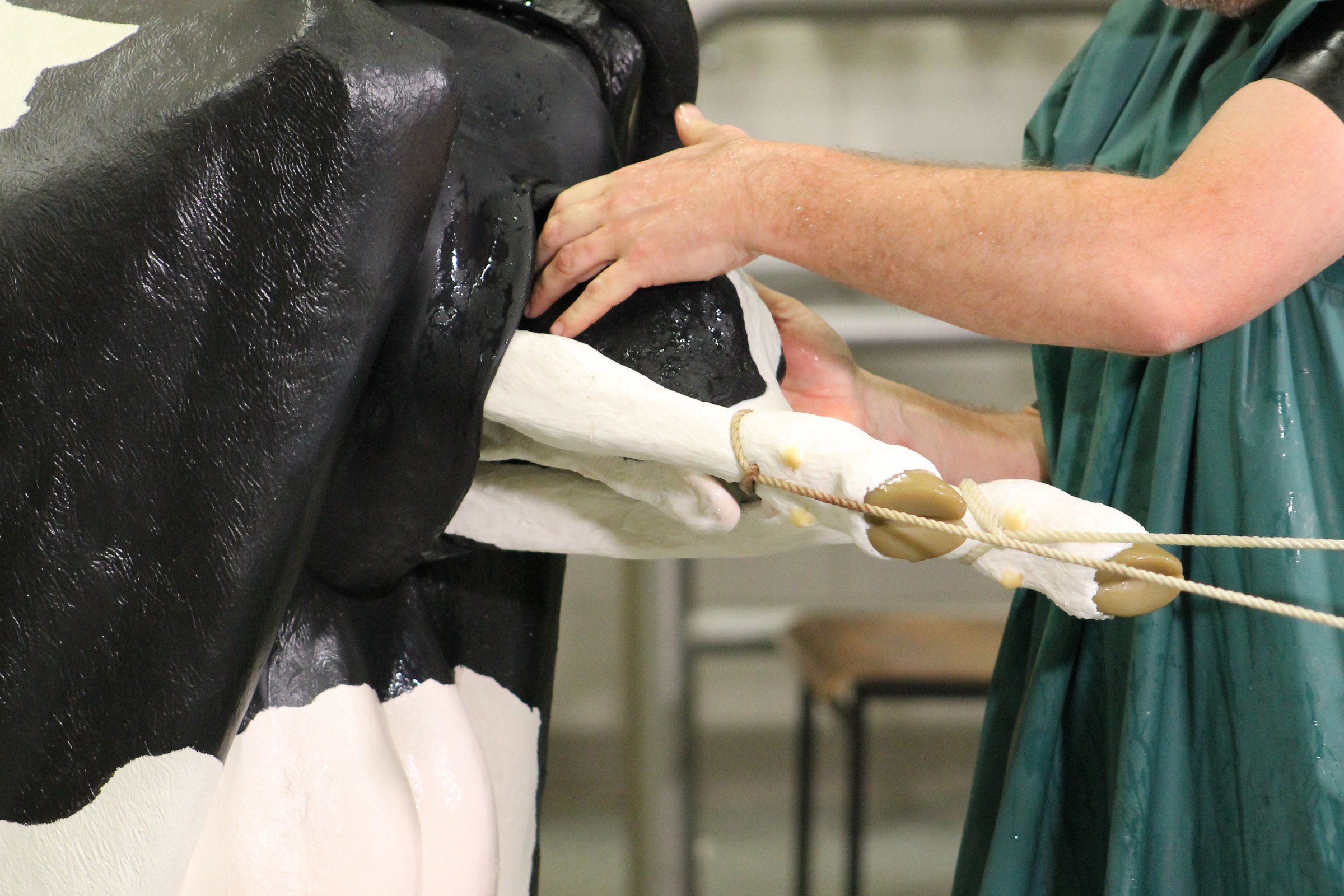
Everything you need to know about calving
Scratching posts for fattening bulls
01 Schwanzspitzennekrosen beim Rind
Selective drying off of dairy cattle
Structural feeding of breeding bulls
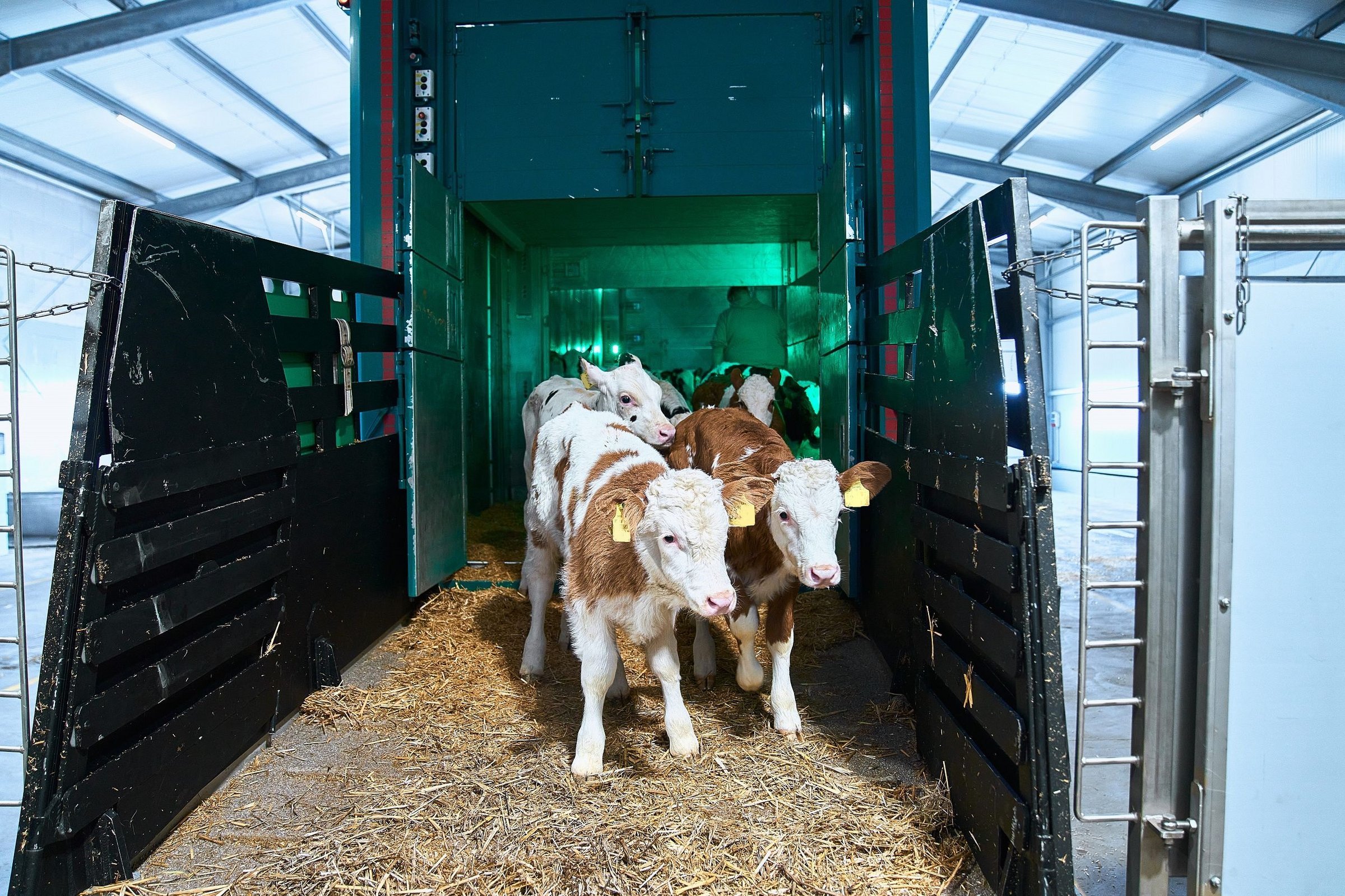
Animal transport
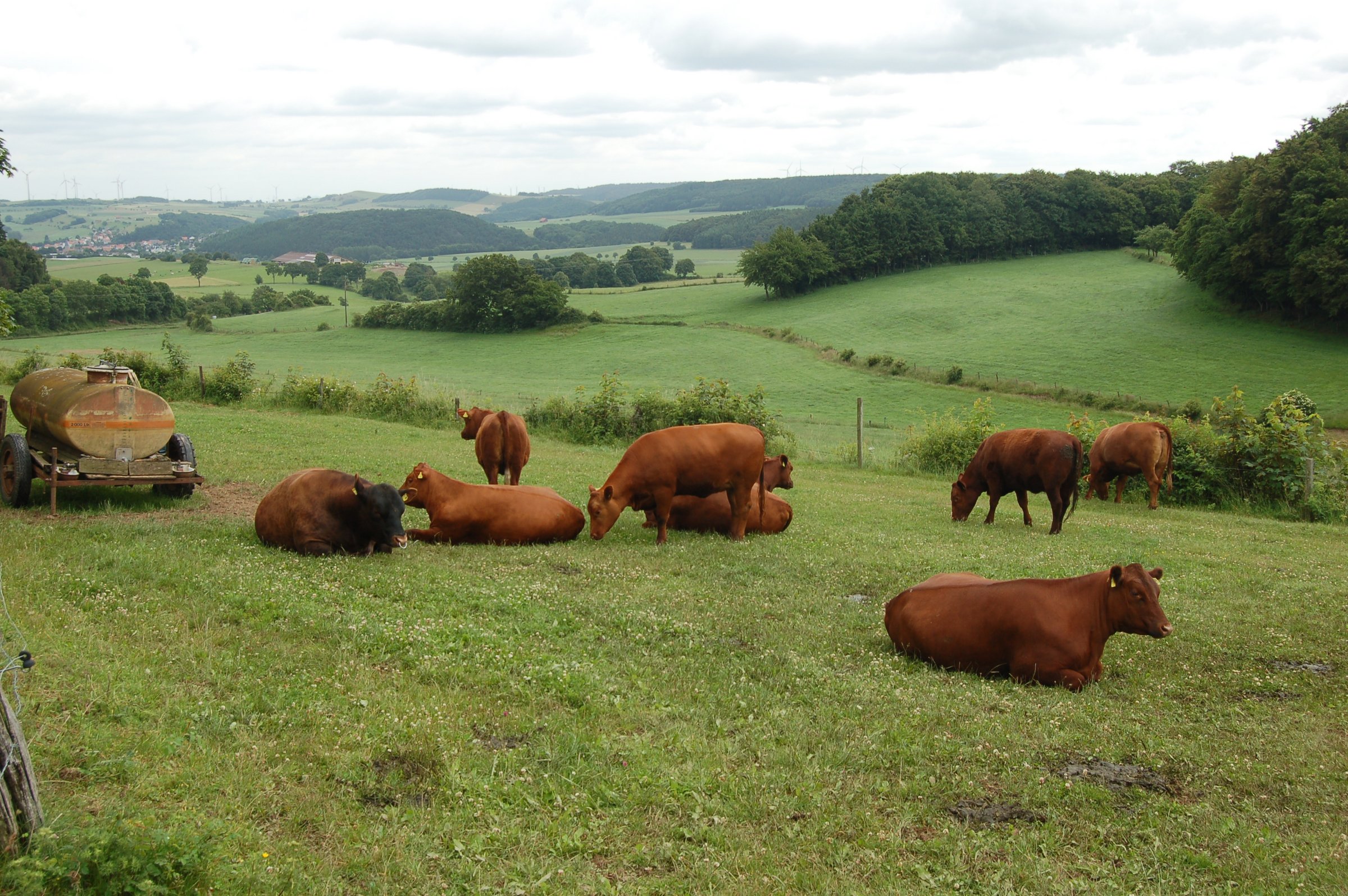
Animal welfare indicators for suckler cows
Water supply for fattening bulls
Managing heat stress in suckler cows
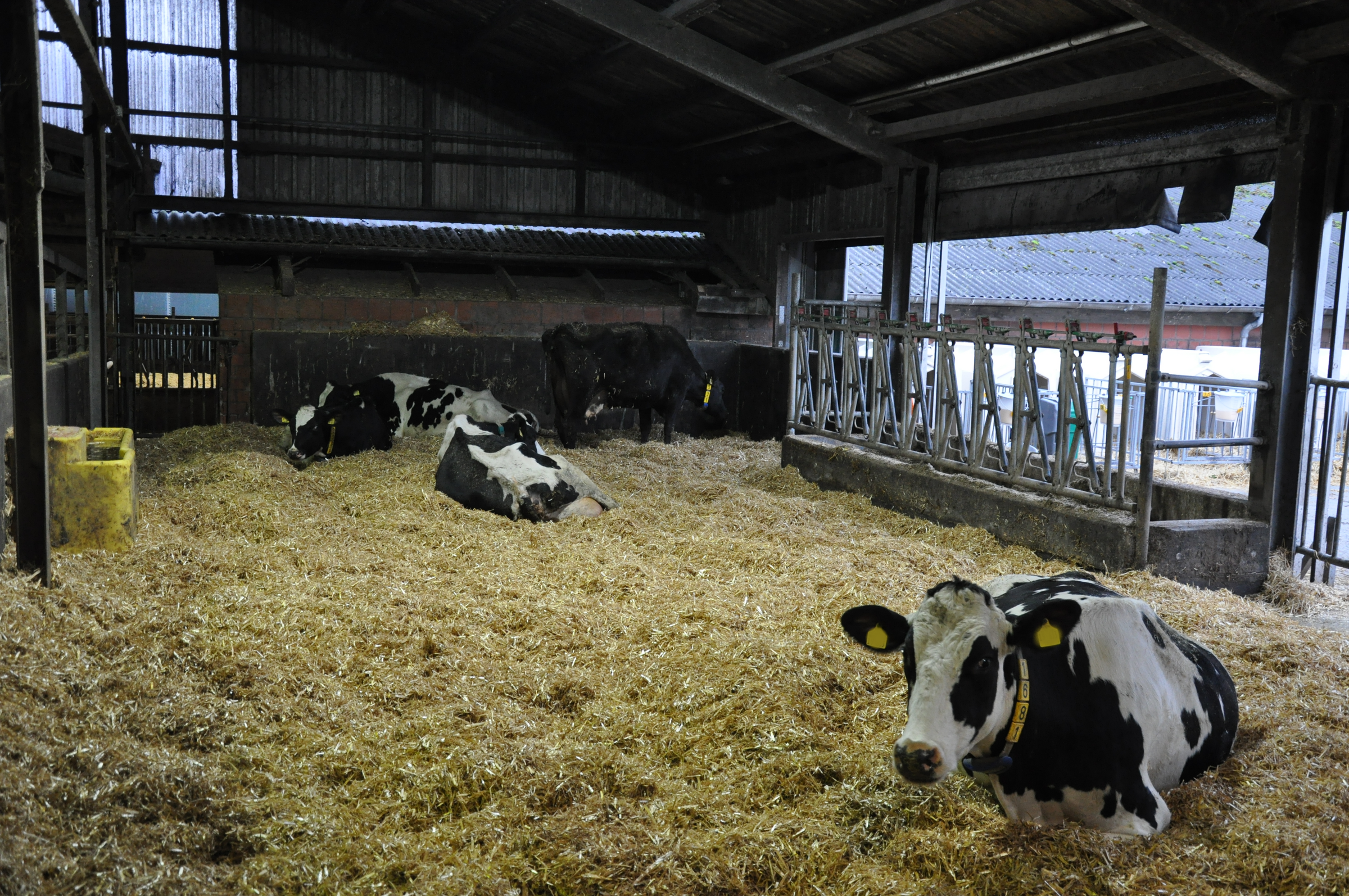
Caring for sick and injured dairy cows
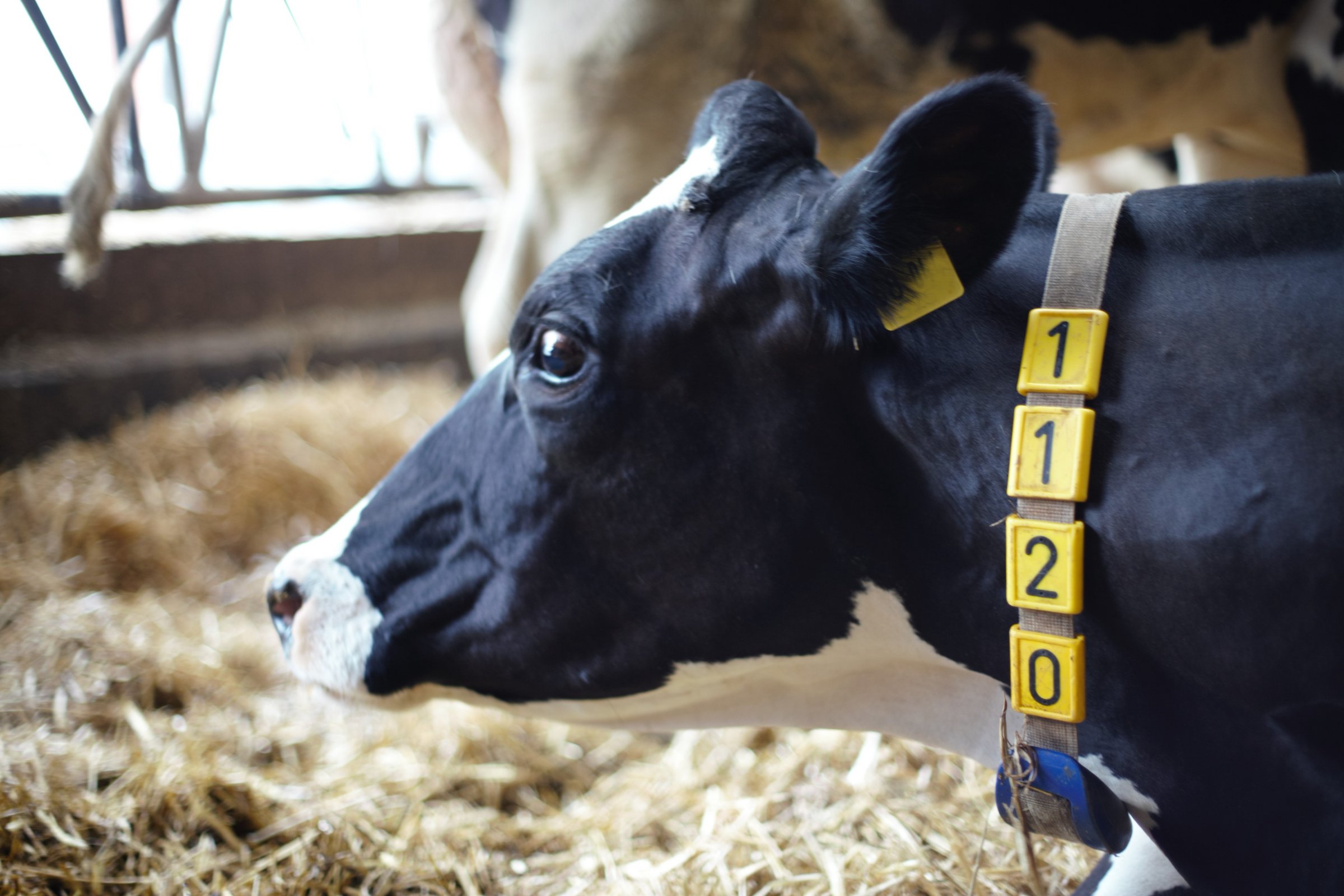
Caring for sick and injured dairy cows
Managing cold stress in suckler cows
Inspection round
Extended calving interval
Podcast: Heat stress in cattle
Podcast: Colostrum Feeding for Calves
Podcast: Mother-Attached Calf Rearing
Podcast: Male Calves
Podcast: Extended Intercalving Period
Video: How to use a breathing pump correctly
Video: Correct use of the mechanical obstetric device
Video: Birth as a natural process
Video: Obstetric care for breech presentations
Video: Assisting with the birth of cattle
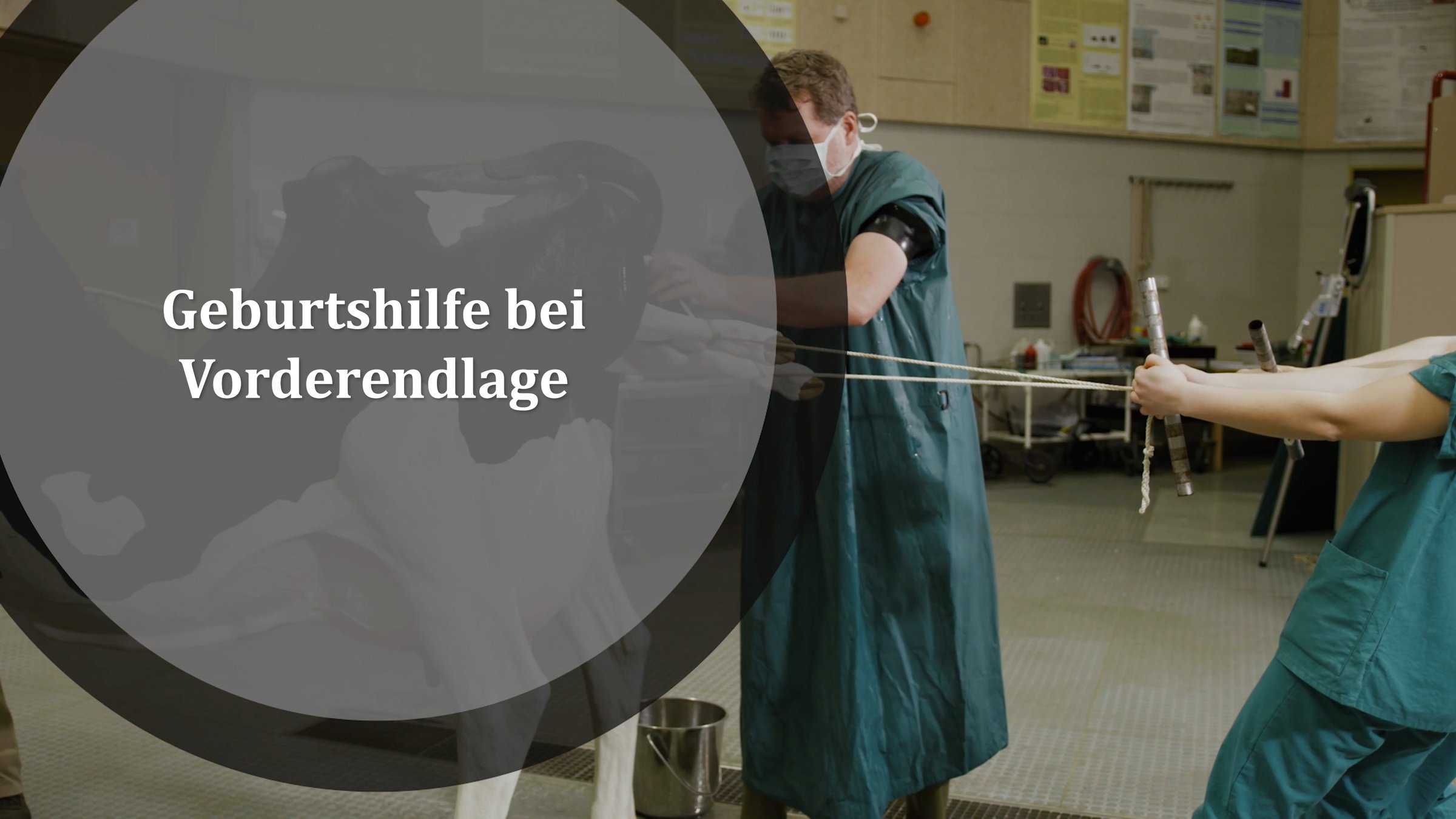
Video: Obstetric care for a breech presentation
Video: Postnatal Hygiene and Documentation
Video: Birth monitoring
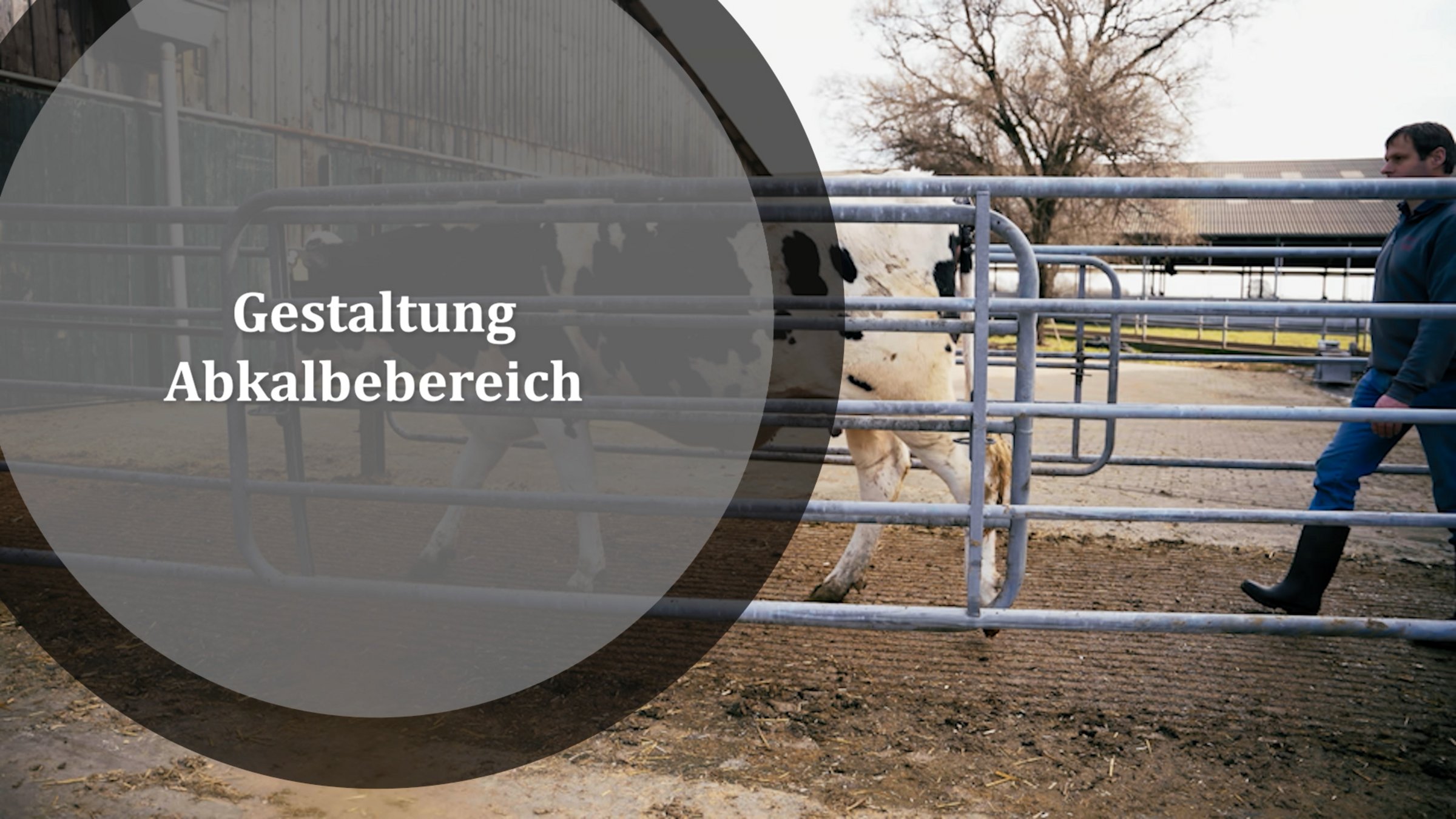
Video: Design for the calving area
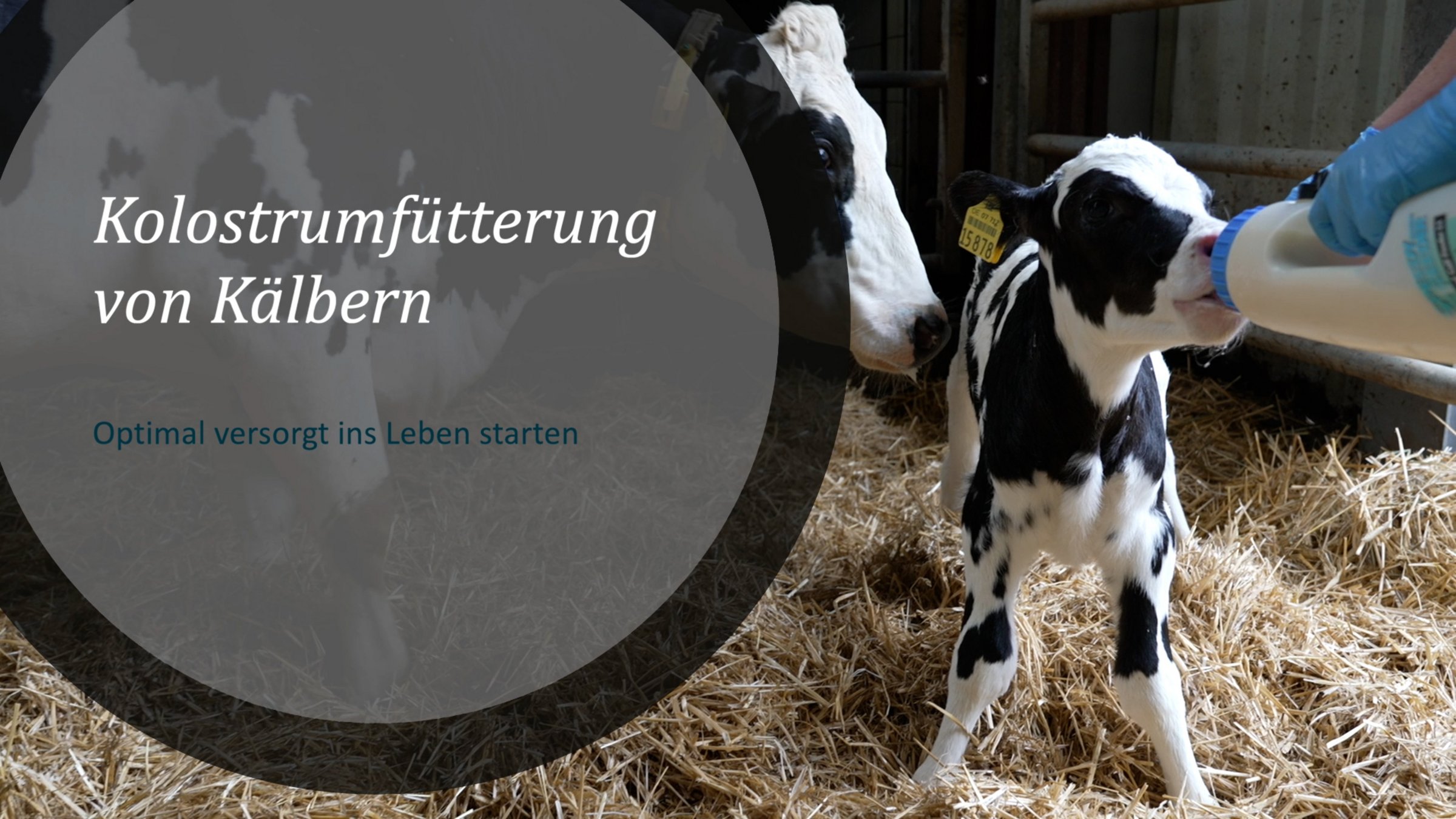
Video: Feeding colostrum to calves
Video: Raising calves with their mothers – rearing with foster mothers
Video: Raising calves with their mothers – mother-bonded rearing
Video check of the basin's flow
Video: Difficult births in cattle
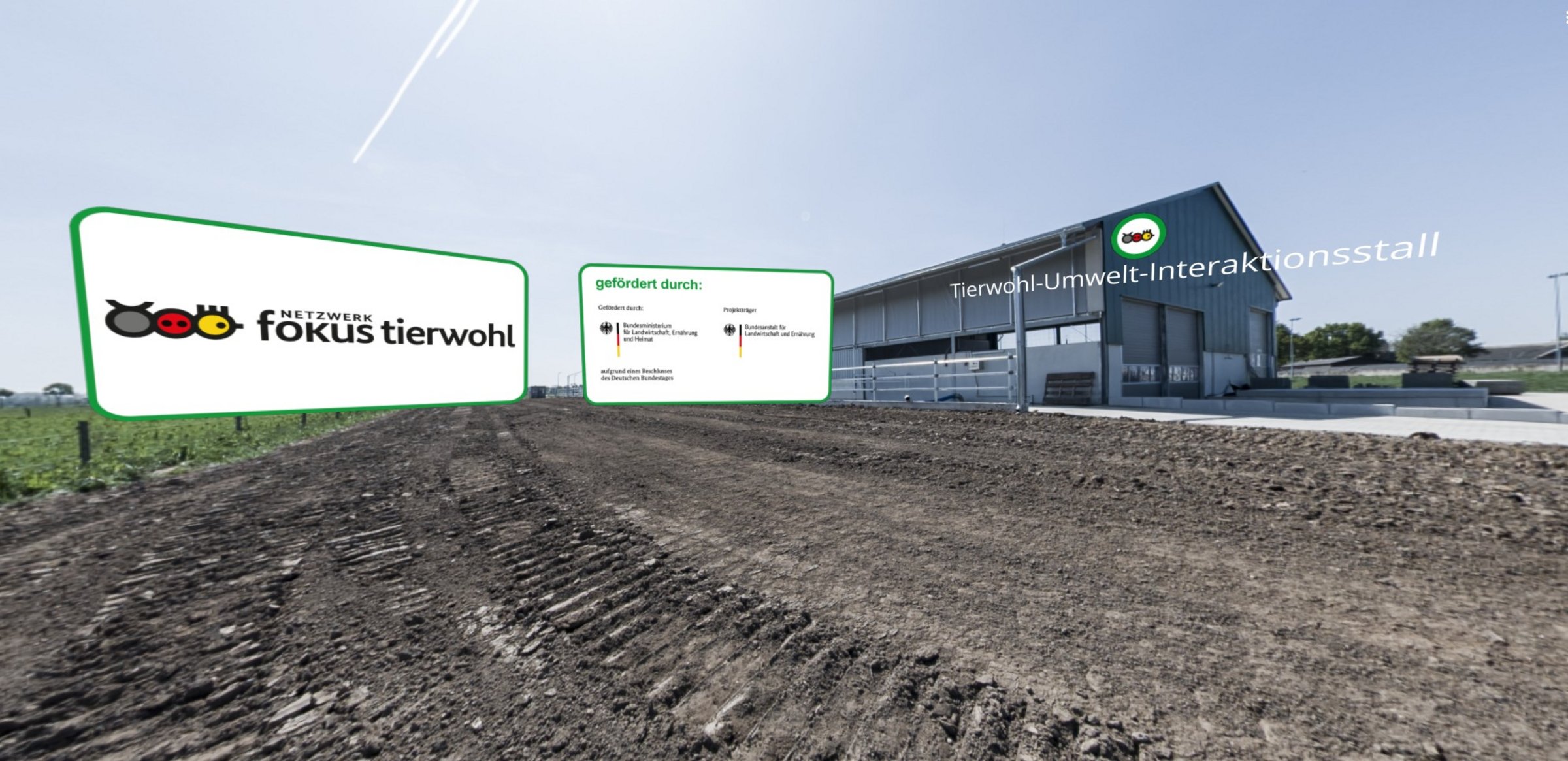
Video: Tour of the stable of the future
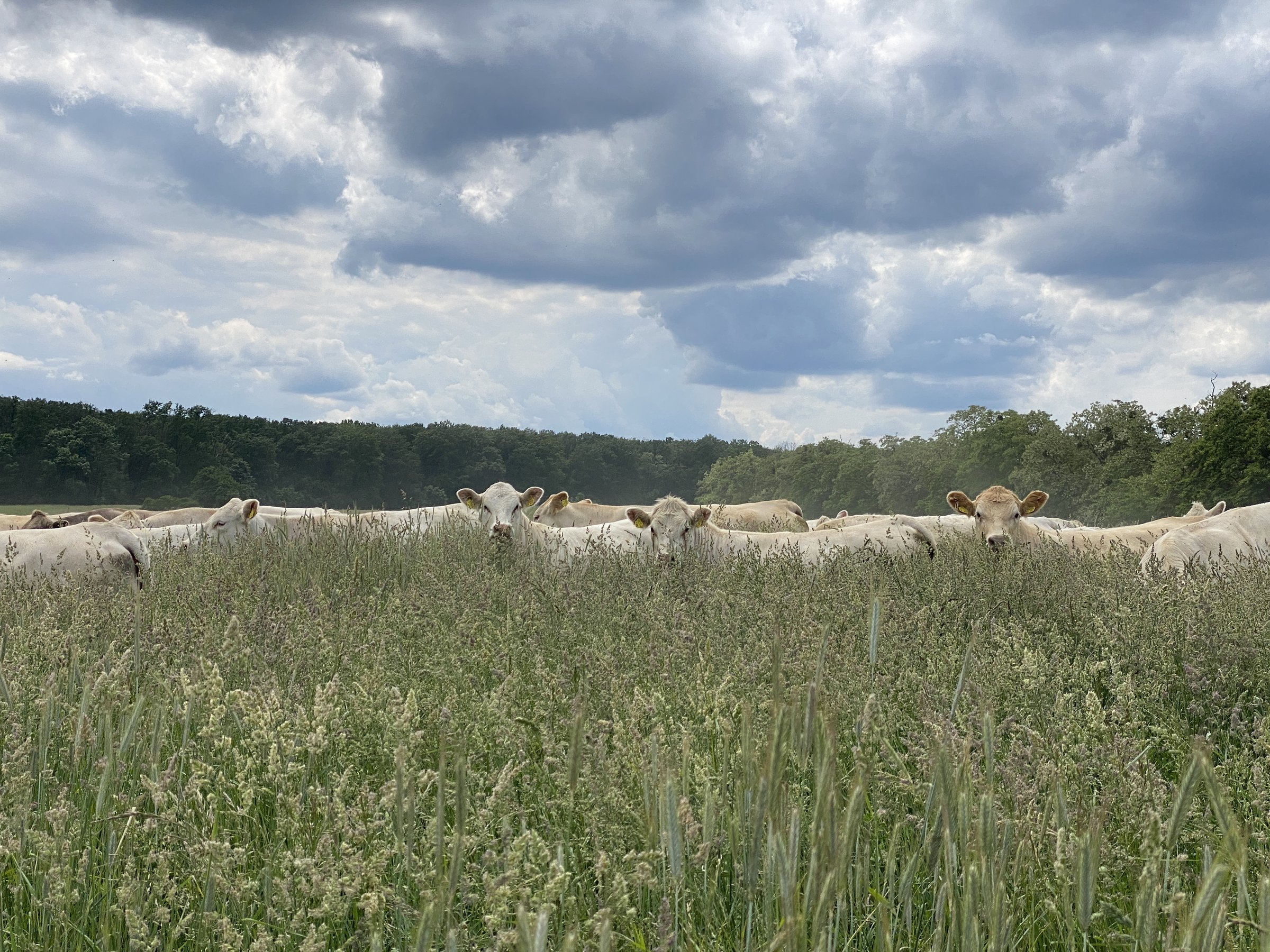
From the events: Mob Grazing
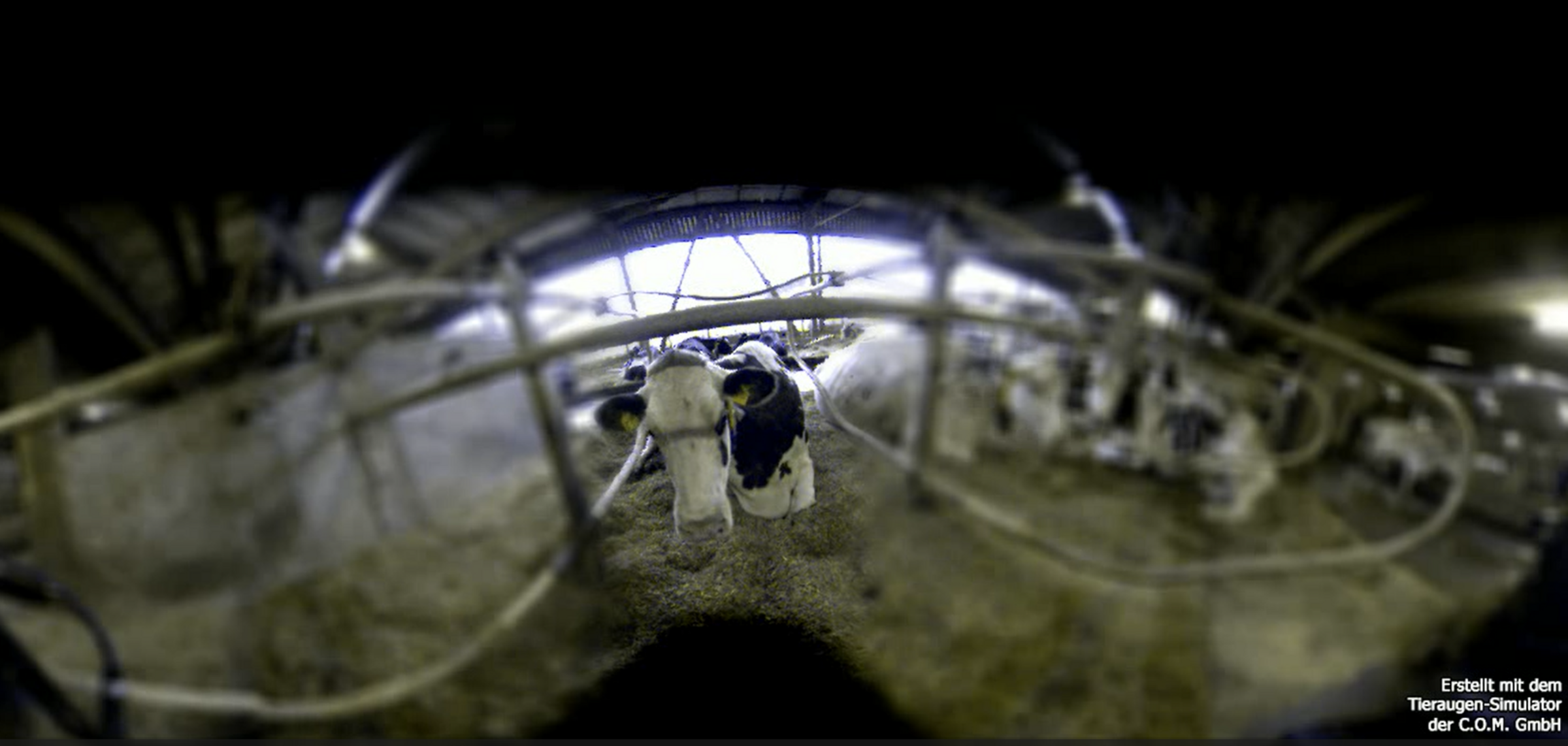
From the events: Sensory perception in cattle
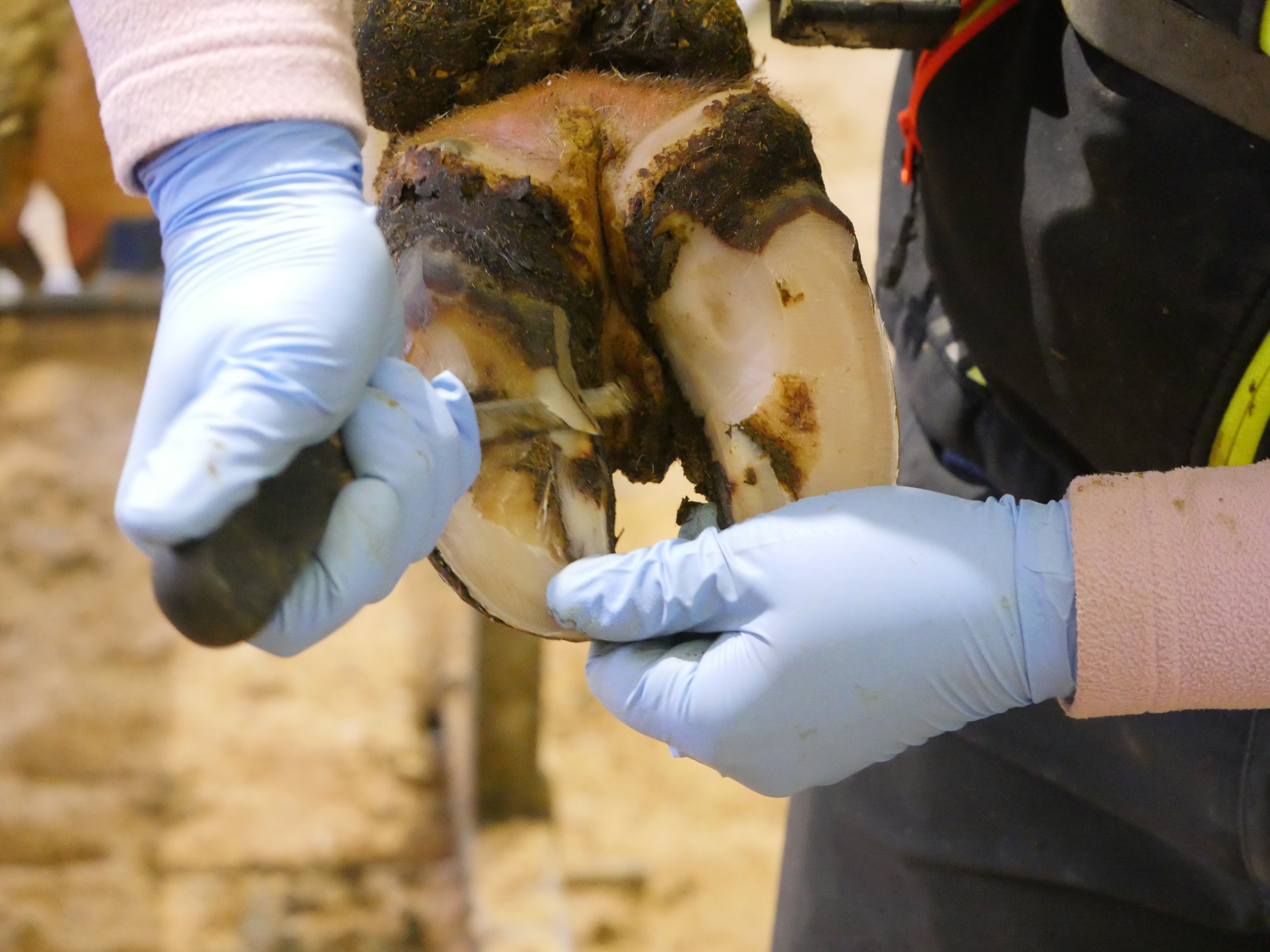
Funded projects: Pilot project on hoof health management
Funded projects: MoMiNE
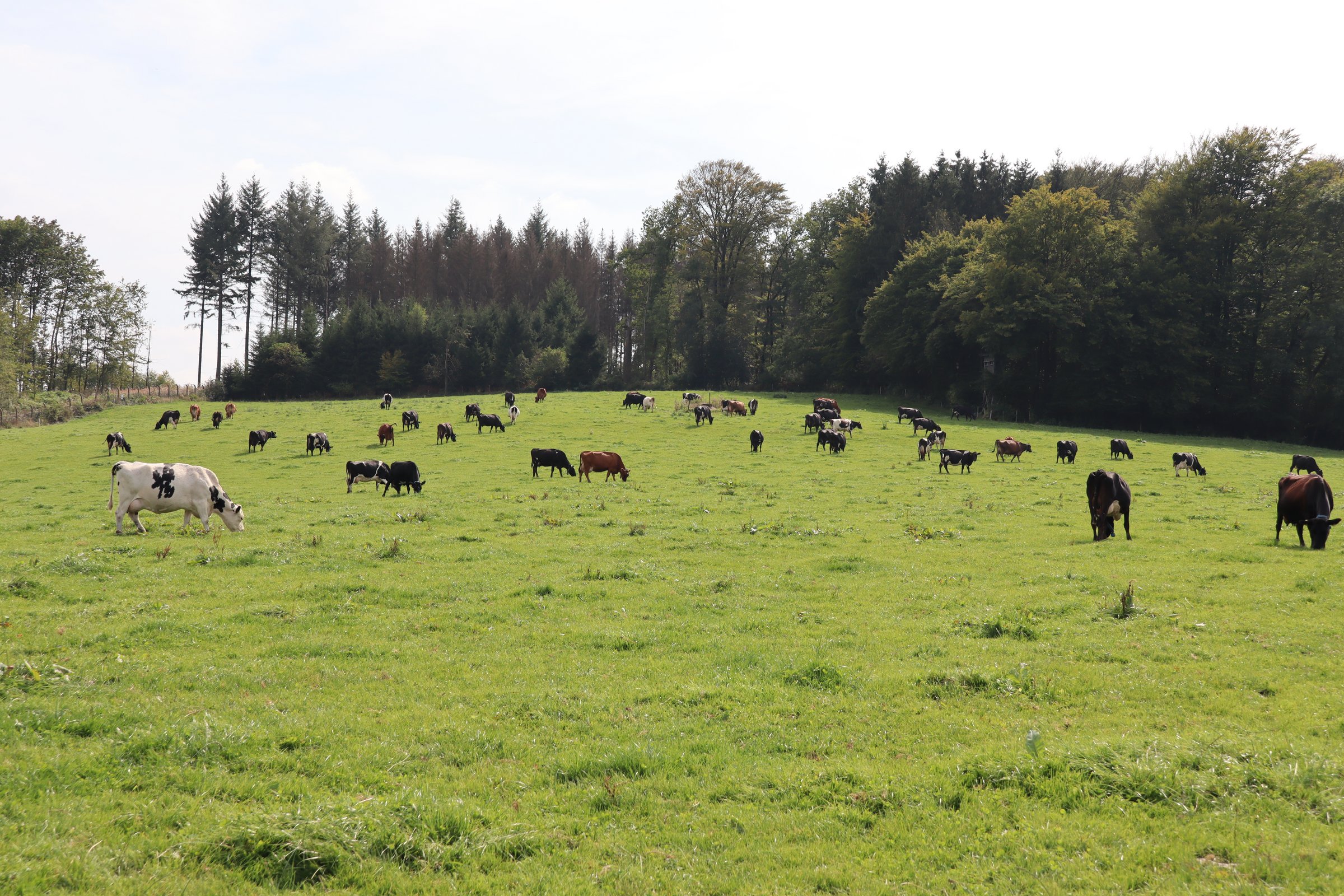
Funded projects: MuD Animal Welfare: Pasture-based Farming
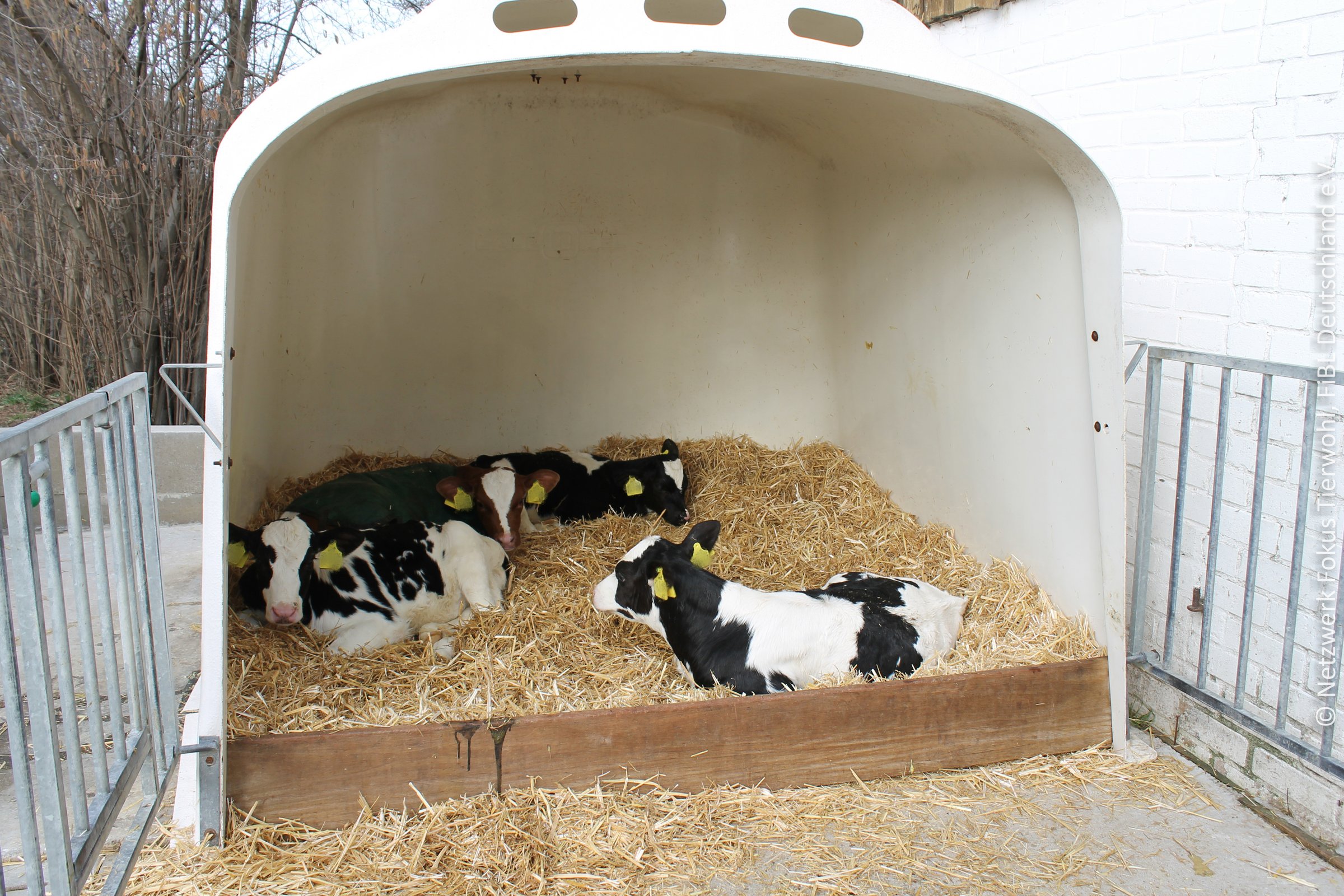
Animal Welfare Pilot Schemes: Animal transport
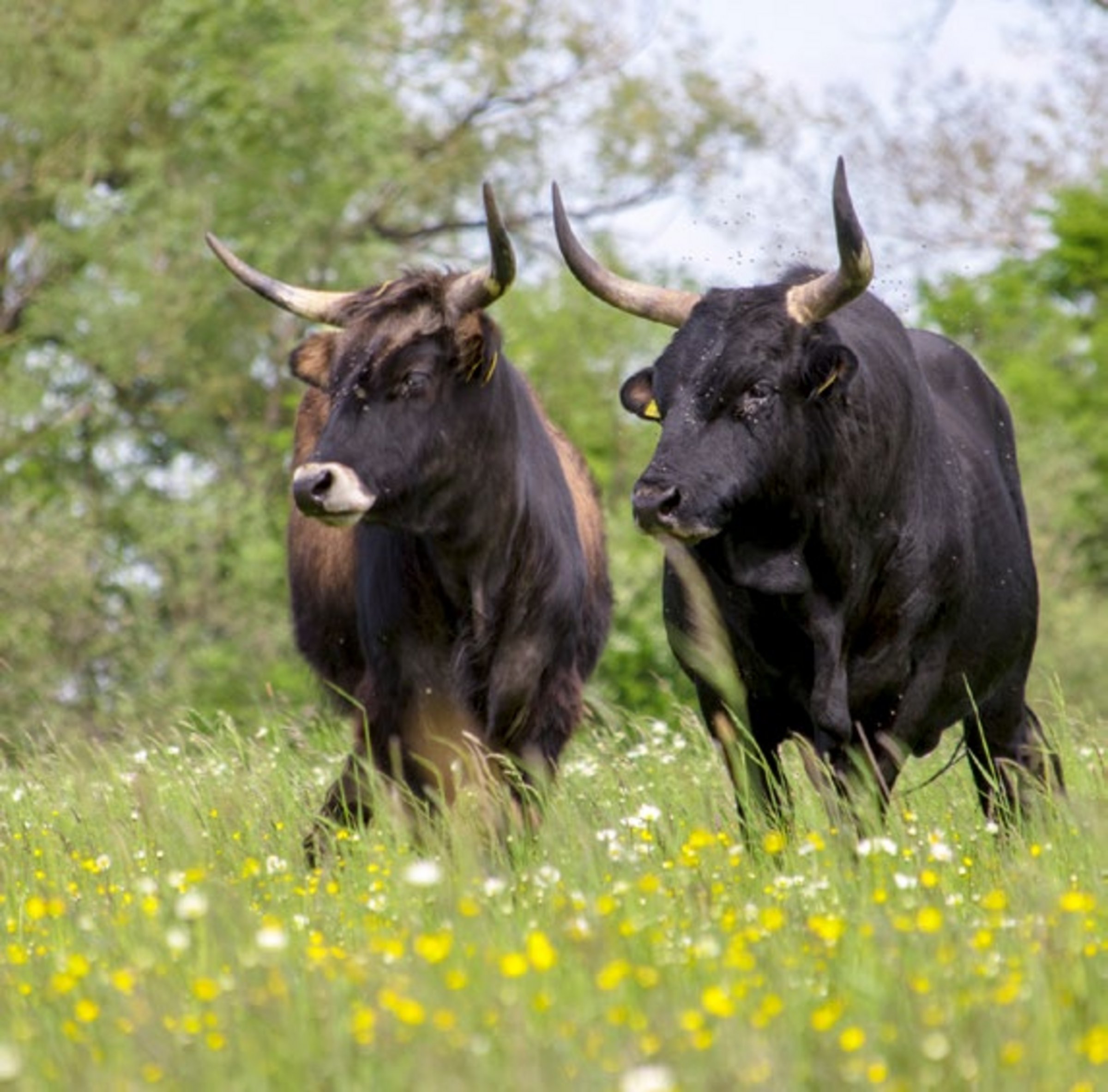
06 Tierwohl in der Naturschutzbeweidung
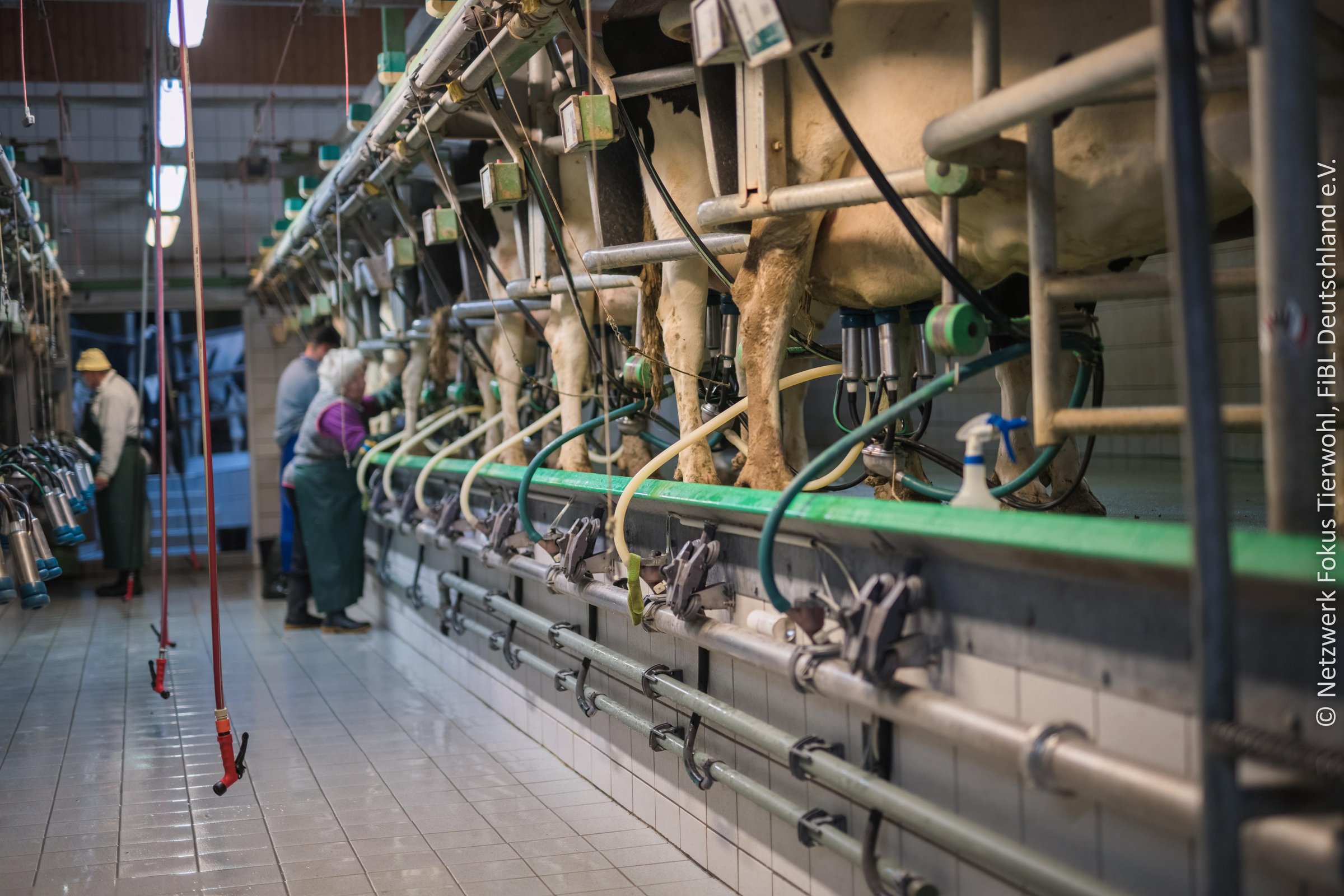
Funded projects: VerLak
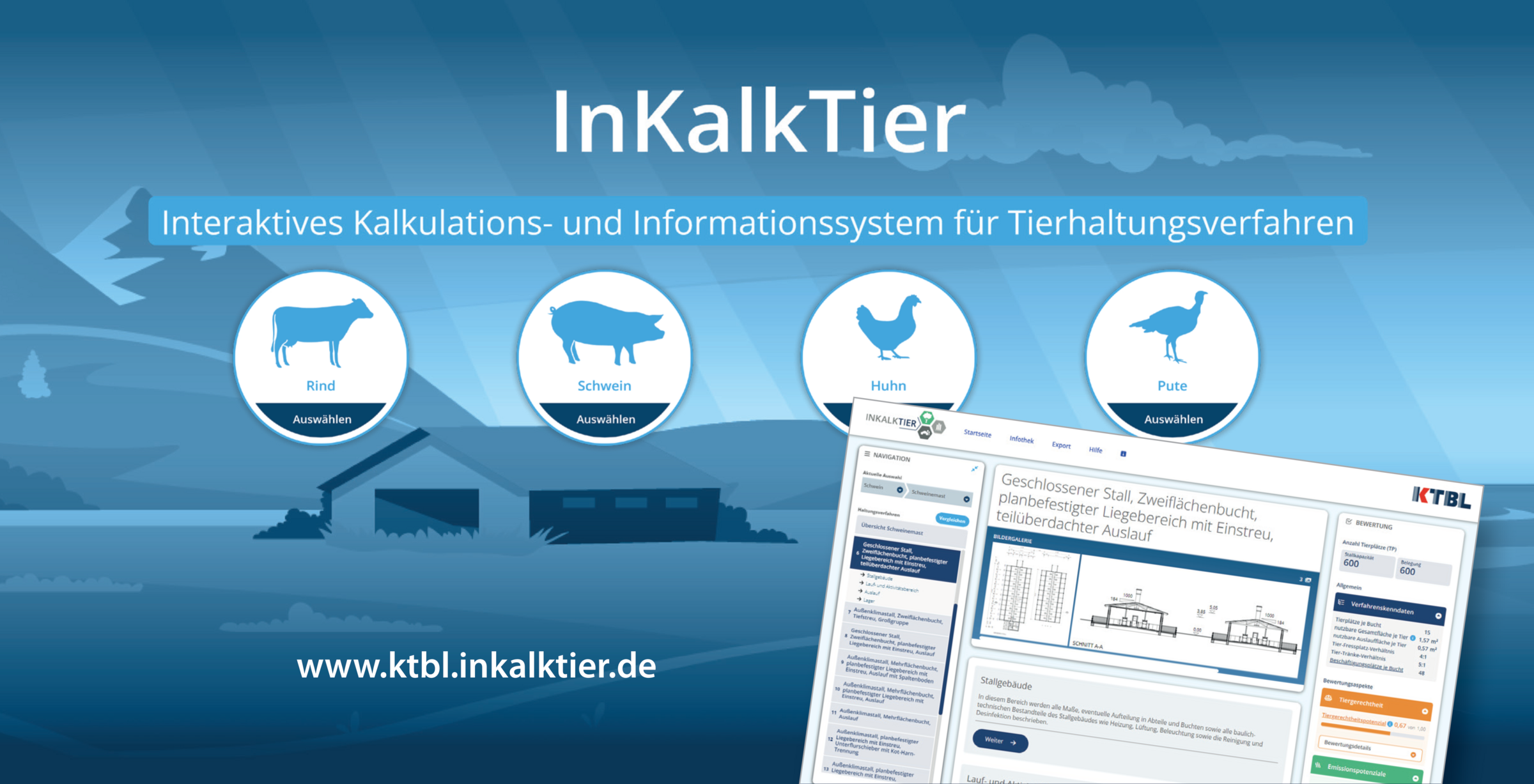
Funded projects: InKalkTier
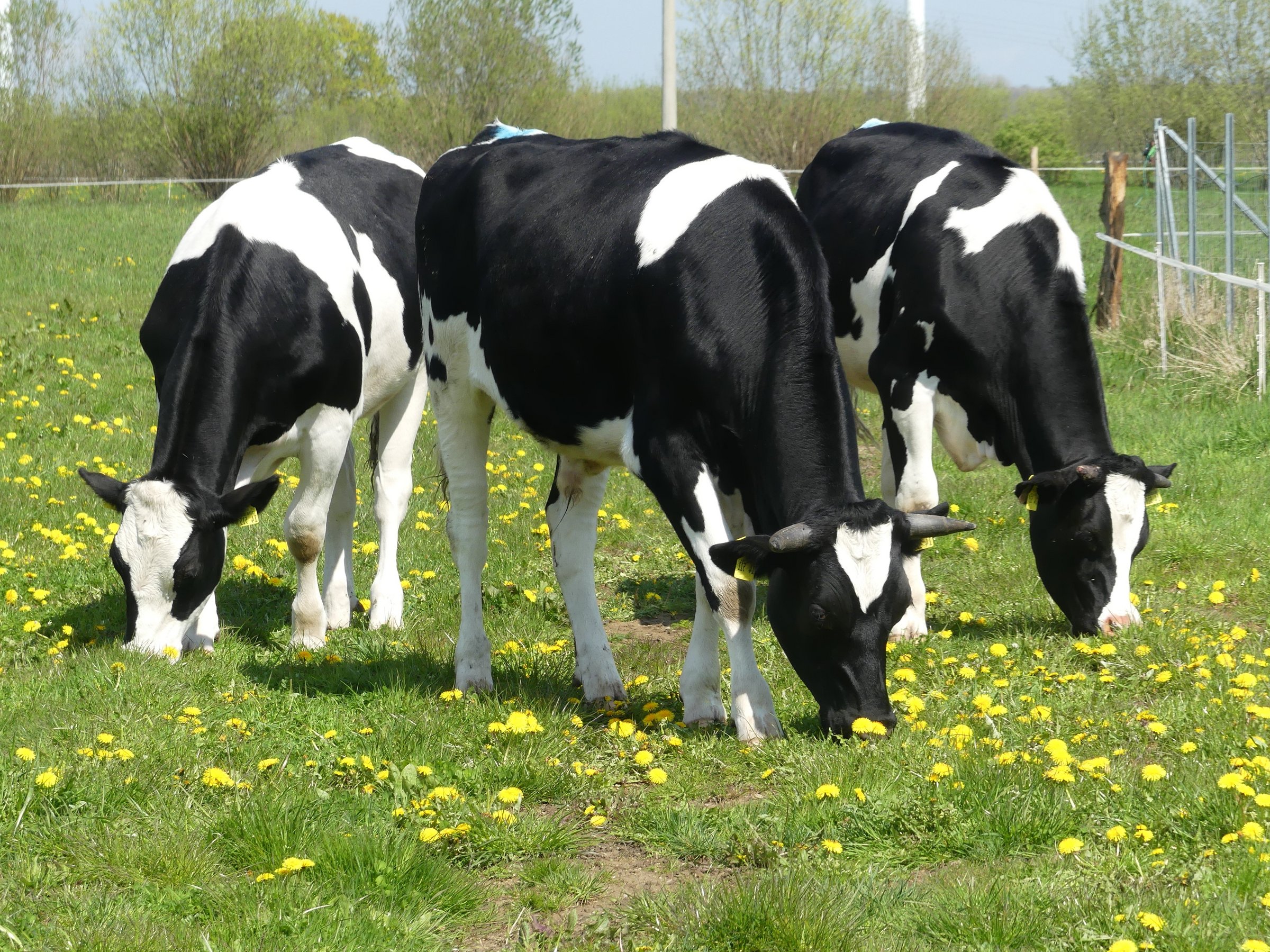
Funded projects: InnoRind
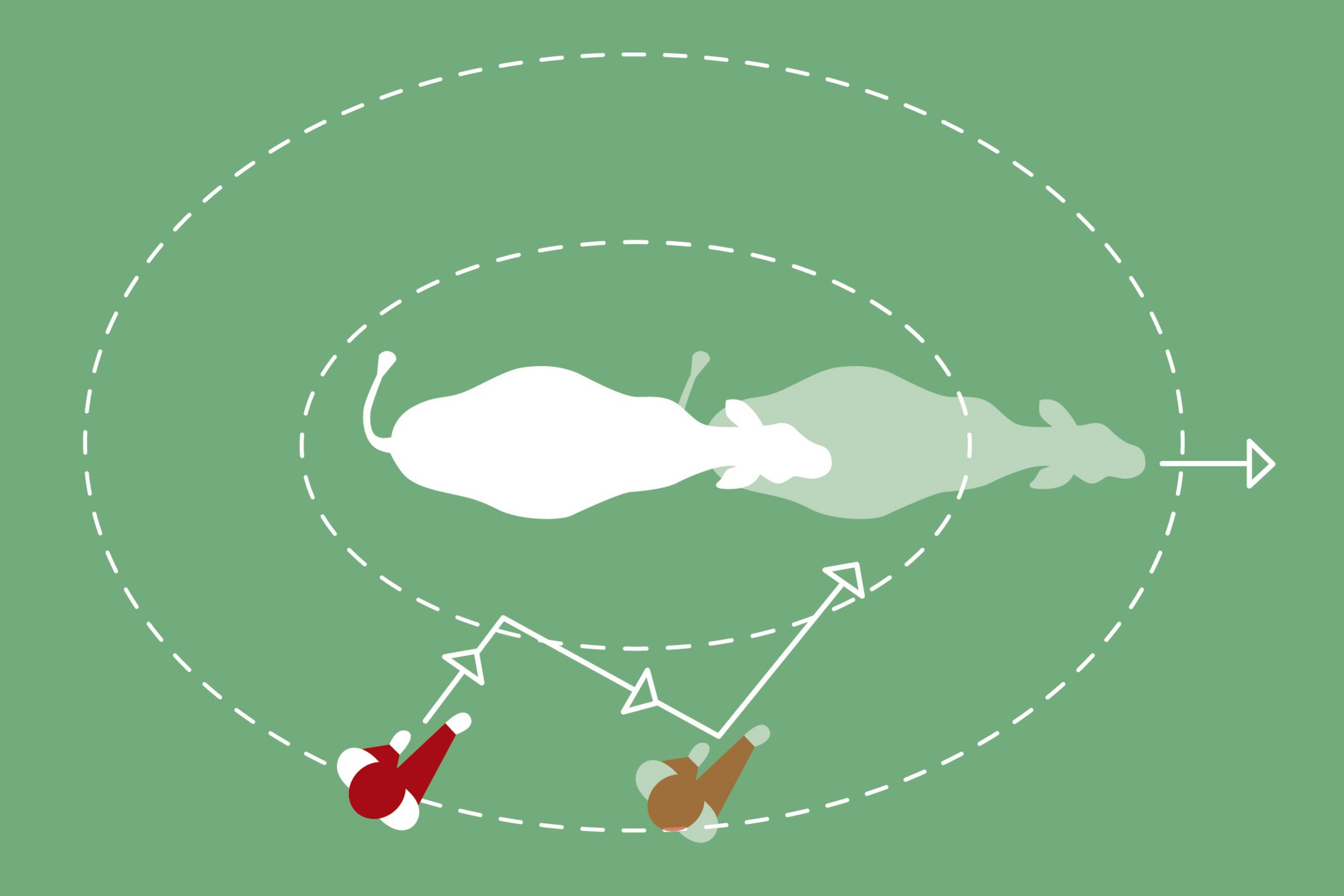
Funded projects: Mob-Grazing

Funded projects: Animal welfare planning
Integration & Organisation der Klauenpflege
Free grazing sign for suckler cow farming in summer
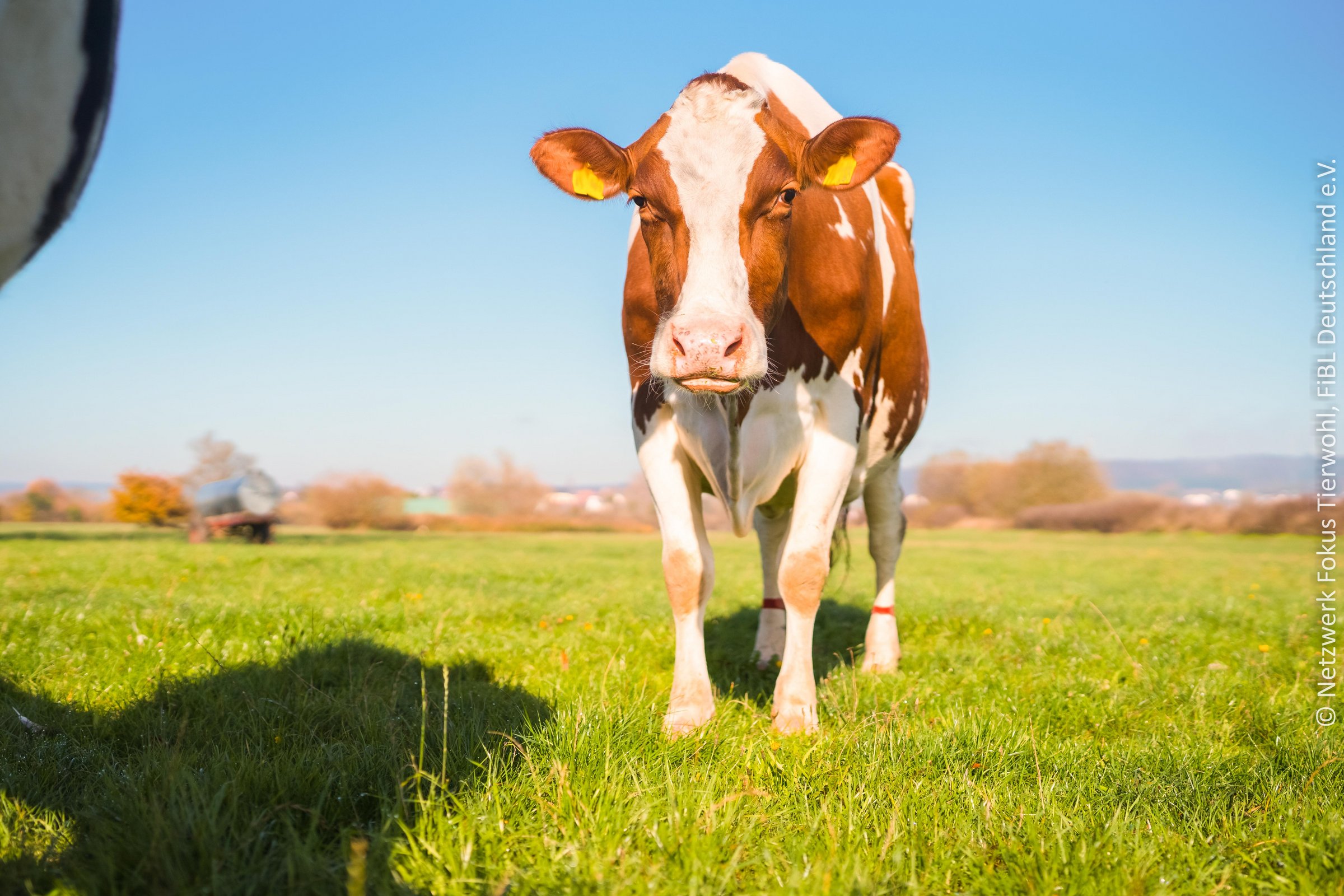
When suckler cows are kept out to pasture in the summer, they are exposed to higher temperatures. A pasture sign allows farmers to inform the public about how this animal-friendly form of husbandry is organised and how the animals cope with the summer heat.
Endo- and ectoparasites play a major role in cattle grazing and can lead to serious health problems, particularly in young animals but also in older ones, which may result in financial losses. However, cattle farming that involves grazing or year-round outdoor rearing is always associated with parasites. Parasite management is therefore of great importance.
Endo- and ectoparasites play a major role in cattle grazing and can lead to serious health problems, particularly in young animals but also in older ones, which may result in financial losses. However, cattle farming that involves grazing or year-round outdoor rearing is always associated with parasites. Parasite management is therefore of great importance.
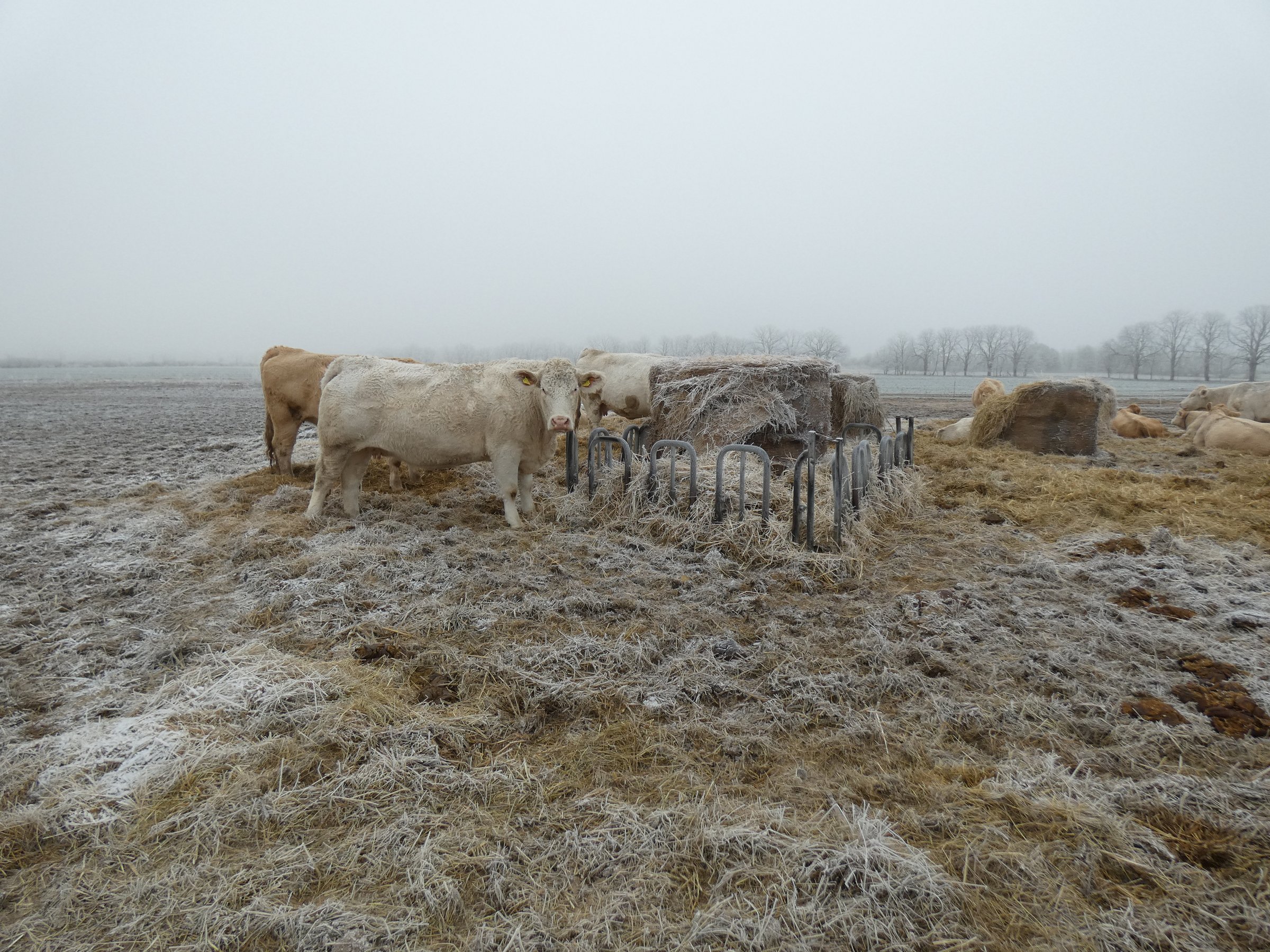
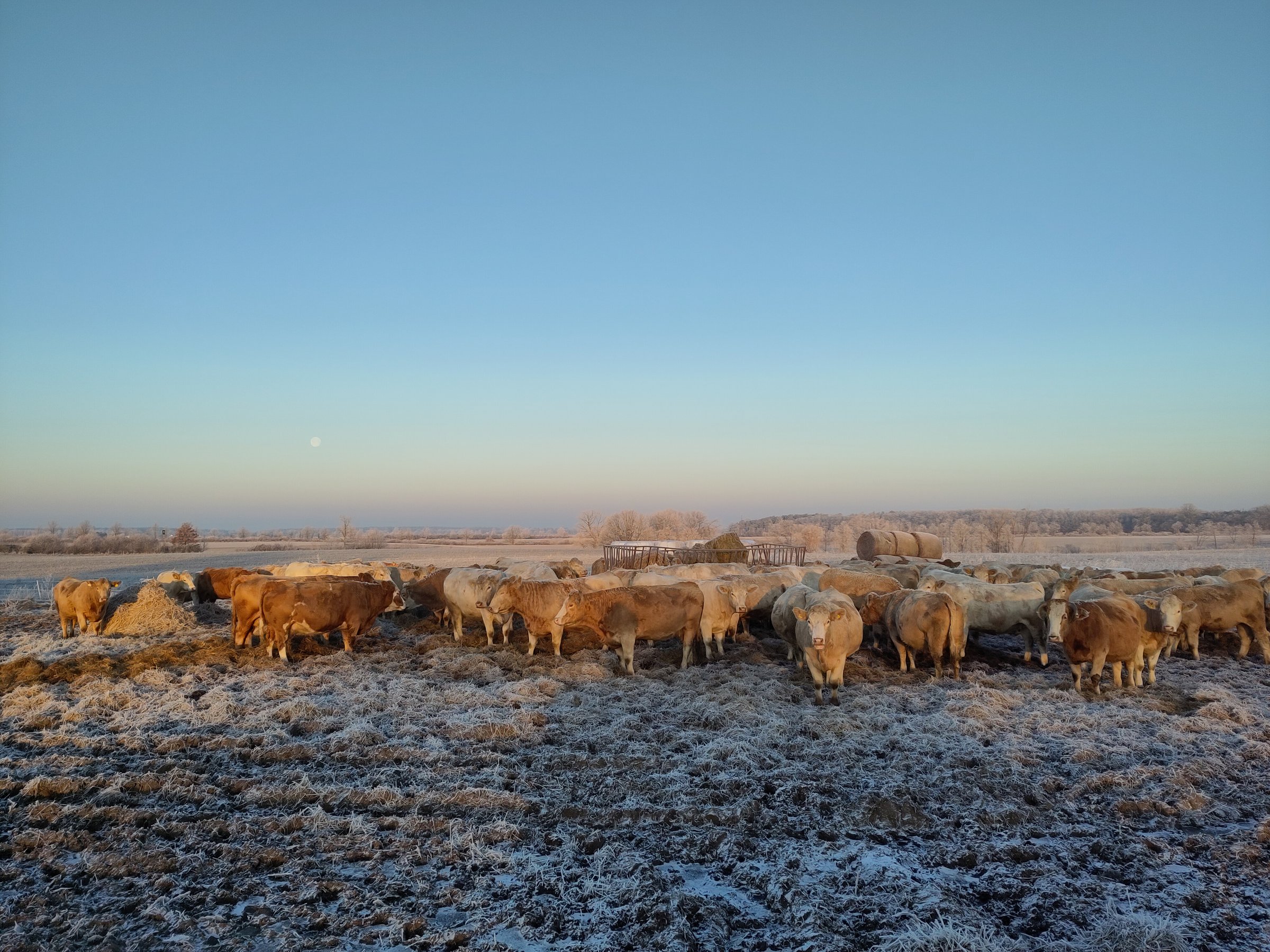
Suckler cows are sometimes kept outdoors all year round. As a result, they are exposed to various weather conditions. Sufficient heat is produced through the normal digestive processes of a cow and, for example, through milk production, which helps to prevent hypothermia. Heat loss through the body surface depends on various factors, which may be animal-related or environmental. The guide “Managing Cold Stress in Suckler Cows” addresses the animal welfare issue of cold stress in pasture.
Protection from the heat is often recommended for suckler cows – yet in practice, things often turn out differently. This document aims to raise awareness of the issue of heat stress in pasture and provide information to help assess heat stress directly in the animal. Only those who can reliably assess heat stress are in a position to judge whether existing weather protection is sufficient for the animals or whether action is required.