
Overview of topics: Poultry
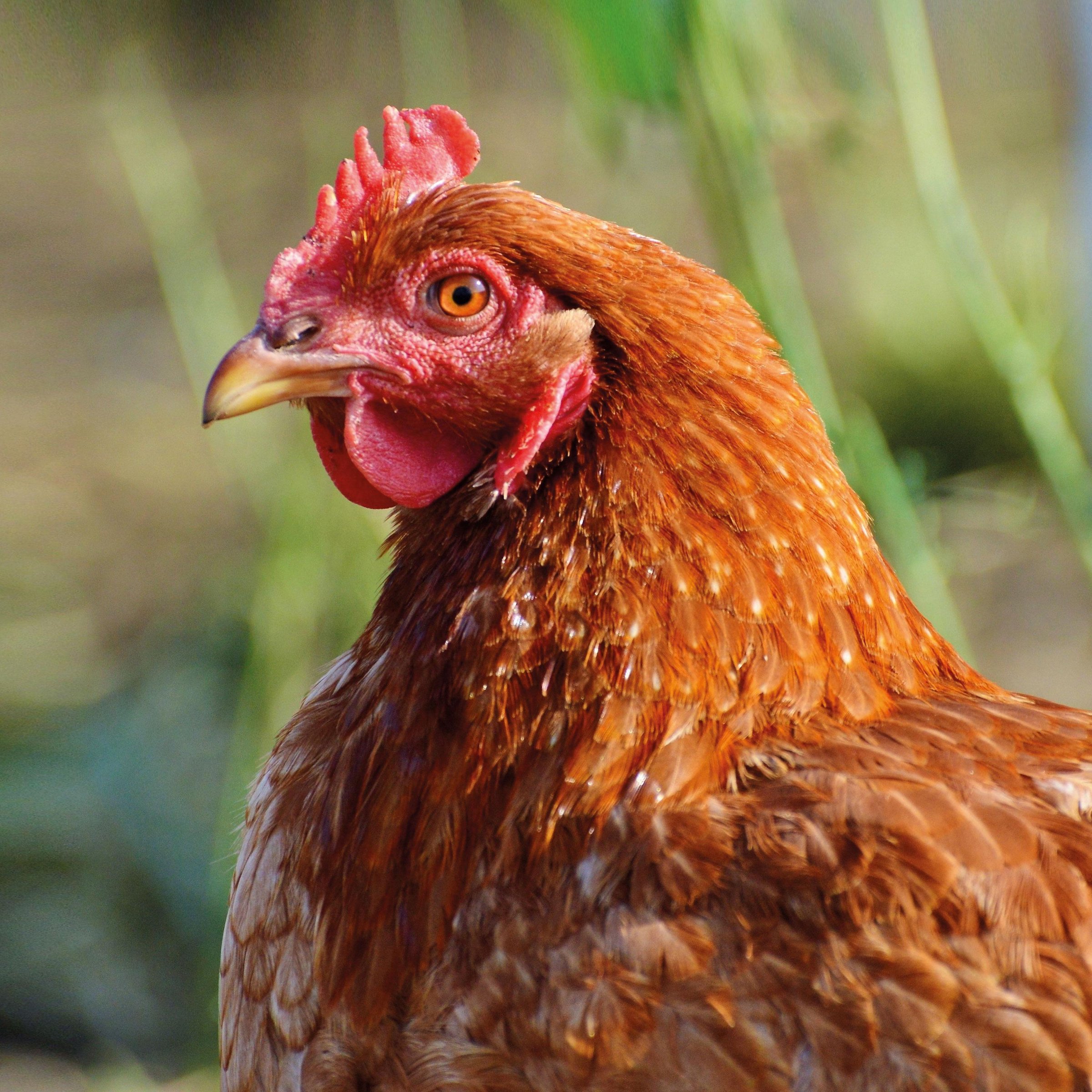
Avian influenza
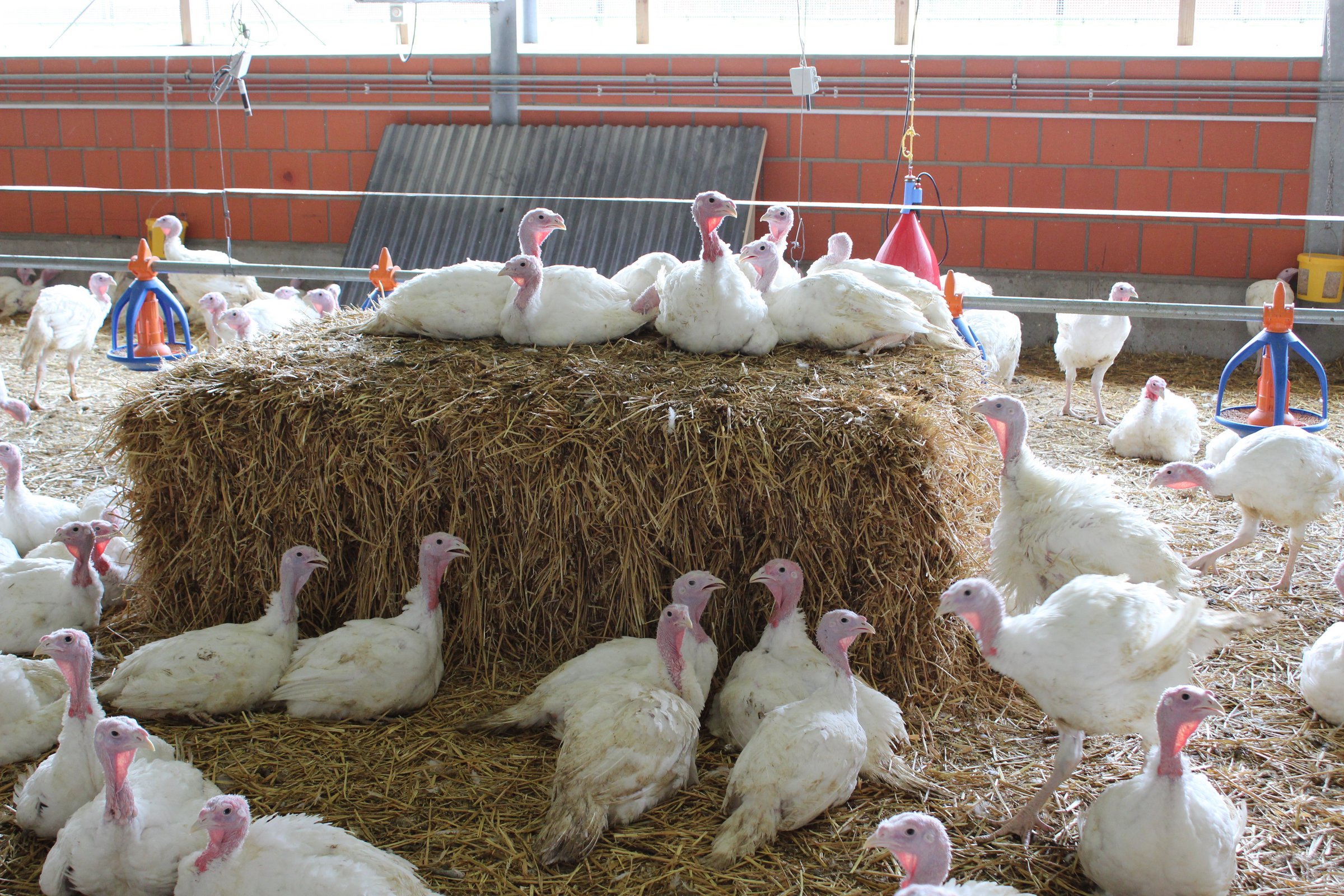
Enrichment materials in turkey farming
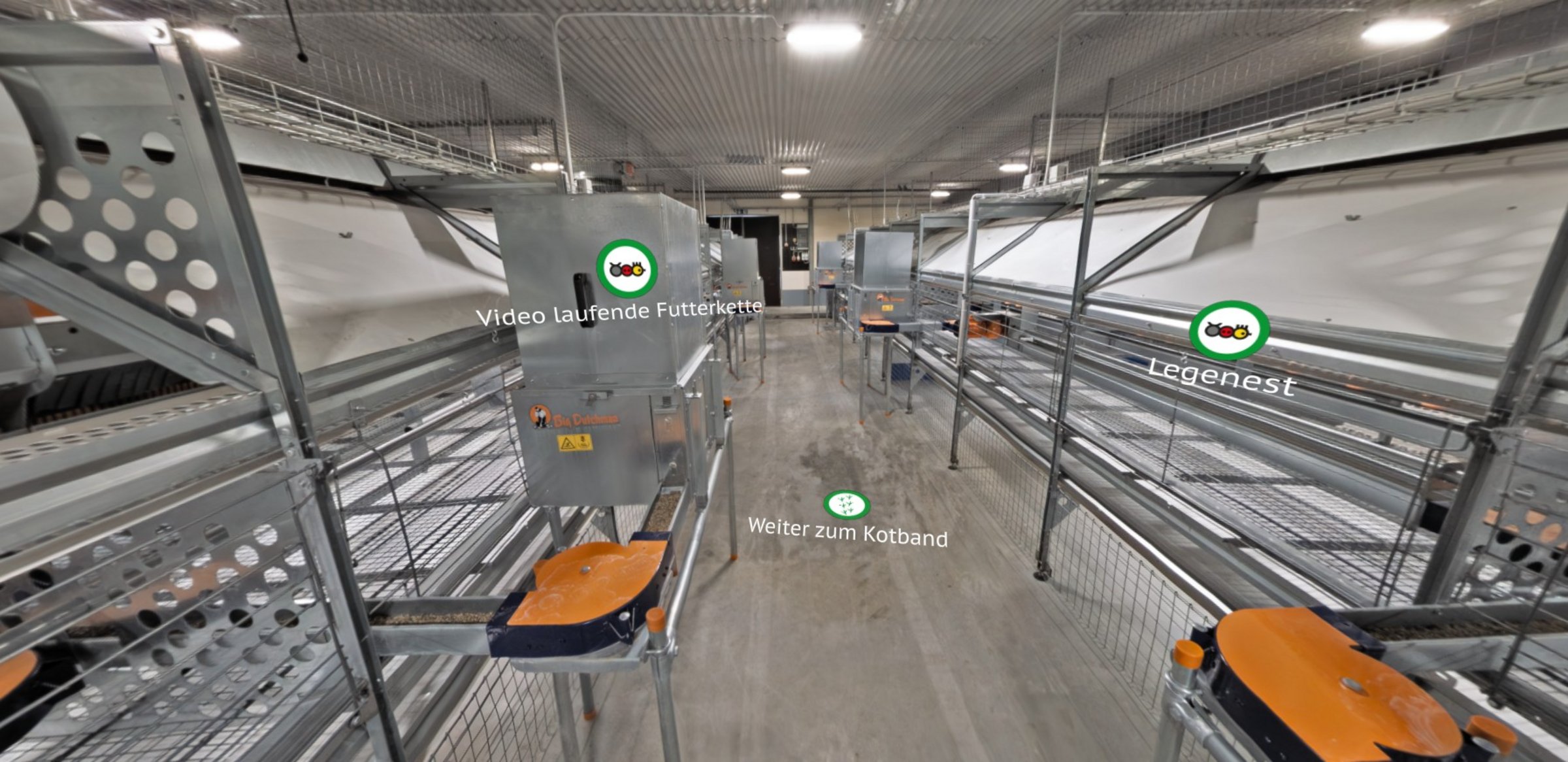
Floor-rearing system for laying hens
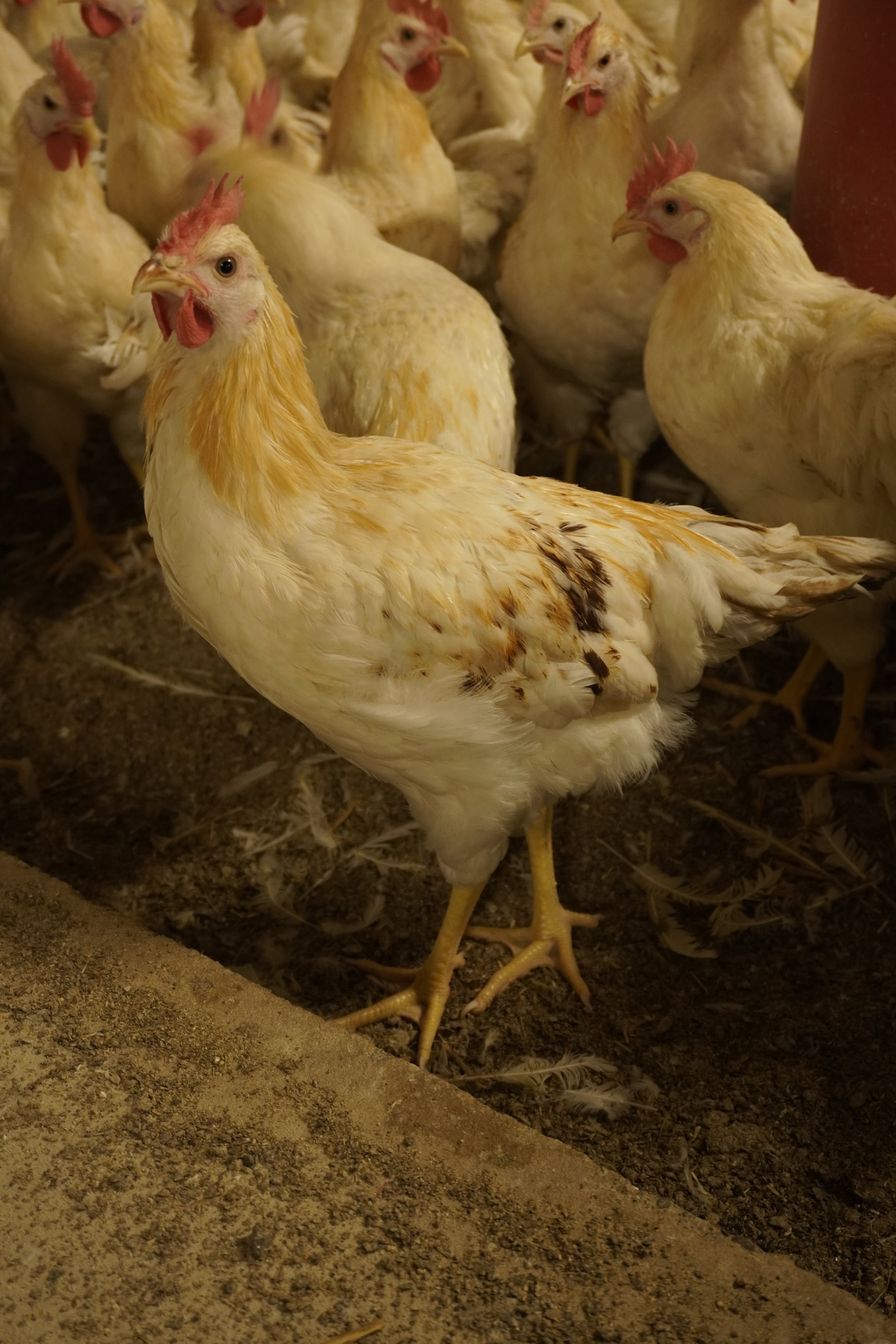
Broiler Rearing
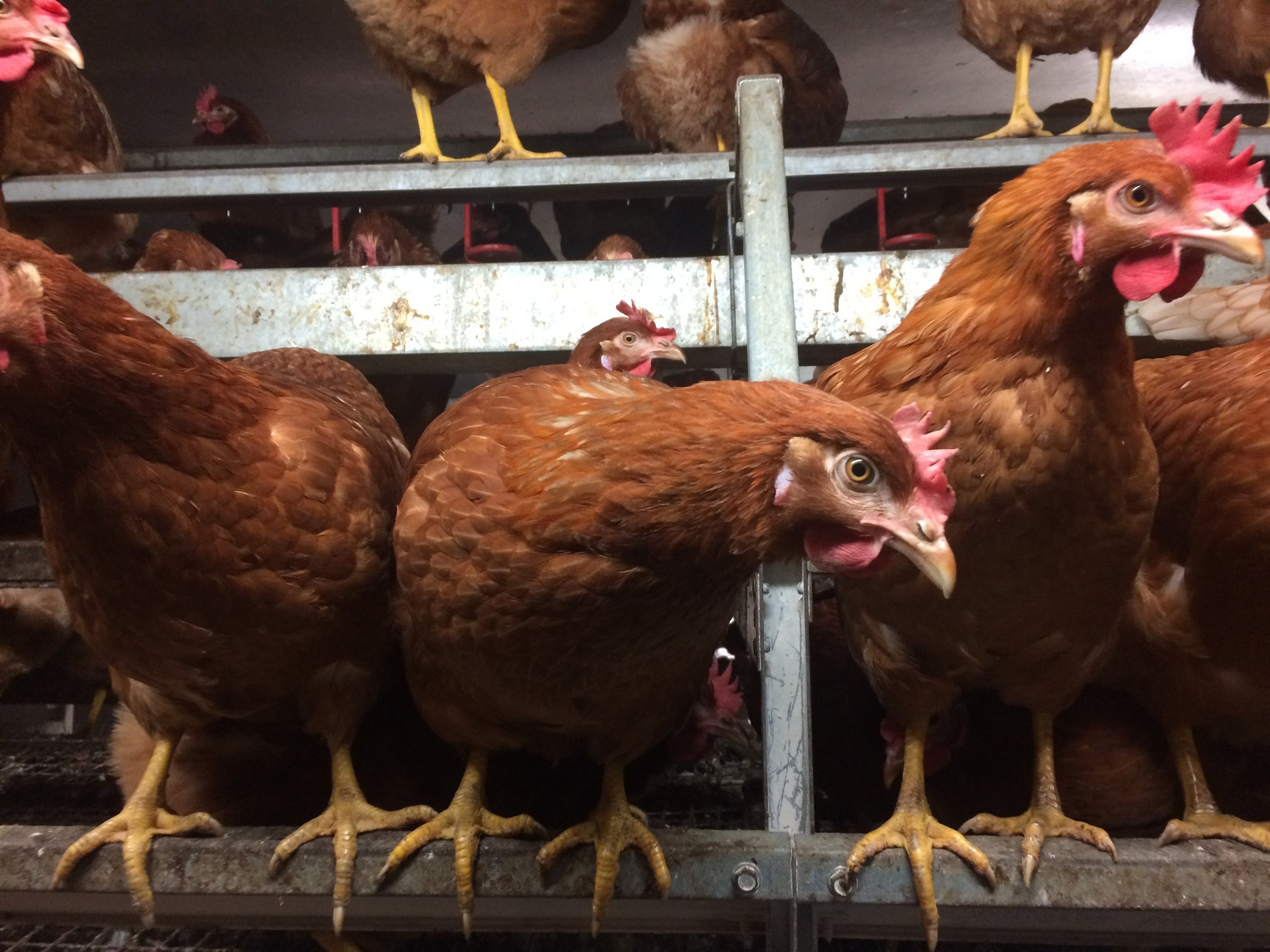
Changes to the sternum in laying hens
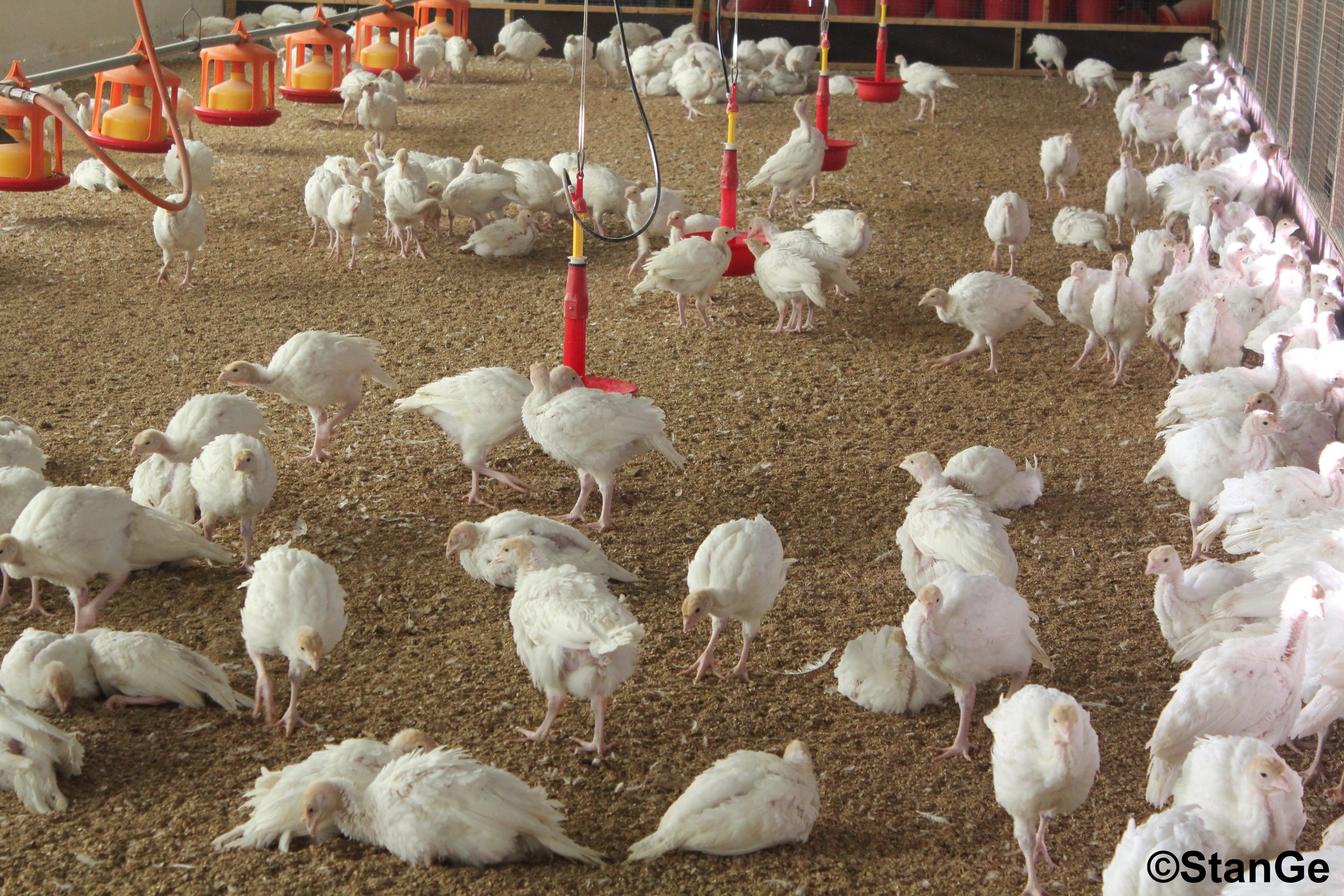
Gut health in turkeys
Gut microbiome
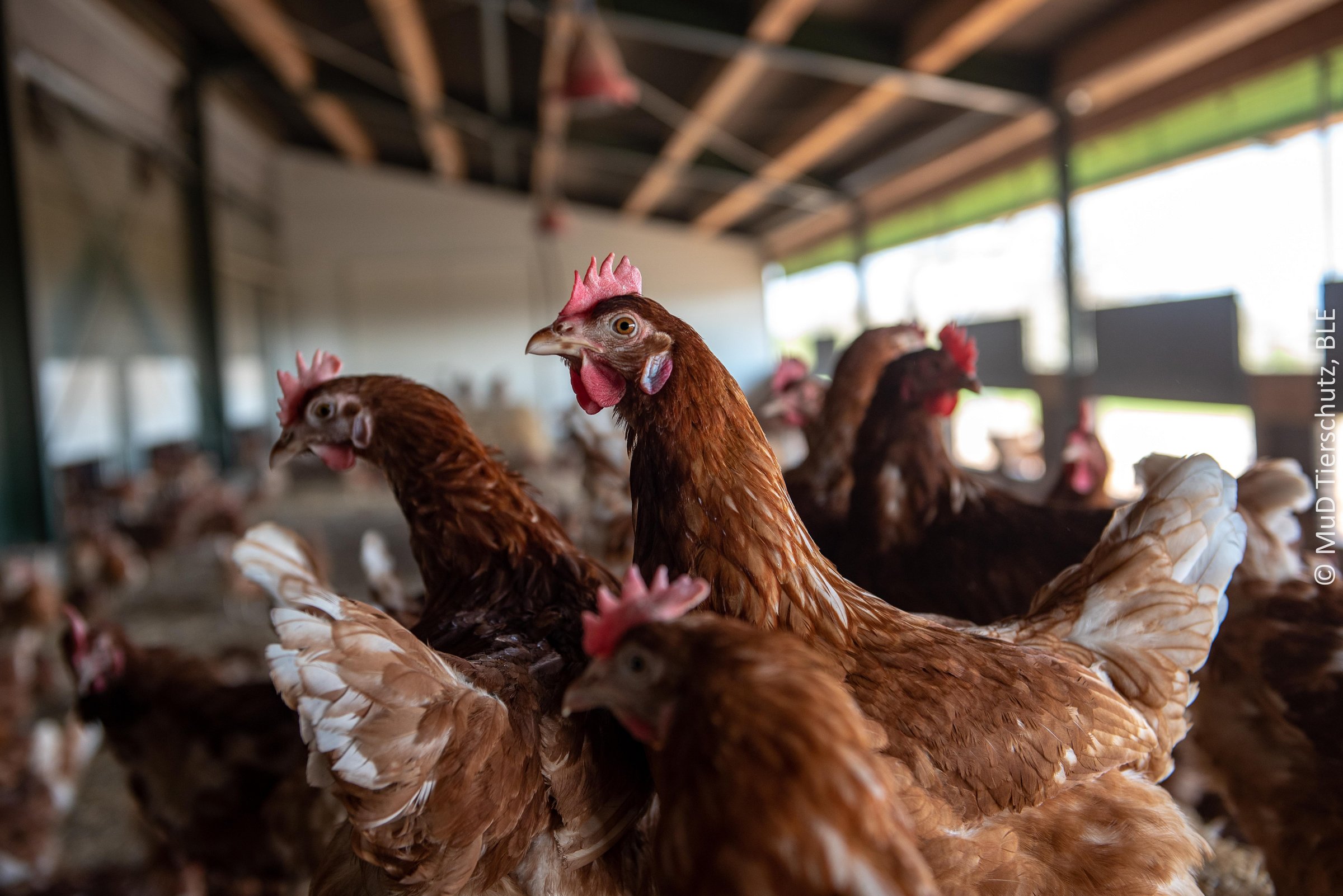
Emissions reductions in pullet and laying hen farming
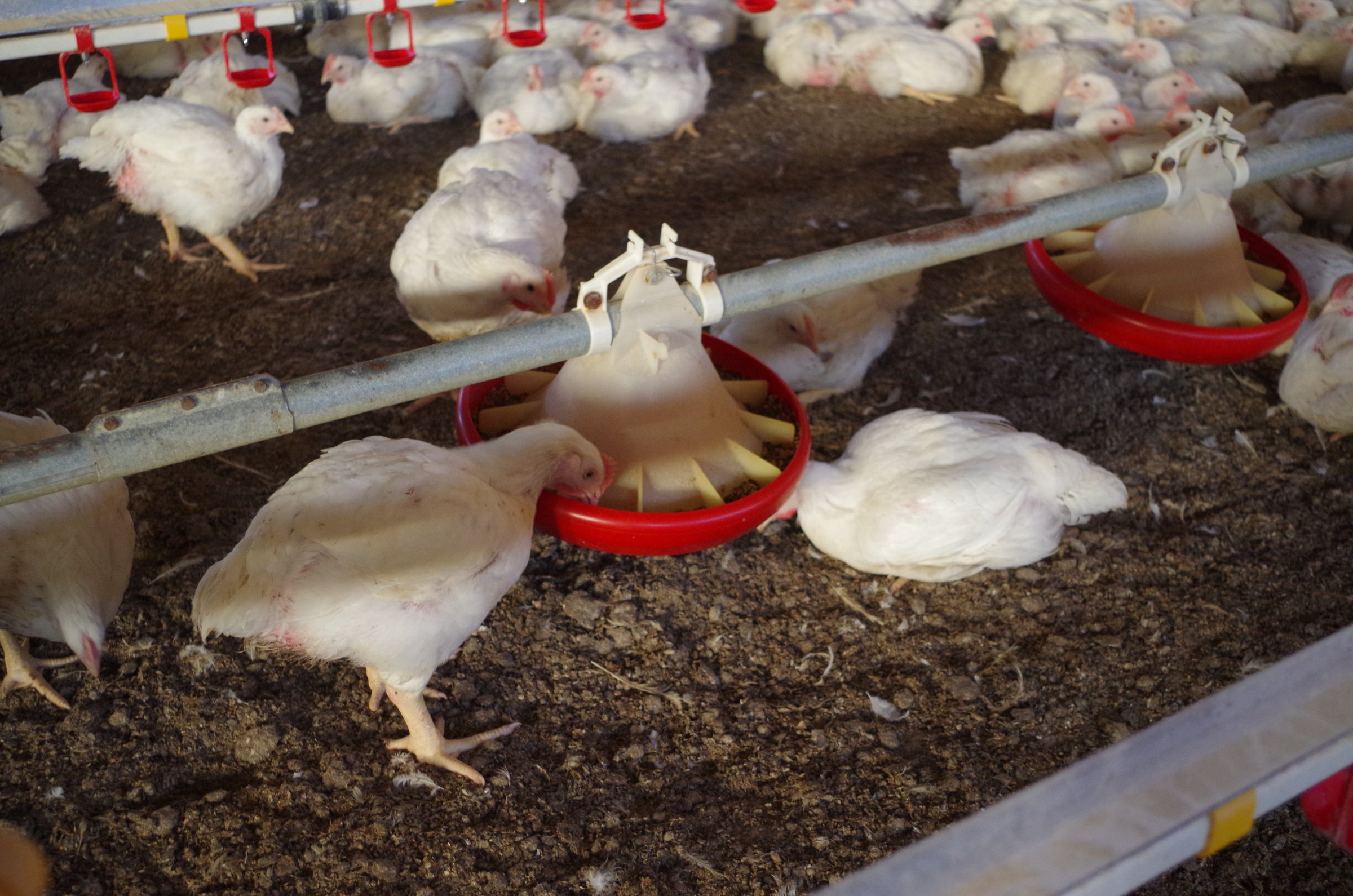
Emissions reductions in broiler farming
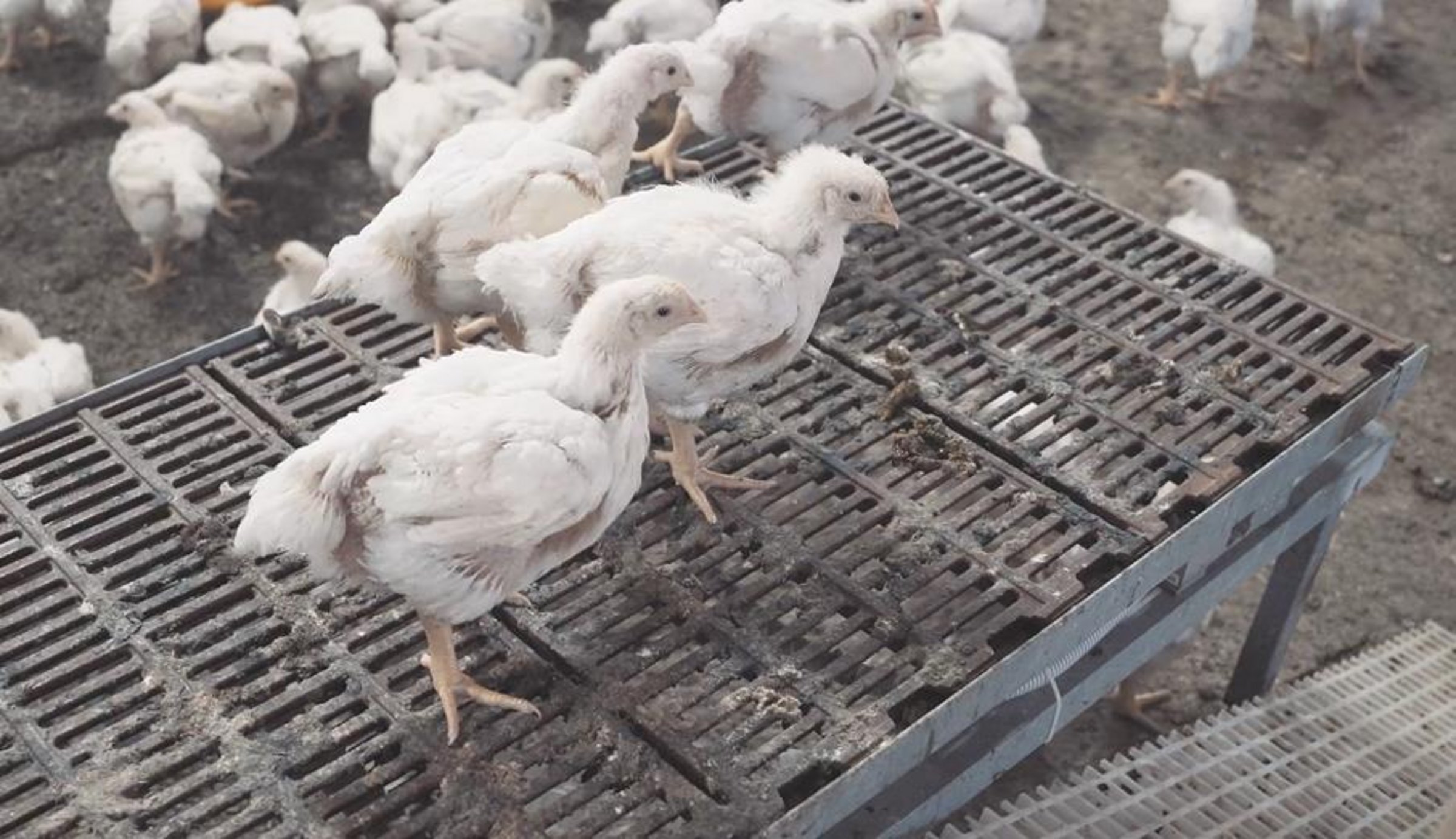
Elevated levels
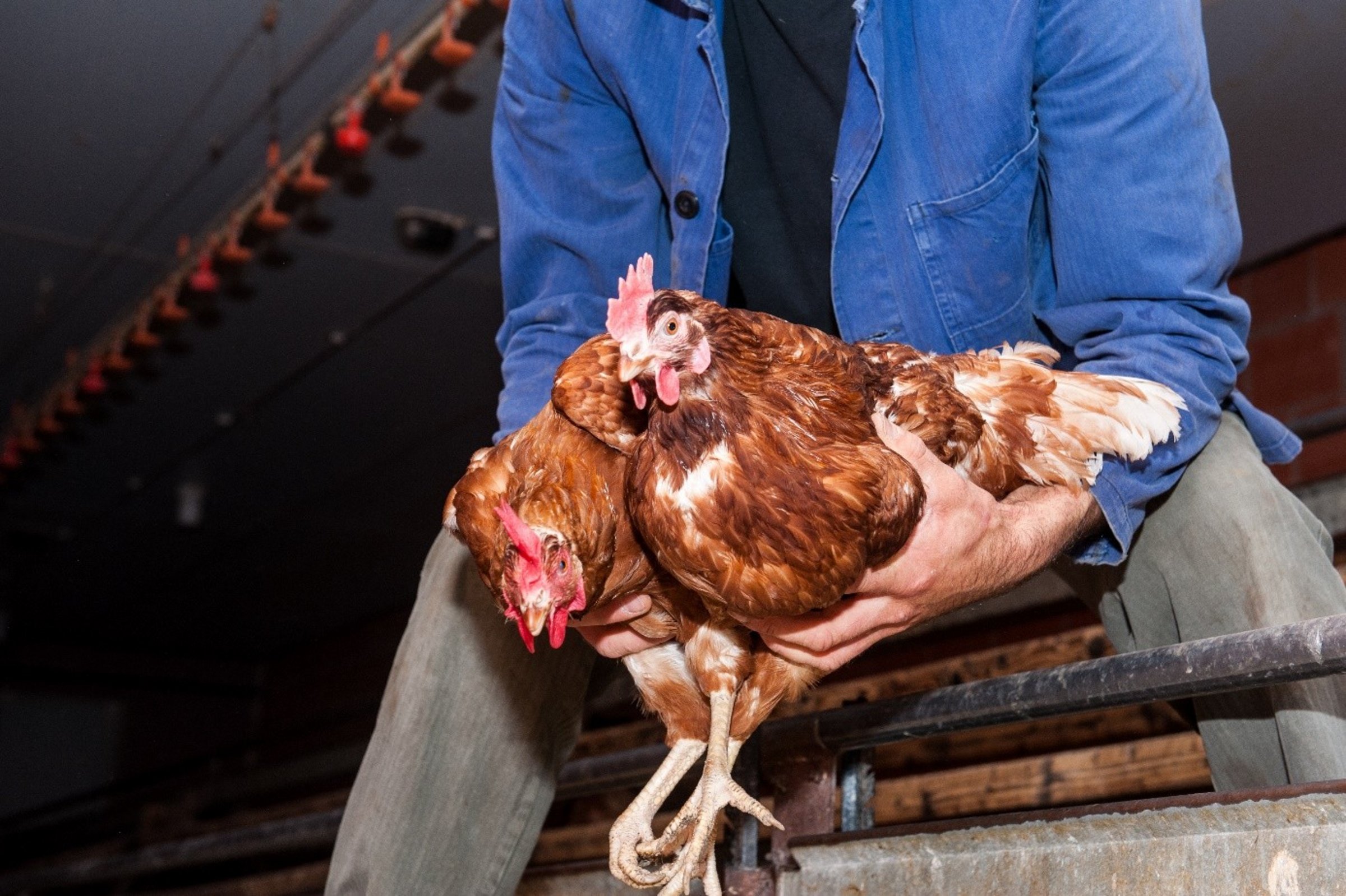
Loading and unloading of aged layers
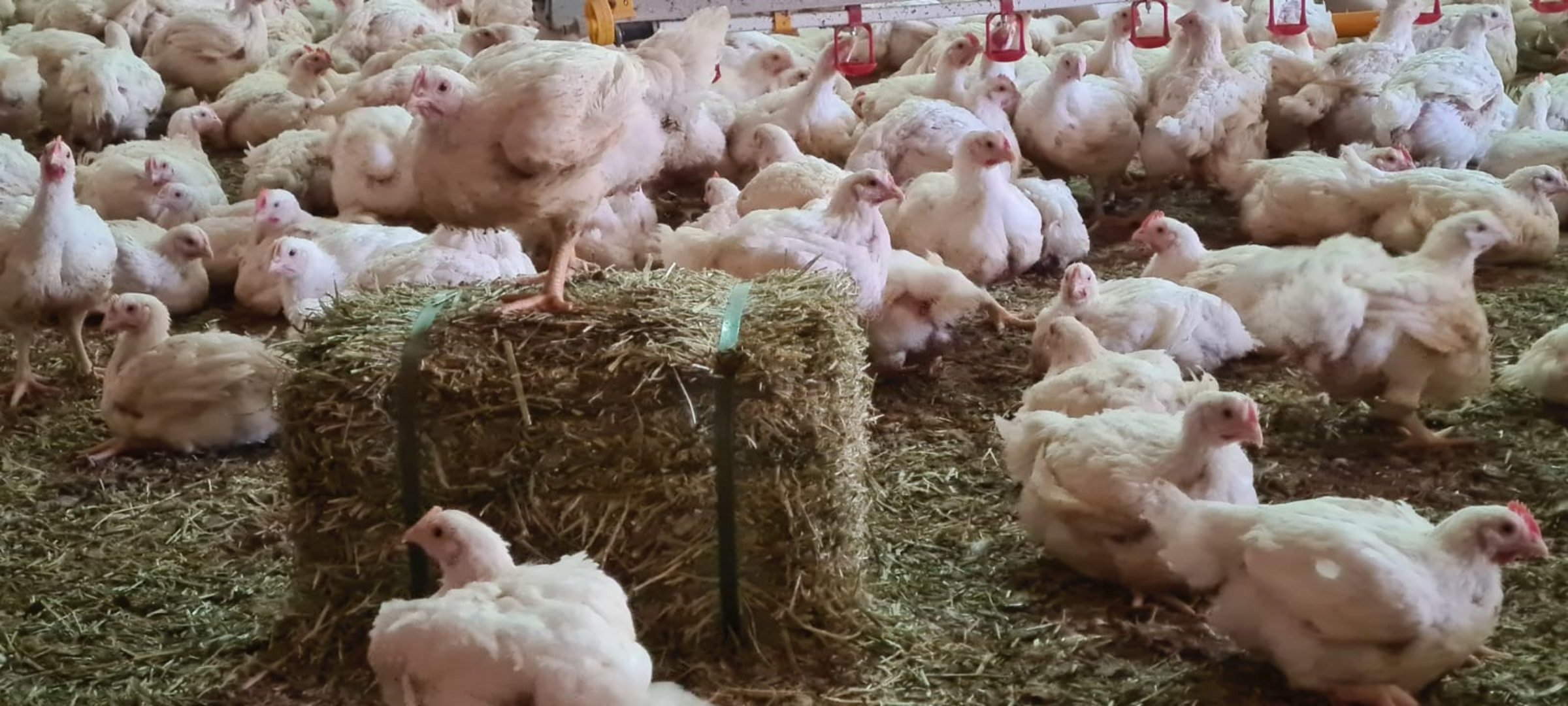
Enrichment of housing conditions for broiler chickens
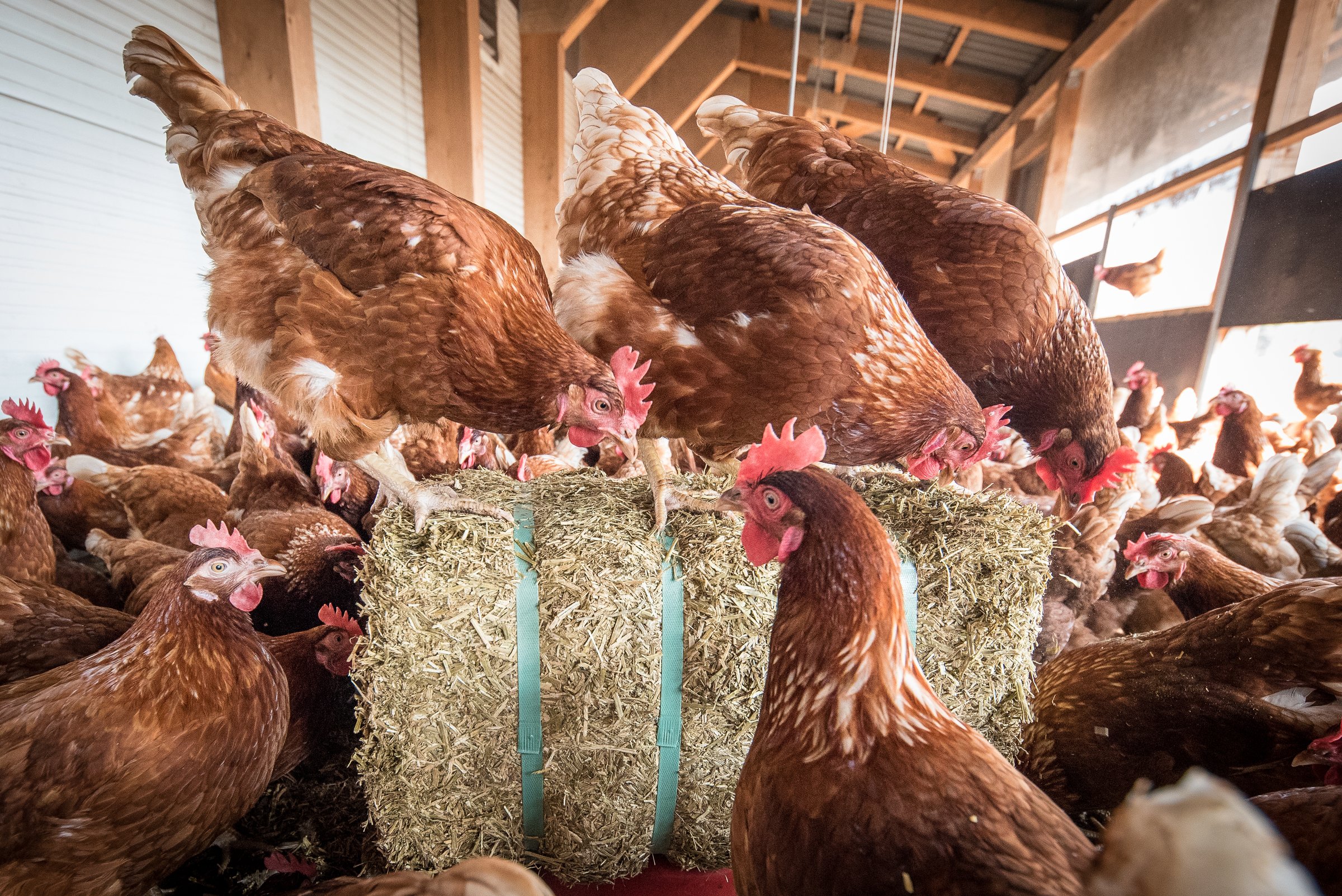
Rearing of poultry with intact beaks
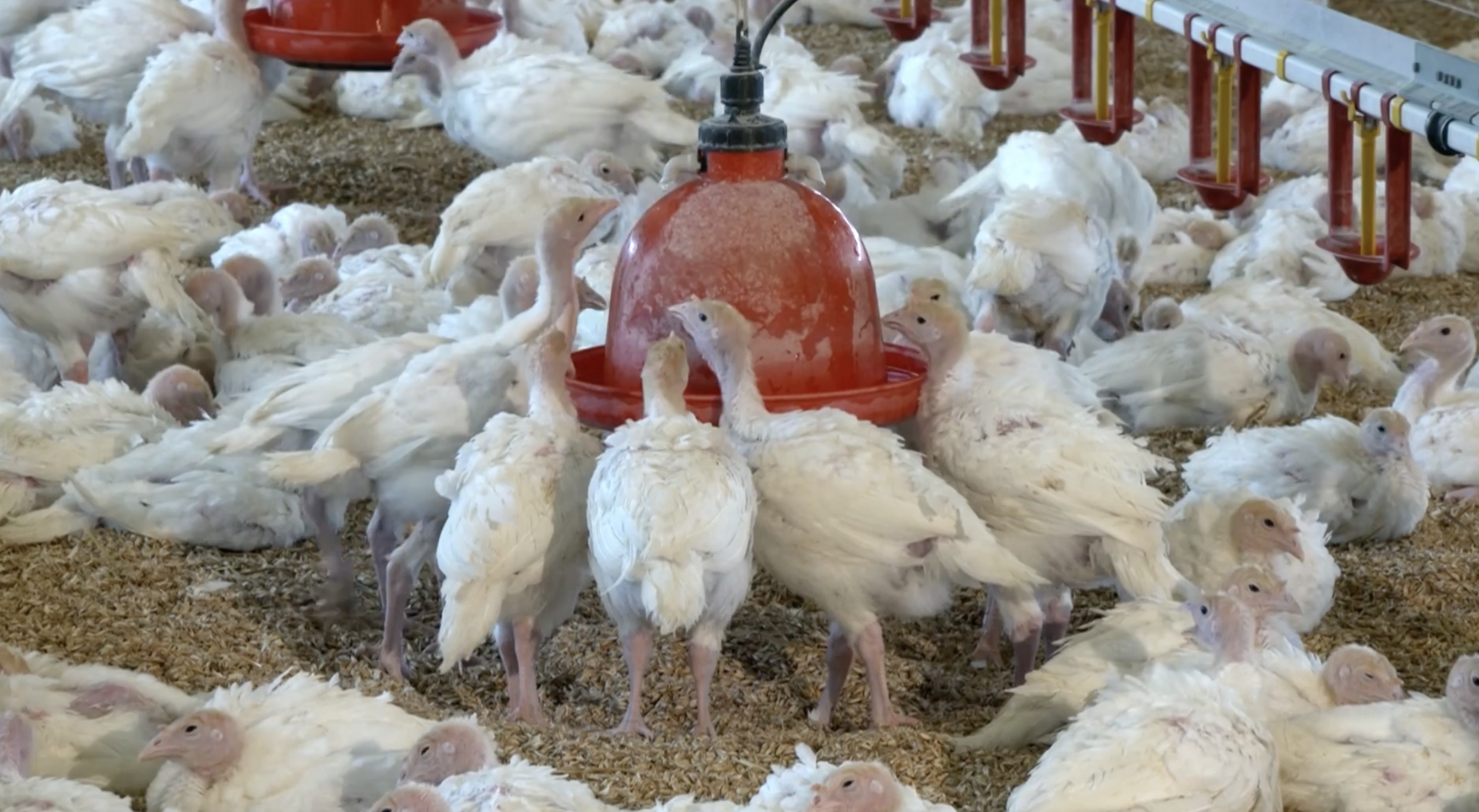
Hepatic lipidosis
Heat stress in poultry
Vaccination of broiler chickens
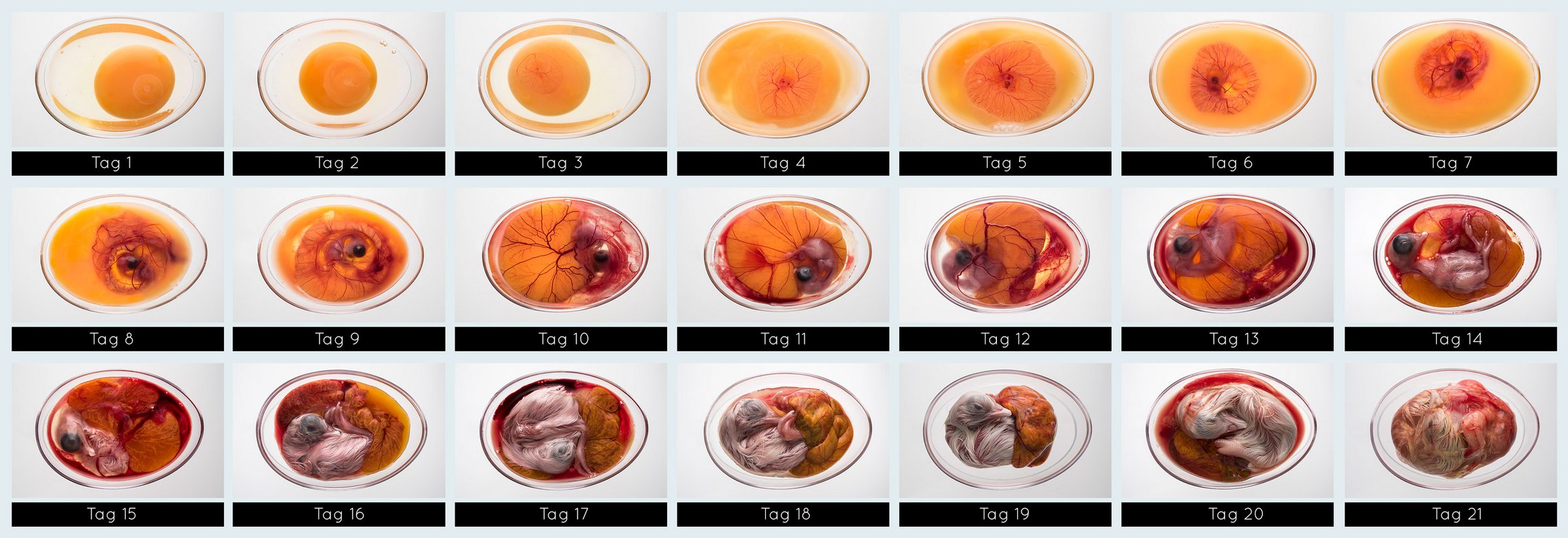
Methods of sex determination in the egg
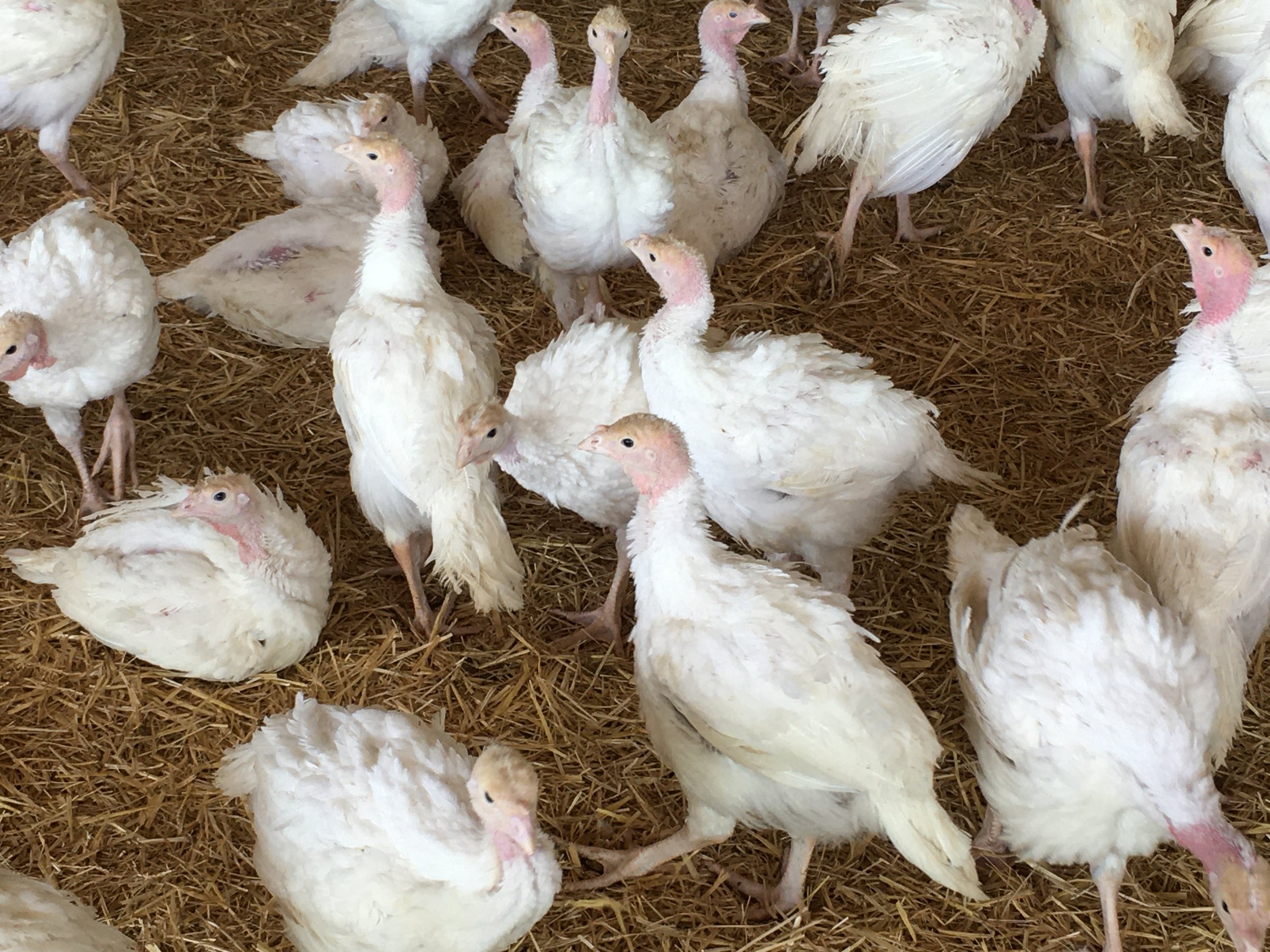
01 Newcastle Disease
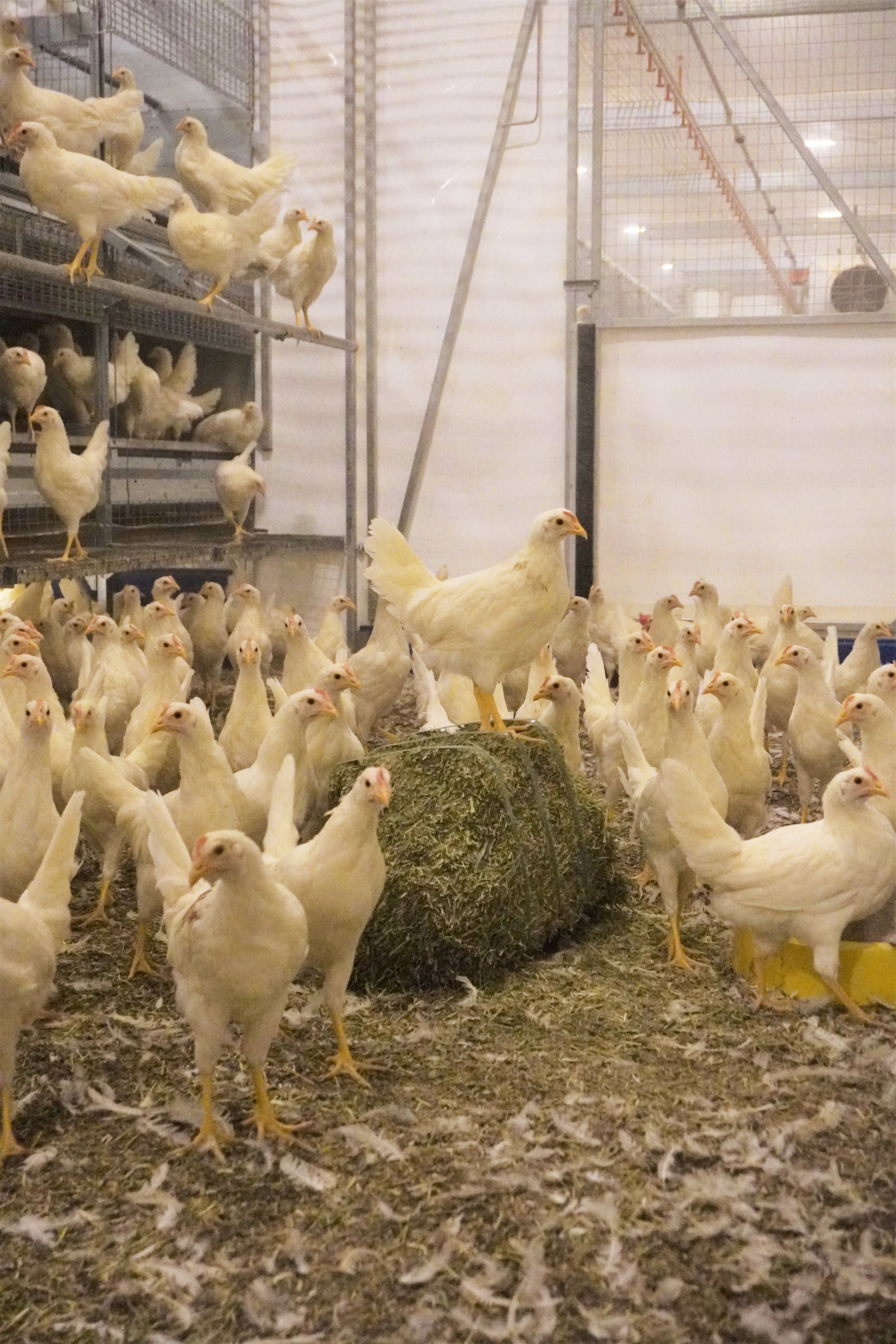
Emergency measures for feather-pecking and cannibalism
01 Schwachstellen-Analyse Tool
Stable cleaning and disinfection
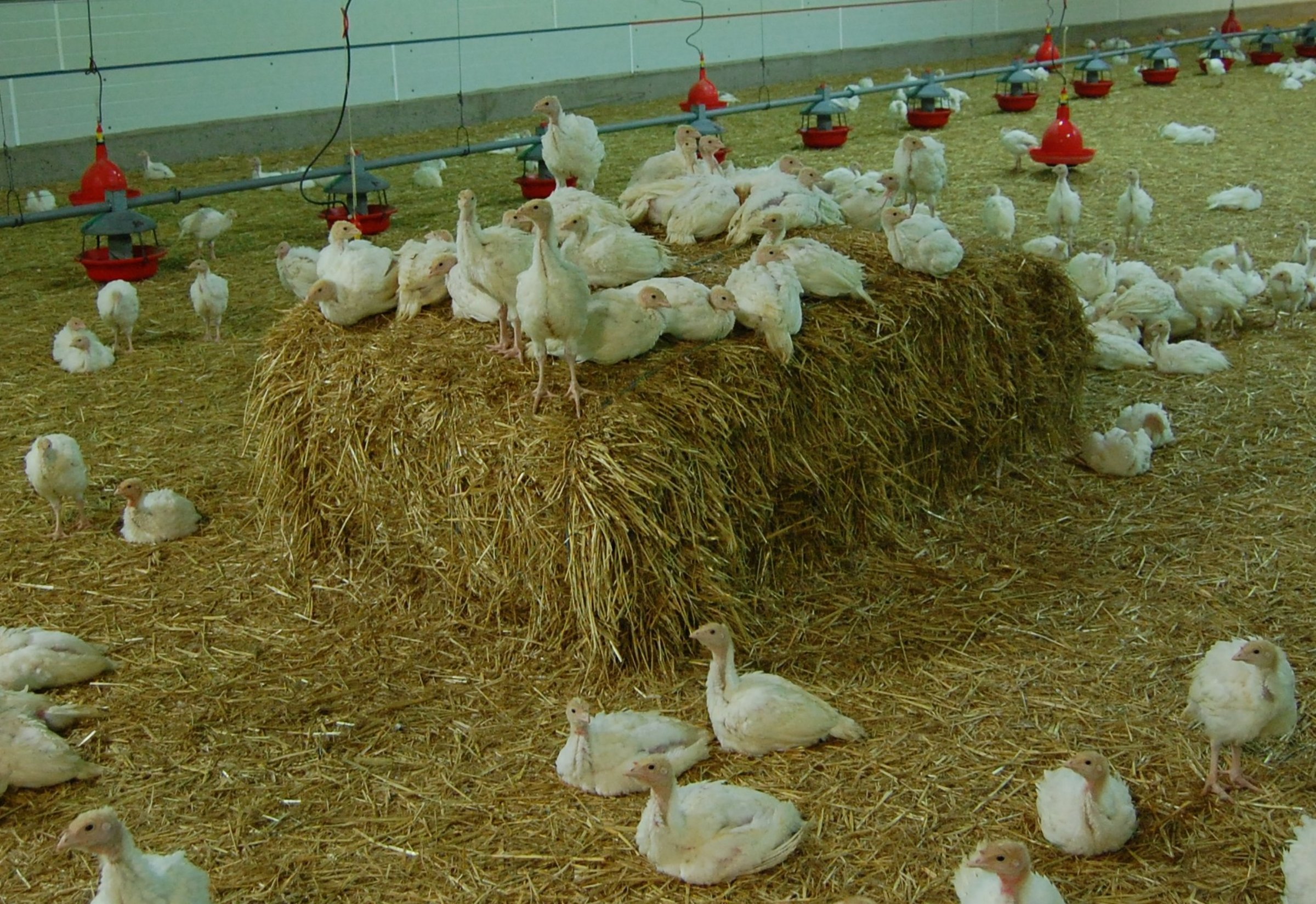
01 Stallstrukturierung im Putenstall
01 Tierwohlkriterien ITW
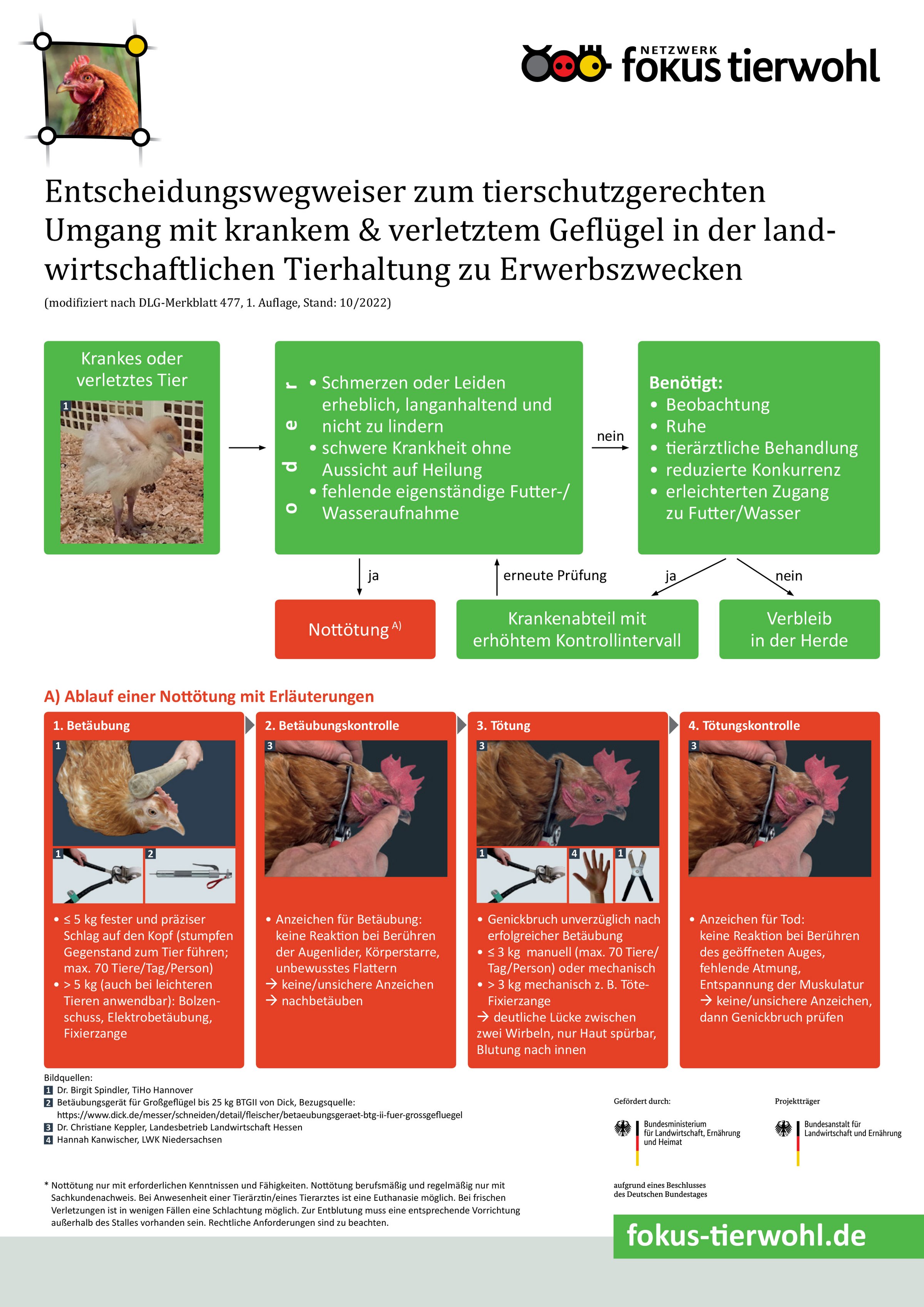
Caring for sick and injured poultry
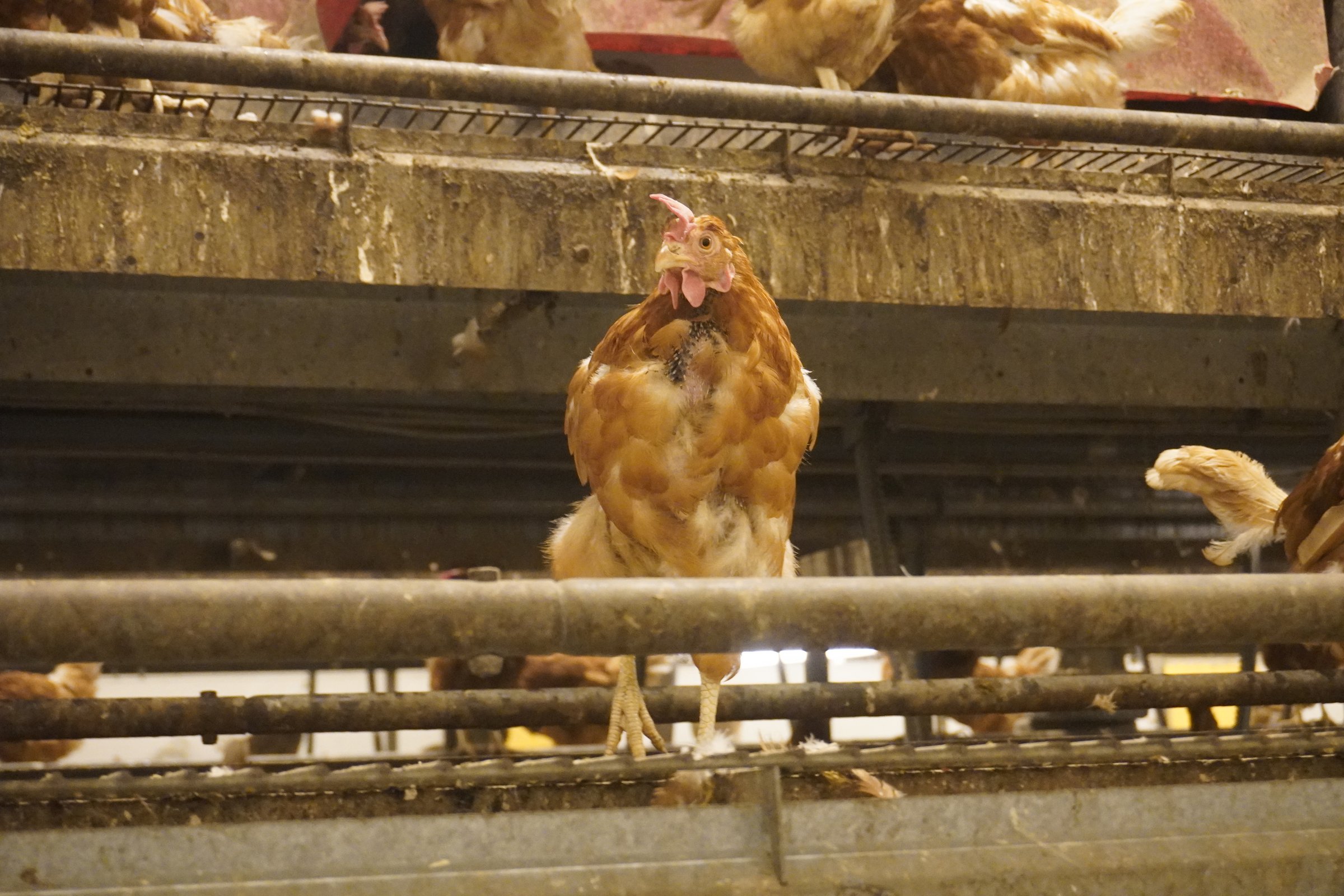
Extension of the rearing period or induced laying break
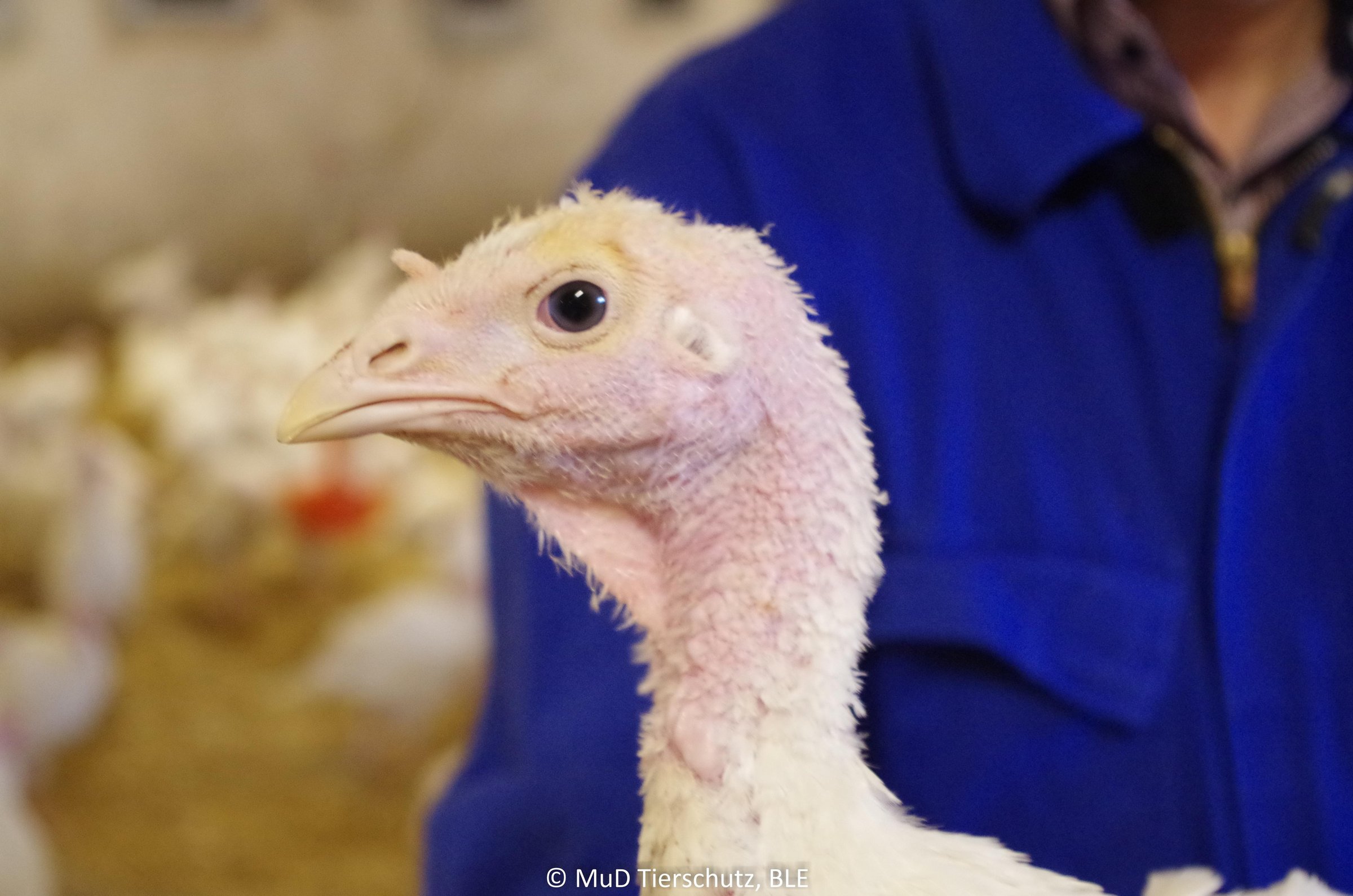
No beak trimming
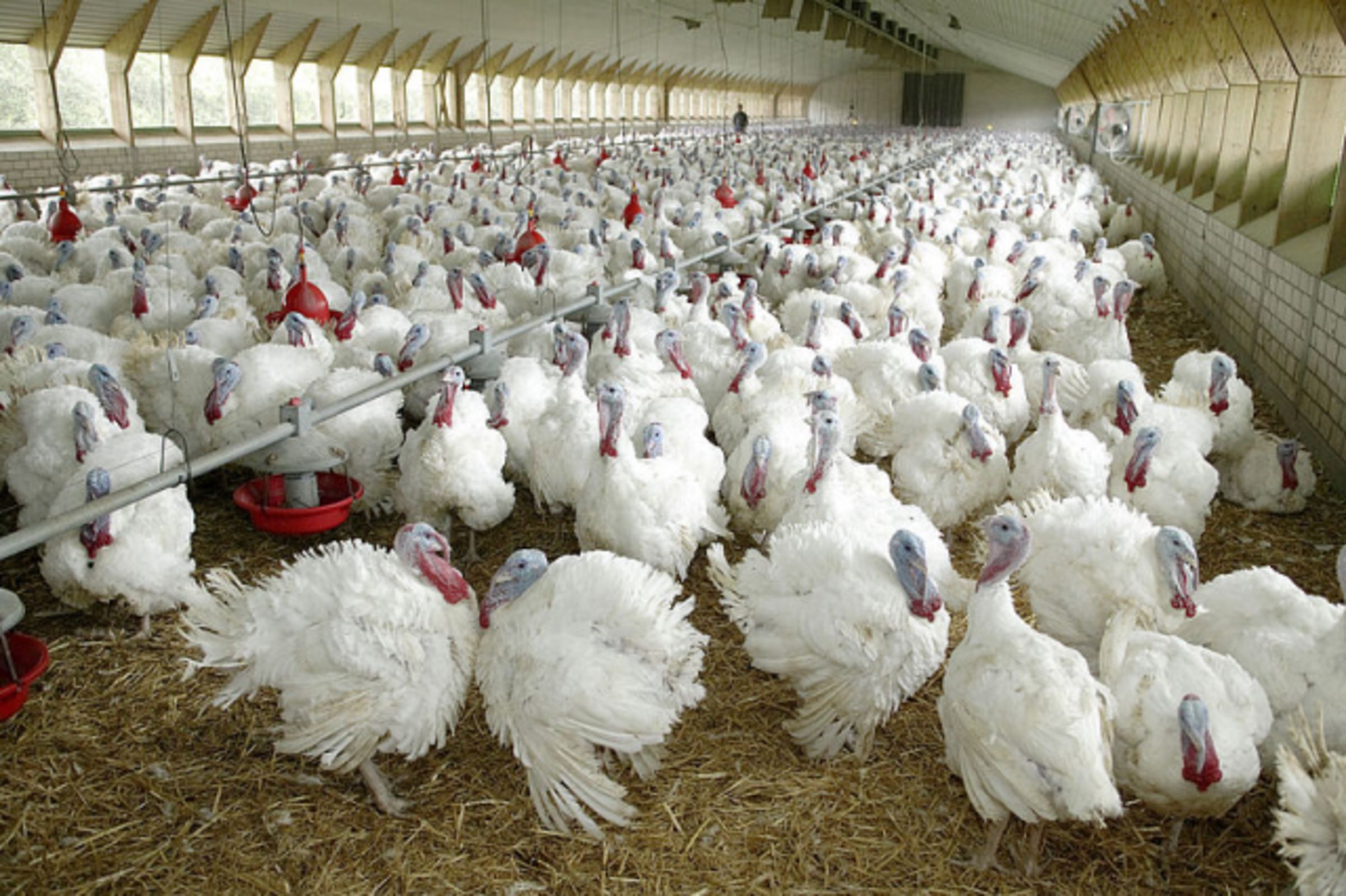
The value chain in turkey farming
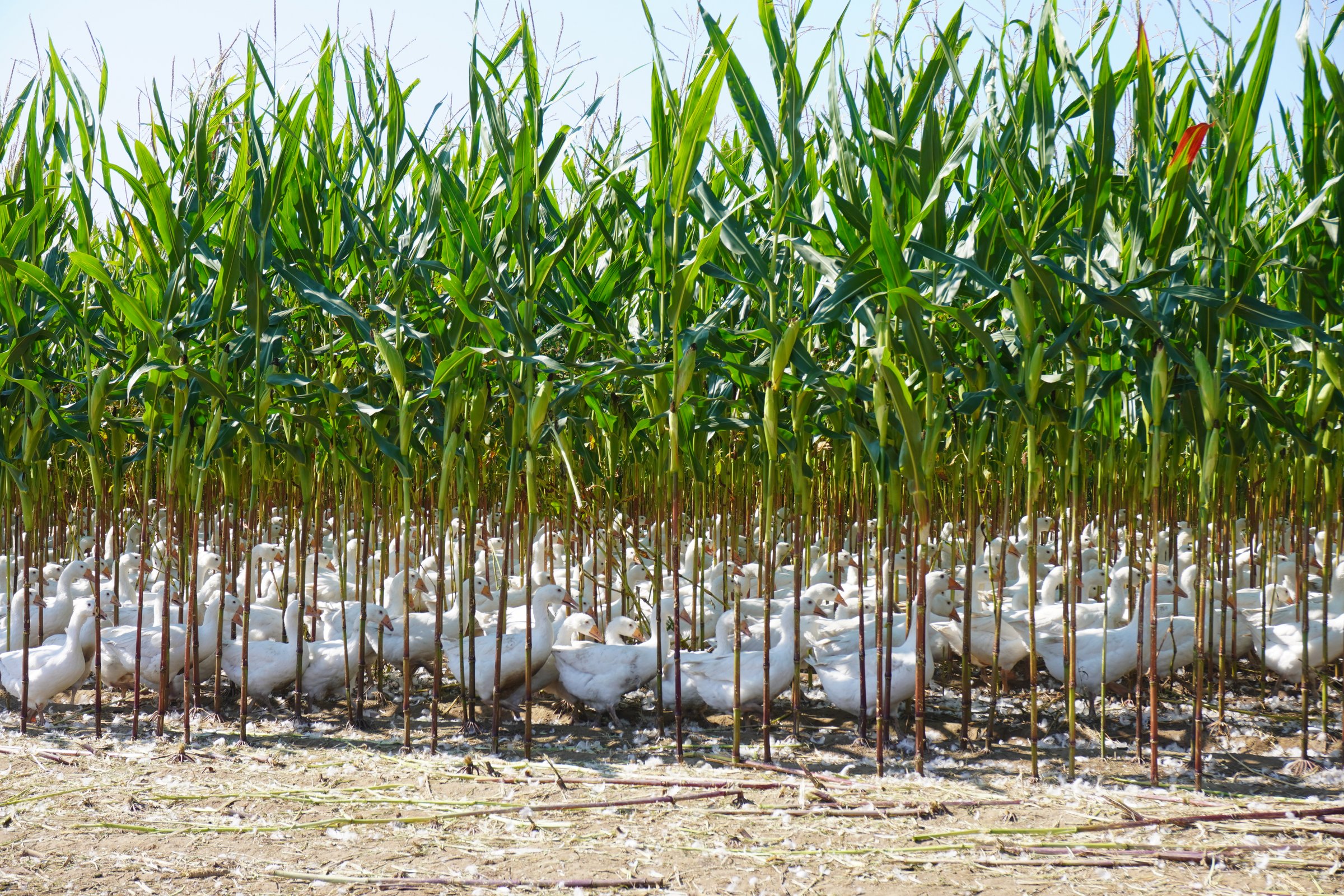
Run-out management for fattening geese
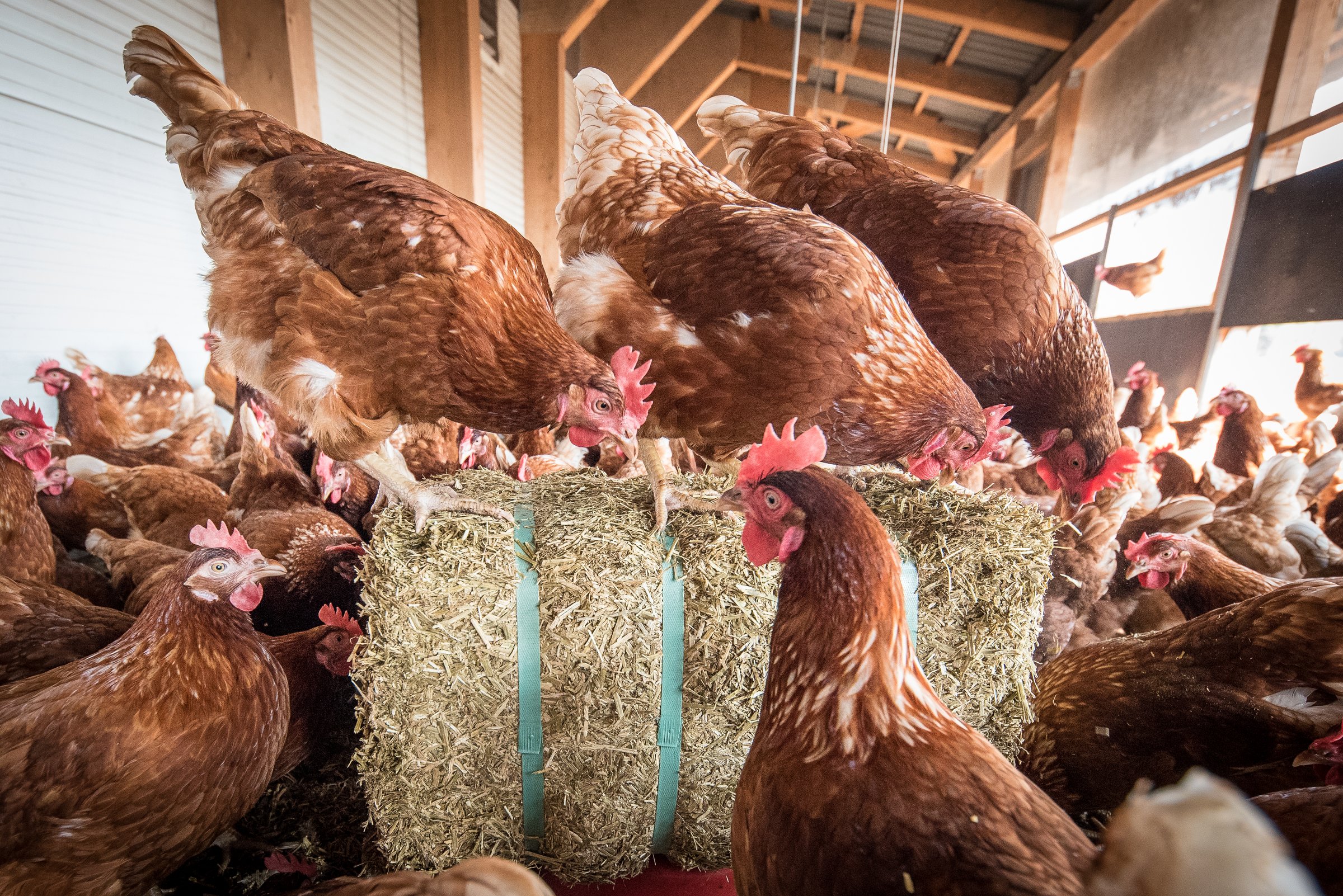
01_Übergabeprotokolle
Podcast: Broiler Rearing
Podcast: Digitalisation in the broiler house
Podcast: Insect Protein
Podcast: Not clipping the claws of turkeys
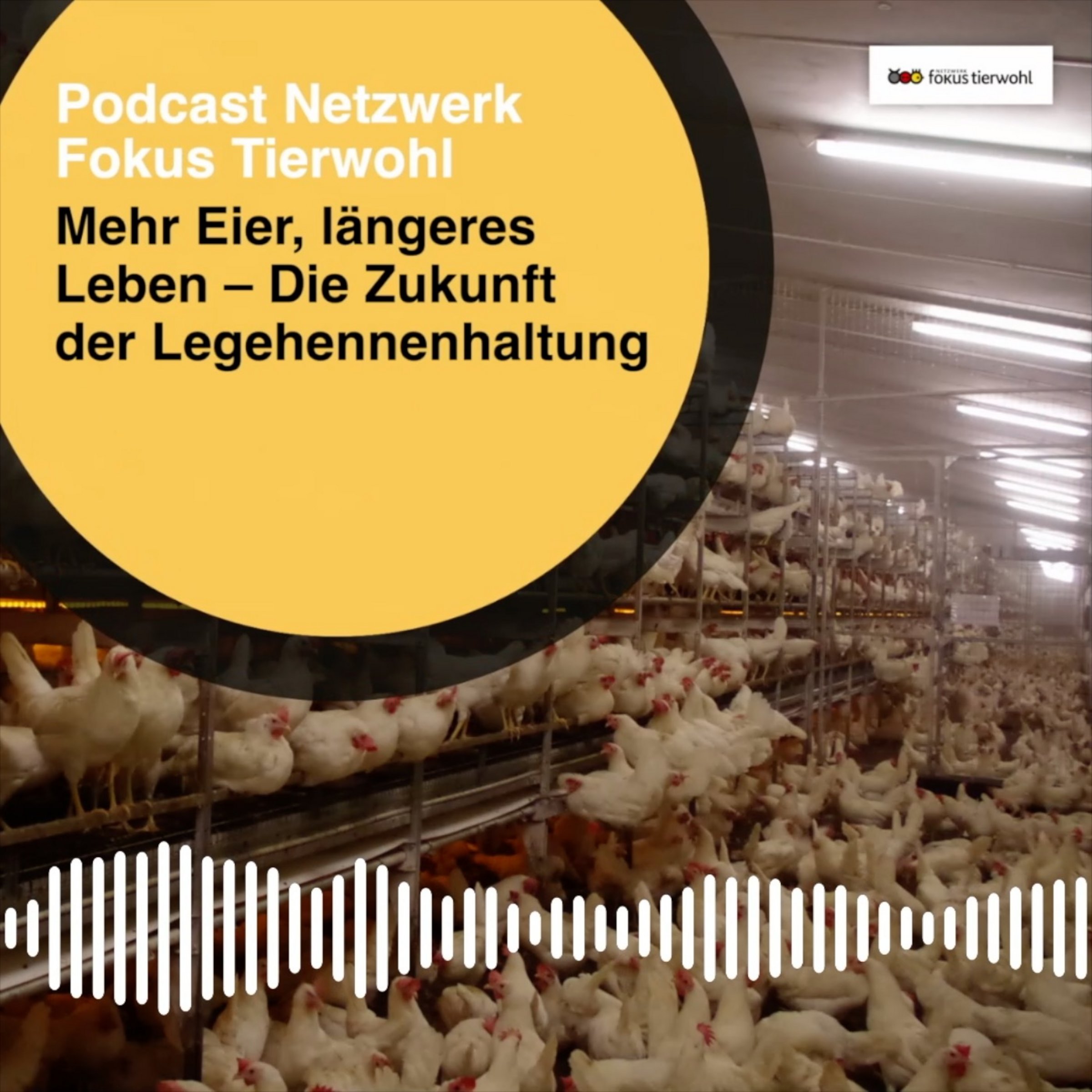
Podcast: Laying Hen Management
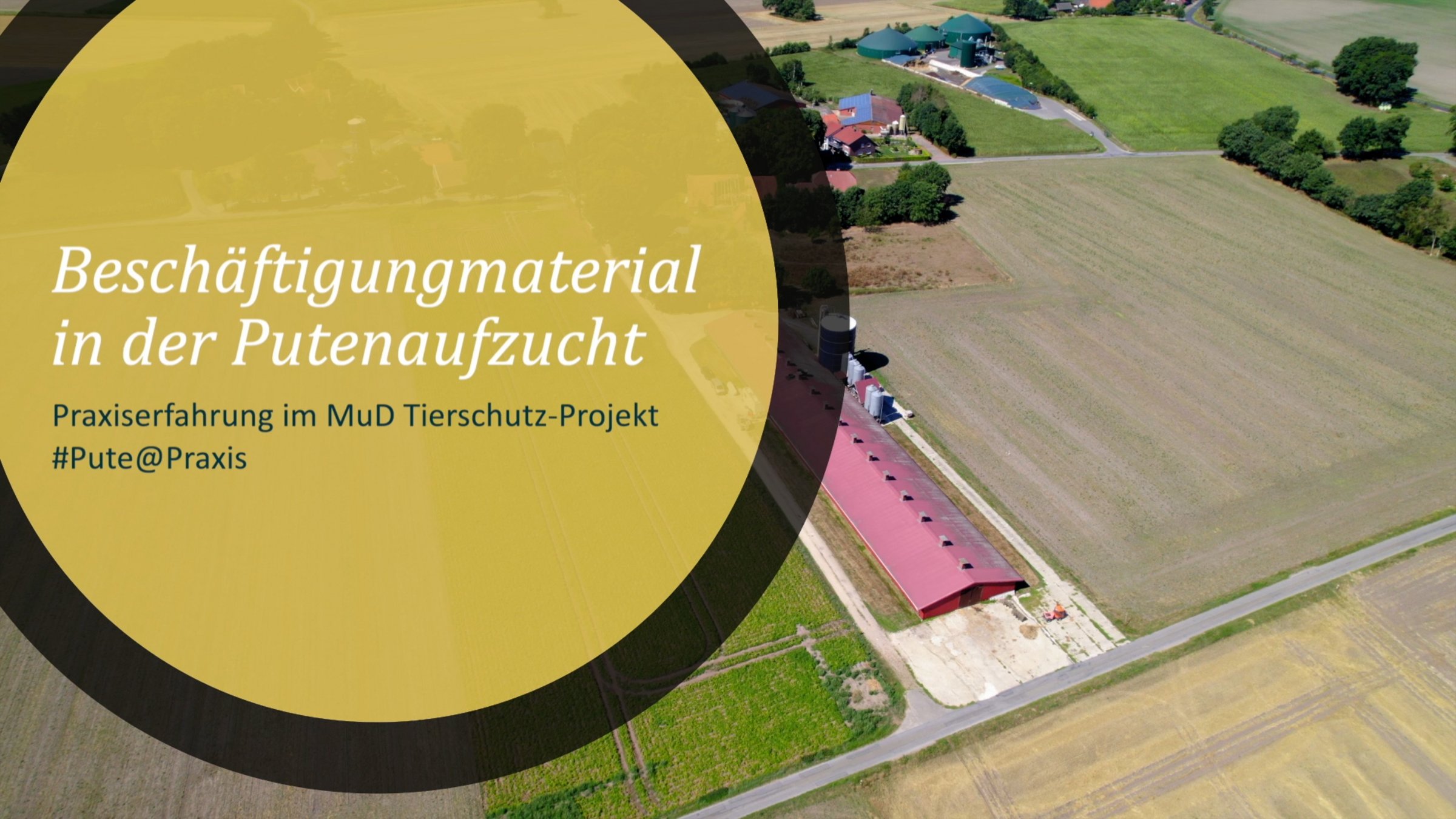
Video: Educational material on turkey rearing
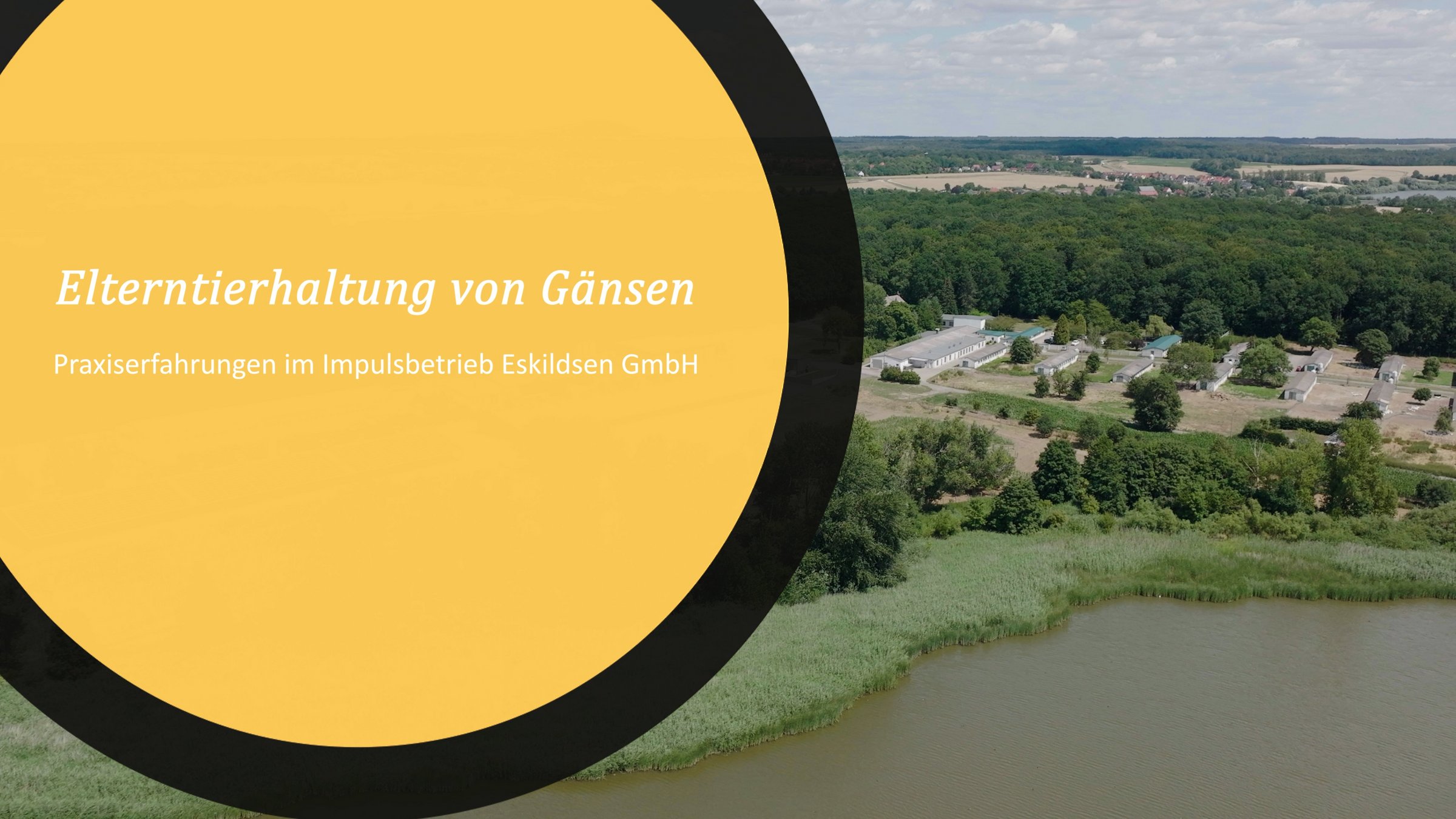
Video: Fattening geese
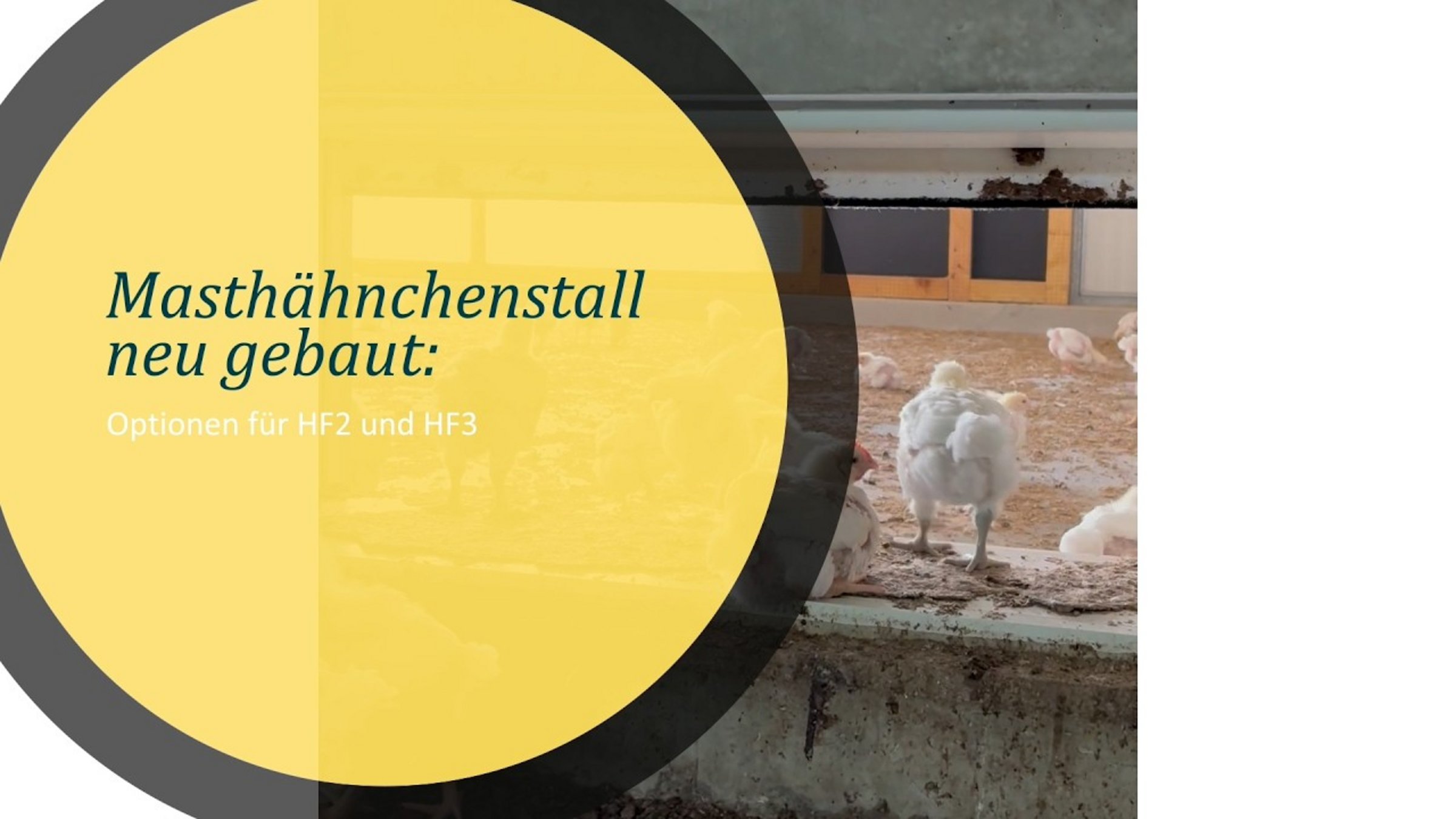
03 Video Masthähnchenstall neu gebaut: Optionen für Haltungsform 2 und 3
Video: Turkey enrichment materials
Video: Improving animal welfare in turkey farming
Video: A virtual tour of the laying hen house – a typical barn system
Vodcast: Self-assessment of animal welfare
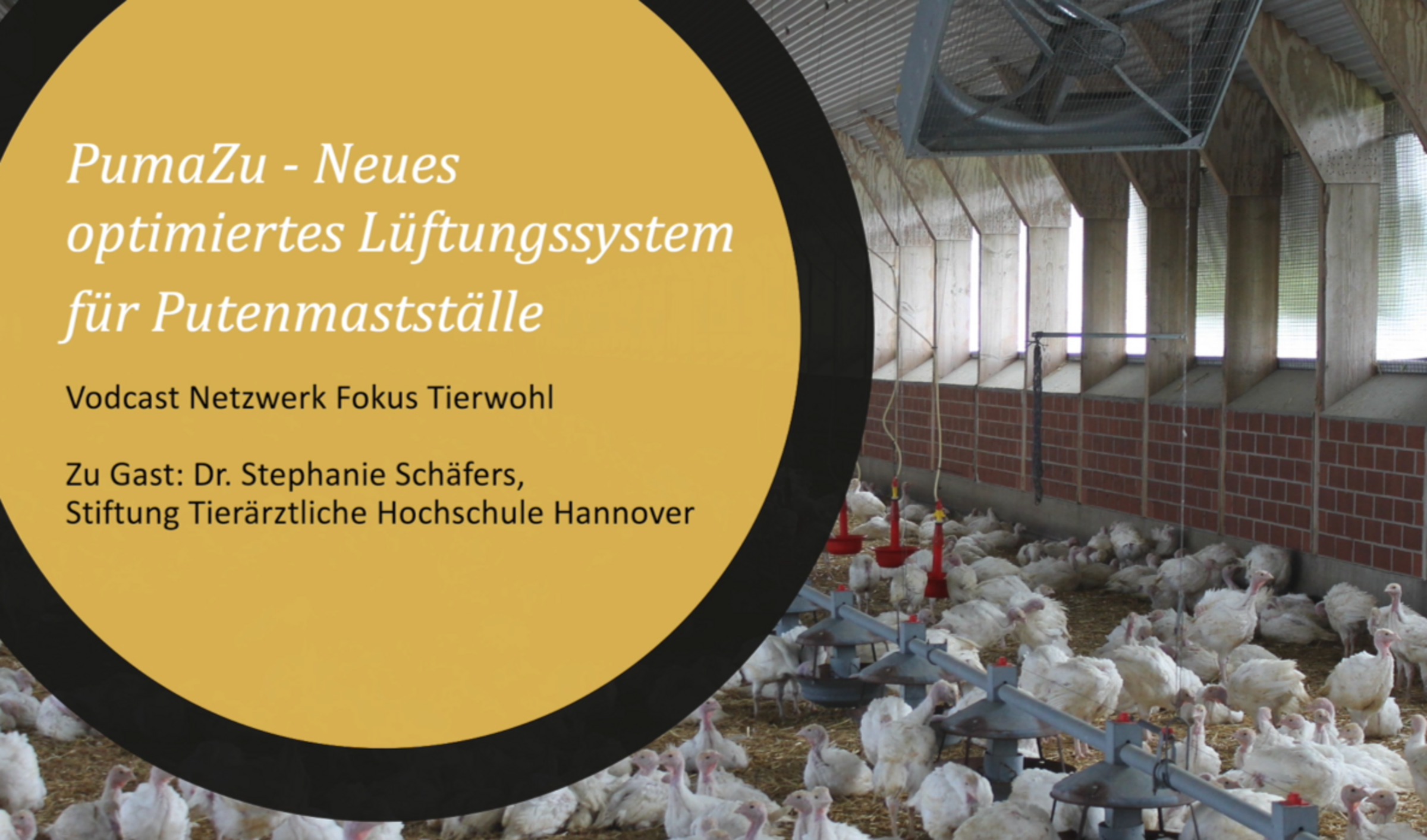
PumaZu podcast
Vodcast: Animal Welfare in Broiler Chicken Farming
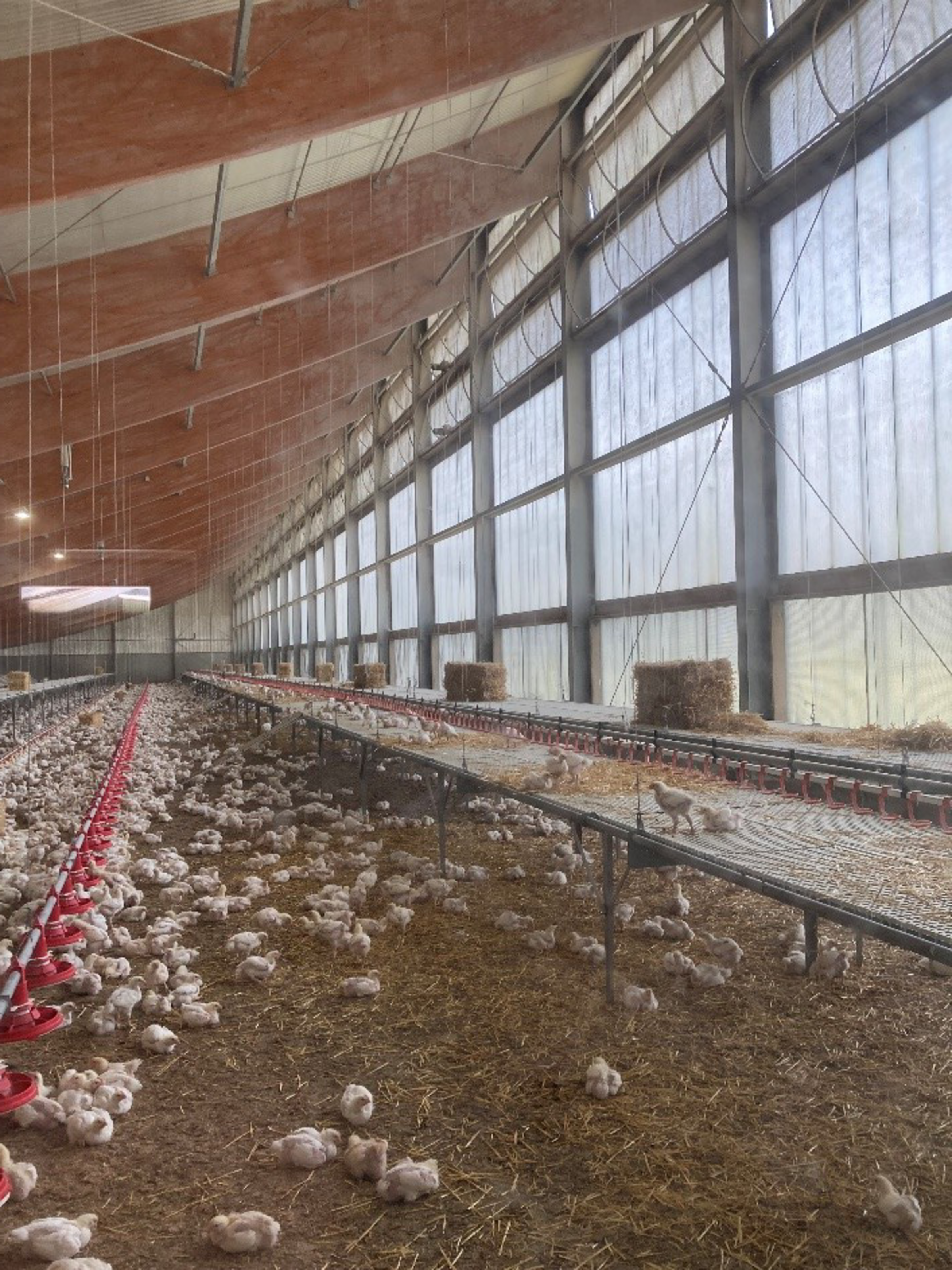
From the events: A look at future-oriented housing systems for broiler chickens
Funded projects: EIP broiler rearing house
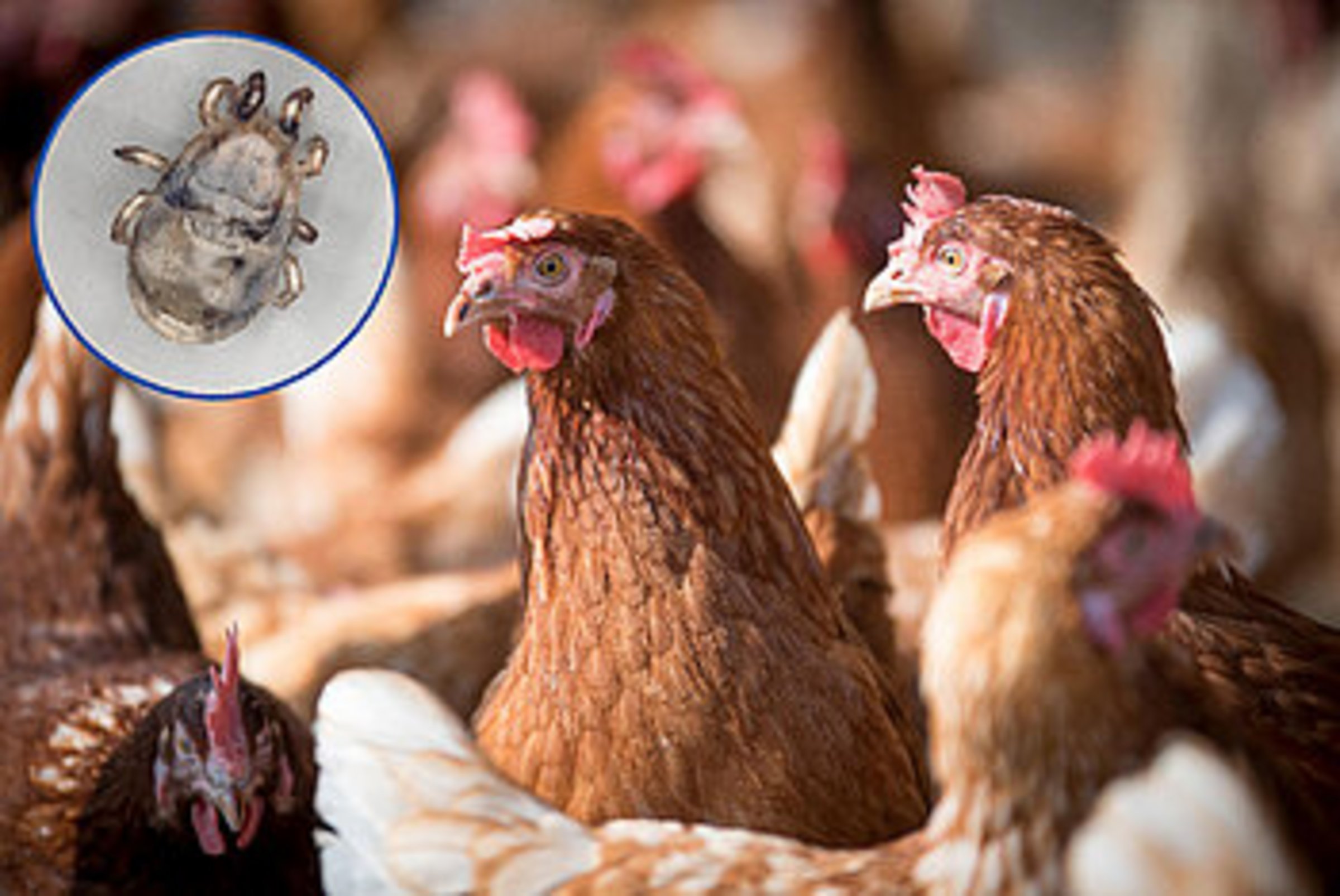
Funded projects: Cold plasma mite trap
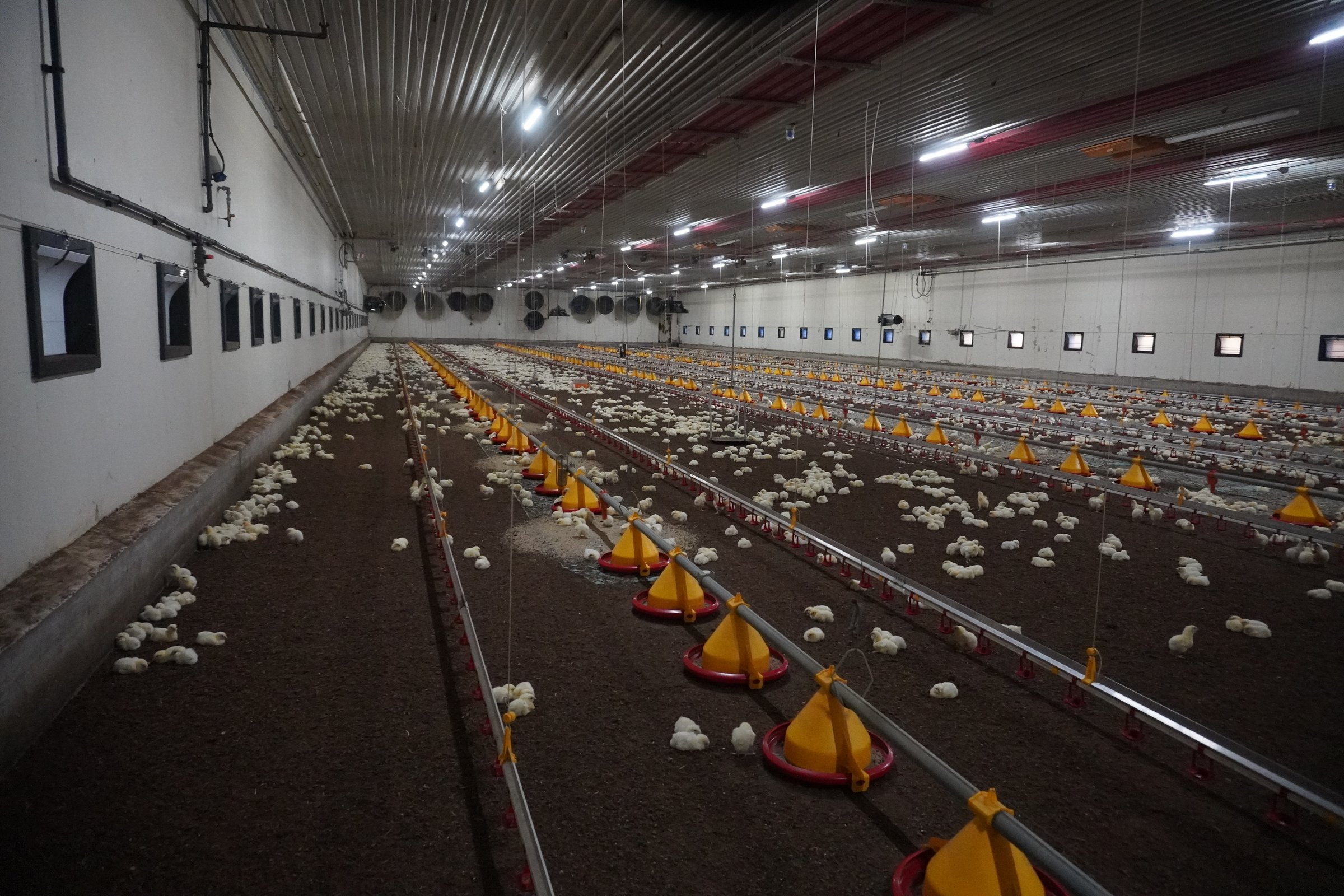
Funded projects: EIP broiler rearing house
06 EIP Wurmfrei
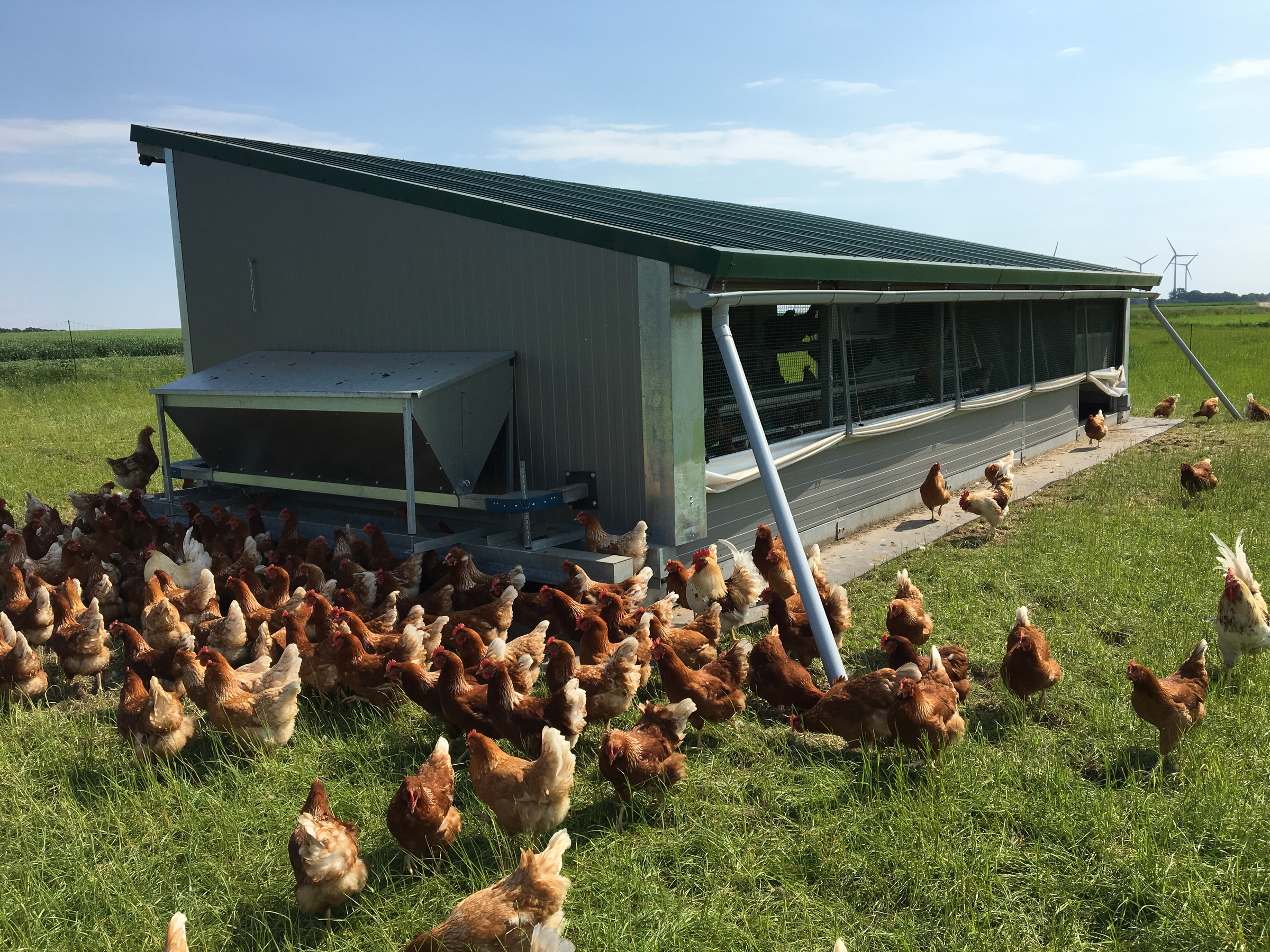
Funded projects: Hygiene in mobile housing
Funded projects: Mobile chicken rearing shed
Video Freilandpute - vom Küken bis zur Schlachtung: Ein Praxisbeispiel
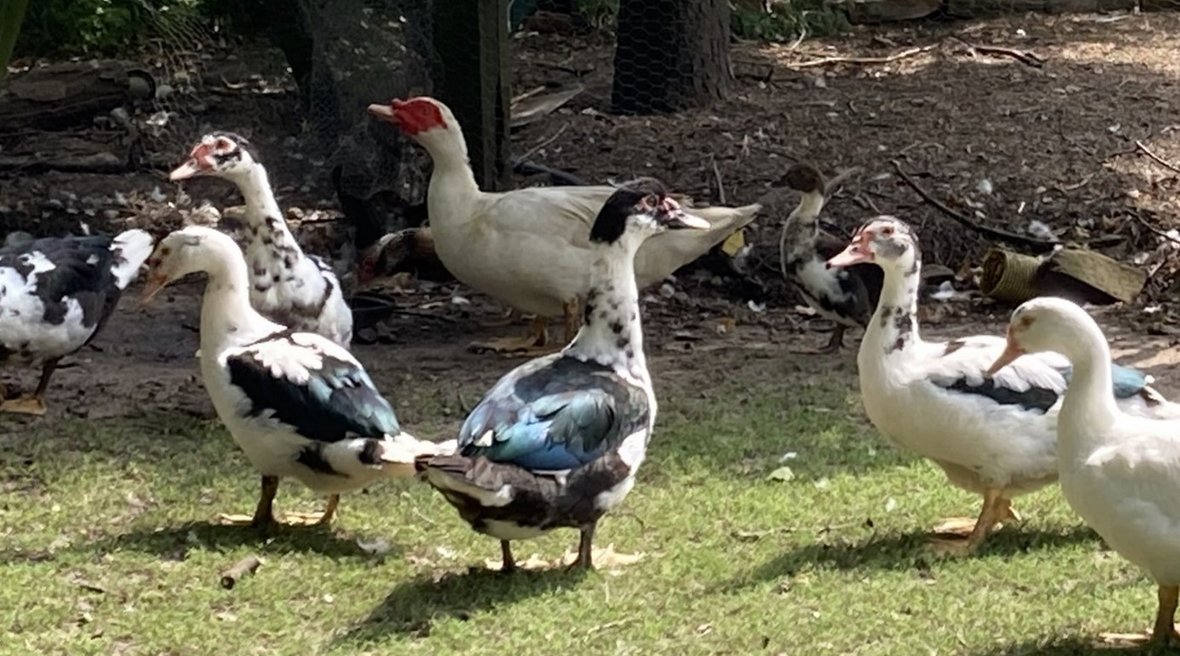
In Germany, only a few musk ducks are currently kept commercially. The term ‘musk duck’ generally refers to the wild form (Cairina moschata). The domesticated form is more correctly referred to as the flying duck, Barbary duck or warty duck. In order to comply with the requirements of the Animal Welfare Act (TierSchG) regarding the keeping of Muscovy ducks, the Council of Europe’s recommendations on Muscovy ducks are taken into account alongside the basic provisions of the Animal Welfare Livestock Keeping Ordinance (TierSchNutztV). Furthermore, the agreement on the further development of minimum requirements for the keeping of Muscovy ducks applies in Lower Saxony. This is a further development of the agreement that was in force until 2005. The so-called ‘Musk Duck Agreement’ is an agreement between the Lower Saxony Ministry of Food, Agriculture and Consumer Protection (ML) and the Lower Saxony Poultry Industry Association (NGW). It is also used as a guide in other federal states outside Lower Saxony.
The Waterfowl Working Group of the Poultry Animal Welfare Competence Centre has drawn up guidelines on the rearing of muscovy ducks based on the agreement.
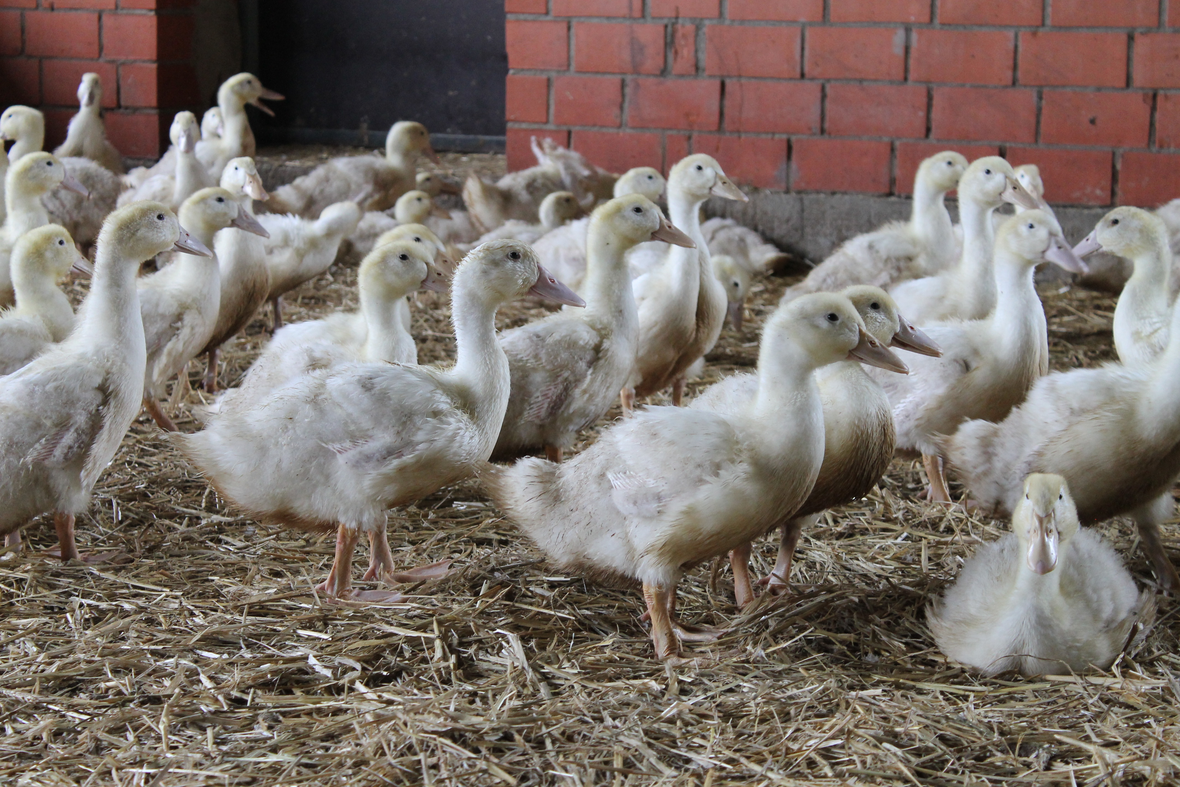
Focus on Poultry Welfare – Expertise in animal-friendly Peking duck rearing
Guidelines for the humane rearing of Peking ducks
In order to comply with the requirements of the Animal Welfare Act (TierSchG) regarding the rearing of Peking ducks, the Council of Europe’s recommendations on Peking ducks are taken into account alongside the general provisions of the Animal Welfare and Livestock Management Ordinance (TierSchNutztV). There are currently no further binding specific legal regulations in Germany.
To put the Council of Europe’s recommendations into practice, an agreement has been reached in Lower Saxony that specifies the husbandry requirements for Peking ducks.
The so-called ‘Peking Duck Agreement’ is an agreement between the Lower Saxony Ministry of Food, Agriculture and Consumer Protection (ML) and the Lower Saxony Poultry Industry Association (NGW) on the further development of minimum requirements for the rearing of Peking ducks for fattening. It is also used as a guide in other federal states outside Lower Saxony.
The Waterfowl Working Group of the Poultry Animal Welfare Competence Centre has drawn up guidelines on Peking duck fattening based on the agreement.
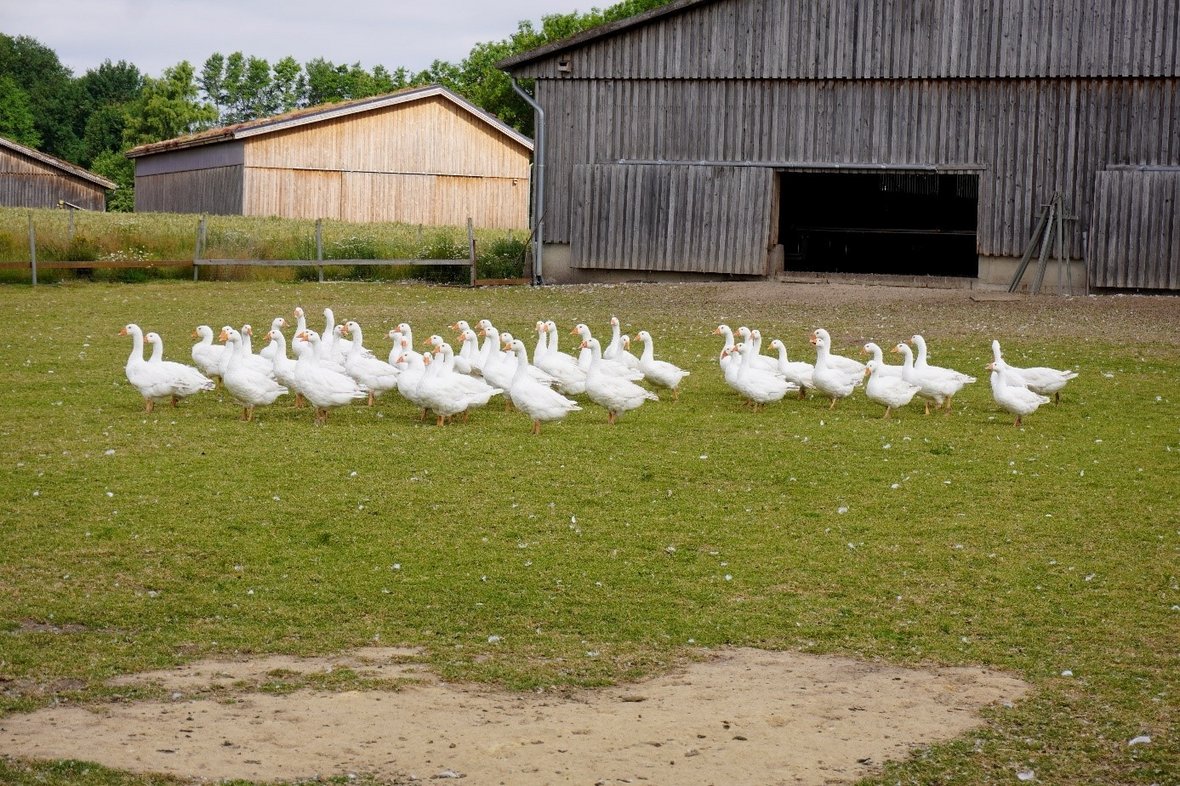
Focus on Poultry Welfare – Expertise in animal-friendly fattening goose husbandry
Guidelines for the welfare-friendly rearing of fattening geese
In order to comply with the requirements of the Animal Welfare Act (TierSchG) regarding the keeping of domestic geese, the Council of Europe’s recommendations on domestic geese are taken into account alongside the general provisions of the Animal Welfare Regulation for Farm Animals (TierSchNutztV). There are currently no further binding specific regulations in Germany.
To give concrete form to the Council of Europe’s recommendations, an agreement has been reached in Lower Saxony that specifies the husbandry requirements for domestic geese.
The so-called ‘Goose Husbandry Agreement’ is an agreement between the Lower Saxony Ministry of Food, Agriculture and Consumer Protection (ML) and the Lower Saxony Poultry Industry Association (NGW) on minimum requirements for the rearing and fattening of geese. It is also used as a guide in other federal states outside Lower Saxony.
The Waterfowl Working Group of the Poultry Animal Welfare Competence Centre has drawn up guidelines for the rearing of fattening geese based on this agreement.
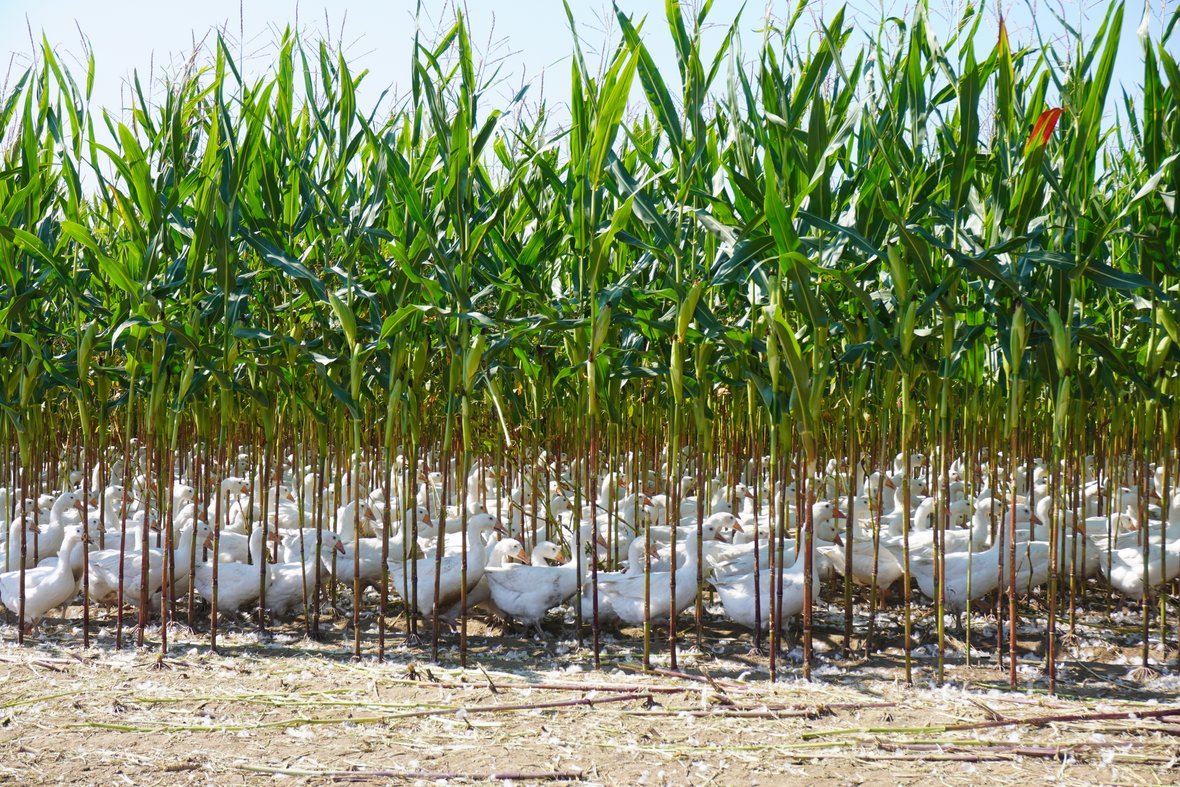
Animal welfare-focused outdoor access management for fattening geese
What might an animal-welfare-friendly outdoor enclosure look like?
Apart from a few full-time farms in the regions of Germany where goose farming is typical, goose fattening in this country is predominantly carried out as a sideline to farming for direct marketing, with the animals kept outdoors. A sufficiently large outdoor run should be provided for this purpose. Access to pasture must be provided by the ninth week of life at the latest, once the geese are fully feathered. The grazing area must be available to the animals all year round, or for the entire rearing period, and can make a significant contribution to providing the animals with a needs-based and cost-effective diet.