
Overview of topics: Poultry
Avian influenza
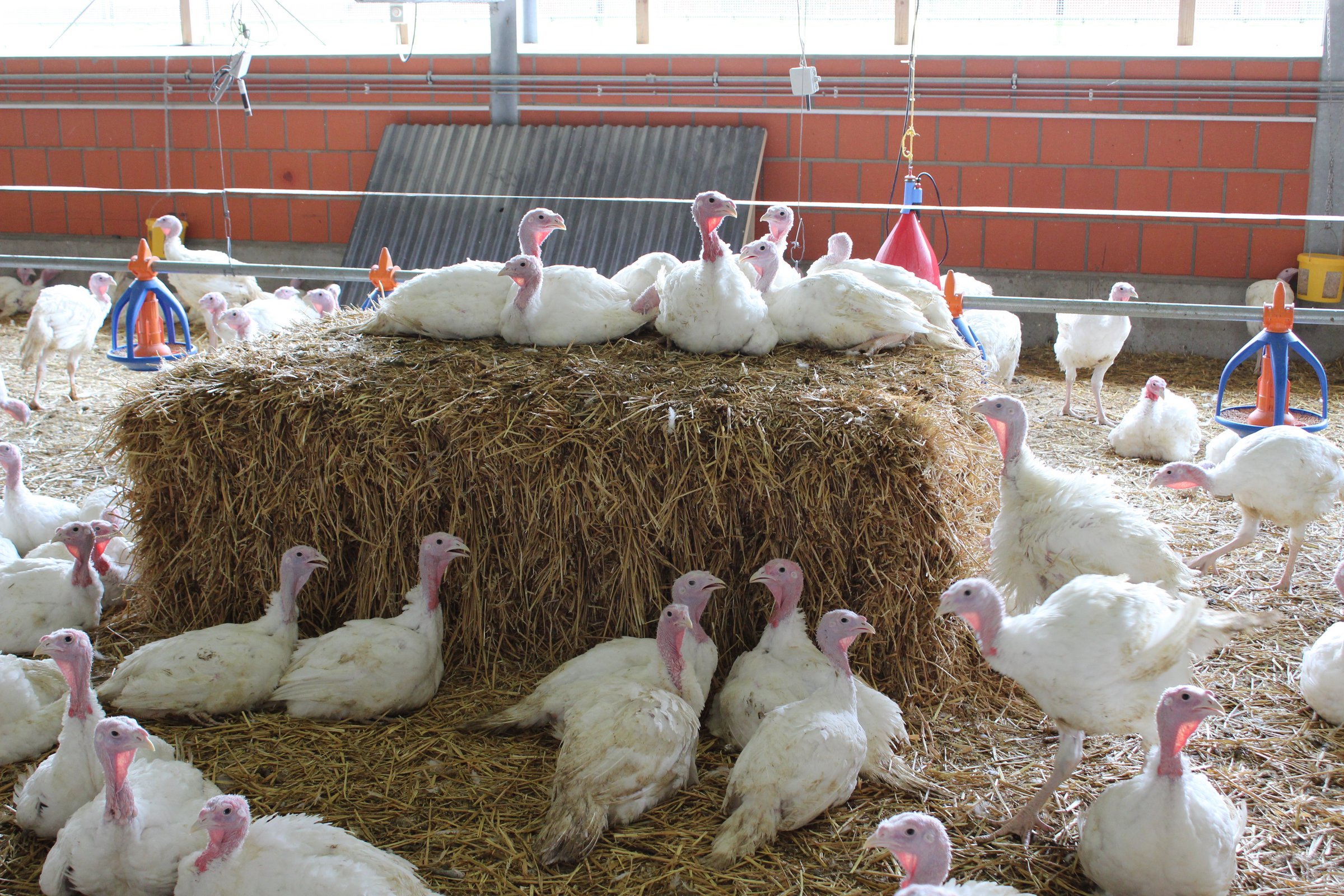
Enrichment materials in turkey farming
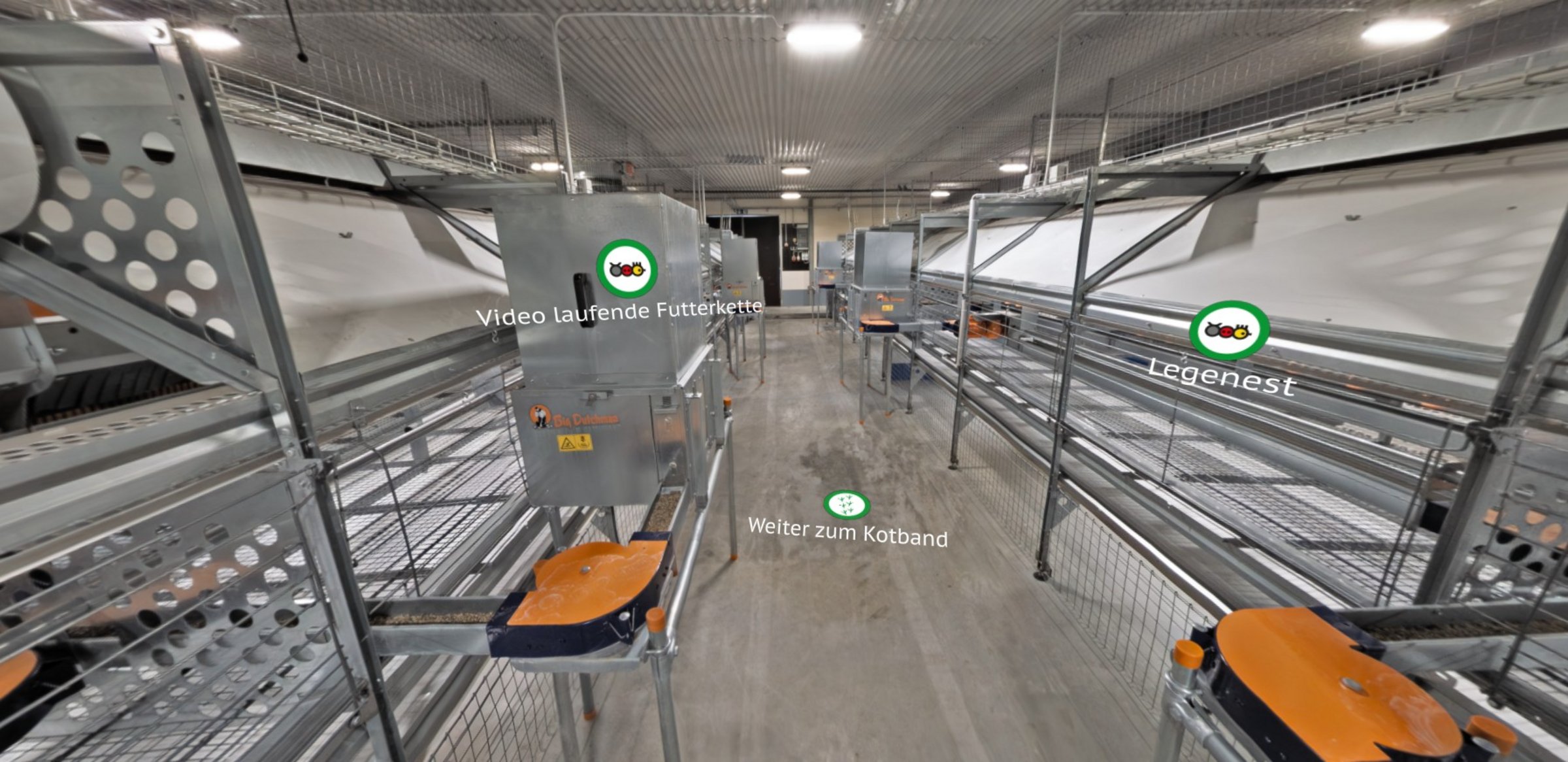
Floor-rearing system for laying hens
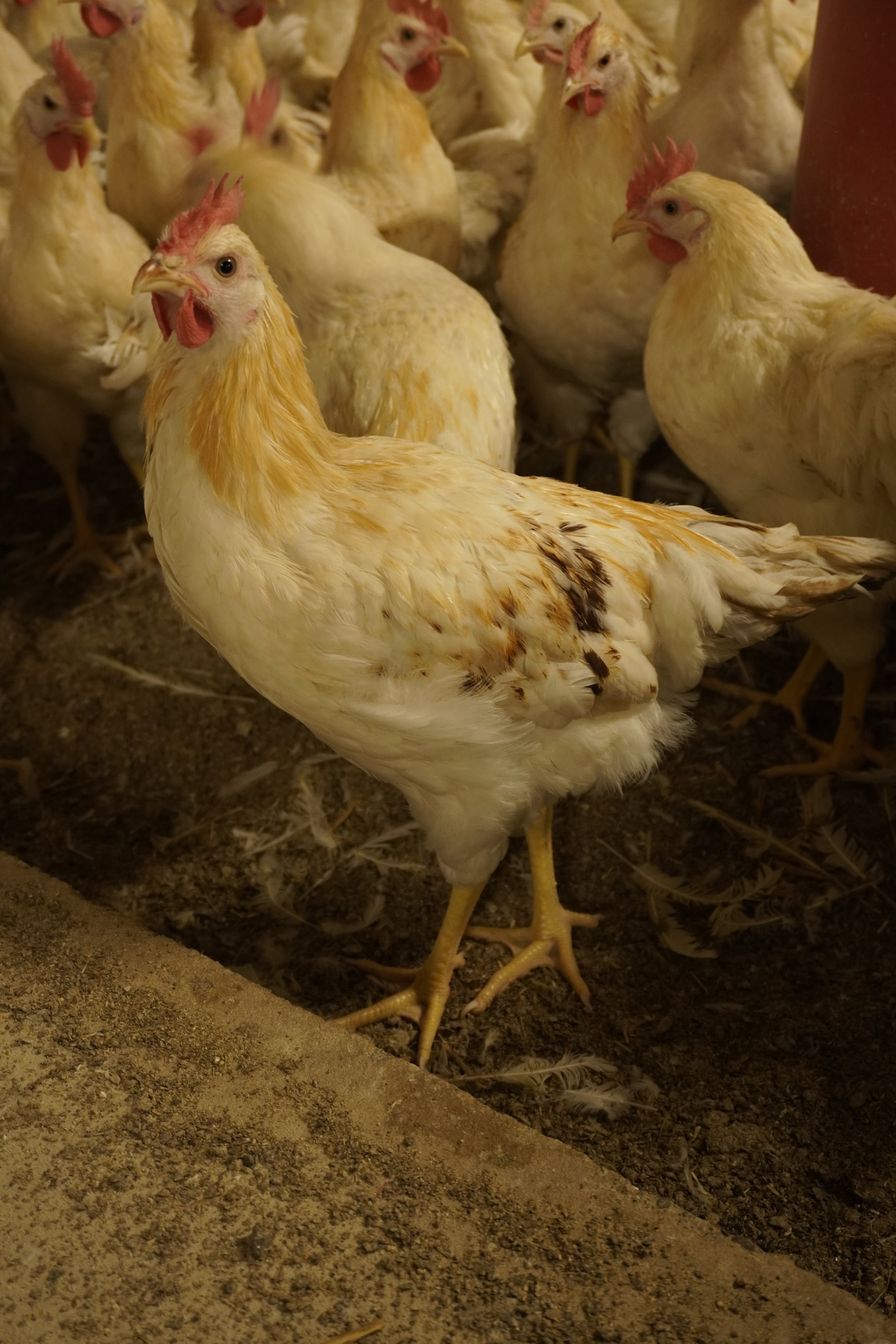
Broiler Rearing
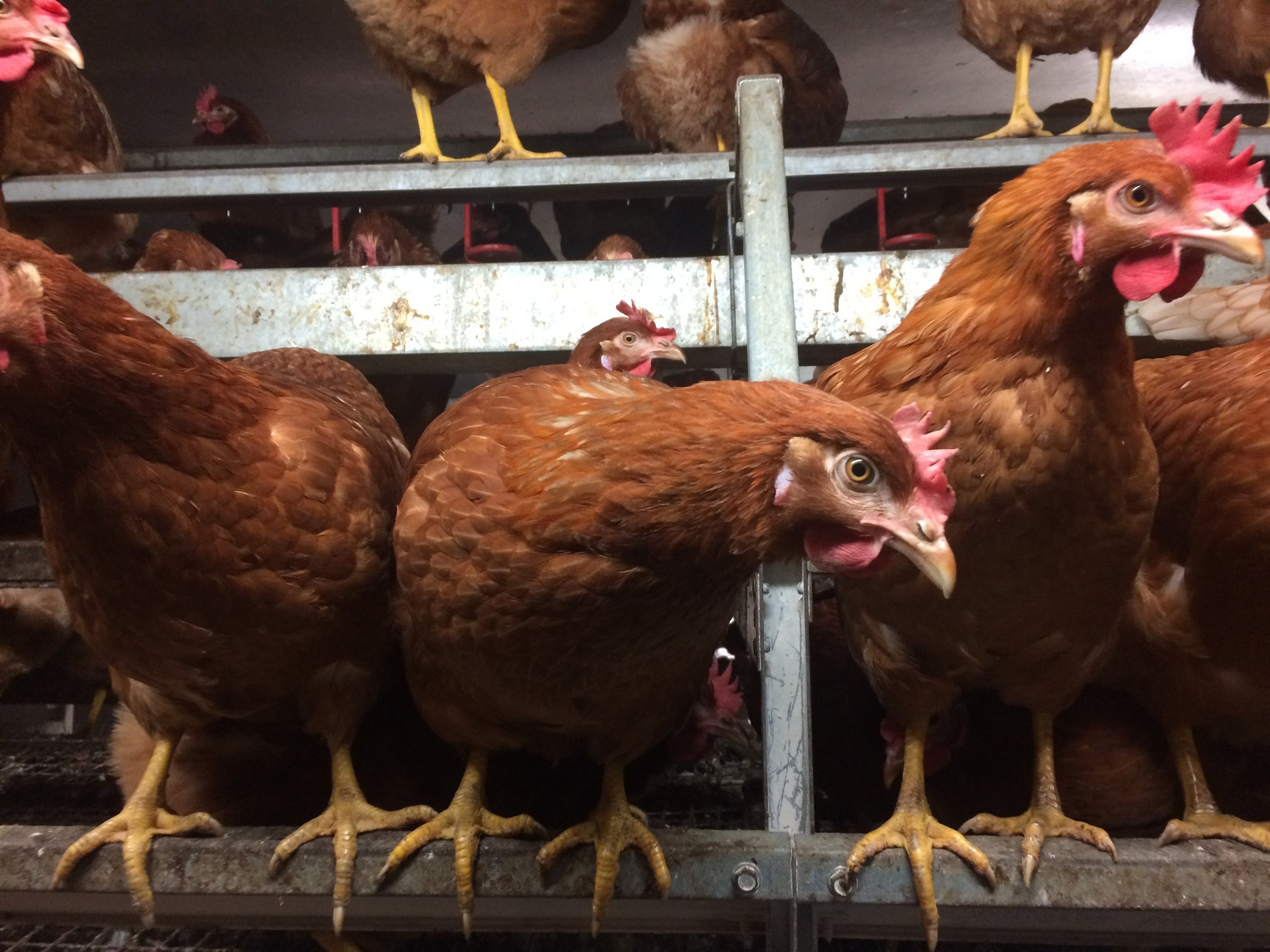
Changes to the sternum in laying hens
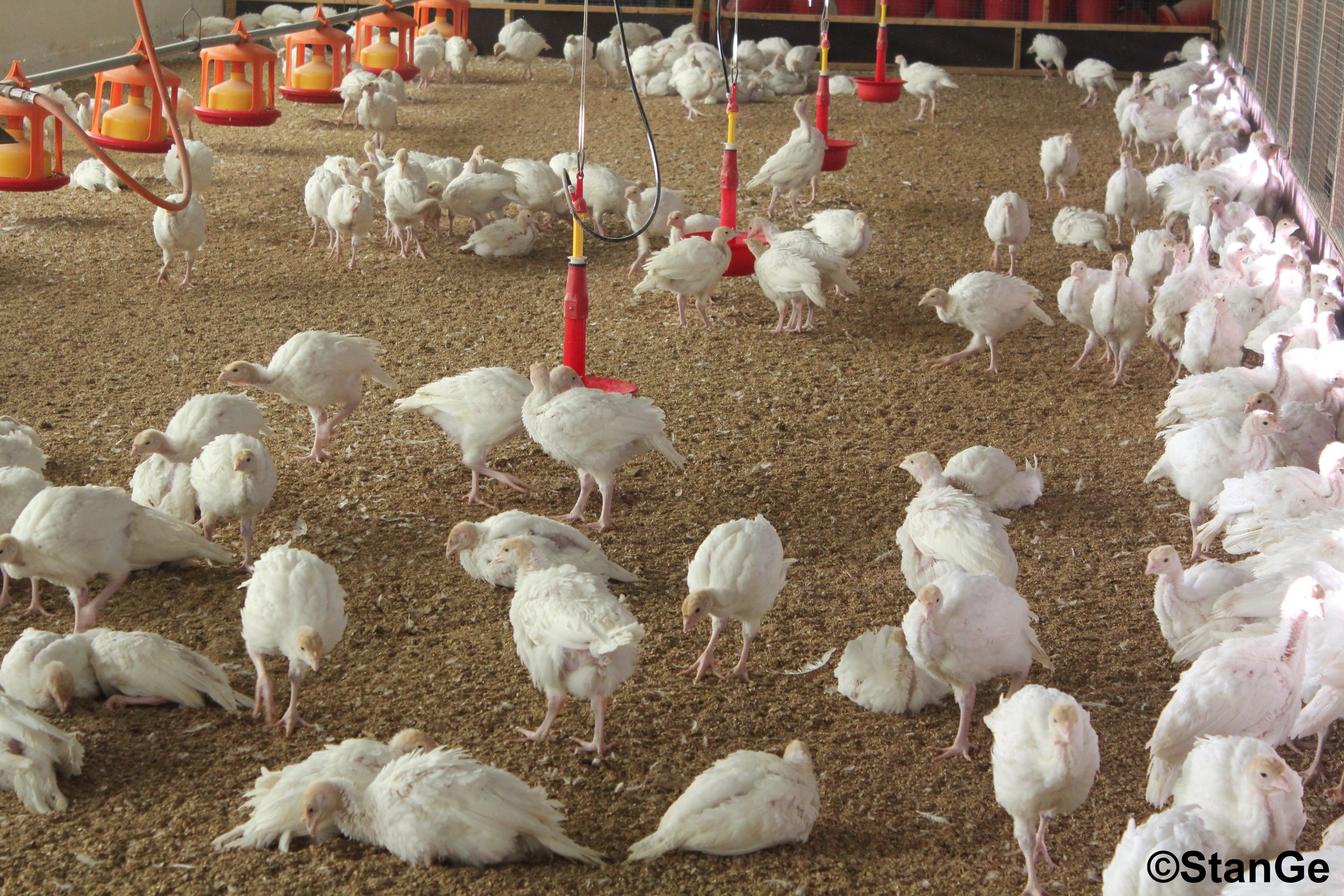
Gut health in turkeys
Gut microbiome
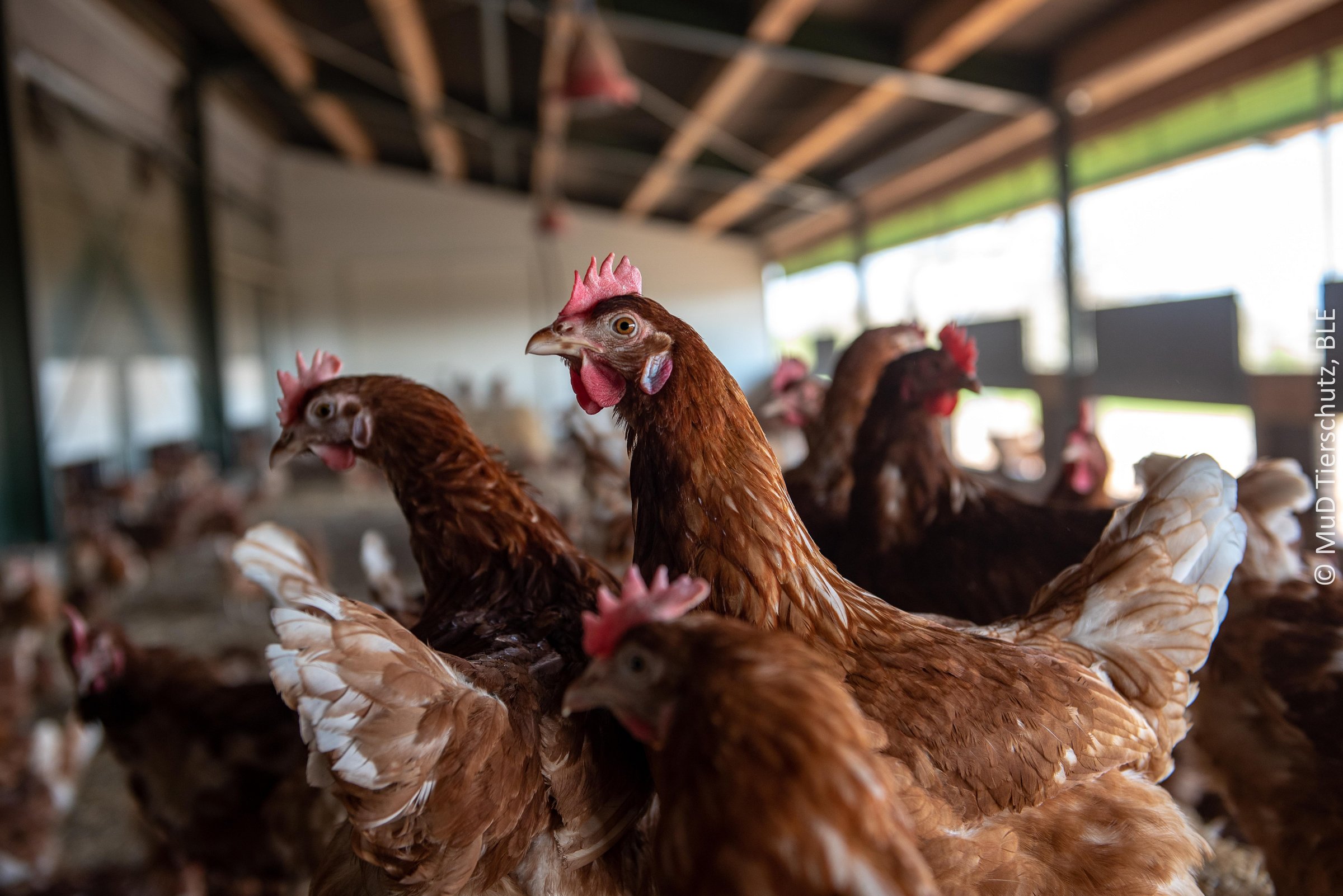
Emissions reductions in pullet and laying hen farming
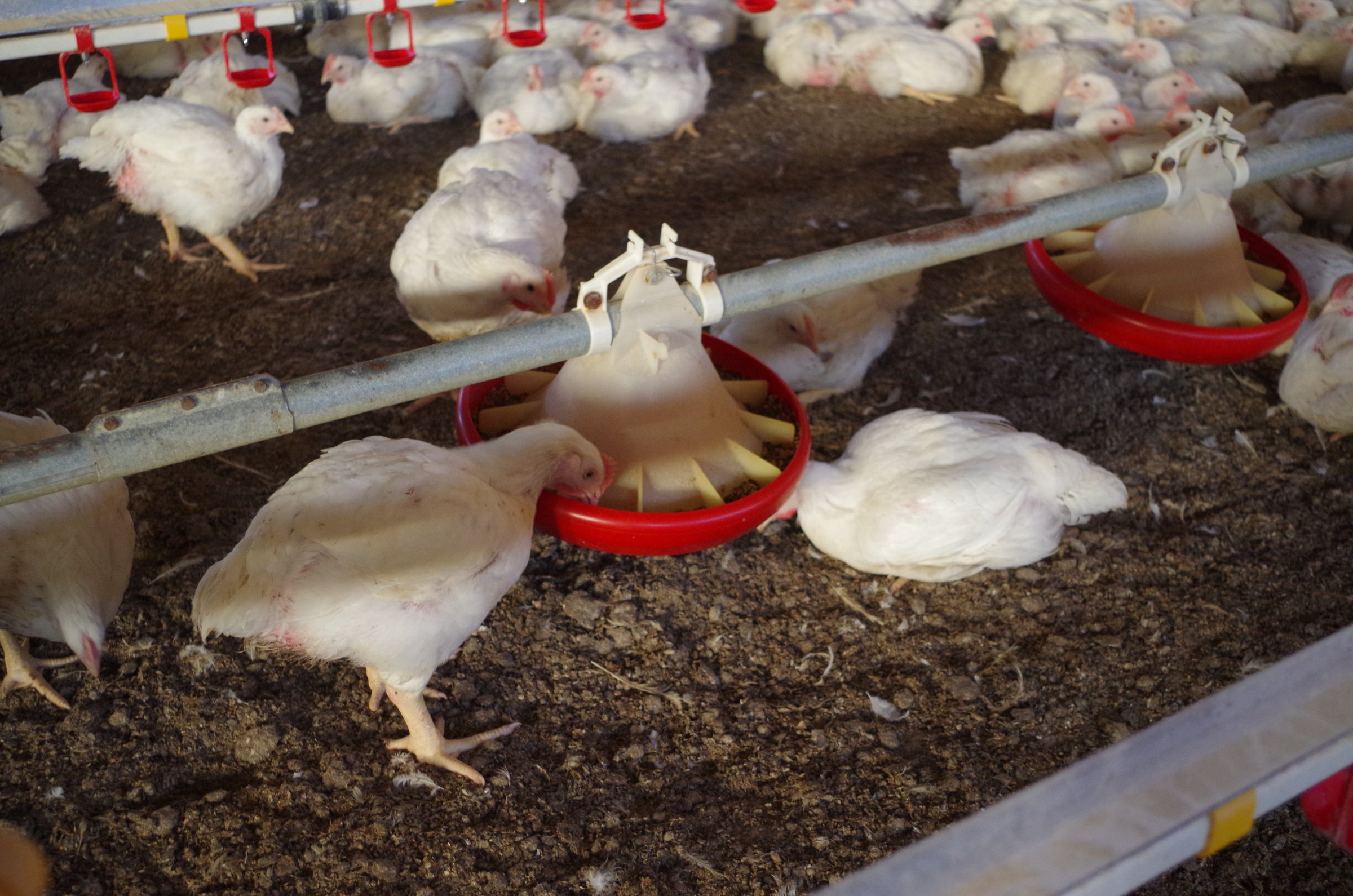
Emissions reductions in broiler farming
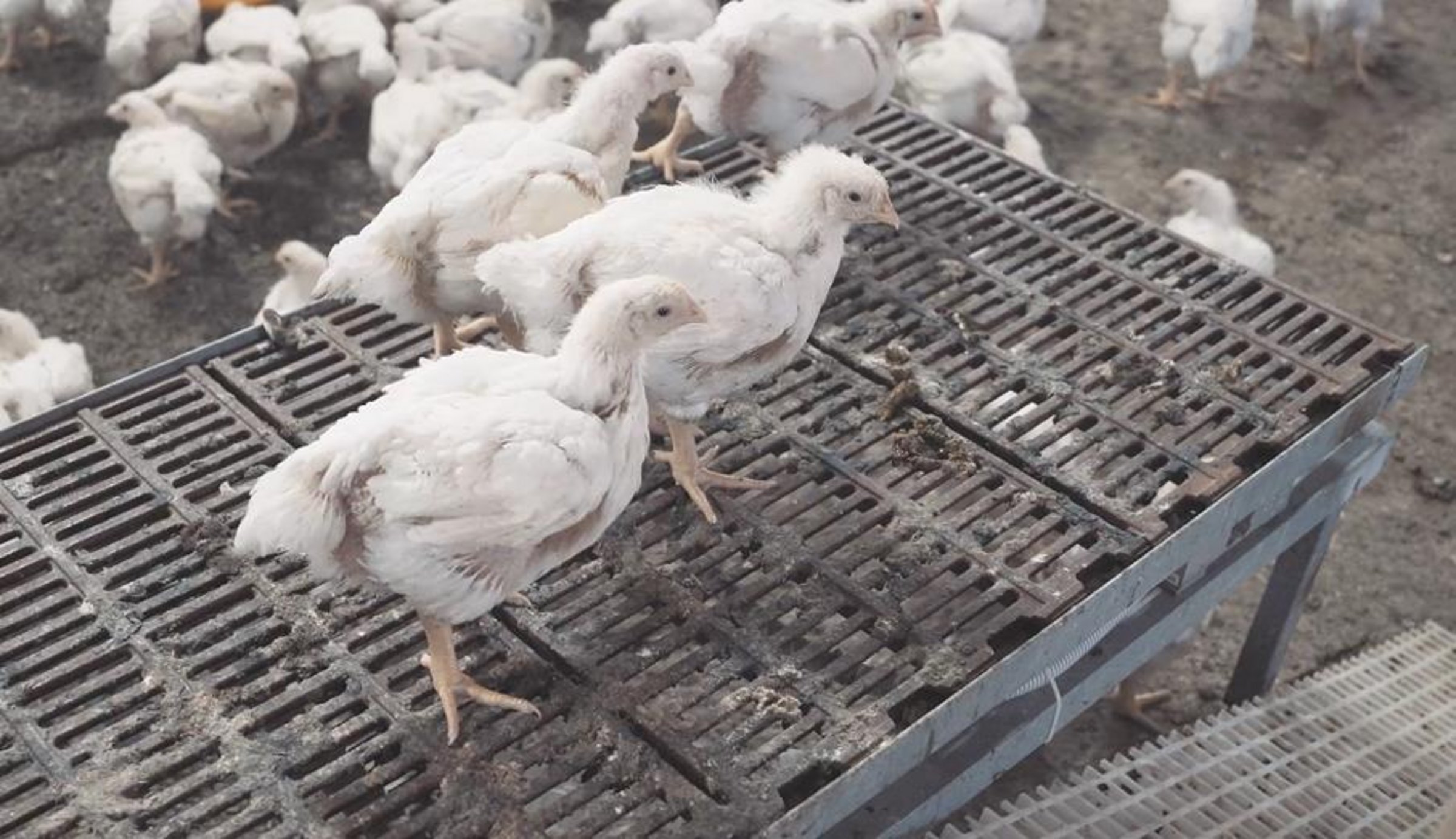
Elevated levels
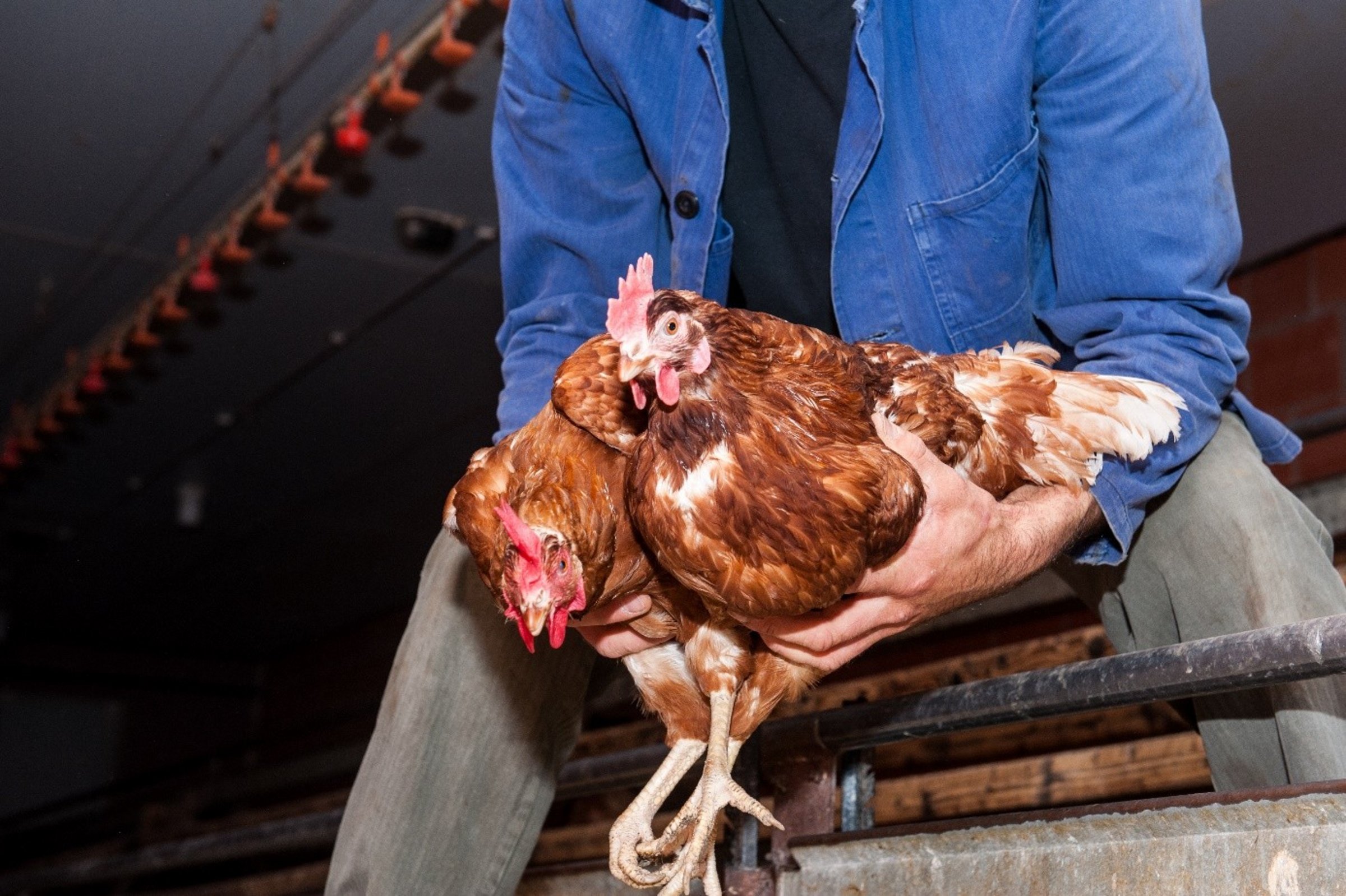
Loading and unloading of aged layers
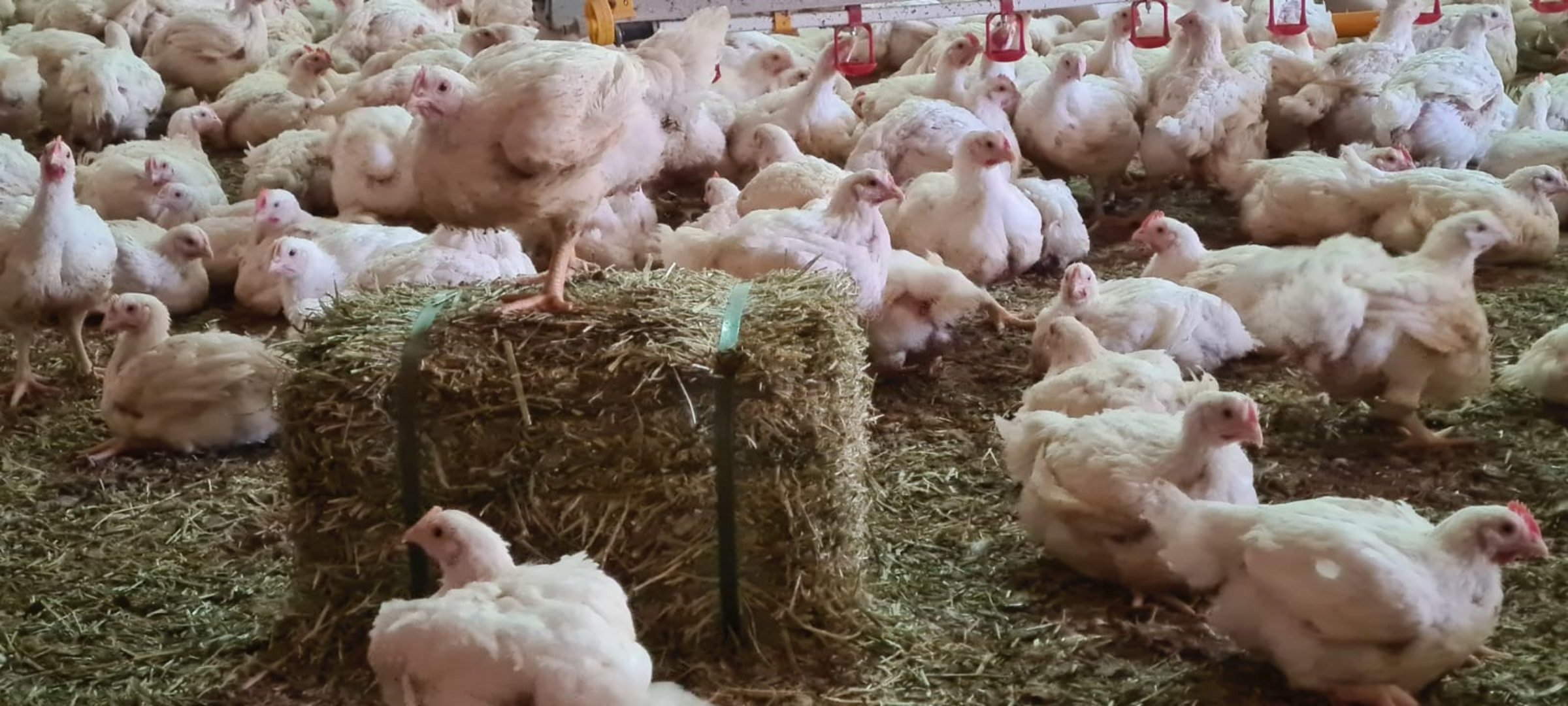
Enrichment of housing conditions for broiler chickens
Rearing of poultry with intact beaks
Hepatic lipidosis
Heat stress in poultry
Vaccination of broiler chickens
Methods of sex determination in the egg
01 Newcastle Disease
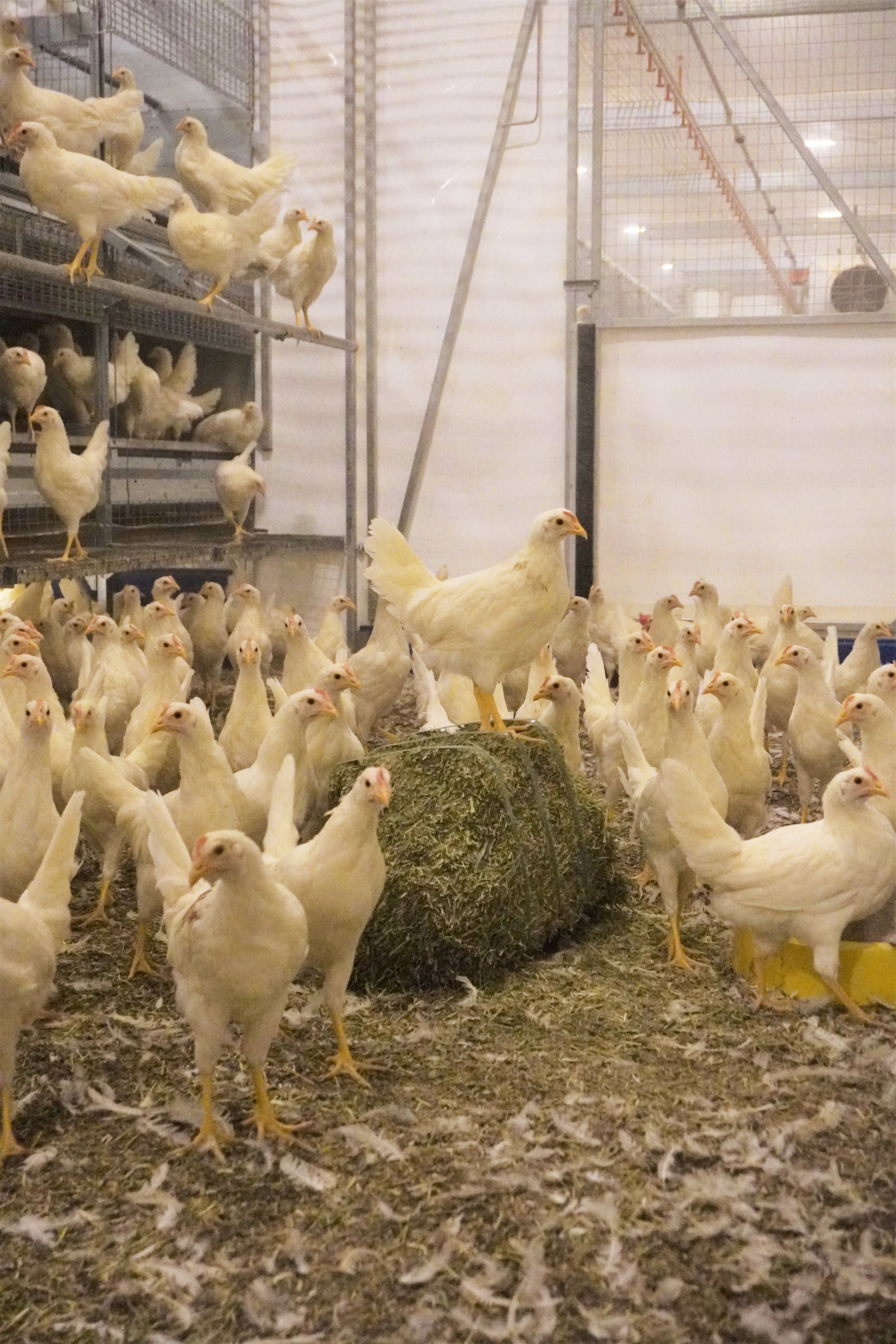
Emergency measures for feather-pecking and cannibalism
01 Schwachstellen-Analyse Tool
Stable cleaning and disinfection
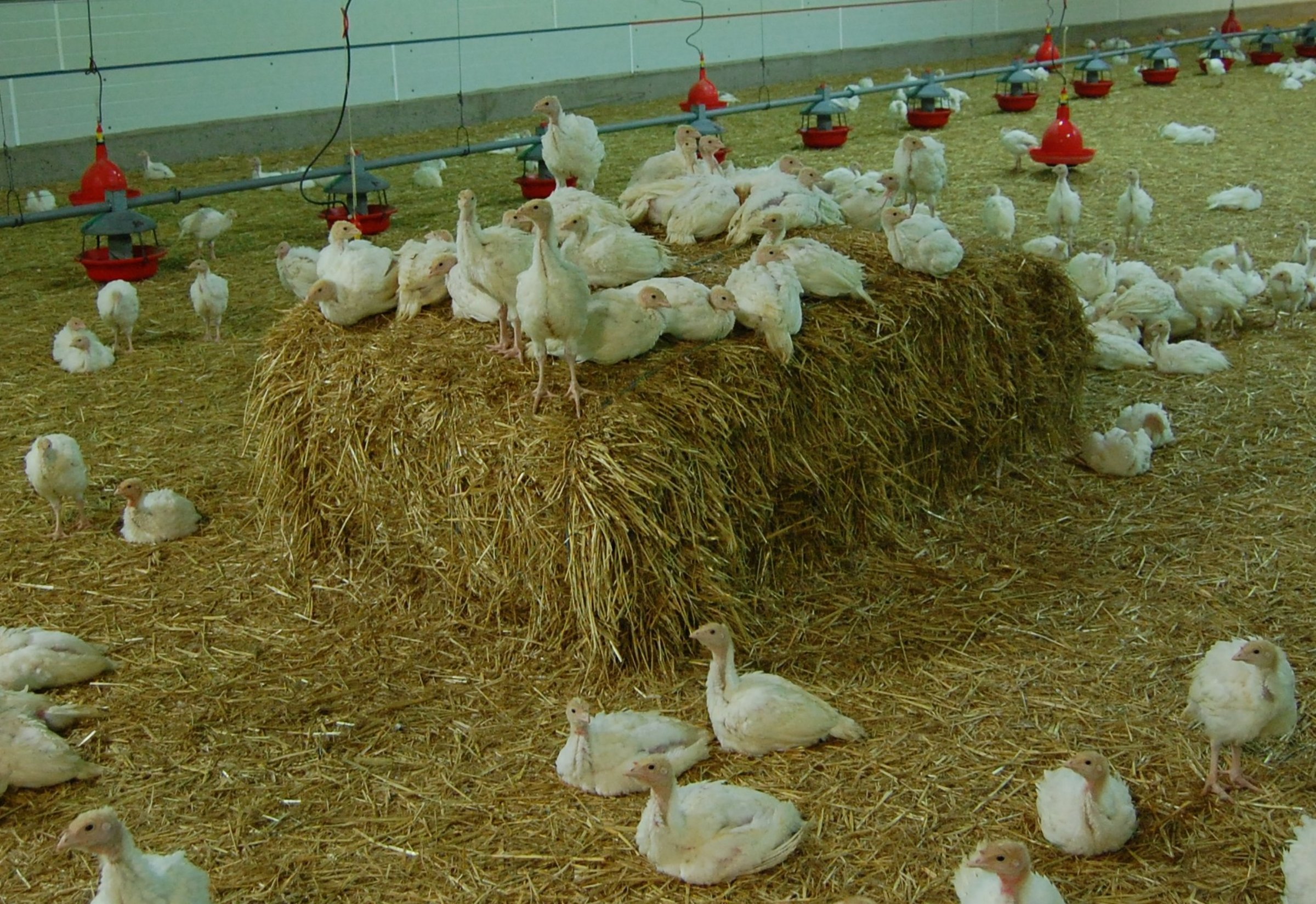
01 Stallstrukturierung im Putenstall
01 Tierwohlkriterien ITW
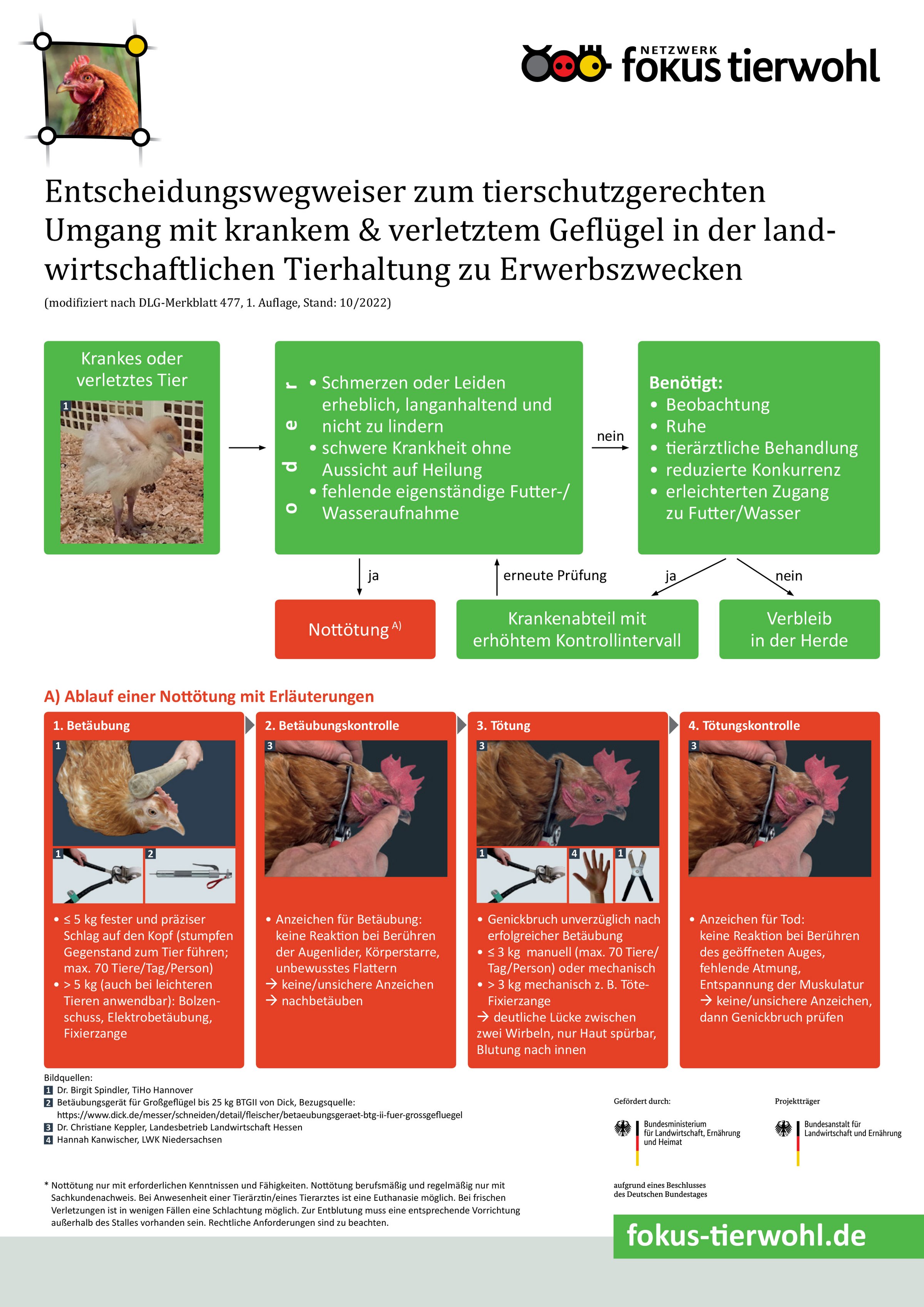
Caring for sick and injured poultry
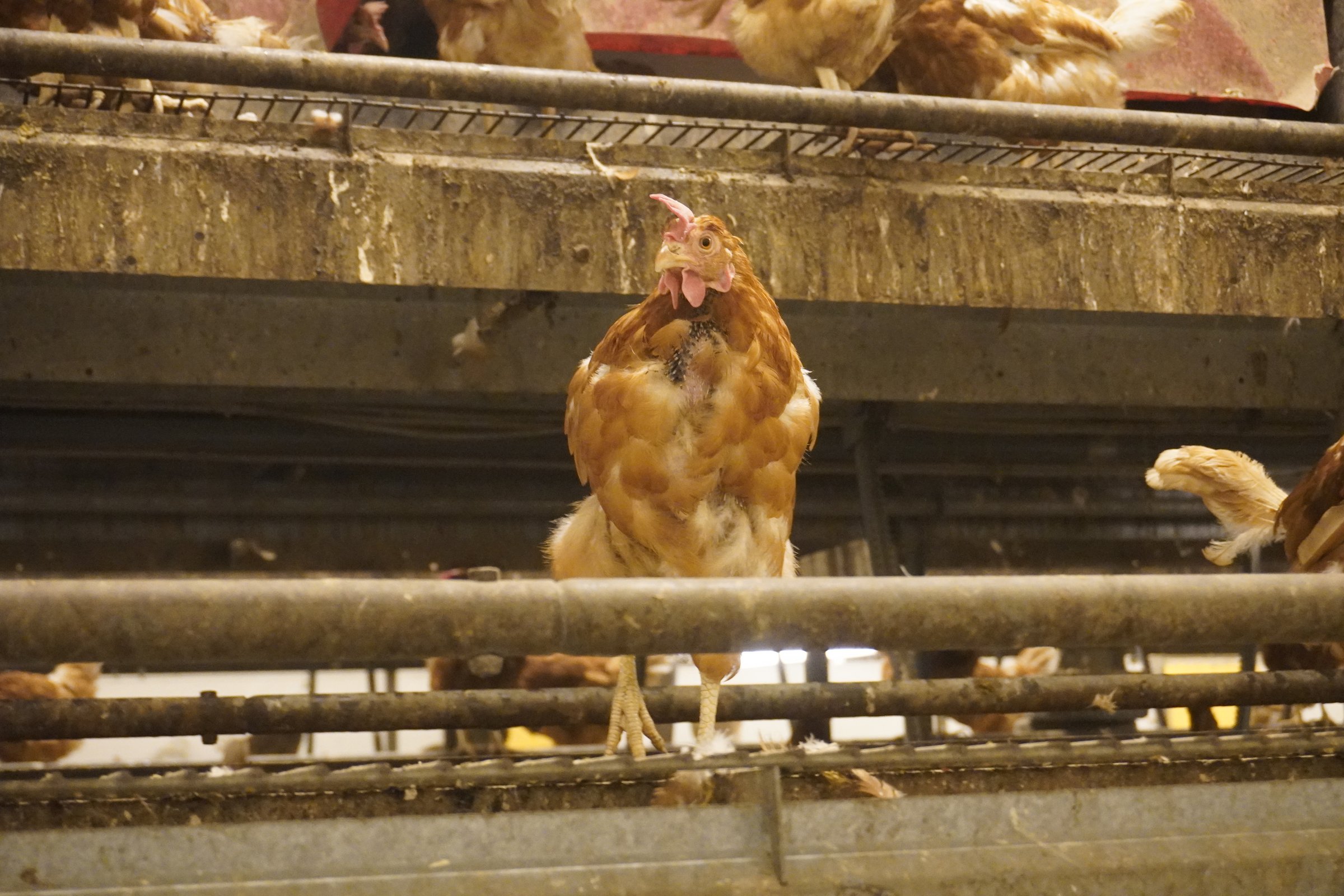
Extension of the rearing period or induced laying break
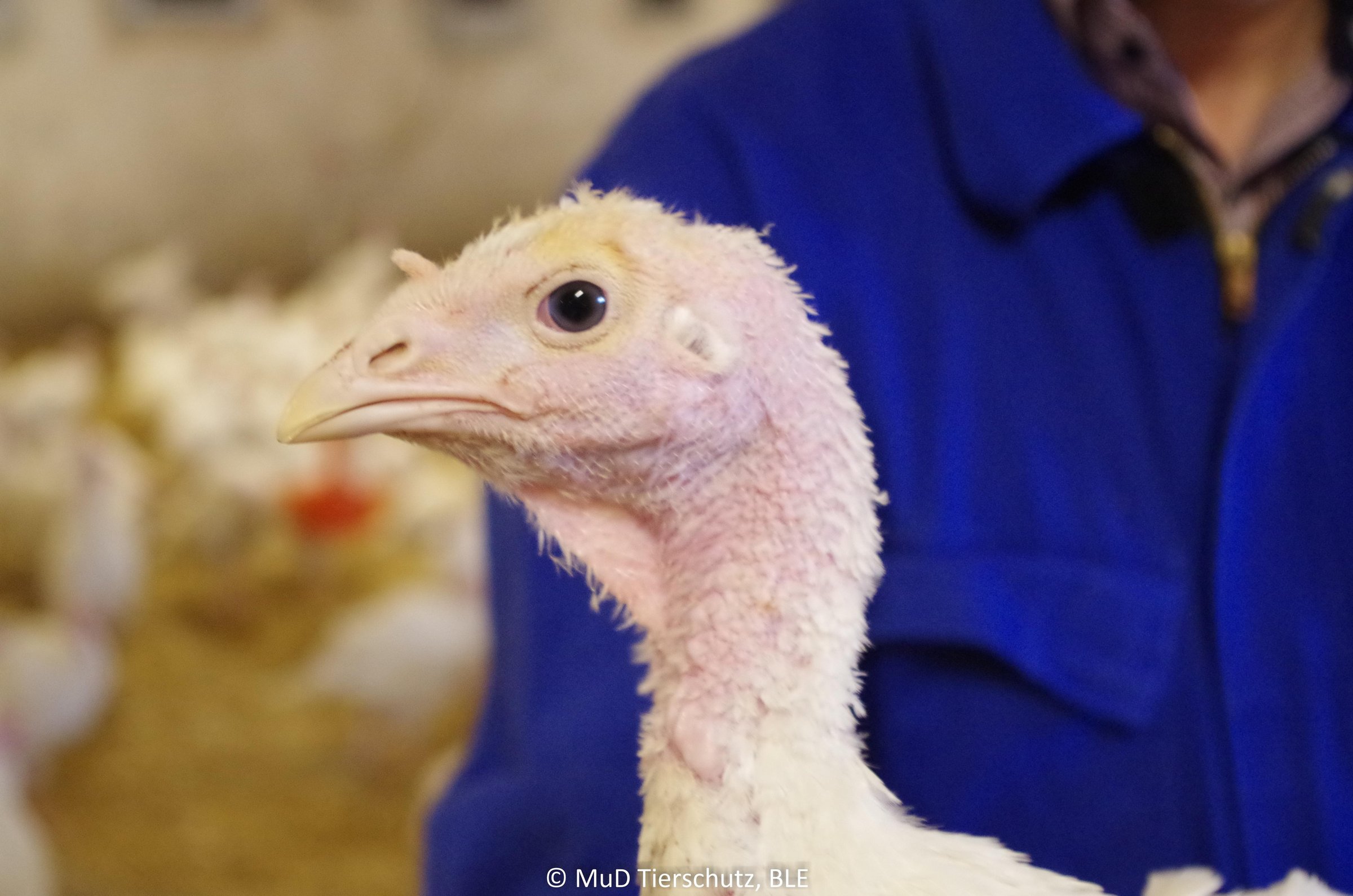
No beak trimming
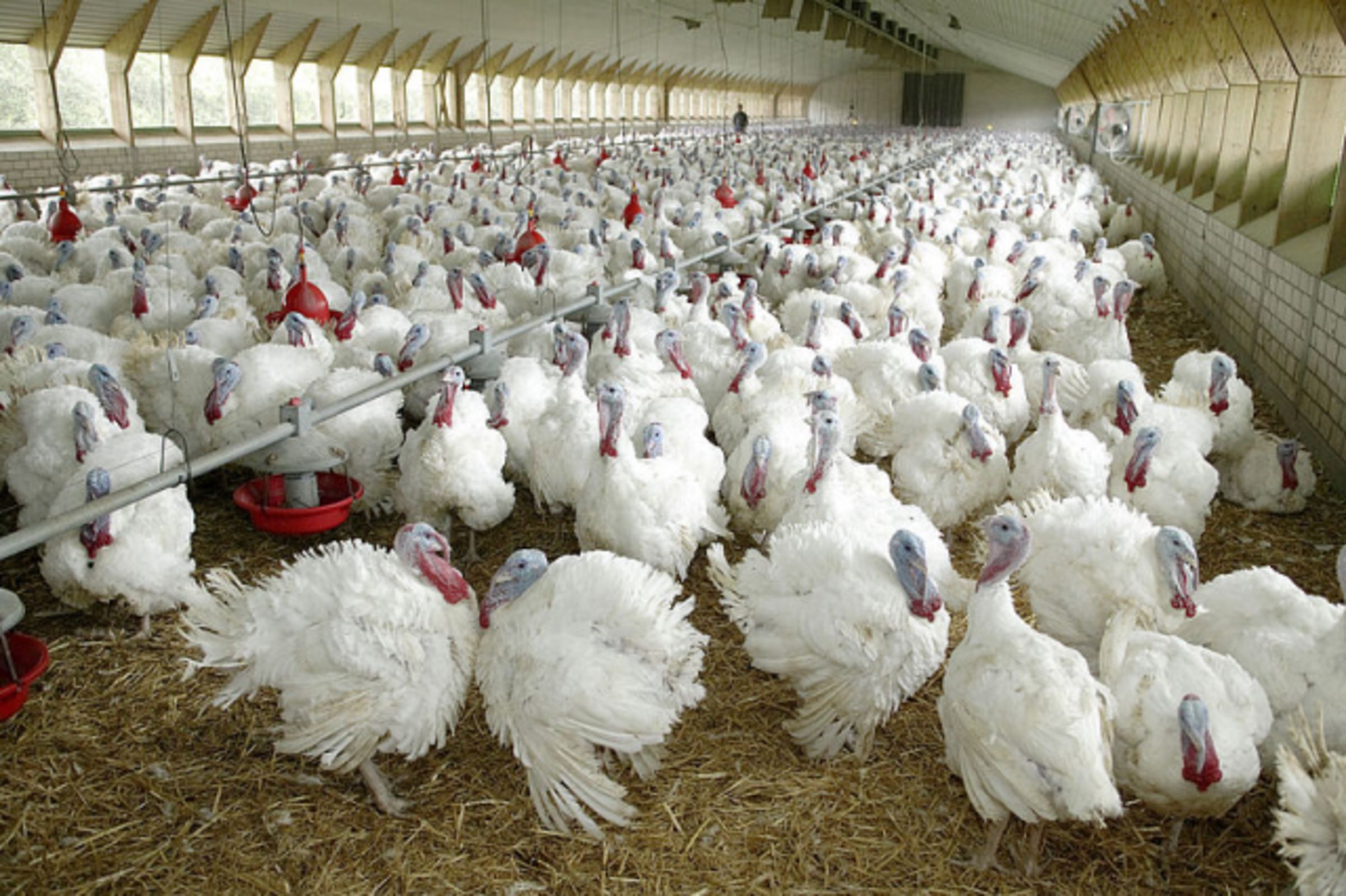
The value chain in turkey farming
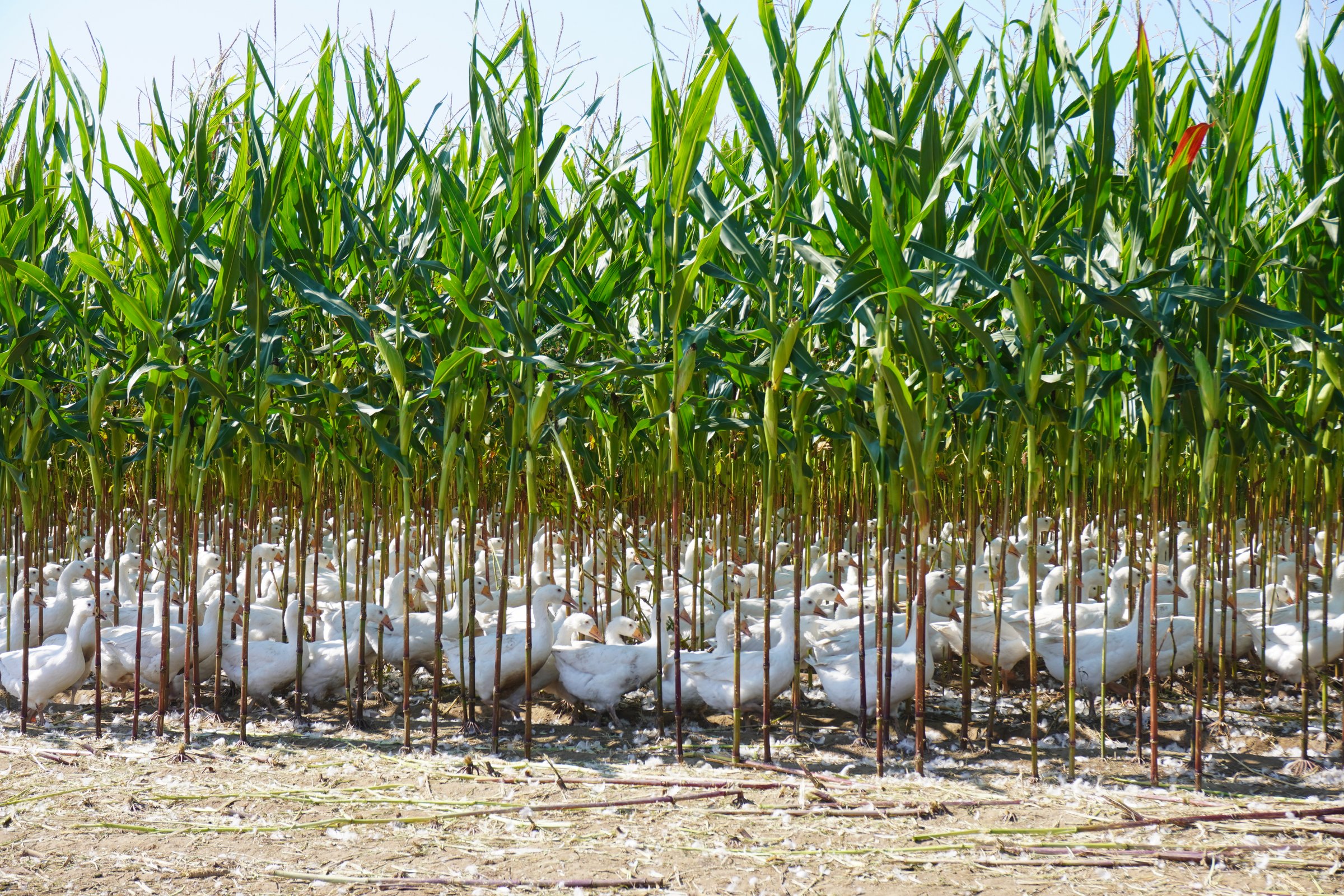
Run-out management for fattening geese
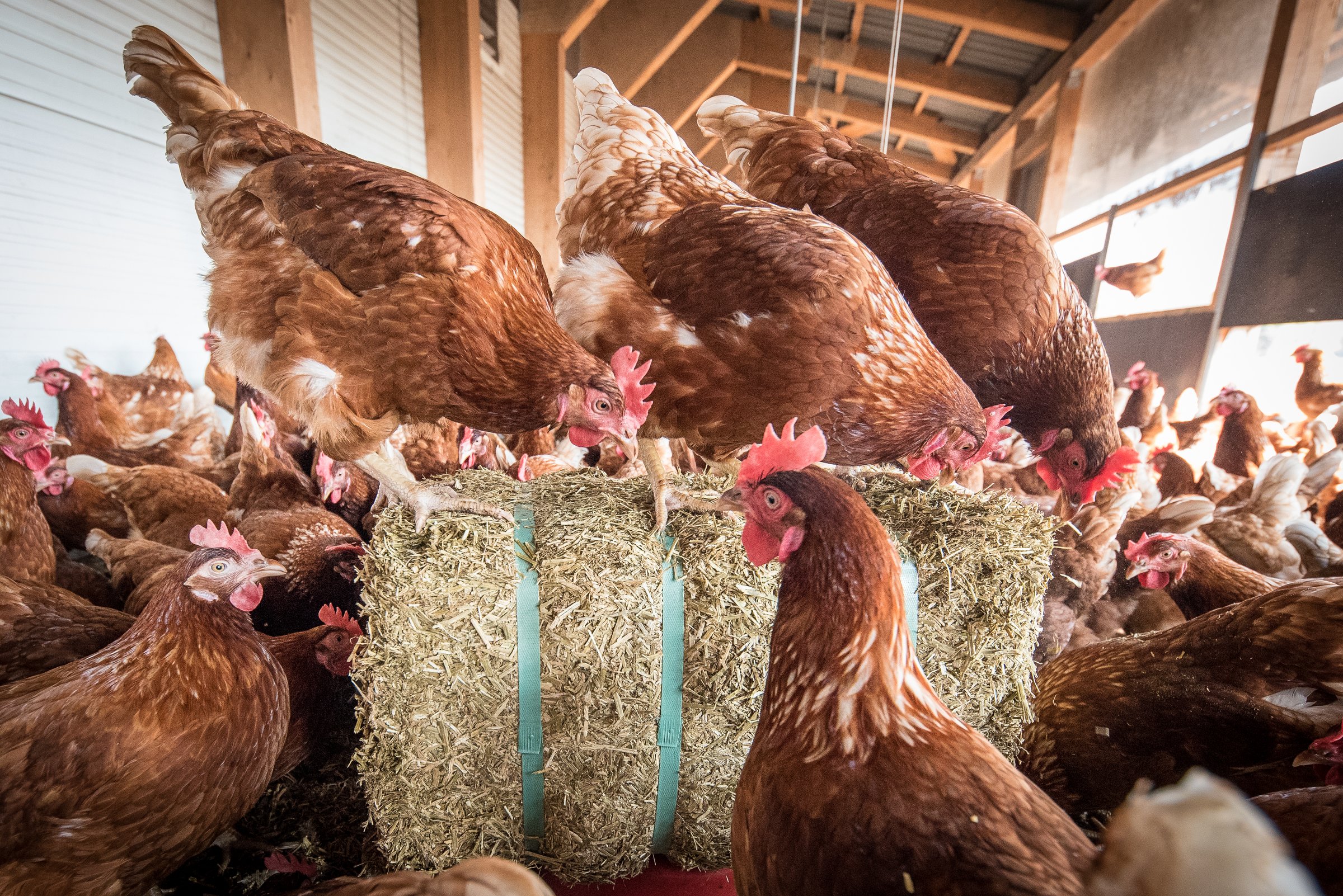
01_Übergabeprotokolle
Podcast: Broiler Rearing
Podcast: Digitalisation in the broiler house
Podcast: Insect Protein
Podcast: Not clipping the claws of turkeys
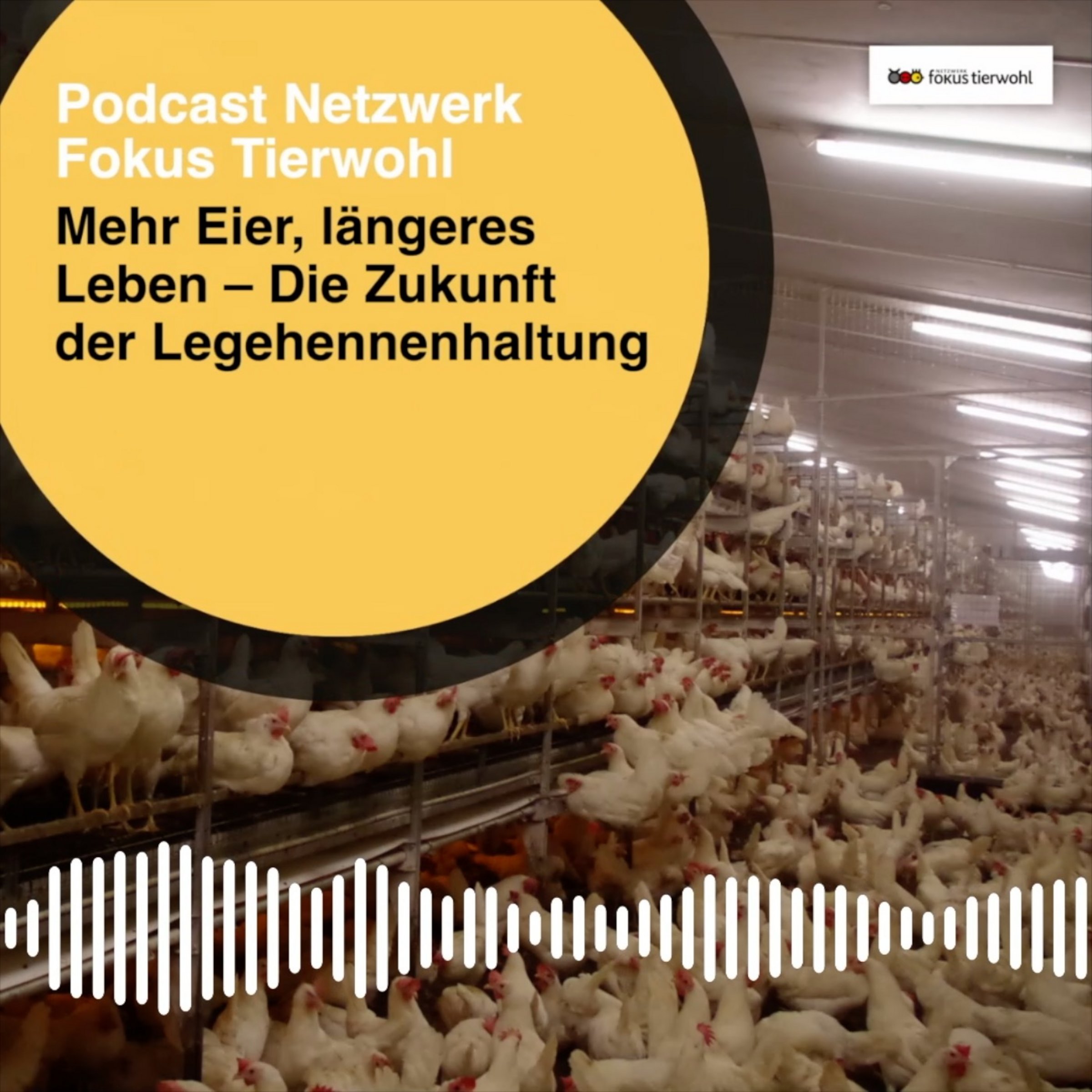
Podcast: Laying Hen Management
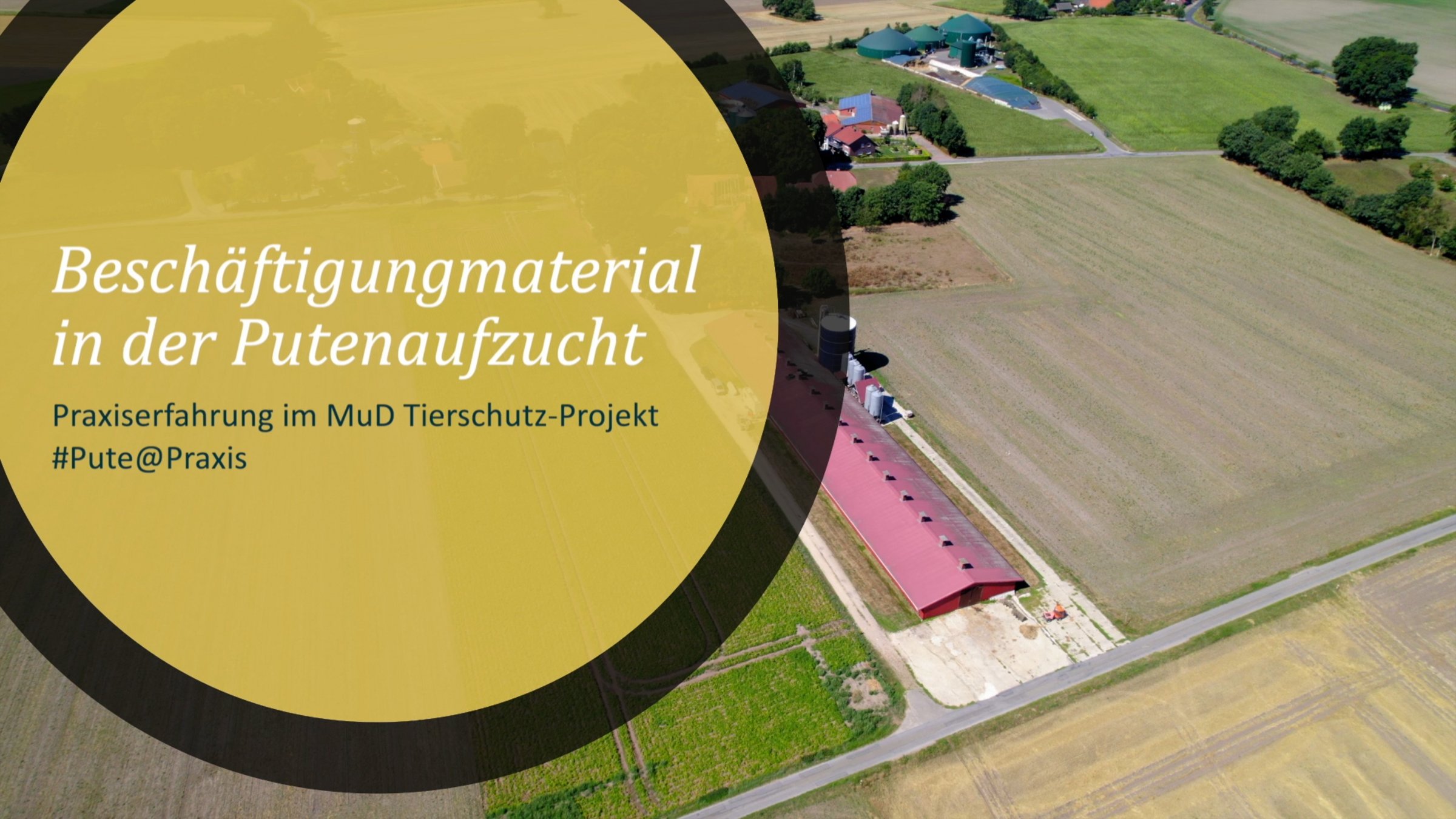
Video: Educational material on turkey rearing
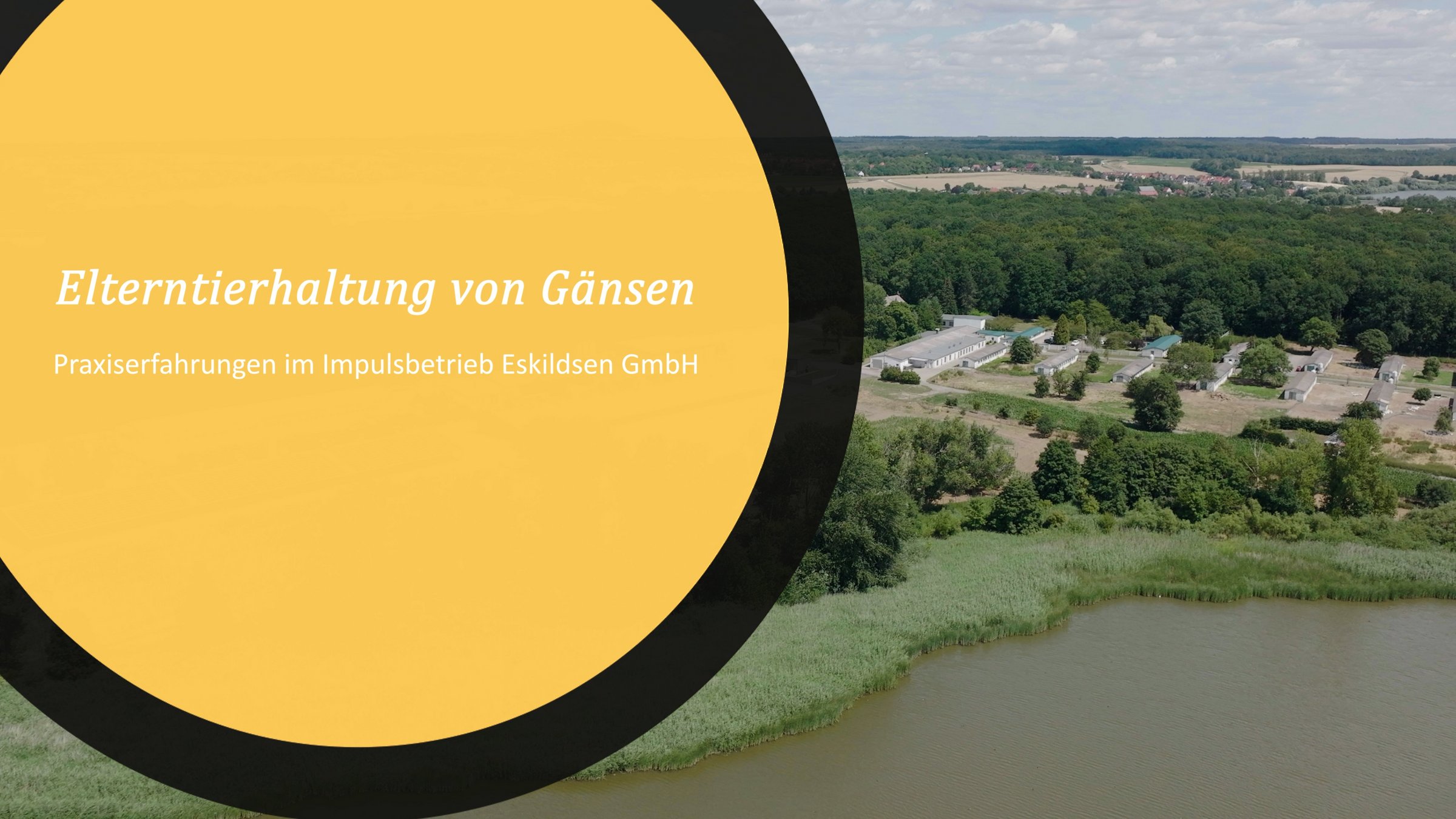
Video: Fattening geese
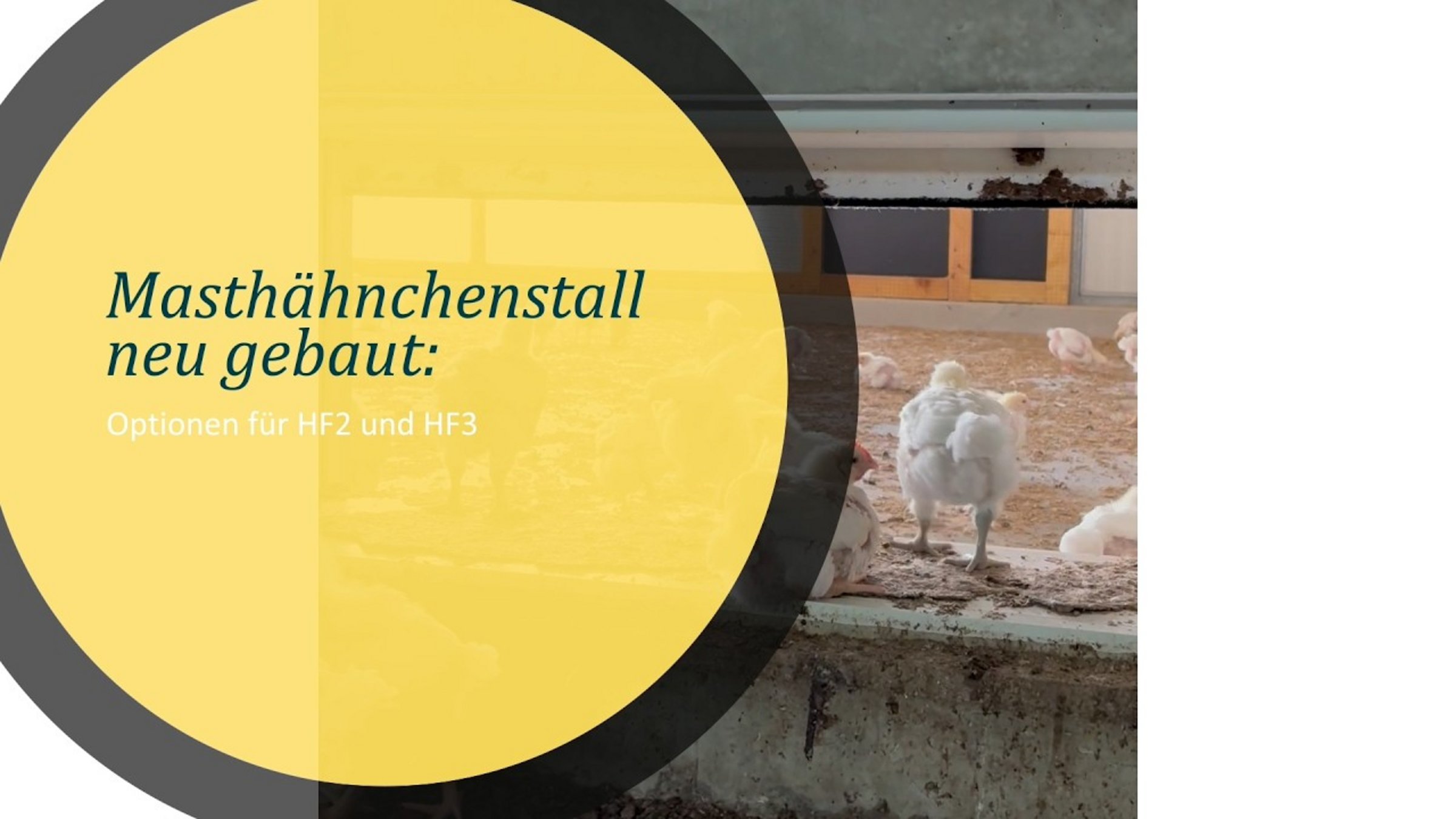
03 Video Masthähnchenstall neu gebaut: Optionen für Haltungsform 2 und 3
Video: Turkey enrichment materials
Video: Improving animal welfare in turkey farming
Video: A virtual tour of the laying hen house – a typical barn system
Vodcast: Self-assessment of animal welfare
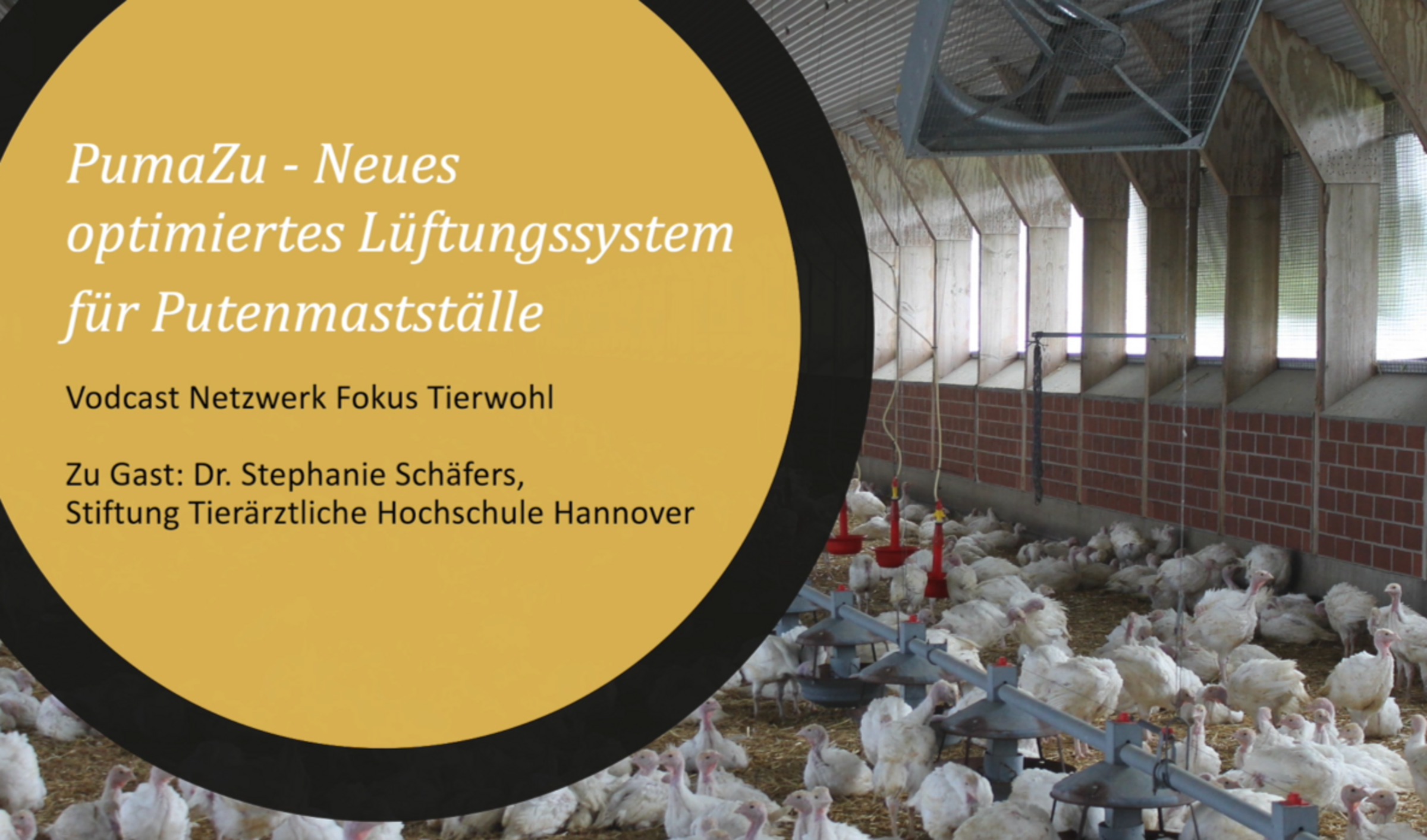
PumaZu podcast
Vodcast: Animal Welfare in Broiler Chicken Farming
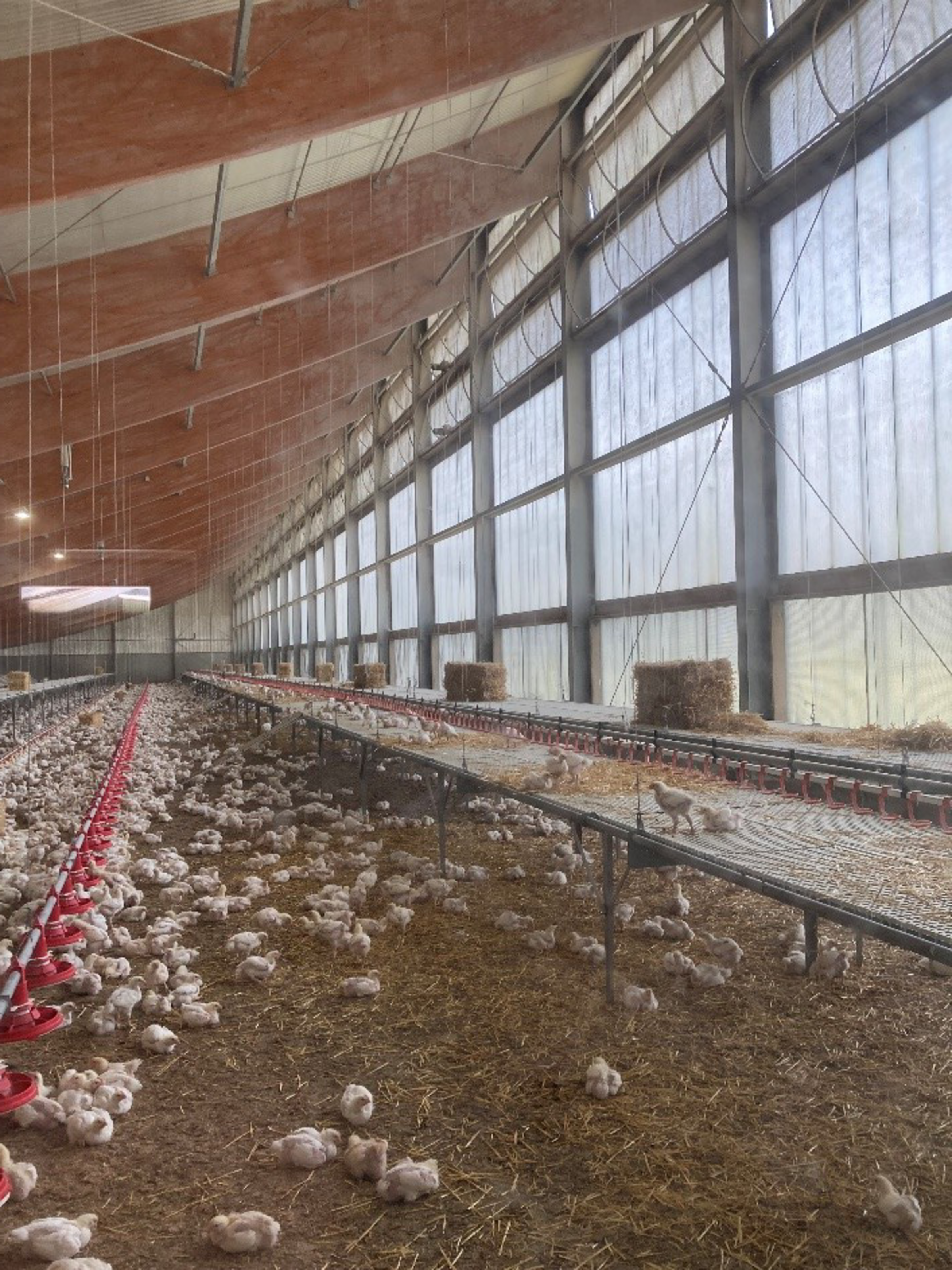
From the events: A look at future-oriented housing systems for broiler chickens
Funded projects: EIP broiler rearing house
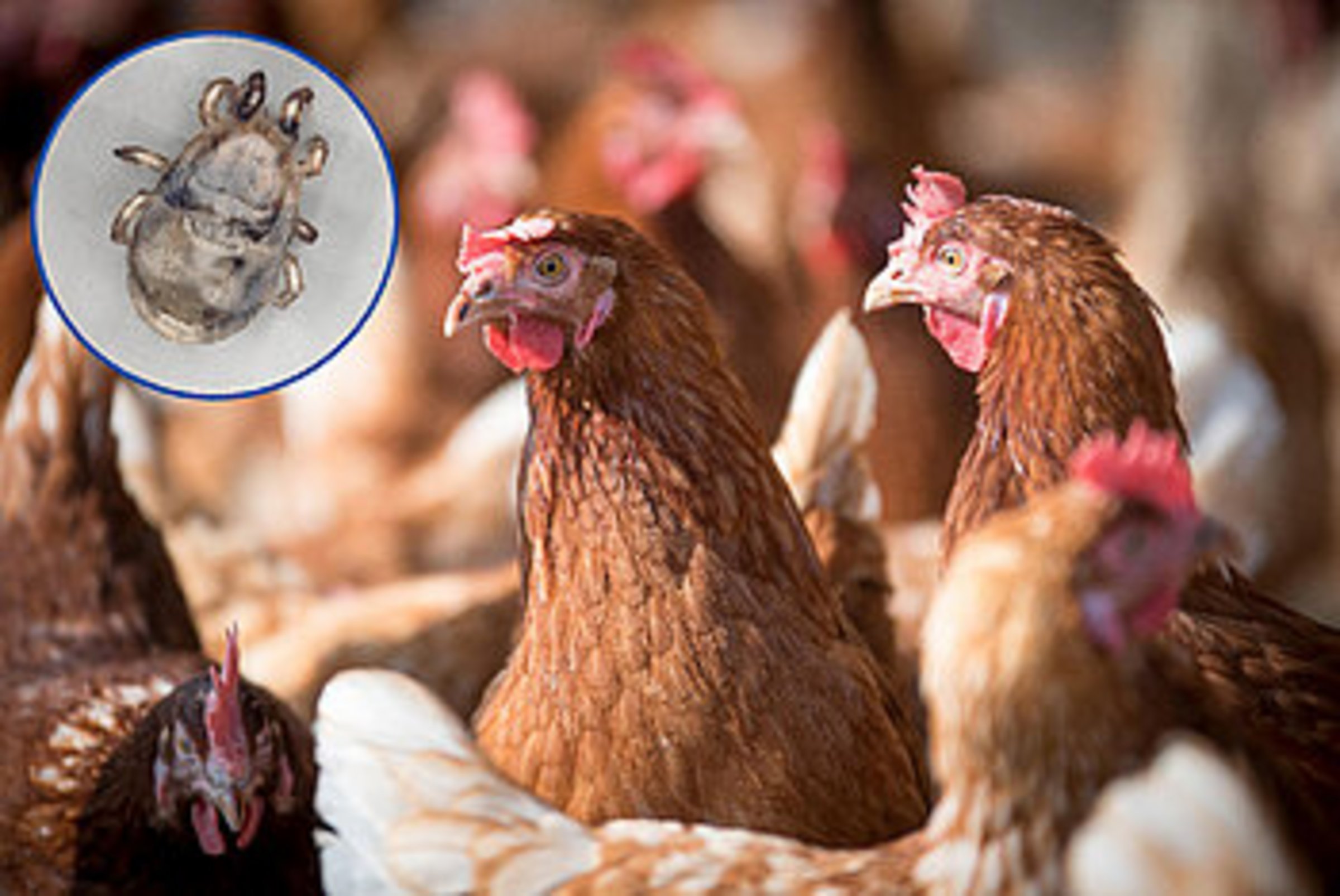
Funded projects: Cold plasma mite trap
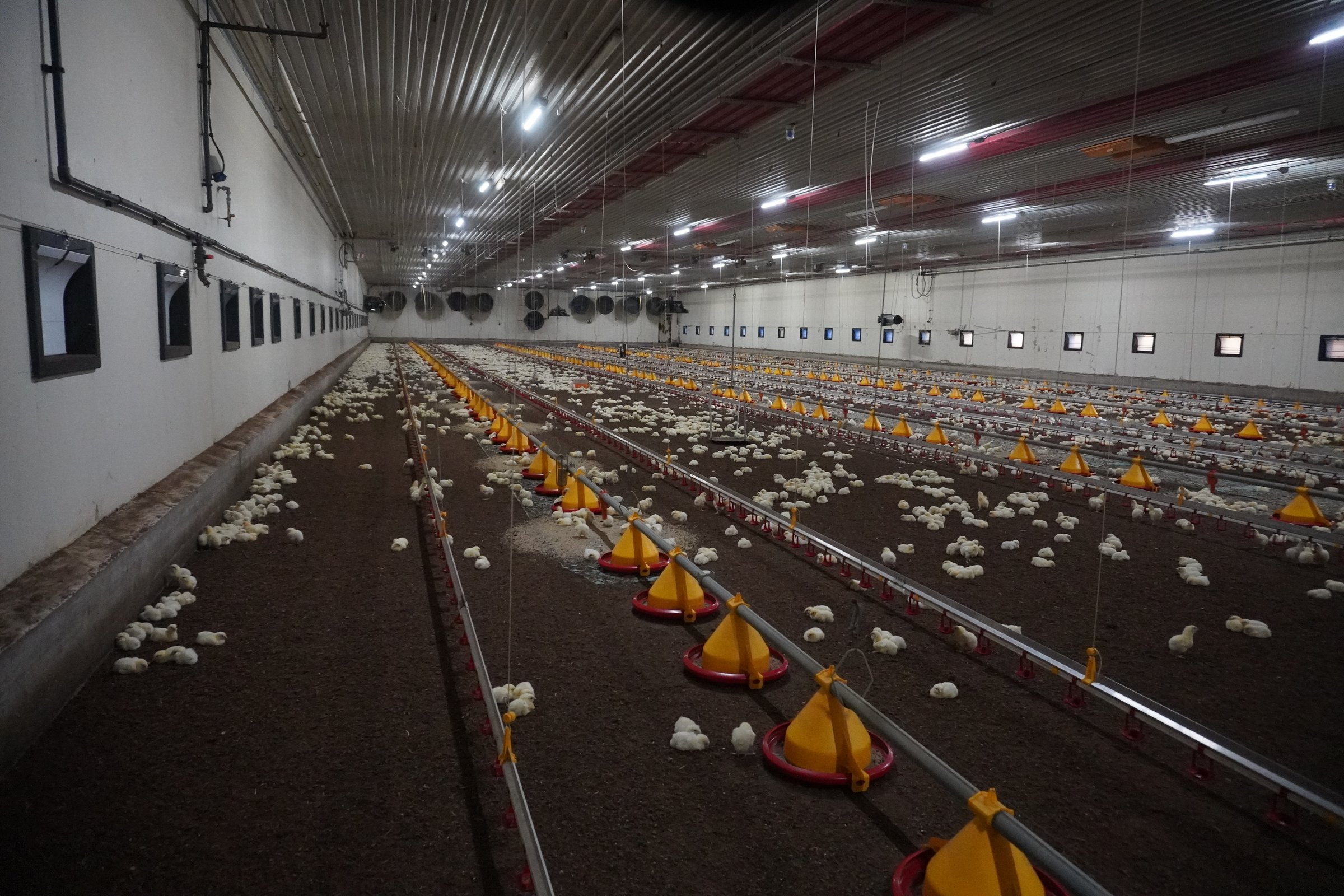
Funded projects: EIP broiler rearing house
06 EIP Wurmfrei
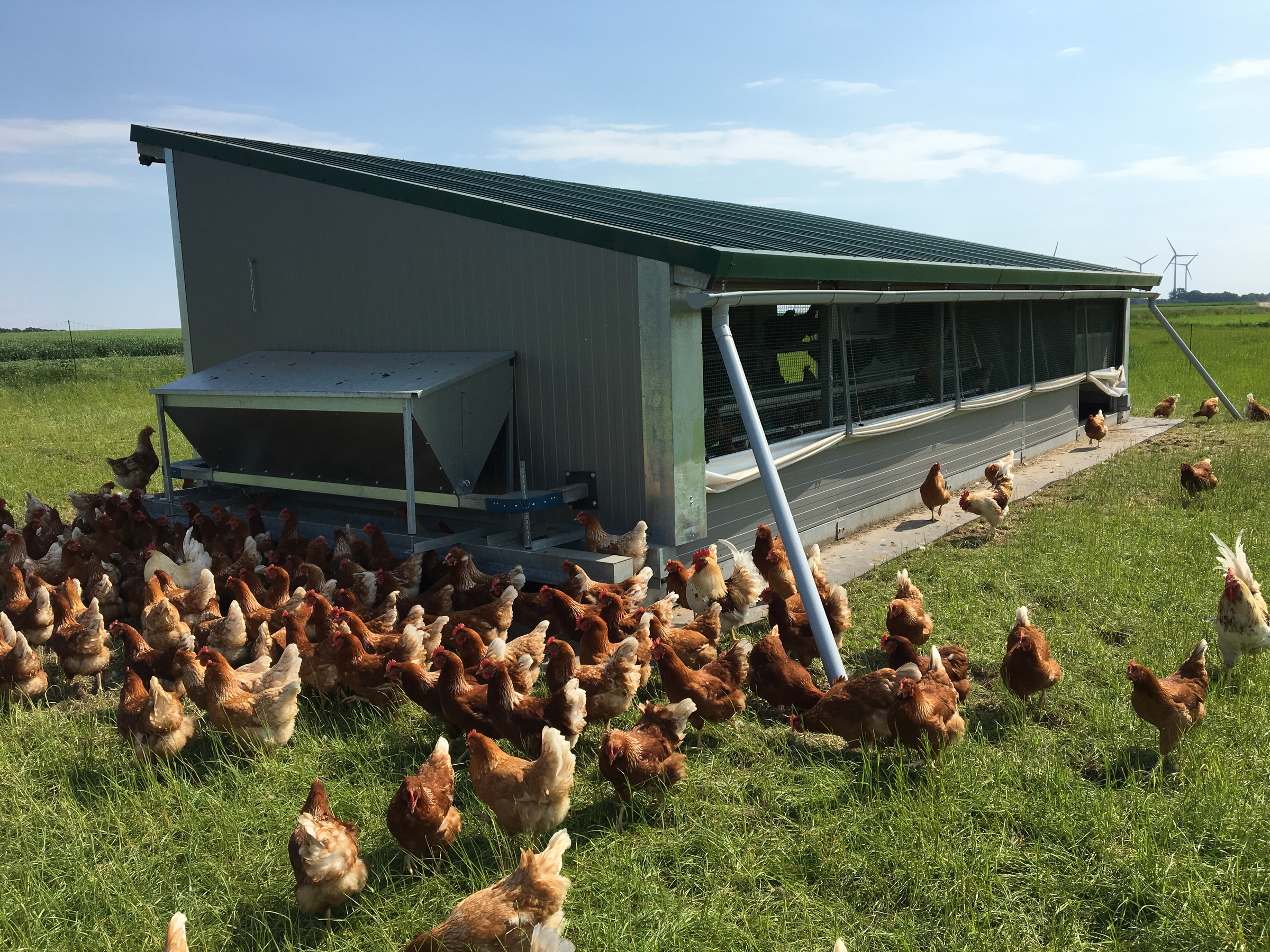
Funded projects: Hygiene in mobile housing
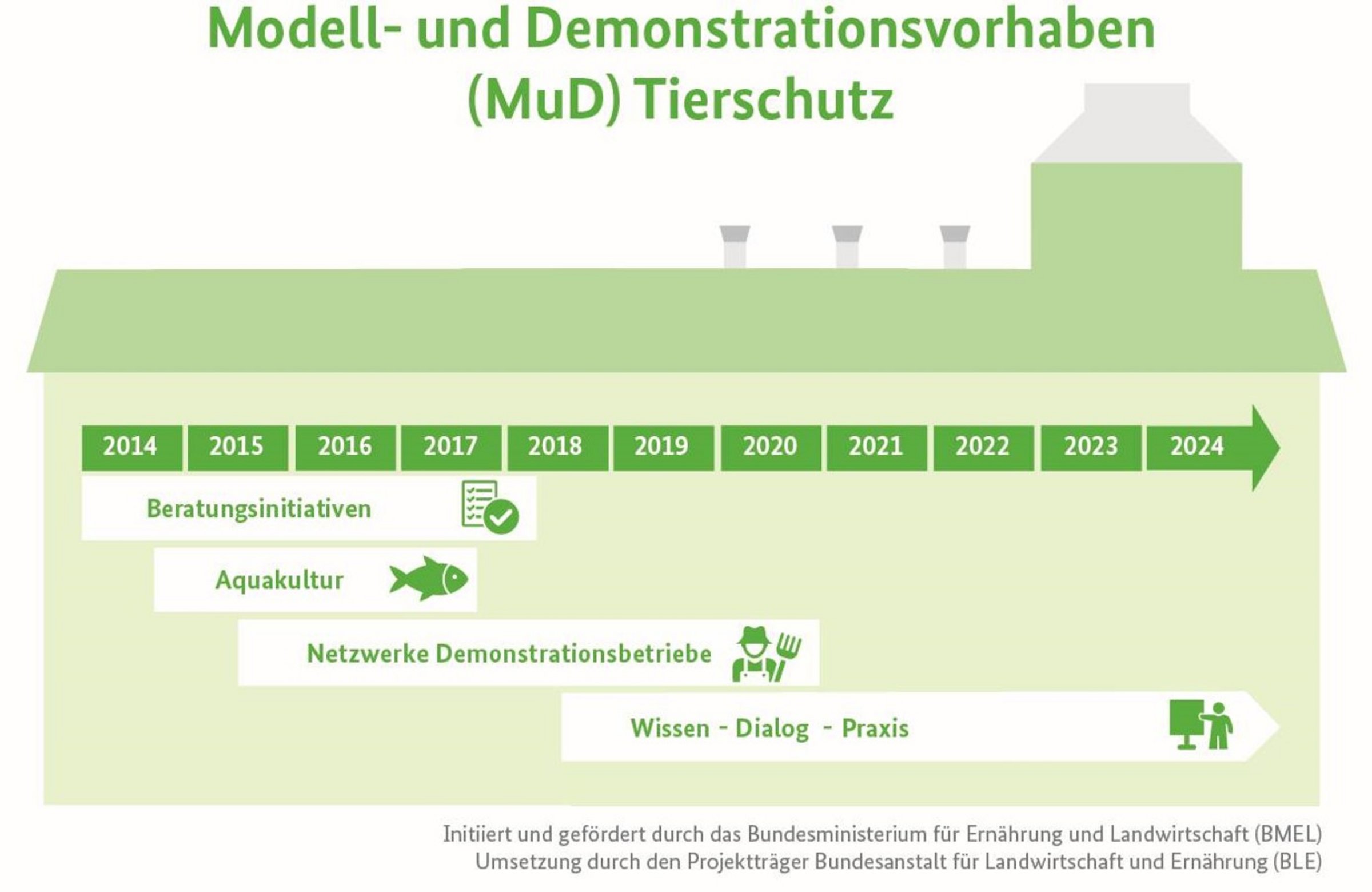
Funded projects: Mobile chicken rearing shed
Video Freilandpute - vom Küken bis zur Schlachtung: Ein Praxisbeispiel
Successful layer farming begins with proper rearing. The e-learning module ‘Fundamentals of Pullet Rearing’ provides essential knowledge for the animal-friendly, healthy and productive development of pullets. The content is presented in an accessible way and closely aligned with the requirements of agricultural practice.
This free online resource is aimed at anyone involved in rearing pullets or wishing to expand their knowledge in this area. This includes practising poultry farmers, trainees, students, advisers and other interested parties from the poultry sector.
Please note: e-learning is only available in german language!
Germany aims to become climate-neutral by 2045 and to significantly reduce its greenhouse gas emissions, including those from the agricultural sector. As a first interim target, Germany aims to reduce ammonia emissions by 29% by 2030 compared with the reference year 2005. Ammonia is not one of the greenhouse gases regulated by the Climate Protection Act, but it has an indirect impact on the climate and can affect animal health and the indoor environment in livestock housing.
For existing, larger older facilities, the TA Luft also contains requirements to bring the facilities up to date from an emissions perspective, known as the refurbishment of older facilities. Existing poultry facilities requiring a permit (under the Federal Immission Control Act (BImSchG)) must, like other livestock facilities, demonstrably reduce their emissions in accordance with the requirements of the TA Luft. Emissions of ammonia, dust and odours are particularly relevant for poultry farming in closed and forced-ventilated houses.
A report by the Poultry Animal Welfare Competence Centre aims to provide an overview of the already recognised mitigation measures for different farm sizes in broiler and laying hen farming, as well as an outlook on potential future options.
Germany aims to become climate-neutral by 2045 and to significantly reduce its greenhouse gas emissions, including those from the agricultural sector. As a first interim target, Germany aims to reduce ammonia emissions by 29% by 2030 compared with the reference year 2005. Ammonia is not one of the greenhouse gases regulated by the Climate Protection Act, but it has an indirect impact on the climate and can affect animal health and the indoor environment in livestock housing.
For existing, larger older facilities, the TA Luft also contains requirements to bring the facilities up to date from an emissions perspective, known as the refurbishment of older facilities. Existing poultry facilities requiring a permit (under the Federal Immission Control Act (BImSchG)) must, like other livestock facilities, demonstrably reduce their emissions in accordance with the requirements of the TA Luft. Emissions of ammonia, dust and odours are particularly relevant for poultry farming in closed and forced-ventilated houses.
A report by the Poultry Animal Welfare Competence Centre aims to provide an overview of the already recognised mitigation measures for different farm sizes in broiler and laying hen farming, as well as an outlook on potential future options.
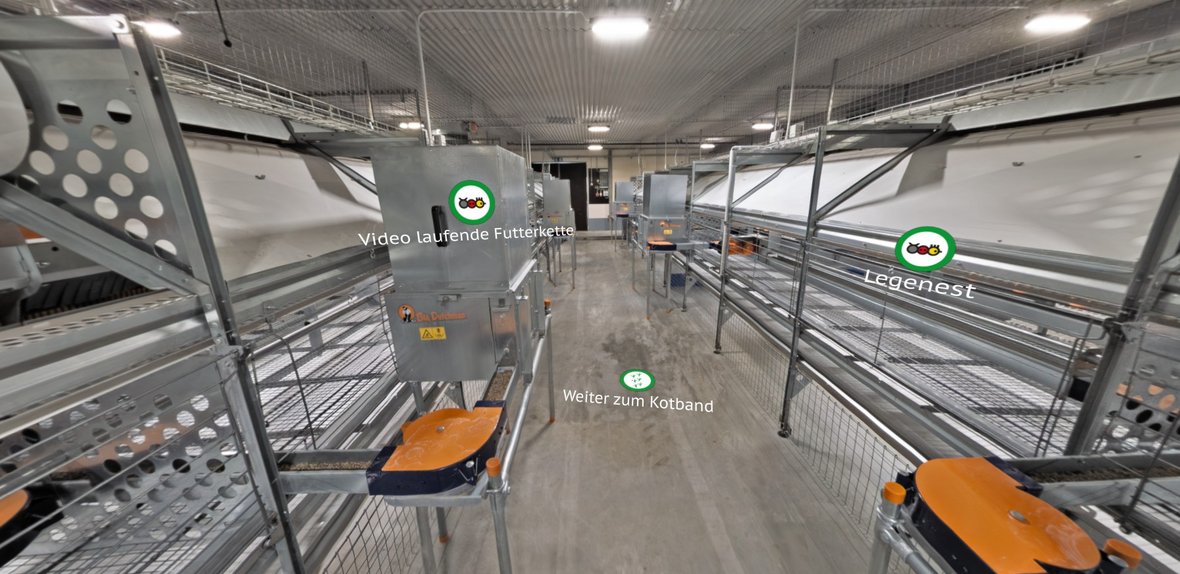
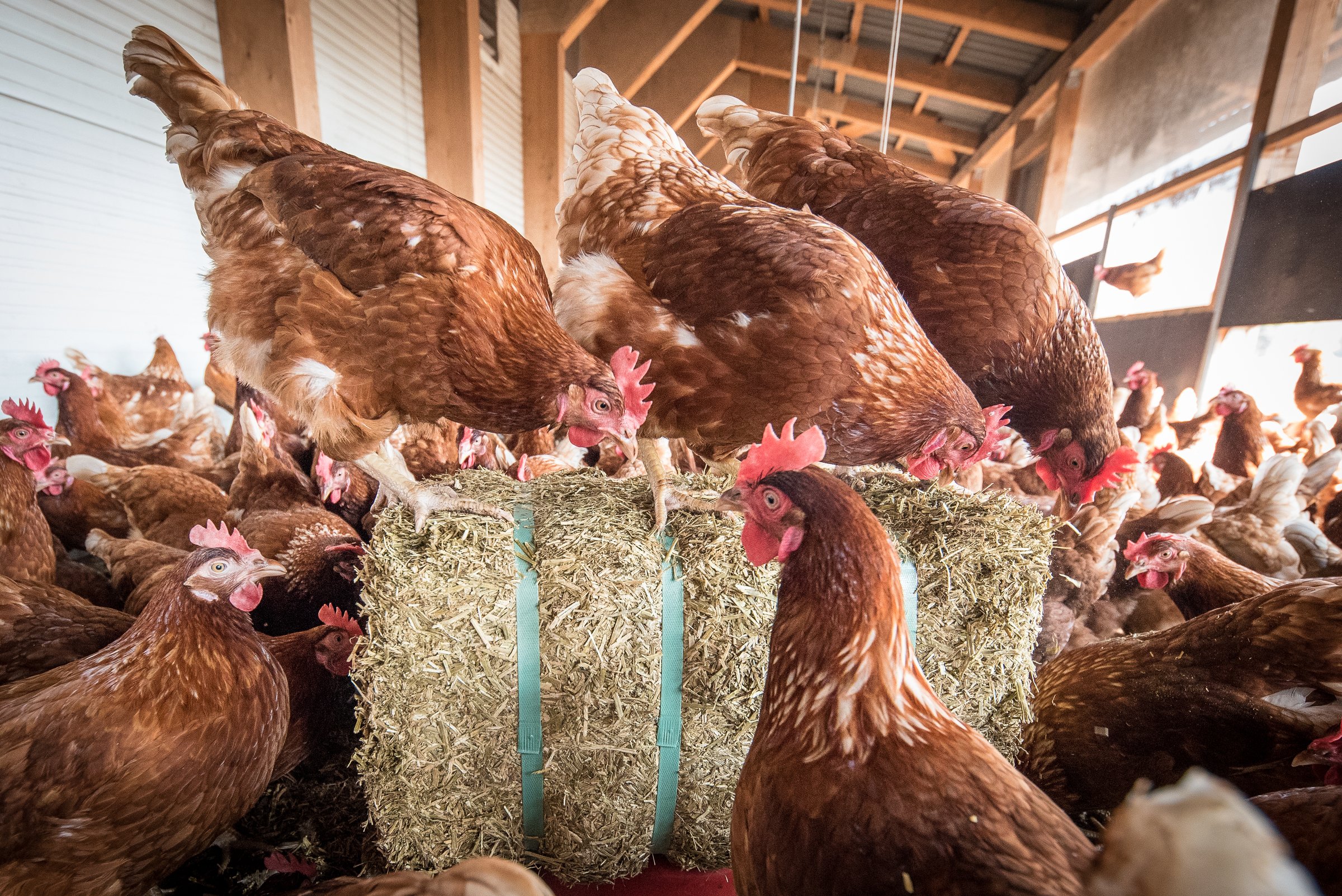
The laying hen house at the VBZL Haus Düsse is divided into four sections. One of these was completely modernised in 2025. This demonstration section has been fitted with a floor-rearing system commonly used in practice. Those interested can find out about the key features of this floor-rearing system by taking a virtual tour of the hen house.
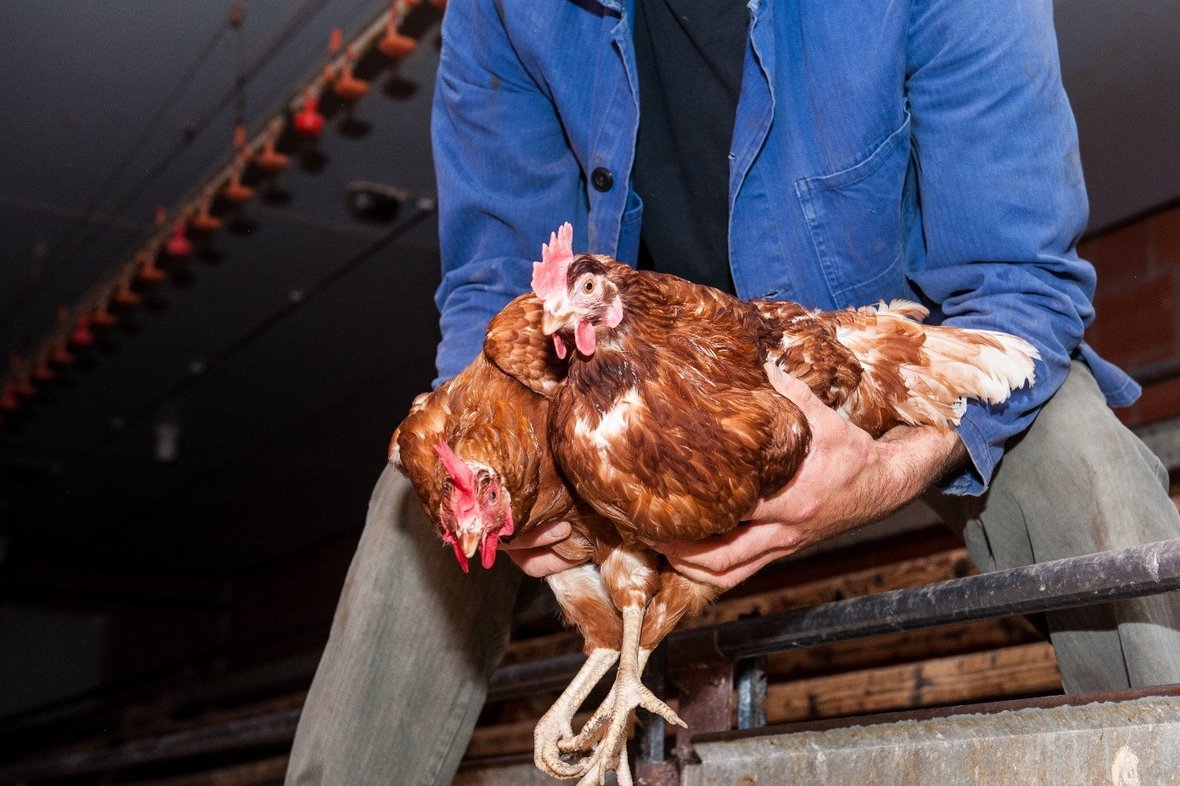
When laying hens reach the end of their productive life cycle after approximately 70 to 100 weeks, they are loaded into special transport crates as ‘spent hens’ and then transported to the abattoir. This article is intended as a progress report to outline the current situation regarding the catching and loading of hens, particularly spent hens. No recommendations are made regarding a specific, preferred catching and loading method.
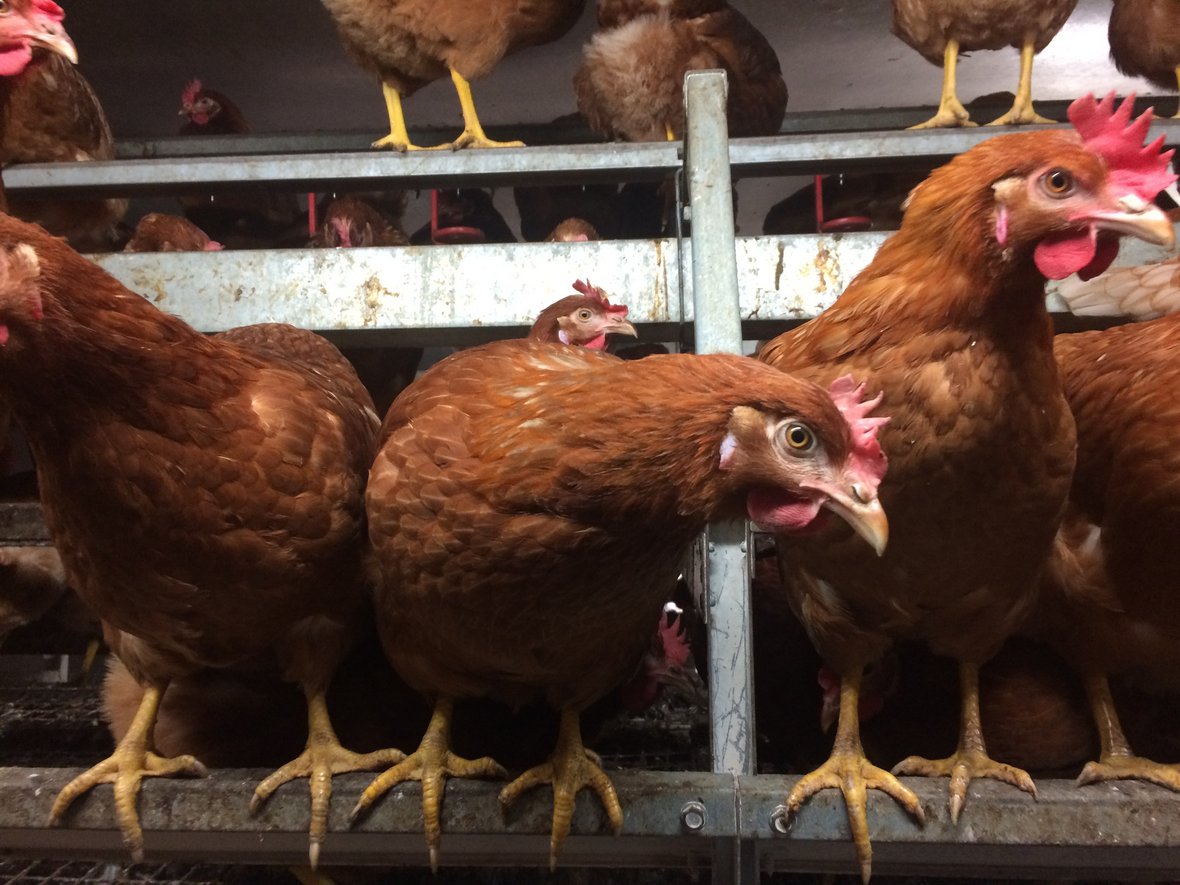
The MeTiWoLT II project (“Improved Animal Welfare for Laying Hens in Thuringia II”) focused intensively on investigating changes to the sternum in laying hens between April 2020 and March 2023. The Thuringian Poultry Health Service, in collaboration with the Thuringian Poultry Industry Association, monitored 10 flocks of laying hens throughout the project period and collected data on sternum status during the laying period and the possible factors influencing the development of sternum changes.
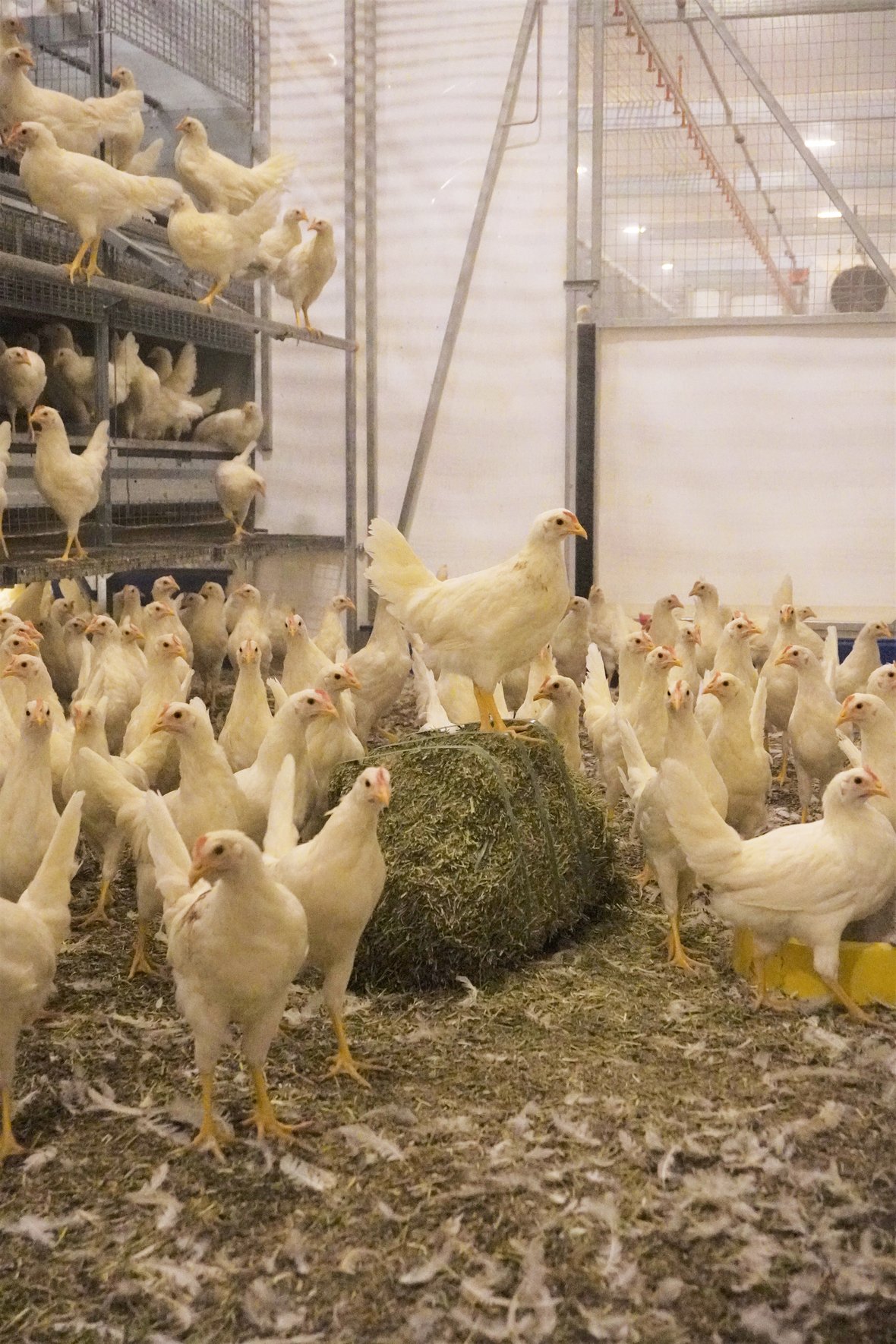
The foundations for the behaviour and performance of future laying hens are laid during the rearing phase, which requires a great deal of specialist knowledge and experience. Mistakes made during this phase cannot usually be rectified later on during the laying period. It is therefore essential to detect feather pecking and/or cannibalism at an early stage and to take immediate steps to prevent these behavioural disorders.
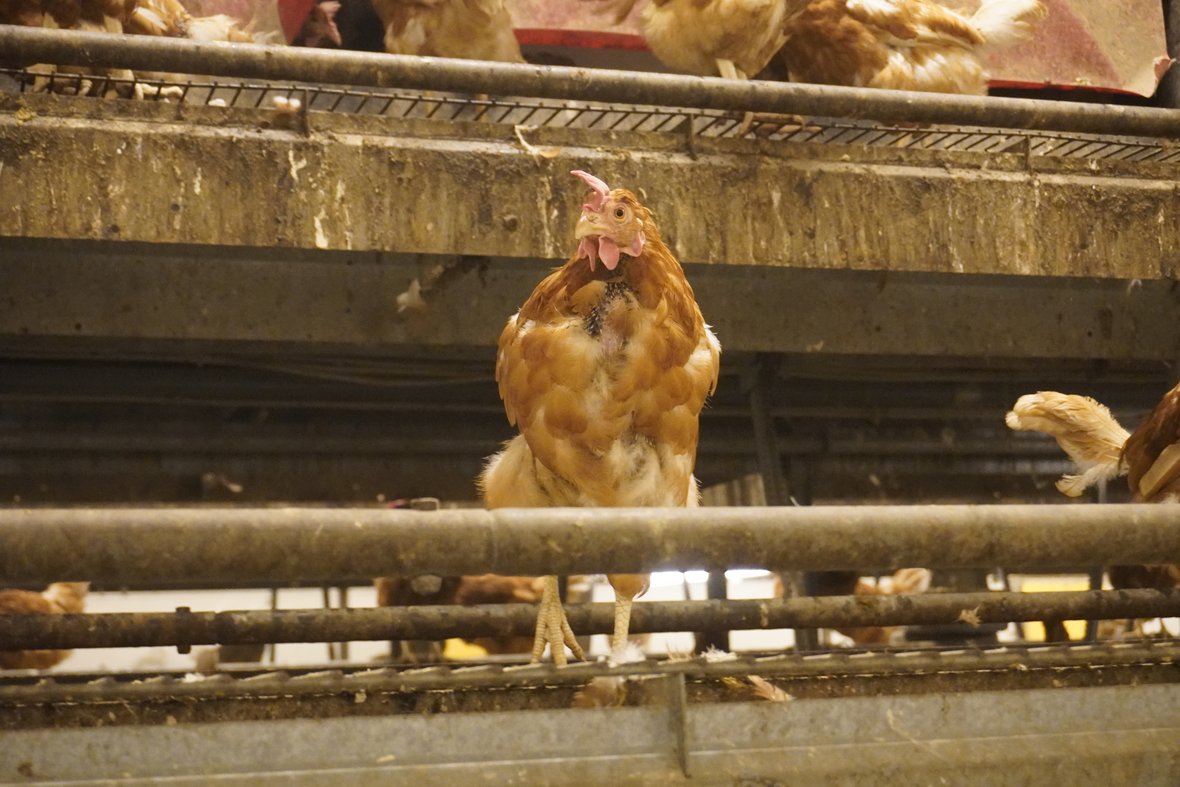
Since the start of 2022, prices for pullets in Germany have risen sharply compared with the previous year. The reasons for this include the ban on chick culling (particularly the rearing of male chicks or sex determination in the egg), high feed prices, and significantly higher labour and energy costs. Consequently, farmers are increasingly interested in extending the productive life of laying hens in order to offset the increased purchase costs for young birds through a higher number of eggs sold. This can be achieved, for example, through an extended laying period or by means of an induced laying break (moulting).
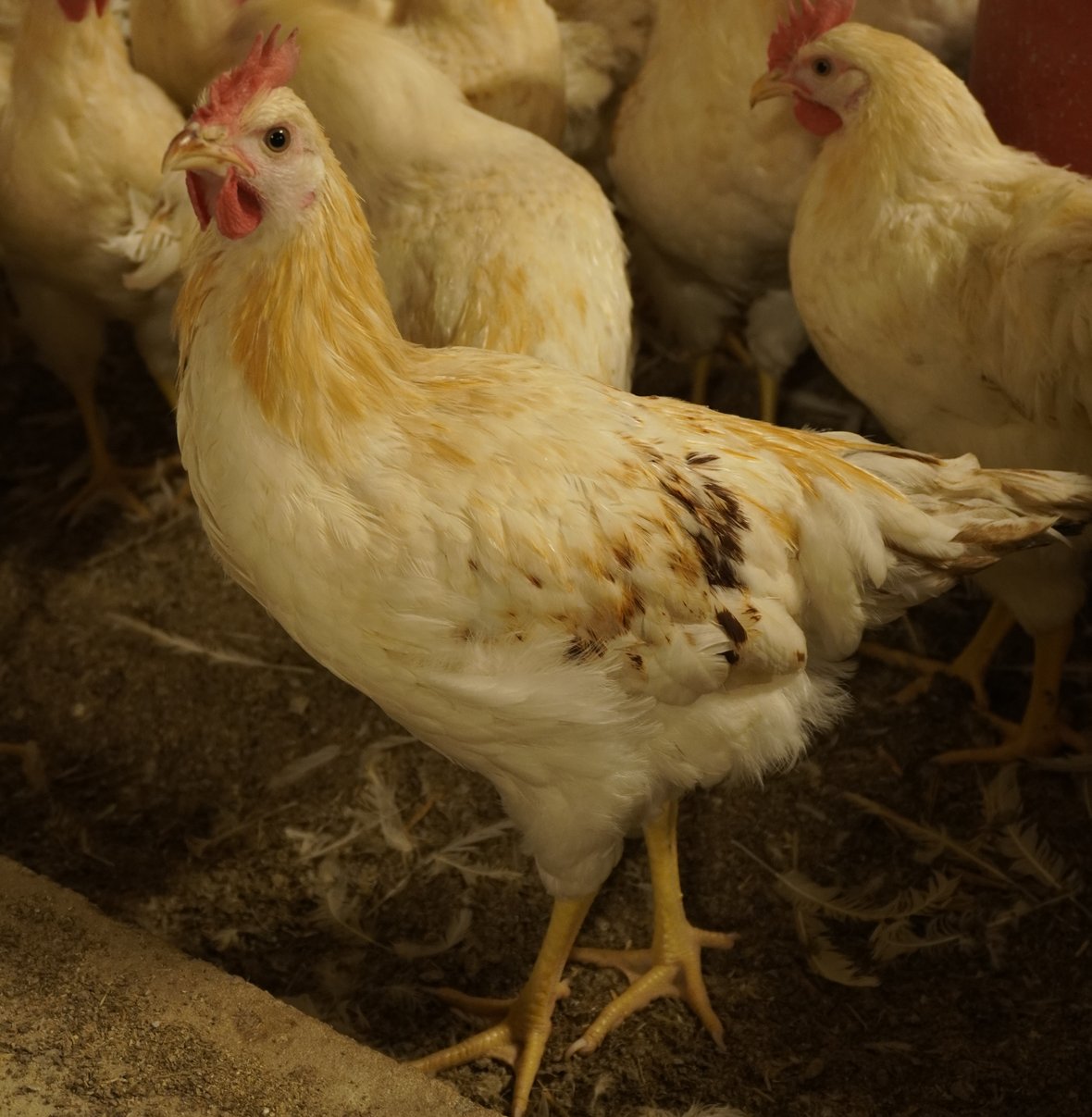
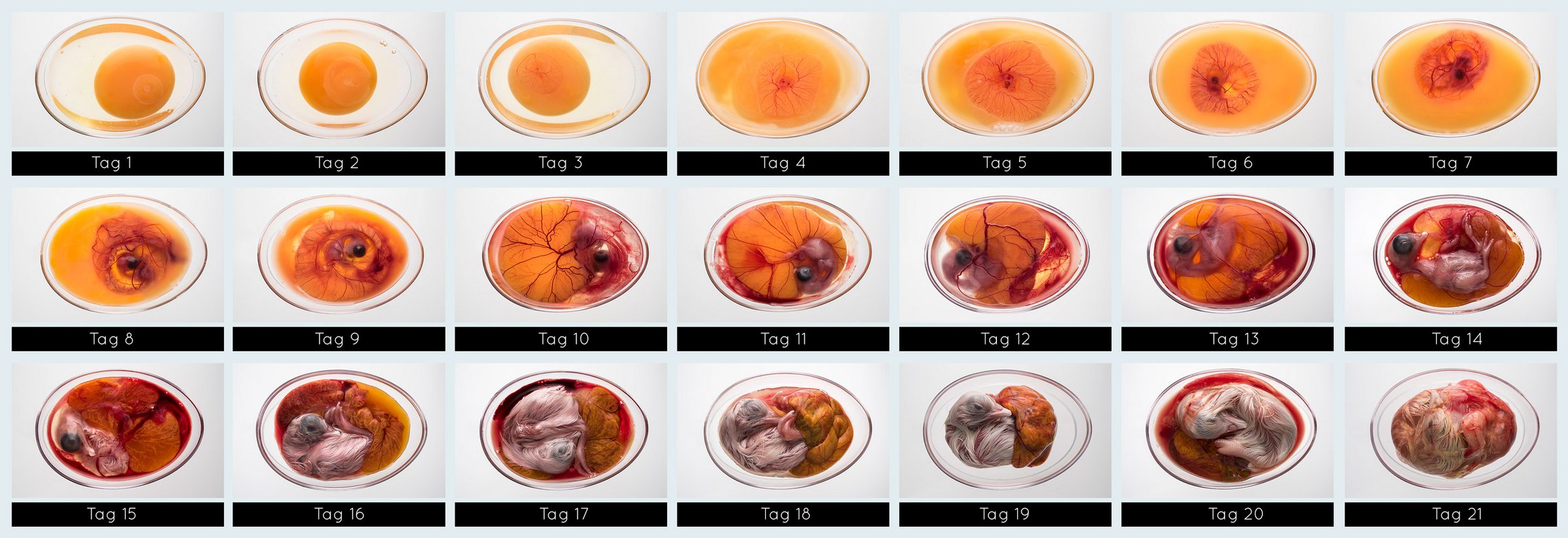
Every year, around 45 million male chicks from laying lines hatch in Germany. These male laying chicks, known as ‘broiler chicks’, have little meat on their bodies and, until recently, were killed as day-old chicks. With growing consumer demand and increased efforts within the poultry industry, various concepts are being developed to find an alternative to the culling of day-old chicks. In May 2021, the government decided to phase out chick culling from 1 January 2022. From 2024, sexing in the egg after the sixth day of incubation may also be banned. Intensive research has been carried out for years into the breeding and rearing of dual-purpose chickens. The rearing of male chicks is increasingly becoming the focus of the debate.
EiKoTiGer – Making it easy to collect animal welfare indicators?
Interview with Dr Daniel Gieseke from the Department of Farm Animal Behaviour and Animal Husbandry, University of Kassel
Under Section 11(8) of the Animal Welfare Act, poultry farmers are required to regularly record and analyse animal-related characteristics within their flocks. But which indicators in the house provide information on animal health and behaviour?
To assist with this, the KTBL published a guide in 2016 on indicator collection for farmers of pullets, laying hens, broiler chickens and broiler turkeys. Questions such as ‘Is the system applicable in practice?’ and ‘When should results be classified as good or bad?’ remained unanswered at first, however.
The EikoTiGer project (Self-monitoring of Animal Welfare) has now addressed these issues. In this interview, Dr Daniel Gieseke (Department of Farm Animal Behaviour and Animal Husbandry, University of Kassel) discusses his work on the project. He reports on the system’s practical applicability, evaluation methods, and its advantages and disadvantages, whilst also providing insights into his collaboration with poultry farmers.
The culling of male day-old chicks from laying lines has been a subject of controversy within the agricultural sector and among consumers for years. As these lines are bred for egg-laying performance, the male chicks gain very little weight and are therefore regarded as ‘unwanted by-products’. As a result, around 42 million male chicks are killed shortly after hatching in Germany every year. To prevent this, there has been an increased focus in recent years on seeking alternatives and researching various solutions.
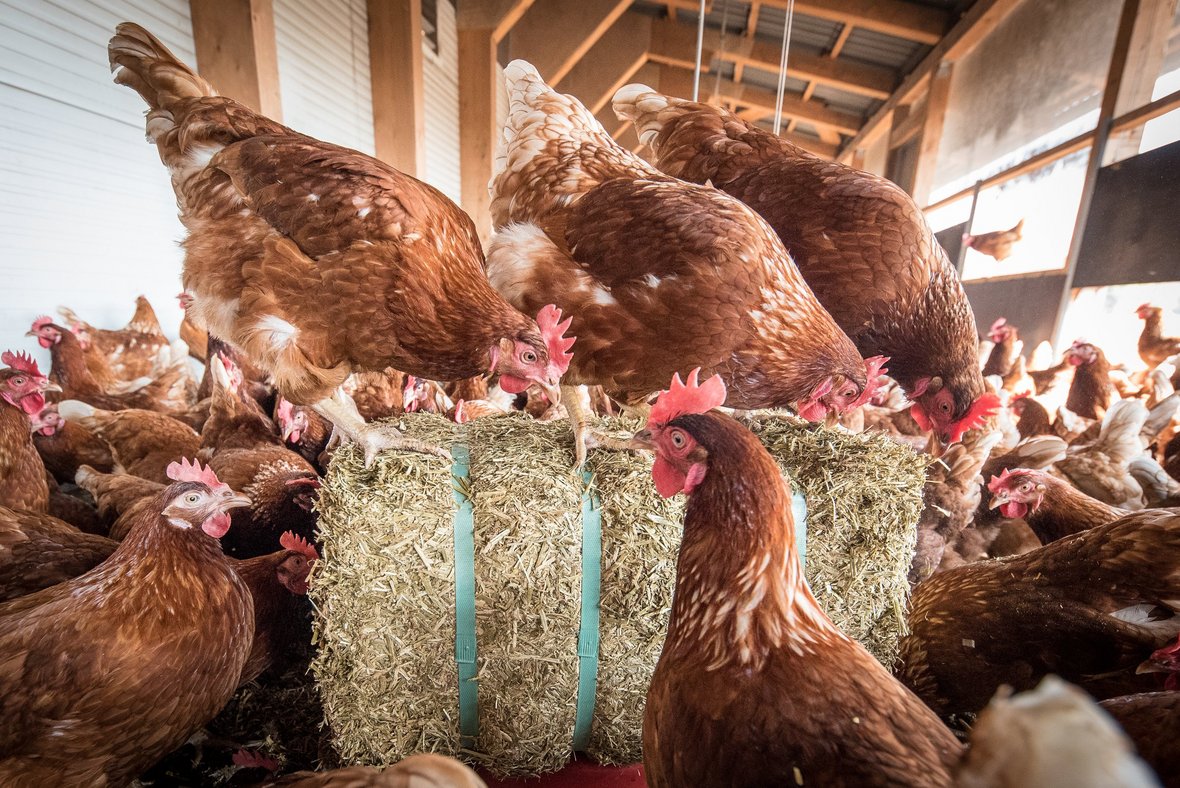
Feather pecking and cannibalism are behavioural disorders that occur in young and laying hens, and which have a negative impact on the welfare of the affected birds. Furthermore, these behavioural disorders can lead to reduced performance and increased mortality within the flock. According to current knowledge, the causes lie in a multifactorial process influenced by environmental factors, feeding practices and genetics.
more...