
Overview of topics: Beef
5 Min-Check
Ammonia emissions
Fachinformation
01 Breeding for hornlessness
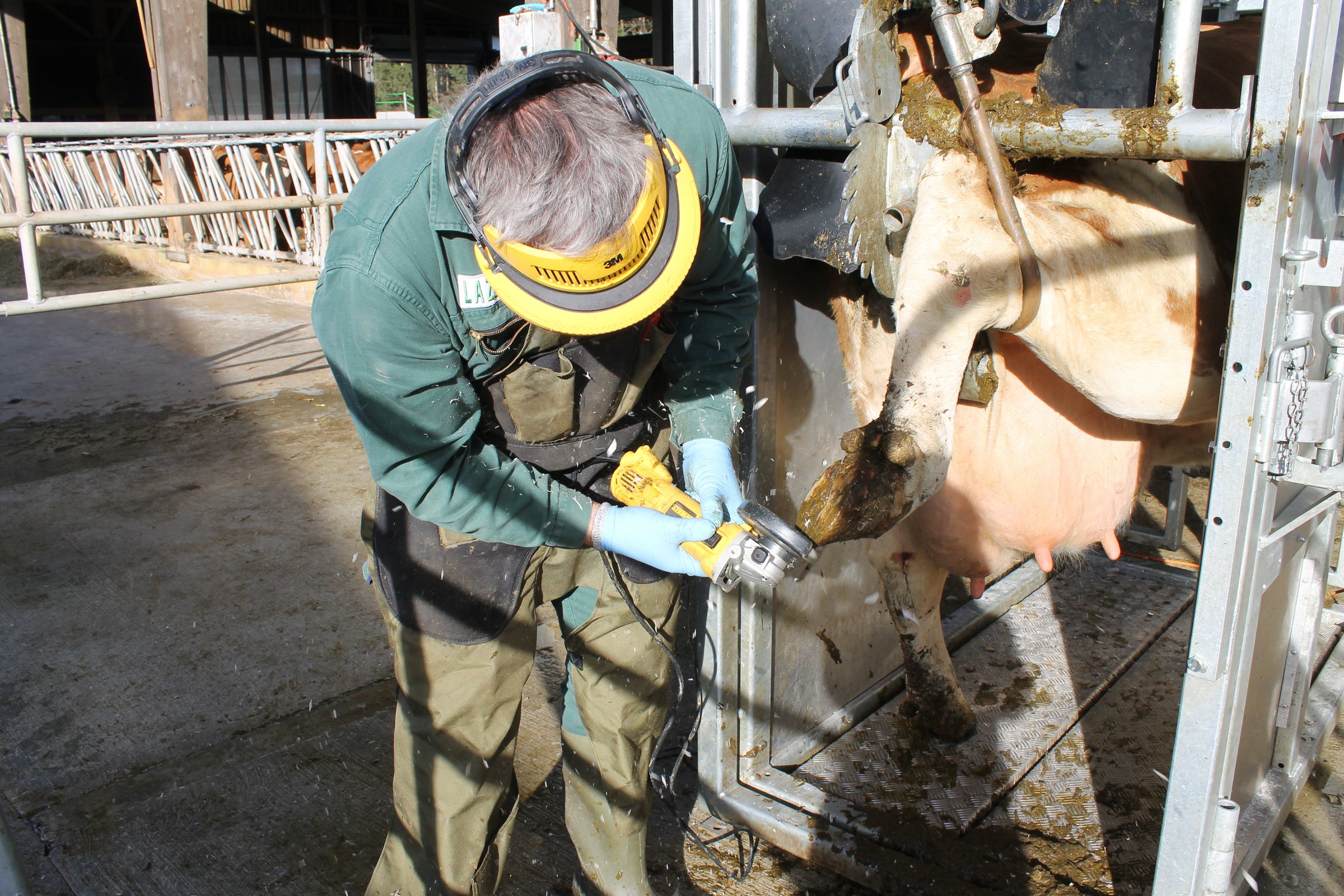
Hoof Care Checklists
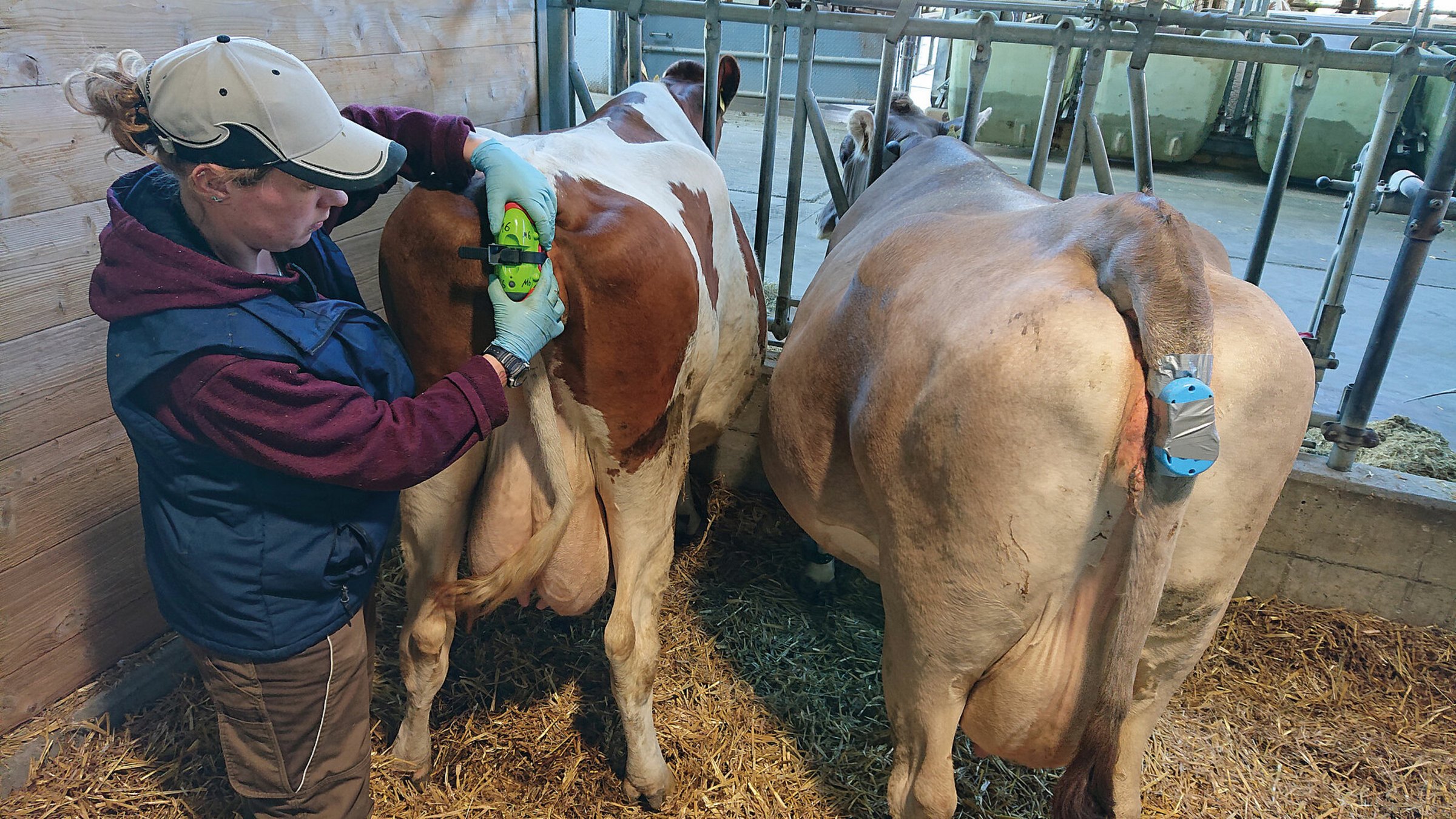
Experiences with foetal monitoring systems
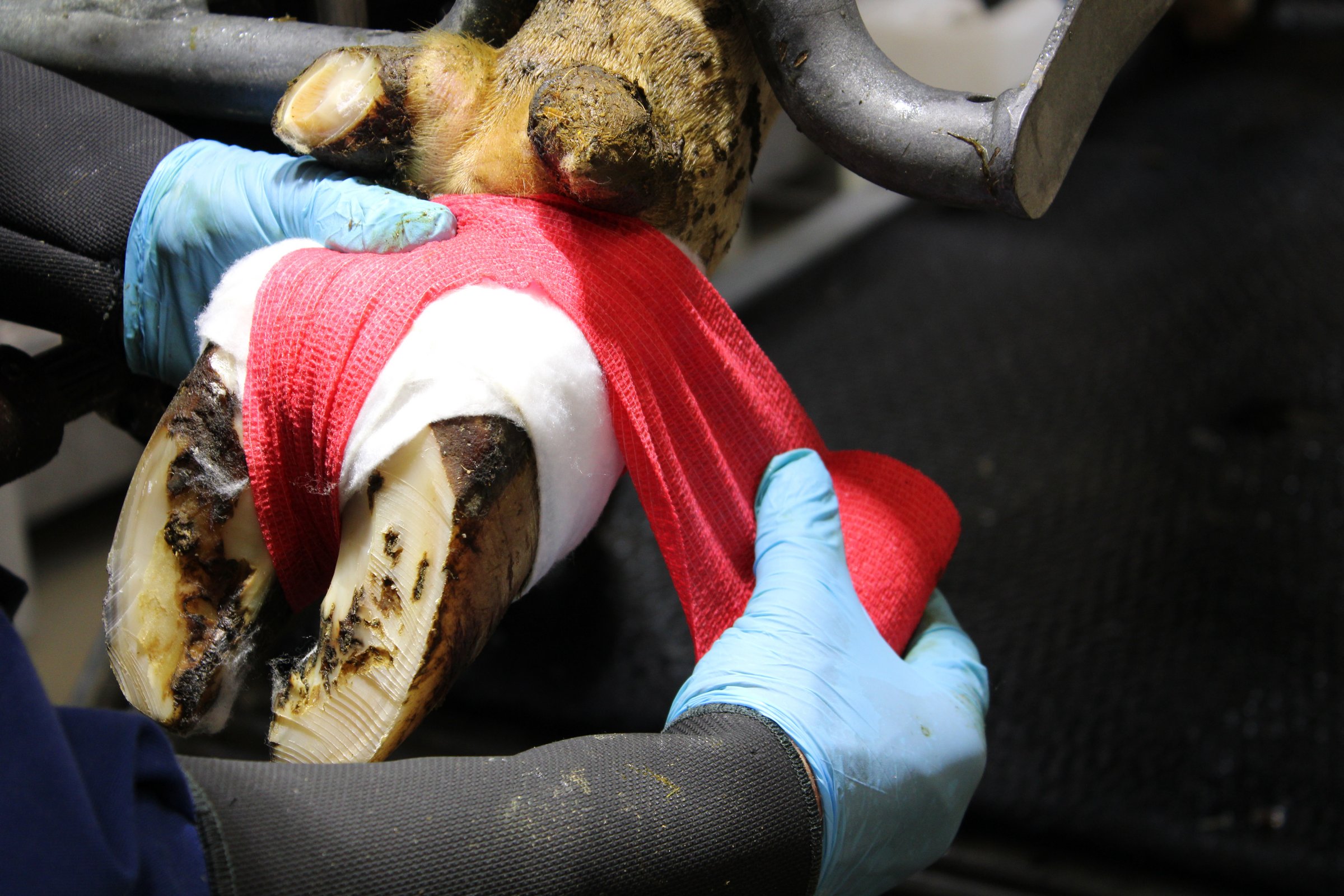
Professional treatment of lameness
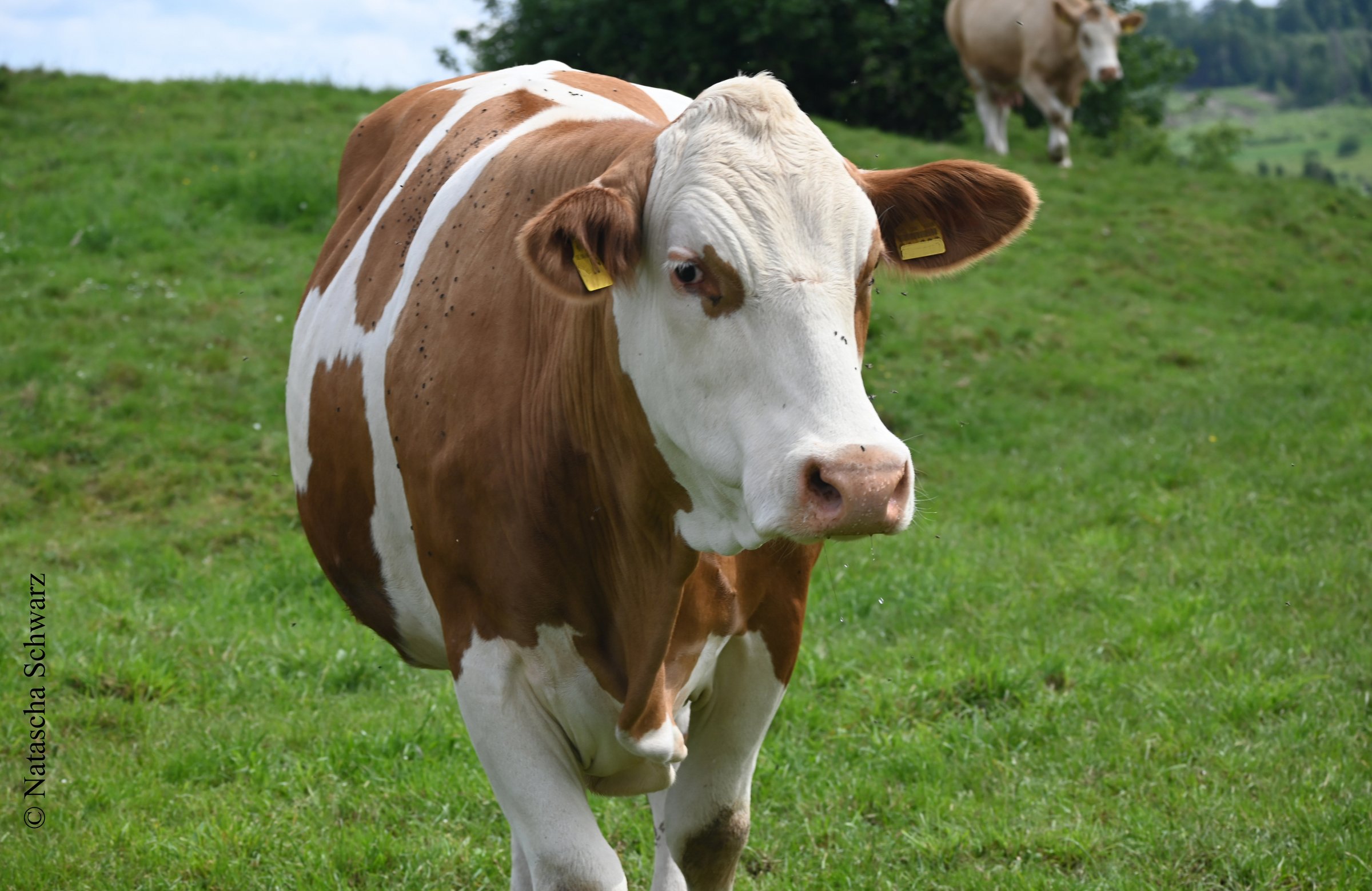
01 Fliegen und Gnitzen
Early detection of lameness
Fetal monitoring systems
Health breeding values in Holstein cattle breeding
Rubber-coated slatted floors for use in cattle fattening
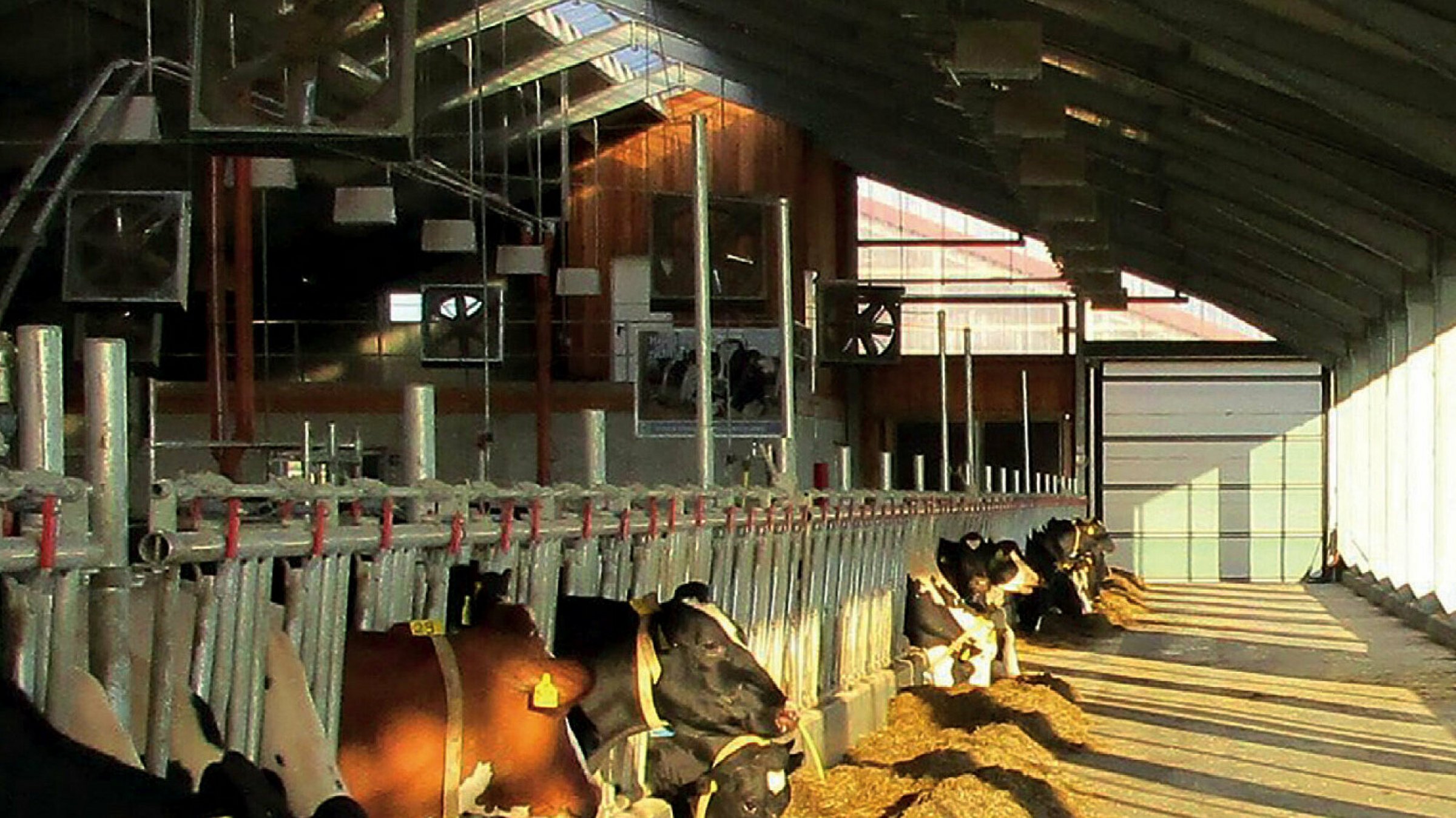
Heat stress in dairy cows
Hitzestress bei Milchkühen
Hygiene in calf rearing
Hoof care: safety for animals and people
Hoof bandage
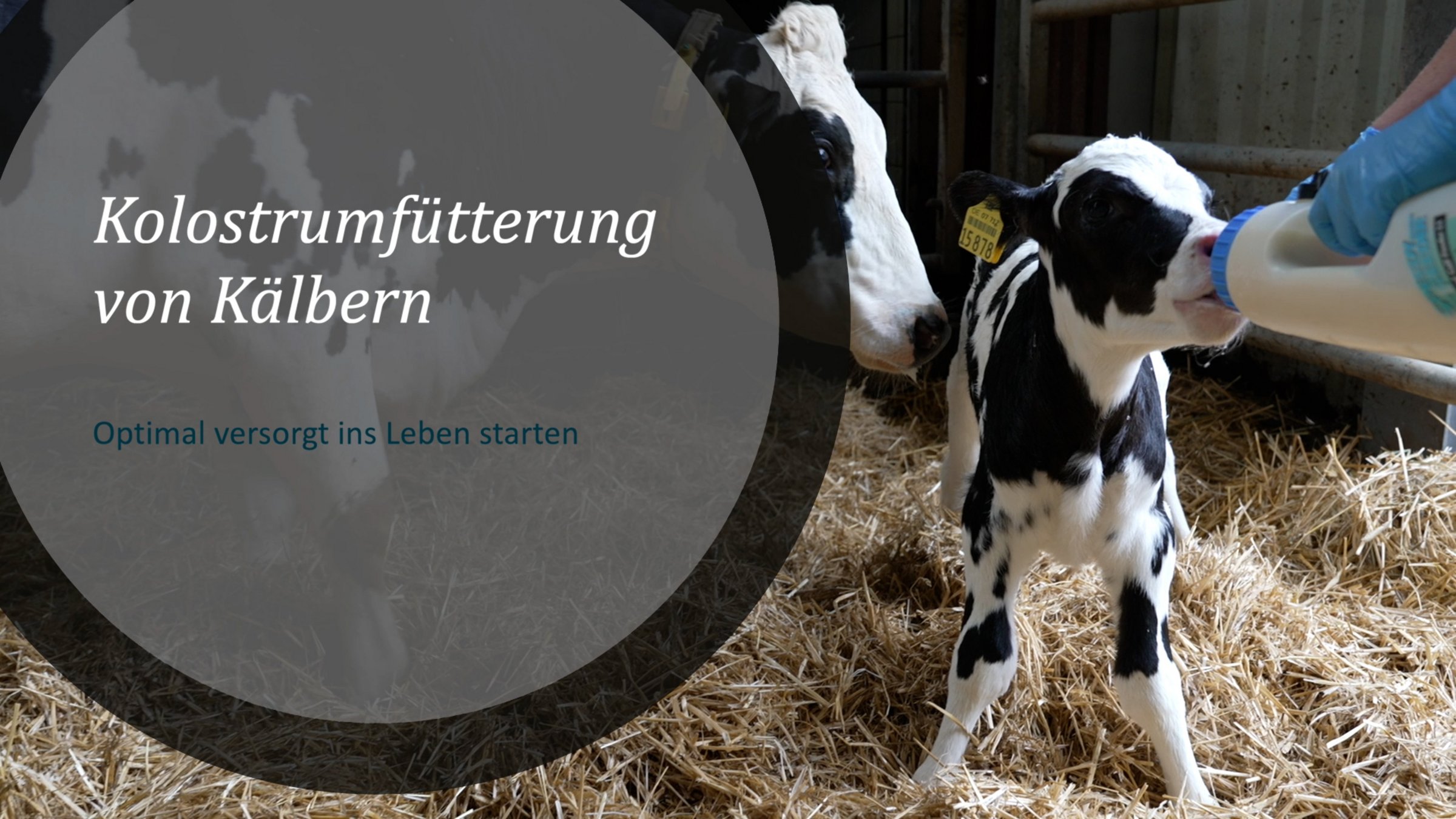
Colostrum supply
Feeding calves
01 Methanemissionen
Fachinformation
Suckler cow management in winter
Suckler cow management in winter
Navel disinfection
Calves for beef production from dairy breeds

Integration & Organisation der Klauenpflege
Parasite management
Everything you need to know about calving
Scratching posts for fattening bulls
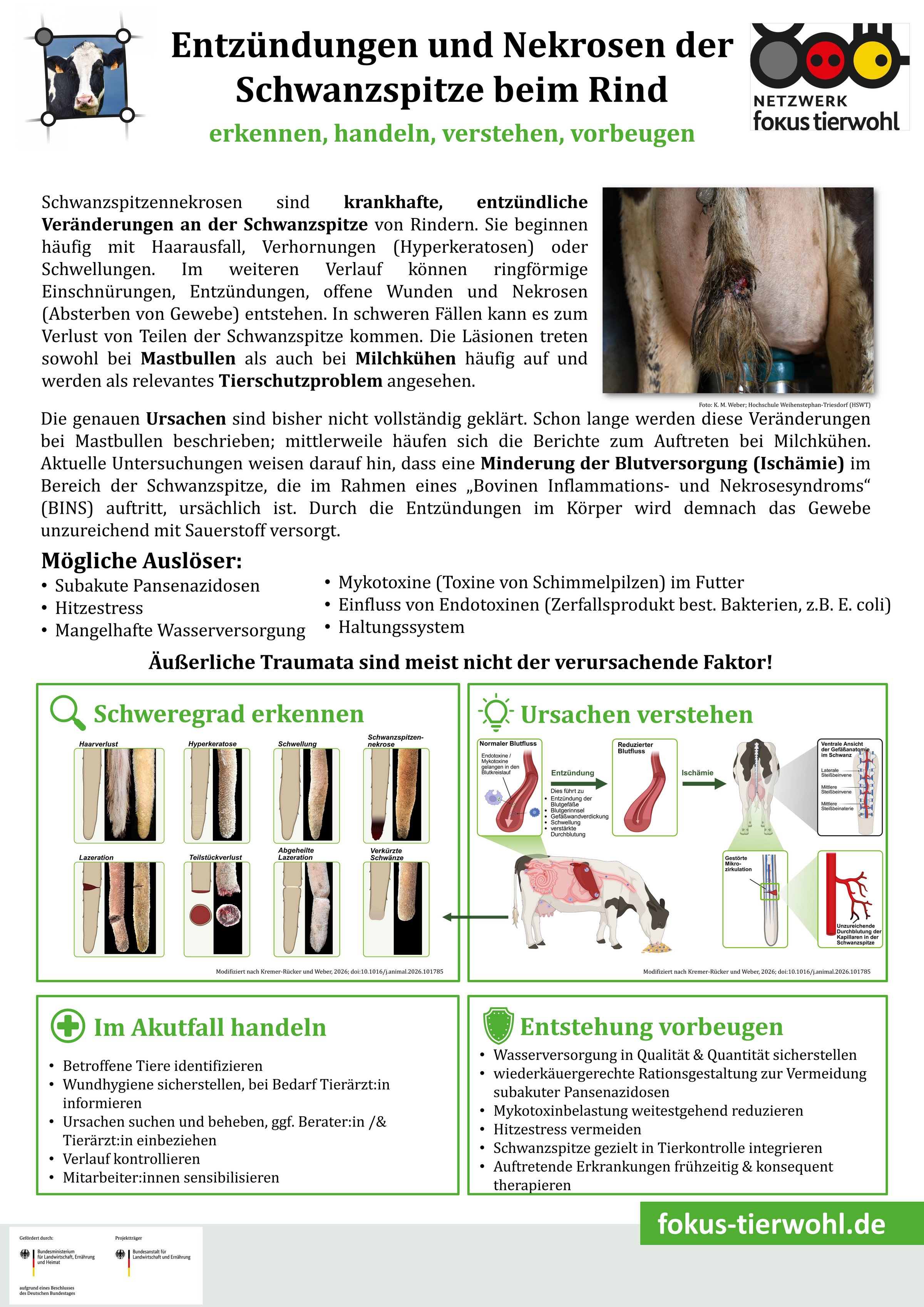
01 Schwanzspitzennekrosen beim Rind
Selective drying off of dairy cattle
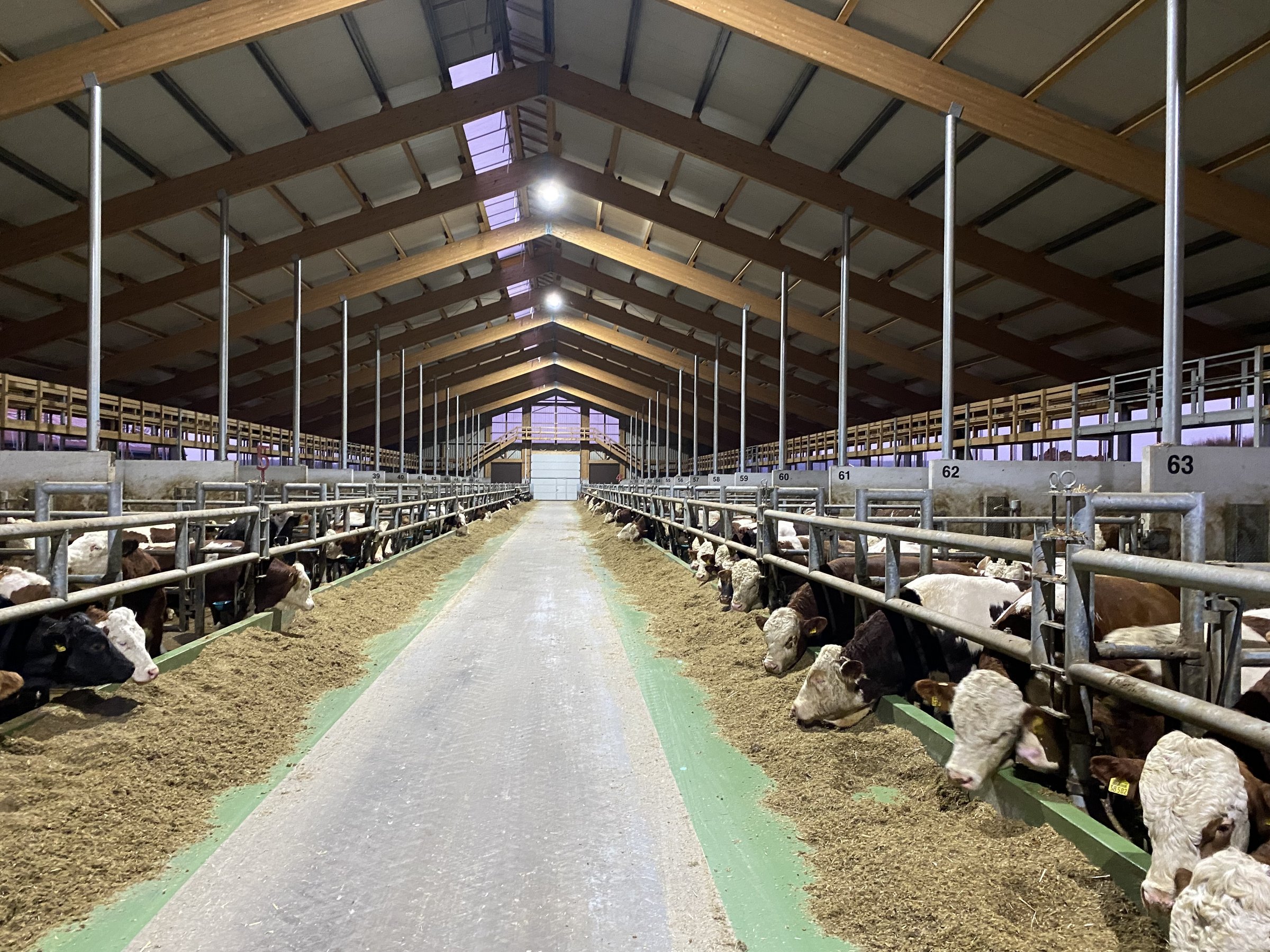
Structural feeding of breeding bulls
Animal transport
Animal welfare indicators for suckler cows
Water supply for fattening bulls
Managing heat stress in suckler cows
Caring for sick and injured dairy cows
Caring for sick and injured dairy cows
Managing cold stress in suckler cows
Inspection round
Extended calving interval
Podcast: Heat stress in cattle
Podcast: Colostrum Feeding for Calves
Podcast: Mother-Attached Calf Rearing
Podcast: Male Calves
Podcast: Extended Intercalving Period
Video: How to use a breathing pump correctly
Video: Correct use of the mechanical obstetric device
Video: Birth as a natural process
Video: Obstetric care for breech presentations
Video: Assisting with the birth of cattle
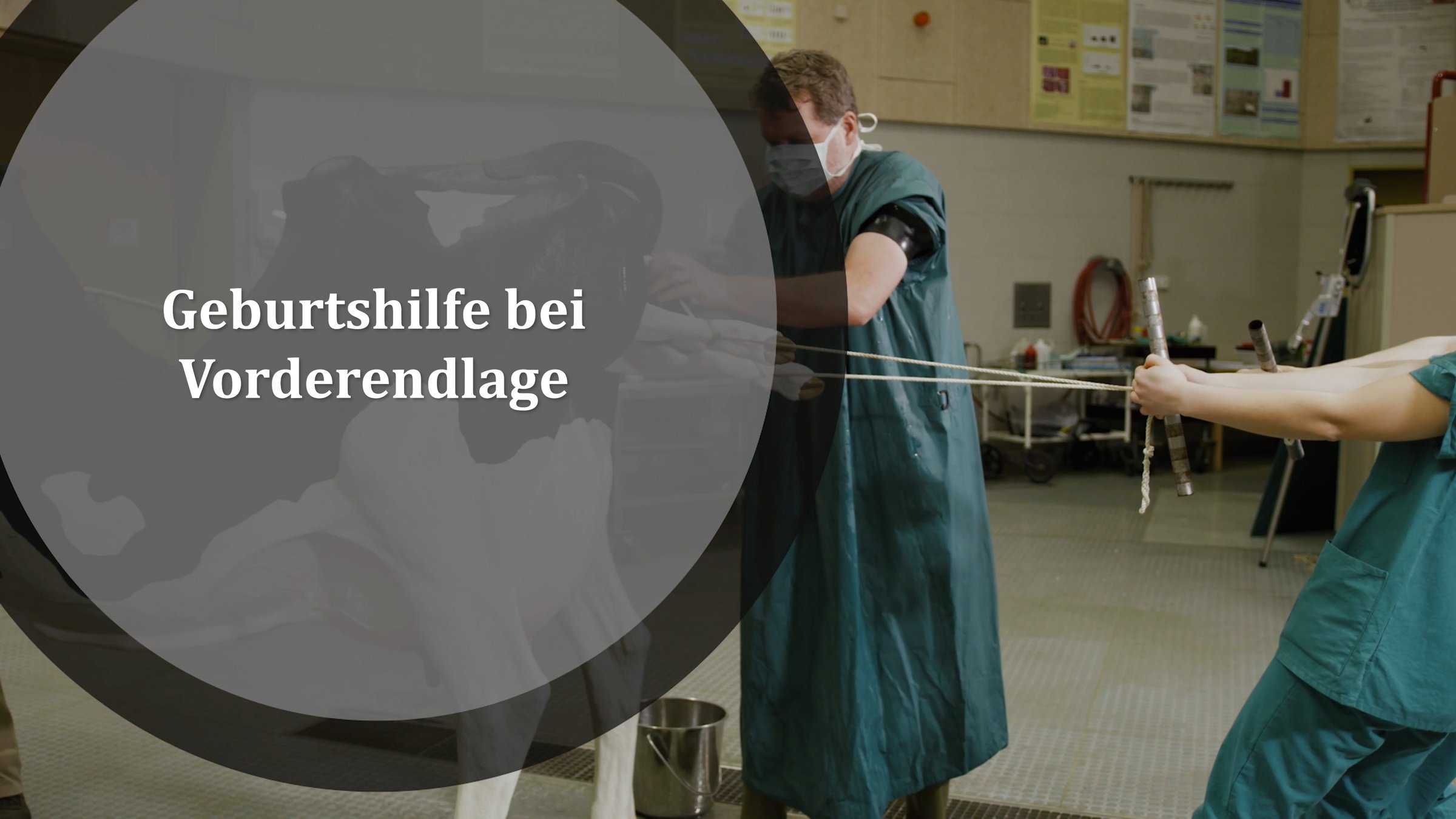
Video: Obstetric care for a breech presentation
Video: Postnatal Hygiene and Documentation
Video: Birth monitoring
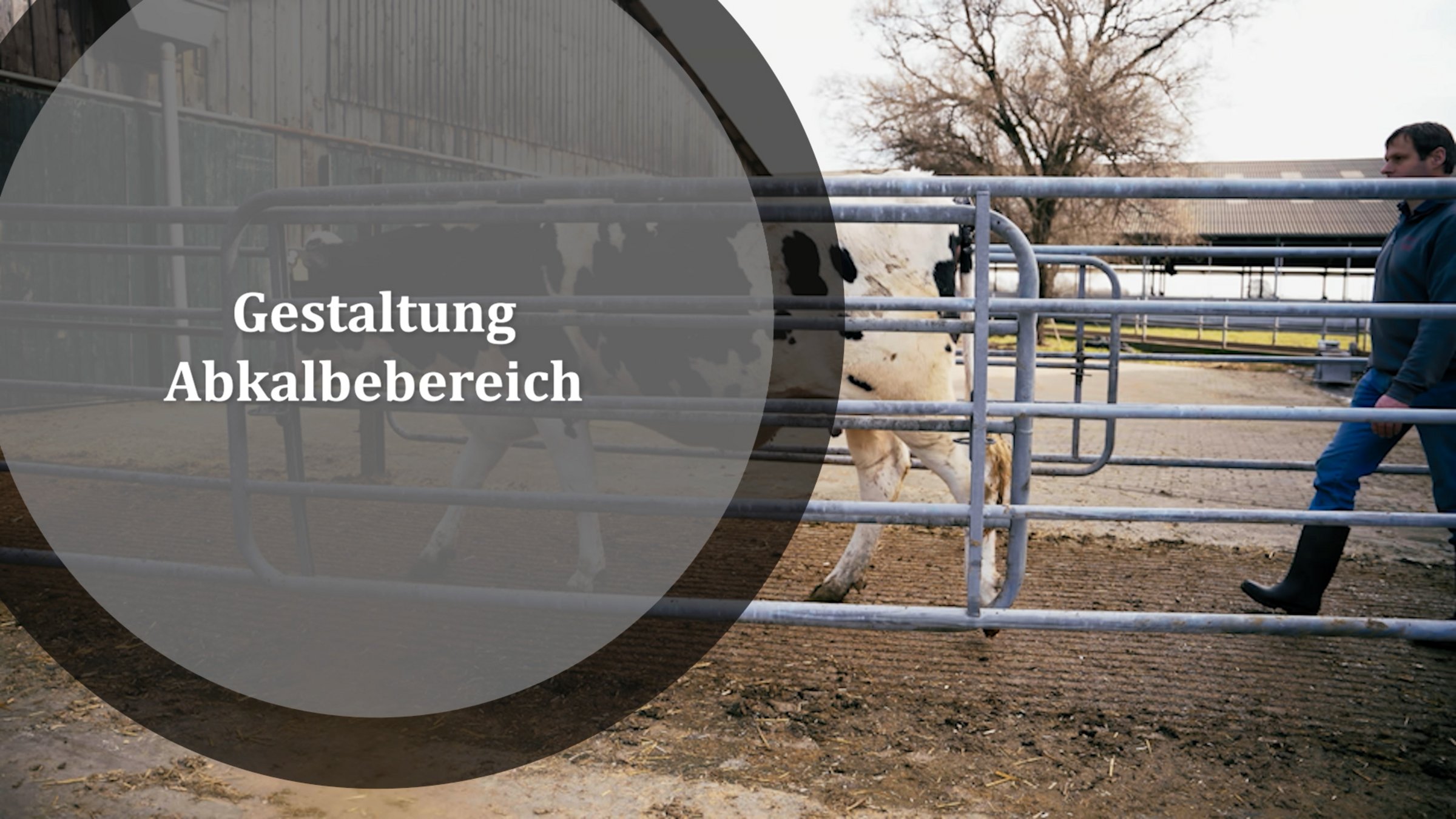
Video: Design for the calving area
Video: Feeding colostrum to calves
Video: Raising calves with their mothers – rearing with foster mothers
Video: Raising calves with their mothers – mother-bonded rearing
Video check of the basin's flow
Video: Difficult births in cattle
Video: Tour of the stable of the future
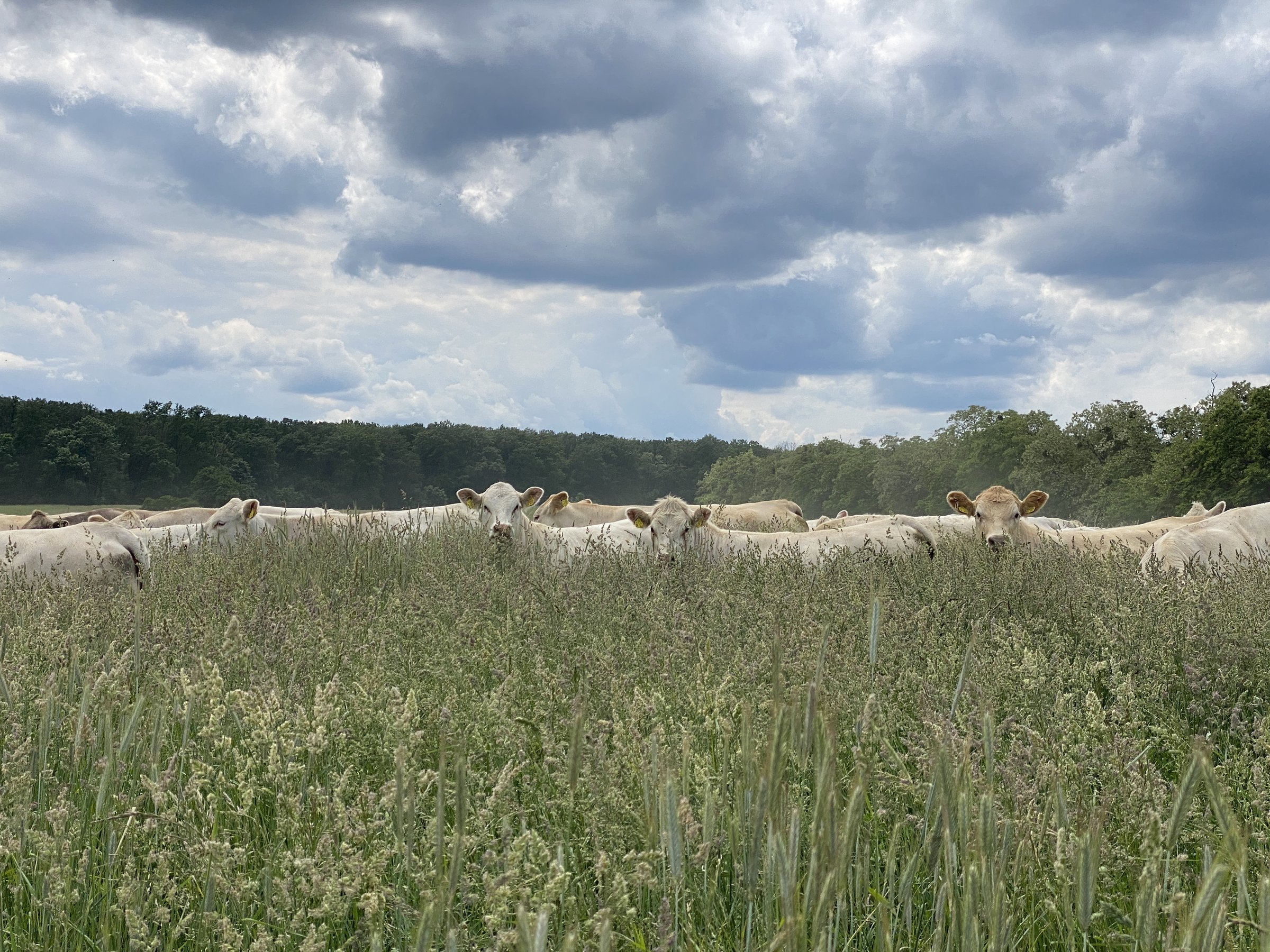
From the events: Mob Grazing
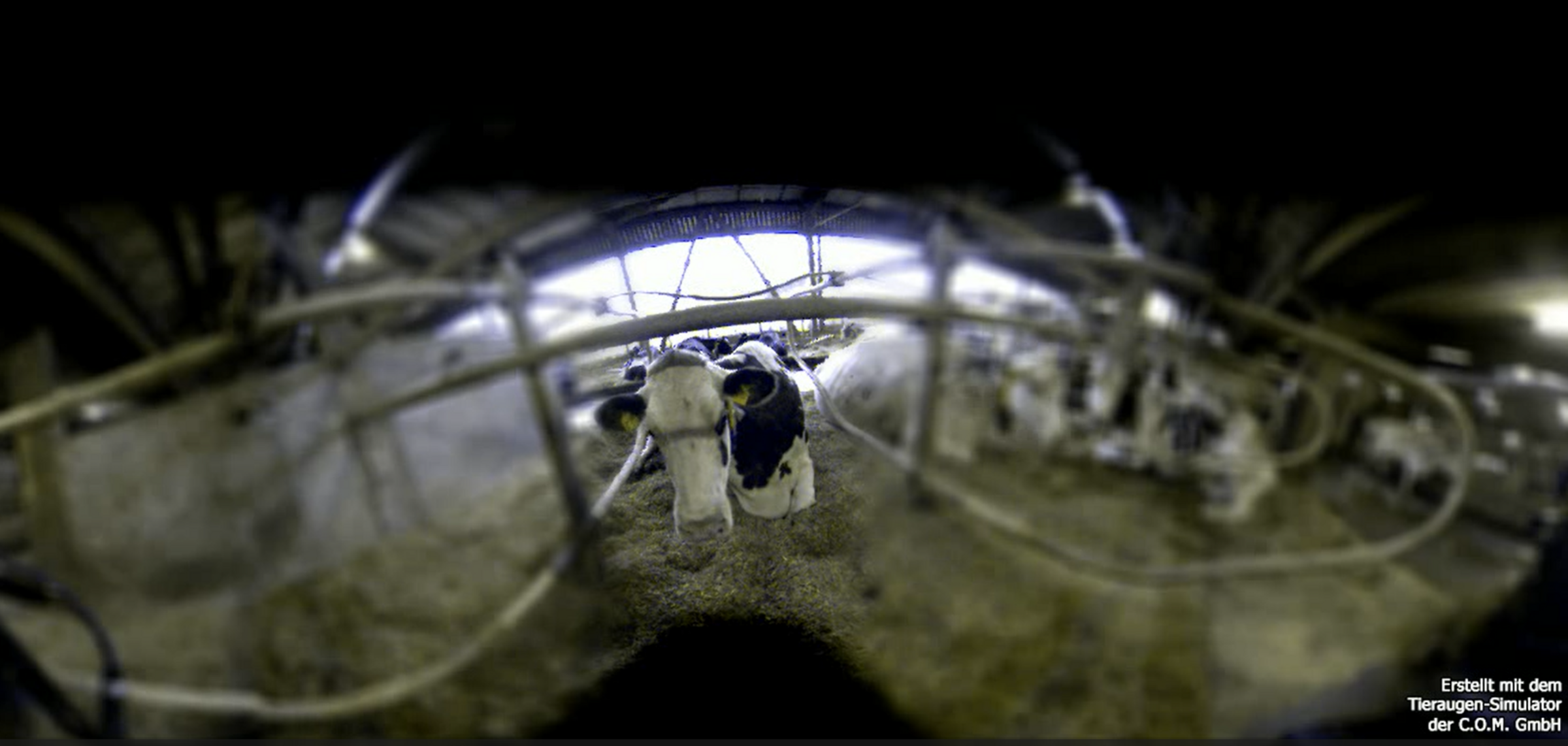
From the events: Sensory perception in cattle
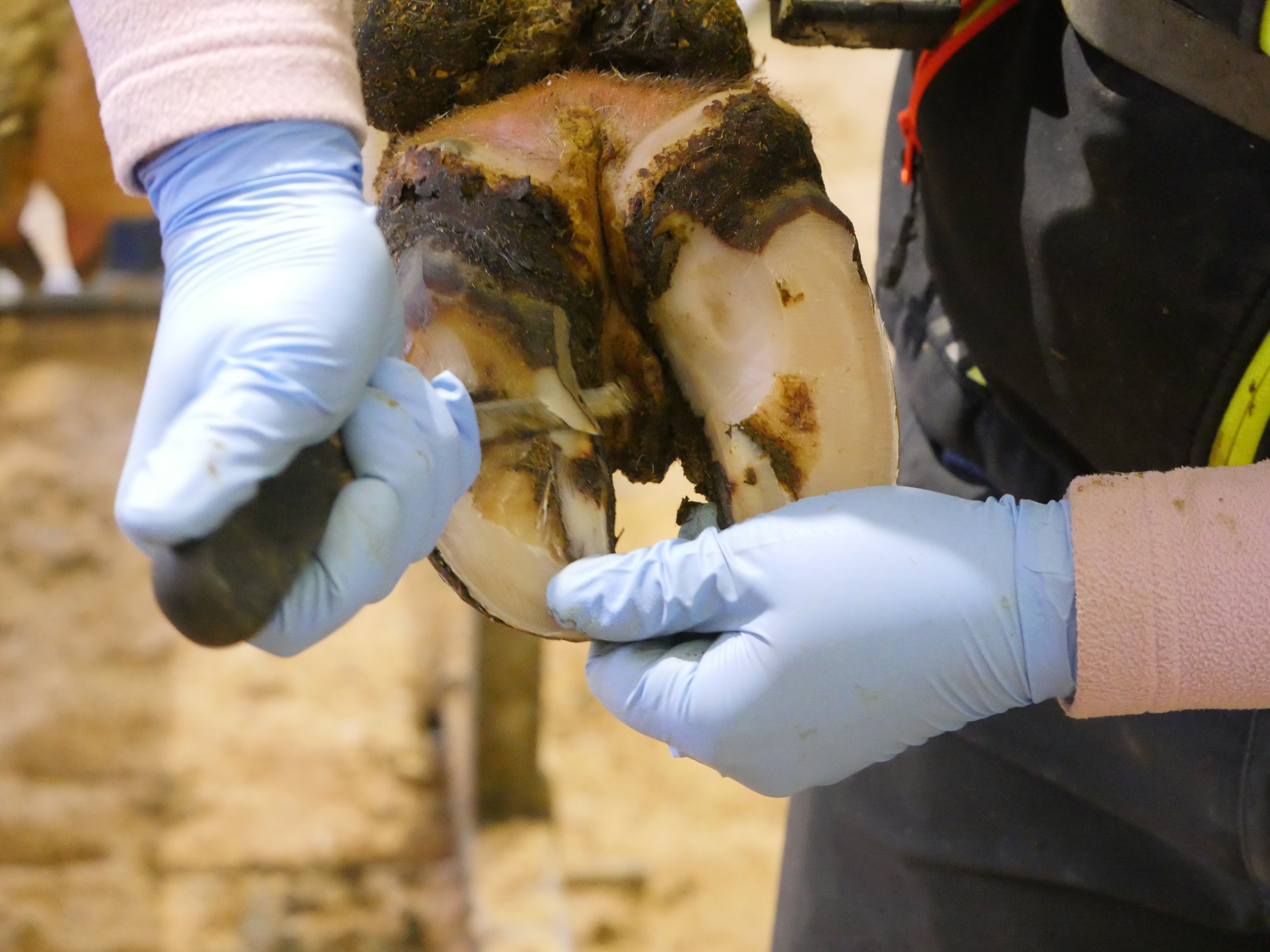
Funded projects: Pilot project on hoof health management
Funded projects: MoMiNE
Funded projects: MuD Animal Welfare: Pasture-based Farming
Animal Welfare Pilot Schemes: Animal transport
06 Tierwohl in der Naturschutzbeweidung
Funded projects: VerLak

Funded projects: InKalkTier
Funded projects: InnoRind
Funded projects: Mob-Grazing

Funded projects: Animal welfare planning
Integration & Organisation der Klauenpflege
Allowing animals to engage in comfort-seeking behaviour leads to improved animal welfare. Cattle have a natural need to rub and scratch themselves. This behaviour helps to groom their coats and is particularly welcome when they are itchy. Anyone keeping animals should allow them to fulfil such natural needs. This can also bring greater calm to the animal groups. However, a distinctive feature of bull fattening compared to dairy cattle farming is the great strength that bulls can exert, and consequently the special demands placed on the robustness of the equipment used.
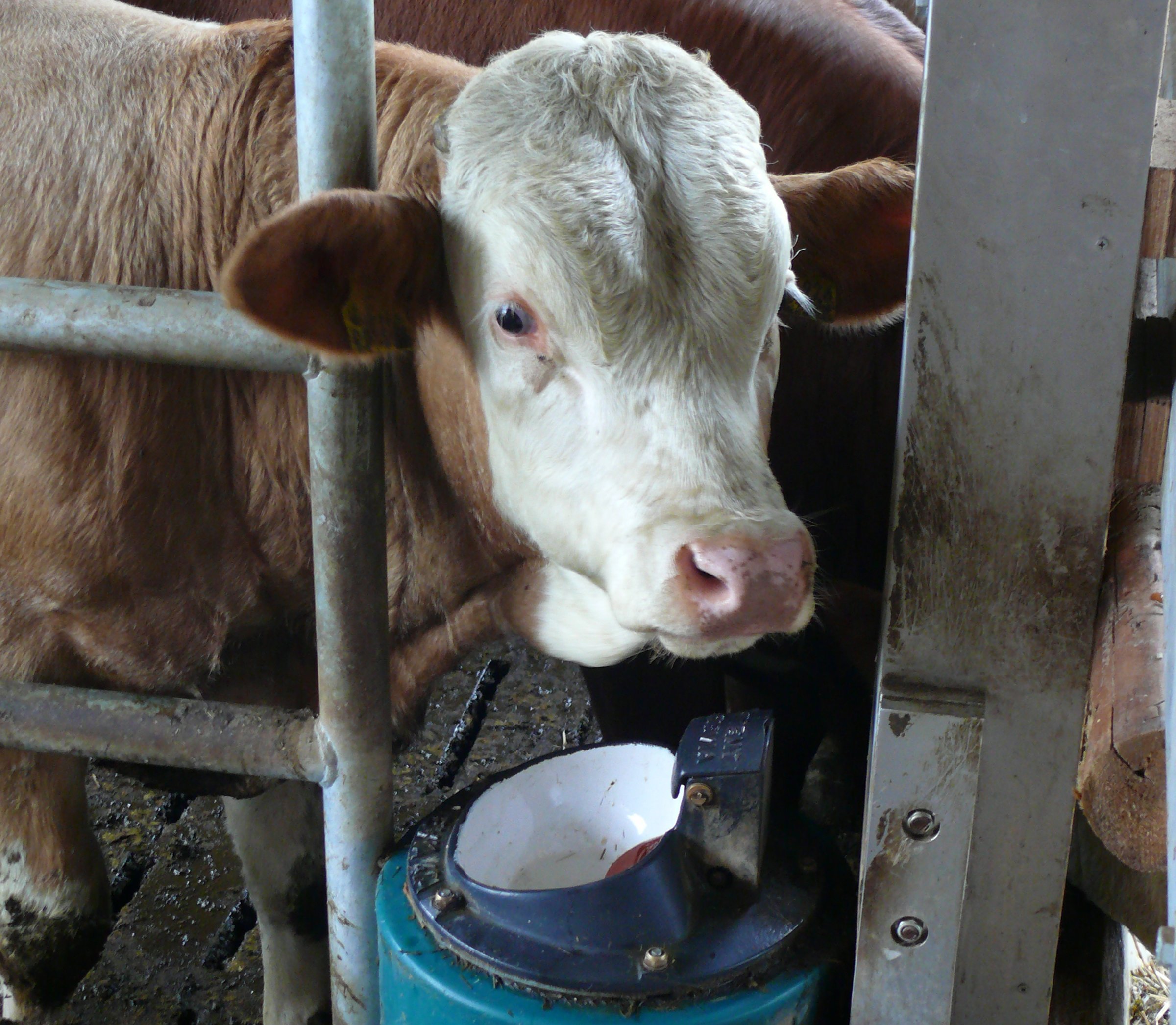
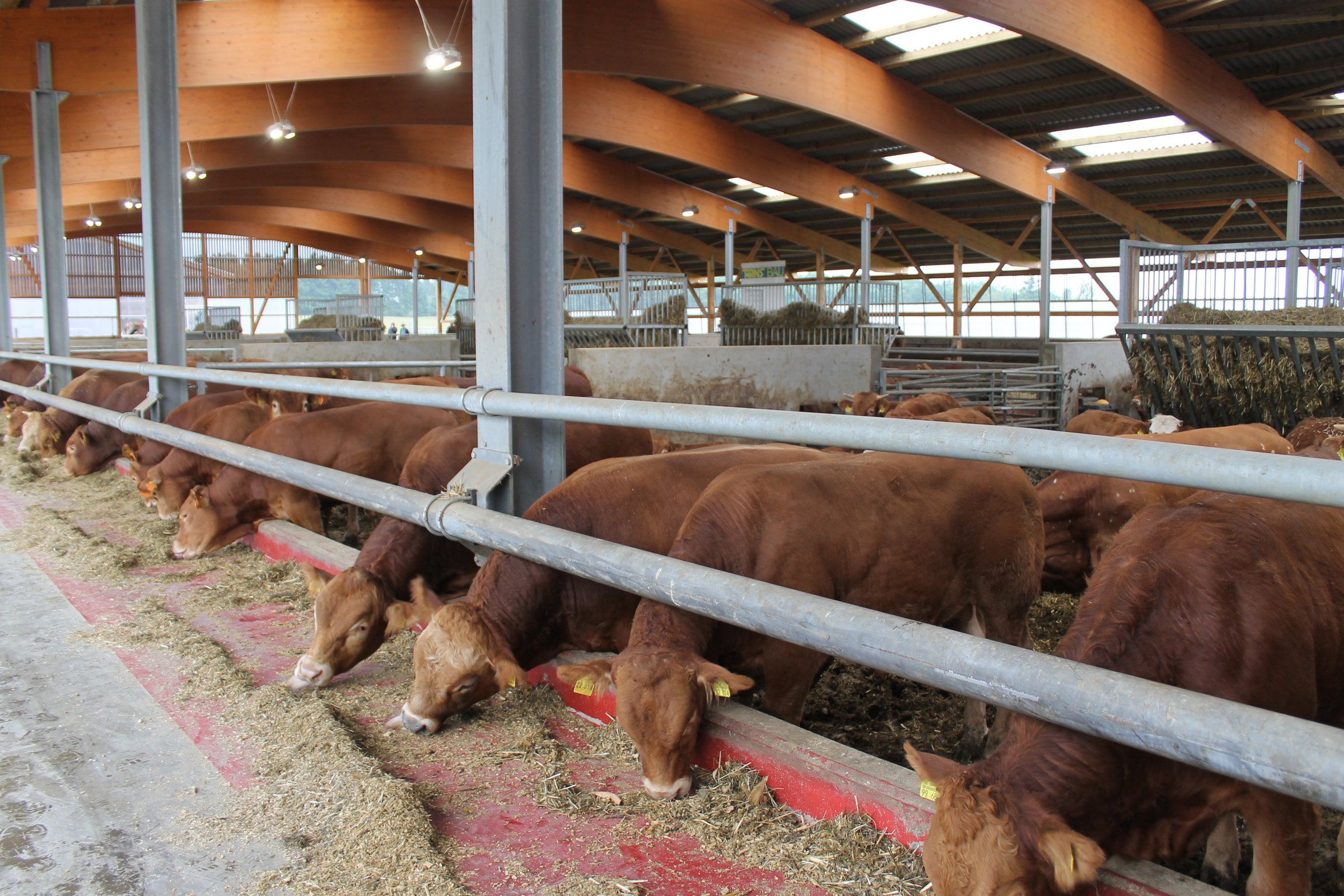
Often, too little thought is given to the water supply for fattening bulls, both before and after the water system is installed. Key factors are the quantity and quality of the water. A new article from the Cattle Animal Welfare Competence Centre, part of the Fokus Tierwohl network, sets out suggestions and tips for ensuring and maintaining an adequate water supply for fattening bulls.
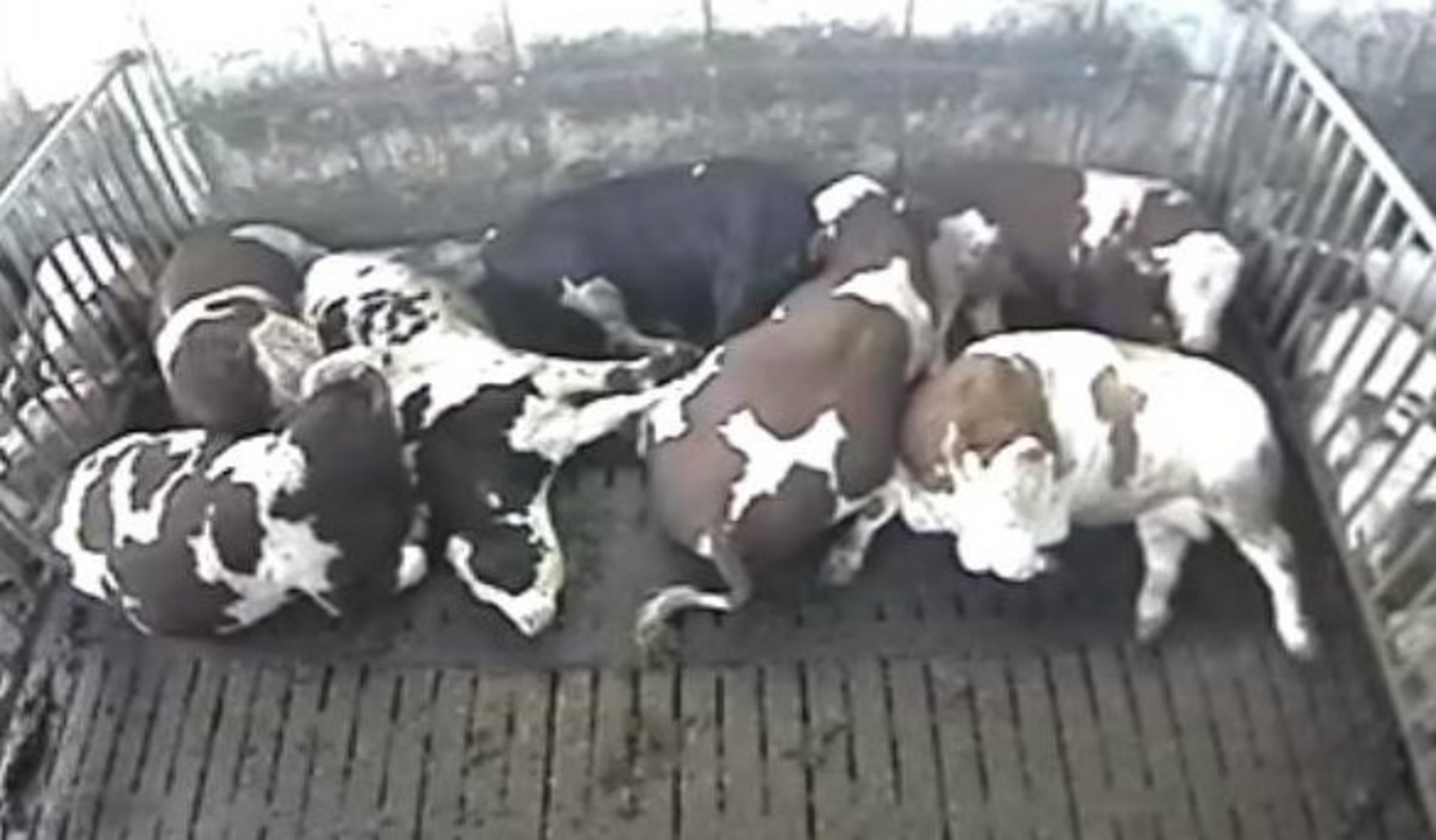
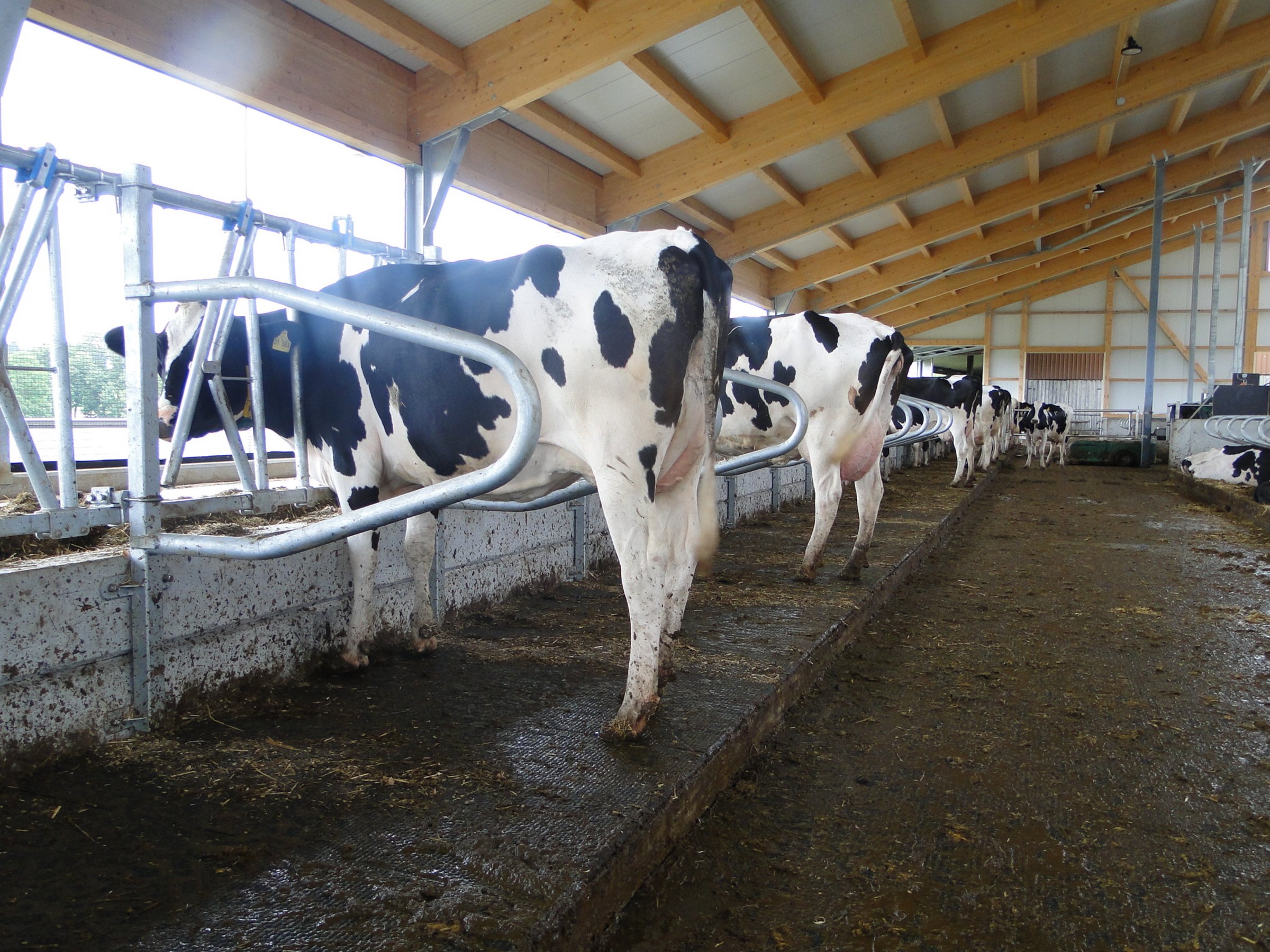
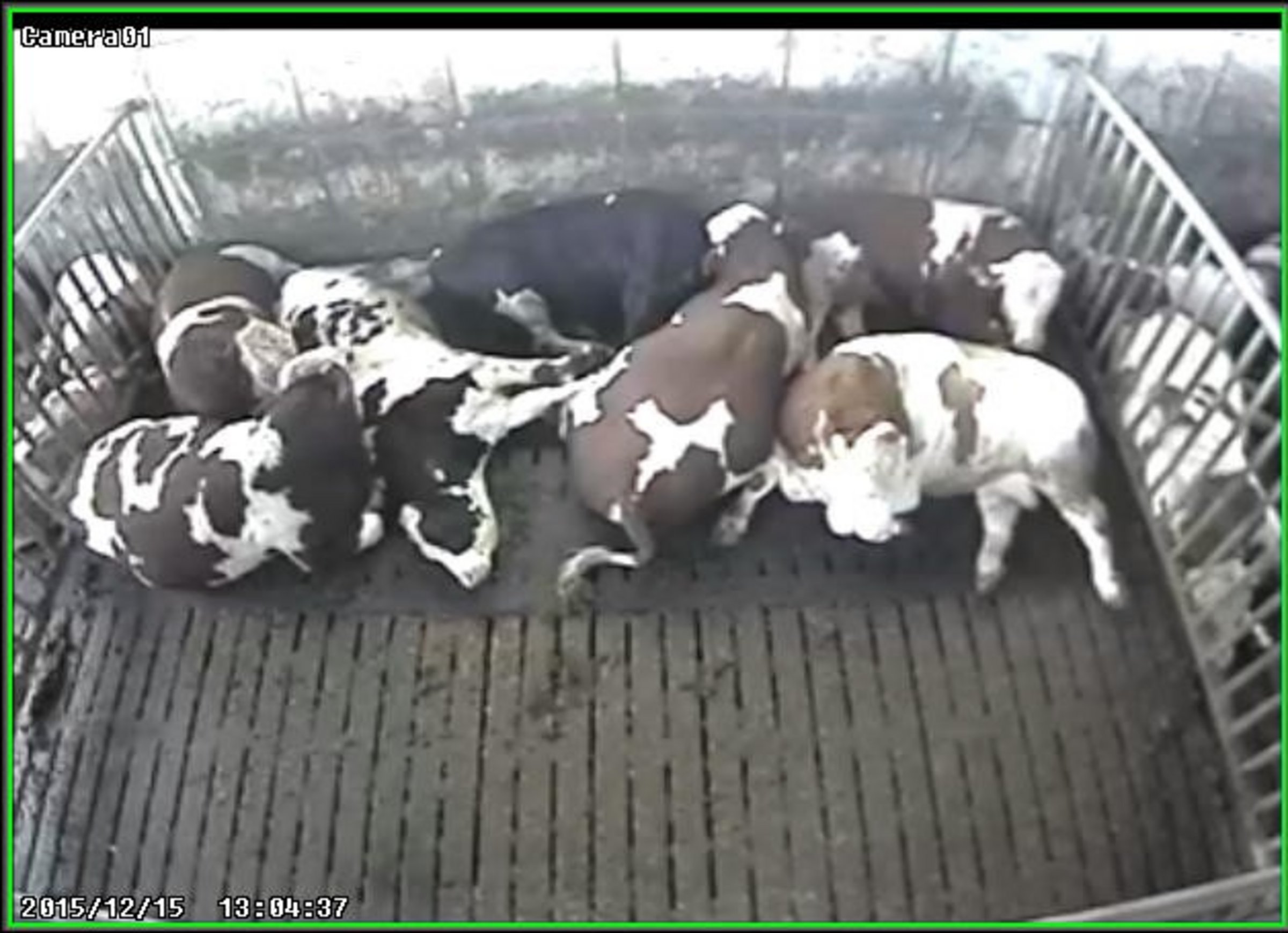
As the most common housing system in cattle fattening remains the concrete slatted pen, rubber mats are now used here to improve animal welfare by enhancing the animals’ lying comfort. Lying on a flexible surface is closer to cattle’s natural behaviour than resting on bare concrete slats.
There is a wide range of rubber mats available, and careful consideration should be given to the selection process in order to find and use the most suitable mat for the specific farm. Furthermore, there are regulations – such as DIN 3763 – which must be strictly observed when selecting the mat to ensure that the investment does not prove to be a mistake in the long run.
The health, welfare and performance of cattle as ruminants depend largely on favourable conditions in the rumen. Feeding is of particular importance for rumen function and health. In bull fattening, the structural properties of the feed play a key role. This guide aims to cover the most important aspects of providing structural fibre in the diet of fattening bulls.