
Overview of topics: Beef
5 Min-Check
Ammonia emissions
Fachinformation
01 Breeding for hornlessness
Hoof Care Checklists
Experiences with foetal monitoring systems
Professional treatment of lameness
01 Fliegen und Gnitzen
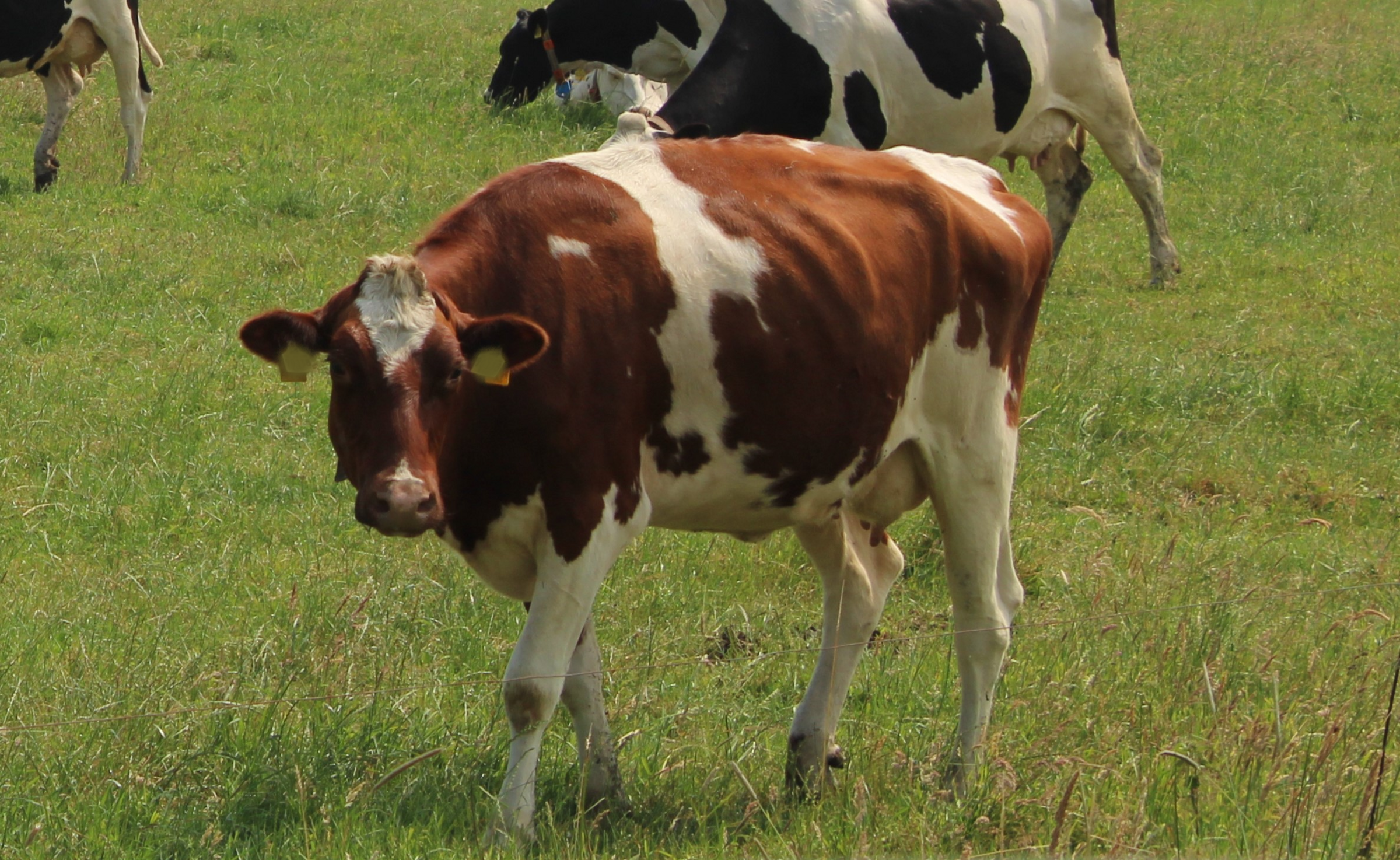
Early detection of lameness
Fetal monitoring systems
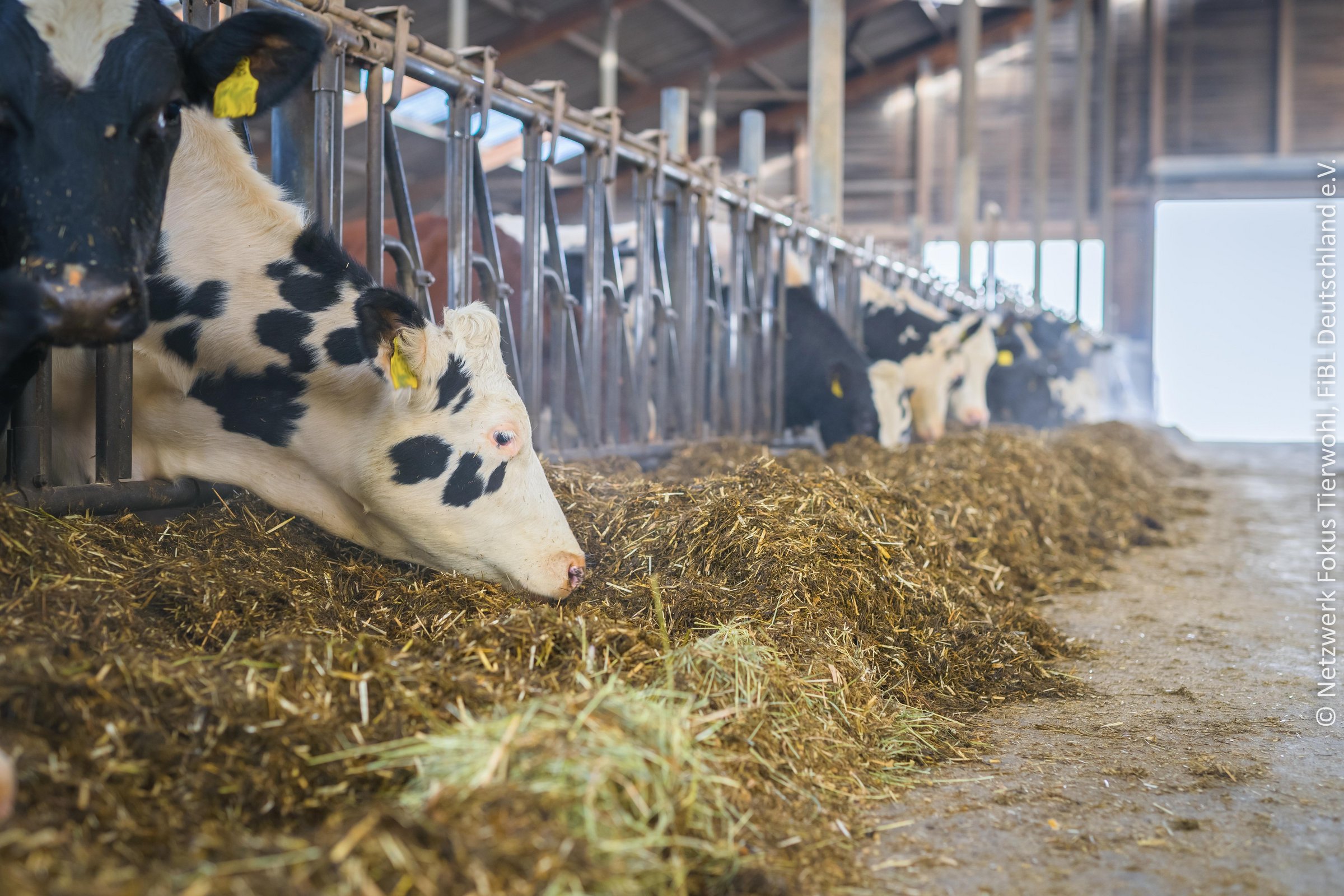
Health breeding values in Holstein cattle breeding
Rubber-coated slatted floors for use in cattle fattening
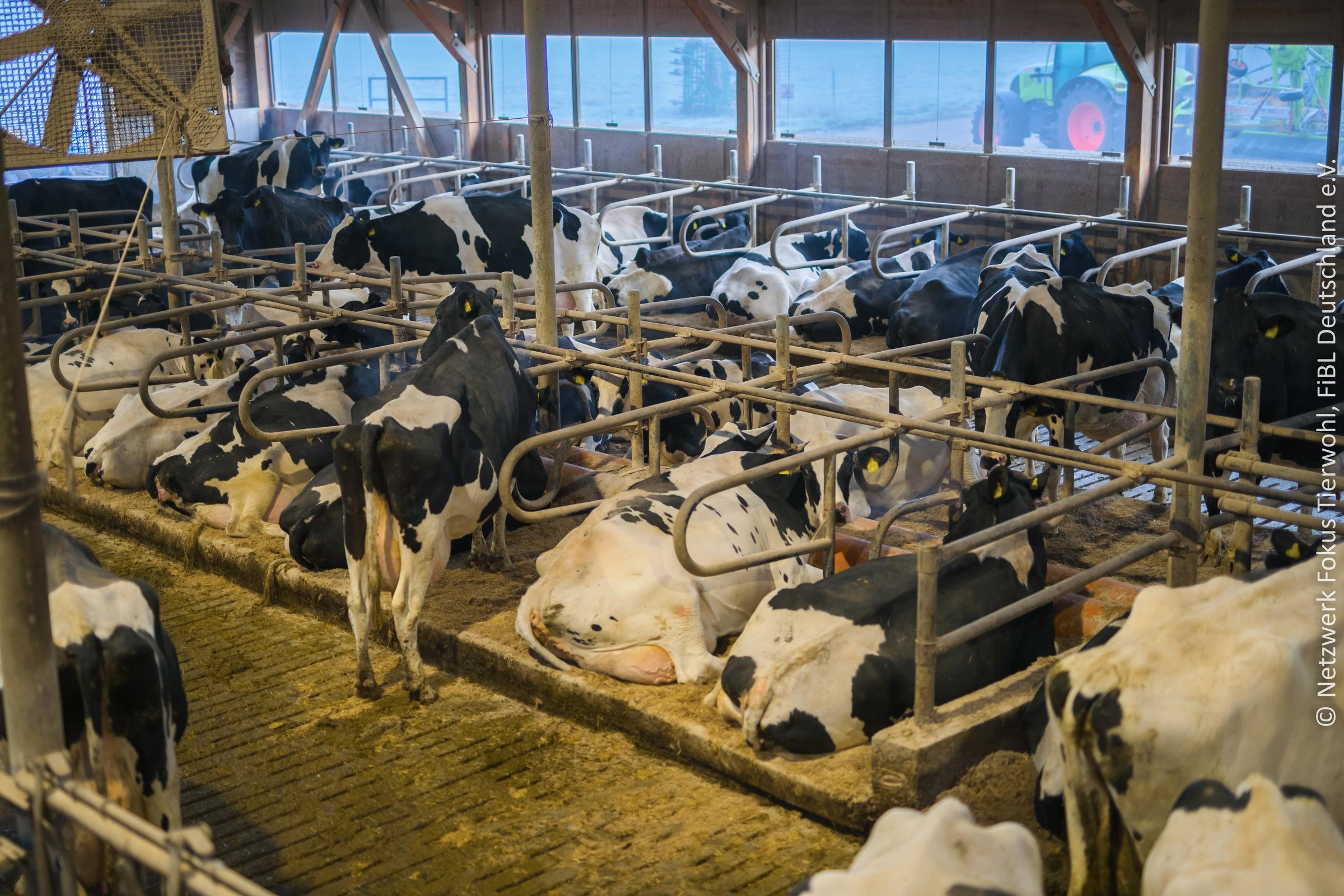
Heat stress in dairy cows
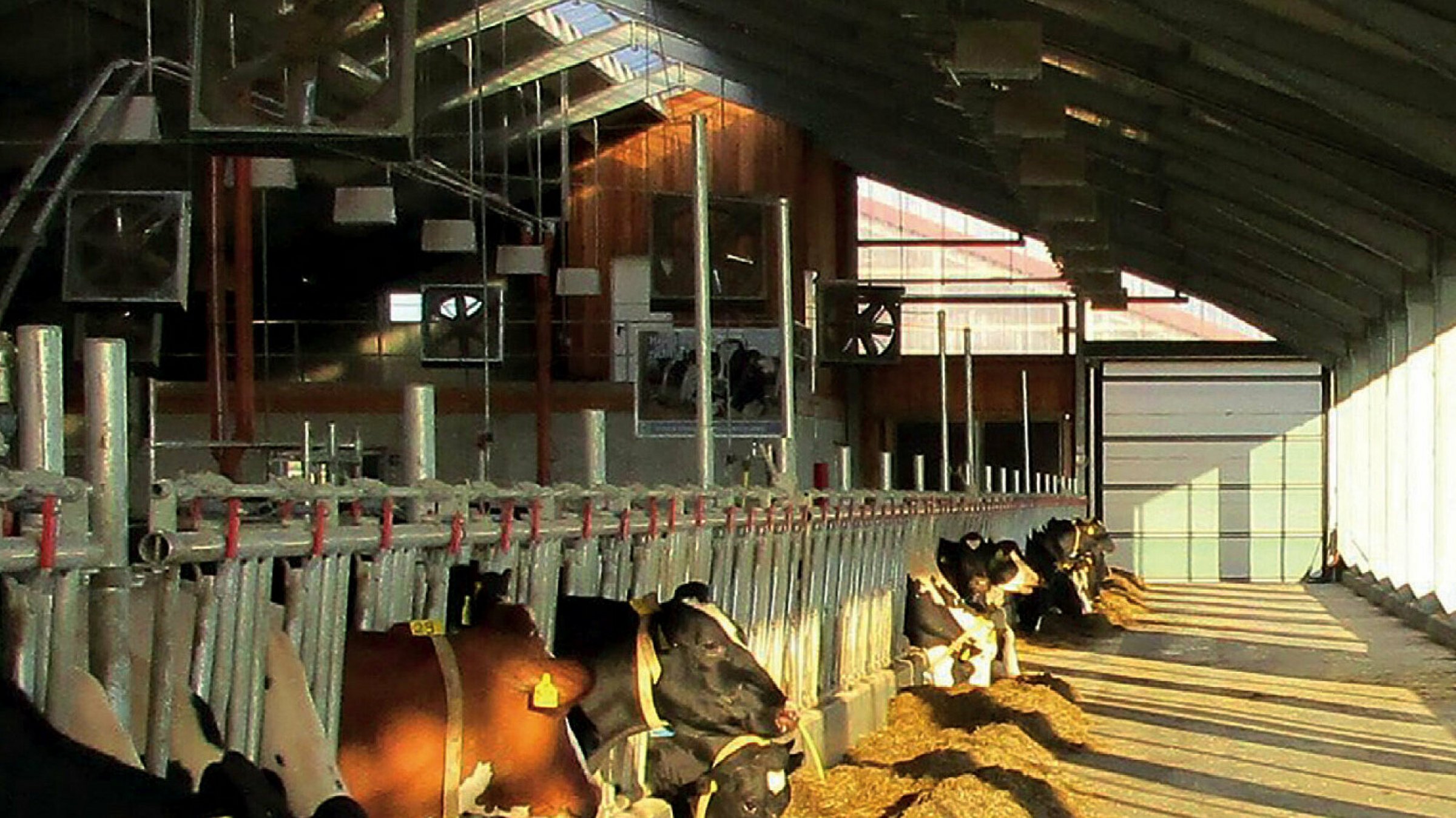
Hitzestress bei Milchkühen
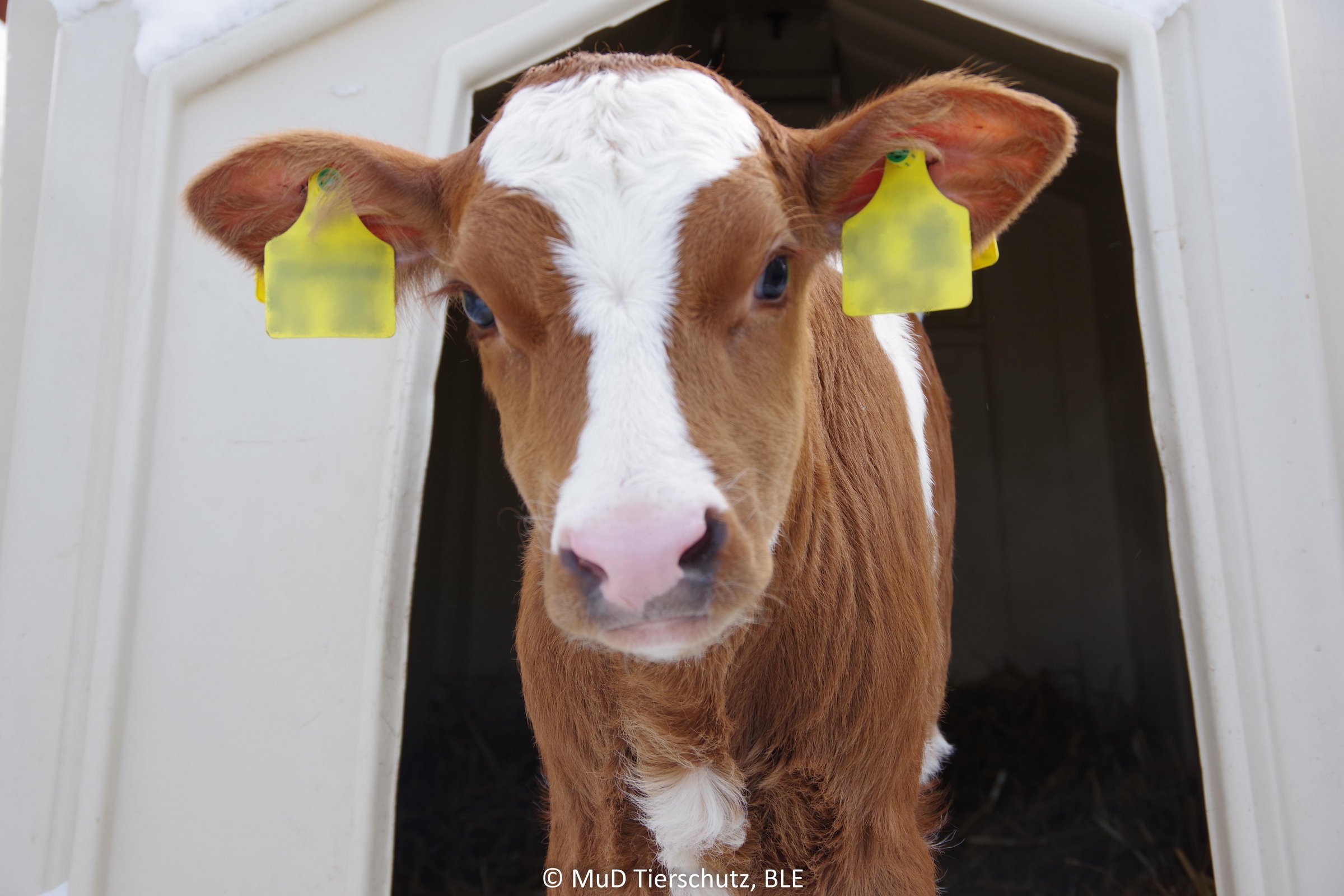
Hygiene in calf rearing
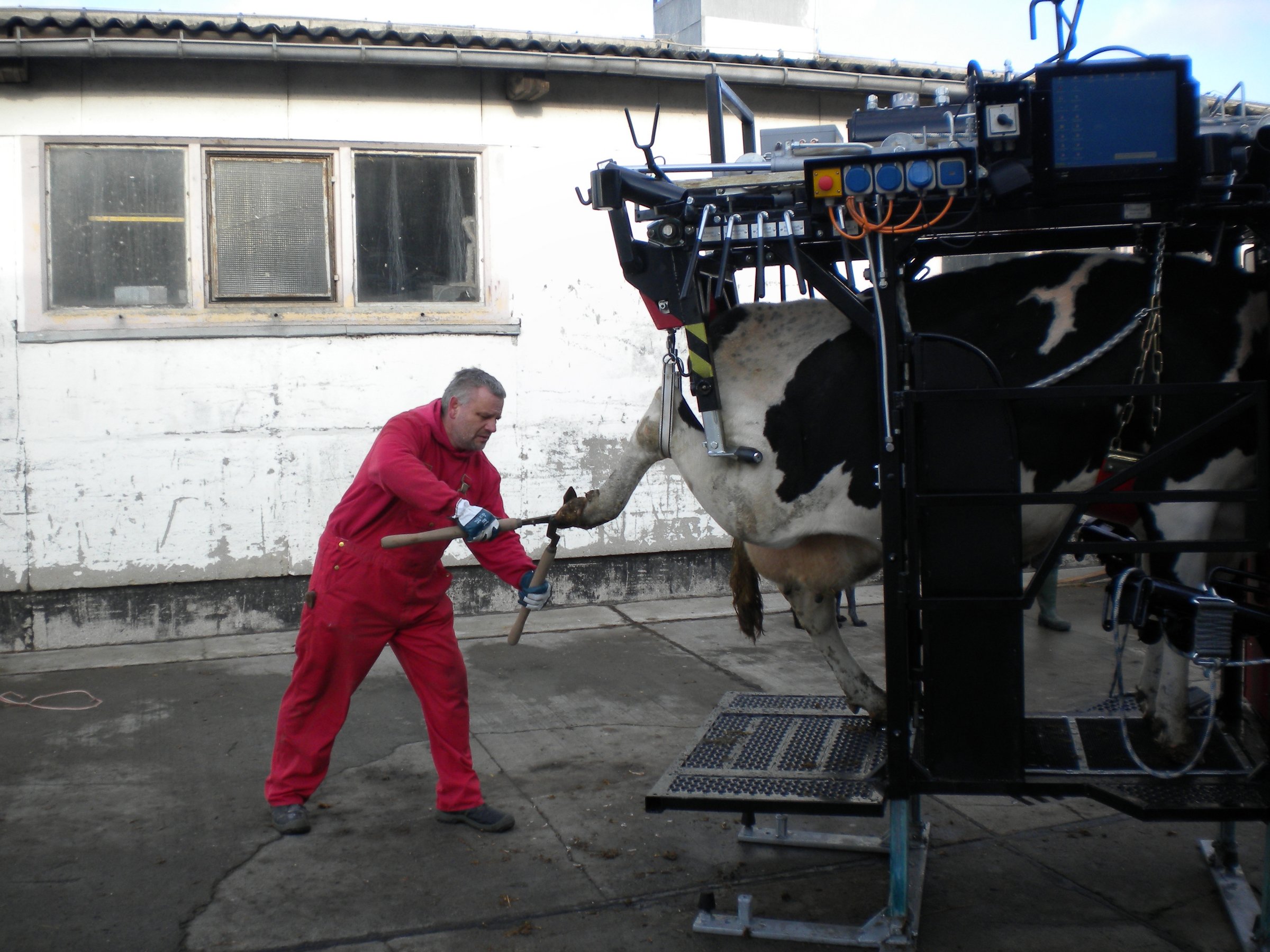
Hoof care: safety for animals and people
Hoof bandage
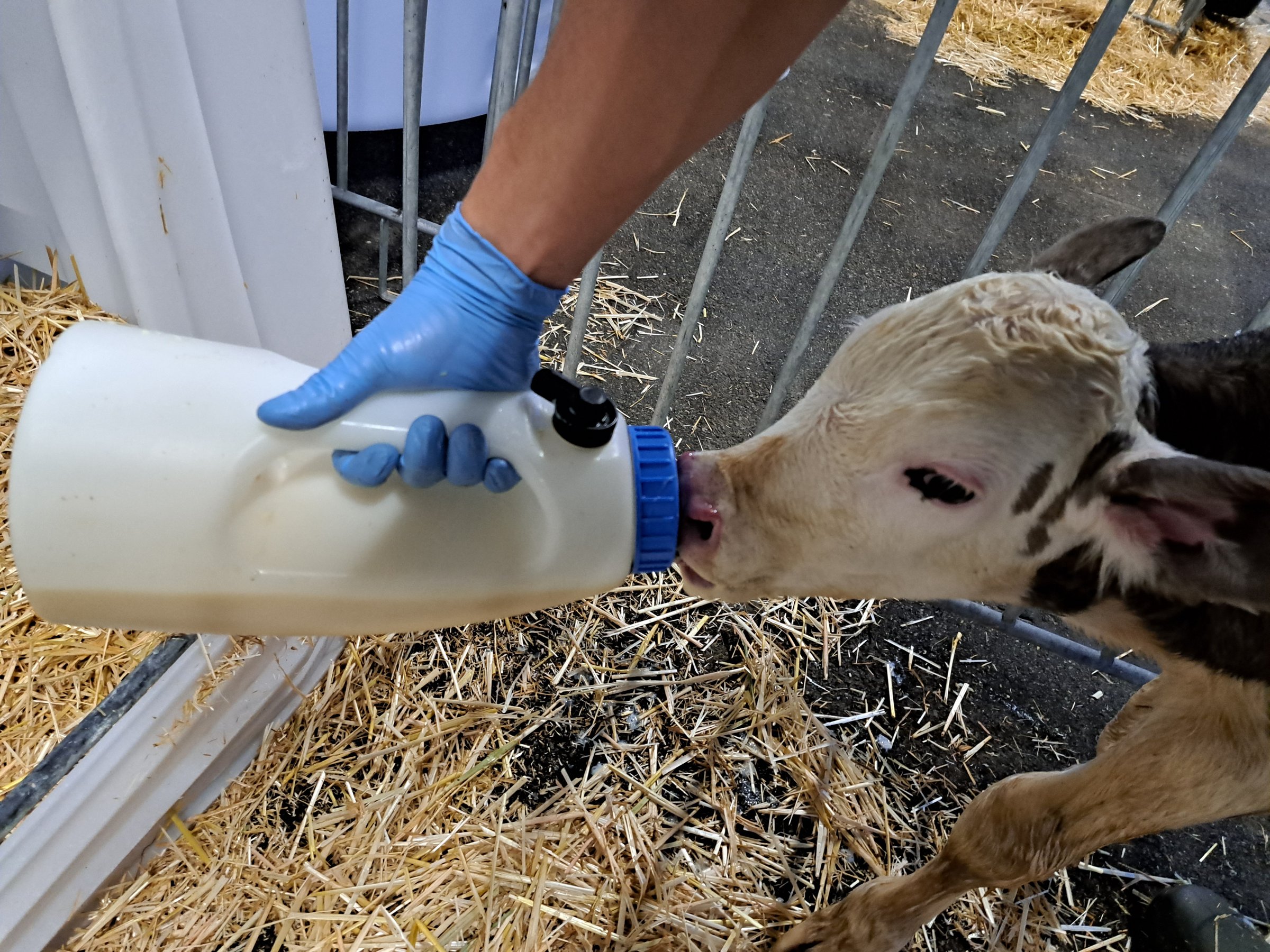
Colostrum supply
Feeding calves
01 Methanemissionen
Fachinformation
Suckler cow management in winter
Suckler cow management in winter
Navel disinfection
Calves for beef production from dairy breeds

Integration & Organisation der Klauenpflege
Parasite management
Everything you need to know about calving
Scratching posts for fattening bulls
01 Schwanzspitzennekrosen beim Rind
Selective drying off of dairy cattle
Structural feeding of breeding bulls
Animal transport
Animal welfare indicators for suckler cows
Water supply for fattening bulls
Managing heat stress in suckler cows
Caring for sick and injured dairy cows
Caring for sick and injured dairy cows
Managing cold stress in suckler cows
Inspection round
Extended calving interval
Podcast: Heat stress in cattle
Podcast: Colostrum Feeding for Calves
Podcast: Mother-Attached Calf Rearing
Podcast: Male Calves
Podcast: Extended Intercalving Period
Video: How to use a breathing pump correctly
Video: Correct use of the mechanical obstetric device
Video: Birth as a natural process
Video: Obstetric care for breech presentations
Video: Assisting with the birth of cattle
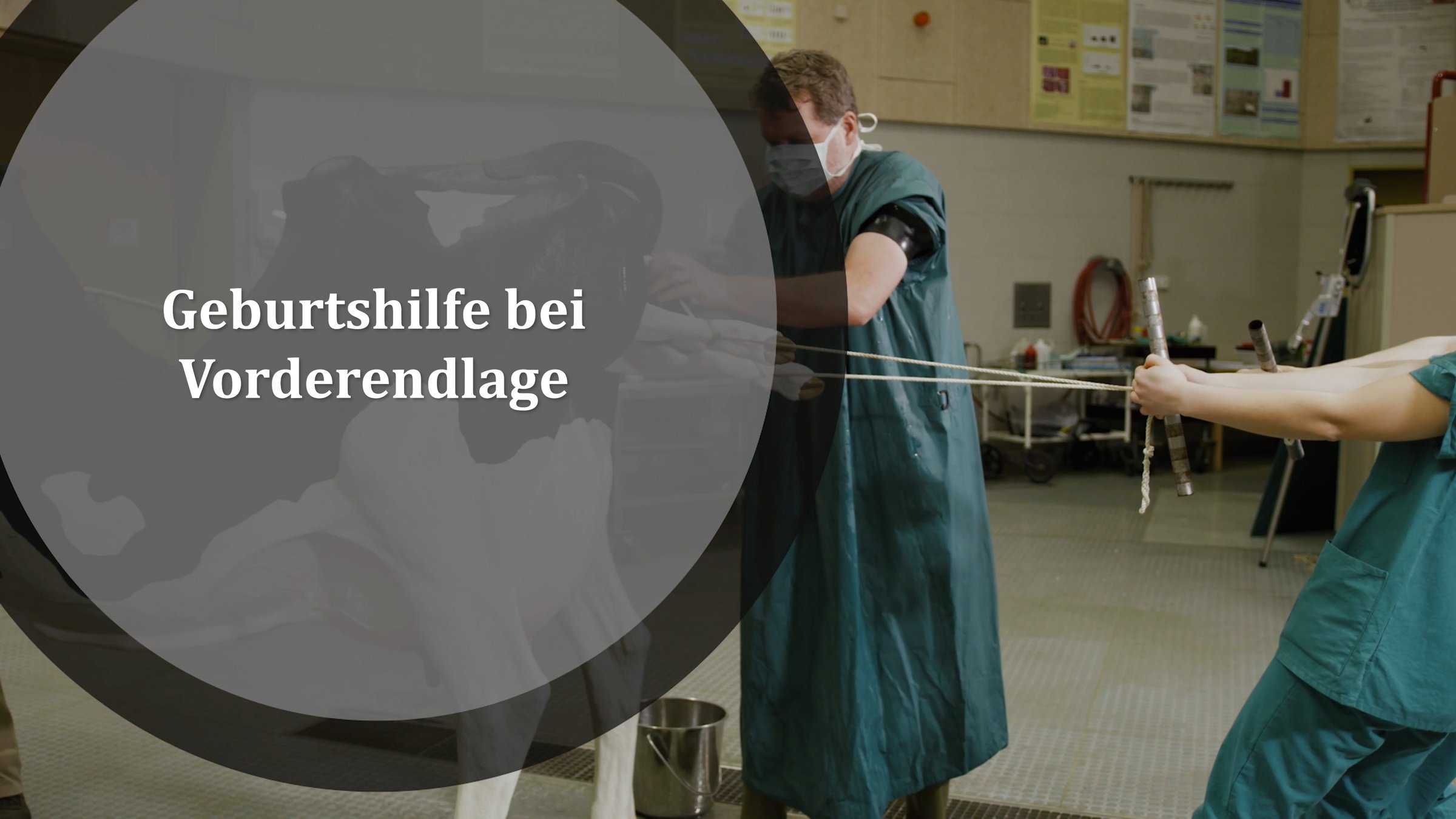
Video: Obstetric care for a breech presentation
Video: Postnatal Hygiene and Documentation
Video: Birth monitoring
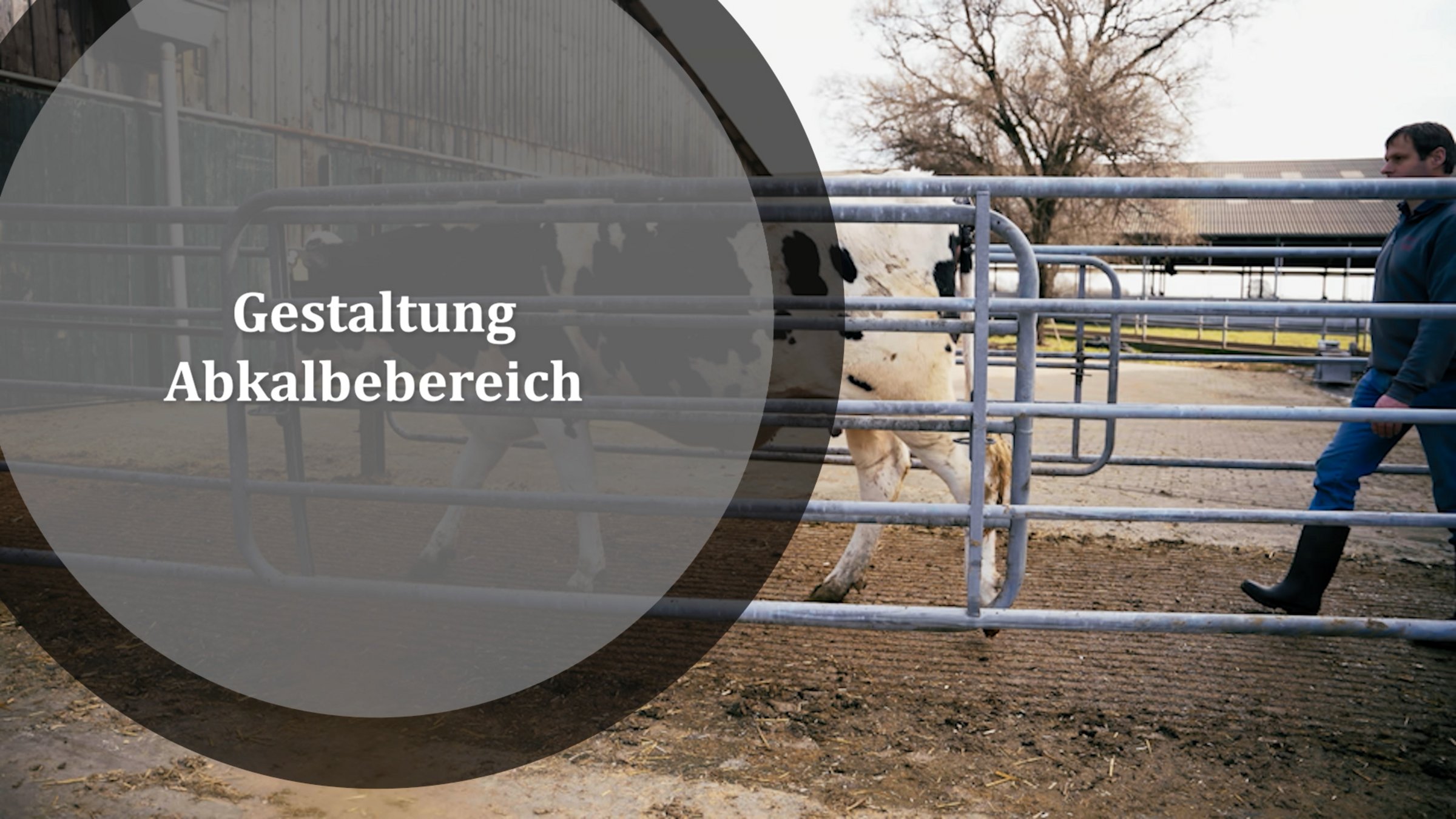
Video: Design for the calving area
Video: Feeding colostrum to calves
Video: Raising calves with their mothers – rearing with foster mothers
Video: Raising calves with their mothers – mother-bonded rearing
Video check of the basin's flow
Video: Difficult births in cattle
Video: Tour of the stable of the future
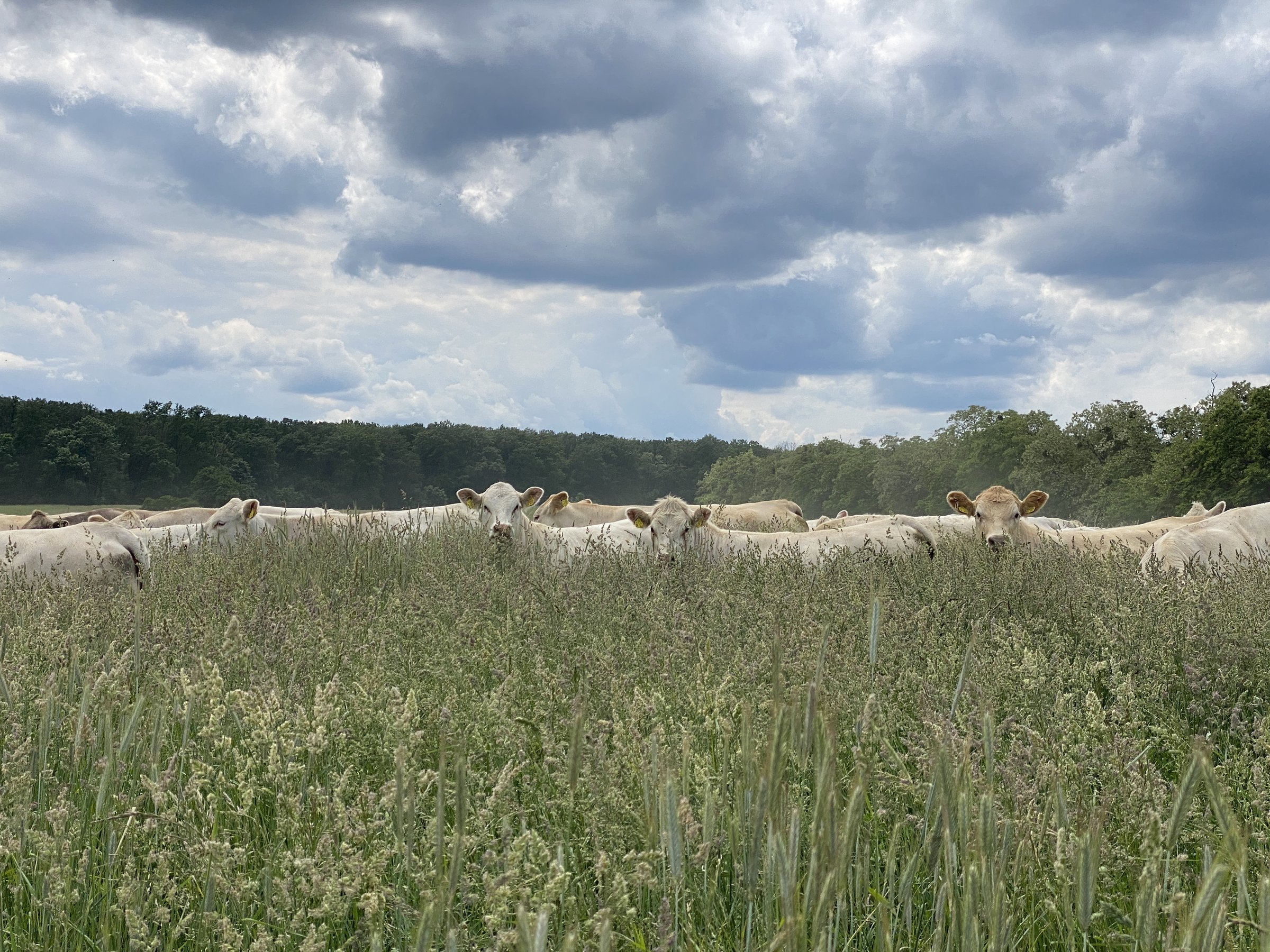
From the events: Mob Grazing
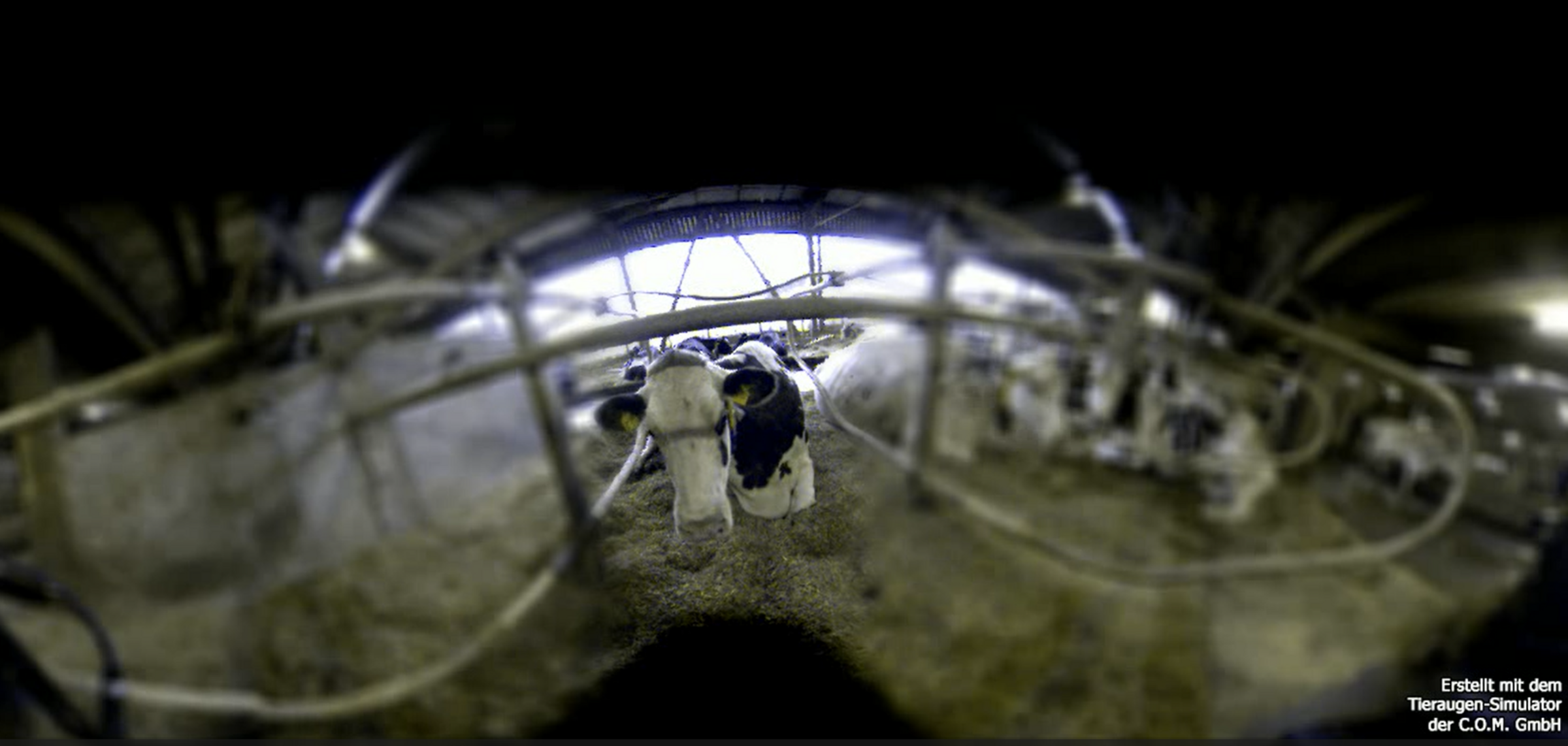
From the events: Sensory perception in cattle
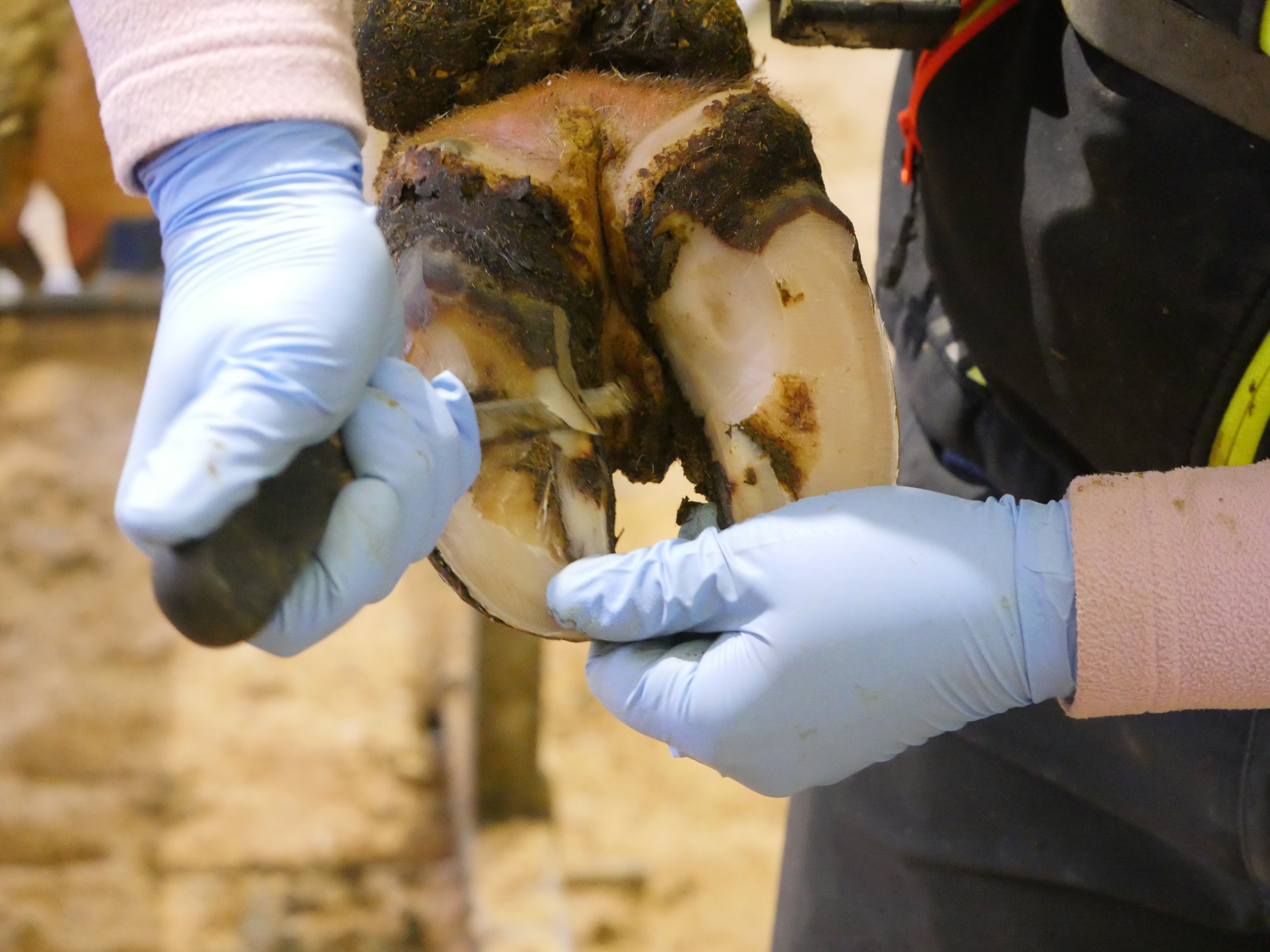
Funded projects: Pilot project on hoof health management
Funded projects: MoMiNE
Funded projects: MuD Animal Welfare: Pasture-based Farming
Animal Welfare Pilot Schemes: Animal transport
06 Tierwohl in der Naturschutzbeweidung
Funded projects: VerLak
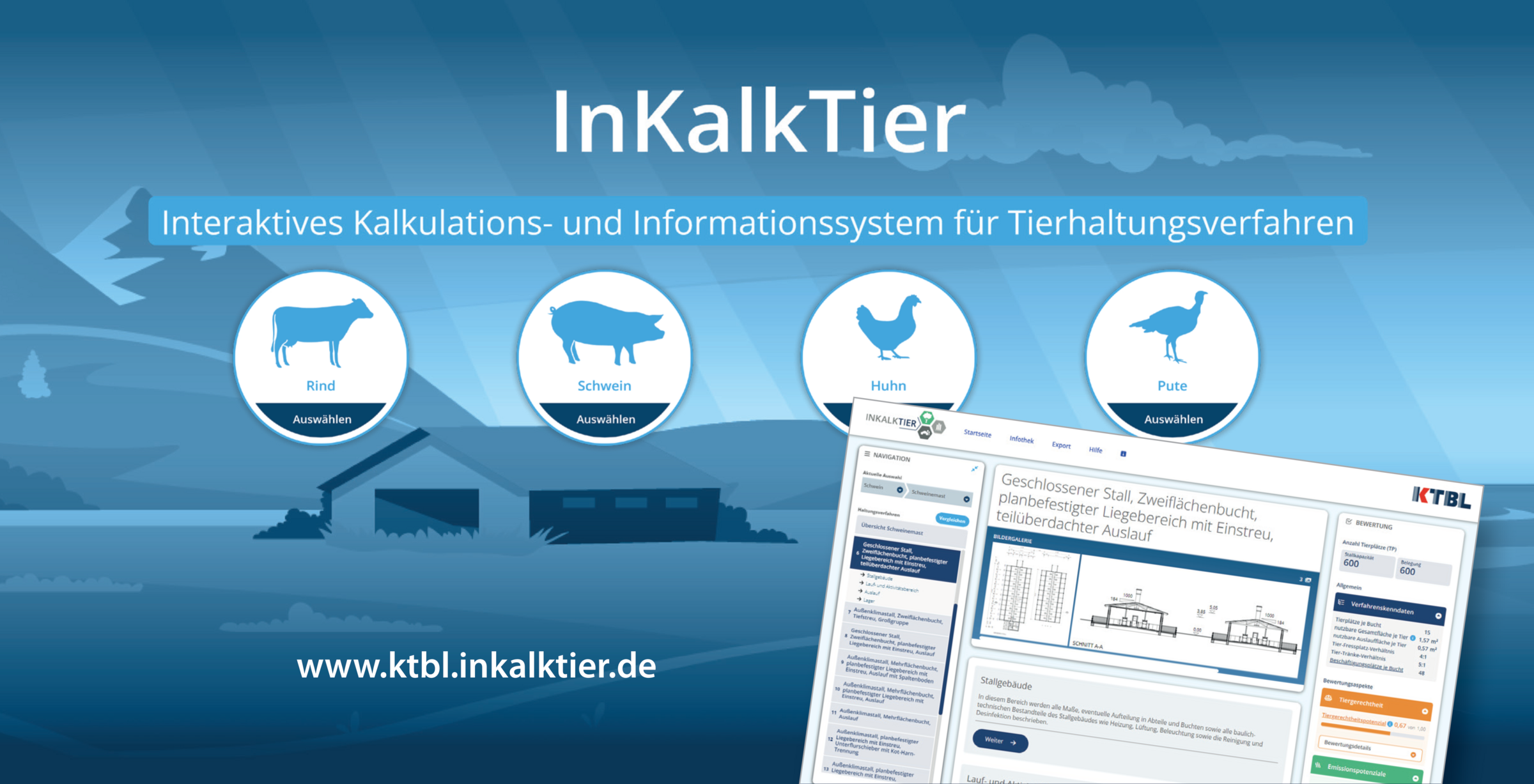
Funded projects: InKalkTier
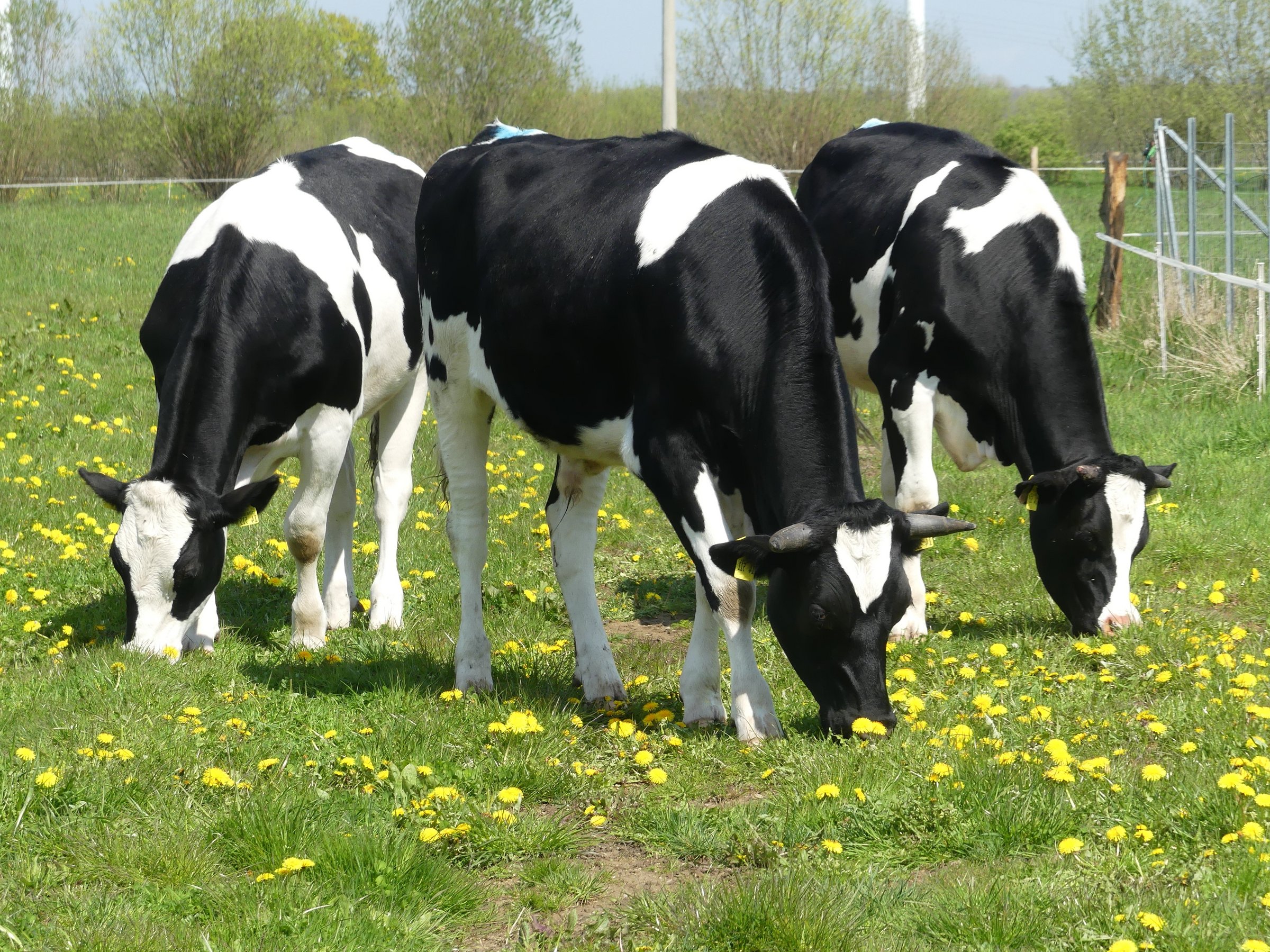
Funded projects: InnoRind
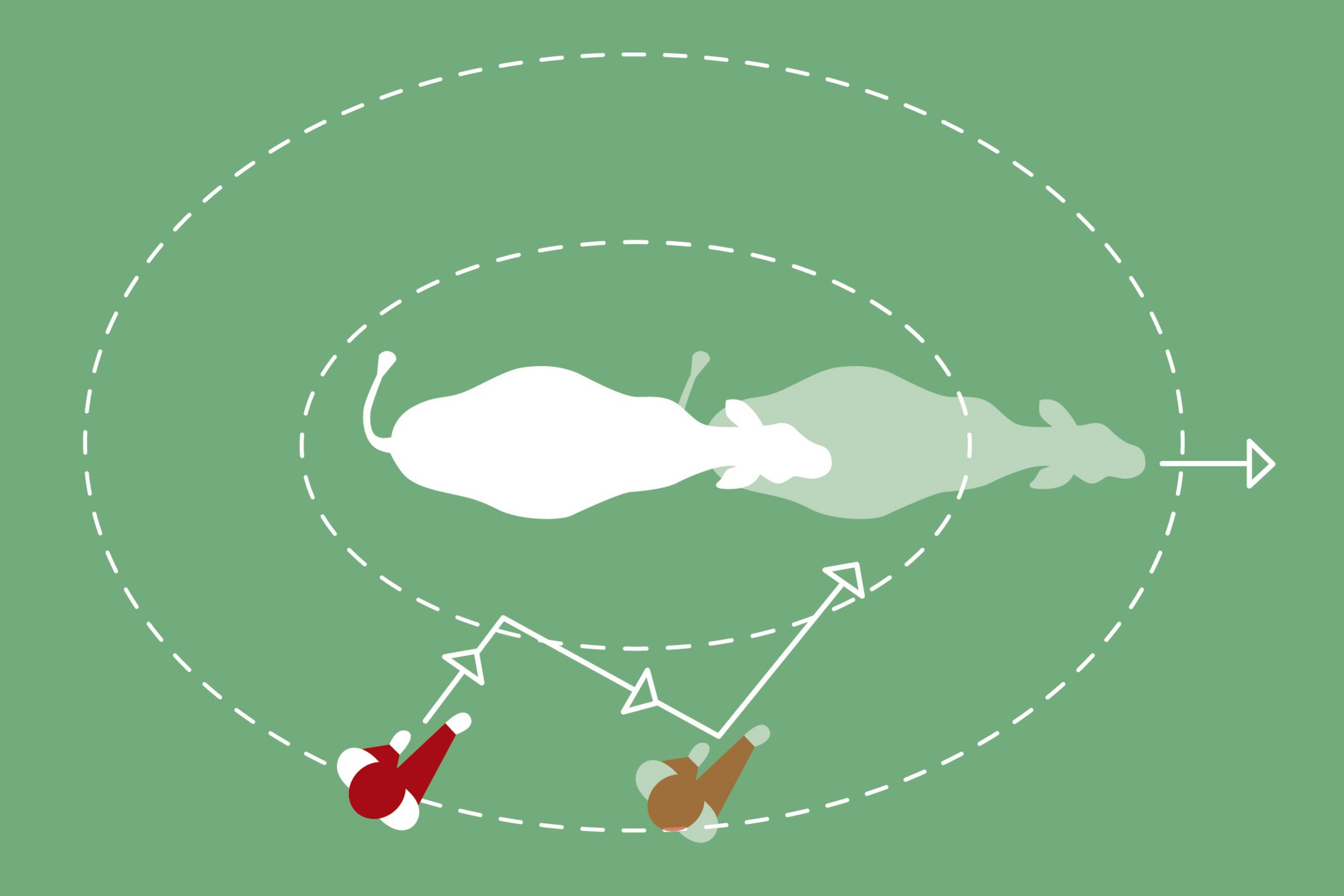
Funded projects: Mob-Grazing

Funded projects: Animal welfare planning
Integration & Organisation der Klauenpflege
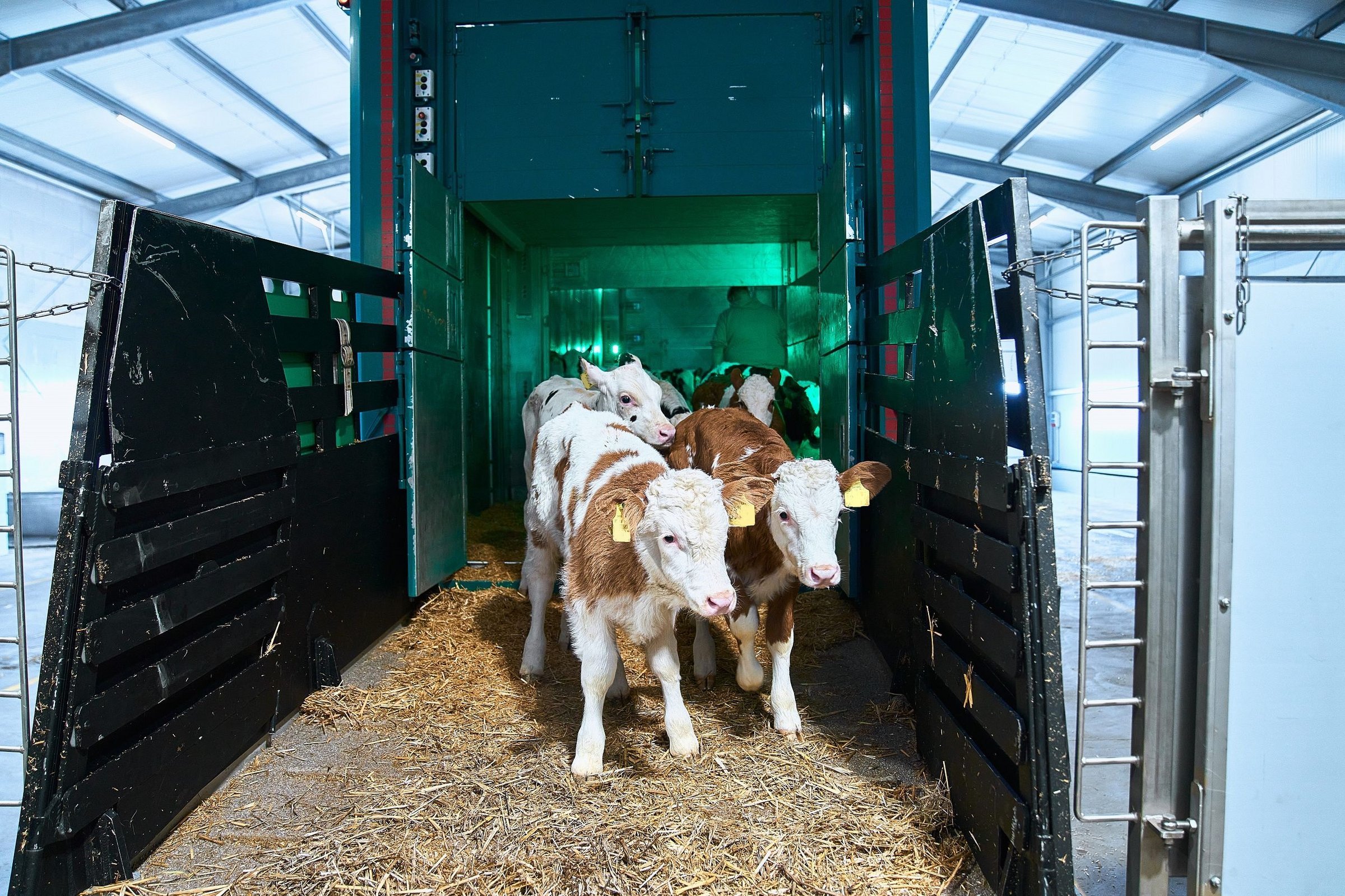
Cattle are transported throughout their lives for a wide variety of reasons. In particular, due to specialisation in livestock farming, animal transport has become an integral part of agriculture. For example, cattle are transported from the birth farm to the rearing and fattening farm and, in the vast majority of cases, finally to the abattoir. In addition, cattle are also transported for breeding purposes, e.g. to participate in breeding shows or for the exchange of breeding stock. Other reasons include trade at livestock markets, seasonal movements as part of grazing livestock management, transport to other European countries, and export to third countries.
Animal transport is subject to legal requirements and industry standards that have been repeatedly updated over the years. The aim of these requirements is to ensure the protection of animals during transport and to improve animal welfare.
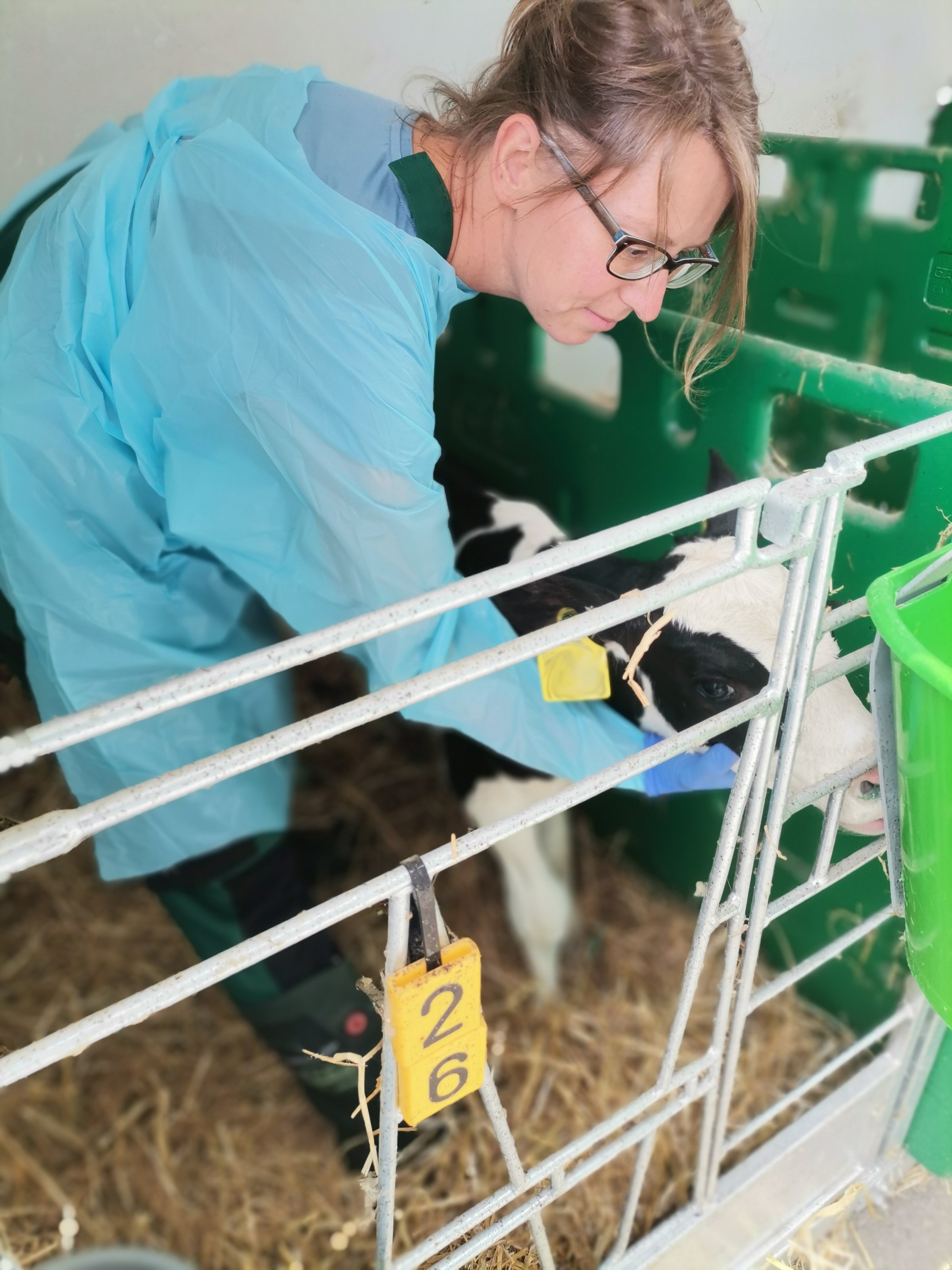
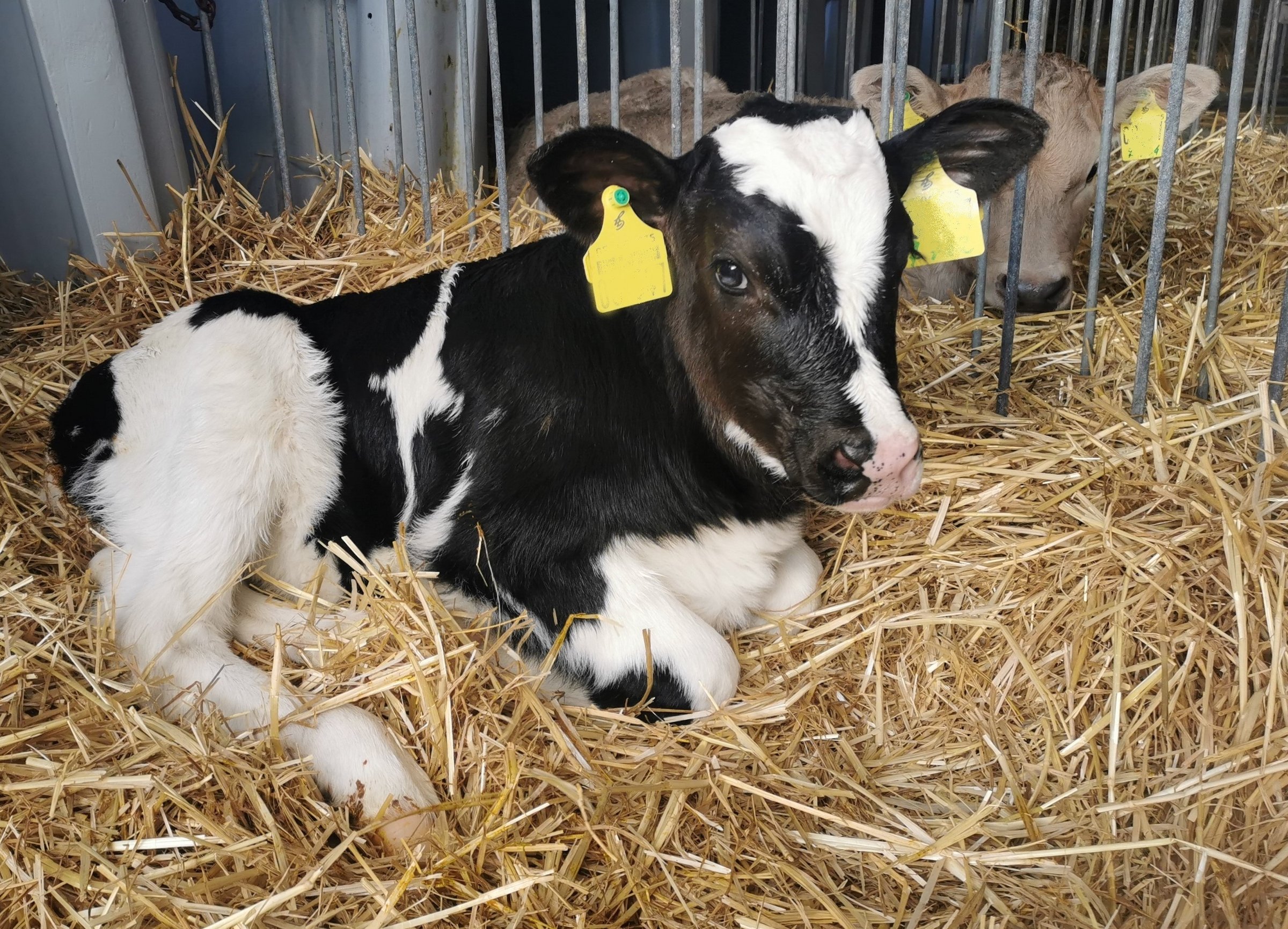
All major diseases affecting young calves (diarrhoea, pneumonia, umbilical or joint inflammation) are classic multifactorial diseases. This means that, in addition to pathogens commonly found in all cattle farms, environmental or management factors are always involved in the onset of the disease. The fundamental principle of rearing healthy calves is therefore to maintain the calf’s immune defences as high as possible whilst keeping the pathogen load as low as possible.
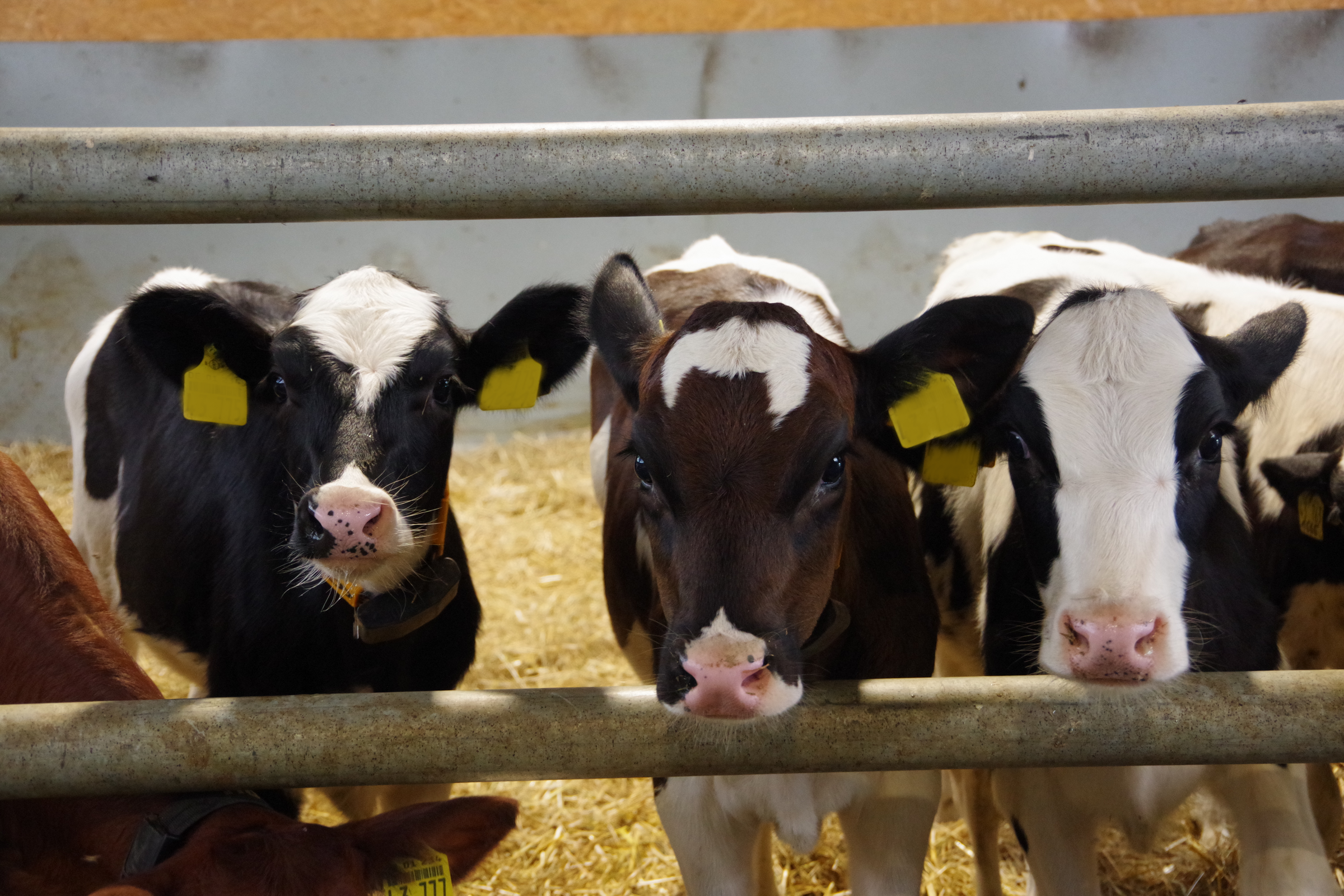
Marketing veal calves from dairy-oriented breeds can be a challenge, as these breeds are primarily known for their milk production rather than their meat quality. Nevertheless, there are various strategies for preparing calves for the market.
The Cattle Animal Welfare Competence Centre of the Fokus Tierwohl network provides an overview of the key aspects for successful marketing.
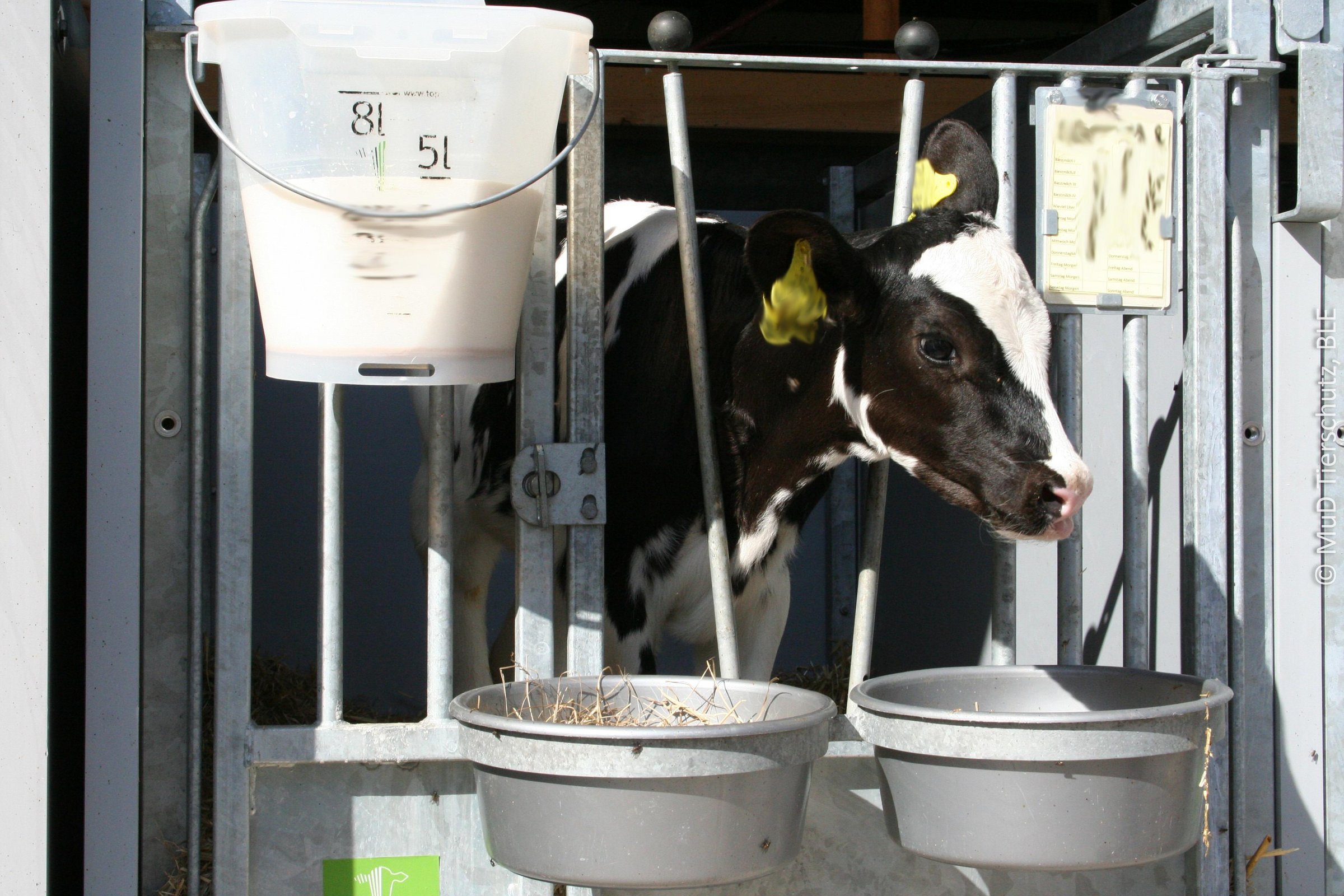
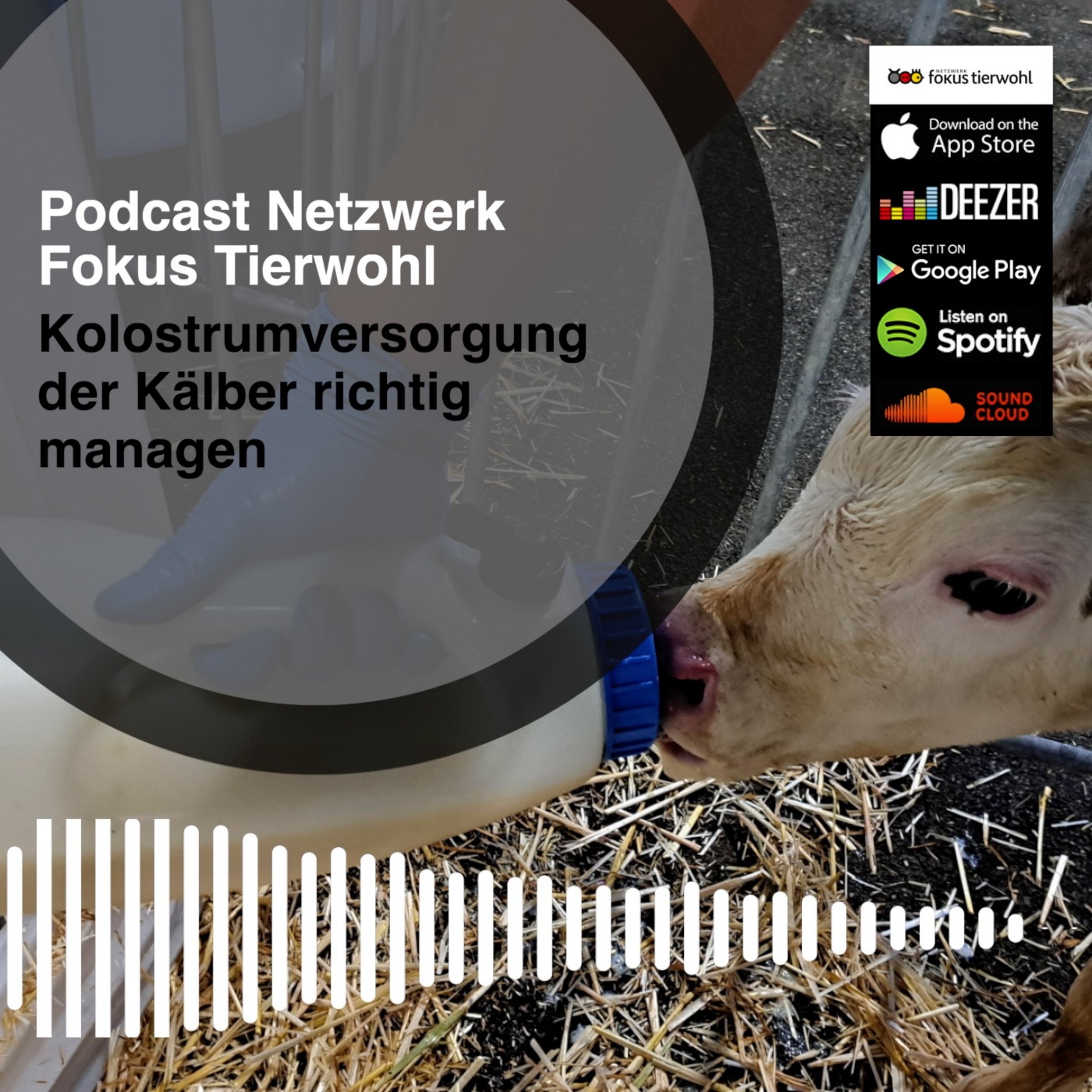
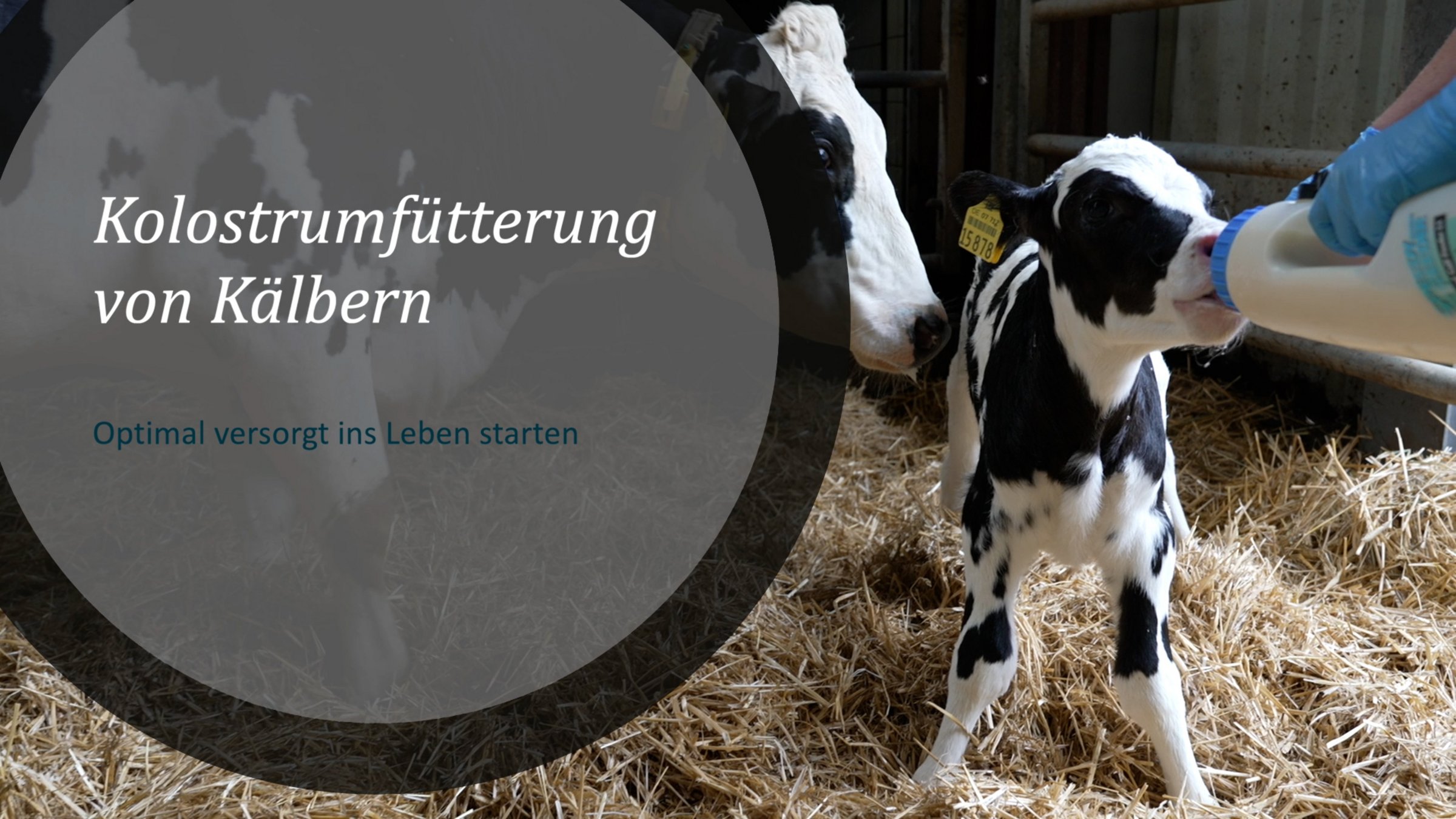
The successful rearing of healthy calves forms the basis for sustainable dairy farming. The initial care of newborn calves is of particular importance in this regard. Passive immunisation of the calf through the administration of colostrum (first milk) has a decisive influence on the calves’ health. Good colostrum management is one of the key factors for good health and low mortality among calves in their first weeks of life.