
Overview of topics: Pigs
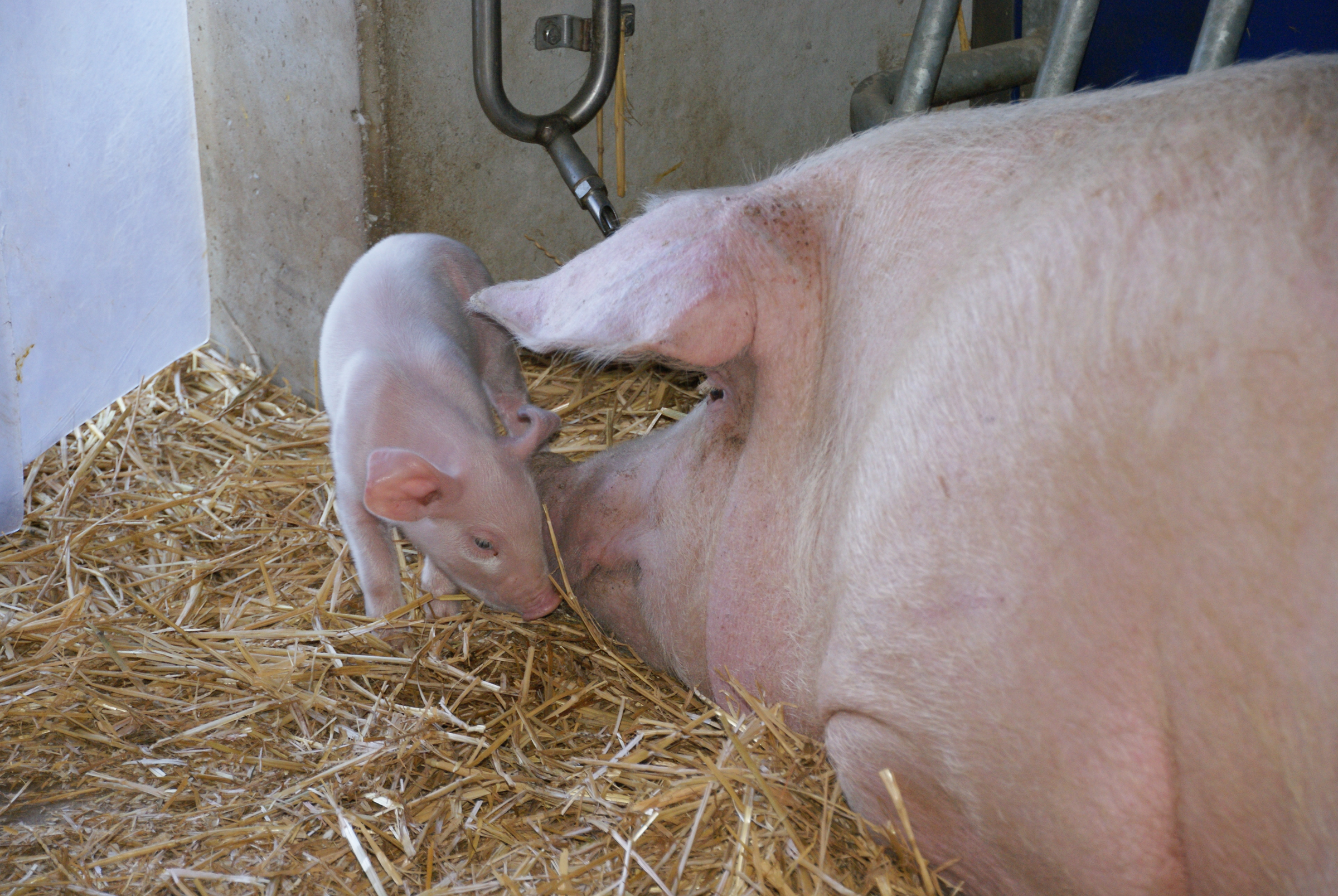
Farrowing Systems Part 2: Focus on the Animal
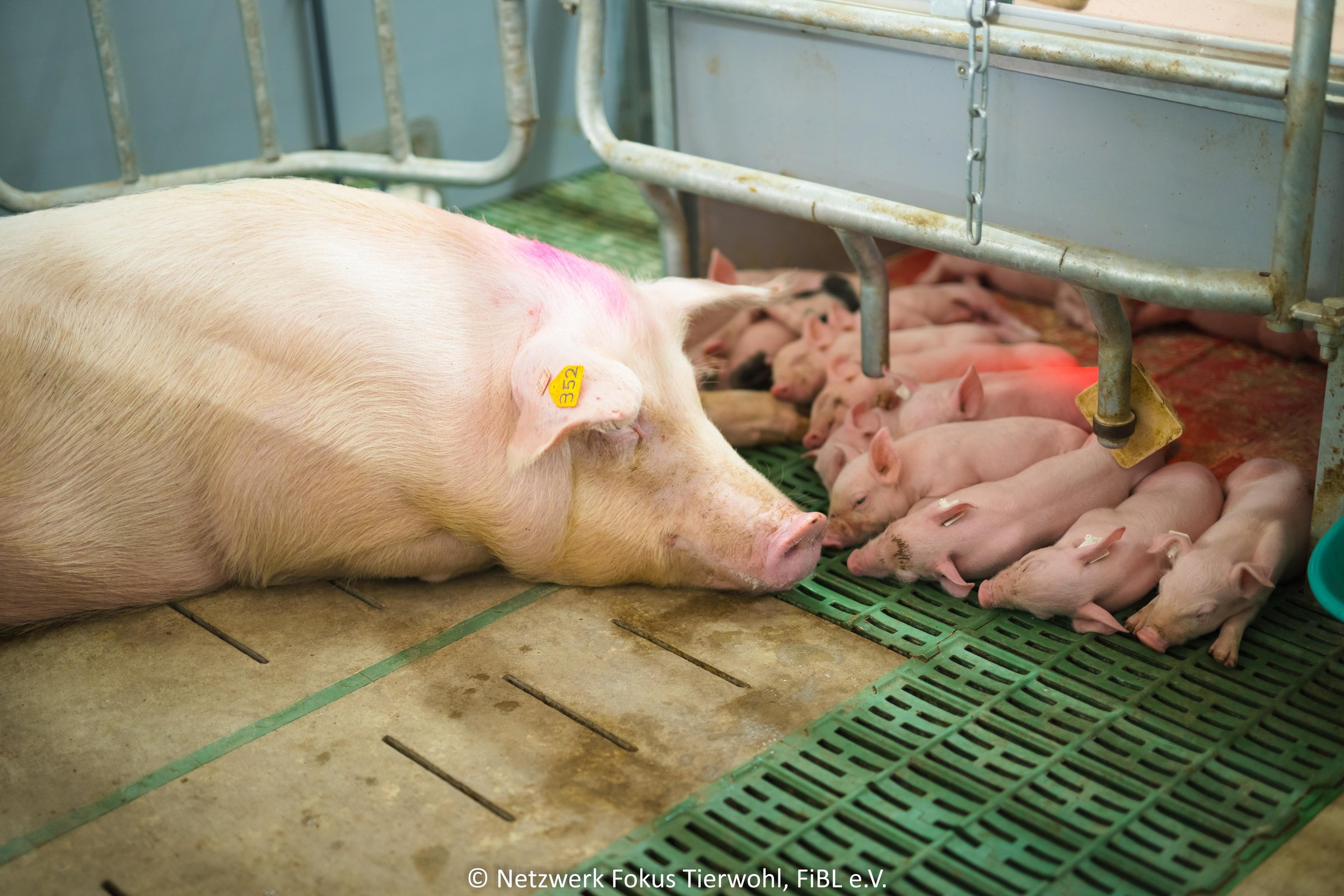
Farrowing systems Part I: Exercise pens and free farrowing
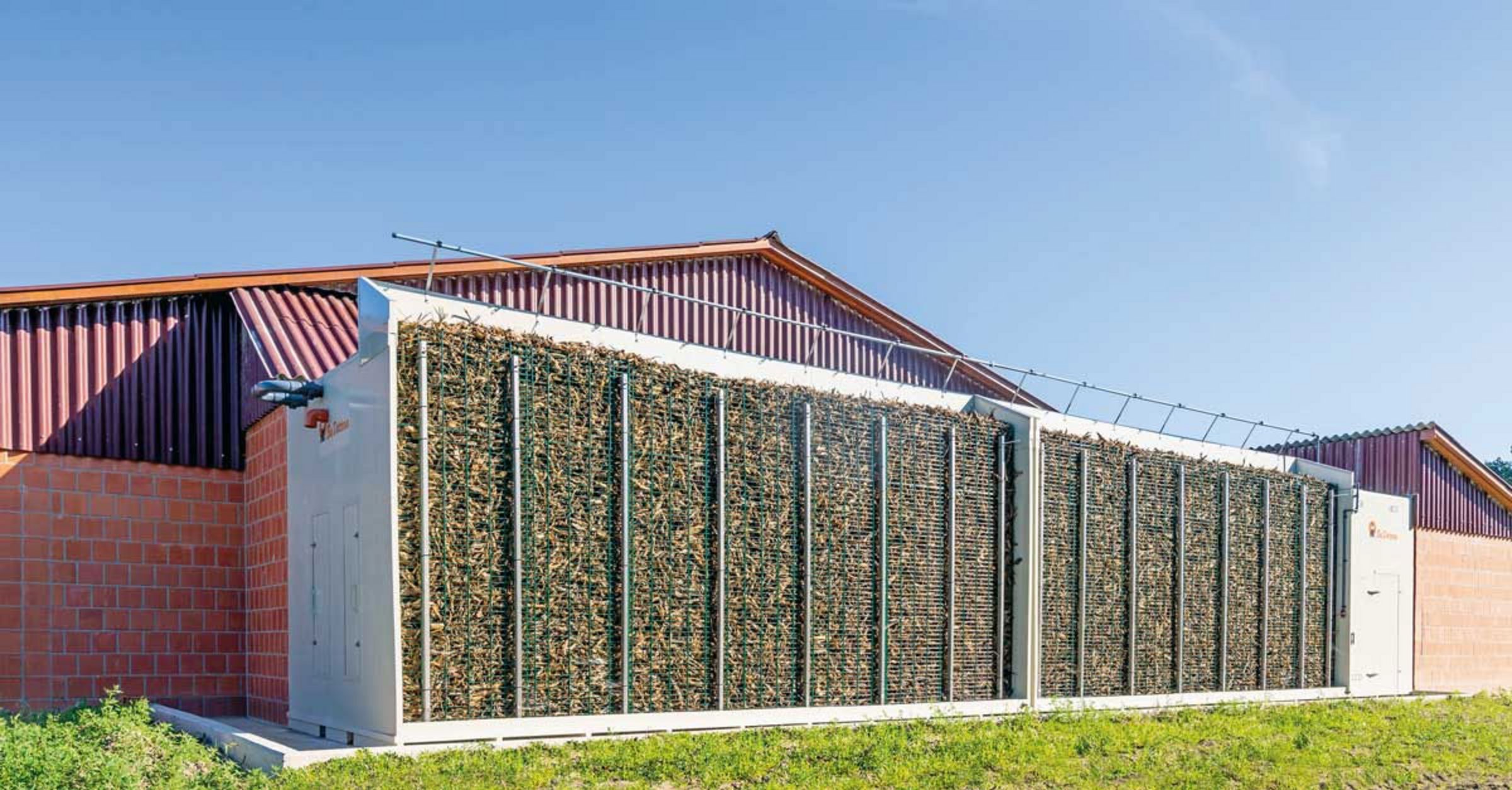
Exhaust air purification systems
African swine fever
Outdoor climate-controlled stables
Internal control

Exercise pens
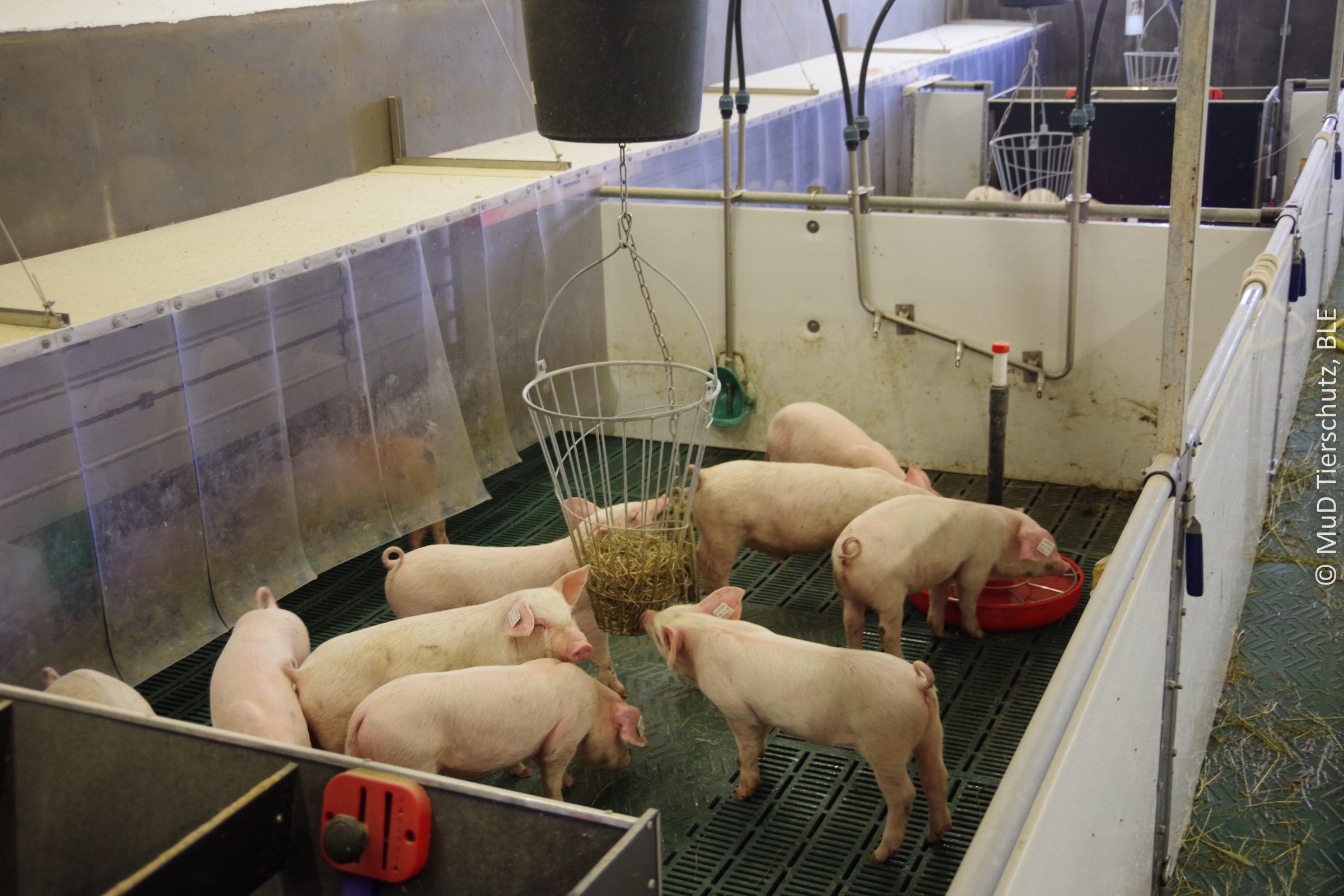
Pen configuration in piglet rearing and fattening
The structure of the deck – that’s what matters
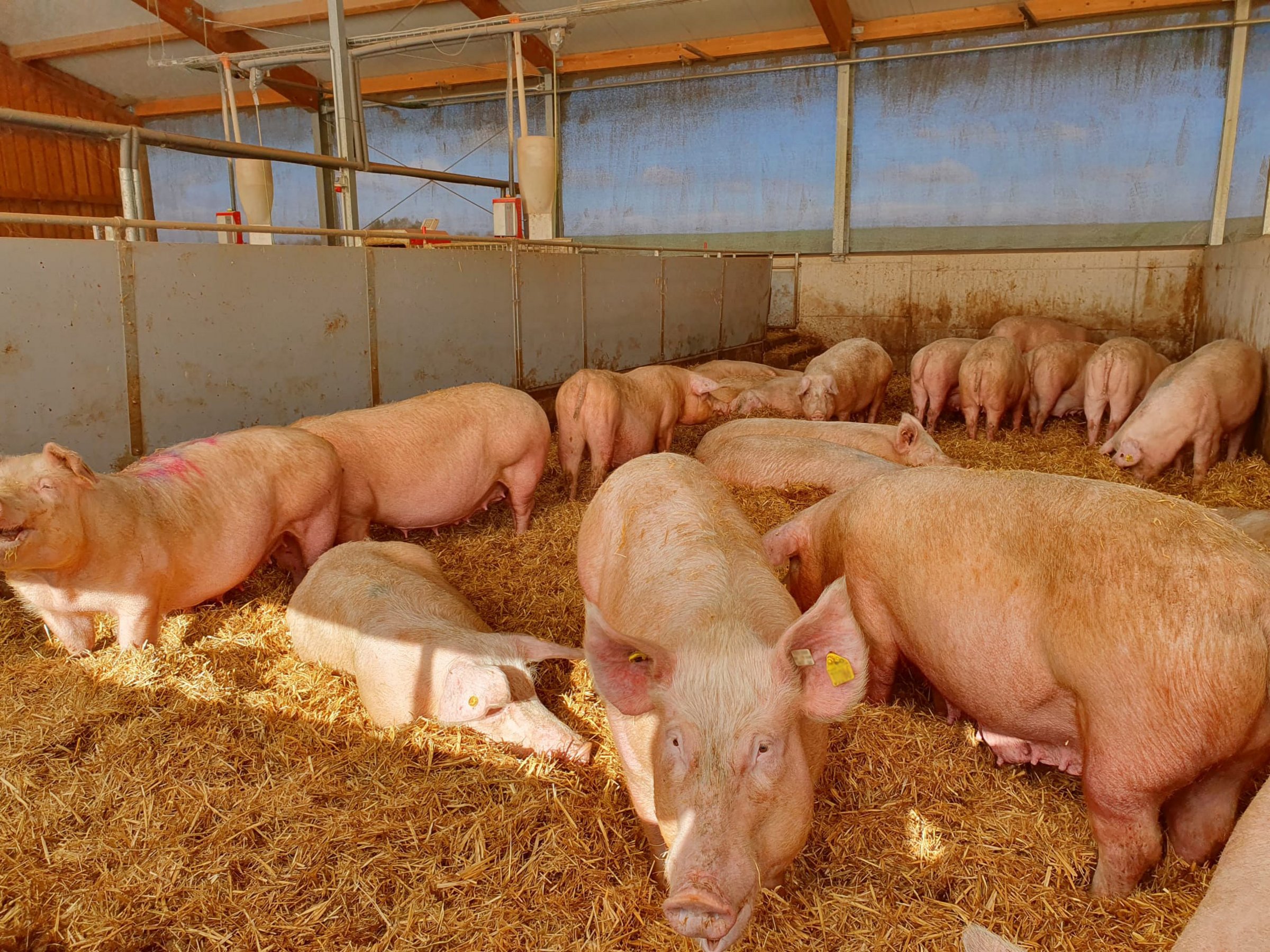
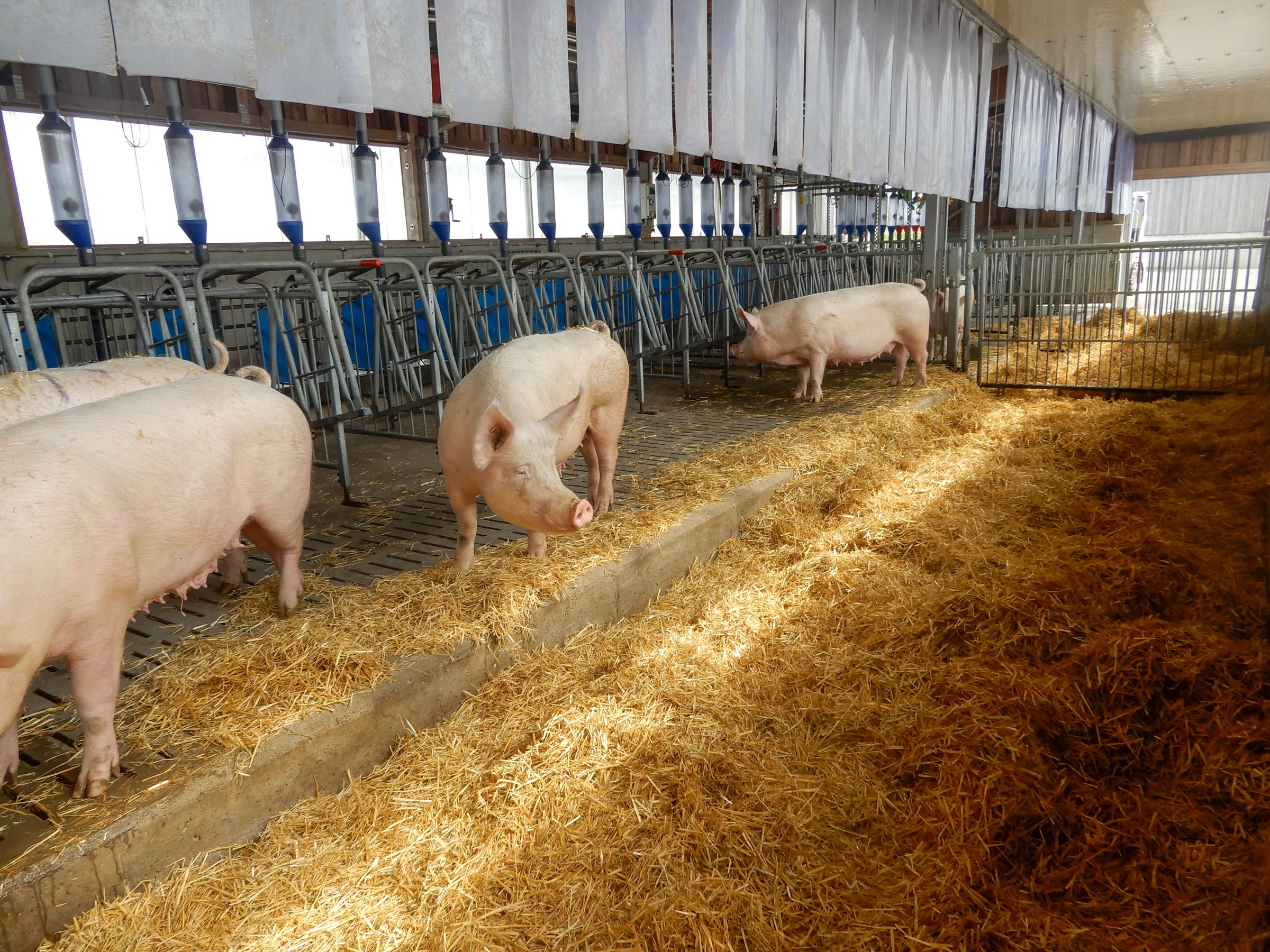
Pen layout in the holding pen
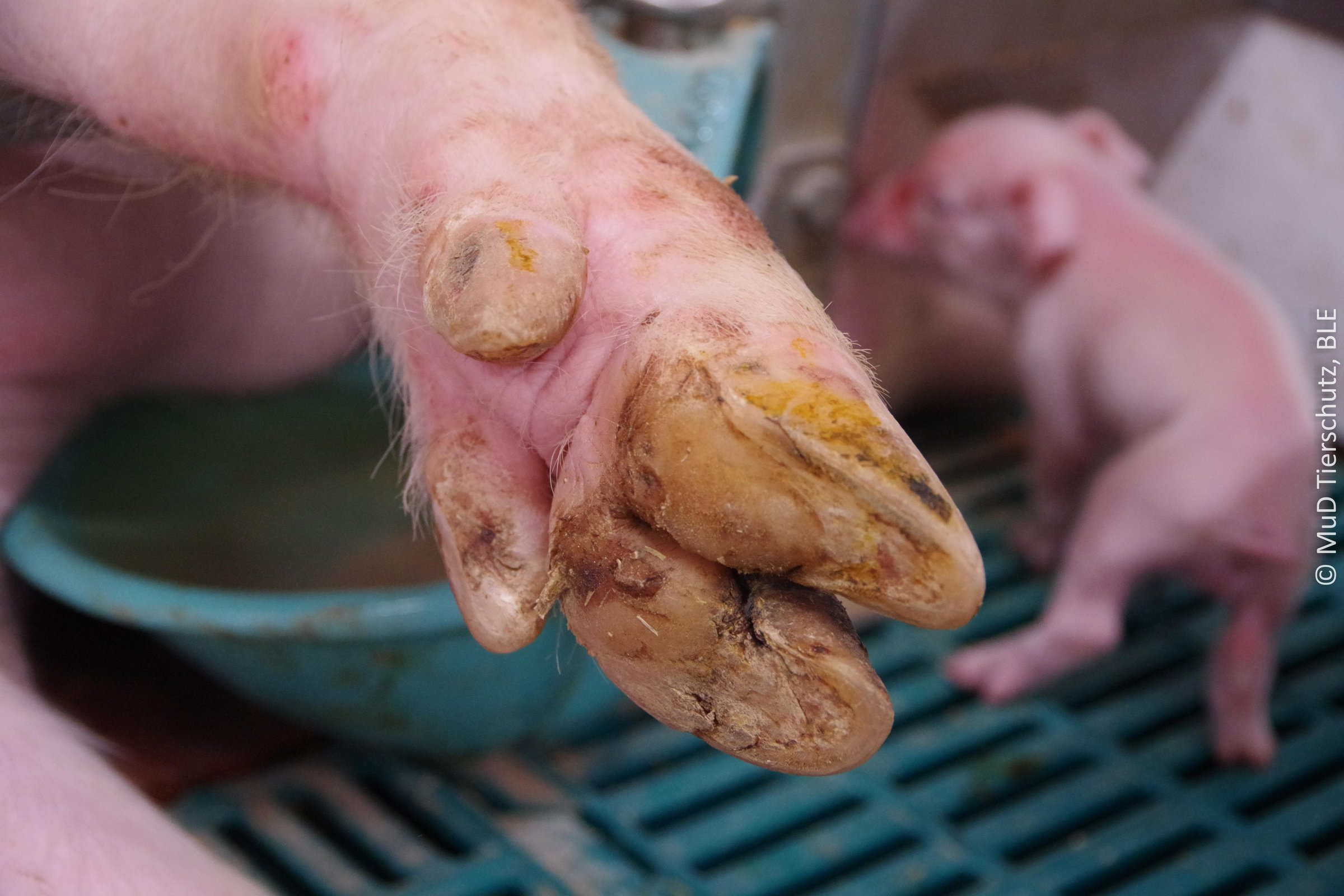
Factors affecting hoof health
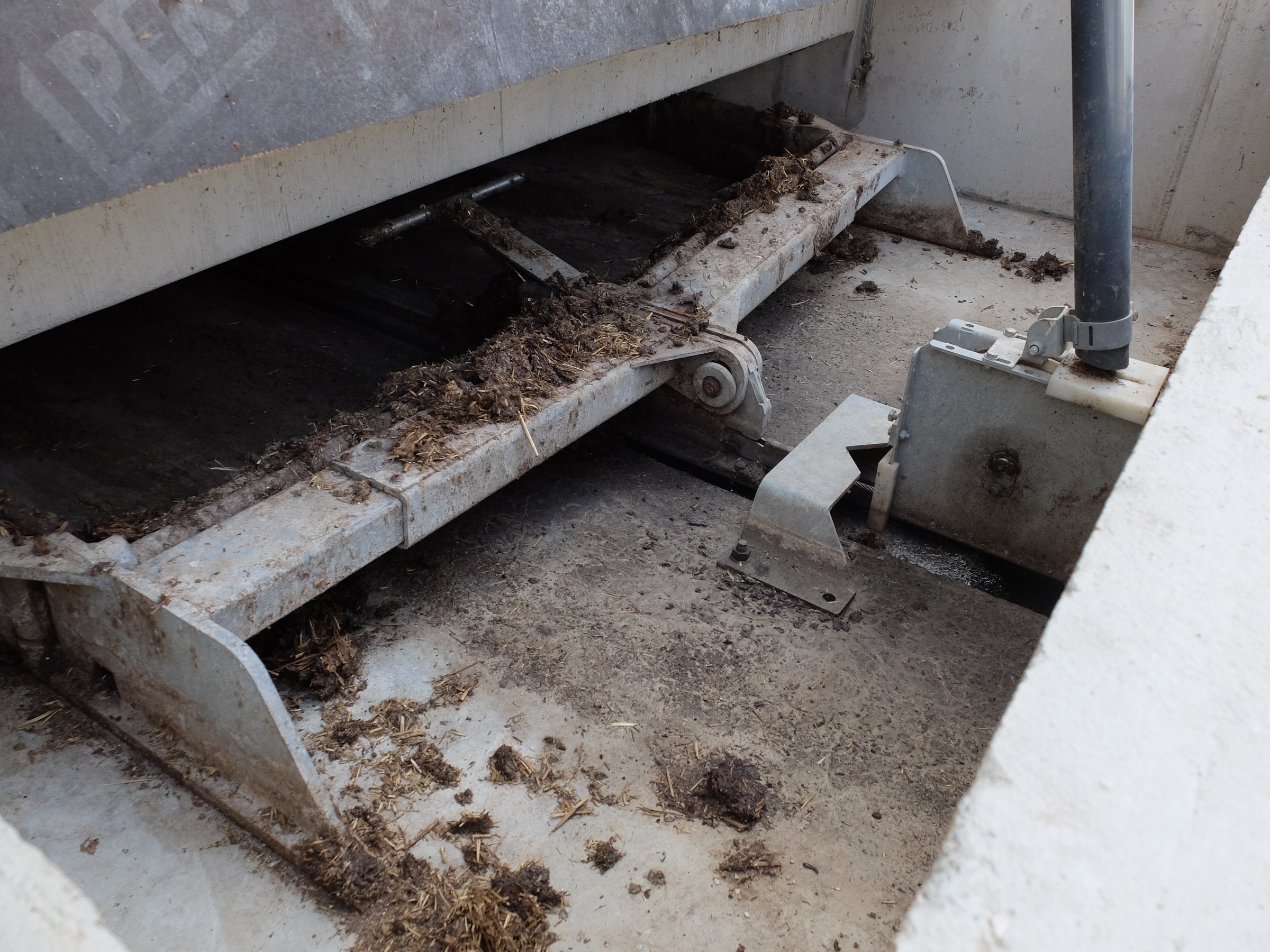
Emission reduction

Manure removal techniques
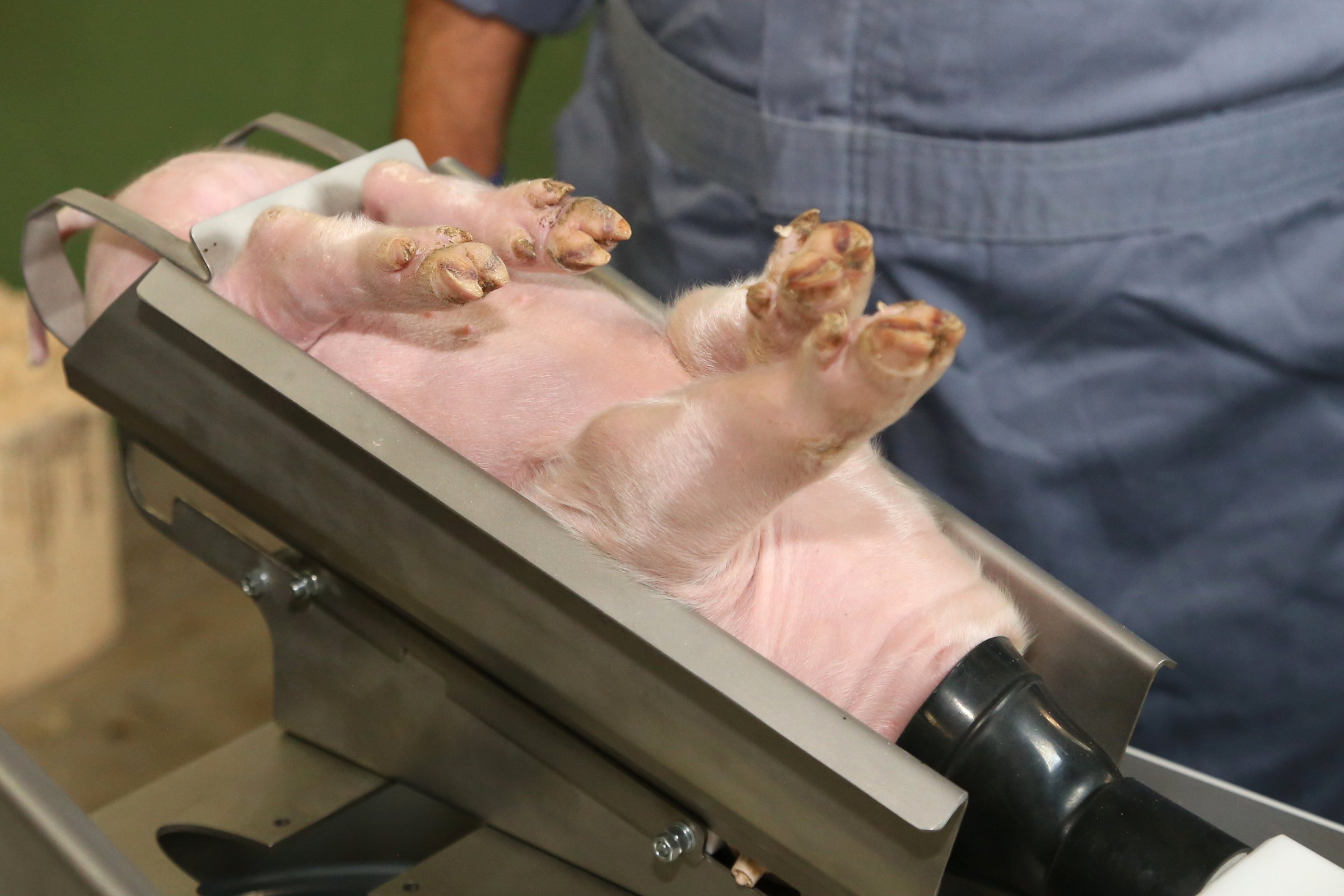
Piglet castration
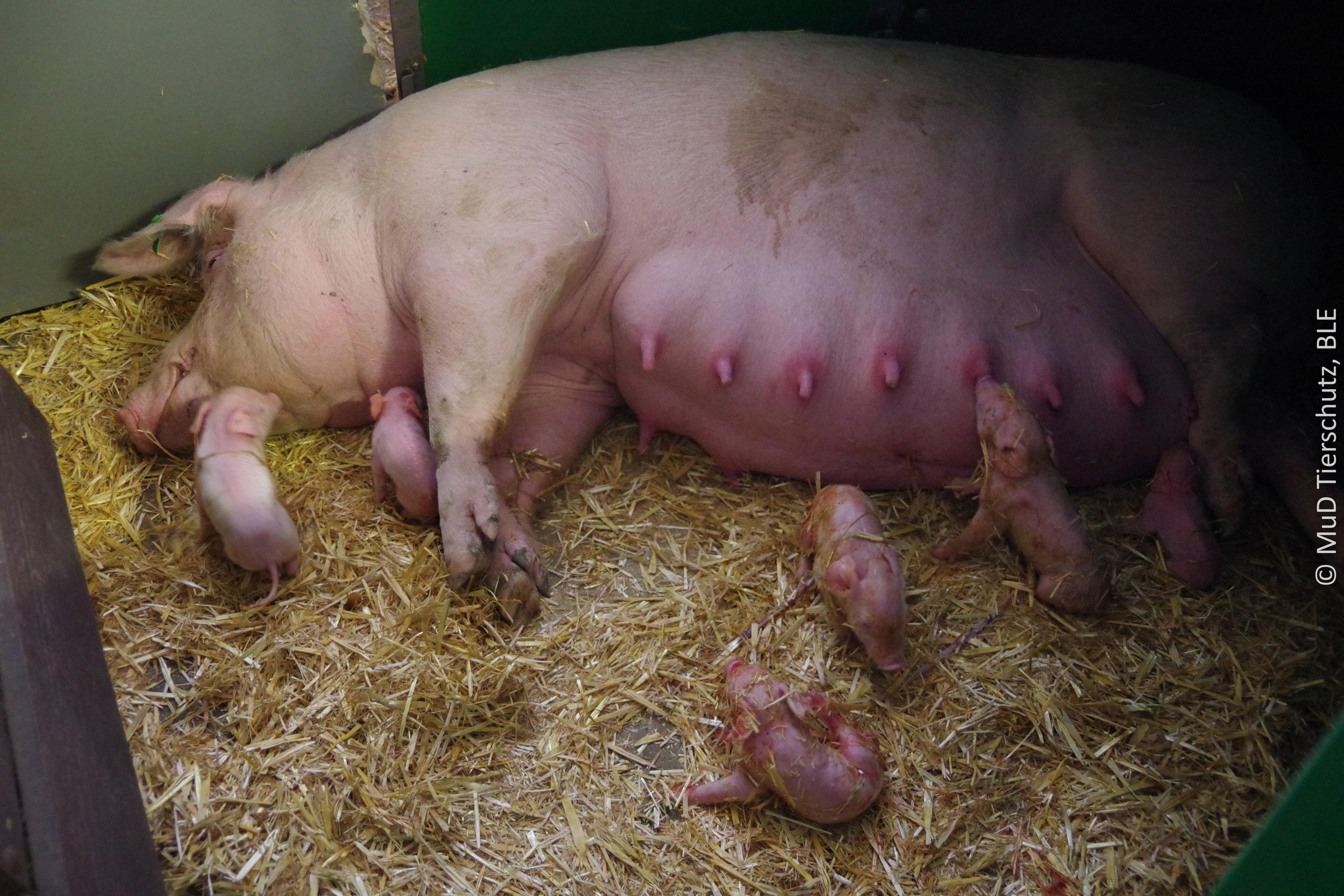
Free farrowing
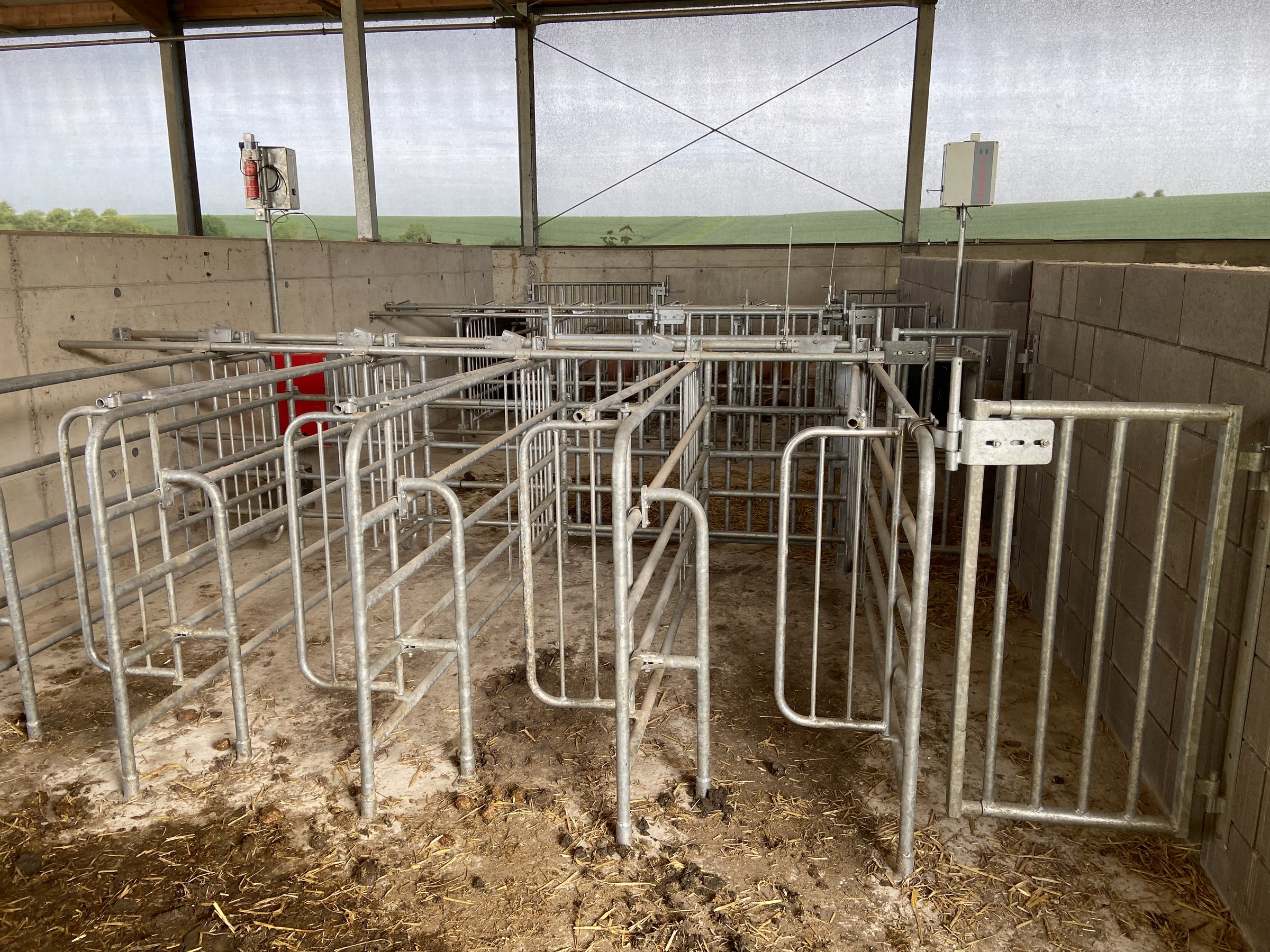
Group housing of sows at the breeding centre
Gruppenhaltung von Sauen im Deckzentrum
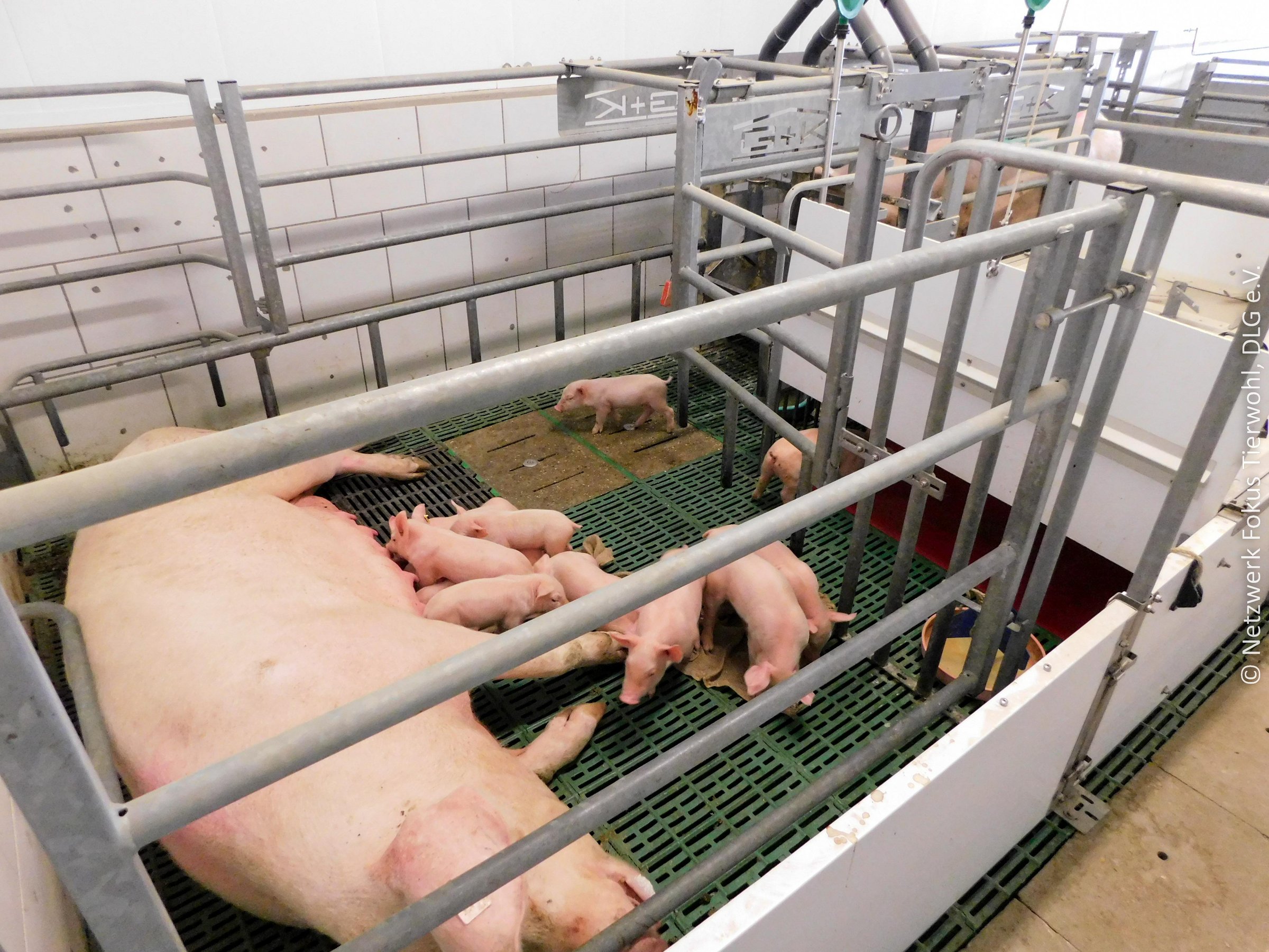
Housing guidelines for piglet production
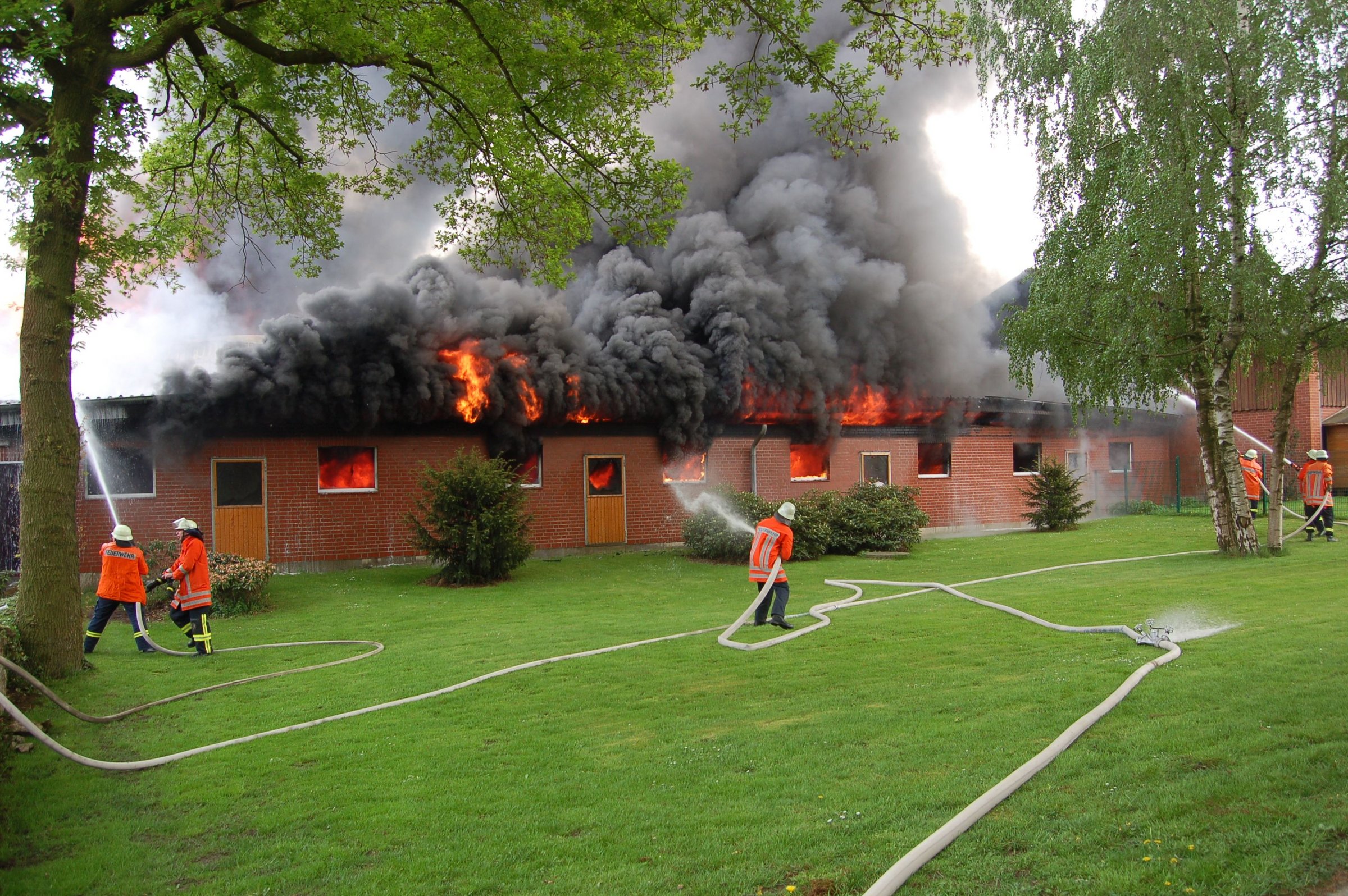
Emergency response plans
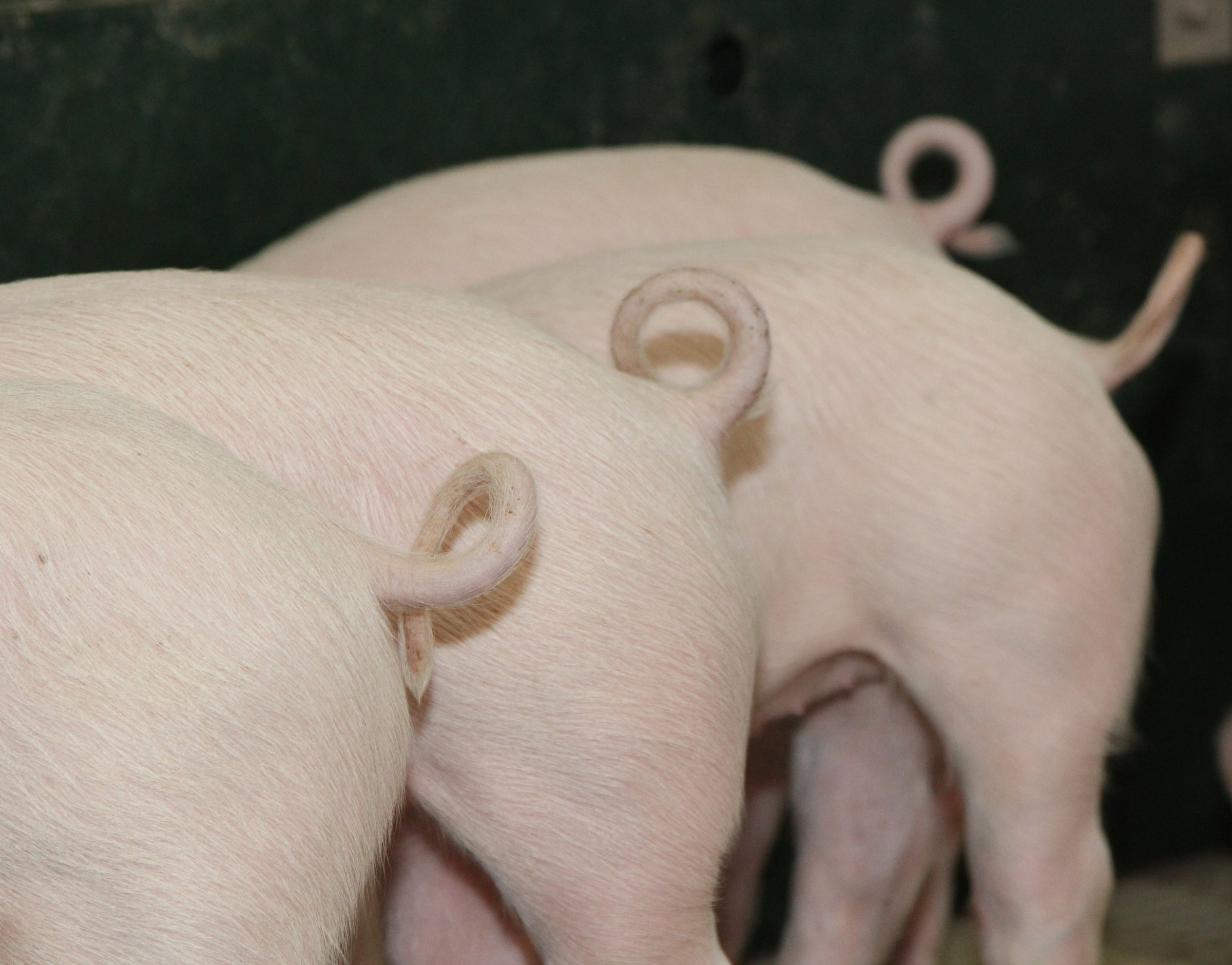
No tail docking

Managing large litters
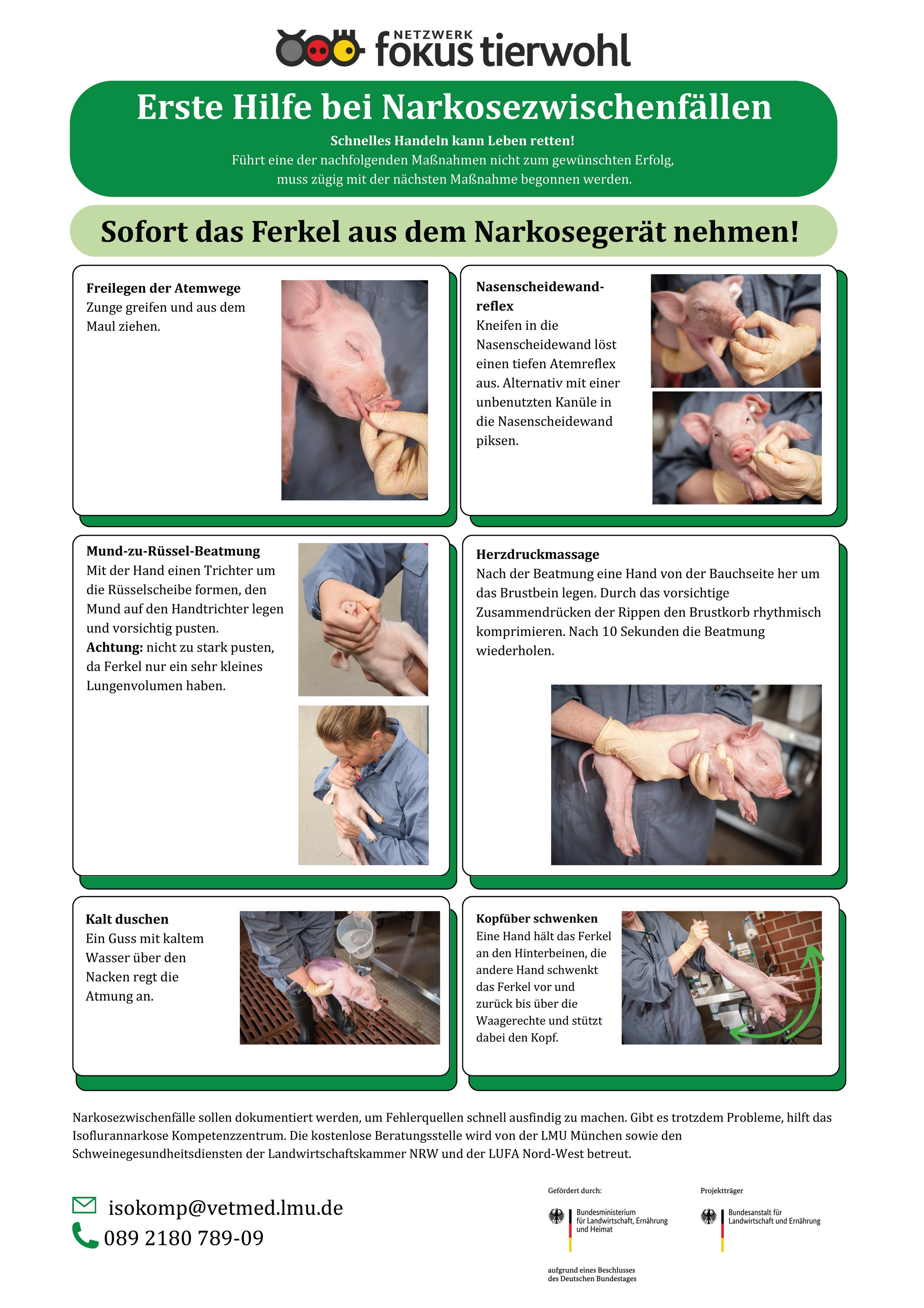
Contingency plan for anaesthetic incidents
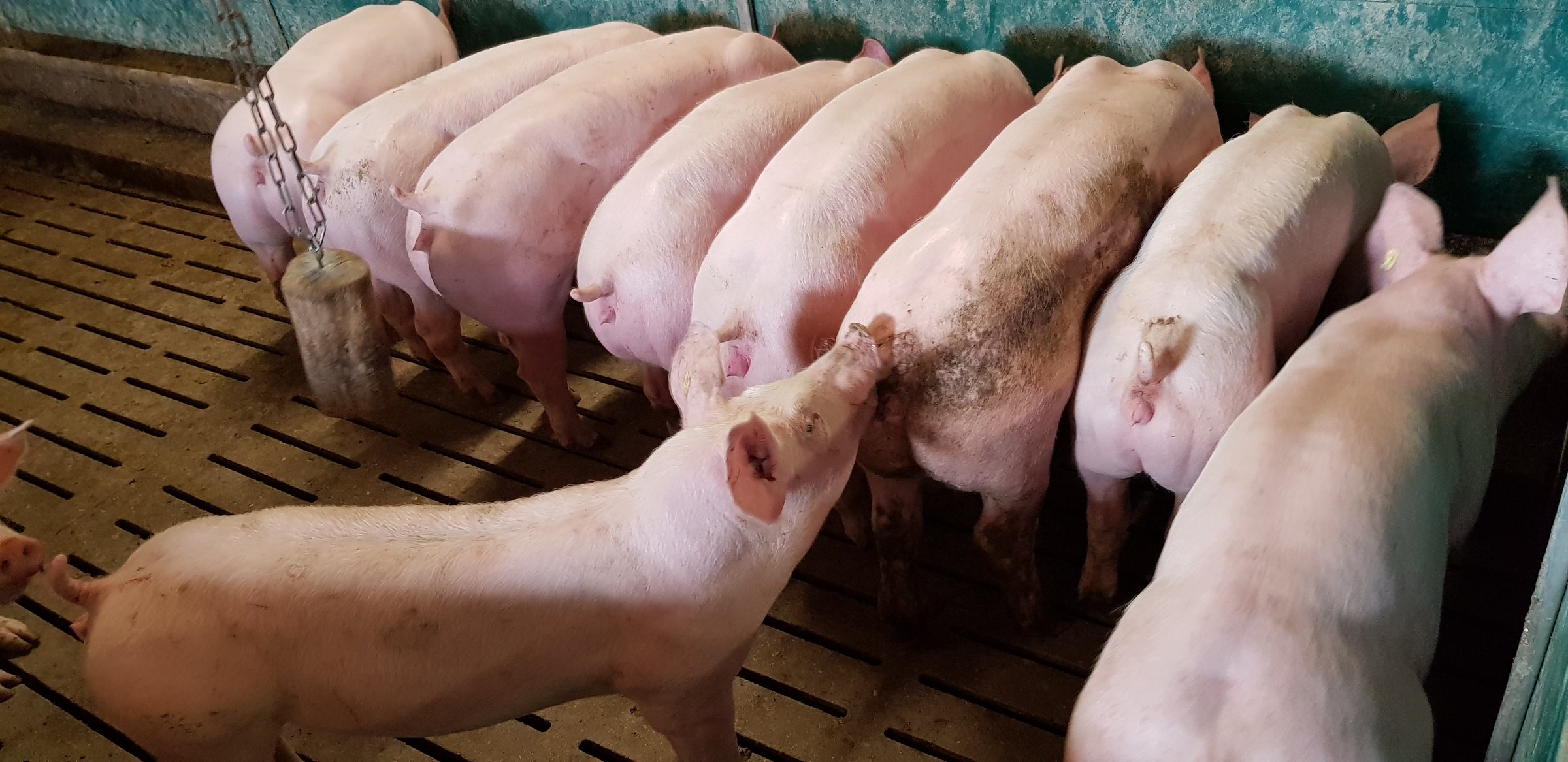
Emergency plan for tail-biting
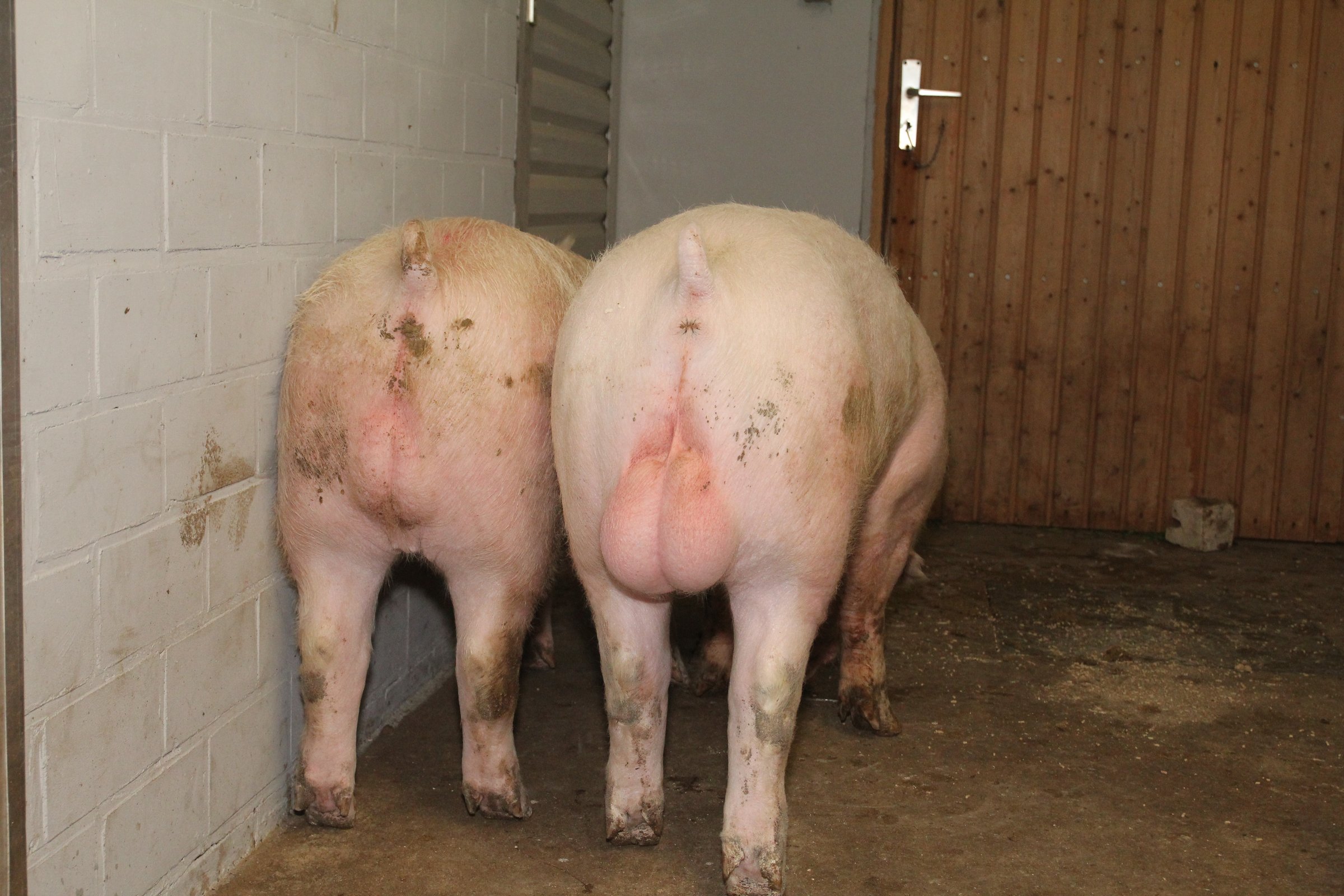
Online information on alternatives to piglet castration without anaesthesia
Practical experiences with the ban on tail docking
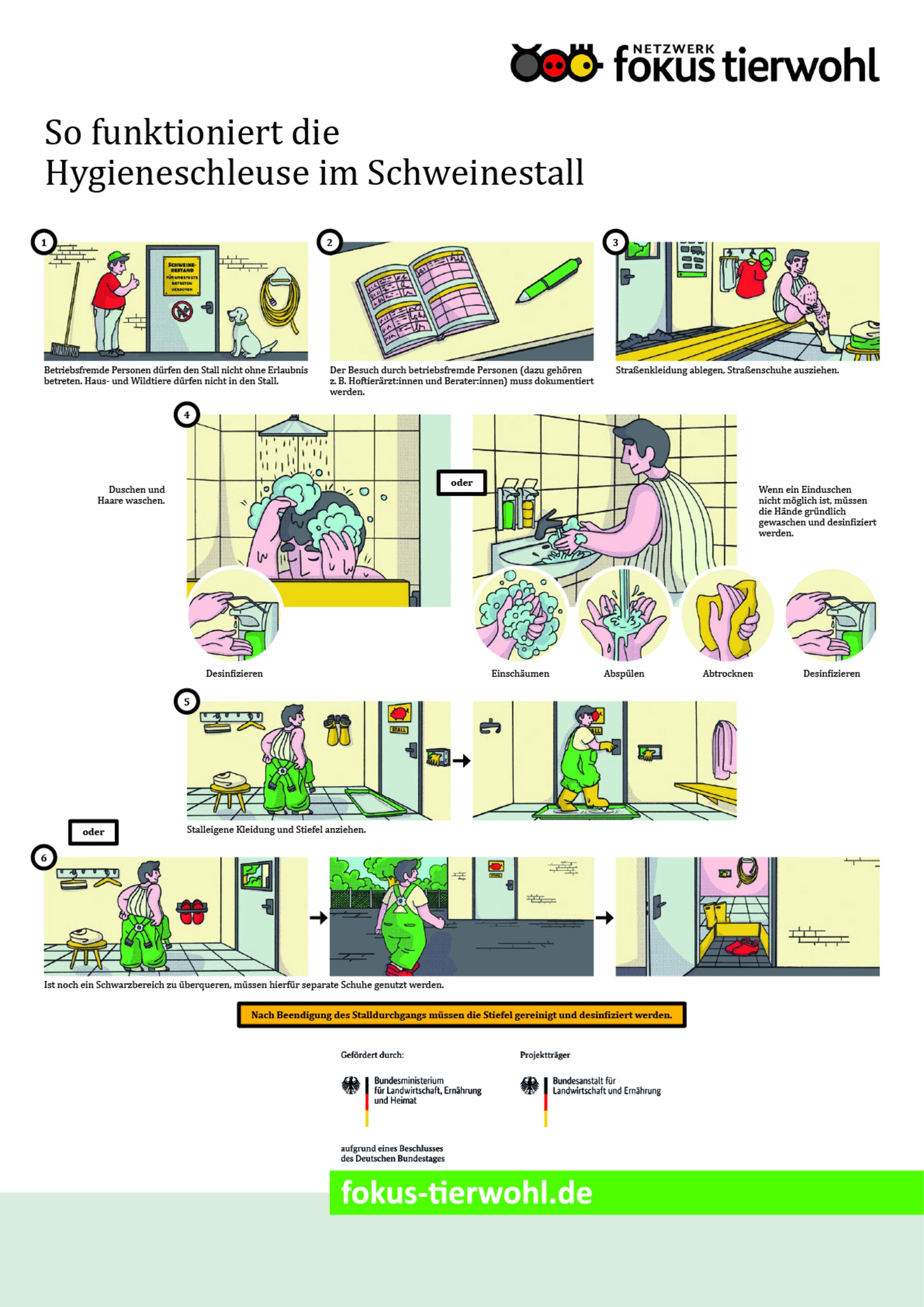
Sanitisation chamber
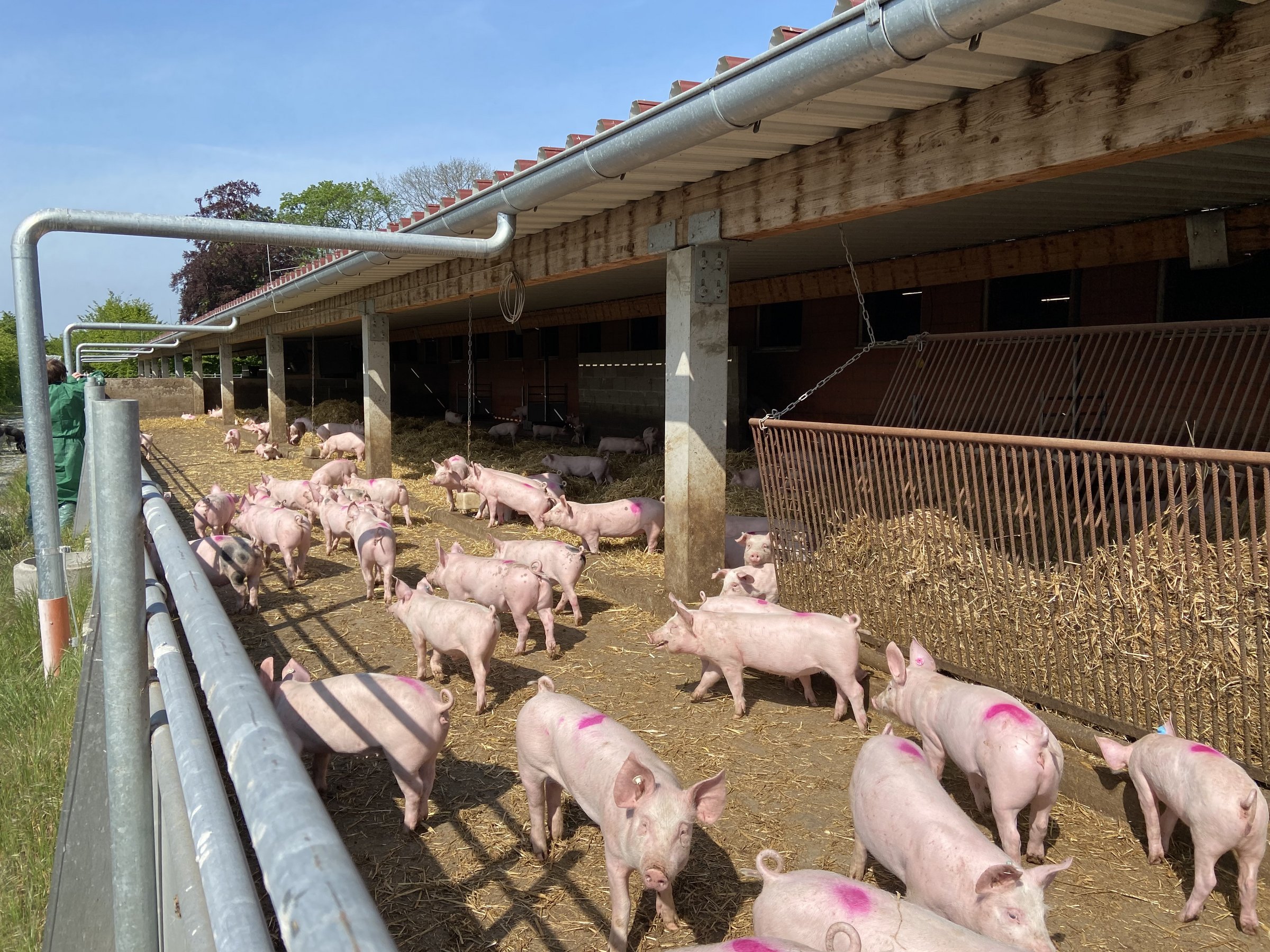
Pig farming with outdoor access
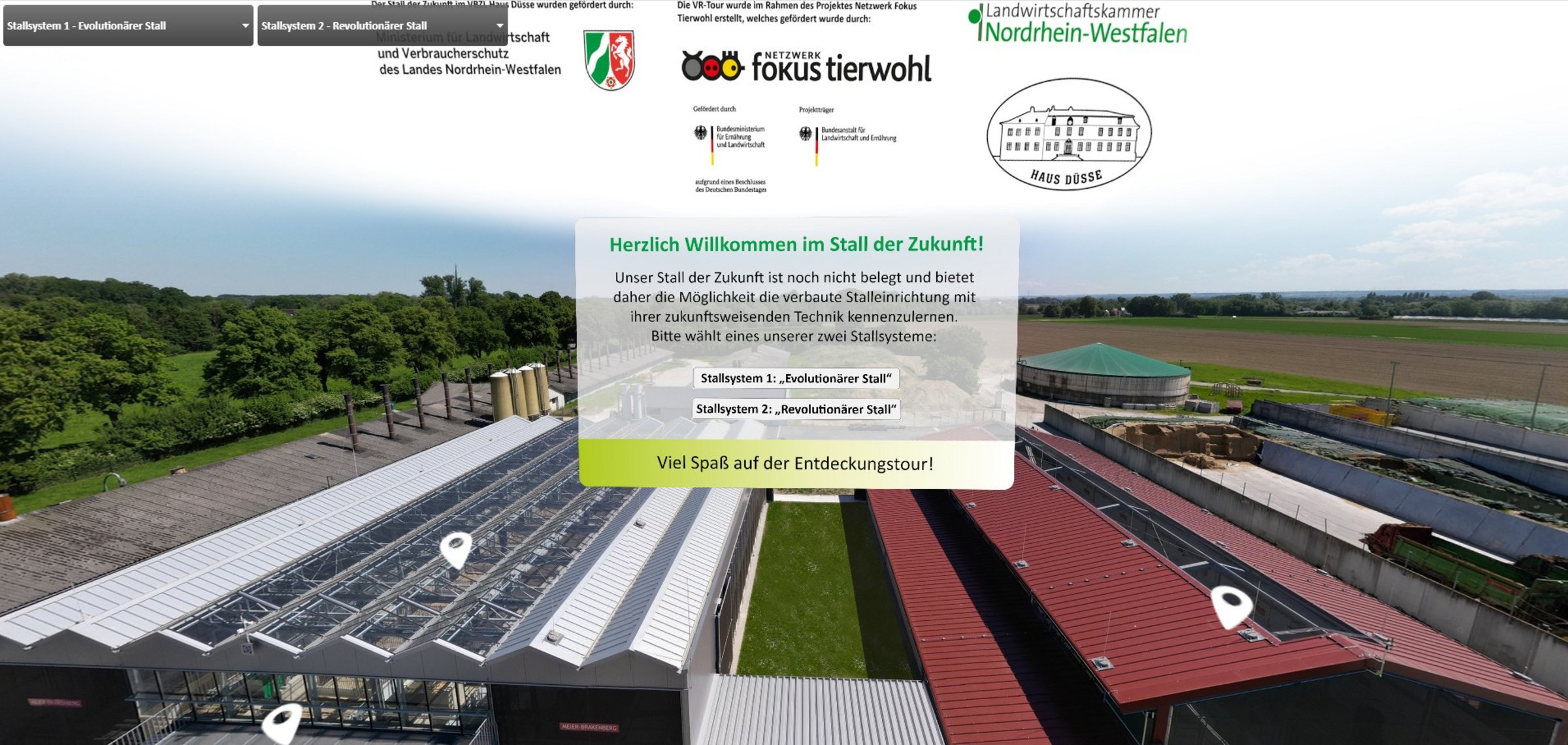
The stable of the future
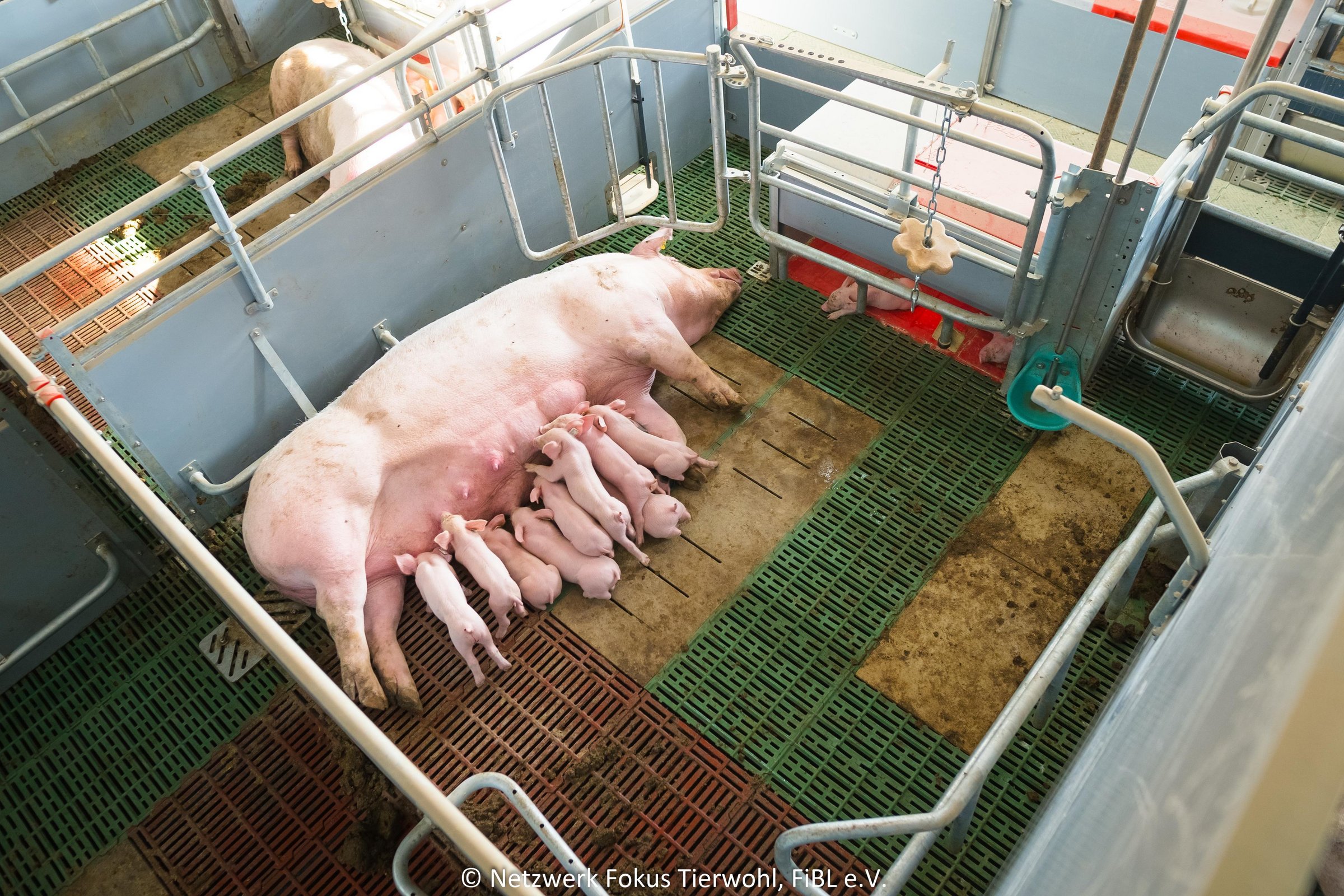
Feedback from the field on exercise pens and free farrowing
01 Termine Sachkundelehrgänge
Animal Husbandry Labelling Act
Survey results: Managing large litters
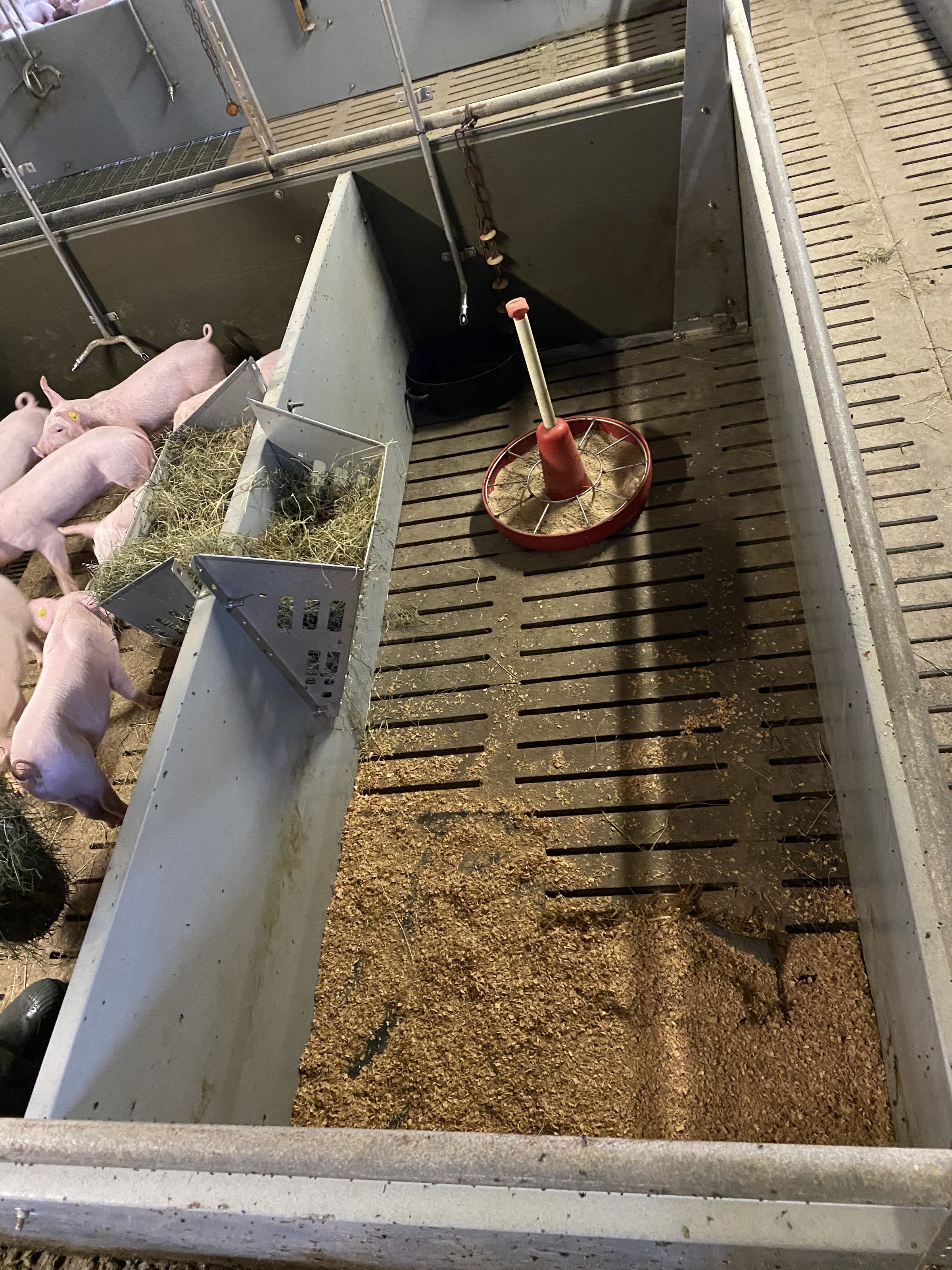
Umgang mit kranken und verletzten Tieren
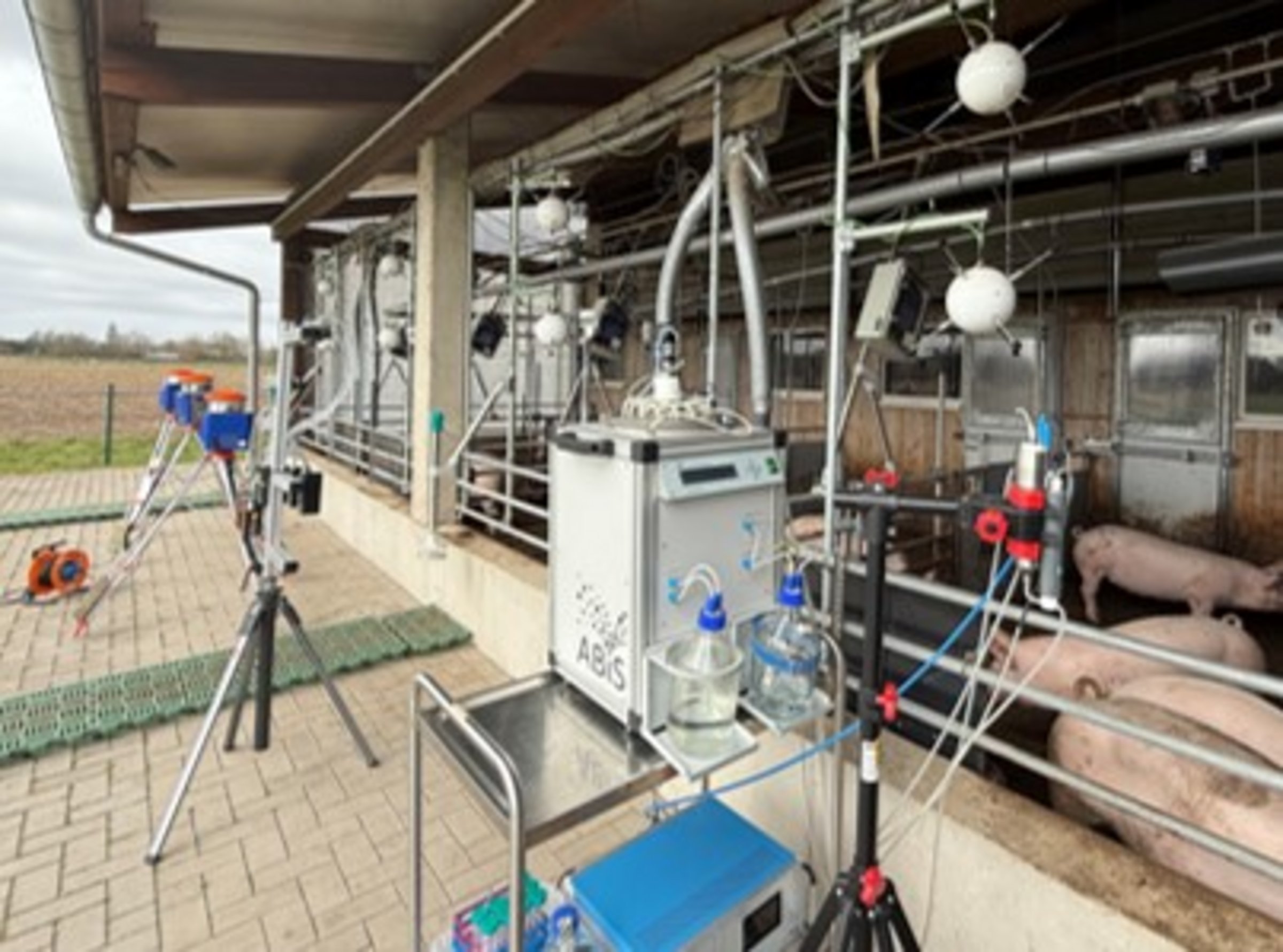
01_Ammoniakreduktion
Outbreaks of tail-biting
Podcast: African Swine Fever
Podcast: Deck Centre
Podcast: Feeding Strategies
Podcast: Insect Protein
Podcast: Hoof Health in Sows
Podcast: Protecting the Climate – Reducing Emissions in Pig Sheds
Podcast: Maternal Instincts in Sows
Video: Alternative piglet rearing systems
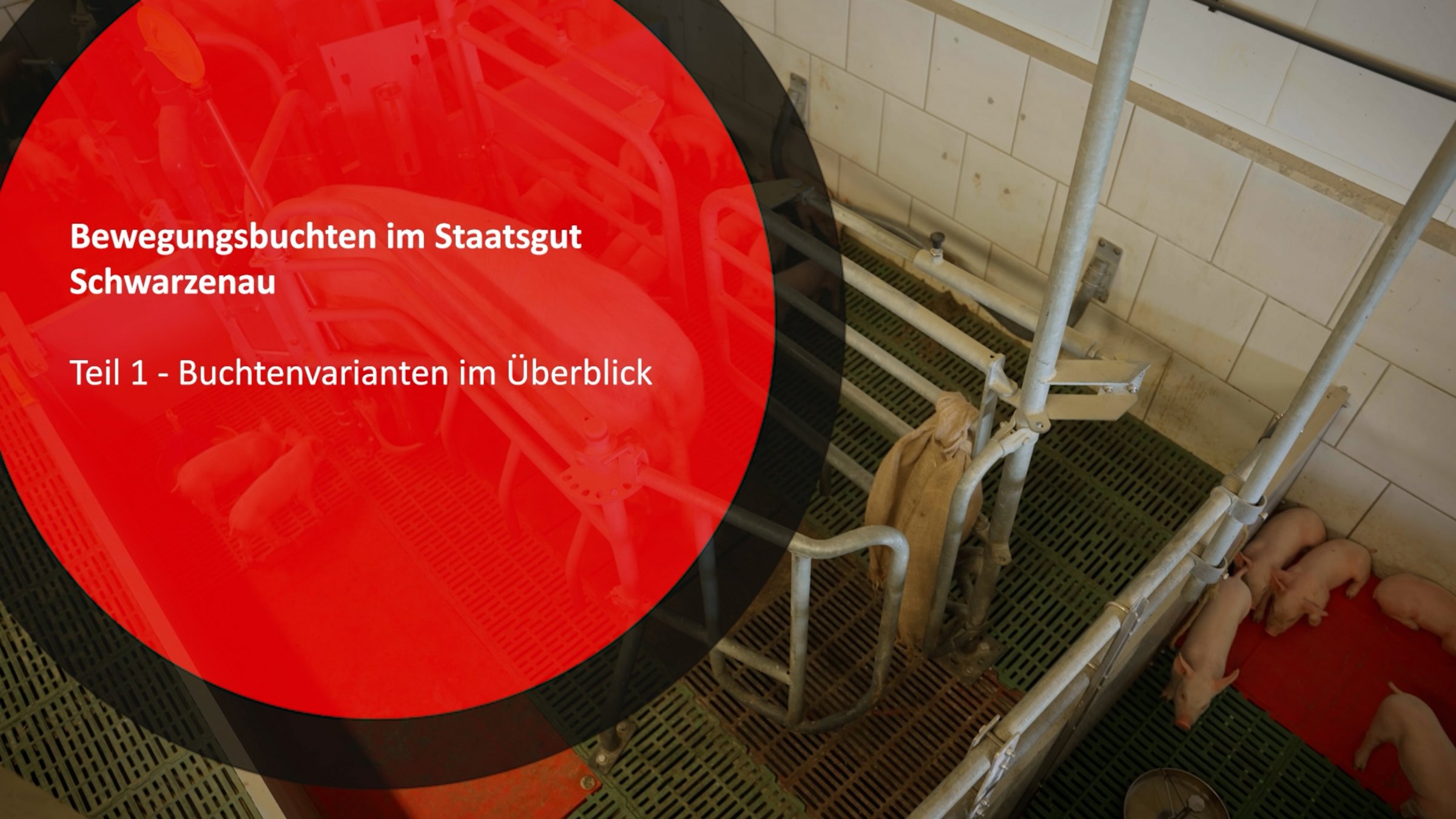
Video: Exercise pens at Schwarzenau State Estate
Video: Pilot farms share their practical experiences with alternative farrowing pens
Video: Practical experiences with the BeFree exercise pen
Video: Ring-tailed posture
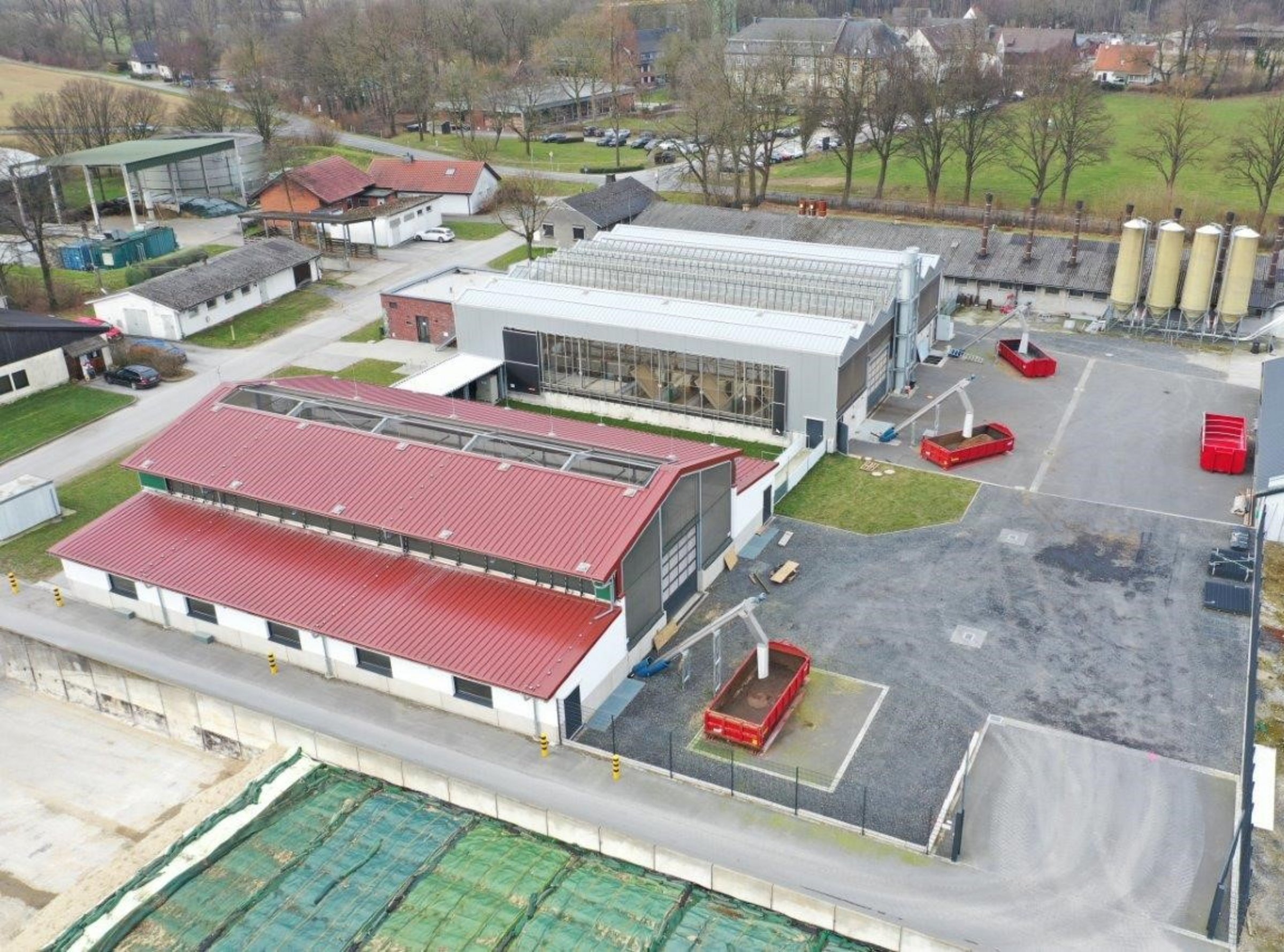
Video: Tour of the stable of the future
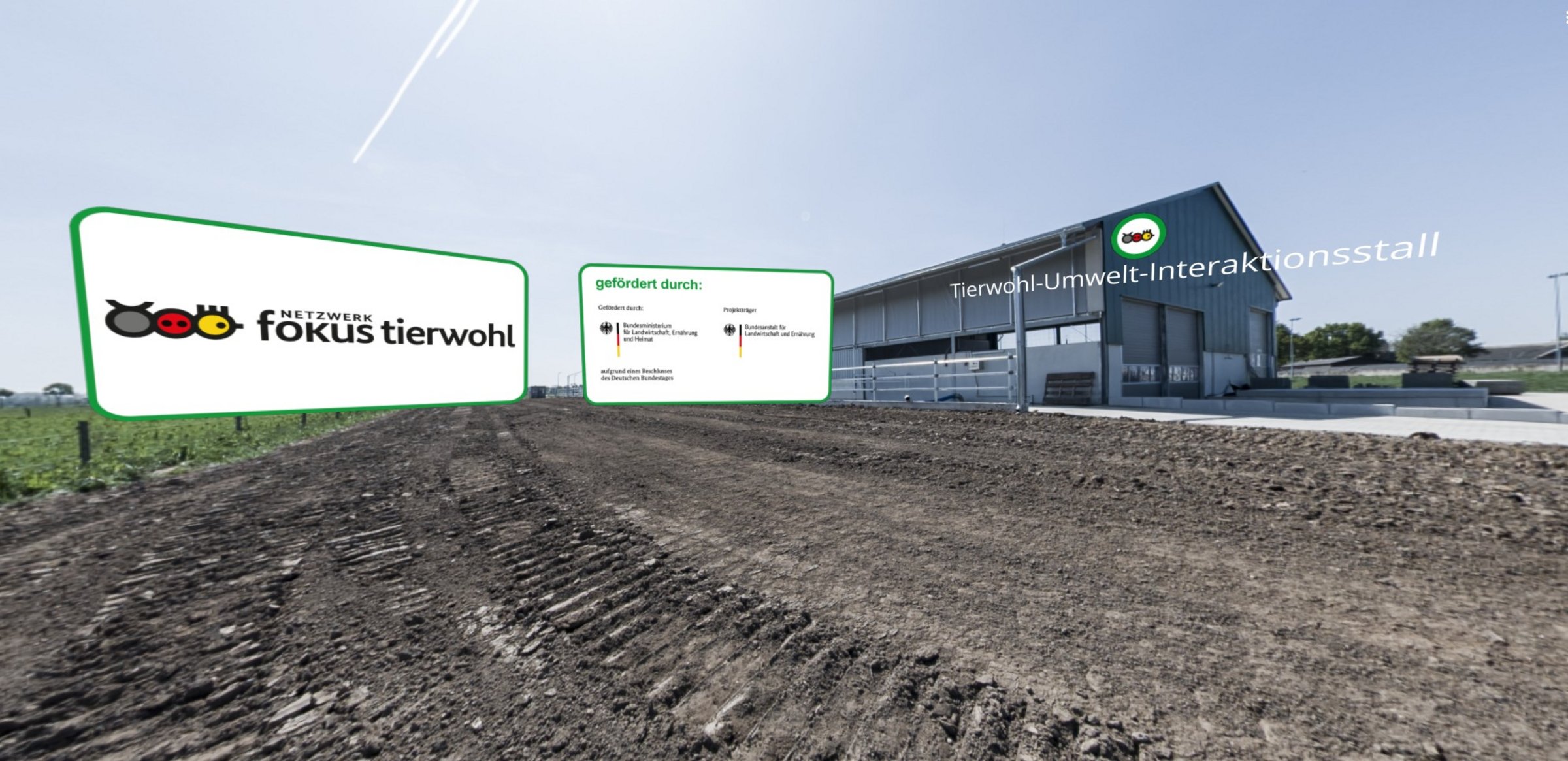
Video: Tour of the stable of the future
Vodcast: Vodcast Latest news on isoflurane anaesthesia

Vodcast: Vodcast Deck Centre
Funded projects: EIP Agri projects
Buchtenstruktur im Wartestall
Druckversion
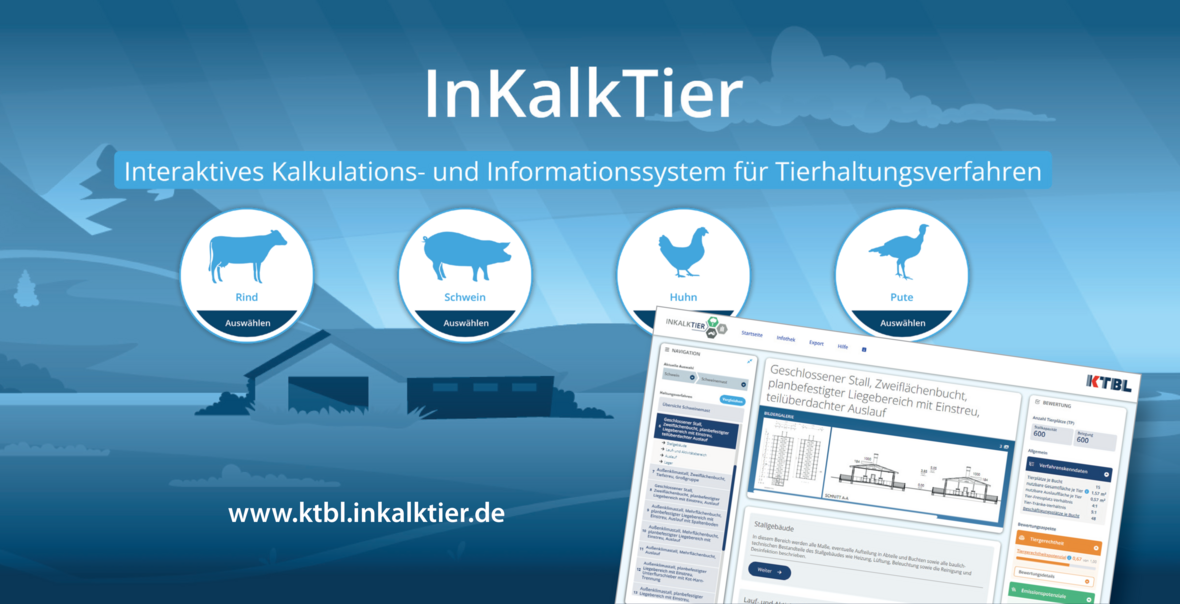
The "InKalkTier" project has developed a web application that provides qualitative and quantitative insights into animal welfare, emission potentials and economic indicators relating to husbandry systems in livestock farming.
The application provides a wide range of housing systems for cattle, pigs, chickens and turkeys, which can be assessed in terms of their structural and technical aspects. The web application is based on a data structure that enables the KTBL to add further assessment criteria and housing systems with manageable effort. The application is aimed in particular at professionals from the fields of practice, consultancy, public authorities, trade associations, academia and education.
Improving animal welfare during transport and slaughter
New e-learning tool ‘eSchulTS ²’ in six languages
All staff at transport companies and slaughterhouses who handle live pigs or cattle must hold certificates of competence or expertise in the handling of live animals, in accordance with the relevant requirements of EU law. To continuously improve animal welfare, regular training is recommended (e.g. EFSA 2020).
As part of the collaborative project “Development of target group-oriented e-learning training materials to improve animal welfare during the transport and slaughter of cattle and pigs (eSchulTS2) – Sub-project 1”, a multilingual e-learning training module has been developed.
A high standard of animal welfare is a requirement for modern and sustainable pig farming.
But what is the state of animal welfare in German pig meat production? Data that allows conclusions to be drawn about specific aspects of animal welfare, such as animal losses or ante-mortem inspections, is already being collected. However, there is currently no systematic, nationwide evaluation of this information.
This is where the National Animal Welfare Monitoring scheme, or ‘NaTiMon’ for short, is set to come into play in future, taking into account animal welfare aspects not only in rearing but also during transport and at slaughter. The report is based on regularly collected management, resource and animal-related indicators.
EIP-Agri – Introducing pig projects
EIP-Agri – European Innovation Partnership on Agricultural Productivity and Sustainability
Together with the German Network Agency for Rural Areas (DVS), the Fokus Tierwohl network organised a networking meeting with EIP-Agri pig projects.
The aim of the European EIP-Agri funding programme is to promote the further development of innovative approaches in agriculture. Current issues in agriculture are addressed jointly by farmers, advisors, associations, businesses and the scientific community.
On 15 June 2021, an initial meeting took place between the projects under the Model and Demonstration Projects (MuD) for Animal Welfare, focusing on ‘Knowledge-Dialogue-Practice’, and the Focus on Animal Welfare network. The main aim was for the projects to get to know one another and to establish links between them. The aim of each individual project is to transfer knowledge into agricultural practice. The projects are funded by the Federal Ministry of Food and Agriculture as part of the Livestock Strategy, following a resolution by the German Bundestag.