
- Bernhard Feller, North Rhine-Westphalia Chamber of Agriculture
- Stefan Leuer, North Rhine-Westphalia Chamber of Agriculture
- Christian Meyer, Schleswig-Holstein Chamber of Agriculture
- Dr. Simone Müller, Thuringian State Office for Agriculture and Rural Areas
- Georg Silkenbömer, farmer
- Dr. Sabine Schütze, North Rhine-Westphalia Chamber of Agriculture
- Sandra Terletzki, North Rhine-Westphalia Chamber of Agriculture
- Laura Schönberg, North Rhine-Westphalia Chamber of Agriculture
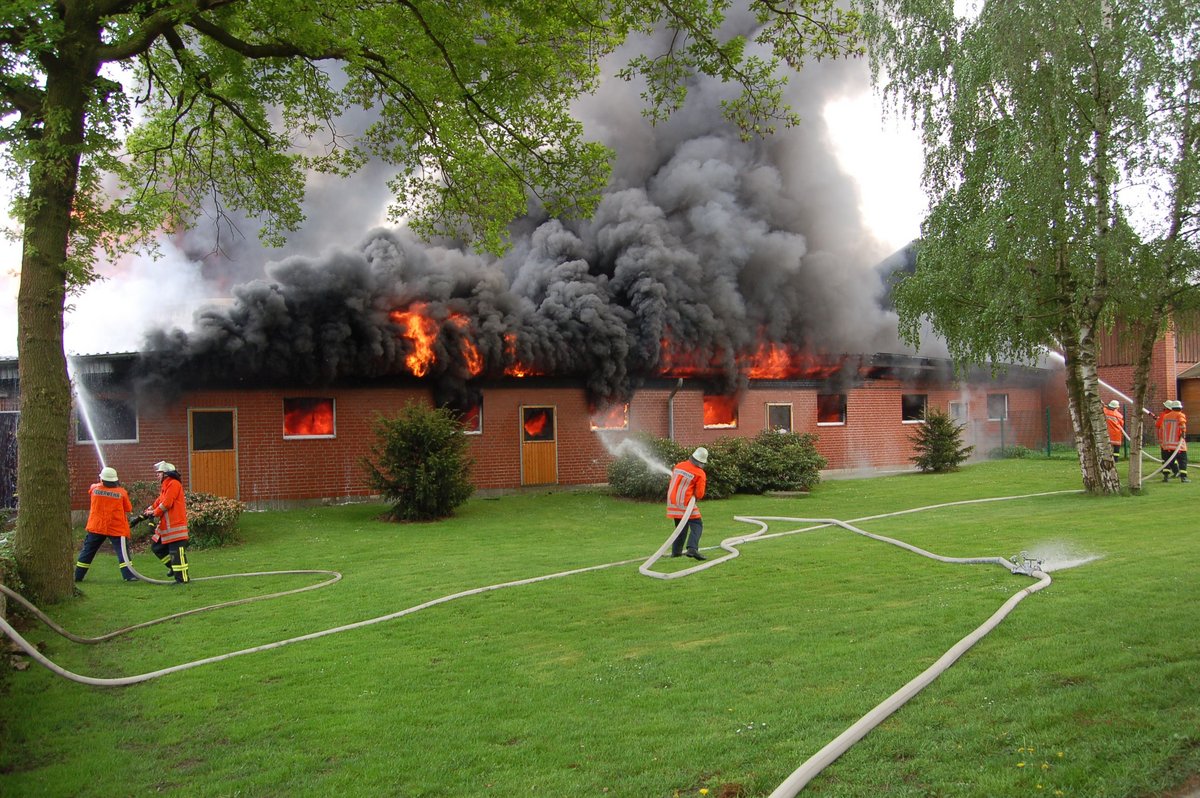
Time and again, fires break out in pigsties, resulting in the deaths of many animals or the need to euthanise them on the spot. As recently as March 2021, a fire broke out at the Alt Tellin sow farm in eastern Germany, killing tens of thousands of pigs, with only a fraction being rescued. The events in Alt Tellin have brought home to livestock farmers in a shocking way the devastating consequences that fires in agricultural livestock housing can have. Whilst this fire was a terrifying example, the issue at hand is not dependent on herd size: the production processes and the associated housing arrangements in conventional pigsties make it difficult to evacuate the animals in the event of a fire. The pigs are kept in enclosed pens and cannot leave the barn unaided, even if the external doors are opened. There are a few differences between alternative housing systems and conventional barns. For instance, naturally ventilated barns offer advantages in terms of smoke extraction, and open-front barns provide far more access points for the fire service. Furthermore, animals accustomed to having access to an outdoor run are easier to drive out. However, the pens must still be opened, and this takes time. Time that is often not available, as the structural integrity of modern barn roofs fails rapidly in the event of a fire, meaning the window of opportunity for firefighters to enter the building is very narrow.
The Dutch research report “Brand in veestallen” (“Fire in livestock barns”) identifies the following causes as the main reasons for fires in pigsties:
- Electricity/short circuit
- Careless work
- Overheating
- Explosion
- Spontaneous combustion
According to building regulations, it must be possible to rescue animals from stables. In theory, the pigs should be driven out of the barn in the event of a fire. In practice, however, the pigs often instinctively run back into their familiar surroundings – i.e. the barn – in a panic. Furthermore, as there are usually no alternative barns into which the pigs can be driven, they wander around the site, thereby endangering the emergency services personnel or, in the worst case, other people if they run onto the road, for example. One option would be a suitable, fenced-off area for the temporary accommodation of the animals outside the deployment and manoeuvring areas for the fire service. Rescuing animals from barns requires and ties up a large number of helpers or fire service personnel. Many of the helpers usually have little experience in dealing with farm animals.
The most important aspect of fire safety is fire prevention. Whilst fires can never be prevented 100%, there are some sources of danger that should be eliminated in advance and various factors that should be taken into account for prevention.
Sources of danger (from VdS 3453, 2013)
- Work involving a fire hazard
- Electrical installations and equipment
- Lightning strikes and power surges
- Heat sources and heating appliances
- Parking and operating machinery
- Arson
- Improper storage or spontaneous combustion of crops and fertilisers
- Improper storage of fuels and motor fuels
- Slurry storage → Slurry gas explosions
However, it is not only fires that are among the emergencies that can affect any livestock farmer; power cuts – caused, for example, by lightning strikes, adverse weather conditions or construction work – can occur at any time. The failure of electrically powered ventilation systems and the feed and water supply has fatal consequences for the animals. It is the responsibility of farmers to minimise the occurrence of such events. The installation of alarm systems is mandatory, and these must be serviced regularly. Alarm systems are designed to provide early warning of technical problems in the barn, enabling farmers to react in good time and avert damage. It is now possible in some cases to receive fault notifications automatically on a mobile phone, allowing for even faster action. Should an alarm message appear, a systematic approach is essential.
Also important: not only the farm manager themselves, but also family members or employees must know what to do in an emergency. Farm-specific contingency plans and emergency procedures help here. It is important to provide regular training for all staff working in the barn. Emergency plans and regular training should also include liaising with the local fire brigade, so that in the event of an emergency, they have the necessary local knowledge and are at least broadly familiar with the farm’s operations.
The members of the working group recommend: Anyone wishing to assess their farm’s fire safety can use the fire safety checklist for agricultural businesses to carry out a risk analysis and, where necessary, address any identified weaknesses.
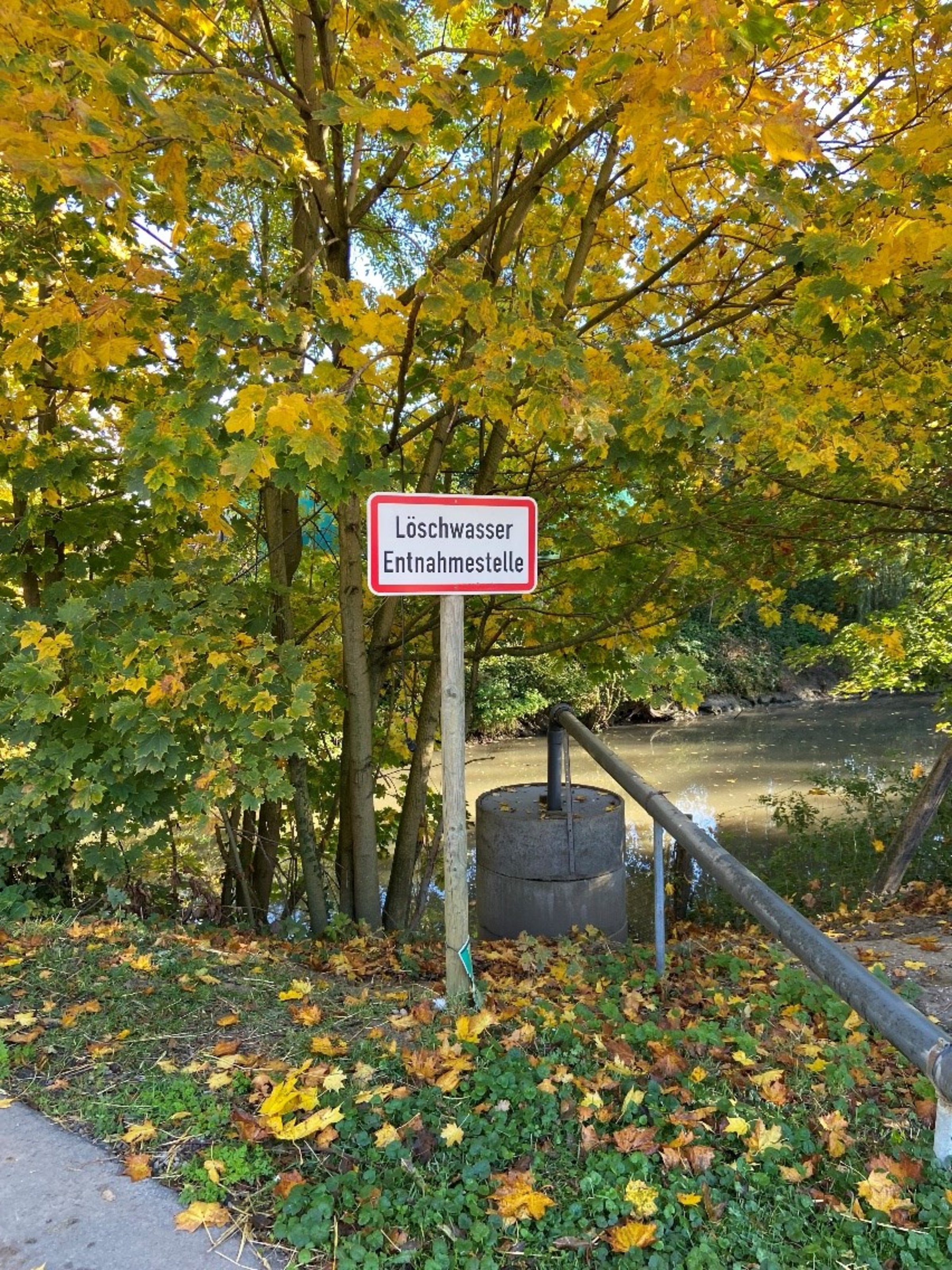
(Image: Laura Schönberg, North Rhine-Westphalia Chamber of Agriculture)