
Overview of topics: Pigs
Farrowing Systems Part 2: Focus on the Animal
Farrowing systems Part I: Exercise pens and free farrowing
Exhaust air purification systems
African swine fever
Outdoor climate-controlled stables
Internal control

Exercise pens
Pen configuration in piglet rearing and fattening
The structure of the deck – that’s what matters
Pen layout in the holding pen
Factors affecting hoof health
Emission reduction

Manure removal techniques
Piglet castration
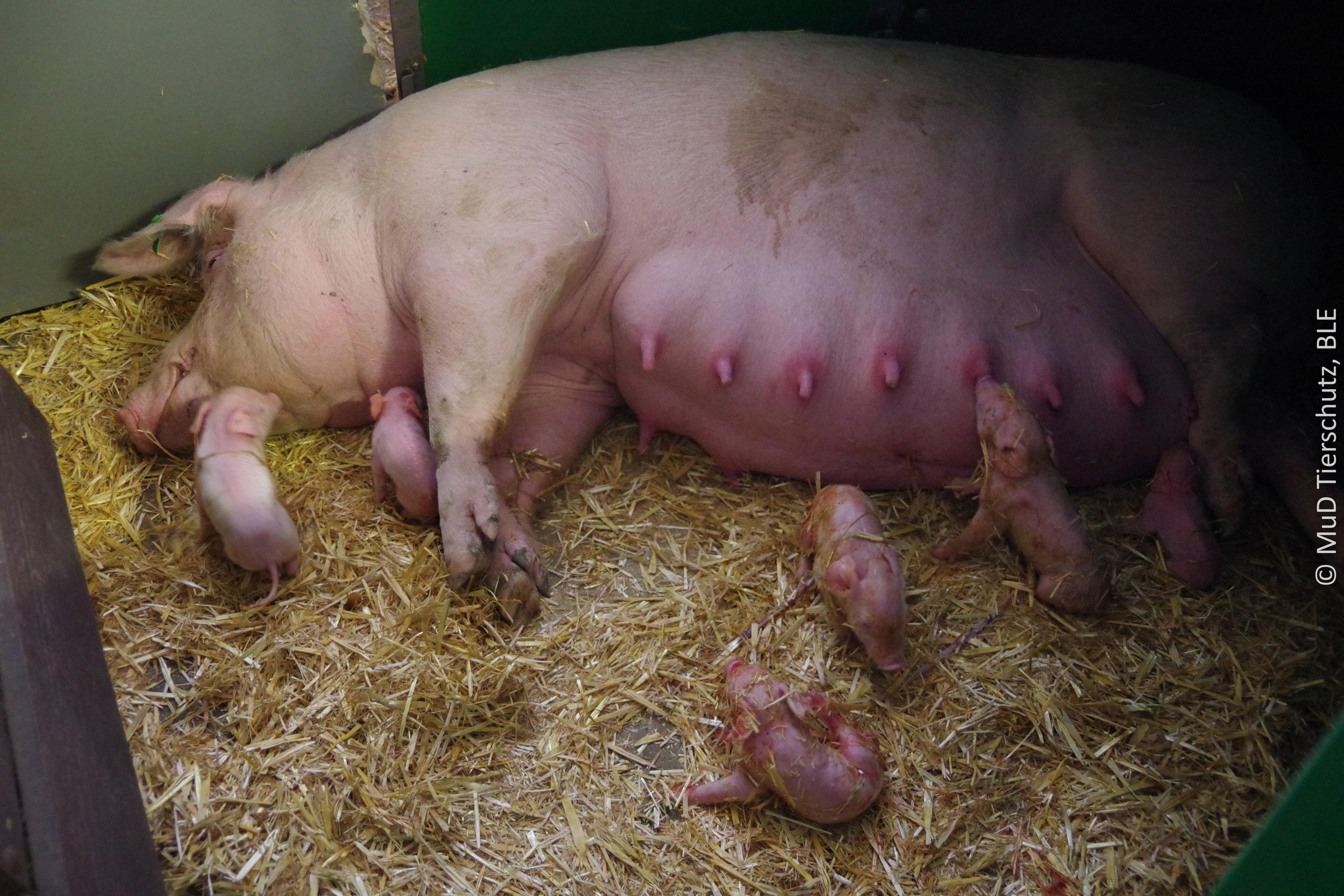
Free farrowing
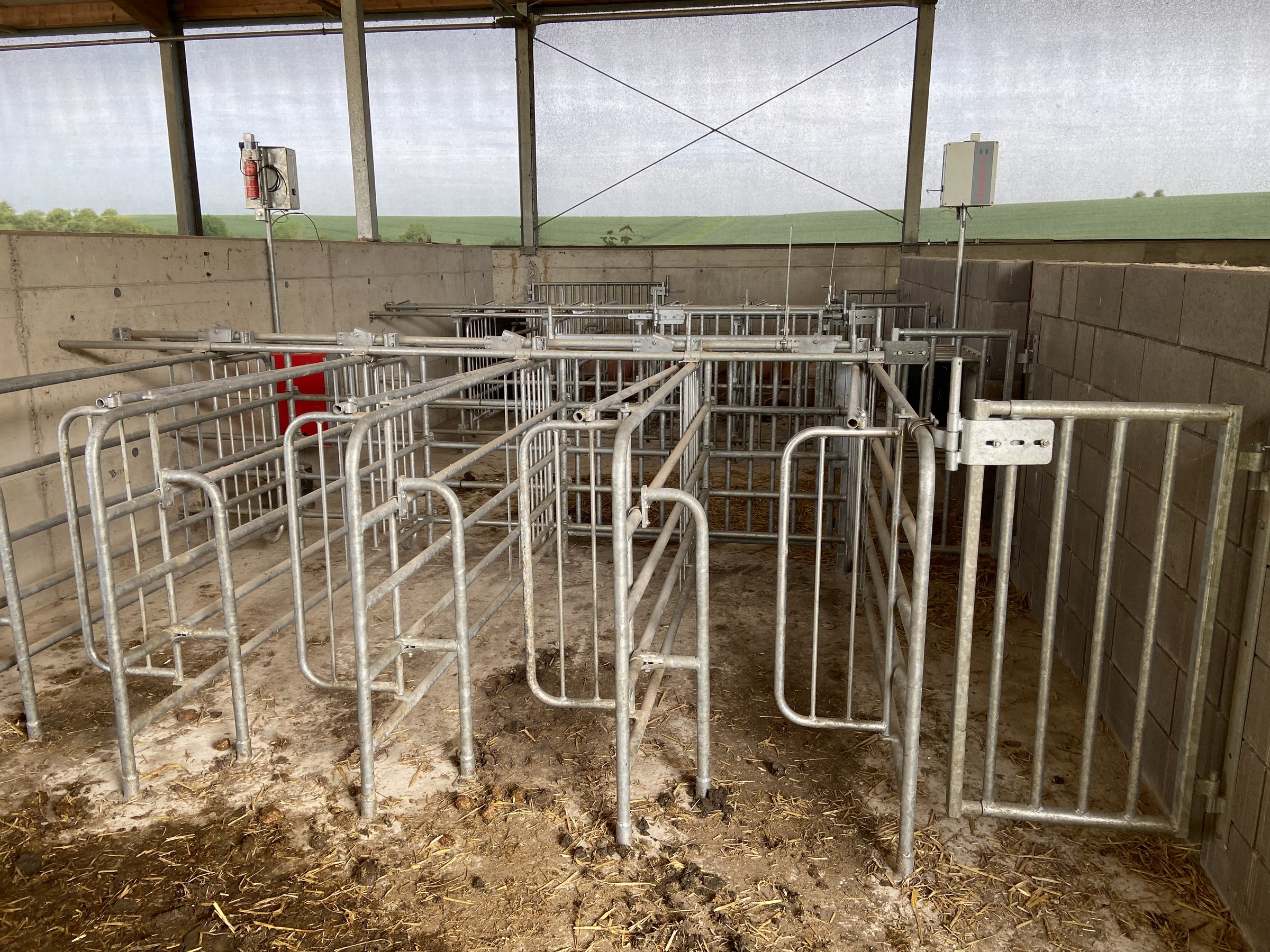
Group housing of sows at the breeding centre
Gruppenhaltung von Sauen im Deckzentrum
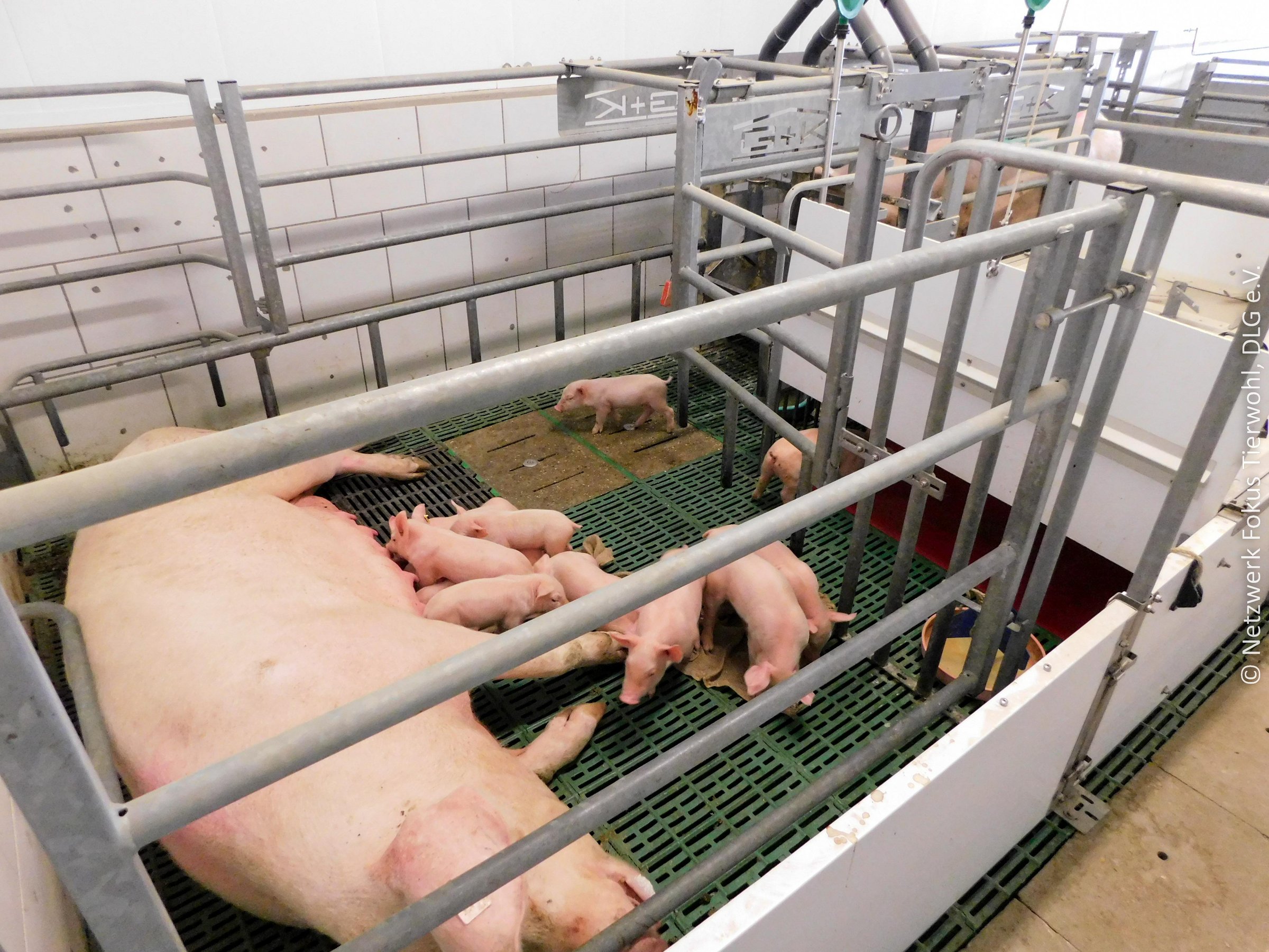
Housing guidelines for piglet production
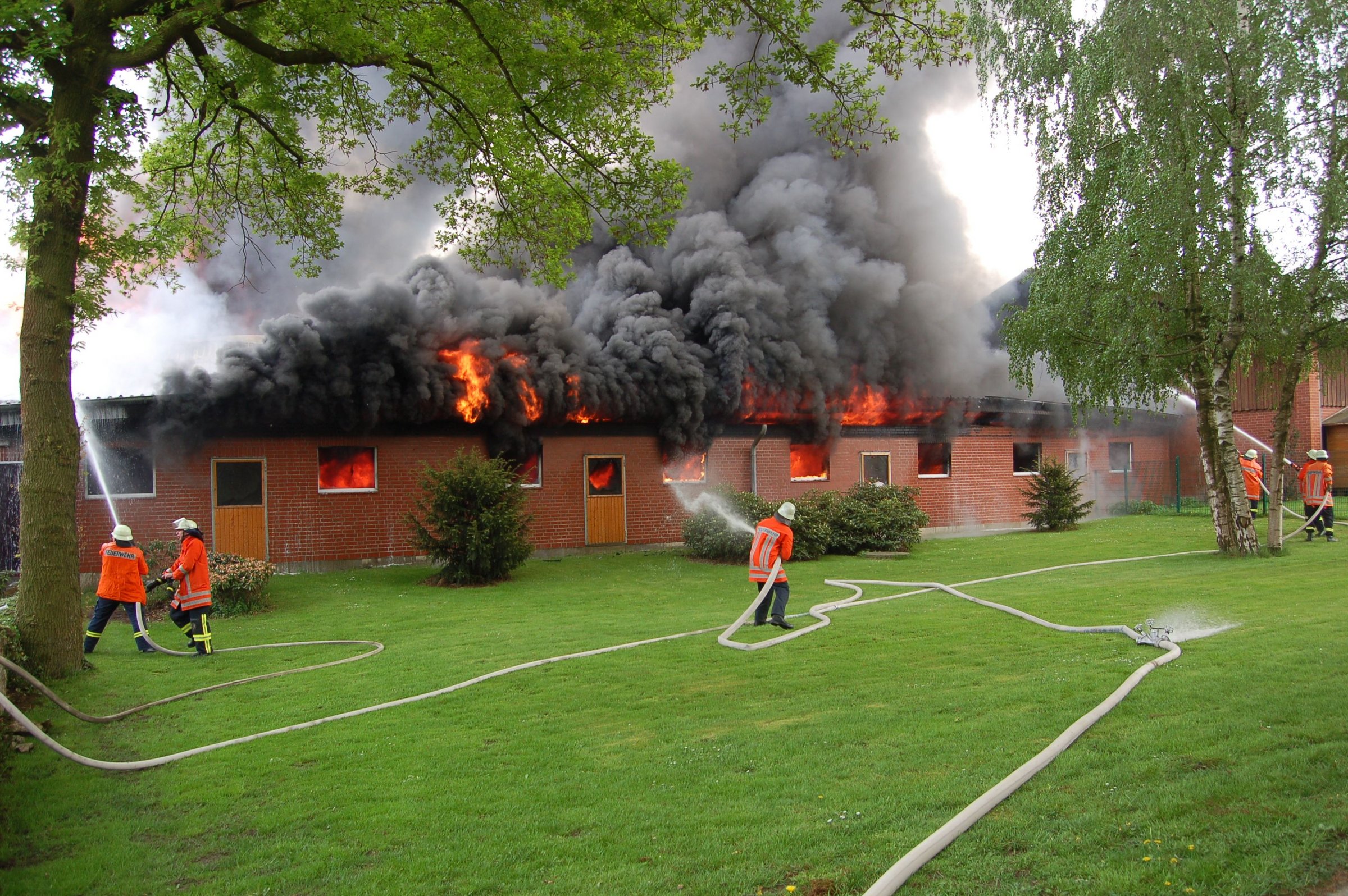
Emergency response plans
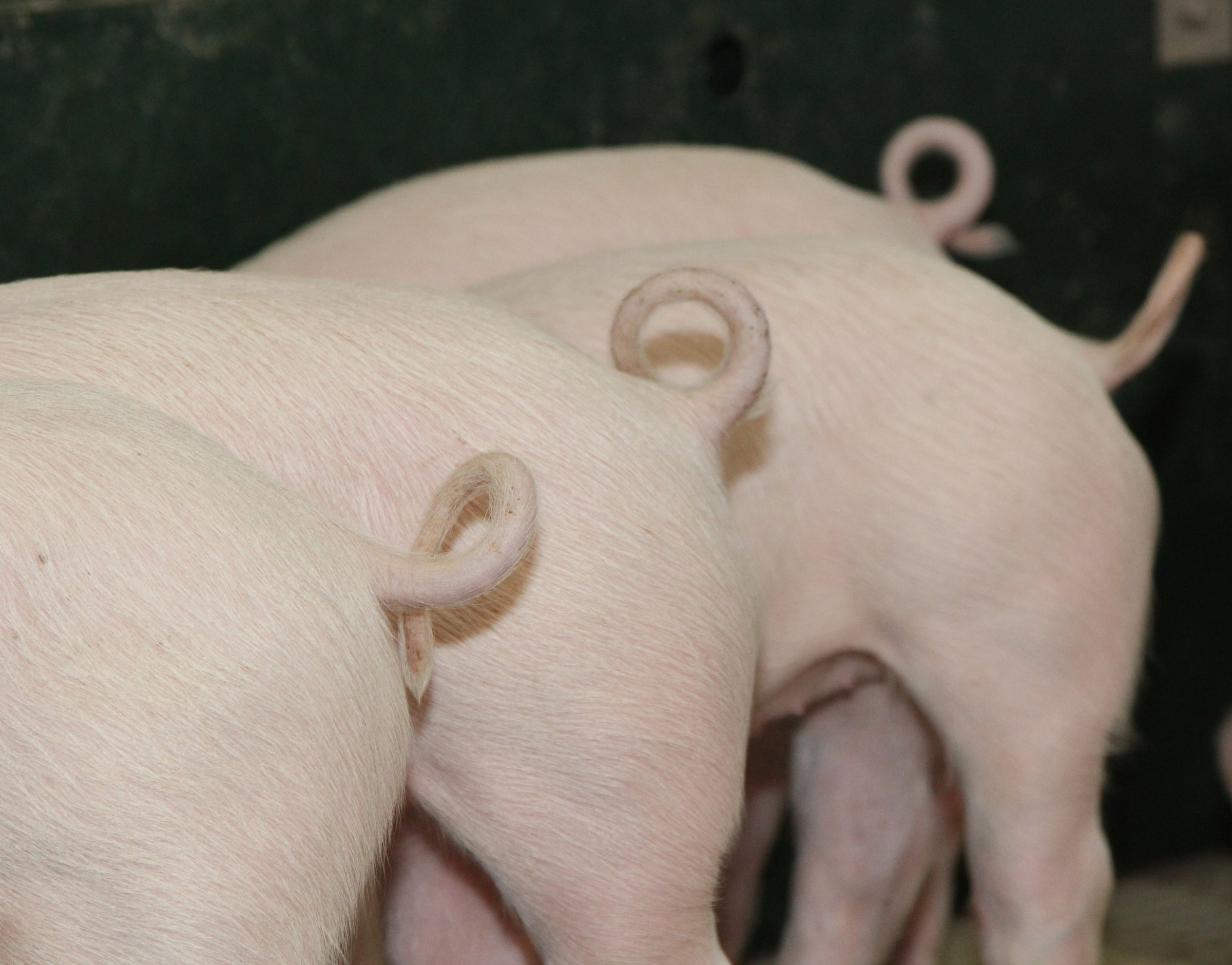
No tail docking

Managing large litters
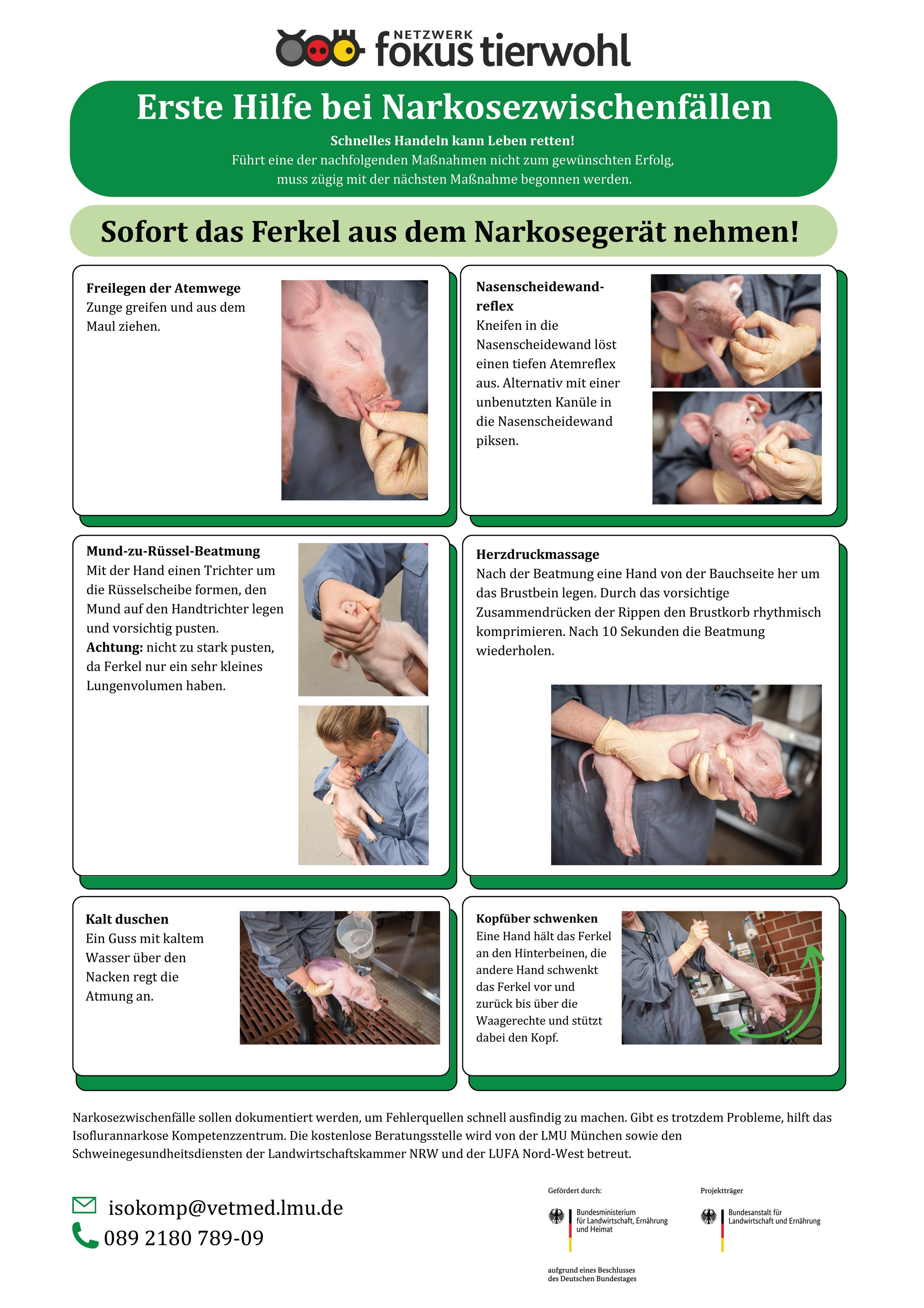
Contingency plan for anaesthetic incidents
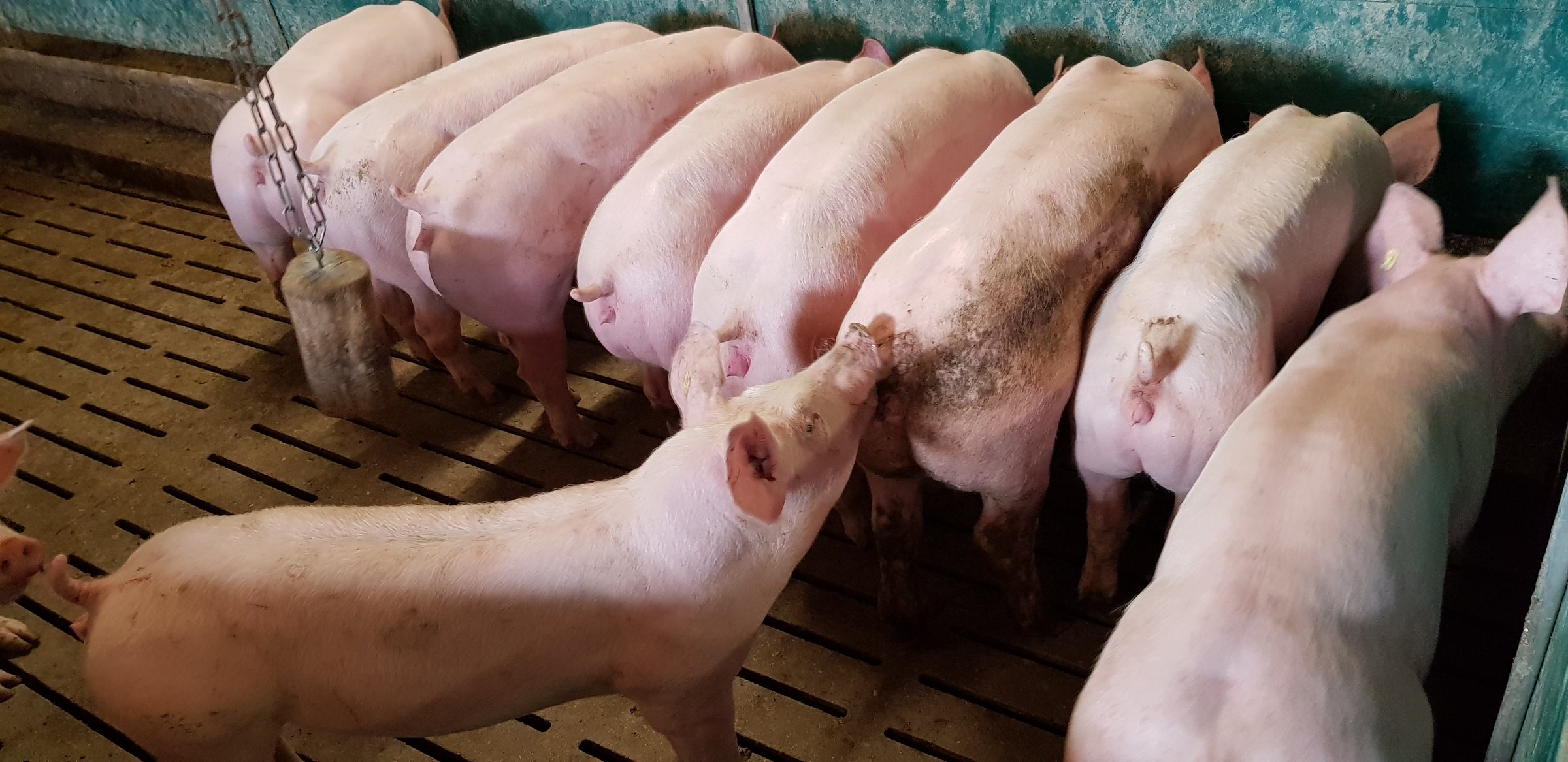
Emergency plan for tail-biting
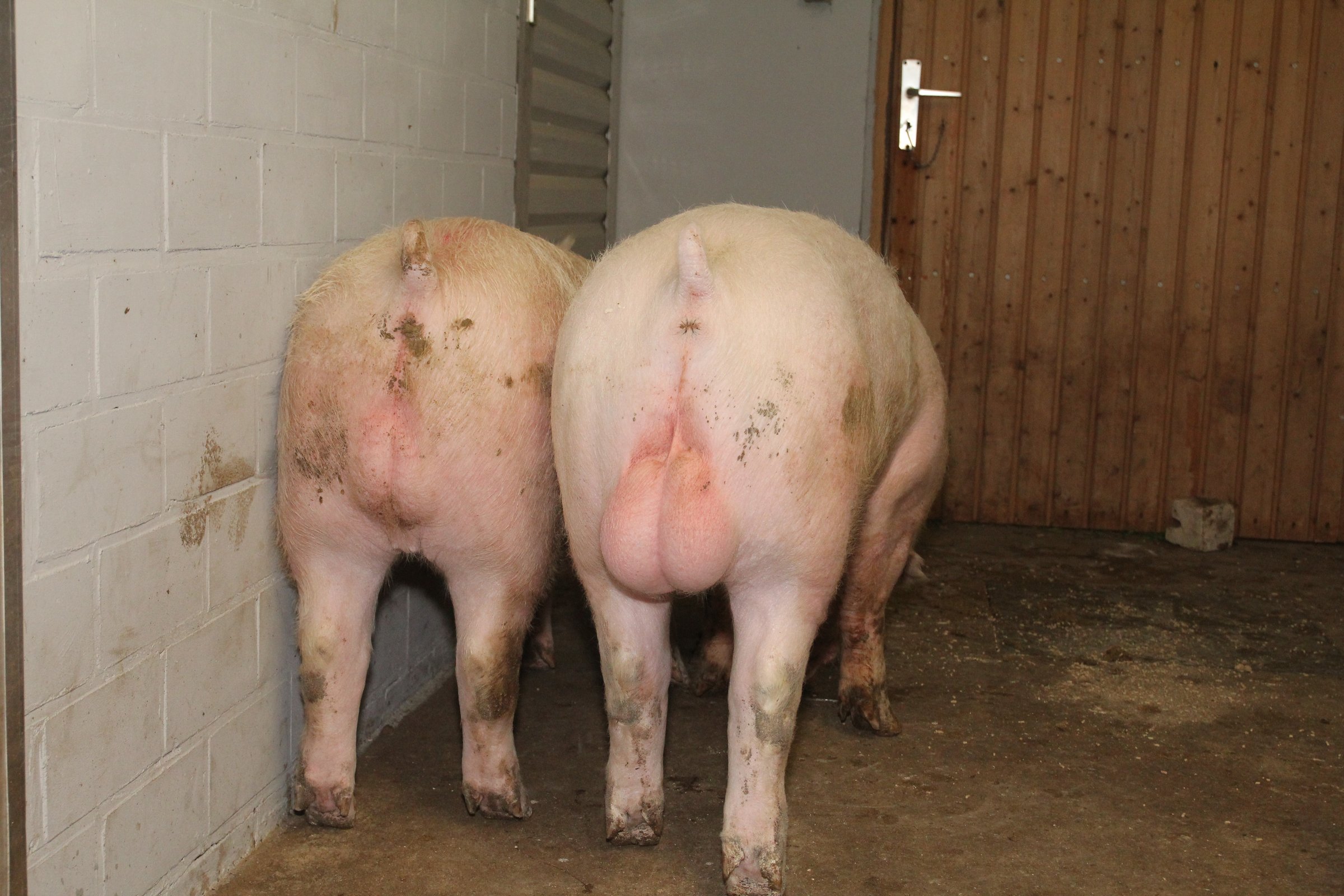
Online information on alternatives to piglet castration without anaesthesia
Practical experiences with the ban on tail docking
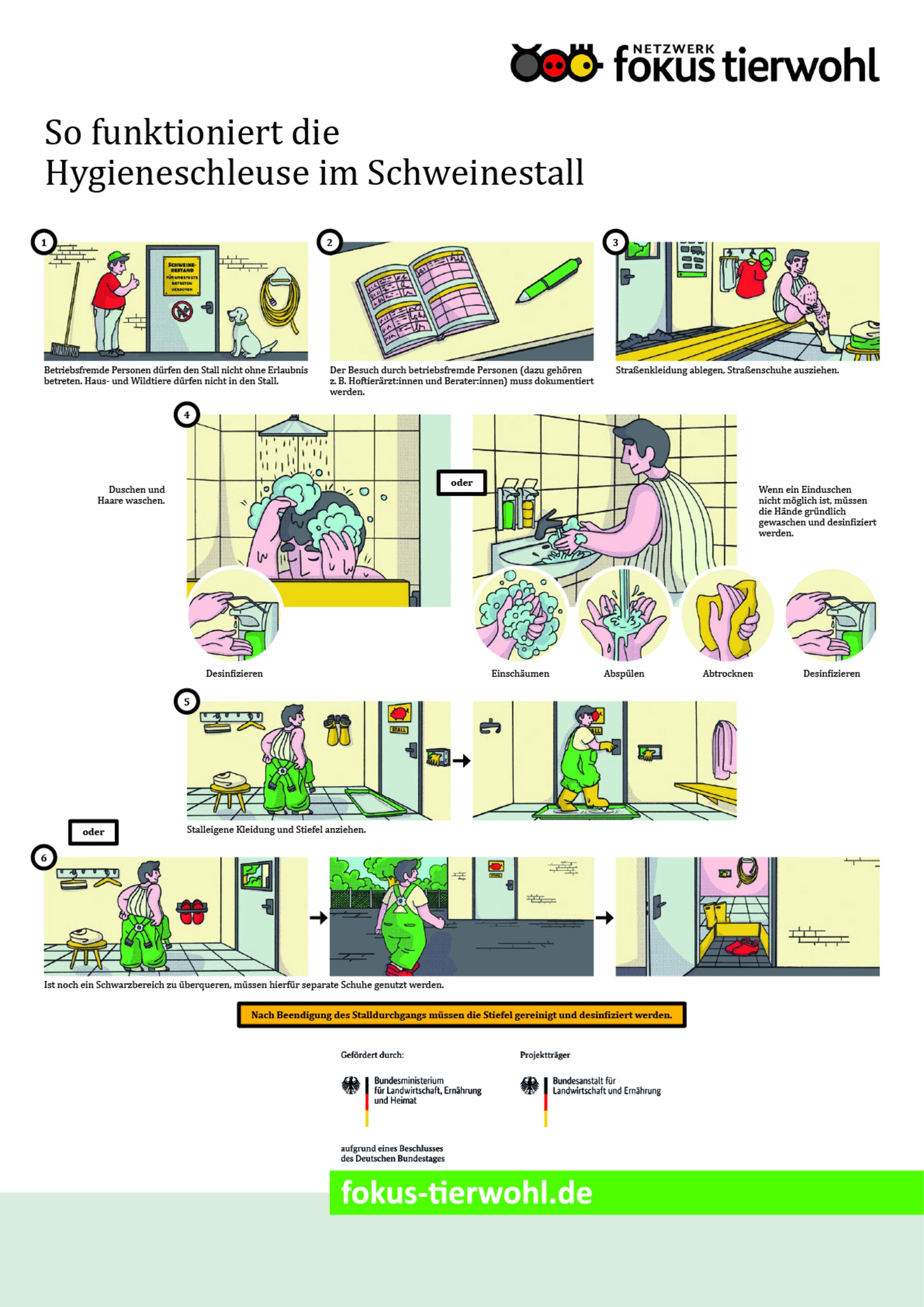
Sanitisation chamber
Pig farming with outdoor access
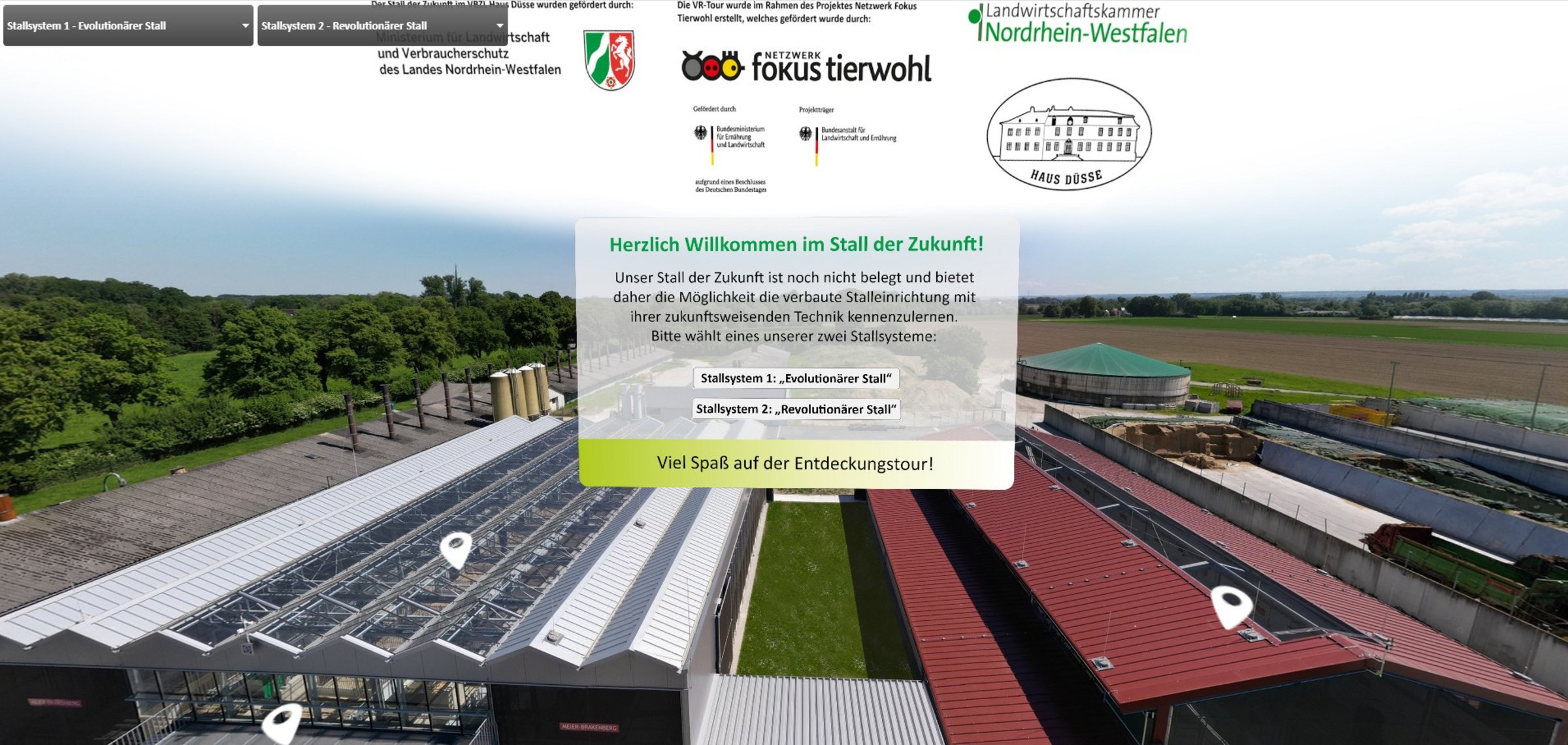
The stable of the future
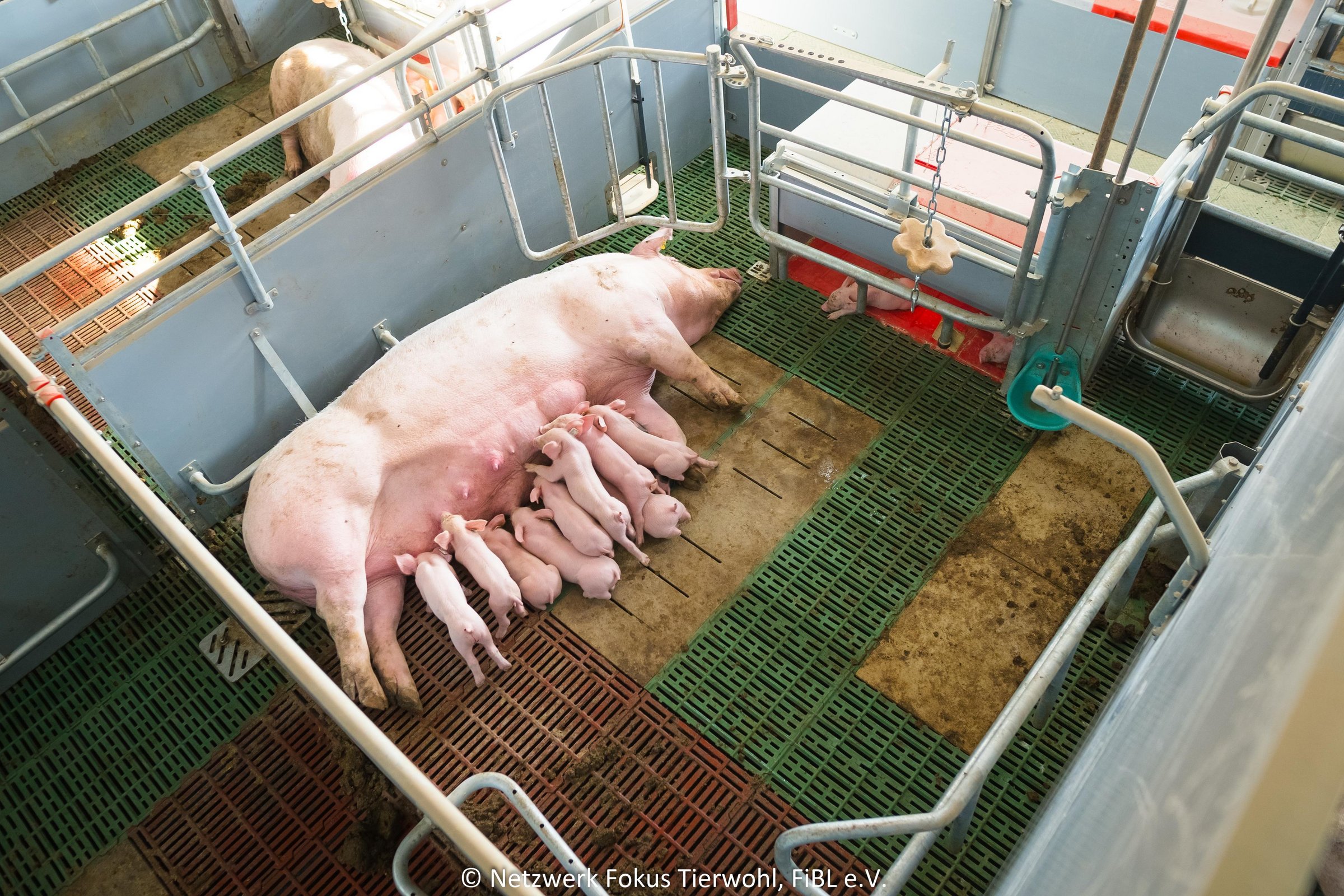
Feedback from the field on exercise pens and free farrowing
01 Termine Sachkundelehrgänge
Animal Husbandry Labelling Act
Survey results: Managing large litters
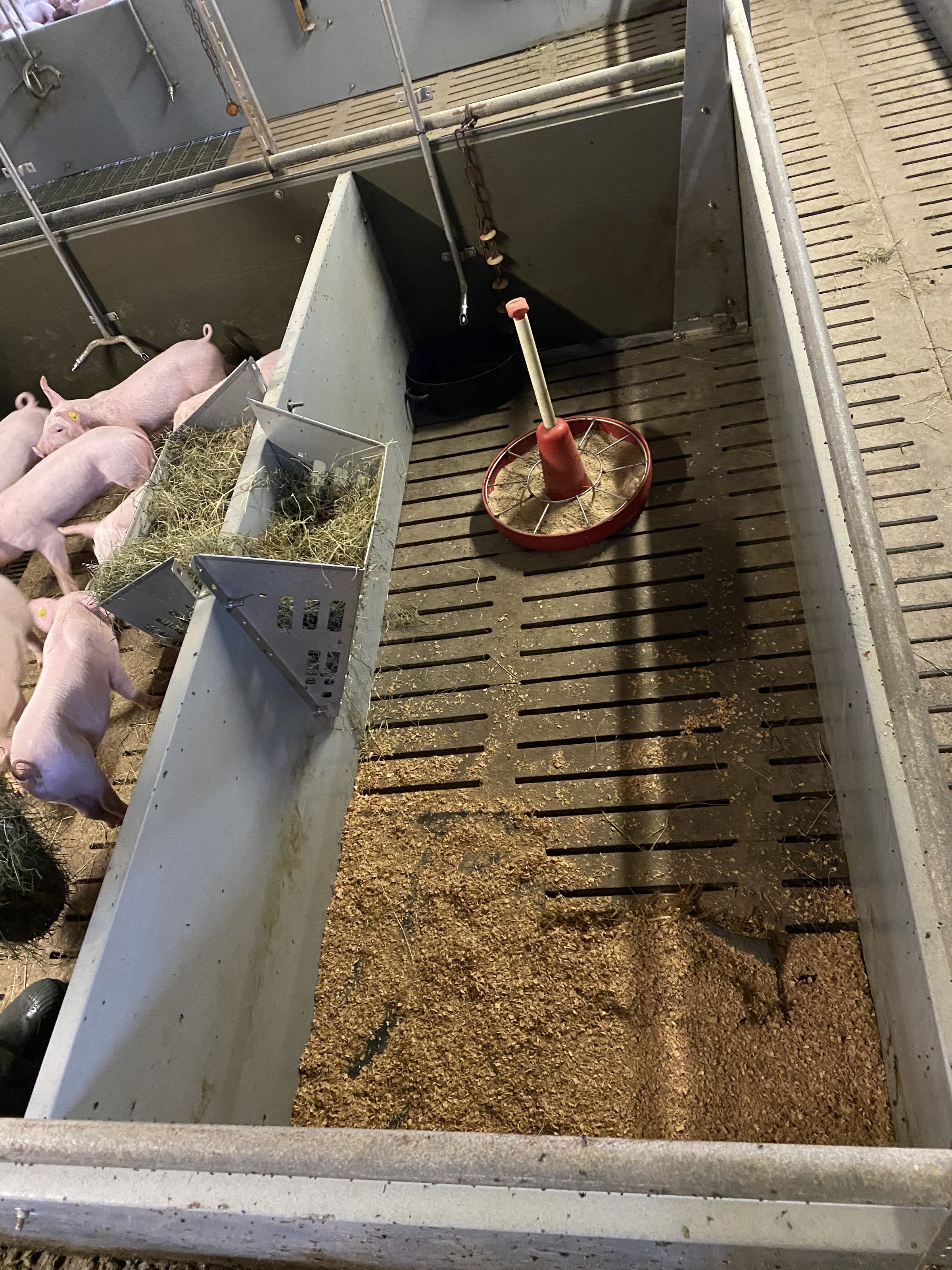
Umgang mit kranken und verletzten Tieren
01_Ammoniakreduktion
Outbreaks of tail-biting
Podcast: African Swine Fever
Podcast: Deck Centre
Podcast: Feeding Strategies
Podcast: Insect Protein
Podcast: Hoof Health in Sows
Podcast: Protecting the Climate – Reducing Emissions in Pig Sheds
Podcast: Maternal Instincts in Sows
Video: Alternative piglet rearing systems
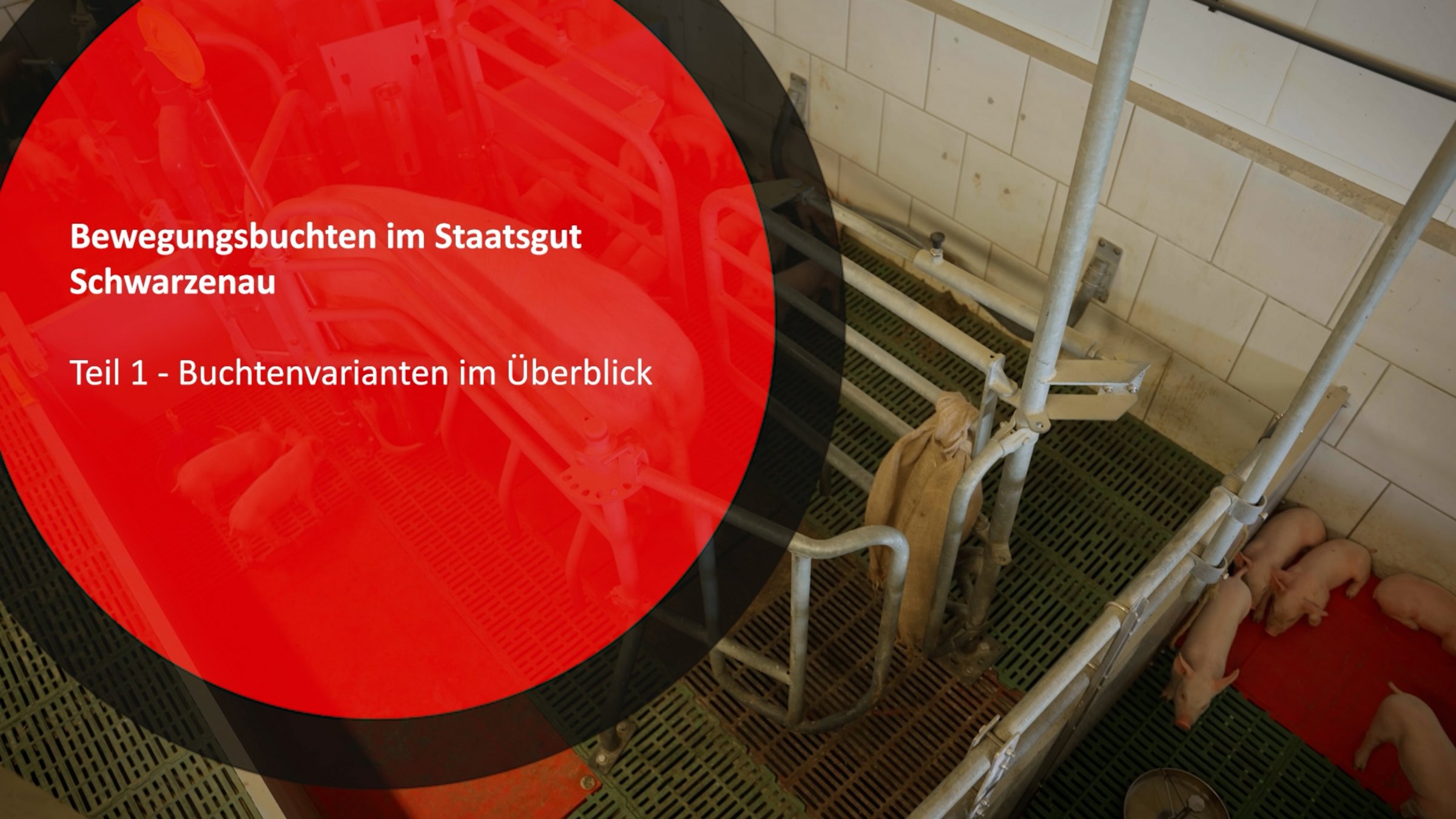
Video: Exercise pens at Schwarzenau State Estate
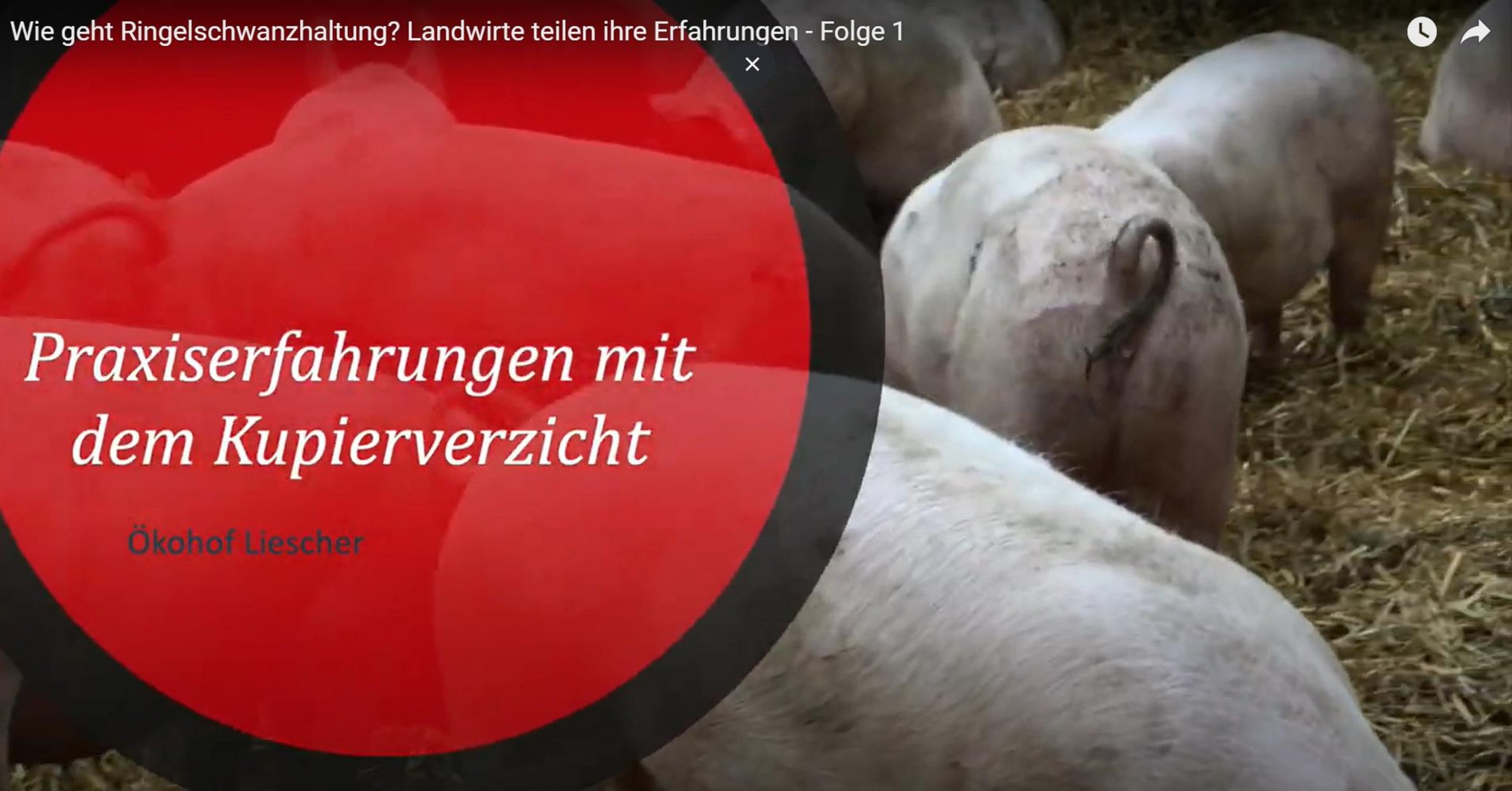
Video: Pilot farms share their practical experiences with alternative farrowing pens
Video: Practical experiences with the BeFree exercise pen
Video: Ring-tailed posture
Video: Tour of the stable of the future
Video: Tour of the stable of the future
Vodcast: Vodcast Latest news on isoflurane anaesthesia

Vodcast: Vodcast Deck Centre
Funded projects: EIP Agri projects
Buchtenstruktur im Wartestall
Druckversion
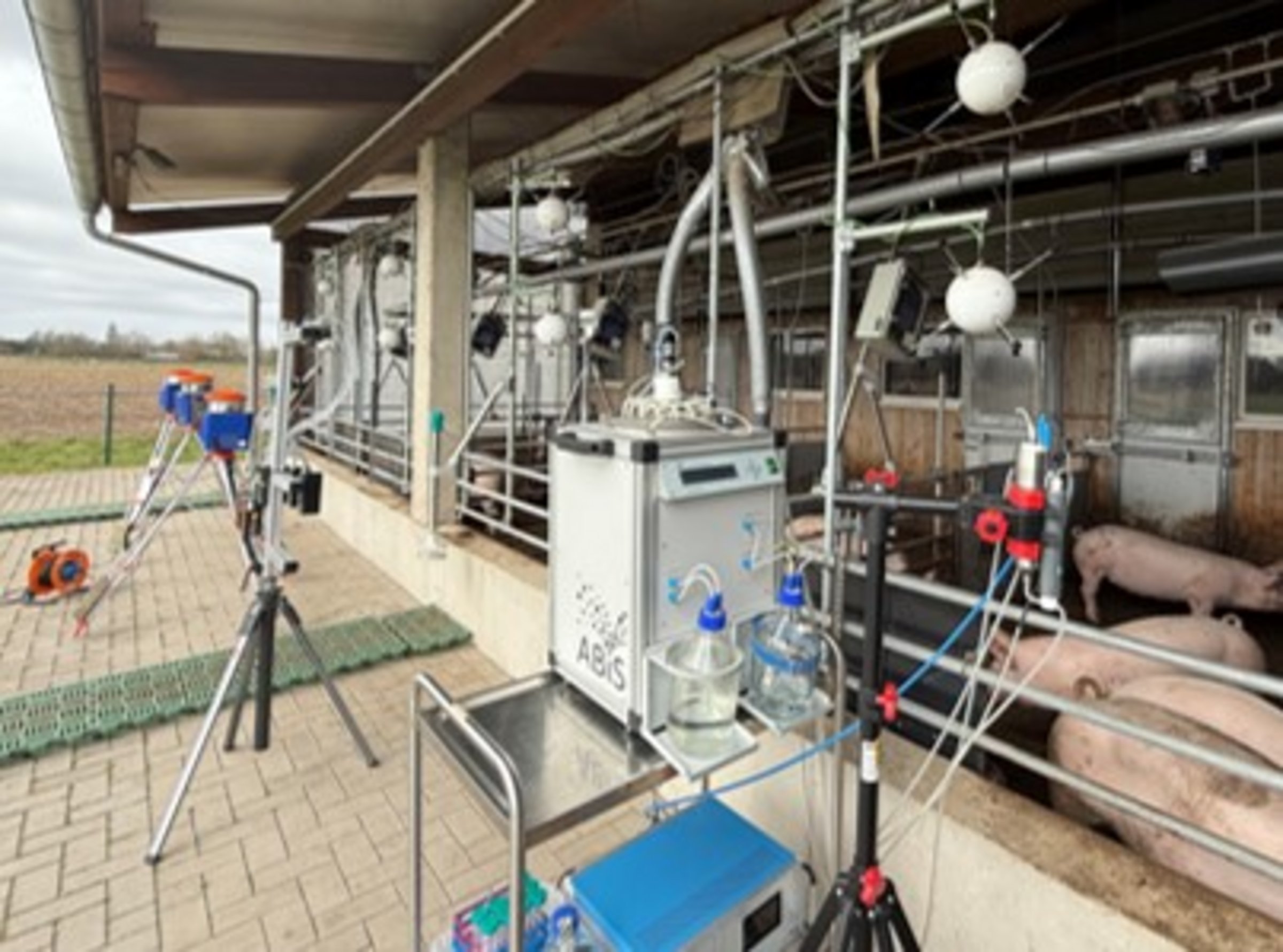
Reducing ammonia emissions in pig farming is a key priority for environmentally sound and sustainable farming systems. Specialist information on feeding, housing technology and structural measures highlights which approaches can help reduce emissions and what needs to be taken into account when implementing these on the farm.
A properly designed hygiene barrier is a key component of biosecurity in pig farming. It effectively protects pig herds from the introduction of pathogens such as viruses and bacteria, thereby making a crucial contribution to health and disease control within the barn. The clear separation of the outdoor and barn areas, the consistent changing of clothing and footwear, and hand washing and disinfection significantly reduce the risk of infection. All persons enter and leave the barn exclusively via the hygiene sluice. Combined with clear operational procedures and training, it is indispensable for animal-welfare-compliant, sustainable and legally compliant pig farming, particularly for the prevention of animal diseases such as African swine fever.
Tail-biting is a widespread problem in pig farming that can have significant implications for animal welfare and economic performance. Analysing and addressing the causes can be very challenging.
Tail-biting is a multifactorial phenomenon that is not limited to conventional pig farming, but can also occur in extensive farming systems, organic farming and free-range systems. A variety of housing, feeding and management factors, as well as animal health, can influence its occurrence.
Based on existing practical guidelines, advisory recommendations and practical experience, the Fokus Tierwohl network has drawn up an emergency plan to provide support in the event of tail-biting outbreaks.
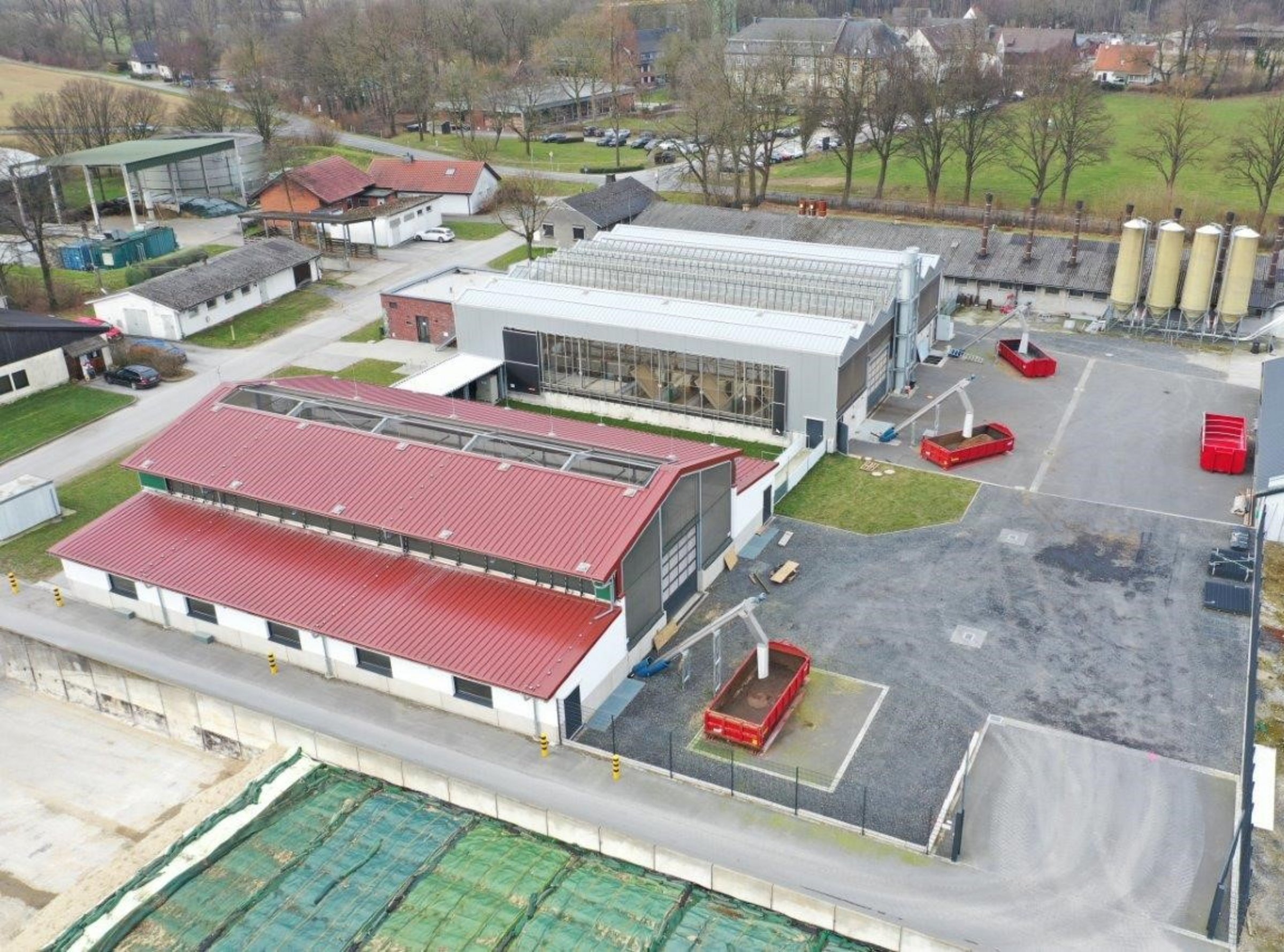
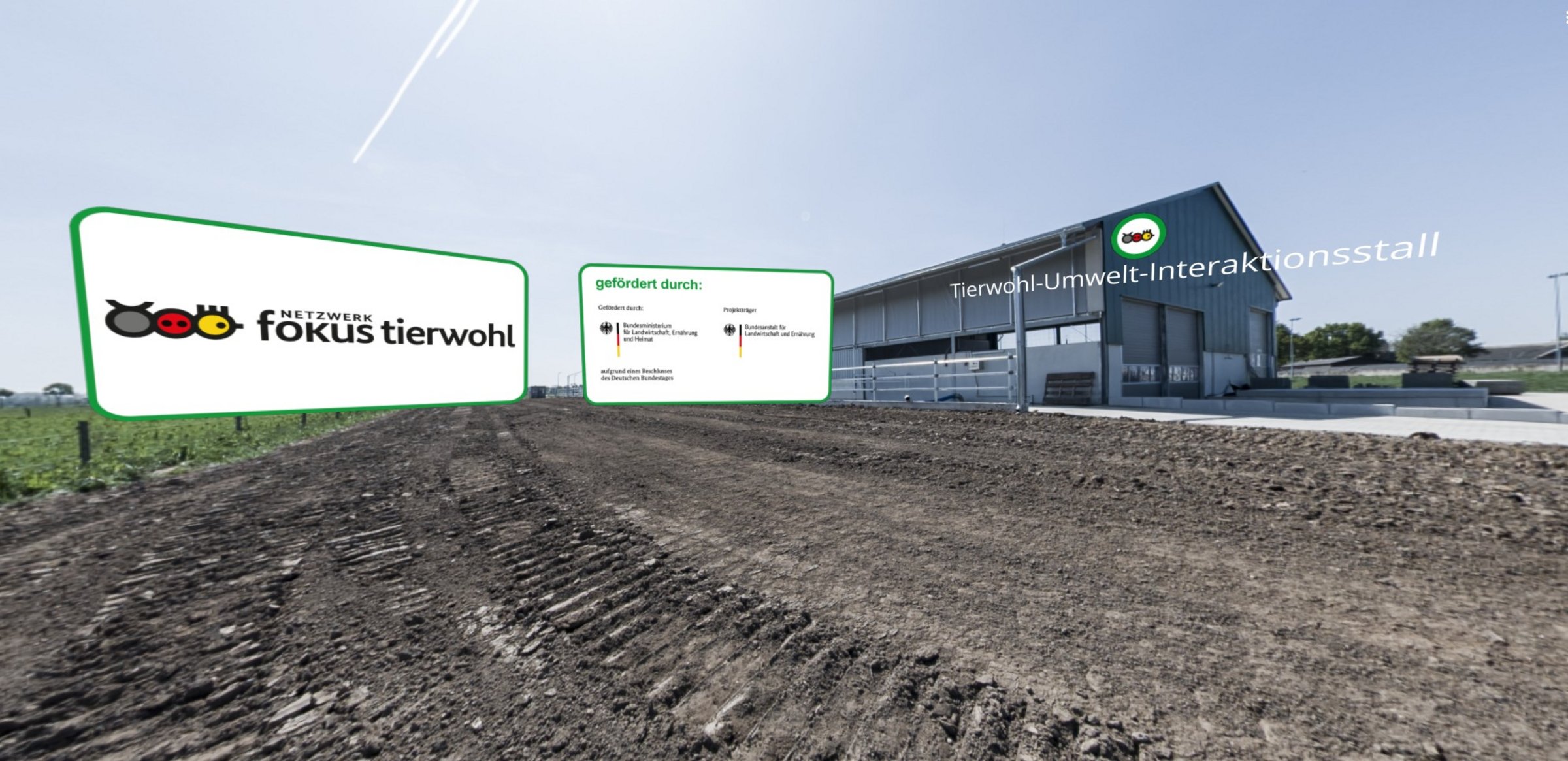
In 2024, the ‘Stable of the Future’ training and demonstration facility was opened at the VBZL Haus Düsse. The ‘Stable of the Future’ incorporates two different housing systems, corresponding to the ‘open-air housing’ and ‘outdoor access/grazing’ systems.
The aim is to develop and test alternative housing systems, taking into account the aspects of ‘improving animal welfare’, ‘reducing negative environmental impacts’ and ‘increasing consumer acceptance’. The housing systems offer increased space, structured functional areas, technical processes for separating manure and urine, and organic enrichment materials.
A virtual tour of the barn explains the details of the housing systems.
Tail-biting is a widespread problem in pig farming that can have significant implications for animal welfare and economic performance. It is a multifactorial phenomenon. Analysing and addressing the causes can be very challenging. In a small, non-representative survey, the Schwein office asked the network’s pilot pig farms about their experiences.
African swine fever (ASF) is a notifiable animal disease that affects domestic and wild pigs. The infection manifests itself through non-specific symptoms such as loss of appetite and lethargy, fever, diarrhoea and vomiting, and often leads to the death of infected pigs. Since 2020, the virus has also been spreading in Germany. In addition to infected wild boars, 19 domestic pig herds across Germany have so far been affected by the disease. The Federal Ministry of Food and Agriculture has published a brochure entitled ‘Protection against animal diseases – what farmers can do’. The Fokus Tierwohl network has translated this into four languages – English, Romanian, Polish and Ukrainian – so that the biosecurity requirements are easily understandable for staff who speak other languages.
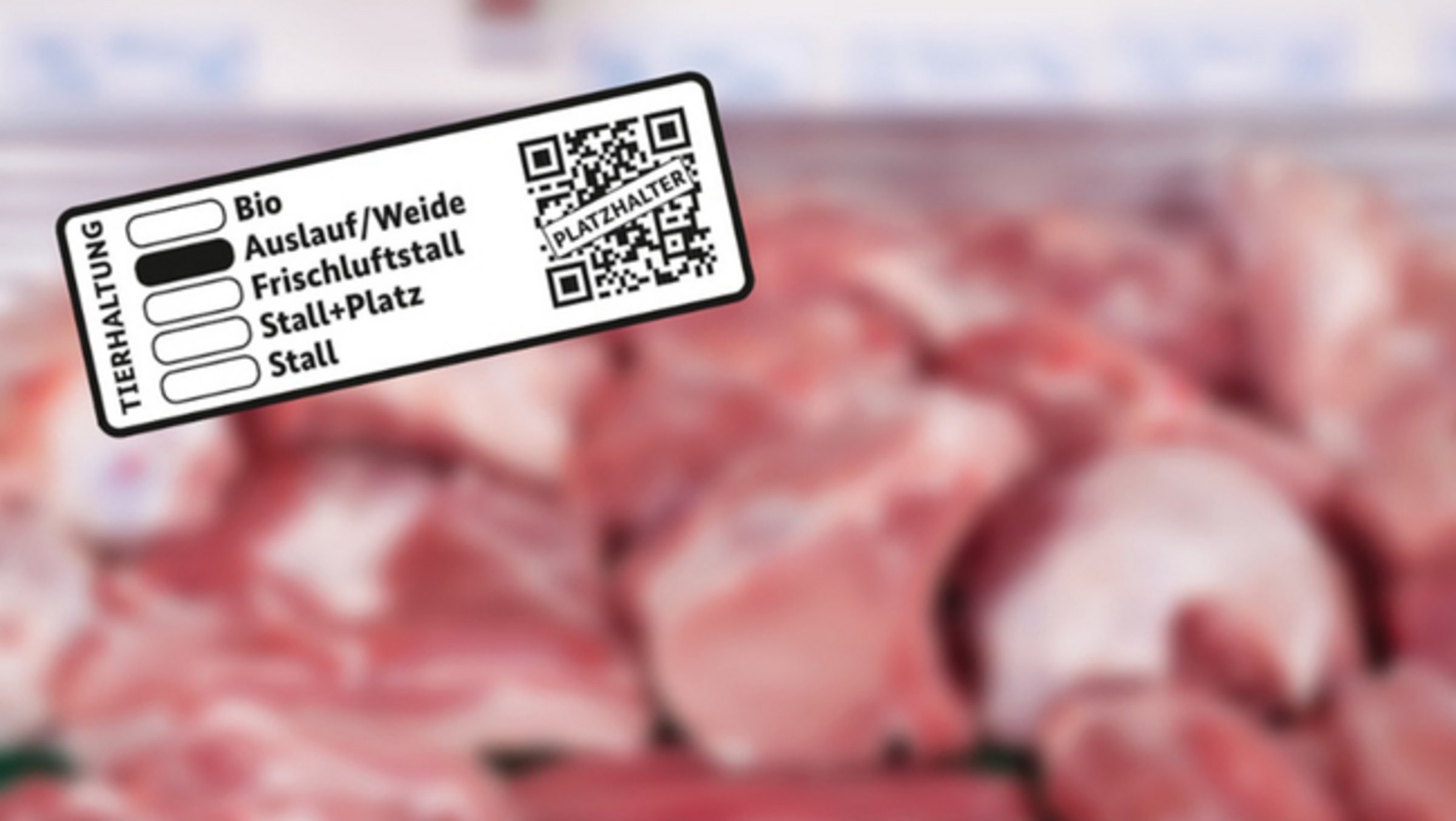
The new Animal Husbandry Identification Act (TierHaltKennzG) has been in force since 24 August 2023. Pig farmers must register their farming methods and fattening facilities with the relevant authority by 1 August 2024. It is still unclear how the registration process will work and which authority is responsible in the respective federal states (as of 4 June 2024).
The requirements of the state Animal Husbandry Labelling Act differ from the criteria of the Animal Welfare Initiative and other branded meat schemes.
Are you a farmer looking to set up a new farm or renovate an existing one, and do you want to switch to an alternative housing system? If so, you should start your planning carefully. As pollution control is a key part of the planning permission process and determines the likelihood of success, it makes sense to involve expert construction consultants and specialists, particularly in the field of pollution control. The guidelines from the Animal Welfare Competence Centre for Pigs within the Fokus Tierwohl network explain what needs to be taken into account.
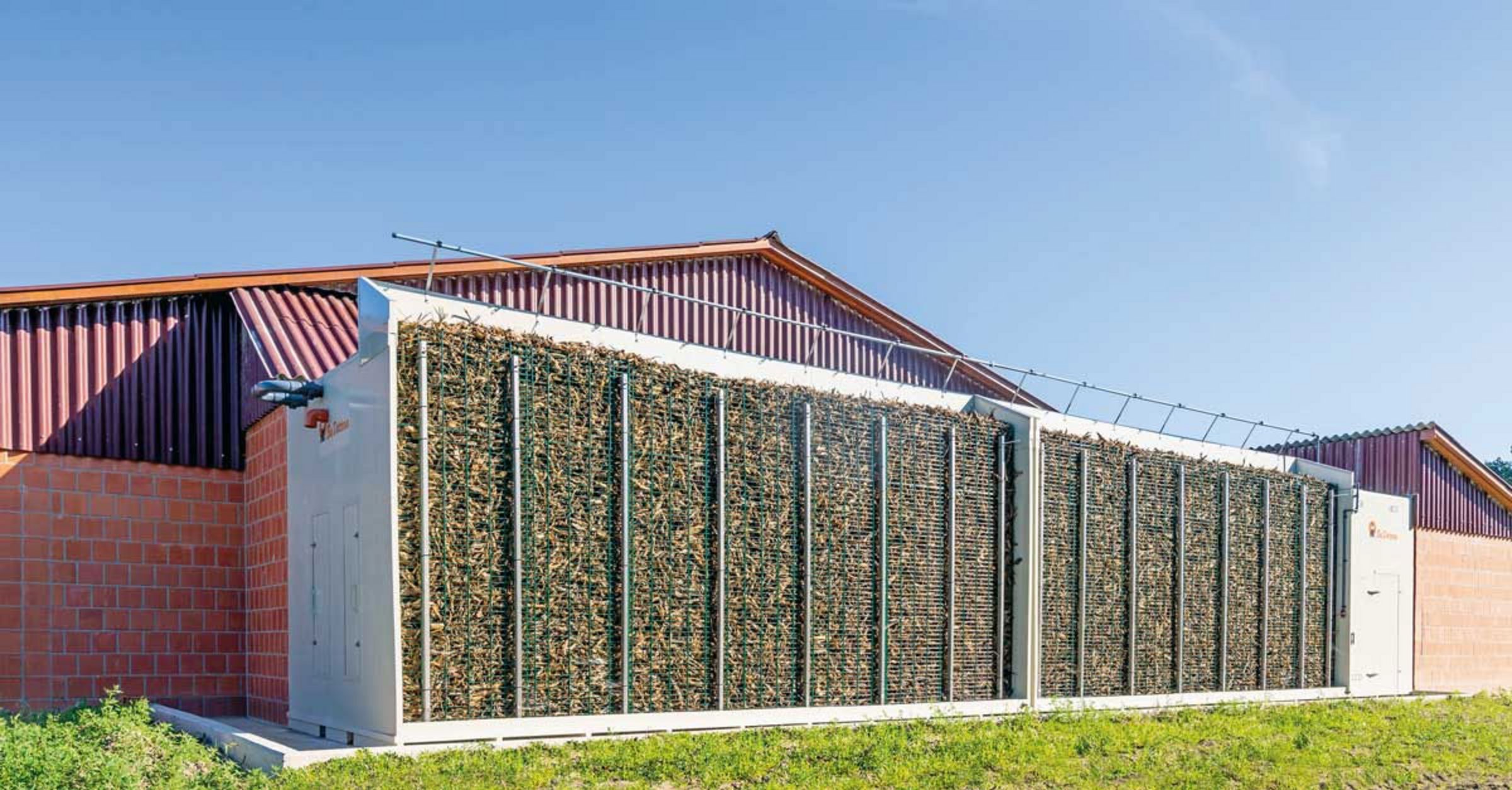
On pig farms, an exhaust air purification system (ARA) is mandatory when constructing new enclosed, mechanically ventilated housing units if the farm requires a permit under environmental protection legislation. This is the case, for example, if the number of animal places exceeds 2,000 for fattening pigs or 750 for sows. This also applies to several smaller individual sheds that together form a complex and exceed the aforementioned thresholds. Furthermore, an exhaust air purification system may also be required on smaller farms if, when constructing a new shed, the distance to protected areas such as sensitive biotopes or residential areas is insufficient. Keeping track of this is often not that straightforward. What types of exhaust air purification systems are available? Which one is suitable for which farm? What are the specific features of the systems? The Animal Welfare Competence Centre for Pigs summarises the key facts in a short article.
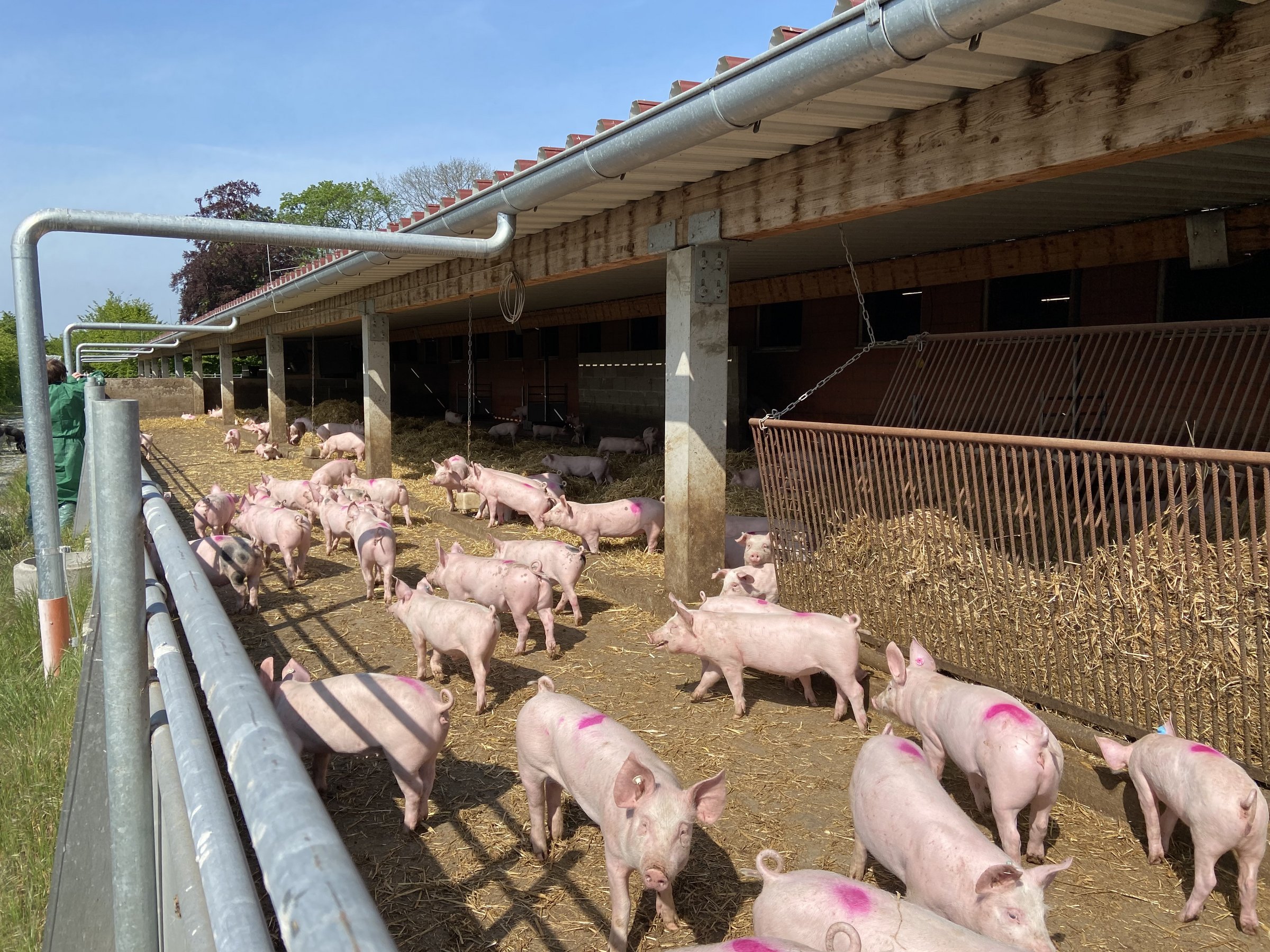
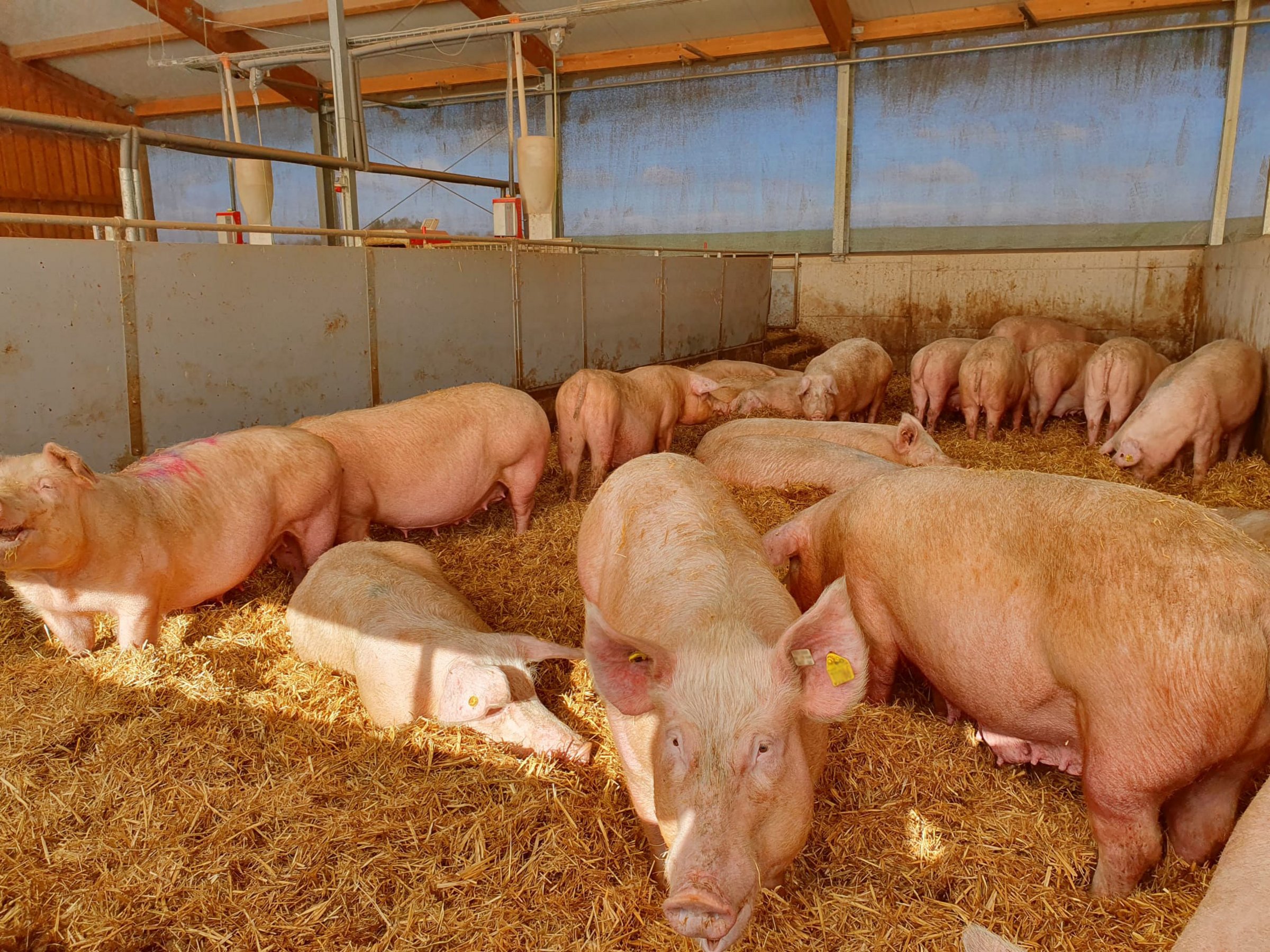
Outdoor runs are a great benefit to our domestic pigs. They provide the animals with a variety of stimuli, such as smells, sounds, visual impressions and different climatic conditions. In addition, outdoor runs usually give the animals more space; they can choose where to spend their time, and there is variety in their daily routine, including a clearer day-night rhythm. Due to the current changes in pig farming and increasing animal welfare requirements, outdoor runs are becoming increasingly popular, and many farmers are considering building new ones or extending existing ones. However, there is much to consider. The ‘Pen Design’ working group of the Animal Welfare Competence Centre for Pigs offers tips on how to design an outdoor run so that it is readily used by the pigs and is also economically viable.
The rearing of uncut pigs is still considered the ultimate challenge. For years, scientists and practitioners have been trying to find solutions to successfully rear animals with intact curly tails. There is now a wealth of scientific evidence on the influencing factors and promising measures for rearing un-docked pigs. Nevertheless, there is no magic formula for preventing tail-biting, as caudophagia is a multifactorial problem that varies from farm to farm.
Through the ‘No Tail Docking’ working group of the Centre of Excellence for Pig Welfare, as part of the Focus on Animal Welfare network, teaching materials on the topic of avoiding tail docking have been produced for teachers at agricultural colleges and vocational schools, with the aim of incorporating the topic into lessons and raising awareness of the issue among the farmers of tomorrow.
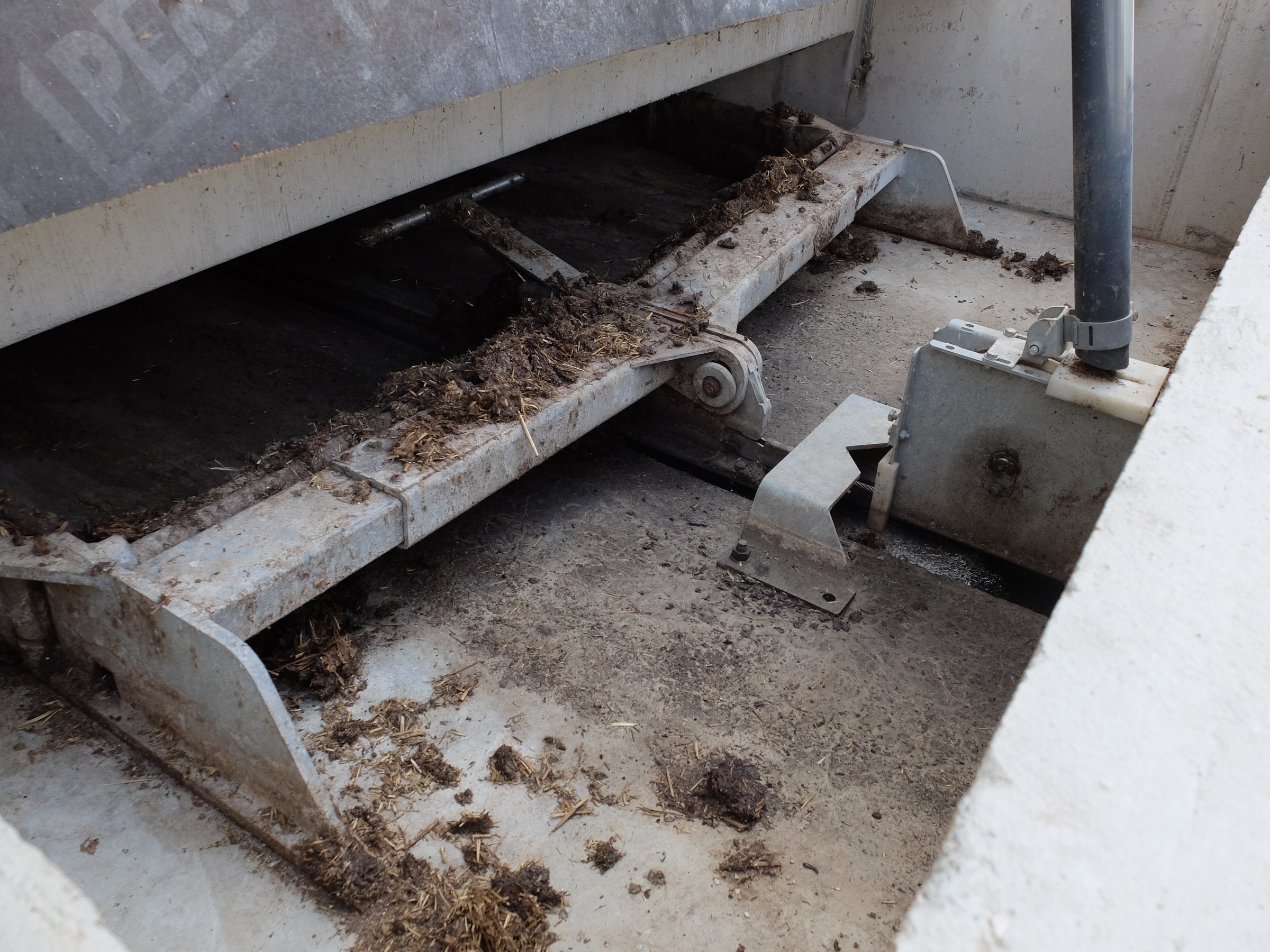
Animal welfare is more of a priority than ever, and pig farming is undergoing a transformation. Organic enrichment materials are now a legal requirement, and structural developments are leading to more deep-litter pigsties, increasingly with outdoor runs as well. In order to implement the increased use of bedding in practice, farms require sufficient storage facilities for hay and straw, suitable manure removal techniques and proper manure storage. Various aspects must be taken into account to ensure good quality hay and straw and to store manure in an environmentally sound manner. Various points should also be taken into account during manure removal, which on the one hand make day-to-day work easier and on the other hand protect the environment. The ‘Construction: Sows and Fattening’ working group of the Animal Welfare Competence Centre for Pigs from the Fokus Tierwohl network has summarised the most important points.
In pig farming, in addition to gaseous emissions such as ammonia, methane and nitrous oxide, odours and particulate emissions such as dust are also produced, the latter of which may also carry bacteria. These can have a negative impact on the indoor climate, affect human and animal health, harm the environment or cause a nuisance. Examples of health impacts include abnormal lung findings in fattening pigs and respiratory diseases in farmers.
There are various ways for farms to reduce emissions. Farmers can receive grants, for example, through the Agricultural Investment Promotion Programme (AFP) for exhaust air purification systems, manure-urine separation, smaller slurry channels, feeding systems for nutrient-reduced phased feeding, and slurry cooling techniques.
For many animal owners, this is a difficult and deeply emotional issue: how should I deal with sick and injured animals? When should I isolate an animal, when should I call the vet, and when should I put an animal out of its misery?
Making the right decision at the right time is of immense importance for a sick or injured animal, as the aim is to avoid significant or prolonged pain and suffering. The new guide from the Fokus Tierwohl network aims to support decision-making for livestock farmers and animal carers.
To detect changes in the animals, careful observation is essential. The new guide “SchweineWohl – Dealing with Sick and Injured Animals” focuses on animal observation and its assessment when deviations from the normal condition are noted. How do healthy and sick pigs behave? Which externally observable signs in the animal require which measures?
The guide uses a decision tree to cover all the key steps that livestock farmers must decide on and take in each individual case. It is important that individual sick or injured animals are cared for immediately and in accordance with their condition, and treated in consultation with the vet.
The guide is also available for download in English, Polish, Romanian and Ukrainian.
Time and again, fires break out in pigsties, resulting in the death of many animals or the need to euthanise them on the spot. However, it is not only fires that constitute emergencies which can affect any livestock farmer; power cuts, caused for example by lightning strikes, adverse weather conditions or construction work, can occur at any time. The failure of electrically powered ventilation systems and the feed and water supply has fatal consequences for the animals.
Under Section 11(8) of the Animal Welfare Act, pig farmers are required to regularly record and analyse animal-related characteristics within their herds. But which indicators in the barn provide information on animal health and behaviour? The ‘EiKoTiGer’ project developed a framework for assessing the animal welfare situation on farms using target and alert values. The framework (sows and suckling piglets, rearing piglets and fattening pigs) was published online in 2020 and is available for free use.