
Overview of topics: Pigs
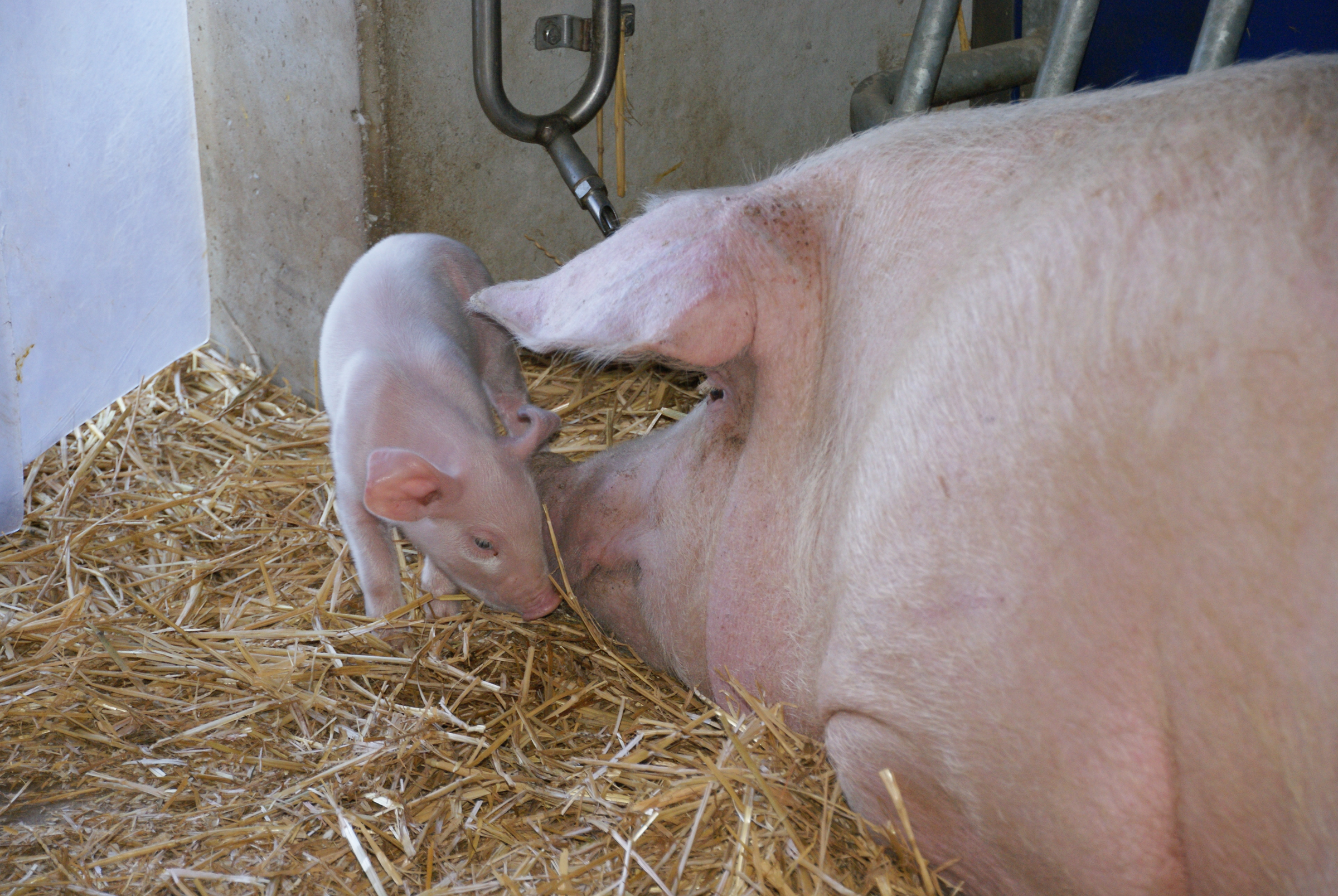
Farrowing Systems Part 2: Focus on the Animal
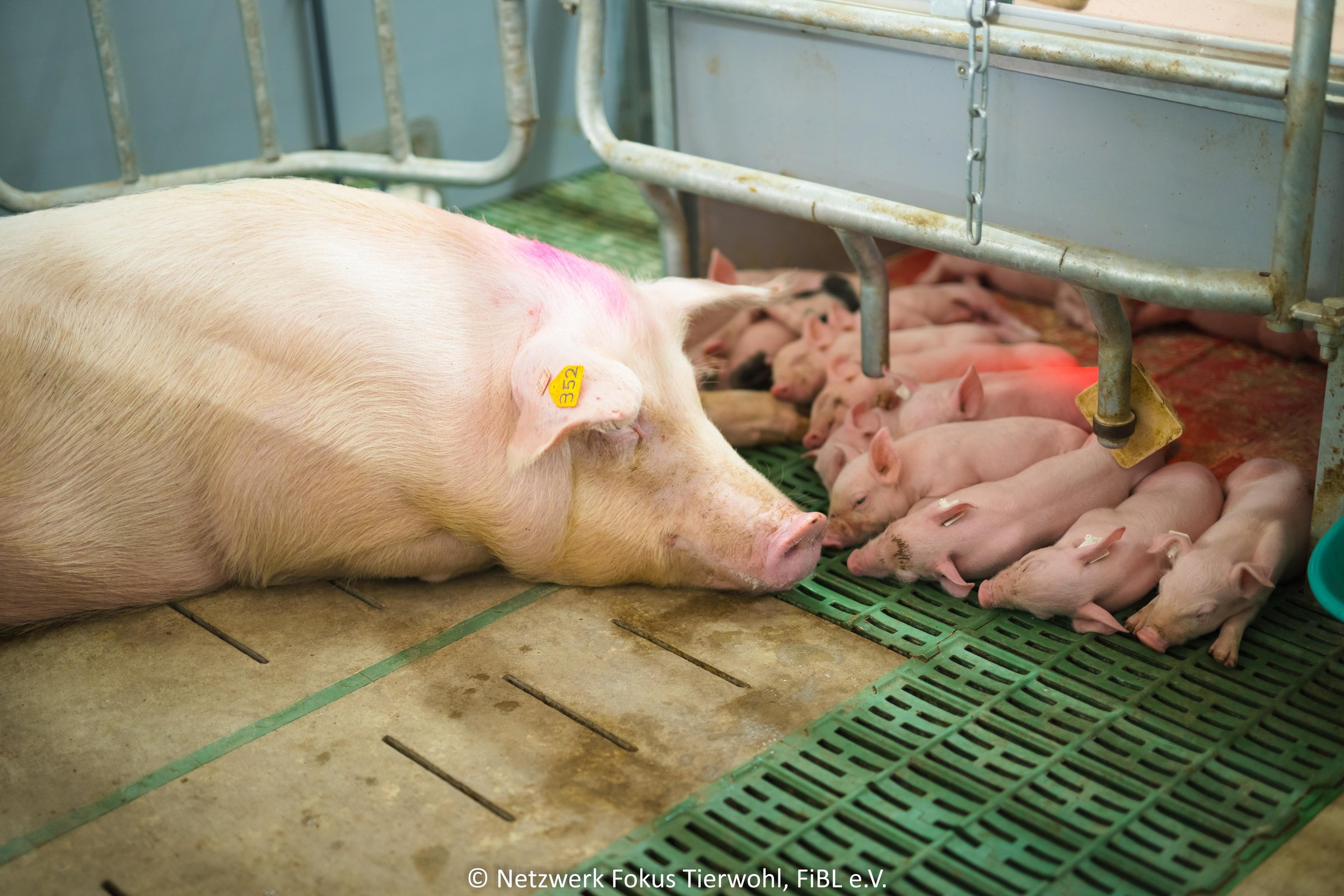
Farrowing systems Part I: Exercise pens and free farrowing
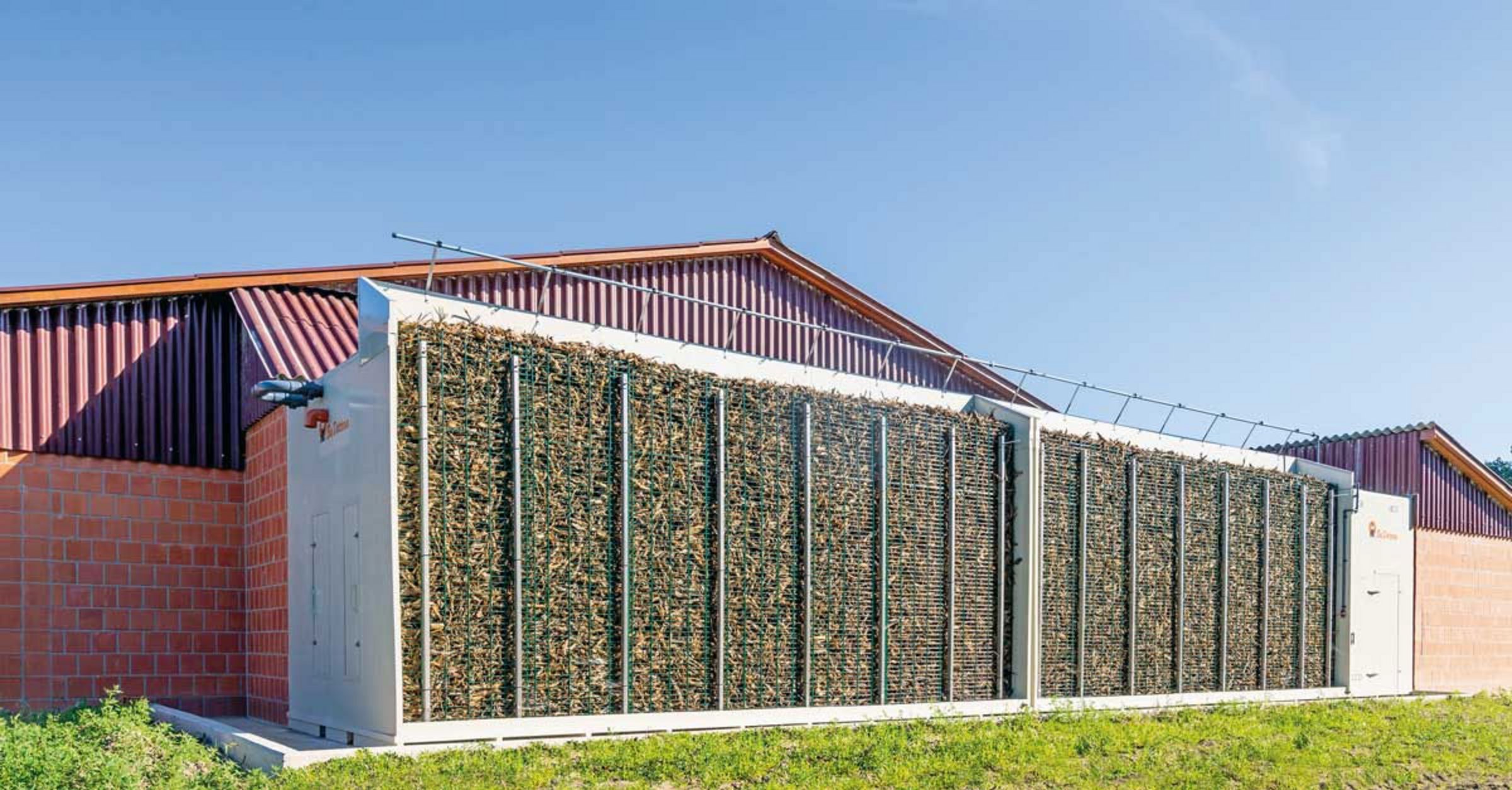
Exhaust air purification systems
African swine fever
Outdoor climate-controlled stables
Internal control

Exercise pens
Pen configuration in piglet rearing and fattening
The structure of the deck – that’s what matters
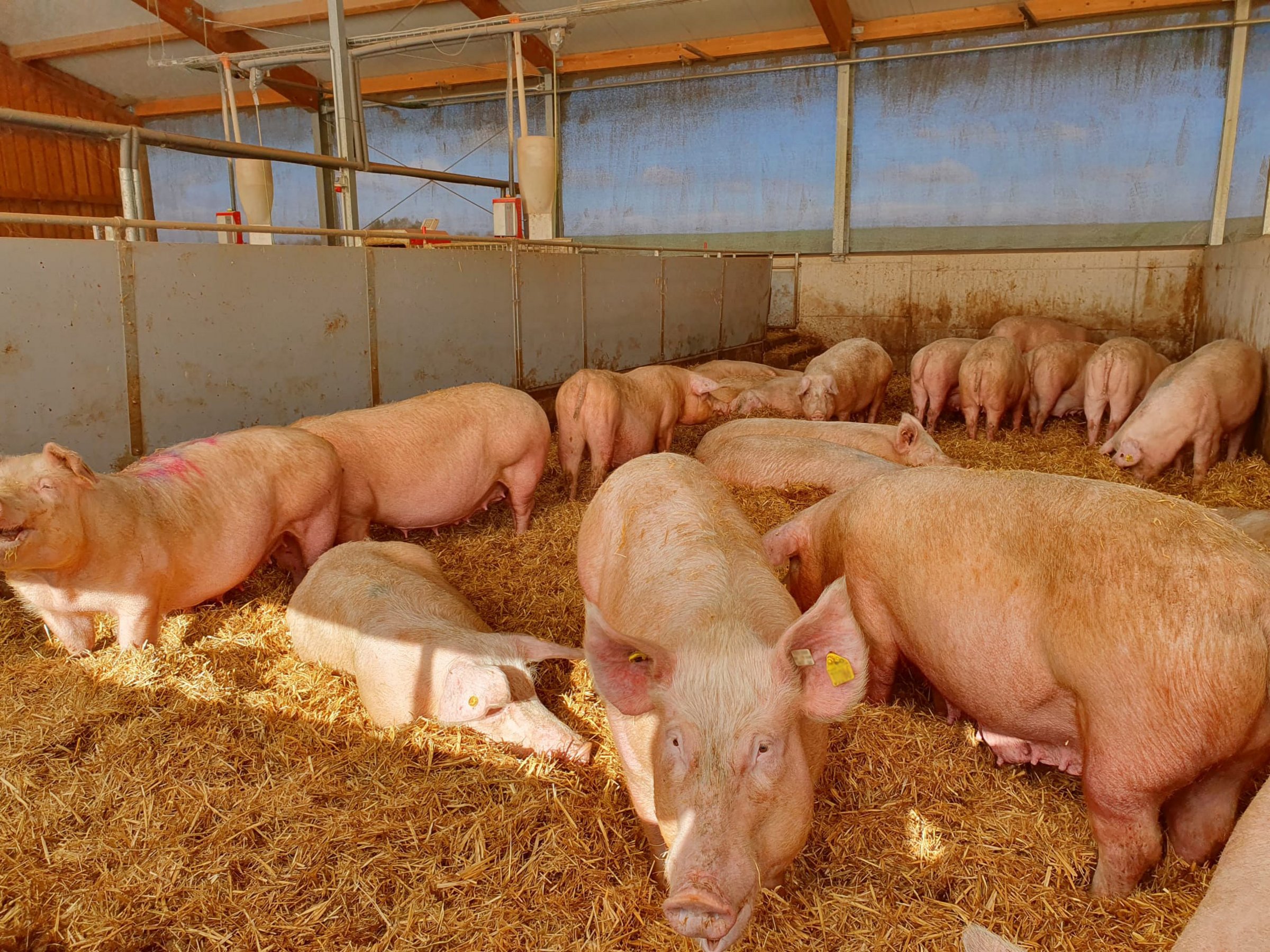
Pen layout in the holding pen
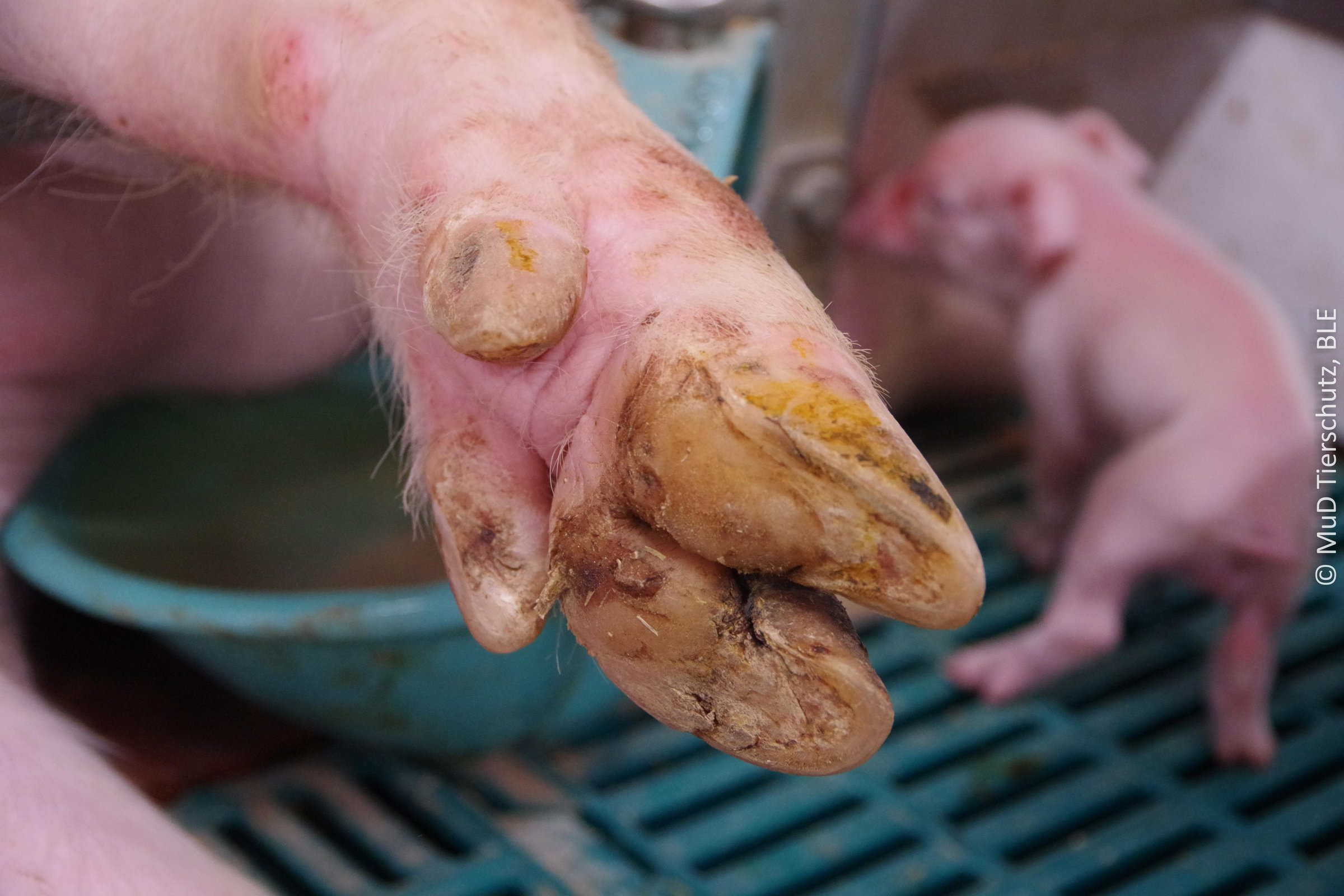
Factors affecting hoof health
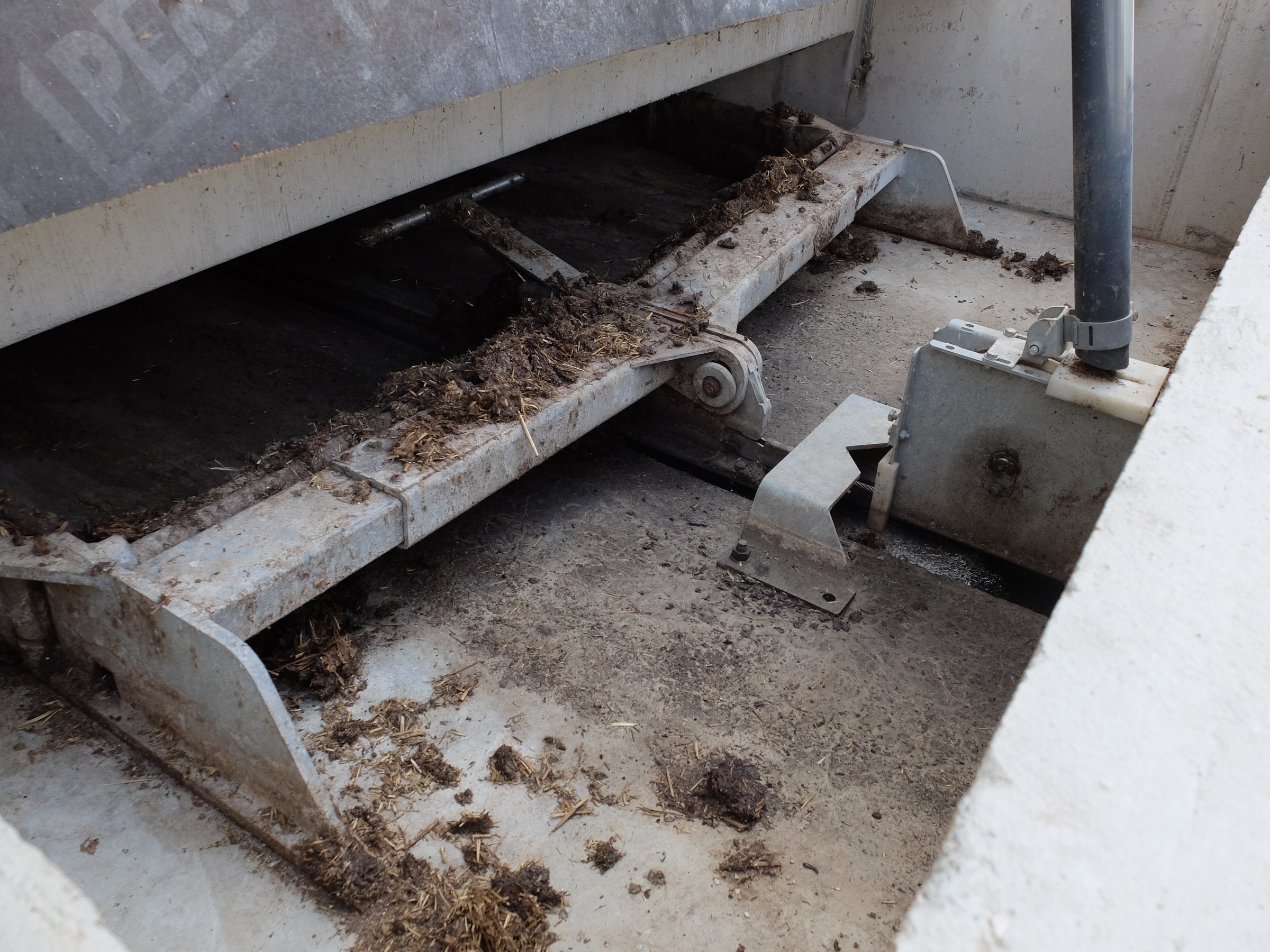
Emission reduction

Manure removal techniques
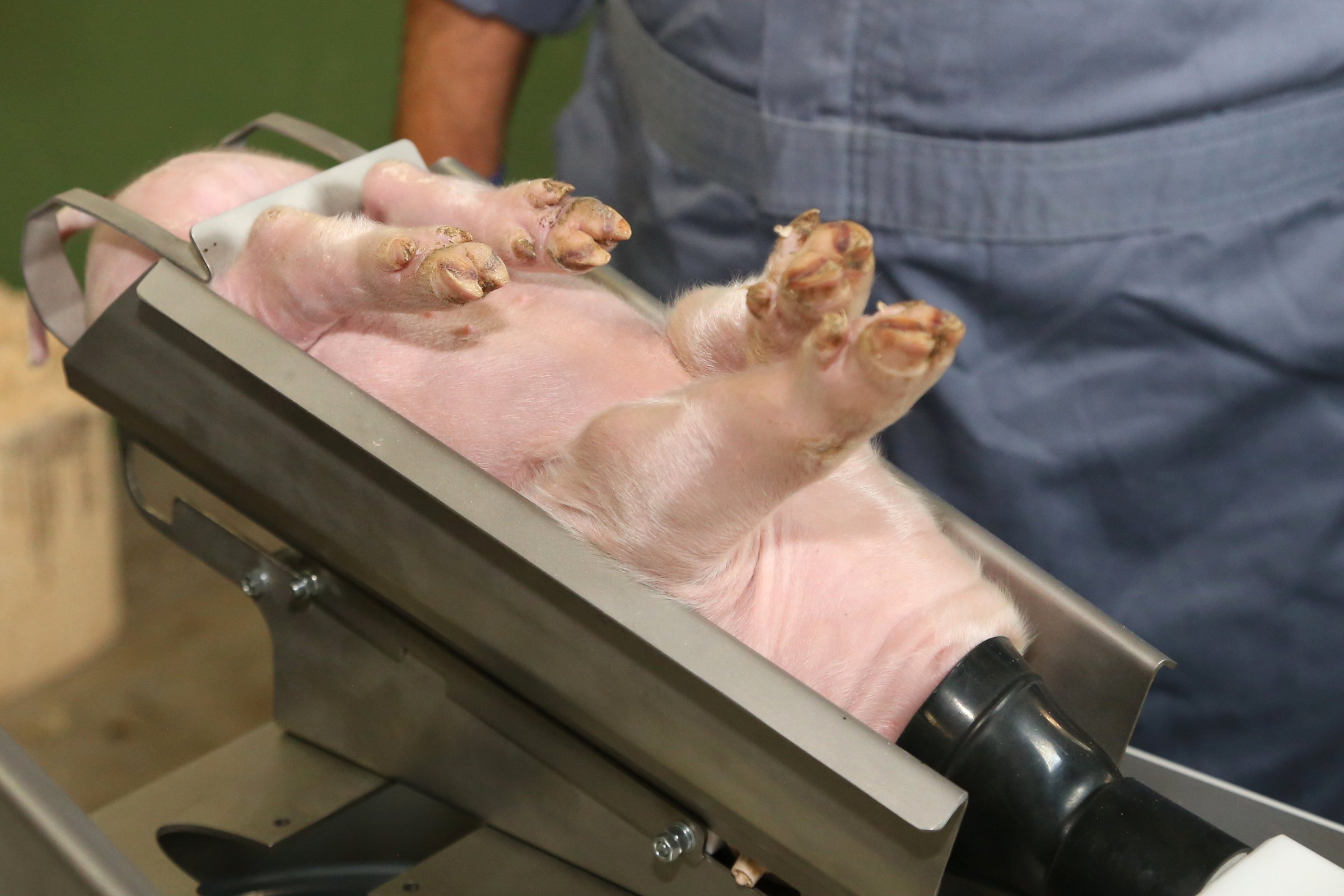
Piglet castration
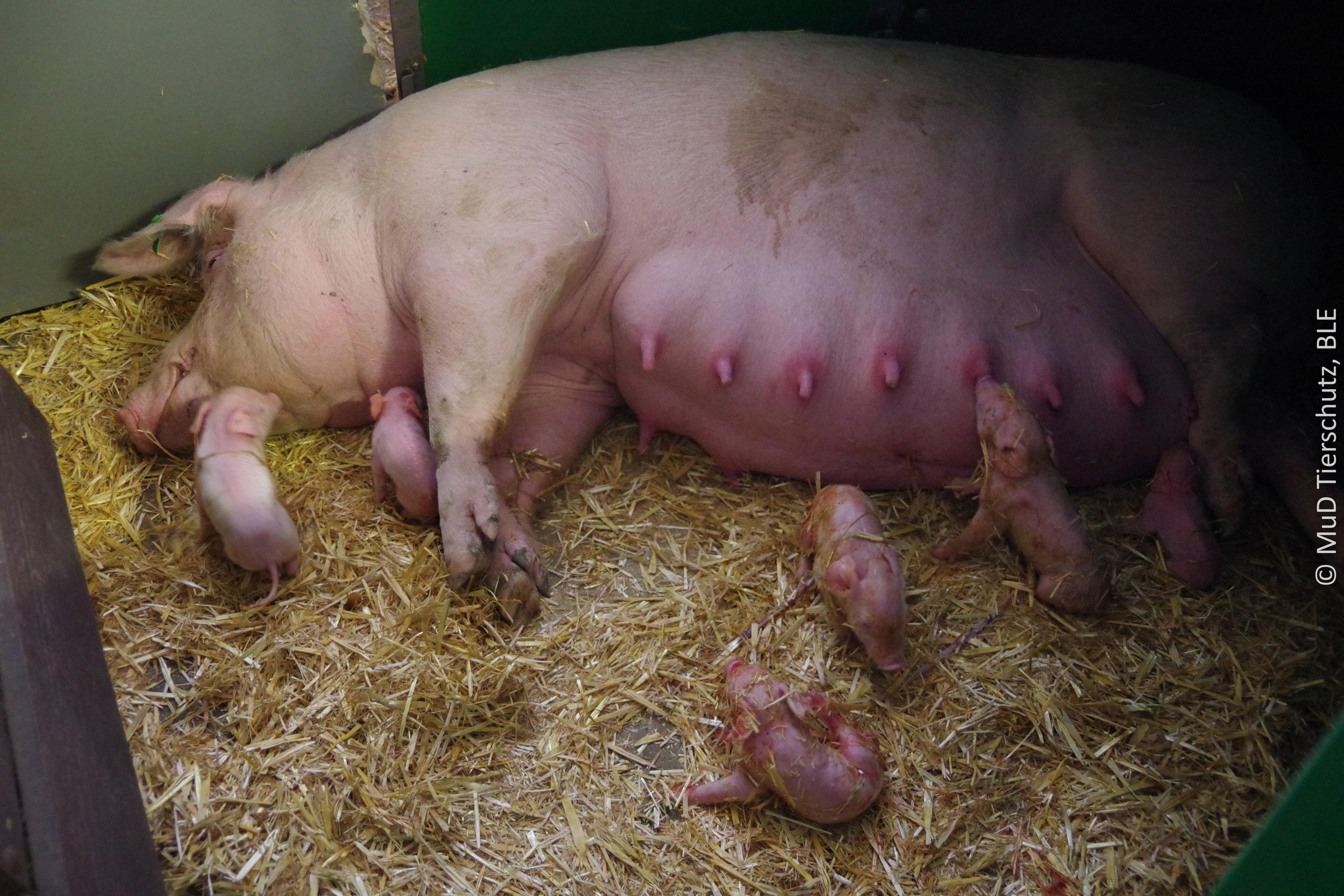
Free farrowing
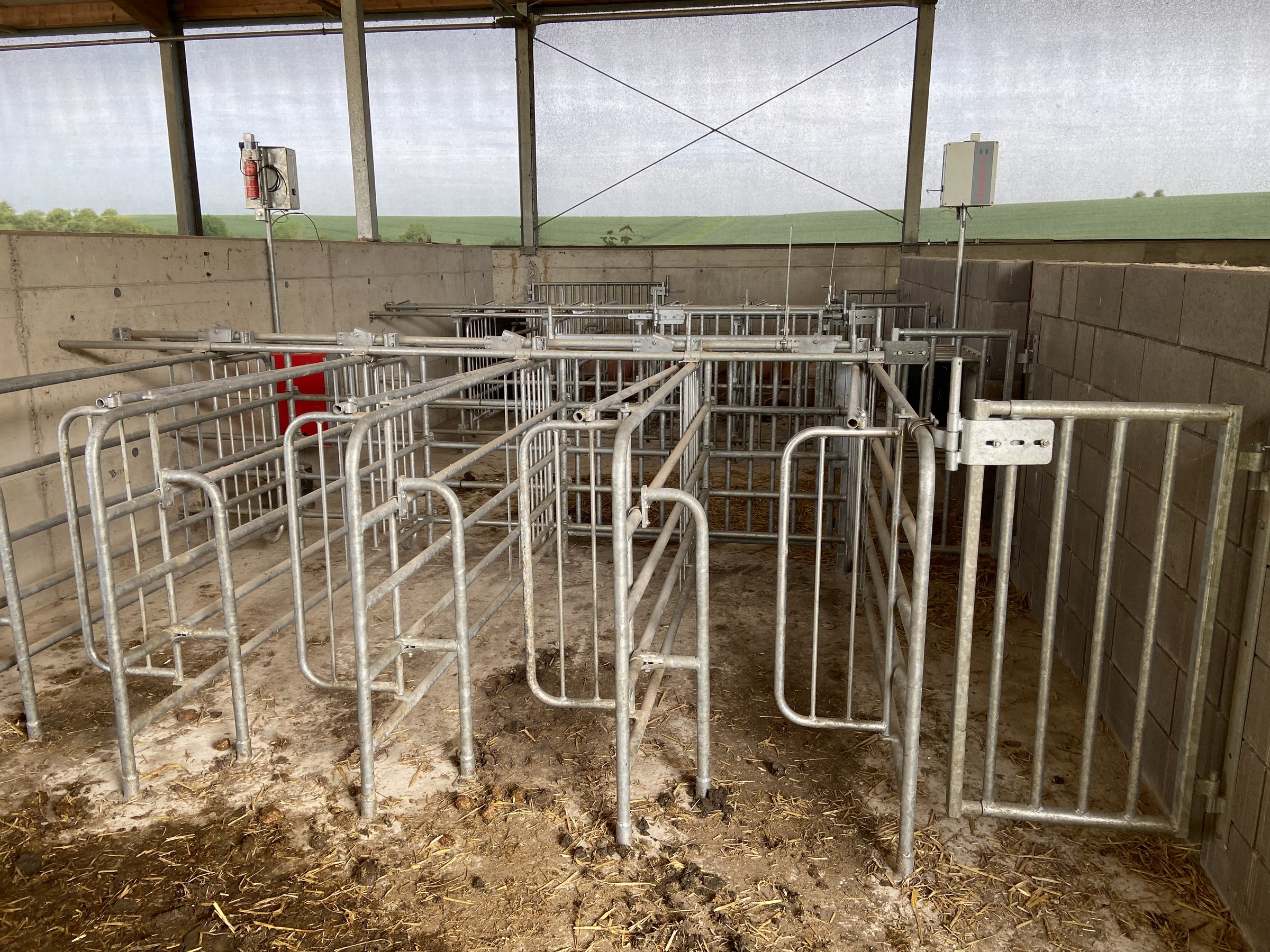
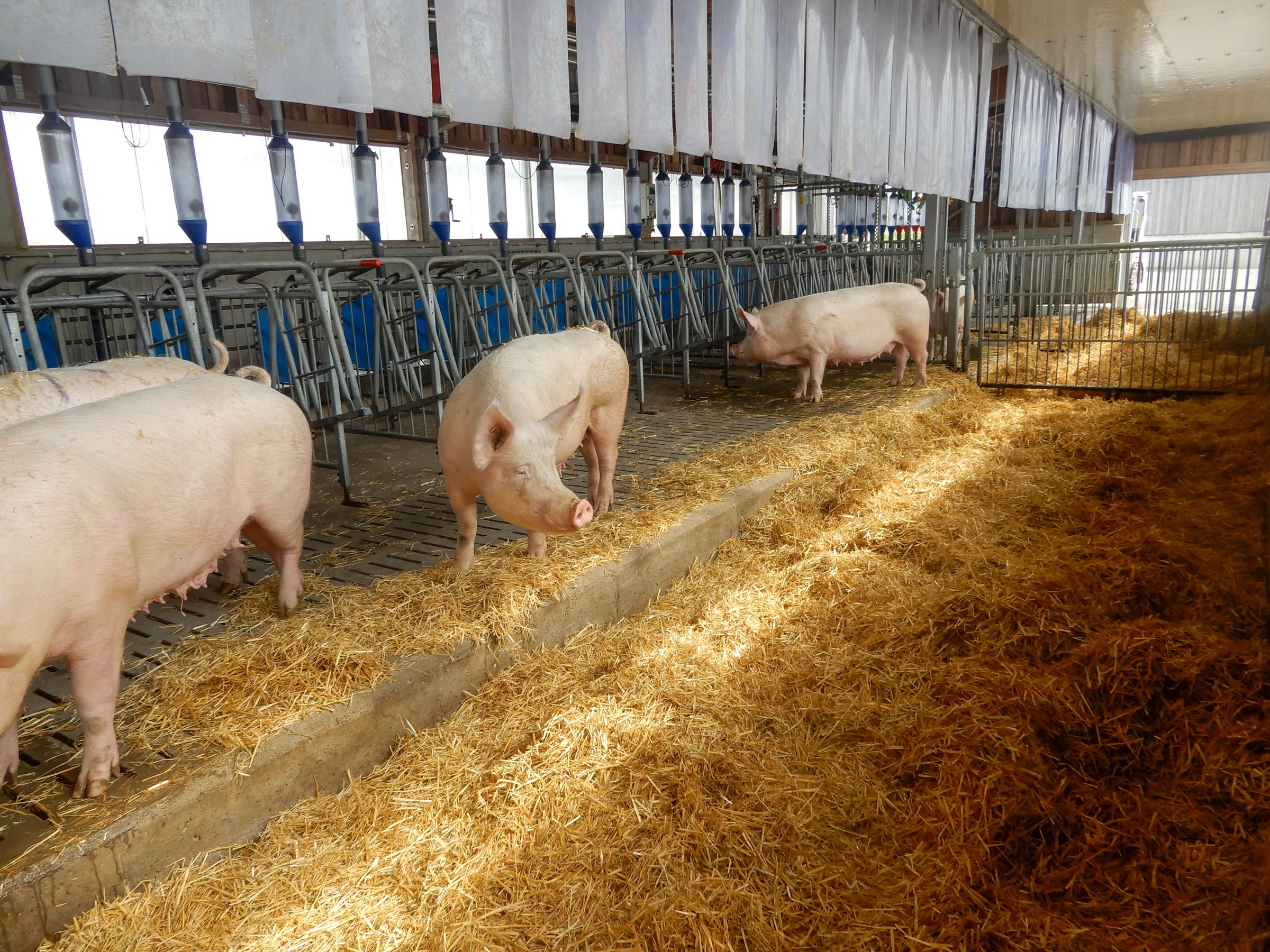
Group housing of sows at the breeding centre
Gruppenhaltung von Sauen im Deckzentrum
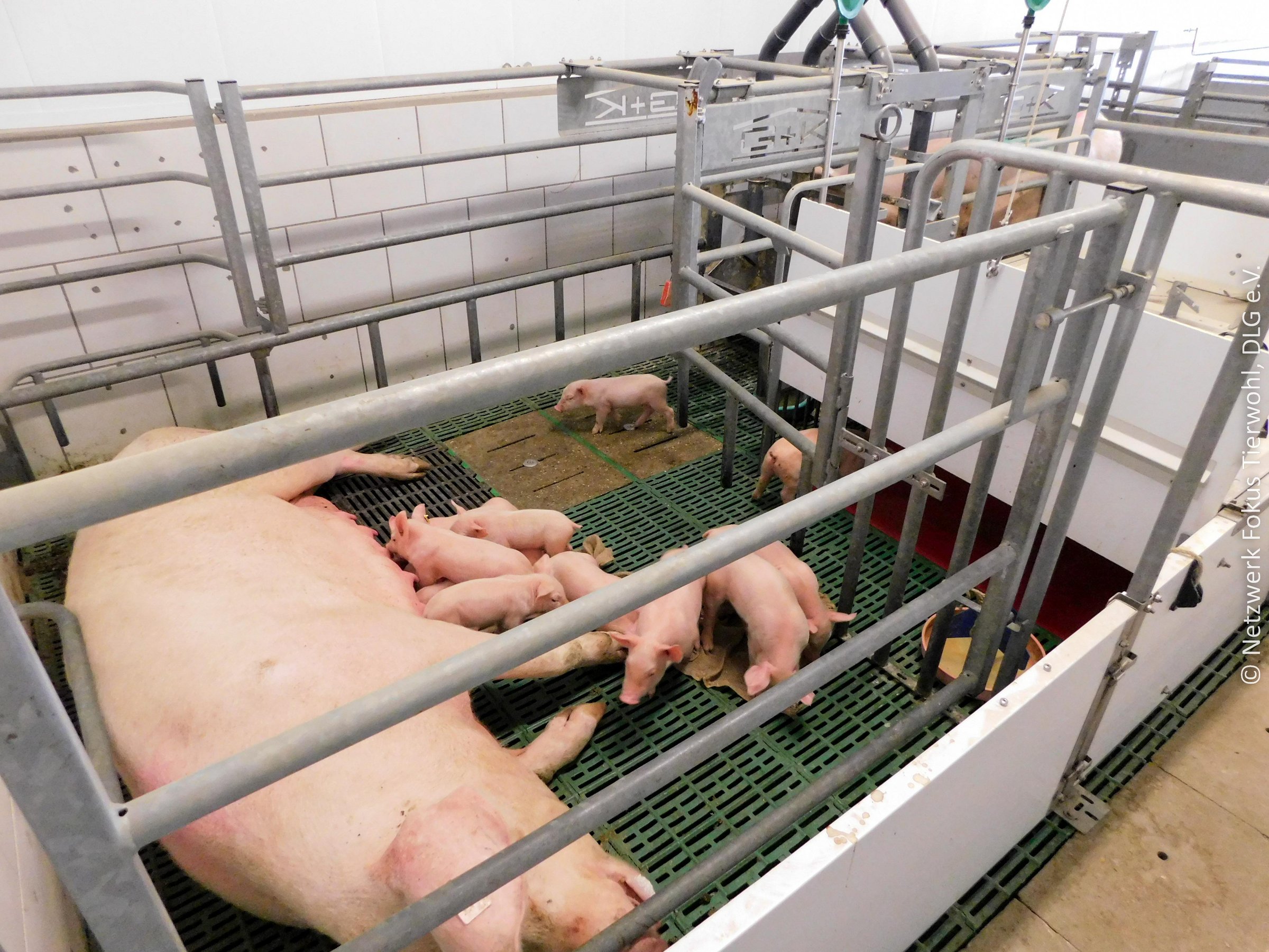
Housing guidelines for piglet production
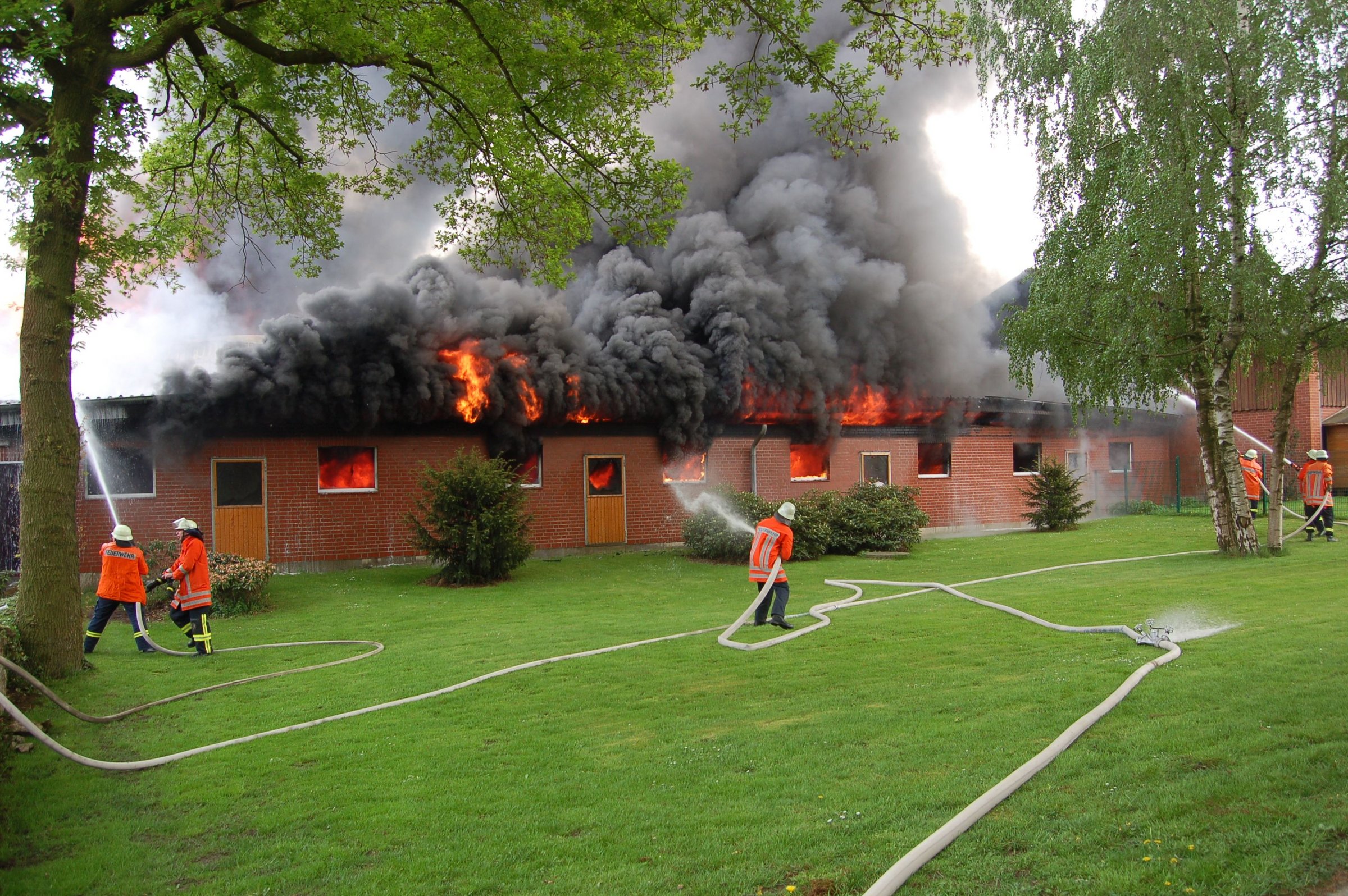
Emergency response plans
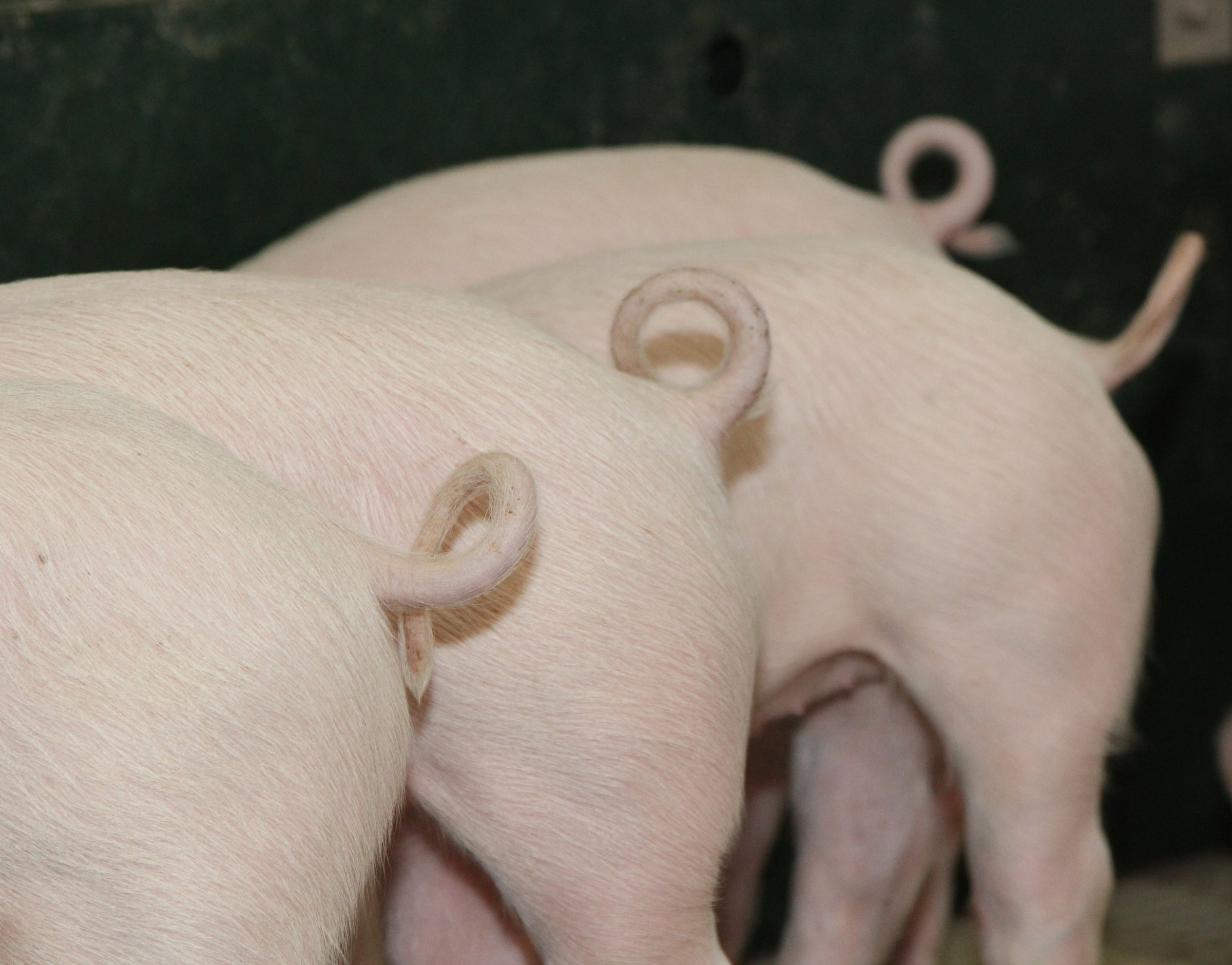
No tail docking

Managing large litters
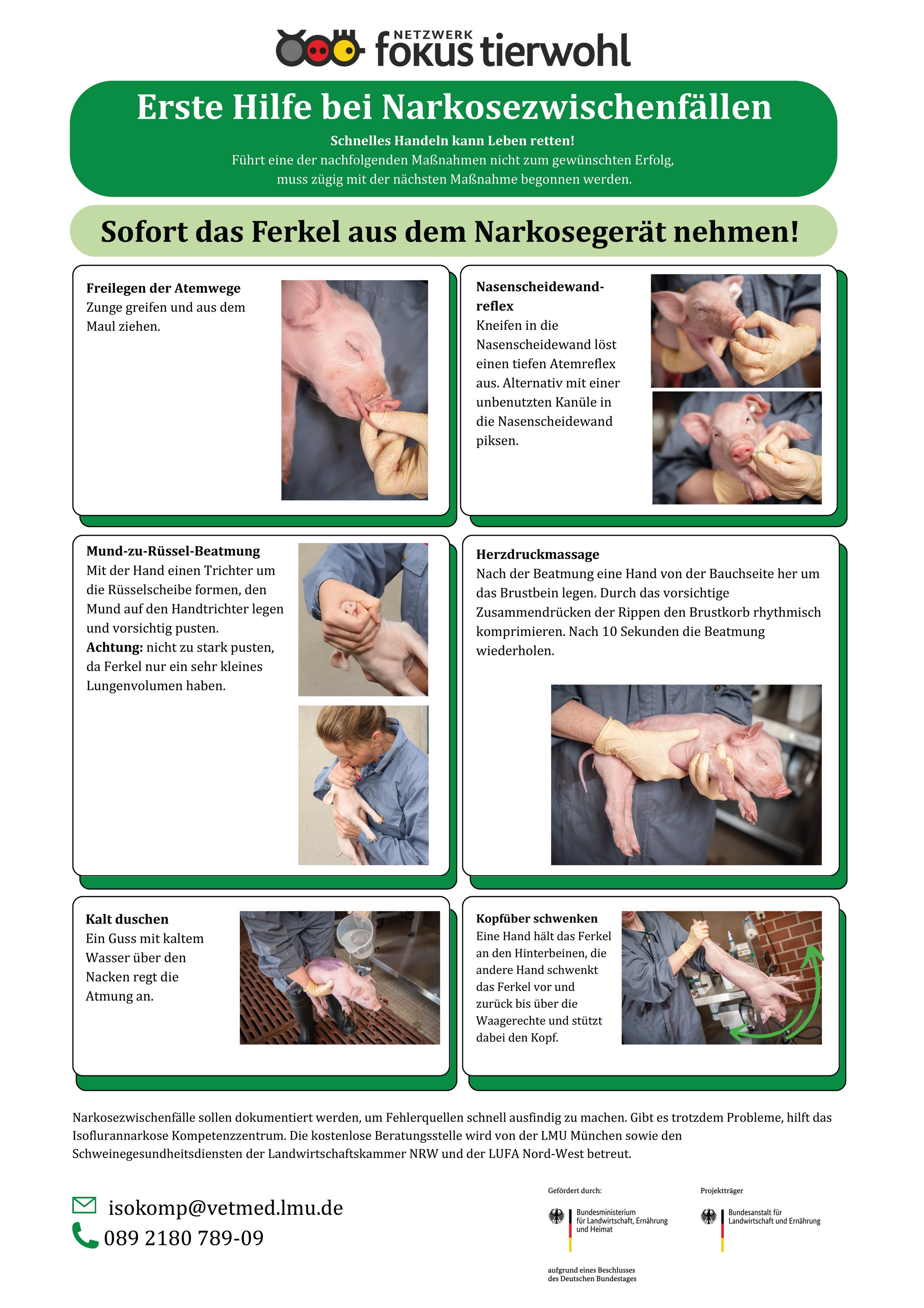
Contingency plan for anaesthetic incidents
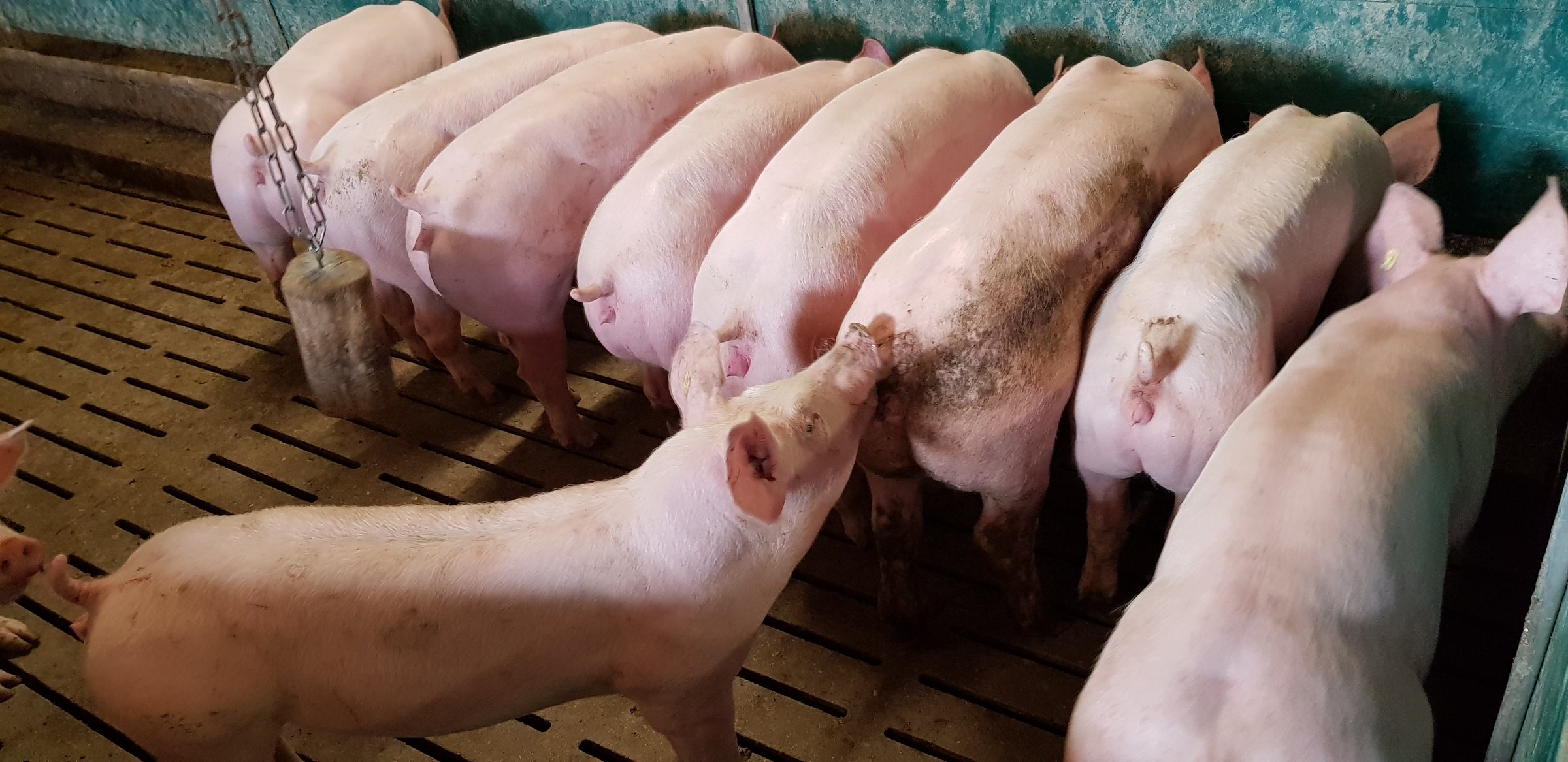
Emergency plan for tail-biting
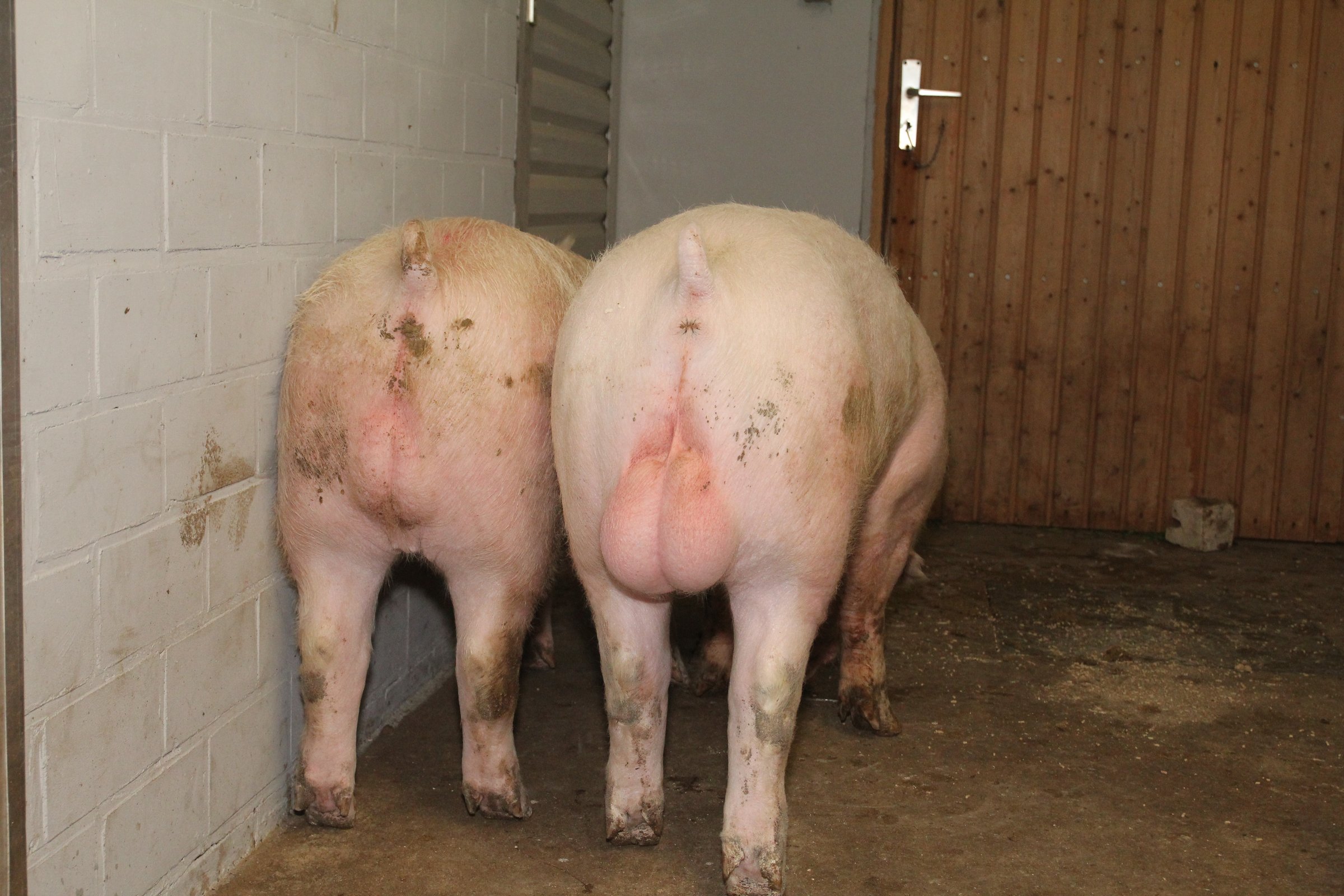
Online information on alternatives to piglet castration without anaesthesia
Practical experiences with the ban on tail docking
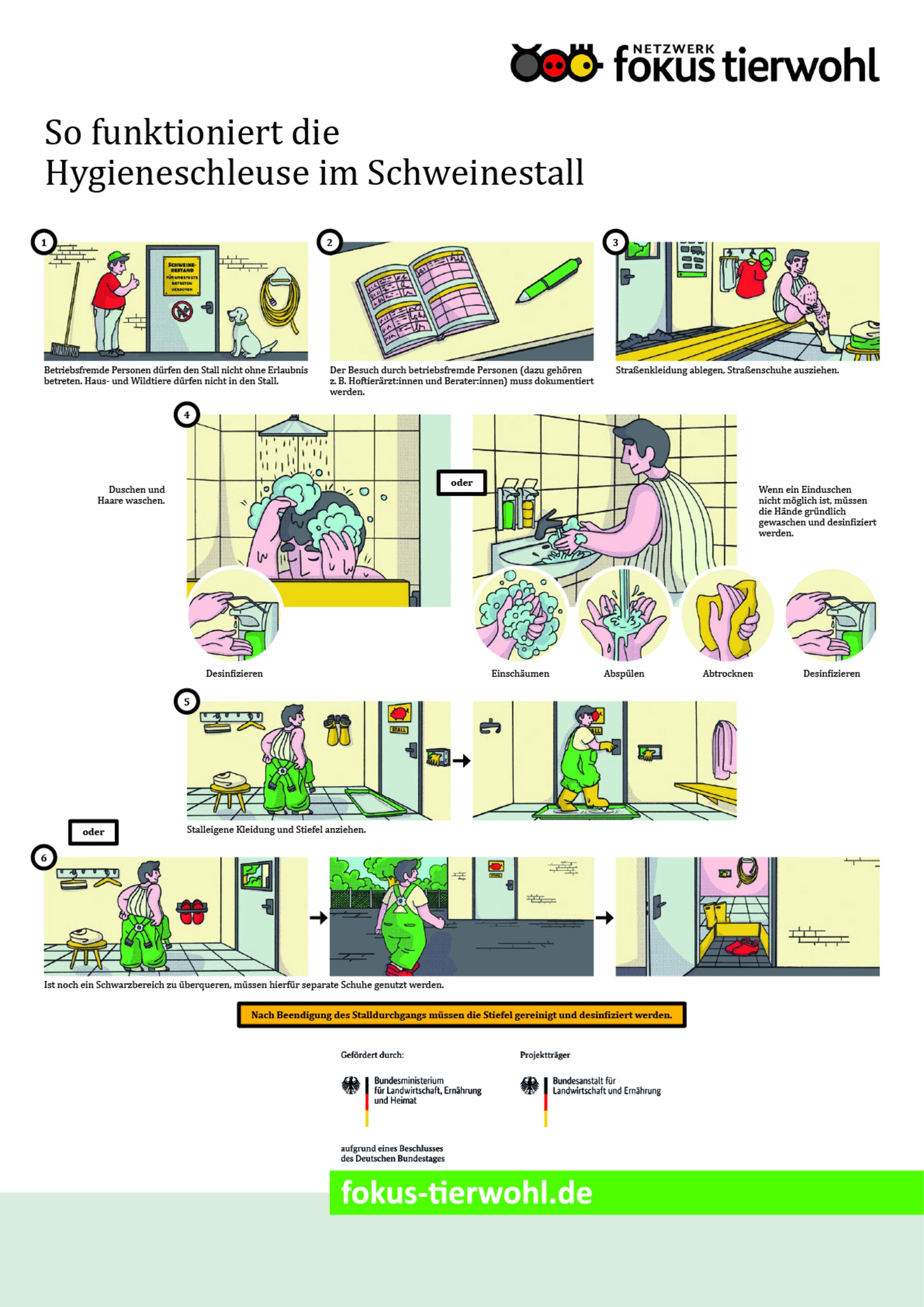
Sanitisation chamber
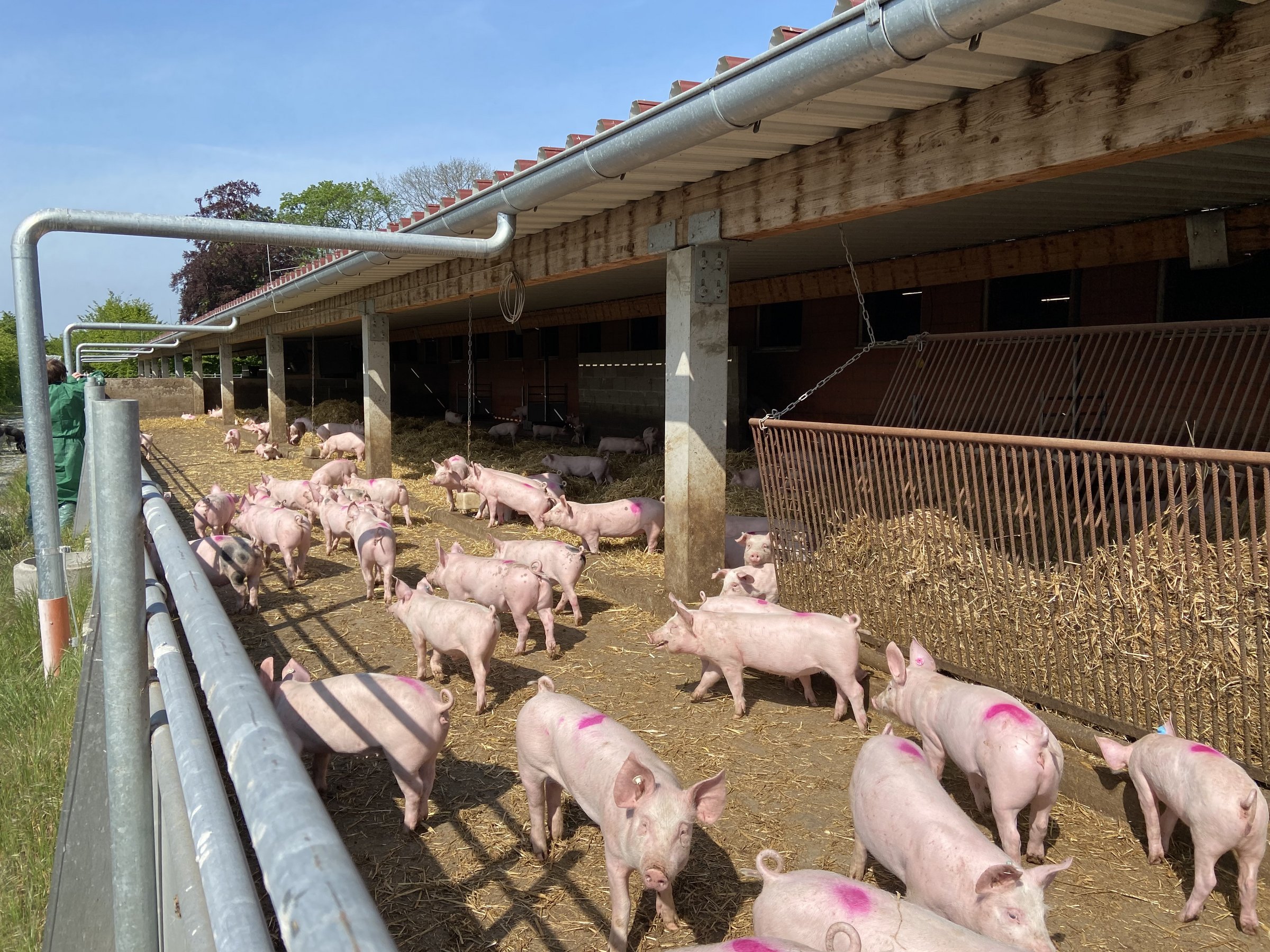
Pig farming with outdoor access
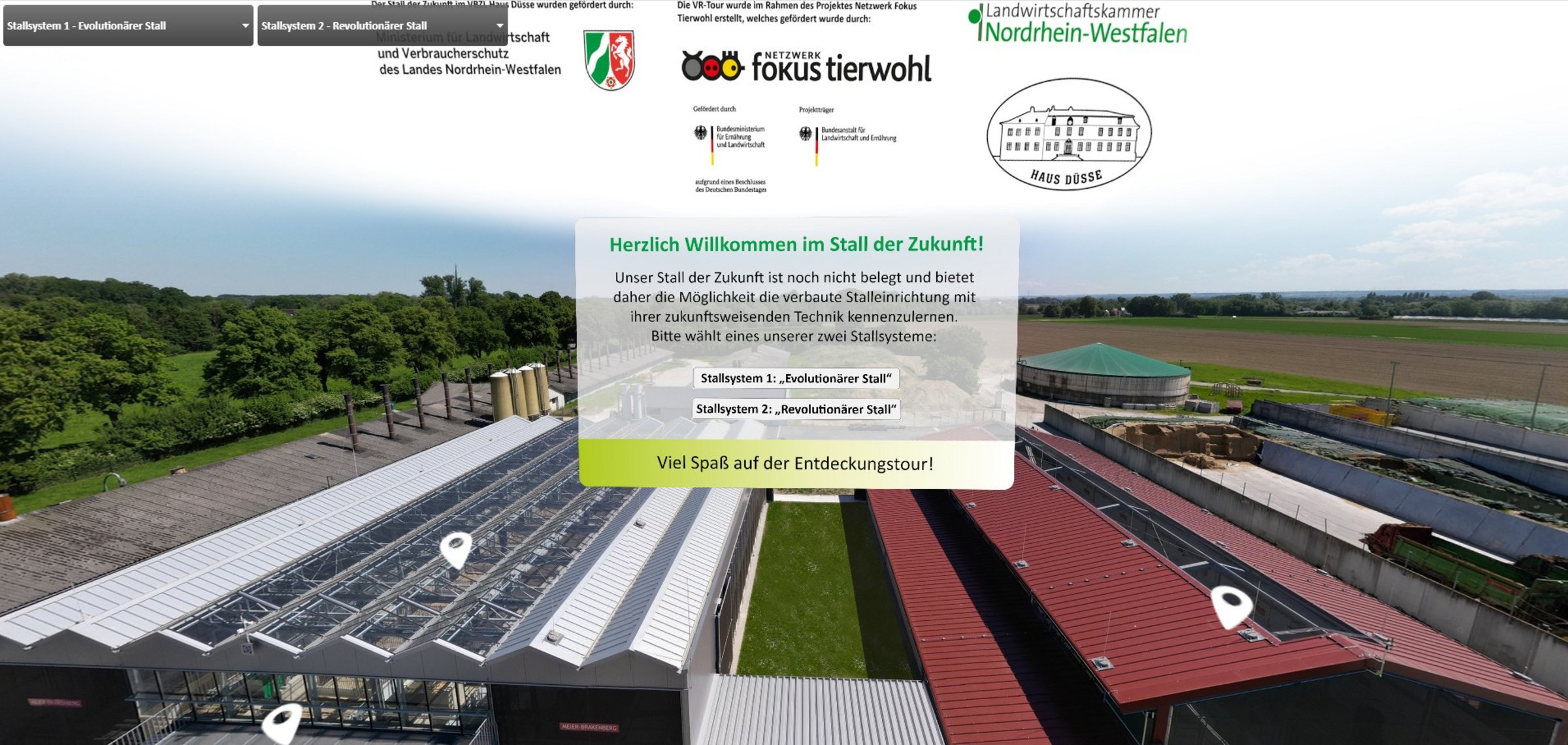
The stable of the future
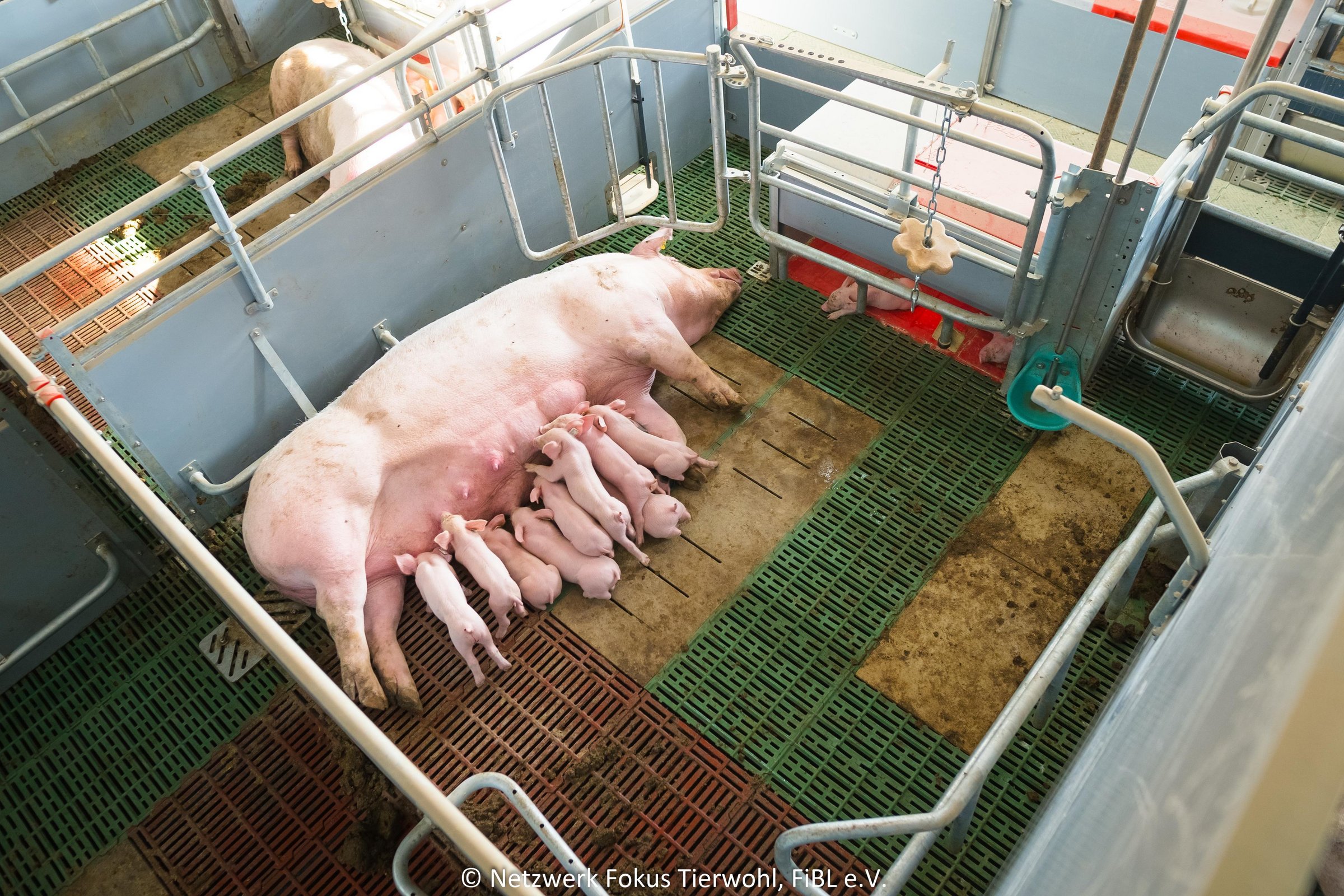
Feedback from the field on exercise pens and free farrowing
01 Termine Sachkundelehrgänge
Animal Husbandry Labelling Act
Survey results: Managing large litters
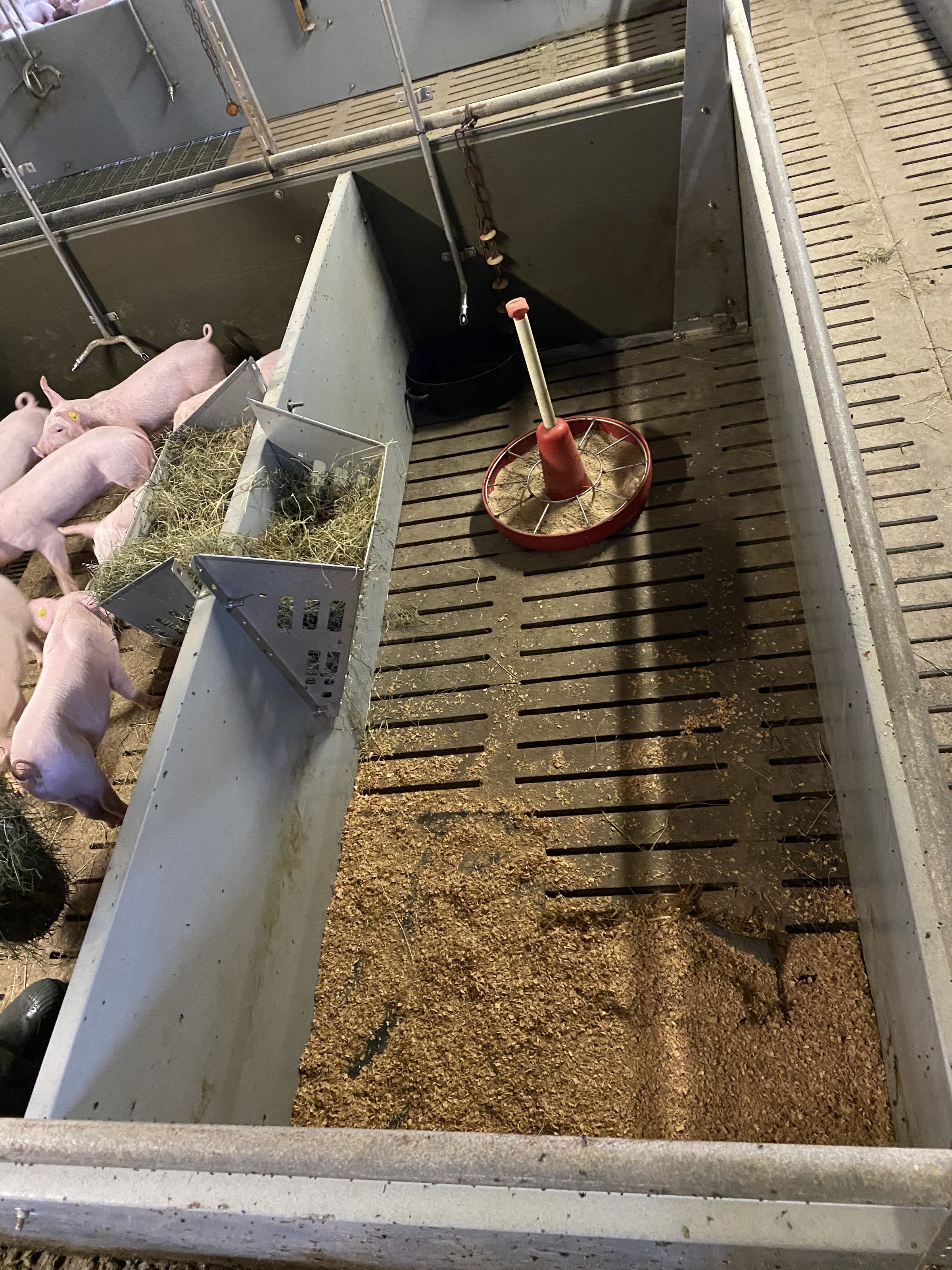
Umgang mit kranken und verletzten Tieren
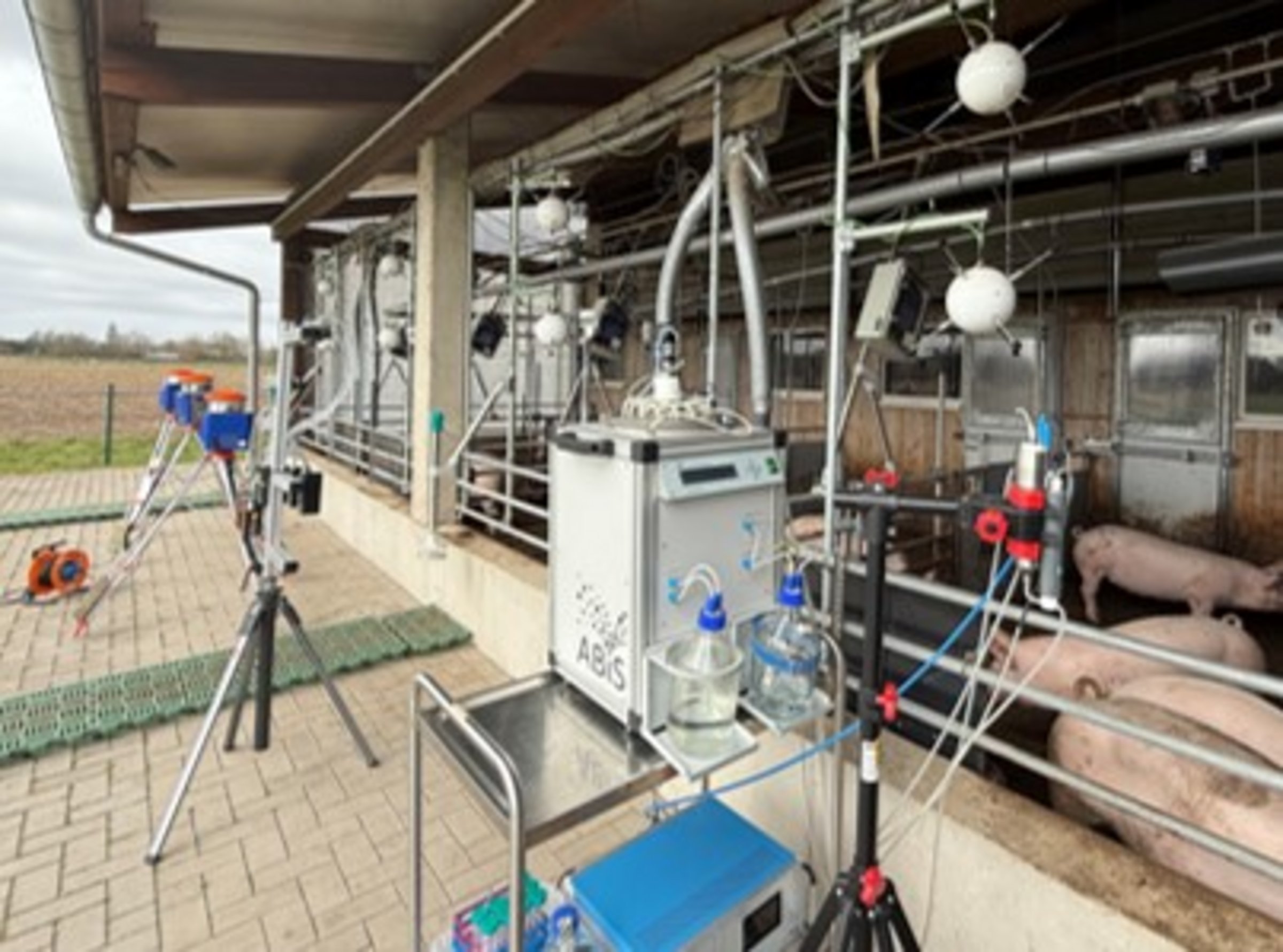
01_Ammoniakreduktion
Outbreaks of tail-biting
Podcast: African Swine Fever
Podcast: Deck Centre
Podcast: Feeding Strategies
Podcast: Insect Protein
Podcast: Hoof Health in Sows
Podcast: Protecting the Climate – Reducing Emissions in Pig Sheds
Podcast: Maternal Instincts in Sows
Video: Alternative piglet rearing systems
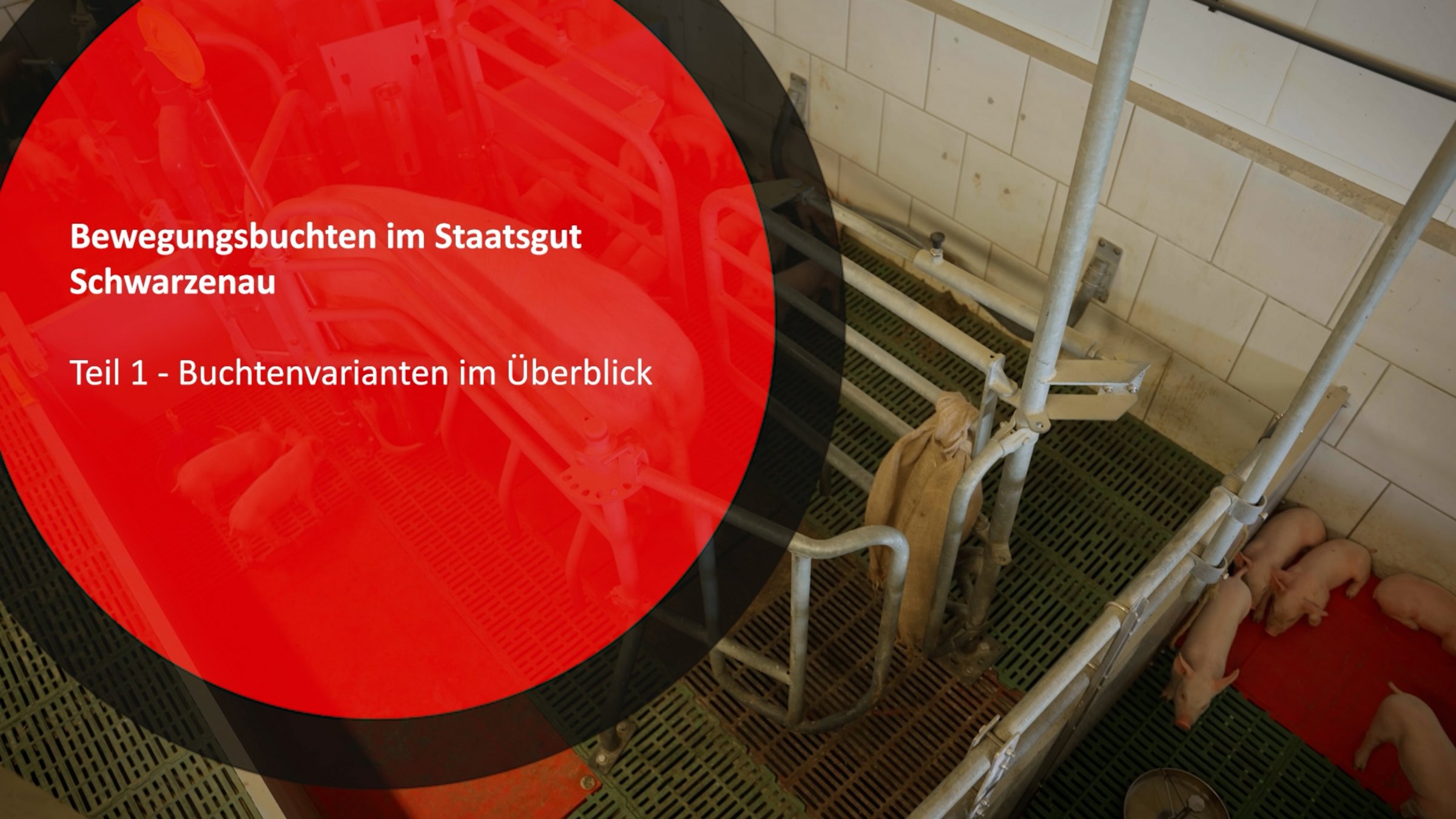
Video: Exercise pens at Schwarzenau State Estate
Video: Pilot farms share their practical experiences with alternative farrowing pens
Video: Practical experiences with the BeFree exercise pen
Video: Ring-tailed posture
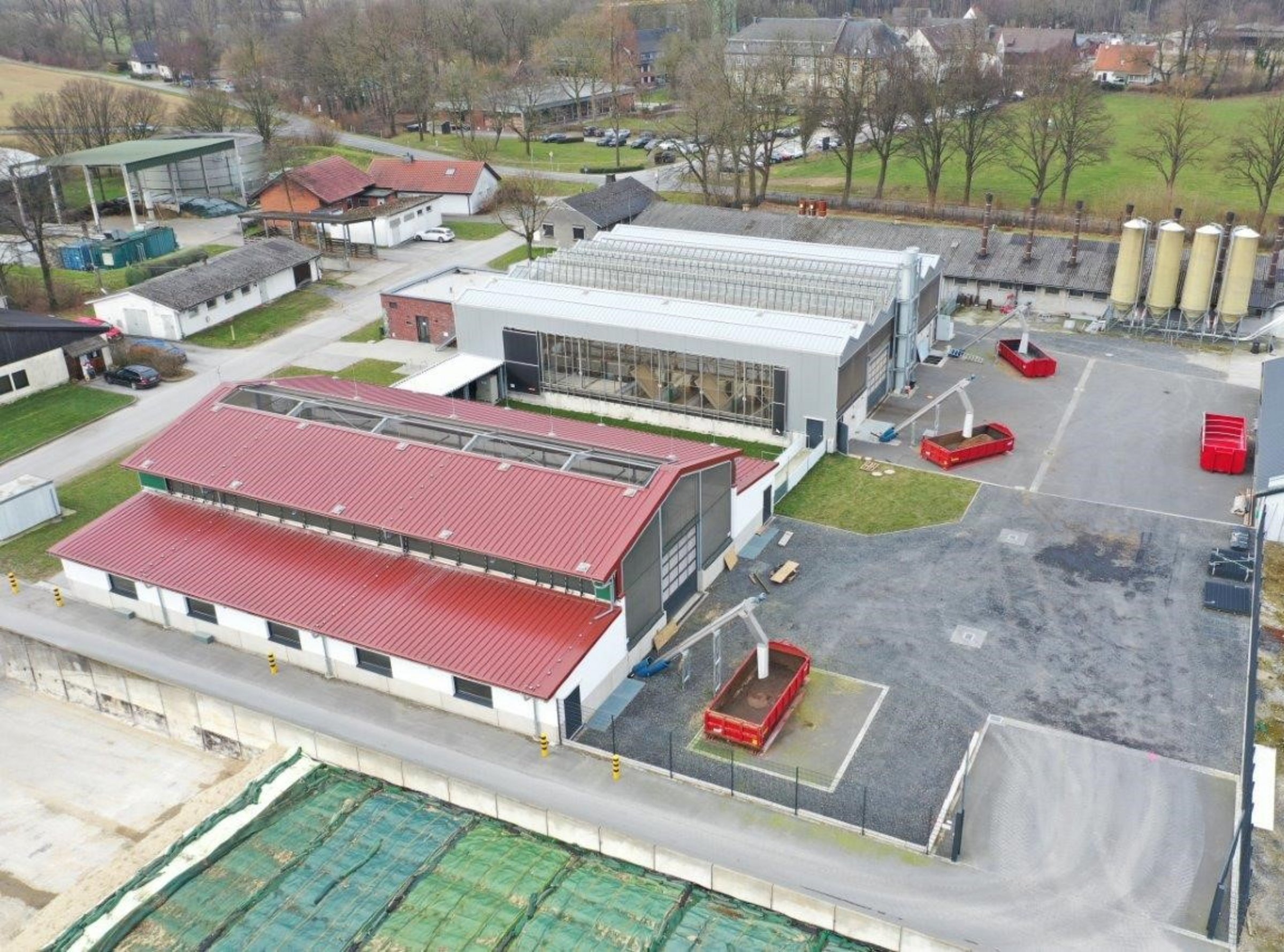
Video: Tour of the stable of the future
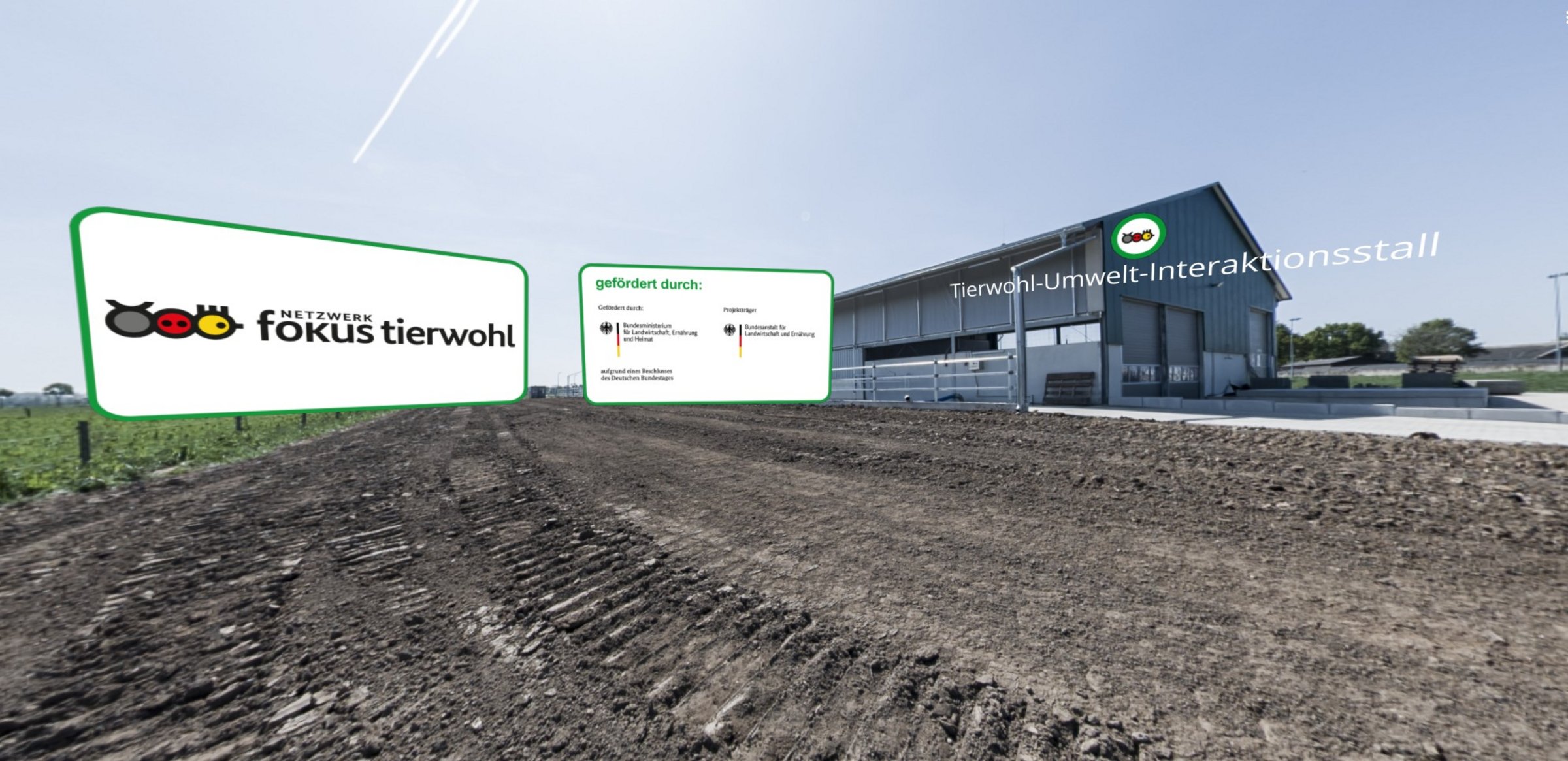
Video: Tour of the stable of the future
Vodcast: Vodcast Latest news on isoflurane anaesthesia

Vodcast: Vodcast Deck Centre
Funded projects: EIP Agri projects
Buchtenstruktur im Wartestall
Druckversion
Since 1 January 2021, piglets in Germany have no longer been castrated without anaesthesia. The Piglet Anaesthesia Competence Regulation was introduced to allow persons other than veterinary surgeons to administer anaesthesia during piglet castration. Anaesthesia with isoflurane during piglet castration can now therefore be administered by competent persons.
The Centre of Excellence for Pig Welfare within the Focus Animal Welfare Network, in cooperation with the ‘Isoflurane Anaesthesia Centre of Excellence’ project – funded by the Federal Ministry of Food and Agriculture – has produced a barn poster on first-aid measures for suckling piglets.
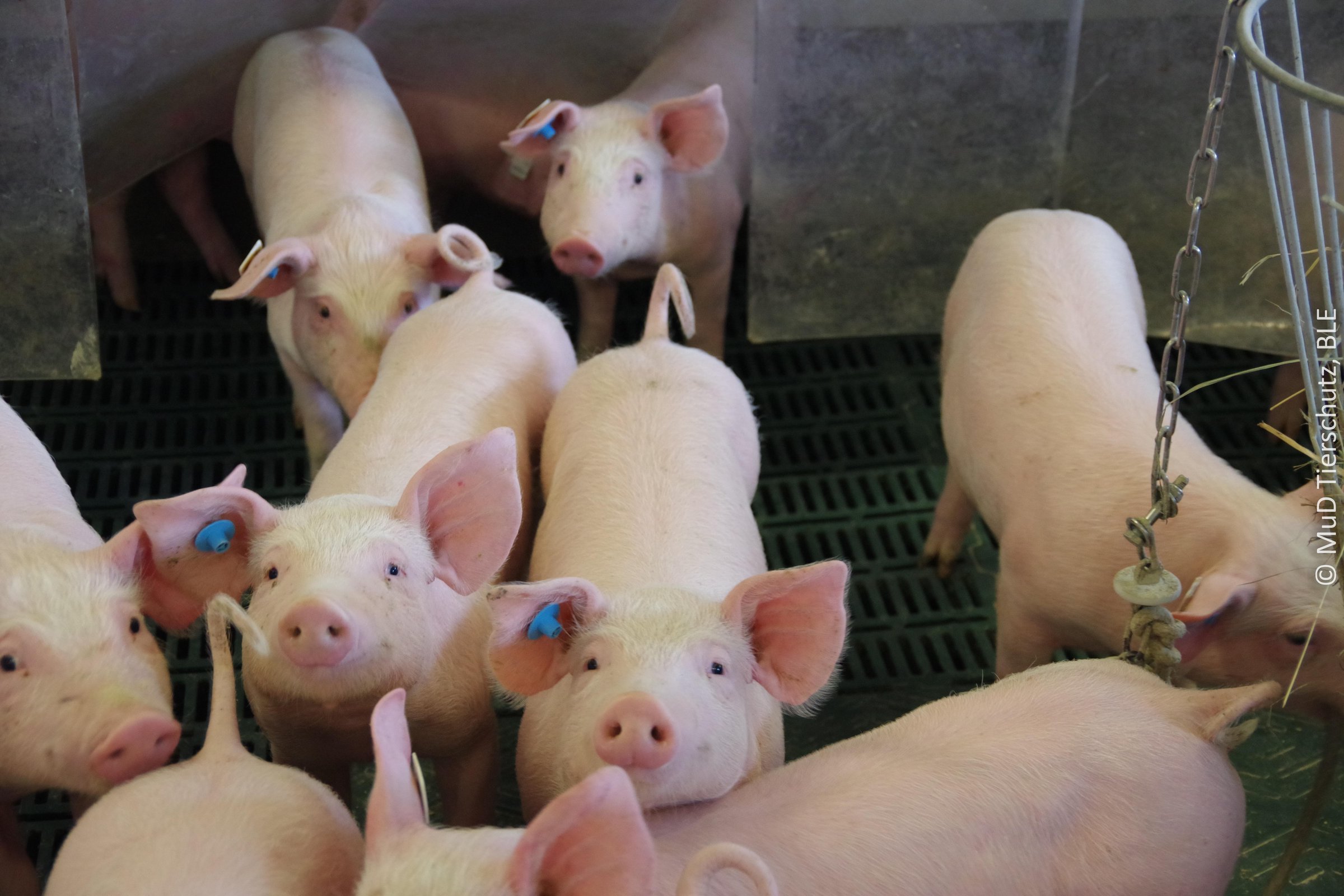
In recent years, the reproductive performance of sows has improved steadily. As a result of genetic progress, improvements in insemination management and a more tailored approach to the care of sows during gestation, the number of piglets born alive in particular has risen sharply. However, this presents the challenge of managing large litters. A guide from the Fokus Tierwohl network provides advice on the animal-welfare-friendly management of large litters of piglets.
The rearing of uncut pigs is still considered the ultimate challenge. For years, scientists and practitioners have been trying to find solutions to successfully rear animals with intact curly tails. There is now a wealth of scientific evidence on the influencing factors and promising measures for rearing un-docked pigs. Nevertheless, there is no magic formula for preventing tail-biting, as caudophagia is a multifactorial problem that varies from farm to farm.
Through the ‘No Tail Docking’ working group of the Centre of Excellence for Pig Welfare, as part of the Focus on Animal Welfare network, teaching materials on the topic of avoiding tail docking have been produced for teachers at agricultural colleges and vocational schools, with the aim of incorporating the topic into lessons and raising awareness of the issue among the farmers of tomorrow.
Pigs are highly social animals whose group life is governed by the establishment of a fixed hierarchy. This hierarchy is determined through aggressive behaviour in the first few days after a group is formed, which generally reduces further conflicts to a minimum.1 Although pigs usually interact amicably with one another, conflicts—particularly over food—cannot be entirely avoided, with lower-ranking animals tending to avoid those higher up the hierarchy.
To ensure that lower-ranking animals can also satisfy their needs and engage in all behaviours as undisturbed as possible, opportunities for avoidance and retreat are required.1 If pigs’ behaviours are restricted due to housing conditions, this causes stress and discomfort for the animals, which can lead to behavioural problems such as tail-biting.
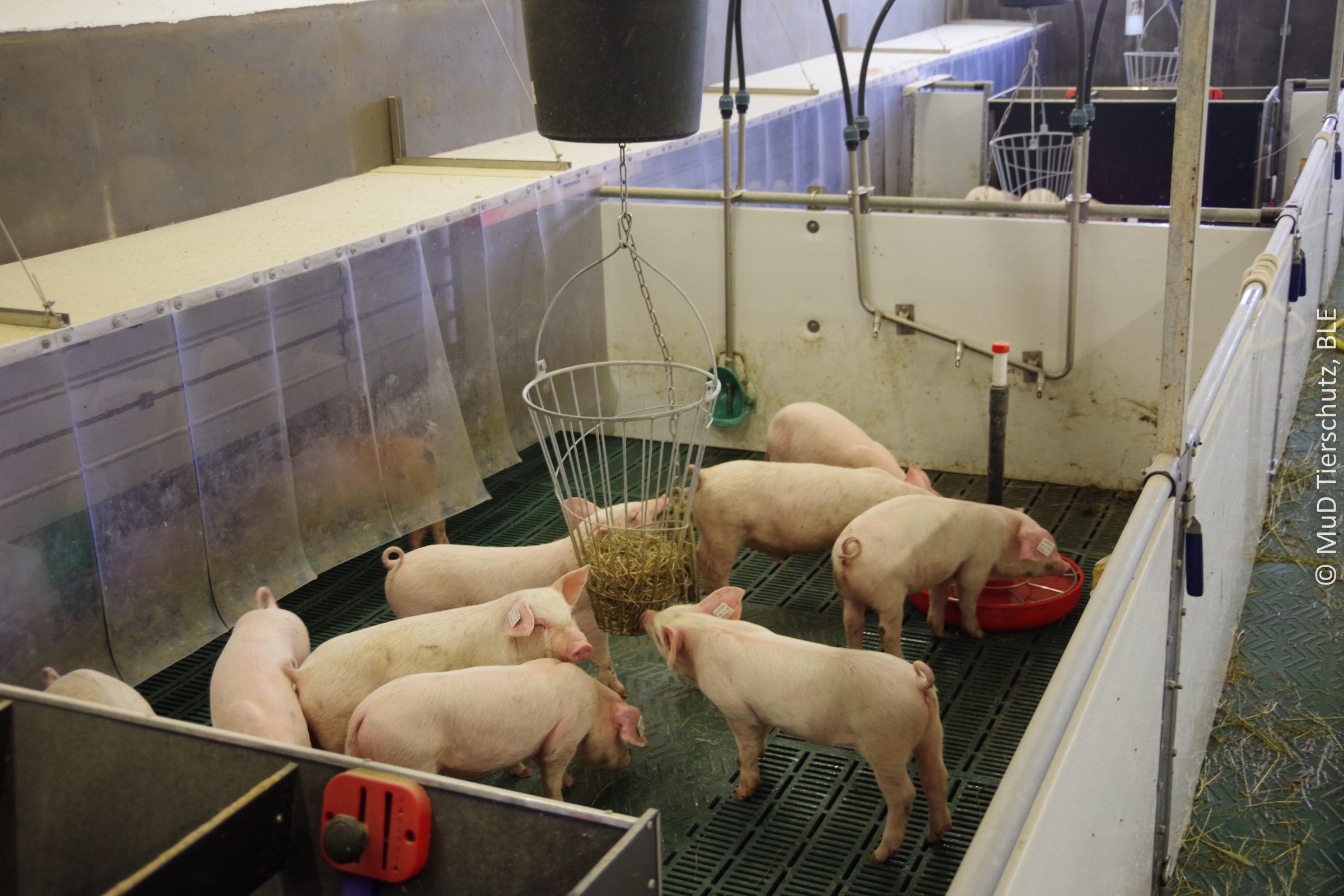
With the help of a good pen layout, functional areas can be separated and the pigs’ behaviour can be managed. A prerequisite for this is that the animals’ needs and natural behaviour are the focus, and that sufficient space is available in the pen for each functional aspect of behaviour – namely resting, comfort, exploration, defecation, and feeding and drinking behaviour.
The ‘Pen Structure’ working group offers advice on new builds and conversions.
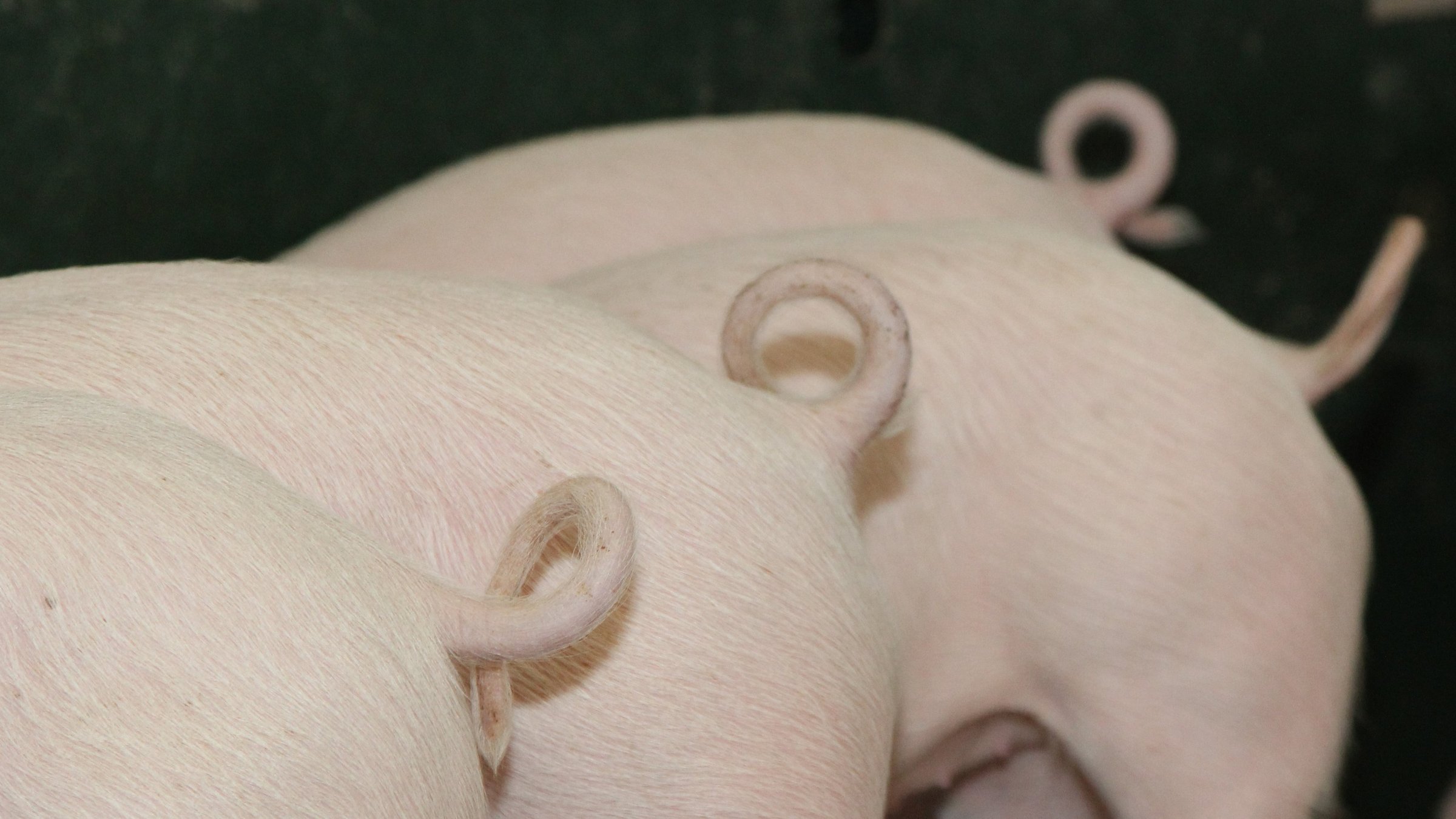
The rearing of un-docked pigs is still regarded as the ultimate challenge. Many farmers are reluctant to stop tail-docking due to the potential consequences of tail-biting outbreaks. For years, researchers and practitioners have been trying to find solutions for successfully rearing animals with intact curly tails. There is now a wealth of scientific evidence regarding the factors influencing the rearing of un-docked pigs and promising measures to ensure success. Nevertheless, it is primarily success stories from fellow professionals that motivate other farms to consider moving away from tail docking and to gain their own experience on their own farms. At the suggestion of the Working Group on Tail-Docking-Free Farming at the Animal Welfare Competence Centre for Pigs, animal welfare advocates have spoken with farm managers about the successes and setbacks they have encountered on their journey towards tail-docking-free farming.
(Source: Bütfering, LWK NRW)
Tail docking of suckling piglets has long been practised in conventional livestock farming as the most effective method of preventing tail-biting (caudophagia). However, under EU legislation and the provisions of the German Animal Welfare Act, this is only permitted in justified exceptional cases where other measures that take account of environmental and husbandry conditions (in particular management, housing, stocking density, etc.) are ineffective.
more...
(Source: Bütfering, LWK NRW)
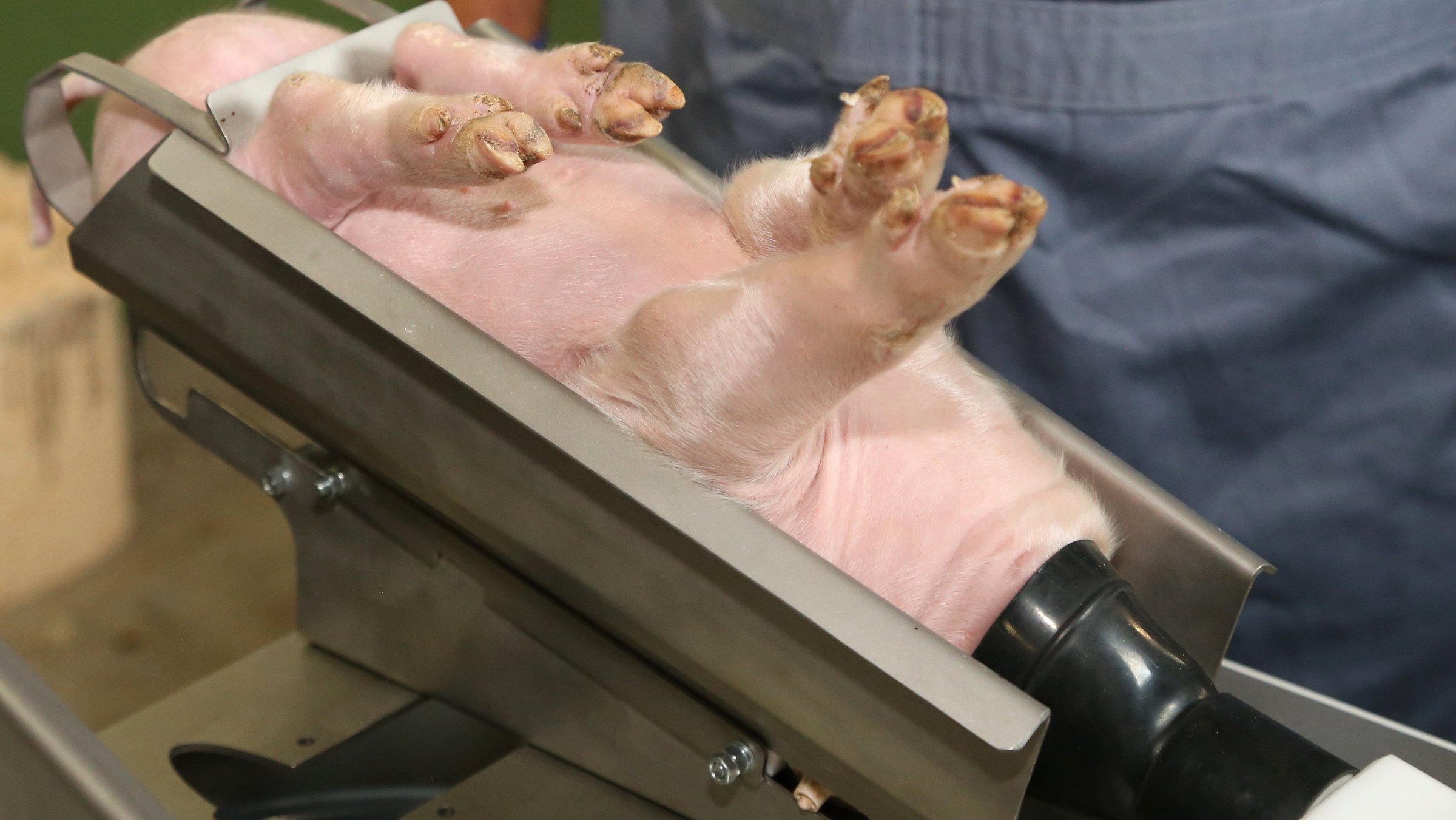
From 1 January 2021, the castration of piglets without anaesthesia will be prohibited under the Animal Welfare Act.
The clock is ticking for sow farmers and pig farmers to switch to one of the permitted alternatives. Anyone who still needs to make investments in preparation for the necessary operational changes, coordinate the next steps in the supply chain between piglet producers and pig farmers, or possibly obtain a certificate of competence should make a decision soon.
more...