
Overview of topics: Pigs
Farrowing Systems Part 2: Focus on the Animal
Farrowing systems Part I: Exercise pens and free farrowing
Exhaust air purification systems
African swine fever
Outdoor climate-controlled stables
Internal control

Exercise pens
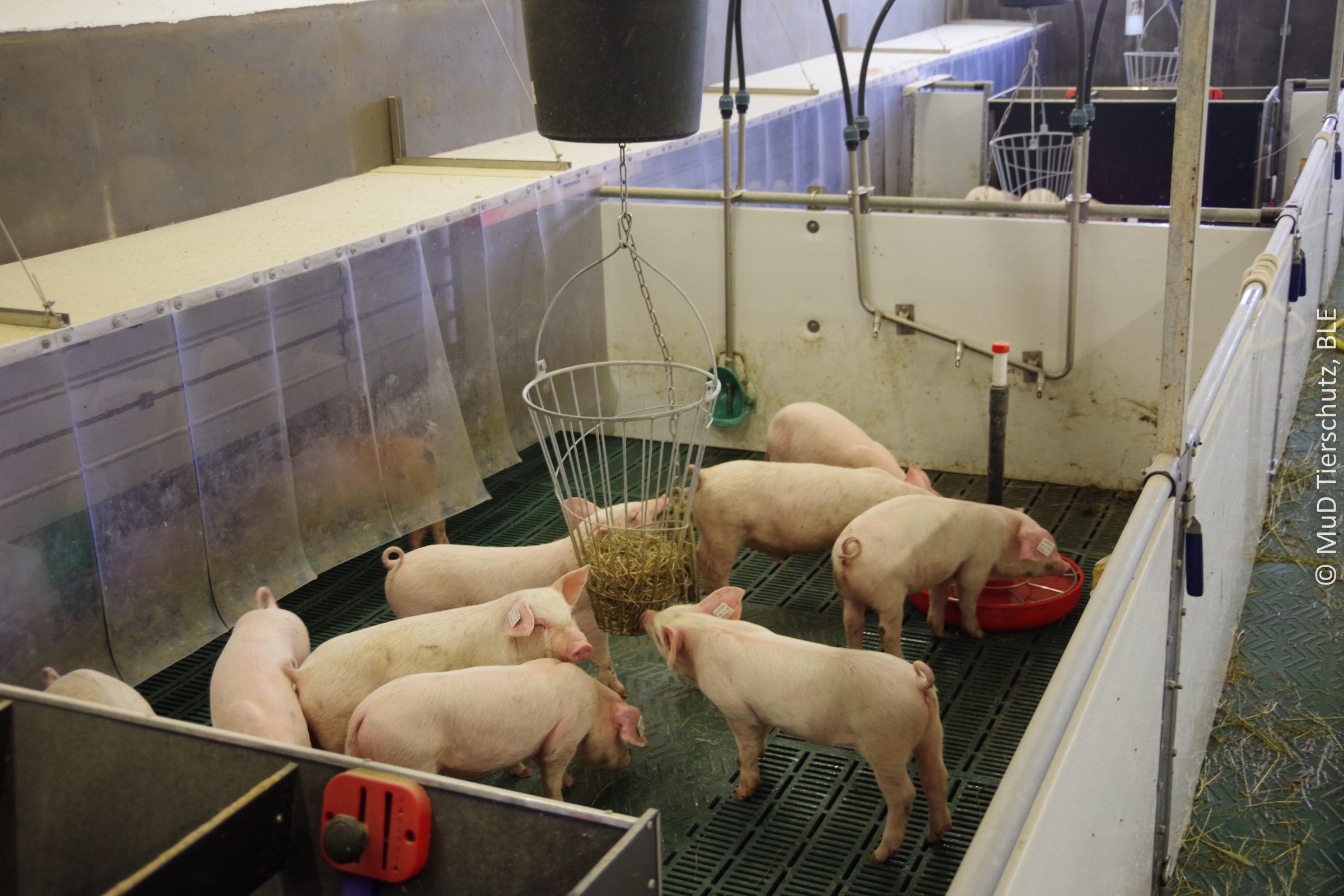
Pen configuration in piglet rearing and fattening
The structure of the deck – that’s what matters
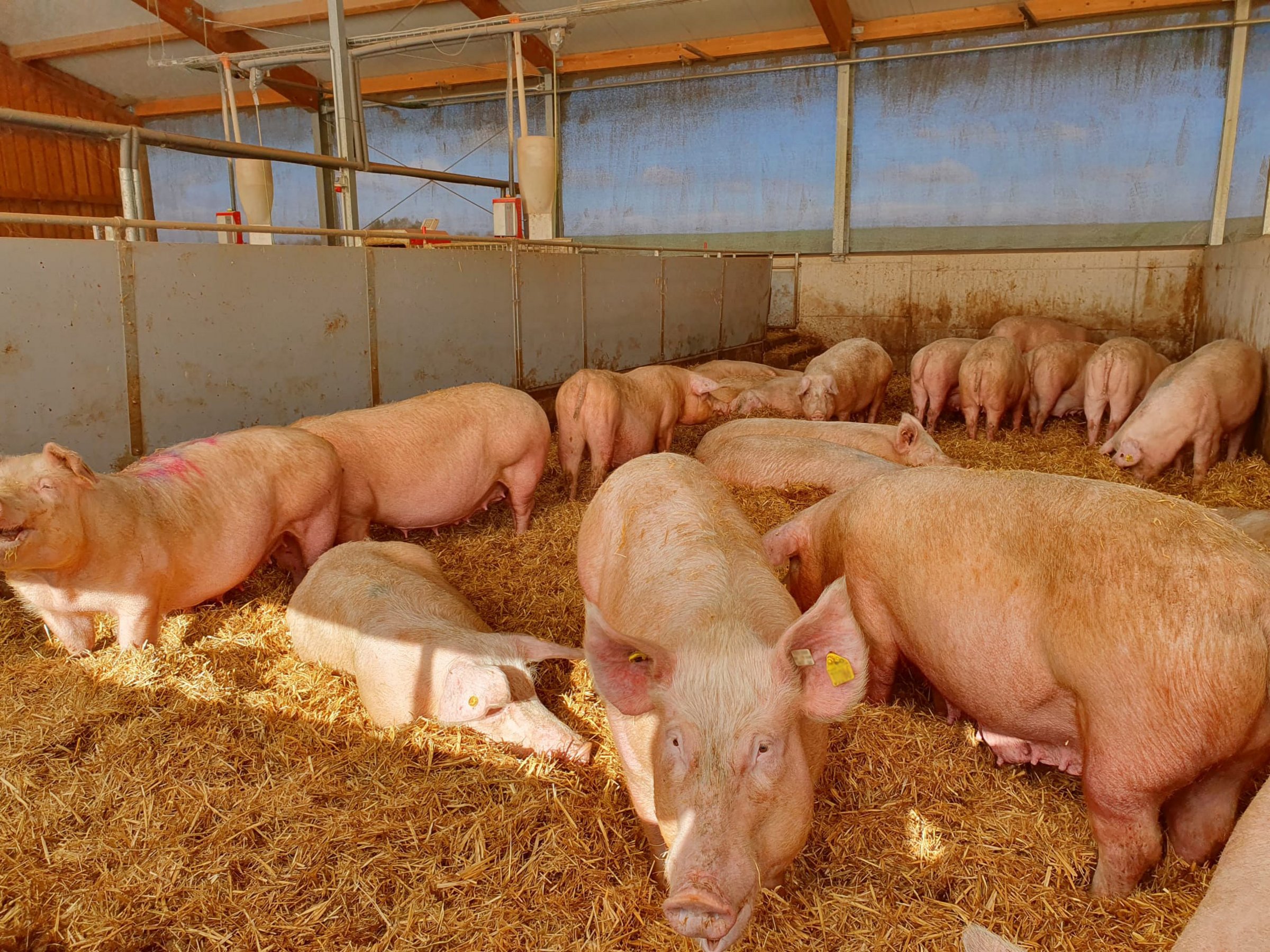
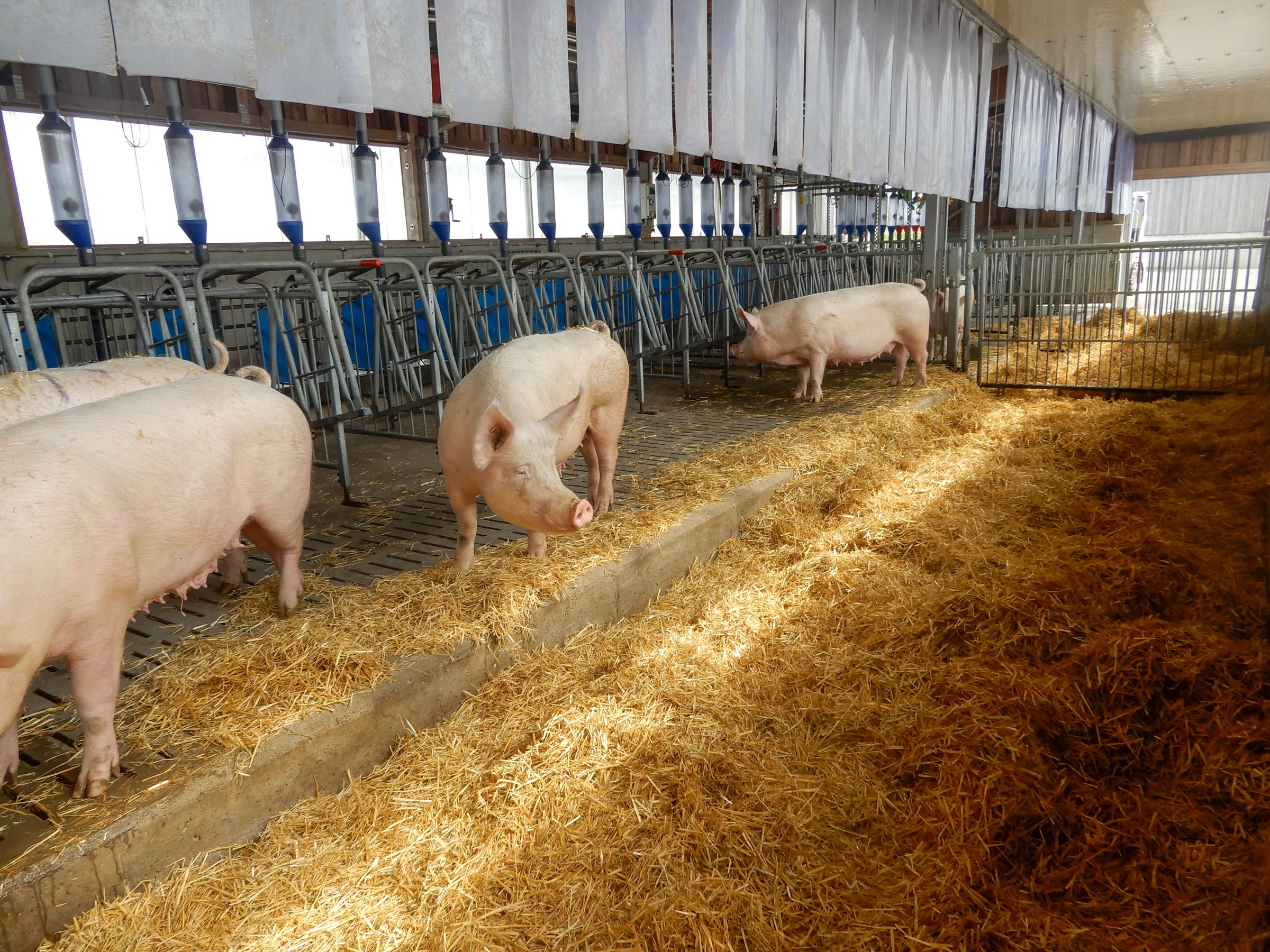
Pen layout in the holding pen
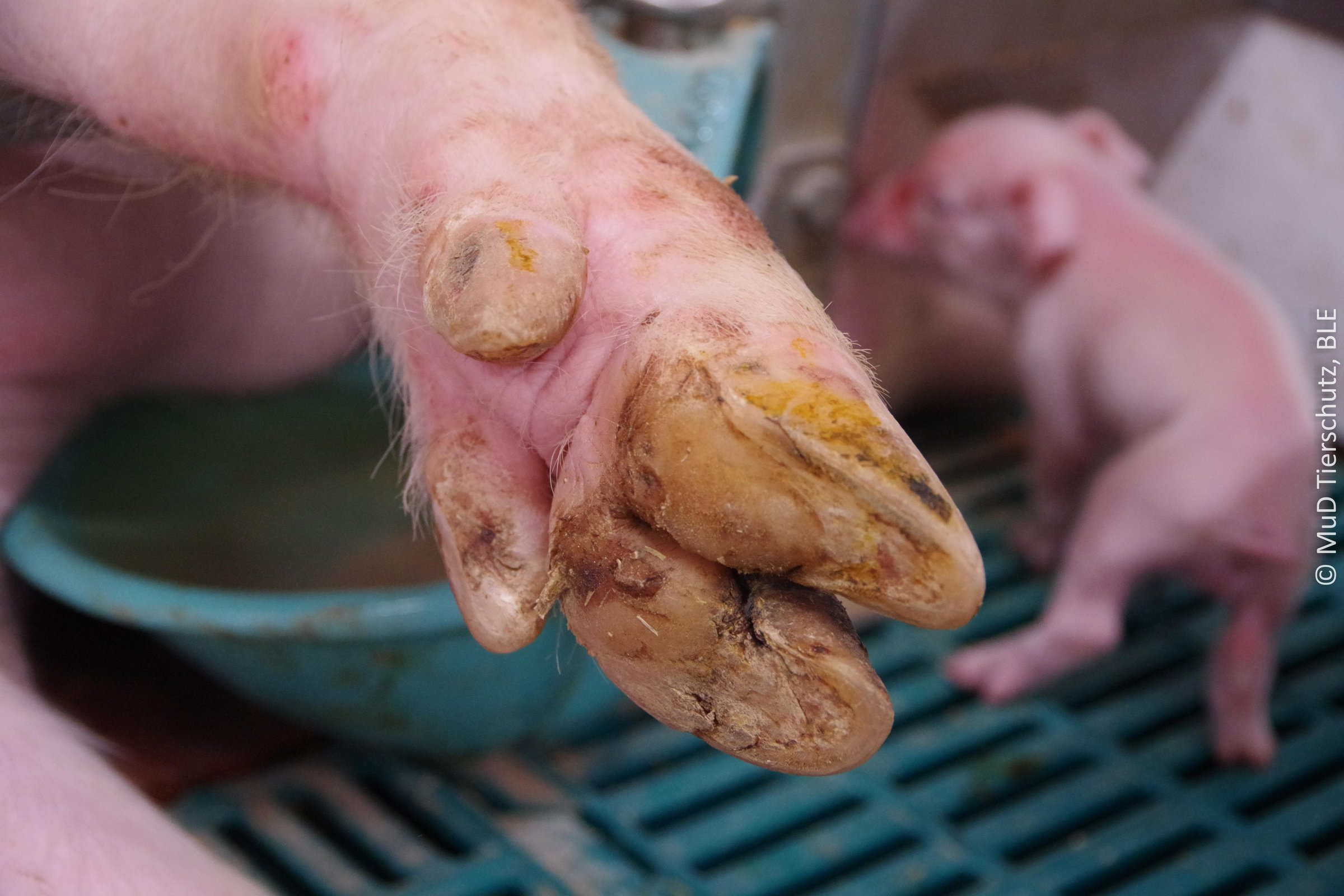
Factors affecting hoof health
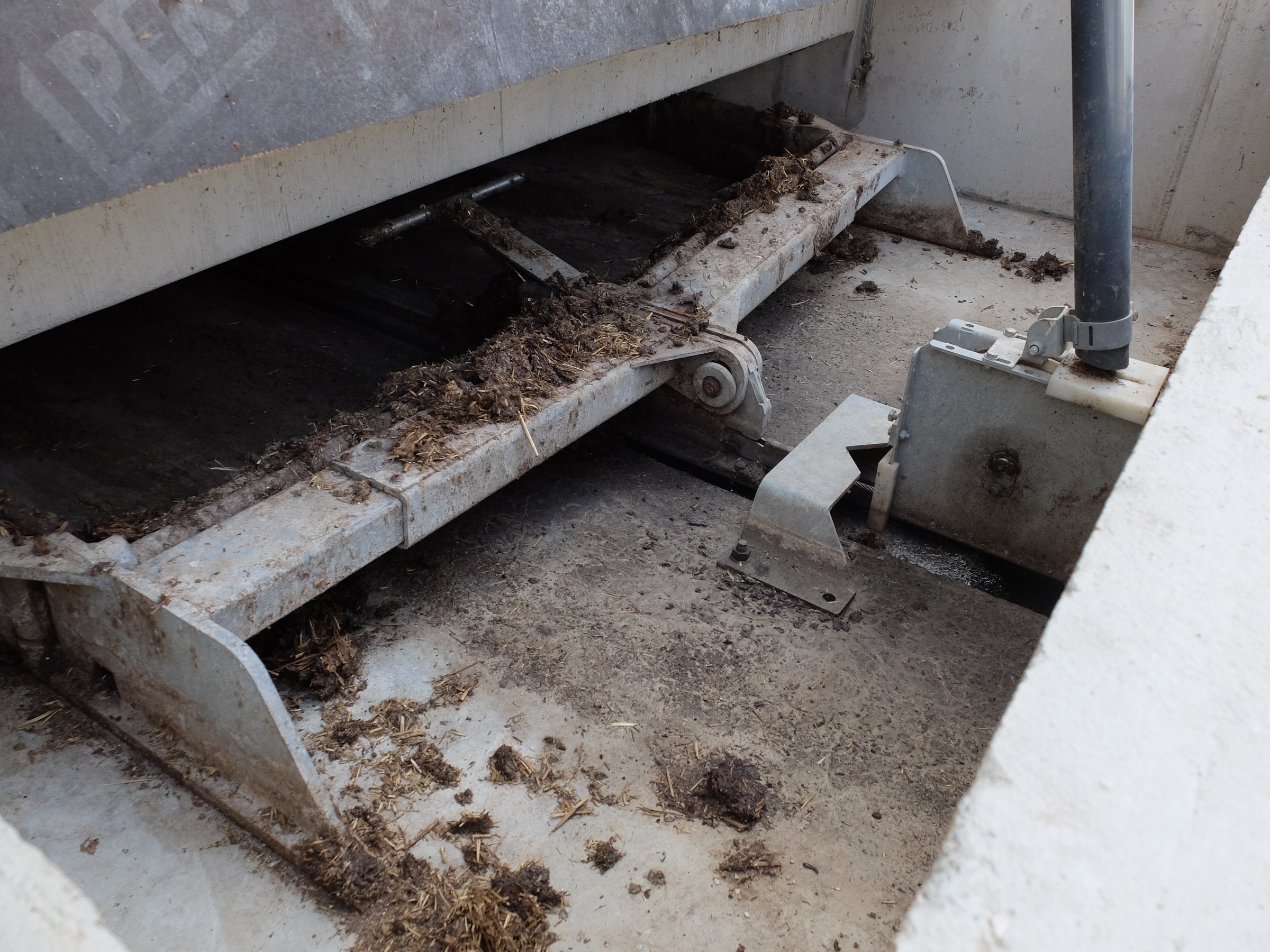
Emission reduction

Manure removal techniques
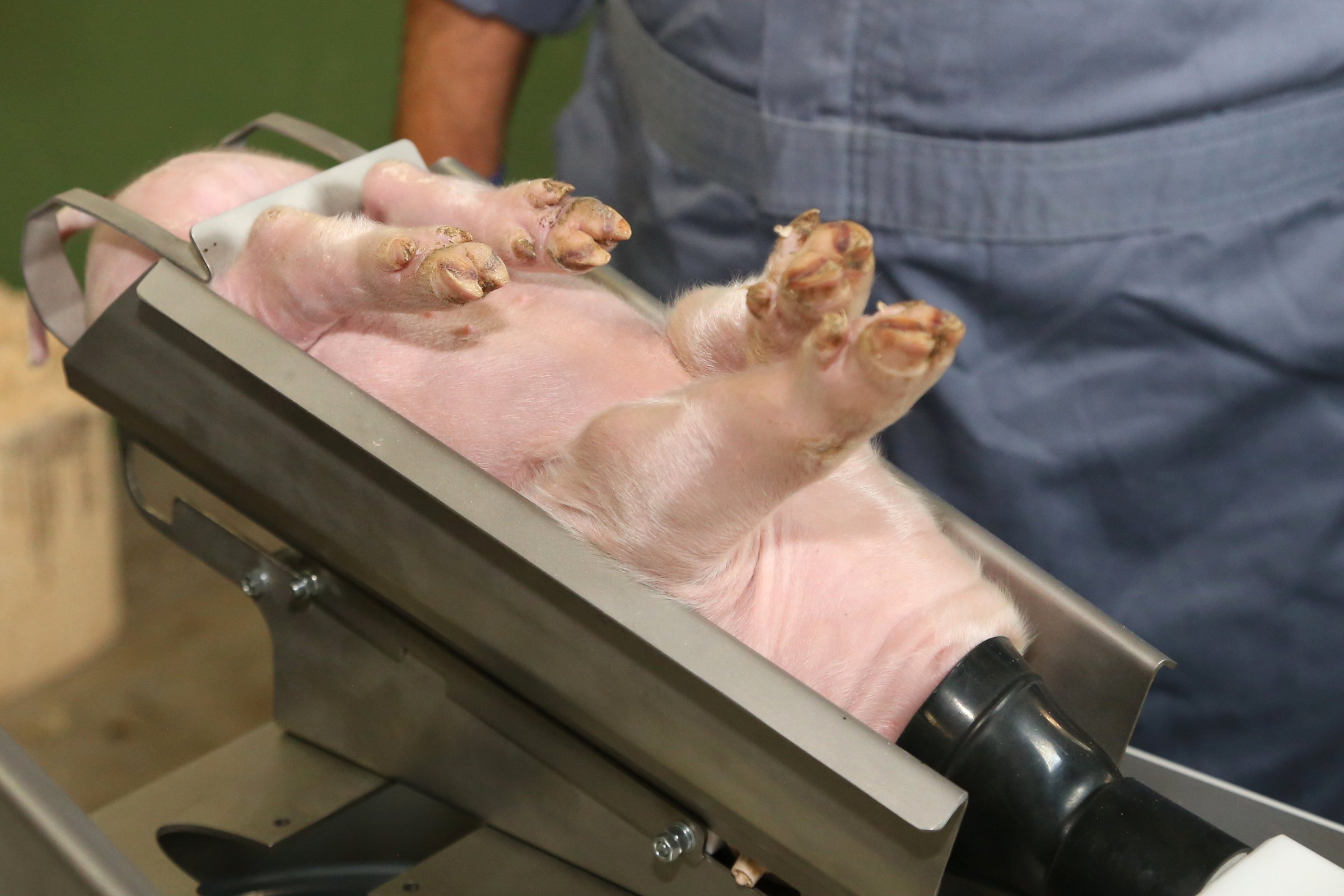
Piglet castration
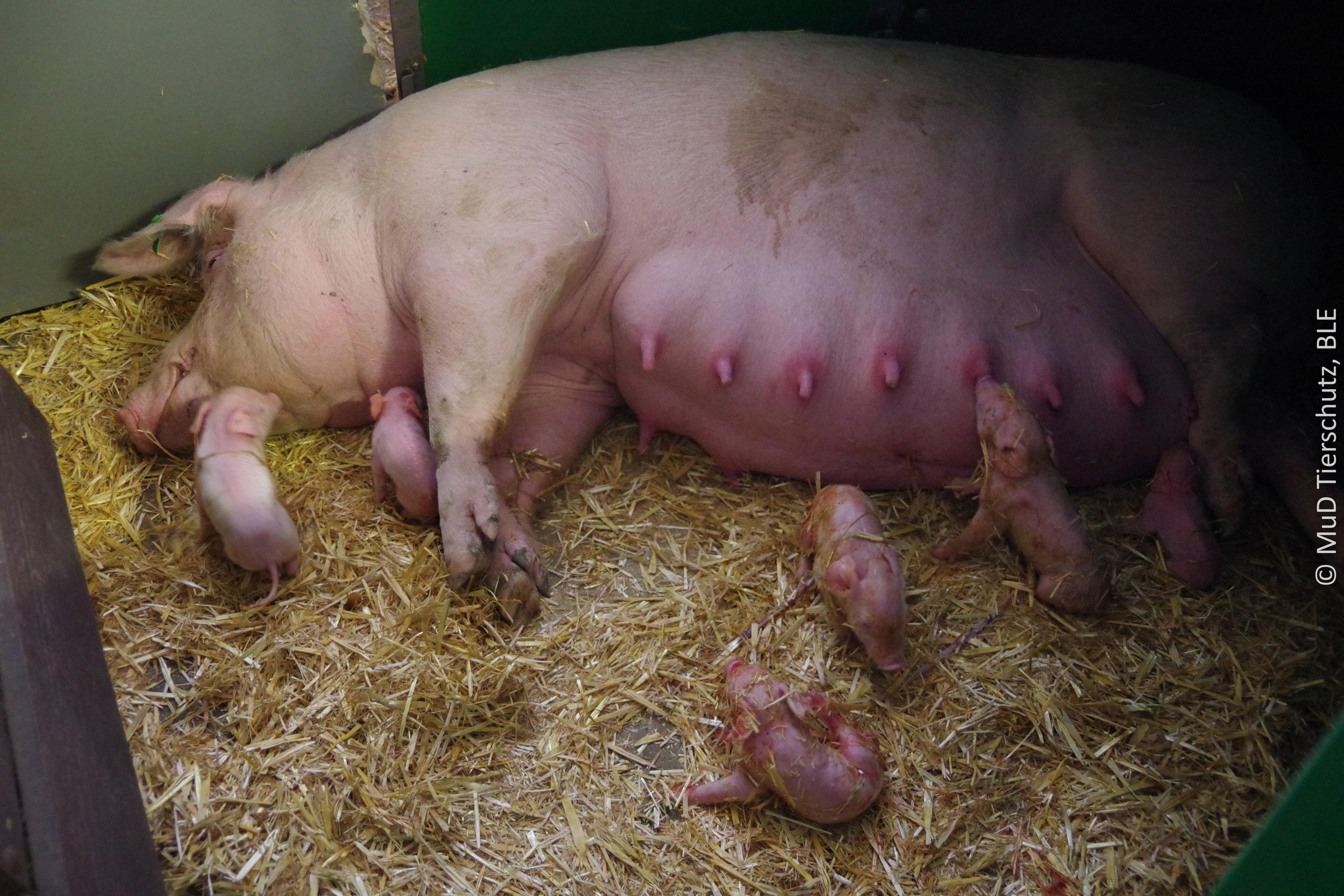
Free farrowing
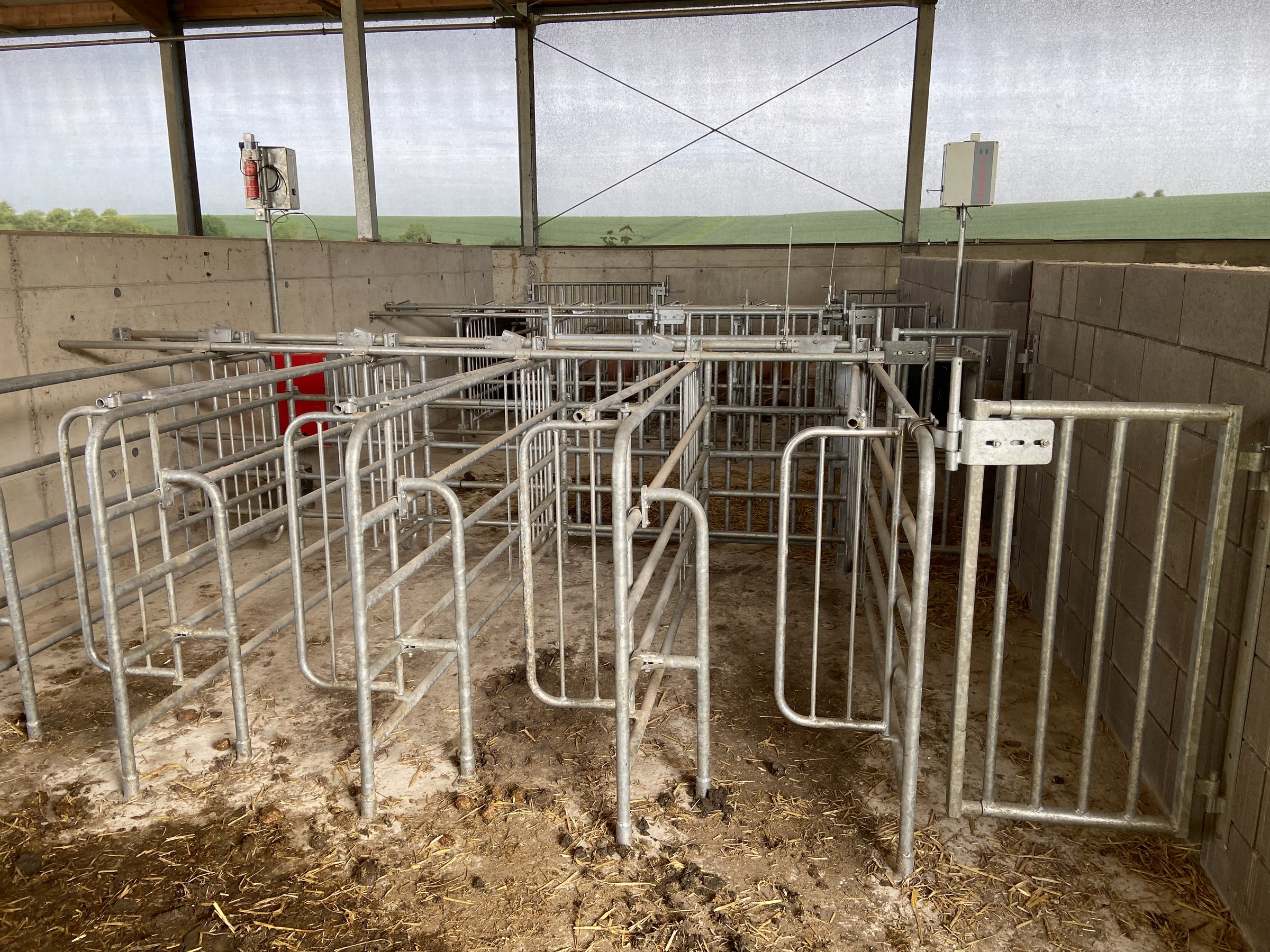
Group housing of sows at the breeding centre
Gruppenhaltung von Sauen im Deckzentrum
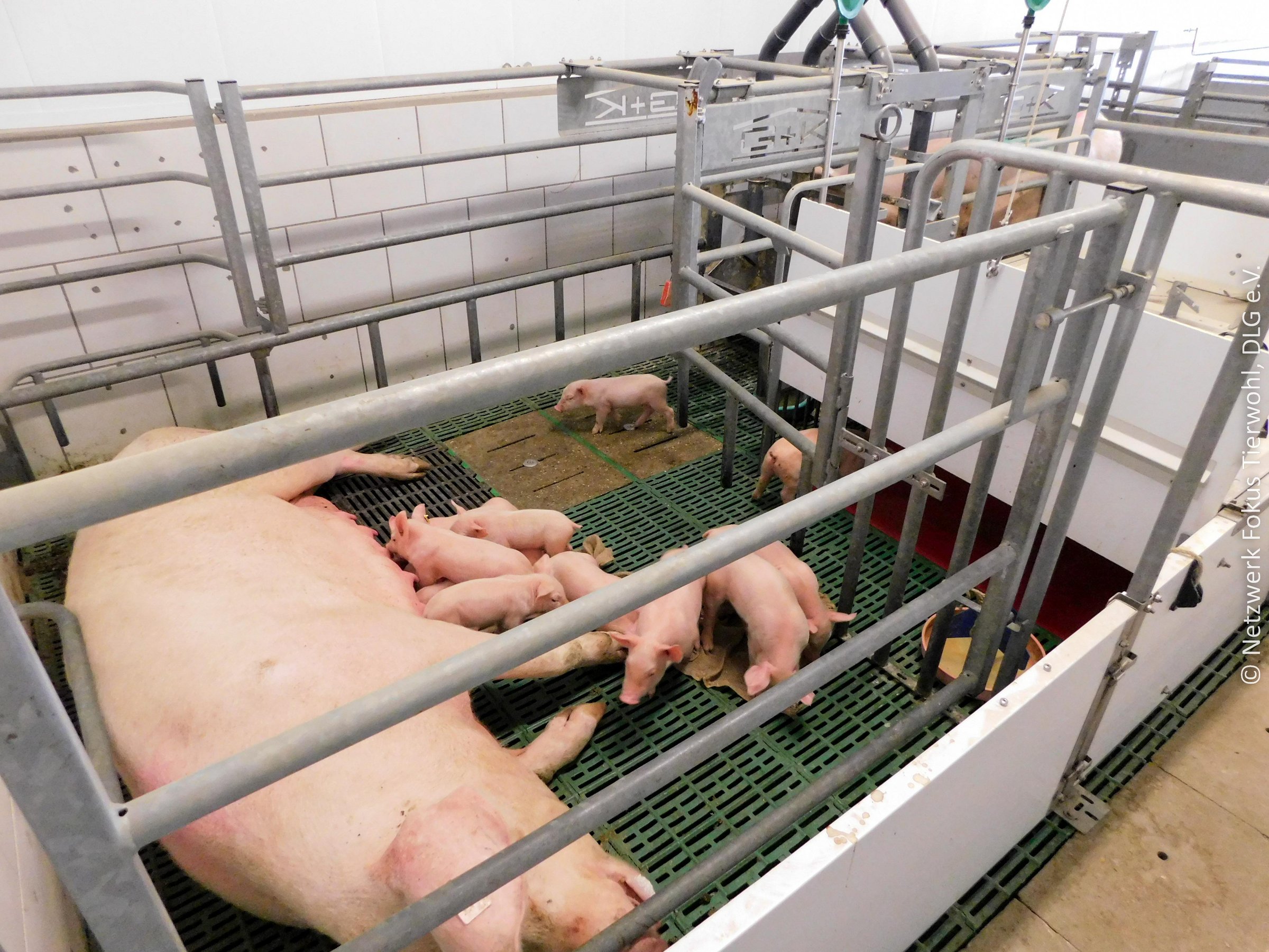
Housing guidelines for piglet production
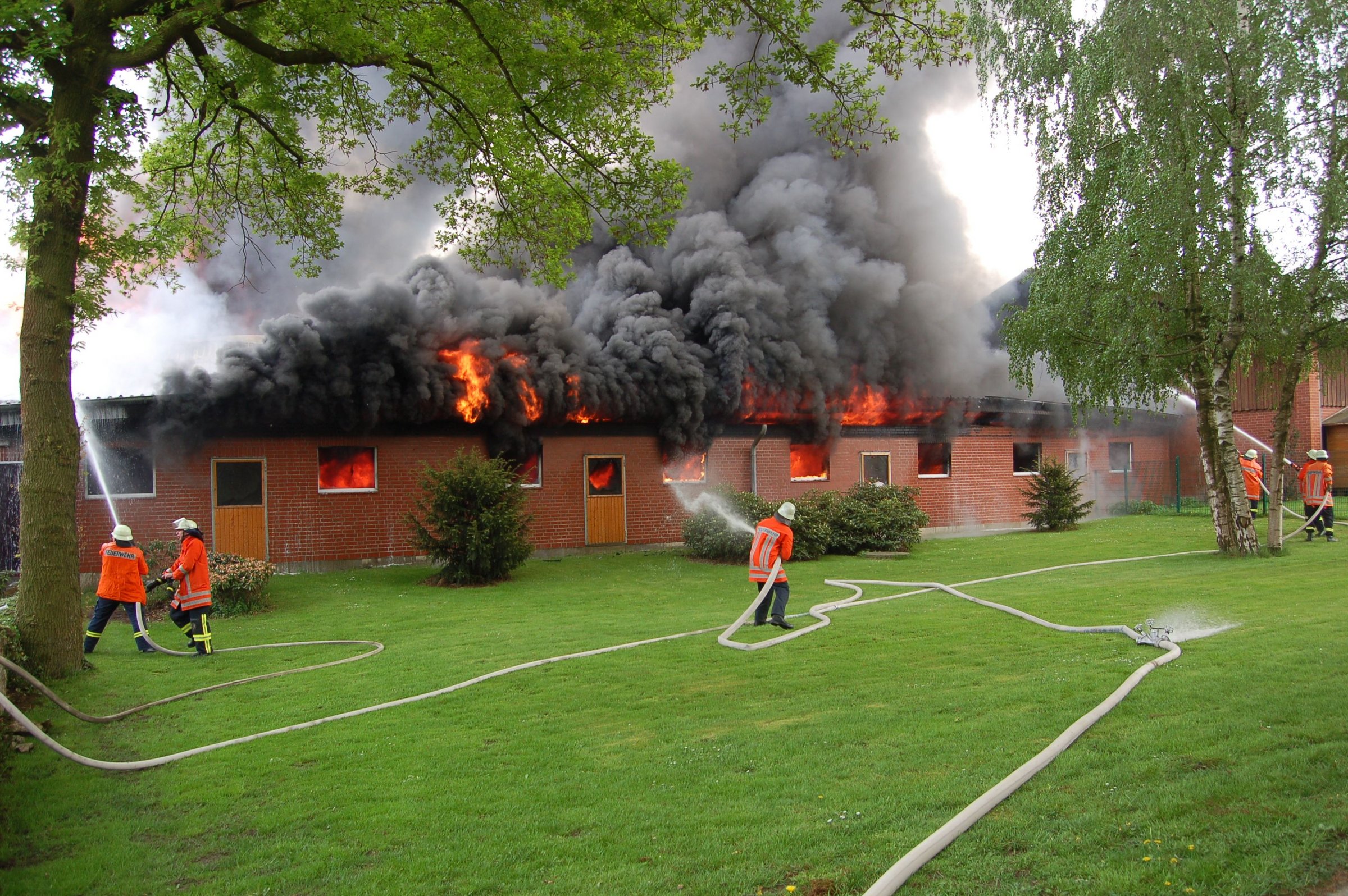
Emergency response plans
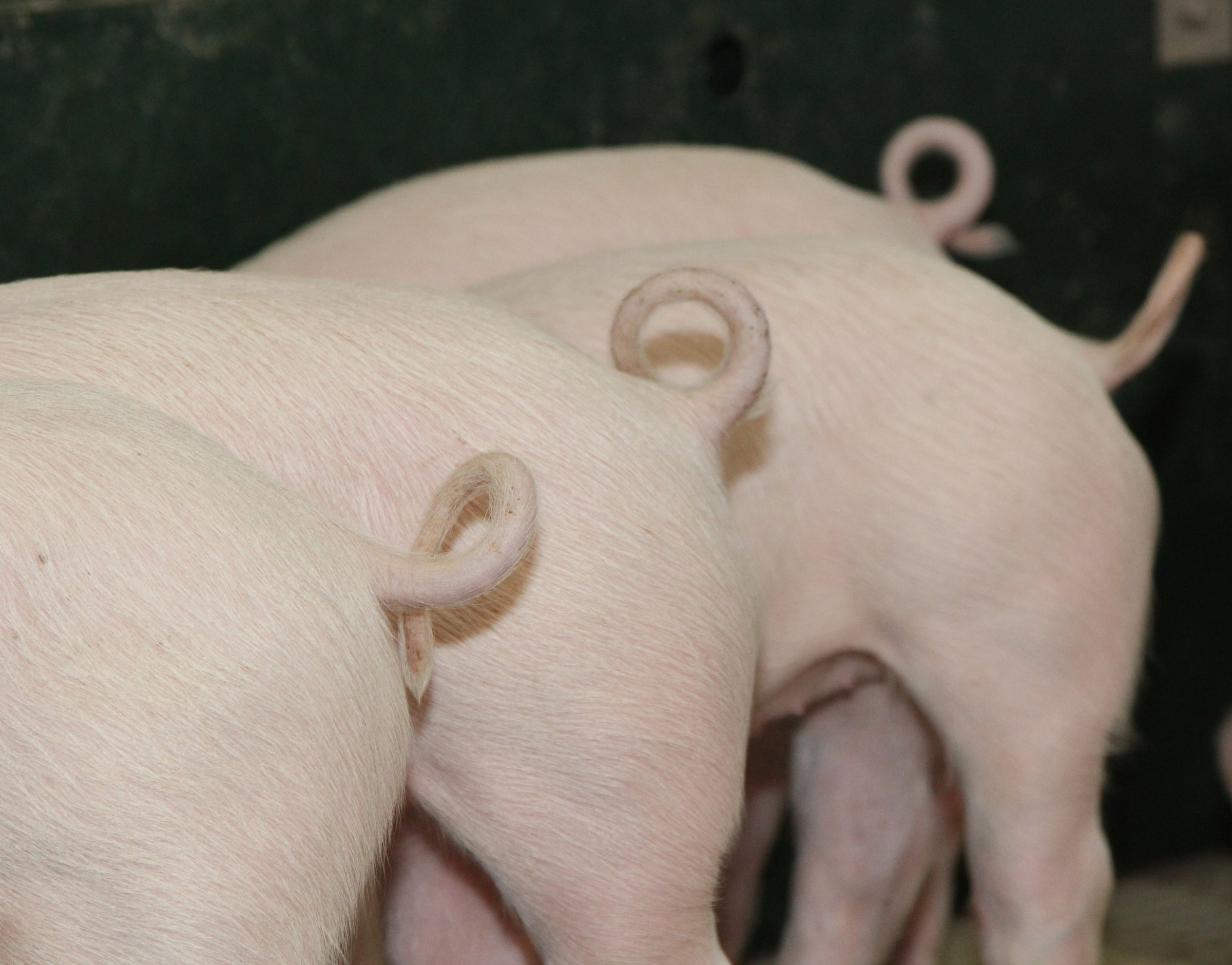
No tail docking

Managing large litters
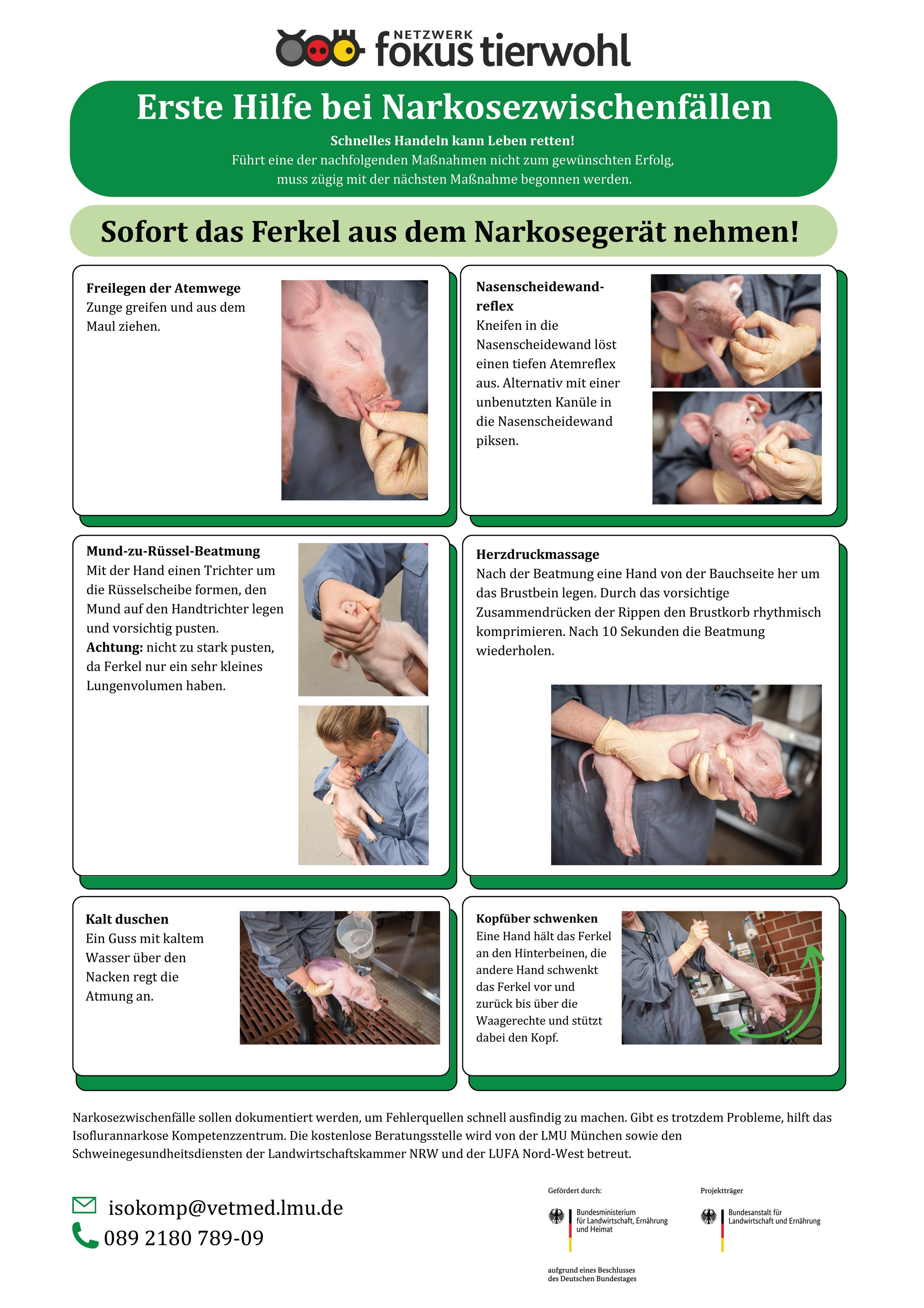
Contingency plan for anaesthetic incidents
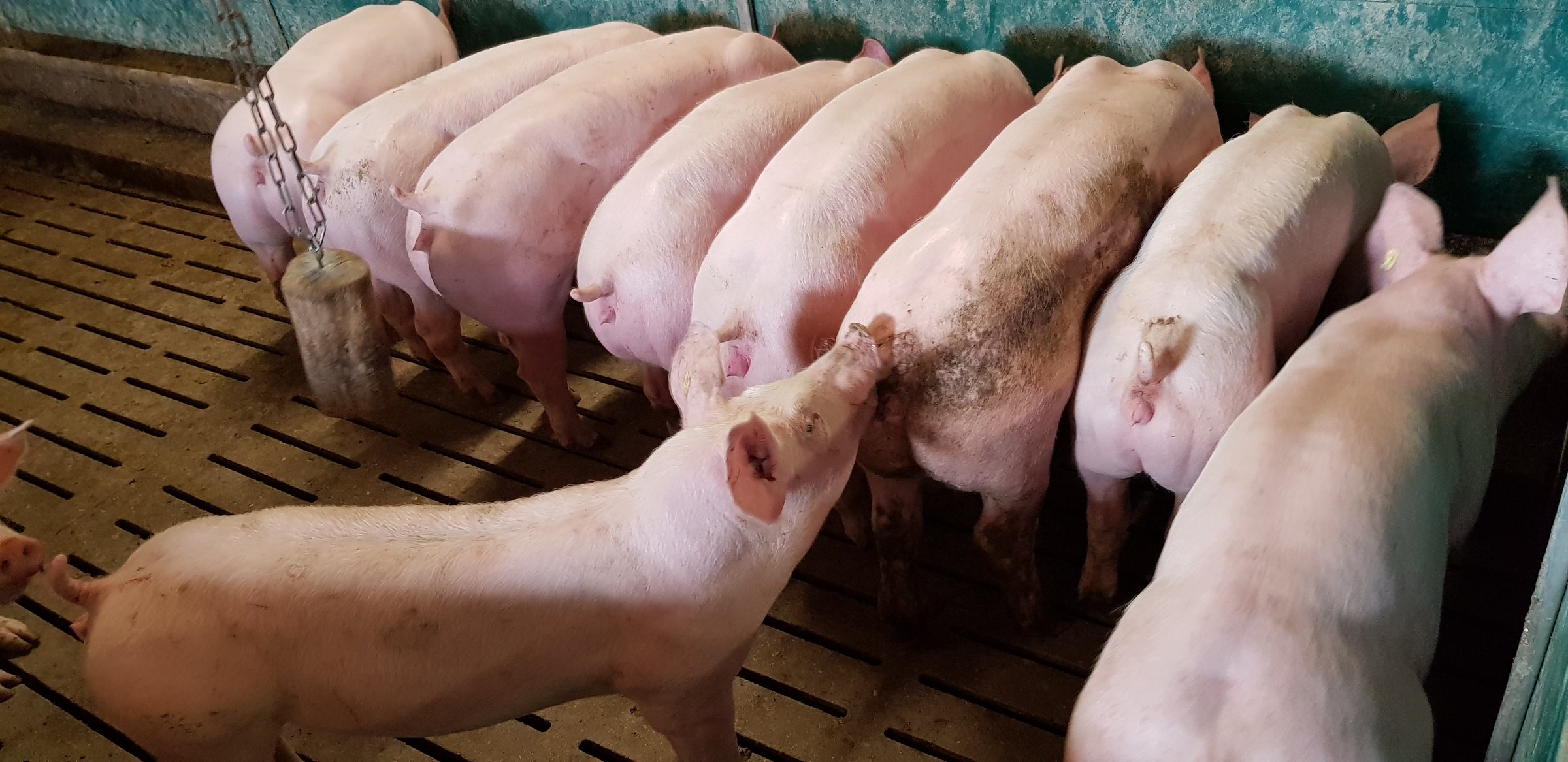
Emergency plan for tail-biting
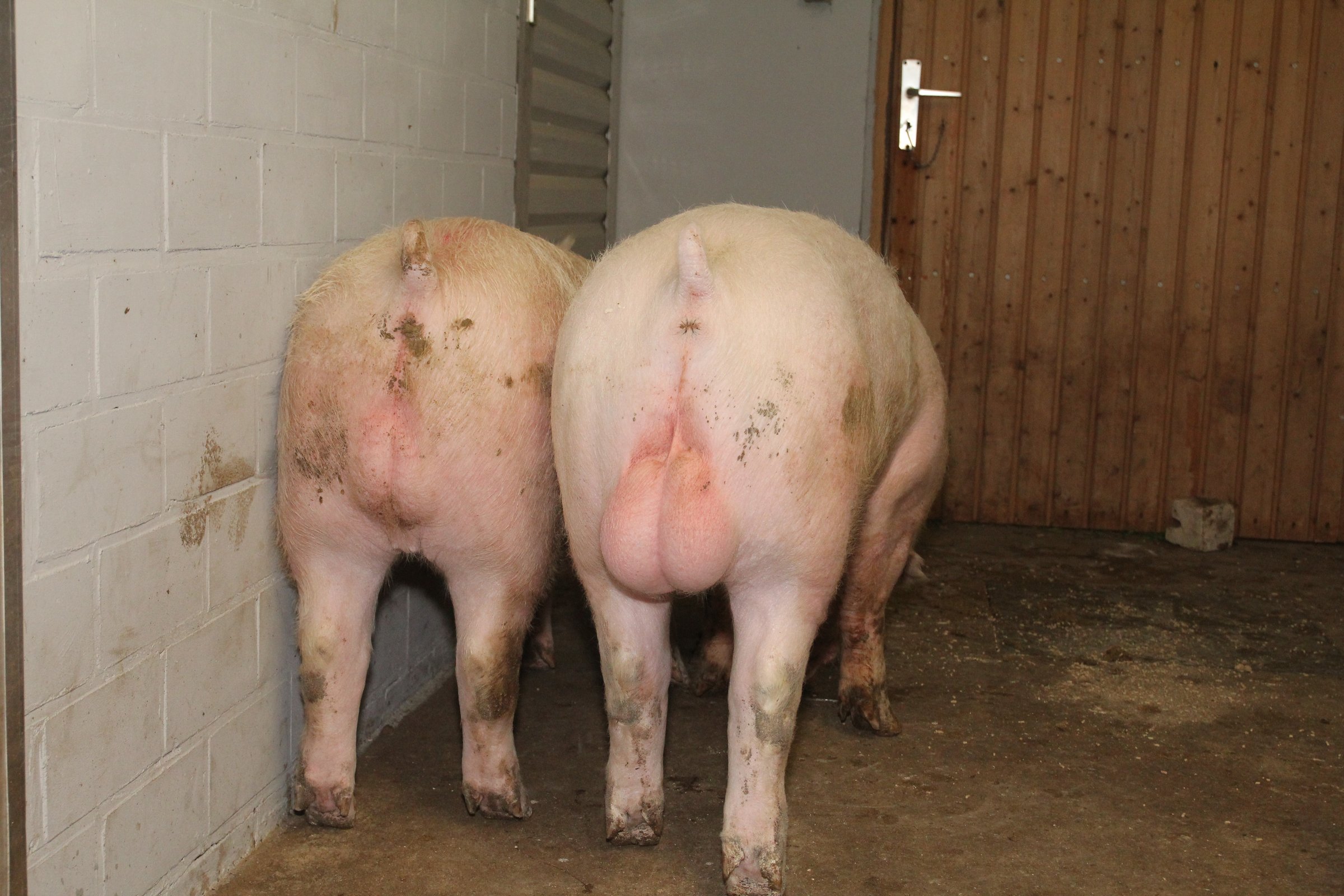
Online information on alternatives to piglet castration without anaesthesia
Practical experiences with the ban on tail docking
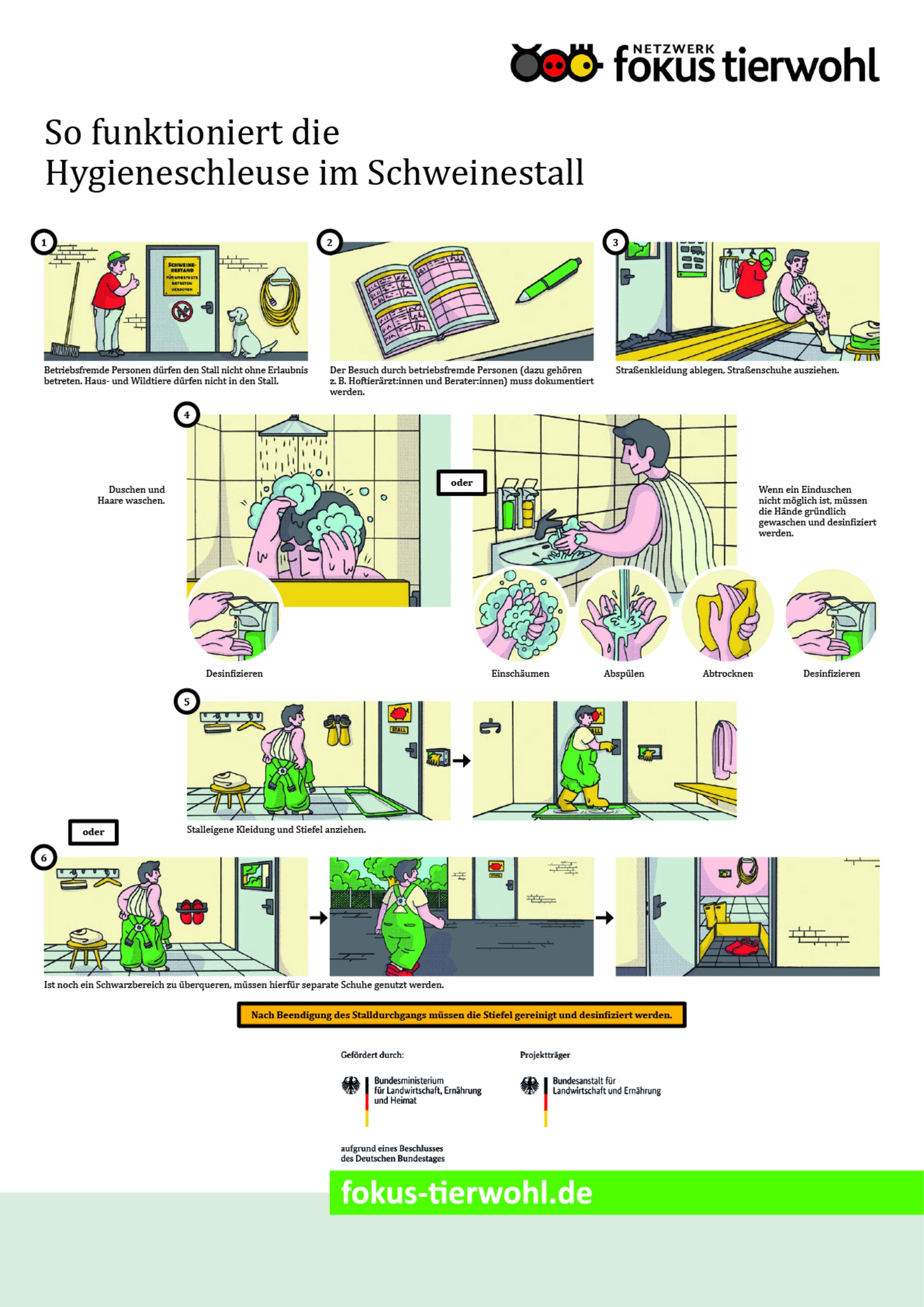
Sanitisation chamber
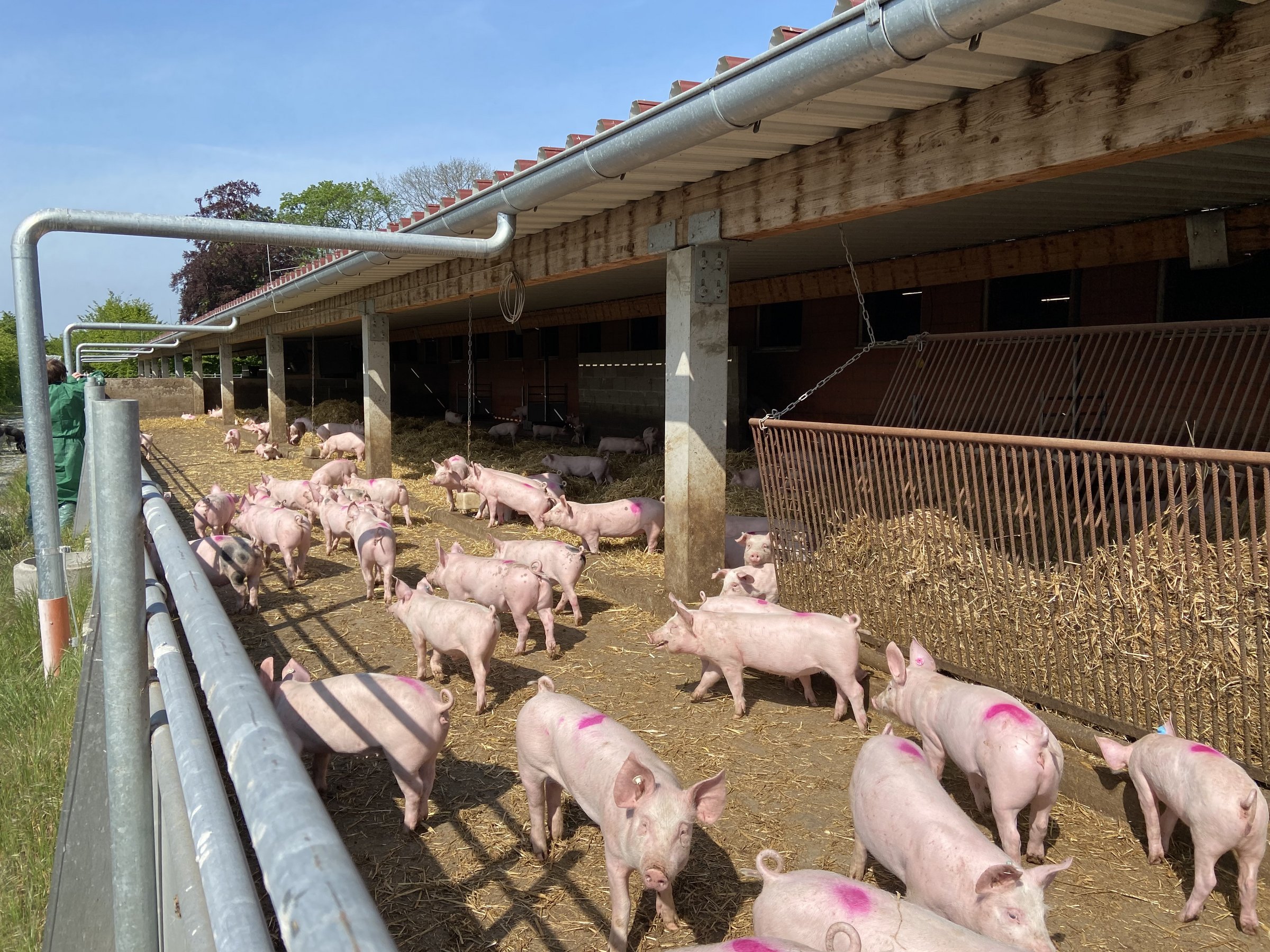
Pig farming with outdoor access
The stable of the future
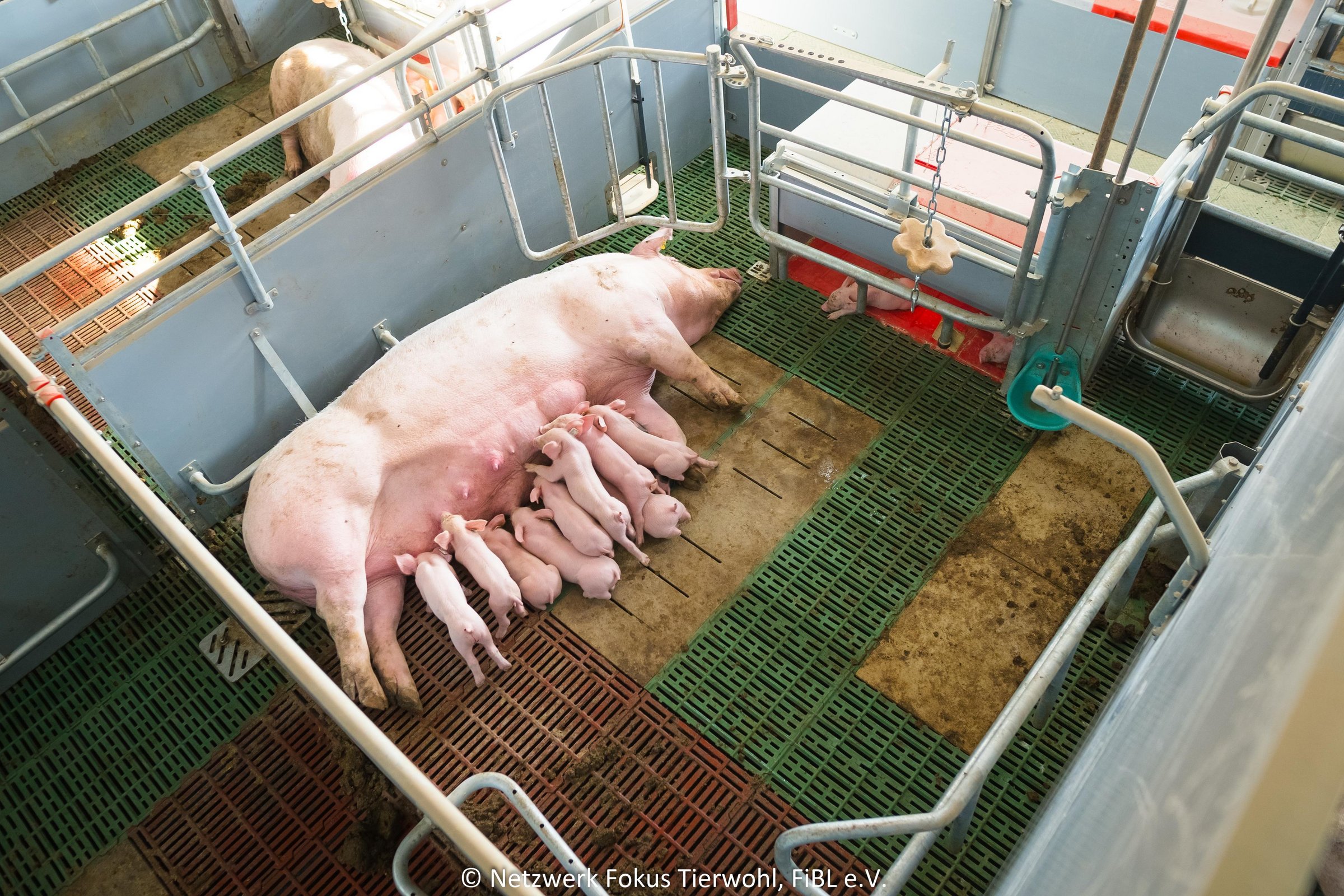
Feedback from the field on exercise pens and free farrowing
01 Termine Sachkundelehrgänge
Animal Husbandry Labelling Act
Survey results: Managing large litters
Umgang mit kranken und verletzten Tieren
01_Ammoniakreduktion
Outbreaks of tail-biting
Podcast: African Swine Fever
Podcast: Deck Centre
Podcast: Feeding Strategies
Podcast: Insect Protein
Podcast: Hoof Health in Sows
Podcast: Protecting the Climate – Reducing Emissions in Pig Sheds
Podcast: Maternal Instincts in Sows
Video: Alternative piglet rearing systems
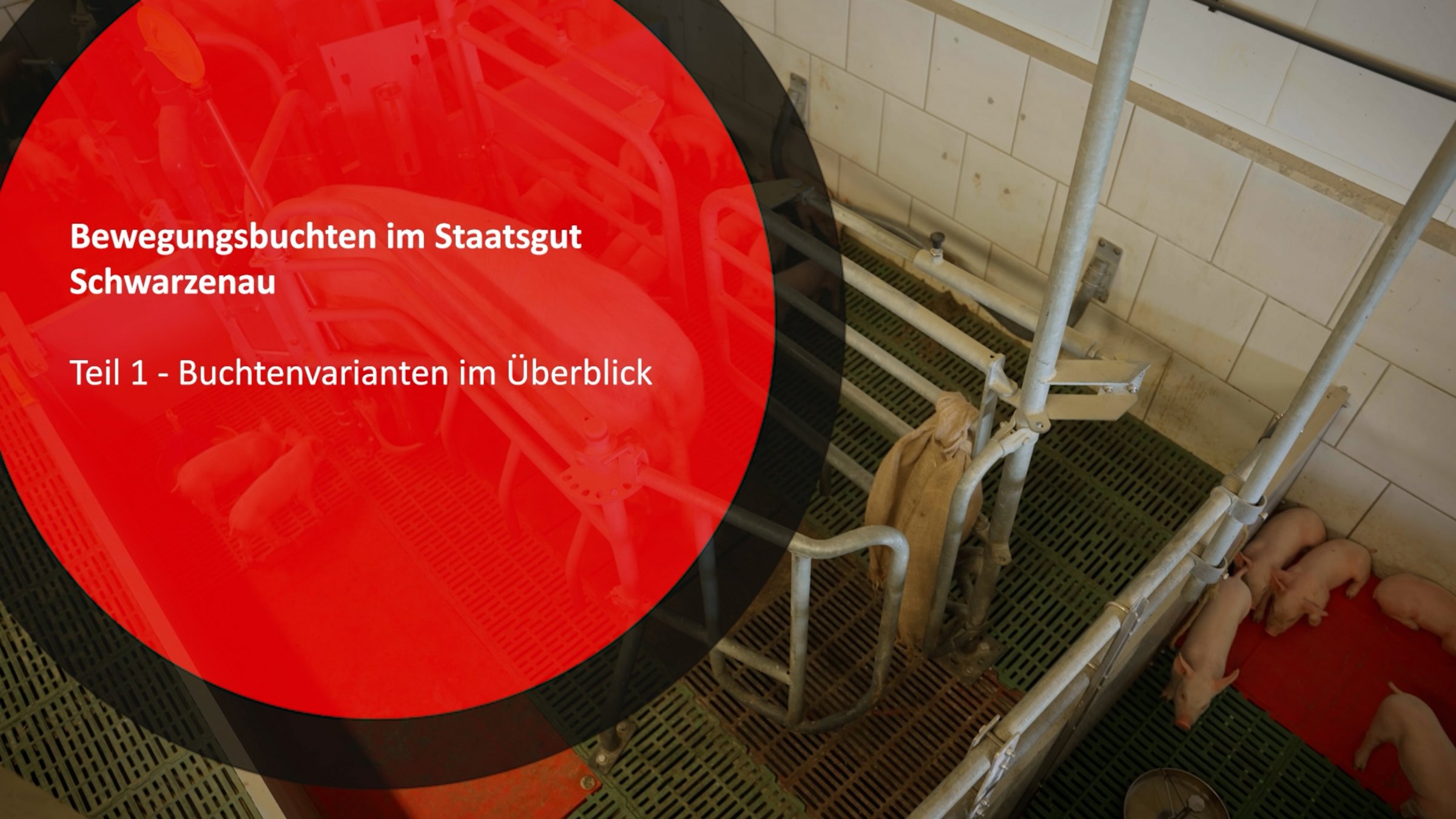
Video: Exercise pens at Schwarzenau State Estate
Video: Pilot farms share their practical experiences with alternative farrowing pens
Video: Practical experiences with the BeFree exercise pen
Video: Ring-tailed posture
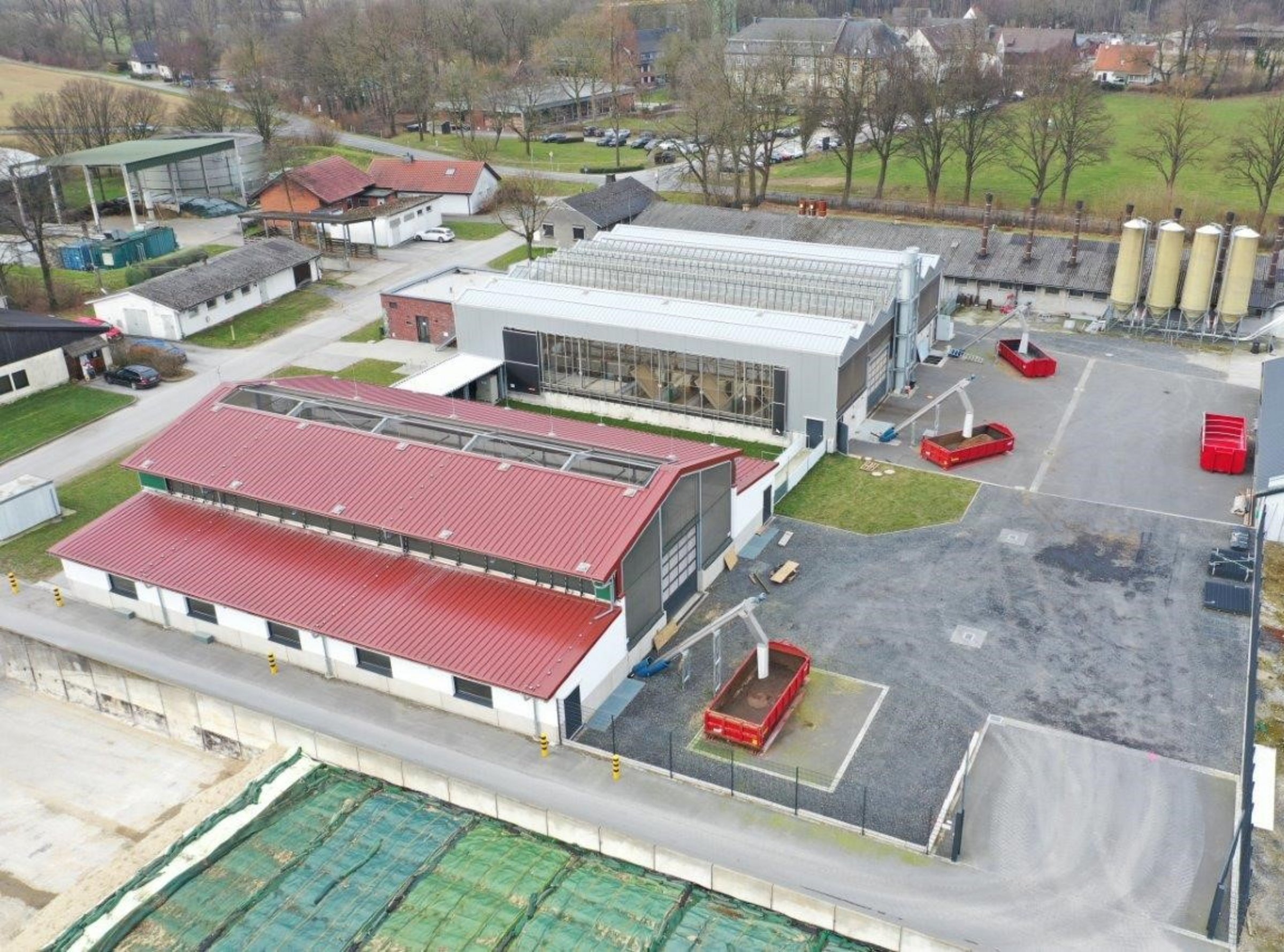
Video: Tour of the stable of the future
Video: Tour of the stable of the future
Vodcast: Vodcast Latest news on isoflurane anaesthesia

Vodcast: Vodcast Deck Centre
Funded projects: EIP Agri projects
Buchtenstruktur im Wartestall
Druckversion
ITW, Federal Support Programme and the Animal Welfare and Livestock Management Ordinance
The housing guidelines for piglet producers, explained simply
The 2021 amendment to the Animal Welfare and Livestock Farming Ordinance, with its varying implementation deadlines, the new criteria for the 2024 Animal Welfare Initiative, and the additional federal support programme for the restructuring of livestock farming (BUT) introduce many new regulations and criteria for piglet production. An overview from the Animal Welfare Competence Centre for Pigs compares the various requirements and provides a quick guide for piglet producers.
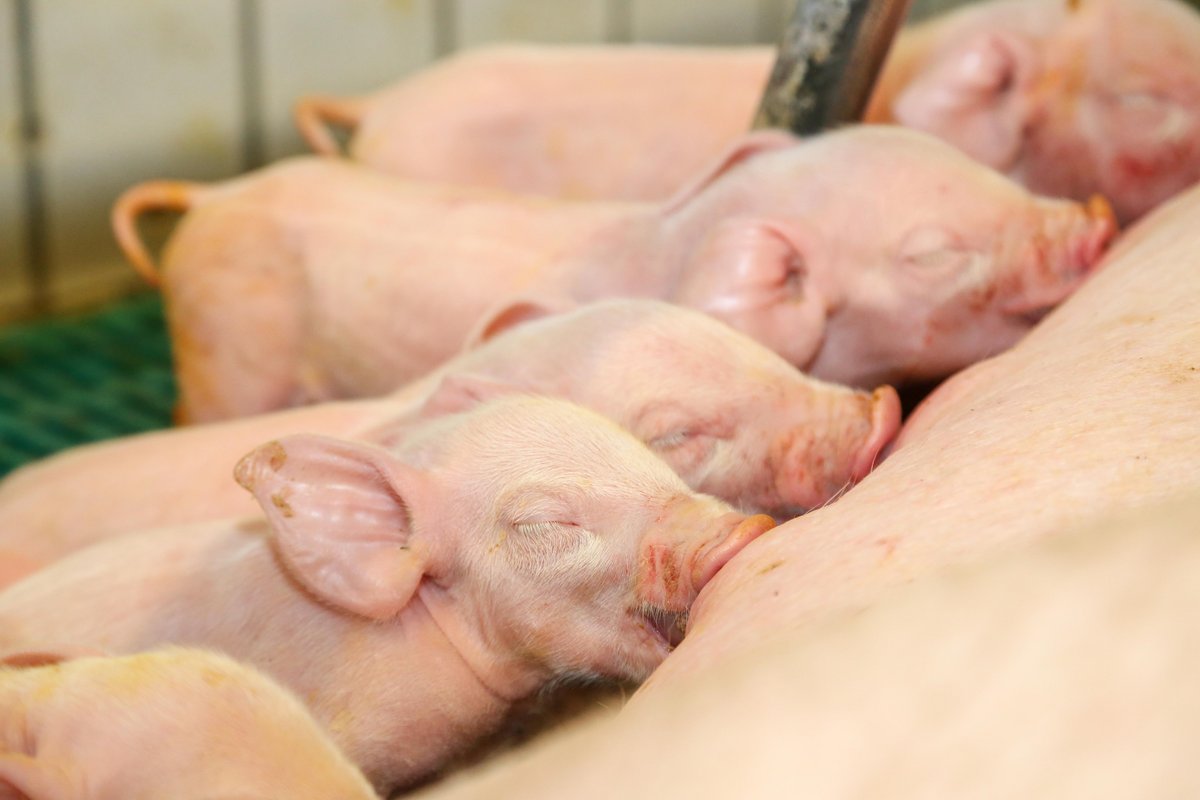
Thanks to genetic progress, improvements in insemination management and a more tailored approach to caring for sows during gestation, the biological performance of sows has improved steadily in recent years. This is particularly evident in the increased number of live-born piglets. What is now required is adapted management of large litters to minimise piglet losses during the suckling period whilst ensuring that strong and healthy piglets are weaned.
How is this already being handled by piglet-producing farms in Germany? Which measures are of particular importance to sow farmers? Can general recommendations be derived from practical experience? These and other questions were to be answered by a 2023 survey on management measures for handling large litters, initiated by the ‘Suckling Piglet Losses’ working group of the Fokus Tierwohl network.
In recent years, the reproductive performance of sows has improved steadily. As a result of genetic progress, improvements in insemination management and a more tailored approach to the care of sows during gestation, the number of piglets born alive in particular has risen sharply. However, this presents the challenge of managing large litters. A guide from the Fokus Tierwohl network provides advice on the animal-welfare-friendly management of large litters of piglets.
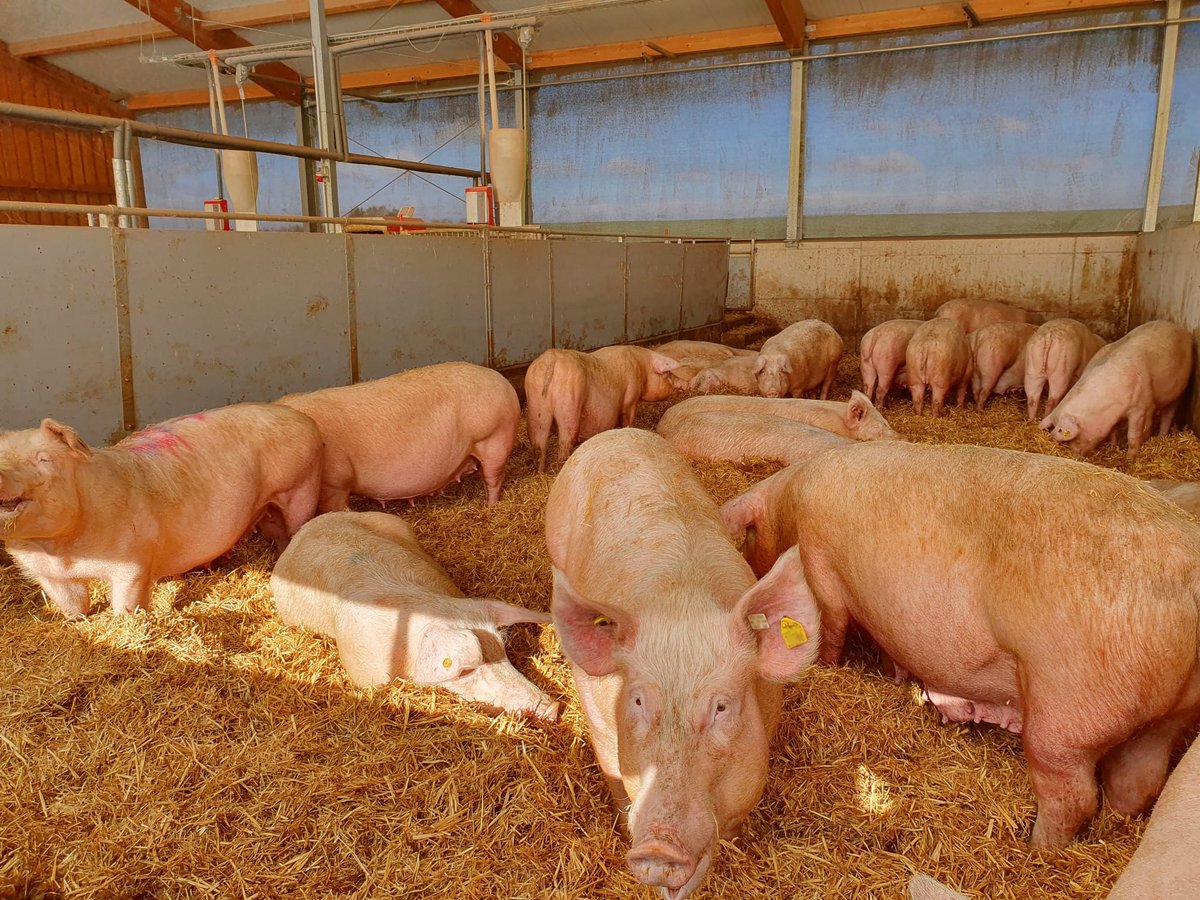
After sows have been inseminated at the mating centre, they are moved to the gestation barn, where they live in stable groups and a structured environment throughout their pregnancy. A major difference between the mating centre and the gestation barn is the amount of space available. Following the amendment to the Animal Welfare and Livestock Husbandry Ordinance (TierSchNutztV) in February 2021, sows in the mating centre must each have 5 m² of space available. Due to the high space requirements in the mating centre – necessitated by regrouping, the establishment of a hierarchy and oestrus behaviour – sows will likely be kept in the mating centre for a shorter period in future on some farms and moved to the waiting pen earlier. They remain there until approximately one week before the expected farrowing date. The guidelines from the Animal Welfare Competence Centre for Pigs provide advice on the management of sows in the waiting pen and on determining a suitable pen layout.
Focus on Pig Welfare – Alternative farrowing systems
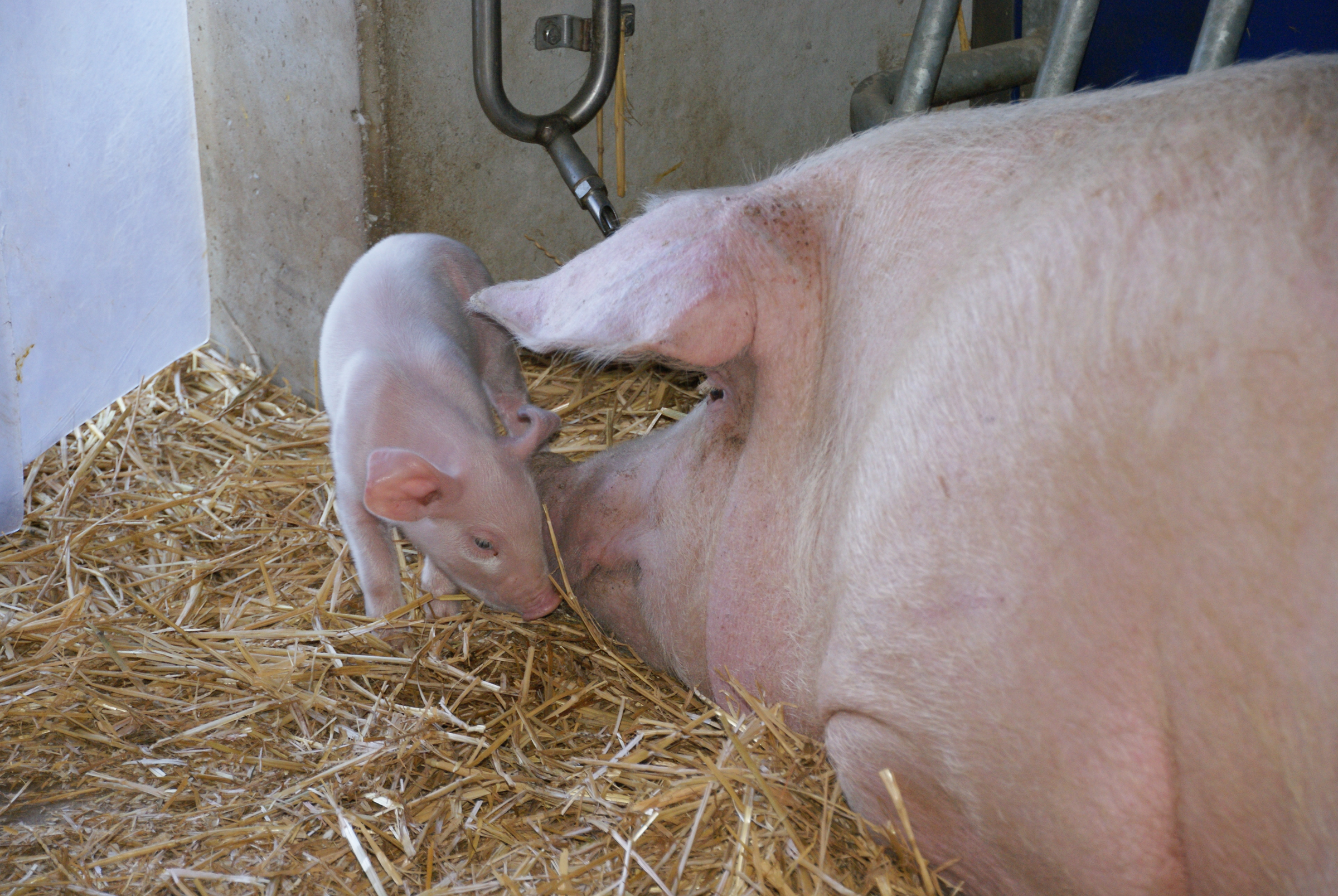
Part 2: Focusing on the animal
Following the 7th amendment to the Animal Welfare and Livestock Husbandry Ordinance (TierSchNutztV), which came into force in February 2021, German sow farmers face significant changes in the coming years. A maximum confinement period of five days for sows in farrowing crates and a pen area of at least 6.5 m² in new buildings, or in existing buildings following a 15-year transition period, will bring about drastic changes in sow husbandry. The conventional piglet protection cage must be replaced by exercise pens or pens for free farrowing. In the past, the reduction in suckling piglet losses was seen as the main argument in favour of the piglet protection cage. Farms in other countries have been using free farrowing for some time and thus demonstrate that, with a good housing environment and calm, maternal sows, crushing losses are no higher. Therefore, the severe restriction of the sows’ movement can no longer be justified.
In Part 2 of the guide ‘Focus on Pig Welfare – Alternative Farrowing Systems’, the animal is the central focus. This section covers both the conditions the sow must meet and the management measures taken by the animal caretaker that influence the welfare of the sows and piglets.
To ensure that sows at the breeding centre have sufficient exercise and can express their natural behaviours, changes to sow husbandry have been in place since February 2021. Under the new Animal Welfare and Livestock Husbandry Ordinance (TierSchNutztV), each sow must be provided with at least 5 m² of unrestricted floor space from weaning until the first insemination, and the animals must be kept in groups. Furthermore, following a transition period of eight years (until 9 February 2029), sow keepers may only briefly restrain the animals during insemination, treatment and oestrus monitoring. By February 2024, livestock owners wishing to continue sow husbandry must submit a plan to the competent authorities outlining how implementation will take place on the farm, and a corresponding building application must be submitted by February 2026. Otherwise, sow husbandry must cease in February 2029.
There are various options for group housing of sows in the breeding centre. They can be inseminated either freely or whilst restrained; solid-floored pens or slatted floors may be used, and an arena may be provided beforehand or an outdoor run fitted. Each farm must decide individually which option is suitable for their specific operation and farmers.
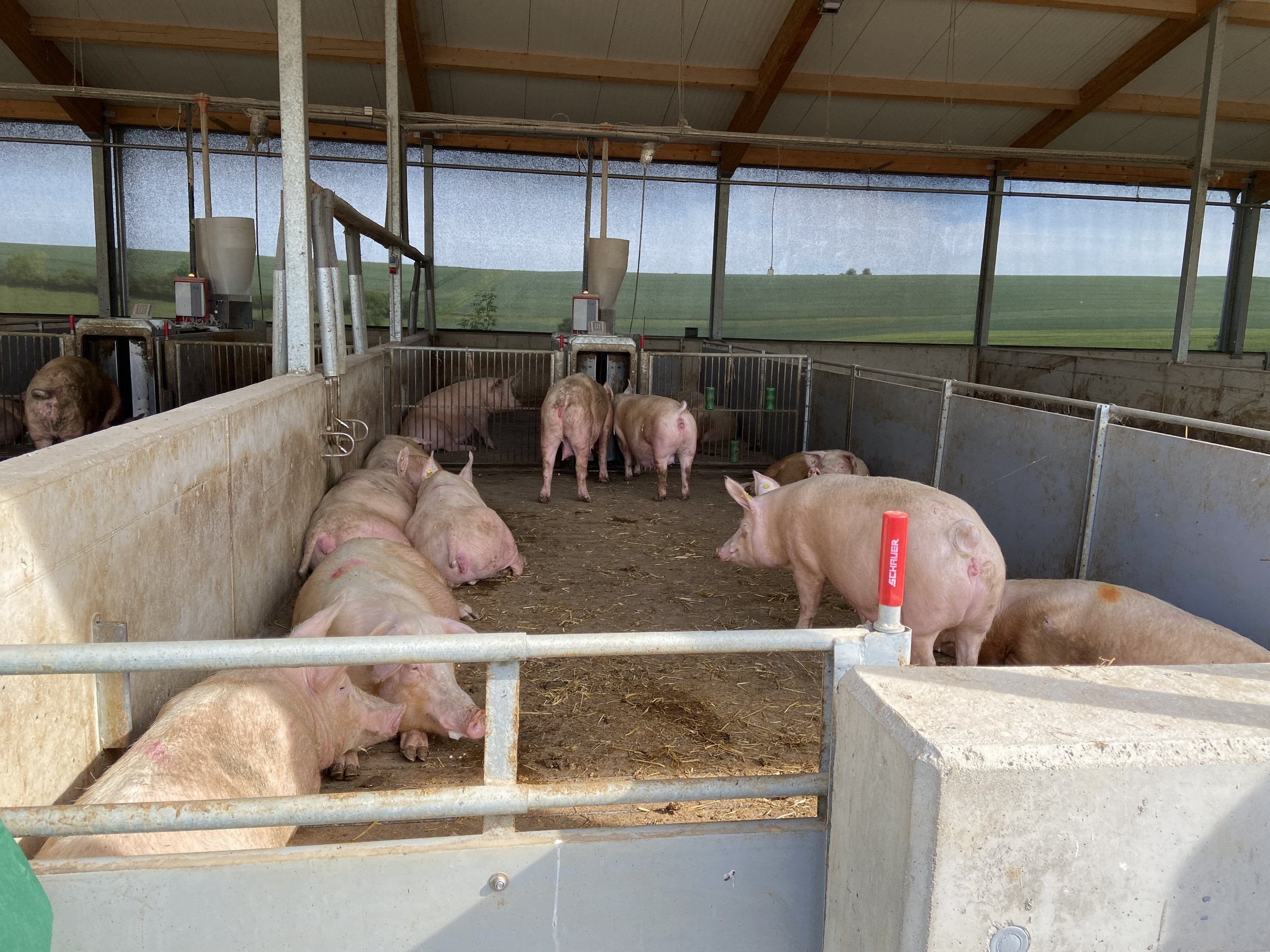
Under the previous Animal Welfare and Livestock Husbandry Ordinance (TierSchNutztV), the restraint of sows in the mating centre – and thus the individual housing of the animals – was permitted from weaning until a maximum of four weeks after mating. Following the amendment of the TierSchNutztV in February 2021, sows must – after a transition period of eight years – be provided with 5 m² of space during the period between weaning and mating, and group housing must be made available. Restraint is permitted solely for the purposes of oestrus detection, the insemination process or medical treatment. Due to the high space requirements in the mating centre, some farmers will likely reduce the duration of this housing phase in future. Consequently, the monitoring of sows in heat, the mating of sows in heat and pregnancy checks will be partially relocated to the waiting area. Almost all sow-rearing farms are therefore currently faced with the decision of whether and how to make their mating area fit for the future. The ‘Construction: Sows and Fattening’ working group has compiled information on group housing in the mating centre

Focus on Pig Welfare – Alternative farrowing systems
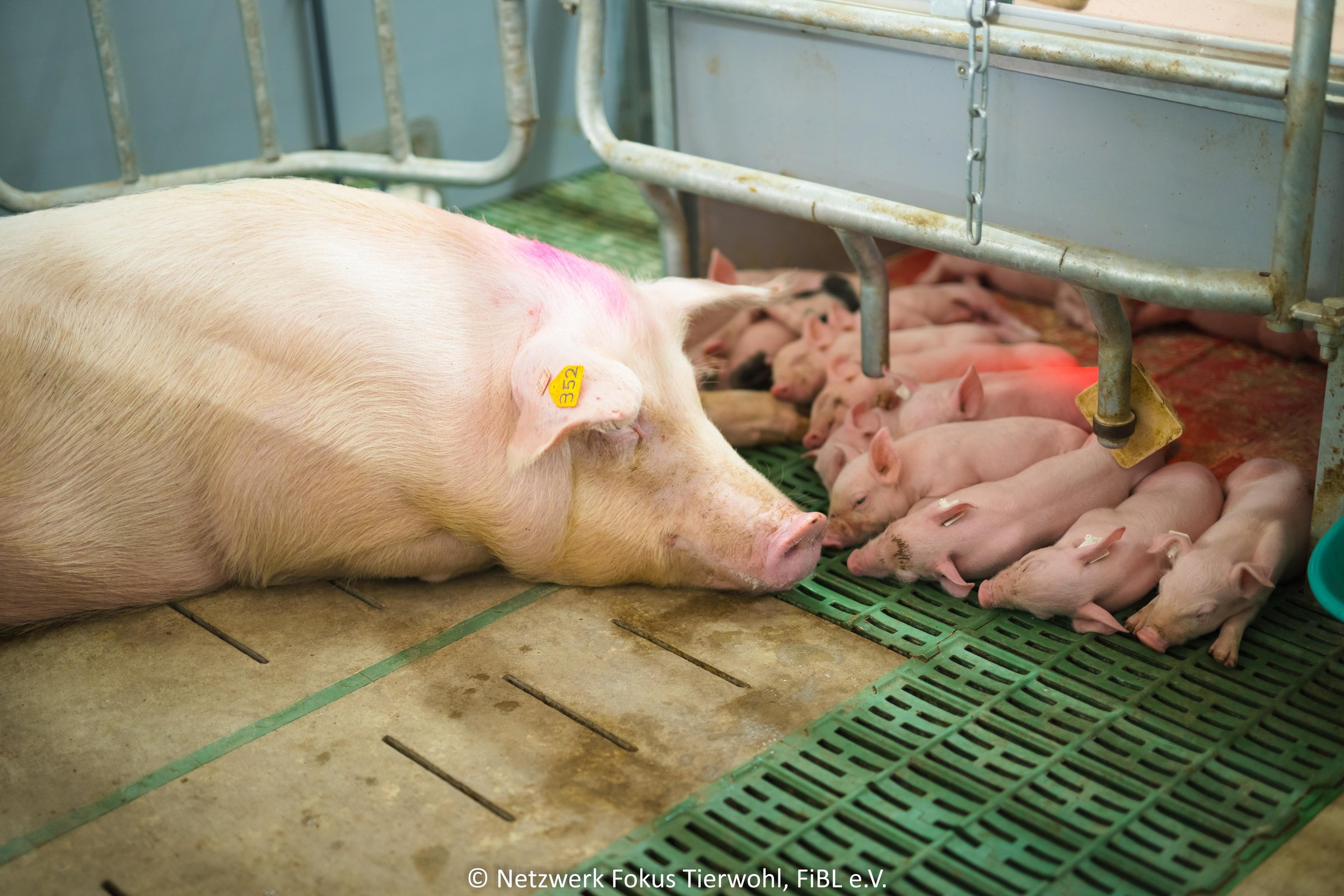
Part 1: Exercise pens and pens for free farrowing
Following the 7th amendment to the Animal Welfare and Livestock Husbandry Ordinance (TierSchNutztV), which came into force in February 2021, German sow farmers face significant changes in the coming years. A maximum confinement period of five days for sows in farrowing crates and a pen area of at least 6.5 m² in new buildings, or in existing buildings following a 15-year transition period, will bring about drastic changes in sow husbandry. The conventional piglet protection cage must be replaced by exercise pens or pens for free farrowing. In the past, the reduction in suckling piglet losses was seen as the main argument in favour of the piglet protection cage. Farms in other countries have been using free farrowing for some time and have thus demonstrated that, with a good housing environment and calm sows, crushing losses are no higher. Consequently, the severe restriction of the sows’ movement can no longer be justified.
A guide from the Fokus Tierwohl network is intended primarily to assist farmers in implementing the necessary changes on their farms in a practical manner. The scientific findings of recent years, combined with the long-standing experience of practitioners, are brought together in this guide to form concrete recommendations for action.
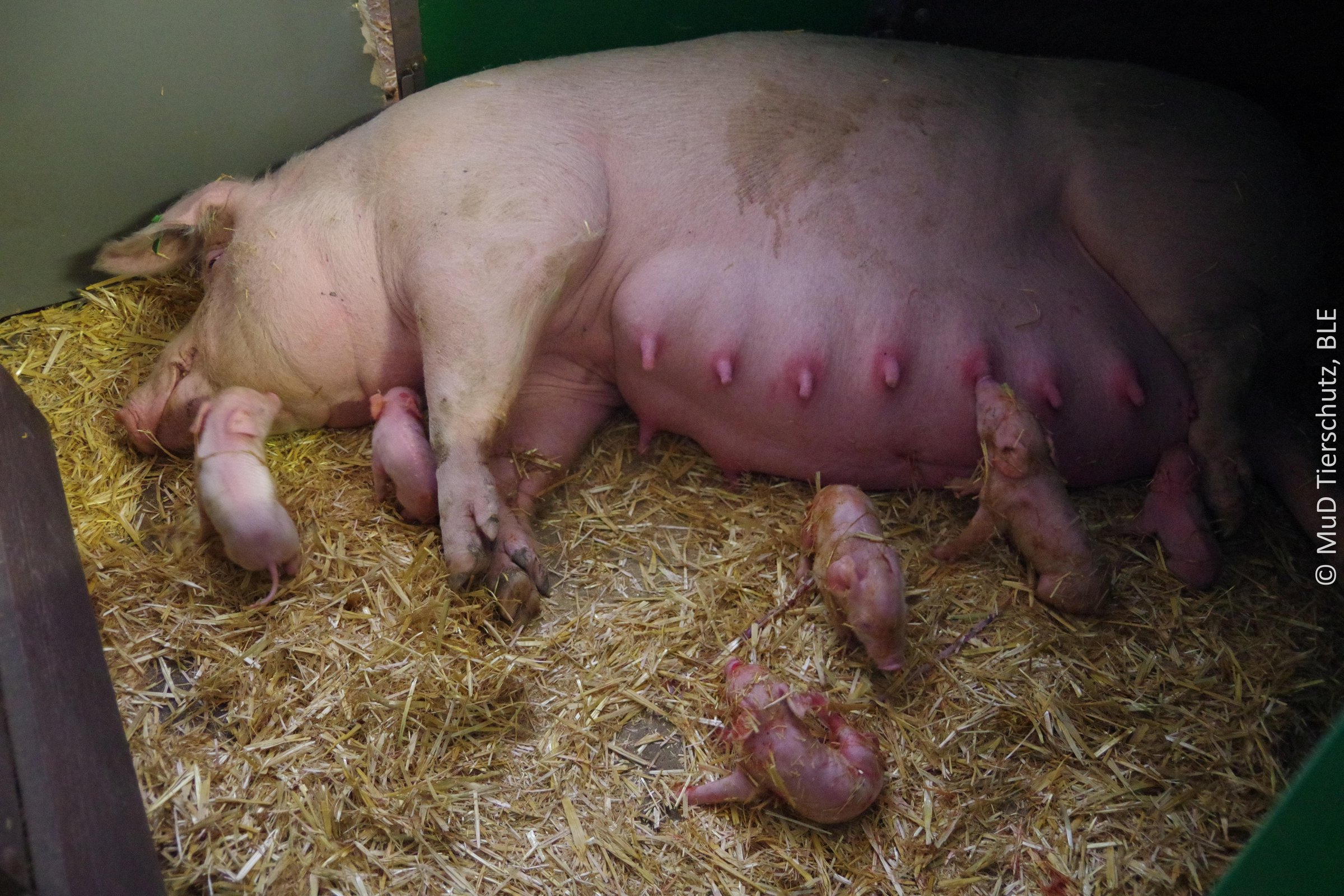
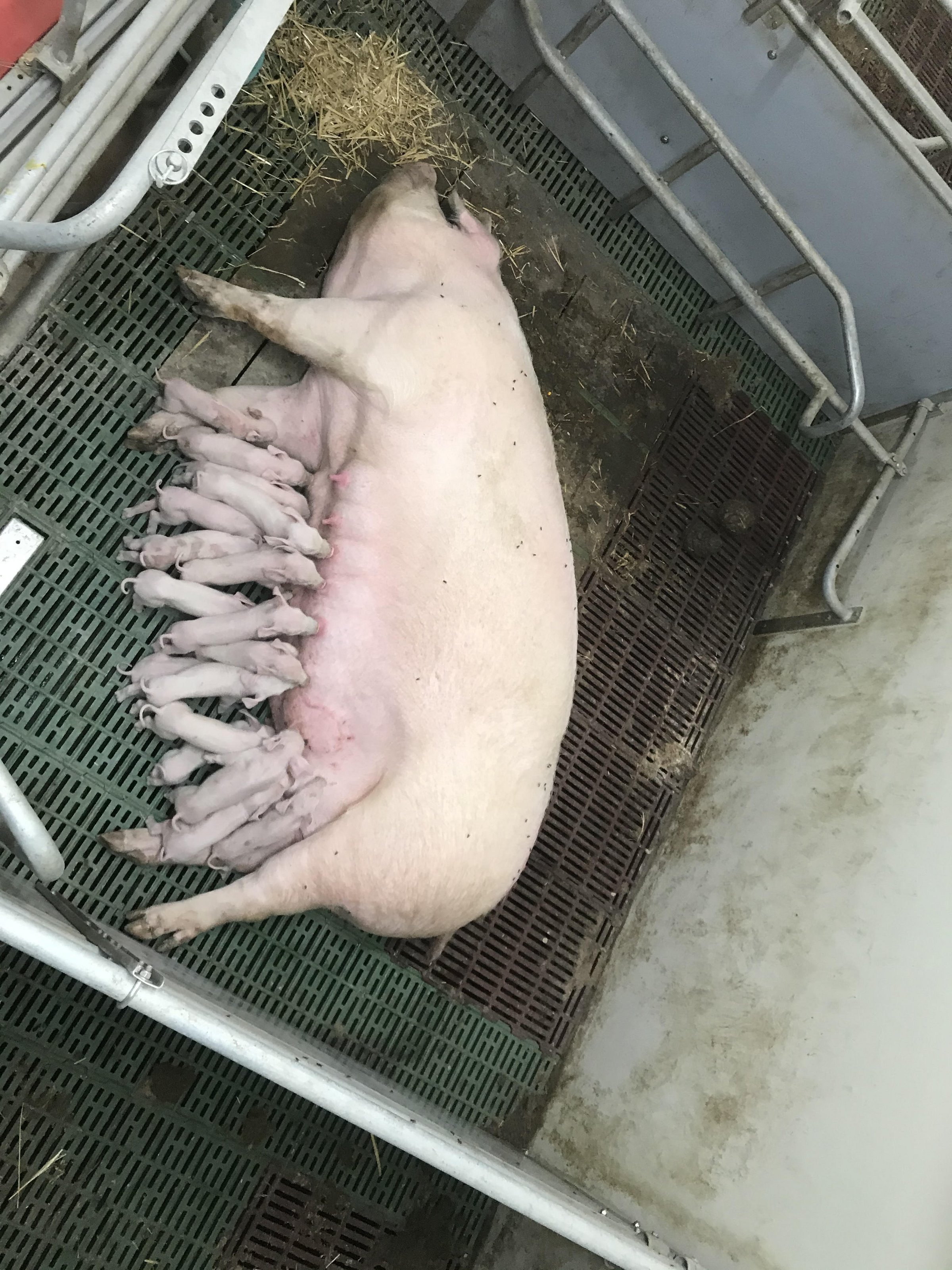
A focus on farrowing systems – exercise pens or free-range farrowing?!
The Animal Welfare Focus Network surveyed farmers about their practical experiences. Part 1 presents the survey results regarding exercise pens.
What will farrowing look like in the future? Following the amendment to the Animal Welfare and Livestock Management Ordinance (TierSchNutztV), discussions regarding the permitted duration of sow restraint around the time of birth left ample room for speculation. Following the entry into force of the 7th Ordinance amending the TierSchNutztV in February 2021, it is now clear that there may only be a maximum restraint period of 5 days around the time of birth in pens with an area of at least 6.5 m². One way to meet these requirements is through so-called exercise pens. These feature a piglet protection cage and allow sows freedom of movement when they are not restrained. In contrast, with ‘free farrowing’, the sow’s movement is not restricted either before or during farrowing, nor during the suckling period (= free-range pen). However, the option for short-term restraint of the sow, e.g. for treatment, may still be available here.
The Pig Animal Welfare Competence Centre of the Fokus Tierwohl network conducted a survey in 2021 as part of the technical work of the Working Group on Suckling Piglet Losses. The aim was to collate the practical experience gathered on farms regarding exercise pens and free farrowing, in order to make this available to other farmers and thus support them in meeting future challenges.