
Overview of topics: Pigs
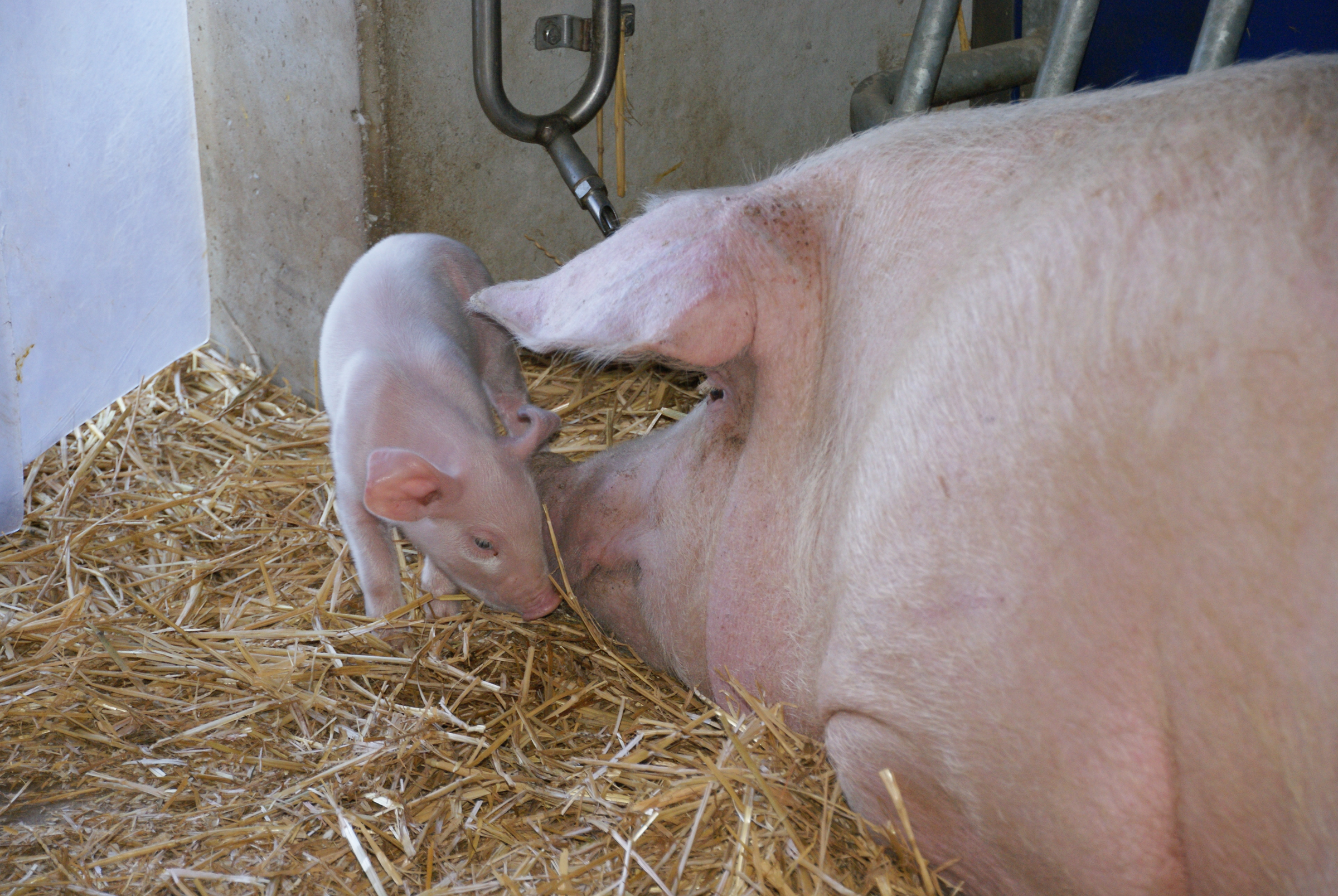
Farrowing Systems Part 2: Focus on the Animal
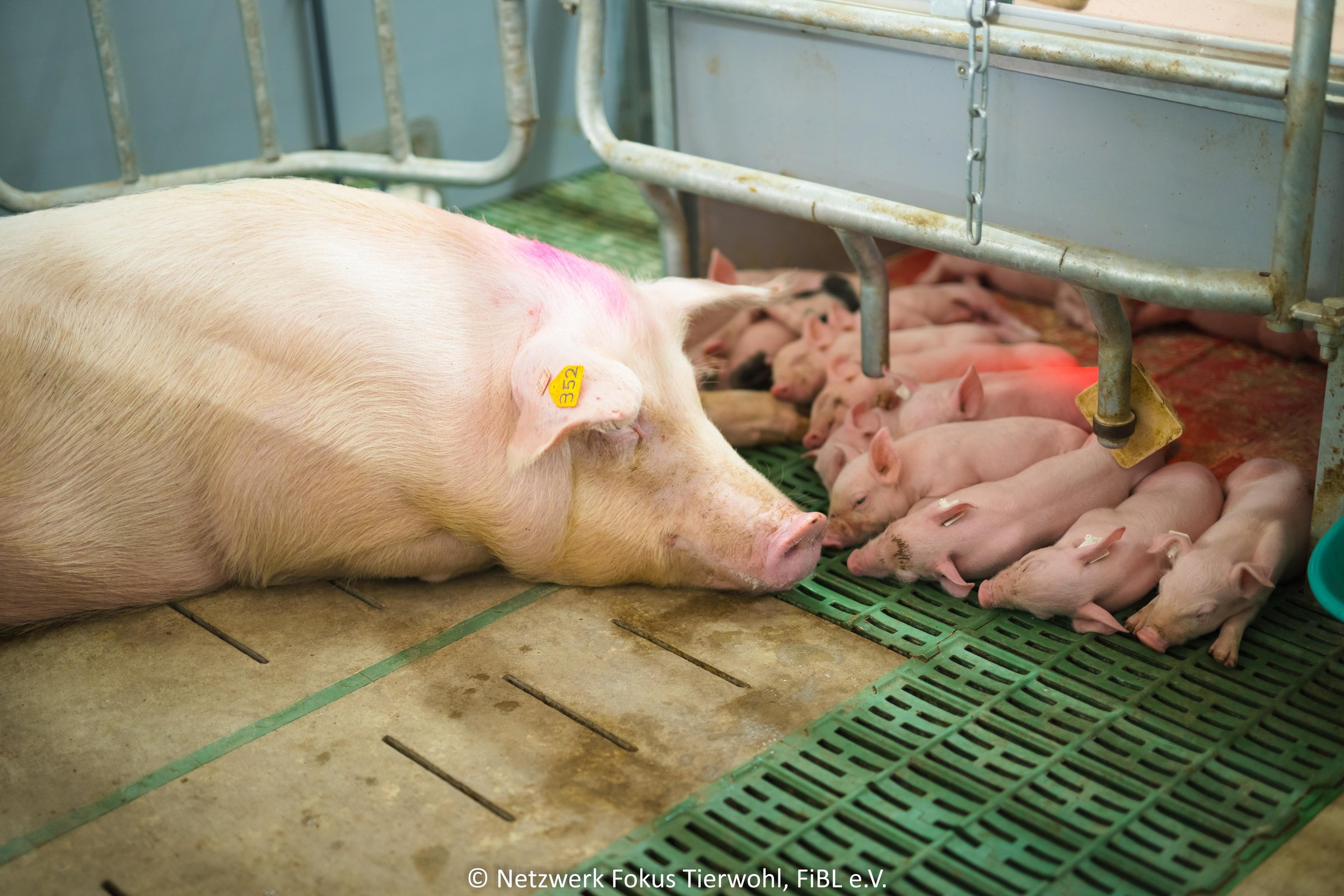
Farrowing systems Part I: Exercise pens and free farrowing
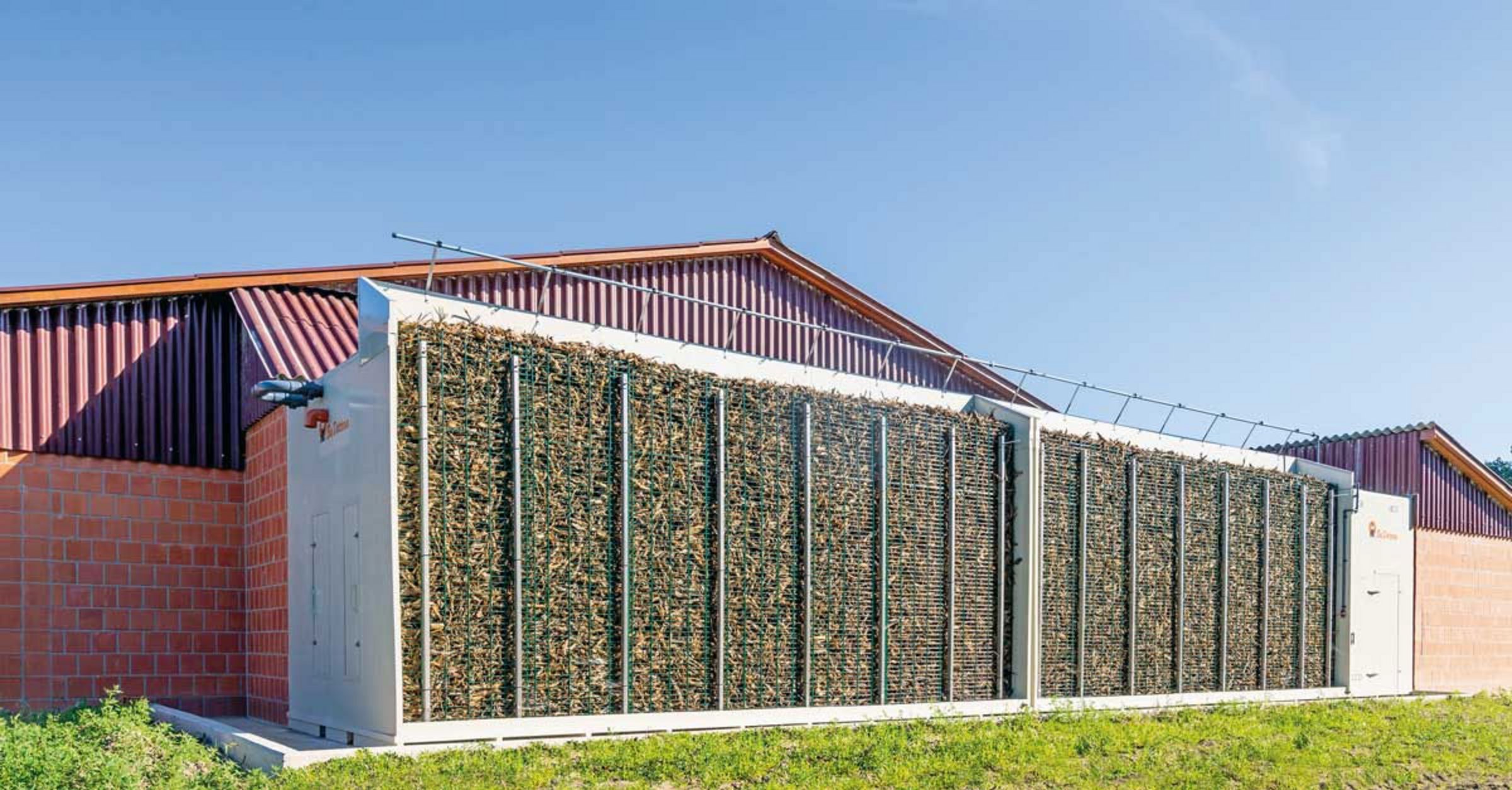
Exhaust air purification systems
African swine fever
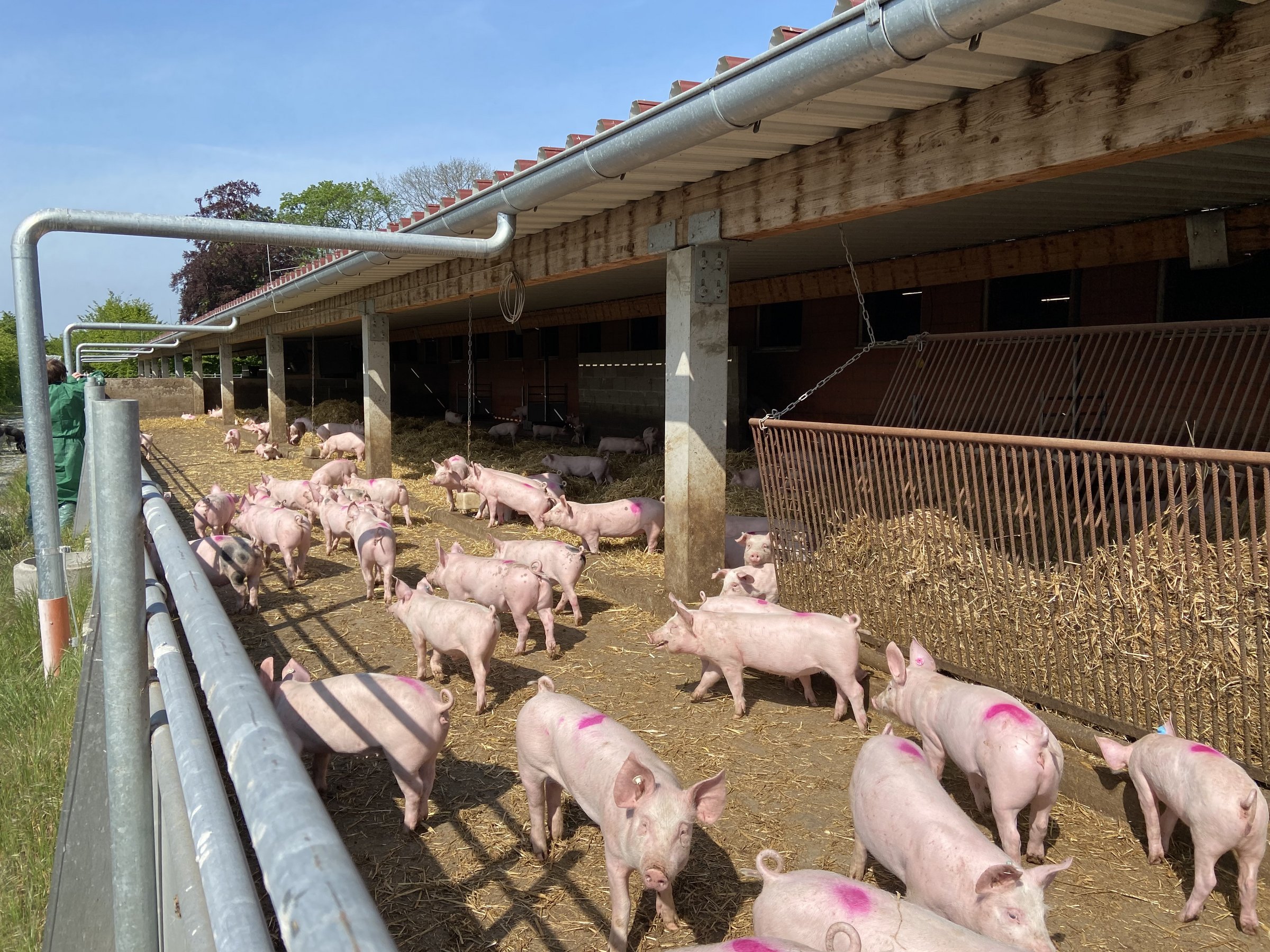
Outdoor climate-controlled stables
Internal control

Exercise pens
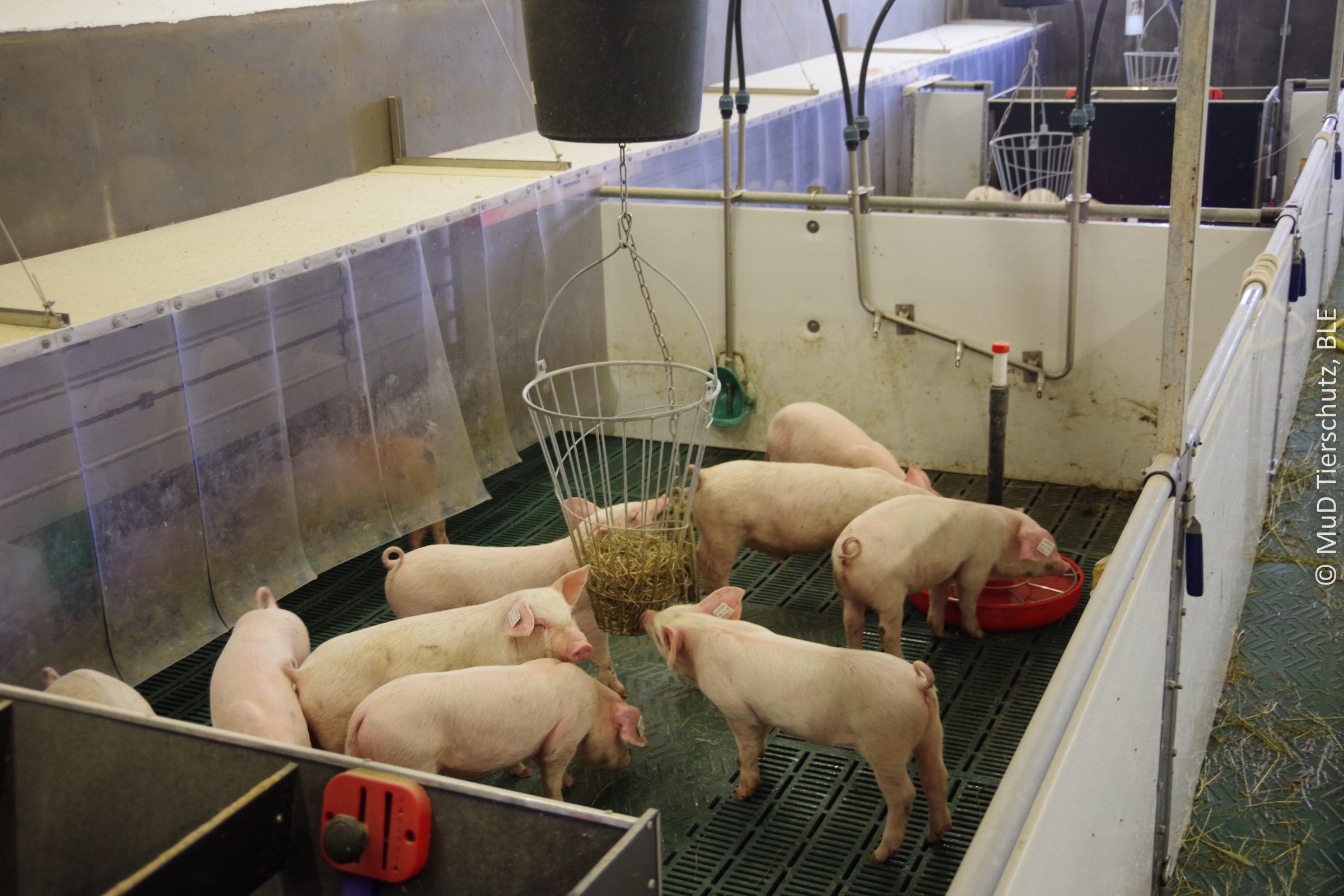
Pen configuration in piglet rearing and fattening
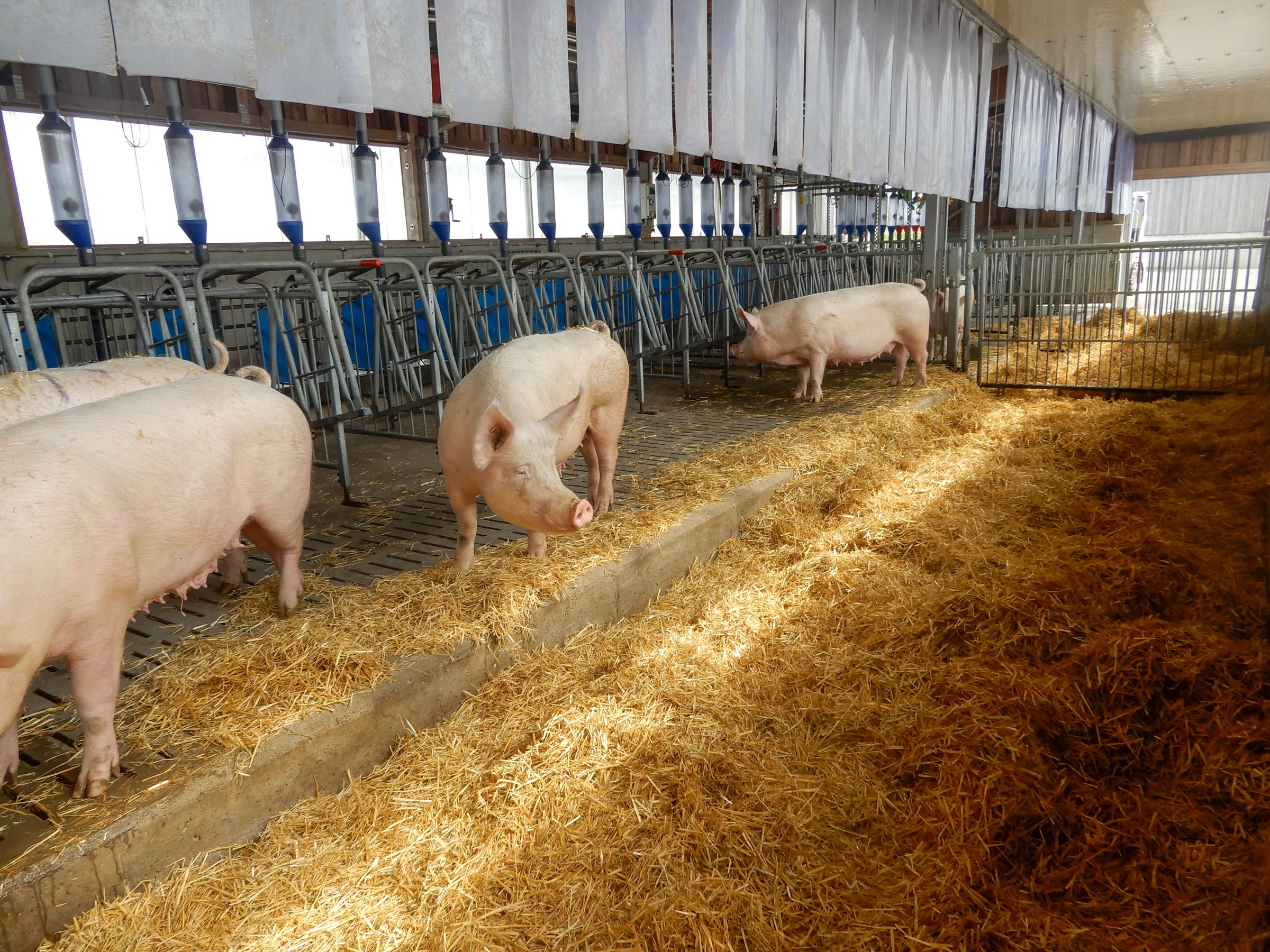
The structure of the deck – that’s what matters
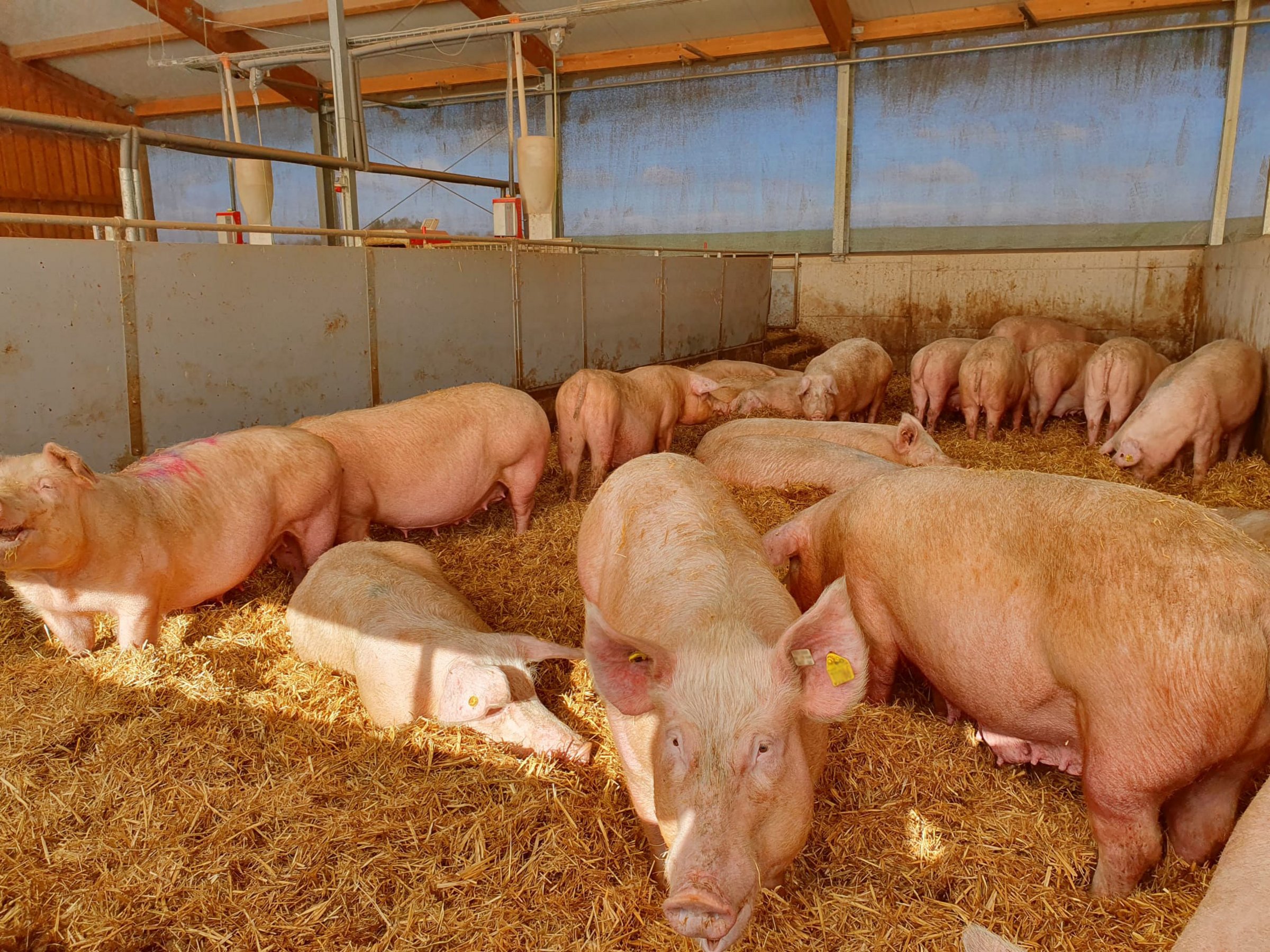
Pen layout in the holding pen
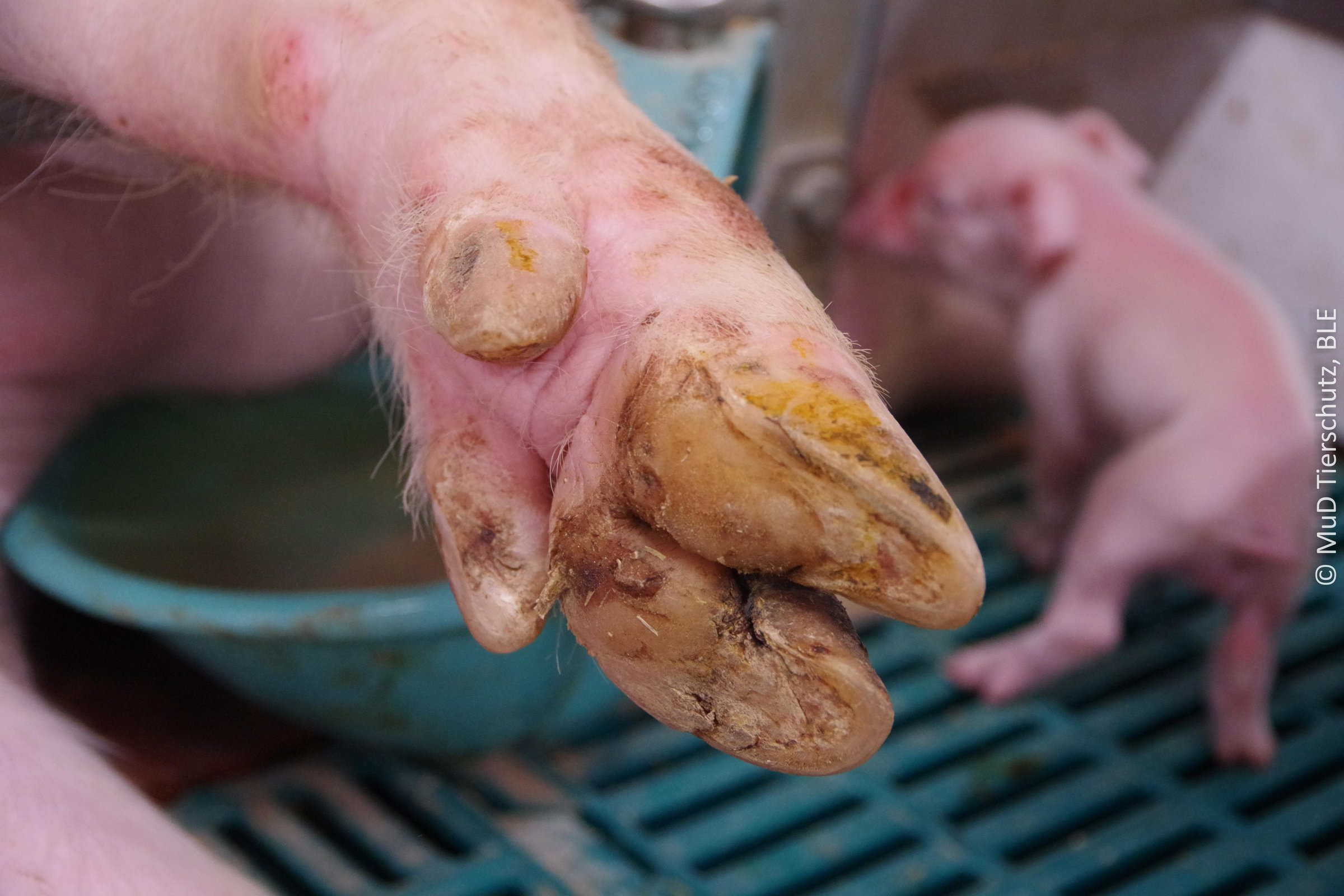
Factors affecting hoof health
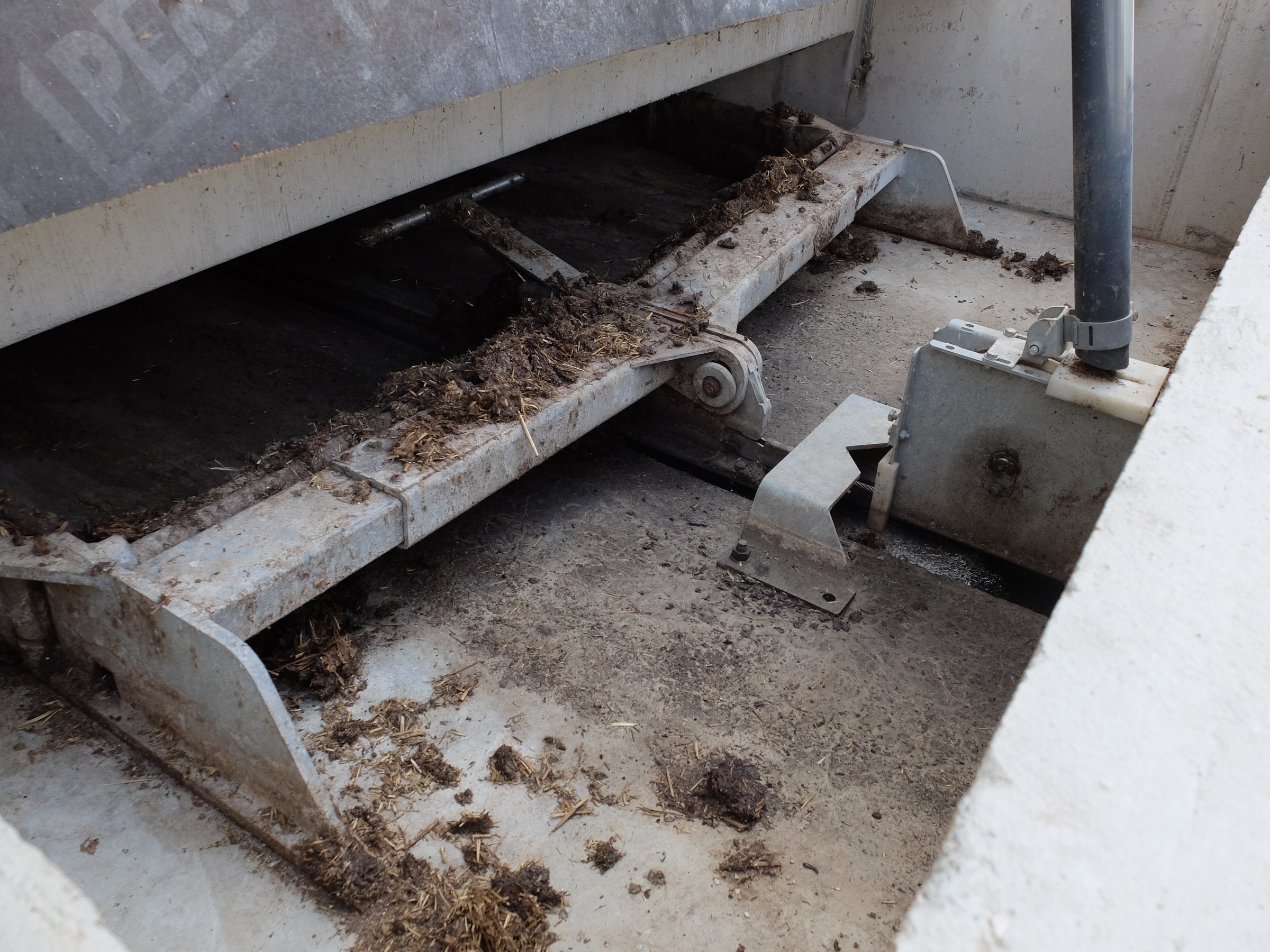
Emission reduction

Manure removal techniques
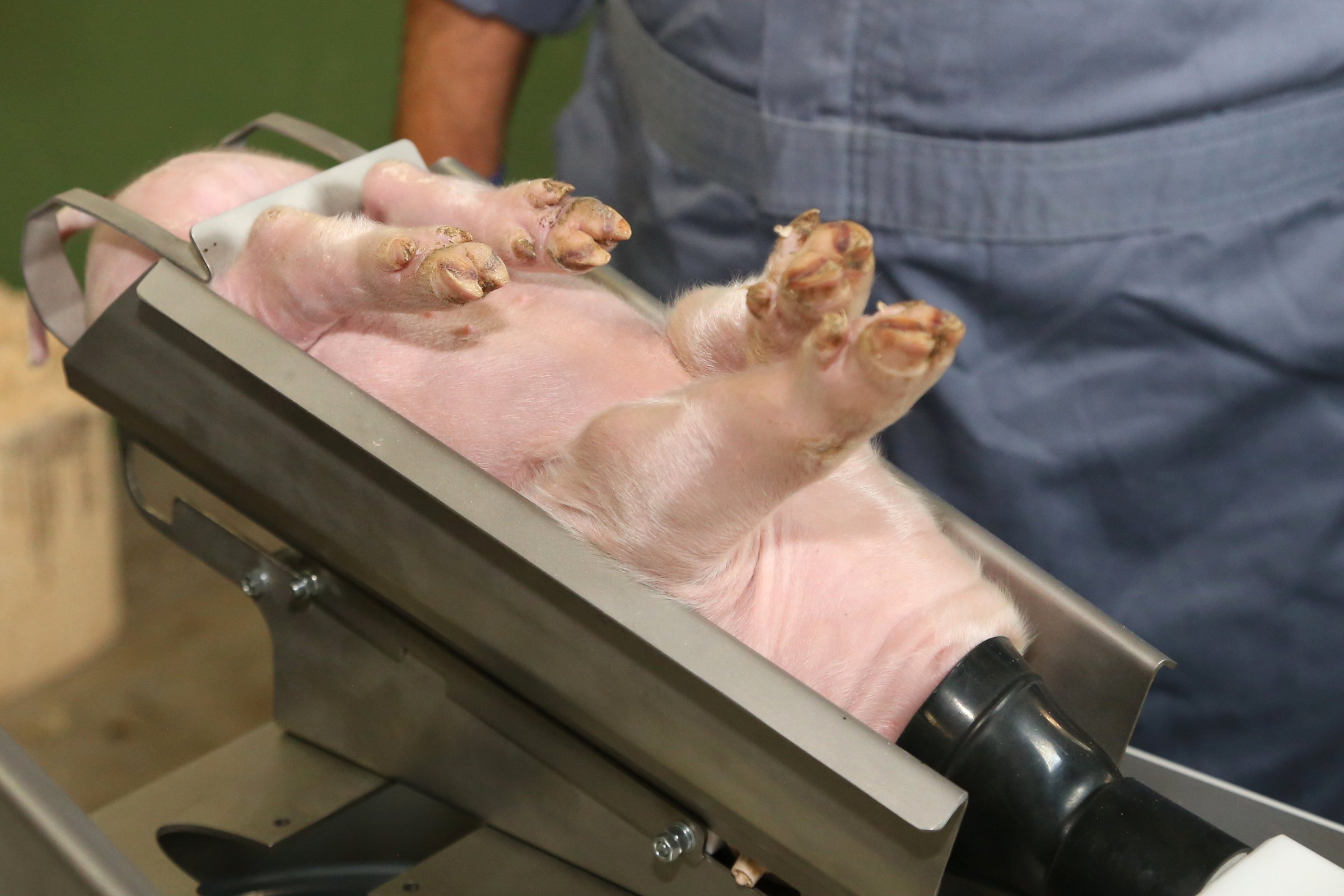
Piglet castration
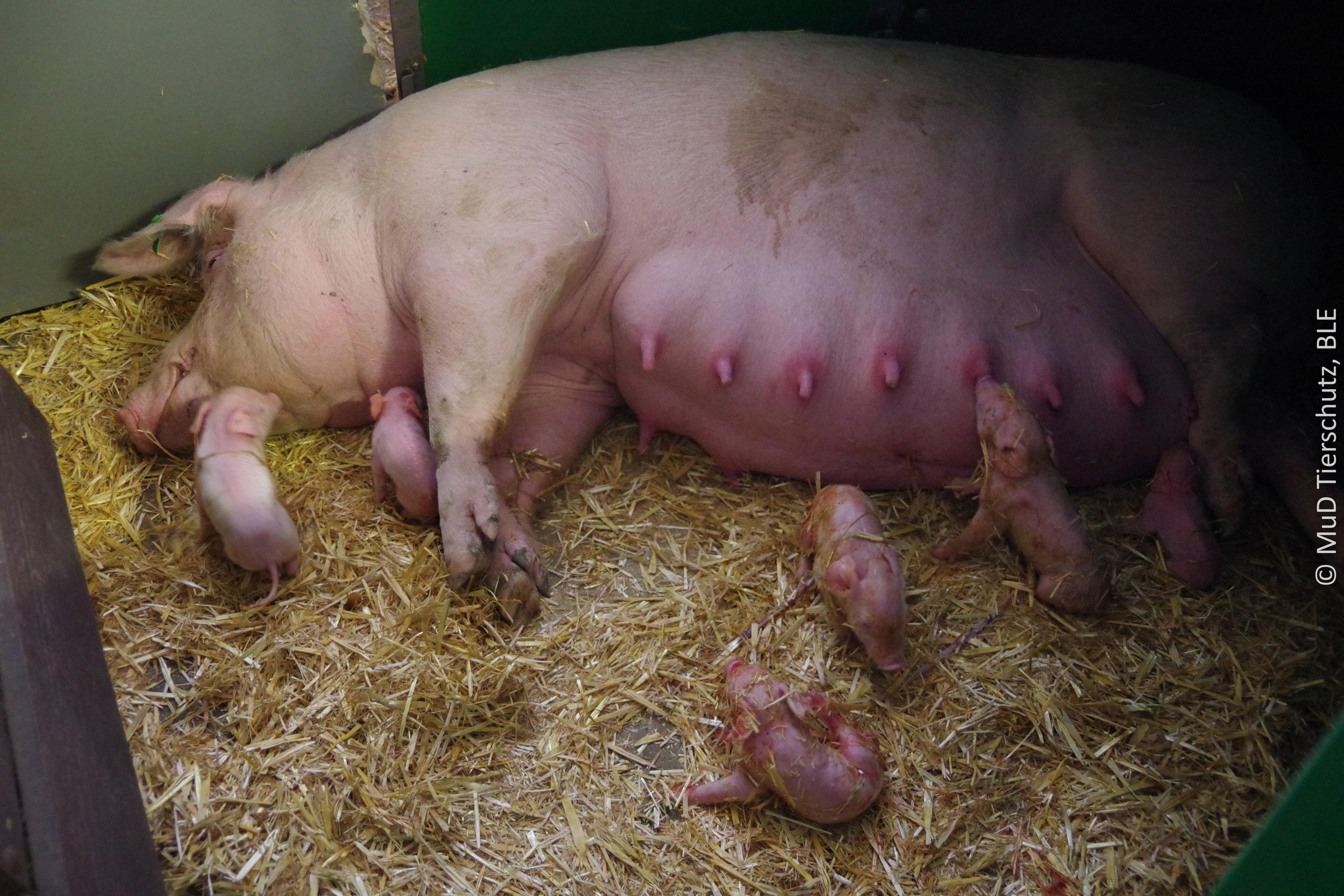
Free farrowing
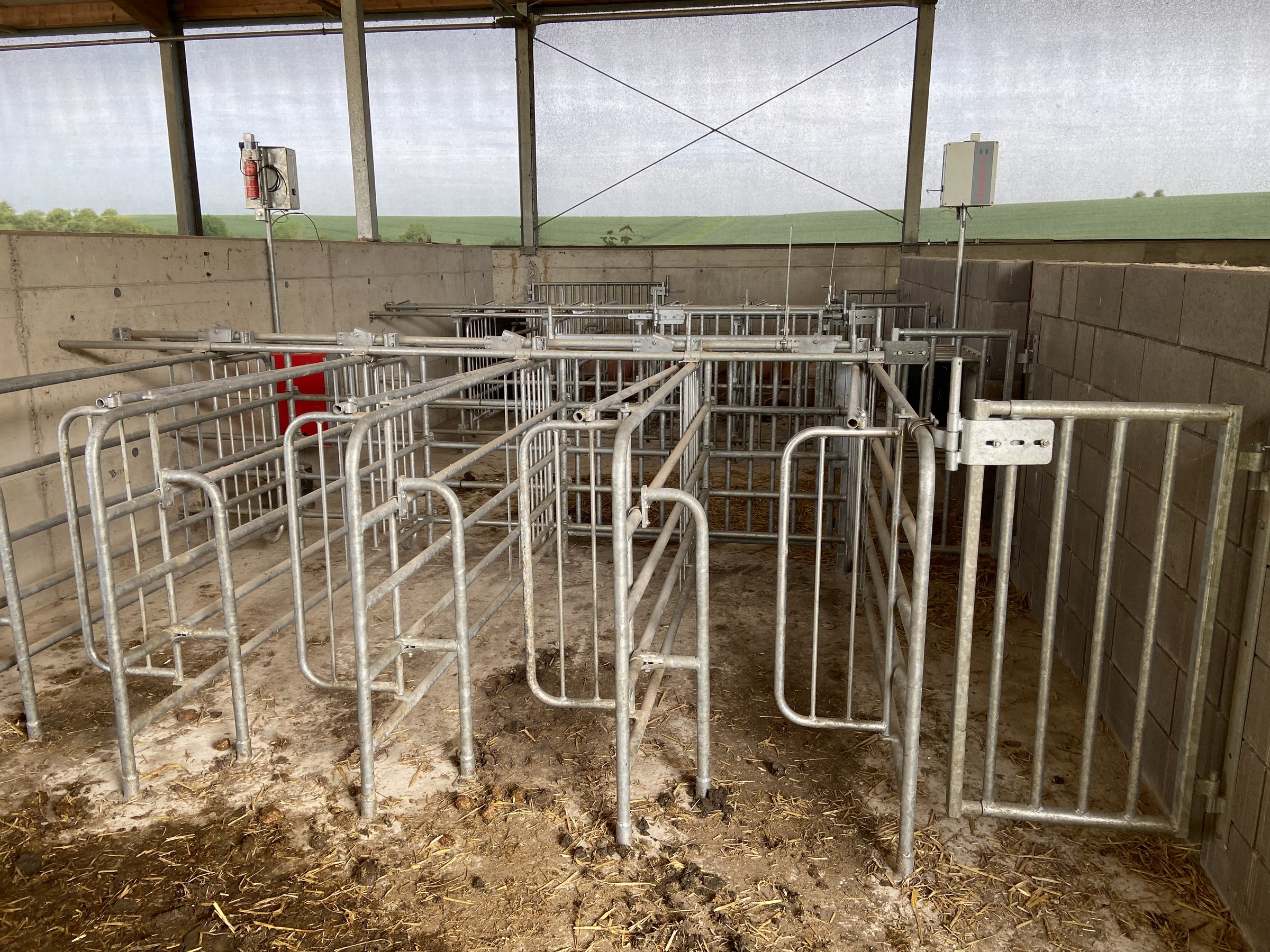
Group housing of sows at the breeding centre
Gruppenhaltung von Sauen im Deckzentrum
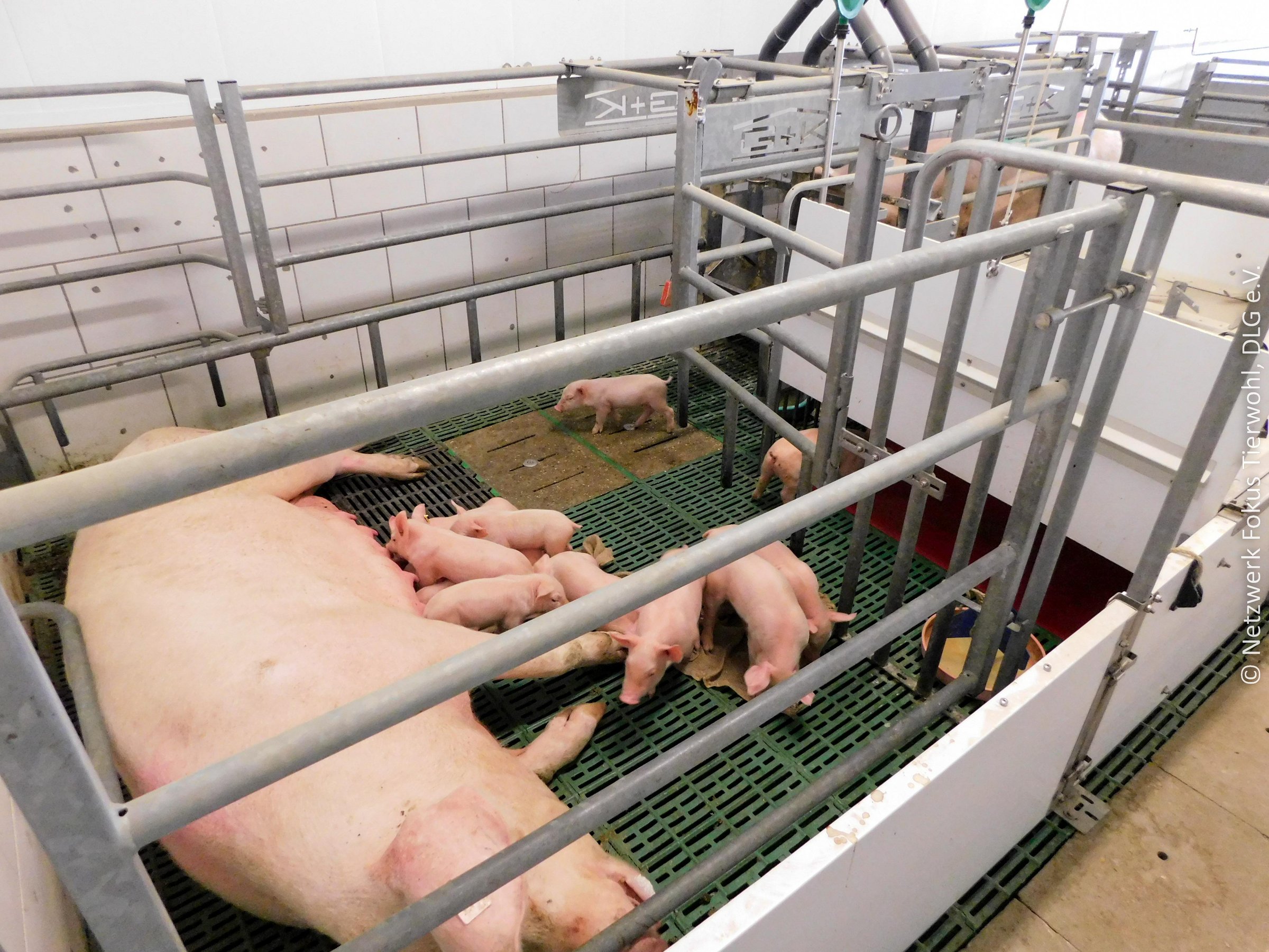
Housing guidelines for piglet production
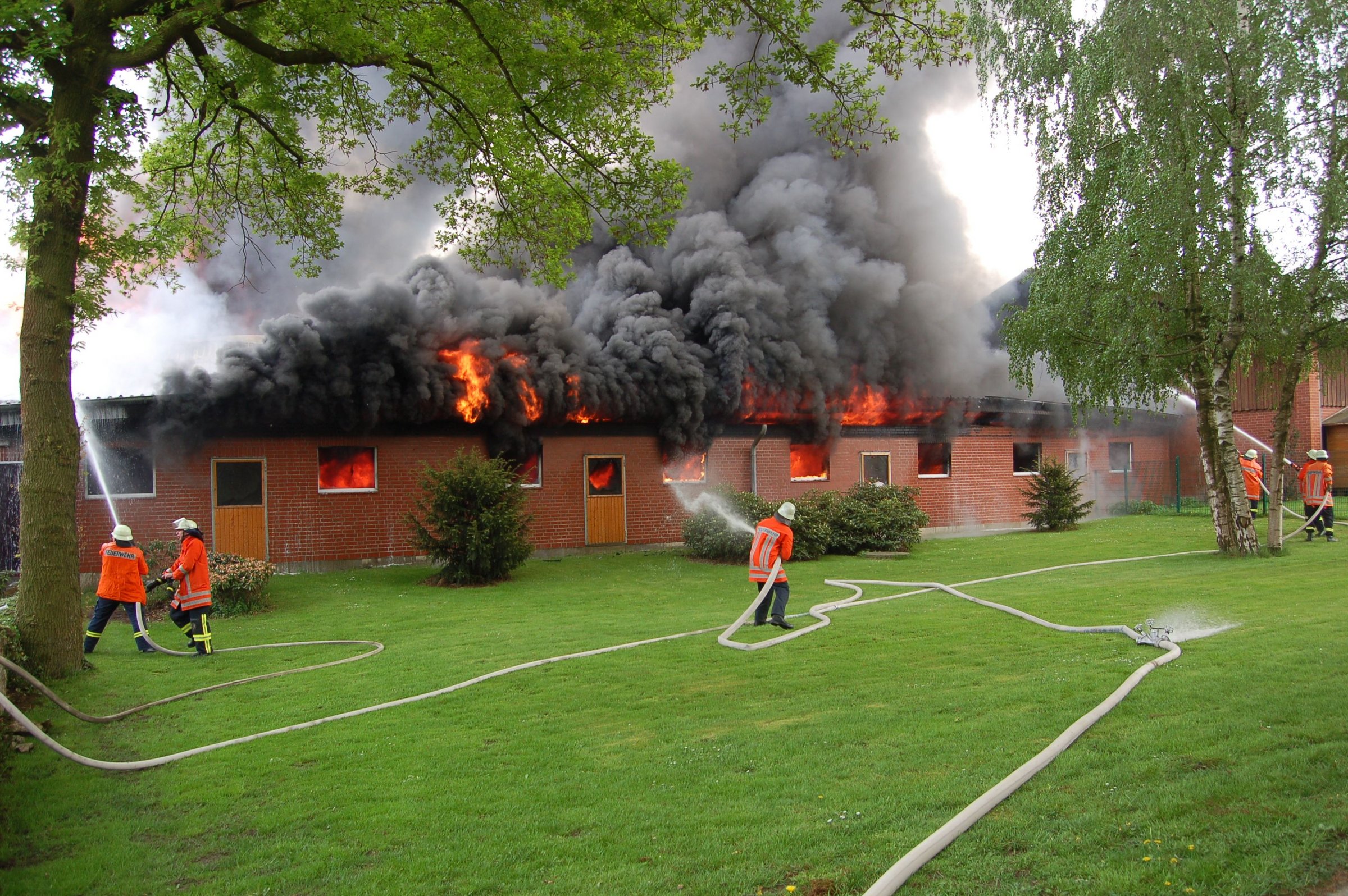
Emergency response plans
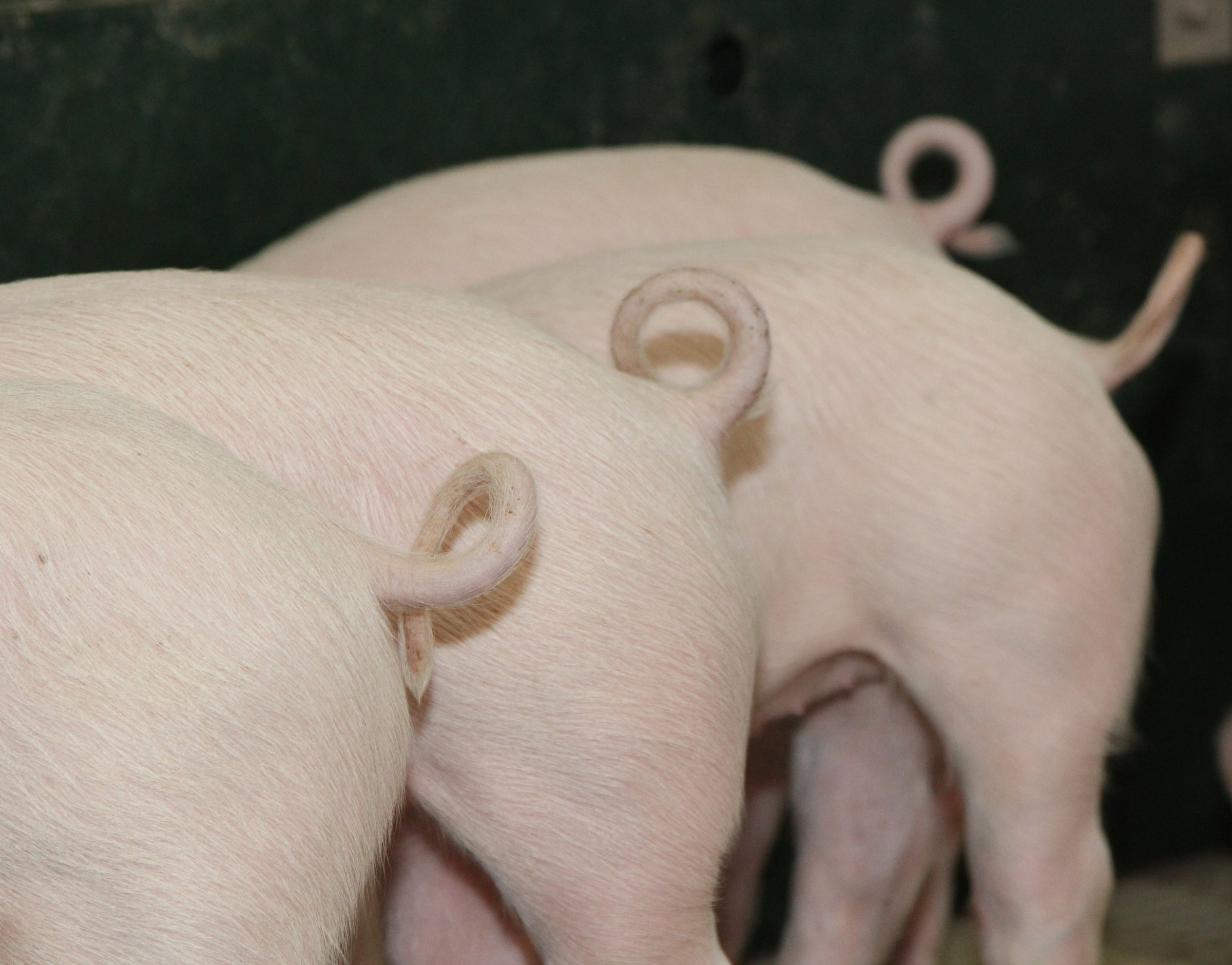
No tail docking

Managing large litters
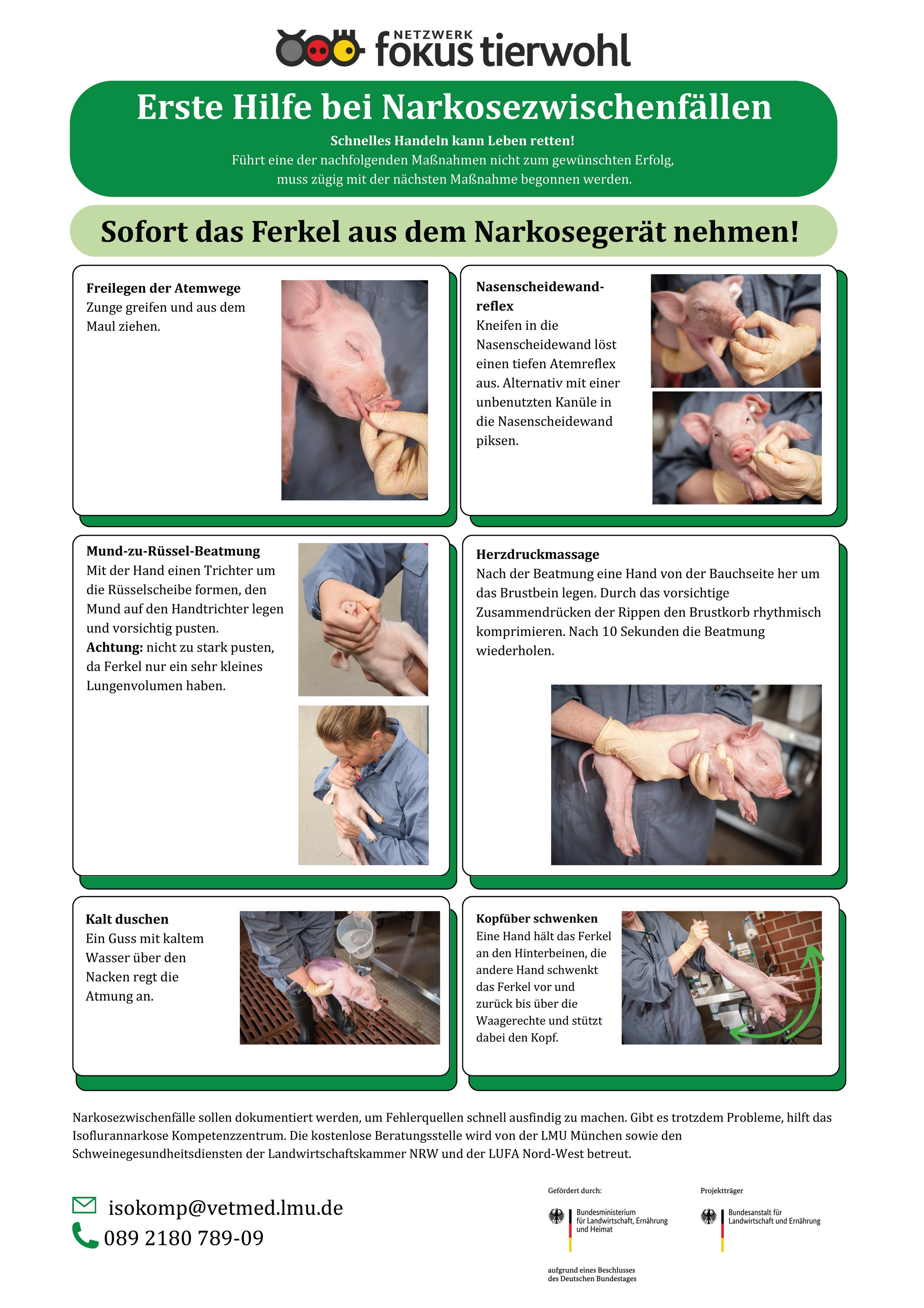
Contingency plan for anaesthetic incidents
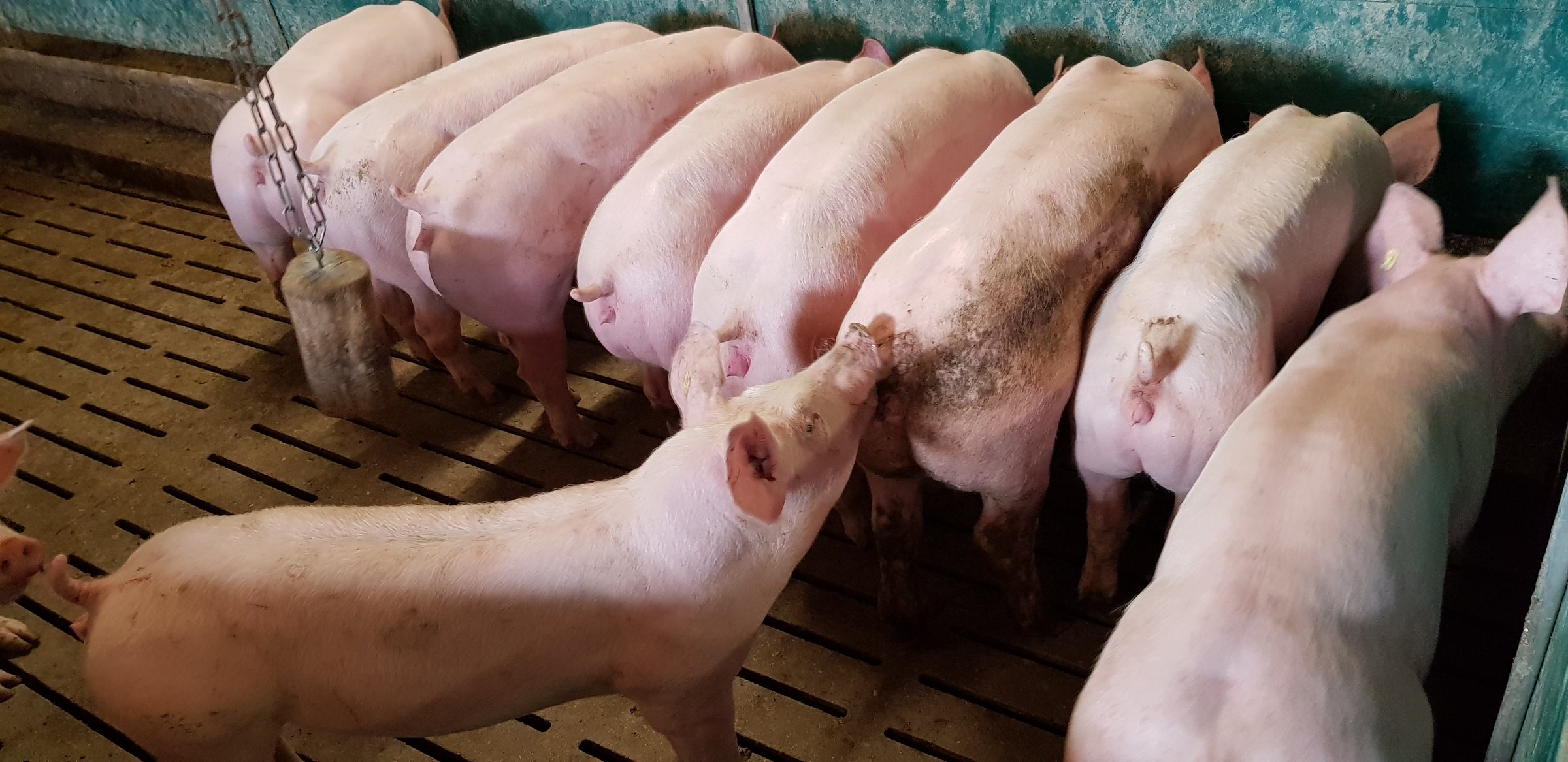
Emergency plan for tail-biting
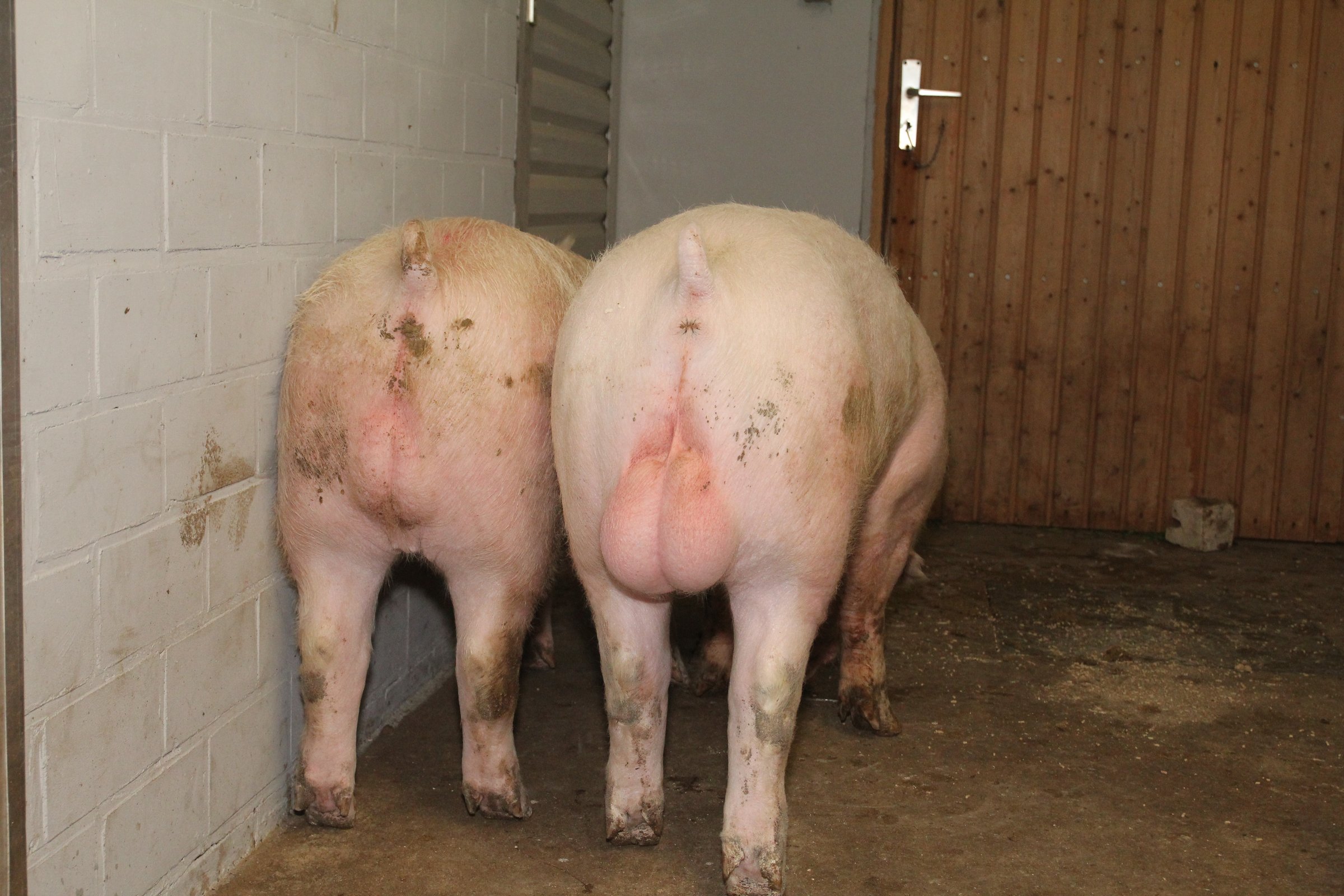
Online information on alternatives to piglet castration without anaesthesia
Practical experiences with the ban on tail docking
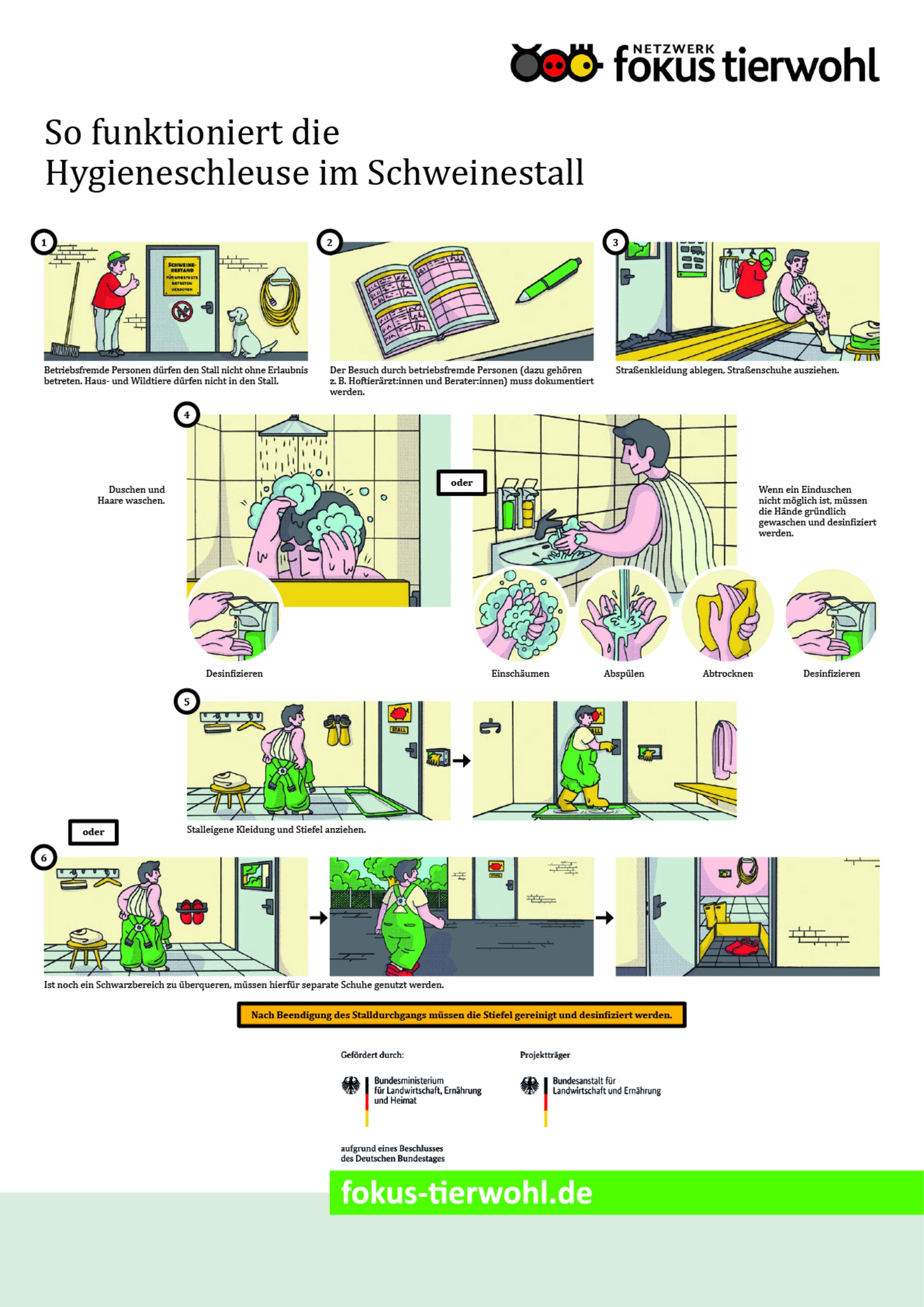
Sanitisation chamber
Pig farming with outdoor access
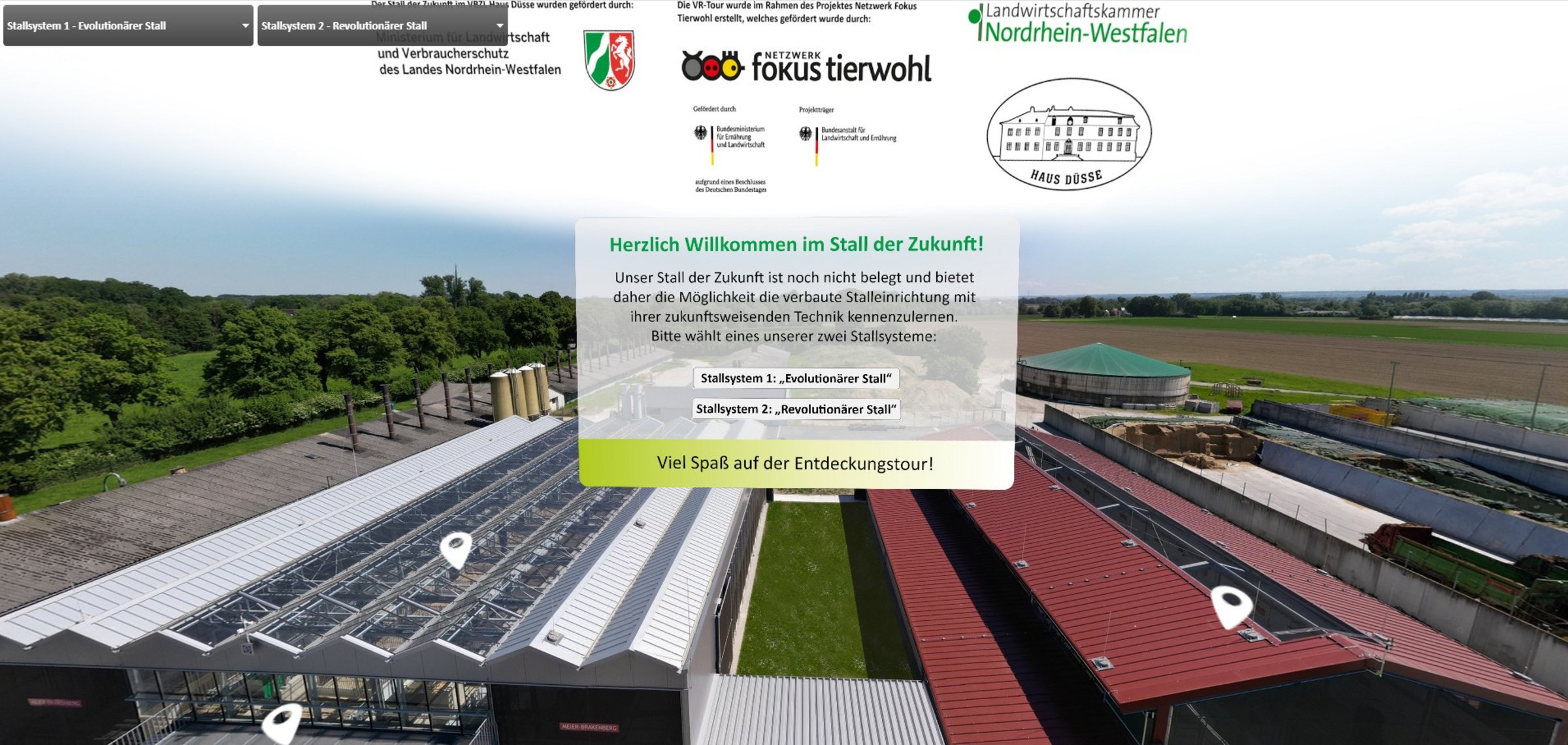
The stable of the future
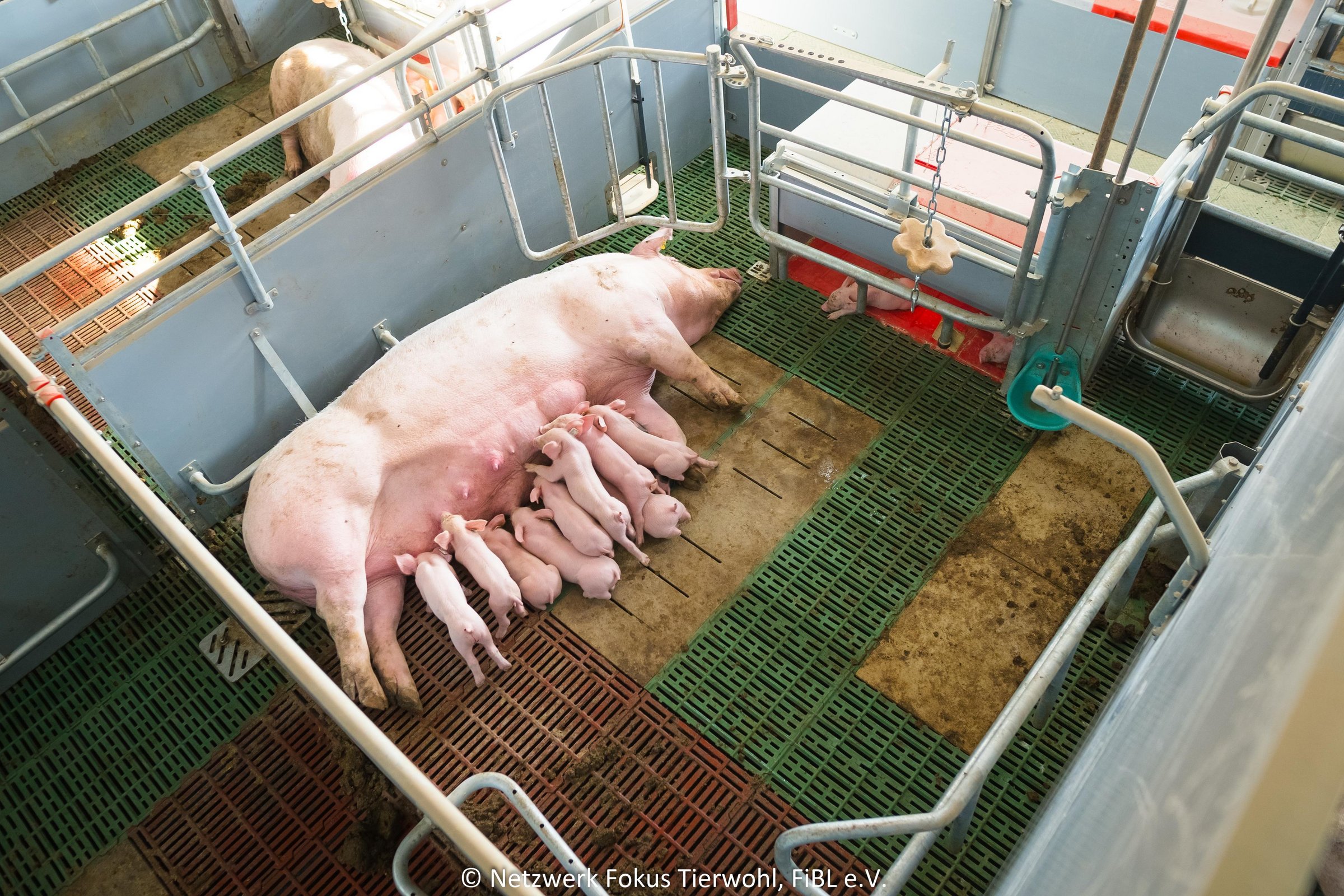
Feedback from the field on exercise pens and free farrowing
01 Termine Sachkundelehrgänge
Animal Husbandry Labelling Act
Survey results: Managing large litters
Umgang mit kranken und verletzten Tieren
01_Ammoniakreduktion
Outbreaks of tail-biting
Podcast: African Swine Fever
Podcast: Deck Centre
Podcast: Feeding Strategies
Podcast: Insect Protein
Podcast: Hoof Health in Sows
Podcast: Protecting the Climate – Reducing Emissions in Pig Sheds
Podcast: Maternal Instincts in Sows
Video: Alternative piglet rearing systems
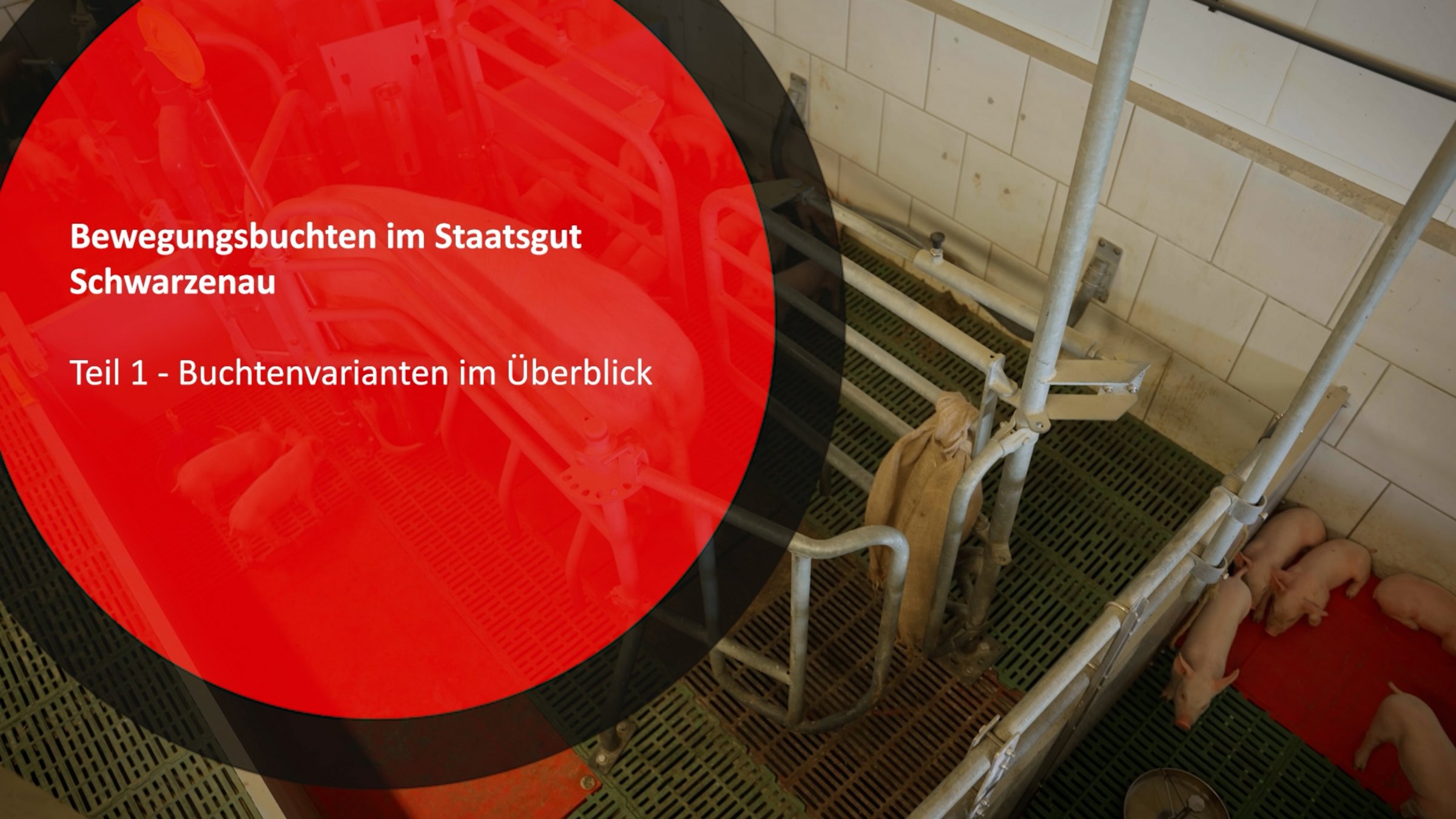
Video: Exercise pens at Schwarzenau State Estate
Video: Pilot farms share their practical experiences with alternative farrowing pens
Video: Practical experiences with the BeFree exercise pen
Video: Ring-tailed posture
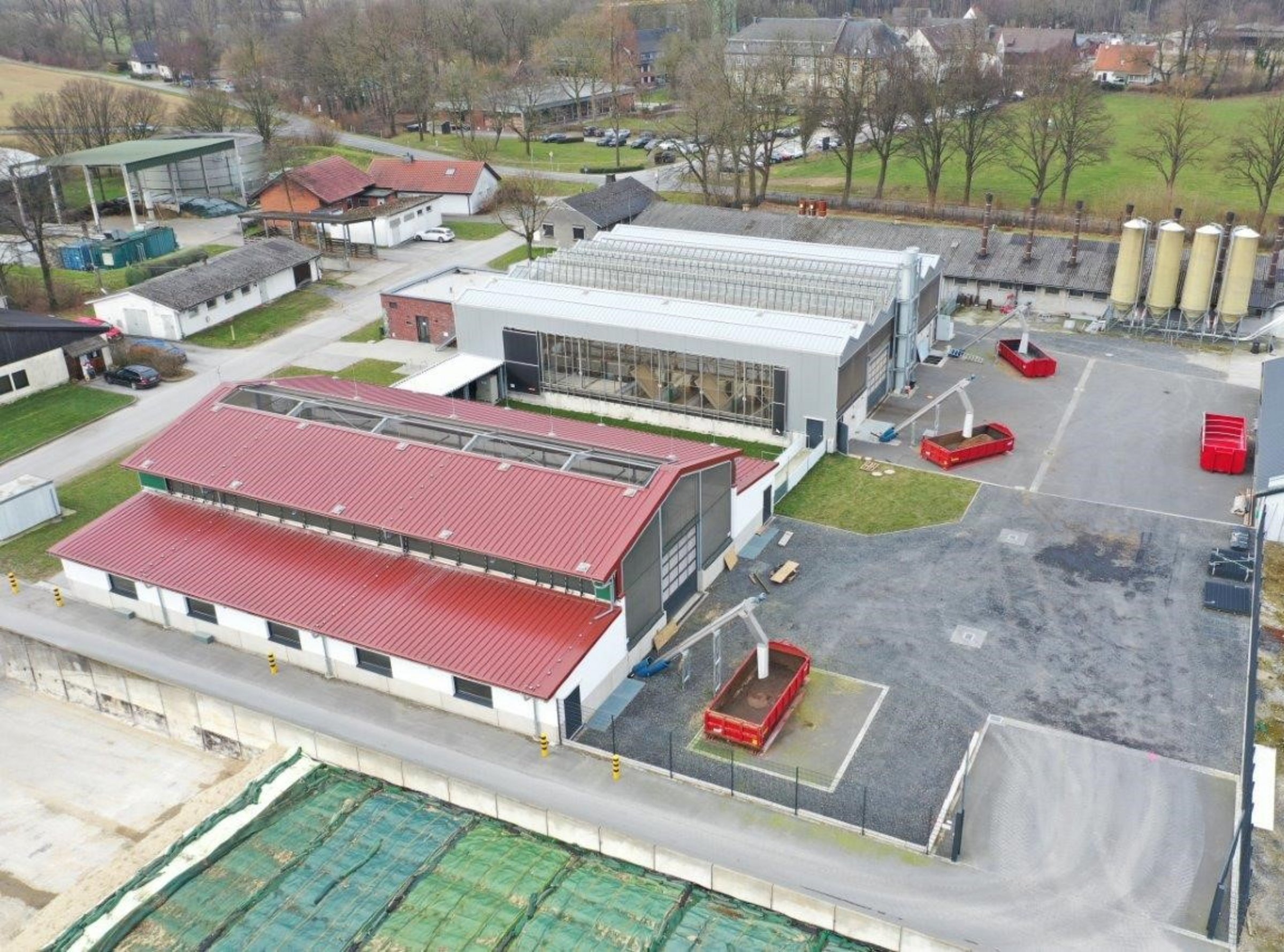
Video: Tour of the stable of the future
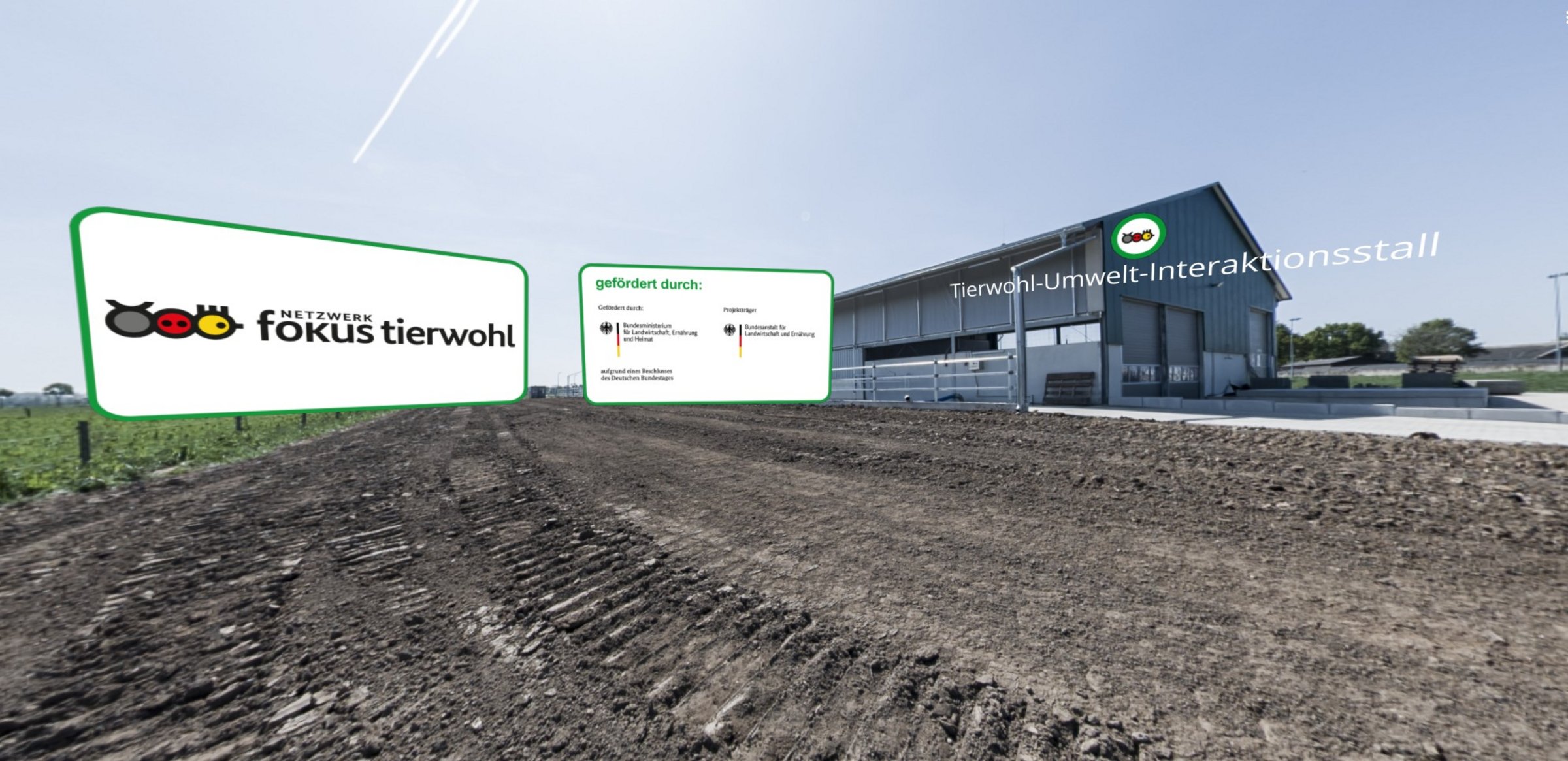
Video: Tour of the stable of the future
Vodcast: Vodcast Latest news on isoflurane anaesthesia

Vodcast: Vodcast Deck Centre
Funded projects: EIP Agri projects
Buchtenstruktur im Wartestall
Druckversion
The Fokus Tierwohl network, in collaboration with the Lower Saxony Animal Disease Fund, the German Association of Practising Veterinarians, Landvolk and other partners, is involved in organising training events on biosecurity in livestock farming. These events are based on EU animal health legislation, which has been directly applicable in all EU Member States since April 2021.

To inform farmers and hunters in Baden-Württemberg about ASF, the ASF Competence Centre at the Baden-Württemberg State Game Research Institute and the Biosecurity Advisory Service of the Pig Health Service at the Animal Disease Fund have devised a series of events in collaboration with the ‘Fokus Tierwohl’ network – funded by the BMEL – and its project partners, the LAZBW Aulendorf and the LSZ Boxberg. Three online information evenings took place in 2022.

What will farrowing look like in the future? Following the amendment to the Animal Welfare and Livestock Management Ordinance (TierSchNutztV) in February 2021, farmers must, among other things, restructure the way sows are kept during farrowing. However, the question remains: “Which system should I choose?”. To facilitate exchange despite the challenges posed by African swine fever and COVID-19, animal welfare advocates from Thuringia, Baden-Württemberg and Mecklenburg-Western Pomerania invited four practitioners to an online event to share their experiences of managing their farrowing systems on a daily basis.
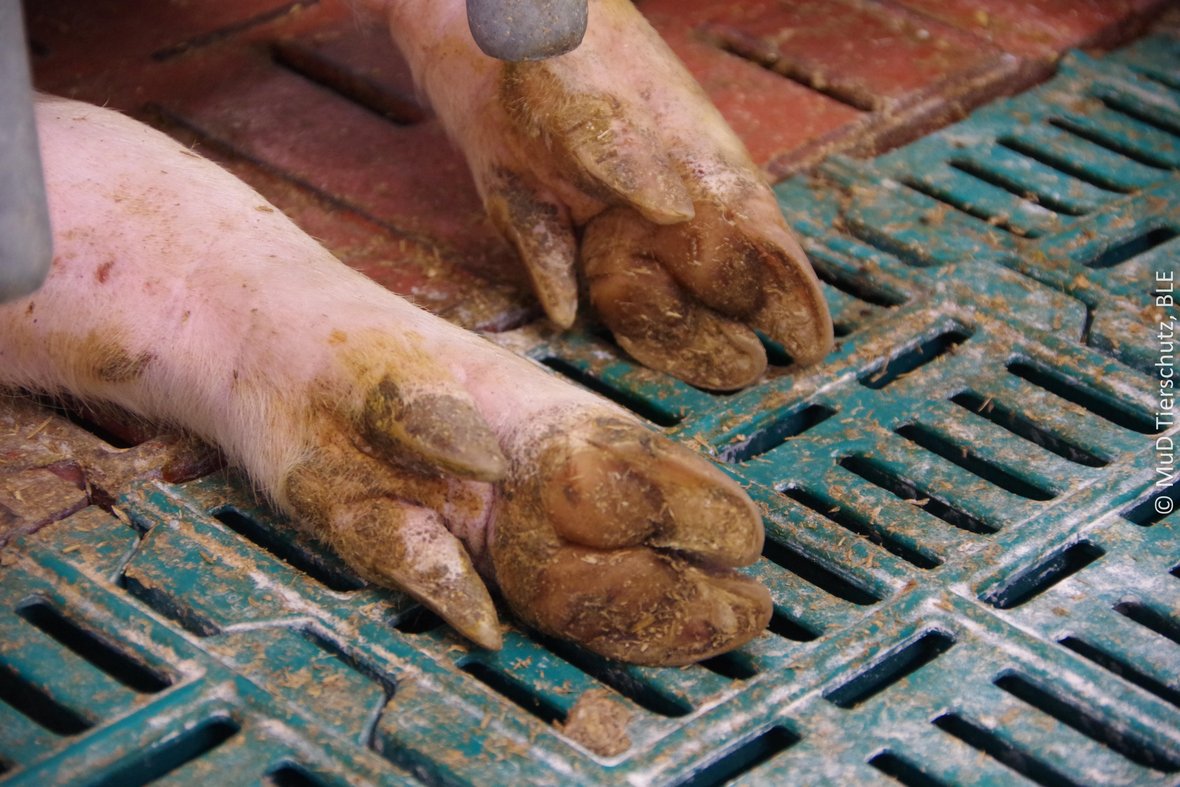
Motivated, competent and professional care provided by staff has a significant impact on the welfare of pigs. To this end, the Association of Pig Farmers in Thuringia (Interessengemeinschaft der Schweinehalter in Thüringen e.V.), in collaboration with the Thuringian State Office for Agriculture and Rural Areas and Landvolkbildung Thüringen e.V., has been organising a training event for the past seven years. This year, for the second time, the Fokus Tierwohl network supported this event, during which participants were trained in hoof care and the handling of moribund animals.
Agriculture is increasingly being supported by digital systems, which are also gaining ground in livestock farming. At present, smart farming is a major topic primarily in dairy farming. But what is the situation in the pig sector, and how can digital systems support farmers there? Dr Marc Alexander Lieboldt (Lower Saxony Chamber of Agriculture) and Dr Franz Lappe (Vivet Ihre Tiermediziner GmbH) explored these questions in depth during a webinar organised by the Lower Saxony Chamber of Agriculture.
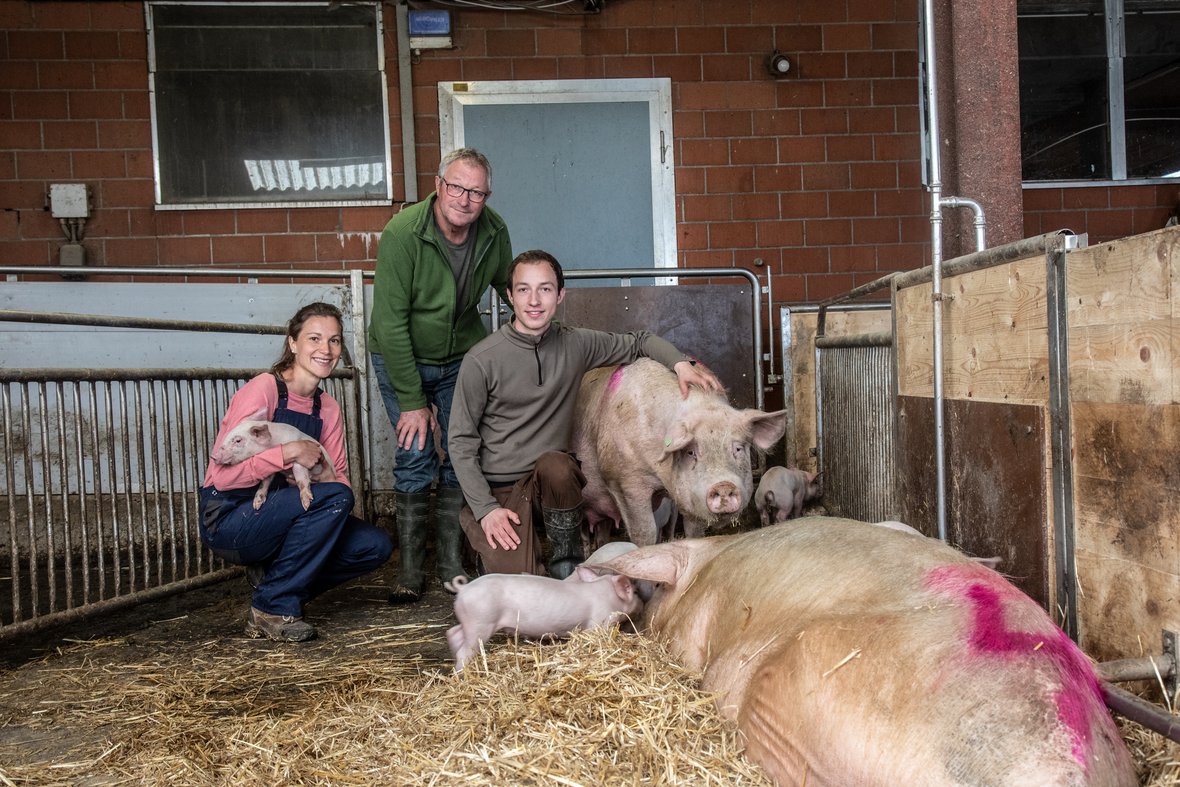
A group feeding system with lactation pens and TMR (total mixed ration) feeding – these terms aren’t usually associated with pig farming. Yet a family-run farm in the Seetal region of Lucerne (Switzerland) has implemented exactly that.
In 2003, the Ruckli family converted their dairy farm into a pig farm and now operates in accordance with IP-SUISSE guidelines (integrated farming). In total, the farm comprises 120 sows and 300 fattening places.
Combating ASF – Exploring new approaches!
The challenges and prospects facing pig farms were the focus of the panel discussion on the eve of the Central German Pig Day
426 days have passed since the outbreak of African swine fever (ASF) in Germany on 10 September 2020. Since then, there have been over 2,640 confirmed cases in the wild boar populations of the federal states of Brandenburg and Saxony. More than 400 farms with just under 170,000 pigs are affected by the associated restrictions. Unfortunately, there is no end in sight and new cases are emerging daily, although control measures are showing initial success in the core areas and the wild boar population there has been significantly reduced.
During a panel discussion lasting approximately two hours on the eve of the Central German Pig Day, the focus was therefore on ‘Problems and prospects for pig farms’.
Central German Pig Day
Sustainable pig farming
In keeping with a long-standing tradition, the Central German Pig Day took place in Halle-Peißen on 11 November 2021. The specialist forum, which takes place every two years, was organised and run jointly by the Thuringian State Office for Agriculture and Rural Areas, the State Institute for Agriculture and Horticulture of Saxony-Anhalt, and the Saxon State Office for the Environment, Agriculture and Geology, in collaboration with the Altmark Schwein producers’ association and the nationwide ‘Netzwerk Fokus Tierwohl’ project. It addressed the major challenges facing almost 20,000 German pig farmers as they strive to meet the technical and societal demands of animal welfare and environmental protection whilst remaining competitive.
On four occasions in July 2021, an online crash course for pig farmers with very small herds was held as part of the ‘Fokus Tierwohl’ network at the North Rhine-Westphalia Chamber of Agriculture (LWK NRW). Keeping pigs as pets is becoming increasingly popular in Germany. To ensure that humans and animals can live together harmoniously, the characteristics of the species must be taken into account. Experts therefore provided information on veterinary law, anatomy and physiology, behaviour, husbandry, feeding and health management for pet and farm pigs. Following the presentations, discussions continued late into the evening due to the many technical questions raised by the participants.
Due to current market demands, genetic diversity between, but also within, the pig breeds used commercially in Germany is significantly limited. To raise awareness of the value and potential of preserving the biodiversity of native pig breeds, an information event on the topic of ‘Preserving biodiversity through breeding, husbandry and marketing of endangered native pig breeds’ took place at the end of May as part of the nationwide Fokus Tierwohl network. The event focused on the importance of new breeding concepts and specialised marketing channels. The conservation of endangered native pig breeds makes a significant contribution to genetic diversity. The use of rare breeds under extensive farming conditions as an alternative to the conventionally used high-performance breeds also meets the wishes of many consumers for farming practices that are close to nature and animal-friendly. The attendance of around 60 interested participants showed that this somewhat unusual topic resonates with both experts and practitioners.
Leading farms share their practical experiences with alternative farrowing pens
EuroTier digital 2021 – Animal Welfare Network in the DLG Spotlights
The first EuroTier digital came to a close on 12 February 2021. Over the four days of the event, more than 41,000 participants logged on to the DLG platform. They explored the offerings of around 1,200 participating companies, took part in over 300 specialist events and networked specifically with industry professionals.
The pilot farms of the Focus Animal Welfare network actively participated in the wide-ranging specialist programme of EuroTier digital. ‘The design of farrowing pens from an animal welfare perspective’ was the topic of a moderated discussion as part of the DLG Spotlight on Pigs.
Information on pig farming in open-air barns is generating a great deal of interest among farmers
Over 300 participants listened intently to the case studies presented by two companies.
On 17 February 2021, an event was held as part of the “Focus on Animal Welfare” project on the topic of “Outdoor climate stables – a housing system with a future?”. Over 300 participants listened attentively to the case studies presented by two farms.
To begin with, Henrik Ohlendorf from the North Rhine-Westphalia Chamber of Agriculture spoke about various alternative housing systems in pig fattening. He discussed different new construction options, such as crates or deep-litter pens. Another example was the Pig Ports. He also highlighted the conversion options available for existing fattening houses, so that pigs can be given access to outdoor environmental stimuli. He reported on various designs for outdoor runs at pig houses.
Pig farmer Christoph Becker is giving 200 participants an online tour of his barn
Event organised by the North Rhine-Westphalia Chamber of Agriculture on the topic of barn climate management and pen layout
An online event organised by the North Rhine-Westphalia Chamber of Agriculture on the topic of barn climate management and pen layout, held as part of the ‘Fokus Tierwohl’ network, has attracted considerable interest among farmers. Wilfried Brede from the Alsfeld Service Team spoke at the event about the objectives of barn climate control. He discussed how a forced ventilation system should ideally be designed and what options are available to avoid large temperature differences within the barn. During the subsequent tour of the barn, pig farmer Christoph Becker demonstrated examples of pen layout on his farm.