
- Dr. Brigitte Eurich-Menden, Board of Trustees for Agricultural Engineering and Construction e.V.
- Dr. Frauke Hagenkamp-Korth, University of Kiel
- Jörn Menning, State Institute for Agriculture and Horticulture
- Sabrina Möbius, LSZ Boxberg
- Jonas Niebel, Animal Welfare Pilot Scheme
- Ina Stellwag, Schleswig-Holstein Chamber of Agriculture
- Dr. Maren Gerlach, North Rhine-Westphalia Chamber of Agriculture
- Jana Greune, North Rhine-Westphalia Chamber of Agriculture
- Marie Lamoth, North Rhine-Westphalia Chamber of Agriculture
As part of the ‘Air Quality Protection’ working group at the Schwein office, an ‘Air Quality Protection Day’ was held at the Haus Düsse Research and Training Centre. A number of options and projects for reducing ammonia emissions in pig farming were presented there. The working group has now compiled the results and presented them in this overview.
The NERC Directive (EU) 2016/2284 requires EU Member States to gradually reduce national emissions of the five main air pollutants, such as particulate matter, nitrogen oxides and ammonia, in order to reduce the health and environmental risks posed by air pollution by 2030.
The Federal Immission Control Act (BImSchG) provides the legal basis as the overarching framework legislation. The NERC Directive is transposed into national law by the 43rd Ordinance Implementing the Federal Immission Control Act (BImSchV). This sets out specific requirements for limiting air pollutants. Ammonia emissions, which in Germany originate largely from livestock farming, must therefore be reduced by 29 per cent by 2030 compared with 2005.
The Technical Instructions on Air Quality Control (TA Luft) set out the requirements of the BImSchG in more detail. Annex 11 of the TA Luft sets out various abatement measures for pig farming, including their reduction potential and the associated emission values.
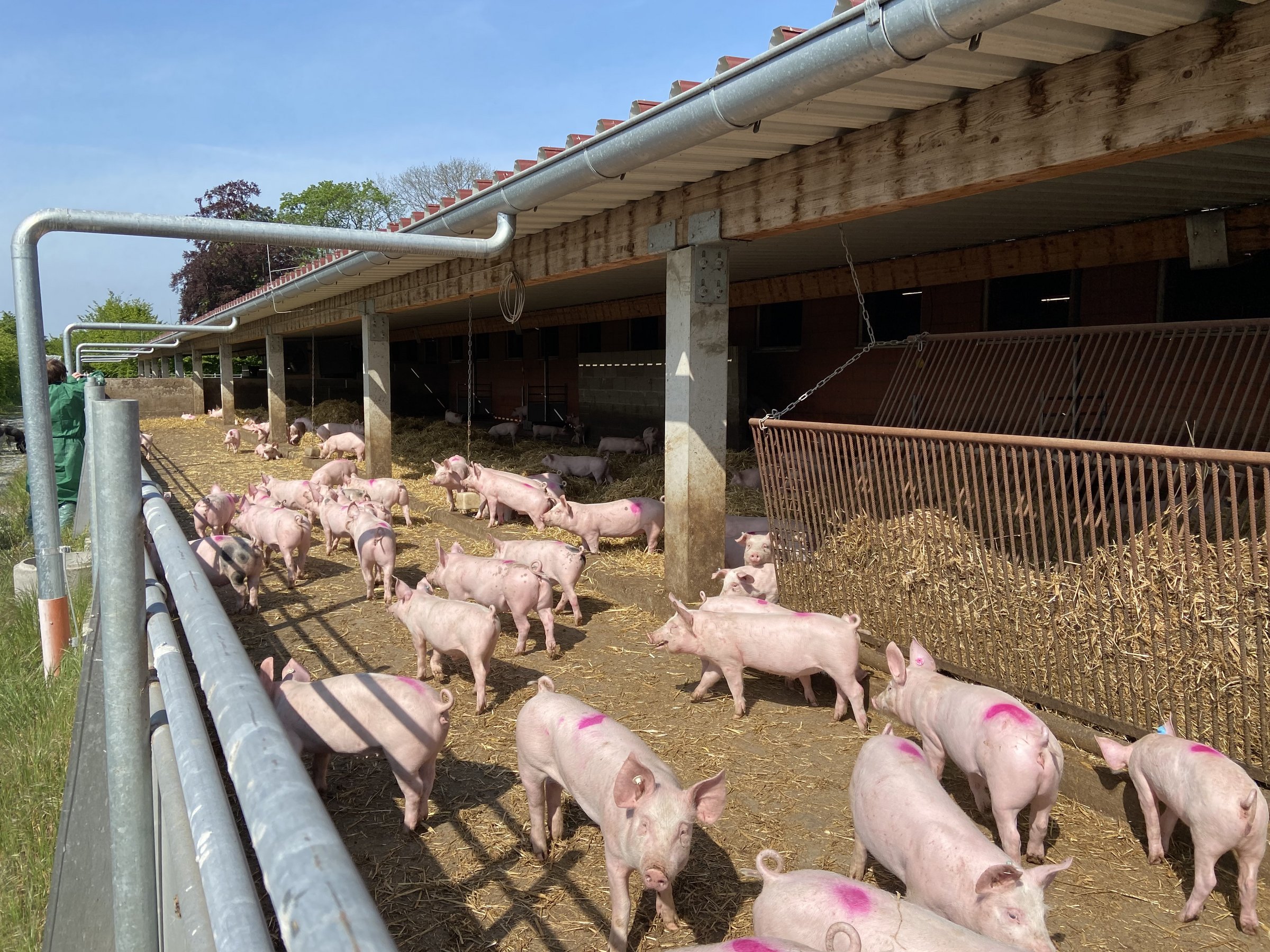
The options and projects presented at the Air Pollution Control Day focused, amongst other things, on structural measures, feeding, slurry acidification, slurry additives and emission measurements, with the aim of determining emission data from different housing systems and developing methods to reduce ammonia. In many cases, these methods are not yet ready for practical application, but they may lay the foundations for further developments that could be implemented in agricultural practice over the coming years.

Nitrogen- and phosphorus-reduced feeding as a means of reducing the environmental footprint
Bernd Westerfeld, LWK NRW
In livestock farming, ammonia is produced primarily in slurry when urea and proteins from animal faeces and urine are broken down by microorganisms. One way of reducing ammonia emissions is therefore to reduce the excretion of nitrogen (N), a key component of urea and proteins. As phosphorus also plays a role in the formation of nitrogen and ammonia emissions, phosphorus excretion should also be reduced. The excretion of nitrogen and phosphorus can be reduced by lowering their levels in the pigs’ feed. For installations requiring a permit, the TA Luft (Technical Instructions on Air Quality Control) has established feeding with a significantly reduced N/P ratio, as set out in DLG Fact Sheet 418, as the standard. Furthermore, a further very significant reduction in the N/P ratio is possible.
For each stage of pig production, there are maximum levels of crude protein (XP) and phosphorus (P) in the feed that may be used in N/P-reduced feeding regimes. A distinction is made between ‘highly’ and ‘very highly’ N/P-reduced feeding. To provide evidence, farms must draw up a mass balance. When calculating rations, it is important to know the relevant levels in the individual feed components, as these vary from year to year.
In pig fattening, with daily weight gains of 850g, a ‘strongly’ N/P-reduced feeding regime can save approximately 1 kg of nitrogen excretions and 0.5 kg of P₂O₂ (phosphorus dioxide) per animal place per year can be saved. A very significant reduction leads to a further saving of approximately 1 kg N and 0.3 kg P₂O₂. The reduced use of nitrogen and phosphorus in the feed also lowers the requirement for arable land for the same number of fattening places.
The further the nitrogen content in the feed is reduced, the more important it is to understand the composition of the amino acids in the feed. If the reduction causes levels to fall below requirements, individual amino acids must be supplemented. When reducing the phosphorus content in the feed, phytase should also be added. Phytase helps to make the phosphorus bound in the feed available to the animals.
The benefits of feeding rations with significantly to very significantly reduced N/P ratios should be utilised to ultimately ease the strain on the animals’ metabolism and reduce the volume of manure produced. It is very important to have precise knowledge of the components used. In case of uncertainty or where even greater nutrient reductions are required, expert advice should be sought.
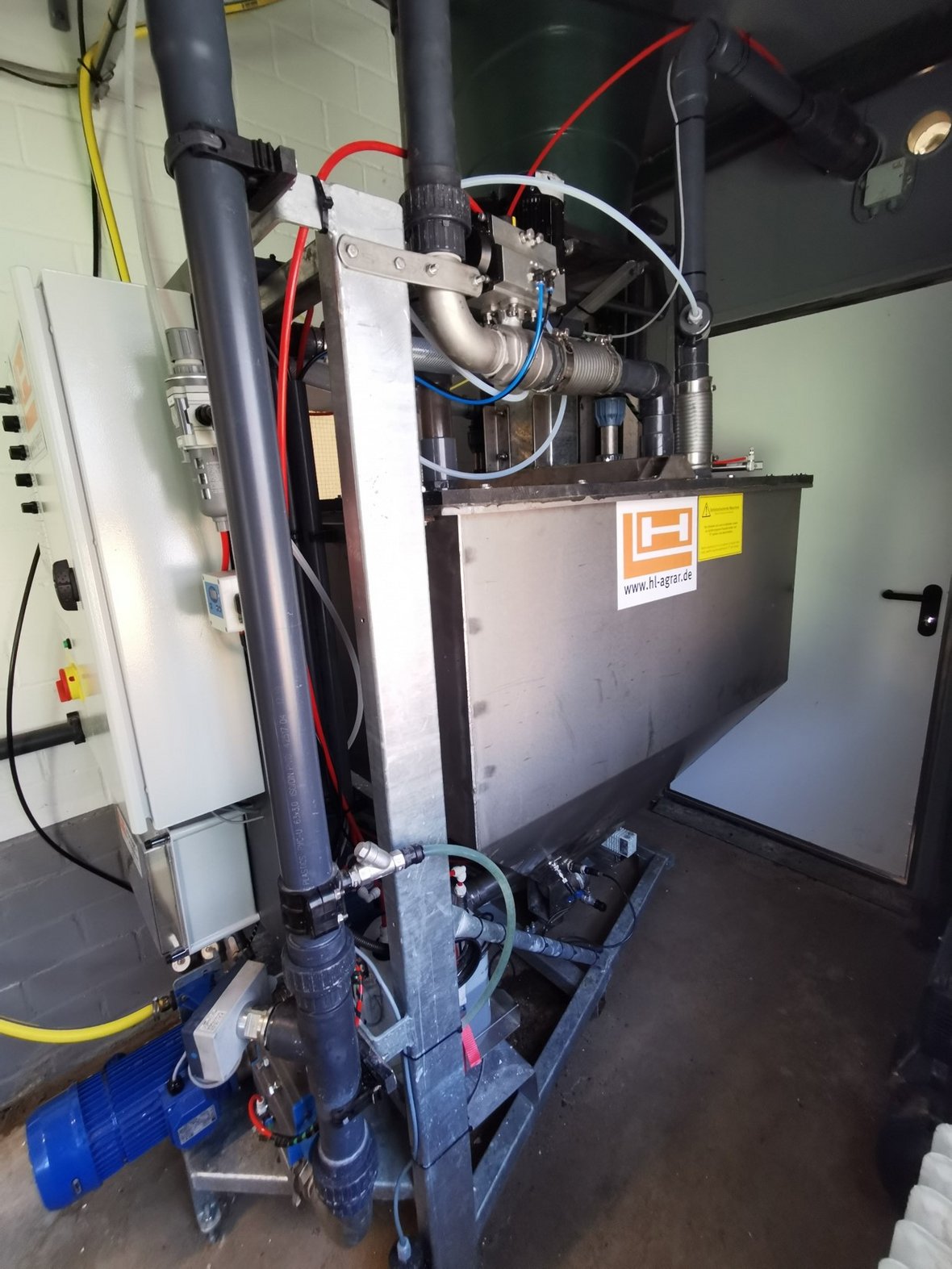
SAFT and SAFT2cattle: methods for acidifying slurry in pig and cattle housing
Dr Veronika Ebertz, Institute of Agricultural Engineering at the University of Bonn
In the SAFT project’s field trial, slurry from a pig fattening unit was acidified with sulphuric acid in a process tank outside the unit and then pumped back into the slurry channels within the unit. This process was repeated daily to every three days and controlled automatically by software. A total of 9 litres of 96 per cent sulphuric acid (H₂SO₄) per cubic metre of slurry was used throughout the entire fattening cycle (multiple acidification). The risk of the release of harmful hydrogen sulphide (H₂S) gases was not confirmed: only a very low concentration of hydrogen sulphide (H₂S) was measured in the animal area. Furthermore, odour measurements revealed no change in the odour intensity of the barn air.
On average, ammonia emissions were reduced by 40% compared with the control group. The efficiency of the acidification technique increased particularly when good pen hygiene was maintained with clean floor surfaces. Methane emissions were reduced by approximately 67%.
If we calculate the emission reduction potential for a farm with 2,000 fattening pigs, 440 t CO2equivalents could be saved annually through liquid manure acidification – this corresponds roughly to the CO₂ emissions of 14.5 petrol-powered cars over 100,000 km.
At present, there are no clear legal regulations governing the addition of substances, such as acids, to liquid manure. The ‘Ordinance on Installations for the Handling of Substances Hazardous to Water’ (2017) states: ‘Slurry, manure and silage leachate facilities (JGS facilities) are facilities for the storage or filling exclusively of farm manure (...), slurry (…), animal excreta of non-agricultural origin (…), and liquids produced during the manufacture or storage of fermented feed through cell lysis or pressure (...)”.
The above-mentioned regulation is currently being revised, but it is still unclear whether and when the addition of other substances to JGS facilities will be permitted.
Alternatively, the slurry can be acidified with sulphuric acid whilst in storage, a few days before spreading, or even during spreading using a front-mounted attachment on the tractor. However, it must be borne in mind that this leads to significant foaming, particularly in the slurry storage tank, and that further requirements – such as those relating to the transport of the acid – must be met. This method does not, however, reduce ammonia emissions in the livestock area.
The University of Bonn (Institute of Agricultural Engineering), in collaboration with project partners SF-Soepenberg and HAGRONIC, is currently investigating the extent to which ammonia and methane emissions can be reduced by acidifying dairy slurry during storage. The study is also examining the impact of pre-separating the manure to reduce the amount of acid required. The research is being carried out at the University of Bonn’s Frankenforst campus.
Reducing ammonia emissions in pig farming – options for pig farmers
Dr Frauke Hagenkamp-Korth, Institute of Agricultural Process Engineering at Christian-Albrechts University, Kiel
In addition to slurry acidification, another chemical method for reducing NH₃ emissions is the use of a urease inhibitor. This blocks the enzyme urease, thereby preventing the formation of ammonia. The reduction potential of the urease inhibitor depends on the ventilation and the manure removal method (above-floor/under-floor). However, there is as yet no application method ready for practical use in pig farming, and the risk assessment for pigs is still pending.
Structural measures can also be used to reduce ammonia emissions. For example, the emitting surface area can be reduced by equipping the slurry channel with troughs featuring sloping side walls and separate channels for slurry and water. According to the TA Luft, this results in a potential NH₃ reduction of 50%; figures of 32–45% are cited in the scientific literature. The measure offers advantages such as a smaller emission area, less slurry in the animal area and a trough surface that is easier to clean. At the same time, however, there are challenges: retrofitting is costly; a clear separation of functional areas, including a separate manure area, is not always possible; and the slurry becomes very dry, which reduces its flowability.
As less ammonia is released at low temperatures, slurry cooling can also be an effective measure. This can be achieved using cooling fins on the surface of the slurry or at the bottom of the slurry channel and, according to TA Luft (2021), has an NH₃ reduction potential of 50% and 40% respectively. The cooling fins can be retrofitted, use water as a coolant, and the waste heat can be utilised in other livestock buildings. Trials conducted as part of the EmiMin project demonstrated an NH₃ reduction potential of 47 per cent. However, electricity costs must be taken into account here, and compliance with the designated functional areas is not always guaranteed, as the pigs sometimes lie on the cool slurry channel and defecate on the solid floor. When cooling via the slurry channel floor, the new (warm) slurry must always be cooled from below. This method was not pursued further in EmiMin. Slurry cooling has the advantage that, in addition to ammonia emissions, methane is also reduced.
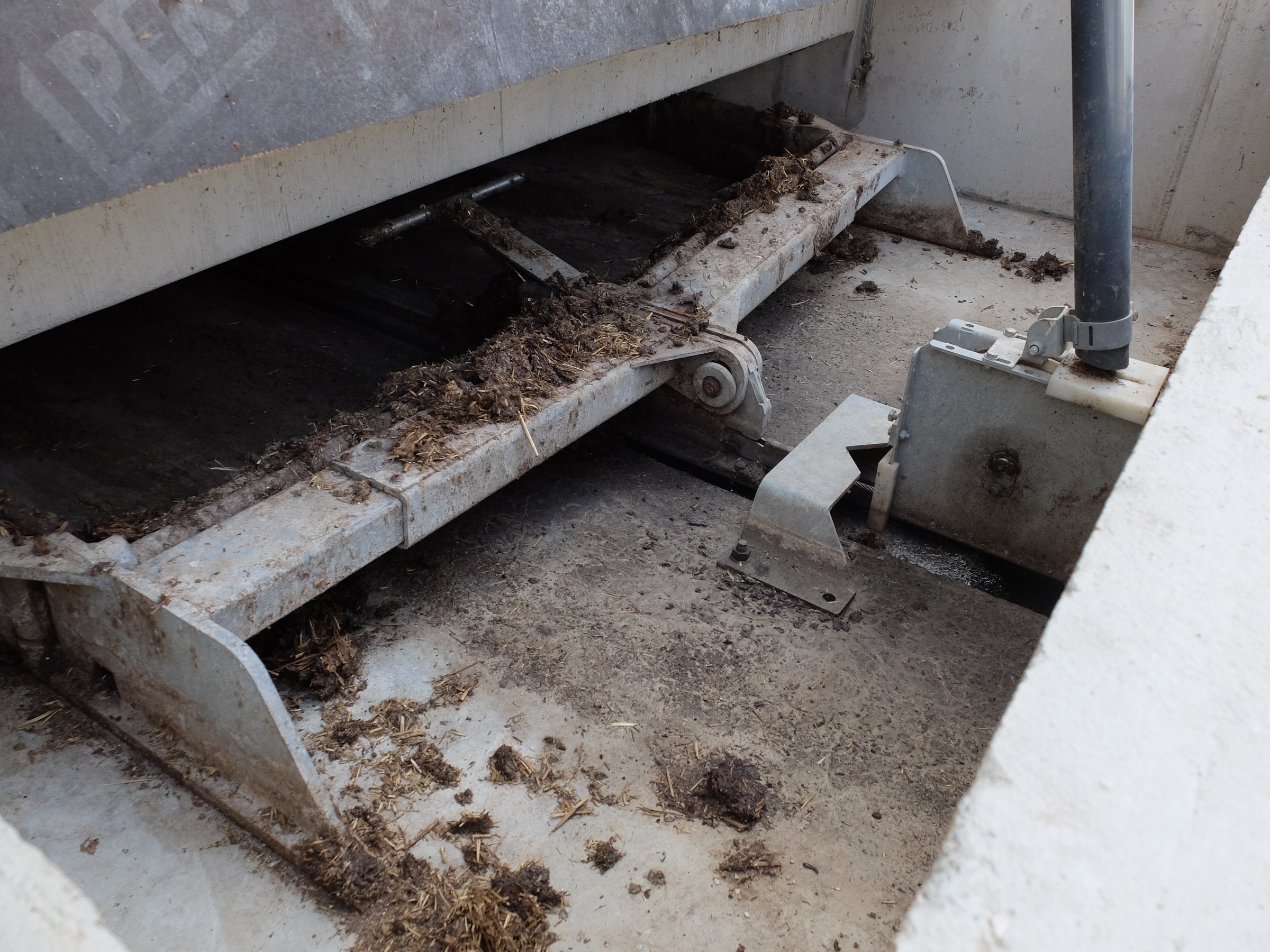
Another structural measure is the separation of faeces and urine. This can be achieved either by means of an underfloor slide valve with a slurry channel base having a 3–10 per cent gradient and a urine trough, or by a faeces conveyor belt with a 4 per cent gradient. The NH₃ reduction potential for the manure belt is stated as 60% in the TA Luft. However, there is also a study which was unable to demonstrate any reduction potential. In that study, a manure belt with a very smooth surface was used. Consequently, manure and urine slid together towards the centre and the desired effect was not achieved. For the underfloor scraper, reduction values of between 40 and 54 per cent are reported. These techniques are familiar from the cattle and poultry sectors and can, in some cases, be retrofitted. To ensure they function properly, it is particularly important that the slats are kept clean.
With regard to technical and structural measures, it should be noted that some of these involve alterations to the building structure and may therefore require planning permission. These measures must be considered on a farm-by-farm basis, as not all measures can be implemented on every farm.
EmiAdditiv, slurry additives to reduce ammonia emissions during storage
Susanne Höcherl, Bavarian State Institute for Agriculture (LfL)
There are numerous slurry additives available which, according to the manufacturers, are designed to reduce ammonia emissions.
As part of the EmiAdditiv project, around 20 slurry additives were tested for their effectiveness under standardised conditions at the LfL in a fully automated pilot plant.
Mechanisms of action of slurry additives:
- Chemical: Shifting the equilibrium between ammonia and ammonium, so that more ammonium is bound in solution and less ammonia is emitted; e.g. acids
- Biological: Promotion of microbial activity and/or altered composition of the bacterial flora, for example through the addition of preparations based on microorganisms or microbial nutrients (e.g. sugar beet molasses)
- Physical: Absorption of ammonia and/or ammonium; e.g. clay minerals, rock meal, biochar
In the ‘Slurry Acidification’ project, the required addition rates for acidification using chemically active additives such as sulphuric acid, lactic acid and citric acid were determined.
To acidify the slurry to a pH of 5.5, 3.5 times as much citric acid and 5 times as much lactic acid are required compared to sulphuric acid. The costs of the organic acids are also significantly higher, meaning that sulphuric acid is currently the most cost-effective and efficient acid for lowering the pH value. In addition, the required quantity of sulphuric acid for acidification to different pH values was tested. As there is a wide range of values both within a single type of farm manure and across farm manures of different origins (cattle slurry, pig slurry, digestate), it is advisable to titrate the farm manure in the laboratory. This allows the required amount of acid – and thus the costs – to be estimated. Furthermore, acidification carried out directly during application (pH of 6.4) requires less acid than acidification in the barn or storage facility (target pH of 5.5 to 6).
Various carbon sources, including sugar beet molasses, which serve as microbial nutrients, were investigated as biologically active additives. The addition of a carbon source leads to the formation of volatile fatty acids and thus to a reduction in pH. Consequently, ammonia emissions are reduced. However, conflicting objectives were also observed. For instance, the addition of carbon sources sometimes led to significant foaming and odour nuisance. Furthermore, the required quantity of 50 kg of sugar beet molasses per cubic metre of slurry is not economically viable in agricultural practice.
Calcium carbonate, leonardite (a decomposition product of lignite), zeolite (a volcanic mineral) and biochar were tested as physical agents. A reduction in ammonia was demonstrated for calcium carbonate, leonardite and zeolite; the effectiveness of these additives was, in some cases, heavily dependent on the quantity used. In contrast, the biochar tested did not result in any significant reduction in ammonia.
So-called ‘cosmic-effect additives’ using calcium carbonate as a carrier material were also investigated. However, no significantly lower ammonia emissions were detected compared with conventional calcium carbonate.
In the follow-up project, EmiAdditiv II, various factors influencing the mode of action of additives are currently being investigated. Among other things, experiments are being carried out to determine the dose-response relationship and the influence of temperature. The aim is to be able to issue recommendations for low-emission slurry treatment by the end of the project.
EmiMod: Further development of methods for recording, modelling and assessing emissions in livestock housing
Dr Ulrike Wolf, KTBL
The established methods for measuring emissions from open-air stables and outdoor runs in livestock farming involve considerable time and expense. In order to accurately model the wide variety of housing systems used in practice – such as barns with outdoor runs, open-air barns, barns with or without bedding, and different slurry management systems – alternative methods are required. The aim of the EmiMod project is to further develop and simplify methods for measuring emissions from naturally ventilated livestock housing. To this end, sensors, automated measurement systems, AI-supported image analysis and simulations are being used, for example, to obtain continuous and meaningful data. In future, suitable measurement strategies are to be made available for various research purposes.
Further information and updates on the project can be found at emimod.de and on the LinkedIn page of the EmiMod collaborative project (https://www.linkedin.com/in/emimod-verbundprojekt/).
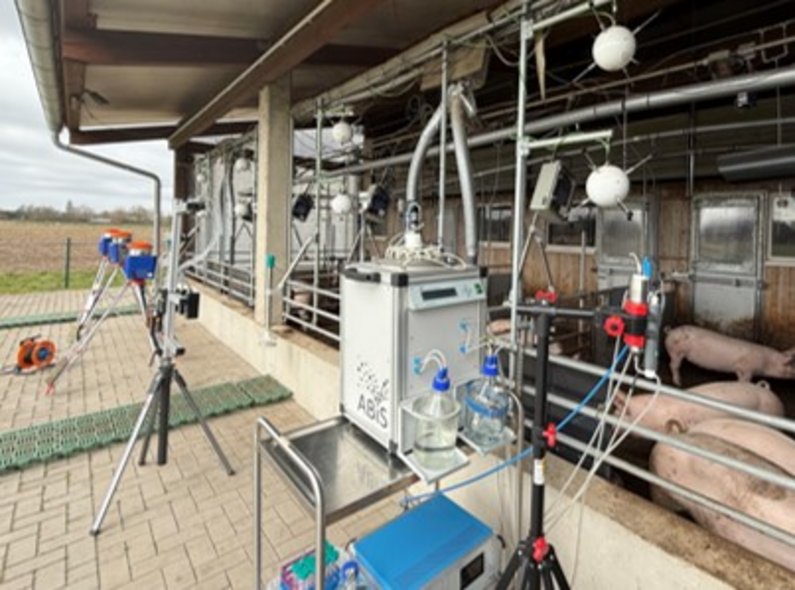
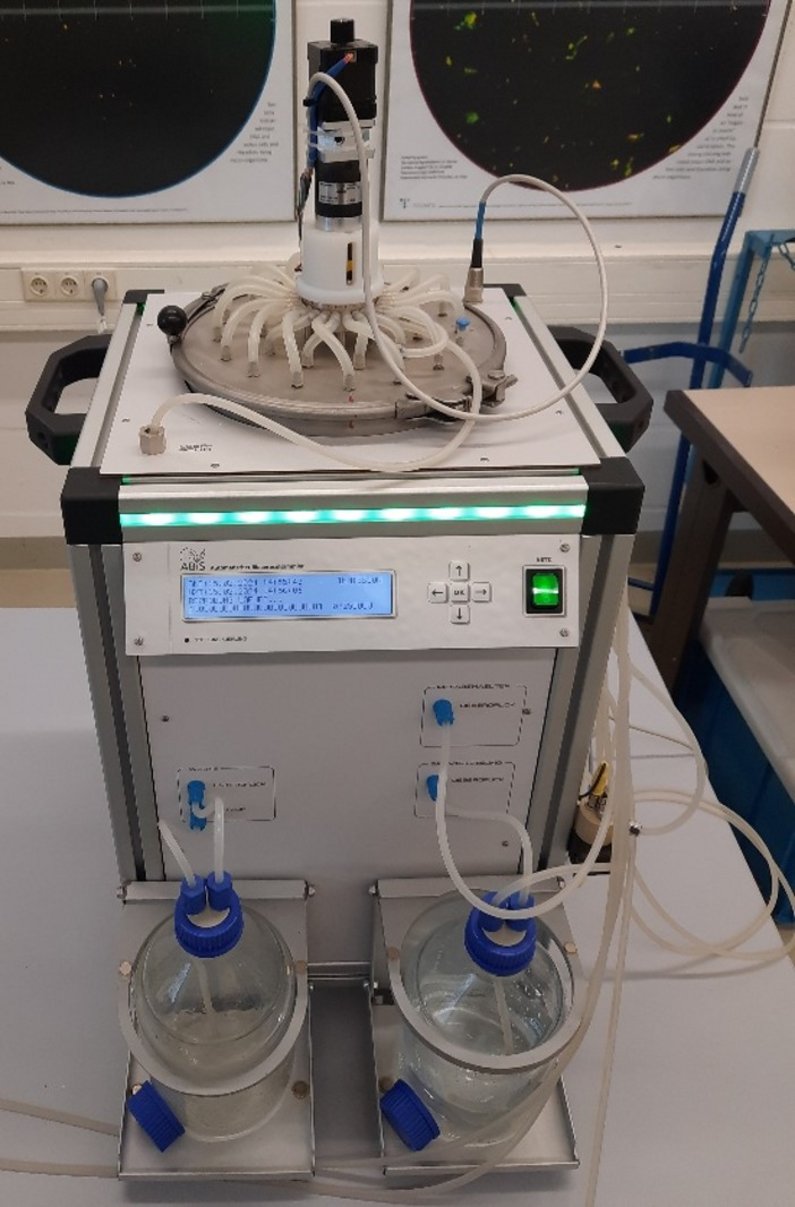
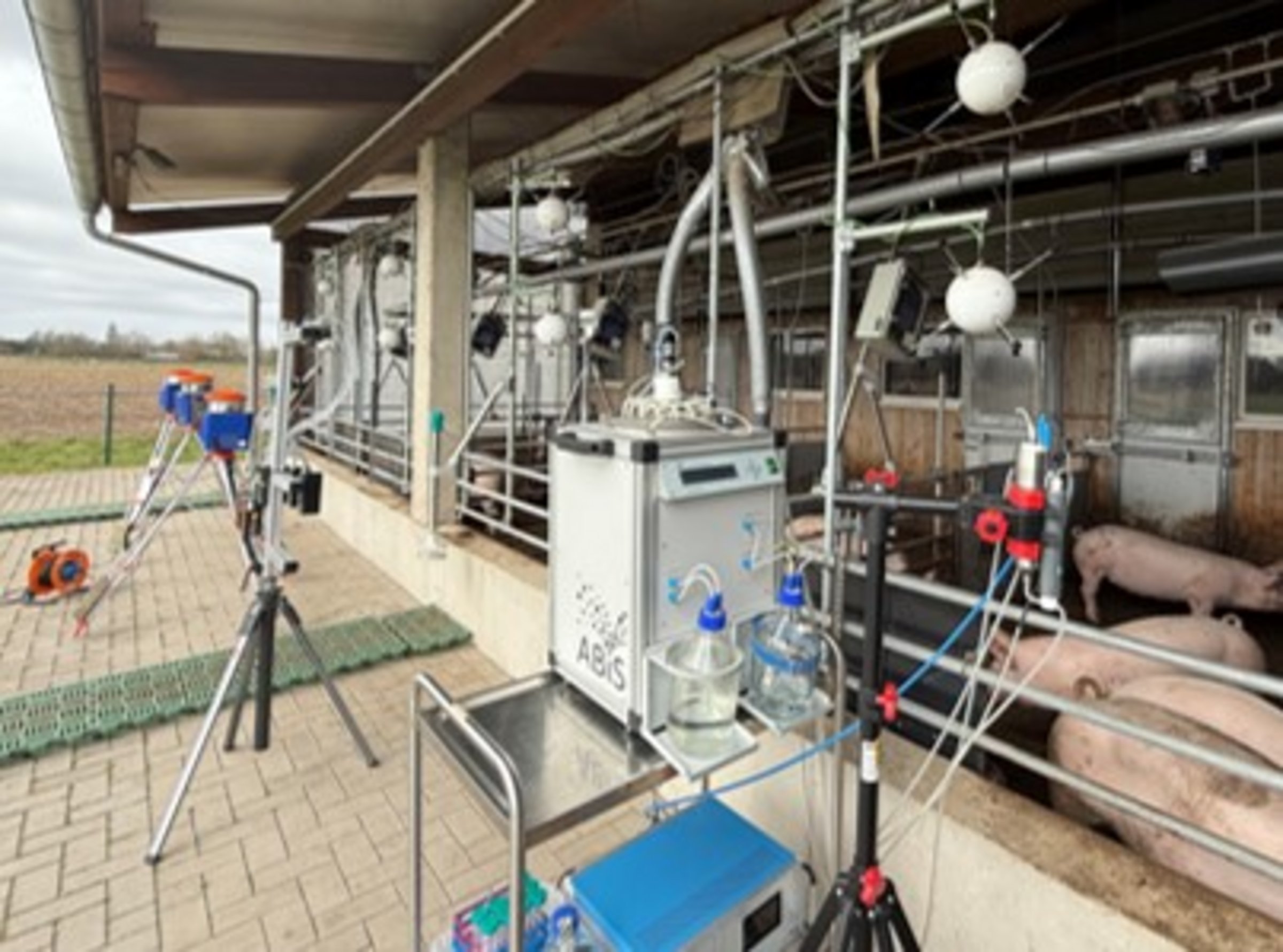
Bioaerosols from pigsties with outdoor access, EmiMod
Dr Sarah Bromann, Johann Heinrich von Thünen Institute of Agricultural Technology
The EmiMod project does not merely measure ammonia emissions; it also investigates bioaerosols in pigsties with outdoor access. Bioaerosols are airborne particles of biological origin, including microorganisms such as bacteria, viruses and fungal spores, as well as biological material such as pollen or skin flakes. They can transmit infectious diseases or trigger allergic reactions. To measure bioaerosols, air samples are taken using automated systems: air is drawn in, and the particles are washed out with liquid and collected in sample tubes. These are then processed microbiologically in the laboratory so that the bioaerosols they contain can be visualised. The project has already succeeded in recording daily profiles for naturally ventilated livestock housing. Further experiments will investigate the effects of bioaerosols from naturally ventilated livestock housing on human health.
InKalkTier, Assessment of emission potentials from livestock farms
Franziska Christ, KTBL
InKalkTier is an interactive calculation and information system covering animal welfare, environmental impact and the economics of sustainable livestock farming practices. The web application provides support in the planning and assessment of housing for pigs, cattle, chickens and turkeys, and can be used by public authorities, farmers, advisers, school pupils and university students, as well as researchers. InKalkTier assesses animal welfare, the potential for ammonia and odour emissions, and the investment costs of different husbandry systems. Users can choose between different husbandry systems and customise them in selected areas, so that, for example, the effect of emission-reducing measures on emission potentials can be analysed. The underlying values for assessing ammonia emission potentials were determined in field trials as part of the EmiDaT and EmiMin projects and supplemented by an extensive literature review. The emission potentials shown in InKalkTier can serve as a guide for your own livestock housing planning.
Conclusion
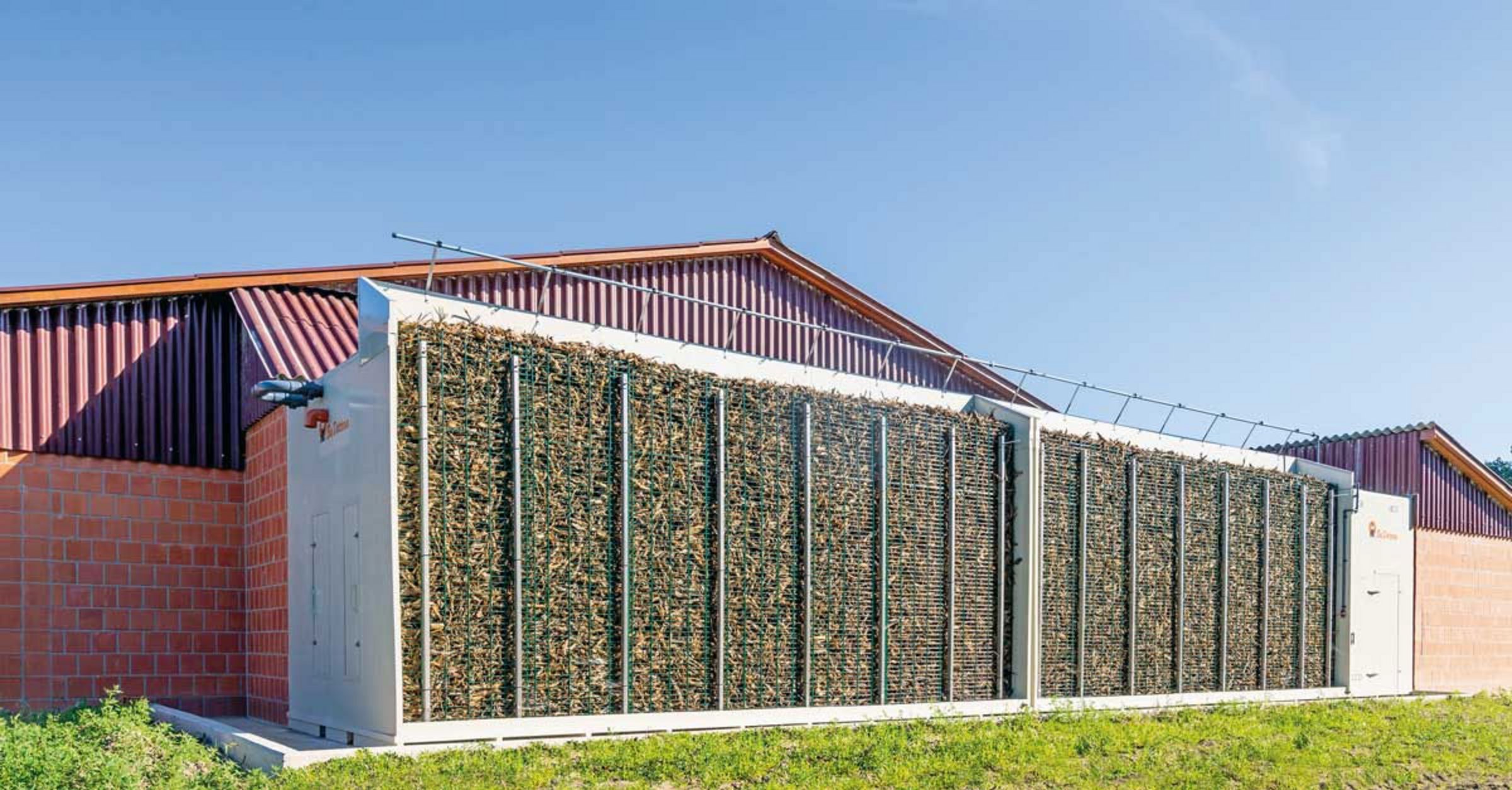
Under the Federal Immission Control Act (BImSchG), livestock facilities above a certain size are subject to authorisation under immission control legislation. The Technical Instructions on Air Quality Control (TA Luft) stipulate that these facilities must adopt a feeding regime with significantly reduced nitrogen and phosphorus levels, as well as a 70% reduction in ammonia emissions compared with the reference value, achieved through the use of an exhaust air purification system. If retrofitting an exhaust air purification system is deemed disproportionate, a 40% reduction must be demonstrated through the use of other measures. For animal-friendly outdoor climate stables, a 33% reduction is sufficient.
How and under what conditions the proposed ammonia reduction measures can be implemented depends on various factors. Cost and practical feasibility play a major role, as does the question of whether a measure is eligible for approval. The easiest measure to implement is a diet with a high to very high reduction in N and P content. It is important to seek expert advice on which raw materials are suitable for use in which formulations and which supplements (e.g. phytase, free amino acids) are necessary.
Emissions-reduction measures must always be considered on a farm-by-farm basis – there is no one-size-fits-all solution. It is therefore strongly recommended to seek advice on the structural implementation, practical functionality and funding opportunities for such measures.