
Overview of topics: Pigs
Farrowing Systems Part 2: Focus on the Animal
Farrowing systems Part I: Exercise pens and free farrowing
Exhaust air purification systems
African swine fever
Outdoor climate-controlled stables
Internal control

Exercise pens
Pen configuration in piglet rearing and fattening
The structure of the deck – that’s what matters
Pen layout in the holding pen
Factors affecting hoof health
Emission reduction

Manure removal techniques
Piglet castration
Free farrowing
Group housing of sows at the breeding centre
Gruppenhaltung von Sauen im Deckzentrum
Housing guidelines for piglet production
Emergency response plans
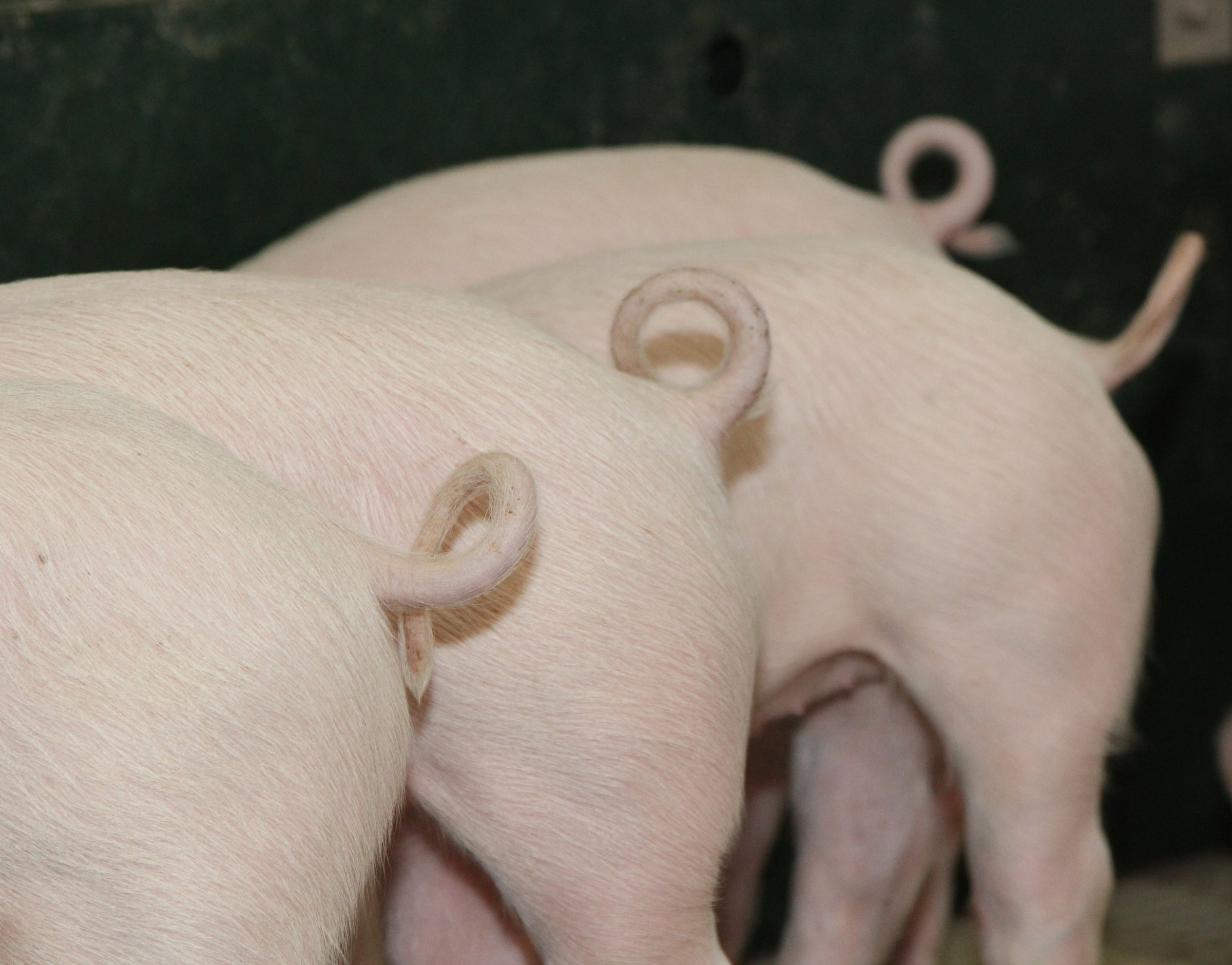
No tail docking

Managing large litters
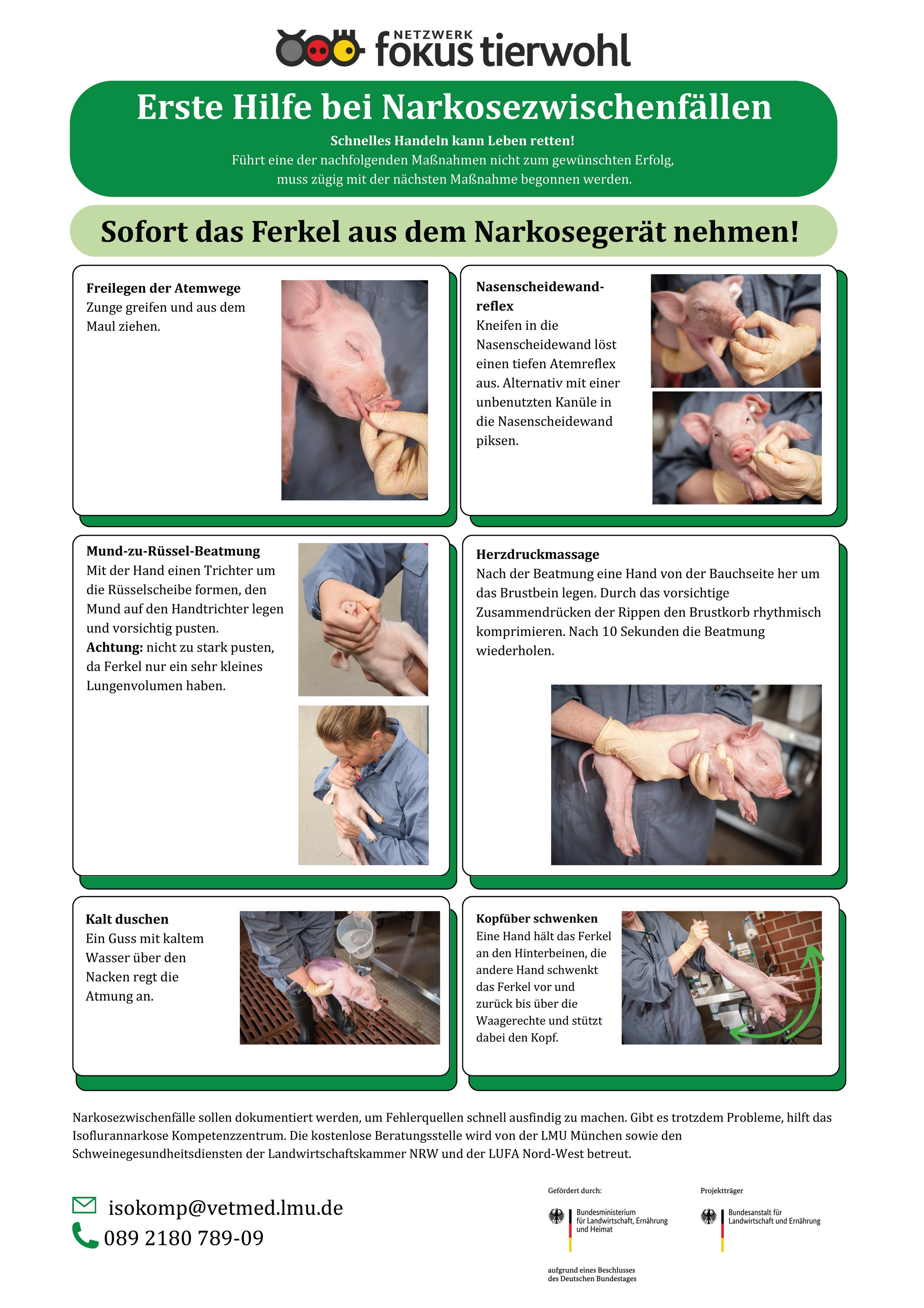
Contingency plan for anaesthetic incidents
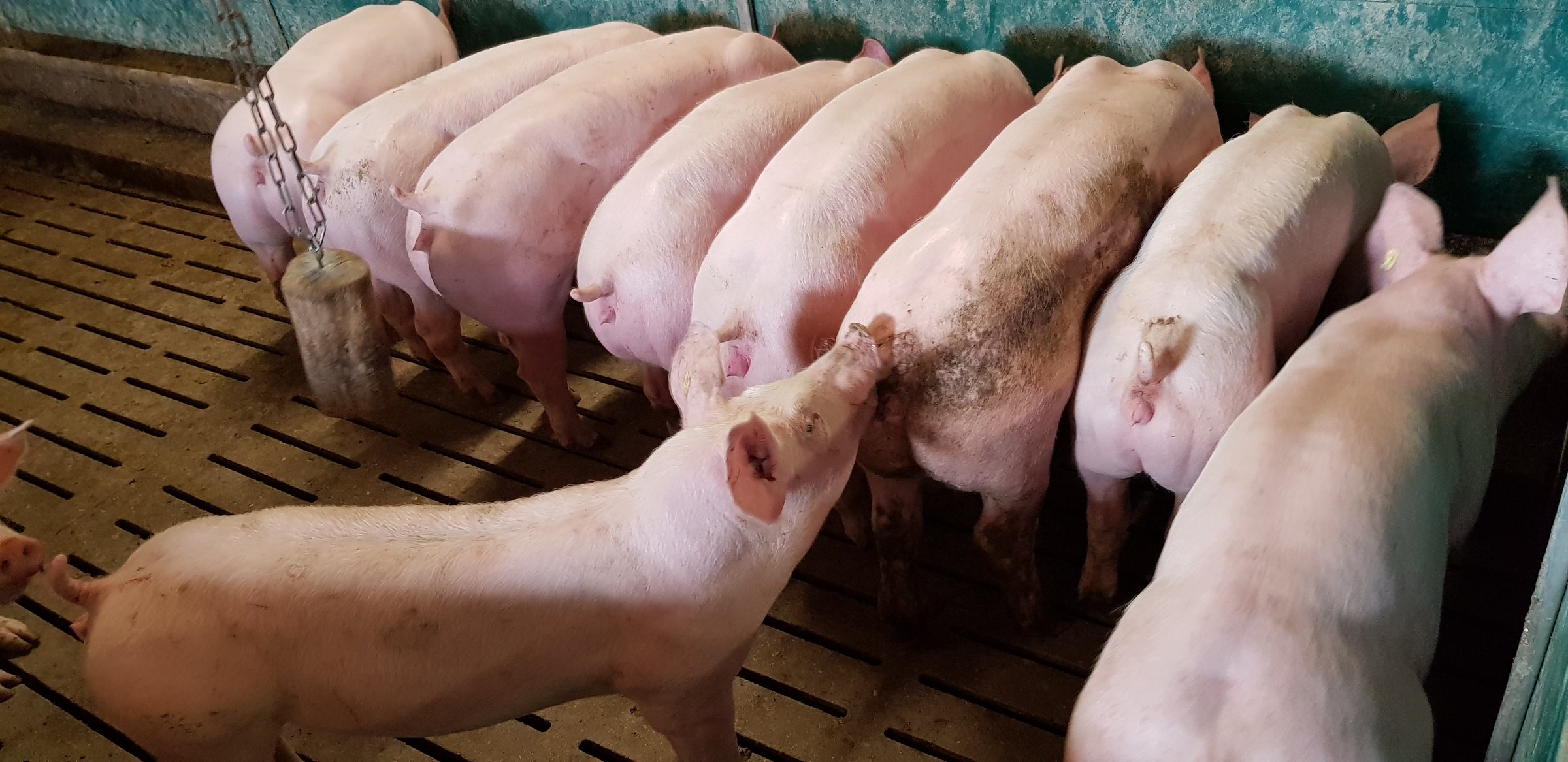
Emergency plan for tail-biting
Online information on alternatives to piglet castration without anaesthesia
Practical experiences with the ban on tail docking
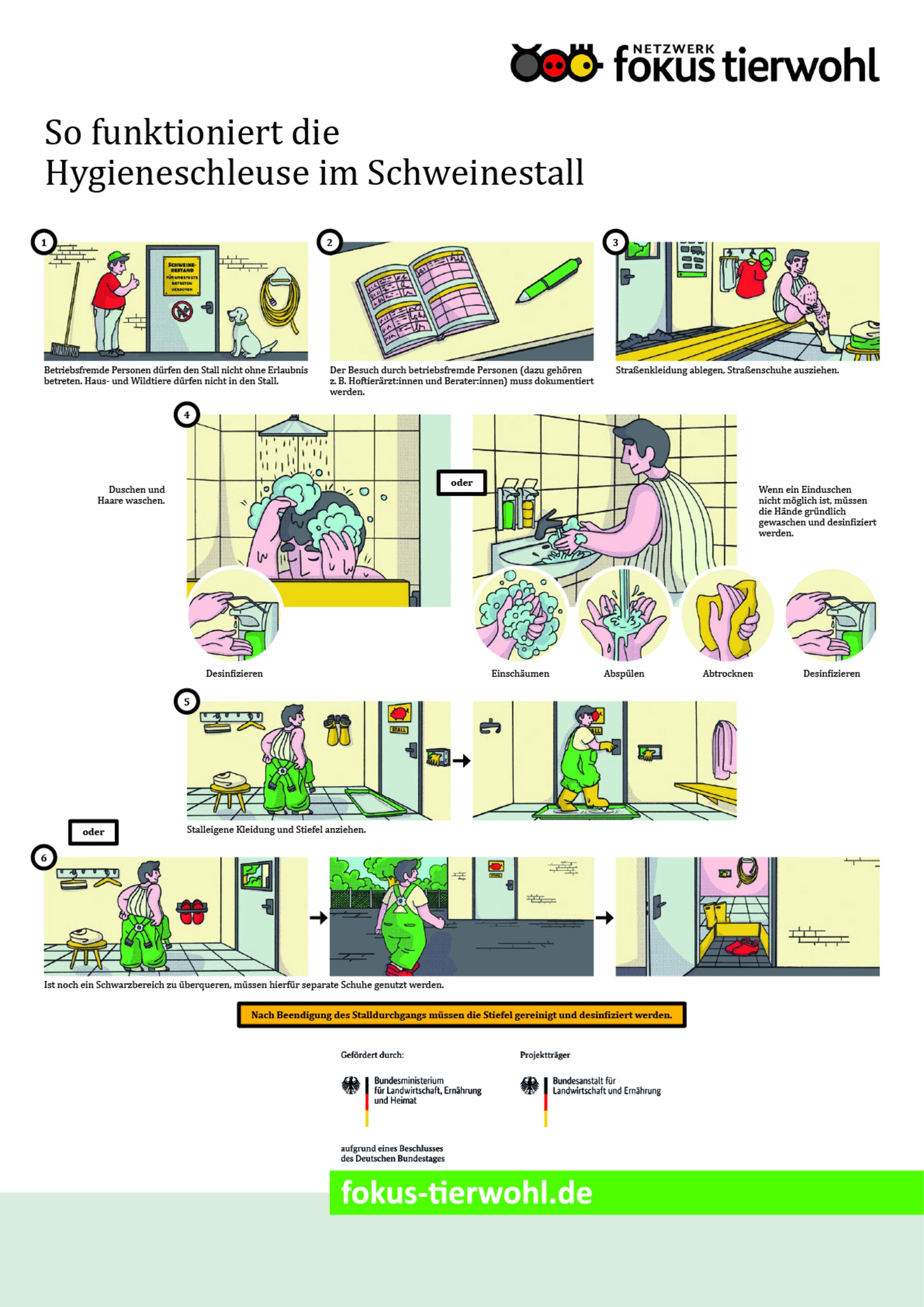
Sanitisation chamber
Pig farming with outdoor access
The stable of the future
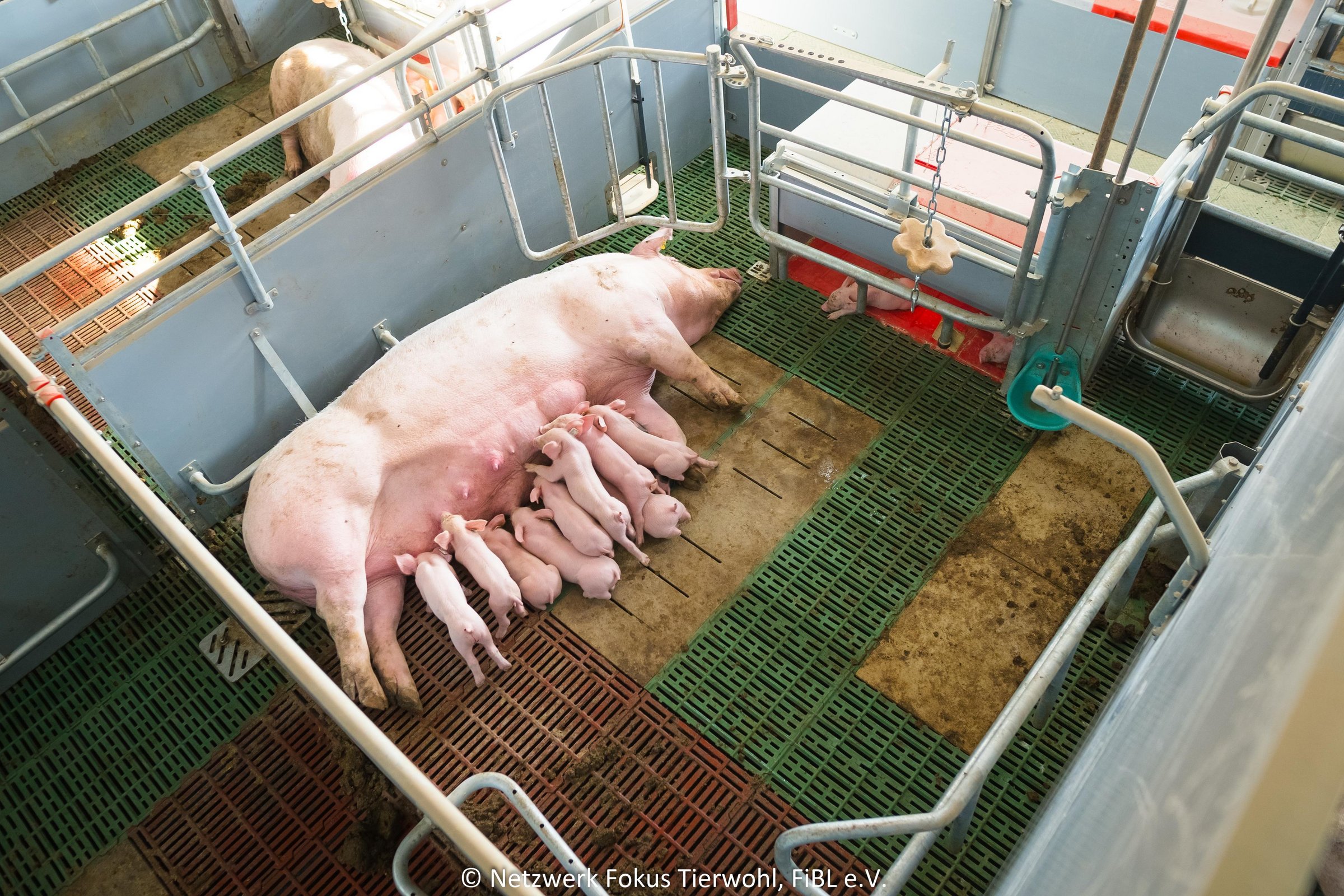
Feedback from the field on exercise pens and free farrowing
01 Termine Sachkundelehrgänge
Animal Husbandry Labelling Act
Survey results: Managing large litters
Umgang mit kranken und verletzten Tieren
01_Ammoniakreduktion
Outbreaks of tail-biting
Podcast: African Swine Fever
Podcast: Deck Centre
Podcast: Feeding Strategies
Podcast: Insect Protein
Podcast: Hoof Health in Sows
Podcast: Protecting the Climate – Reducing Emissions in Pig Sheds
Podcast: Maternal Instincts in Sows
Video: Alternative piglet rearing systems
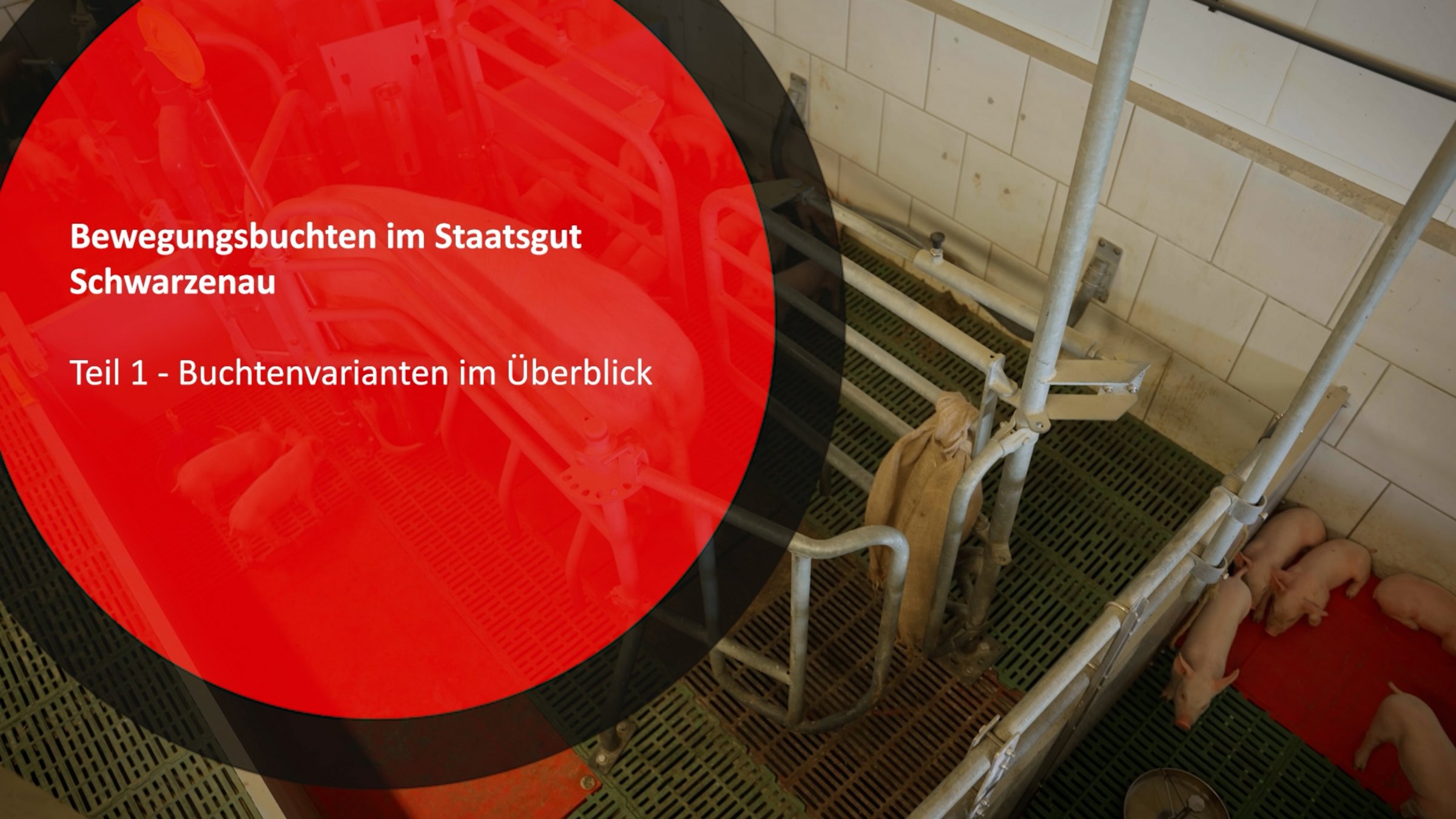
Video: Exercise pens at Schwarzenau State Estate
Video: Pilot farms share their practical experiences with alternative farrowing pens
Video: Practical experiences with the BeFree exercise pen
Video: Ring-tailed posture
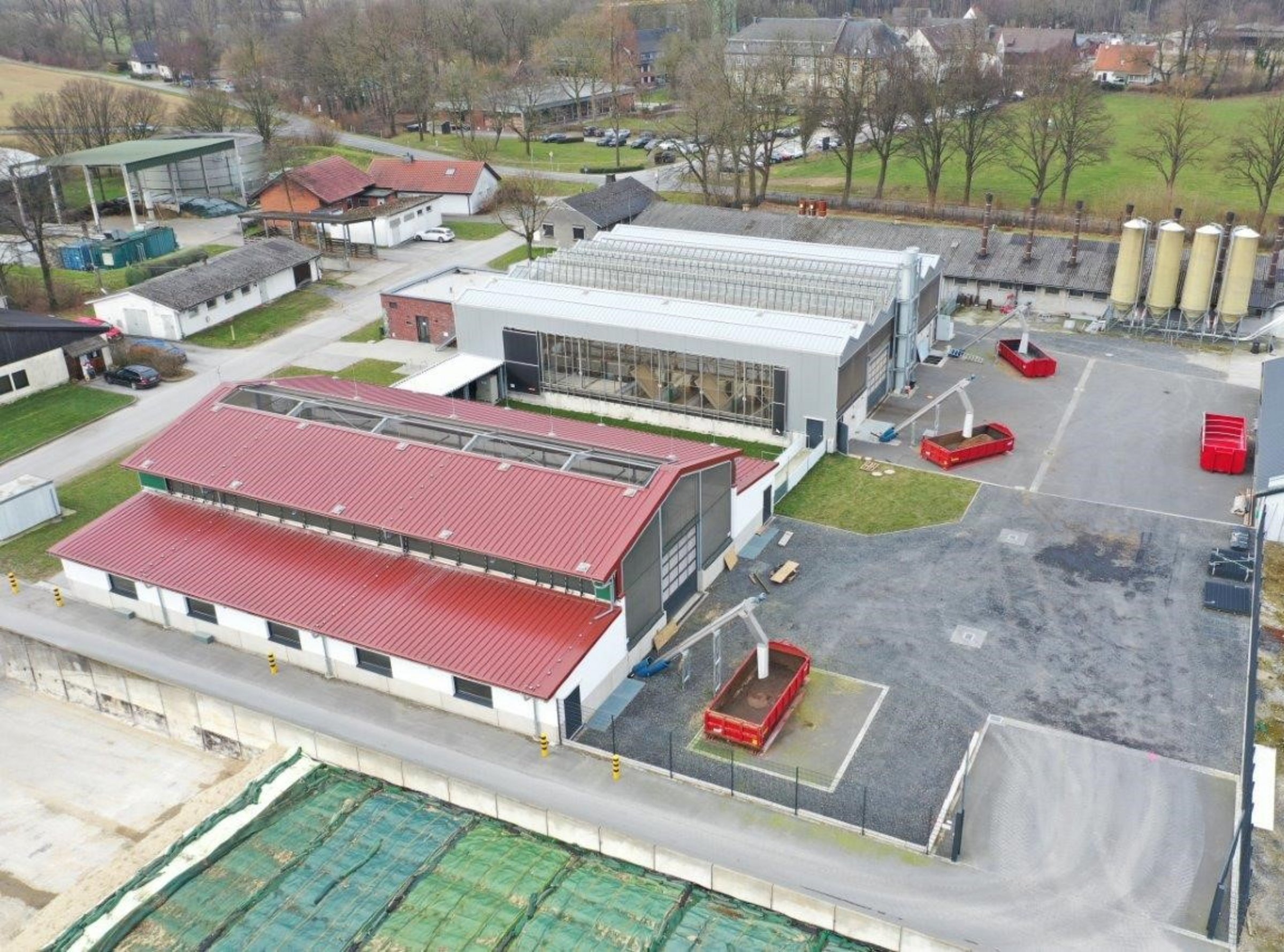
Video: Tour of the stable of the future
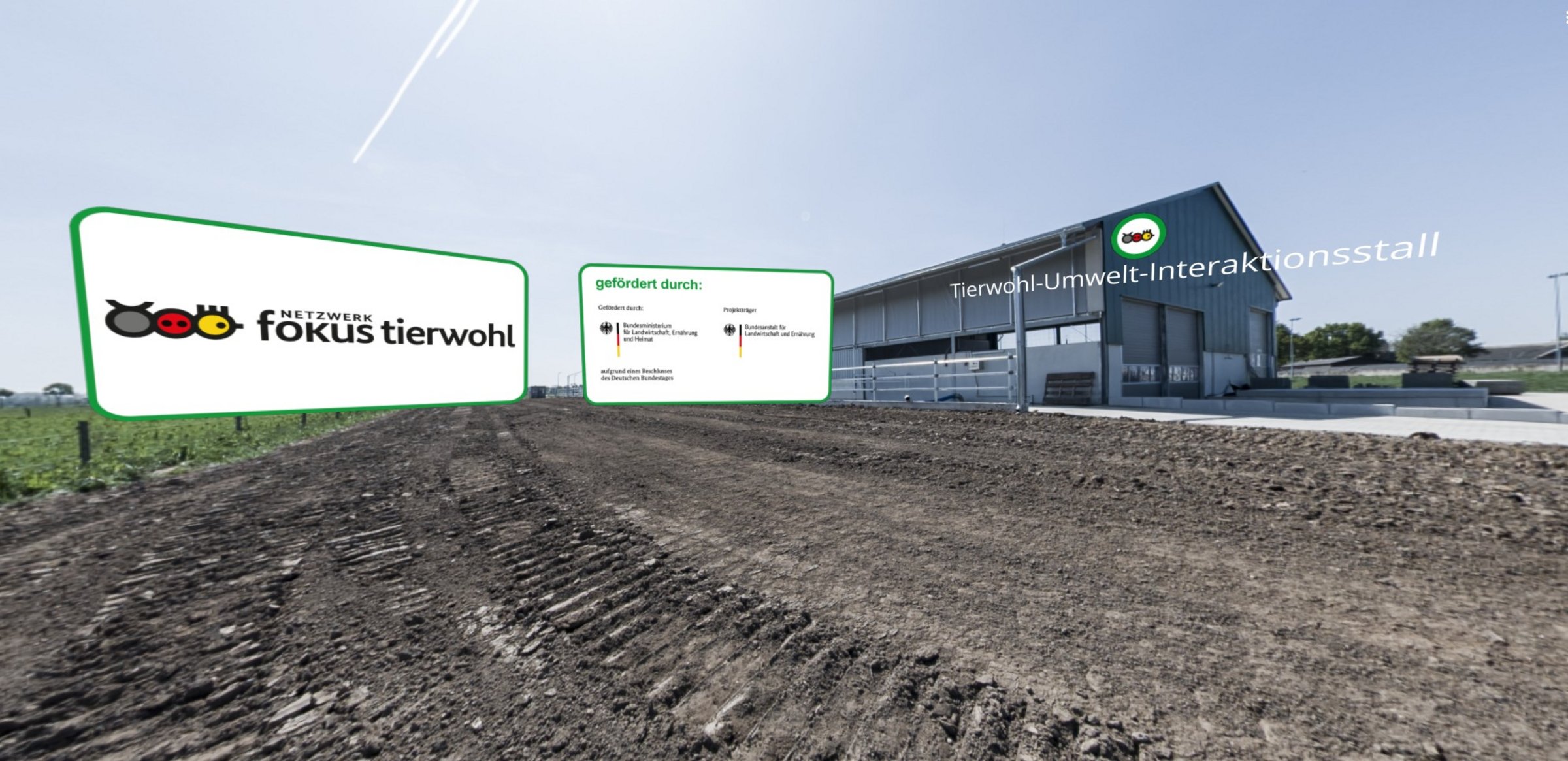
Video: Tour of the stable of the future
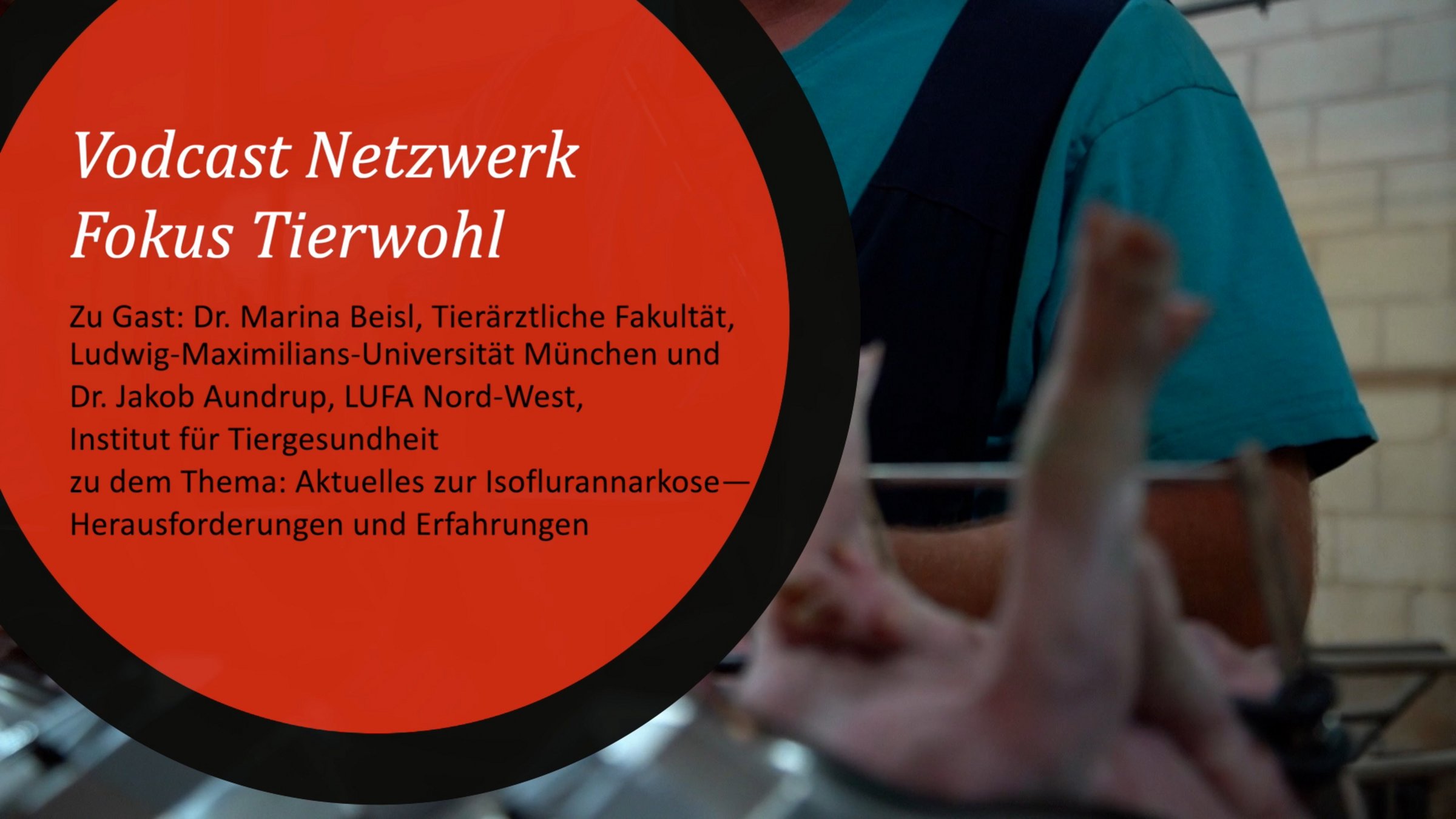
Vodcast: Vodcast Latest news on isoflurane anaesthesia

Vodcast: Vodcast Deck Centre
Funded projects: EIP Agri projects
Buchtenstruktur im Wartestall
Druckversion
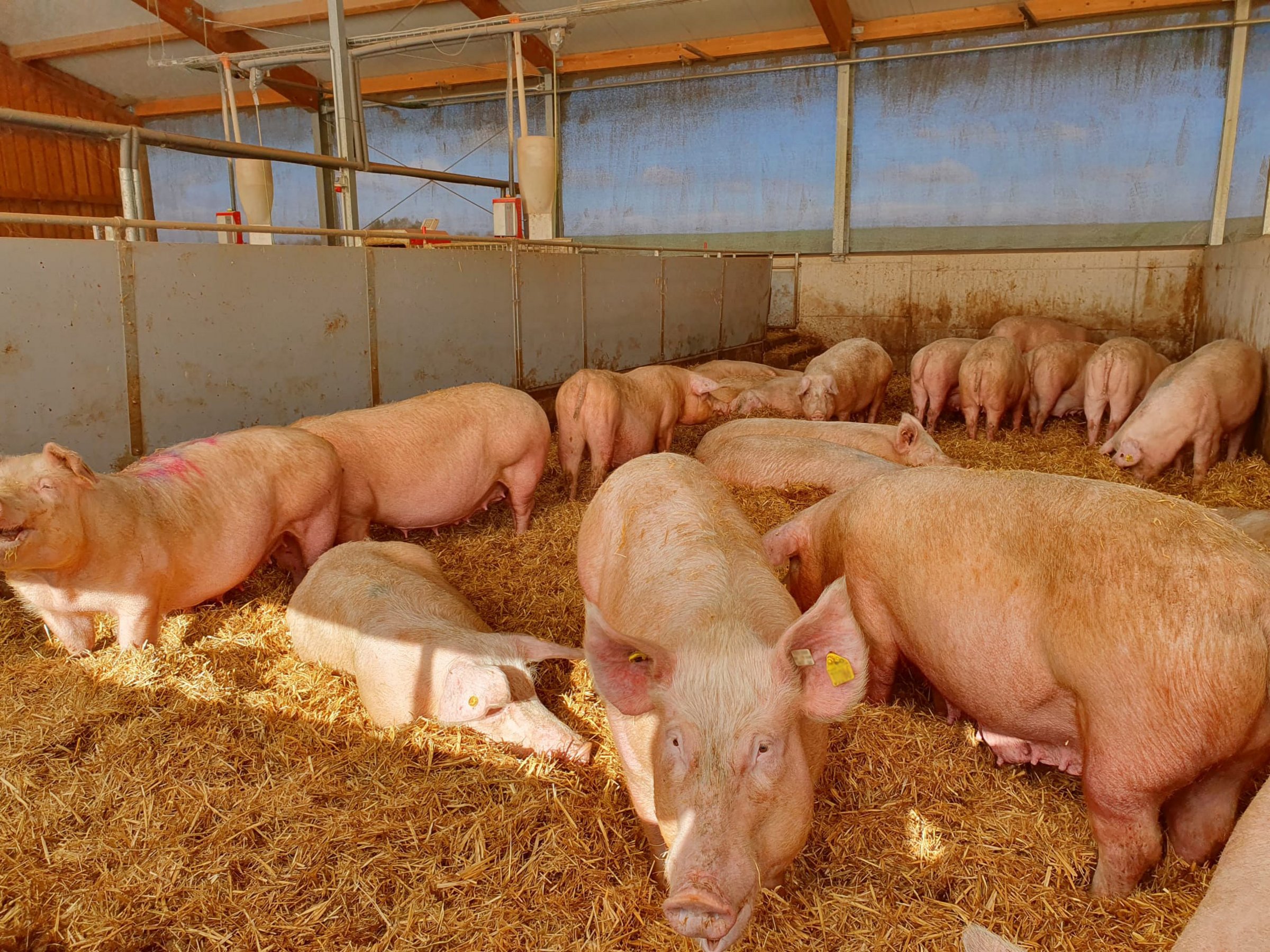
Pigs are highly social animals whose group life is governed by the establishment of a fixed hierarchy. This hierarchy is determined through aggressive behaviour in the first few days after a group is formed, which generally reduces further conflicts to a minimum.1 Although pigs usually interact amicably with one another, conflicts—particularly over food—cannot be entirely avoided, with lower-ranking animals tending to avoid those higher up the hierarchy.
To ensure that lower-ranking animals can also satisfy their needs and engage in all behaviours as undisturbed as possible, opportunities for avoidance and retreat are required.1 If pigs’ behaviours are restricted due to housing conditions, this causes stress and discomfort for the animals, which can lead to behavioural problems such as tail-biting.
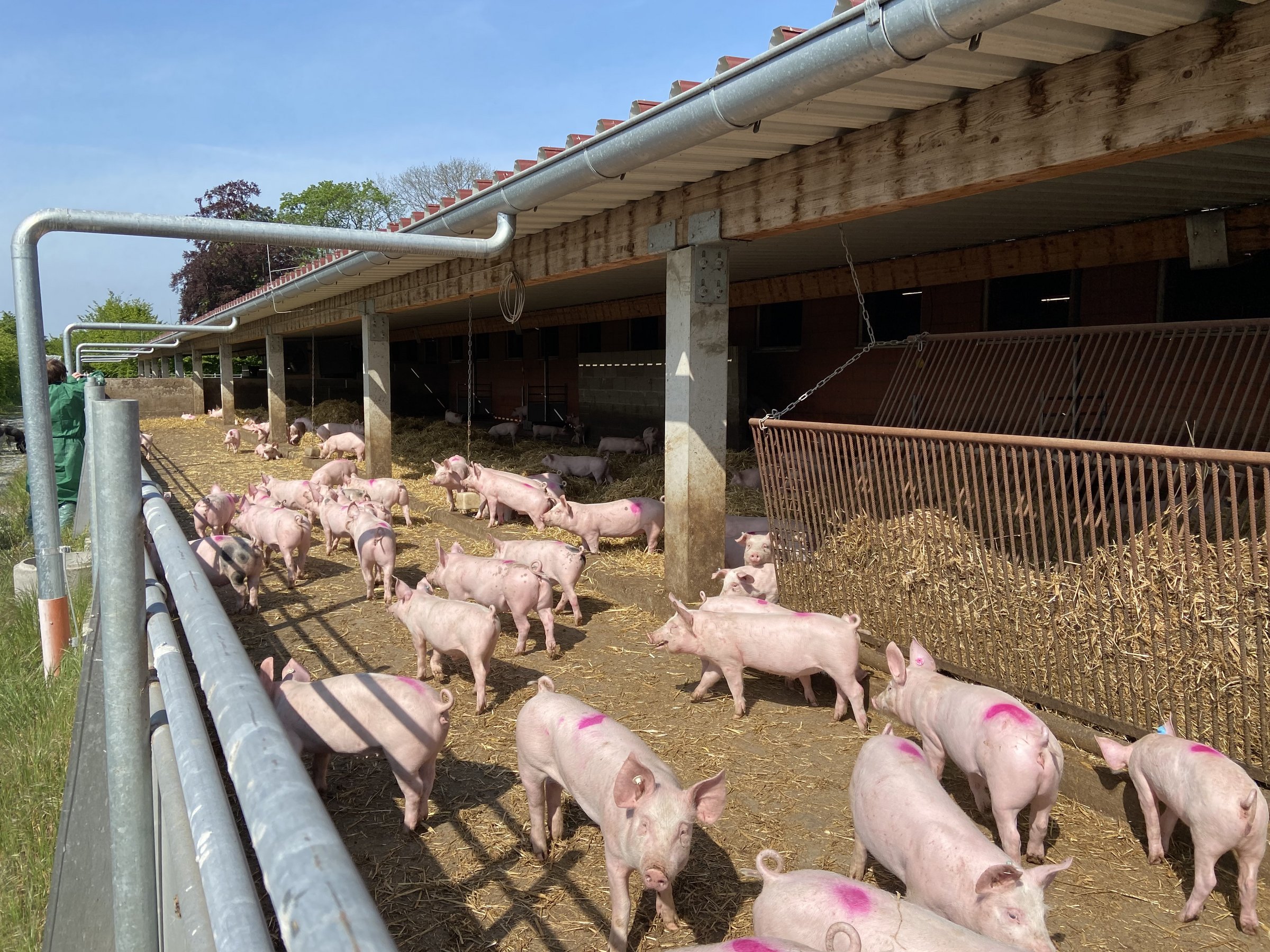
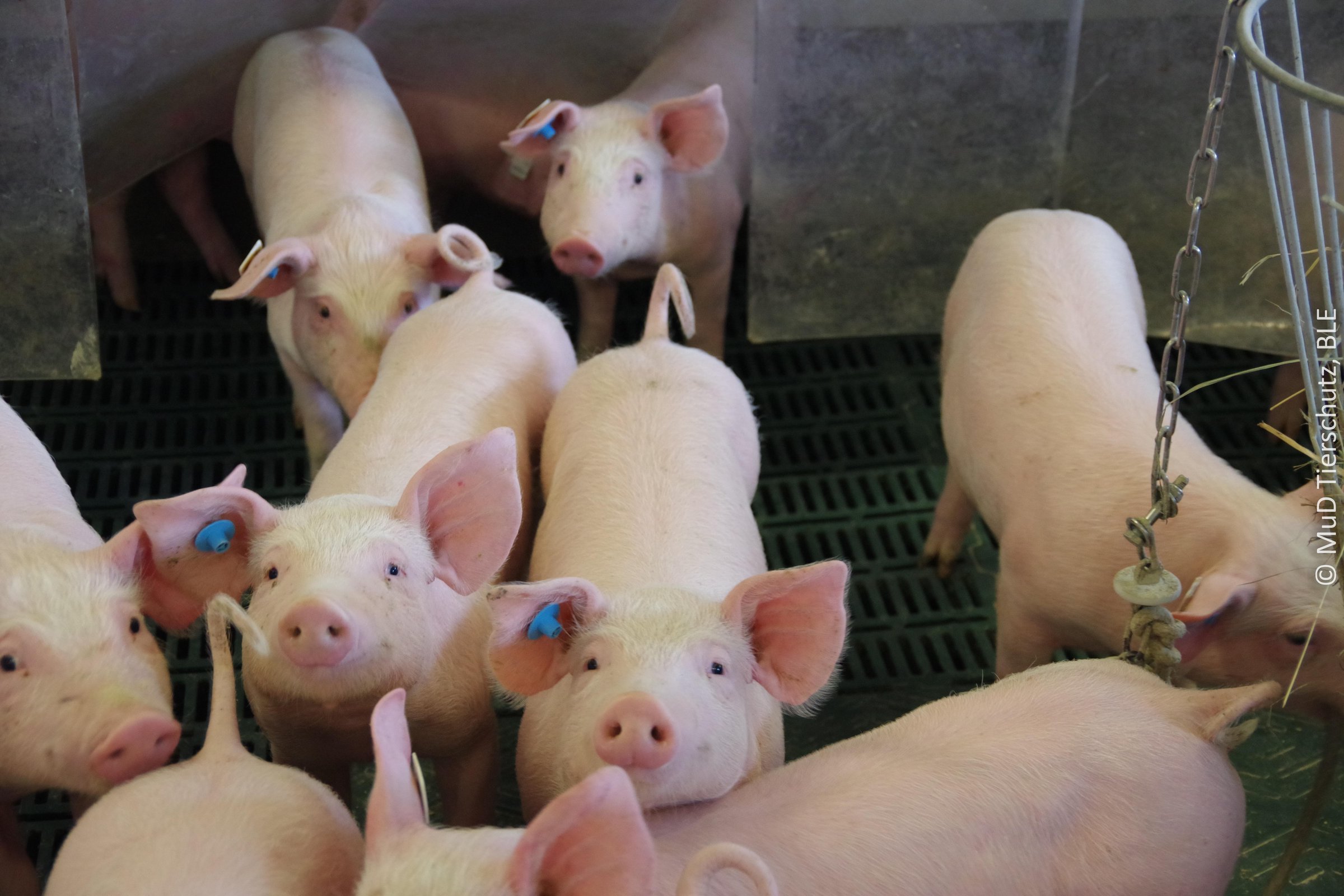
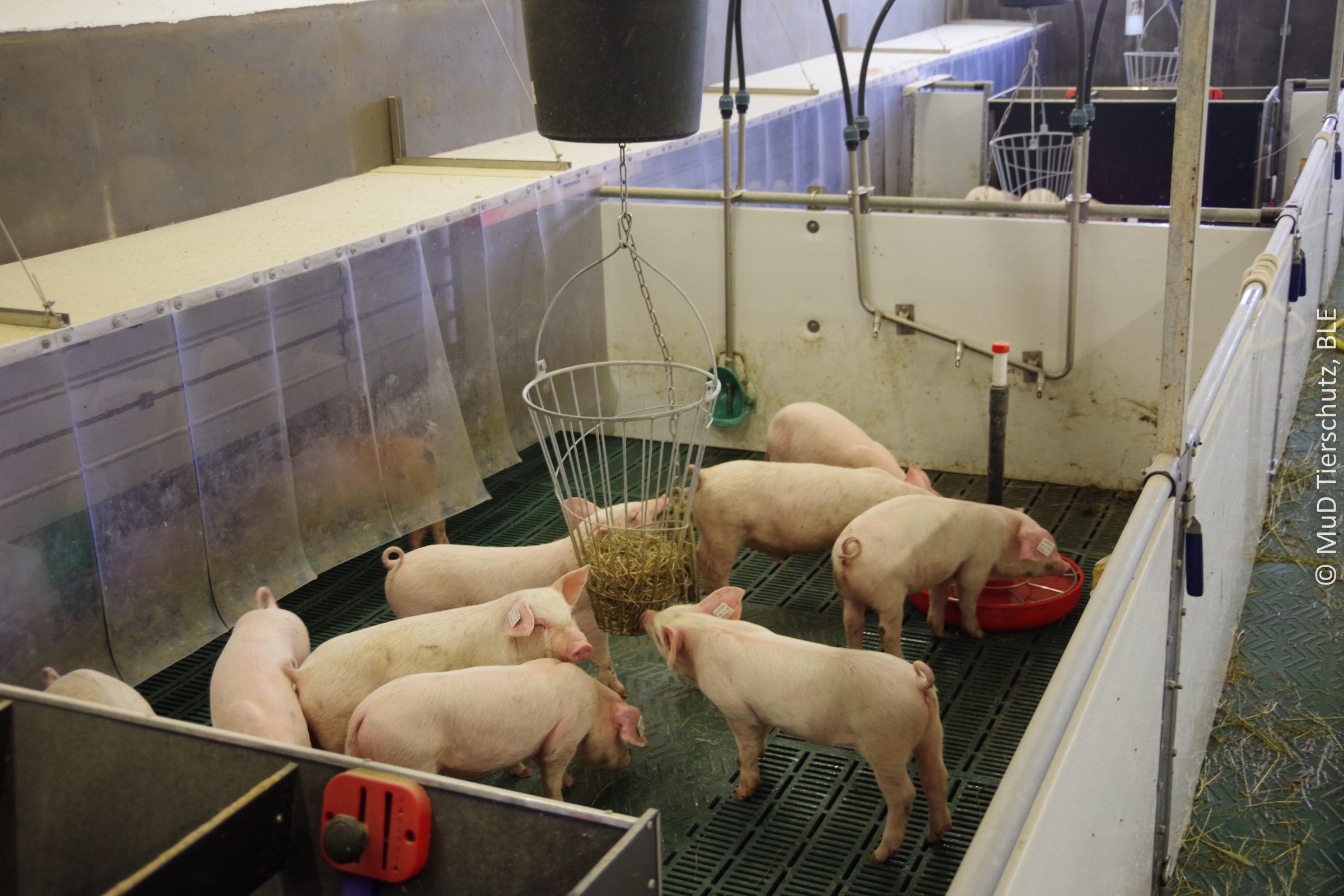
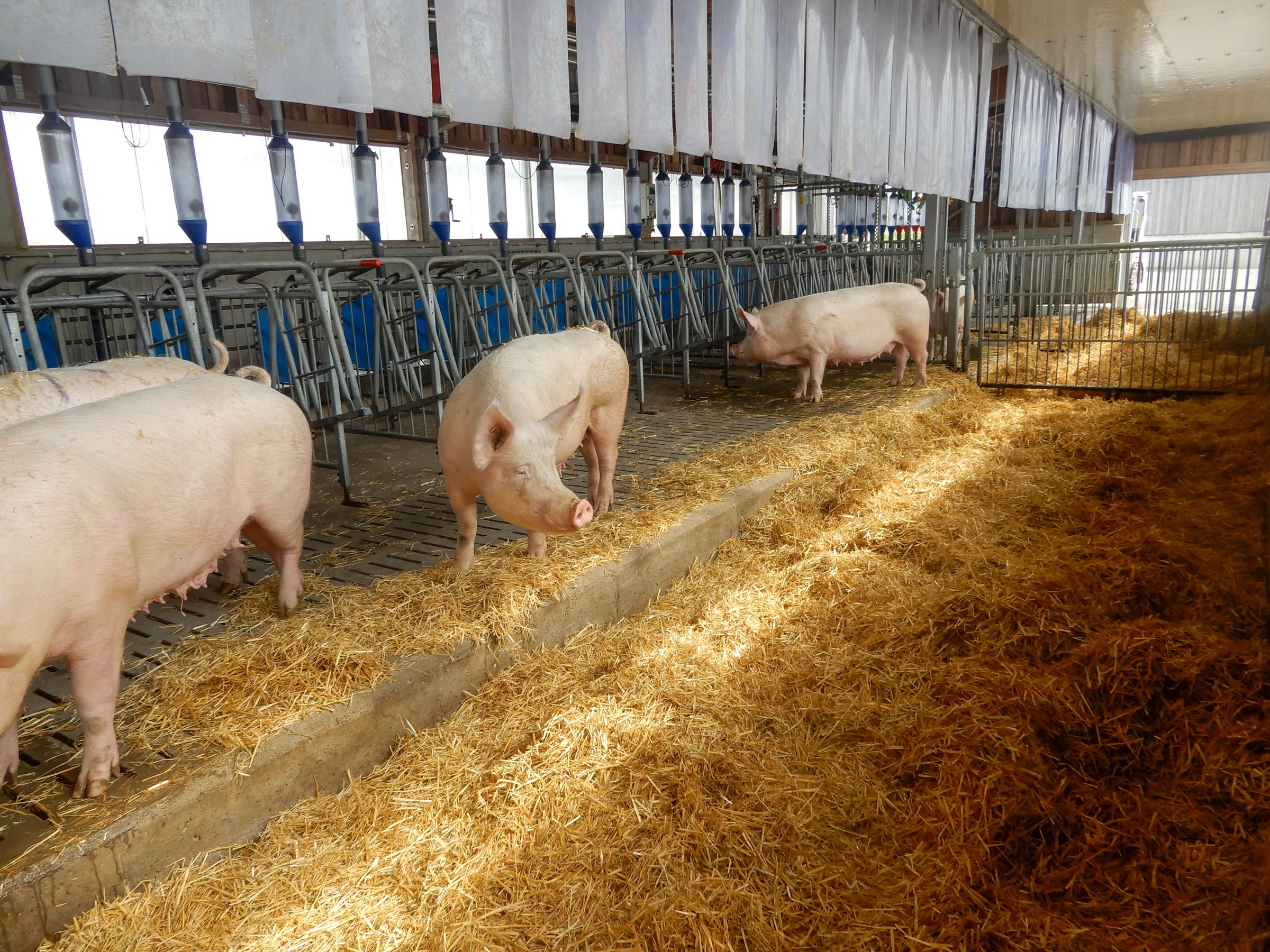
With the help of a good pen layout, functional areas can be separated and the pigs’ behaviour can be managed. A prerequisite for this is that the animals’ needs and natural behaviour are the focus, and that sufficient space is available in the pen for each functional aspect of behaviour – namely resting, comfort, exploration, defecation, and feeding and drinking behaviour.
The ‘Pen Structure’ working group offers advice on new builds and conversions.