
Lower Saxony Calf Initiative – KiNI
Full of vitality right from the start
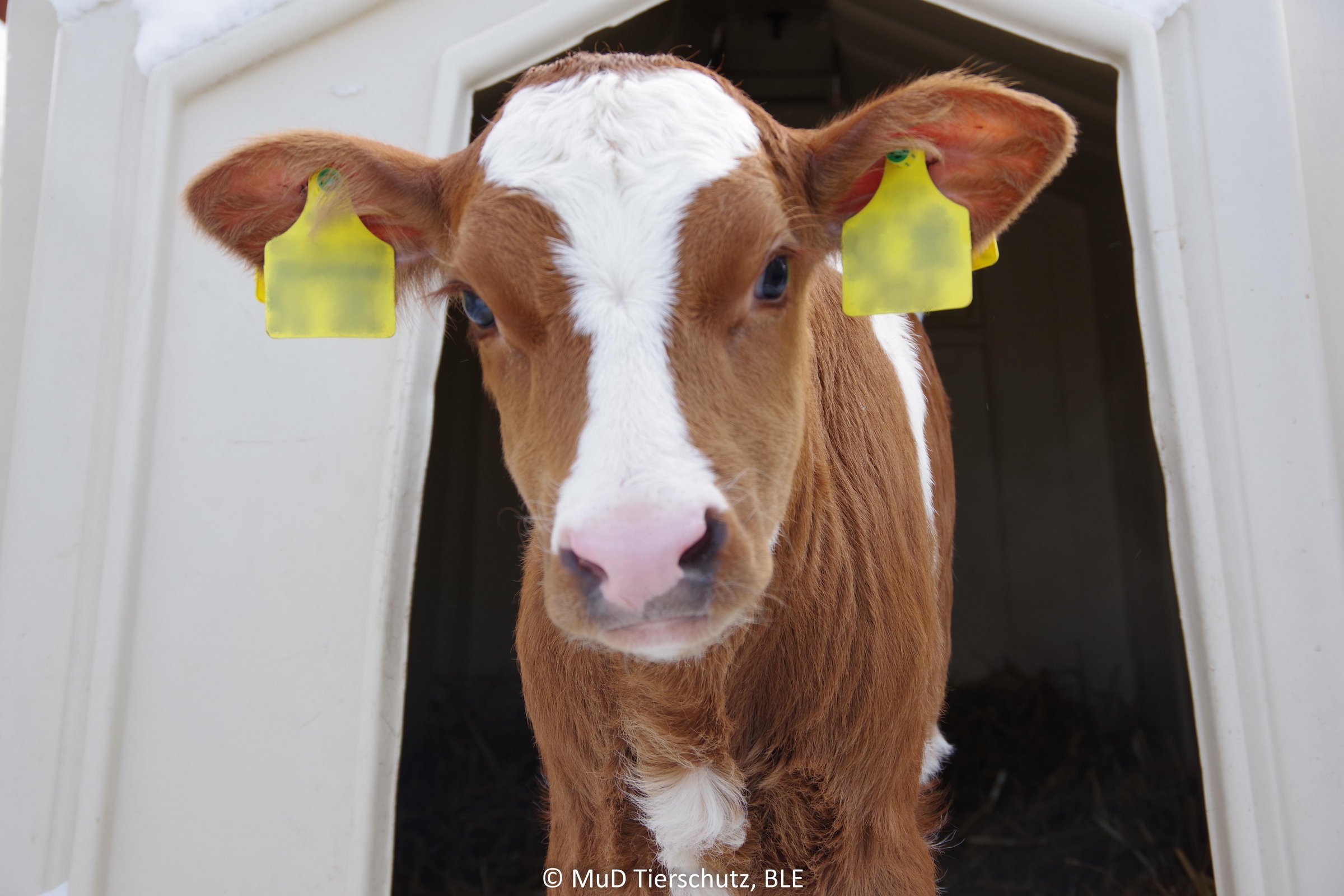
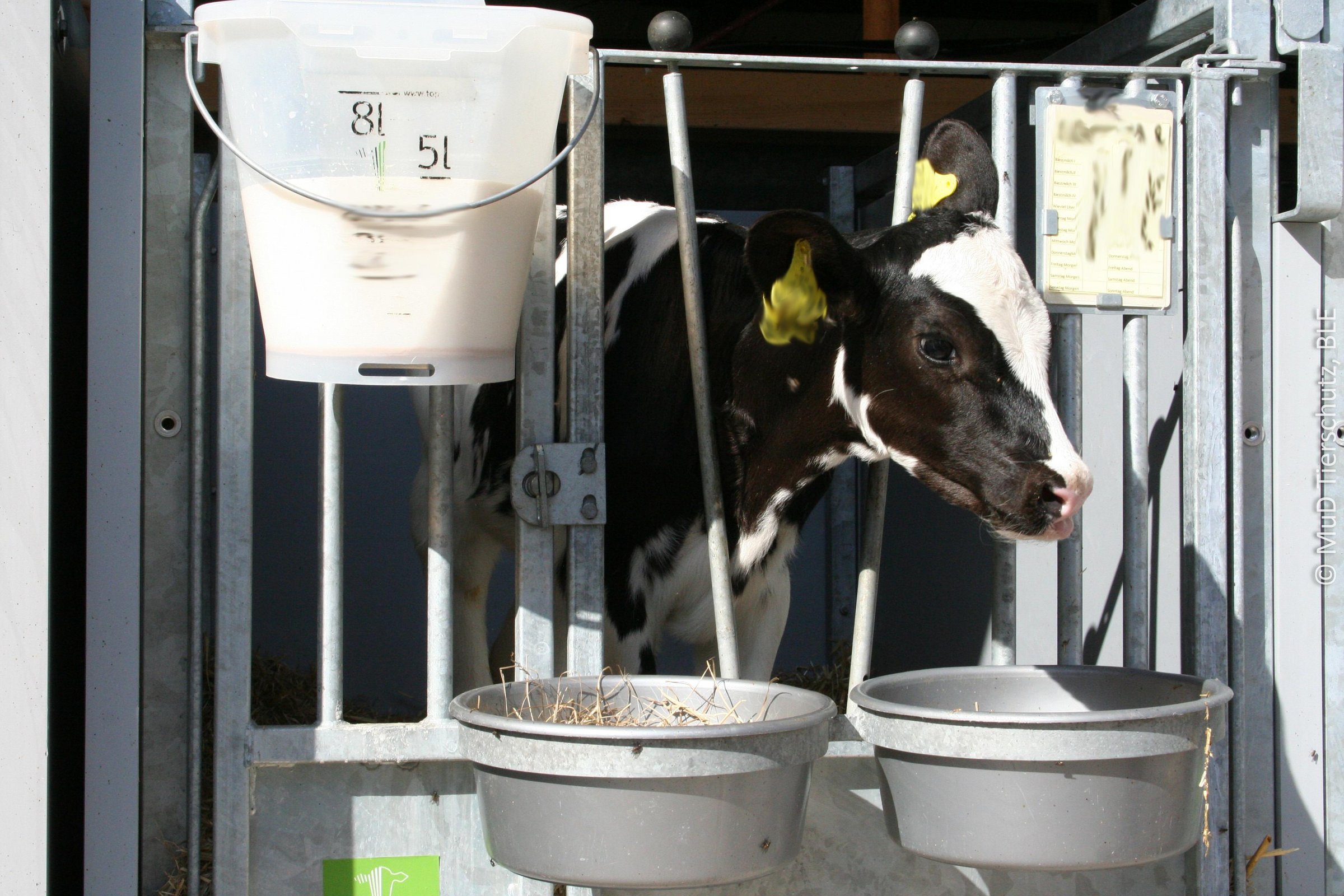
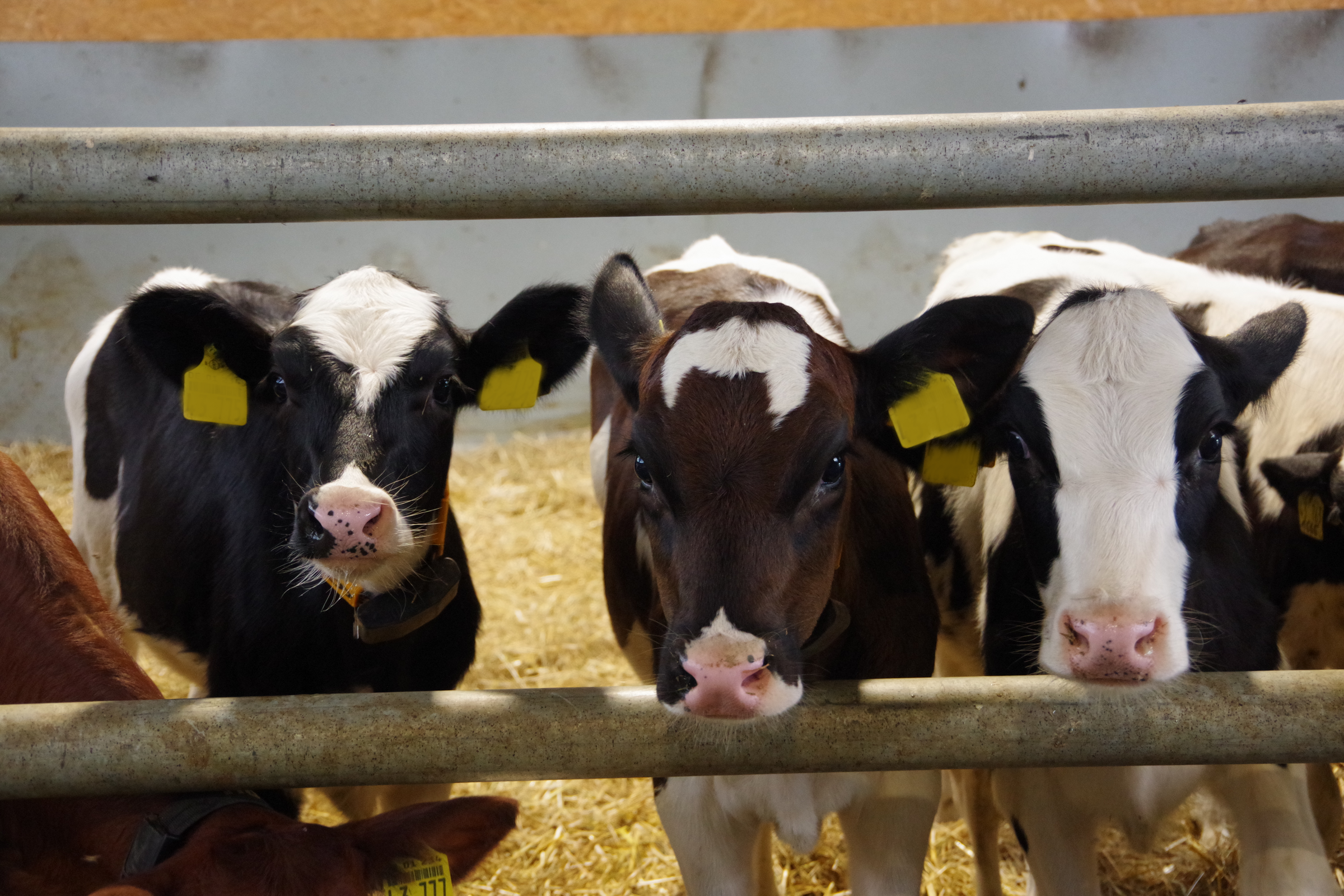
Successful calf rearing makes a significant contribution to the economic success of all dairy farms. Preventing calf diseases and ensuring optimal care during the first weeks of life lay a vital foundation for building a high-performing herd. Only healthy calves – right from the start – will grow into high-performing dairy cows or calves suitable for sale!
Various project partners in Lower Saxony launched the Lower Saxony Calf Initiative – KiNi for short – in 2022. In addition to this website, which provides comprehensive and up-to-date information, KiNi offers dairy farmers and vets a range of resources, including guidelines, workshops, talks and advice, right through to intensive consultancy.
During the project period (2022–2025), the Lower Saxony Calf Initiative has supported calf farmers and vets in sustainably improving calf rearing in Lower Saxony. After all, healthy, vigorous calves are the foundation for high-yielding dairy cows and economically successful dairy farms.
A key outcome of KiNi 2.0, the second project phase, is the newly developed digital, indicator-based checklists. These help to assess calf rearing objectively and in a practical manner. A traffic light system enables a quick and intuitive assessment. The checklists can be used, for example, for on-farm self-monitoring or for advisory purposes.
Interested parties can also find further information on the four key topics on the project website:
- Feeding
- Housing & rearing planning
- All about birth
- Health & biosecurity
To the calf checklist (Excel file!)
The project was funded by the Lower Saxony Ministry of Food, Agriculture and Consumer Protection.