
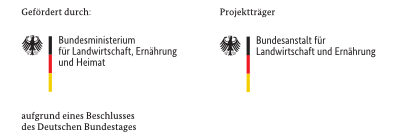

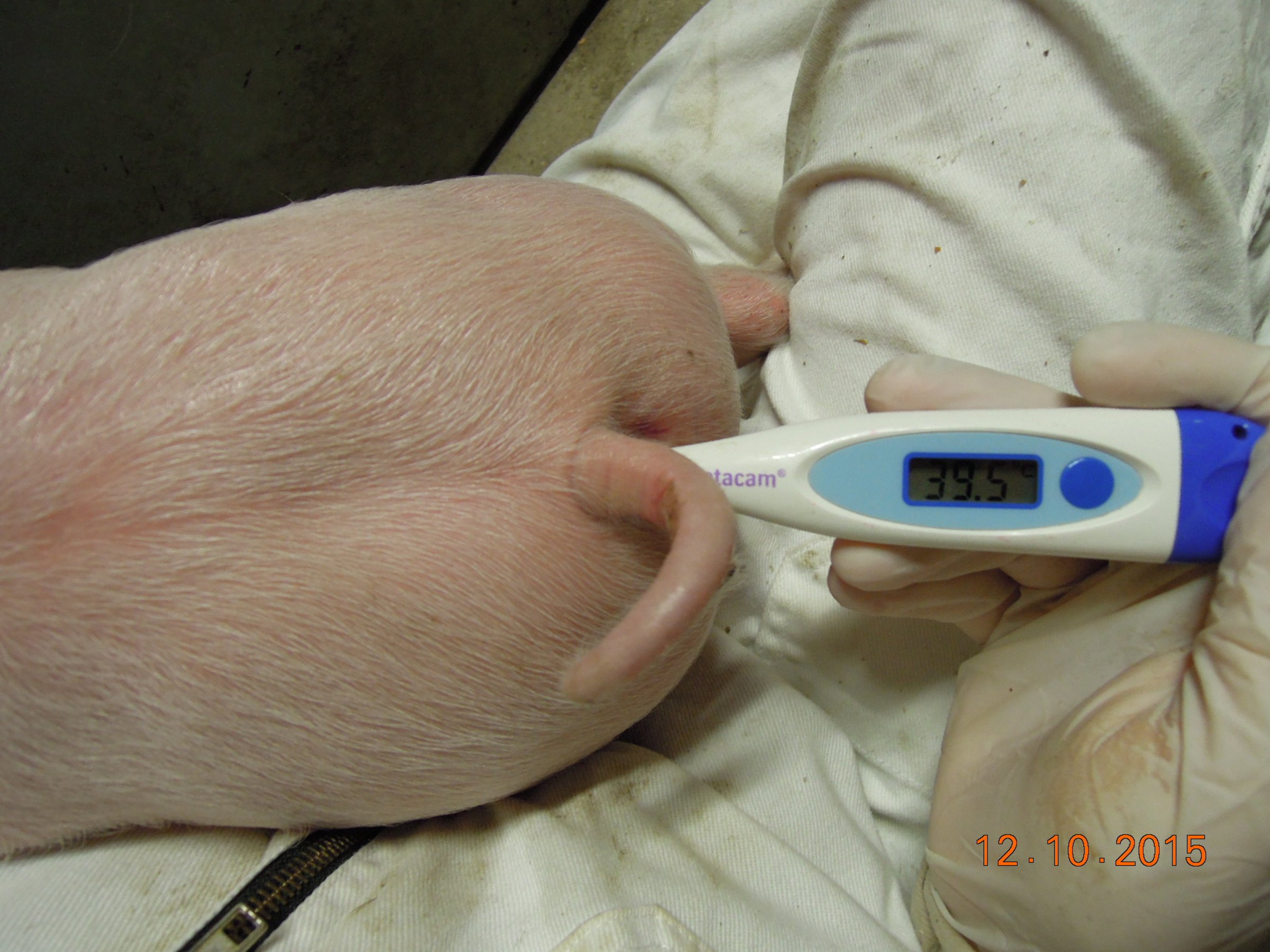
- Individual smaller animals that bite obsessively often have undiagnosed, sometimes chronic, medical conditions. Animals with shaggy coats, hair loss or very pale coats are also frequently (chronically) ill. As a result of their slower growth and poor health, they find themselves in a situation where they have reduced access to resources (food, water, but also opportunities for thermoregulation, enrichment materials, etc.).

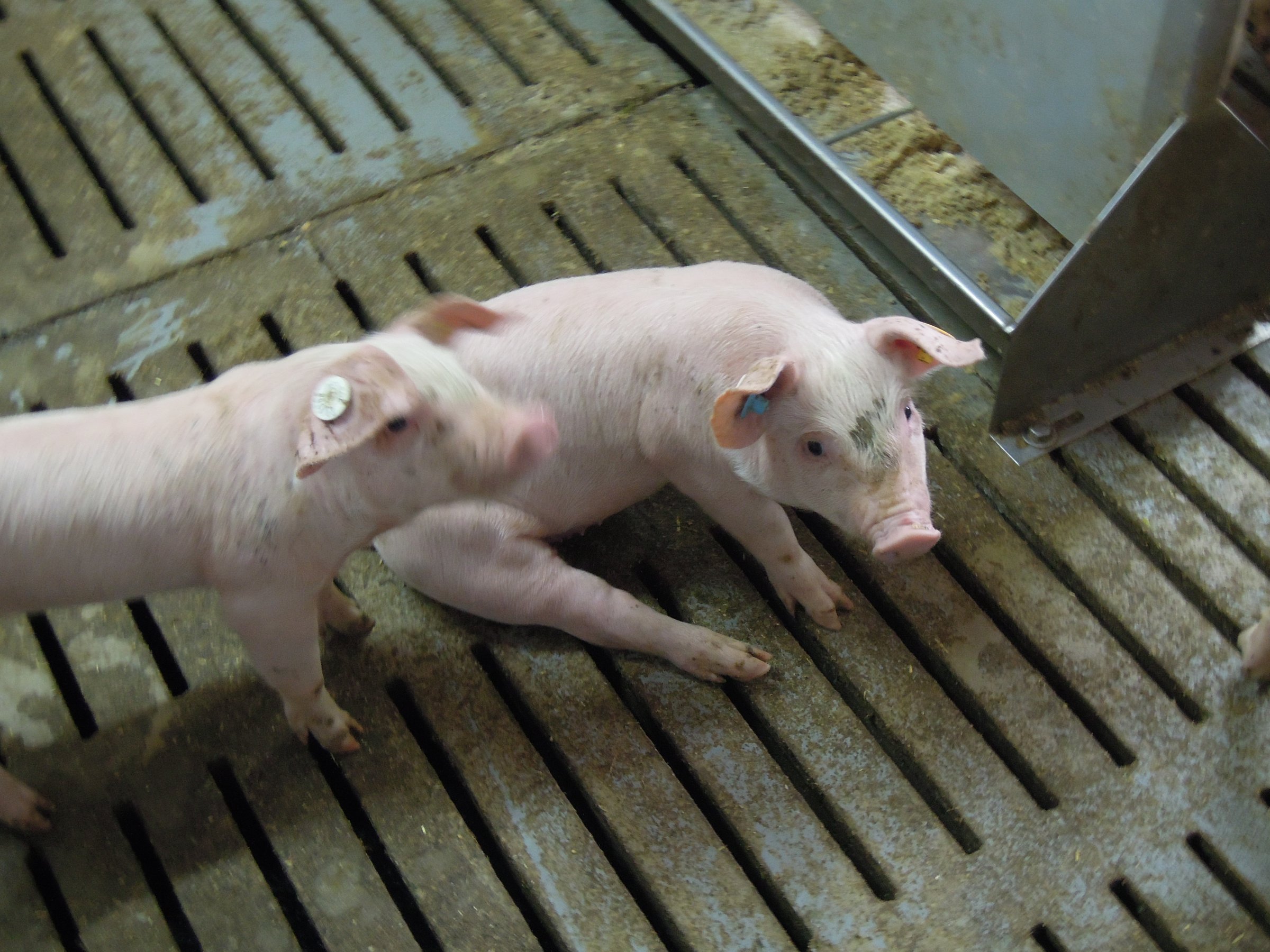
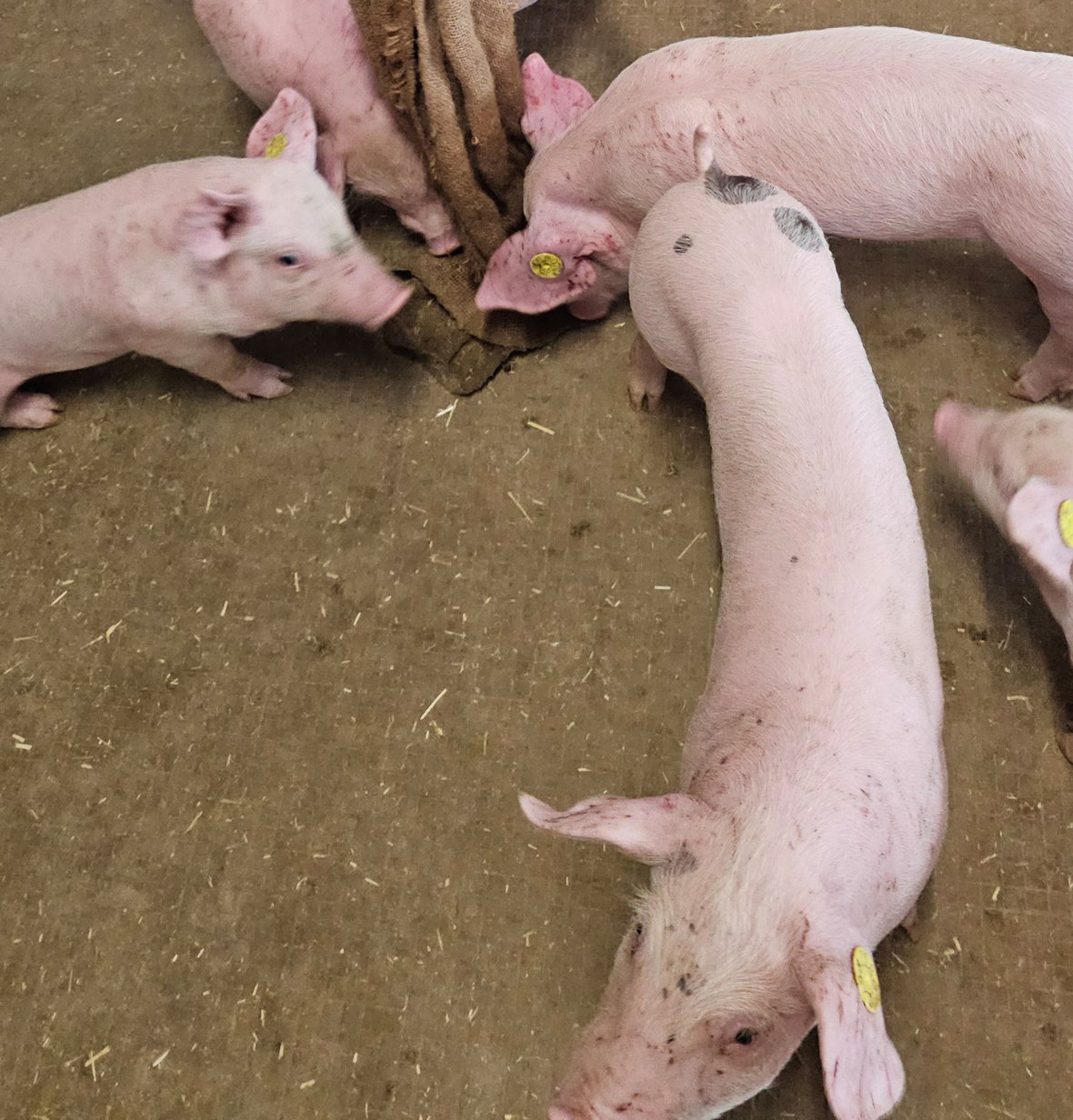
- Empty stomachs and sunken flanks may indicate digestive health problems. Possible causes include diarrhoea, loss of appetite, incorrect feed mixtures, or an excessive distance between the animal and its feeding area. This can lead to tail-biting.
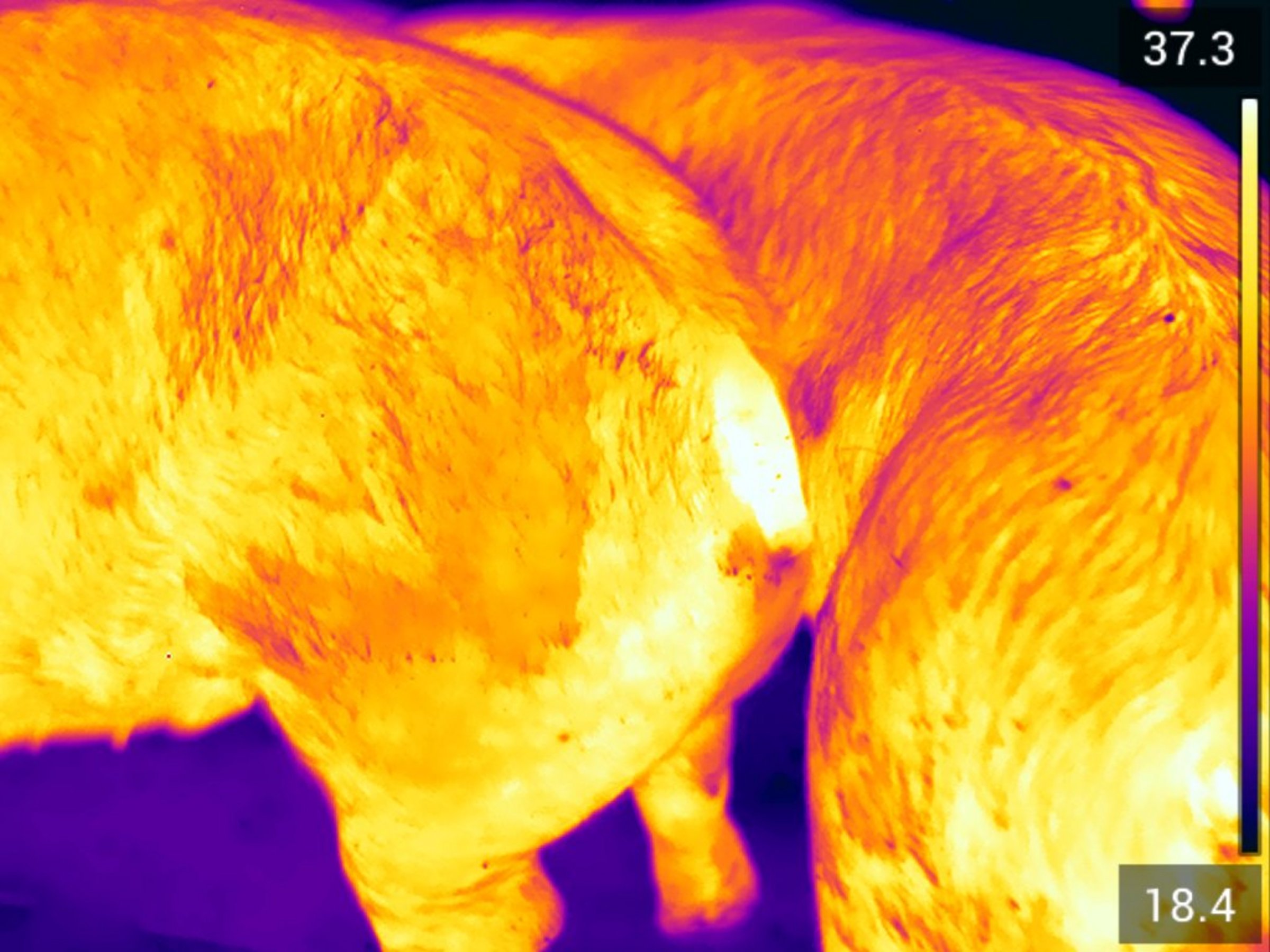
- In the case of minor injuries caused by suckling or nibbling by penmates, action should be taken as soon as possible to prevent the tail-biting behaviour from escalating further. Where possible, the animal responsible for the biting should be removed from the group (see Module 1). Distraction measures are urgently required in such cases (see Module 2).
- Bare and hairless tails may indicate incipient necrosis as a symptom of ‘swine inflammation and necrosis syndrome’ (SINS). Following initial inflammation of the tail, the tips of the tail die off due to inadequate blood supply to the small peripheral vessels. The tissue at the tips of the ears is often affected as well. The first sign is congestion of the ear veins. Inflammation of the coronary band may also be a sign of SINS.
- Due to necrosis at the tips of the ears and tail, nibbling by other pigs is often tolerated, as necrotic tissue frequently causes itching. Once blood begins to ooze, tail biting becomes very difficult to control. (see Module 4)

- Oedema disease, caused by toxin-producing E. coli bacteria, may also be a potential cause of an outbreak of tail-biting. Early signs include swelling of the eyelids and the bridge of the nose, or an increase in sudden deaths.
- A lack of water (often combined with an inadequate ability to regulate body temperature) can lead to tail-biting. Early signs may include a ‘queue’ at drinking systems, drinking troughs blocked by higher-ranking animals, or noticeably dry floors due to reduced urine output. The animals may then appear unusually clean (see Module 4: Causes).
- Heat stress in pigs can be recognised by the animals’ widely scattered lying behaviour. To cool themselves through contact, the animals primarily seek out damp and cool floor surfaces. The most sought-after resting spots are then found on concrete slats beneath the drinking troughs – the resulting blocked access to the troughs can mean a lack of water for lower-ranking animals. Wallowing in the faecal and urinary areas leads to excessive soiling of the animals.
- Practitioners also report that the pen layout is no longer being used as intended.