
Cause identification
Tail-biting is a multifactorial phenomenon, and the causes vary greatly depending on the farm. It is generally a reaction to the animals being overwhelmed.
Careful observation of the animals is and remains crucial to the effectiveness of the measures to be taken.
The following risk factors play a major role in the occurrence of tail-biting outbreaks:
- Enrichment
- Housing environment
- Health and fitness
- Competition for resources
- Feeding
- Structure and cleanliness of the pen
Complex of causes: feeding
If pigs are not provided with feed and water in a way that meets their needs and requirements, this can trigger tail-biting behaviour. In addition to physiological nutritional requirements, other needs such as satiety, chewing and gastrointestinal health must also be taken into account.
- A lack of fibre or roughage: This can lead to stomach ulcers, disturbances in the microbiome and increased intestinal permeability. The latter means that toxins, as well as viruses and bacteria, and their metabolic products such as endotoxins, enter the pig’s bloodstream. Furthermore, the animals’ foraging and rooting instincts are not sufficiently satisfied. A crude fibre content of at least 4% should be maintained for rearing piglets and over 5% for fattening pigs. When using suitable enrichment feed, the fibre content of the main ration may be slightly lower. In addition, fibres with different solubility/fermentability should be combined. Swelling fibres such as lignocellulose help to satiate the animals, whilst highly fermentable fibres such as beet pulp are important for energy supply, gut health and immune defence.
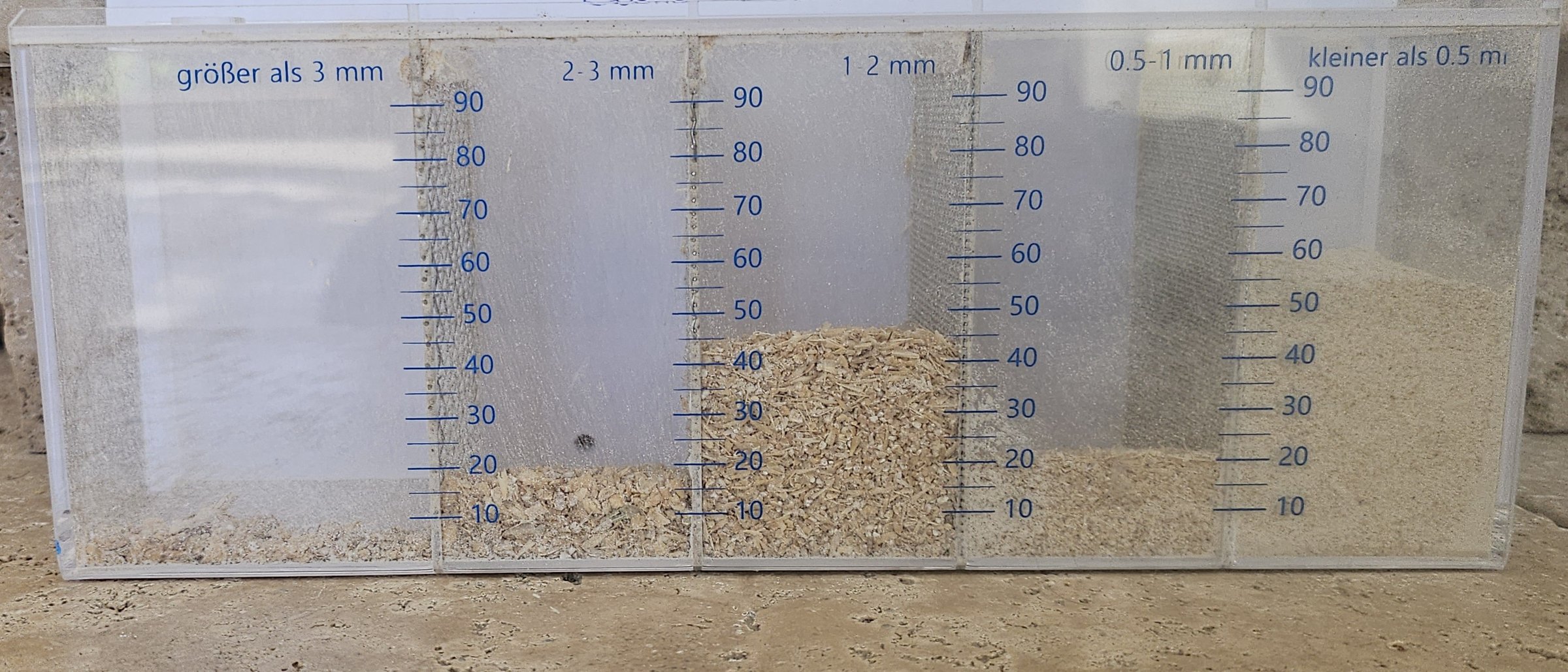
- Degree of feed grinding: Feed that is ground too finely can lead to irritation of the gastric mucosa or even ulcers, particularly when fed in the form of meal or pellets. A ‘shake test’ can provide information about the degree of feed grinding.
- Deficiency in essential amino acids (e.g. lysine, methionine): A deficiency can occur, particularly with a diet very low in N and P, if this is not sufficiently compensated for with free amino acids.
- Deficiency in minerals and trace elements: A feed analysis can provide information on whether the feed ration is borderline or deficient in these nutrients.
- Feed hygiene: Poor quality of the raw ingredients can have just as serious consequences as hygiene issues in the preparation of the ration. In addition to mixing tanks, feed and water lines must also be kept in good hygienic condition and regularly cleaned of residues. Daily checks on the pigs’ feed and water intake can quickly provide indications if anything deviates from the norm.
- Feed composition: Incorrectly formulated rations, problems with feeding and watering techniques (such as segregation), as well as abrupt changes to individual feed components, can affect the health and welfare of the animals. This can result in tail-biting.
- Feed intake: A sudden change in composition (e.g. when moving from piglet rearing to fattening) or in the form of administration (e.g. switching from liquid to dry feed) can be a stressful situation for individual pigs.
Early signs
- The pigs are restless or aggressive
- Deviations in feed and/or water intake
- Sunken flanks, no full belly (particularly relevant for individual animals)
Complex of causes: Health & Fitness
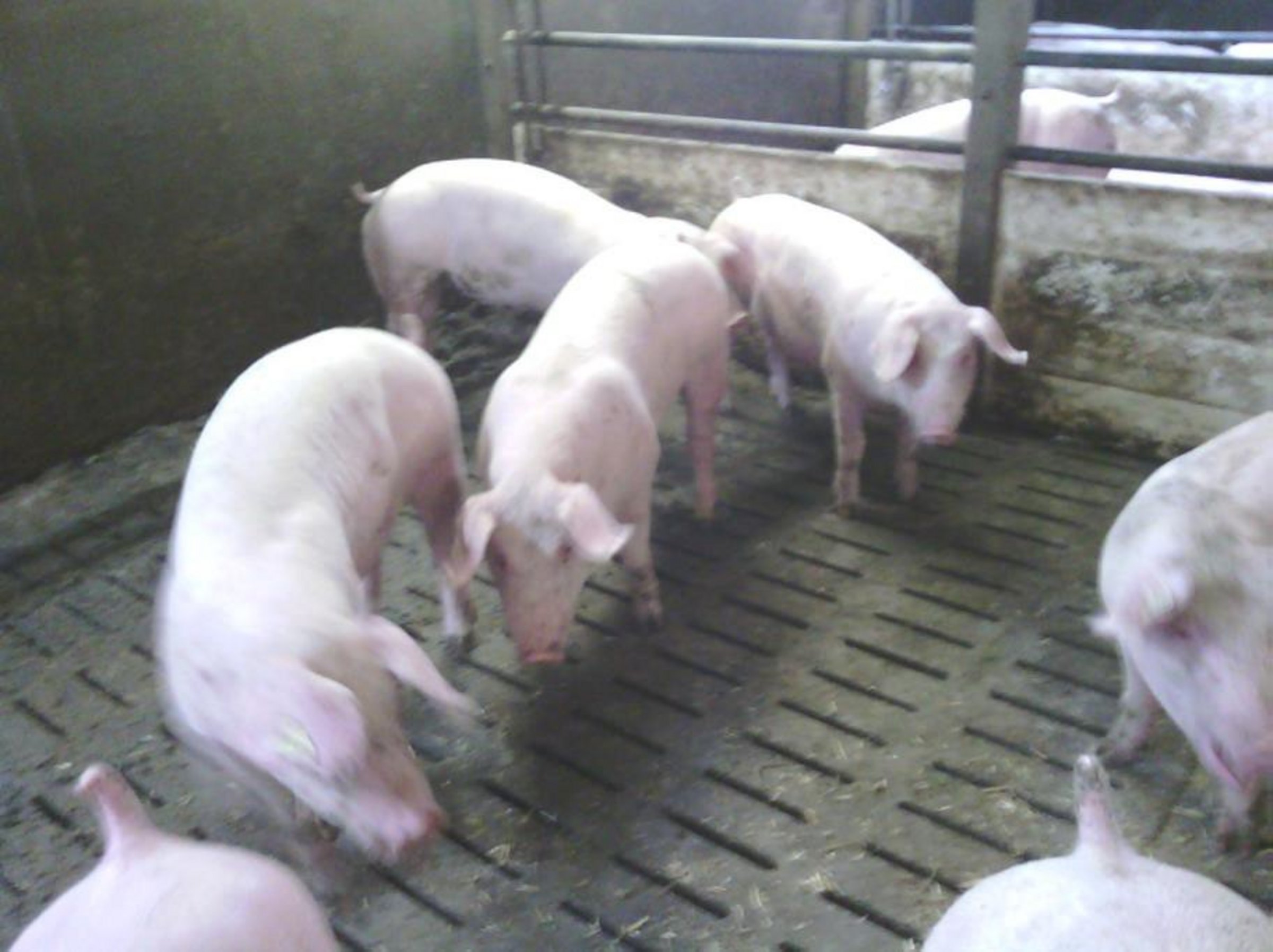
Clinical and subclinical illnesses, such as diarrhoea and respiratory infections, can lead to tail-biting.
Early signs
Very varied, e.g. sniffing, reddened conjunctiva, watery eyes, increased resting and lying down, fever, but also changes (e.g. colour change) in faeces, a shaggy coat, a group of the same age drifting apart, etc.
A health management plan should always be developed in consultation with the attending vet. It includes hygiene measures, preventive healthcare (e.g. vaccination programme), as well as optimising management and housing conditions, etc. It is therefore advisable to involve other specialists (e.g. nutrition, housing environment, etc.).
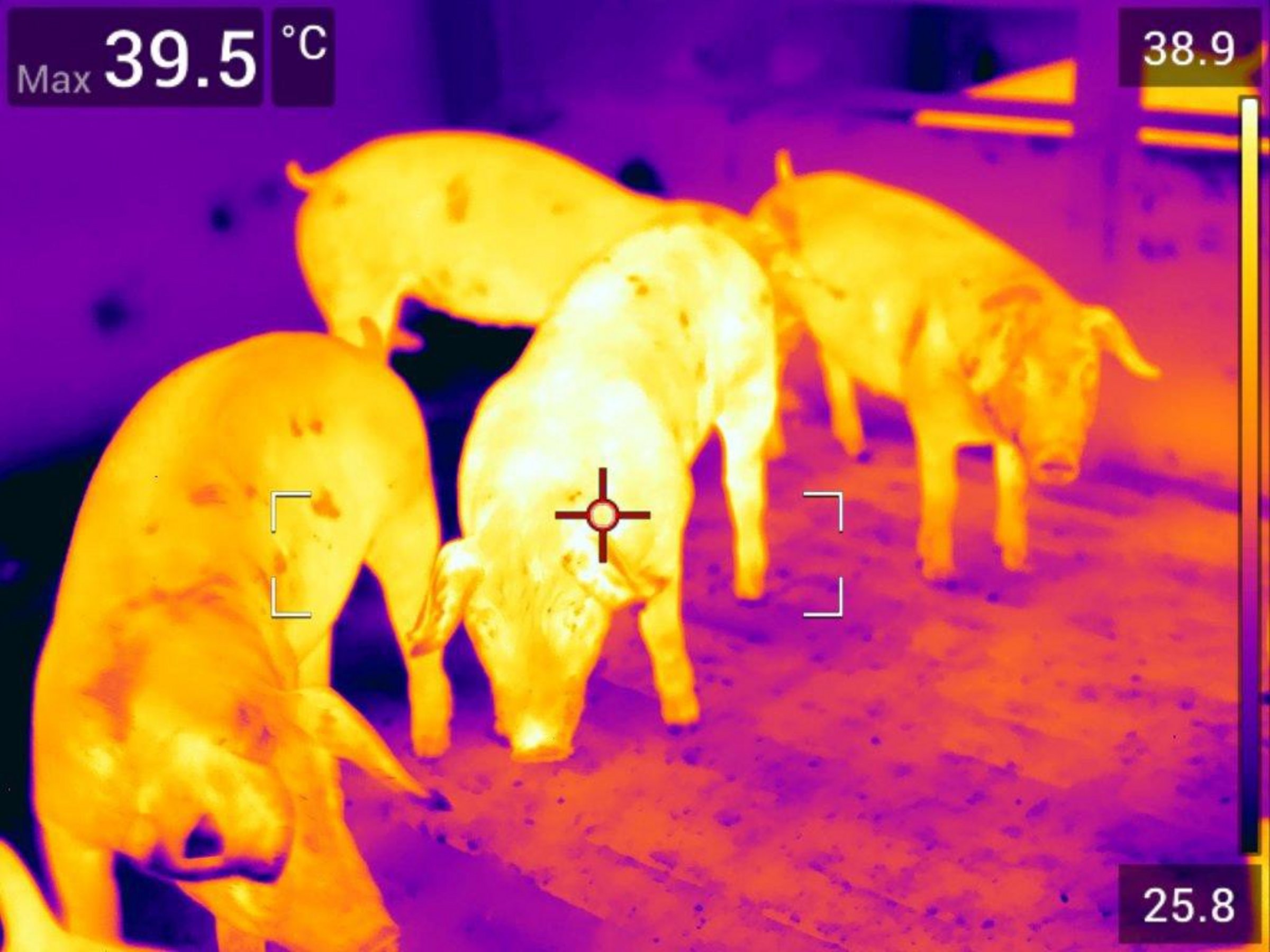
Tip: Always take a clinical thermometer or thermal imaging camera with you when inspecting the barn!
A combination of factors: climate and ventilation
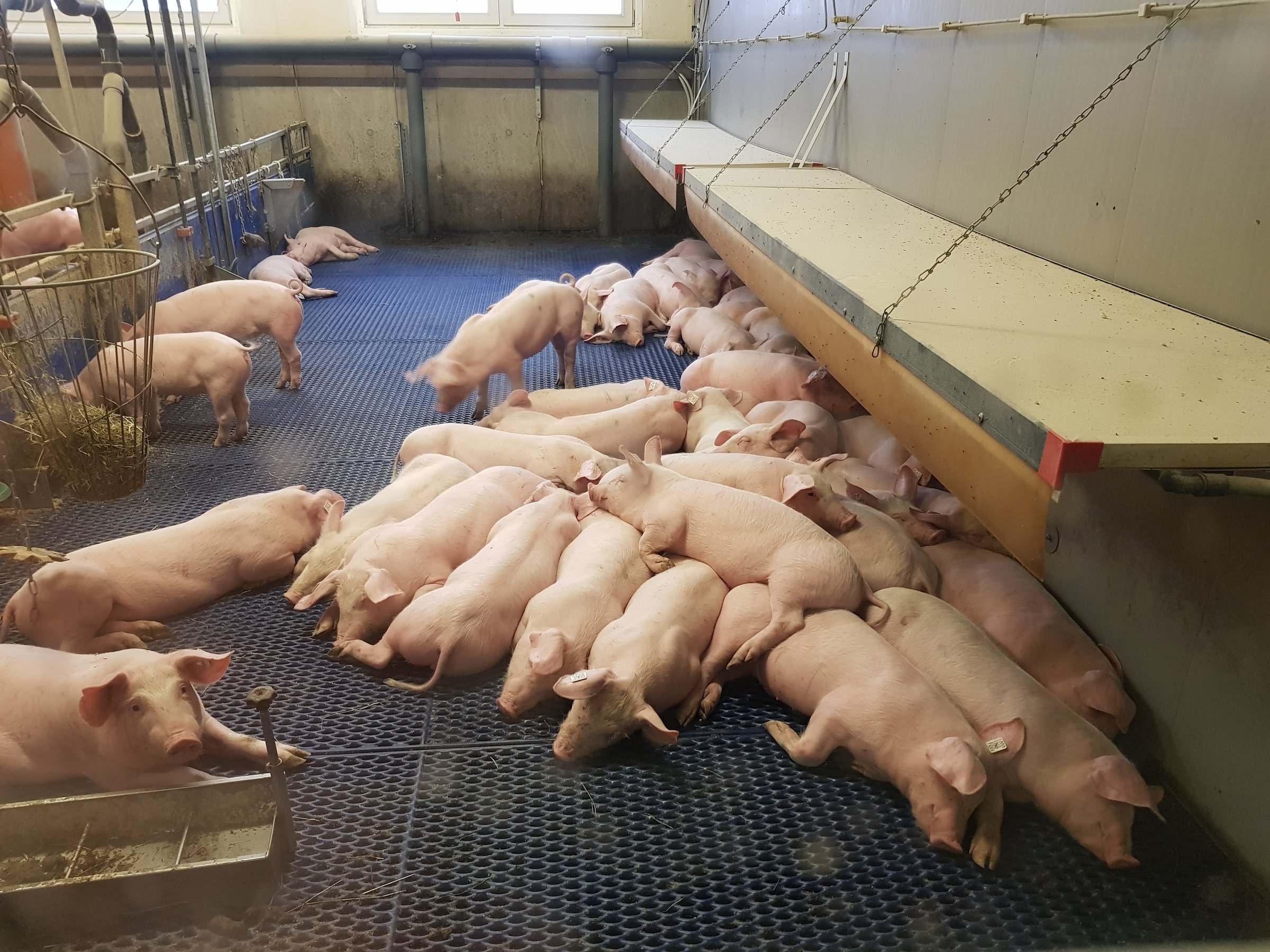
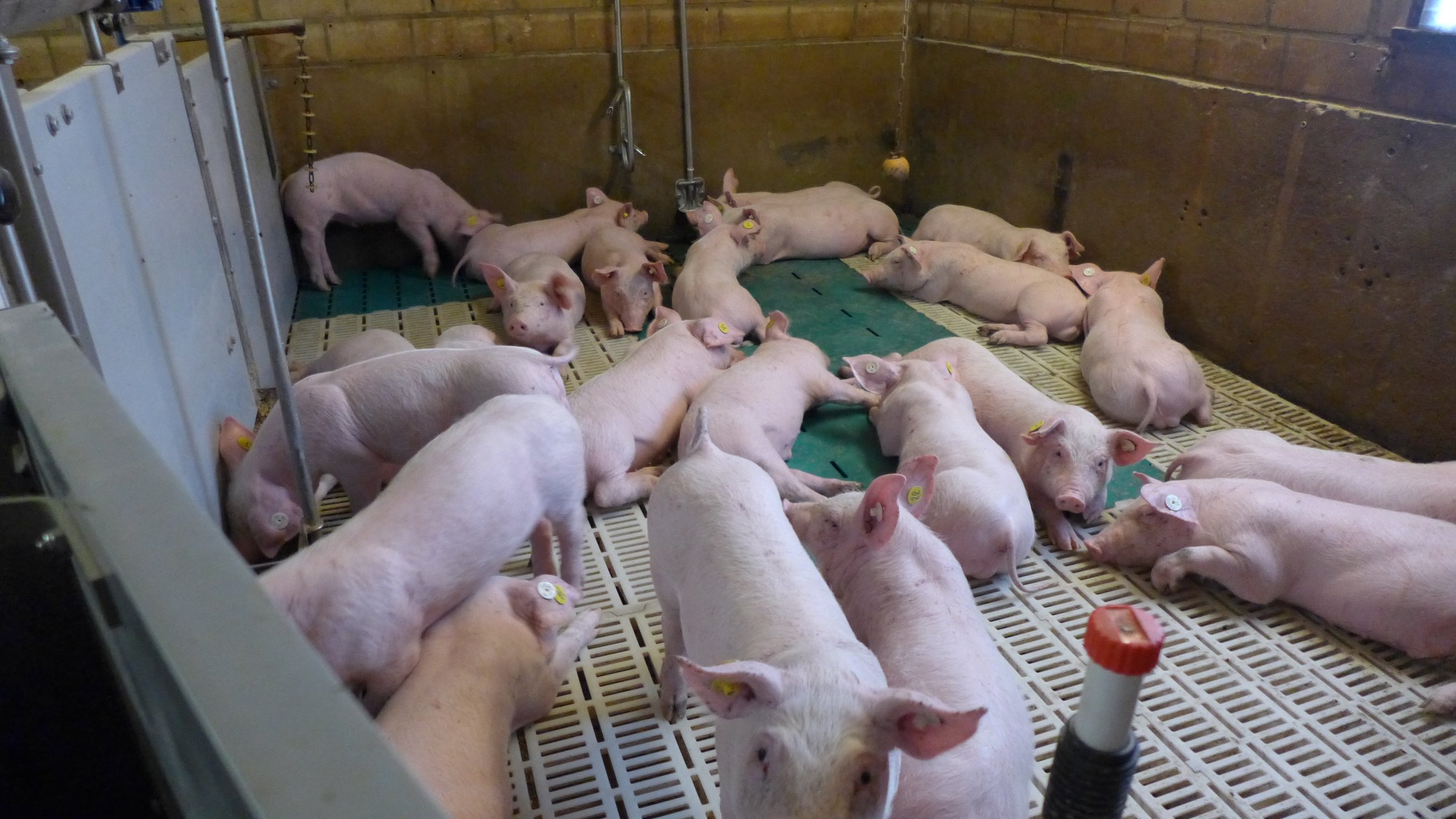
Draughts, significant temperature fluctuations – particularly between day and night – or sudden changes in the weather (heat storms), excessive concentrations of harmful gases, inappropriate humidity levels, or temperatures that fall outside the pigs’ comfort range for their age group can all be causes of tail-biting. The individual comfort zones of individual pigs may also vary. It is therefore advisable to offer a choice of different climatic zones, e.g. through cubicles, varied flooring designs or the provision of cooling options.
Early signs
The pigs are huddled together (too cold) or scattered widely in areas of faeces and urine (too warm). In this case, the pigs are often very dirty. Furthermore, dark tear stains, reddened conjunctiva, as well as nasal discharge, coughing and sneezing may indicate draughts, excessive concentrations of harmful gases, or unsuitable temperature ranges.
Tip: regular climate checks (mandatory once a year for ITW)


Combination of factors: heat stress/water shortage
Pigs can overheat quickly, particularly in summer, as they do not have sufficient sweat glands. Pigs are contact coolers, meaning they require cool surfaces for thermoregulation. Sometimes higher-ranking animals also block access to drinking troughs and cooling areas, leaving lower-ranking animals unable to drink water and/or cool down. A water flow rate that is too low or too high can impair water intake. Switching between different watering techniques (e.g. when moving pigs from piglet rearing to fattening) can also lead to reduced water intake.
Early signs
- The pigs produce firm faeces.
- The pigs are extremely clean (no damp areas available for cooling) or very dirty (the animals cool themselves in the manure area).
- The animals are ‘queuing’ at the drinking points.
- Scattered lying, sometimes even in the faecal and urine areas of the pen, is a clear sign that the animals are too warm!

Complex of causes: Engagement and structuring of the environment
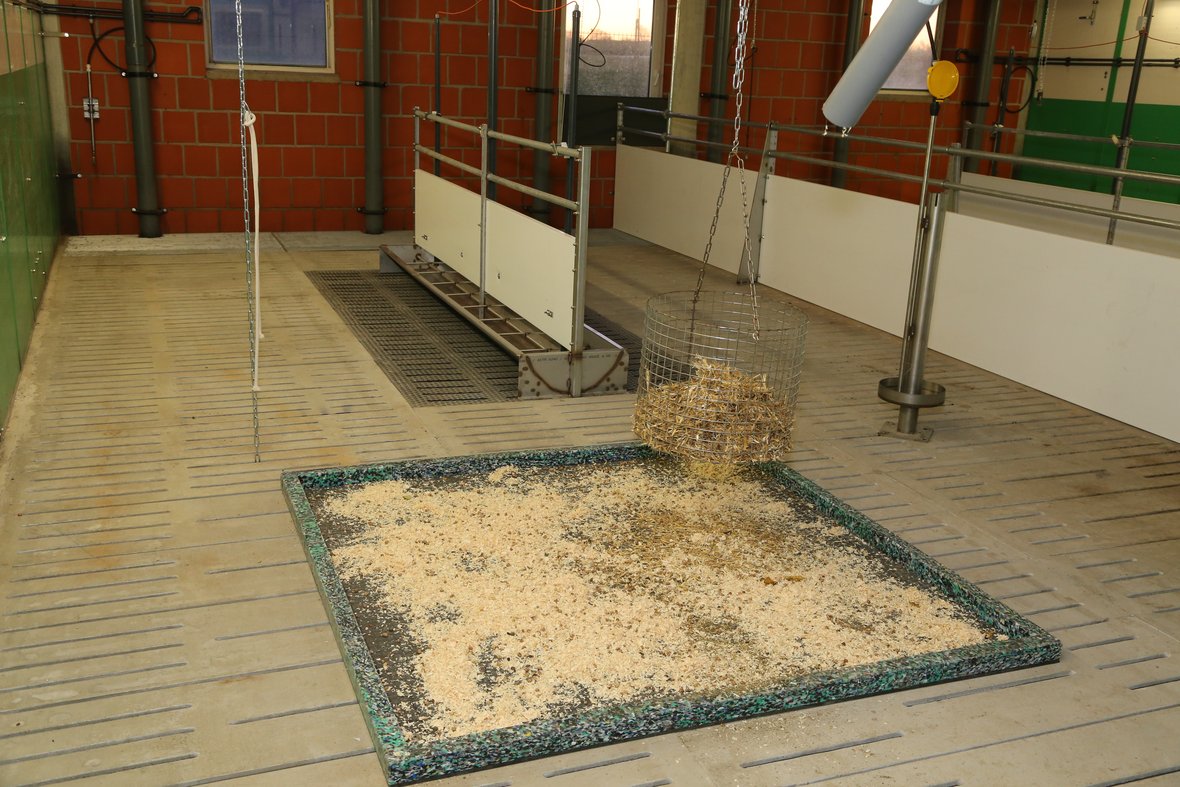
A low-stimulus environment and boredom can also lead to tail-biting. It is therefore important to provide enrichment materials that cater to pigs’ natural exploratory and rooting behaviour. Finding the right enrichment is more important than simply increasing the number of options. To provide sustainable enrichment, feeding behaviour must be addressed. Chewable material that can be moved with the snout and, ideally, rooted through is more suitable than technical enrichment devices. It should be palatable and, where possible, fresh and clean every day. A lack of variety quickly leads to boredom. Ideally, therefore, enrichment materials should be changed regularly. The placement of the enrichment material is also important. Placing it close to the ground is preferable to hanging it. Care must be taken to ensure that the material does not become soiled. Enrichment material should, where possible, be provided in the activity area. Placing it in the centre of the pen allows more animals access at the same time than placing it on the side wall.
It is necessary to divide the pen into functional areas such as: ‘Activity/Feeding’, ‘Sleeping/Resting’, ‘Drinking/Defecation and Urination’ so that all pigs can adequately express their species-typical behaviours. It is important that even lower-ranking animals in a group have access to all resources and can avoid higher-ranking animals. Competitive situations lead to stress and may result in tail-biting by individual animals.
Early signs
The pigs are restless and display excessive manipulation of conspecifics, fixtures and fittings, and even animal carers. Competitive situations around feed troughs, drinking points and resting areas, involving fighting and screaming, can also be early signs that some animals are finding insufficient access to resources.
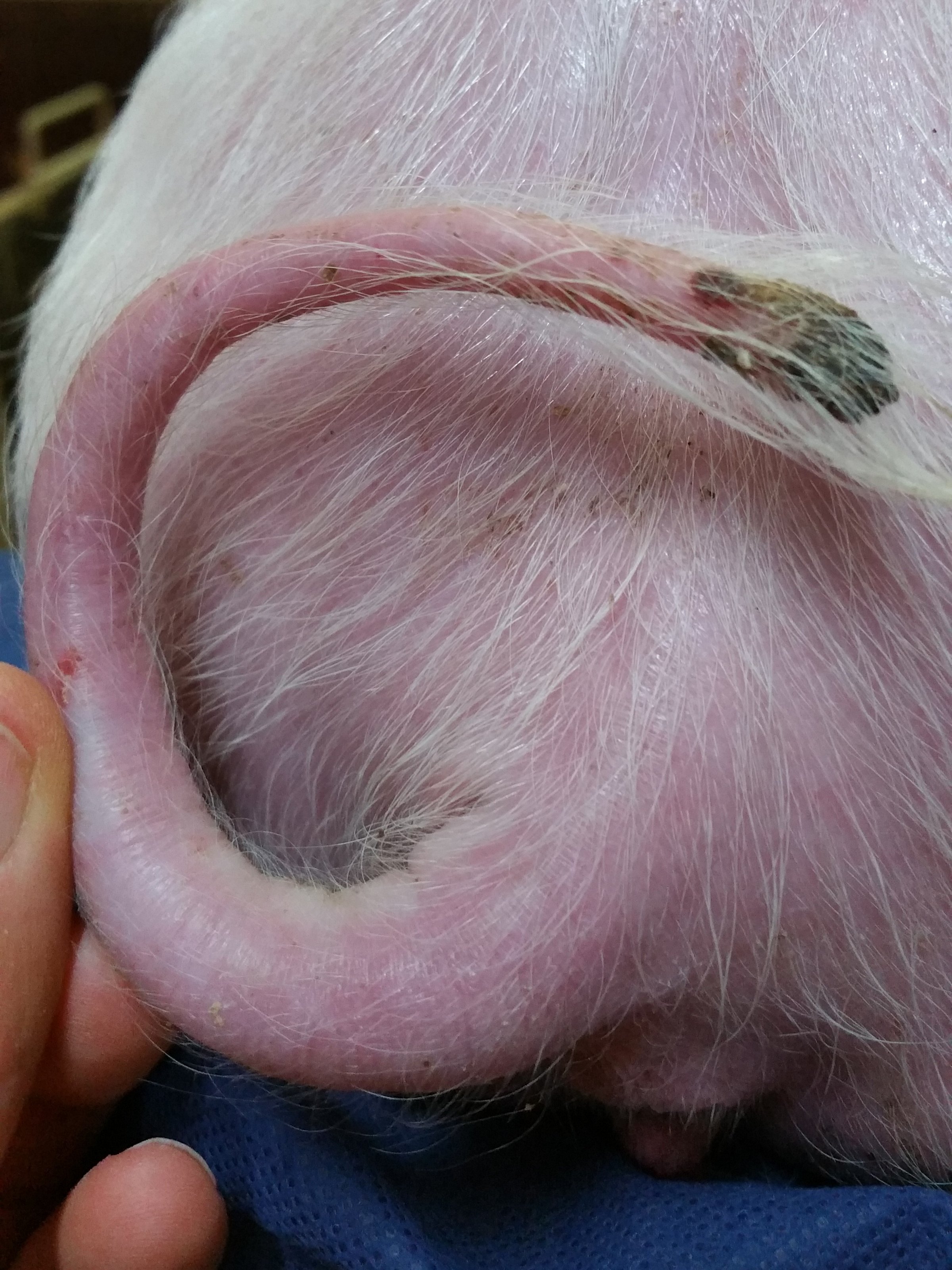
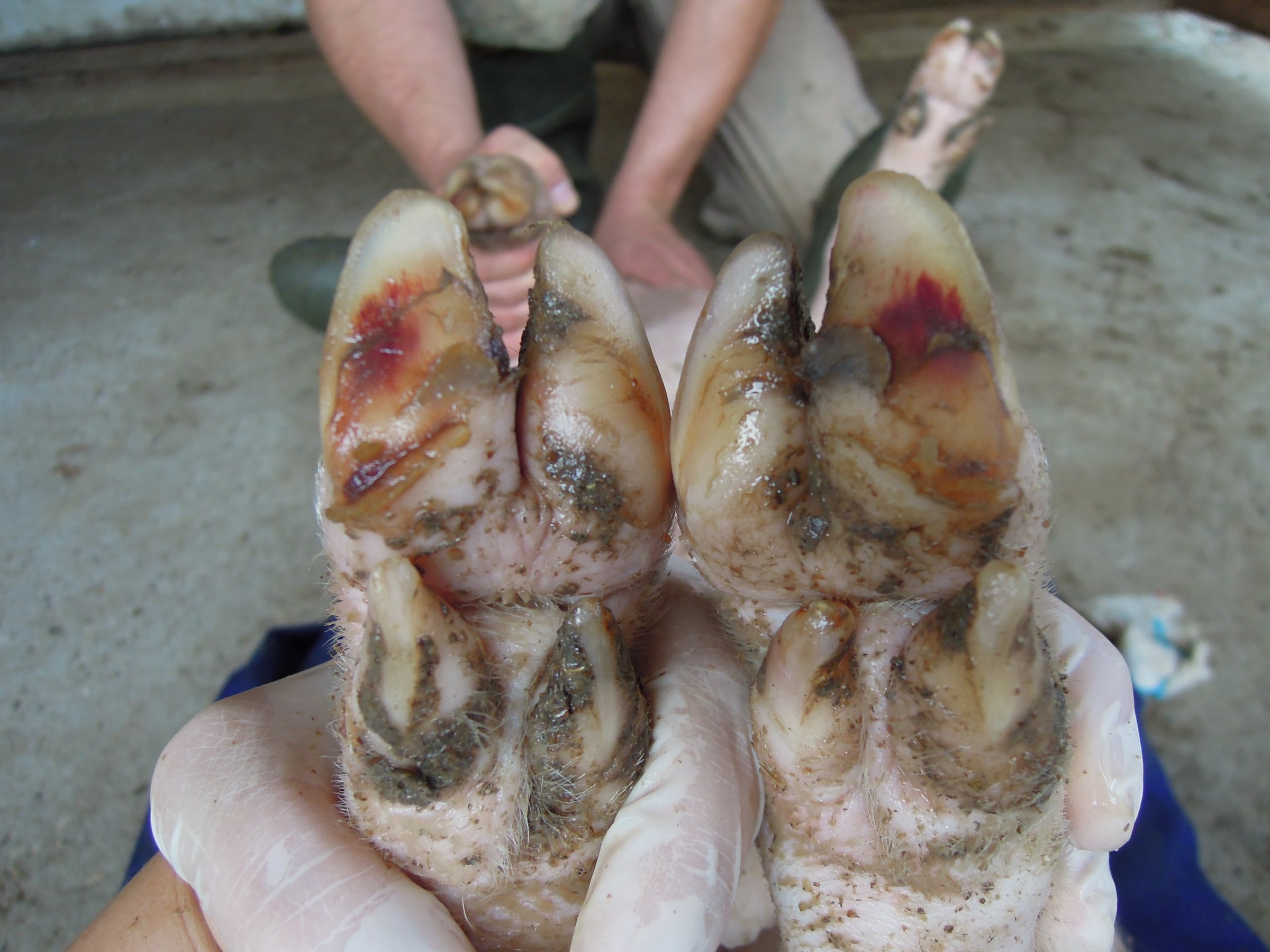

Complex of causes: (myco-)toxins
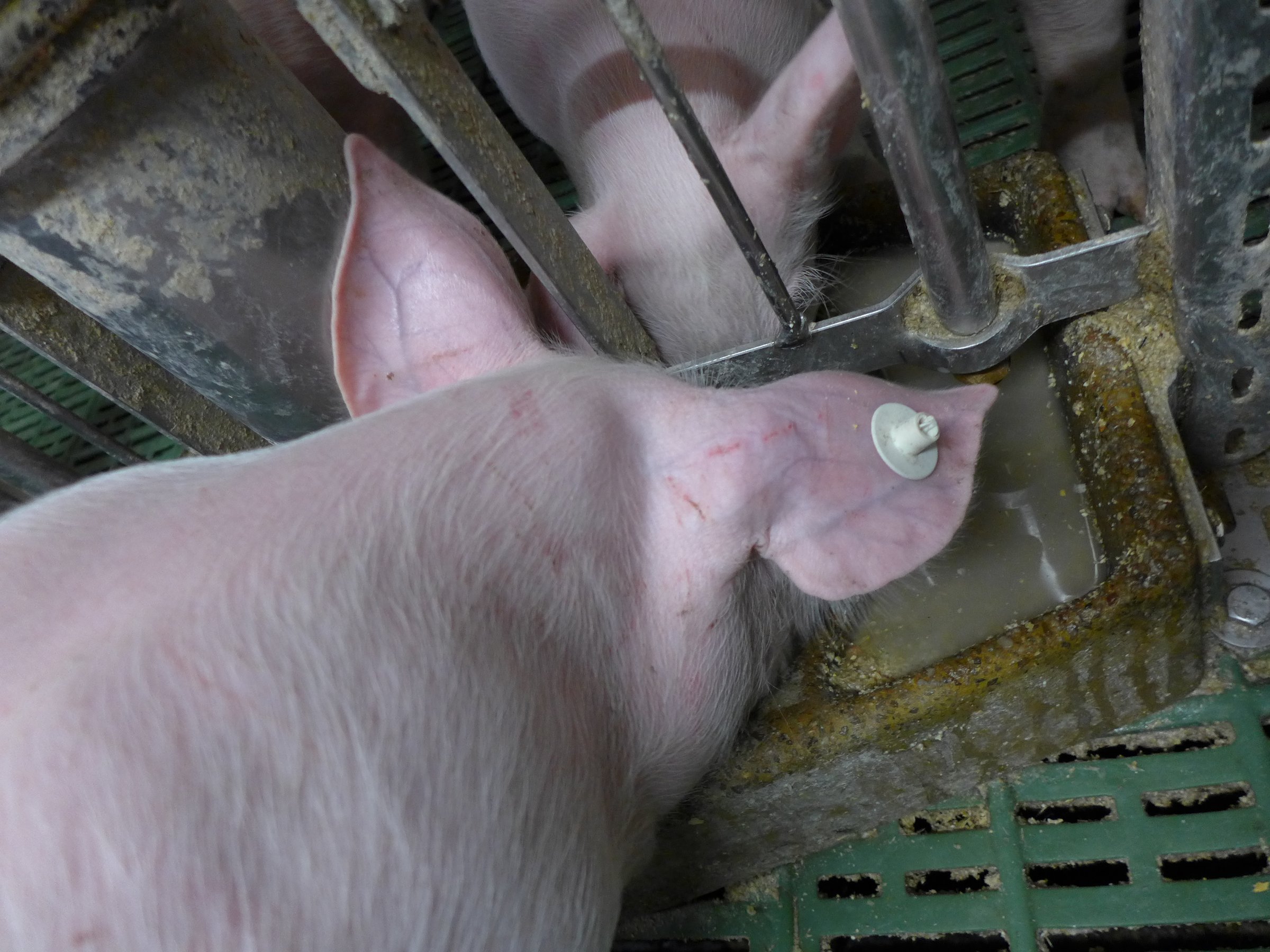
Feed and bedding contaminated with mycotoxins can contribute to an outbreak of tail-biting. However, endotoxins released by bacteria – which enter the pig’s bloodstream, for example, as a result of a disrupted gut microbiome and damage to the intestinal barrier – can also trigger typical symptoms:
Early signs
- There is reduced blood flow to the tips of the ears and tail; the tip of the tail becomes shiny and hairless, and necrosis (tissue death) develops later.
- As a result, the animals often display wagging or tucked-in tails and do not shy away from being nibbled by penmates.
- Female animals may have a swollen vulva.
- At the same time, reduced blood flow to the hoof corium can lead to lameness.
- Symptoms occur in waves and usually affect many animals at the same time,
- Groups of animals often drift apart.
- Other non-specific symptoms may occur.
Scientifically, this clinical picture is referred to as SINS (‘Swine Inflammation and Necrosis Syndrome’). However, SINS can also be caused by other factors.
Other factors
Many other factors can influence tail-biting behaviour
- Stocking density
- Group composition by sex and weight
- Lighting (direct sunlight or continuous lighting)
- High noise levels
- An unsuitable animal-to-feeding area ratio
- Genetic factors
- And many more...
Checklist for preventing behavioural disorders (tail biting)