
Treatment of pigs that have been bitten
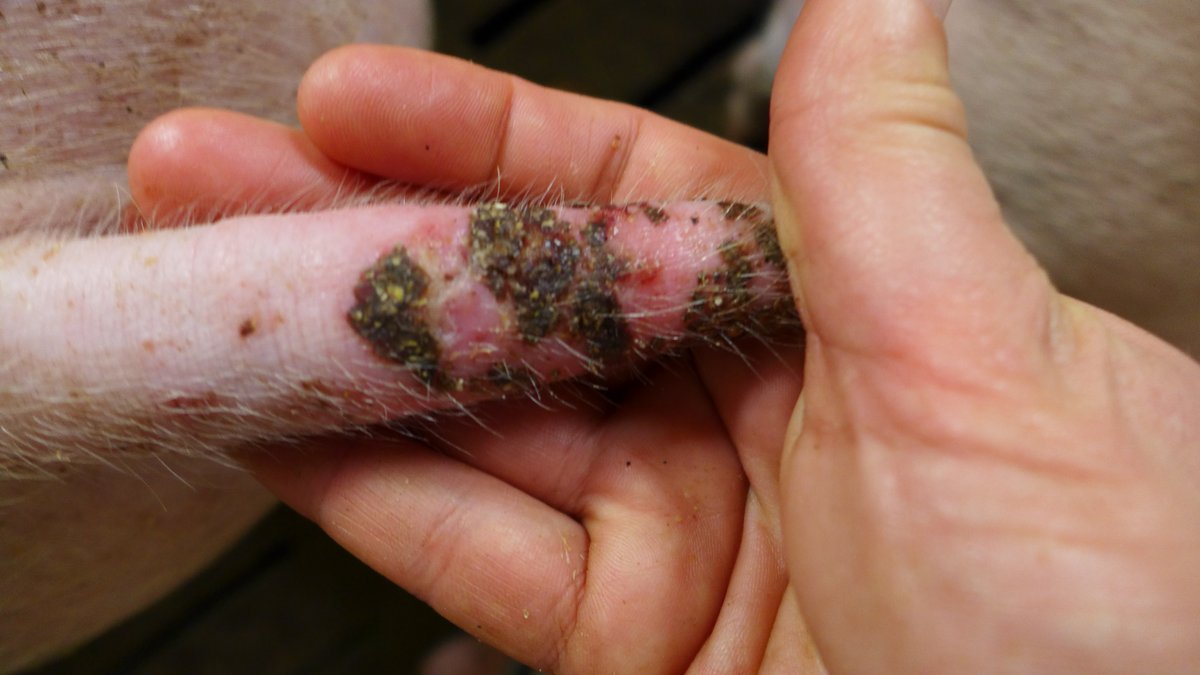
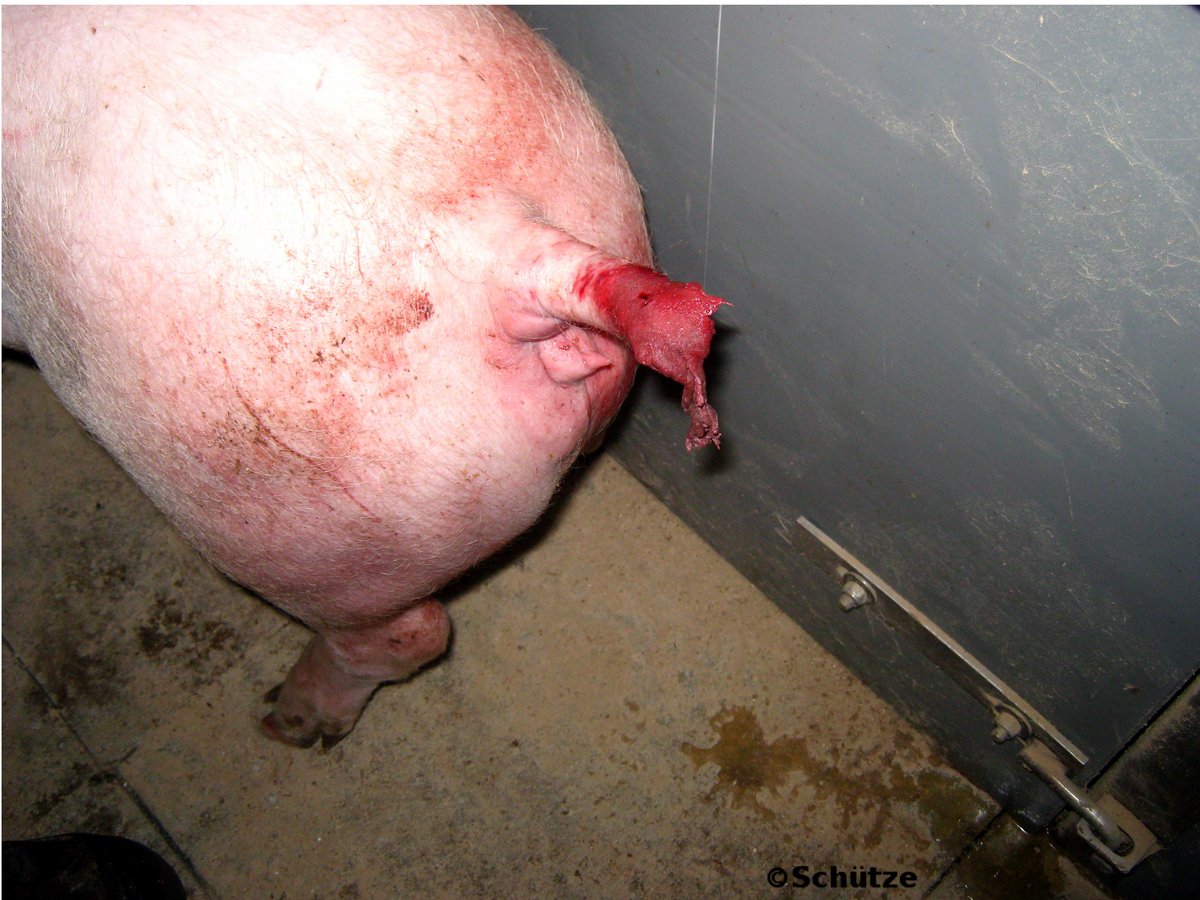
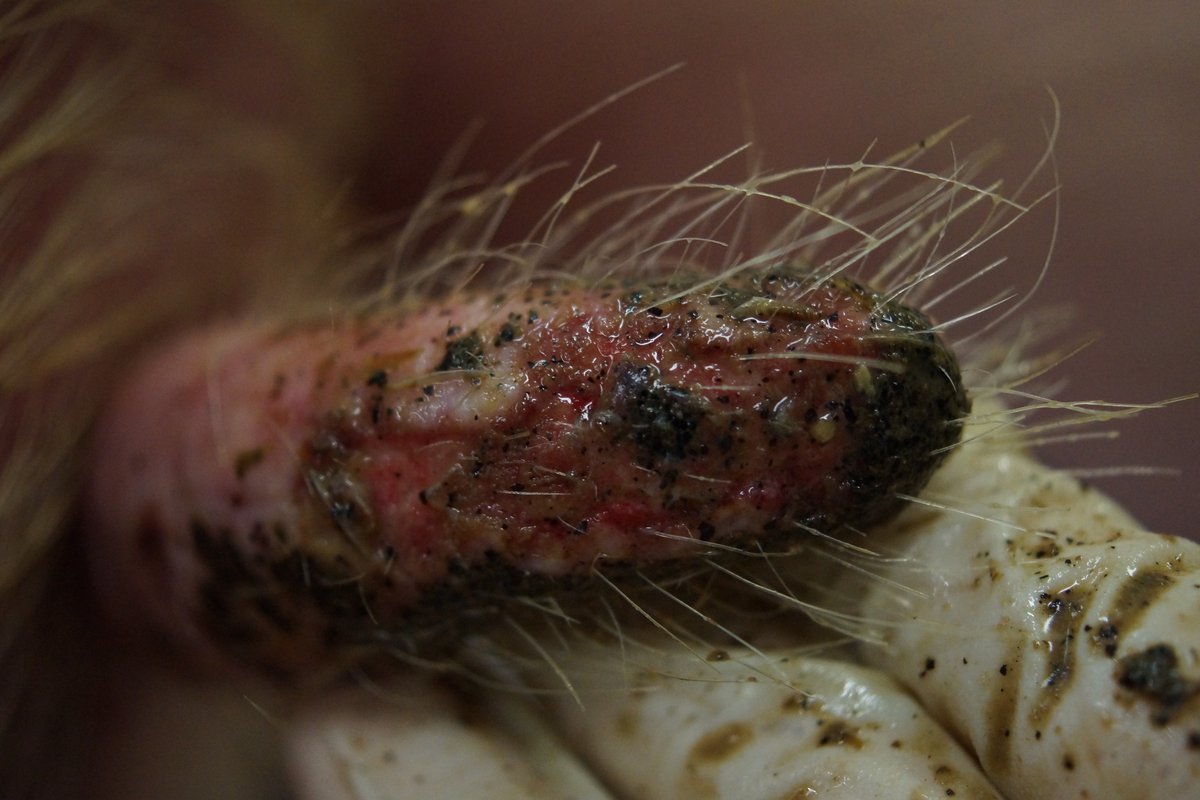
Identifying tail lesions and assessing their severity is crucial for correctly determining the need for treatment. Regular checks on the animals are necessary to detect injuries at an early stage and take appropriate action. Therefore, the frequency of checks should be significantly increased at the first signs of tail-biting! This is the only way to prevent more serious damage. Taking the animal’s temperature helps to assess the severity of injuries. It also aids in making decisions regarding further treatment, suitability for slaughter and transport, or even emergency euthanasia.
To minimise damage caused by tail-biting, it is necessary to provide both sick pens and sufficient separation facilities:
Separation of individual animals that have been bitten
To promote healing and prevent further injuries, it is essential to separate the appropriate animals from the group. The animals responsible for biting should be the primary focus. However, separating animals with minor injuries also reduces stress and the risk of further attacks. Dedicated isolation pens can be provided for this purpose, equipped in the same way as a standard pen. However, returning animals to their original pen is often problematic and associated with new ranking battles and biting. It may therefore be more sensible to separate affected animals within their own pen, so that they do not lose contact with their pen mates and can be reintegrated into the group later. It is important that all animals retain sufficient access to drinking, feeding and resting areas.
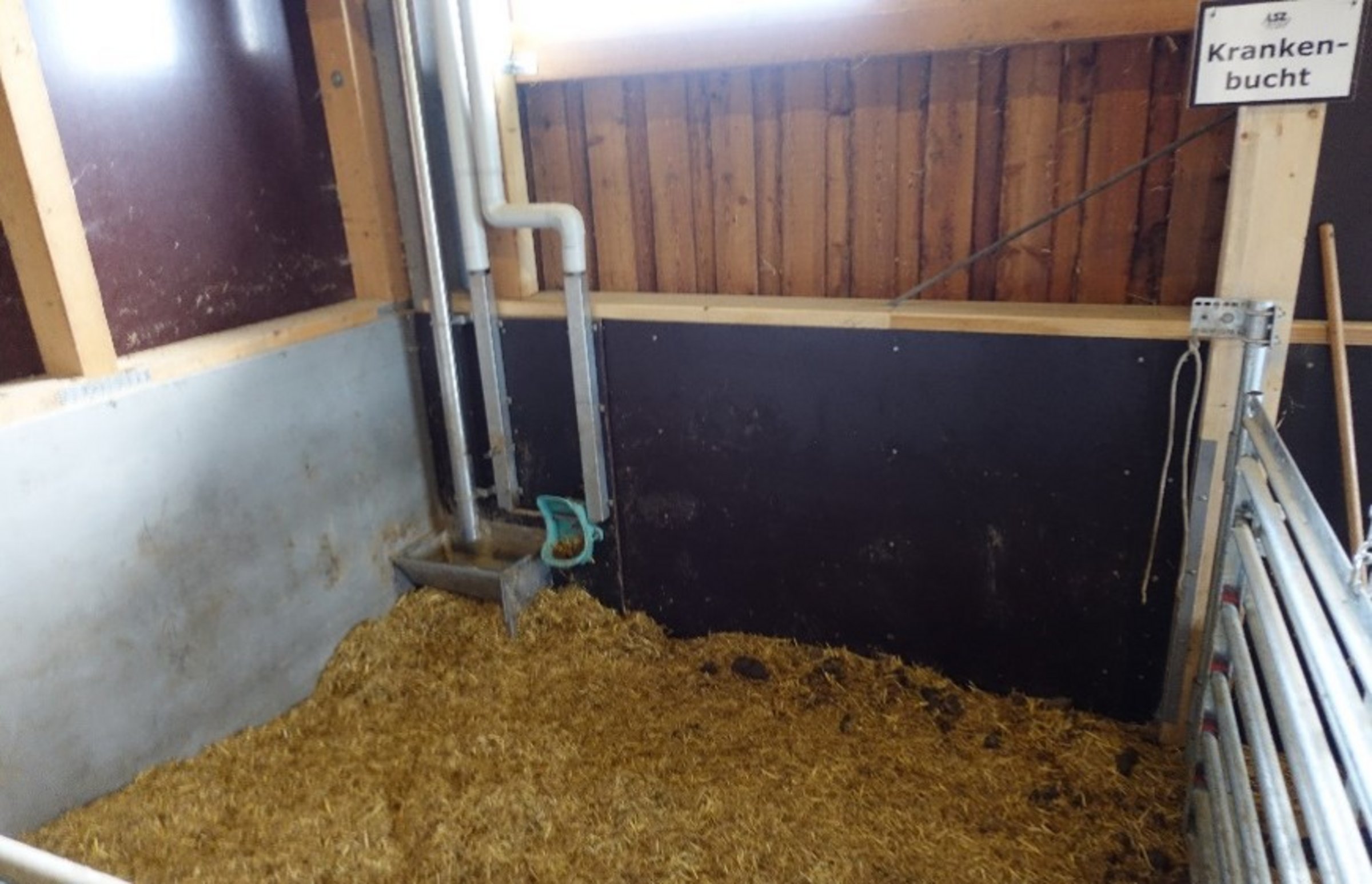
Ensure there are sufficient sick or convalescent pens available
Animals with more serious injuries need a quiet and safe place where they can rest and which aids their recovery. As it is often difficult to return bitten animals to their pens once they have recovered, it is important to provide a sufficient number of special recovery pens or to partition off part of an existing pen.
A recovery pen must be easily accessible and allow the animals easy access to feed and water (e.g. through low-level feeding and open water troughs). Injured pigs also require dry and soft bedding or a soft surface so that the pig does not come into contact with the hard floor. It is also important that the soft lying area can be used by all pigs in the recovery pen at the same time.
To ensure that sick and injured pigs can be separated immediately, a ready-to-use sick pen must be available at all times. It is recommended to reserve space for at least 2.5–3%* of all animals kept in piglet rearing and fattening. When housing uncast pigs, at least 5% is required, but usually more.
Treatment of animals that have been bitten, in consultation with the vet
Wound care and pain relief should always be carried out in consultation with a vet. The vet will initiate appropriate treatment measures to prevent infection and support healing. It is advisable to discuss the necessary course of action in sufficient detail beforehand. In the event of an infection, antibiotic treatment must be administered to prevent or stop the inflammation from spreading. Painkillers or anti-inflammatories must be administered in cases of inflammation and painful injuries, as the pig’s tail is permeated with sensitive nerve fibres right down to the tip. The treatment of the animals must be documented.
Masking the smell of blood with washing, powder or sprays
To neutralise the smell of blood and prevent further attacks, affected animals can be washed and treated with special powders or sprays. It is important to use only approved products to ensure safety and effectiveness. Not all of the products commonly used in practice are permitted.
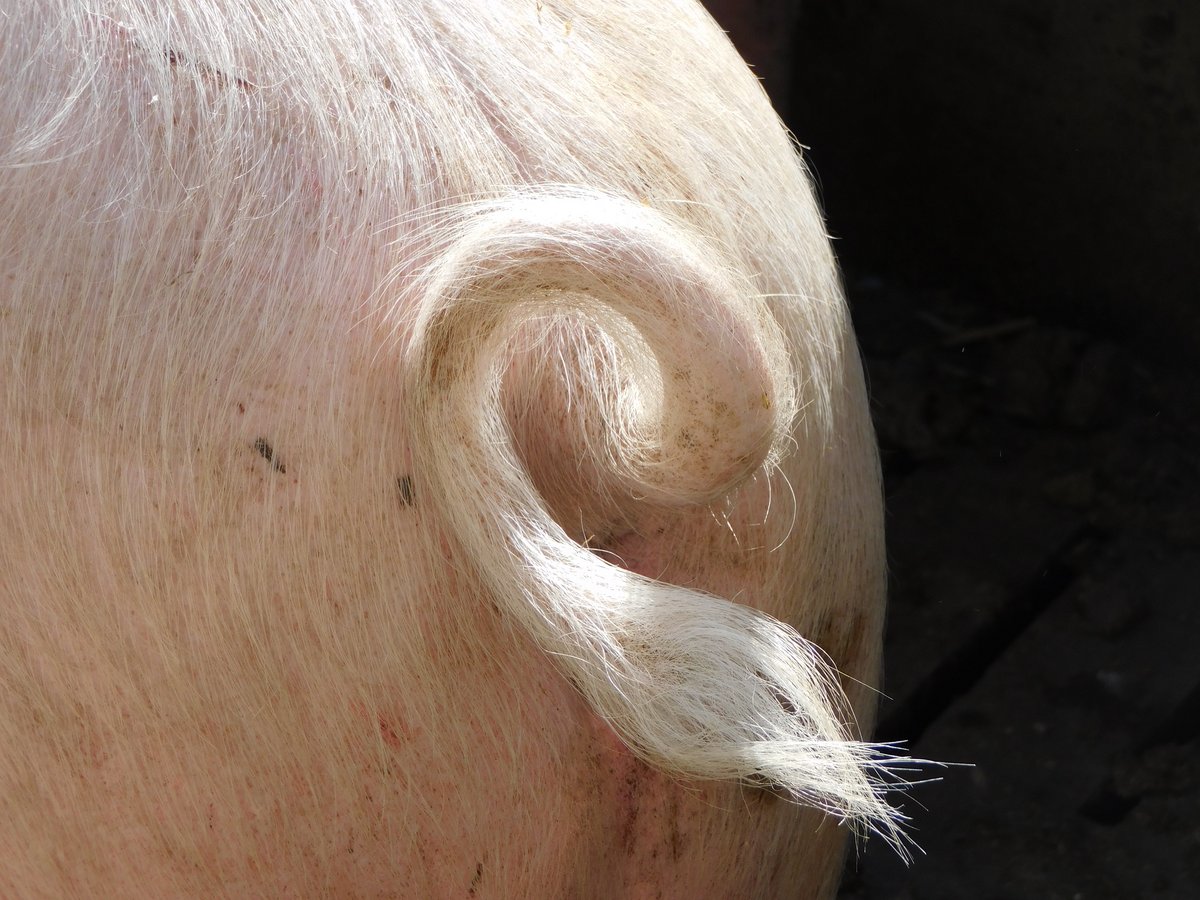
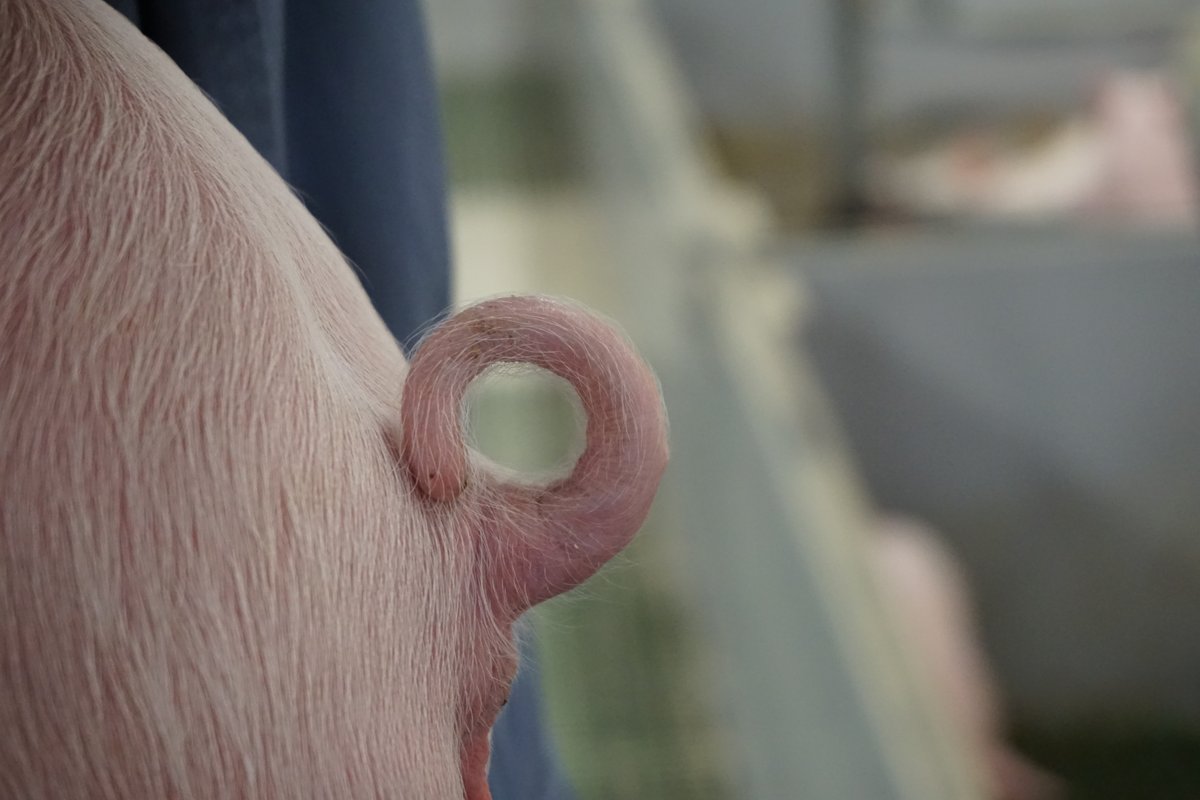




The brochure “Focus on Pig Welfare – Handling Sick and Injured Animals” (registration required) can provide guidance on deciding whether animals are fit for slaughter and transport.
Record lesions in newly arrived animals
Newly arrived animals should always be assessed on delivery in order to identify any potential injuries at an early stage, take appropriate action and be able to make claims for compensation. This involves a thorough examination and assessment of the animals upon their arrival at the farm. In addition, a pre-placement assessment can help to evaluate the course of events.