
- Uwe Beißwenger, LKV Baden-Württemberg
- Detlef May, Teaching and Research Institute for Animal Breeding and Husbandry, Groß Kreutz
- Prof. Dr. Heiko Scholz, Anhalt University of Applied Sciences
- Prof. Dr. Ralf Waßmuth, Osnabrück University of Applied Sciences
● Lydia Stahl, Justus Liebig University Giessen
Funding note:
This document was produced as part of the collaborative project ‘Netzwerk Fokus Tierwohl’, funding reference numbers 28N-4-013-01 to 28N-4-013-17, by the ‘Heat Stress’ working group of the Animal Welfare Competence Centre for Cattle, and methodologically and didactically adapted by DLG e.V. and FiBL
Deutschland e.V. The joint project of the Chambers of Agriculture and agricultural institutions across all federal states aims to improve the transfer of knowledge into practice in order to make cattle, pig and poultry farms fit for the future in terms of animal-welfare-friendly, environmentally sound and sustainable livestock farming.
The project is funded by the Federal Ministry of Food and Agriculture pursuant to a resolution of the German Bundestag.
All information and advice is provided without any warranty or liability.
Publisher
DLG e.V. Agricultural
Centre
Eschborner Landstraße 122
60489 Frankfurt am Main
FiBL Deutschland e.V. Animal Welfare
Division
Kasseler Straße 1a
60486 Frankfurt am Main
Reproduction and transmission of individual text sections, drawings or images (including for the purpose of lesson planning), as well as the provision of the information sheet in whole or in part for viewing or download by third parties, is permitted only with the prior approval of the relevant office of the Animal Welfare Competence Centre for Cattle and DLG e.V., Marketing Department, Tel. +49 69 24788-209, [email protected].
Introduction
Protection from the heat is often recommended for suckler cows – yet in practice, things often turn out differently. This document aims to raise awareness of the issue of heat stress in pasture and provide information to help assess heat stress directly in the animal. Only those who can reliably assess heat stress are in a position to judge whether existing weather protection is sufficient for the animals or whether action is required. Many factors influence whether heat stress occurs or not. In addition to the legal framework, the key aspects of cattle thermoregulation (including adaptive responses and consequences when the animal’s adaptive capacity is exceeded), and environmental factors that exacerbate or alleviate stress, specific requirements and solutions for implementing weather protection are presented. Checklists for assessing heat stress based on animal-related factors are provided, and options for reducing heat stress are presented.
When one considers that cattle were originally steppe animals, it becomes clear why they possess such a high capacity for adaptation. There are countless studies on dairy cattle whose fundamental findings also apply to suckler cows, beef cattle and young stock on pasture (Polsky and von Keyserlingk, 2017). Due to the scarcity of systematic research findings from Europe, reference is primarily made to North American studies. Although conditions there differ, the findings are transferable in part.
Legal framework (laws, regulations, guidelines and recommendations)
With regard to weather protection, there are various requirements, some of which are legally binding, whilst others are to be regarded as recommendations.
National level
In Germany, the Animal Welfare Act (TierSchG, 2020) and the Animal Welfare and Livestock Husbandry Ordinance (TierSchNutztV, 2021) form the legal basis:

- Animal Welfare (Livestock) Ordinance §3(2)(3): “Housing facilities must be equipped in such a way that the animals are afforded sufficient protection from adverse weather conditions, insofar as this is necessary to maintain their health, and that the animals are protected from predators as far as possible; in the case of outdoor access, it is sufficient if the livestock are provided with shelter.”
- Animal Welfare Act §2 No. 1 “Anyone who keeps, cares for or is responsible for the care of an animal (1) must feed, care for and house the animal in a manner appropriate to its species and needs.”
- Animal Welfare Act §1 “No one may cause pain, suffering or harm to an animal without reasonable cause.”
The Animal Welfare (Livestock) Ordinance (2021) and the Animal Welfare Act (2020) are legally binding. The Animal Welfare (Livestock) Ordinance applies only to the keeping of livestock for commercial purposes, whereas the Animal Welfare Act applies to all animals – including those kept for non-commercial purposes (hobby farming) and those kept for landscape conservation and nature development projects.
Guidance is provided at national level, albeit without being legally binding, by the guidelines on year-round outdoor husbandry (TVT Leaflet 85, 2006):
- Year-round grazing for cattle requires protection from the weather.
- Protection against hypothermia is easier to provide than removing excess heat from the body
- The average lying time is assumed to be approximately 10 hours, with cattle being most active during the day.
International level
There is a recommendation at European level:
The Council of Europe Recommendation (EUROPEAN CONVENTION FOR THE PROTECTION OF ANIMALS KEEPED FOR FARMING PURPOSES – RECOMMENDATION ON THE KEEPING OF CATTLE, adopted by the Standing Committee at its 17th meeting on 21 November 1988) applies, amongst other things, to all cattle in agricultural livestock farming. In
Article 16 of the Recommendation refers to protection from the weather as follows:
“1. Where cattle are kept outdoors on pastures without natural shelter or shade, artificial shelter from the weather should be provided.
2. Pastures should be selected and managed in such a way as to ensure that grazing animals are not exposed to physical, chemical or other health hazards that the keeper can prevent.”
In addition, there is:
As an example from abroad, an extract from an administrative court ruling in Switzerland may also be cited (Federal Veterinary Office, Switzerland, 2004):
‘…states in its opinion of 5 August 2003 that, at a relative humidity of 70%, as is typical on a hot and dry summer’s day, heat stress for dairy cows begins at an air temperature of approximately 24 °C in the shade. At 29 °C in the shade, a clearly stressful condition is already reached. From 35.5 °C, there is very severe heat stress with an acute risk to life. For cows and calves in suckler cow systems, these temperature figures are applicable with slight upward adjustments.”
Space required for weather protection
There are no legally binding requirements regarding the space required for weather protection for cattle; instead, there are only recommendations, some of which vary considerably.
To obtain guidelines for space requirements for lying in the shade, there are numerous different figures in the literature, some of which focus on the lying area and others on the floor area. Some of these figures go well beyond the requirements stipulated, for example, in organic cattle housing. Taking into account animal welfare, the practicality of implementation and sustainability, the following recommendations have been derived:
Recommendation on space requirements for protection against heat for suckler cows
- At the time of day when heat stress is at its peak (usually in the afternoon), all animals must have access to a shaded area.
- The recommended minimum area per cow in the shade is ideally 4 m², which can be adjusted upwards or downwards depending on herd size, body mass, social behaviour, horn status, etc. For calves, the LAVES (2000) recommendation of 1 m² per animal should be followed.
The following sources were compiled and evaluated to aid decision-making:
Thermoregulation in cattle under environmental stress
Thermoregulation – that is, the adjustment of body temperature in response to ambient temperature – operates within certain limits and can be severely challenged by weather-related stress. The following section explains the basics and mechanisms of thermoregulation in cattle.
Temperature zones and thermoregulatory capacity
Cattle attempt to maintain a constant core body temperature. According to Dirksen et al. (2006), the normal core body temperature in adult animals is between 38–39 °C, in calves between 38.5–39.5 °C and in young cattle between 38.0–39.5 °C. In response to weather-related stress, behavioural changes occur first, followed by physiological adaptation (Sporkmann et al., 2016). Adaptability changes with the age of the animal (Bianca, 1977). The overview also shows that adult cattle are more tolerant of cold than of heat (Bianca, 1976).
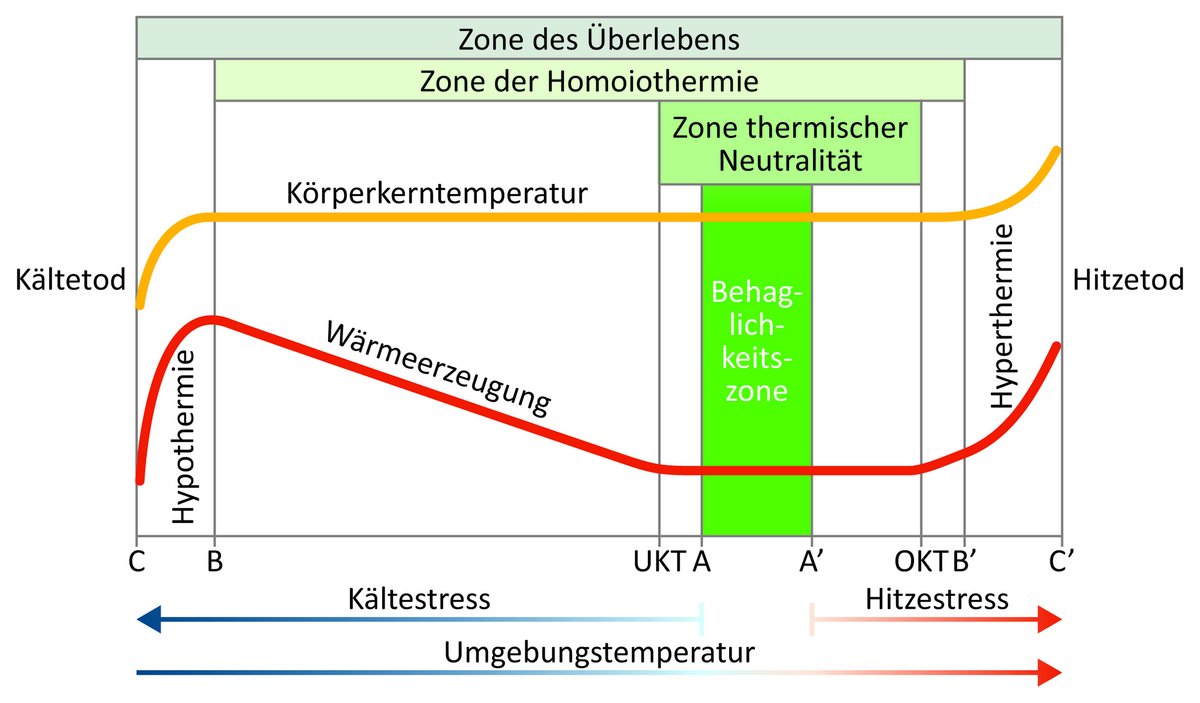
According to Bianca (1968), the thermoneutral zone – the range within which the animal does not need to expend additional energy to regulate its body temperature – lies between 0°C and 16°C for cattle.
If the limits B and B’ are exceeded or fallen short of, the animals can no longer maintain their body temperature within the physiological range and their lives are at risk (Sporkmann et al., 2016).
Calves whose mothers care very well for their offspring (early licking dry, presenting the udder, physical closeness, providing shade, etc.) have a higher tolerance to adverse weather conditions than those left to fend for themselves. The thermoneutral zone for milk-fed calves is described as between +15 °C and +25 °C at a humidity of 50% to 60%. For older calves, which already have a functioning rumen and are therefore able to ruminate, the thermoneutral range is assumed to be between +5 °C and +15 °C (Berkemeier, 2021 in Elite Magazin; Hufelschulte, 2020 in topagrar).
Brown-Brandl (2005) state that the core body temperature of suckler cows lags behind the ambient temperature by one to five hours. Mader et al. (2005) report a time of 1.0 to 3.5 hours for beef cattle for their core body temperature to return to normal following an increase.
In practical terms, this means that adaptive responses take time. If there is uncertainty as to whether the animals are suffering from heat stress, an assessment (measured internationally using the Panting Score) should be carried out based on panting, increased respiratory rate, salivation or core body temperature.
Curtis et al. (2017) found that the correlations between cattle’s daily dry matter intake and ambient temperature data for the same day were not significant. Instead, the authors observed a three- to five-day time lag in the response of daily dry matter intake to heat stress. This constitutes a delayed adaptive response.
Limit of adaptability
- “At a core body temperature of between 40.5 °C and 41.7 °C, most cattle breeds experience a complete cessation of bodily functions; this threshold is referred to as the lethal temperature.” (Fischer et al., 2014)
- If the heat tolerance threshold is exceeded, there is a risk of dehydration, central nervous system symptoms caused by cerebral oedema, and death as a result of respiratory centre paralysis or circulatory failure. Rectal temperature 40–43.5 °C (Dirksen et al., 2006)
(adapted from FAT Report No. 620)
(adapted from FAT Report No. 620)
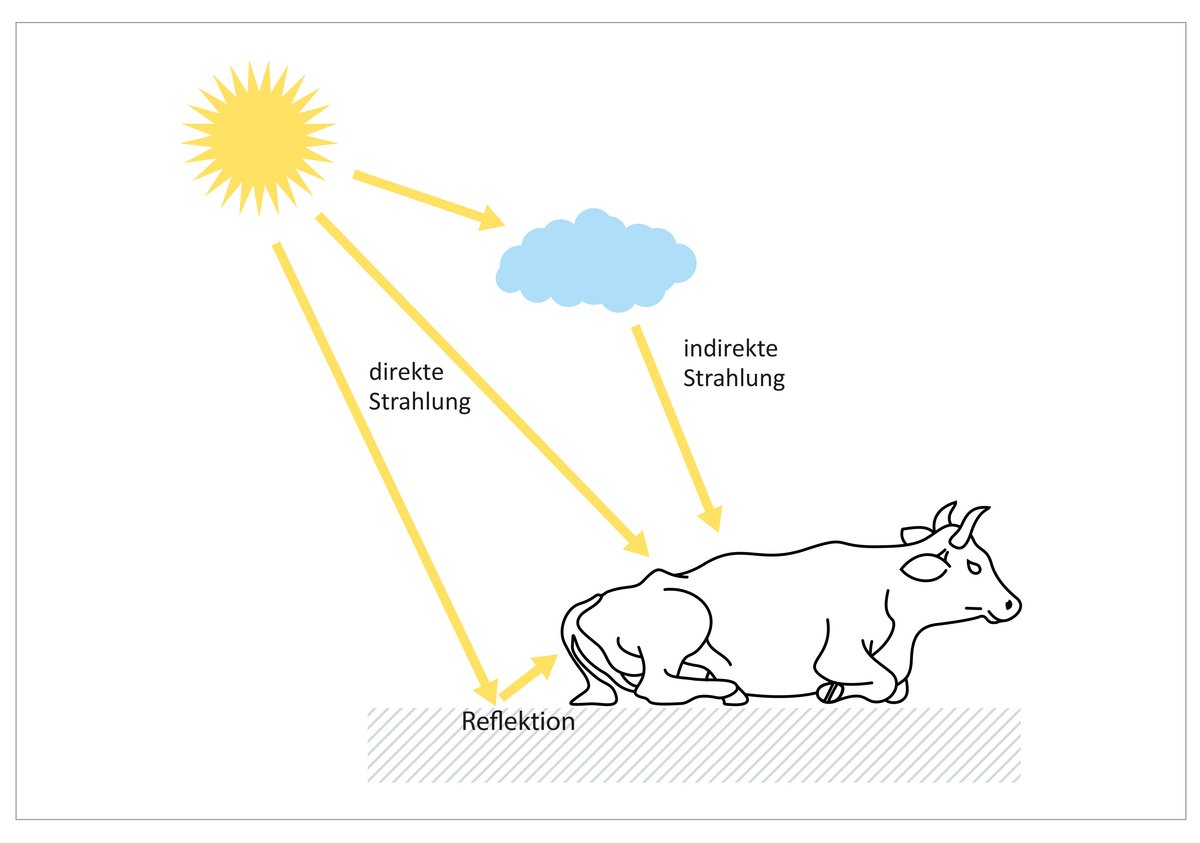
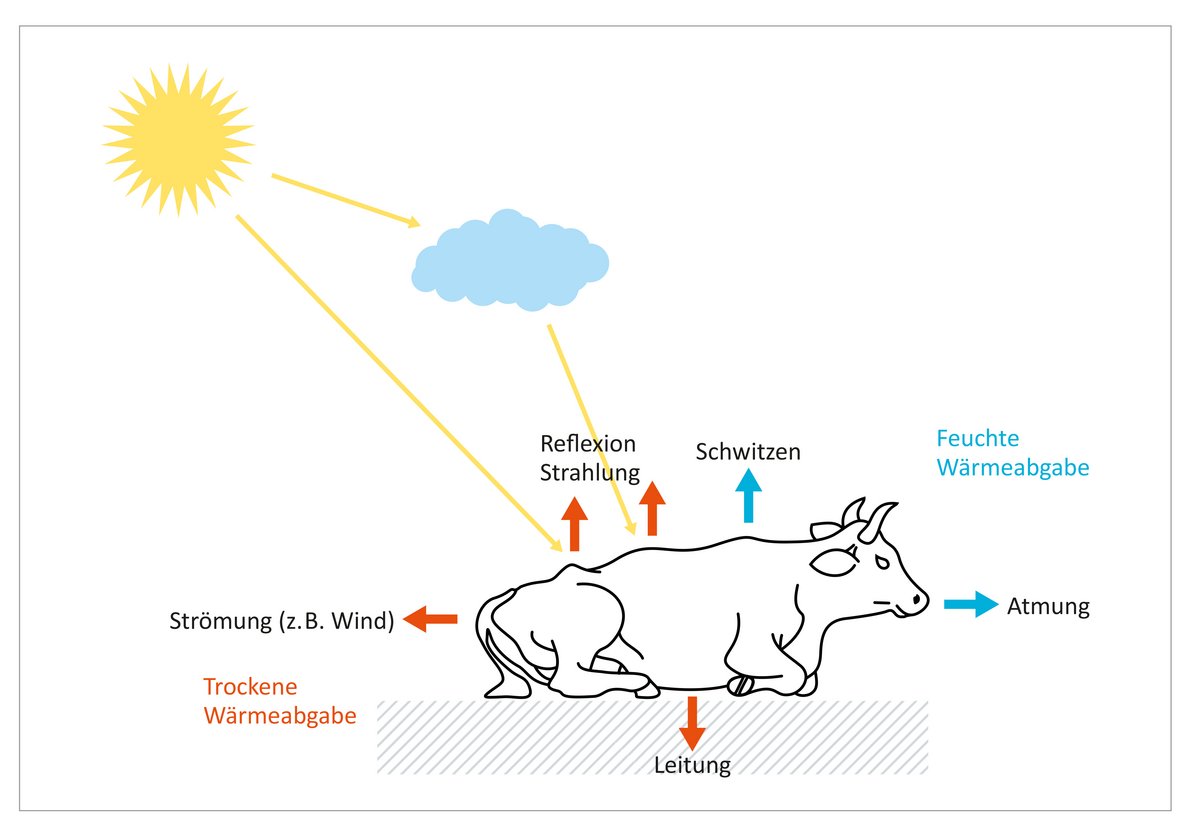
Heat transfer (conduction, convection, radiation)
There are various ways in which heat is exchanged:
- Heat conduction: Heat flows towards the medium with the lower temperature (e.g. water, air, ground)
- Heat flow or convection: Heat is carried away by a flowing medium (e.g. wind)
- Radiation: Heat is transferred via electromagnetic waves (e.g. sunlight)
Stress factors that lead to increased heat stress (Fischer et al., 2014; Dirksen et al., 2006)
- Sun
- no shade
- No wind
- High body weight compared to the breed-typical weight (obesity)
- high milk yield
- Pregnancy
- Physical exertion
- Excitement (dog, social stress within the herd, transport…)
- Insufficient water intake combined with high salt content in the feed
- thick coat
- dark coat colour
- Body type (small surface area relative to body mass, e.g. compact body shape).

(Image: H. Scholz)
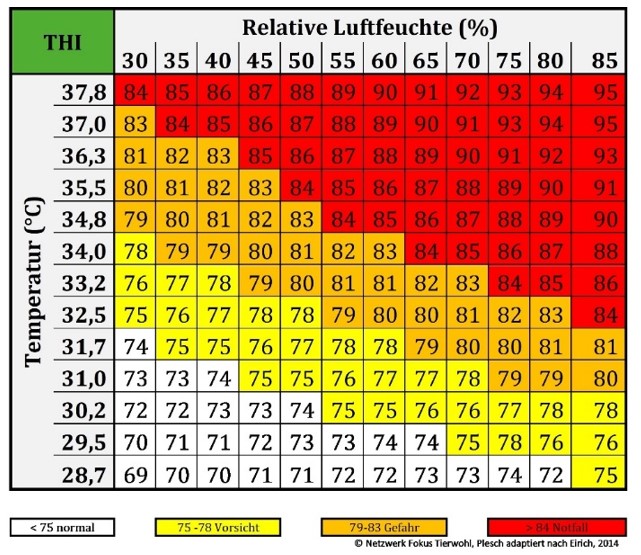
Temperature-Humidity Index (THI)
Although the Temperature Humidity Index (THI) was originally developed for dairy cows, it provides a very good and clear indication of the approximate heat stress experienced by cattle. It has already been adapted for beef cattle (Fig. 5).
The Temperature-Humidity Index (THI) can be used to assess whether there is a risk of heat stress.
As a general rule, the warmer and more humid the air, the greater the physical strain on cattle. Furthermore, heat stress is exacerbated by strong sunlight and a lack of wind.
Weather-dependent animal checks are recommended when the THI exceeds 75. A THI between 75 and 78 constitutes the first warning level, associated with moderate heat stress. A THI between 79 and 83 causes severe heat stress, and above a THI of 84, extreme heat stress occurs, posing a very high risk of heatstroke for the animals.
“For animals exposed to direct sunlight, the temperature thresholds should be set significantly lower. If humidity rises, heat stress begins even at lower temperatures. To a certain extent, air movement can reduce the heat stress on the animals.”
The Federal Veterinary Office, Switzerland, case study from an administrative court ruling:
Source: https://entscheidsuche.ch/view/TG_OG_001_TVR-2004-Nr--20_2005-03-31
These correlations are also evident in a study on dairy cattle farming. According to Kendall et al. (2007), the respiratory rate and body temperature of cows without shade or cooling rose very rapidly after 90 minutes. The control group with shade showed only a slight increase in respiratory rate, whilst the cows with shade (in barn conditions: additional sprinklers) showed no increase in respiratory rate, but their body temperature was slightly reduced (within the 90-minute observation period). No significant effect of coat colour on respiratory rate and body temperature could be demonstrated. However, it was found that black cows, with 82 breaths per minute, had higher respiratory rates than light-coloured cows, with an average of 72 breaths per minute.
Conclusion:
As the ambient temperature and relative humidity rise, the cows’ core body temperature increases after a slight delay. The higher the humidity, the more quickly the animals experience heat stress, even at moderate temperatures. If shade is available to the animals, physical reactions such as increased respiratory rate and higher core body temperature become apparent more slowly.
In pasture, assessing heat stress using the THI is more challenging, so the evaluation of animal indicators (e.g. respiratory rate, salivation, panting) becomes additionally necessary.
For grazing animals, regular and more intensive animal observation is necessary, as environmental conditions fluctuate more widely and may require rapid intervention.
Effects on animals when their adaptive capacity is exceeded
The body takes time to adapt. Rectal body temperature only rises some time after the onset of heat stress and is considered the gold standard for assessing adaptability.
Core body temperature follows the temperature trend of the environment with a certain delay:
Under moderate conditions of -7/+18 °C, the rise in core body temperature is very gradual and only reaches its peak eight to ten hours after the ambient temperature has peaked. Under conditions of extreme temperature fluctuations (-7/+32 °C), the highest core body temperatures are reached after just three to five hours (Lees et al., 2019).
This means that the higher the ambient temperature, the faster the rise in core body temperature in cattle.
During heatwaves, when critical daily temperatures are expected to be reached as early as 10 am, the breathing rate of suckler cows must therefore be assessed using the Panting Score from midday onwards!
For the management of suckler herds during the grazing period, this may result in two measures to prevent a drop in dry matter intake and to reduce the burden of additional metabolic heat through higher-energy rations:
- Offer pasture forage with a maximum of 28% crude fibre (ear and panicle shoots) or, if forage is in excess, allow the animals to select their feed,
- Administer a new portion or move to a new area in the evening, so that heat production from digestion can take place during the night.
In conjunction with this, two key factors can be identified by which heat stress can be measured:
[1] the feed intake of suckler cows decreases (assess the feed trough!)
[2] respiratory rate is increased
Both factors can have varying degrees of impact on rumen pH and the acid-base balance in the blood. A reduction in feed intake, accompanied by a reduction in crude fibre intake, lowers rumination activity and thus the amount of saliva produced, which helps to buffer the pH in the rumen. The increased respiratory rate leads to an increase in carbon dioxide output, which, in addition to influencing the pH value in the rumen, has a direct effect on the cows’ acid-base balance. As core body temperatures continue to rise, a change in mineral balance and a significant reduction in milk yield with a reduction in milk constituents can be observed, which affects both the performance of the cows and that of the calves and can then also lead to the cows’ adaptive capacity being overwhelmed (see figure).
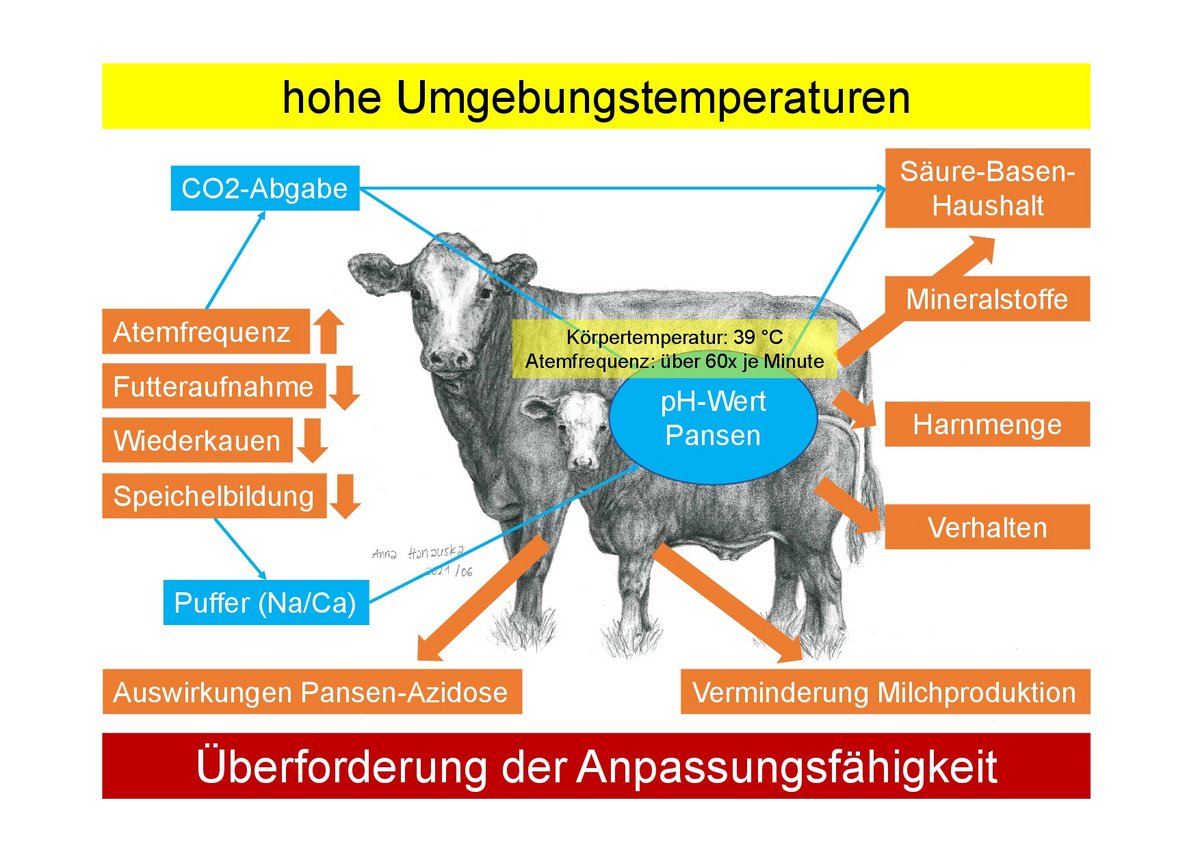
Adaptive responses and capabilities
Cattle may respond to heat stress with changes in behaviour, health and performance. A distinction must also be made here between short- and medium-term adaptive responses and capabilities.
Short-term physiological adaptation responses:
- Evaporation
Evaporation of fluid in the form of sweating or fluid loss via the respiratory system through increased respiratory rate, panting and salivation.
- Heart rate
Under severe heat stress above 38°C, the heart rate increases due to the rising core body temperature (Kolb 1980).
- Rumination time:
Cows typically show reduced feed intake and shorter rumination time under heat stress. However, even under heat stress, rumination time can be prolonged by increased salivation (and thus more sodium bicarbonate), which has been observed, for example, in beef cattle (Brscic et al., 2021).
- Rumen fermentation:
Due to changing rumen pH levels, disturbances in rumen fermentation may also occur, leading to increased lameness (Kadzere et al., 2002)
Rising THI can increase the respiratory rate, which can account for up to 60% of the animals’ heat dissipation (Cwynar et al., 2014); furthermore, due to changes in rumen pH levels, it can also lead to disturbances in rumen fermentation and consequently to increased lameness (Kadzere et al., 2002). Although data were measured in dairy cows, the pathophysiology is the same in suckler cows at pasture and the problems observed can also occur in suckler cows.
There is a significant negative relationship between the THI and rumination duration (Moretti et al., 2017). If feed intake decreases by up to 4 kg of dry matter per cow per day, less rumination is required.

Cattle that are unable to find shade when exposed to heat stress are unable to express their normal behaviour (Polsky and von Keyserlingk, 2017). Consequently, biological functions and, consequently, animal welfare and performance may be impaired (Polsky and von Keyserlingk, 2017). Under certain circumstances, behavioural changes may occur, which, if needs are not met (lack of shade, insufficient water), can lead to behavioural abnormalities.
Short-term behavioural adaptation responses:
- Seeking out shade (Edwards-Callaway et al., 2021) and breezy spots, wallowing in mud, positioning the broad side of the body towards the wind
- increased water intake, reduced feed intake or shifting of activity/feed intake to the cooler night and morning hours
- huddling together when shaded areas are lacking to shade the head and reduce insect pressure (secondary literature: review by Edwards-Callaway et al., 2021)
(Kopie 24)
Medium-term physiological adaptation responses:
The coat’s adaptation to the season. The degree of hair cover, as described by Durbin et al. (2020), can be used to assess the change in the coat. Coat change has a strong genetic component (high heritability), but mineral supply and, where applicable, disease-related coat change problems also play a role. Management measures such as routine shearing of the coat are not recommended; however, greater attention should be paid to the coat when selecting breeding animals.
Physiological indicators of heat stress
The best indicator of heat stress is an increase in core body temperature. The threshold temperature above which respiratory rate increases varies. For European breeds (e.g. Holstein Friesian, Jersey, Brown Swiss) it is 16 °C, and for Brahman cows 24 °C (Fischer et al., 2014). In taurine cattle, core body temperature rises from an ambient temperature of 25–30 °C. From 28 °C, the core body temperature of black-and-white German Holstein cattle increases by 0.5 °C (Fischer et al., 2014). Severe heat stress can be accompanied by restlessness and, in some cases, a critical rectal temperature > 40–43.5 °C (Dirksen et al. 2006). However, core body temperature cannot be measured practically, particularly in suckler cows, without the use of sensors.
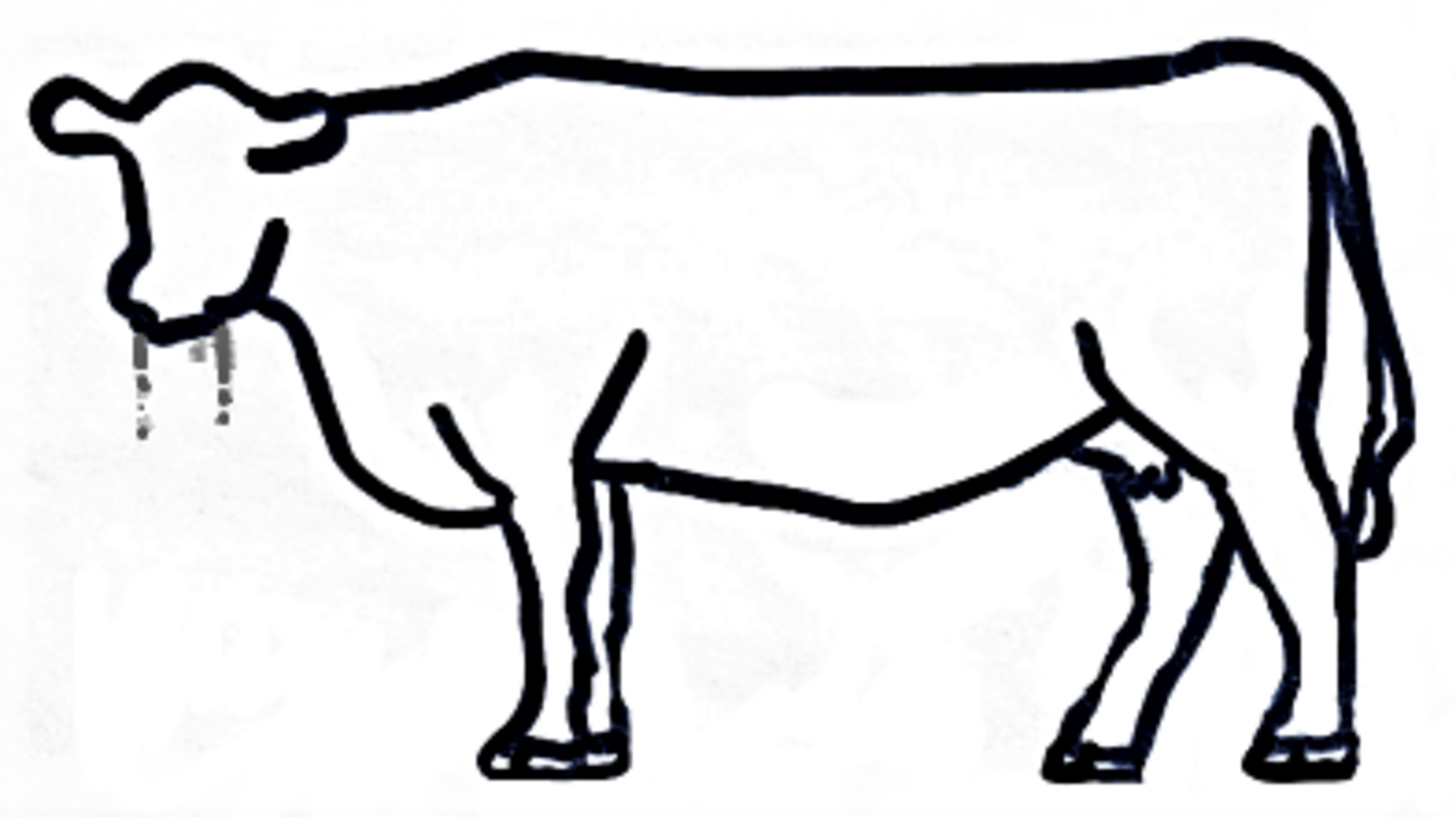
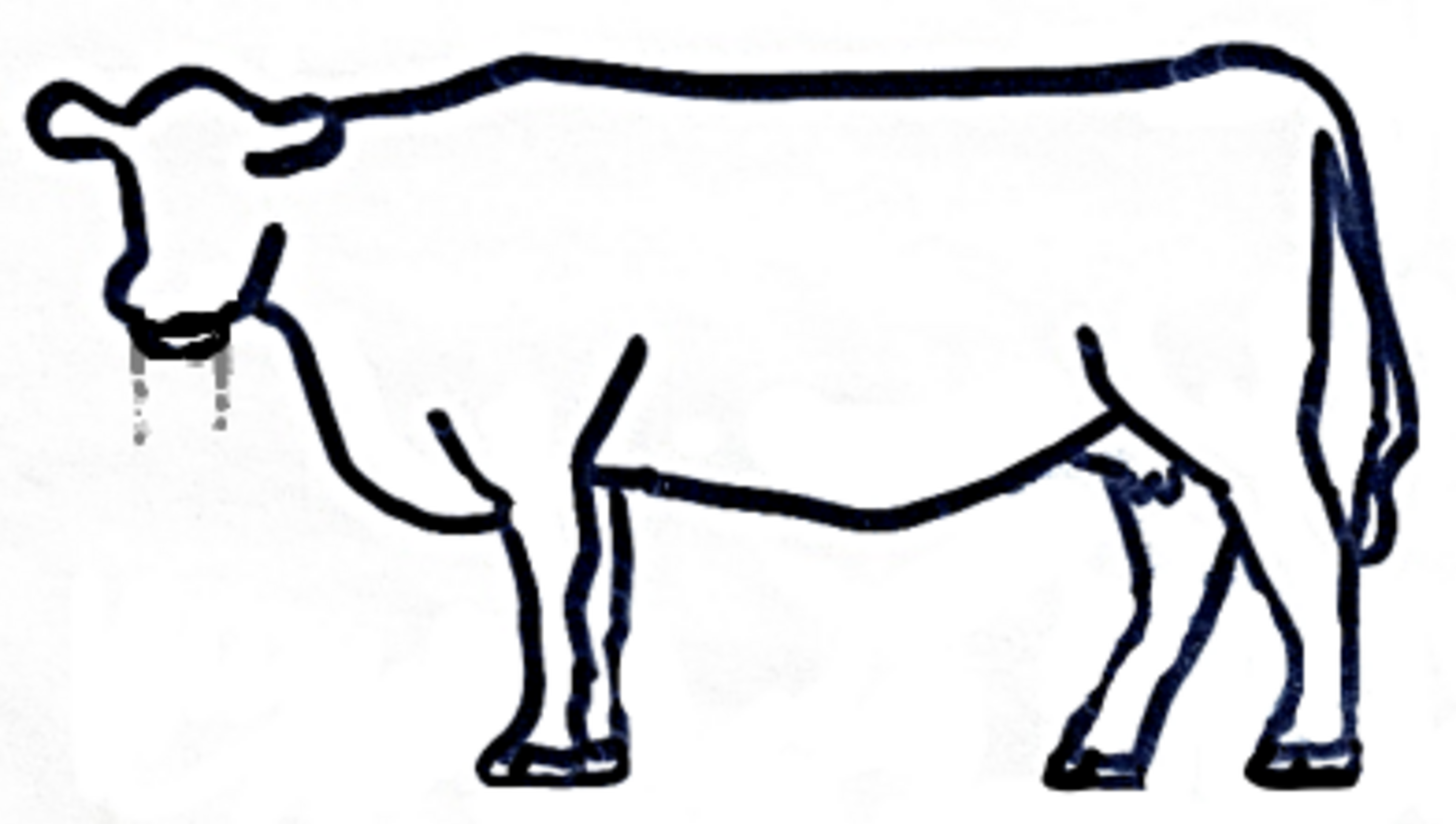
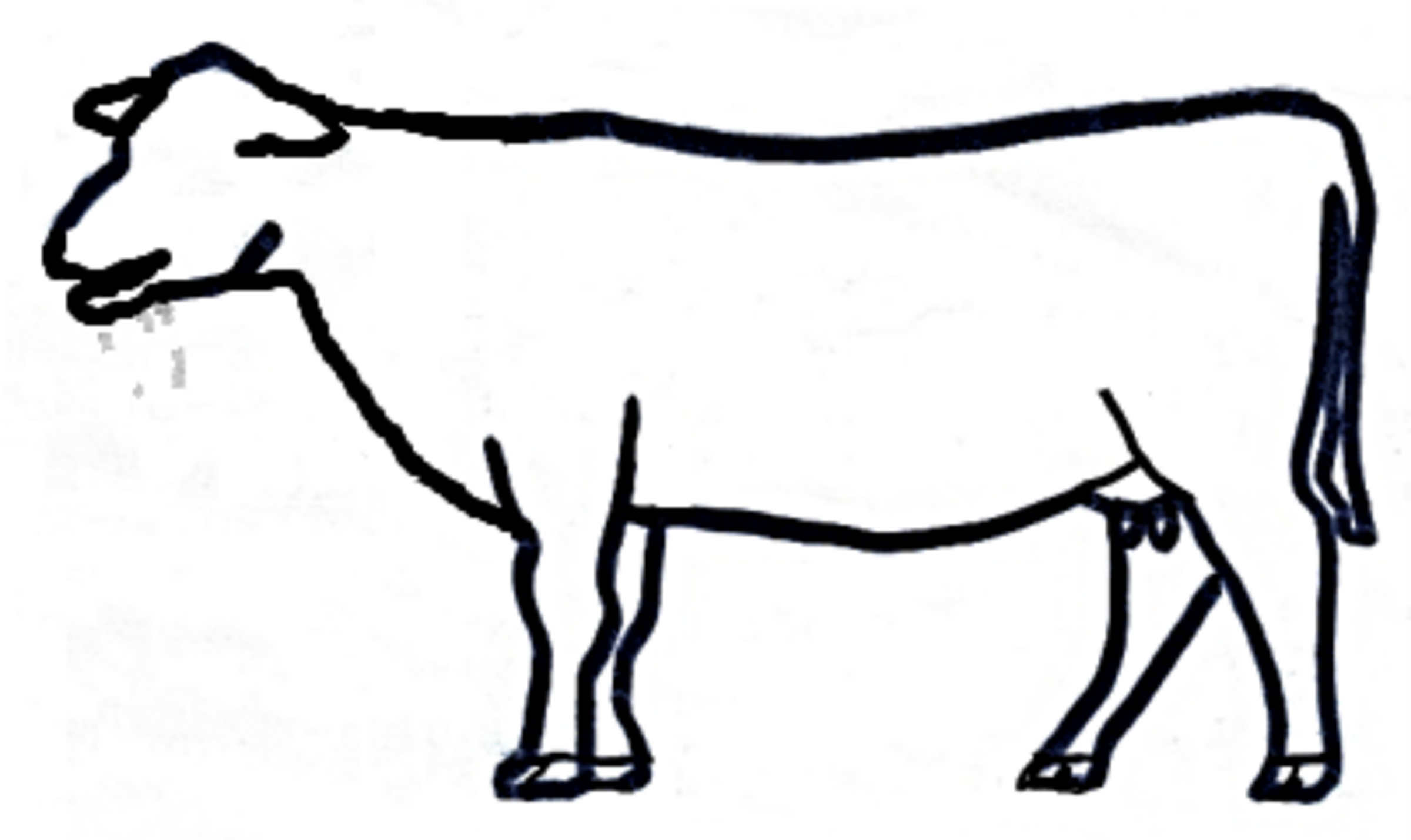
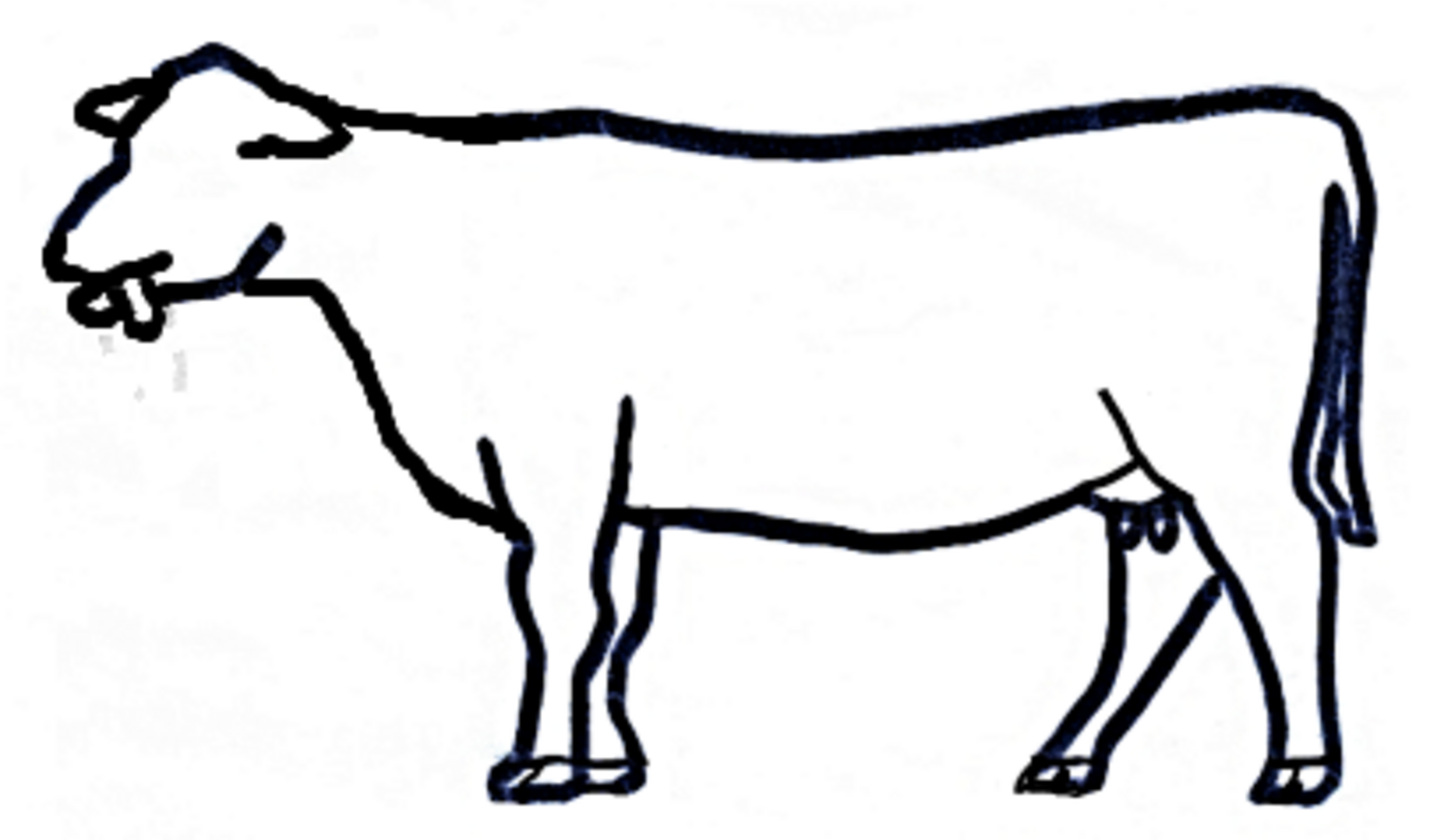
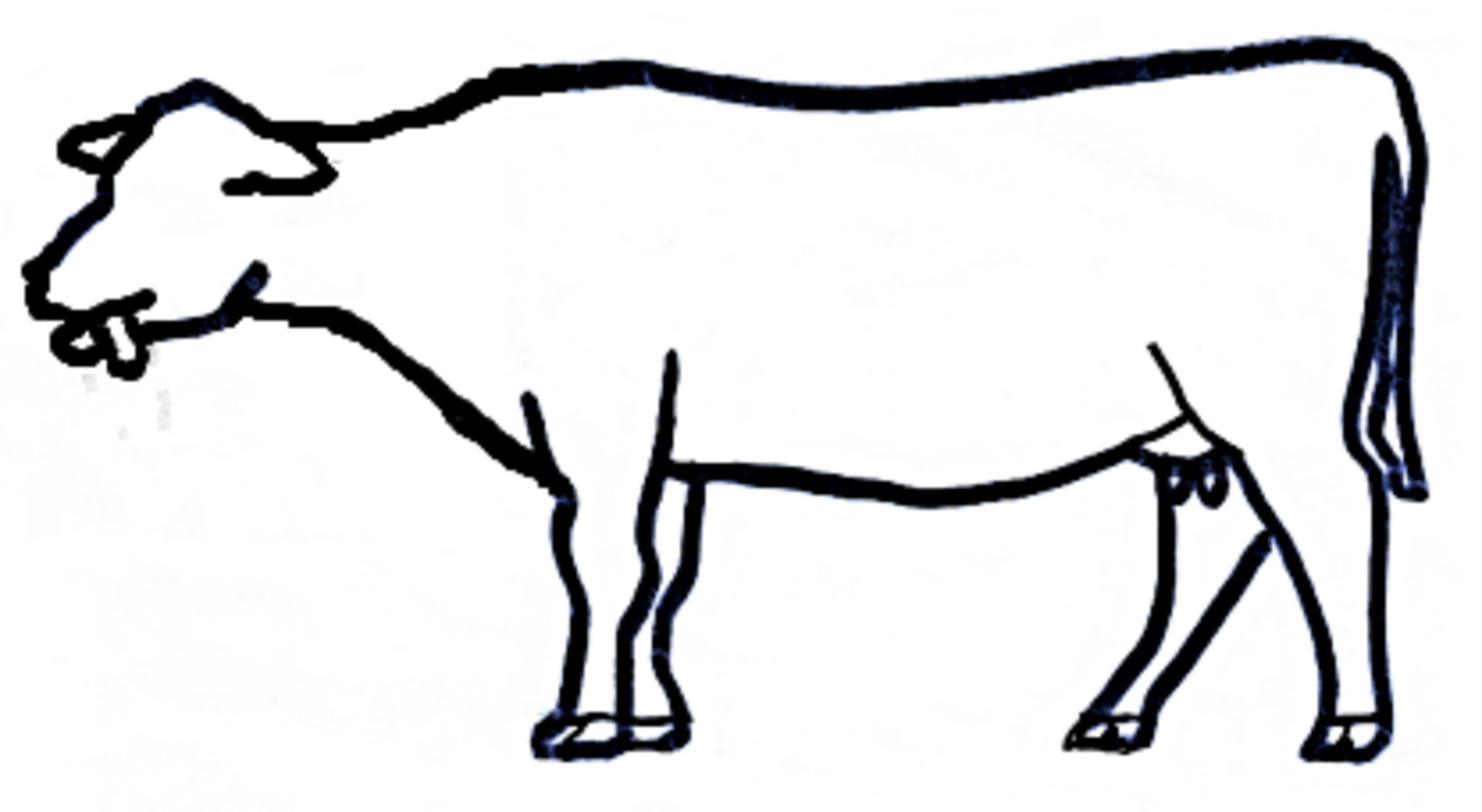
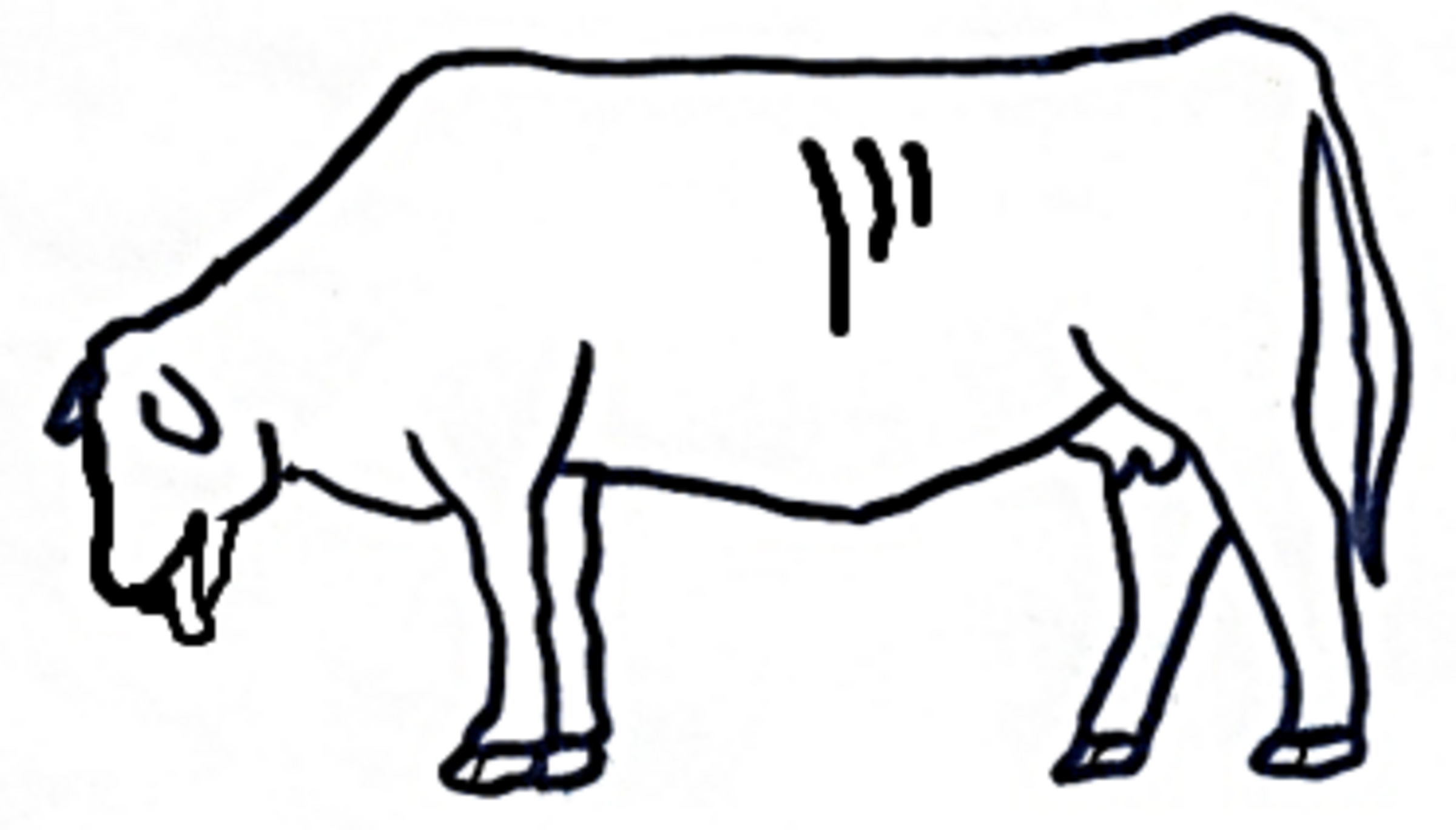
Good, reliable and easy-to-measure indicators, on the other hand, are respiratory rate and salivation. The greater the heat stress, the more the respiratory rate increases and the greater the salivation. In cases of severe heat stress, rapid breathing, panting, gasping, an open mouth, a protruding tongue and foamy saliva can be observed (Dirksen et al. 2006).
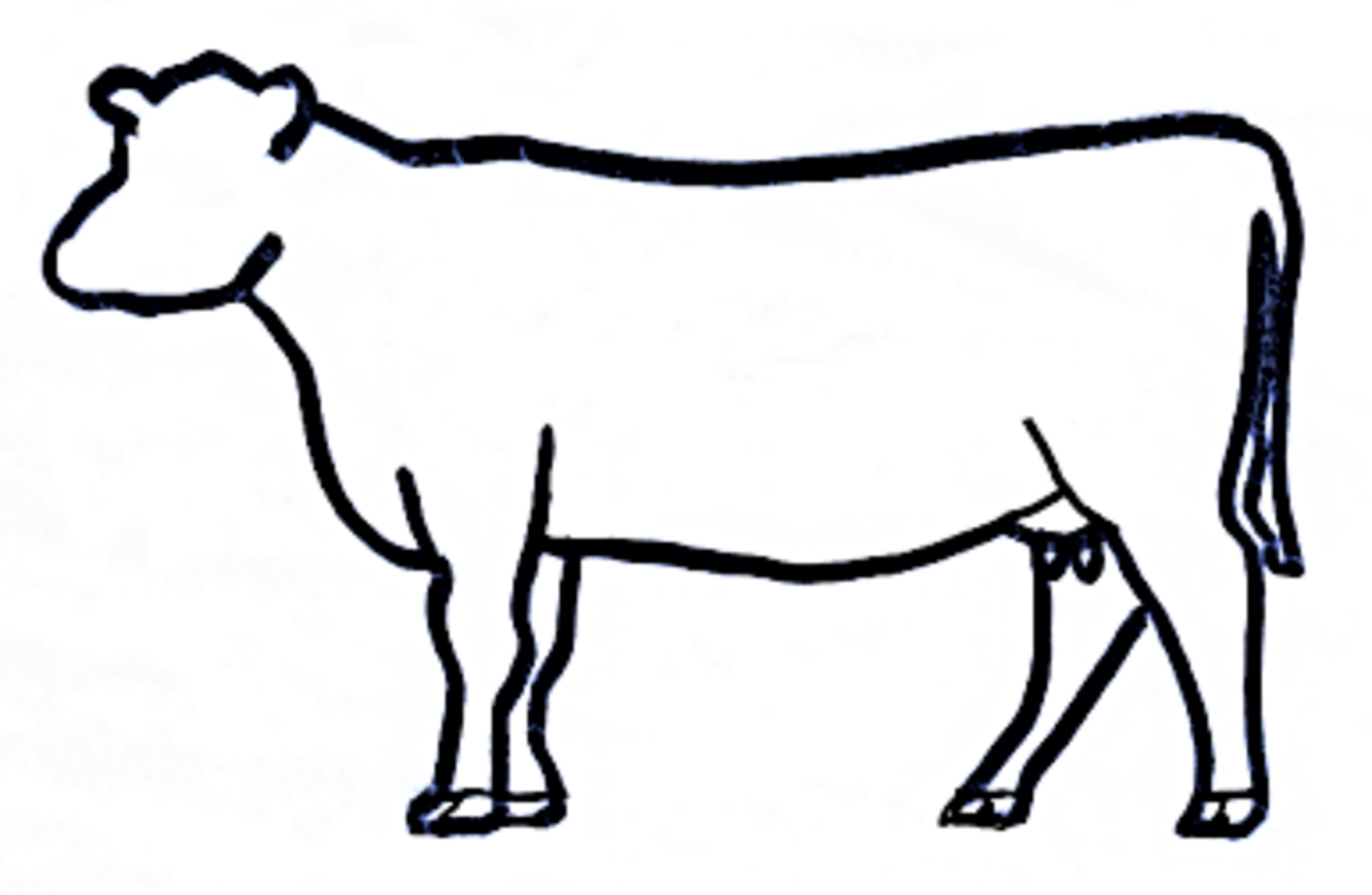
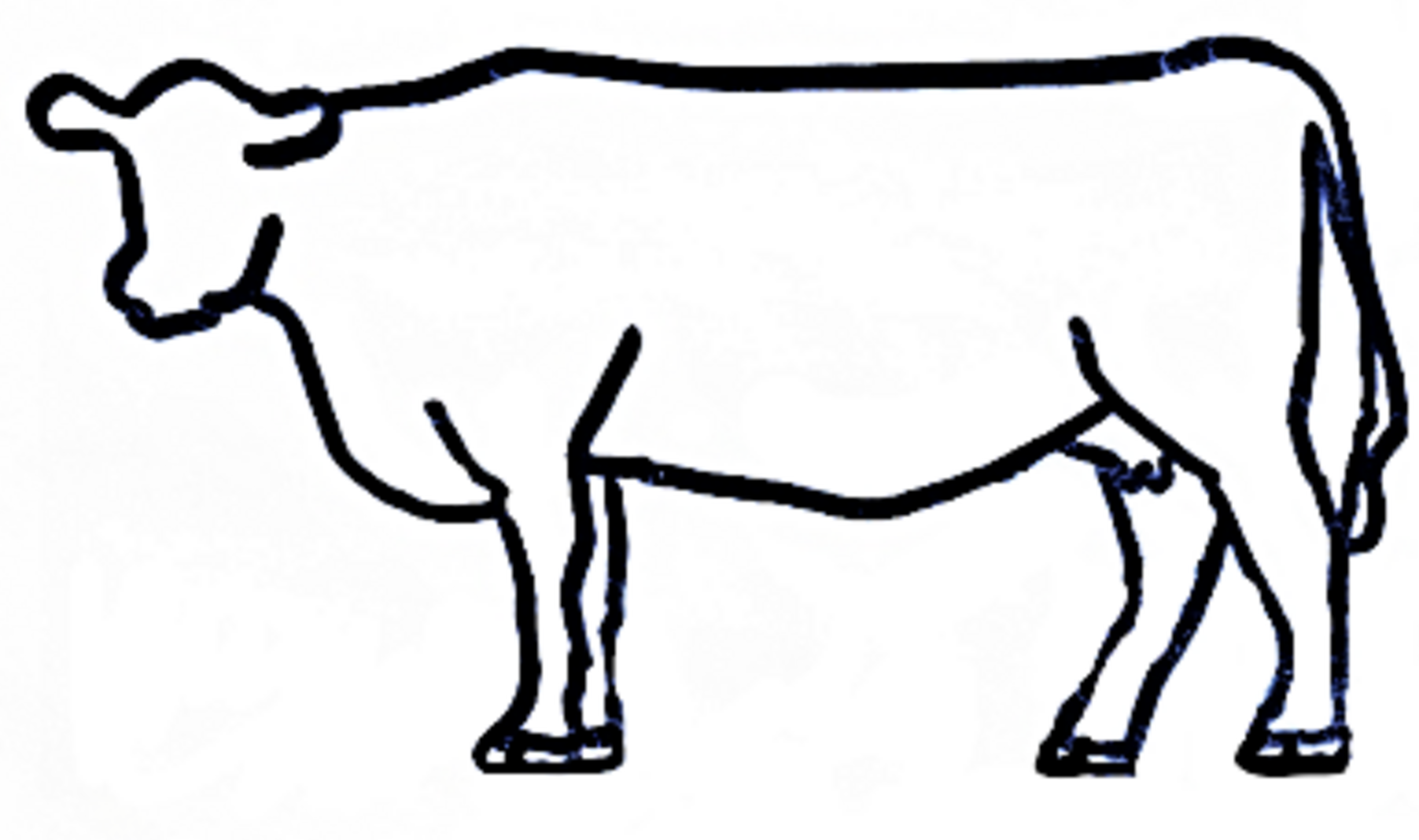
The so-called ‘Panting Score’ (Gaughan, 2002; Mader et al., 2016), which involves assessing heat panting in cows, is a practical tool for evaluating heat stress in cows. Here, the risk of health impairments is assessed on a five- or eight-point scale, and the need for action – or options for action – is outlined. The respiratory rate and the pattern of breathing are recorded and evaluated.
At a panting score of 4, the animals are in mortal danger and may die if no means of cooling is provided.
In line with the statement from the Swiss Veterinary Office, it is additionally recommended that, from a temperature of 30 °C in the shade, the panting score of focus animals be recorded during daily herd checks once the daily maximum temperature has been reached.
| Respiration | Respiratory rate (breaths per minute)* *Count respiratory rate for at least 2 minutes | Panting score |
| No panting (normal) | less than 40 | 0 |
| slight panting, mouth closed | 40–70 | 1 |
| rapid panting, mouth partially open | 70–120 | 2 |
| Mouth open, slight drooling visible | 120–160 | 3 |
| Mouth open, tongue protruding, heavy drooling | more than 160** (** Respiratory rate may decrease again with deep inhalation) | 4 |
<figcaption>Table 4: Panting Score according to Gaughan 2002</figcaption>

Health implications
- Increased livestock losses:
4.8% mortality in a herd kept without shade compared to a shaded herd with a mortality rate of 0.2% during a heatwave in Iowa (Busby and Loy, 1997)
- Skin reactions:
Intense sunlight can cause skin damage in cattle. Photosensitivity reactions are often a further cause. The underlying hypersensitivity of the skin can be triggered by substances introduced from outside or produced by the body itself. Liver dysfunction caused by liver diseases or poisonous plants also plays a role. (Heather, 2015; Flöck et al., 2003)
- Reduced performance:
Decrease in milk yield and reduction in milk fat content, reduction in daily weight gain or loss of body weight
- Fertility:
Delayed or weak oestrus, shortened gestation period, tendency towards retained placenta, reduced libido and sperm quality (Dirksen et al. 2006).
Consequences for performance
- Studies on beef cattle with access to shade showed higher daily weight gains, better feed conversion and slaughter yield (Edwards-Callaway et al., 2021)
- In a study by Brown-Brandl et al. (2005), daily dry matter intake in beef cattle was reduced by 17% when the maximum Temperature Humidity Index (THI, Thom, 1959) on the relevant day was ≥ 84.
- Decrease in feed intake from temperatures of 21–24 °C (Beatty et al., 2006).
- Dairy cows utilise methods to reduce body temperature, such as showers and fans, at very different times → there are therefore individual differences in the need for heat dissipation or regulation (Legrand et al., 2011) → but heat stress can reduce milk yield by up to 20% (and potentially up to 50%).
Design of weather protection to provide heat protection
Shearer et al. (1991) state that cattle prefer the shade provided by trees to structural weather shelters (as the leaves of the trees also generate evaporative cooling through evaporation).
- Airy design of the shelter (Sambraus 2001), a shelter that allows good air circulation (e.g. netting)
- Netting instead of a tarpaulin allows for greater air movement and reduces static problems caused by precipitation
- Sufficient space for all animals (GEH 2019, TGD Freiburg 2005)
- Protection from insects (TGD Freiburg 2005)
- Entrance area as large as possible, space for 2 cattle (GEH 2019, TVT Fact Sheet No. 85, 2001); 2 cattle must be able to pass each other without encroaching on their personal space (otherwise: ranking fights), no dead ends, possibility to move out of the way
- Provide access to cool shelter
- Shade structures should be positioned in the pasture in the direction of the wind or in areas exposed to the wind
Basic requirements for heat protection:
- Shade for all animals at the same time
- Airy/exposed to the wind
- A bed of straw prevents localised nutrient accumulation (nutrient fixation) and damage to the sward
- Water supply must be guaranteed ad libitum. This should not take place in the shaded area (disturbance, water accumulation)
Naturally sheltered areas as heat protection
- Natural shelter from the weather is beneficial. Naturally sheltered areas, if necessary through the planting of new trees/hedges
- Adapted herd management/grazing management and use of more shaded pastures
- Grazing management (no overgrown forage, moving the herd in the evening hours, ensure rumen filling)
- Sustainability and resource conservation must not be overlooked
- Woodland grazing is subject to the Federal Forest Act and the state forest laws
- Natural shelter options (hedges, trees, bushes, woodland, rocky outcrops…): must be effective throughout the day
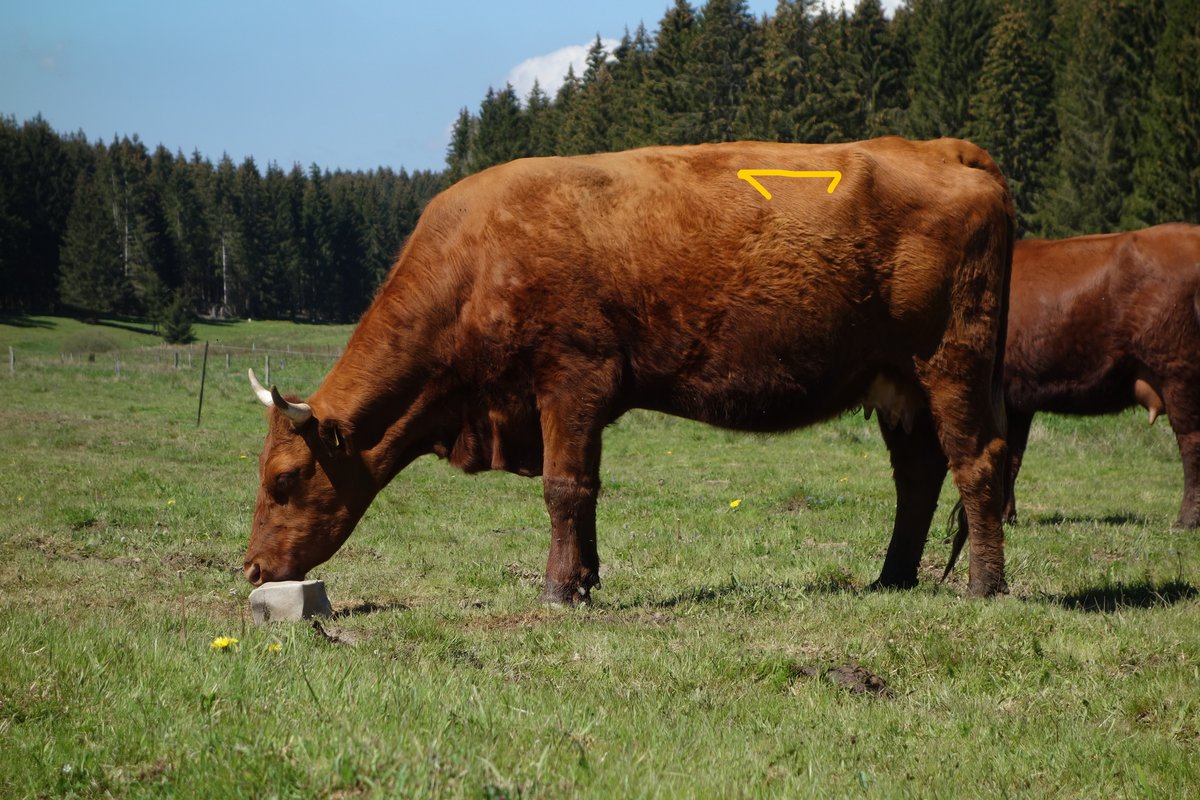
(Image: H. Scholz)
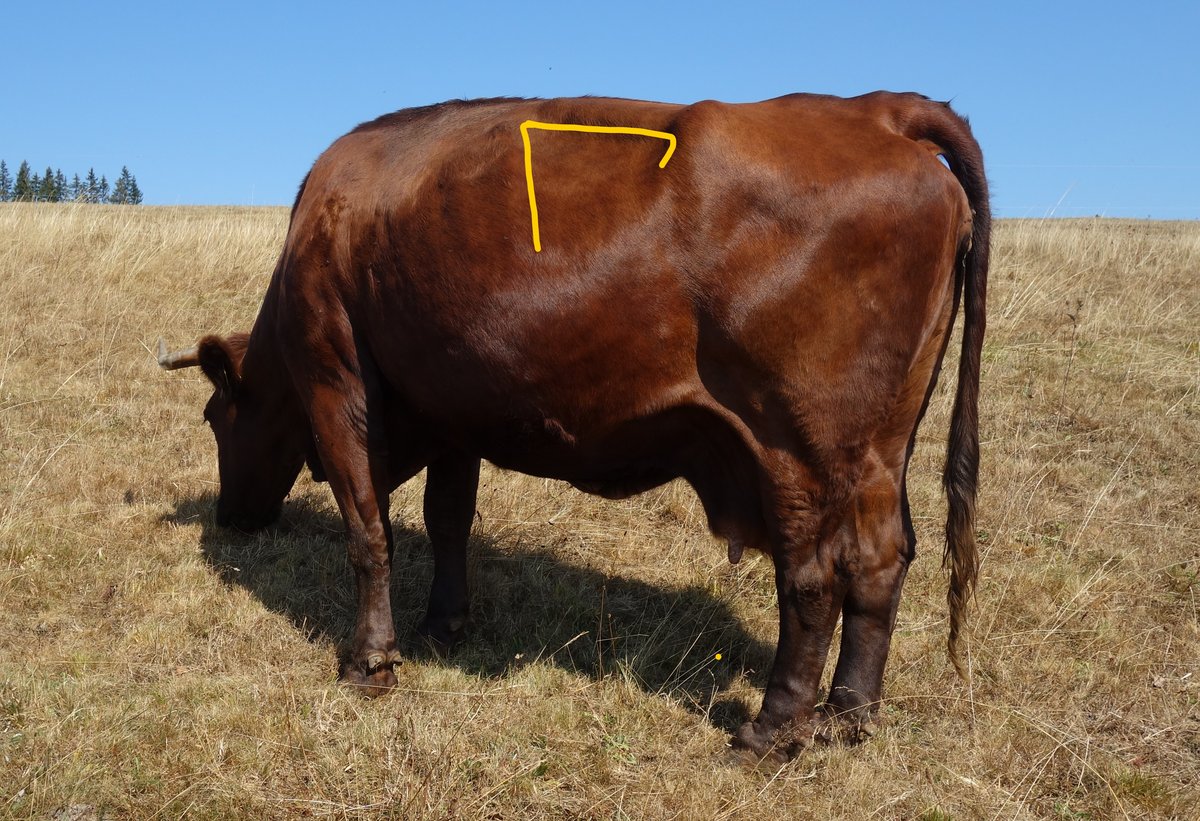
(Image: H. Scholz)

Structural and technical design, including, or rather primarily, mobile weather protection
Legal requirements vary considerably between the federal states.
- AwSV (Ordinance on Installations for Handling Substances Hazardous to Water)
- Fixed weather protection: subject to planning permission
- Nature conservation law
- Building law (State Building Regulations)
- Water law
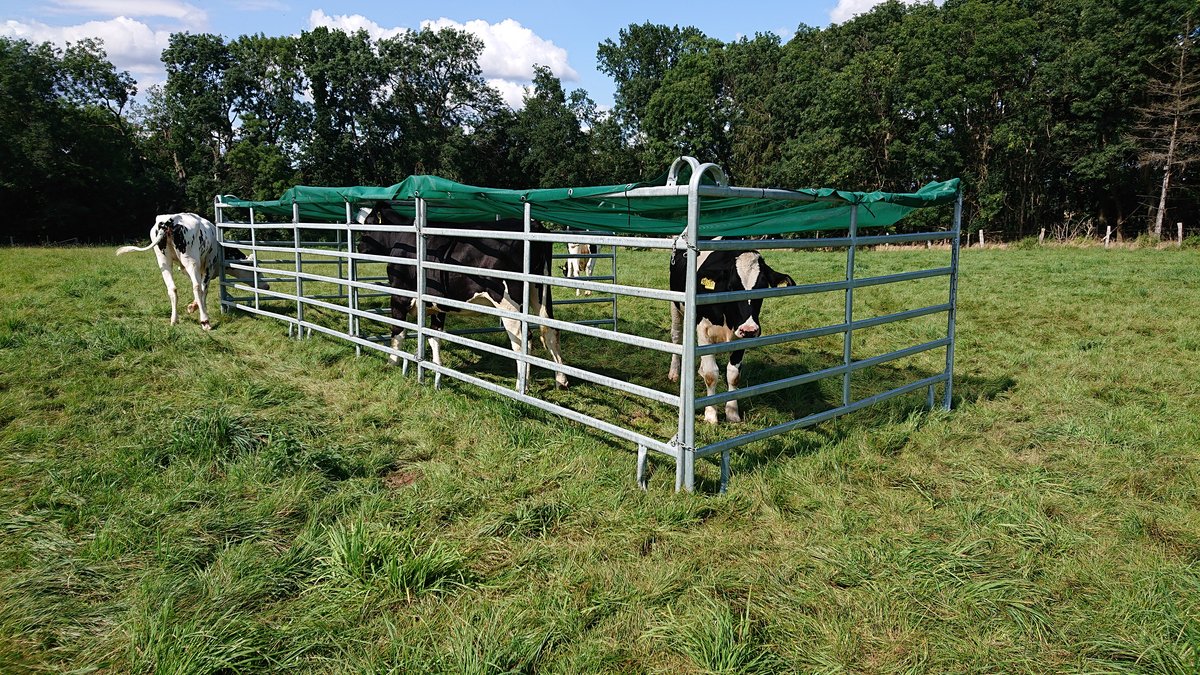
- Non-permanent weather protection:

Effects on the turf/soil
- As sunlight diminishes, temperatures drop and soil moisture increases, soil compaction and damage to the turf occur (KTBL 481)
- Animals spending long periods in shaded areas leads to
damage to the turf and soil structure
localised nutrient accumulation in the soil from urine and faeces → changes in vegetation - Contamination of heavily used areas by faeces and urine
Conclusion
Legal regulations require adequate protection against adverse weather conditions. It is therefore necessary to assess heat-stress situations using the THI and to identify them by observing animal behaviour (e.g. seeking shade, panting – panting score). Where necessary, the animals’ adaptive responses should be supported by providing airy, shaded areas for all animals. Protection is considered adequate if no animal standing unprotected shows signs of severe heat stress.
Bibliography
- Achilles, Werner; Golze, Manfred; Hermann, Hans-Joachim; Hochberg, H.; Nies, Volker; Opitz von Boberfeld, Wilhelm; Pollmann, Ursula; Waßmuth, Ralf (eds.): Year-round outdoor rearing of suckler cows – appropriate for the animals and the location. KTBL Publication, 481, KTBL, Darmstadt.
- Armstrong, D. V. (1994): Heat stress interaction with shade and cooling. In: Journal of Dairy Science 77 (7), pp. 2044–2050. DOI: 10.3168/jds.S0022-0302(94)77149-6.
- Beatty, D. T., Barnes, A., Taylor, E., Pethick, D., McCarthy, M. & S. K. Maloney (2006): Physiological responses of Bos taurus and Bos indicus cattle to prolonged, continuous heat and humidity. J. Anim. Sci., 84, 972–985.
- Berkemeier, 2021 in https://www.elite-magazin.de/herdenmanagement/kaltestress-fur-milchkuhe-und-kalber-16167.html
- Bianca, W. (1968): Recent findings and challenges in bioclimatology relating to domestic animals. Der Tierzüchter 20, pp. 438–442
- Bianca, W. (1976): The Significance of Meteorology in Animal Production. Int. J. Biometeor. 20(2), pp. 139–156
- Bianca, W. (1977): Temperature regulation through behaviour in domestic animals. Der Tierzüchter 3, pp. 109–113
- Brscic M., Gottardo F., Mazzenga, A., Cozzi G. (2021): Behavioural response to different climatic conditions of beef cattle in intensive rearing systems; ISSN 1330-7142; UDK = 636.2.033:636.083.31
- Brown-Brandl, T. M.; Eigenberg, R. A.; Nienaber, J. A. and Hahn, G. L. 2005b. Dynamic response indicators of heat stress in shaded and non-shaded feedlot cattle, Part 1: Analyses of indicators, Biosystems Engineering 90:451–462
- Busby, D., Loy, D., (1997): Heat Stress In Feedlot Cattle: Producer Survey Results, Iowa State University Animal Industry Report 1(1).
- CIGR, 1994b. The Design of Dairy Cow Housing: Report of the CIGR Section II, Working Group No 14, Cattle Housing. ADAS Bridgets Dairy Research Centre, Farm Buildings Research Team
- Curtis, George Washington (2017): Horses, Cattle, Sheep and Swine. Origin, history, improvement, description, characteristics, merits, objections, adaptability, etc., of each of the different breeds, with hints on selection, care and management, including methods of practical breeding. Vol. 2. Reprint of the 1893 edition. Norderstedt: Hansebooks GmbH.
- Dirksen G., Gründer H-D., Stöber M. (2006): Internal Medicine and Surgery of Cattle. 5th edition, Parey, Stuttgart
- Durbin, Harly J.; Lu, Duc; Yampara-Iquise, Helen; Miller, Stephen P.; Decker, Jared E. (2020): Development of a genetic evaluation for hair shedding in American Angus cattle to improve thermotolerance. In: Genetics, selection, evolution : GSE 52 (1), p. 63. DOI: 10.1186/s12711-020-00584-0.
- Edwards-Callaway, Lily N.; Cramer, M. Caitlin; Cadaret, Caitlin N.; Bigler, Elizabeth J.; Engle, Terry E.; Wagner, John J.; Clark, Daniel L. (2021): Impacts of shade on cattle well-being in the beef supply chain. In: Journal of Animal Science 99 (2). DOI: 10.1093/jas/skaa375.
- Fischer A., F. Eulenstein & A. Werner (2014): Effects of heat stress in livestock production under outdoor conditions. In: Lozán, J. L., Grassl, H., Karbe, L. & G. Jendritzky (eds.). Climate as a warning signal: Threats to plants, animals and humans. 2nd edition. Electronic publication (Chapter 4.11)
- Flöck M., Baumgartner M., Bagó Z., Schilcher F.: Liver fluke-induced photodermatitis in cattle. Tierärztl Prax 2003; 31 (G): 143-9
- GEH (2019): Extensive farming and year-round outdoor rearing of cattle – Recommendations on husbandry and animal welfare https://www.g-e-h.de/images/stories/downloadbereich/Extensive_Rinderhaltung_25_11_2019.pdf
- Gaughan, J. & Mader, Terry & Holt, S. & Hahn, G & Young, BA. (2002). Review of current assessment of cattle and microclimate during periods of high heat load. Anim Prod Aust. 24.
- Golze, M. et al. (1997): Extensive cattle farming: Beef cattle – suckler cows. BLV Verlagsgesellschaft mbH, Munich
- Hufelschulte, 2020 https://www.topagrar.com/rind/news/bei-hitze-schatten-wasser-und-luft-fuer-kaelber-12102182.html)
- Kadzere, C.T; Murphy, M.R; Silanikove, N.; Maltz, E. (2002): Heat stress in lactating dairy cows: a review. In: Livestock Production Science 77 (1), pp. 59–91. DOI: 10.1016/S0301-6226(01)00330-X.
- Kendall, P. E.; Verkerk, G. A.; Webster, J. R.; Tucker, C. B. (2007): Sprinklers and shade cool cows and reduce insect-avoidance behaviour in pasture-based dairy systems. In: Journal of Dairy Science 90 (8), pp. 3671–3680. DOI: 10.3168/jds.2006-766.
- Kolb E. (1980): The regulation of body temperature. In: Kolb, E. (ed.): Textbook of Domestic Animal Physiology. VEB Gustav Fischer Verlag, Jena, 4th edition, pp. 594–612
- Laves Lower Saxony (2000), Recommendations for the seasonal and year-round grazing of cattle
- Lees, Angela M.; Sejian, Veerasamy; Wallage, Andrea L.; Steel, Cameron C.; Mader, Terry L.; Lees, Jarrod C.; Gaughan, John B. (2019): The Impact of Heat Load on Cattle. In: Animals: an open access journal from MDPI 9 (6). DOI: 10.3390/ani9060322.
- Legrand, A.; Schütz, K. E.; Tucker, C. B. (2011): Using water to cool cattle: behavioural and physiological changes associated with voluntary use of cow showers. In: Journal of Dairy Science 94 (7), pp. 3376–3386. DOI: 10.3168/jds.2010-3901.
- Textbook of Domestic Animal Physiology (1974). 3rd, revised ed. Jena: Fischer.
- Mader, T. L.; Hungerford, L. L.; Nienaber, J. A.; Buhman, M. J.; Davis, M. S.; Hahn, G. L.; Cerkoney, W. M. and Holt, S. M. 2005: Heat stress mortality in Midwest feedlots. American Society of Animal Science 2-2.
- MLR Baden-Württemberg (Nov. 2008), Weather protection for grazing animals, https://mlr.baden-wuerttemberg.de/fileadmin/redaktion/m-mlr/intern/Witterungsschutz_f%C3%BCr_Weidetiere.pdf
- Moretti, R.; Biffani, S.; Chessa, S.; Bozzi, R. (2017): Heat stress effects on Holstein dairy cows' rumination. In: Animal: an international journal of animal bioscience 11 (12), pp. 2320–2325. DOI: 10.1017/S1751731117001173.
- Polsky, Liam; Keyserlingk, Marina A. G. von (2017): Invited review: Effects of heat stress on dairy cattle welfare. In: Journal of Dairy Science 100 (11), pp. 8645–8657. DOI: 10.3168/jds.2017-12651.
- Sambraus, Hans Hinrich (2006): Year-round outdoor rearing of cattle
- Shearer, J.K., Beede, D.K., Bucklin, R.A., Bray, D.R., 1991. Environmental modifications to reduce heat stress in dairy cattle. Agri. practice 12
- Sporkmann, Katrin; Pelletier, Frédéric; Brassard, Patrick; Côté, Michel; Godbout, Stéphane; Hartung, Eberhard; Georg, Heiko (2016): Lying behaviour and individual water intake of suckler cows during winter grazing in Canada. pp. 69–89 / LANDTECHNIK, Vol. 71 No. 3 (2016). DOI: 10.15150/lt.2016.3124.
- TGD Freiburg (2005), Weather influences on the grazing of livestock; https://www.ua-bw.de/uploaddoc/cvuafr/witterungeinfluss_weidehaltung_nutztiere.pdf
- Thuringian State Institute for Agriculture (2015) – Guidelines for efficient and environmentally sustainable suckler cow husbandry; http://www.tll.de/www/daten/publikationen/leitlinien/ll_mkh.pdf
- TVT Fact Sheet No. 85 (2006), Year-round outdoor rearing of cattle
- https://www.forstbw.de/fileadmin/forstbw_infothek/forstbw_praxis/ForstBW_Merkblatt_Waldweide_WEB.pdf
- https://entscheidsuche.ch/view/TG_OG_001_TVR-2004-Nr--20_2005-03-31