
Stress factors that lead to increased heat stress (Fischer et al., 2014; Dirksen et al., 2006)
- Sun
- no shade
- No wind
- High body weight compared to the breed-typical weight (obesity)
- high milk yield
- Pregnancy
- Physical exertion
- Excitement (dog, social stress within the herd, transport…)
- Insufficient water intake combined with high salt content in the feed
- thick coat
- dark coat colour
- Body type (small surface area relative to body mass, e.g. compact body shape).

(Image: H. Scholz)
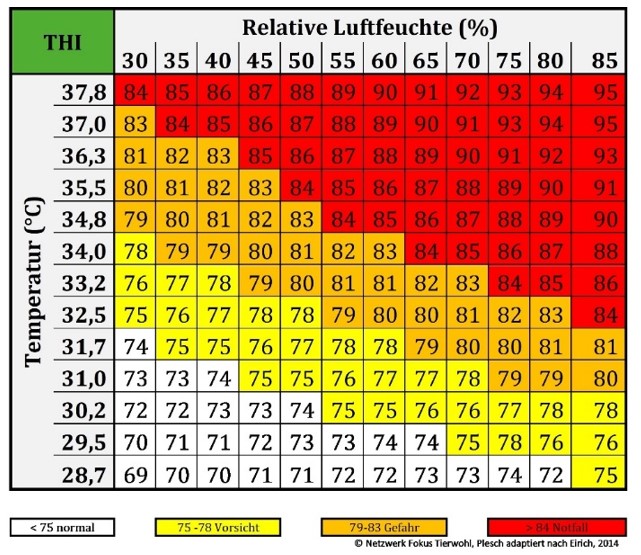
Temperature-Humidity Index (THI)
Although the Temperature Humidity Index (THI) was originally developed for dairy cows, it provides a very good and clear indication of the approximate heat stress experienced by cattle. It has already been adapted for beef cattle (Fig. 5).
The Temperature-Humidity Index (THI) can be used to assess whether there is a risk of heat stress.
As a general rule, the warmer and more humid the air, the greater the physical strain on cattle. Furthermore, heat stress is exacerbated by strong sunlight and a lack of wind.
Weather-dependent animal checks are recommended when the THI exceeds 75. A THI between 75 and 78 constitutes the first warning level, associated with moderate heat stress. A THI between 79 and 83 causes severe heat stress, and above a THI of 84, extreme heat stress occurs, posing a very high risk of heatstroke for the animals.
“For animals exposed to direct sunlight, the temperature thresholds should be set significantly lower. If humidity rises, heat stress begins even at lower temperatures. To a certain extent, air movement can reduce the heat stress on the animals.”
The Federal Veterinary Office, Switzerland, case study from an administrative court ruling:
Source: https://entscheidsuche.ch/view/TG_OG_001_TVR-2004-Nr--20_2005-03-31
These correlations are also evident in a study on dairy cattle farming. According to Kendall et al. (2007), the respiratory rate and body temperature of cows without shade or cooling rose very rapidly after 90 minutes. The control group with shade showed only a slight increase in respiratory rate, whilst the cows with shade (in barn conditions: additional sprinklers) showed no increase in respiratory rate, but their body temperature was slightly reduced (within the 90-minute observation period). No significant effect of coat colour on respiratory rate and body temperature could be demonstrated. However, it was found that black cows, with 82 breaths per minute, had higher respiratory rates than light-coloured cows, with an average of 72 breaths per minute.
Conclusion:
As the ambient temperature and relative humidity rise, the cows’ core body temperature increases after a slight delay. The higher the humidity, the more quickly the animals experience heat stress, even at moderate temperatures. If shade is available to the animals, physical reactions such as increased respiratory rate and higher core body temperature become apparent more slowly.
In pasture, assessing heat stress using the THI is more challenging, so the evaluation of animal indicators (e.g. respiratory rate, salivation, panting) becomes additionally necessary.
For grazing animals, regular and more intensive animal observation is necessary, as environmental conditions fluctuate more widely and may require rapid intervention.
Effects on animals when their adaptive capacity is exceeded
The body takes time to adapt. Rectal body temperature only rises some time after the onset of heat stress and is considered the gold standard for assessing adaptability.
Core body temperature follows the temperature trend of the environment with a certain delay:
Under moderate conditions of -7/+18 °C, the rise in core body temperature is very gradual and only reaches its peak eight to ten hours after the ambient temperature has peaked. Under conditions of extreme temperature fluctuations (-7/+32 °C), the highest core body temperatures are reached after just three to five hours (Lees et al., 2019).
This means that the higher the ambient temperature, the faster the rise in core body temperature in cattle.
During heatwaves, when critical daily temperatures are expected to be reached as early as 10 am, the breathing rate of suckler cows must therefore be assessed using the Panting Score from midday onwards!
For the management of suckler herds during the grazing period, this may result in two measures to prevent a drop in dry matter intake and to reduce the burden of additional metabolic heat through higher-energy rations:
- Offer pasture forage with a maximum of 28% crude fibre (ear and panicle shoots) or, if forage is in excess, allow the animals to select their feed,
- Administer a new portion or move to a new area in the evening, so that heat production from digestion can take place during the night.
In conjunction with this, two key factors can be identified by which heat stress can be measured:
[1] the feed intake of suckler cows decreases (assess the feed trough!)
[2] respiratory rate is increased
Both factors can have varying degrees of impact on rumen pH and the acid-base balance in the blood. A reduction in feed intake, accompanied by a reduction in crude fibre intake, lowers rumination activity and thus the amount of saliva produced, which helps to buffer the pH in the rumen. The increased respiratory rate leads to an increase in carbon dioxide output, which, in addition to influencing the pH value in the rumen, has a direct effect on the cows’ acid-base balance. As core body temperatures continue to rise, a change in mineral balance and a significant reduction in milk yield with a reduction in milk constituents can be observed, which affects both the performance of the cows and that of the calves and can then also lead to the cows’ adaptive capacity being overwhelmed (see figure).
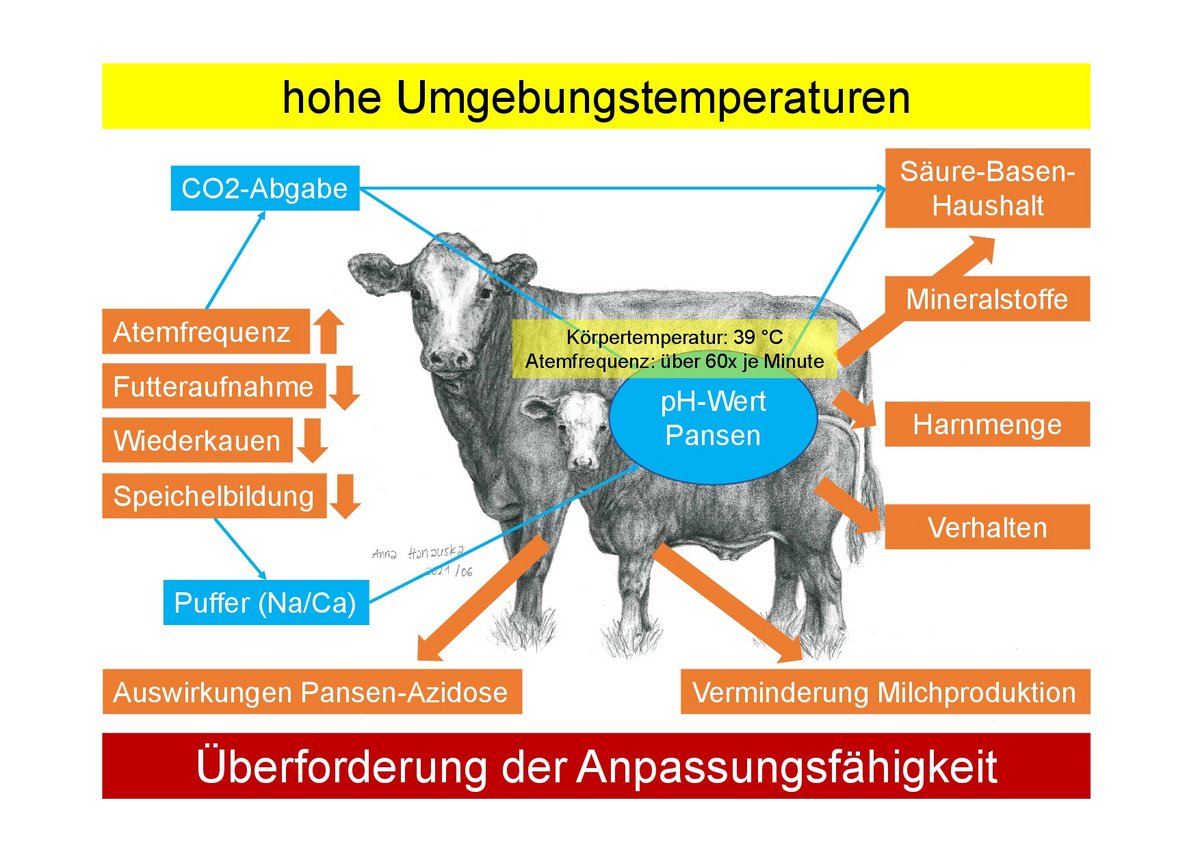
Adaptive responses and capabilities
Cattle may respond to heat stress with changes in behaviour, health and performance. A distinction must also be made here between short- and medium-term adaptive responses and capabilities.
Short-term physiological adaptation responses:
- Evaporation
Evaporation of fluid in the form of sweating or fluid loss via the respiratory system through increased respiratory rate, panting and salivation.
- Heart rate
Under severe heat stress above 38°C, the heart rate increases due to the rising core body temperature (Kolb 1980).
- Rumination time:
Cows typically show reduced feed intake and shorter rumination time under heat stress. However, even under heat stress, rumination time can be prolonged by increased salivation (and thus more sodium bicarbonate), which has been observed, for example, in beef cattle (Brscic et al., 2021).
- Rumen fermentation:
Due to changing rumen pH levels, disturbances in rumen fermentation may also occur, leading to increased lameness (Kadzere et al., 2002)
Rising THI can increase the respiratory rate, which can account for up to 60% of the animals’ heat dissipation (Cwynar et al., 2014); furthermore, due to changes in rumen pH levels, it can also lead to disturbances in rumen fermentation and consequently to increased lameness (Kadzere et al., 2002). Although data were measured in dairy cows, the pathophysiology is the same in suckler cows at pasture and the problems observed can also occur in suckler cows.
There is a significant negative relationship between the THI and rumination duration (Moretti et al., 2017). If feed intake decreases by up to 4 kg of dry matter per cow per day, less rumination is required.

Cattle that are unable to find shade when exposed to heat stress are unable to express their normal behaviour (Polsky and von Keyserlingk, 2017). Consequently, biological functions and, consequently, animal welfare and performance may be impaired (Polsky and von Keyserlingk, 2017). Under certain circumstances, behavioural changes may occur, which, if needs are not met (lack of shade, insufficient water), can lead to behavioural abnormalities.
Short-term behavioural adaptation responses:
- Seeking out shade (Edwards-Callaway et al., 2021) and breezy spots, wallowing in mud, positioning the broad side of the body towards the wind
- increased water intake, reduced feed intake or shifting of activity/feed intake to the cooler night and morning hours
- huddling together when shaded areas are lacking to shade the head and reduce insect pressure (secondary literature: review by Edwards-Callaway et al., 2021)
Medium-term physiological adaptation responses:
The coat’s adaptation to the season. The degree of hair cover, as described by Durbin et al. (2020), can be used to assess the change in the coat. Coat change has a strong genetic component (high heritability), but mineral supply and, where applicable, disease-related coat change problems also play a role. Management measures such as routine shearing of the coat are not recommended; however, greater attention should be paid to the coat when selecting breeding animals.
Physiological indicators of heat stress
The best indicator of heat stress is an increase in core body temperature. The threshold temperature above which respiratory rate increases varies. For European breeds (e.g. Holstein Friesian, Jersey, Brown Swiss) it is 16 °C, and for Brahman cows 24 °C (Fischer et al., 2014). In taurine cattle, core body temperature rises from an ambient temperature of 25–30 °C. From 28 °C, the core body temperature of black-and-white German Holstein cattle increases by 0.5 °C (Fischer et al., 2014). Severe heat stress can be accompanied by restlessness and, in some cases, a critical rectal temperature > 40–43.5 °C (Dirksen et al. 2006). However, core body temperature cannot be measured practically, particularly in suckler cows, without the use of sensors.
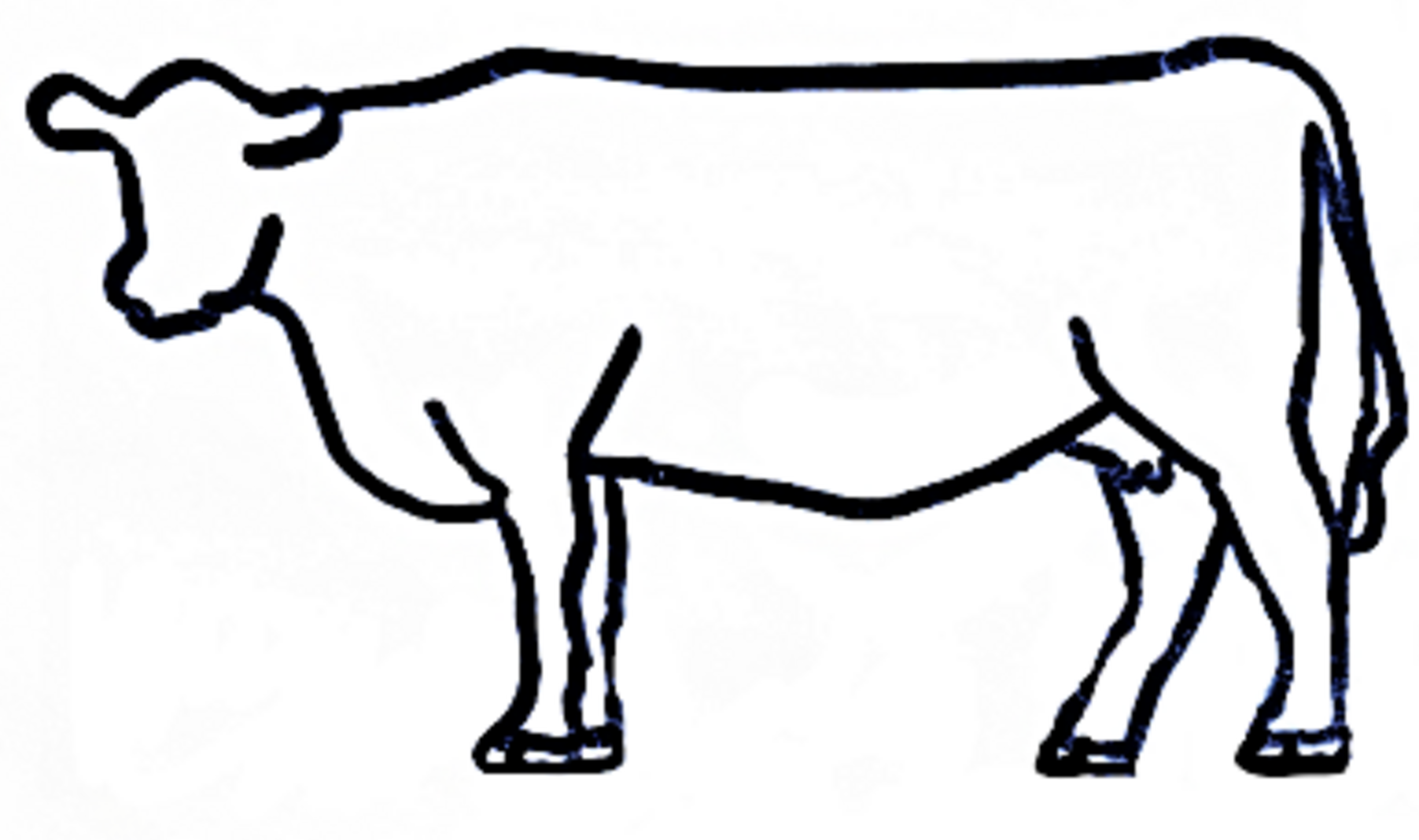
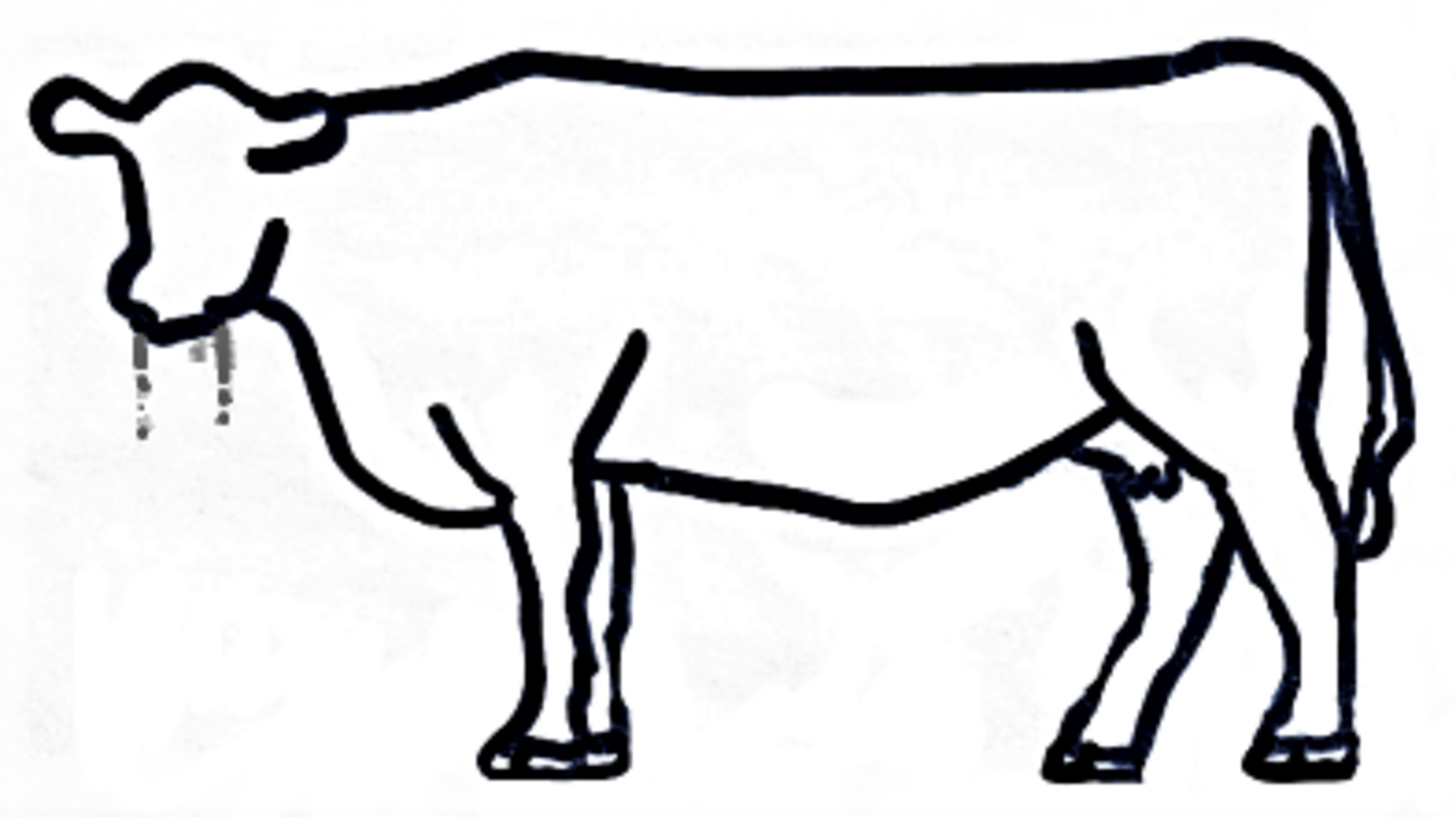
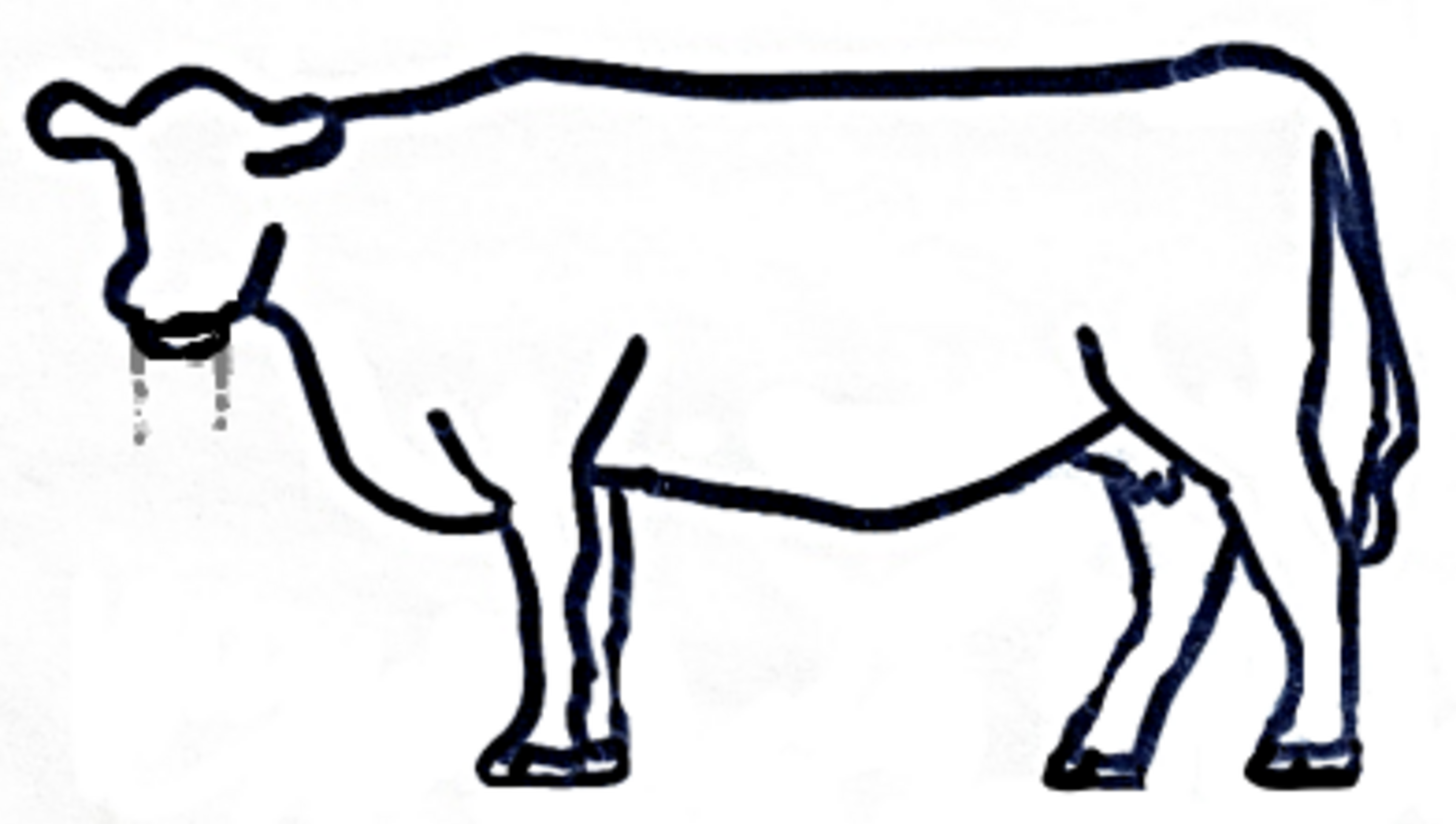
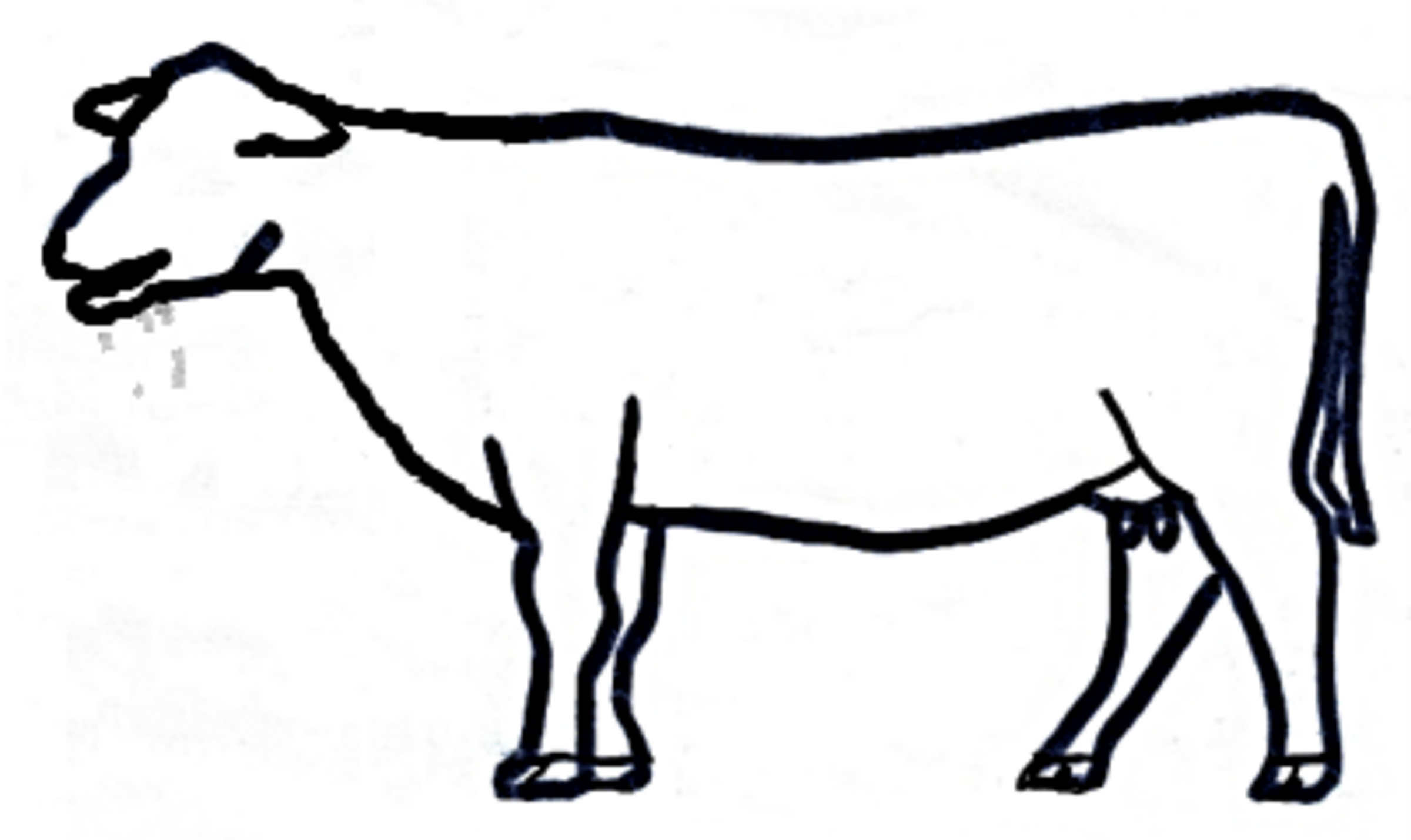
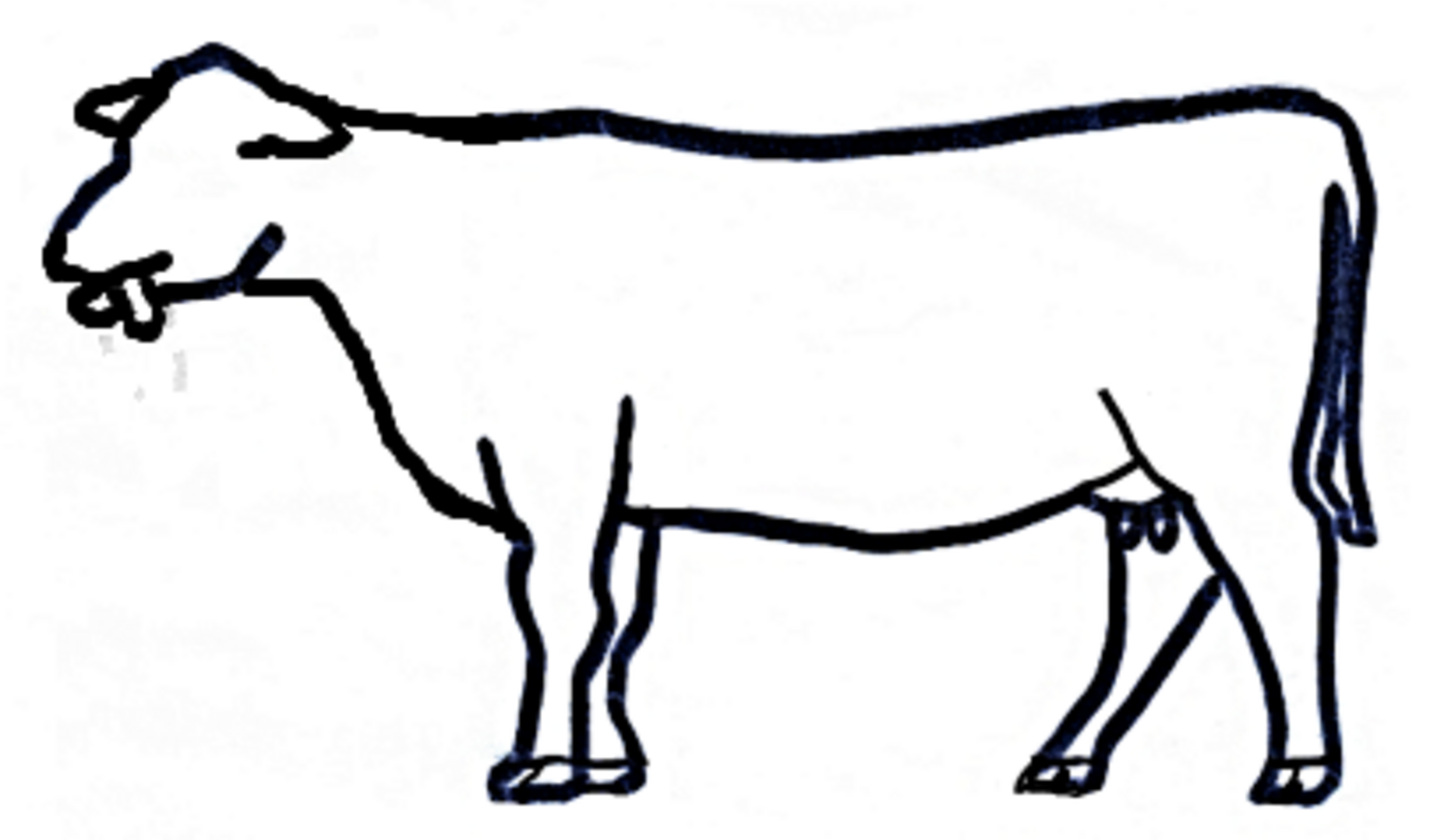
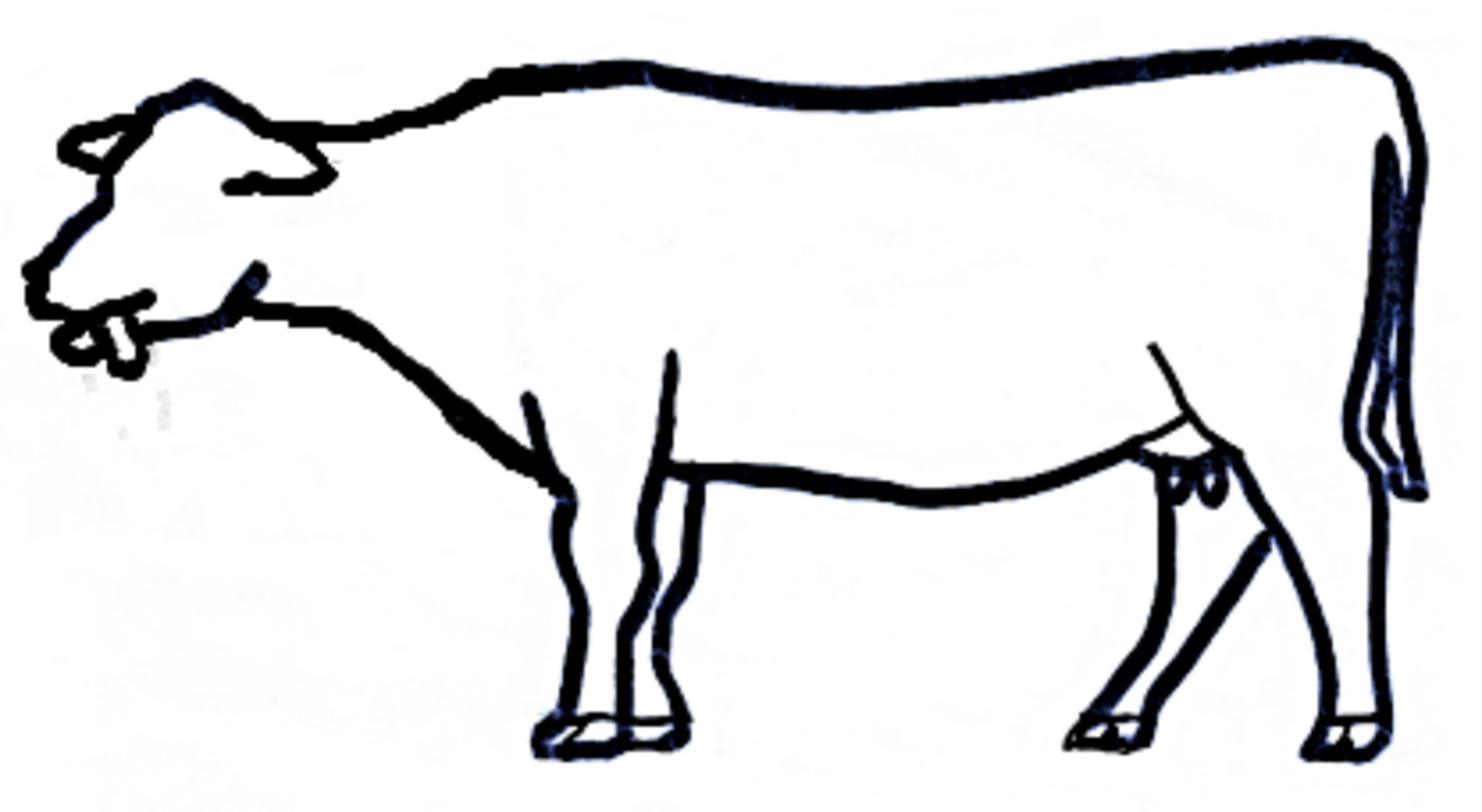
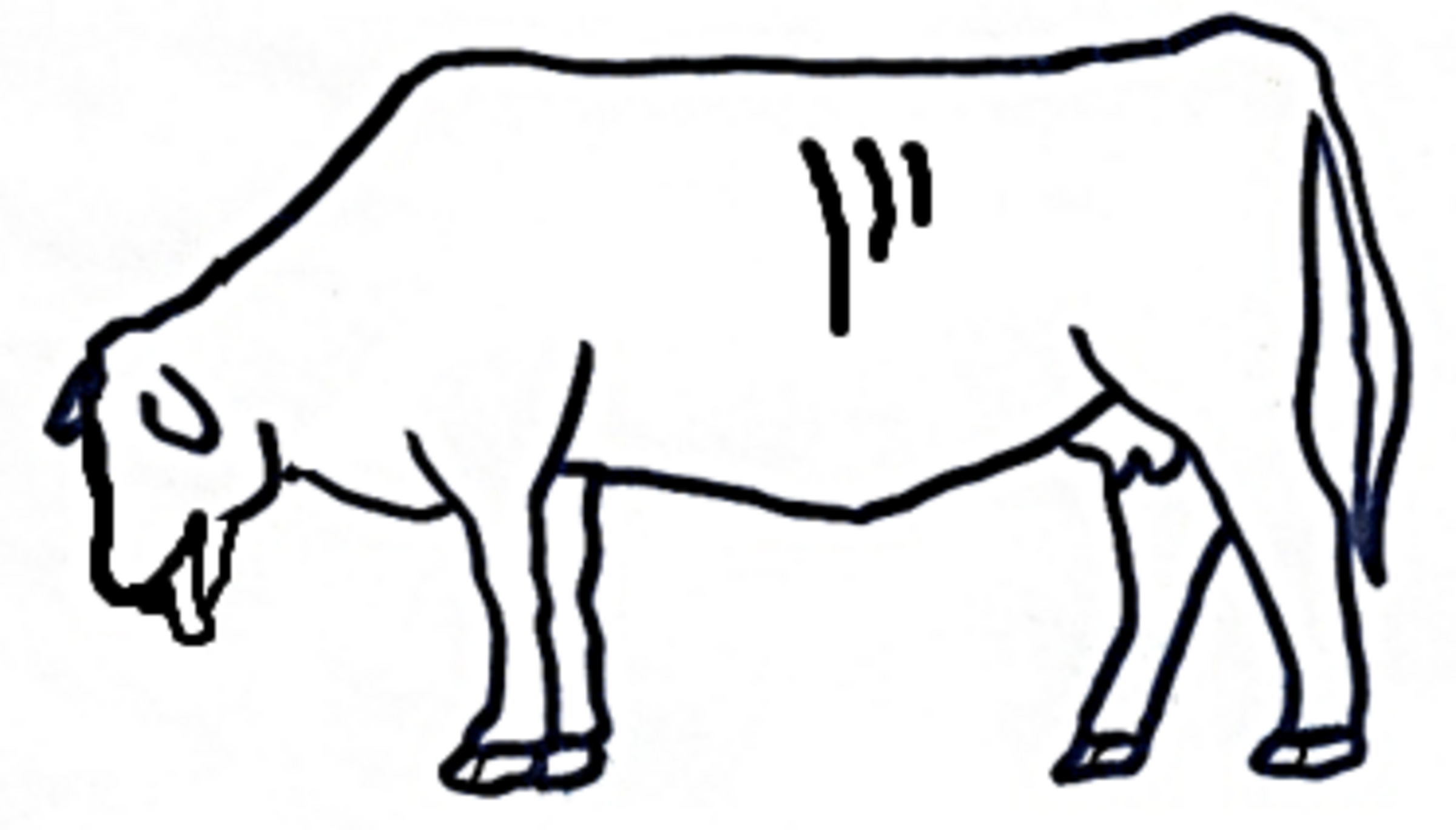
Good, reliable and easy-to-measure indicators, on the other hand, are respiratory rate and salivation. The greater the heat stress, the more the respiratory rate increases and the greater the salivation. In cases of severe heat stress, rapid breathing, panting, gasping, an open mouth, a protruding tongue and foamy saliva can be observed (Dirksen et al. 2006).
The so-called ‘Panting Score’ (Gaughan, 2002; Mader et al., 2016), which involves assessing heat panting in cows, is a practical tool for evaluating heat stress in cows. Here, the risk of health impairments is assessed on a five- or eight-point scale, and the need for action – or options for action – is outlined. The respiratory rate and the pattern of breathing are recorded and evaluated.
At a panting score of 4, the animals are in mortal danger and may die if no means of cooling is provided.
In line with the statement from the Swiss Veterinary Office, it is additionally recommended that, from a temperature of 30 °C in the shade, the panting score of focus animals be recorded during daily herd checks once the daily maximum temperature has been reached.
| Respiration | Respiratory rate (breaths per minute)* *Count respiratory rate for at least 2 minutes | Panting score |
| No panting (normal) | less than 40 | 0 |
| slight panting, mouth closed | 40–70 | 1 |
| rapid panting, mouth partially open | 70–120 | 2 |
| Mouth open, slight drooling visible | 120–160 | 3 |
| Mouth open, tongue protruding, heavy drooling | more than 160** (** Respiratory rate may decrease again with deep inhalation) | 4 |
<figcaption>Table 4: Panting Score according to Gaughan 2002</figcaption>

Health implications
- Increased livestock losses:
4.8% mortality in a herd kept without shade compared to a shaded herd with a mortality rate of 0.2% during a heatwave in Iowa (Busby and Loy, 1997)
- Skin reactions:
Intense sunlight can cause skin damage in cattle. Photosensitivity reactions are often a further cause. The underlying hypersensitivity of the skin can be triggered by substances introduced from outside or produced by the body itself. Liver dysfunction caused by liver diseases or poisonous plants also plays a role. (Heather, 2015; Flöck et al., 2003)
- Reduced performance:
Decrease in milk yield and reduction in milk fat content, reduction in daily weight gain or loss of body weight
- Fertility:
Delayed or weak oestrus, shortened gestation period, tendency towards retained placenta, reduced libido and sperm quality (Dirksen et al. 2006).
Consequences for performance
- Studies on beef cattle with access to shade showed higher daily weight gains, better feed conversion and slaughter yield (Edwards-Callaway et al., 2021)
- In a study by Brown-Brandl et al. (2005), daily dry matter intake in beef cattle was reduced by 17% when the maximum Temperature Humidity Index (THI, Thom, 1959) on the relevant day was ≥ 84.
- Decrease in feed intake from temperatures of 21–24 °C (Beatty et al., 2006).
- Dairy cows utilise methods to reduce body temperature, such as showers and fans, at very different times → there are therefore individual differences in the need for heat dissipation or regulation (Legrand et al., 2011) → but heat stress can reduce milk yield by up to 20% (and potentially up to 50%).