
The rearing and fattening phases for Peking ducks take place in different sheds or production facilities, as the birds have different requirements in terms of housing conditions, such as temperature and feed. This also allows for more efficient use of shed space and enables two age groups to be kept on the same farm at the same time.
Peking ducks are currently kept predominantly in enclosed housing systems. If external conditions (e.g. suitable outdoor run area, current disease situation) permit, free-range rearing or rearing of the birds with access to an outdoor run—which should be predominantly covered with vegetation—is also possible from a certain age (usually after the first moulting of the young birds). However, this places additional demands on husbandry management.
The fattening of Peking ducks currently takes a total of approx. 38–42 days under conventional conditions. The rearing phase lasts approx. 16–21 days of this period. This also depends on the farm-specific mating interval. In organic farming, the birds are fattened for at least 49 days. In Peking duck fattening, both sexes are kept together.
(© Wilhelm Kollmer-Heidkamp)
Preparing the stable
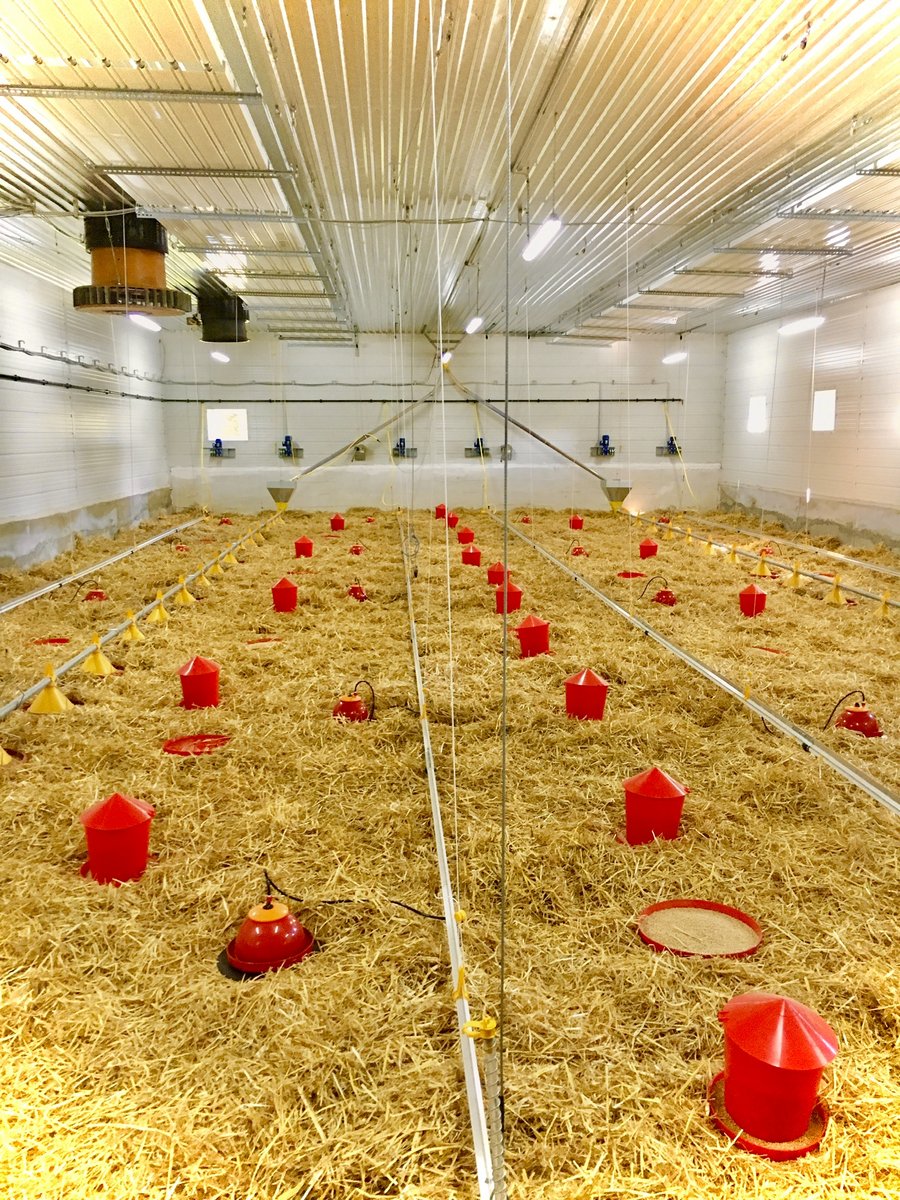
The cleaned and disinfected rearing shed is heated to a temperature of 30–32 °C before the chicks are brought in. At least two to three days should be allowed for this. Care must be taken to ensure that the floor and the walls of the shed are also preheated. If gas radiant heaters are used, the temperature beneath them should be approximately 33 °C and in the rest of the house approximately 28 °C, to ensure an adequate supply of heat for the chicks during the first few days. This allows the chicks to choose the temperature range in which they wish to stay.
The functionality of the feeding and watering equipment is checked. The drinker is rinsed beforehand. In the first few days, additional dip drinkers and feed trays are also set up.
Straw, preferably chopped, is used as bedding. The required initial bedding quantity is approximately 1.5–2.0 kg/m². The straw must be clean and hygienically sound. Wood shavings may also be used.
The total straw requirement for the entire cycle is approximately 2.5–3.0 kg per animal.
Settling in the chicks
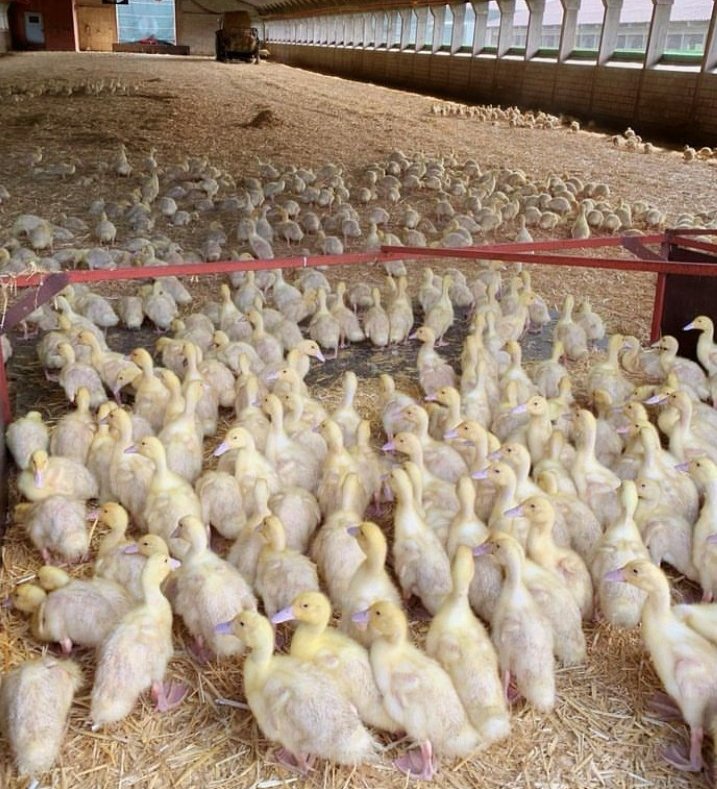
The animals arrive at the farm as day-old chicks from the hatchery in special transport crates. They should then be placed in the house quickly, but calmly.
Even whilst being housed, the animals can be encouraged by acoustic signals (e.g. the voice of the person in charge) to spread out as quickly as possible throughout the entire house. Ducklings are sensitive to sounds and will follow the voice of the person in charge. This also ensures that they find water and feed quickly.
Moving the animals to a new pen
In the two-phase fattening system, the animals are moved to the larger fattening shed after the rearing phase (around 16–21 days of age). Depending on the farm’s facilities, the animals can be driven directly from the rearing shed to the nearby fattening shed, or they can be moved (in groups) using a trailer. From this point onwards, the animals also have access to an additional water supply.
Stable temperature
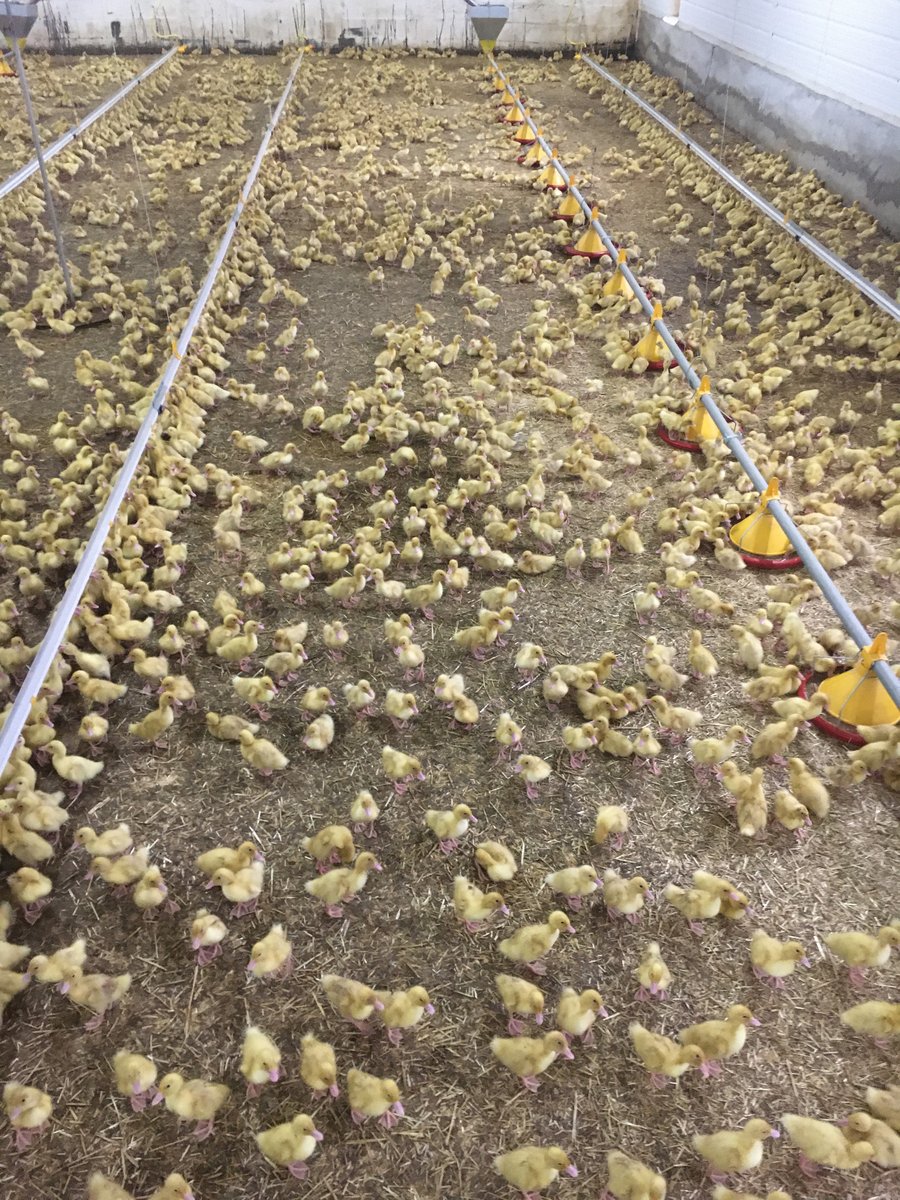
The temperature should be 30–32 °C for the first three days (33 °C under heat lamps). The temperature is always measured at the animals’ height. As rearing progresses, the temperature can be reduced by 1 or 2 °C every day or every other day to prepare the animals for the conditions in the fattening house.
When setting the temperature, it is essential to pay close attention to the animals’ behaviour and their distribution, and to make adjustments at an early stage if necessary (see Chapter 5 – Abnormalities in animal distribution across the usable area).
Temperature fluctuations of 2.5–3 °C within a single day should not be exceeded during the first week of life, as the animals are not yet able to regulate their body temperature independently. Only after their first moult do the feathered ducks no longer have higher thermal requirements of their environment.
Guidance on managing heat stress during the warm summer months can be found in Chapter 5 – Heat Stress.
Ventilation/Harmful gases
Peking ducks are usually kept in open-sided sheds. However, air velocities exceeding 0.3 m/s at animal height should not be exceeded.
In forced-ventilation houses, the minimum air flow rate should be 4.5 m³/kg live weight/hour to ensure an adequate ventilation rate in summer.
The maximum concentrations of harmful gases are shown in the table below and should not be exceeded (Peking Duck Agreement, 2015):
| Harmful gas | Max. concentration per m³ of air |
| Ammonia | <10 ppm, not exceeding 20 ppm on a continuous basis |
| CO₂ | <3,000 ppm |
In summer, oscillating fans must be provided to ensure adequate ventilation (see Peking Duck Agreement).
Lighting
Lighting in the barn should be uniform throughout. For new builds and conversions, natural light covering 3% of the barn’s floor area should be factored in. The lighting schedule may vary during the acclimatisation period in the first three days. The light must be flicker-free and should resemble natural daylight as closely as possible.
The light cycle during the first three days at most may be extended to 24 hours to allow the animals to become accustomed to feeding and watering facilities. Thereafter, a day/night rhythm as close to natural as possible should be maintained, and a continuous dark phase of at least 8 hours must be ensured, provided that there is a deviation from the natural, seasonally varying dark phases. Appropriate dimming phases should be implemented prior to the change in lighting.
Emergency lighting of a maximum of 2 lux can serve as a guide at night.
Water
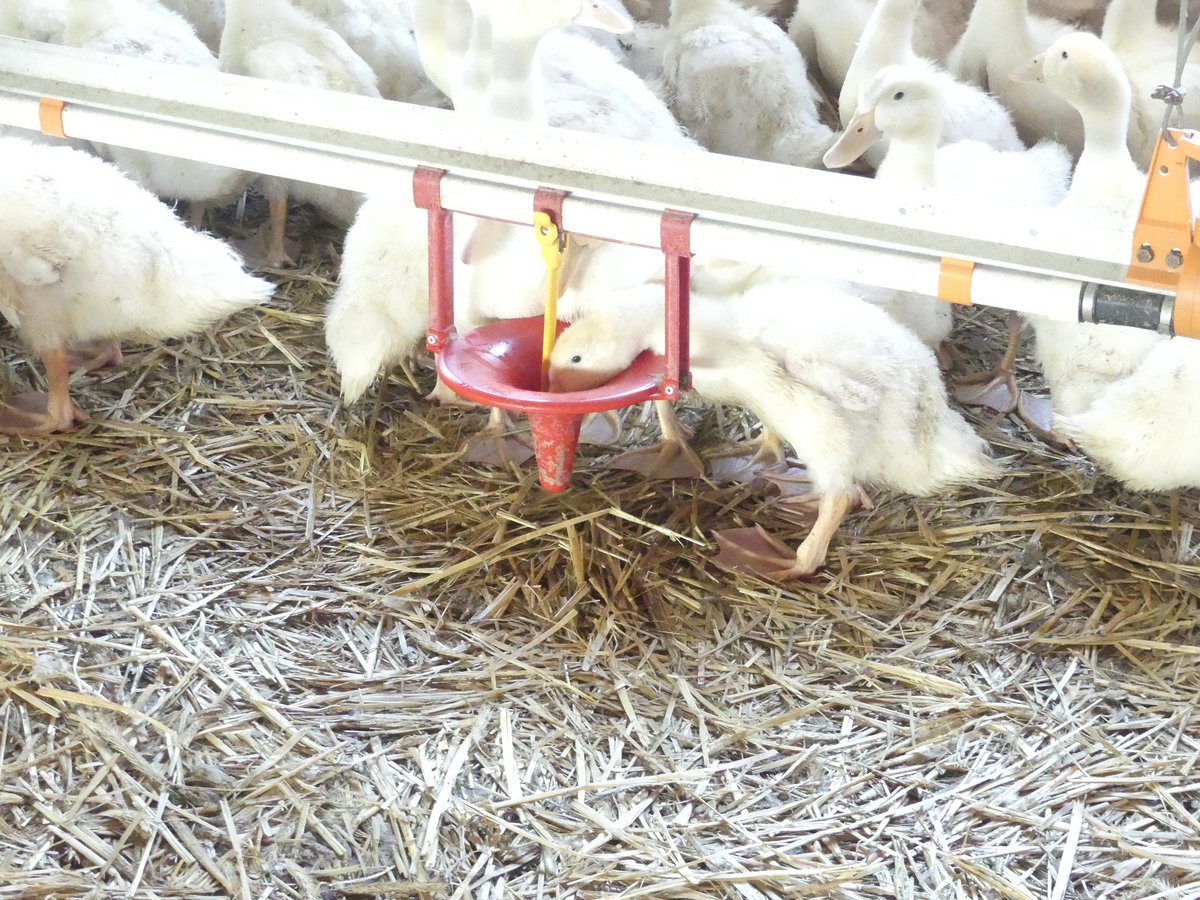
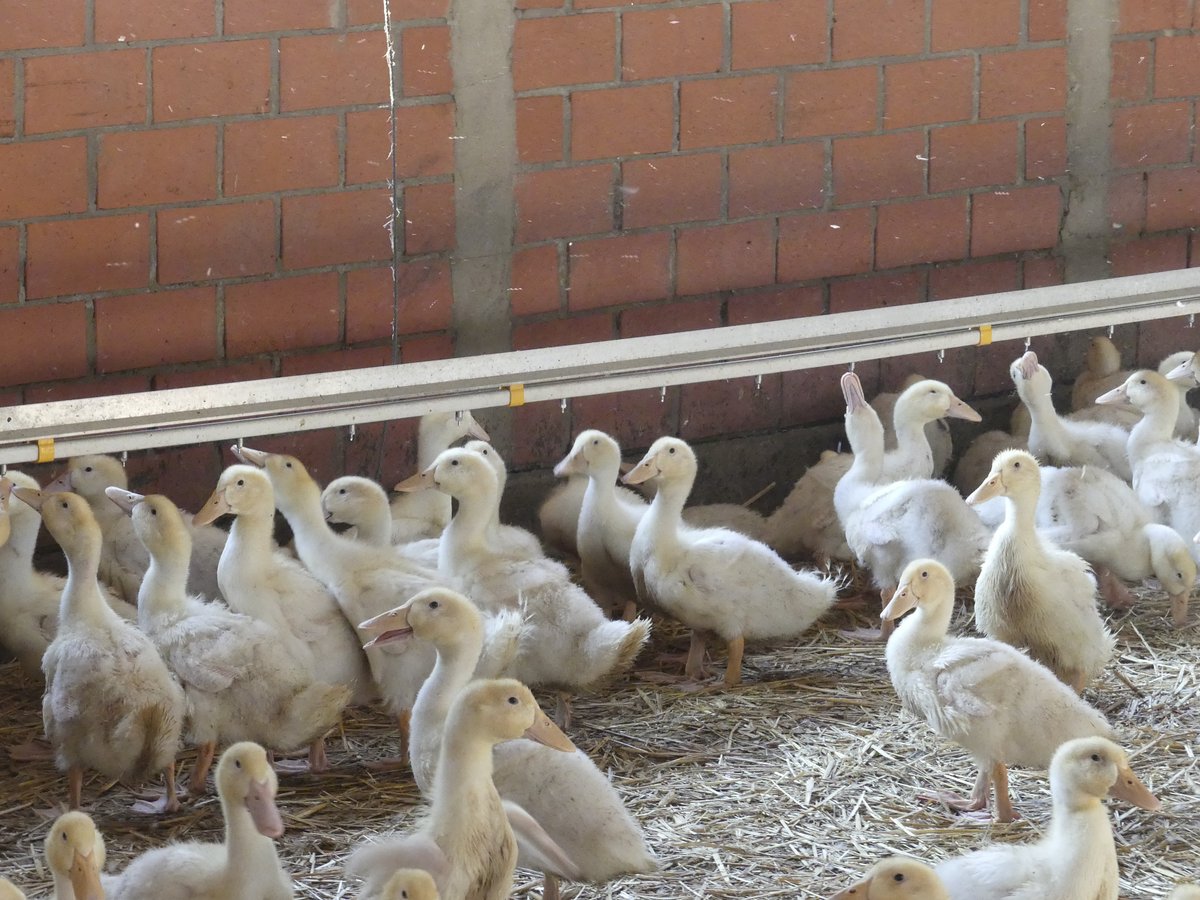
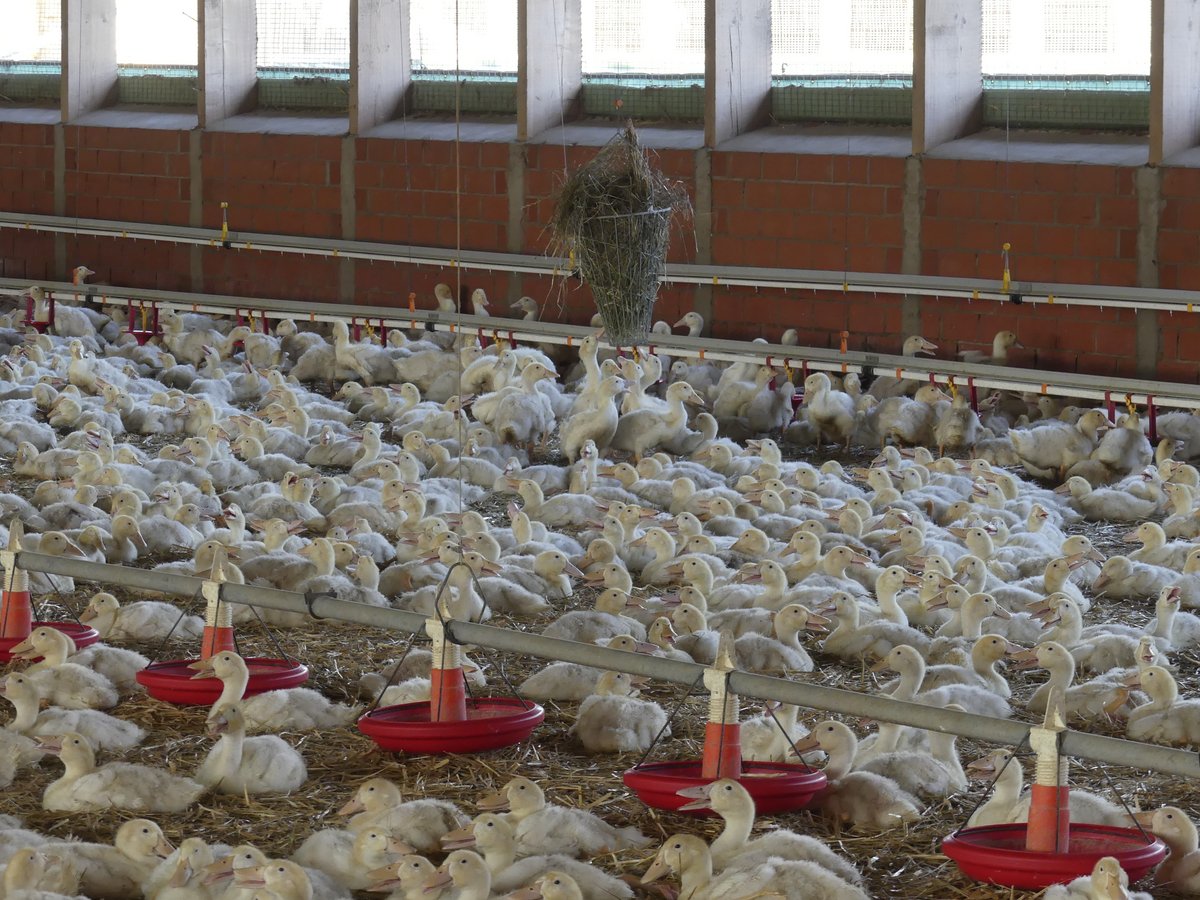
A constant supply of fresh and hygienically safe drinking water must be ensured for the animals. To this end, the functionality and hygiene of the drinking system must be checked daily. The drinking water for the chicks should be at approximately room temperature. During rearing and fattening, the animals are usually supplied via nipple drinkers. In the first few days, additional bowls of water or dip drinkers should be placed in the shed.
The requirements for drinking facilities during rearing and fattening are set out in the following table:
| Age of animals (days old) | Nipple drinkers (animals per nipple) |
| 1–5 | 25 |
| 6–21 | 15 |
| from 22 | 10 |
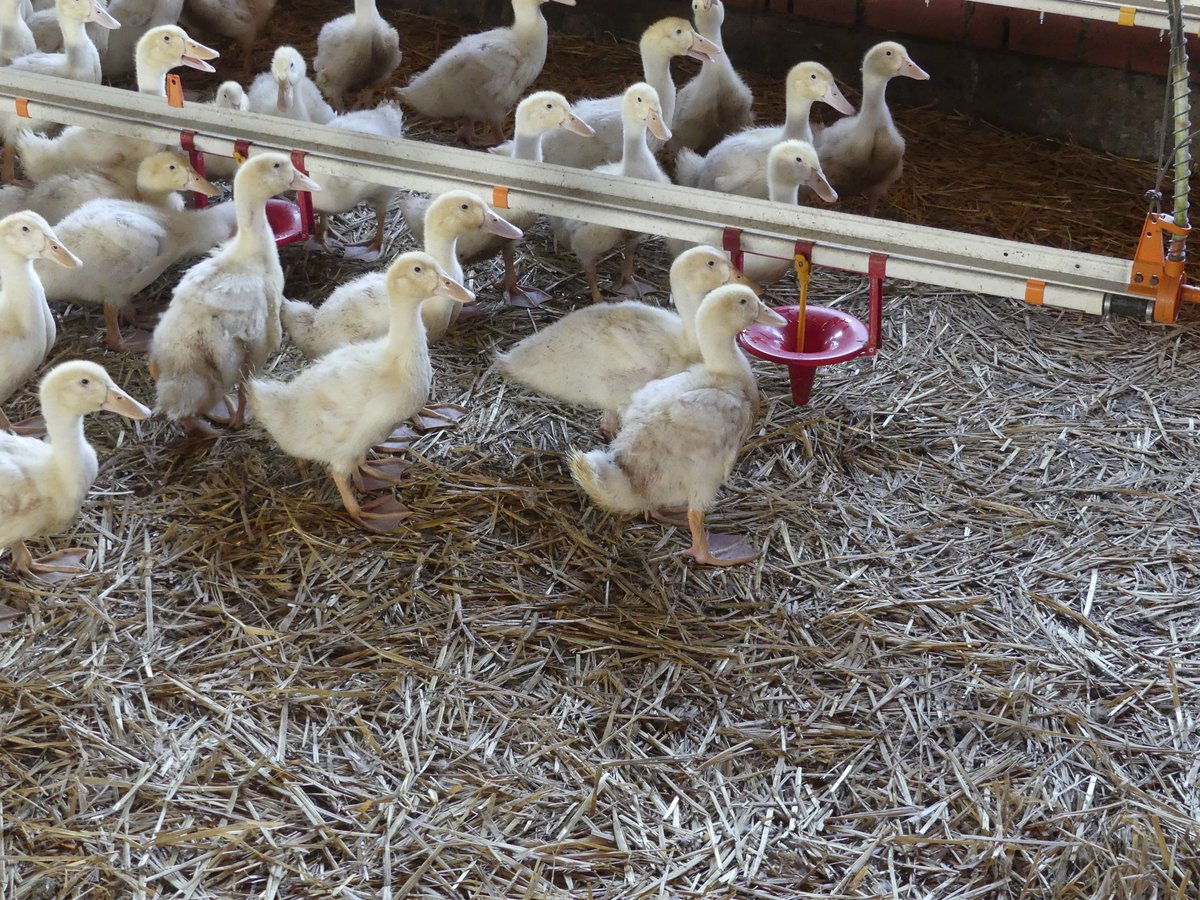
The height of the drinking troughs should be adjusted according to the age and size of the animals. Funnel-shaped drinking troughs should be positioned so that the animals can easily dip their heads into them (Fig. 11). Nipple drinkers should be easily accessible to the animals with their necks stretched out (Fig. 12).
Additional water supply
Under the Peking Duck Agreement, from the start of fattening – i.e. from the 22nd day of life at the latest – the animals must be granted access at all times to bathing water or water facilities where they can submerge their heads. These facilities must be easily accessible to all animals and available in sufficient numbers (specific recommendations can be found in the current version of the Peking Duck Agreement).
Positive results have also been achieved by providing open-access water in the form of a shallow basin or similar. This best enables the animals to engage in species-typical behaviour, as required by Section 2 of the Animal Welfare Act. In terms of housing hygiene, the provision of additional water requires adjustments to bedding management to prevent the bedding from becoming waterlogged. In addition, regular water changes and cleaning of the basins are necessary.
Food
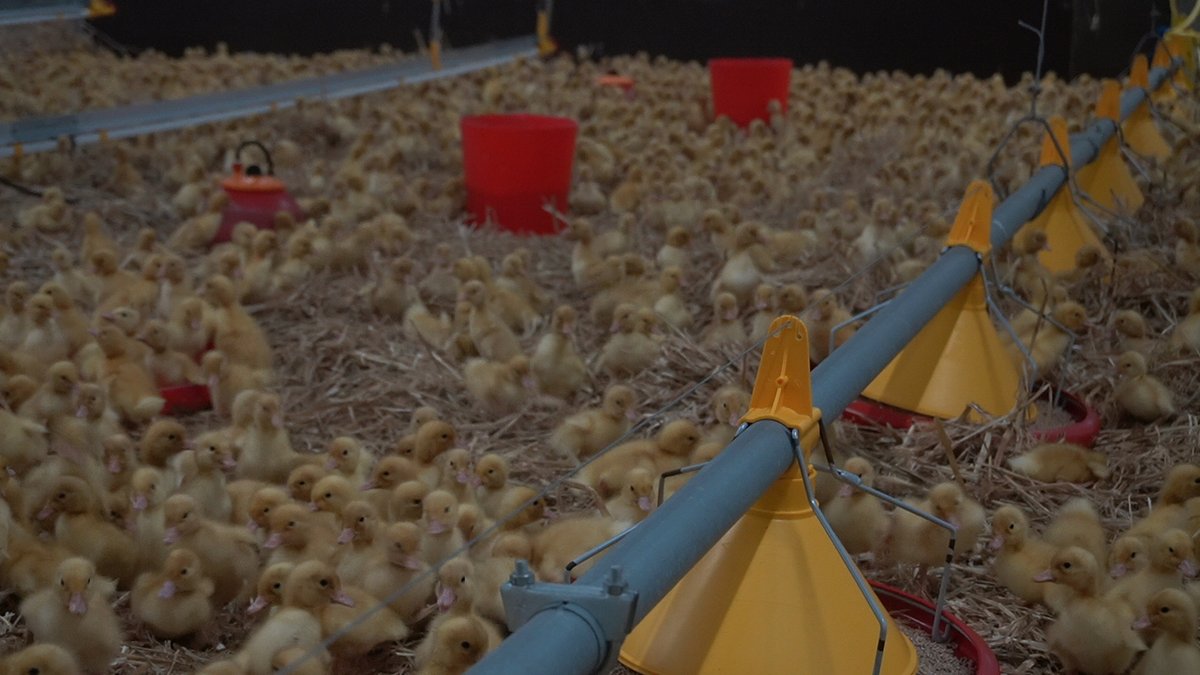
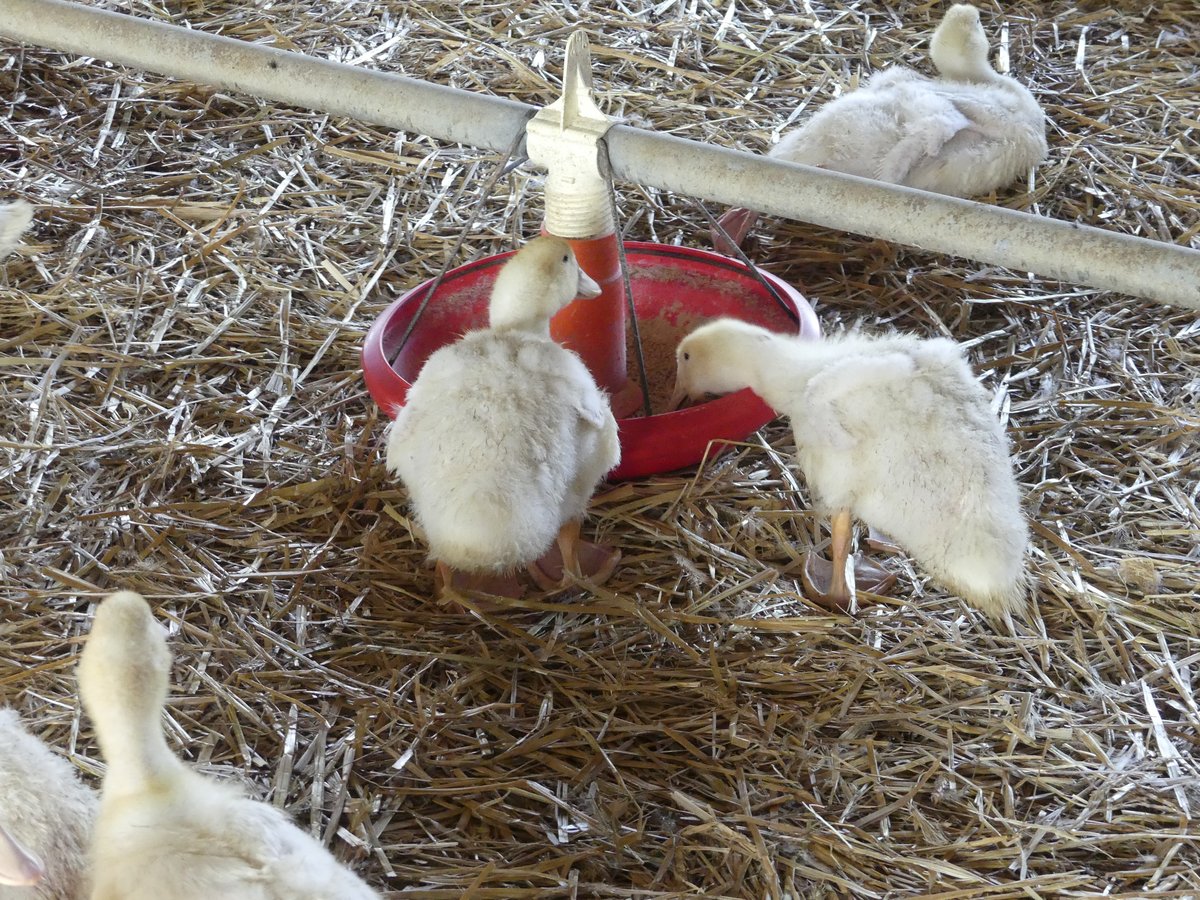
During the first 14 days, the animals are fed a starter feed with an energy content of approximately 12.0 MJ ME and a crude protein content of 21%. The subsequent intermediate fattening feed contains approximately 12.2 MJ ME and 18% crude protein, whilst the finishing feed has an energy content of 12.4 MJ ME and 17% crude protein. The feed is provided ad libitum. In the first few days, it should also be made available to the animals in feed bowls placed on the floor.
In accordance with the Beijing Duck Agreement, the usable trough length should be at least 0.8 cm per kg of live weight from day 1 to day 21, and at least 0.4 cm per kg of live weight from day 22 until slaughter.
Activity materials
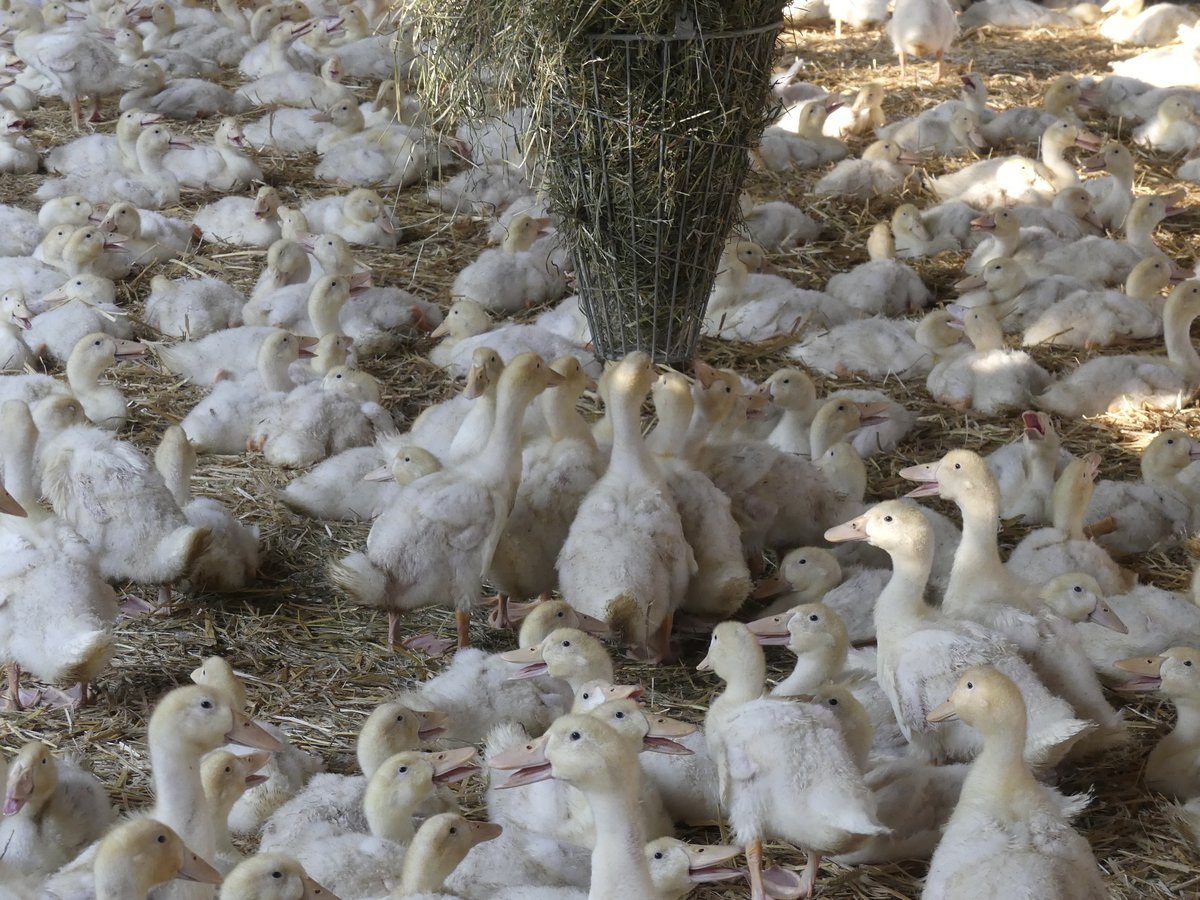
Suitable enrichment materials must be made available to the animals in sufficient quantities and encourage foraging and feeding behaviour. Suitable options include fresh straw or hay, which can be provided in racks or baskets. Care should be taken to adjust the height of the baskets or racks to suit the animals’ height.
The availability of water is also of great importance to the ducks as a source of activity.
Daily routine tasks
Animals should be checked several times a day, but at least twice a day. Chicks should be closely monitored, particularly during the first few days, and checks should be carried out several times a day. Important parameters include (see also Chapter 5: Criteria for assessing animal health):
- Distribution of the animals in the house
- Feed and water intake behaviour
- Movement
- Condition of plumage
- Consistency of droppings
- Condition of the eyes and nostrils
Fresh straw must be added daily. In rearing facilities, this is usually done by hand.
All housing and care facilities must be checked daily to ensure they are in working order (see Animal Welfare Ordinance § 4 General Requirements for Monitoring, Feeding and Care). Feed and water intake must be checked daily.
Special projects
This includes tasks that are not carried out on a daily basis but are performed with a certain degree of regularity during or following a fattening cycle. These include, for example, the cleaning and disinfection work required during the service period (see Chapter 8), care provided by the vet (see Veterinary herd management and health assurance programme), as well as examinations to be carried out, such as drinking water tests when using water from the farm’s own well.
Vaccinations
Vaccinations can be used to protect against various infectious diseases. Unlike chickens and turkeys, there is currently no compulsory vaccination requirement for ducks. It is standard practice to vaccinate parent birds before the start of the laying period (e.g. against Riemerella) in order to protect young ducklings through maternal antibodies. However, depending on the risk of infection, vaccination may also be advisable in individual cases for Peking fattening ducks. This should always be discussed with the vet responsible for the flock.
Veterinary herd management and animal health programme
Under the Peking Duck Agreement, the keeper must be able to provide evidence of a veterinary care contract. Under this agreement, a veterinary inspection of the flock must be carried out at least once every three months.
In addition, the flock must be inspected once per cycle by a qualified person (veterinarian or fattening supervisor). A report must be drawn up following each visit, assessing the health and welfare status as well as the behaviour of the flock. The authorities may request to see these reports.
Participation in a health assurance programme is intended to safeguard animal health by collecting and evaluating batch-specific indicators from rearing, fattening and slaughter. If this reveals a need for action, a health plan is drawn up and implemented in collaboration with the herd’s supervising veterinarian. This must also be presented to the competent authority upon request. The requirements regarding the obligation to carry out self-monitoring (Section 11(8) of the Animal Welfare Act) are thus fulfilled.