
- Christoph Becker, farmer (Animal Welfare Pilot Farm)
- Dr Veronika Drexl, SchweineSpezialBeratung Schleswig-Holstein e.V.
- Carmen Fögeling, North Rhine-Westphalia Chamber of Agriculture
- Wilhelm Schulte-Remmert, farmer (Animal Welfare Pilot Farm)
- Christoph Selhorst, farmer
- Dr Manfred Weber, State Institute for Agriculture and Horticulture, Saxony-Anhalt
- Rudolf Wiedmann, independent consultant, Baden-Württemberg
- Sandra Terletzki, North Rhine-Westphalia Chamber of Agriculture
- Dr Sabine Schütze, North Rhine-Westphalia Chamber of Agriculture

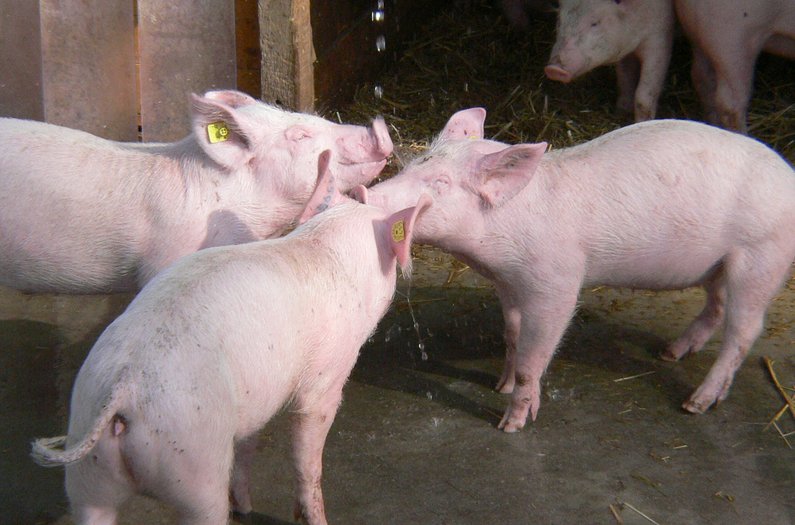
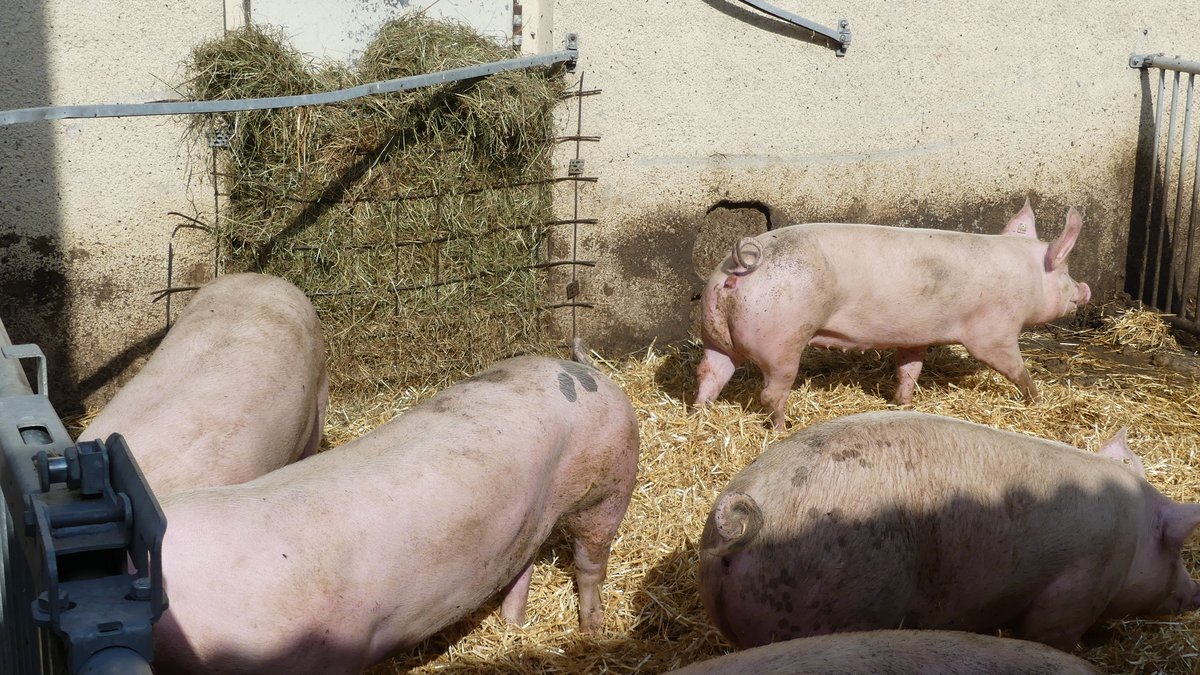
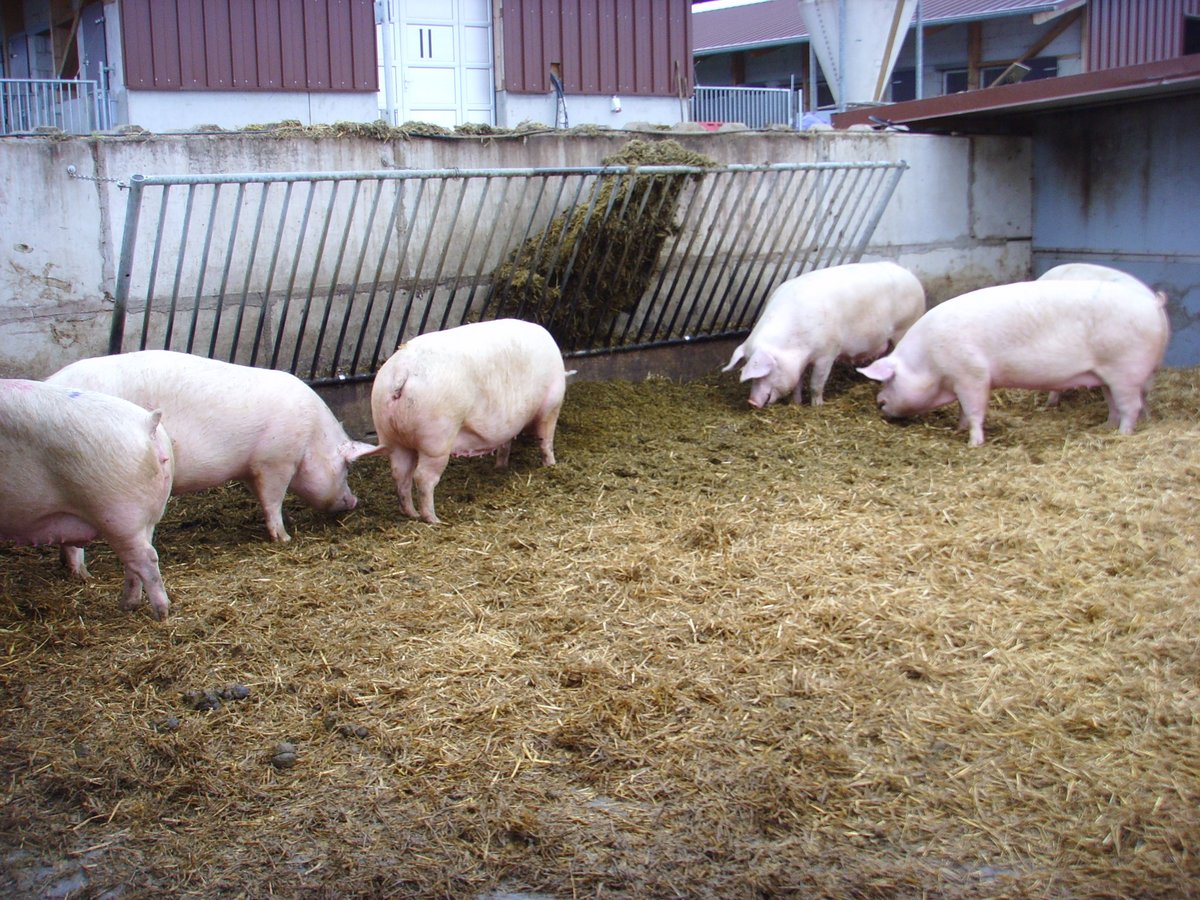
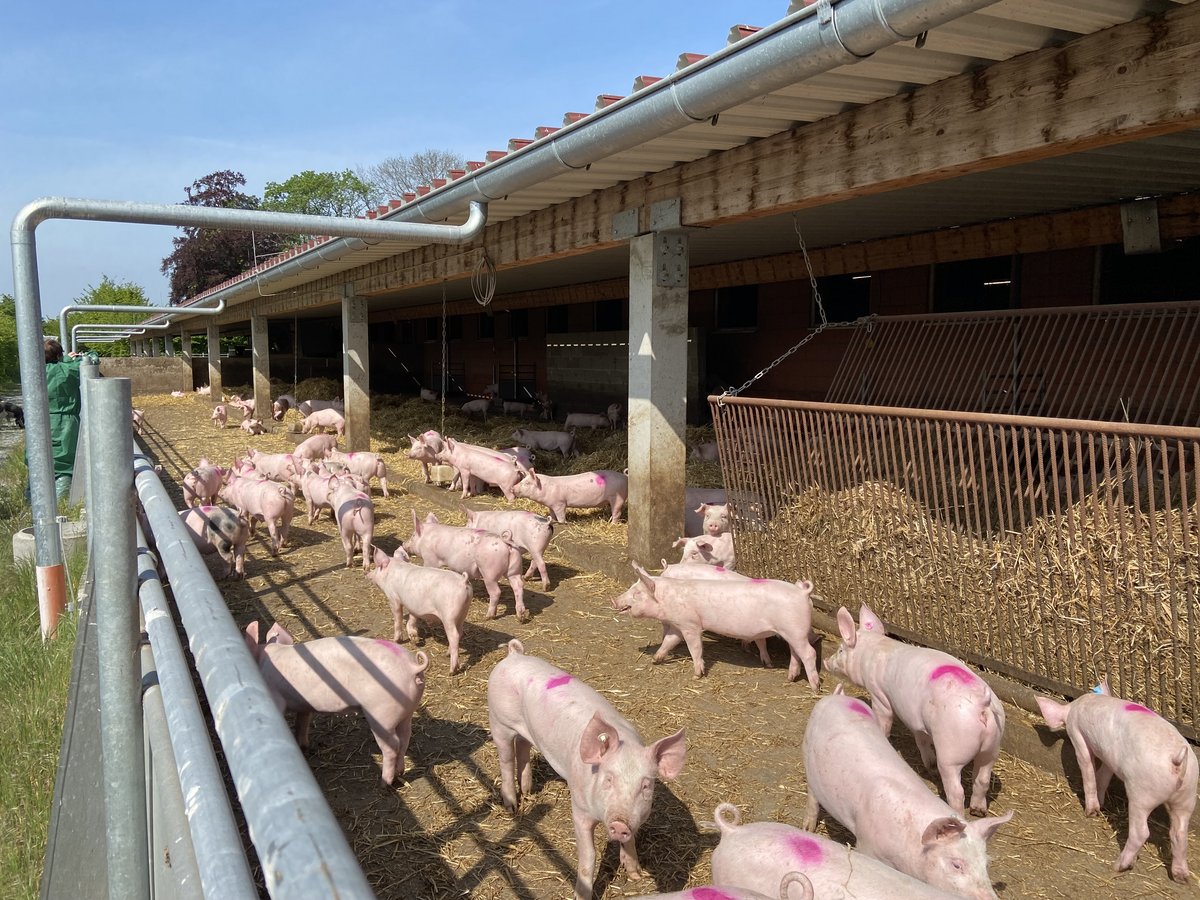
Outdoor runs are a great benefit to our domestic pigs. They provide the animals with a variety of stimuli, such as smells, sounds, visual impressions and different climatic conditions (Figure 1). In addition, outdoor runs usually provide the animals with more space; they can choose where to spend their time, and there is variety in their daily routine, including a clearer day-night rhythm. Due to the current changes in pig farming and increasing animal welfare requirements, outdoor runs are becoming increasingly popular, and many farmers are considering building new ones or extending existing facilities. However, there is much to consider. The ‘Pen Structure’ working group of the Animal Welfare Competence Centre for Pigs offers tips on how to design an outdoor run so that pigs are happy to use it and it is also economically viable.
Firstly, farmers wishing to build new facilities or extend existing ones should be clear about which production stage they are aiming for. It is important to follow the guidelines set out in the German Animal Husbandry Labelling Act (TierHaltKennzG) (Table 1).
In principle, there are hardly any differences between the various production stages with regard to outdoor runs, as pigs all have the same needs and behaviours. The main differences lie between organic pig farming, where outdoor runs are mandatory, and conventional pig farming, where it is a matter of choice whether an outdoor run is provided and how it is designed.
| Housing system | Requirements |
| Housing | Housing during fattening complies with the statutory minimum requirements. |
| Stable + outdoor area | The pigs have at least 12.5% more space than the statutory minimum standard. Pens must contain roughage, which is provided in addition to enrichment material, and are structured using various elements. These may include, for example, partitions, different levels, or areas with varying temperatures or lighting. |
| Fresh-air housing | The outdoor climate in each pen has a significant influence on the barn climate. The pigs have access to different climate zones at all times. |
| Exercise area/pasture | Pigs have access to an outdoor run throughout the day or are kept outdoors during this period without a permanent housing structure. The outdoor run may be reduced for the duration required for cleaning or for a short period, provided this is strictly necessary in individual cases for animal welfare reasons. |
| Organic | Animal husbandry complies with the requirements of the EU Organic Regulation. This means that the pigs have an even larger outdoor area and even more space in the barn. |
<figcaption>Table 1: Housing systems according to the State Animal Husbandry Labelling Act (TierHaltKennzG)</figcaption>
General information
The outdoor rearing system is defined in the Pig Husbandry Hygiene Regulation as the rearing of pigs in permanent buildings, whereby the animals have the opportunity to spend time outdoors. It is particularly important to structure the outdoor run well, thereby creating different functional areas and keeping the run cleaner. A prerequisite for this is sufficient size. The cleaner and drier the pen is, and the smaller the manure areas are kept, the more emissions can be reduced.1
The question sometimes arises as to whether an indoor outdoor area may also be constructed. Despite its indoor location, this allows the animals to experience some outdoor climate stimuli through natural ventilation. If the roof over the indoor outdoor area is not completely enclosed, it can be easily closed off using bird protection nets or plastic sheeting in the event of an outbreak or during a mandatory indoor housing period. This ensures the animals are protected. In principle, indoor runs may be constructed. However, depending on the veterinary authority, there are various requirements that must be met regarding indoor runs. Some marketing schemes require at least two open sides, which is why precise information should be obtained prior to construction as to whether the indoor run will be accepted. It is not yet clear (as of September 2023) exactly how the run is defined in the Animal Husbandry Act and whether an indoor run is accepted in this regard.

Spout size
With regard to the size of outdoor runs, the Animal Husbandry Standards Act (TierHaltKennzG), which came into force on 24 August 2023, sets out binding requirements for housing categories 4 and 5. For animals in housing type 4, the size requirements are binding depending on weight classes; for organic pigs, which fall under housing type 5, the Organic Farming Directive applies, which additionally includes a subdivision into production stages (Table 2).
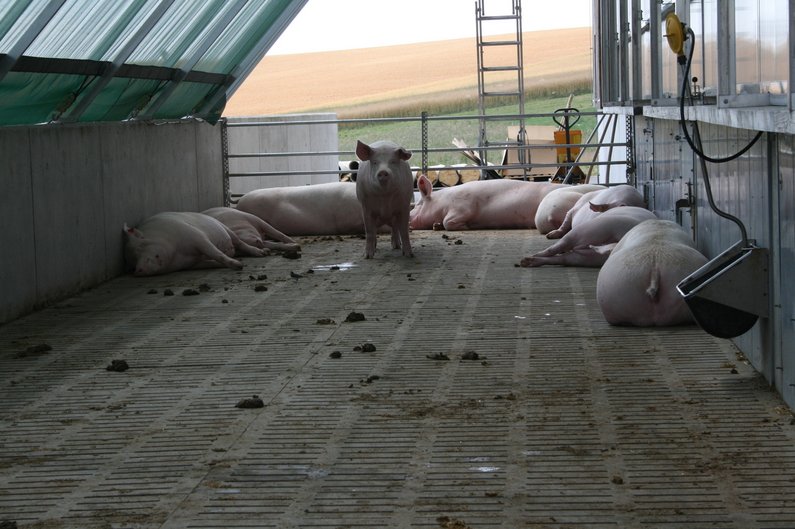
If pigs in housing stages 1–3 have access to an outdoor run, the size may be determined at the farmer’s discretion. However, it is recommended, for example, to provide fattening pigs with at least 0.5 m² per animal and sows with more space, so that the animals can also establish different functional areas within the outdoor run, such as a lying area and a dunging area (Figure 2). With fewer than approximately 20 animals in a pen, the outdoor runs are usually too small when the minimum requirements are met and do not allow for sufficient structuring. Therefore, larger outdoor runs should be made available to the animals on a voluntary basis for small groups. With larger groups, a very good structuring of the functional areas is possible. It is therefore advisable to provide space for at least 50 animals in the outdoor run to ensure sufficient space for structuring. Another reason for larger outdoor runs is the saving of time, labour and costs, which decrease as the size of the outdoor run and the number of animals increase.
If farms operating under housing types 1 to 3 adhere to the size requirements for organic pig farming, they should be well-prepared for future changes to the size requirements in pig farming for the time being.
| Minimum live weight (kg) | Outdoor area per animal in m², in addition to the indoor area | ||
| Organic Directive | Lactating sows with piglets until weaning | 2.5 | |
Fattening pigs Weaned piglets, male and female breeding boars, gilts
| up to 35 kg | 0.4 | |
| more than 35 kg, but less than 50 kg | 0.6 | ||
| more than 50 kg but less than 85 kg | 0.8 | ||
| more than 85 kg but less than 110 kg | 1 | ||
| more than 110 kg | 1.2 | ||
| female breeding pigs dry pregnant sows (sows in waiting) | 1.9 | ||
| Male breeding pigs Boars | 8 | ||
| AnimalHoldingCode | Housing type 4 | 30–50 kg | 0.25 |
| 50–120 kg | 0.5 | ||
| > 120 kg | 0.8 | ||
| Housing type 1 – 3 | No specifications | ||
Floor design
In the outdoor run, a choice can be made between fully slatted floors, partially perforated floors or completely solid surfaces, although fully slatted floors are not expected to be permitted in future under the Animal Husbandry Act. Which floor is best suited to a particular farm depends on various factors, such as the conditions on the farm or personal preferences. Table 3 sets out the main advantages and disadvantages.
It is important that the outdoor run also always has a non-slip and, as far as possible, dry floor. As slatted floors interfere with the rooting material, they are not considered a suitable design for outdoor areas or runs in organic pig farming.
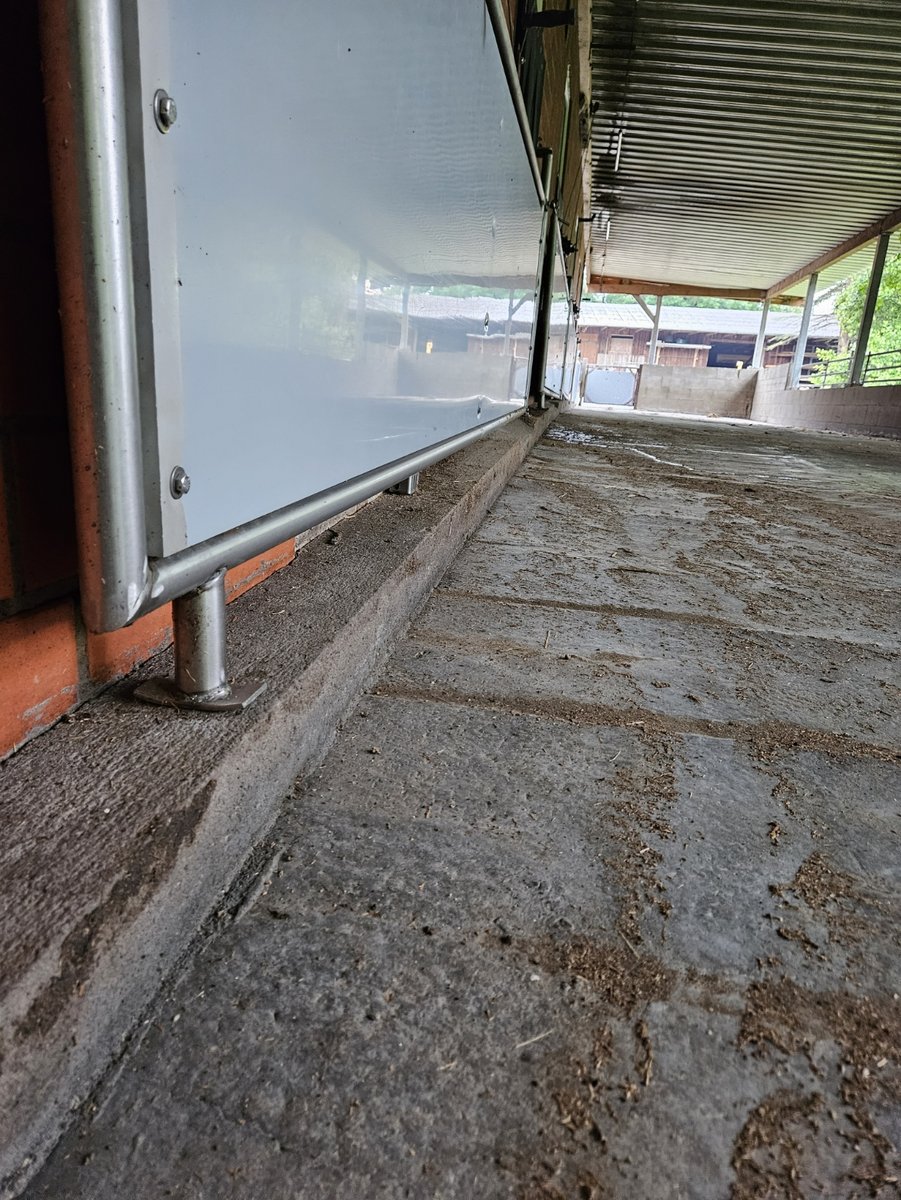
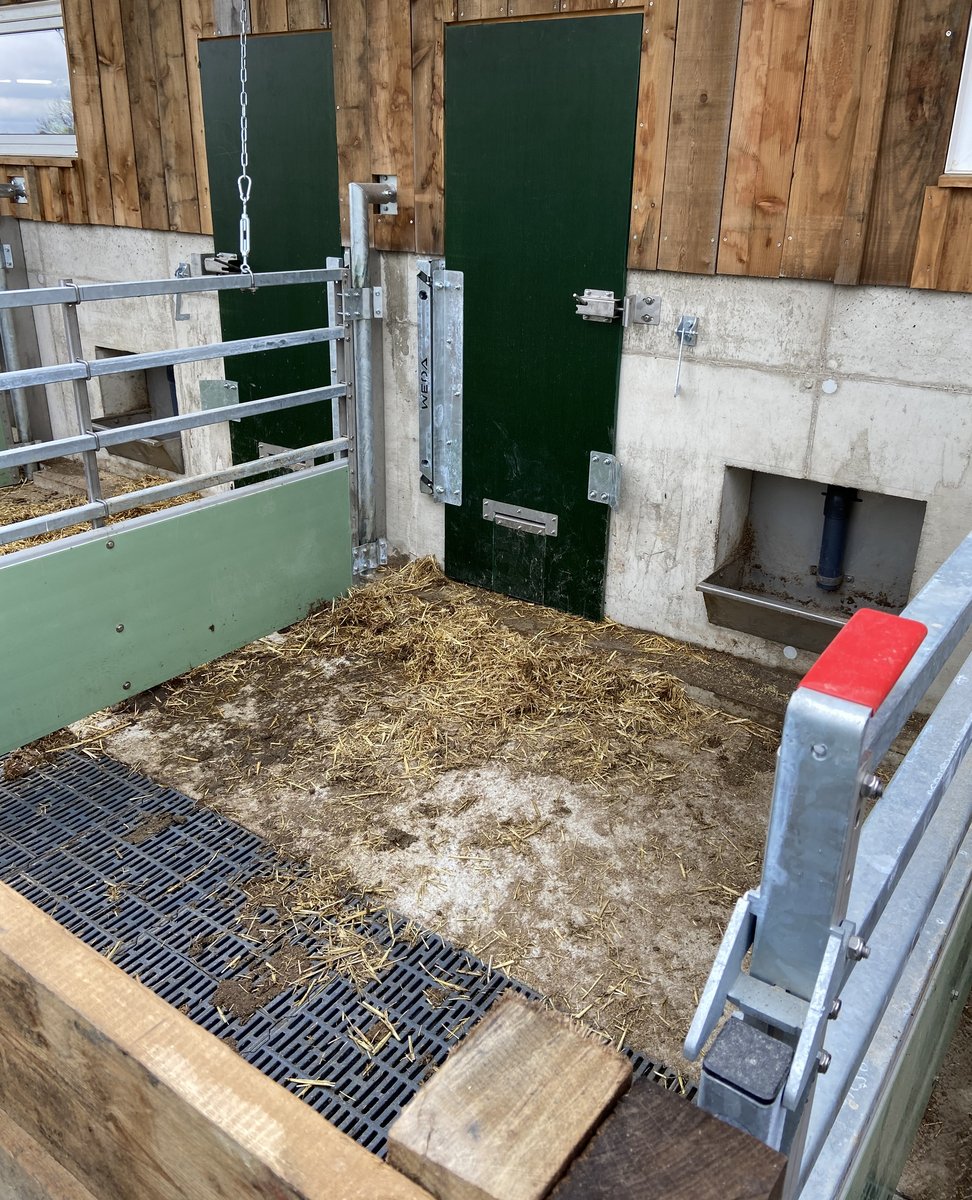
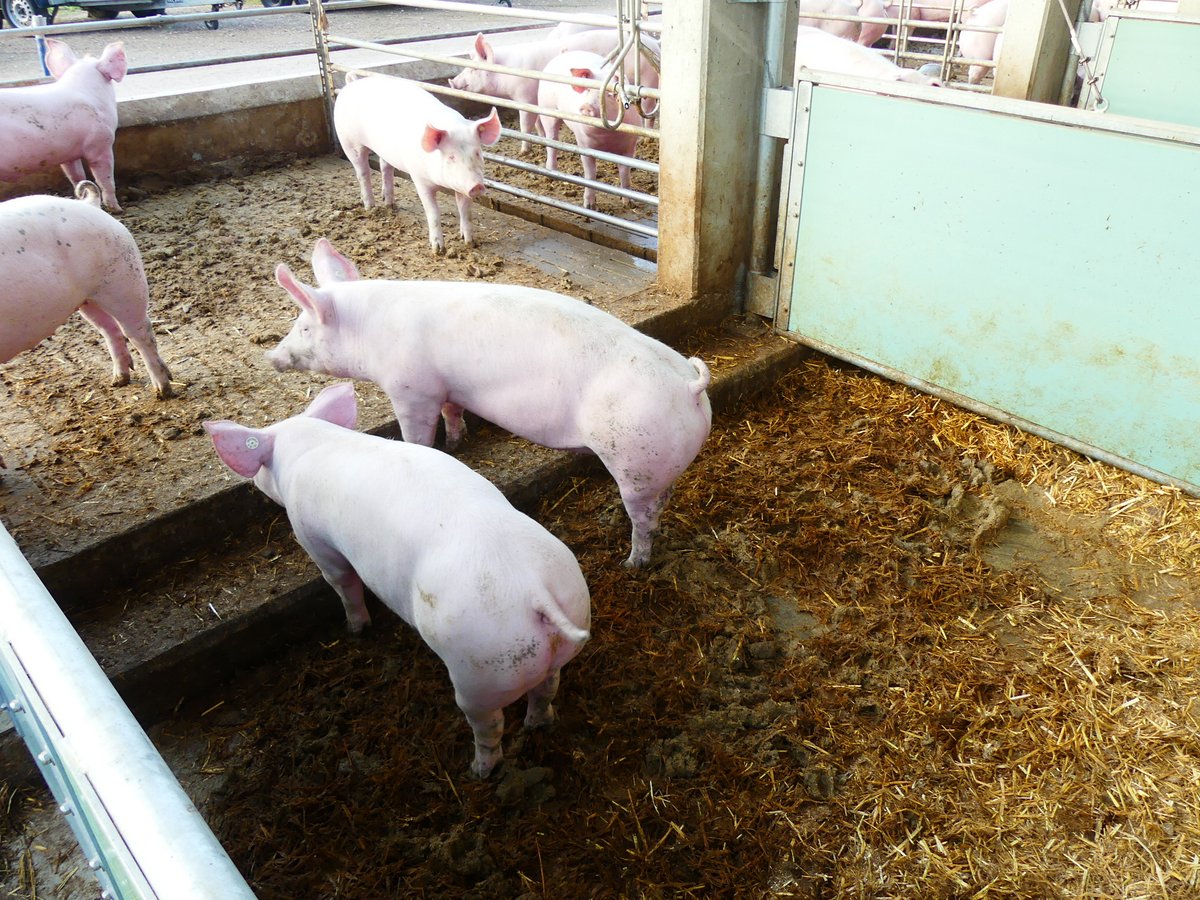
A ramp between the barn and the outdoor run facilitates mucking out and also prevents the animals from dragging large amounts of bedding into the barn when entering and leaving (Figure 3).2
| Solid slatted floors | Partial slatted floors (half of the outdoor run has a solid floor and half is slatted) | Solid floor |
| low labour requirements | Greater lying comfort | greater labour requirements |
| better drainage, easier to manage drinking troughs and showers | The lying area is also partly used as a dunging area | greater lying comfort |
| With underfloor scrapers, minimal bedding is possible (reduced slats) | Manure accumulates due to reduced slatted area and lower activity levels on the slatted floor | Opportunities for rooting (animal welfare, e.g. tail-biting) |
| Higher construction costs, lower running costs | Slats must be driveable → driveable slats are more expensive | Lower construction costs, higher running costs |
| It is unclear whether fully slatted floors will be permitted for higher husbandry levels under the Animal Husbandry Standards Act | Manure accumulation/storage, manure tray required, spreading equipment necessary | |
| Better marketing opportunities, higher revenues possible | ||
| greater flexibility regarding animal welfare → spreading other materials (e.g. field beans) in the straw | ||
| Surface water must be collected (slurry/manure tanks) | ||
| Greater flexibility regarding animal welfare → spreading various materials in the straw (e.g. field beans) |
Lounge area
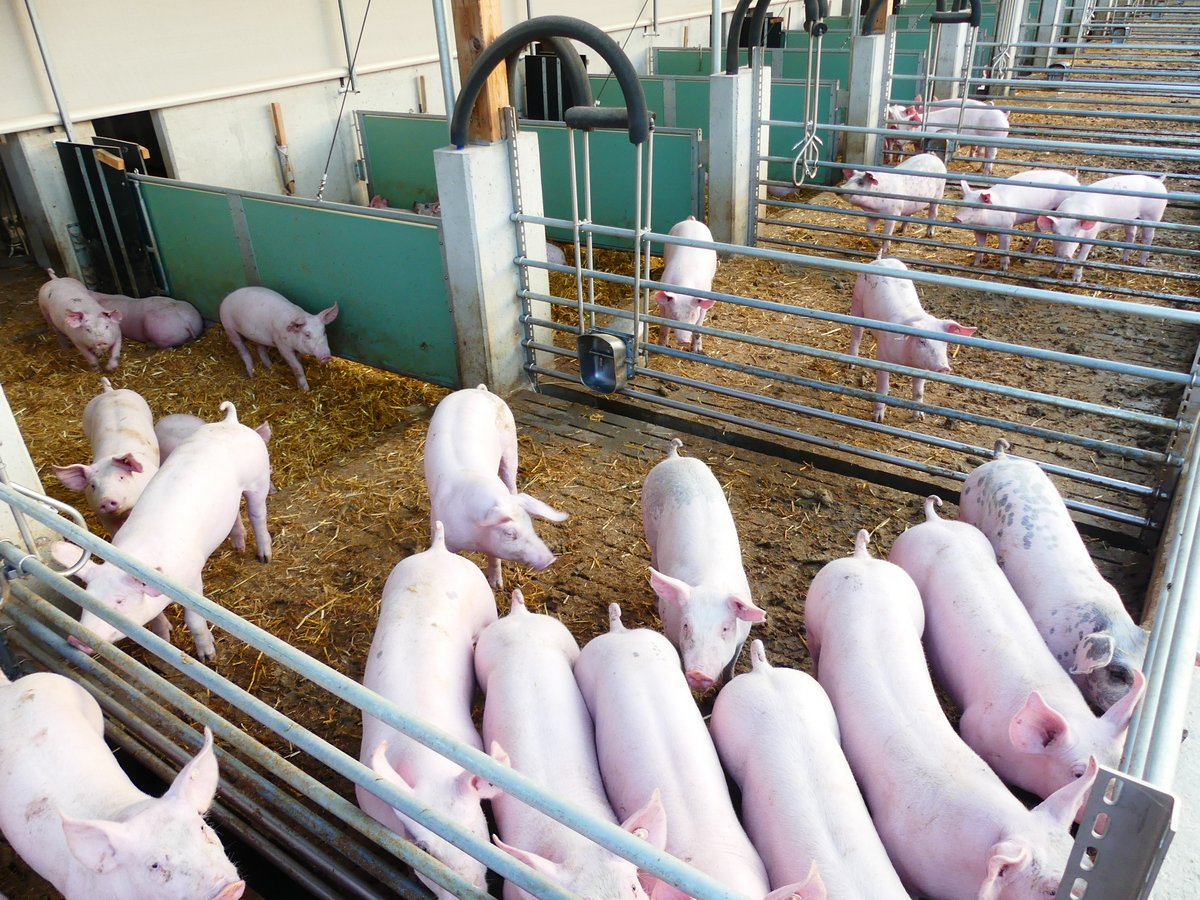
Resting areas should always be designed so that they are not in contact with the neighbouring pen, i.e. with walls that block the view (Figure 4). In the outdoor run, the area should be covered to provide protection from the sun and rain. Depending on the temperature, the animals use this area to rest not only at night but also during the day. In summer, little to no bedding should be used so that the animals have a cool lying area available. Contrary to what one might assume, providing pigs with a lot of bedding in the outdoor run in winter can be problematic. If they are cold, they will still lie outside in the cold and will not go into the barn of their own accord. Therefore, less straw is the better choice when there is a clearly separated indoor and outdoor area.
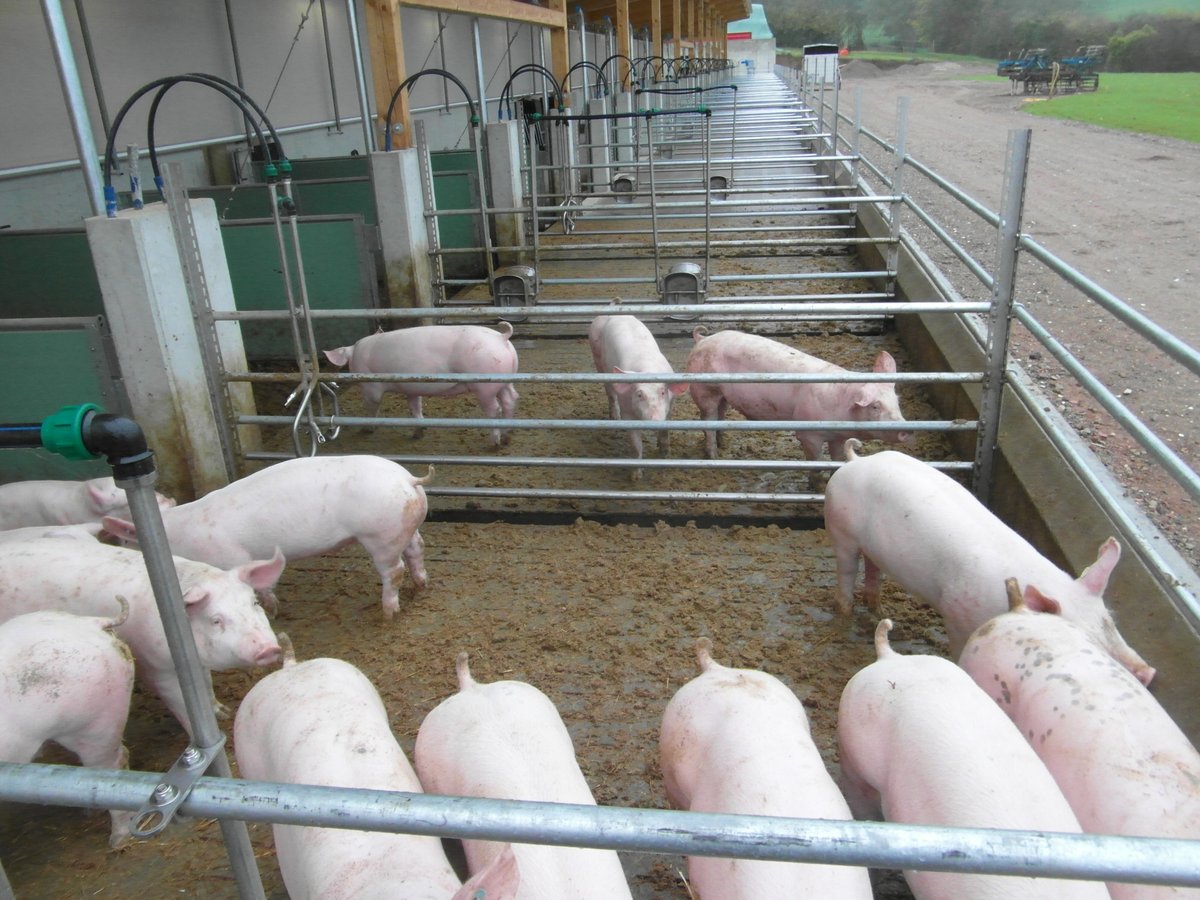
It is also possible to combine a resting area with a dunging area in the outdoor run. Figures 5 and 6 show an example of an outdoor run for group housing and one for sows with piglets.
Faecal area
Whether the farmers designate a specific area for dung within the barn or in the outdoor run depends on the layout, size, personal preferences and the specific conditions of the farm.
If the animals are to use the outdoor run specifically as a dunging area, it should be partially exposed to the weather – and thus to wind and rain – as pigs prefer to defecate where it is cold, damp and draughty. It is therefore advisable to leave a small area uncovered so that it remains damp and the animals continue to be encouraged to defecate there.3 Watering points in the outdoor run ensure moisture on the ground and further encourage the establishment of the defecation area. The use of mesh partitions, i.e. pen dividers through which the animals can see into the neighbouring pen, encourages territorial behaviour. At these points, the animals are then encouraged to deposit faeces and urine (Figure 7).
In a large outdoor run, the animals are likely to lie down outside and also defecate there. If the dunging area is to be located indoors, weather-protected, sunny and dry outdoor runs are ideal; these should be covered and prevent contact with animals in the neighbouring pen. This works well in summer; in winter, when it is cold and wet outside, some animals will still defecate in the outdoor run.
It is generally advisable to install a slurry channel at the outdoor run for wash water, urine and rainwater. It is important that the cover is suitable for vehicles. Depending on the degree of perforation, straw or enrichment material may pass through, which is why the channel must be cleared of such material or flushed. Automatic flushing systems can reduce the workload. Whether to use a drain for water and urine must be decided on a case-by-case basis. It is often sufficient to have a general drain for wash water.
If a perforated manure area is used, it is advisable to use an underfloor slide gate. To retrofit this, a step can be installed leading to the slats with the slide gate underneath (Figure 8). Plastic slats or triangular grates can be used, over which faeces can be pushed from the floor surface into the slurry channel if necessary.
It must be noted that, in the event of an outbreak of disease where animals are required to remain indoors, they also need a faecal area inside the barn, as the outdoor run may no longer be used. This should be taken into account during planning.
Thermoregulation
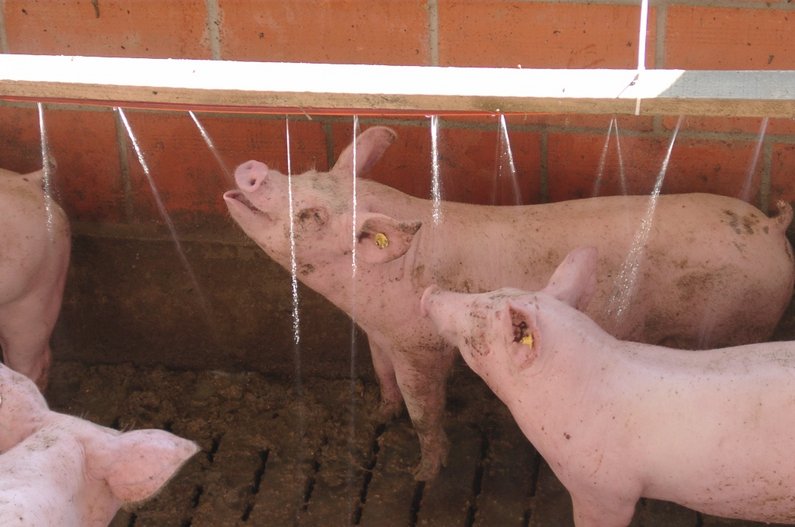
To enable pigs to dissipate excess body heat, cool lying areas such as concrete surfaces or cooling via water, e.g. through micro-wallows, are required.4 Due to the risk of contamination, the ‘Pen Structure’ working group recommends micro-puddles instead of puddles recessed into the floor; these disperse small droplets of water onto the animals and the floor from above (Figure 9). This creates damp floor areas which help the animals to cool down further by lying on them (Figure 10). Systems from specialist firms can be used, or alternatively, inexpensive systems available from garden centres. The droplets should not be too fine, so as not to be blown away by the wind.
From an ambient temperature of around 15 °C, pigs already feel the need to cool down. Fattening pigs and sows have this need at lower temperatures than piglets. Appropriate options can be provided either inside the barn, depending on the pen layout, or in the outdoor exercise area. Where slatted floors are used, there should be a drain nearby or a 1% gradient towards the slatted floor to allow excess water to drain away slowly. Timers can help to provide the animals with cooling options at regular intervals.3 For hot, humid days, there are also combinations of temperature sensors with humidity sensors that automatically select the switch-on point depending on the climate. A canopy or a net that reduces UV rays provides sufficient sun protection to prevent sunburn after showering (Figure 11).5
It is important not to wet the entire outdoor run. Micro-sprinklers, for example, should be installed close to the walls to wet only part of the run and to provide a dry resting area.3
Feeding
Pigs should always be fed indoors rather than in the outdoor run. Outdoors, feed such as meal or pellets can become damp, leading to problems with feeding equipment and feed quality. Furthermore, feeding in the outdoor run quickly attracts rodents and birds.3
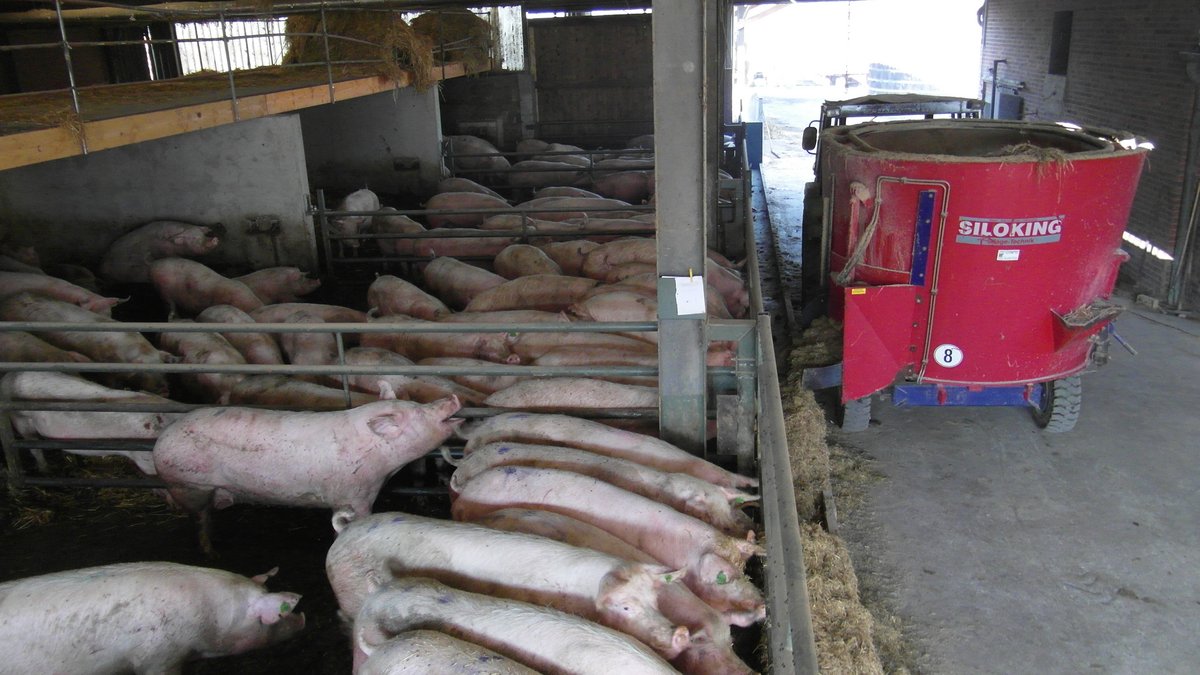
With indoor feeding, feeding is easily guaranteed even in the event of a mandatory housing requirement, and no alterations to the interior of the barn are necessary. An exception is the provision of a total mixed ration (TMR) as roughage. If this is delivered using a tractor and mixer wagon, feeding is restricted to areas accessible to machinery (Figure 12).
If the outdoor run is to be used as a resting area, it is advisable to install the drinking troughs exclusively indoors. This helps to keep the outdoor run dry. If a manure area is required within the outdoor run, the drinking trough should be installed outdoors. In this case, care must be taken to ensure frost protection. Installation on the outside of the barn wall, ring mains or heated water can provide protection. Drinking troughs must be positioned so that they do not hinder mechanical mucking out and, for example, cannot be knocked over by a farm loader. A sliding edge can help with this. In large outdoor runs, sufficient distance must be maintained between the drinkers and the resting area to ensure that any bedding remains clean and dry, thereby ensuring good structuring of the run.3 Care must be taken to ensure that drainage is installed to allow excess water to drain away.
Whether the drinking troughs are installed indoors or in the outdoor run depends on the intended function of the run. Conventional farms can choose between nipple and open drinking troughs. In organic farming, open drinking troughs are mandatory, although their placement can be chosen freely.
Roughage supply
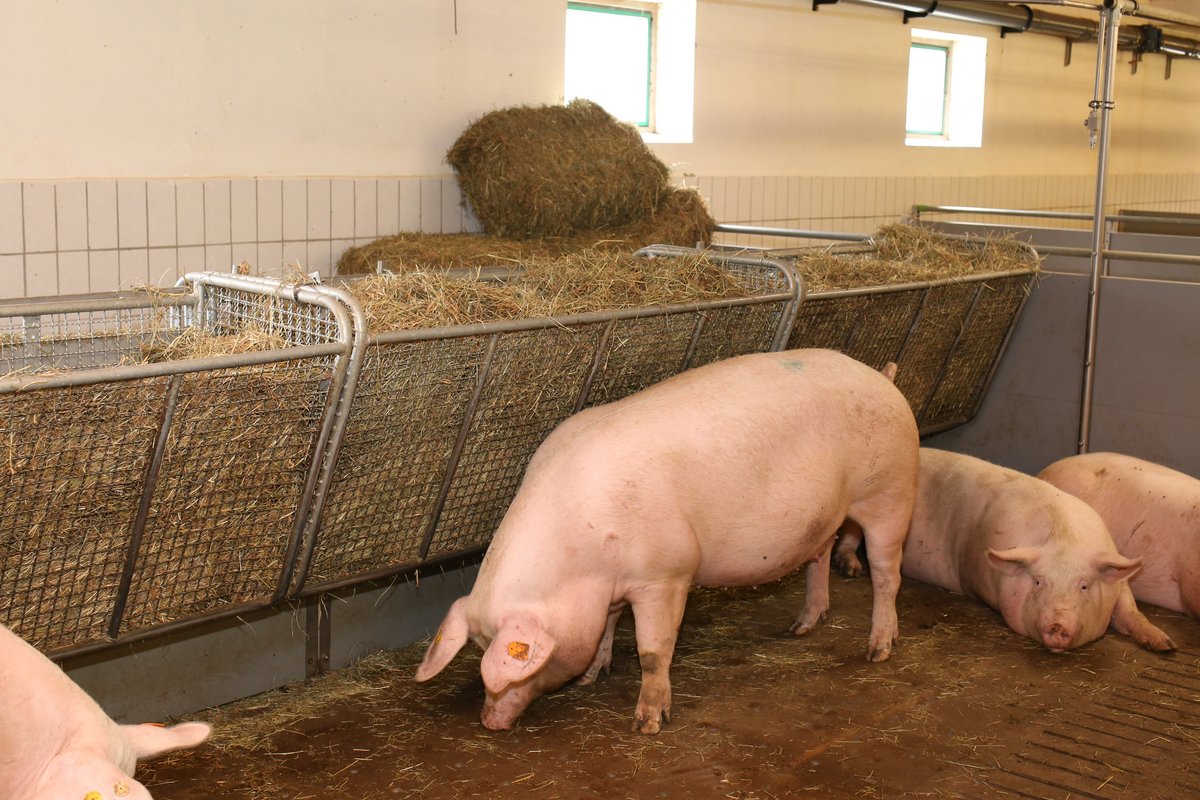
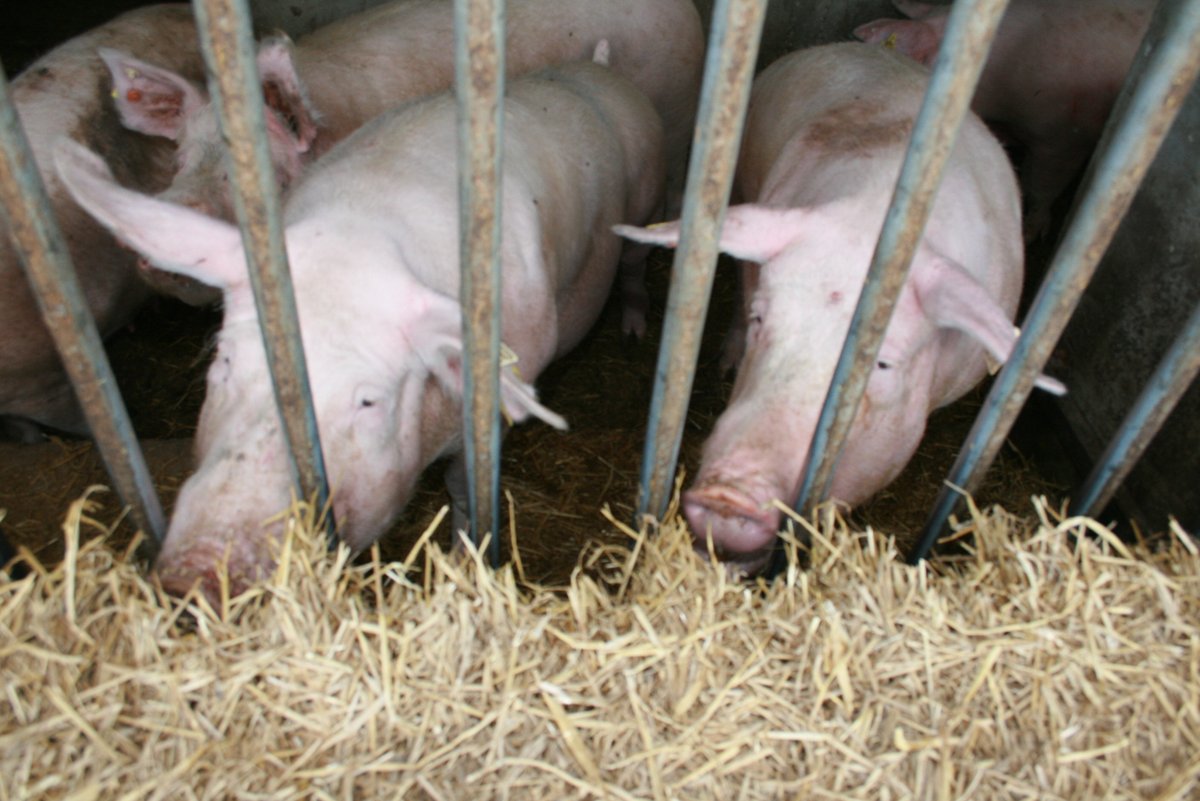
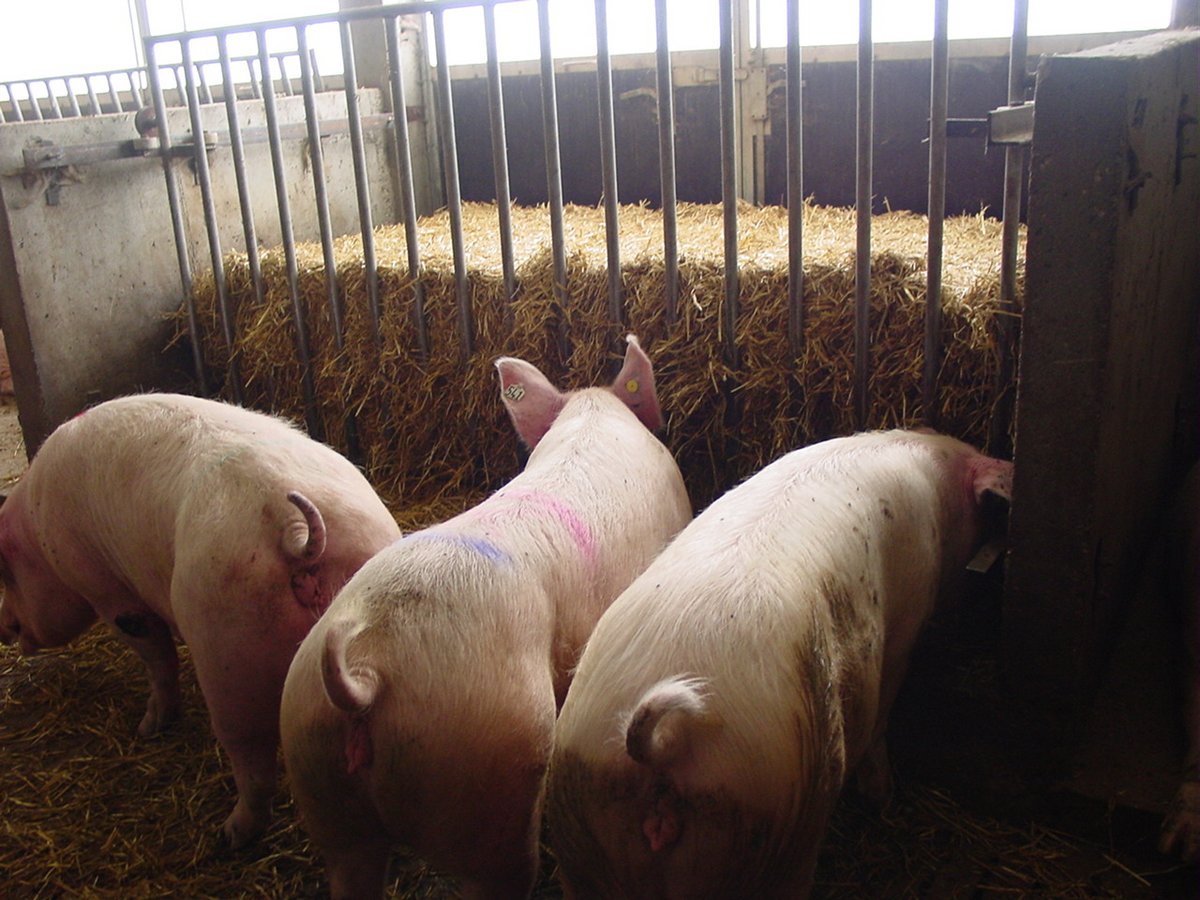
To make the outdoor run attractive, roughage should be provided for the animals there. Feeding racks are ideal, as the feed stays fresh for longer in them than when placed on the ground.3 The racks can be filled with straw or hay, for example, although hay is generally preferred to straw. Grass silage may also be provided, provided the material is of impeccable hygiene. In organic pig farming, the provision of staple feed such as grass silage is actually mandatory.
As animals frequently defecate in the outdoor run, the feed racks should be placed outside in clean and, where possible, covered areas. It must also be ensured that, despite the feed racks, simple and mechanical mucking out remains possible. Solid surfaces prevent too much material from entering the slurry channel whilst also providing a small area for rooting. Commercially available
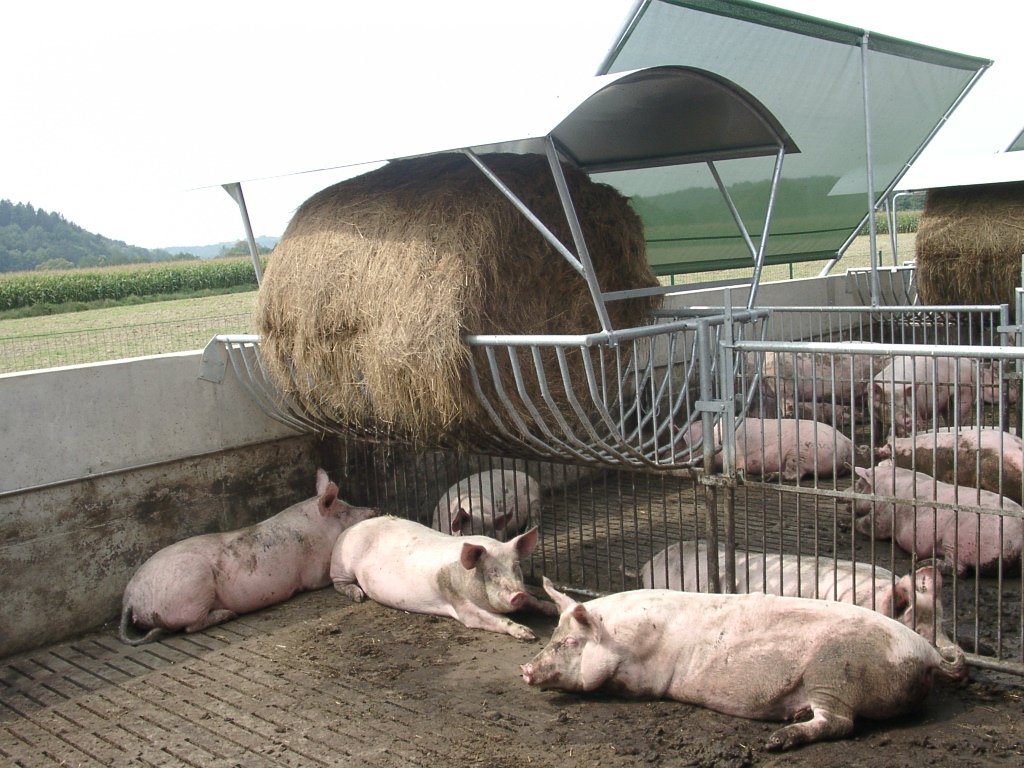
racks often have a limited capacity. To reduce the workload involved in frequent refilling, it is advisable to build your own racks if you have the necessary DIY skills. These can be made, for example, from sturdy structural steel mesh. For large groups, round bale racks can also be used in a sufficiently large outdoor area.4
The spacing between the rack’s bars must be chosen so that the animals can extract an adequate amount of material depending on their live weight. However, the spacing should not be too wide, so that too much material cannot be pulled out too quickly, which would then spoil on the floor. With slatted floors, short-cut straw should be used, as long material can clog the slats more quickly. When mounted on the wall, the racks must hang low enough to be accessible to all animals. Areas of the rack that are out of reach at the bottom, or triangular shapes, should be avoided. The racks should therefore not be completely closed at the bottom. Otherwise, the feed remains in the hard-to-reach areas for a long time and spoils over time. This can result in sick animals. Examples of feed racks can be seen in Figures 13 to 18.
In addition to the feed racks, enrichment materials such as brushes or play chains help to further increase the attractiveness of the outdoor area.
Efficiency
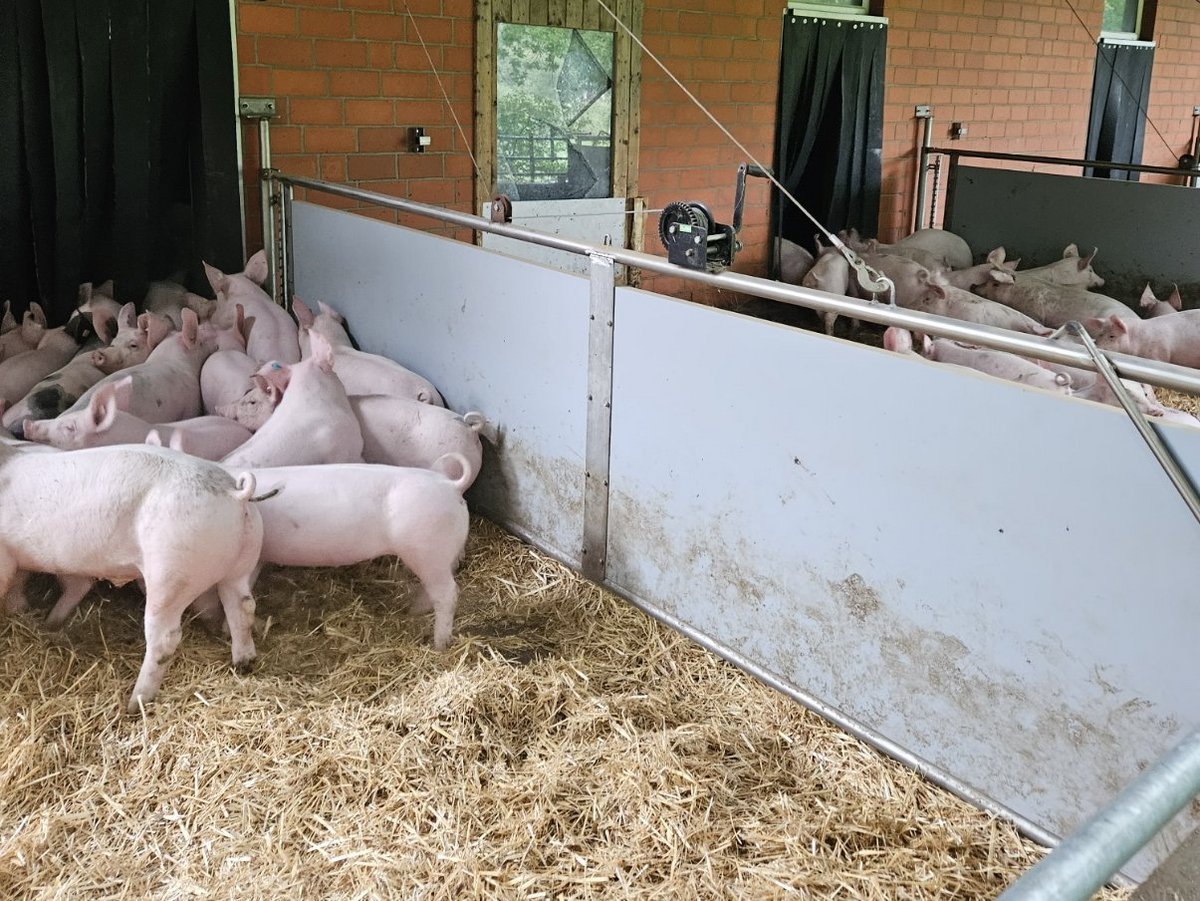
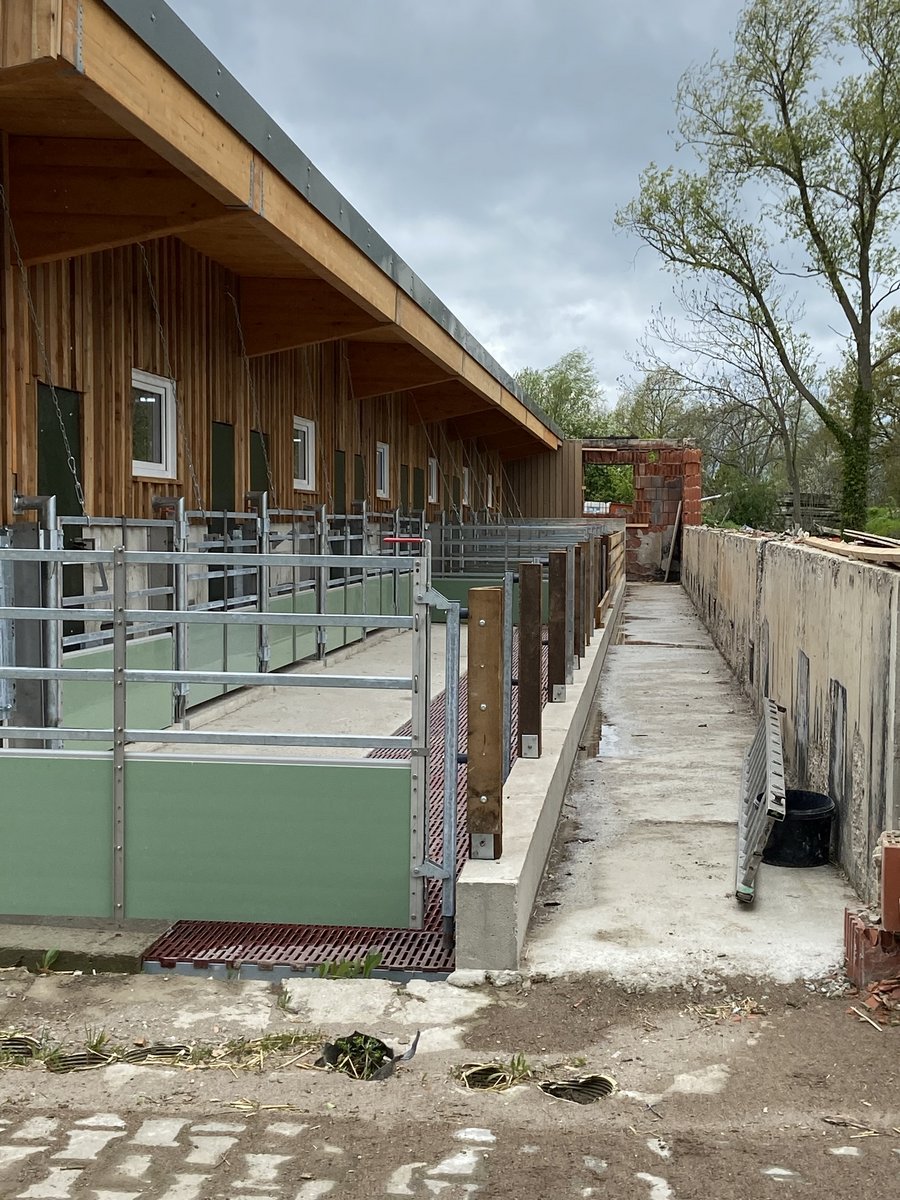
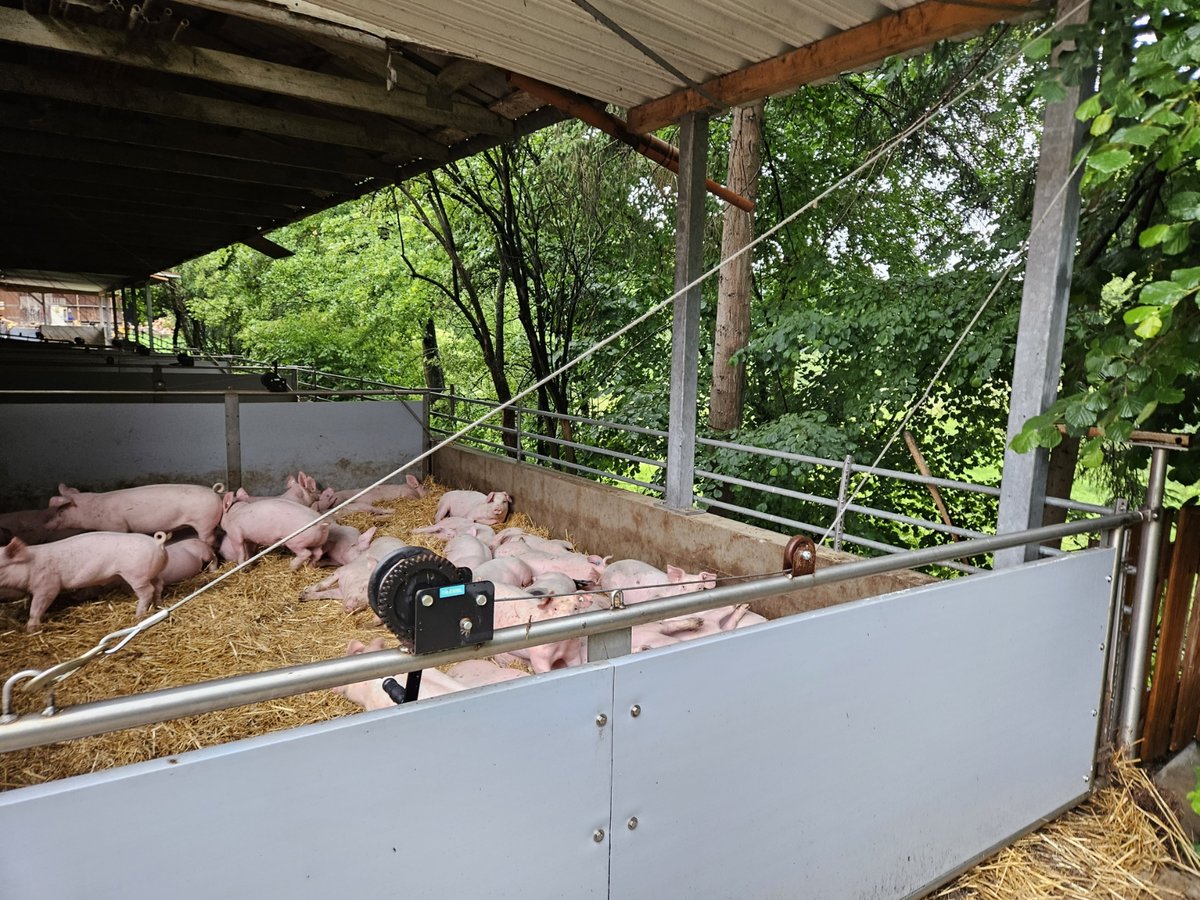
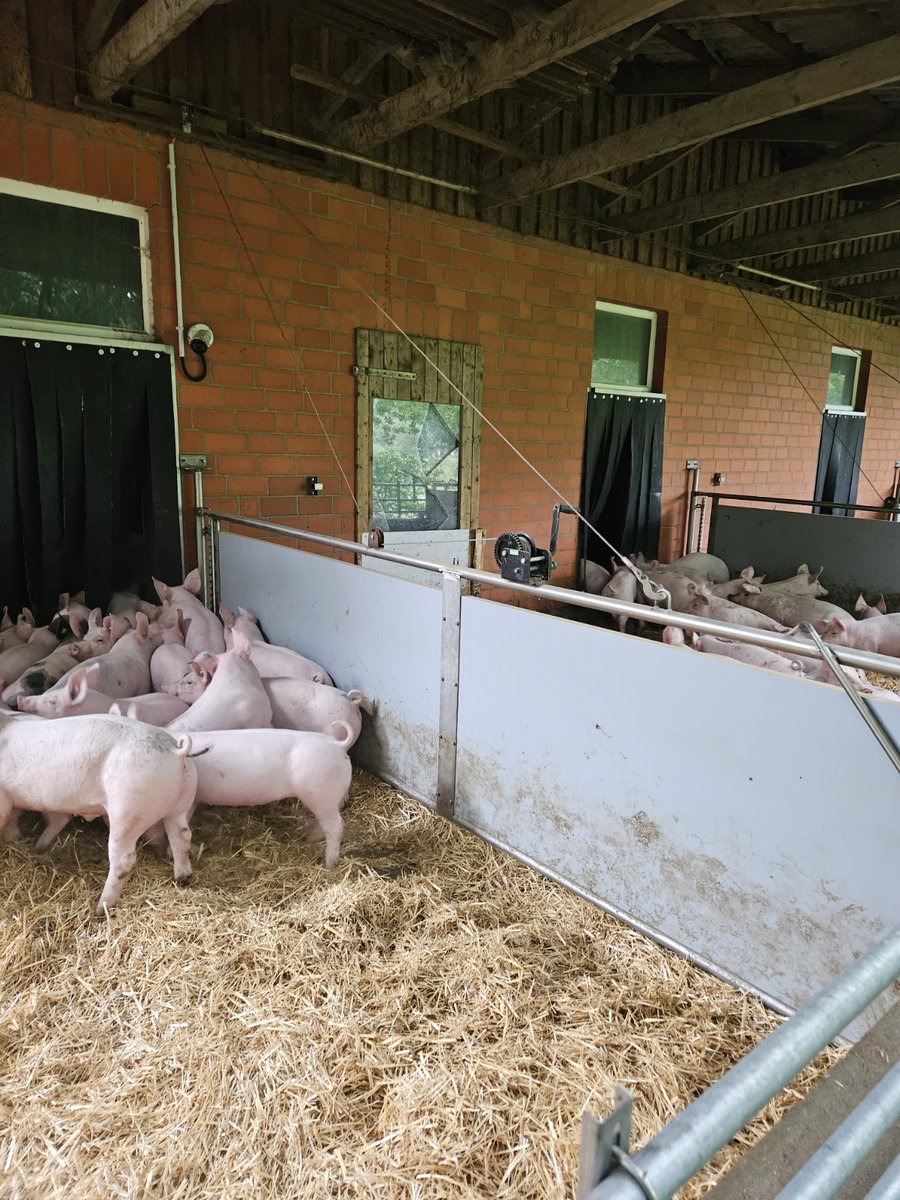
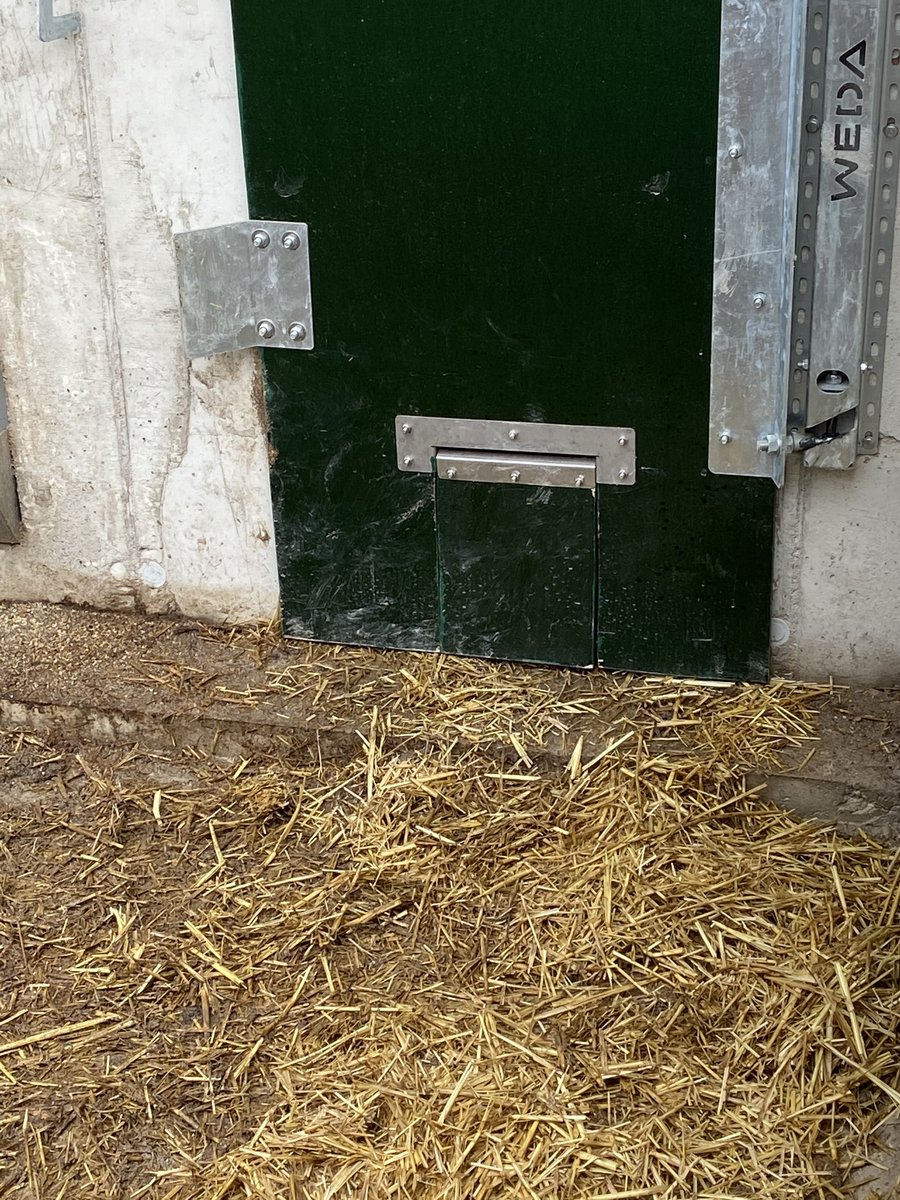
To reduce the workload, the exercise pens should be suitable for mechanical mucking out. To enable this to be carried out by a single person in a short time, the pen partitions should be easy to open. This allows a machine to be driven along the entire row (Figure 19). To ensure that the pen partitions can be opened in outdoor runs where manure has been spread, a winch can be used to lift the partition so that it can be folded back over the manure (Figures 20 & 21). A sliding edge is recommended beneath the gates to avoid manual work there and to enable the entire area to be cleared by machine (Figure 22). Driving the pigs in or round is usually the most time-consuming task.
Orientation
The orientation of the outdoor runs affects how the animals use them and their health. A decision must be made as to whether the area should be used as a resting area, a dunging area, or a combination of both. At most locations, westerly winds prevail for the majority of the time. Consequently, most outdoor runs face6 south and are therefore often used as sunny, warmer and sheltered resting areas.
Other compass directions are usually shadier, windier and associated with draughts or rain blowing in, and are more suited to use as a dunging area. If a south-facing orientation is not feasible or desired, the gable should face the prevailing wind direction, i.e. primarily east-west. This reduces draughts in the barn and ensures the outdoor runs are well ventilated, making them drier and less prone to fly infestations.2
Wind-protected locations near woods or on higher ground are well-suited as building sites. Windbreak nets or other aids installed retrospectively often provide only limited protection against draughts.6 Care should be taken to ensure that adjacent barn buildings are not constructed too close together, as this can lead to tunnel effects and high wind speeds rather than providing wind protection, which may result in respiratory diseases.6 If the outdoor runs are installed along the long side of the barn, this creates a long manure path, facilitating easy bedding and mucking out.2
Canopy
A roof over the outdoor run has its own set of advantages and disadvantages depending on the specific farm, but it certainly helps to provide structure. It is important to consider, first and foremost, the intended purpose of the outdoor run. If the area for defecation is to be located within the run, that specific section should not be covered, or only partially covered, so that it remains exposed to the elements. Rain, draughts and damp encourage the use of the area as a dunging area. If the outdoor run is to be used for lying down, a covered, sunny and dry run is recommended. In conventional pig farming, the choice of whether or not to use a roofed area is left to the farmer. In organic pig farming, the proportion of covered area required varies by federal state and ranges from approximately 50–90%.7 A partially covered area, provided it is large enough, can help to create different functional zones (Figure 23). Pigs actually enjoy the rain or snow and sometimes seek out uncovered areas for this reason.5
A roof often saves a great deal of work, particularly when the outdoor runs are bedded down. Without a roof, the area would otherwise need to be mucked out after every rainfall. Furthermore, drainage systems often function only to a limited extent.
Another advantage is that the roofing and the drier outdoor area can help reduce ammonia emissions. If slatted floors are in place and the outdoor area is to be used primarily as a manure area, roofing can theoretically be dispensed with.
Pigs originally lived in the forest and generally prefer shade and cover. Therefore, at least some form of sun protection should be provided if a roof is not installed at all.1 If a roof is installed, it should be as low as possible, but high enough to allow for easy mechanical manure removal. A height of approx. 3 m is a good average, providing sufficient space even in view of a possible future conversion of the buildings.
It should be noted that the roof of the outdoor run must be insulated. Without insulation, heat builds up excessively in summer, leading to condensation. This can result in heat stress and an adverse effect on the animals’ performance and health. To create their own cooling options, the animals may create a mud bath under the uninsulated roof. Furthermore, materials weather more quickly due to condensation and therefore need to be replaced more frequently. If retrofitting insulation is not easily feasible or is too costly, fans can be used as a stopgap solution to minimise condensation and achieve a cooling effect through air circulation.
Without a roof, it should be noted that precipitation leads to higher storage and application costs for slurry or liquid manure.5
Digging around and exploring
Rooting and exploring are natural behaviours for pigs. From an animal welfare perspective, they must be allowed to do so freely at all times, a requirement that is therefore enshrined in law. There are various options and materials available for implementing this, with straw meeting all the requirements for an organic enrichment material; it is absorbent and, moreover, the most cost-effective of the materials under consideration. Various materials have been trialled on different EIP farms, and the conclusion drawn is that separate, enclosed rooting areas using materials other than straw are often difficult to integrate and expensive, whilst also placing high demands on management and cleanliness. Rooting materials such as soil or sand must be replaced as soon as the animals defecate in them. Furthermore, this can lead to increased parasite infestation. Separate areas with rooting materials are therefore impractical, labour-intensive and thus generally not feasible in day-to-day practice. According to the EU Organic Regulation (2018/848), organic pigs must be provided with rooting opportunities in their outdoor runs. To provide rooting materials such as straw on the floor, solid-floored pens are required, which are generally mandatory in organic pig farming for outdoor runs. On conventional farms, straw-bedded outdoor runs and rooting opportunities in the outdoor run are not mandatory.
Biosecurity
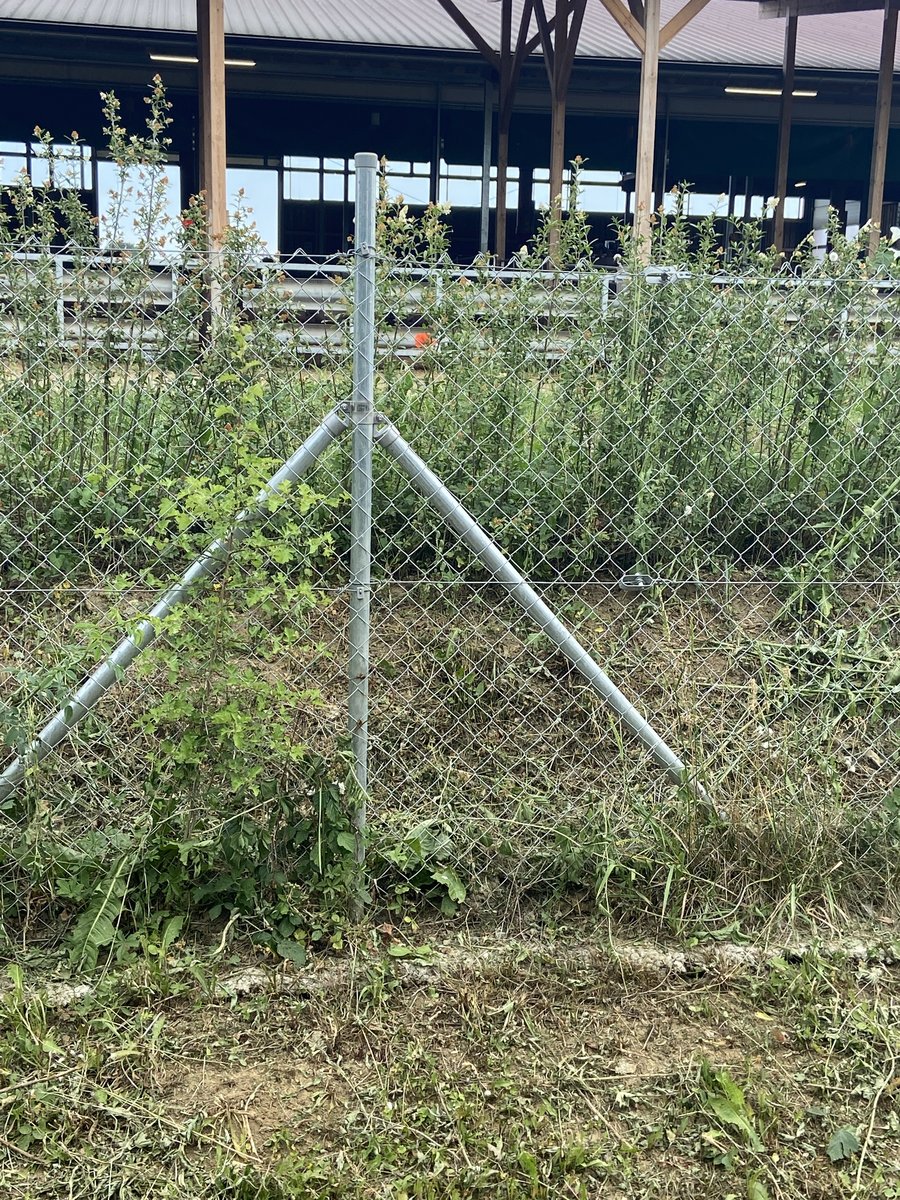
To protect domestic pigs from disease, certain biosecurity measures are essential. As pathogens can be transmitted, for example, through direct contact with wild bo8ars or indirectly via scavengers such as mammals or birds that drop food scraps near or over domestic pigs in partially or fully open-air runs,9,10 particular attention must be paid to adequate biosecurity measures when keeping pigs in open-air runs. To prevent direct contact between domestic and wild pigs, the outdoor runs must be fenced off. A double fence can be used for this purpose, with a minimum distance of 2 m between the two fences (Figure 24). The outer fence must ensure that no wild animals can get through. If, for example, a solid wall is present, the advantage is that small wild animals cannot get through. However, this has the disadvantage that completely enclosed walls deprive the pigs of environmental stimuli, making them more skittish. Therefore, low walls topped with pipes are recommended as an inner boundary, thereby achieving a sufficient height for the enclosure.
Manure removal poses a further hygiene risk. As the tyres of the machinery are not washed after every run-out due to time and labour constraints, manure should always be removed from the younger to the older animals. The pushing of manure should also follow this pattern. This reduces the transfer of pathogens from older animals to younger ones.
In some cases, requirements in ASF-affected areas stipulate that the outdoor run must also be screened off at the top and sides. This reduces the introduction of pathogens, e.g. through birds throwing contaminated material into the run. Fine-mesh bird protection nets, for example, are suitable. In the case of partially covered outdoor runs, only the uncovered areas need to be closed off if a mandatory housing order is issued.
If an outbreak leads to a mandatory housing order, meaning the outdoor run can no longer be used, this may also have consequences for marketing. It is therefore important to find out in advance about the exact association guidelines or regulations of the marketing programmes.
The measures that must be implemented and how this can be done vary depending on the district. Before planning, you should therefore always consult the veterinary office and discuss how to proceed in the event of a mandatory housing order.
Further reading on the important and wide-ranging topic of biosecurity
Transition from the stable to the paddock
Having two entry/exit points to the outdoor run prevents crowding and allows lower-ranking animals to escape from higher-ranking ones. The exits should be wide enough for several animals to pass through at the same time. Whether snout gates, airlocks or slatted doors are suitable depends, among other things, on the group size and the ventilation system in the barn. In naturally ventilated houses, slats are well suited. In forced-ventilated houses, airlocks or snout gates should be used to prevent draughts in the house. It is also possible to use two gates or curtains in parallel, positioned directly one behind the other and which can only be opened individually, so as not to impair the functionality of the forced ventilation. In new barns, constant-pressure ventilation is now more commonly used instead of negative-pressure ventilation, which results in fewer ventilation problems in barns with outdoor runs or when exposed to outdoor conditions. Where there are two entrances/exits to the outdoor run, airlocks with a one-way system are recommended. These can be set so that the animals can access the outdoor run via one opening and return to the barn via the other. This saves time, for example, before mucking out, as it is no longer necessary to herd the animals back in, or this only needs to be done for a few animals.
Before undertaking a new build, conversion or extension, seek advice from expert consultants regarding the exits and ventilation of the barn.
Sustainability
The agricultural sector, and pig farming in particular, is undergoing significant change. On the one hand, farmers wish to adapt their farming practices and improve animal welfare; on the other hand, there is a lack of planning certainty, leading to uncertainty about whether and how much to invest. To ensure long-term sustainability following new construction or extensions, and to build outdoor runs suitable for everyday use, the working group has summarised three key tips:
More space
Experience in recent years has shown that, particularly when it comes to space, it is better to plan for more rather than too little space per animal, as requirements regarding the space available per animal are likely to increase. If, in conventional farming, space requirements are based on the guidelines for organic pig farming, there should be sufficient space per animal available for the coming years.
Practical construction
All work processes should be as simple as possible. Mucking out the exercise area should be feasible for a single person. Sliding edges simplify mechanical mucking out and reduce manual labour. Gates that can be raised using a winch or weights allow the partition walls to be swung open easily, even over deep manure.
Disease prevention
Whether, for example, bird protection nets in the outdoor run are accepted as disease protection is decided on a case-by-case basis by the veterinary authorities. Therefore, in the event of a mandatory indoor housing requirement, all essential elements such as feeding, watering, roughage racks or the resting and dunging areas should already be present in the barn or be easy to retrofit. For the manure area, it is advisable to provide a floor-mounted manure chute or a slurry channel inside the building. Consult your veterinary authority to ensure you can meet all the requirements for your region in an emergency.
Bibliography
- 1 BLE (2021): Comprehensive Farm Management Concept for Pigs – Sows and Piglets: https://www.ble-medienservice.de/0073/gesamtbetriebliches-haltungskonzept-schwein-sauen-und-ferkel Accessed on: 12 July 2022
- 2 Hempler J. (2021): Guide: Planning and understanding outdoor runs correctly. Land & Forst. https://www.landundforst.de/landwirtschaft/tier/ratgeber-auslaeufe-richtig-planen-verstehen-565254
- 3 Wimmler C. (n.d.): What makes an outdoor run attractive and clean? Design for the welfare of animals and the environment. https://orgprints.org/id/eprint/43535/1/Vortrag_Auslaufgestaltung_Wimmler_final.pdf
- 4 Wiedmann R. (2011): Group housing of pregnant sows. Books on Demand GmbH, Norderstedt.
- 5 LSZ Boxberg (n.d.): The outdoor run for pigs – More than just the icing on the cake for the barn. https://lsz.landwirtschaft-bw.de/pb/site/pbs-bw-mlr/get/documents_E1519274276/MLR.LEL/PB5Documents/lsz/pdf/d/Der%20Auslauf%20f%C3%BCr%20die%20Schweine.pdf?attachment=true
- 6 Wesselmann S. (2022): 13 tips for healthy pigs in outdoor climate barns. Top agrar online. https://www.topagrar.com/schwein/news/13-tipps-fuer-gesunde-schweine-im-aussenklimastall-13059640.html
- 7 Ökolandbau (2022): Outdoor runs for organic pigs. https://www.oekolandbau.de/landwirtschaft/tier/spezielle-tierhaltung/schweine/oekologische-mastschweinehaltung/auslaeufe-fuer-oeko-schweine/
- 8 FLI (2022): Qualitative risk assessment of the introduction of African swine fever into outdoor and free-range pig farms in Germany. https://www.openagrar.de/servlets/MCRFileNodeServlet/openagrar_derivate_00045623/ASP_Risikobewertung_Freiland_2022-04-13_bf_K.pdf
- 9 Probst C., Globis A., Knoll B., Conraths F. J., Depner K. (2017): Behaviour of free-ranging wild boar towards their dead fellows: potential implications for the transmission of African swine fever. Royal Society Open Science, 4.
- 10 Thies K. (2003): Animal health and disease control aspects of extensive free-range pig farming in the context of landscape conservation. University of Veterinary Medicine Hannover.