
2.4 Signs of pain, distress and injury
All higher vertebrates are capable of feeling pain. However, cattle display symptoms of pain in a less obvious manner, or in a way that is barely perceptible or imperceptible to humans. The reason is simple: cattle are flight animals and must behave inconspicuously so that predators do not recognise them as weak. However, by recognising and checking for typical indicators of pain (see below), it is possible to identify animals in pain even if they do not express it obviously or vocally.
Signs that may occur in cattle and may indicate pain, distress or injury (adapted from Hau and van Hoosier, 2003):
- Lower or elevated body temperature
- Circulatory problems:
- increased heart rate, oedema (fluid retention)
- Respiratory disorders:
- coughing, discharge from the nostrils, increased respiratory rate
- Digestive system disorders:
- saliva running from the mouth, diarrhoea, constipation, impaired urination, distended abdomen, sunken abdomen, prolapse, vomiting
- Reproductive changes:
- Miscarriage, mastitis, vaginal prolapse, uterine prolapse
- Sensory disturbances:
- Loss of sensation, hypersensitivity
- Eye changes:
- “clouded gaze”, discharge, deep-set eyes
- Coat changes:
- Changes in the form of a dull, dirty and shaggy coat, raised hairs (neglected grooming), particularly in comparison to the rest of the body
- Skin and mucous membrane changes:
- Jaundice, anaemia
- Severe/sudden loss of body weight/body condition
- Curvature of the spine
- Injuries and bleeding:
- Bleeding from body orifices, blood in stools or urine, wounds, fractures
- Behavioural changes:
- Changes in posture and gait:
- uncoordinated movements, convulsions, lameness, paralysis, swollen joints, impaired reflexes, tremors, walking in circles
- Changes in eating or drinking behaviour:
- Decrease in food and water intake, particularly compared to the rest of the herd
- Changes in social behaviour:
- separation from the herd, changes in other feeding and resting behaviour, unusually aggressive behaviour towards other animals or humans
- Other behavioural changes:
- Rolling eyes, turning the head, rolling or flicking the tongue, increased lying down, lying in unusual places, drinking urine, eating faeces, lack of grooming, failure to respond to stimuli (inattentive/apathic), coma
- Changes in posture and gait:
- In cases of severe pain:
Teeth grinding and groaning, staring into space, the so-called ‘pain face’: (Figs. 1–5)
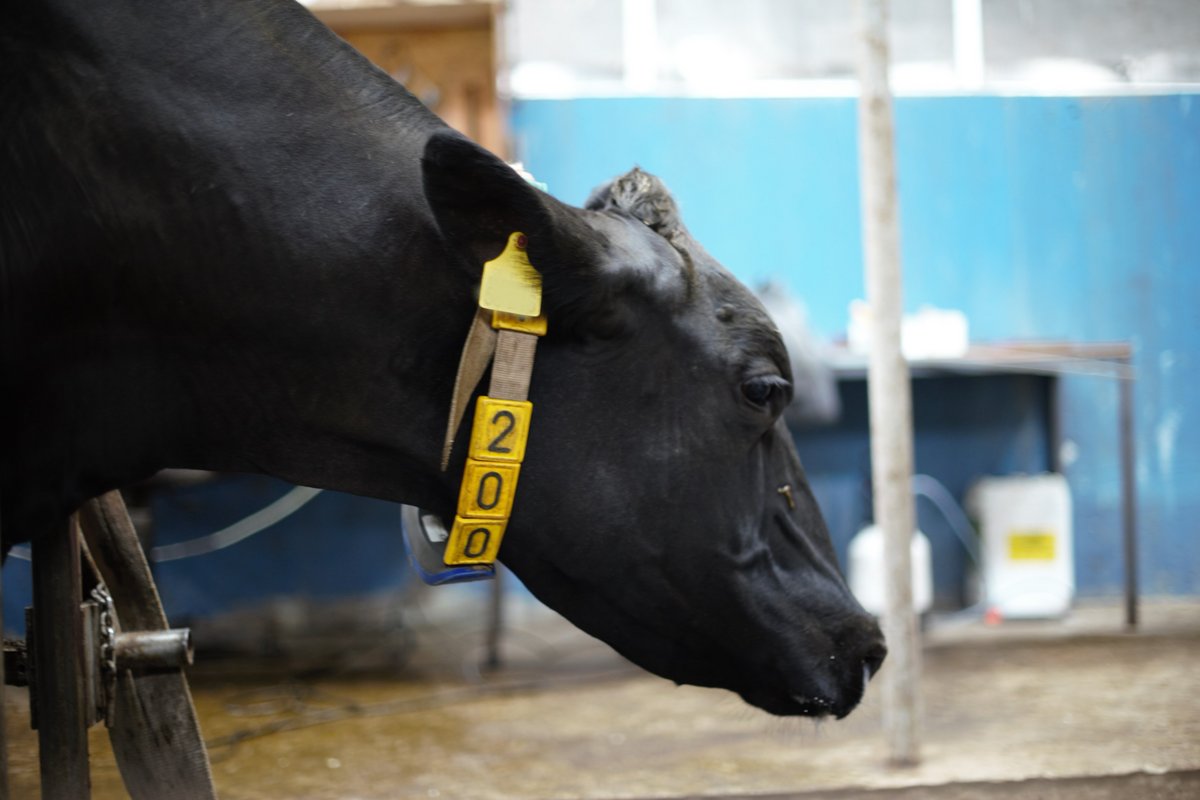
(Image: Mary-Katherine Jones)
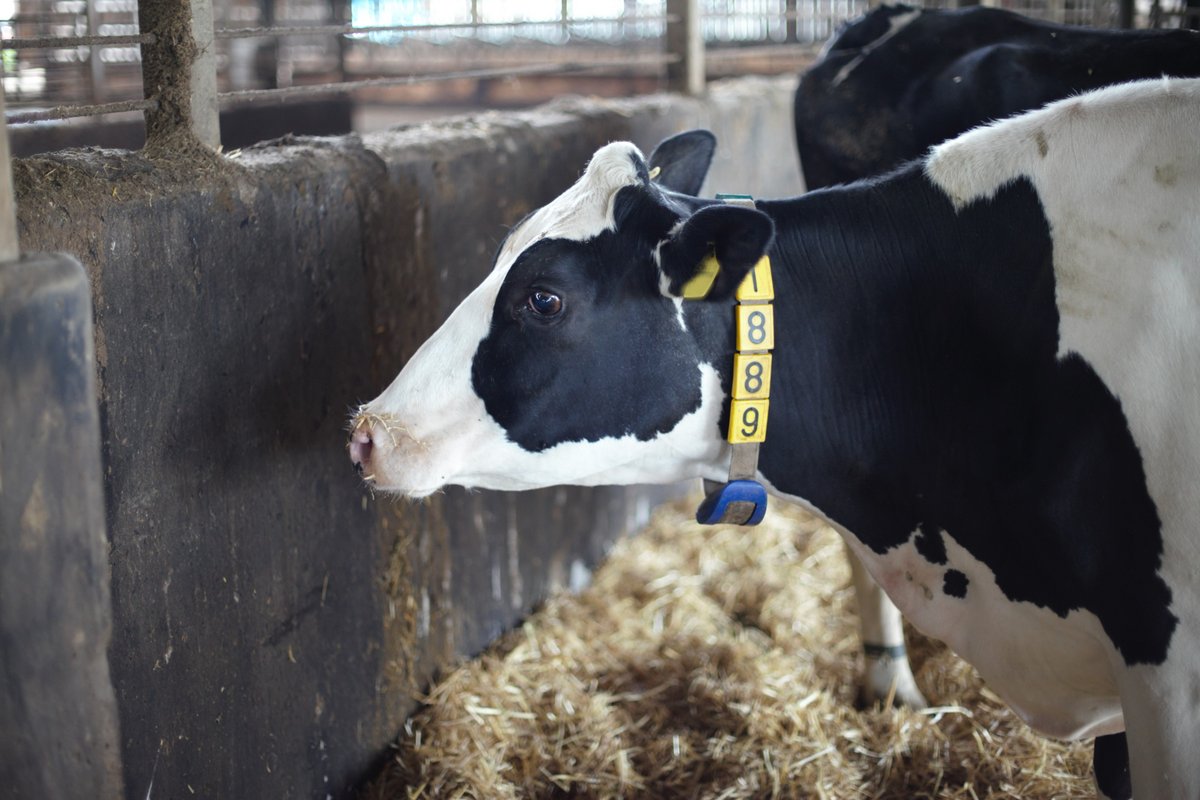
(Image: Mary-Katherine Jones)
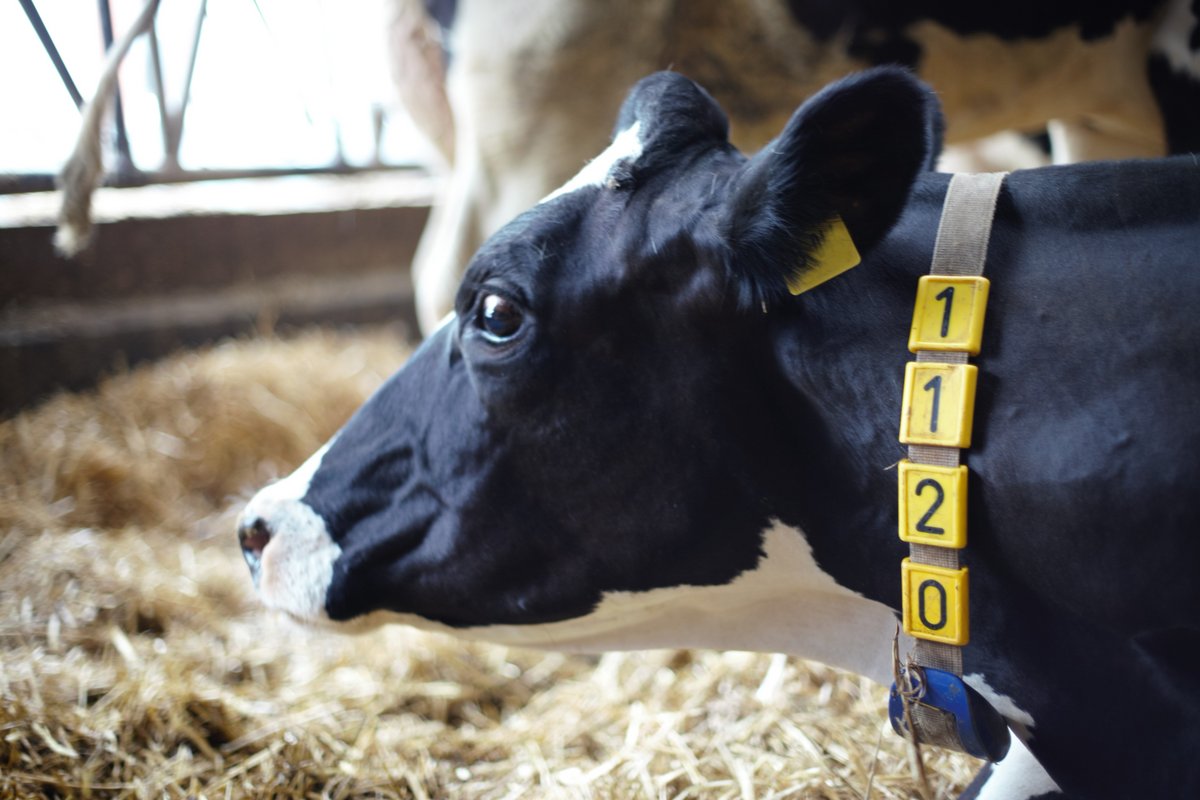
(Image: Mary-Katherine Jones)
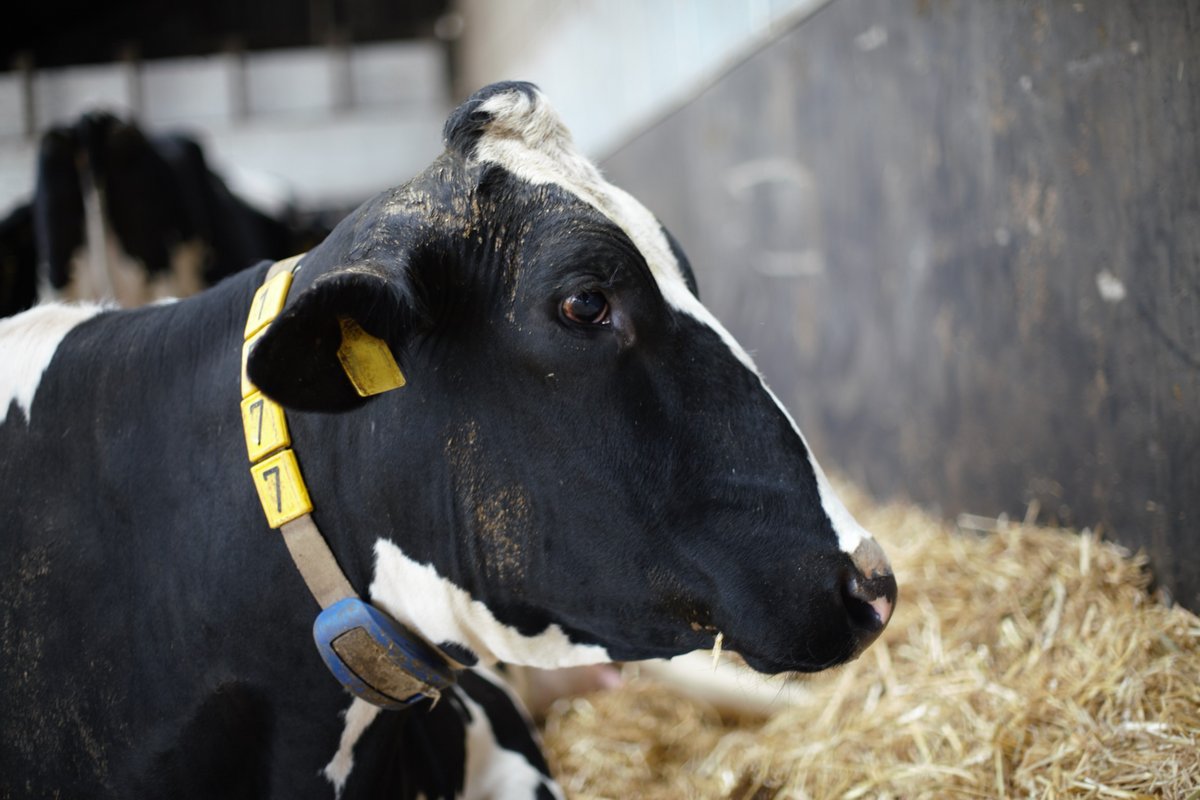
(Image: Mary-Katherine Jones)
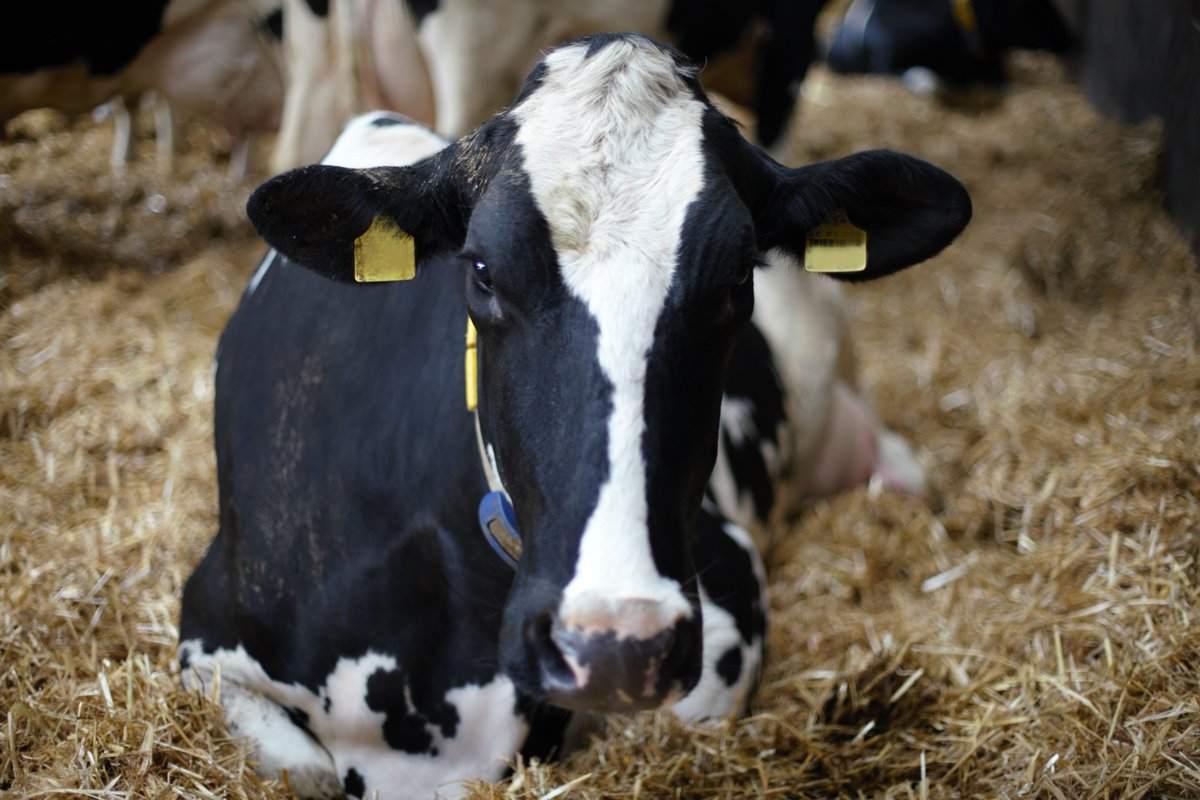
(Image: Mary-Katherine Jones)