
- Lars Broer, Agricultural Research and Testing Institute (LUFA) North-West
- Ewald Grimm, Board of Trustees for Agricultural Engineering and Construction
- Dr. Sabrina Hempel, Leibniz Institute for Agricultural Engineering and Bioeconomy (ATB Potsdam)
- Martin Kamp, North Rhine-Westphalia Chamber of Agriculture
- Prof. Stephan Schneider, Nürtingen-Geislingen University of Applied Sciences
- Sandra Terletzki, North Rhine-Westphalia Chamber of Agriculture
- Dr. Sabine Schütze, North Rhine-Westphalia Chamber of Agriculture
Funding note:
This document was produced as part of the collaborative project ‘Netzwerk Fokus Tierwohl’, funding codes 28N-4-013-01 to 28N-4-013-17, by the ‘Emissions Reduction’ working group of the Animal Welfare Competence Centre for Pigs, and methodologically and didactically adapted
by DLG e.V. and FiBL Deutschland e.V. The joint project of the Chambers of Agriculture and agricultural institutions across all federal states aims to improve the transfer of knowledge into practice in order to make cattle, pig and poultry farms fit for the future in terms of animal-welfare-friendly, environmentally sound and sustainable livestock farming.
The project is funded by the Federal Ministry of Food and Agriculture pursuant to a resolution of the German Bundestag.
All information and advice is provided without any warranty or liability.
Publisher
DLG e.V. Agricultural
Centre
Eschborner Landstraße 122
60489 Frankfurt am Main
FiBL Deutschland e.V. Animal Welfare
Division
Kasseler Straße 1a
60486 Frankfurt am Main
As of: 03/2023
© 2023
Reproduction and transmission of individual text sections, drawings or images (including for the purpose of lesson planning), as well as the provision of this information sheet in whole or in part for viewing or download by third parties, is permitted only with the prior authorisation of the relevant department of the Animal Welfare Competence Centre and DLG e.V., Marketing Division, Tel. +49 69 24788-209, [email protected]
Measures to minimise emissions in pig houses
In pig farming, in addition to gaseous emissions such as ammonia, methane and nitrous oxide, odours and particulate emissions such as dust are also produced, the latter of which may also carry bacteria. These can have a negative impact on the indoor climate, affect human and animal health, harm the environment or cause a nuisance. Examples of adverse health effects include abnormal lung findings in fattening pigs and respiratory diseases in farmers.
There is a risk of confusion between the terms ‘emission’ and ‘immission’. Under the Federal Immission Control Act (BImSchG), emissions refer to air pollution, noise, radiation, bioaerosols and similar substances emitted by a facility (livestock housing). Immission, on the other hand, refers to the impact of pollutants on humans, animals, plants and inanimate objects. A large proportion, around 75% of ammonia emissions from agriculture, is generated by cattle, pig and poultry farming, including the storage and application of farm manure. The reason for the high emissions from livestock farming is that, for example, ammonia is produced when excreted urea comes into contact with faeces.1 To avoid negative impacts on animals, humans and the environment, emissions are to be further reduced in future. To this end, there are various legal and therefore binding requirements that specifically relate to ammonia emissions.
| Type of emission | Source | Cause | Possible effect |
| Odour | Stables and exercise areas, storage facilities for solid and liquid manure and feed | Microbial breakdown of organic matter (e.g. faeces, urine, feed), inherent odour | Odour nuisance |
| Ammonia | Stables and paddocks, storage facilities for solid and liquid manure | Microbial breakdown of urea in excrement | Damage to sensitive plants, eutrophication and acidification of ecosystems due to nitrogen deposition, formation of secondary particles (fine dust) |
| Dust | Stables, feed management | Animal activity, bedding, and the conveying, grinding, mixing and distribution of feed | Health risks due to respiratory diseases and allergies |
Under the NEC Directive (2016), ammonia emissions in Germany must be reduced by 29% between 2005 and 2030. Germany has transposed this directive into national law via the 43rd Federal Immission Control Ordinance in order to meet its international obligations and reduce the contribution of transboundary emissions and harmful environmental impacts.
Anyone wishing to build a large-scale livestock facility today that requires approval under immission control legislation must employ state-of-the-art technology or Best Available Techniques (BAT) to reduce emissions.1 The type of approval, as well as the measures subject to approval and those relating to construction and operation, vary depending on the livestock facility:
- Approval of the livestock facility in accordance with Section 10 of the Federal Immission Control Act (BImSchG) with public participation from 2,000 fattening places, 750 sow places or 6,000 piglet places (so-called G-facilities)
- Approval of the livestock facility in accordance with Section 19 of the Federal Immission Control Act (BImSchG) via a simplified procedure without public participation for facilities with 1,500 or more fattening places, 560 or more sow places, or 4,500 or more piglet places (so-called V-facilities)
The Technical Instructions on Air Quality Control (TA Luft), based on the Federal Immission Control Act (BImSchG), applies to both types of facility mentioned. It sets out requirements for emission reduction in livestock facilities and identifies techniques that can be used for emission reduction in livestock housing as state of the art, which are classified as BAT at EU level. This ‘state of the art’ is not binding for smaller facilities that do not require approval under immission control legislation, i.e. those subject only to planning permission. However, it may be used as a guide in individual cases, for example where emissions need to be reduced to ensure the protection of the neighbourhood or sensitive ecosystems.
For so-called G-installations, the requirements for emission reduction include the use of an exhaust air cleaning system (ARE) to reduce ammonia and dust emissions by at least 70% and odour to such an extent that no raw gas or pig odour is detectable in the clean gas and the concentration is below 500 odour units per m³.
In V-plants, ammonia emissions must be reduced by at least 40% using suitable techniques (Annex 11 of the TA Luft). In addition to so-called process-integrated measures, an exhaust air purification system may also be used, in which at least 60% of the maximum flow rate is purified with an efficiency of 70%. In all cases, and regardless of the technology used, a diet with significantly reduced nutrient content must be ensured.
There are various options available to agricultural businesses for reducing emissions. Farmers can, for example, receive grants through the Agricultural Investment Promotion Programme (AFP) for exhaust air purification systems, manure-urine separation, reduced-size slurry channels, feeding systems for nutrient-reduced phased feeding, and slurry cooling techniques.3
It should be noted that the requirements of the AFP may vary depending on the federal state. Furthermore, funding for existing livestock housing is only available within the retrofitting deadlines set by the TA Luft, and for new buildings only if measures are not prescribed under the TA Luft. Further measures to reduce emissions exist, but may only be applied provided they have equivalent effects in terms of emission reduction. For some measures, a range of practical experience and scientific data is already available, whilst others still require further investigation and optimisation.
But what methods and procedures are available to implement the legal requirements whilst also taking into account the behavioural needs of the animals in their housing environment, and to what extent can they reduce emissions?
Reducing emissions through nutrient-restricted feeding in pigs
Nutrients supplied in excess via feed are excreted by the pig.1 Therefore, a diet with reduced nitrogen (N) and phosphorus (P) content (N/P-reduced feeding) is a suitable method for reducing emissions in pig farming.3 Most nitrogen emissions result from an excessively high proportion of crude protein (CP) in the diet.4
As pigs do not require crude protein but rather essential amino acids, the supply of essential amino acids is central to modern feeding concepts. It is important to note that amino acids are the smallest building blocks of proteins. Essential amino acids are vital for life but cannot be produced by the animal itself and must therefore be supplied via the diet.5 Accordingly, it is possible to reduce crude protein in the total diet down to the point where the first essential amino acid would become deficient at lower levels. By adding these essential amino acids via the feed, an adequate supply of amino acids is ensured even with a low crude protein content.6 Nutrient-reduced feeding methods (DLG: very strongly N/P-reduced) with the increased use of free amino acids can reduce N excretion and ammonia emissions by more than 20%.7
The greatest emission-reducing effect of feeding is achieved when free amino acids and high-quality or processed proteins are used. Feed costs may vary depending on the additives used. Undernutrition of the animals must be avoided, as this can lead to health problems. An oversupply resulting from safety margins should be avoided, as this could otherwise lead to an excess of protein, which would counteract emission reduction. To feed the animals according to their needs without creating surpluses, the farmer or animal caretaker should be aware of the animals’ performance and the exact composition of their feed.
1
Feeding practices for breeding sows, fattening pigs and piglets are categorised into four groups based on N/P reduction. These are:
1) Universal fattening or standard feeding without reduction measures,
2) N/P-reduced,
3) highly N/P-reduced,
4) very highly N/P-reduced feeding.
Table 2 presents DLG recommendations for nutrient-reduced feeding in pig fattening for groups 3 and 4.
| Live weight (kg) | Crude protein (g/kg) | Phosphorus (g/kg) | |
| Highly N/P-reduced | |||
| Pre-fattening feed | from 28 | 175 | 4.7 |
| Initial fattening feed | from 40 | 165 | 4.5 |
| Mid-to-late fattening feed | from 65 | 155 | 4.2 |
| Finishing feed | from 90 | 140 | 4.2 |
| Very low in N and P | |||
| Pre-finishing feed | from 28 | 165 | 4.4 |
| Initial fattening feed | from 40 | 155 | 4.2 |
| Mid-to-late fattening feed | from 65 | 140 | 4.0 |
| Finishing feed | from 90 | 135 | 4.0 |
The lower the N and P contents, the more important it is to prevent deficiencies, nutritional imbalances and reduced performance in the animals through adapted feeding management, as the reduction of N and P in the rations also results in a reduced protein supply. Feeding with very low nutrient levels and the use of free amino acids can reduce N excretion by up to 20%. Regular performance checks and adherence to current nutritional recommendations must be taken into account. Feed analyses should be carried out for both home-grown and purchased feed.7
A reduction of just 1% in protein in the ration can reduce NH3 emissions in pigs by 10–11%.8 Whether the reduction in nutrients also offers economic benefits must be assessed on a farm-by-farm basis, as the costs of free amino acids and protein sources vary considerably.
1
Numerous trials have shown no deterioration in biological performance or slaughter performance with feeding regimes featuring a significant or very significant reduction in N and P.9,10,11 In a trial conducted by the Schwarzenau Research and Training Centre with breeding sows, no negative effects on biological performance or animal health were observed despite a significant reduction in nutrient levels below the level of very severely N/P-reduced feeding during gestation and lactation.12 A reduction in crude protein content of up to 4% is possible in the fattening phase without compromising carcass quality.13 According to the DLG, reducing nutrient levels below those of very severely N/P-reduced feeding regimes can, in some cases, lead to a significant increase in feed conversion (kg of feed per kg of weight gain) during the fattening phase.14
The Lower Saxony Chamber of Agriculture found in a trial that feed consumption decreases in animals receiving a N/P-reduced ration. One consequence of this is a reduced volume of slurry.15
In trials conducted by LUFA Nord-West to measure emissions in the ‘transparent barn’ in Quakenbrück, three feeding trials were carried out in which crude protein levels were below the DLG guidelines for very low N/P diets (16.5% CP up to 60 kg DM, 14.0% CP up to 80 kg DM, 12.0% CP from 80 kg DM). The control group received a universal feed with 16.5% CP. Ammonia emissions were reduced by an average of 0.65 kg per fattening place per year (22% compared to the control group). In these trials, feed consumption in the experimental group was significantly higher than in the control group.10
The reduction of N and P in the ration can be achieved through phased feeding. In this approach, animals in piglet production and fattening receive rations adapted to their live weight and performance level.1 This measure serves to reduce crude protein in the feed ration. Emissions can be reduced with more feeding phases; however, phase feeding must also be accompanied by a corresponding reduction in crude protein in the individual feeding phases. In fattening pig farming, a minimum of three-phase feeding in accordance with the TA Luft is mandatory for herds of 1,500 fattening pigs or more. The higher the feed intake, the more protein feed can be saved, which is why phase feeding is particularly recommended during the final fattening stage.1
When reducing nutrient content, it must be noted that increased feed intake does not achieve any effect if the nutrient content is reduced. Detailed information can be found in DLG Fact Sheet 418. In addition, there is an Excel tool that provides a calculation aid for determining individual farm feeding regimes with regard to the maximum crude protein and phosphorus levels to be adhered to in N/P-reduced feeding.
Excel tool for N/P-reduced feeding
N/P-reduced feeding is not feasible for organic farms, as free amino acids and phytases are currently not permitted for use there.16
The reduction in emissions achieved through nutrient-reduced feeding is limited, but can be supplemented by other technical methods for emission reduction. In addition to the ingredients of the feed, attention should also be paid to feeding techniques. For example, feed residues falling into the slurry promote emissions.
The nutrient-reduced feeding method for breeding sows and fattening pigs complies with BAT (Best Available Techniques) and the state of the art as defined by the TA Luft (Technical Instructions on Air Quality Control) and can achieve a reduction of up to 40%.17 For multi-phase feeding, subsidies are available in some cases through the Agricultural Investment Support Programme. Further information on this and other eligible measures can be found in the KTBL brochure ‘Eligible techniques for emission reduction in livestock buildings’.
Measures integrated into the process
There are various process-integrated options for reducing emissions from livestock housing systems using slurry management. These are designed to reduce the emissions generated by slurry, as the mixing of faeces and urine produces ammonia, which is harmful to both animals and the environment. Furthermore, more ammonia escapes at high temperatures than at low temperatures, which is why the barn climate must also be taken into account.1 A well-structured pen essentially ensures that the animals create a designated area for faeces and keep the pen clean, thereby reducing the surface area from which emissions occur. Furthermore, there are methods such as the separation of faeces and urine, the reduction of the slurry surface area, and slurry cooling or acidification, which are discussed in detail in the following sections. All process-integrated measures that also reduce the concentration of harmful gases in the barn have a positive effect on the barn climate, animal welfare and occupational safety.
Several methods are eligible for funding:

(Image: L. Wokel)

(Photo: F. Hagenkamp-Korth)
(Image: Fokus Tierwohl, North Rhine-Westphalia Chamber of Agriculture)
(Image: Fokus Tierwohl, North Rhine-Westphalia Chamber of Agriculture)
Separation of faeces and urine
If the enzyme urease in manure comes into contact with the urea in urine, ammonia is produced within just 0.5 to 1 hour.1 The aim of manure-urine separation—a structural and technical measure designed to reduce emissions—is therefore the immediate separation of manure and urine, as well as the separate storage of these excreta.1 Manure-urine separation is suitable for fully and partially slatted floors for both indoor and outdoor use.17
There are three methods, which have been tested to varying degrees and are in use: underfloor scrapers beneath the slats and overhead or underfloor manure belts with manure-urine separation.
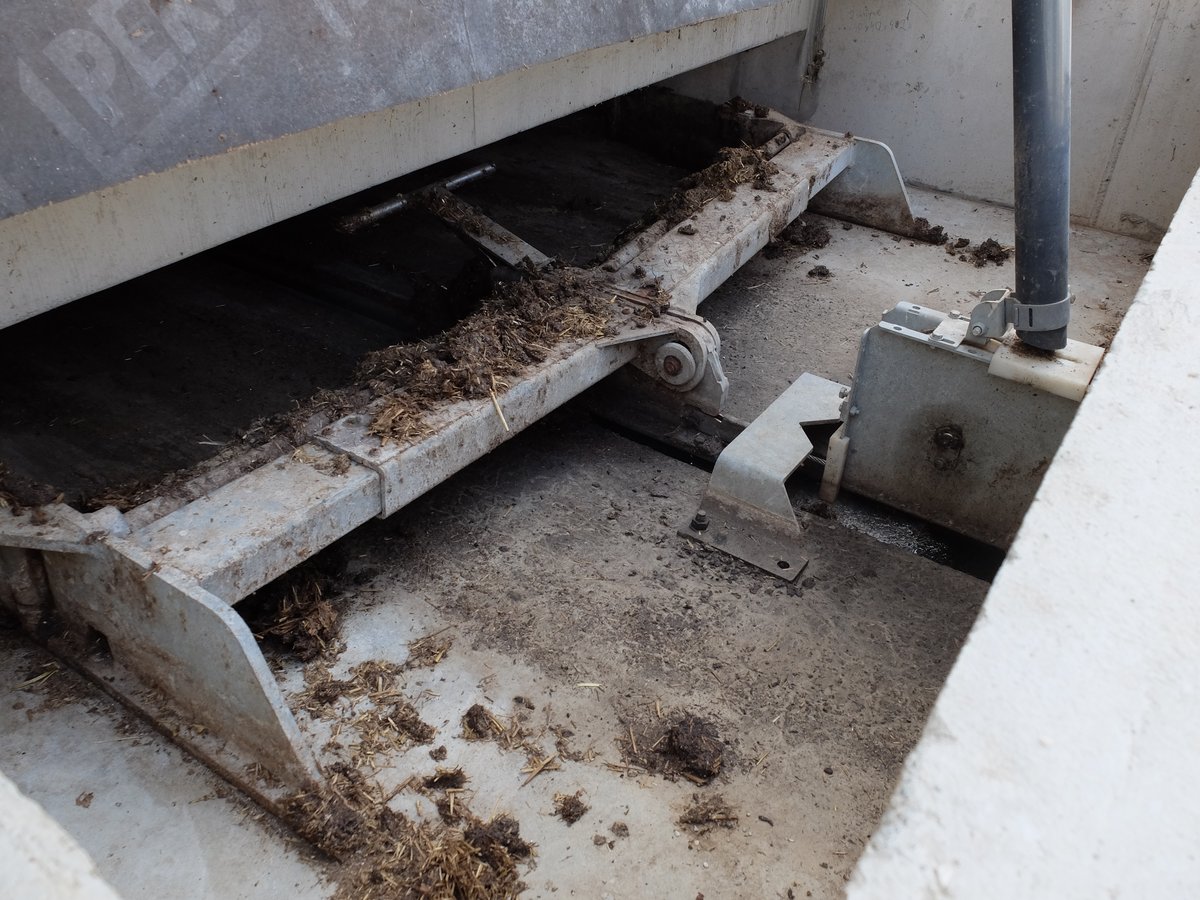
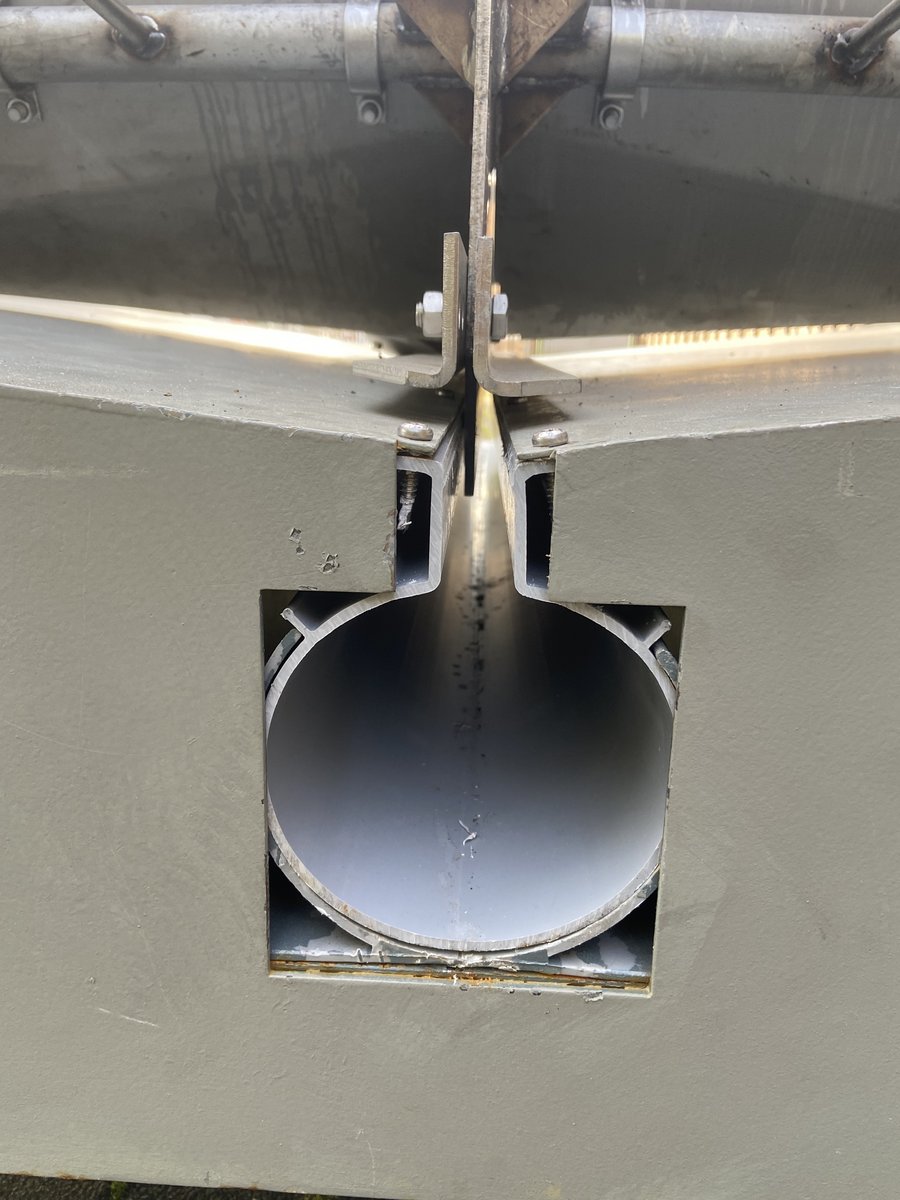
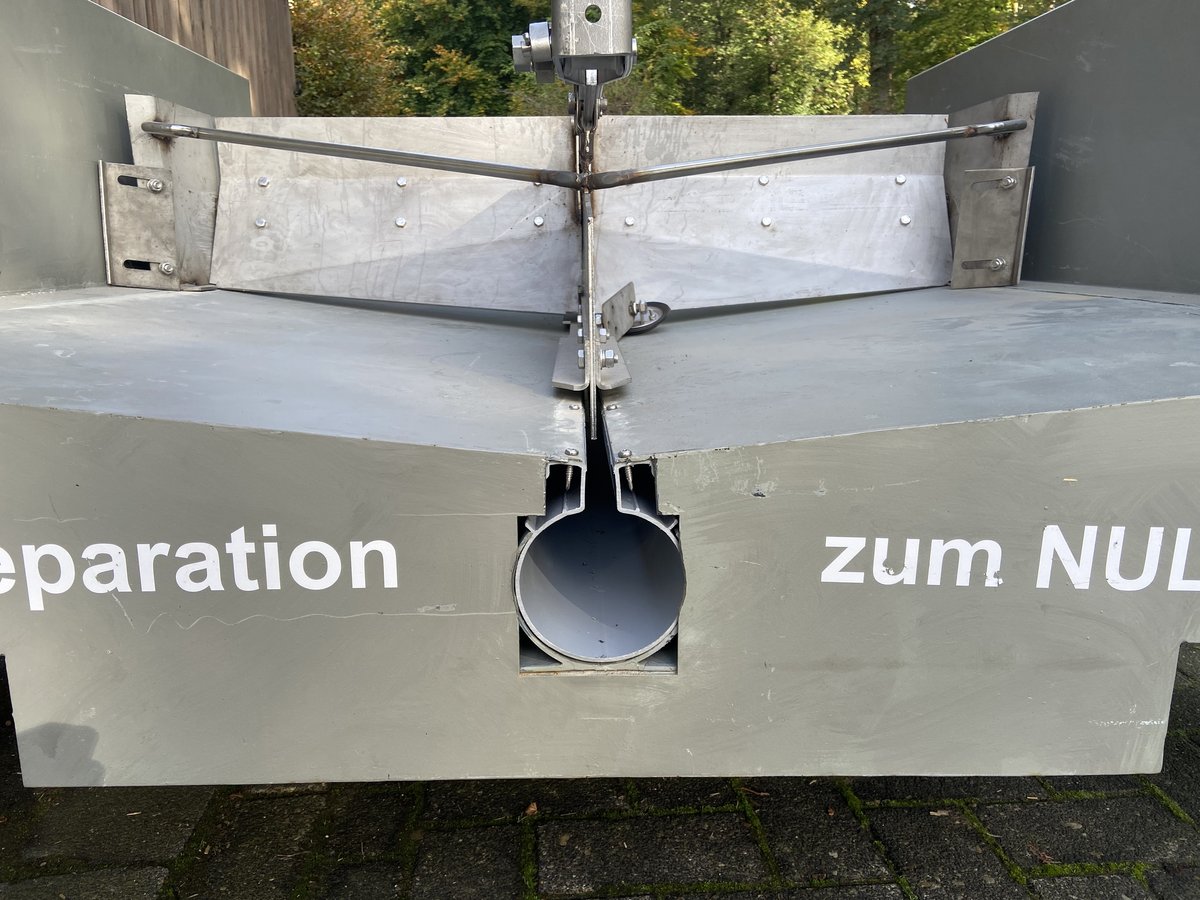
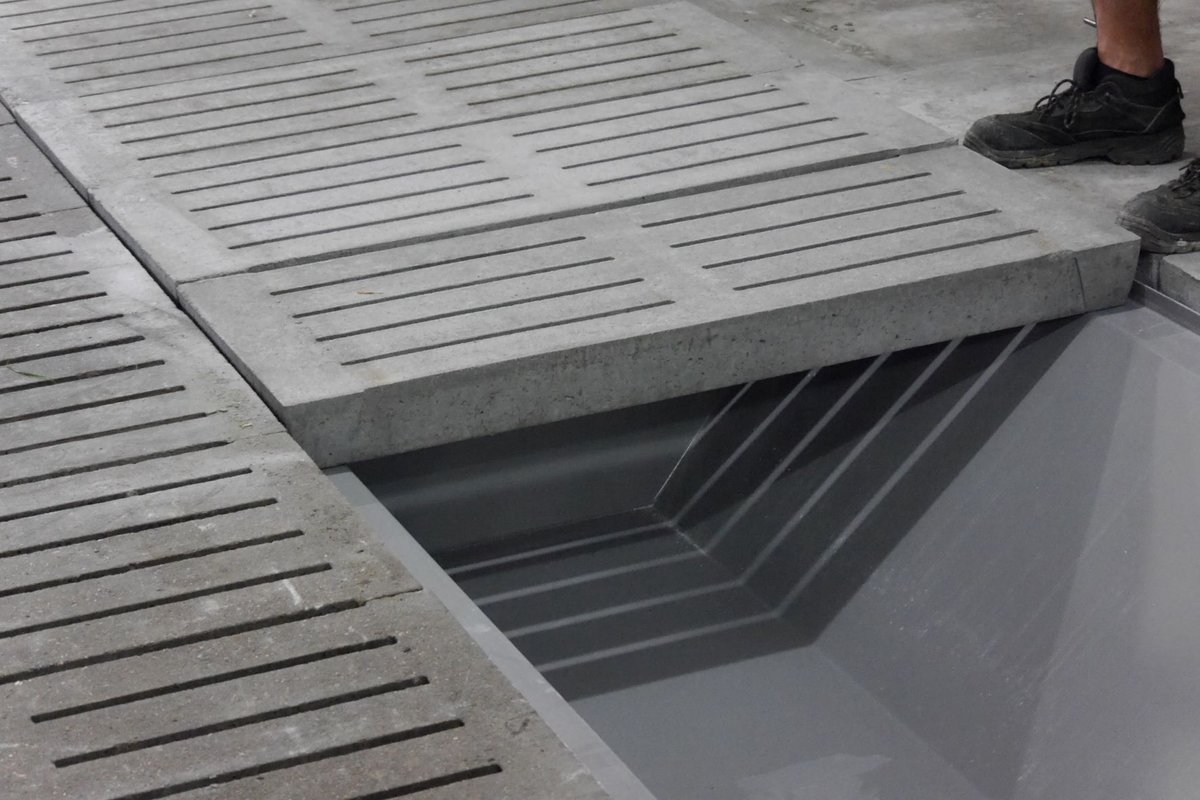
In the case of the underfloor scraper (Figures 4–6), there is a V-shaped slurry channel beneath the slats, with a channel base sloping at 5–10%1 and a central urine channel. A V-shaped underfloor scraper driven by a cable-pull mechanism is used to push the manure that has passed through the slats into a (ideally) separate shaft. Depending on the size of the animals, the scraper must be operated several times a day (up to 12 times). Due to the gradient, the urine flows away via the urine channel so that, ideally, it can be stored and utilised separately from the manure. The longitudinal gradient should be 1% to allow the urine to drain away by itself. For the urine channel, a slot width of 0.5 cm and a diameter of approx. 15 cm are recommended.17 The scraper should also empty the urine channel.1 Three-dimensional slatted floors can be added, which could further reduce emissions.18
Underfloor manure belts also have a V-shaped slurry channel floor with a manure belt. Manure and urine reach the manure belt installed beneath the slatted floor via the slatted floor. A gradient of approx. 4 degrees towards the centre of the channel is also recommended for the manure belt, so that urine can drain off separately. The manure belt runs several times a day.
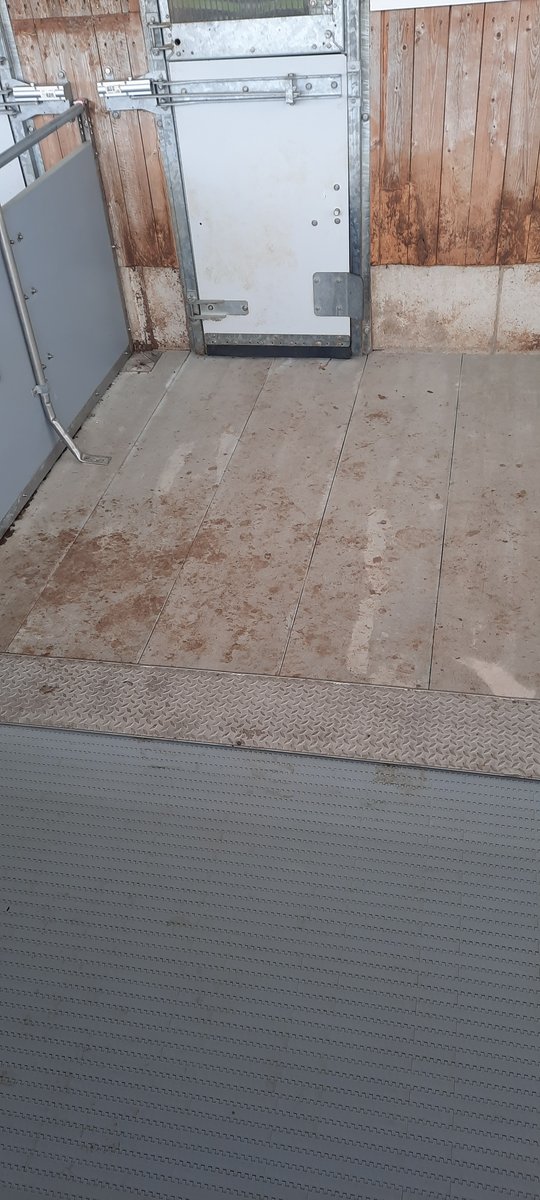
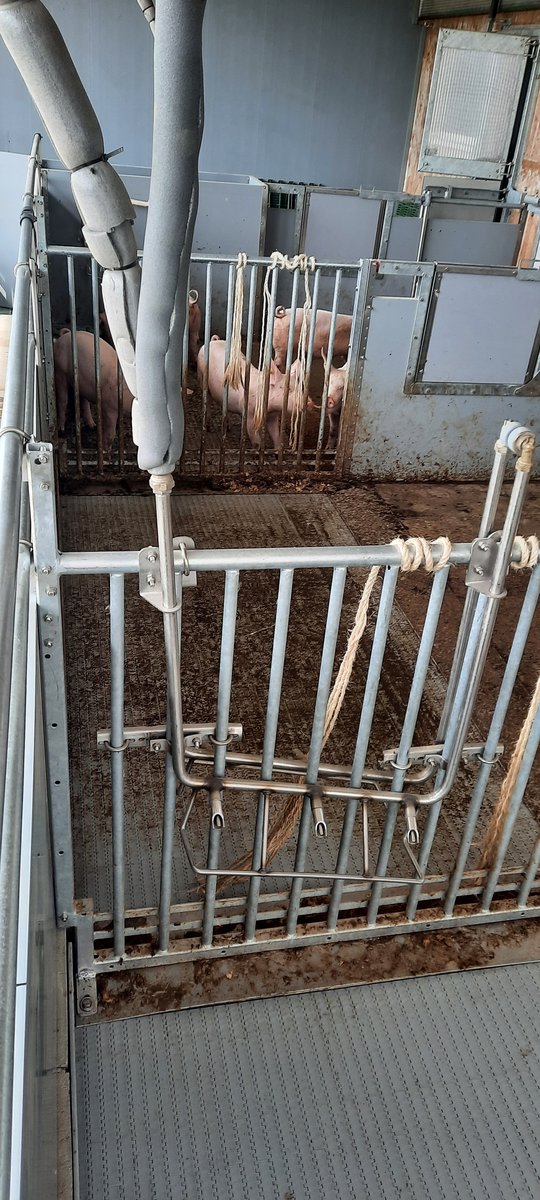
Above-floor manure belts (Figures 7 & 8) convey the manure via the belt into a channel located beneath the floor, which is fitted with a slide gate. Directly beneath the perforated manure belt is a urine trough that collects the urine. The tray must be flushed with water twice daily to remove solid particles such as hay or straw. The belt should run several times a day. Research findings on ammonia reduction are not yet available for the above-floor manure belt.
Manure-urine separation can achieve ammonia reductions of 40 to 50%.17 A further advantage is the reduction of odours and hydrogen sulphide.1 Manure-urine separation is classified as one of the best available techniques according to BAT conclusions, but is not yet included in Annex 11 of the TA Luft. The ‘EmiMin’ project is currently researching this measure, but no conclusive results on reduction potentials are available yet.
(Image: F. Hagenkamp-Korth)
(Image: F. Hagenkamp-Korth)
(Image: L. Wokel)

(Photo: L. Wokel)
Reducing the size of the slurry channel
By installing sloped side walls or slurry troughs, the volume of the slurry channel – and thus the amount of slurry stored in the barn – can be reduced, as can the surface area of the slurry and, consequently, the area from which emissions occur. This helps to reduce ammonia emissions from the barn. There are two options: slurry troughs, which can be retrofitted in barns, and sloping side walls, which must be structurally adapted to the slurry channel. Retrofitting the slurry channel to reduce its volume is therefore generally costly, whereas slurry troughs (Figures 9 & 10) can be produced by the manufacturer to fit the specific farm with minimal effort. The base of the troughs is sloped so that the manure collects at the lowest point of the trough. The sloping side walls of the slurry channel and those of the troughs should be smooth so that faeces and urine drain away immediately and do not adhere to the walls. This would increase the emitting surface area again.17 Keeping the side walls clean and possibly rinsing them may therefore be necessary and, in this case, entails additional effort.
It is recommended that at least 30% of the floor area in the barn be paved to reduce the slurry surface area within the barn, and that the channels have an incline of between 45 and 60 degrees. Smaller slurry channels should be emptied at least twice a week and additionally fitted with an overflow. Emptying takes place via a plastic pipe at the bottom of the channel.17 Before restocking, the channel floors should be filled with approx. 10 cm of water to prevent small amounts of manure from sticking and drying out.17 The slurry-filled troughs should be drained when the fill level reaches approx. 12 cm. Due to the reduced storage capacity, external slurry storage is generally always necessary.
The reduction in slurry channel volume can be achieved with fully and partially perforated floors; however, the emission reduction effect is greater with partially perforated floors. A fundamental prerequisite for achieving the desired emission reduction is the cleanliness of the animals and the pen. The pigs must accept the manure area so that the surrounding surfaces and the animals themselves remain clean. This is necessary throughout the year. It is often forgotten that soiled surfaces and animals are partly responsible for a high proportion of the emissions generated in the barn. Various recommendations can be used for pen layout to ensure that the different functional areas are maintained: for example, contact grids between pens and humidification of the manure area, well-planned positioning of drinking troughs and feeding areas, temperature control of the lying areas, and the design or adjustment of the ventilation system. Further information on pen layout can be found in an article by the ‘Pen Layout’ working group.
Partial and fully slatted floors, in combination with sloping side walls in the manure channel, can reduce NH3 emissions by up to 50% in accordance with the TA Luft. This measure is also classified as BAT and corresponds to the current state of the art according to the TA Luft (2021).
(Image: V. Overmeyer)

(Image: V. Overmeyer)
(Image: Veronika Overmeyer)
Acidification of slurry
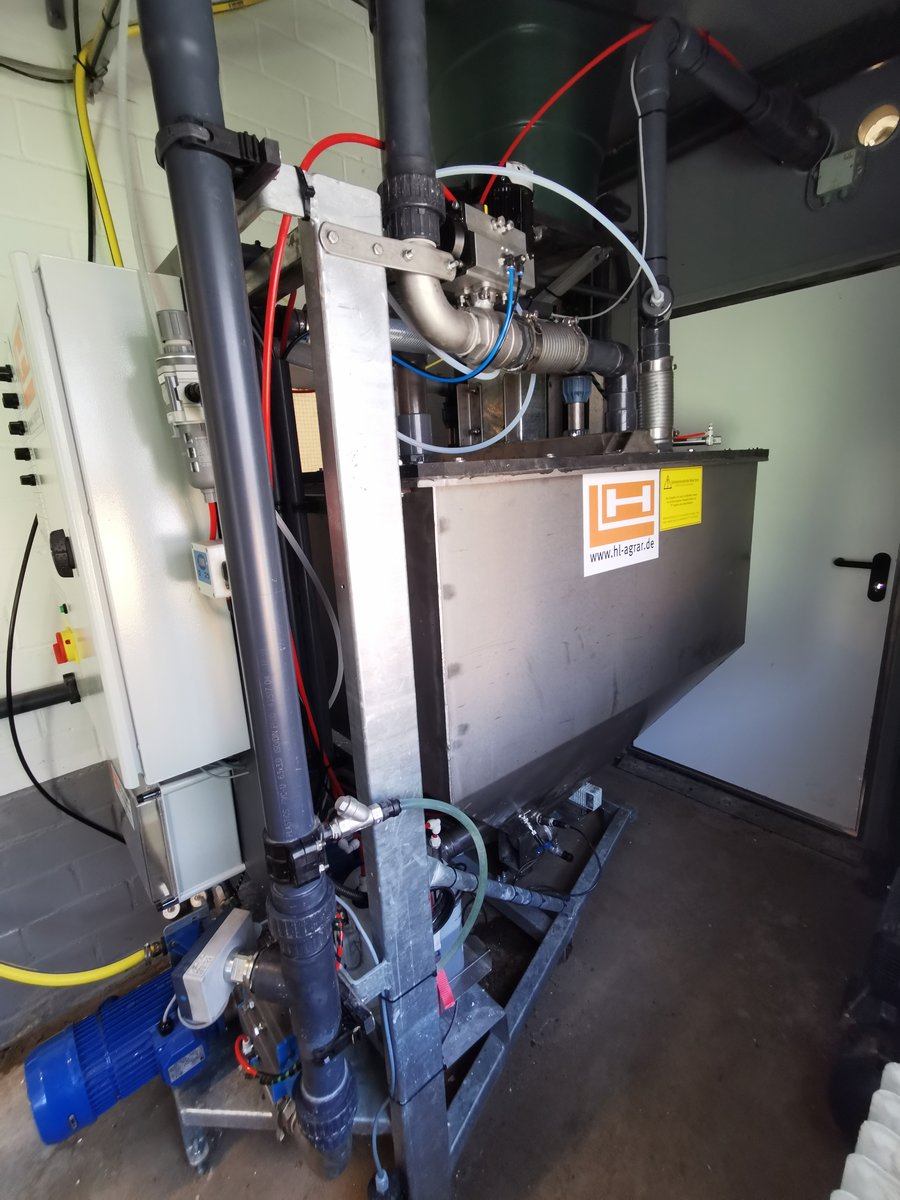
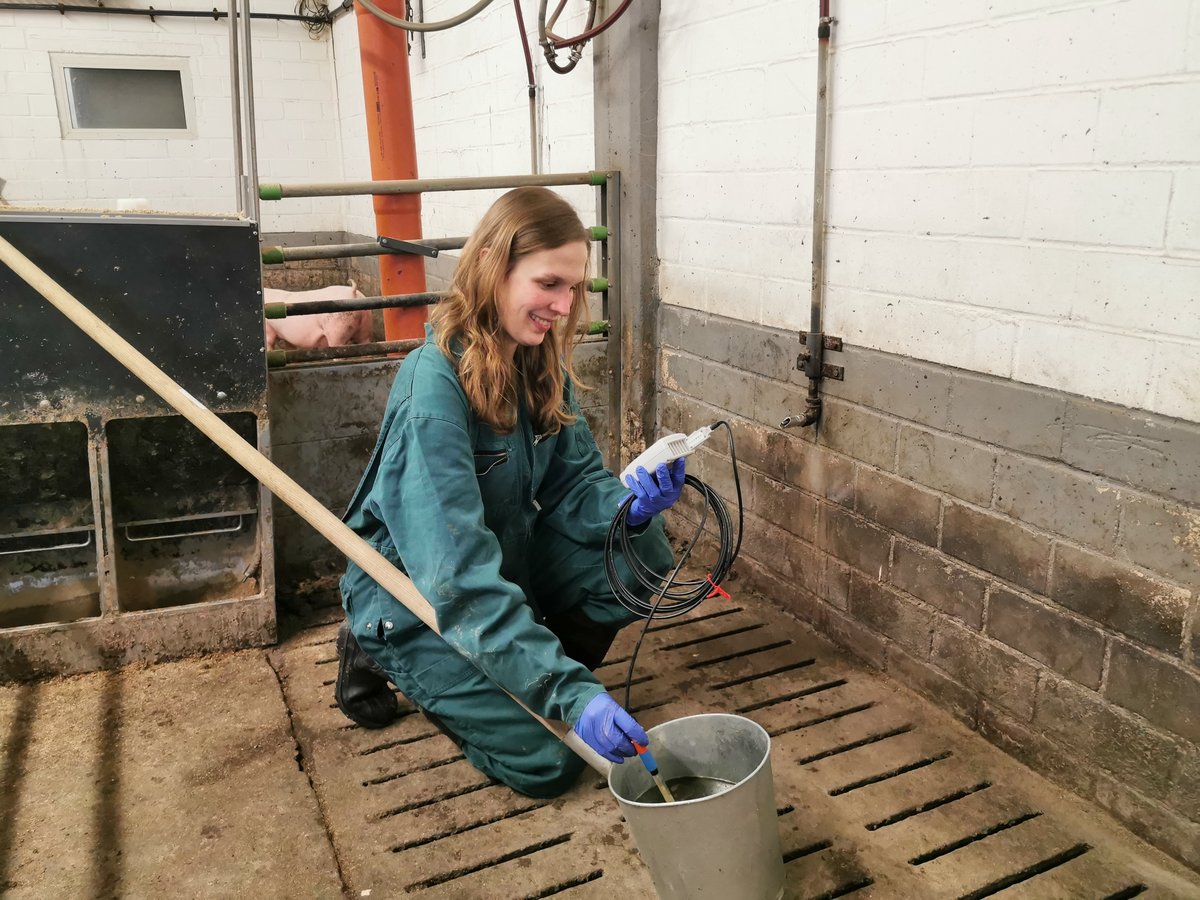
The acidification of slurry in the barn is already an established practice in Denmark, through which ammonia volatilisation as well as methane and carbon dioxide emissions in livestock farming can be reduced. By shifting the ammonium-ammonia equilibrium in the slurry, the proportion of ammonia that would otherwise be released into the environment as a gas is reduced. There are three different methods: acidification of slurry in the barn, in storage, or during spreading. Emission reductions through slurry acidification can reach up to 40% in the barn.19 For acidification, a portion of the slurry is pumped from the slurry channel into an external processing tank. An automatic pH measurement is carried out there. Acid is then dosed into the slurry depending on the pH value. After the acidification process, the freshly acidified slurry can either be pumped back into the slurry tank or stored outside the barn. The pH value is reduced from 6.0 to 5.5 through the automatic addition of sulphuric acid. As the pH value of the slurry rises again without the continuous addition of acids, acids must be added daily or several times a week.20 The consumption of these acids for pig slurry to maintain the low pH value is approximately 15–17 kg per m³ of liquid manure.19,20 When determining the required amount of acid, attention must be paid to the unit of measurement. 9 litres of 96% sulphuric acid correspond to a quantity of approximately 17 kg, which is required for on-farm liquid manure acidification per cubic metre of slurry.19 It must be noted that acidification causes foaming, which is why it is necessary to aerate the slurry at the same time.20 Acidification can reduce ammonia emissions by up to 40% and methane emissions by up to 67% compared to non-acidified slurry.19 This process is particularly suitable for new buildings, as it requires significant structural work, but retrofitting liquid manure acidification is also possible in existing buildings.19 A positive effect of slurry acidification is an increase in nitrogen available to the soil.
Slurry acidification is well established in Denmark, but has only been implemented on one dairy farm in Germany due to the complex legal situation. For the practical application of this process, an amendment to the Ordinance on Installations for the Handling of Substances Hazardous to Water (AwSV) is required, so that acidified liquid manure may be stored in JGS facilities. This amendment is currently pending.
The Federal Environment Agency has produced a detailed report on slurry acidification. Furthermore, research results are available from the ‘SAFT’ project, which focused on the ‘development of a retrofit solution for acid application in slurry channels of livestock housing’. Figures 11–13 illustrate the technology and the measurement of the pH value using a pH probe.
Acidification is classified as the best available technique.
Further links to legally binding regulations
- Implementing Decision (EU) 2017/302 on conclusions on best available techniques (BAT) pursuant to Directive 2010/75/EU
- Federal Immission Control Act (2021)
- Technical Instructions on Air Quality Control (TA-Luft) (2021)
- Animal Welfare and Livestock Management Ordinance (TierSchNutztV)
- NEC Guideline – Simple Description
- NEC Guideline – Detailed Guideline
Bibliography
- 1 KTBL (2021): Reducing ammonia emissions in agriculture. https://www.ktbl.de/fileadmin/user_upload/Artikel/Emissionen/Ammoniakemissionen_in_Landwirtschaft_mindern.pdf
- 2 VDI 3894, Sheet 1
- 3 KTBL (2022b): Eligible techniques for reducing emissions in livestock buildings. https://www.ktbl.de/fileadmin/user_upload/Artikel/Emissionen/Foerderfaehige_Techniken_zur_Emissionsminderung_in_Stallbauten.pdf
- 4 BLE (2018): Farm-wide husbandry concept for pigs – fattening pigs: https://www.ble-medienservice.de/1007/gesamtbetriebliches-haltungskonzept-schwein-mastschweine
- 5 Löffler K., Gäbler G. (2008): Anatomy and Physiology of Domestic Animals. Eugen Ulmer Publishers, Stuttgart. p. 29.
- 6 Lohmann (1999): Current feeding concepts for reducing nitrogen excretion in pigs. https://www.lohmann-information.com/content/l_i_4_99_artikel3.pdf
- 7 DLG (2019): Guidelines for the transparent implementation of feeding methods with significantly reduced N and P levels in pigs. Fact Sheet 418. https://www.dlg.org/de/landwirtschaft/themen/tierhaltung/futter-und-fuetterung/dlg-merkblatt-418#:~:text=In%20piglet%20rearing%20a,exhibits%20(Table%202).
- 8 Sajeev, EPM; Amon, B; Ammon, C; Zollitsch, W; Winiwarter, W (2018): Evaluating the potential of dietary crude protein manipulation in reducing ammonia emissions from cattle and pig manure: A meta-analysis. Nutrient Cycling in Agroecosystems (2018) 110, pp. 161–175; doi.org/10.1007/ s10705-017-9893-3
- 9 Canh T.T., Aarnink A.J.A., Schutte J.B., Sutton A., Langhout D.J., Verstegen M.W.A. (1998): Dietary protein affects nitrogen excretion and ammonia emission from slurry of growing-finish pigs. Livestock Production Science 56 (1998) 181–191.
- 10 Meyer A. (2021): Ammonia emissions at different protein intakes in fattening pigs. Information for feeding advice. 10 June 2021, Iden. https://llg.sachsen-anhalt.de/fileadmin/Bibliothek/Politik_und_Verwaltung/MLU/LLFG/Dokumente/04_themen/tierhaltung_allgemein/Arbeitskreis_Futter_Tierfuetterung/2021/4_Meyer_Ammoniakemissionen_10.6.21.pdf
- 11 Preißinger W., Schweb S., Probstmeier G. (2022): Very low-nitrogen and low-phosphorus feeding of breeding sows. Trial report. https://www.lfl.bayern.de/mam/cms07/ite/dateien/304917_versuchsbericht-s136.pdf
- 12 Preißinger W., Scherb S. (2022): Trial report. Phosphorus- and nitrogen-adjusted feeding of fattening pigs – implementation of a special feeding concept. https://lfl.bayern.de/mam/cms07/ite/dateien/bericht_s_153_157__isf_.pdf
- 13 Htoo J. (2017): Possibilities for the use of low-protein rations supplemented with amino acids in pigs during the starter, grower and finisher phases. Aminonews, 21 (1): 24–39
- 14 Meyer A., Vogt W. (n.d.): Into the finishing phase with 12% protein. https://www.lwk-niedersachsen.de/lwk/news/27307_Mit_12_Protein_in_die_Endmast
- 15 Lower Saxony Chamber of Agriculture (n.d.): Extremely N/P-reduced feed concepts with and without probiotic supplements. https://www.lwk-niedersachsen.de/lwk/news/34685_Extrem_N-P-reduzierte_Futterkonzepte_mit_und_ohne_Probiotikumzusatz
- 16 DLG kompakt (2020): Focus on N/P-reduced pig feeding. No. 6/2020. https://www.dlg.org/fileadmin/downloads/landwirtschaft/themen/publikationen/kompakt/DLGKompakt_6_20.pdf
- 17 KTBL (2022a): Joint project on emission reduction in livestock farming (EmiMin). https://www.ktbl.de/themen/emimin/
- 18 Austermann F. (2016): Studies on improving animal welfare and reducing ammonia emissions in functionally optimised slatted floors with a reduced proportion of slats. PhD thesis, Bonn. Agricultural Engineering Research Report (VDI-MEG Publication 565).
- 19 Overmeyer (2022): Retrofitting slurry acidification in pig houses. Day of Emission Reduction in Pig Farming – Animal Welfare Focus Network. Bad Sassendorf. 18 October 2022.
- 20 Kupper (2017): Assessment of slurry acidification as a measure to reduce ammonia emissions in Switzerland – current status. https://agrammon.ch/assets/Documents/Bericht-Ansaeuerung-Guelle-20170123v.pdf
- 21 Schulte, H., Ammon, C., Hagenkamp-Korth, F., & Hartung, E. (2022). Investigating the time-dependent dose–response relationship of ammonia emissions reduction through the application of a urease inhibitor in pig fattening houses. Biosystems Engineering, 222, 45–61.
- 22 Calvet, S., Arrufat, B., Salaet, I., Atares, S., Sobreviela, A., Herrero, C., Estellés, F. (2022). A urease inhibitor reduces ammonia emissions in fattening pigs reared on slatted floors in summer conditions. Biosystems Engineering, 221, 43–53.