
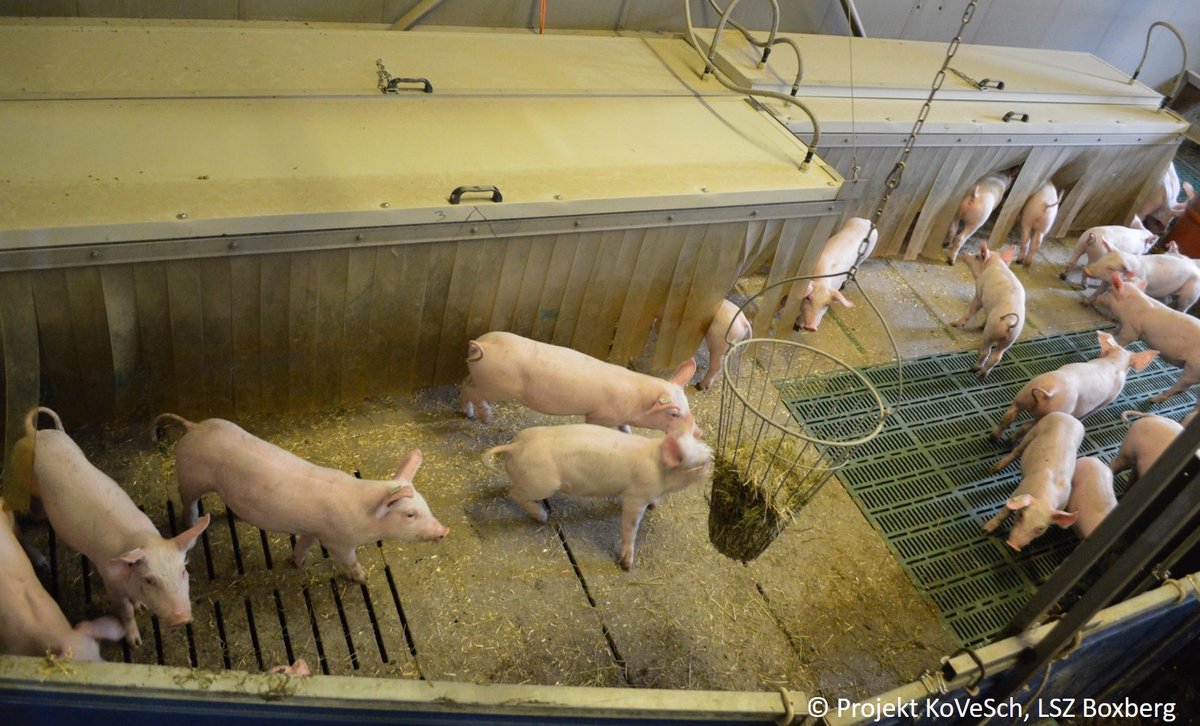
The design options in older buildings vary greatly from one farm to another. If the pen layout in existing pens is to be improved, the focus should be on creating and designing different functional areas. The starting point for this analysis is pens with fully slatted floors, as found in the majority of livestock housing.
Group size
The same applies to conversions: with larger groups, the greater overall space available allows for a better pen layout for the pigs.2
Whether a farm should form larger or smaller groups depends on various factors. The chapter ‘New Build – Group Size’ provides various details on group sizes, which can also be applied to conversions. It should be borne in mind that as group size increases, so do the demands on management and, above all, on animal monitoring. The decision on group size should therefore be suited to the people working with the animals. Combining several small pens into one larger one, for example, offers a way to create more space for pen layout in existing housing.
Space per animal
In the case of conversions, provided the herd size is sufficient, the same guidelines apply as for new builds: for fattening pigs, 1.1 m² per animal and for piglet rearing, 0.35 m² per animal are recommended as the minimum space requirements for a well-designed pen layout. Additional space can be effectively created in existing buildings by retrofitting raised platforms.7 It should be noted that air quality may deteriorate on the raised levels where the surfaces are closed, as the area is additionally soiled by the animals. With perforated levels, however, the animals standing below may become dirtier due to falling debris. It is necessary to weigh up which method is best suited to the specific herd.
The ‘Pen Structure’ Working Group recommends 0.35 m² per animal up to 20 kg body weight and 0.5 m² per animal for animals weighing over 20 kg.
Design of the toilet area
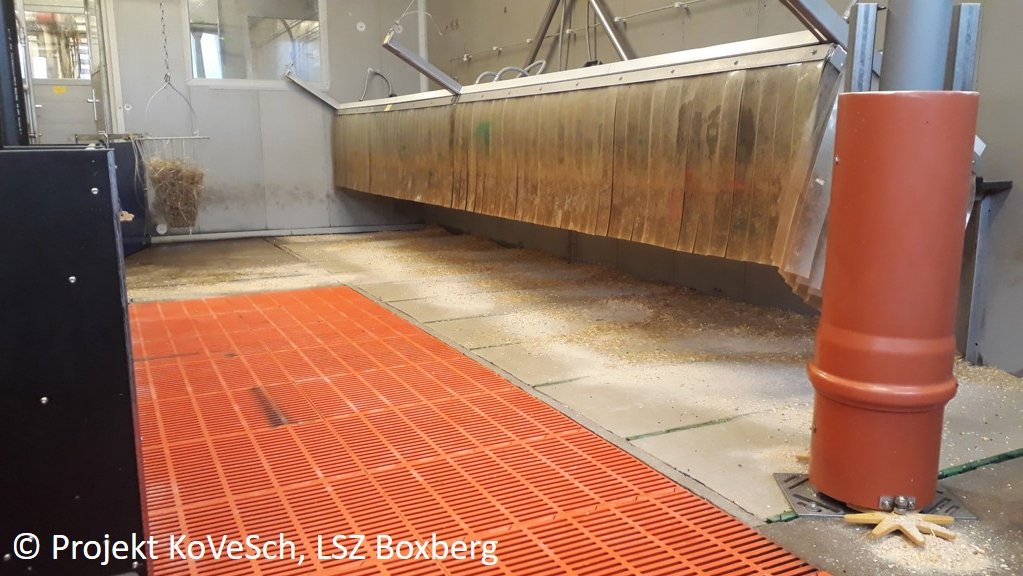
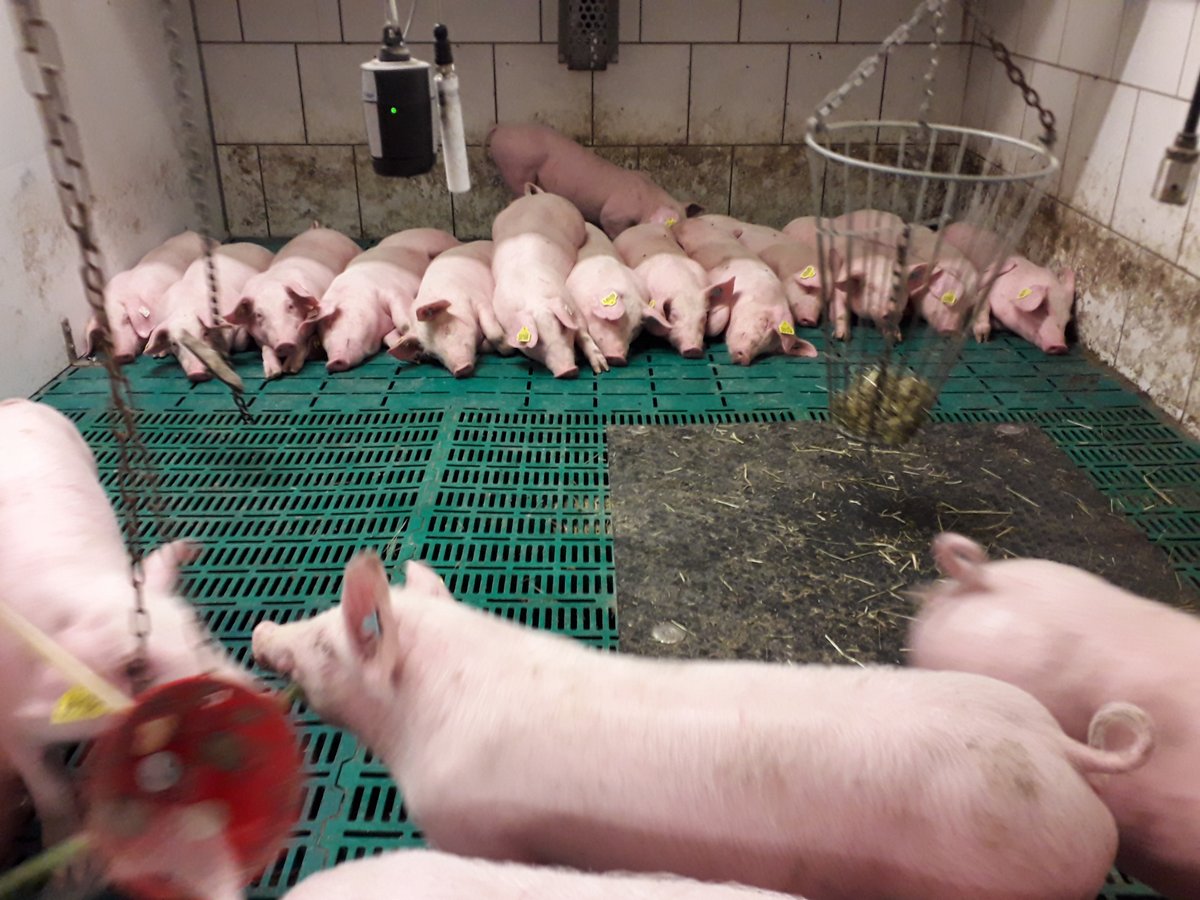
Pigs tend to use cool, draughty and damp areas primarily as a place to defecate. Therefore, the establishment of the defecation area can also be controlled by means of moisture or wetness.10 If the defecation area is to be kept continuously wet, micro-pools are a suitable option. These can also be used by the pigs for enrichment. Triangular slatted floors are recommended for rearing and fattening as an alternative to concrete slatted floors, although they are better accepted during the rearing phase. The animals generally accept the slatted floors well, but are reluctant to walk long distances on them. Triangular slatted floors are also installed wherever high drainage performance of the floor is required, due to their high proportion of slats. Due to their significantly higher cost compared to concrete slatted floors, they are primarily installed in the ‘dung corners’. Before the final installation of the slats, animal observations should be used to determine where the animals establish their dunging area. This saves a considerable amount of time, labour and costs.
The targeted use of lighting can also be helpful in managing the pigs’ behaviour. As crepuscular animals, pigs prefer the darkest part of a pen for resting,10 whilst thermoregulation is also taken into account when selecting a resting area. In contrast, the animals tend to seek out brighter areas for defecation and urination. A lamp above the designated defecation area therefore aids in its establishment.10
Open drinkers are ideally positioned in the transition zone between the activity area and the dunging area. Nipple drinkers in the dunging area additionally draw the animals onto the slatted floor or triangular grating, so that spilled water is drained away, does not wet the paved activity area and does not inadvertently encourage defecation there.
Open partition grids between two pens can also aid in the establishment of the defecation area, as contact with the animals in the other pen leads to ‘territorial marking’.7 However, trough drinkers should not be fitted to such contact grids, as the drinkers could become increasingly soiled as a result of the marking.
Design of the relaxation area
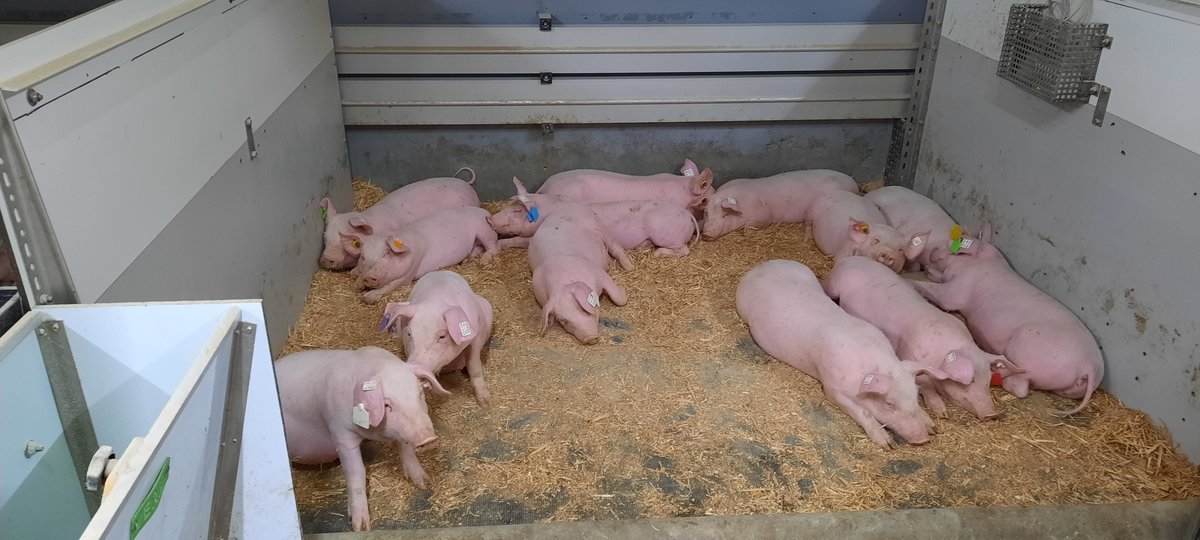
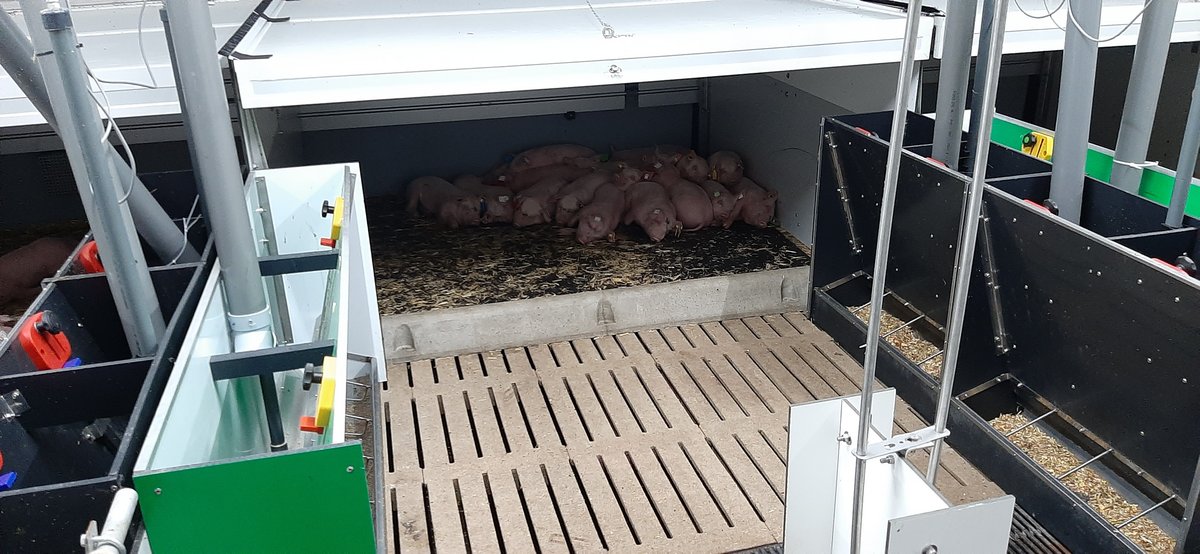
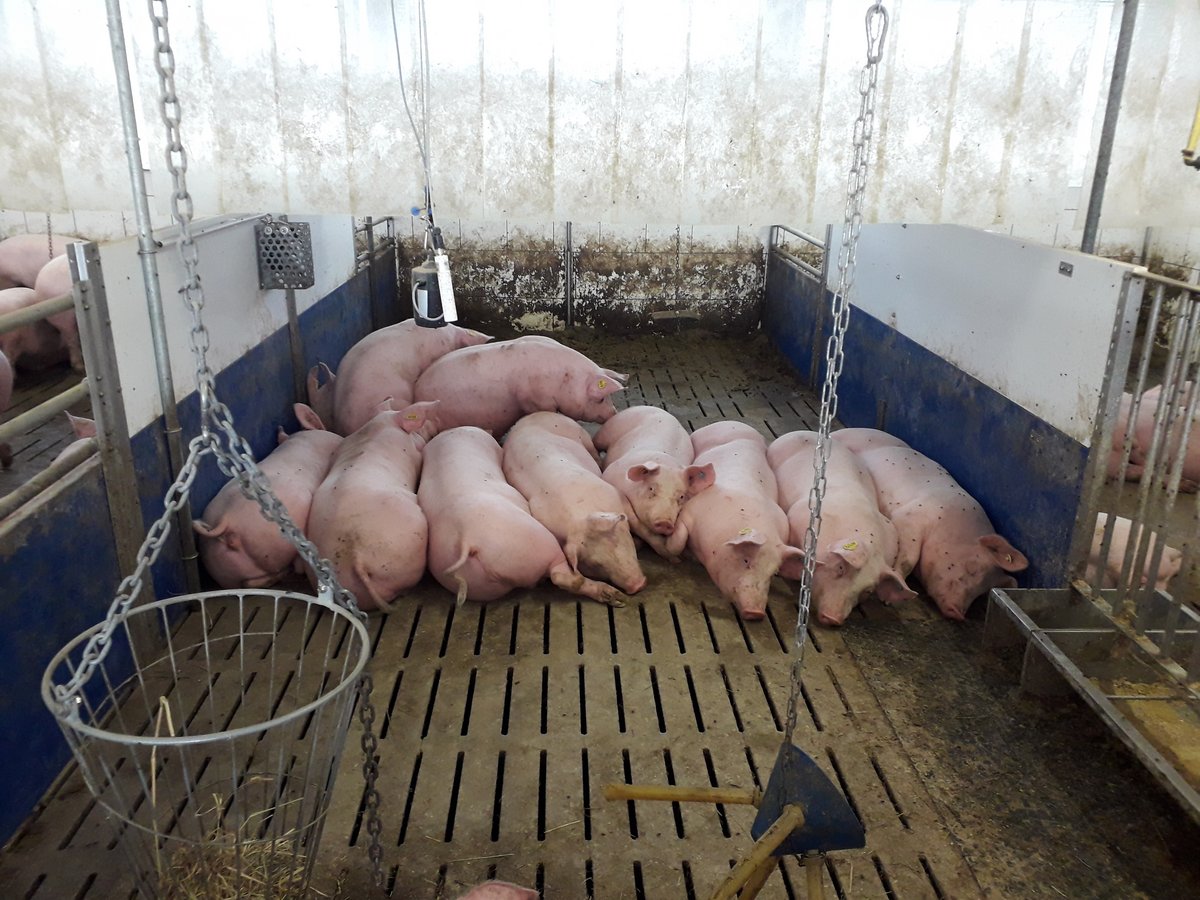
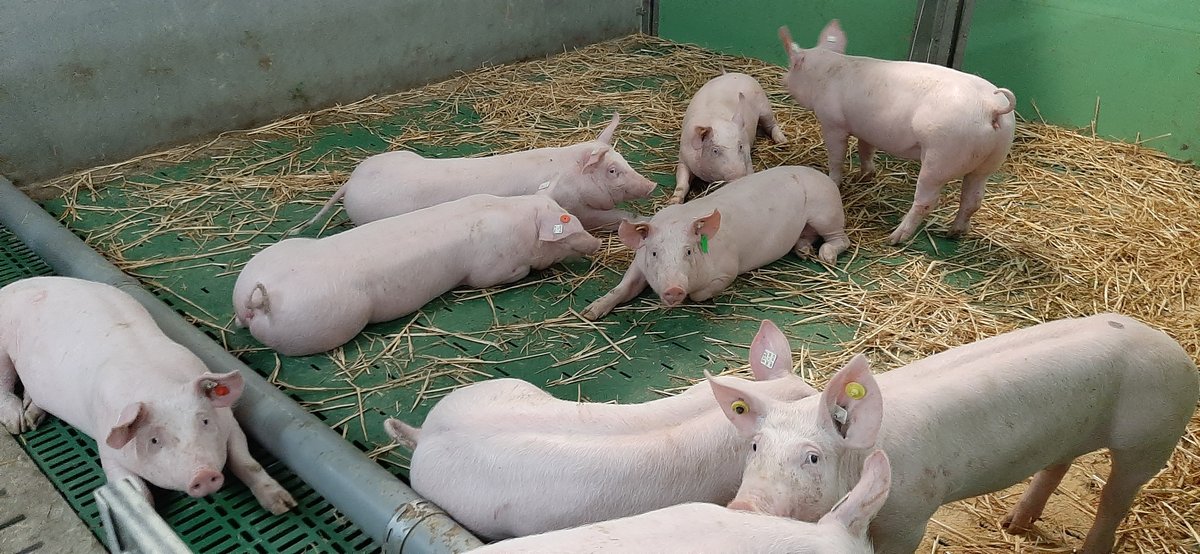
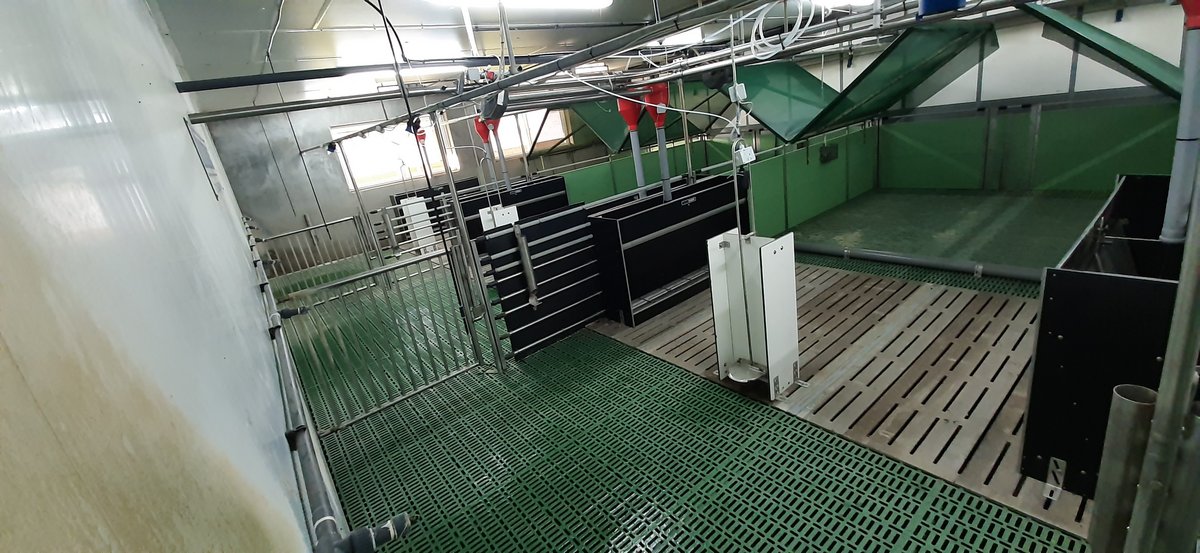
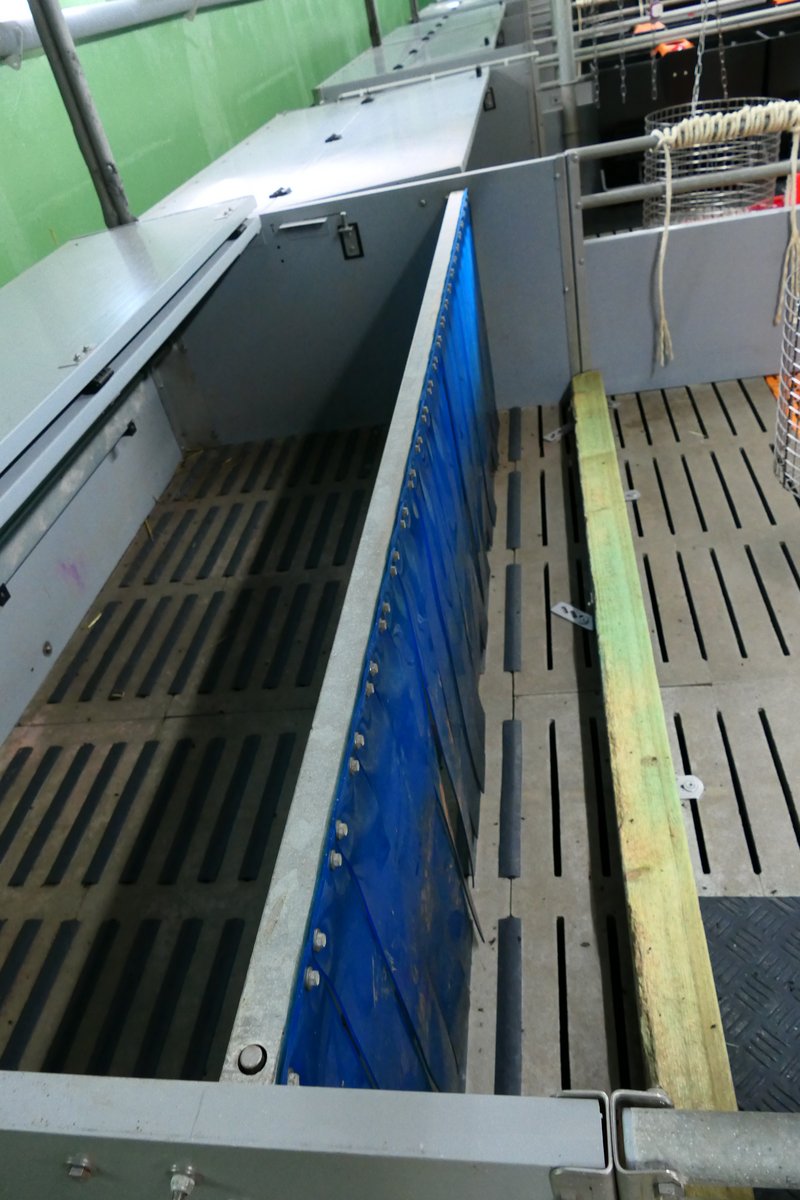
To convert slatted floors into solid surfaces, slat covers (slat clips, slat cover strips to be cut to size) can be used to close the slats. Disadvantage: they are difficult to clean. Alternatively, slatted floors can be covered with concrete or sealed with solid panels. All three options have proven to be viable. To avoid extra work, the floor should only be closed once the pen layout has proven to be functional. Seasonal effects should also be monitored to ensure that the animals do not alter the pen layout depending on the season. In the case of pens of identical construction, it is advisable to initially use one pen as a trial pen to test acceptance under various conditions.
In the resting area, in contrast to the activity area, a light intensity of at least 40 lux instead of 80 lux is sufficient. Every pig should receive an equal amount of light. This light intensity applies during the lighting period. At other times, sufficient light is required to allow the animals to orient themselves.
Please note: Be patient and do not expect too much straight away. Only through observation over a longer period – one year is recommended – can seasonal effects be fully assessed. Only once it is certain that the animals accept the designated lying area as such is it sensible to finalise the layout of all pens.
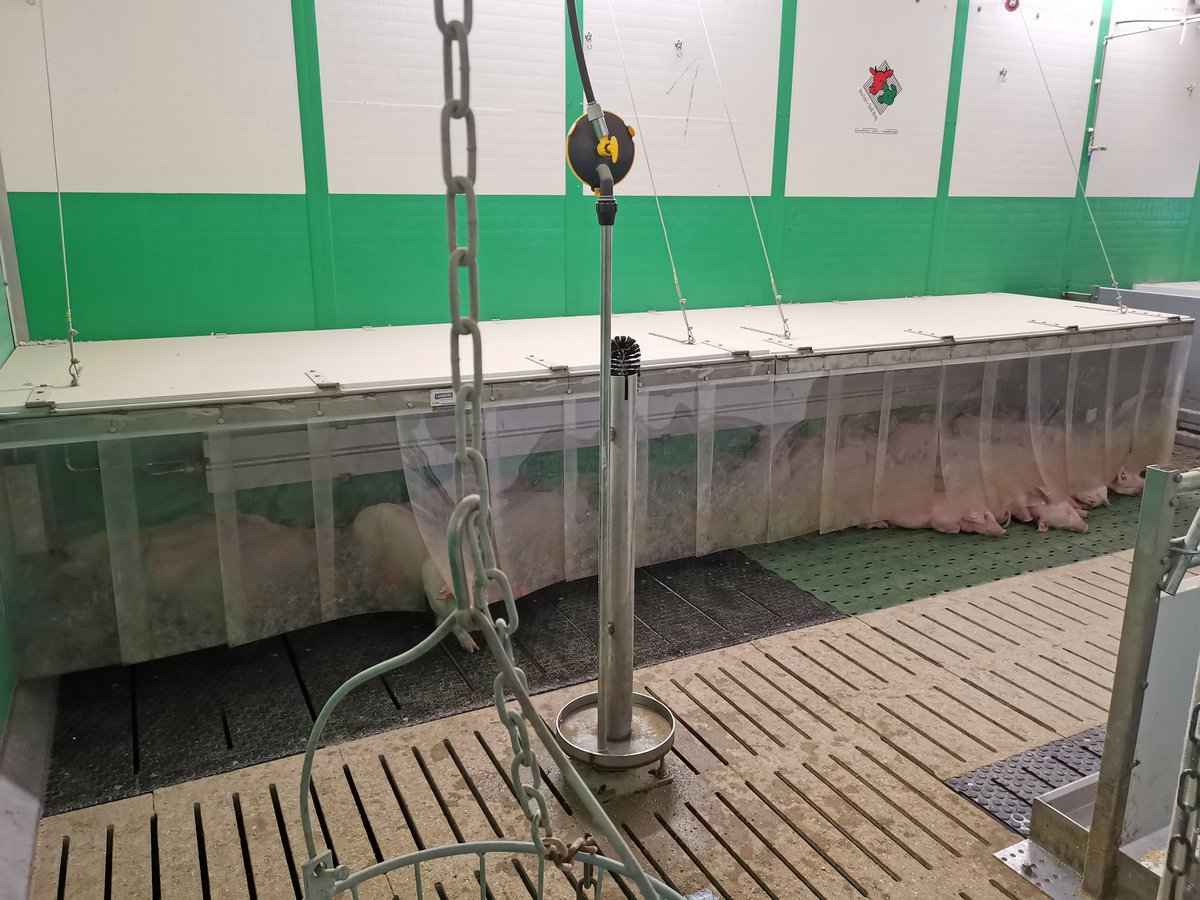
The working group recommends creating a microclimate in the resting area at the start of the fattening period, for example by using a cover that retains heat whilst also providing shade. Heat build-up should be avoided. Later in the fattening period, floor cooling or a shower can help to dissipate excess heat.
(Image: KoVeSch Project, LSZ Boxberg)
(Image: KoVeSch project, LSZ Boxberg)
(Image: KoVeSch Project, V. Drexl, CAU)
(Image: KoVeSch Project, V. Drexl, CAU)
(Image: KoVeSch Project, Bavarian State Research Centre for Agriculture)
(Image: KoVeSch project, C. Diekamp, LWK Lower Saxony)
(Image: KoVeSch Project, LfL Bavaria)
(Image: KoVeSch Project, L. Schönberg, LWK NRW)
(Image: KoVeSch Project, V. Drexl, CAU)
(Image: KoVeSch Project, LfL Bavaria)
(Image: KoVeSch Project, Bavarian State Office for Agriculture)
(Image: KoVeSch Project, V. Drexl, CAU)
(Image: KoVeSch Project, C. Diekamp, LWK Lower Saxony)

(Photo: C. Becker)

(Image: KoVeSch project, LSZ Boxberg)
(Image: KoVeSch project, S. Lange, LWK Lower Saxony)
Temperature
Rearing piglets
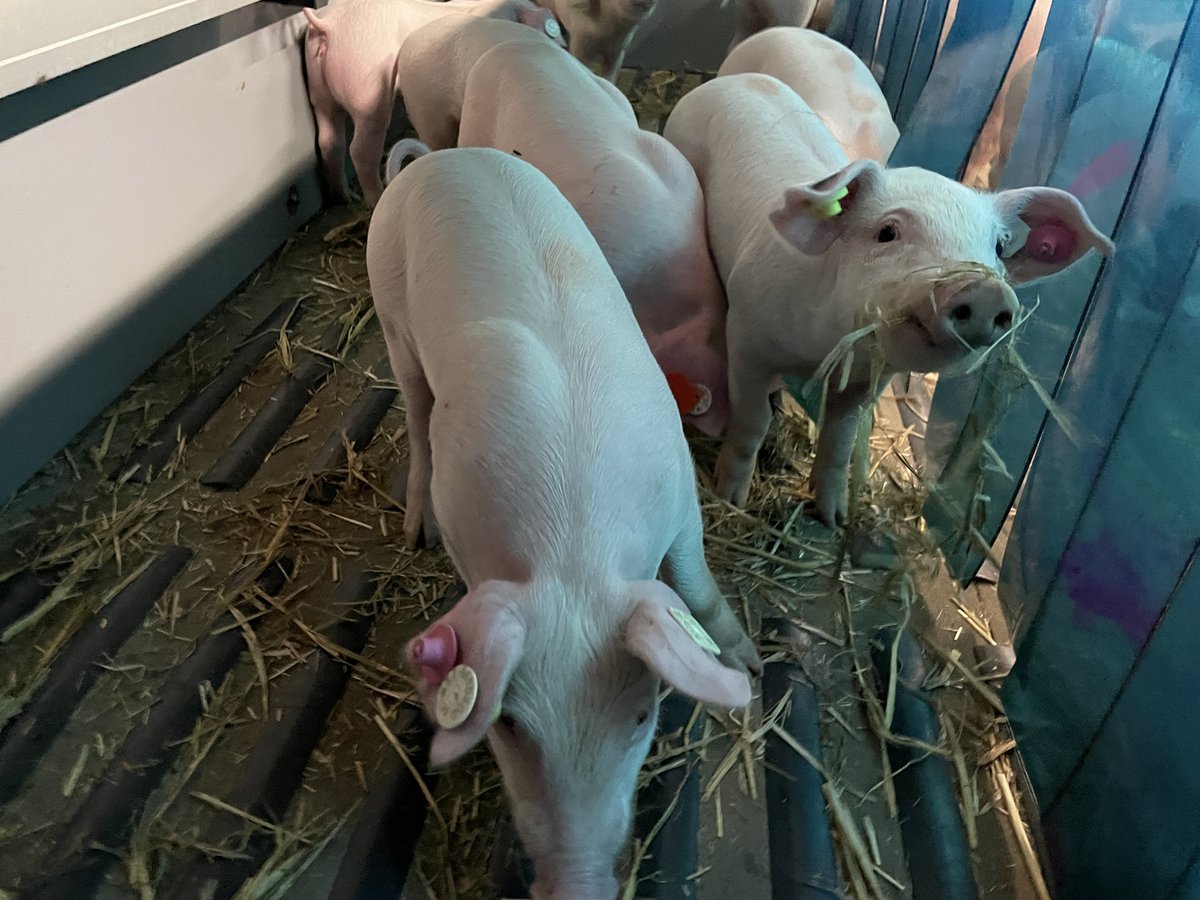
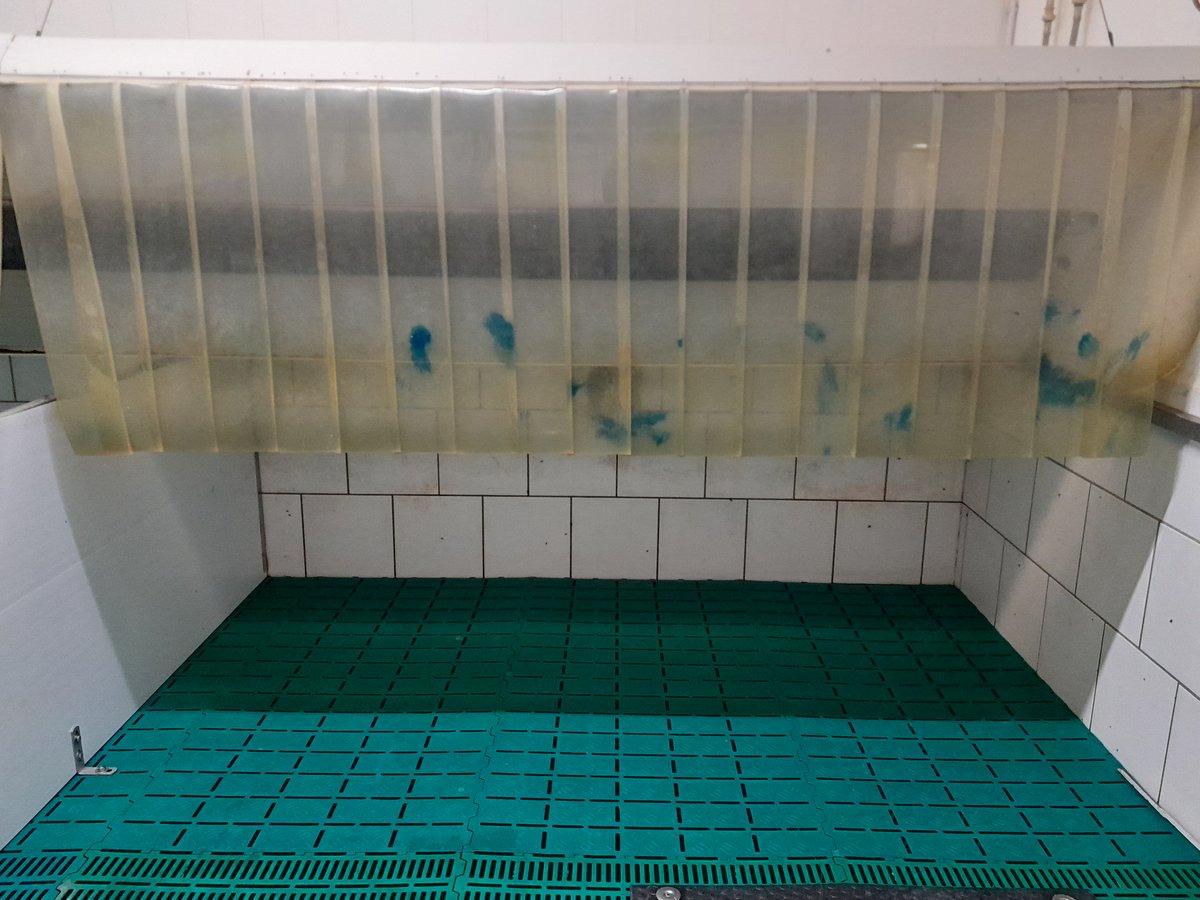
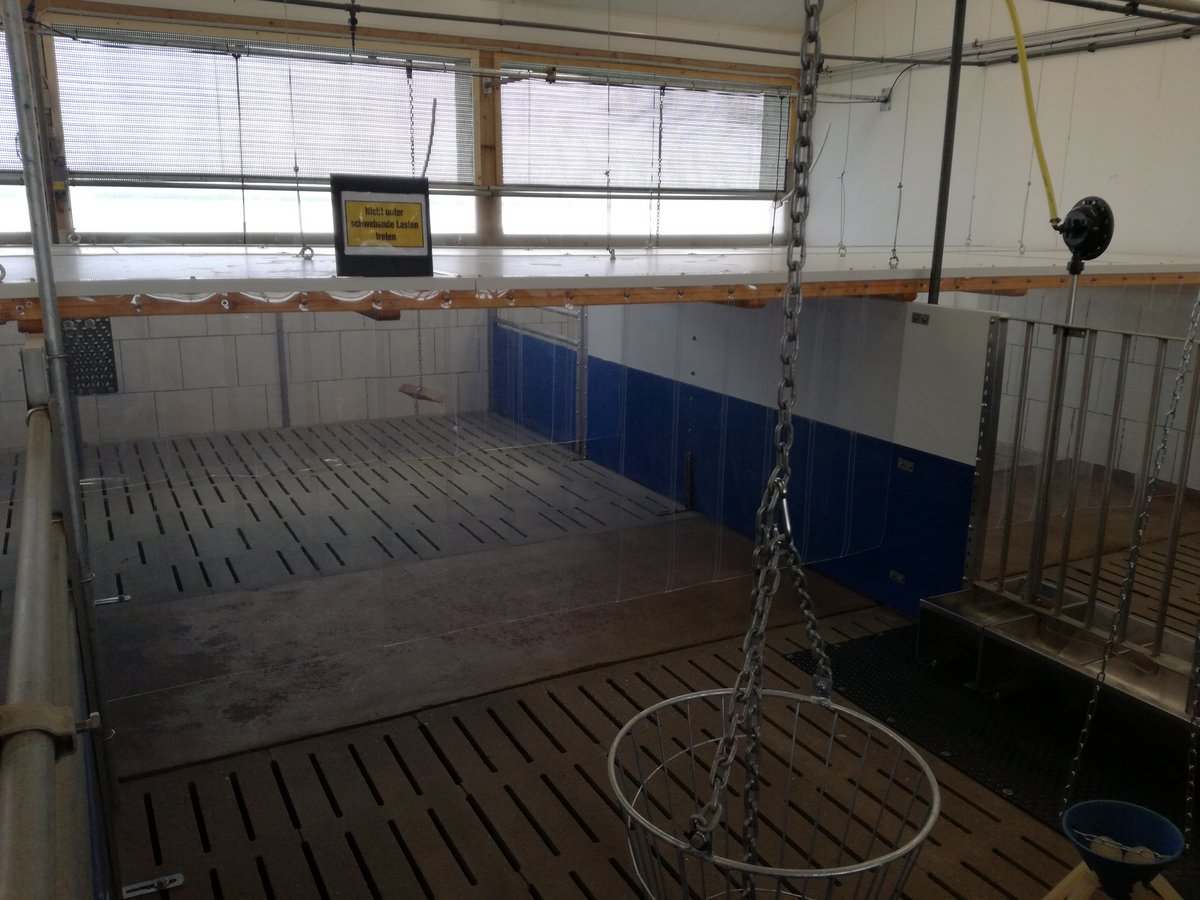
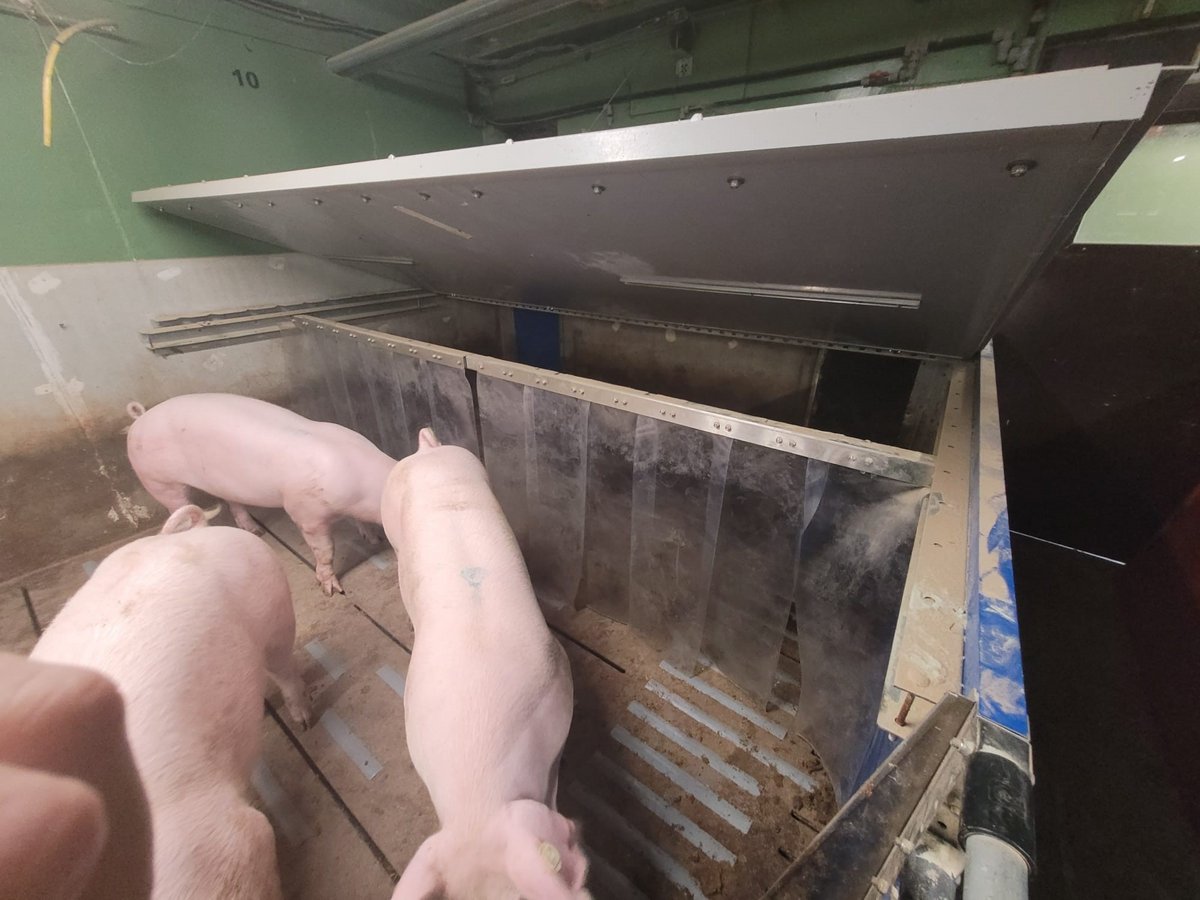
If the animals have access to an outdoor run, it has proven effective to separate this from the indoor area using curtains rather than doors. This makes it easier for the young animals to access the outdoor run, which in turn often keeps the indoor area of the pen cleaner. Younger animals in particular can open these more easily and get outside, which means the interior of the pen often remains cleaner. However, compatibility with the ventilation system must be checked, and a warm retreat area must be provided inside the barn due to the lower insulating effect of curtains compared to doors in winter conditions. It is worth giving the subject of barn ventilation careful consideration. When there are fewer animals in the barn – for example, because many animals spend most of the day outdoors – the ventilation is often oversized. Making adjustments can save money. It is advisable to seek the advice of a specialist in this regard.
Fattening
At the start of the fattening period, it has proven beneficial to set up a microclimate area for the young pigs. This can be achieved, for example, using a cover that can be raised and lowered.3 If this cover is fitted with slats, they must not reach the floor to ensure adequate air exchange. Even when the cover is raised, the resting area should still be darker than the rest of the pen. As an alternative to a closed cover, a wooden frame covered with a windbreak net also works well and simultaneously prevents heat build-up under the permeable cover.
Temperatures that are too low are less of a problem in closed housing than those that are too high. Temperature fluctuations also represent a stress factor for the pigs, which can lead to behavioural problems (tail biting). Particularly in the second half of the fattening period, it is important to dissipate the animals’ excess heat. The best solution is to install underfloor cooling; however, in older buildings this is only feasible at considerable financial and labour cost. Retrofitting an evaporative cooling system can, however, be a good alternative. In closed barns with forced ventilation, the humidity must always be monitored when using cooling systems based on water evaporation. Otherwise, excessive humidity can lead to heat stress in the animals. In forced-ventilation barns, high-pressure cooling systems should primarily be used instead of low-pressure ones. The smaller the droplets, the greater the cooling effect. Due to rapid evaporation, the animals ideally do not get wet. With low-pressure systems in closed barns where moisture forms in the area of use, wet animals may catch colds.
In outdoor climate barns, moistening pen surfaces, straw or the animals themselves can help dissipate heat through evaporative cooling. Even if the animals lie back down on the lying area whilst wet, this has a cooling effect.
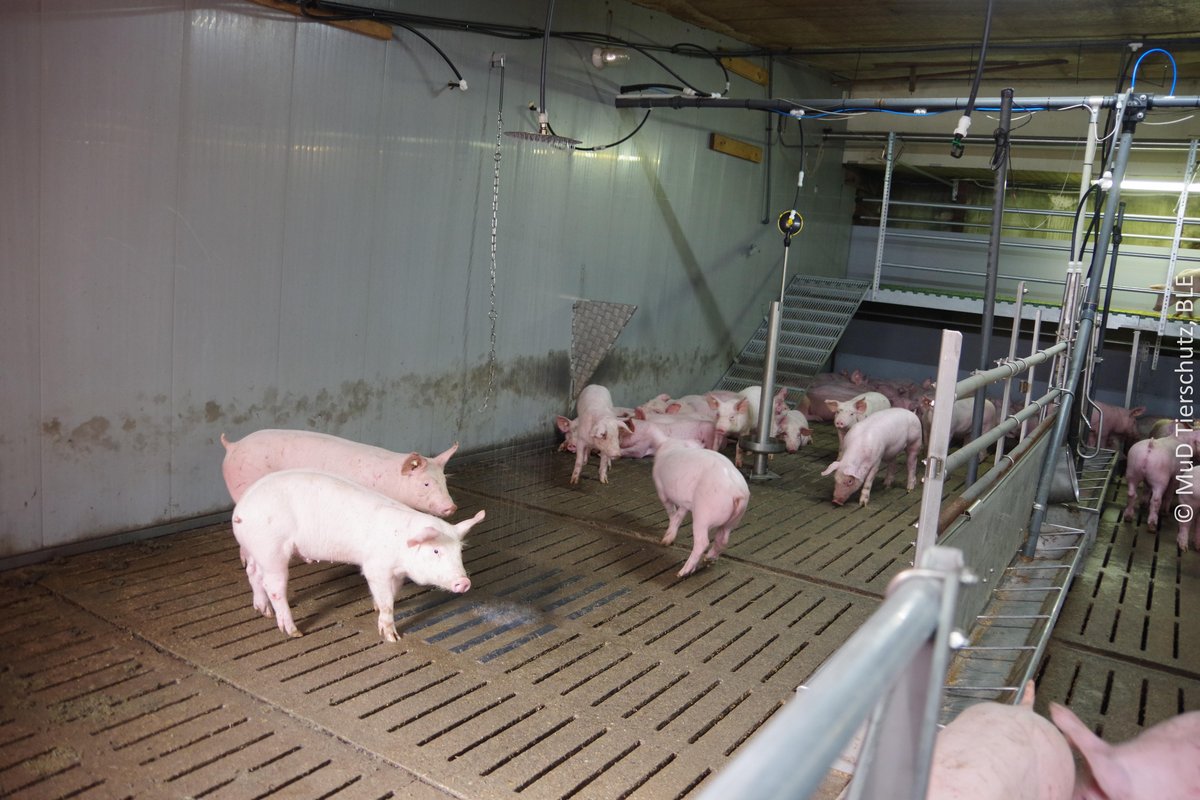
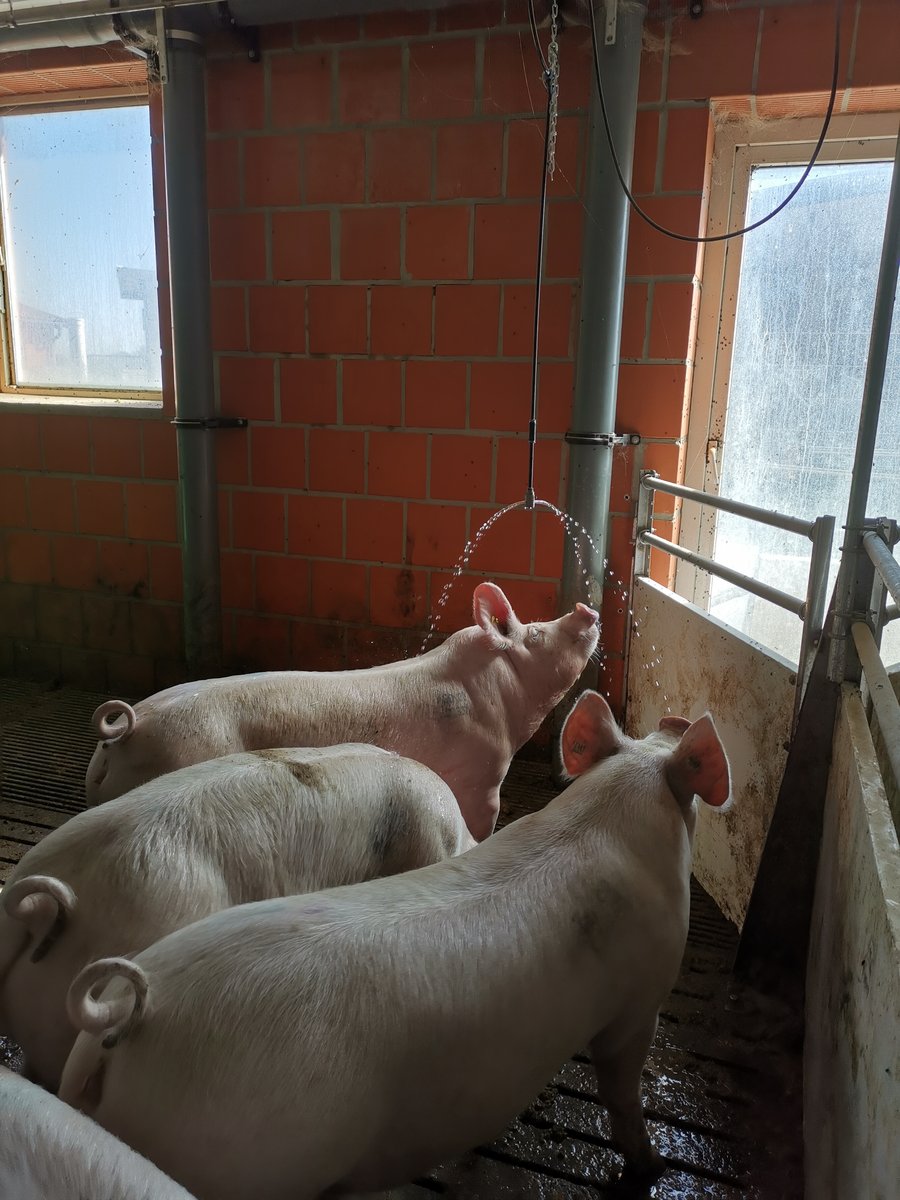
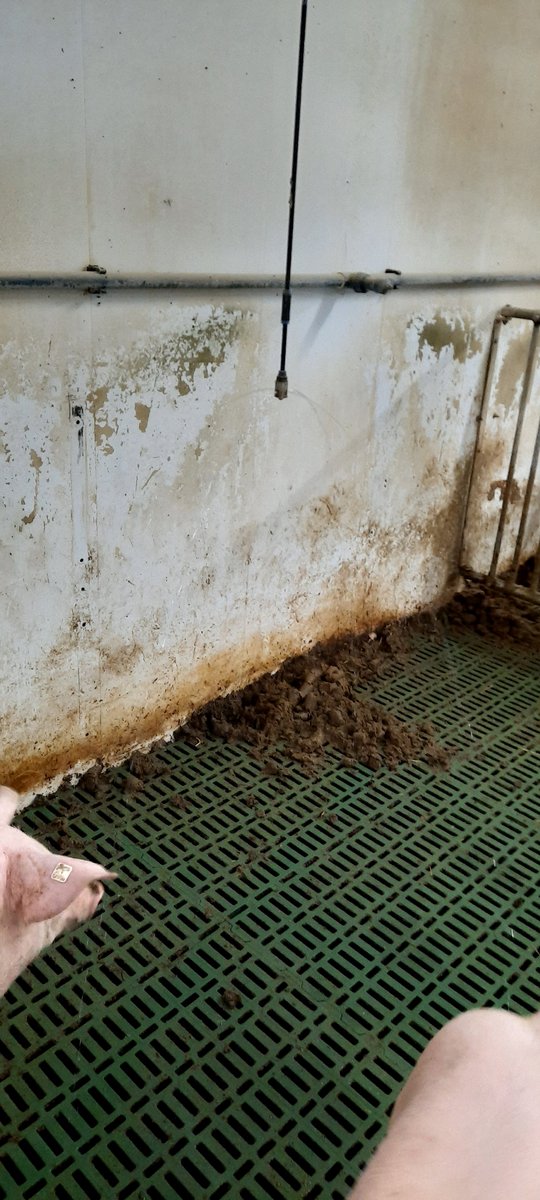
The use of pig showers is another cooling option for the animals. These can be designed in a variety of ways. It should be noted that a water jet is better accepted than a spray mist or even the gentle rain from a shower head. Droplet size also plays a role: water jets with large droplets are better accepted than atomised water.
Find out more here about temperatures and heat stress in pigs.
(Image: KoVeSch project, LSZ Boxberg)

(Image: KoVeSch project, LSZ Boxberg)
(Image: MuD Animal Protection, BLE)
(Image: MuD Animal Protection, BLE)
(Image: KoVeSch Project, L. Schönberg, LWK NRW)
(Image: KoVeSch Project, V. Drexl, CAU)
(Image: KoVeSch Project, V. Drexl, CAU)
(Image: C. Becker)
(Image: C. Becker)
(Image: C. Becker)
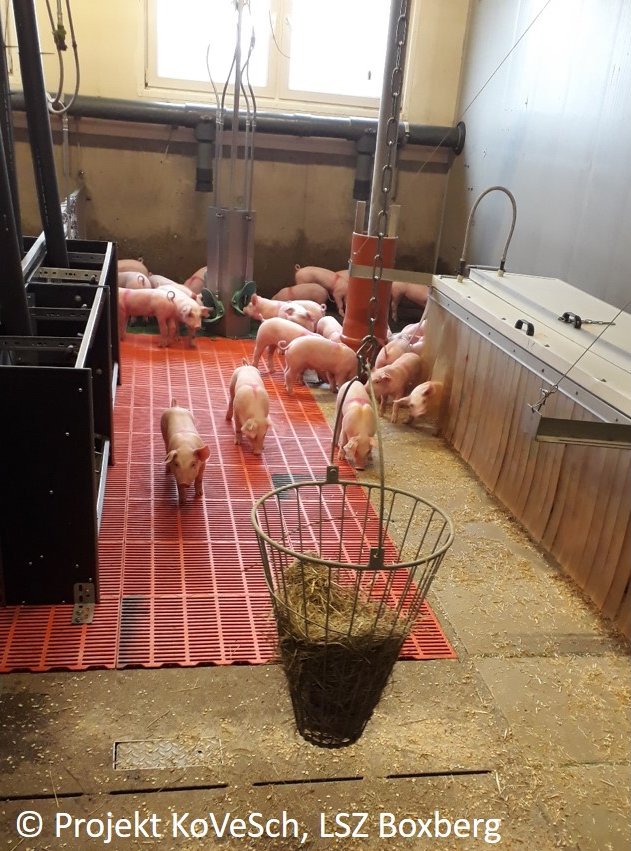
(Image: KoVeSch Project, LSZ Boxberg)
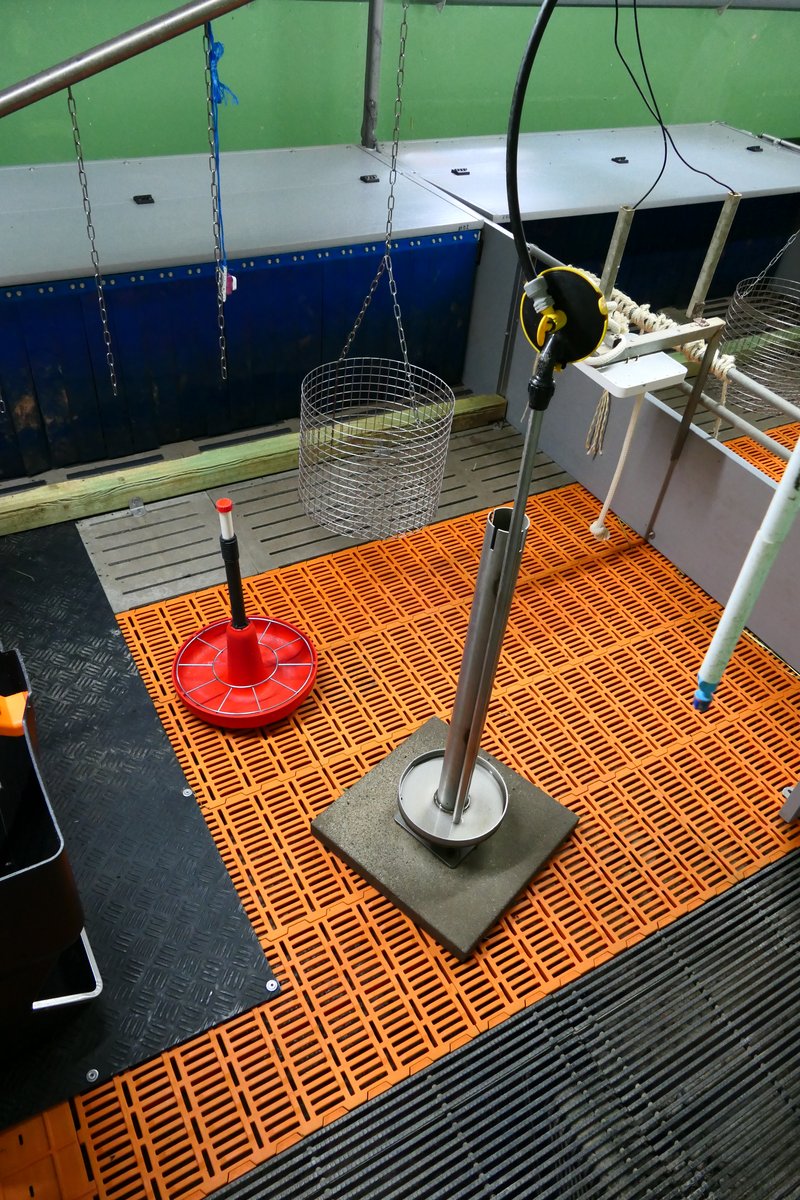
(Image: KoVeSch project, C. Diekamp, LWK Lower Saxony)
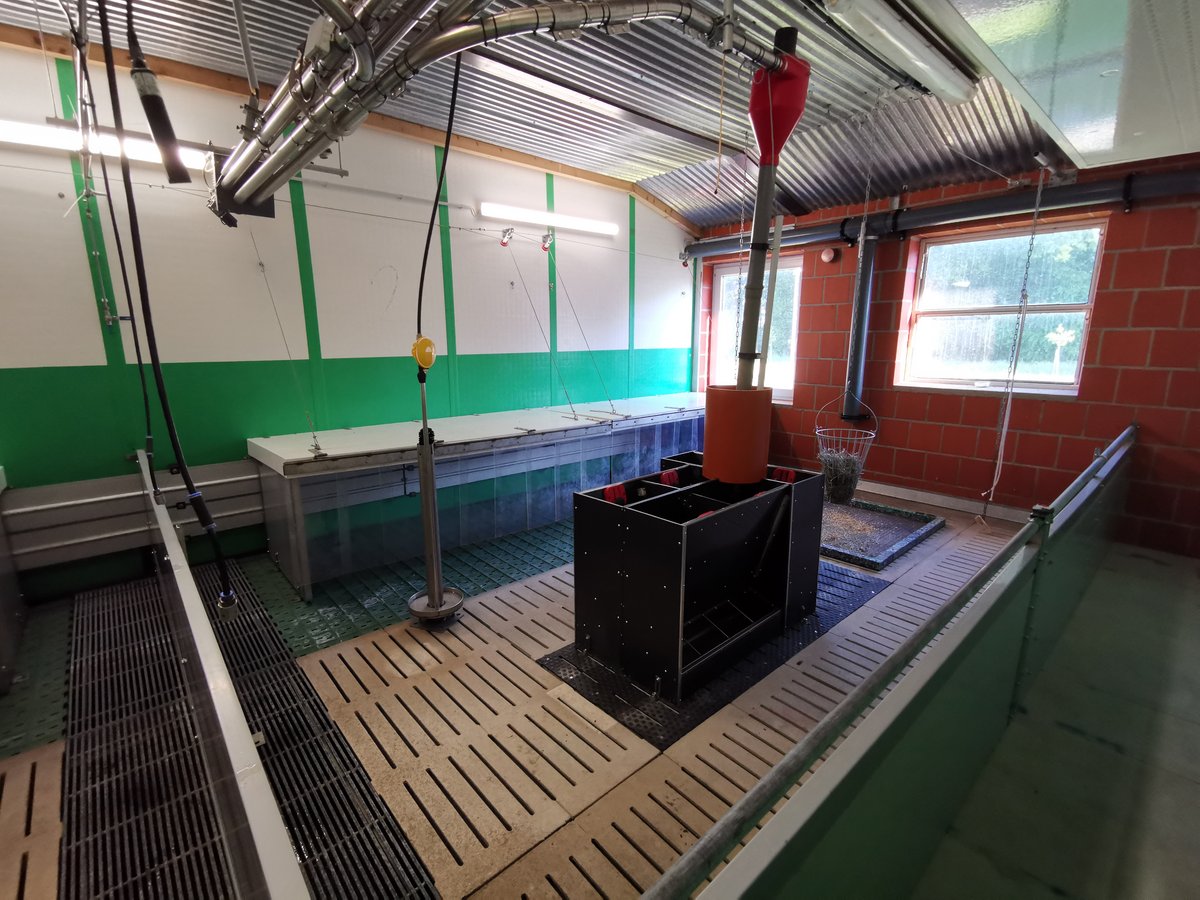
(Image: KoVeSch project, L. Schönberg, LWK NRW)
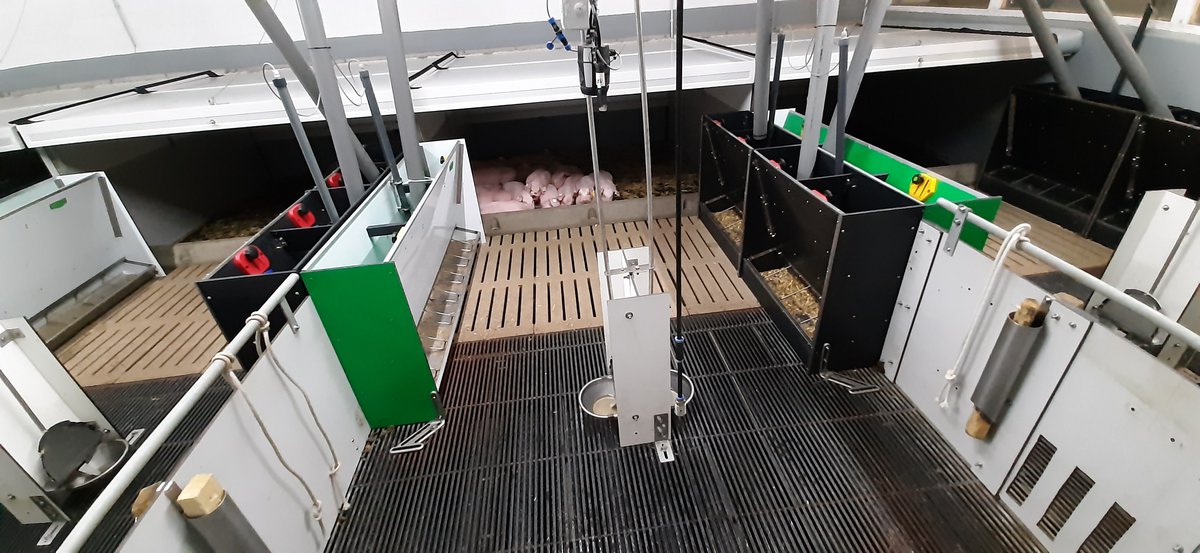
(Image: KoVeSch Project, V. Drexl, CAU)
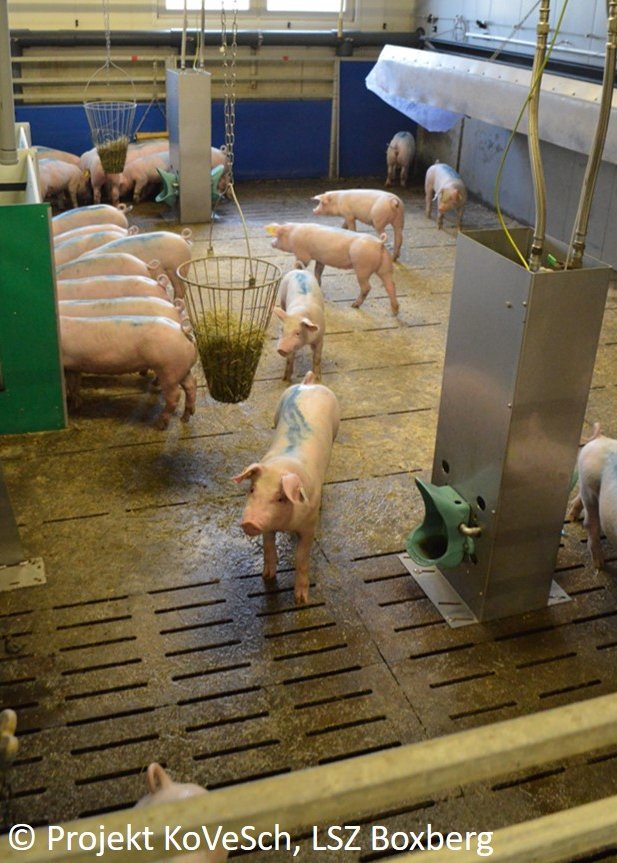
(Image: KoVeSch Project, LSZ Boxberg)
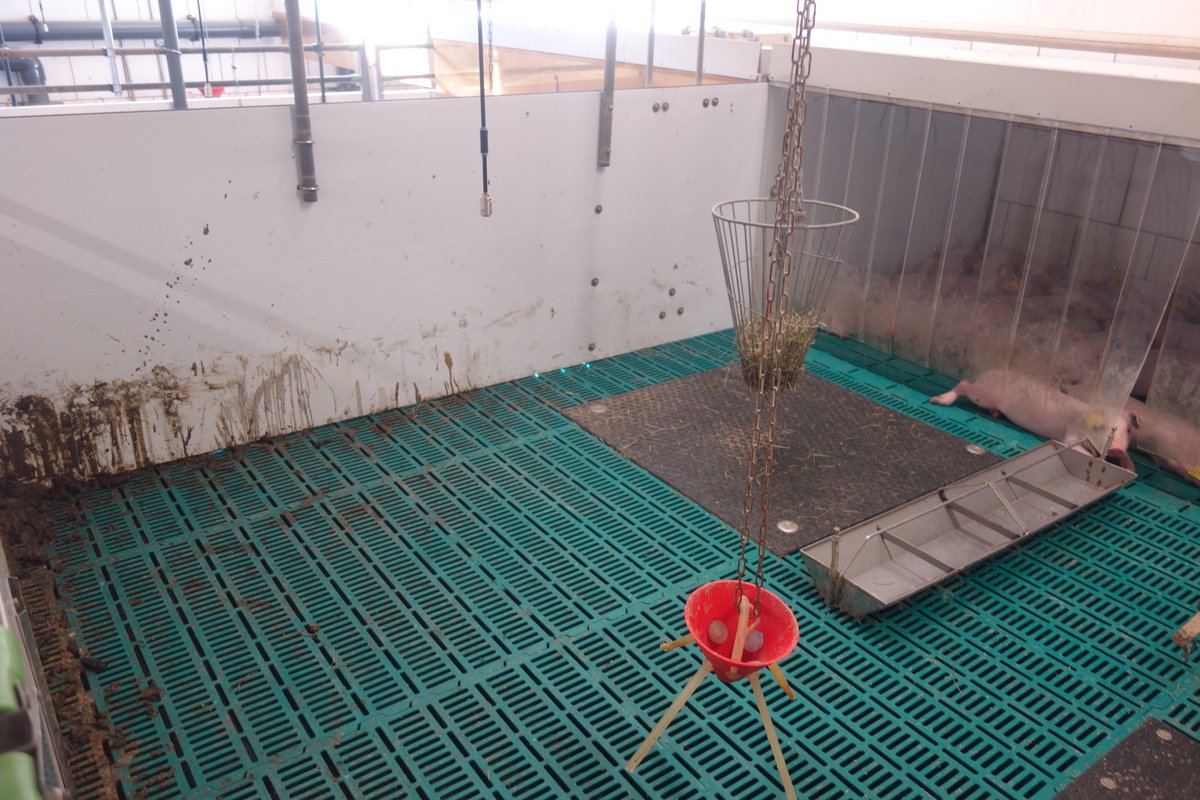
(Image: KoVeSch Project, Bavarian State Office for Agriculture)

(Image: MuD Tierschutz, BLE)
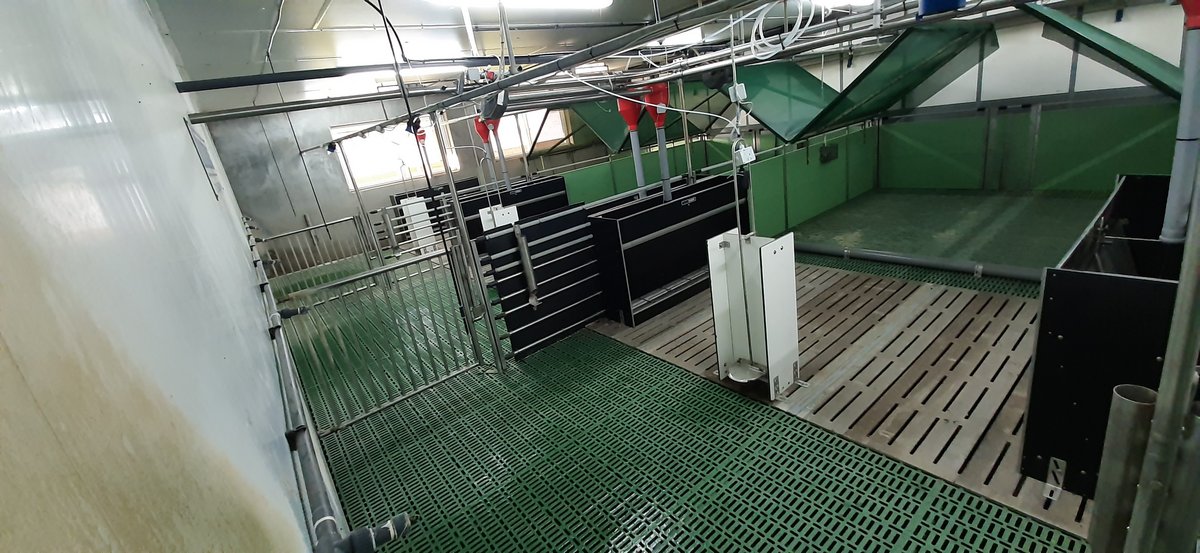
(Image: KoVeSch project, V. Drexl, CAU)
You can find further practical conversion solutions in Chapter 4 of DLG Fact Sheet 458.
Tips for implementation
- When planning, take into account the incidence of light. Even within a single compartment, lighting conditions vary from pen to pen.
- The same applies to air supply. Different airflow conditions within the pens may mean that the structure within the pens needs to vary. Fogging the pens helps to identify the airflows. Furthermore, barrier tape can be hung in the pen to act as a fluttering tape to detect draughts.
- Observing the animals in a structured pen plays an important role. Test your ideas for a good pen structure in test pens over a sufficiently long period.
- Before undertaking a major conversion, it should be ensured that the animals actually accept the lying area in the intended location. The animals prefer a quiet, dark and dry area.
- Take seasonal influences into account during planning and implementation. Only by observing animal behaviour across the seasons can you be certain, particularly in barns where the outdoor climate has an influence.